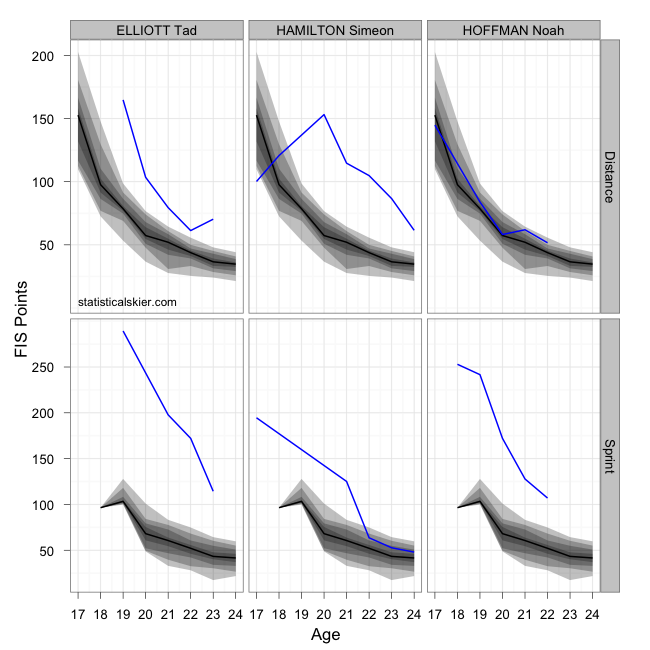
The USST has expanded somewhat, adding several younger skiers. Acknowledging that FIS points are only a small piece of performance assessment, it has interested me that at various times USST staff have mentioned comparing skiers’ FIS points to medalists, or some other group of top skiers. So here are two graphs showing the younger US B Team members compared to the range of FIS point results by future top ten WC finishers at that age. First the women:
The blue line is the athlete’s median FIS points by age and the shaded regions shows the range of FIS points earned by future top ten skiers, ranging from the best 10% to the worst 90%, the lightest shaded region. And similarly, the men:
Rest day number two is upon us, so it’s time to update my graphs tracking the race thus far. First the standard ‘bump chart’ showing the GC picture through the first 15 stages:
And for comparison, the same graphs for all the Tour back to 2005 (click for larger version):
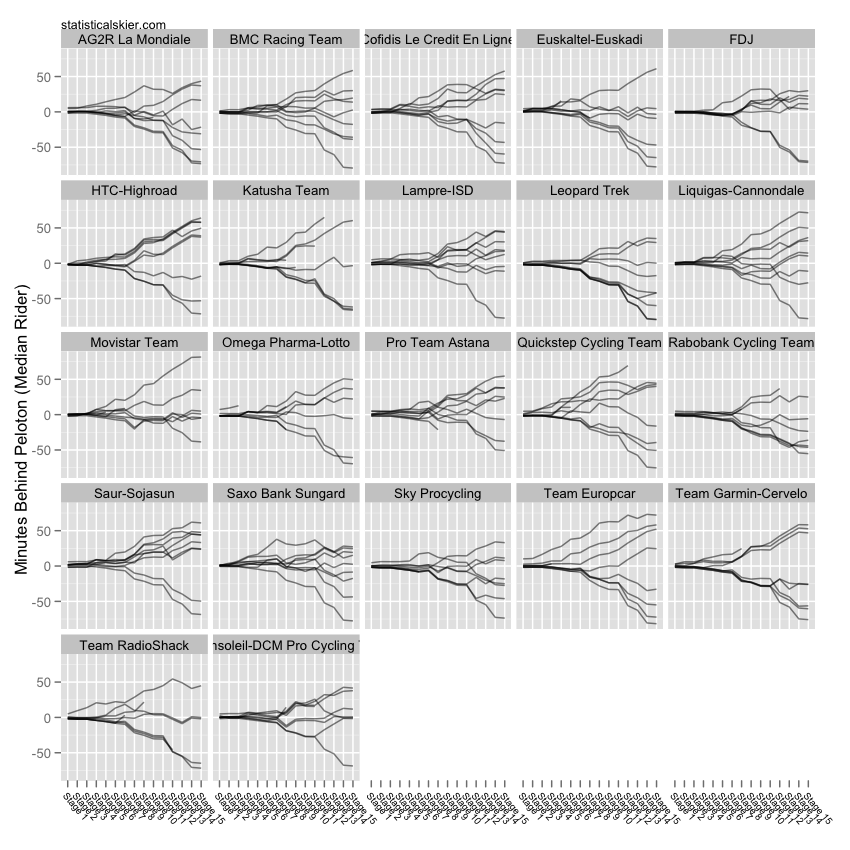
And another version broken down by team (click for larger version; my apologies I forgot to fix the team names sizing, so some are slightly cut off…):
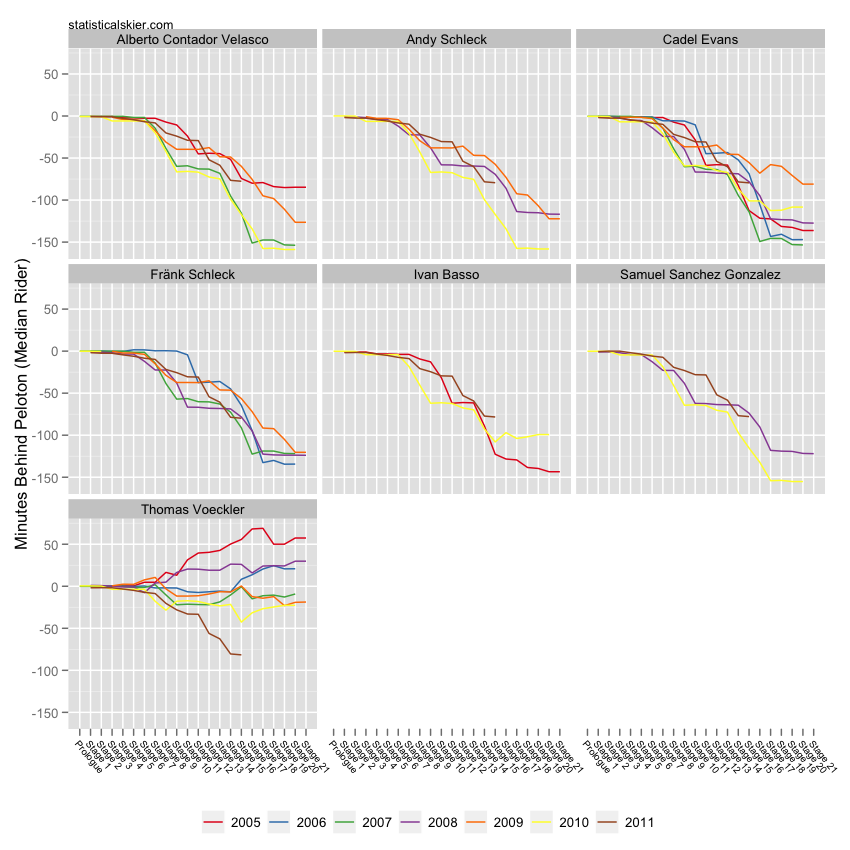
And finally as a special treat, the GC performance, as measured by minutes behind the median rider, for the top few riders in this year’s Tour:
Which one of these riders is not like the others? Which one of these riders just doesn’t belong? (Or maybe he does…)
This is the second article in a four-part series on eating to perform while balancing life and training demands. The information provided here is from the Norwegian organization “Sunn Jenteidrett,” which published the “Eat Smart” cookbook and resource guide on nutrition and training. Sunn Jenteidrett is dedicated to increase awareness about nutrition and performance among young athletes, and is a joint effort of the Norwegian Ski Association, Norwegian Orienteering Association and Norwegian Track and Field Association, backed by the country’s Olympic Development Center.
Make it a habit to always pack food for the day when you leave in the morning. That way, you don’t have to go hungry and you don’t have to settle for less-than-nutritious options when you’re starving. Use your imagination, and avoid getting stuck in a rut. If your mornings are crazy, you can easily make your lunch the night before, and leave it in the fridge overnight.
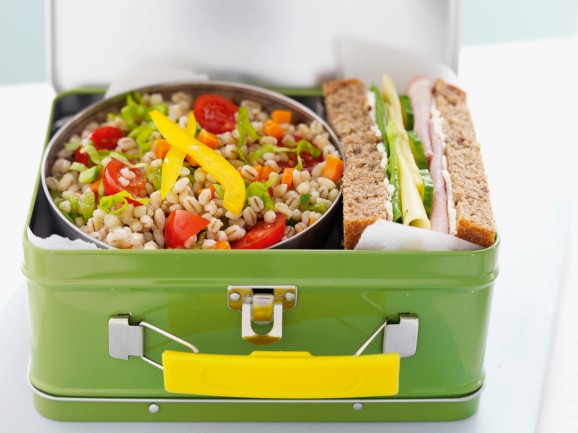
Suitable containers are half the battle. (Photo courtesy of brodogkorn.no)
Get it done
For starters, find a suitable container. A large box with divided sections is a great option, and helps keep food fresh. Also, keep moist items completely separate from things you want to keep crisp.
For sandwiches, vary your fillings: cheese, ham, fish – whatever you like. If you’re picky about soggy sandwiches, bring the bread and the fillings in separate containers and assemble the sandwich when you’re ready to eat it.
Remember to bring a drinking bottle. Make sure it’s clean and within reach all day long. Dehydration is a major energy-zapper and decreases performance significantly. Drink water between meals. During workouts, drink water, sports drink or diluted juice. If your workout lasts longer than an hour, you should drink a sports drink that contributes electrolytes and carbohydrates, which helps maintain your energy and lets you finish the workout in style.
Some bring-along-food options:
Sandwich with sliced, smoked salmon (lox), cream cheese, lettuce and tomato or cucumber slices. Add scrambled eggs if you like.
Sandwich with smoked ham, cream cheese, lettuce, tomato or cucumber slices. Also tasty with scrambled eggs.
Pasta salad with cubed chicken breast, corn, apple, garbanzo beans, broccoli and dressing of your choice.
Tortilla wrap with cooked shrimp or shredded chicken, avocado, sweet chili sauce, onion and carrots.
Filled pita bread. (Photo courtesy of brodogkorn.no)
Recipe: Filled pita bread
If using frozen pita bread, take them straight from the freezer to the toaster, and they’ll taste like fresh-made! Choose whole wheat pitas if possible. Fill with anything you like – here are some options:
Cubed ham, cheese, bell pepper, sundried tomatoes and shredded lettuce. Spread a little pesto onto the inside of the pita before filling it.
Tuna salad and lettuce.
Lettuce and shredded chicken.
Leftovers from last night’s dinner.
Feta cheese, olives, tomatoes and chopped onion with a vinaigrette dressing.
This is the first article in a four-part series on eating to perform while balancing life and training demands. The information provided here is from the Norwegian organization “Sunn Jenteidrett,” which published the “Eat Smart” cookbook and resource guide on nutrition and training. Sunn Jenteidrett is dedicated to increase the awareness about nutrition and performance among young athletes, and is a joint effort of the Norwegian Ski Association, Norwegian Orienteering Association and Norwegian Track and Field Association, backed by the Olympics Development Center.
Eat at least four meals per day. Never go more than three to four hours between eating. Fill in with snacks to avoid going on empty and maintain steady energy throughout the day. All main meals should consist of carbohydrates, proteins and fats, all of which supply energy to the body.
A quick run-down of some important food groups here:
Dairy supplies both proteins, carbs, calcium and other important nutrients. Photo: Inge Scheve
Carbohydrates – the most important energy source for athletes. In order to get enough carbs, start the day with oatmeal, thick slices of bread, or cereals. Crackers and crisp breads are lighter and thinner, and supply less carbs.
Choose whole grains – pick cereals and breads that are high in whole grains and low in sugar. It’s easy: look for whole grain up high and added sugars low on the ingredients list. Whole grains keep you full longer, keeps your blood sugar levels more even, and contain more vitamins and minerals than refined grains.
Proteins – Try to include at least one source of protein with your breakfast. Toast with just jam and a glass of juice contain no significant protein sources. If you add a glass of milk, make your oatmeal with milk (or pour milk over it), or eat your toast with some ham or cheese, you’ve significantly improved this meal.
Calcium – Crucial for strong bones! Milk and dairy products are the most important sources of this mineral. Three servings of dairy product per day will cover your recommended daily intake for calcium. One serving is a piece of bread with cheese, a small container of yogurt (4 oz.), or a glass of milk (8 oz.). Additionally, milk and dairy contribute other important nutrients and minerals.
Fruits and vegetables – “Five a day” is still a good rule of thumb. Try to eat two servings of fruit and three servings of vegetables per day, and more is a bonus! Make sure you have fruit and/or vegetables at every meal, including breakfast. Drink a glass of juice, or use sliced veggies as garnish for sandwiches. Add fruit or berries to your oatmeal or cereal. Not only is this healthy, but it contributes to variation and adds color to your morning routine.
So how do you turn all of these good intentions into action?
The number-one rule for getting healthy food onto the table is having the right stuff on hand. Make sure your kitchen is stocked with the basics.
Dry stuff: All-purpose flour, whole wheat flour, oatmeal, cereals, sugar, pasta, rice and noodles, sauce and soup mix, dry yeast, taco shells, flour tortillas, nuts and raisins, salt and pepper, as well as spices like thyme, basil, oregano, cinnamon
Cans, jars and bottles: Pasta sauce, canned tomatoes and tomato paste, corn, beans, olive oil and canola oil, Tabasco sauce, sweet chili sauce, soy sauce, ketchup, honey, beef/chicken/vegetable broth
In the freezer: bake-off rolls and bread, pita bread, vegetables, ground beef, frozen berries
In the fridge: Ham/lean lunch meat, bacon, milk, low fat sour cream, plain yogurt, eggs, cheese, butter, sundried tomatoes, pesto, orange juice/apple juice
Vegetables: Onions, leeks, carrots, broccoli, lettuce, cucumber, bell pepper, tomatoes, ginger and garlic
Get started: Building a great breakfast
Breakfast is the most important meal of the day – it’s been said before and it will be said again. Do not skip breakfast, no matter how much of a hurry you’re in. It’s your first chance to fill your fuel tanks with energy for training, school, work and other activities. Even if you have an early workout, make sure you ingest something before heading out the door. If you have trouble eating anything substantial right before a morning workout, try oatmeal with extra water – letting it boil a little longer to absorb the extra liquid makes the grains easier to digest.
Good Morning Oatmeal (Photo courtesy of brodogkorn.no)
Here are some options:
Oatmeal in any way you like it – add chopped apples, sprinkles of cinnamon, globs of jam or jelly, or raisins and chopped almonds… Be inspired!
Cereal and yogurt – check your cereal: Many store-bought cereals are high in added sugars. Look for varieties with little added sugar, and sweeten things up by adding fresh or dried fruit, a little honey, or vanilla yogurt (instead of plain).
Recipe: Christine Helle’s Muesli (Helle is a nutritionist with the Olympic Development Center in Oslo, Norway)
Make the muesli the night before, and add fresh fruit and berries when you eat it the next morning. This muesli is great for those who struggle to eat on race mornings, and it also makes a good snack to bring to the race venue for some extra energy before the event – or even as recovery fuel after a race or a hard workout. Use whatever fruit you have – the varieties listed below are suggestions.
What you need:
1 Cup mixed grains (rye, spelt, wheat)
1 Cup oatmeal (not quick oats)
¾ -1 Cup apple juice
2 Cups yogurt (honey or fruit sweetened)
1 apple, shredded
1 banana, sliced
¾ Cups fresh berries or fresh cut-up fruit
¾ C milk
What you do:
The night before – mix grains, oats, juice and yogurt in a large bowl. Add a shredded apple (or a handful of raisins and chopped almonds). Mix well, and set in the fridge until the next morning
In the morning – Slice the banana and dice other fruits if you choose to use them. Carefully fold the fruit and milk into the fridge mixture. This recipe makes four servings.
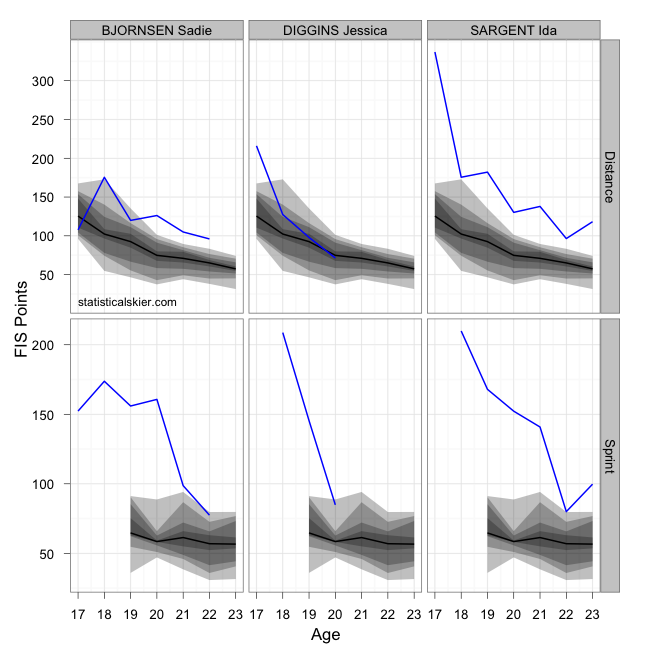 The blue line is the athlete’s median FIS points by age and the shaded regions shows the range of FIS points earned by future top ten skiers, ranging from the best 10% to the worst 90%, the lightest shaded region. And similarly, the men: