Tag: politics

  • Cross-Country Skiing Mulls a Long Term Future Without Russia (Part 3)

    Cross-Country Skiing Mulls a Long Term Future Without Russia (Part 3)

    Click here to read part 1 and part 2 of this series, which takes a look at international news surrounding the Russian athlete ban through the spring. For how these bans have impacted a broader cross-section of the sporting world and analysis of the complex questions surrounding whether Russian athletes should be able to compete, check out this recent Sports Illustrated article by Michael Rosenberg.

    Historically, athlete bans meant to pressure a government have not been short. South Africa was banned by the IOC over its racial apartheid policies for 27 years from 1964 until 1991. In 1992 the U.N. sanctioned Serbia and Montenegro over the shelling of Sarajevo and urged their athletes to be banned from international competition. The IOC took up the ban, but reversed course and allowed Serbian athletes to compete under a neutral flag at the 1992 Olympics. 

    Stepanova has pointed out this example on her Instagram page as a precedent that should be followed, though it should be pointed out that Serbia was absent at the 1994 Lillehammer Games. All told, the Serbian state was largely exiled from international sport from 1992 – 1995. 

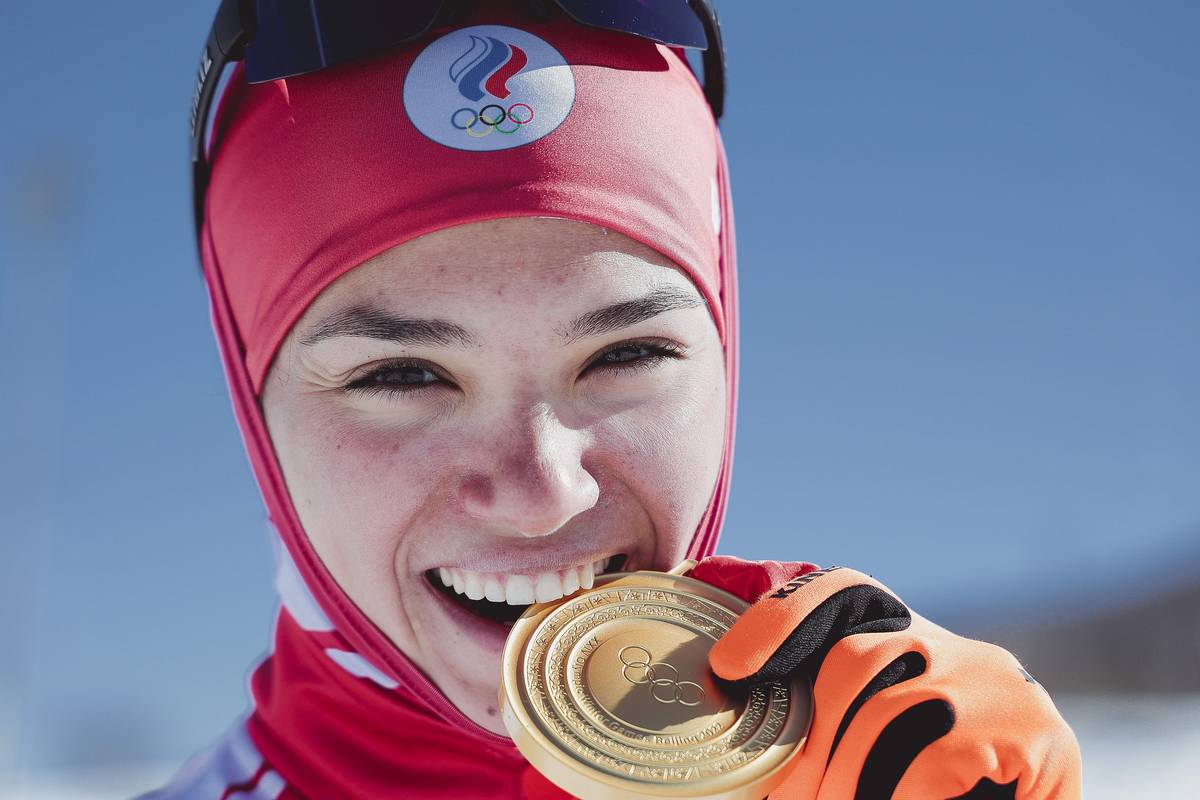
    Veronika Stepanova flexes with her Olympic relay gold medal during the 2022 Games in Zhangjiakou, CHN. (Photo: NordicFocus)

    Stepanova’s request to compete under a neutral flag rings a little hollow: the Russian ski team is already a little over two years into its four year WADA ban for state sponsored doping that requires it to compete under a neutral flag at championships. 

    A similar neutrality option was offered as a solution to the Russian national soccer team which was due to face Poland in a playoff match for qualification at the FIFA World Cup. Poland rejected the idea saying, “We are not interested in playing this game of appearances.” The Polish refusal to play Russia under any terms helped to force the IOC’s swift decision to recommend banning Russia from all sports. 

    “If doping wounds were quite successfully treated by time, then here the situation is different,” wrote an anonymous Russian blogger. “In fact, government policy has come into direct and insurmountable conflict with the ability to participate in the global sports movement. And now it seems that all this will last for years, if not decades.”

    ***

    Even if Russia were to return to the World Cup next season, it’s unclear that they would be able to operate at the same level as in the past, which has helped to fuel what US Ski Team Coach Matt Whitcomb refers to as a  “waxing arms race” on the World Cup circuit.

    According to Team Manager Elena Vyalbe, funding the Russian ski machine has been a challenge. She reported that the team’s budget in 2020 amounted to around 50 million rubles, roughly $600,000 at the time. According to Markus Cramer, who coached for Russia until this spring, the cost of supporting an athlete over the course of a year is more than $150,000—a figure that calls into question Vyalbe’s statement about the team’s budget.

    However, the Russian funding structure is murky, with much additional regional support to athletes provided by local extraction industries. Vyalbe complained in 2020 that sponsorships were scarce, saying, “No matter how well [Bolshunov] performed last year, we did not have a single new sponsor. God forbid that the current ones do not go away.” 

    In an April 5th interview with Championat, Vyalbe clarified the sources of the team’s funding: “We get most of the funds from the Ministry of Sports, the [Russian Olympic Committee] gives money for some things,” and that sponsorship amounted to “not even tears, but some kind of snot. We have a small budget.”

    The team’s primary sponsorship has come from Lukoil Oil Company since 1997. Whether or not Lukoil will be able to continue to fund Russian skiing remains to be seen. The company reported its highest annual profit in seven years at the same time that its shares plummeted on the London Stock Exchange after the invasion, losing 91% of their value before trading was halted March 3rd. 

    Though the ruble has recovered from its post invasion plummet, inflation in Russia is likely to reach at least 16% this year. That, coupled with uncertainty over the team’s competition status and the dismal prospects for the Russian economy, which is predicted by the IMF to contract 8.5% this year, has the potential to squeeze the team’s budget.

    Individual athletes also find themselves in a difficult position. Brav, the parent company of Swix and Toko, was quick to cancel sponsorship agreements with Russian  athletes, as did Kinetixx gloves. Expressen reported that Swedish ski company SkiGO was maintaining their partnership with Bolshunov, though SkiGO boss Christer Majbäck denied this, saying, “We don’t have any cooperation at all, it’s absolutely impossible. You don’t even have to ask me or SkiGO what we think about the war.”
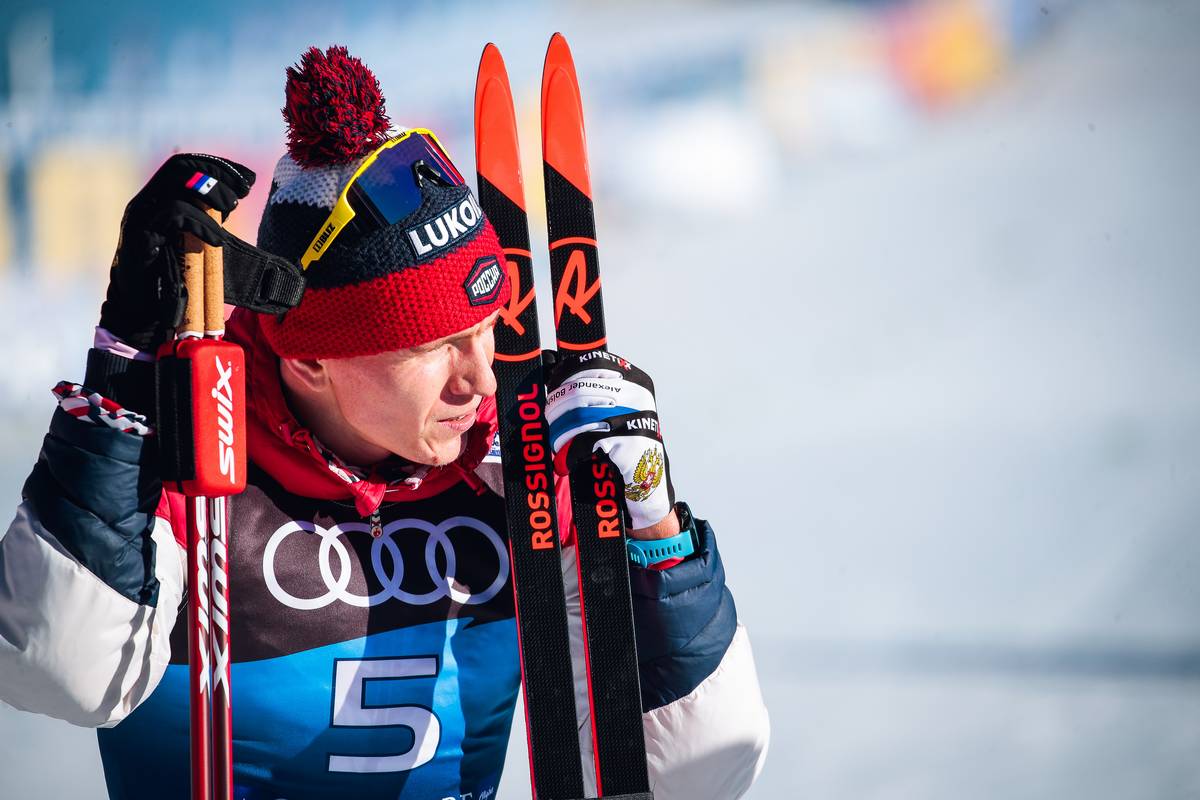
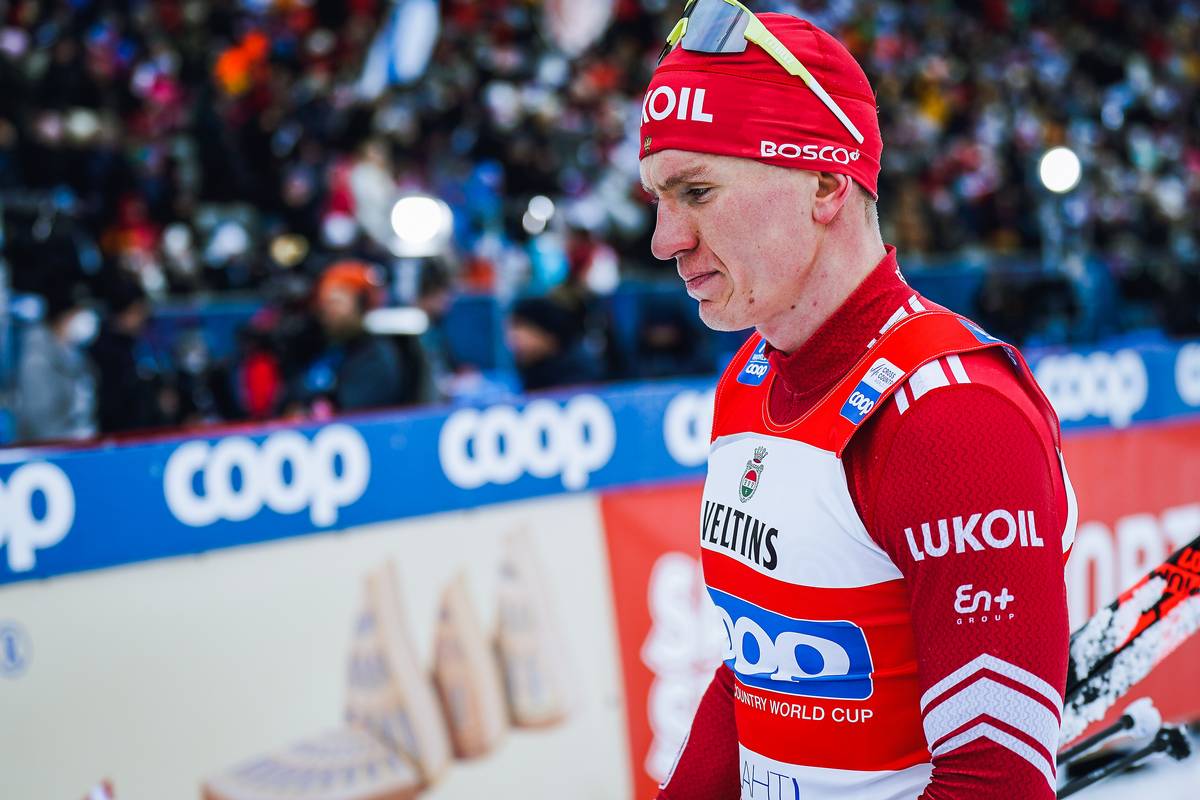
    Alexander Bolshunov observes trailside during the 2021-2022 Tour de Ski in Oberstdorf, Germany. (Photo: NordicFocus)

    Rossignol was standing by Bolshunov until an Instagram photo proved to be too much: not long after Russia was banned, Bolshunov visited a museum and posed for a photo in an old-timey Soviet race suit, captioning the photo “USSR 1980” —which happened to be the year that Soviet Union invaded Afghanistan, though it may also have been a  reference to the 1980 boycott of the Moscow Olympics. In any case, Rossignol demanded Bolshunov remove the photo, which he did, but by the following day Rossignol said it was no longer supporting Russian athletes and removed them from its website. 

    Bolshunov could keep his skis, Rossignol said, but no new skis would be sent to Russia. 

    Similarly Fischer removed Russian athletes from its site. Fischer Communications Director Franz Fottinger wrote in an email, “All our contracts with athletes are based on their participation in World Cup races. If racers are excluded from the World Cup, there is no more basis to fulfill the contract.” 

    ***

    The Russian athletes have not exactly lost their ski partnerships, rather they are suspended until their return to the international circuit. Nevertheless, this has provoked a strong reaction in Russia, with calls to revamp ski production in the country.

    The only significant ski production facility in Russia is the STC factory in Balabovo, around 100 km southwest of Moscow. It employs 350 workers making mostly recreational and kids skis. Whether the factory can be retooled to the demands of making race stock skis is questionable.

    Alexander Pechersky, the head of service for the Russian ski team said that “No matter how optimistic I am, I understand that the process is not fast and it can take at least 4 to 6 years to produce skis of an acceptable competitive level.”

    Pechersky continued, “Miracles do not happen, but I want to try … I still look at this idea with optimism, it is very interesting to deal with it. If things move forward, then the Russian sports market can get a model that, for relatively little money, will cover the needs of at least youth sports.”

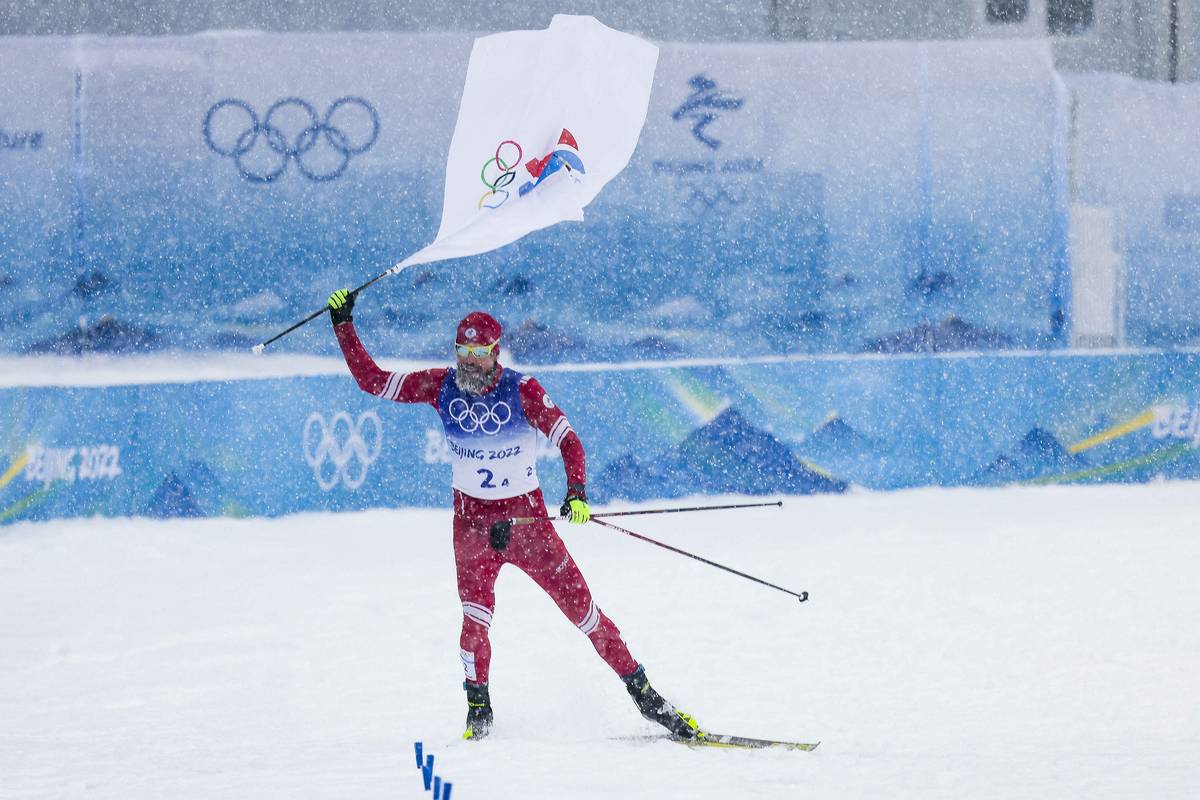
    The Russian Olympic Committee takes gold in the men’s 4 x 10 k relay in Zhangjiakou. (Photo: NordicFocus)

    Despite the public separation between sponsors and Russian athletes, some critical items are still quietly being made available to the team, according to Viktor Golovin, the deputy head of ski service for the Russian national team. “I will not name the companies, Golovin said, “but the Russian team at the start of the summer season is provided with new rollers in full, despite all the restrictions.

    The conflict in Ukraine also threatens to continue to squeeze the international supply of skis. Europe’s largest ski factory is located in Mukachevo, Ukraine and has traditionally produced some 800,000 pairs of cross country skis annually, primarily for Fischer. After a fire destroyed the facility in October of 2020, the factory remained offline for all of 2021 and was rebuilt into a state of the art ski production center. Just as final certification for the factory arrived in early February, the war broke out. 

    The factory’s director, Andriy Ryabich, wrote on his Facebook page on February 26th that “The work of the Fisher-Mukachevo enterprise has been suspended and the majority of the people went to the army in different directions and will defend our city, region and all [of] Ukraine.” 

    With much of the ski factories workforce at war during the critical spring months of ski production, ski shortages could once again factor in next season.

    ***

    For their part, the Russian Ski Federation has ordered the team to prepare with the expectation that they will compete on the World Cup, though their draft schedule indicates the team is planning to stay in Russia through next spring. 

    Curiously, in the face of unprecedented challenges the national team has expanded–to a historically large 46 skier strong team, divided into five training groups. 

    The team was dealt a blow with the departure of Markus Cramer this spring. He will join the Italian national team, though he will continue to coach Ustiugov from afar. 
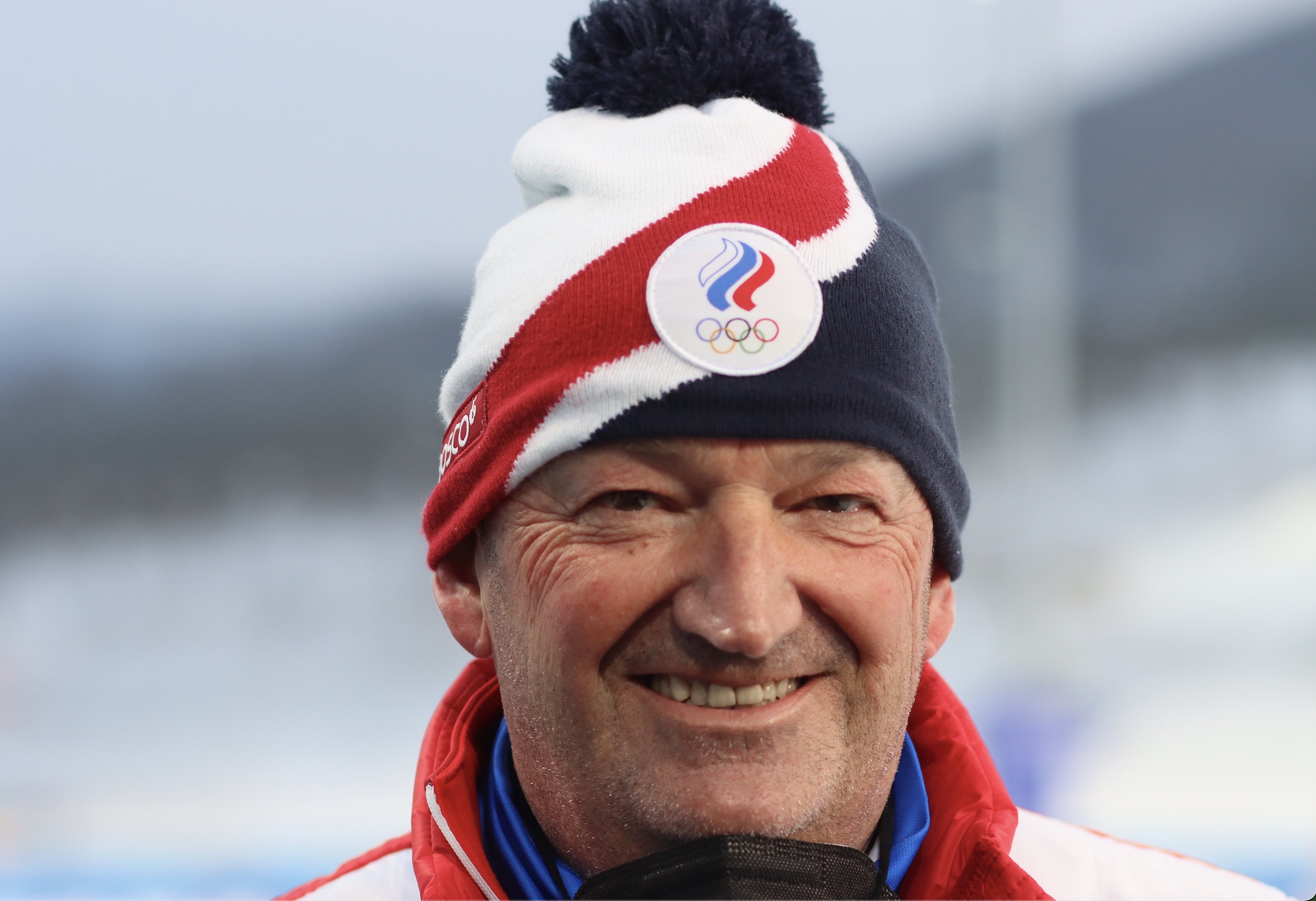
    Former Russian ski coach Markus Cramer joins the Italian National Team for the 2022-23 season. (Photo: Nat Herz / ADN)

    Cramer’s tenure was instrumental in revamping the team’s training methods. Of the five training groups, three are closely tied to his methodologies. Two groups are led by Cramer protégés Egor Sorin and Petr Sedov, and a third by Sorin’s former assistant—Andrey Nutrikhin.

    The group led by Yuri Borodavko—who subscribes to a more Soviet era training philosophy and who was once suspended for doping activities—will add big names such as Yulia Stupak and Ivan Yakimushkin to an already impressive roster that includes Bolshunov and Neprayeva. Unmoved by the political climate, Borodavko’s group will begin the training year on May 15th with a controversial camp in Russian occupied Crimea.
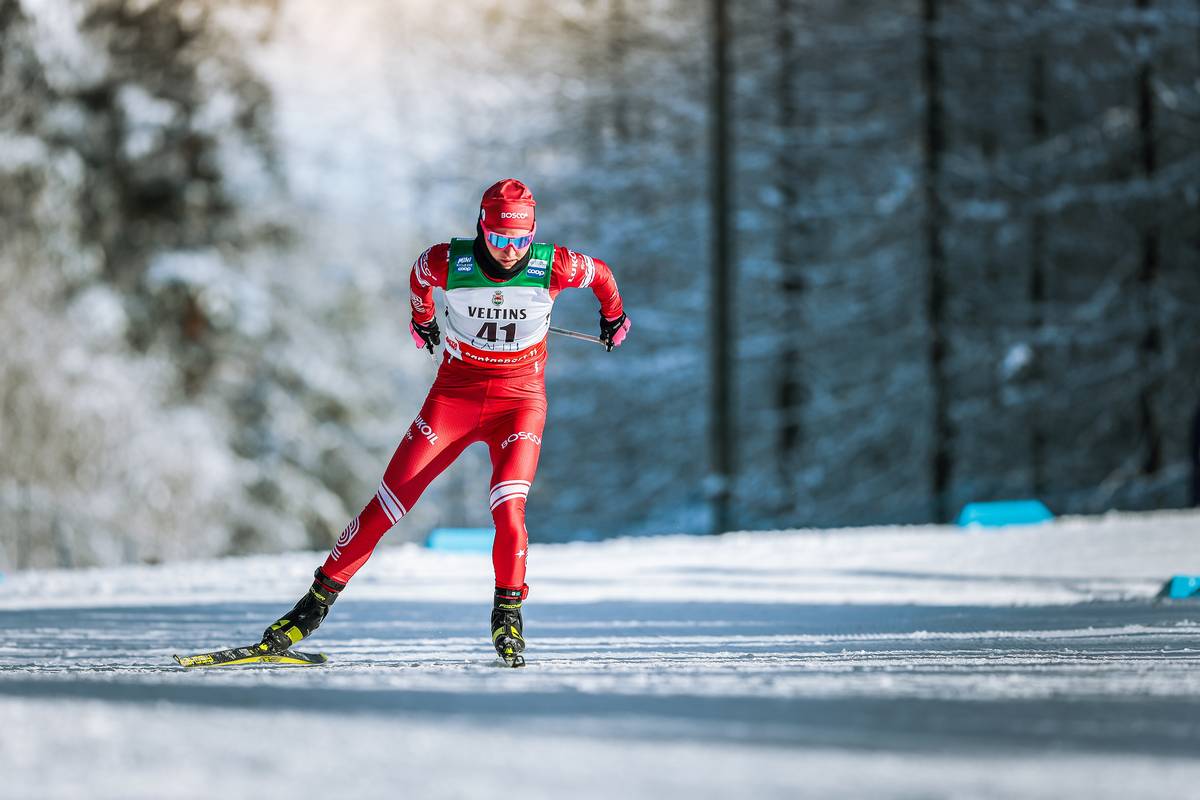
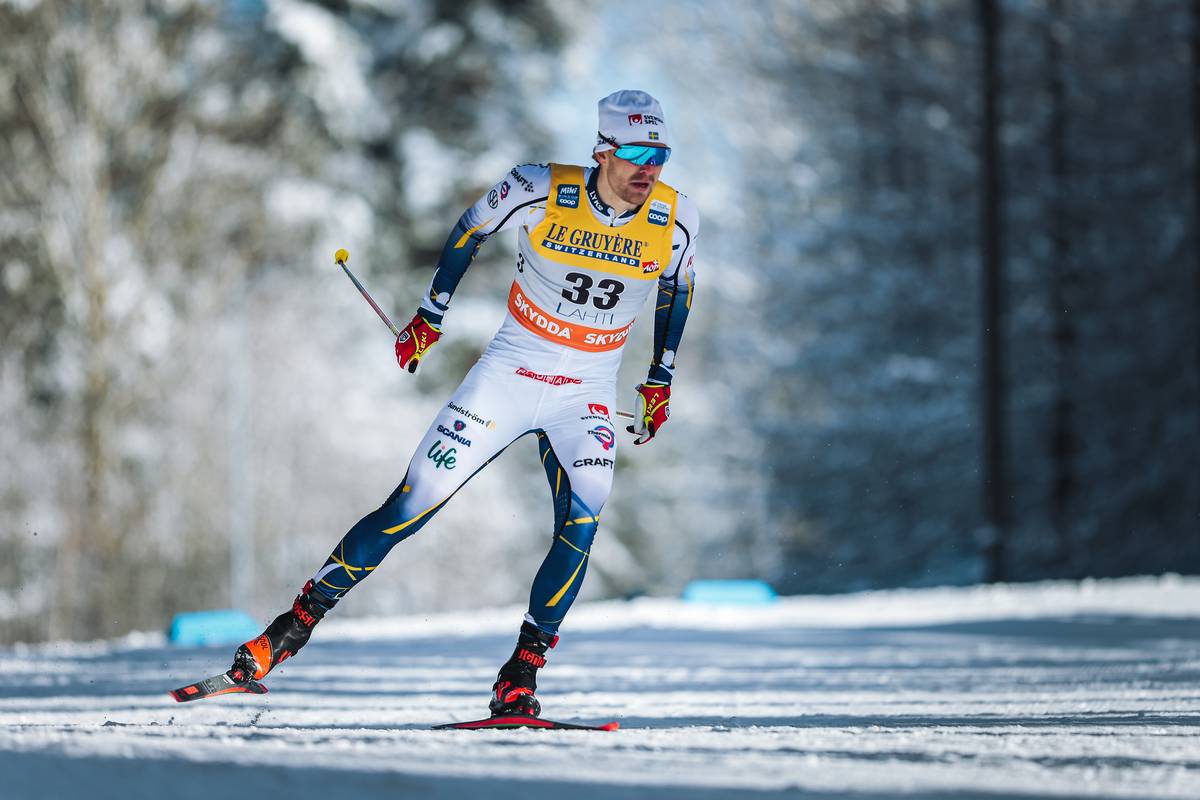
    Yulia Stupak (RUS) races a freestyle sprint qualifier in Lahti, FIN in February 2022. (Photo: NordicFocus)

    A Russian return to the World Cup is complicated by the unusually acidic edge the team has brought to the circuit, with acrimony spilling over into social media trolling and confrontations on the ski course.

    Russian sport media has reacted strongly to the FIS ban by portraying the decision as a Norwegian power move and athletes such as Johannes Høsflot Klæbo who have supported the ban have been subjected to vitriol from Russian officials. Even before the invasion, Russian media has, in the post Sochi era, covered skiing in an increasingly strident and conspiratorial manner, dominated by a narrative of sporting victimhood and Russophobia

    Should Russia remain banned next season, or even longer, their absence may help FIS enact one of the most challenging maneuvers they have undertaken—the transition to fluoro-free racing, which FIS has now committed to enforcing next season. 

    Chris Grover downplayed the idea that Russia’s absence will make the transition easier, writing, “It doesn’t matter so much which nations are present at a given World Cup weekend. We need a testing system that all of the athletes, coaches, technicians and fans can trust.” 

    Fears of an imperfect test for fluoros have been punctuated with not so subtle hints of suspicion aimed at the Russian team. Golovin addressed these concerns, saying, “The Finns told us directly that the Russians are closed, no one knows what they do with skis. I suggested that they come to our wax truck and have a look…Come and see, and there is no need to make unfounded accusations.” 

    Nevertheless, Russia’s absence may lessen unstated distrust on the circuit, and perhaps improve cooperation and tolerance as the ban is enforced.

    To that end, it may be a mistake for FIS to end the ban before next season regardless of whether or not the war in Ukraine ends in the interim. All of the justifications for the ban are likely to continue into next season: security threats to Russian athletes, the Kremlin’s use of skiers for pro-war propaganda, and the inability of Ukrainian skiers engaged in the country’s defense to prepare for next season. Finally, there has been no attempt at reconciliation by Russian skiing toward the wider ski world, with intransigent blaming of Norway for the present situation. In short, Russian skiing has rejected the rest of the ski world and has found itself in the cold. 
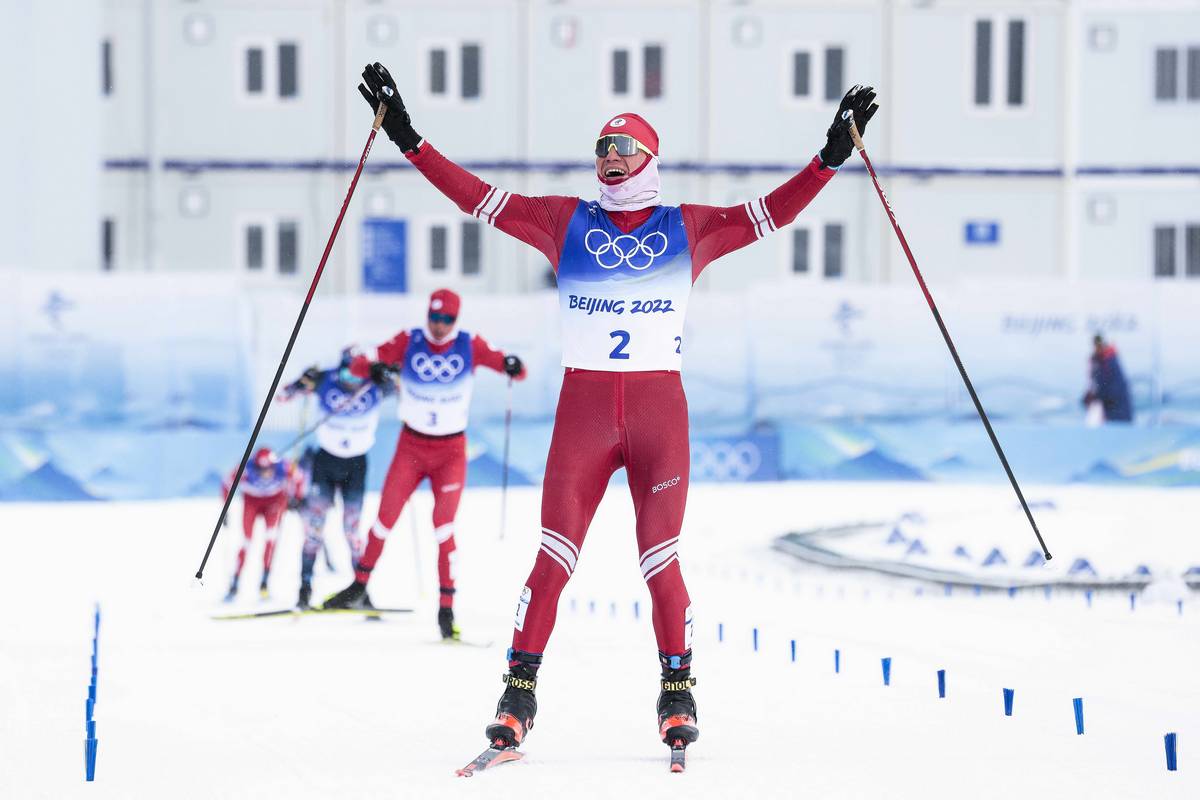
    Alexander Bolshunov takes Olympic gold in the men’s mass start 30 k, shortened from 50 k due to temperatures and extreme wind. (Photo: NordicFocus)

    As Ulvang pointed out, skiing cannot be separated from society. 

    It’s very important that we split [distinctions] between the sanction against a nation and the sanction against the Putin regime,” Ulvang told FasterSkier reporter Nat Herz in March. “I hope I’m still friends with the athletes and that we’re able to split between a reaction against the regime. It’s nothing personal. In the big picture we are all repping our nations and our regimes. We need legitimacy from society to exist. We need public money [for] our training facilities and to make tracks and courses and we need support.” 

  • Cross-Country Skiing Mulls a Long Term Future Without Russia (Part 2)

    Cross-Country Skiing Mulls a Long Term Future Without Russia (Part 2)

    Click here to read part 1 of this series, which takes a look at international news surrounding the Russian athlete ban through the spring. For how these bans have impacted a broader cross-section of the sporting world and analysis of the complex questions surrounding whether Russian athletes should be able to compete, check out this recent Sports Illustrated article by Michael Rosenberg.


    Concerns over both fair play and propaganda have been tied to the necessity of the ban on Russian athletes. Yet ultimately the reason given by FIS for the ban was to “ensure the safety and security of all athletes”. This wording removed any political connotations, and was criticized for its weak stance that failed to condemn the war in Ukraine. 

    Natalia Nepryaeva slides for the heat win during a sprint stage of the 2021-2022 Tour de Ski in Oberstdorf, GER. (Photo: NordicFocus)

    Still, there were real concerns over the safety of the Russian athletes at European races. On March 1st, due to threats, the organizer of the World Junior Championships for jumping moved the Russian contingent out of their hotel in downtown Zakopane, Poland with the aid of 200 police officers. In Norway, Neprayeva reported being threatened in the team’s hotel in Oslo, and the Norwegian Ski Association was flooded with messages insinuating that if the Russian athletes started a race they would not finish.

    “[The] FIS followed the IOC decision and based [the ban] on security,” Ulvang said in a call in March with FasterSkier reporter Nat Herz. “This has also become a legal case because Russia has taken this to CAS [The Court of Arbitration for Sport].”

    While the FIS cited athlete security for the ban, the Federation took their cue from the IOC which recommended banning Russia due to the violation of the Olympic truce. This historical agreement, presented at the UN prior to the start of the Games, calls for the “cessation of hostilities” surrounding the Games, incorporating the Olympic values of sportsmanship and unity “with a view to protecting, as far as possible, the interests of the athletes and sport in general, and to harness the power of sport to promote peace, dialogue and reconciliation more broadly.” 

    Russia’s invasion of Ukraine on February 24th, 2022 violated the agreement, co-sponsored by the Russian Olympic Federation, to abide by the truce from February 4th through March 20th, surrounding both the Olympic and Paralympic Games in China.

    “We will see,” continued Ulvang, “whether this is within the overall statutes of sport or FIS actually, because our rules are not made for such special things. This is a very, very special circumstance. I have spoken to many lawyers who think this is an interesting question.”

    Waving the flag for the Russian Olympic Committee, Sergey Ustiugov brings home a win in the men’s 4 x 10 k Olympic relay. (Photo: NordicFocus)

    Russia has pursued aggressive appeals of bans in a variety of sports, though with exception of Luge, largely without success. On May 21st, Vyalbe conceded that after consultations with lawyers, the Russian Ski Federation would not appeal the ban in CAS, saying, “We won’t win.”

    An anonymous Russian blogger examined the legal considerations of banning Russia, and found that while the IOC had operated outside of its normal boundaries to call for a blanket ban, it had done so out of the special circumstances. Previously, it was the UN that called for athletic exclusions, such as that of Serbia during the siege of Sarajevo.

    In this case, with Russia being a permanent member of the UN Security Council, any resolution could be unilaterally vetoed by the country, so in turn the burden fell to the 

    IOC to take an action that was theoretically beyond its scope—though roughly in keeping with previous cases.  

    For Russia, there is no easy recourse for dealing with sporting sanctions. Unlike economic ones, they do not inflict mutual pain and any victories achieved in the sport courts could easily be undermined by canceled visas or boycotts. 

    Yet a sustained ban on Russian athletes is likely to reshape skiing in a number of ways, beginning with the sport’s media position. Russia now comprises the largest audience for cross country skiing, averaging 1.5 million per World Cup race and accounting for at least a third of the sport’s total audience. 

    After Russia was banned this spring, Match!TV—a large Russian public broadcaster— pulled coverage of all international ski races and redirected its energies toward covering domestic competitions where it is likely to remain focused until Russian athletes return to the World Cup. 

    Compounding the difficulties of that loss will be the continued transfer of ski racing from public TV in Norway, Sweden, and Finland to streaming service Viaplay, which charges a hefty subscription fee—as much as €40/month in Finland. 

    Traditionally, public broadcasts in the Nordic countries accounted for half of skiing’s total audience. In 2020/21 that share fell to a third, in part because of Covid restrictions that kept their teams at home. Norway especially tuned out, with a 55% reduction in viewers, and numbers in Sweden, Finland, and Germany also declined. 

    Offsetting this loss has been Russia, whose star skiers have propelled coverage of the World Cup from subscription channels to public TV in their country, boosting domestic viewership in 2020/21 by 600%.

    The men’s 4 x 10 k Olympic relay podium: the Russian Olympic Committee (ROC) came out on top ahead of Norway in second and France in third. (Photo: NordicFocus)

    While last season’s viewership numbers have not yet been published by FIS, during Period 1 of the World Cup last season, VG found that the races shown on Viaplay averaged far fewer viewers than would be typical for an NRK broadcast. 

    Should broadcasting continue to sustain a loss of 40% of its audience in the Nordic countries while also losing the majority of Russian viewers, the sport may find itself in crisis, as sponsors balk at paying for low return advertising. Still, it may be too soon to write Viaplay off completely—the service recorded more than a million Swedish viewers tuning in to the World Cup weekend in Lillehammer. 

    As a whole, FIS cross country skiing has struggled to hold its audience, and losses in some regions have been more than offset by the recent tide of Russian viewers.

    While Russian viewership is huge, most sponsors of the FIS World Cup are not particularly oriented toward Russia. Coop—the title sponsor of the Cross Country World Cup—is a Norwegian grocery chain. Coop early on sided with the Norwegian Ski Association in calling for the exclusion of Russian skiers. Many other sponsors have no business in Russia, and some, like Audi, have halted operations there. 

    Despite the €29 million that Russian viewership is estimated to be worth to sponsors, the audience may hold little allure, perhaps because of the average Russian’s low purchasing power. In 2021 the average Russian made around 40,000 rubles annually, or about $6,400. Now, with many western businesses pulling out of Russia, there is even less value placed on reaching Russian fans. 

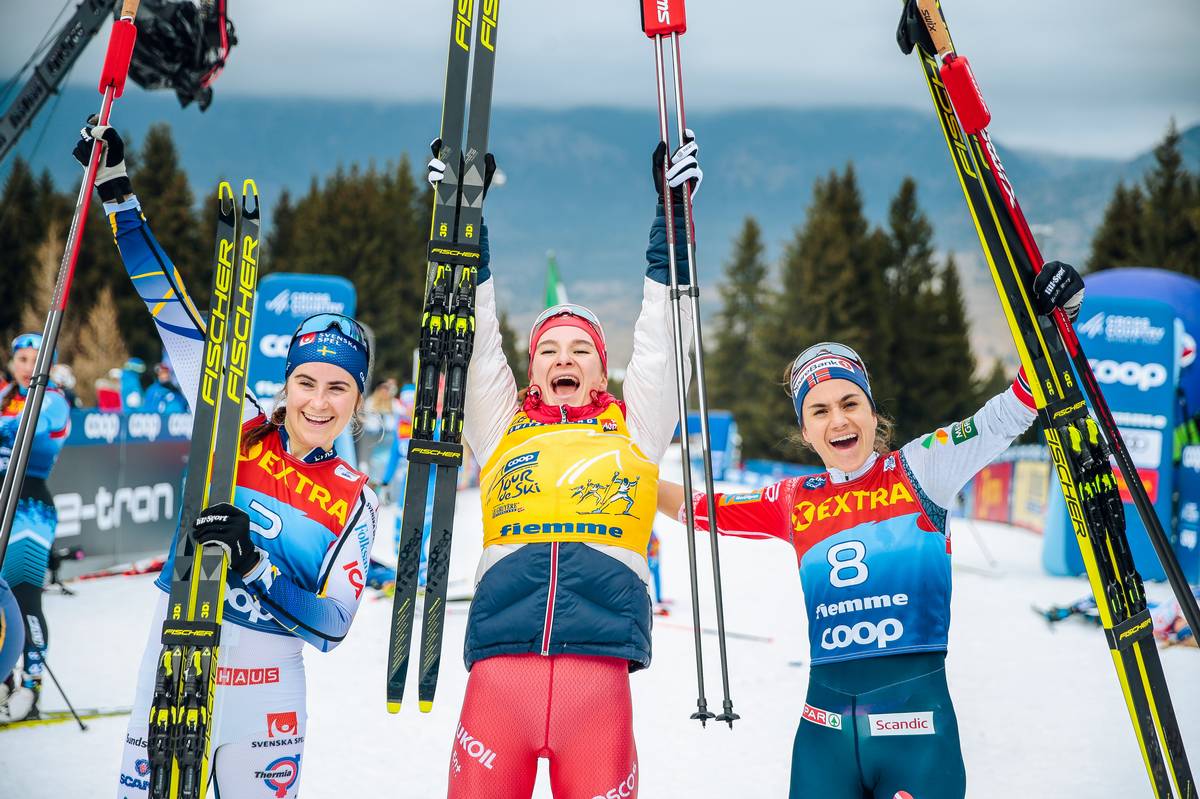
    The women’s overall podium of the 2021-2022 Tour de Ski: Natalia Nepryaeva (RUS) was the overall champion ahead of Ebba Andersson (SWE) in second and Heidi Weng (NOR) in third. (Photo: NordicFocus)

    For sponsors, the Russian exclusion may ultimately be beneficial. Germany, and Central Europe in general, are a core market for skiing—a market which has been drying up in an era of poor performances by the region’s skiers. 

    With the German women winning gold at the Olympics and the retirement of the dominant force in distance racing, Norway’s Therese Johaug, the opportunities for success of sidelined countries could become plentiful on the women’s side with the additional absence of Russia.

    On the men’s side of skiing, though Norway remains poised to dominate, a potential lack of a Russian team would create significant podium opportunities for up-and-coming American, Canadian, French, German, and Czech athletes. In recent seasons the rivalry between Norway and Russia has consumed almost three quarters of the World Cup podiums. The long term absence of Russia could allow the podium of men’s skiing to once again take on a broader flavor. 

    Chris Grover, U.S. Ski & Snowboard Cross Country Program Director, clarified that a continued ban on Russian athletes wouldn’t change the quota system, writing, “We’ll have the same number of athletes starting each race. Obviously, Russia has a lot of the top performers, so there will be more opportunities for many other nations to secure podiums, gather World Cup prize money and points, and improve Red Group standing.”

    Julia Kern leads the way in the first leg of the 4 x 5 k mixed relay in Falun, SWE in Mar. 2022. (Photo: NordicFocus)

    All told, the changes that skiing will endure if Russia remains banned through next season may not be as dire as Russian sporting officials have suggested. 

    “The tired rhetoric that world sport will not be able to fully develop without Russia does not seem to inspire the speakers themselves anymore,” wrote the anonymous blogger. “It is no coincidence that you can already hear talk about alternative tournaments, leagues, and other ways of self-reliant development.” 

    The alternative for Russian skiing is to try to create its own circuit among friendly nations. To date, Russian skiing has only managed to solidify a sporting partnership with Belarus, via a cooperative agreement signed in May.

    Stay tuned for Part 3, which considers historic athlete bans, and barriers the Russian program face to keep their program operating in the interim.

  • Cross-Country Skiing Mulls a Long Term Future Without Russia (Part 1)

    Cross-Country Skiing Mulls a Long Term Future Without Russia (Part 1)

    Alexander Bolshunov takes fifth in his final World Cup race of the 2021/2022 season, a 15 k classic in Lahti, FIN. (Photo: NordicFocus)

    With Russian athletes banned from all FIS competitions, and no end in sight for the war in Ukraine, there is a growing belief that Russian skiers are unlikely to rejoin the World Cup next season. 

    Some commentators have gone further, proclaiming that we have seen the last of Bolshunov, Neprayeva, and the rest of the Russian team on the international stage. The pessimism is rooted in the history of similar bans—which tend to be long lived—and the uncertainty over what circumstances would allow for the Russians to rejoin. 

    Will the ban end when Ukrainian athletes can return fully to competition? That may not be possible until long after the end of the conflict. Perhaps a negotiated peace settlement? That possibility could still create discontent with athletes such as Bolshunov being used to fuel propaganda at home. Does the ban require the Putin regime to end? That could be a distant future. 

    “I expect that this situation will last as long as the conflict is unsolved,” said Vegard  Ulvang, the outgoing chairman of the FIS Cross Country Committee, “but that’s of course up to the FIS Council or IOC.” 

    Ulvang was outspoken in calling for the Russian exclusion from the Norwegian hosted World Cup events this spring. Ulvang said in a call, “We have a fairness rule in FIS that there should be equal opportunities. When one nation cannot compete because they have to go home to defend their country, and the attacking country is racing, that’s not nice.”

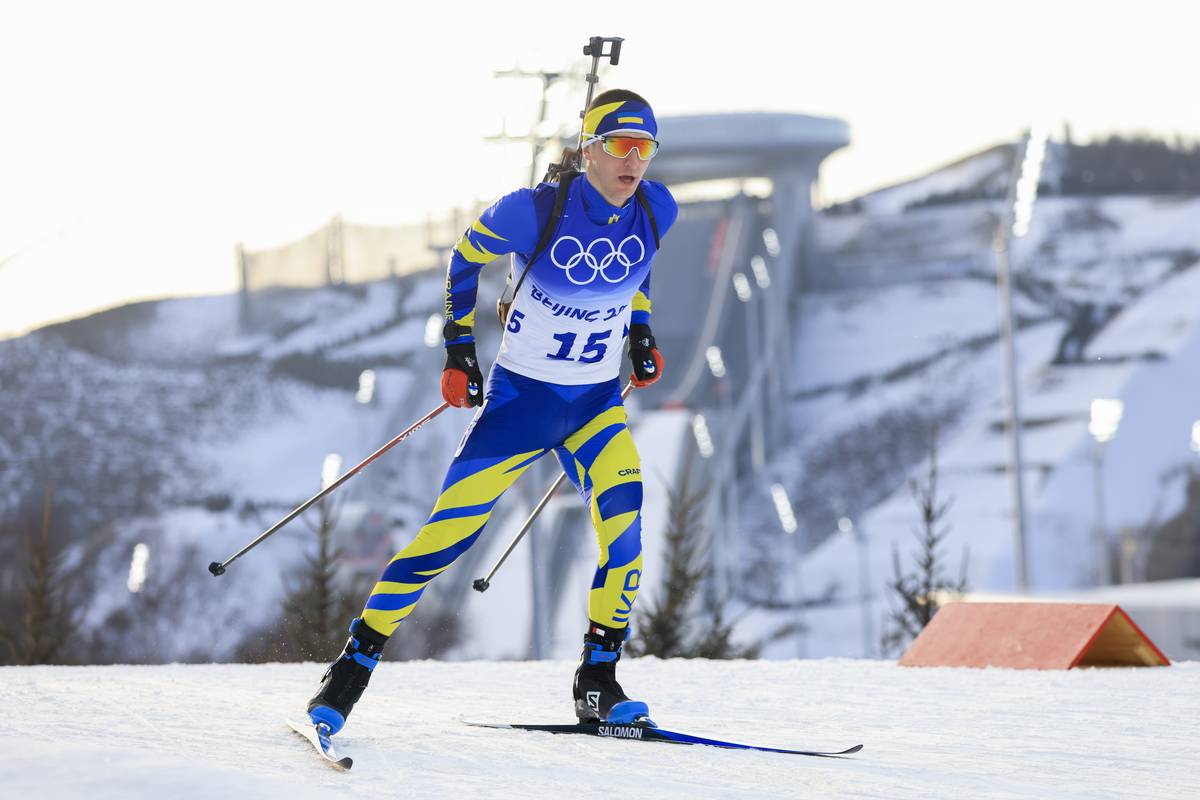
    Ukrainian biathlete Dmytro Pidruchnyi competes in an Olympic sprint during the 2022 Games, shortly before being called into military service to protect his country amidst Russian invasion. (Photo: NordicFocus)

    Ulvang’s point is underscored by the Ukrainian athletes now fighting on the front lines, with many called up just days after returning from the Beijing Olympics. Among the Olympians taking up arms was Dmytro Pidruchnyi, a biathlete who has won gold in the World Championships. The danger faced by the athletes defending their country was made clear early on in the conflict with the tragic loss of nineteen year old biathlete Yevhen Malyshev, who was killed defending Kharkiv on February 26th. 

    Another explanation for the ban was that it would help send a message to everyday Russians and deprive the state of a propaganda tool. 

    The charge that athletes were being used for propaganda purposes was confirmed during Russian President Vladimir Putin’s March 16th pro-war rally in Moscow. The event, titled “For a World Without Nazism” was MC’d by longtime biathlon TV commentator Dmitry Guberniev. Stars of the Beijing Olympics—including Alexander Bolshunov—were trotted out in front of the (reportedly) 100,000 strong audience in the Luzhniki stadium. 

    Questions remain about whether the athletes attended of their own accord, and there has been speculation about whether Bolshunov’s decision not to wear a letter Z pin on the stage—a pro-war symbol—reflected an ambivalent attitude to the conflict now raging near his home. 

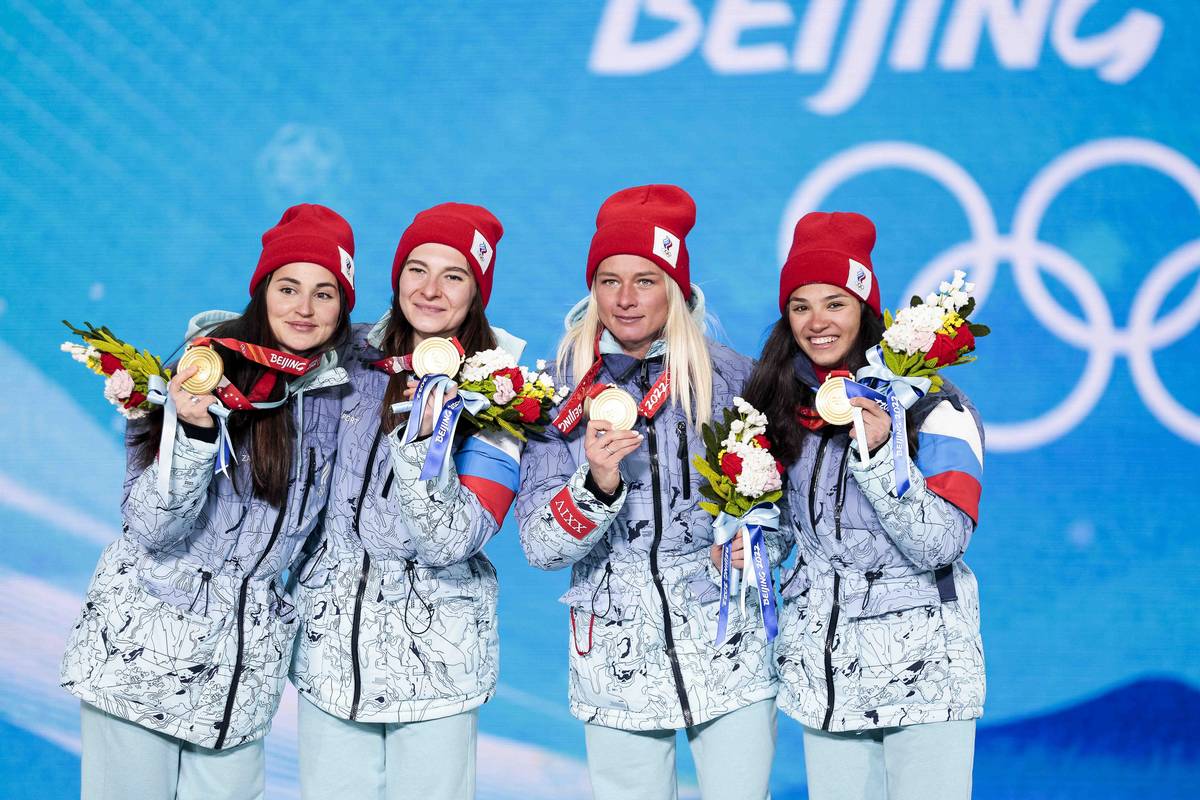
    The women representing the Russian Olympic Committee strike gold in the 4 x 5 k relay. From left to right, Yulia Stupak, Natalia Nepryaeva, Tatiana Sorina, and Veronika Stepanova. (Photo: NordicFocus)

    On April 26th, a host of Olympic heroes were called to receive state awards by Vladimir Putin in a ceremony that required the athletes to quarantine prior to the visit. Putin congratulated the skiers, sayingFirst of all, I would like to note the long-awaited victories in the relay race…We have not had a simultaneous victory of both the women’s and men’s teams for exactly half a century. This is a big result.”

    A few notable Russian stars missed the Kremlin occasion: Bolshunov for dental surgery, Neprayeva because she arrived to quarantine sick, and Ustiugov because his wife had recently given birth. 

    Bolshunov’s absence at the event stirred further speculation that he had intentionally scheduled the surgery to avoid the ceremony, and with it the possibility of a personal ban set against him by FIS, much as FINA – the International Swimming Federation – did by banning Yevgeny Rylov for nine months after he stood next to Bolshunov at the March 16th rally.

    Elena Vyalbe, who heads the Russian Ski Federation, manages the national team, and sits on the FIS council, dismissed this speculation, saying, “Who wrote that Alexander [Bolshunov] refused? I already spoke about this…He was scheduled for surgery on the 24th [of April].”

    However, during the Olympics Bolshunov made it clear he dreaded the idea of the quarantine required to meet Putin, saying, “If they put me in jail forcibly, I’ll run away in two hours. I can’t just take it and throw 10-14 days out of my life. It’s unrealistic.”

    During the Kremlin ceremony, Putin singled out the missing Bolshunov for special praise: “I note that Alexander Bolshunov has collected a solid collection of awards in Beijing,” Putin said.Everyone knows this well. He has three gold, silver and bronze medals. And the absolutely well-deserved symbolic title of king of skis.”

    Alexander Bolshunov displays four of the five Olympic medals he collected in Beijing, bringing his career total to nine medals earned over two Olympic Games. (Photo: NordicFocus)

    The political significance of the event, which was delayed due to the war in Ukraine, was not lost on anyone. Veronika Stepanova, the upcoming ski star from Kamchatka seized the moment to make a splash.

    Addressing Putin and the Kremlin audience, Stepanova said, I am the same age as the century—I was born in January, 2001. Before my very eyes, Russia has again become strong, proud, and successful. Not everyone in the world likes it. It is obvious. But we are on the right track. And we will definitely win, as we won at the Olympics.”

    The overt statement of support from Stepanova far exceeded expectations of decorum that called for perfunctory public speaking at most. That Stepanova would jeopardize a burgeoning ski career for a soundbite even shocked Russian commentators who speculated that the 21 year old was positioning herself for a transition to politics. For her part, Stepanova responded saying, “Negative consequences for my international career? They don’t scare [me].”

    Far from distancing herself from the comments, Stepanova has brashly doubled down, saying, “Was I nervous when I spoke at the meeting with Putin? You have to believe in what you say. The presence of the president does not confuse or frighten, on the contrary, it energizes. You feel tremendous confidence next to him, you feel a special energy.”

    Stepanova’s words have reverberated as she has gained a following in the west: outgoing and fluent in English, as well as adept at social media, many fans as well as fellow competitors felt they could relate easily to her. 

    Helene Marie Fossesholm of Norway was one such skier that enjoyed a friendly rapport with Stepanova off the ski trails. In the wake of her Kremlin speech, Fossesholm told NRK she was uncertain of how the friendship would continue, saying, “I can not answer that until I have experienced it. But it is clear that it will not be forgotten, at all.”

    Flooded with foreign media requests to explain herself, Stepanova responded via her Instagram page, writing “I have an answer to [Western journalists]: Did you expect anything else from me? Just because I smile, speak a little English and am almost always ready for some nonsense, does that make me ‘another type of Russian?’ The peak of naivety!”

    21-year-old Veronika Stepanova anchored the Russian gold medal winning women’s 4 x 5 k Olympic relay team during the 2022 Beijing Winter Games. (Photo: NordicFocus)

    Vyalbe has been among Stepanova’s detractors this spring, criticizing her by saying that she may be suffering from “star disease” and that “now she is not an athlete, but a patriotic blogger.” For the head of Russian skiing, Stepanova has become irksome. “My senior leaders ask me questions about her,” Vyalbe told Championat, “and I feel ashamed and unpleasant.”

    For her part, Vyalbe faced pressure in her bid to remain on the FIS council, after the Ski Federations of Poland, Finland, and Sweden moved to bar her from running for reelection at the FIS Congress on May 26th. FIS, however, allowed Vyalbe’s candidacy.

    In allowing Vyalbe to run, FIS may have looked at the difficulties endured by the International Luge Federation (FIL). In early March FIL had voted to ban Russia in much the same manner as FIS, though Luge went a step further—voting in favor of expelling elected officials from Russia. 

    In April, Russia won their appeal in the FIL’s own Court of Arbitration, and saw the ban removed on the grounds that they were—according to the Russian Luge Federation—”dictated solely by political motives and had no legal grounds for adoption”.

    For FIS, the Luge ruling was likely a reminder that barring Vyalbe from running could run afoul of their own laws against politically motivated rulings. 

    Apart from from the symbolism of being Russia’s representative to FIS, Vyalbe had escalated tensions in the ski world by laying the blame for the ban squarely on the shoulders of Norway’s FIS representatives—Erik Røste, the head of the Norwegian Ski Federation and FIS councilor, and Vegard Ulvang, the outgoing chairman of the FIS cross country skiing committee. 

    In response, Røste said, “Norway will not vote for Russia because of the terrible things happening in Ukraine.”

    The Vyalbe election saga has proven to be a tender subject for Russian commentators. When Swedish skier Markus Grate commented that “There is no possibility that Vyalbe will remain on the council,” biathlon TV commentator Guberniev declared that if Grate was suggesting that Vyalbe be excluded on the basis of her nationality, then “he is a Nazi, these are the words of a Nazi.”

    Marcus Grate (SWE) races a freestyle sprint qualifier in in February 2022 in Lahti. (Photo: NordicFocus)

    In any case, Vyalbe lost the election on May 26th at the FIS Congress—finishing last. “In this situation, it was expected,” Vyalbe said. “There was a letter from the Ukrainian Federation, which says that everything should be politicized.” 

    With Vyalbe out of the FIS council, Russian skiing will likely recede further into seclusion. 

    Stay tuned for parts 2 and 3 of this series, which will be released over the next week. 

  • With Climate Changing and Political Action Neglected, Snow Sports Have Much to Lose – From Dollars to Jobs

    With Climate Changing and Political Action Neglected, Snow Sports Have Much to Lose – From Dollars to Jobs

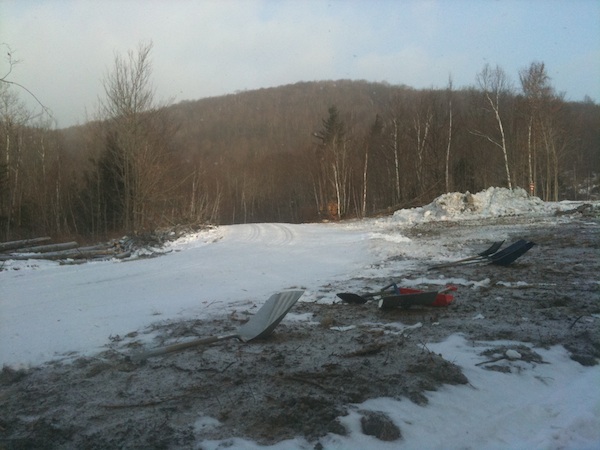
    2011 U.S. Nationals was one of many races held with very little snow in the last few years. Here, one of the two main climbs on the Rumford, Maine, distance course before the races.

    Twice now, Chris Steinkamp has gone to Washington.

    And these weren’t just any old trips to Capitol Hill. Although Steinkamp, the Executive Director of Protect Our Winters (POW), met with myriad congressmen, his “coworkers” on the trips were also legendary: nine-time “Big Mountain Rider of the Year” Jeremy Jones, who founded the nonprofit. Olympic silver medalist and X Games champion snowboarder Gretchen Bleiler. Chris Davenport, the first big-mountain skier to conquer all 54 of Colorado’s 14,000-foot peaks. Jones’ brother Steve Jones, founder of the ski-film behemoth Teton Gravity Research.

    The goal for the delegation was to encourage politicians to pass meaningful climate change legislation. Climate change is real, they said; humans are causing it, with the huge amounts of carbon dioxide and other greenhouse gases we emit into the atmosphere every year, far above natural levels. Over years of traveling the globe, the skiers and riders had watched firsthand as winters became less and less entertaining.

    The interviews with congressmen didn’t go badly, but Steinkamp left knowing that the organization had to do more.

    “Athletes give a very clear picture of how climate change has already begun to impact our sport, our industry, and the economies of the communities that depend on consistent winters and consistent snow for their economic survival,” Steinkamp said in a conference call with the Natural Resources Defense Council earlier this month. “But the response from senators on both sides was, ‘Great, thank you. But can you tell me what the effect is in my state when it doesn’t snow? I need to know this before I can think about climate legislation.’”

    Like everything else in Washington, climate change legislation comes down to money – and which side can convince Senators and Representatives that the opposition will kill the economy. Unfortunately, while personal stories from the likes of Bleiler and Devenport were compelling, the POW crew “didn’t have an answer for them” about the money.

    “We left with a clear mandate,” Steinkamp said in the conference call, which FasterSkier participated in. “If we were going to have any impact on climate change, the winter sports community needed to place a value on winter. We also heard that climate legislation was a jobs-killer.”

    Steinkamp and the athletes knew that wasn’t true. The second trip came late in 2011, as the worst snow season in years was just getting started in all of its brown, rainy glory.

    “We were hearing from our corporations, businesses, small resorts, and friends, that jobs were being lost, businesses closing, and resorts trimming staff,” Steinkamp said. “Lack of snow was having a direct economic impact on thousands, many of whom were friends and family.”

    So POW – a handy acronym for a group of winter sports enthusiast who want just that – went out to get the data. They partnered with the Natural Resources Defense Council (NRDC) and the University of New Hampshire’s Natural Resources and Earth Systems Science program, whose PhD candidates Elizabeth Burakowski and Matthew Magnussson recently completed a wide-ranging report for the two organizations.

    The numbers are in one sense staggering, but in another not altogether surprising to observant winter sport enthusiasts. In the last decade, employment typically declines by six to thirteen percent in a bad snow year compared to a good one, representing 13,000 to 27,000 jobs. In that decade, bad snow years have combined to cost the winter tourism industry over a billion dollars in lost revenue.

    “The key thing to understand here is that snow is currency in the 38 states that benefit from the $12.2 billion winter tourism industry,” Burakowski said in the conference call. “If that currency is undermined by climate change then the industry, not just the manufacturers but the resorts, lodging, grocery stores, restaurants, and bars, is very much put at risk.”

    By the Numbers: Scary

    One thing that is inarguable is the warming that has already occurred in the United States. As the report – which you can download here from the NRDC – notes, average winter temperatures (December through February) have declined by 2.2 degrees Fahrenheit since 1970.

    A separate report by the European Environment Agency earlier this year found that March and April snow cover across the Northern Hemisphere has decreased by seven to ten percent in the last forty years. Correspondingly, the National Ski Areas Association conducted a survey at the end of the 2012 season and reported that 50 percent of U.S. resorts had opened late that year and 48 percent had closed early.

    The fourth-warmest winter on record in the United States and the third-lowest snow cover since 1966, when scientists began tracking it, 2012 resulted in nine million fewer tourist visits for the alpine ski industry compared to a typical good year. Snowmobile registrations have been on the decline since 2004. The researchers did not analyze economic or visitor data for nordic ski areas at the national level.

    “It’s something we would have been interested in, but there isn’t really good data compared to the alpine skiing,” Magnusson told FasterSkier. “So that’s the primary reason that we weren’t able to come up with better information for that industry.”

    Burakowski, however, has examined nordic skiing before. During her masters degree she completed an analysis of the effects of climate change in New Hampshire specifically, and found that nordic ticket sales decreased by 29 percent between 1984 and 2006, with an economic impact of over half a million dollars in that small state alone.

    Sadly, the changes will only get worse. The study noted that temperatures will rise between four and ten degrees by the end of the century – or even worse in Alaska, as warming will be the most severe in the Arctic. That state will see an eight to thirteen degree rise in temperatures.

    In some areas of the Rocky Mountains, snowfall could drop to zero by 2100. New York and New England can expect a 50 to 75 percent decrease in number of days with snow cover. The Pacific Northwest and the Sierra Nevada mountains could see 40 to 70 percent less snowpack in the next forty years alone.

    Both the meteorological and economic forecasts vary significantly by region, and even at a finer scale.

    “The lower elevation that your mountains are, the more likely that you’re going to be vulnerable to climate change and lose your snowpack,” Burakowski said. “At higher elevations, the snowline is likely to move up the mountain and you could retain some snow at the higher elevations. But overall the trend is for much more snowfall to come in the form of rain at lower elevations. And the further north you are, the more likely it is that you might have more snow in the future.”

    Meanwhile, she predicted that big-ticket locations like the Rockies might be able to retain more of their tourist dollars.

    “Colorado might be a little insulated because people book their vacations months in advance, and aren’t as tied to the snowfall,” Burakowski explained. “That’s different than a place like New Hampshire, where you get a lot of commuters coming up from the Boston area.”

    Adaptation Isn’t Enough

    Also on the conference call was Auden Schendler, the Vice President of Sustainability for the Aspen Skiing Company. While Schendler has been outspoken about climate change and what it means for his industry, Aspen is in the minority of resorts in terms of even having anyone with his job description.

    “Auden Schendler at Aspen is the only high profile guy I know of who’s really taken the bit in his teeth–he’s a good guy,” climate activist and nordic ski enthusiast Bill McKibben wrote to FasterSkier in an e-mail last week. “We need it to spread. You know [Middlebury College coach] Andrew Gardner has been pushing hard in the nordic world.”

    While Schendler’s credentials include a stint at the Rocky Mountain Institute, one of the nation’s most highly-respected environmental think tanks, he’s definitely in the minority among ski industry higher-ups. And as a result, his determination to address climate change is rare.

    “The CEO of Hunter Mountain was recently asked about climate change,” he said. “And he said, yes, it’s absolutely happening. But then he said, I don’t know if this is a natural cycle or not. Well, the CEO of a ski resort is fiscally obligated to know if it’s human-caused or not, because the answer to that, which is pretty straightforward, enables you to solve the problem or not.”

    So education is clearly lacking in the snow sports industry. Schendler said that he would love to see, for example, NASA meteorologist James Hansen invited to speak at the National Ski Areas Association annual convention. So far, that hasn’t happened.

    But a large number of executives, Schendler said, know that climate change is real and perhaps even that it’s caused by humans. Unlike the Hunter CEO, they just choose not to take political action, instead tending towards adaptation, for instance installing more snowmaking or working to minimize their carbon footprint.

    If the reasons are economic, then resorts are hiding from a false foe. Schendler used numbers to explain why legislation to reduce greenhouse gas emissions wouldn’t hurt a resort’s bottom line, even if the cost of electricity went up. Power represents roughly two to six percent of a resort’s budget; even if that increased by another point or two, the change could be erased by improving efficiency.

    “Whereas climate change, if we see increased drought and big flooding events like the one that destroyed the base lodge at Killington [during Hurricane Irene], or the drought that cost Mammoth Mountain 20 million dollars last year, the impact is wildly disproportionate,” Schendler said.

    Furthermore, adaptation is not a good strategy, according to Burakowski. As temperatures have climbed, nighttime minimums have increased more quickly than daytime average temperature. Snowmaking requires temperatures below 28 degrees, which are fewer and farther between on winter nights. So although alpine resorts and an increasing number of nordic areas (as recently featured in the New York Times) are extending their seasons by adding snowmaking, at some point it will be too warm to blow manmade snow.

    Then there’s the issue of water. With less precipitation in the forecast, particularly in the mountain west, droughts will become more common and water rights an even bigger issue. Areas in the Rockies may struggle to find the larger and larger amount of water they need to cover their trails every year, or at least to justify using the water for such a recreational purpose.

    Finally, Burakowski said, nordic ski areas as well as other industries such as snowmobiling will be hit harder than the opulent alpine ski world.

    “I think it’s a pretty good guess that they will be hit a little bit harder than the alpine skiing industry, because they can’t compensate with extensive snowmaking,” she told FasterSkier. “It’s a trail system that is much more dispersed, and it’s not as concentrated on one mountain.”

    Why No Action?

    Across the board, conference call participants were puzzled as to why the snow sports industry hasn’t publicly called for climate change legislation.

    “We know that if it doesn’t snow, we’re going to have less revenue,” Schendler said. “We will have less jobs for people. It’s harder for people in ski towns to feed their families. There’s less tax base for schools. There’s a monetized risk, and the solution should be for the ski industry leaders and trade group leaders to get off their asses and move as if this was an existential threat to their existence. Which it is.”

    It’s true in the nordic world, too. While neither the United States Ski and Snowboard Association nor Cross Country Canada (CCC), for example, deny climate change – both mention it occasionally, even on their websites – neither organization appears to have made waves in trying to use their clout to address the problem.

    “Global warming is a factor that will inevitably have an impact on cross-country skiing at different levels (e.g. accessibility and dependability of skiing conditions, duration of season),” CCC wrote in its strategic plan for 2018. “The exact nature and immediacy of these impacts is uncertain. As an immediate concern, short-notice cancellations and/or relocations of international competitions is becoming a significant expense for CCC, due to the related travel and accommodation costs.”

    But the strategic plan made not reference to any strategy to minimize the future effects of global warming on the sport.

    “I fear we’re at the point where structural change is required, which means politics, which means rocking the boat,” McKibben wrote. “Most industry types don’t like to do that–but you’d think the ski industry, above all others, would realize their backs are to the wall.”

    For her part, Herzog of the NRDC called for the industry to “take its head out of the snow before it melts,” asking, “How long will people keep coming to the slopes after multiple bad snow years?”

    One possible explanation for inaction is the fear of alienating potential customers. Burakowski cited research by fellow UNH investigator Larry Hamilton, which found that climate change was the most divisive issue in politics today – more divisive than abortion, gay marriage, or gun control.

    Schendler cited a recent letter signed by over 100 ski resorts supporting a tax credit for wind power. Nowhere in the letter was climate change mentioned.

    That doesn’t make much sense to Schendler, who feared that ski resorts would run themselves out of business, and destroy their communities in the process, if something didn’t change radically in the next few years.

    “Unless these resorts start to explicitly talk about the issue instead of beating around the bush, it’s not going to be effective in driving change in Washington,” Schendler said, later describing what that would mean to his home in the Roaring Fork Valley. “It would essentially be sacrificing mountain communities throughout the West – that would be no fun and it doesn’t make any sense, especially when we can deal with this problem.”

    If it wasn’t clear already, he’s disappointed in the ski industry.

    “The response has been defensive, in large part, which has been to say that the ski industry isn’t responsible for a lot of emissions and we’re doing a lot on our own,” he said in the conference call. “Which is a puzzling response to a threat to the business which is increasing so fast…. this is business, this is industry. And if people say that we need action, we can make a significant difference.”

    Athletes and Enthusiasts

    As McKibben pointed out in his e-mail, industry can not only make a difference in reaching congressmen directly, but also in helping to educate the millions of people who travel to resorts every year.

    “We could put a solar panel on every skilift tower on earth and it wouldn’t matter much–but a sign on every ski lift tower saying ‘pull our your cell phone and call your congressman to tell him to stop caving to the fossil fuel industry and do something about climate change before winter vanishes forever’ would be of great use,” McKibben wrote.

    And that’s where POW, NRDC, and Schendler all see hope: if the industry itself continues to live in denial, at least there are millions of regular Americans out there that love snow and winter and could demand political action.

    “Skiers and snowboarders are optimists,” Schendler said. “When we’re at the top of a steep slope with lots of hazards, we all think, I can do that. That’s the approach that we should take to climate. Here’s an opportunity for us to do what we do, which is to get in there, get active, and solve problems.”

    As Steinkamp said, he wouldn’t tell the 50,000 people who support POW to work so hard or donate money if he didn’t think the fight could be won. POW and NRDC were part of a coalition that encouraging support of a recent EPA proposal to limit carbon pollution from power plants; the result was more than three million separate comments to the EPA, a record for the agency.

    Next time around, Schendler, Steinkamp, and Herzog would like to see double that number. Or triple it.

    “I’m hoping that this report will drive radical change,” Schendler said of Burakowski and Magunsson’s work. “[Change] in getting to Washington and making aggressive public speeches, writing op-eds, educating the industry as a whole, and using this incredibly passionate, 21-million person base of enthusiasts in the winter sports world to drive this critical policy change so that we can ski for the next 100 years.”

    It might take some sacrifice. McKibben noted that he is taking the Presidents Day weekend off from skiing (“assuming we have any snow”) to go to Washington for a rally; he hopes to see some skiers there.

    High profile athletes have also made time to be activists, although mostly in their off-seasons. And they’ve made time, too, to educate younger skiers. Through POW, elite snow sports athletes have visited classrooms and talked to over 15,000 students about climate change.

    “Aspen Skiing Company is unique in the level of policy activism that we’ve done,” Schendler said. “But if you look at the athletes in snow sports, it’s very hard to pick one who isn’t mobilized and very concerned about climate change. All the big superheroes are.”

    If that level of involvement spreads to more skier and riders, the NRDC believes that meaningful steps can be taken at the national level. Herzog called for constituents to contact not only their congressmen, but also President Obama, who “has the authority to do this” without Congress. Existing power plants, she said, should be the biggest target in terms of emissions reductions.

    “It’s going to take a consolidated effort,” said Steinkamp, the POW Executive Director. “Doing the agreements is great, but having everybody sign one agreement would be the goal. That’s what will give us traction and make a difference.”

  • “This Is What Democracy Looks Like”: No SuperTours in Madison

    Just a month into his tenure as governor of Wisconsin, Scott Walker made a bold political move: he proposed a bill which would limit the rights of union workers to use collective bargaining.

    With a strong Republican majority in both the House of Representatives and the Senate, the bill appeared poised to pass. On Thursday, Senate Democrats boycotted: they didn’t come in to work, meaning that the Republicans didn’t have a quorum to hold a vote. Majority Leader Scott Fitzgerald reportedly asked Walker to send state police to look for Minority Leader Mark Miller, and to tell him to bring his senators to the statehouse.

    In the midst of all this, Madison’s teachers went on strike and headed to the statehouse themselves. There were among the estimated 25,000 people who protested against Walker’s bill on Thursday – including Jesse Jackson. On Friday, a rally was held at midday, and in the afternoon, more protesters filed the statehouse, chanting “Kill the bill!” and “This is what democracy looks like!” towards the doors separating them from the legislators.

    How does this all relate to skiing?

    On Saturday and Sunday, the SuperTour was supposed to come to Madison. For several years, races have been held in the square around the capitol as part of Madison Winter Fest, an event conceived by CXC Executive Director Yuriy Gusev. Dump trucks cover the block with snow, and besides the SuperTours, a number of other competitions were scheduled: a rail jam, a running race, a winter cyclocross race, plus masters and high school ski races.

    Unfortunately, the protests put a stop to almost all of this. With thousands of people milling around the capitol, Winter Fest organizers couldn’t bring in the snow. While the rail jam was held at a different location, the ski races and other events didn’t meet the same fate. In good conditions they could have been moved to a nearby park, but with a recent thaw melting most of the base in southern Wisconsin, that wasn’t possible, and the event was called off completely.

    While some racers had already arrived in Madison and were left scrambling for new training opportunities – or getting in some quality time with their running shoes – others were luckier, and could change their plans in advance.

    Among them was Sun Valley’s Mikey Sinnott, who is aiming for the overall SuperTour title this year.

    “We had a snowstorm, and we got stuck in Aspen for another day,” he told FasterSkier. “We lucked out that we could change our plane tickets and fly to Minneapolis instead. So we’ll be heading up to Hayward.”

    When asked how having two fewer SuperTours would affect his ability to overtake Lars Flora in the standings, Sinnott said that it would make the remaining races even more critical.

    “I think it just emphasizes more the importance of the Sun Valley races [SuperTour Finals],” he said. “Obviously it would have been good to have more chances to gain points, since Lars wouldn’t have even been racing this weekend, but you just have to take it as it goes. That’s life.”

    While racers are disappointed, the Winter Fest organizers are undoubtedly the most frustrated (besides all of the teachers, of course). In an e-mail to the press, USSA Nordic Program Director John Farra said that Gusev and his crew had been ready to go.

    “The organizers put lots of preparation into making these events happen despite the warm temperatures, with snow stockpiled and ready to be trucked, and foreign athletes onsite for a chance at prize money just a week before the Birkie,” he said. “But in the end politics derailed these high level races.”