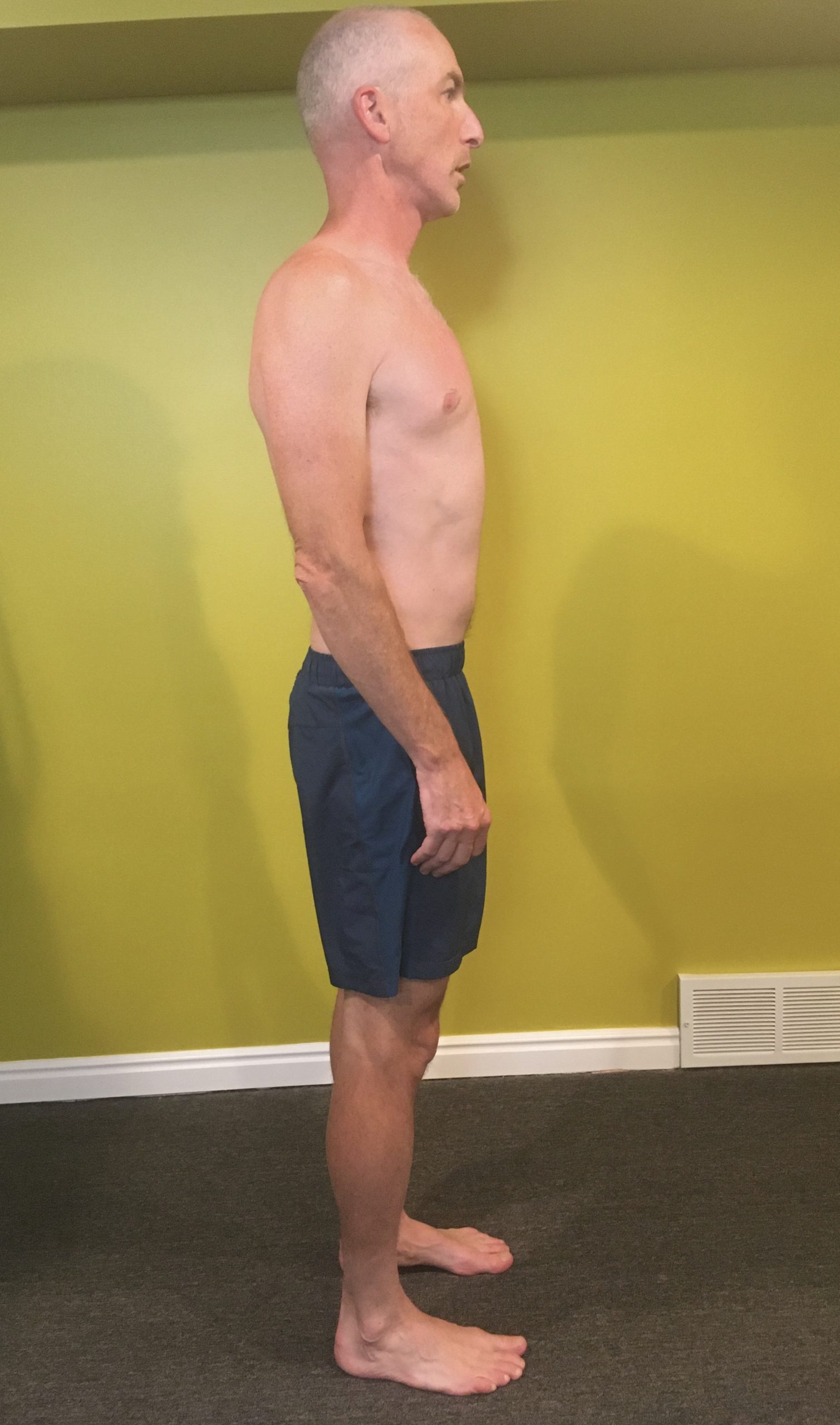
This is Part 2 of a series delving into how biomechanics and movement patterns affect skiing technique. If you haven’t already, start with the introduction and Part 1, which introduces the concept of a neutral spine posture.
There are many ways to conceptualize biomechanics, but they all need a starting place. If we think about ski technique, where do we want to start? On the glide leg? With the poles? At the hips? For this series, I have opted to start with the core and work outward. I could have started with the foot and moved upward; however, I see posture as an integral part of any movement. If the posture is compromised to begin with, then that deficit permeates the activity.
As was emphasized in Part 1, posture exists on a bandwidth of acceptability–everyone is a little different. But postures that fall outside of the bandwidth, especially when occurring within a dynamic activity like cross-country skiing, compounds load on the body. In the best case scenario, this increased load is inefficient and bleeds power. Worst case scenario, the additional load can exceed the body’s tolerance and lead to musculoskeletal injury.
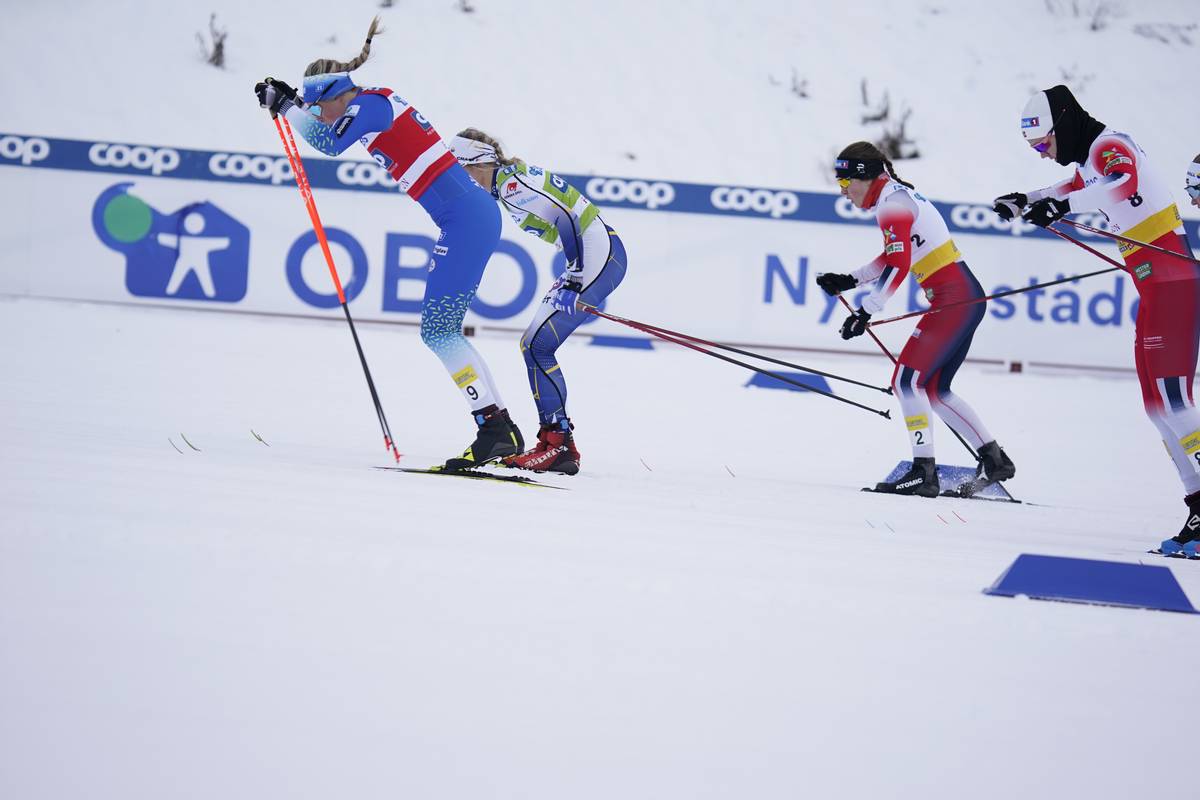
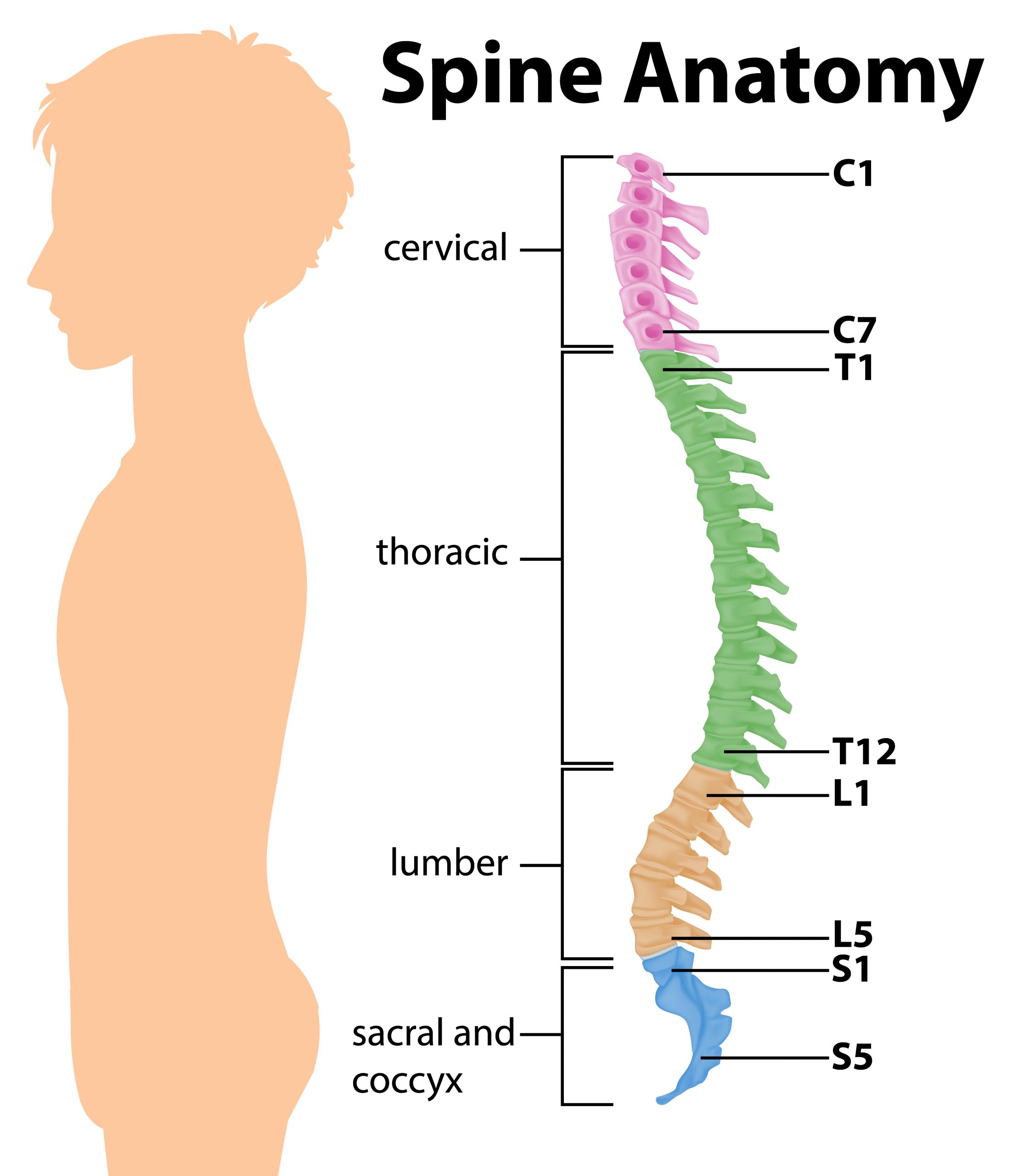
And yet the spine does move. Perhaps one of the best examples is the thoracic rotation that occurs with running. The shoulders do not stay pointed straight ahead. As the right leg and left arm swing forward (with the left foot on the ground) the shoulders are going to rotate to the right. This should be a product of rotation in the thoracic spine. If the thoracic spine has limited mobility, the motion will occur elsewhere, most often in the lumbar spine which has less motion available and will likely be less tolerant of this load. A case in point may be this recent study which found that the addition of thoracic mobility exercises decreased the incidence of low back pain in cross country skiers.
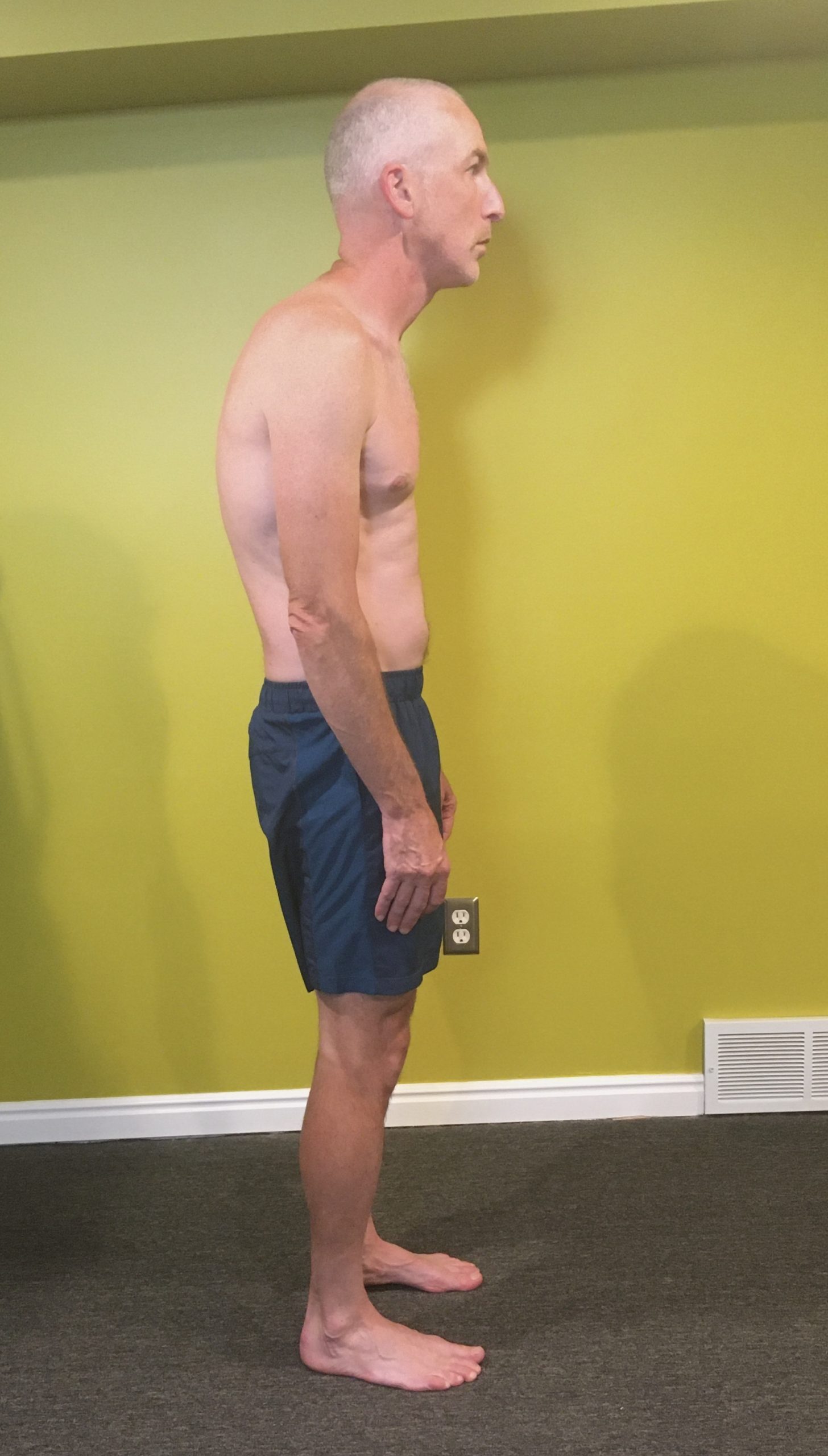
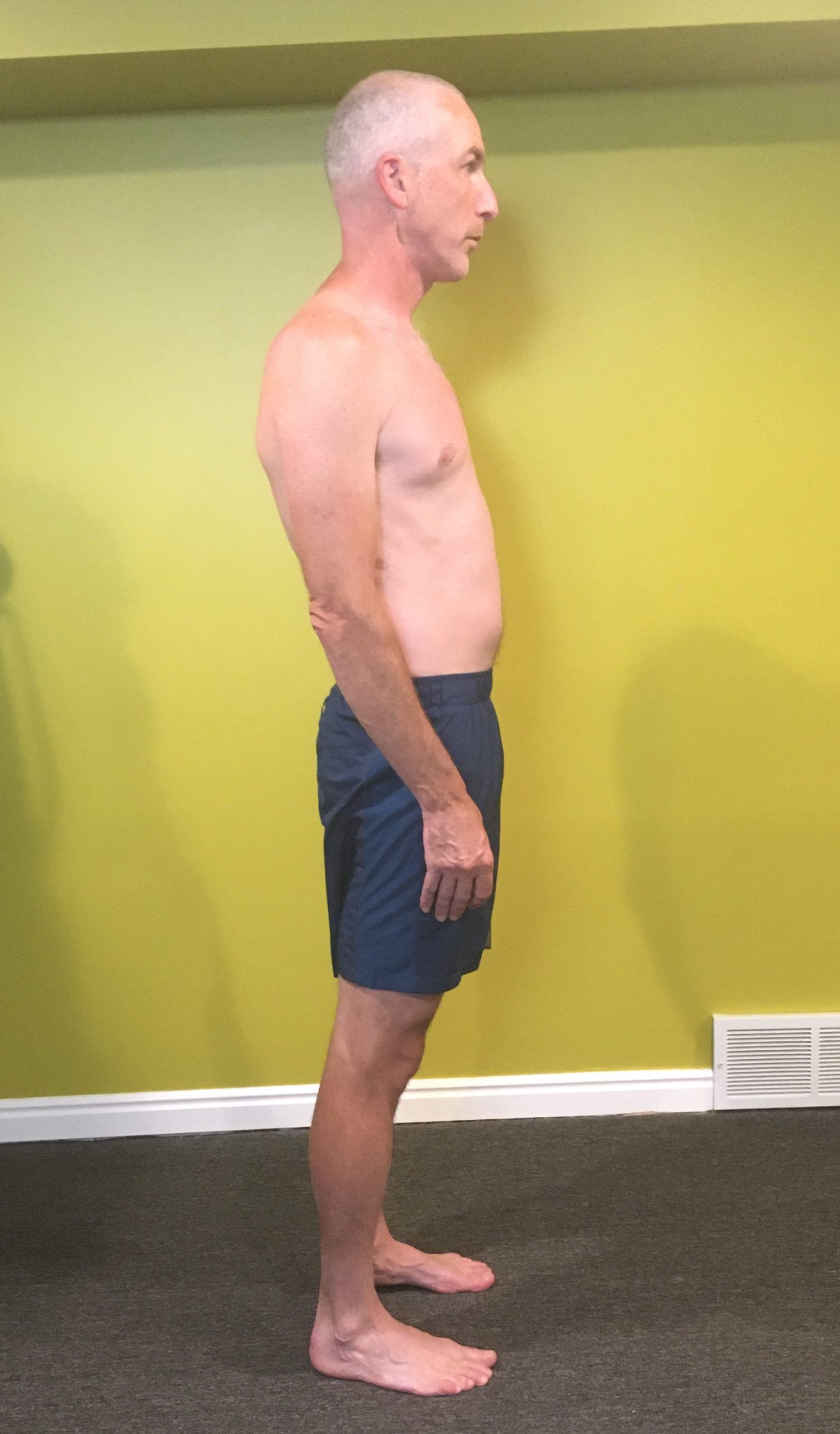
If you’re not already, sit with a neutral spine posture. Cross your arms with hands-on opposite shoulders. Rotate your body to the left and to the right. Make a mental note of how these movements felt. Now let your back flex forward in a slumping position. Try the same rotation to the left and right. I suspect they felt different. When the thoracic spine is flexed, its ability to rotate is decreased.
Use it or lose it. Our bodies are use it or lose it machines. If we do not stretch a muscle to its full length, it will tend to shorten. If we do not move a joint to its end range of motion, it will tend to stiffen. As we get older, this becomes even more pronounced. If you are of Masters age, you should probably think of stretching and mobility exercises as more about maintaining what you have versus expecting to gain flexibility. The older we get, the less pliable our bodies become. But there’s a lot to be said for maintenance.
Here are my three favorite thoracic mobility exercises – (aim to do these daily–1 or 2 minutes on the foam roll, 10x to each side with the rotation).
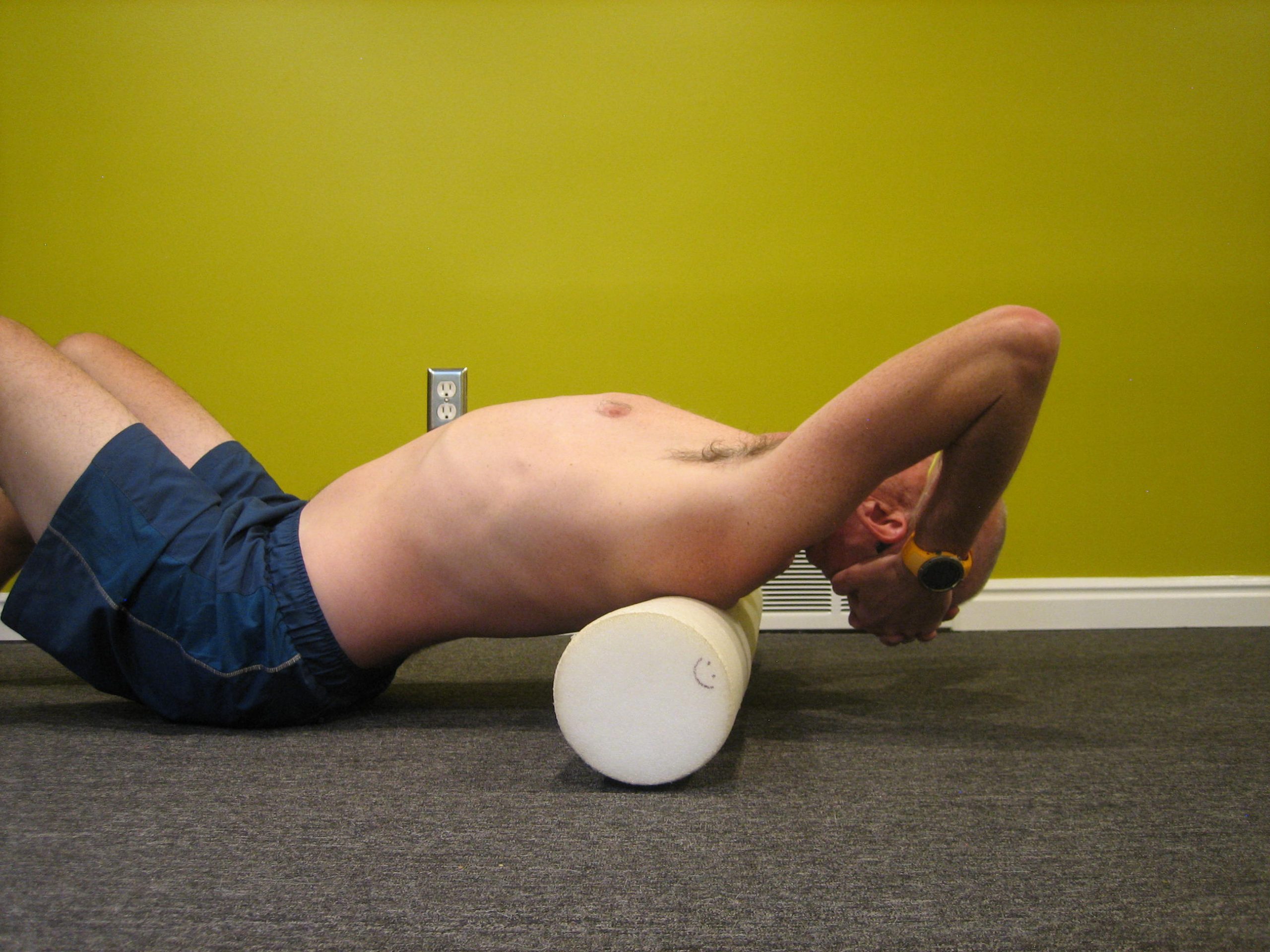
Foam roll thoracic extension: lie on your back with a foam roll perpendicular to your spine. Support your head with your hands. Drop your shoulders towards the floor. Pause here for a few seconds then return to your starting/neutral position. Scoot on the floor so the foam roll moves up your spine. Repeat the extension motion dropping the shoulders towards the floor. Continue this process until you have worked the length of your thoracic spine. Avoid going into the lumbar spine as the fulcrum of the foam roll tends to be too sharp. On the upper end, once the foam roll is under the shoulder blades, it’ll be tough to get much motion. This exercise can also be done with an exercise ball.
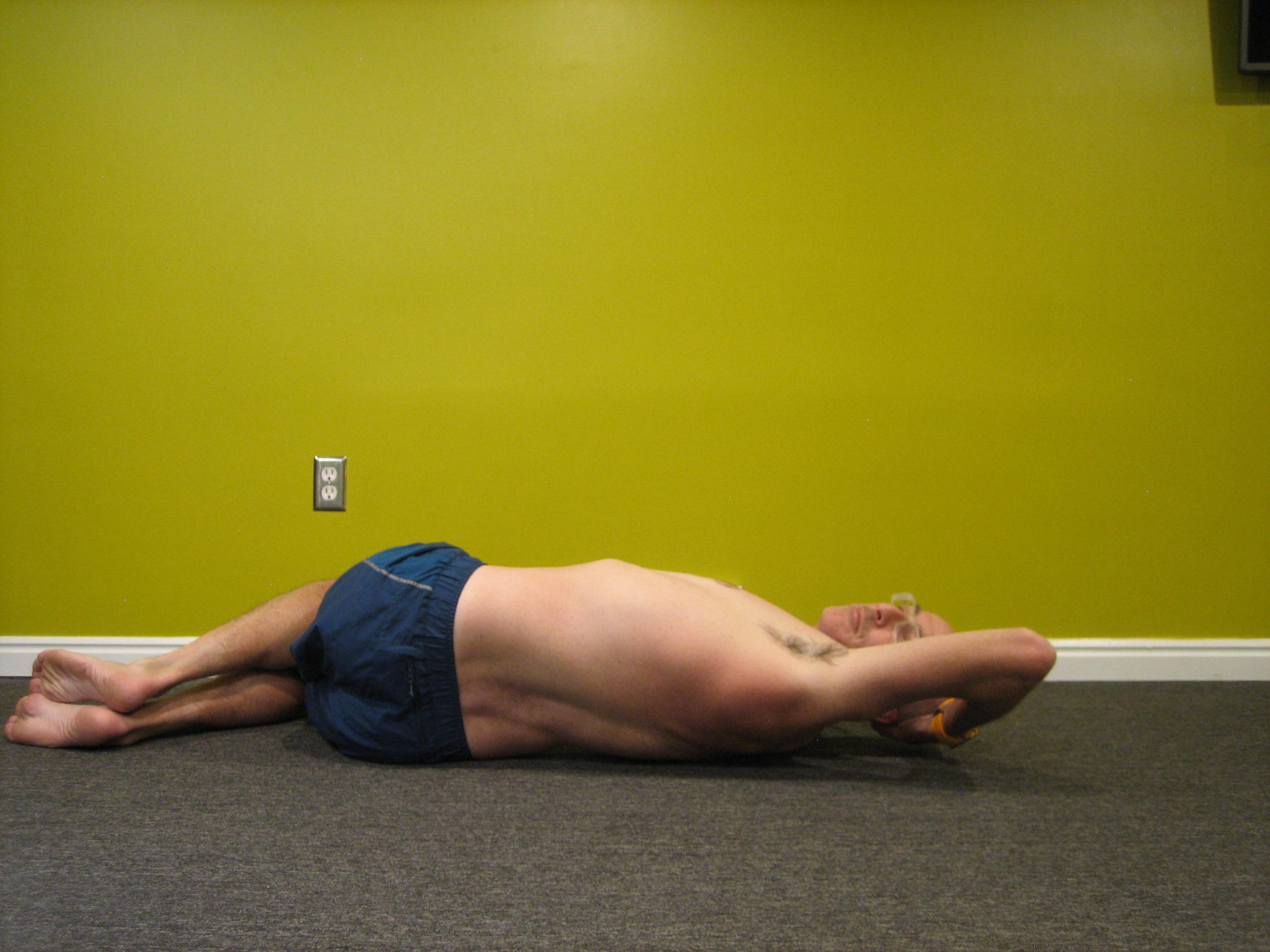
Book openings: Begin lying on your side with your knees bent and hands behind your head. Rotate your trunk like you are trying to get the top shoulder down to the floor. Pause here for a second or two and return to the starting position. This should be done on both sides.
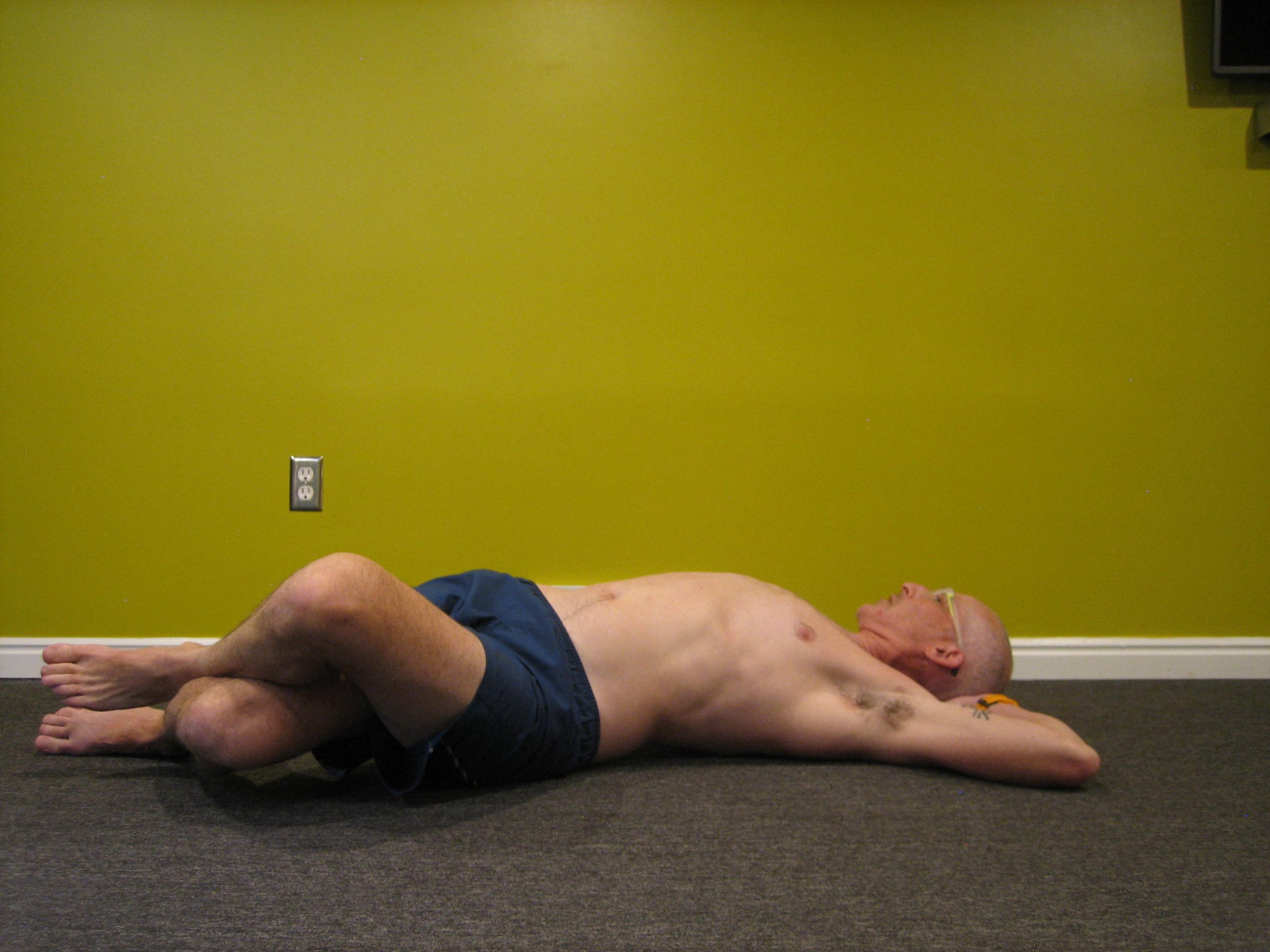
Lower Trunk Rotation: Lie on your back with both knees bent. Cross one leg over the other. Let the legs drop towards the floor to the side of the top leg. Pause here for a few seconds and return to the starting position. Do this on both sides.
Stability could be defined as the opposite of mobility. If we are striving to maintain available mobility of the thoracic spine, perhaps it makes sense that we are striving to maintain stability at the lumbar spine. Anatomically, the body is well equipped to stabilize the lumbar spine. We have multiple layers of abdominal and back muscles that create a stable platform for the arms and legs. While the lumbar spine is lacking in rotary motion, it has quite a large range of available motion for bending forward, backward, and to the sides. Depending on the activity, this available motion needs to be either locked out like keeping a rigid trunk with skating V1 or well-controlled while bending over to put on your socks.
If we are working under the assumption that neutral spine is the ideal, then it makes sense that our core strengthening or stability work should be done in neutral spine. Traditional sit-ups that involve considerable lumbar flexion are great for building those six-pack abs that look good on Instagram, but the exercise itself only contributes to a greater tendency to over-flex the spine during activity. “Flatten your back into the floor” is a frequent cue with core exercises. While this cue, and the associated posterior pelvic tilt, is effective at recruiting abdominal muscles, it also has the effect of training the body to rely on a flexed position for muscle activation.
Lie down on the floor with your knees bent and feet on the floor. Your lumbar spine will now be in its neutral position. If you slide a hand under your low back, your hand will likely have a bit of wiggle room between the floor and your back. This is the natural lordotic curve, and we want to maintain this during exercise (and activity). It’s easy to feel the increase in pressure on your hand when you tighten your abs and flatten your back. Conversely, if you tilt your pelvis in the other direction, arching your low back, you will have much more wiggle room. This excessive lordosis tends to be less stable since the abdominal muscles are in a lengthened, disadvantaged position for dynamic stability with much of the burden placed on the static stability of the joints.
If you had a hard time controlling movement or differentiating between the flat, neutral, and arched positions, the following exercises can be helpful to train your awareness and coordination.
***
Lumbar spine proprioception


Pelvic tilts: Lie on your back with both knees bent. Start by trying to tilt your pelvis towards you. Think of trying to flatten your low back into the floor or of shortening the distance between your ribcage and pelvis. Now tilt the pelvis in the other direction like arching your back away from the floor. These motions should be isolated at the pelvis and lumbar spine–your legs shouldn’t feel like they are doing any work.


Cat/Cow: This involves the same pelvic tilt motions but without the feedback of the floor. Again, the idea is to isolate the motion at the lumbar spine not by arching the upper back.
A quick Google search for “core exercise videos” brings up over 66 million results. Clearly, we are not lacking in the number of possible exercises. But what about quality? In the treatment of chronic low back pain, there is no best exercise. From the perspectives of performance enhancement and injury prevention, while there is an argument for simply being strong, there is perhaps a better argument for incorporating exercises that help the body meet the specific demands of the activity or sport. If good ski technique demands maintenance of a relatively neutral spine, then exercises should be performed in a neutral spine. If the sport includes load through the upper extremities, like poling with skiing or weighting the handlebars with cycling, then core exercises that include weight-bearing through the arms should be included. Skate skiing places a large rotational force through the core; thus we ought to have exercises that train the body to counter-rotation. Conversely, running and classic diagonal stride involves thoracic rotation so it makes sense to train the body to perform lumbar stability and thoracic rotation simultaneously.
Here are my Top 3, best-bang-for-the-buck-exercises in each category. Remember, the goal is to maintain neutral spine. If you are unable to control the motion, then the exercise represents too much resistance/load and needs to be regressed. These are quality-intensive exercises. A reasonable program would include 2 or 3 sets of 5 to 10 repetitions (depending on fatigue) of each exercise. Doing the routine twice a week should be adequate.
***
Stability exercises: these will challenge your ability to maintain a neutral lumbar spine


Femur arc progression: Begin by lying on your back with knees and hips bent at 90°. Your back will be in its neutral position, which you are striving to maintain (there will be a little wiggle room between your low back and the floor–the amount will vary by the individual but the goal is the same). The basic femur arc is performed by lowering one foot to the floor while keeping the knee bent at 90°. The motion is isolated at the hip. There should be no motion in the low back–it will have a tendency to want to arch away from the floor as the leg goes down. Return to the starting position and repeat on the other side. Continue alternating legs. Progressions include straightening the knee as the leg lowers, lowering both legs together with bent knees, lowering both legs together with straight knees.


Mountain Climbers: These can be done with frisbees on carpet, socks on hardwood or tile, or with a TRX. The goal is to move alternating legs back and forth with no motion in the low back. There will be a tendency to flex as you pull a leg underneath you. This should be controlled by the core but also recognize that if you are trying to pull the leg through too far, you will run out of hip range of motion and be forced to flex the spine.


Roll Out: Start on hands and knees with your hands on frisbees or a laminated placemat on the carpet, a towel on hardwood, TRX, or an old-school ab roller. The roll/slide-out motion will be a combination of shoulders and hips, but the spine stays in its neutral position.
***
Anti-rotation exercises — as the title would imply, the resistance will try to twist your spine and your goal is to fight it


Plank with Shoulder Tap: From a straight arm plank with shoulders, hips, and knees in line, tap a hand to the opposite shoulder. There will be a bit of a weight shift that needs to happen to maintain stability, but this should be in the form of a side-to-side movement of the pelvis, not a rotation. This can be made easier by doing from your knees. Make it harder by substituting the shoulder tap with a dumbbell row.


Paloff Press: The Paloff Press is a great lesson in the physics of levers. Stand using both hands to hold a resistance band or handle from the cable column weight machine. Push your hands straight out in front of you. As your arms straighten, the length of the lever increases and the resistance will exert more rotational force. Fight the twist. For more of a challenge, other than just increasing the resistance, stand with your feet together or in a lunge (with the band coming from the opposite side of the front leg).


Lunge with unilateral shoulder extension: Go into a static lunge with a resistance band in the opposite hand of the lead leg. Keeping the elbow straight, pull on the band until your hand is just past your hip. This can also be done with a cable column weight machine.
***
Combination lumbar stability with thoracic rotation: simply put, the lumbar spine stays still while the thoracic spine rotates


Seated Unilateral Row: This is a twist (sorry, bad pun) on a standard one-arm row. Sit on an exercise ball or chair facing the resistance band’s anchor. As you pull on the band, bend your elbow so your hand aims for the side of your ribcage, and rotate your chest and shoulders towards the band. Your butt should stay firmly planted and not rotate.


Lunge Rotation with Band: Stand with the resistance band coming from one side. Go into a lunge with the opposite foot forward (band from the right = left foot forward). Keep your hips pointed forward while your upper body rotates against the resistance.


Seated Rotation (aka Russian Twist): This exercise gets a bad reputation because it’s very easy to do incorrectly, potentially placing a lot of load on the lumbar spine. It is often done in a V-sit position (like the photo but with the feet off of the floor), which is very difficult to maintain without collapsing into lumbar flexion. Add the potential to rotate through the lumbar spine and the combined motions create high loads. But we’re going to keep the lumbar spine neutral and isolate the rotation to the thoracic spine. The key points are attaining and maintaining a neutral spine while sitting with your knees bent and feet on the floor. Think about the rotation coming from the shoulders. Your belly button should stay pointed straight ahead. You can start without weight and progress to a medicine ball, dumbbell, or resistance band coming from the side.
Notably absent in this list are exercises that target the glutes. As the primary stabilizers of the hip joint, the gluteal muscles should not be ignored in any “core” routine. However, for the sake of organizing this series, the glutes will be addressed in Part 3 on single-limb stability. If you want a head start, this Faster Skier article includes some excellent exercises.