From the FasterSkier archive — posts syndicated from athletes’ and coaches’ own blogs between 2004 and 2012, kept online as published. Current coverage is at fasterskier.com.
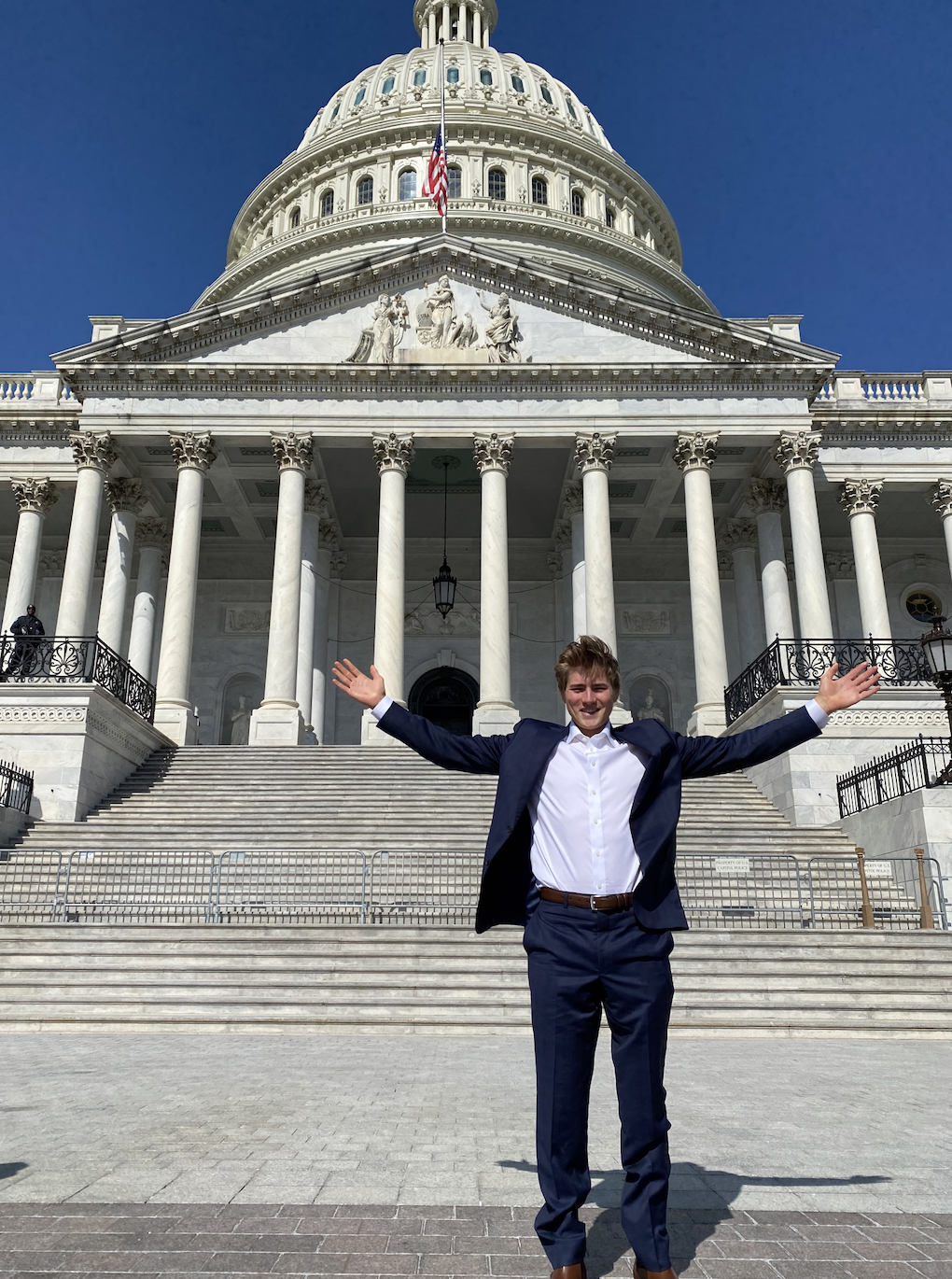
Jessie Diggins and Gus Schumacher join Protect Our Winters in Washington, D.C. to advocate for climate policy. (Photo: Instagram @jessiediggins)
On April 27th, Gus Schumacher and Jessie Diggins headed to Washington, D.C. with six other winter Olympians and Paralympians as members of the Protect Our Winters (POW) athlete alliance to advocate for progressive changes in climate policy. While Diggins has been partnered with POW for several years, Schumacher only recently came on board, making the trip his first experience lobbying for climate activism; it was also his first trip to the nation’s capital.
While in D.C., the POW team met with members of the conservative climate caucus, led by Utah Congressman John Curtis, to advocate for the support of the following five “asks” in climate package negotiations:
Funding programs that focus on reducing emissions, like the Greenhouse Gas Reduction Fund and Climate Pollution Reduction Grants/
Investment in electric vehicle (EV) infrastructure.
Upgrade the grid to power a renewable energy future by funding projects that upgrade transmission lines and intertie incentives.
Assist communities in worker transitions with programs like energy community reinvestment financing.
Stop drilling in the Arctic, specifically stopping the Willow Project from moving forward in the National Petroleum Reserve Alaska.
Following a dinner with the Republican caucus where athletes shared the ways in which their sports and home communities have been affected by climate change, the group spent the day lobbying in congressional offices, discussing the importance of the asks with senators, congresspeople, and members of their staff.
Not knowing what to expect from his first lobbying experience, Schumacher noted he was happy to hear the agreement among the Republican and Democratic politicians with whom they spoke surrounding the need to reduce emissions and address the “big problem” of climate change head on.
“To a degree, everyone agrees we should reduce emissions and it’s figuring out how to do it where everyone is in a different place,” Schumacher said in a call. “So I learned a bit about how [different politicians are] approaching it, and how people generally care [about the issues], but I think it’s just hard for a lot of people to agree on a methodology.”
Gus Schumacher travels to Washington, D.C. to lobby for climate initiatives with Protect Our Winters. (Courtesy photo)
The conversation most engaging for Schumacher personally took place with Alaskan Senator Lisa Murkowski. In addition to discussing topics that were close to home, the conversation felt significant in that Murkowski is “on the fence” when it comes to supporting each of the asks.
Alaska’s economic dependence on oil is juxtaposed with the grave reality that the Arctic is warming at a faster rate than other parts of the world. Murkowski had just returned from a visit to the small city of Kotzebue in rural Northwest Alaska, roughly 30 miles above the Arctic circle. Despite its size and location, the city has adopted infrastructure, specifically wind and solar, that allows it to depend heavily on renewable energy sources when possible.
“They have one solar panel that works on both sides, so [it also captures energy as] the sun reflects off the snow, plus they have a couple of windmills. They were running 80% renewable that week, which is really big for those communities… So that was really cool that she’s at least interested in those kinds of advancements. She also mentioned electrifying our ferry system using hydropower in the area, which seems pretty sweet if you can make it work.”
At the same time, Murkowski recognizes Alaska’s dependence on oil, and therefore was unwilling to support the ask to stop drilling in the Arctic.
“That’s a huge source of income for Alaska and is going to positively impact in the short term Alaskans and rural Alaskan,” said of the complicated issue. “[Because of the impacts of climate change on the Arctic], rural Alaskans need carbon to not be emitted anymore, but they also need to be able to pay for the gas currently to heat their homes and for food that they can’t get from subsistence hunting. So you’re kind of falling on your own sword a little bit, and that’s something that I can appreciate as being a political problem. It’s hard to deal with because you can’t just like immediately switch to renewables – or in the contiguous United States – and then have all these people that don’t have any source of income.”
Jessie Diggins and Gus Schumacher join Protect Our Winters in Washington, D.C. to advocate for climate policy. (Photo: Instagram @jessiediggins)
Settled back in Alaska at the time of the call, Schumacher remained energized by the experience and expressed interest in continuing to participate in climate advocacy in the future.
“The advocacy really was cool because it makes it feel like [my voice has] more power than just voting, which is cool. And it’s exciting to realize that by skiing, I’ve gotten myself to that position. And yeah, I’m really proud of it and excited and hopeful to do some more and hopefully those asks can change and get stronger and stronger.”
Schumacher also enjoyed the opportunity to engage with the other members of POW’s athlete alliance and to learn more about the various experiences that led them to engage with climate advocacy.
“It was cool to hear everyone’s story and hear that they care about climate change, but come at it from a different way. Like [Olympic halfpipe skier] David Wise in Nevada where, obviously, it looks a lot different [than Alaska], but he has a creek that dries up near his house and he’s a farmer… so that was [interesting] to hear about. The POW organizers were really dialed and made it easy for us. Just getting involved with the whole scene of lobbying was eye opening. Definitely like nothing I could have learned from middle school history. I sort of knew how it all worked, but being able to actually go inside of those offices and just see the whole lobbying system was really neat.”
Schumacher’s interest in these topics extends beyond his partnership with POW into his academic studies. In choosing to major in civil engineering, Schumacher was interested in furthering technological innovation to support a more sustainable future.
“Especially civil engineering, which deals with large scale infrastructure – the more that can be dialed in and efficient, I think that’s a big source of moving towards the future of how we function as a society.”
While there is plenty of action needed to make significant progress in fighting climate change, Schumacher expressed that he left the experience feeling optimistic.
“Some people, I’m sure, will say that it’s naive. They’re politicians and they want to make you happy and, obviously, we come in with a big sign that says ‘we care about climate’, so know what to say to make us happy… but the Democratic members were leaning far forward on climate protection, which I was a little surprised with… And then the Republican senators that were plainly like, ‘Yeah, we need to reduce emissions and we didn’t need to do it quickly…’ And I think maybe they want to do it more in a natural gas route, which seems like a step to the side. But to at least have people saying, ‘yeah, we need to do this quickly,’ hopefully, that can be converted to action.”
He continued that he believed that the representatives with whom POW spoke genuinely listened to what they had to say, and expressed belief that the more individuals and groups who lean on those politicians to make those changes, the more likely they will be to take action.
“The message here would be to call your representatives and because I think they do listen to that. These offices aren’t that big, so if they get a ton of calls about updating the electric grid and developing renewable energy, I think that’s going to have some weight.”
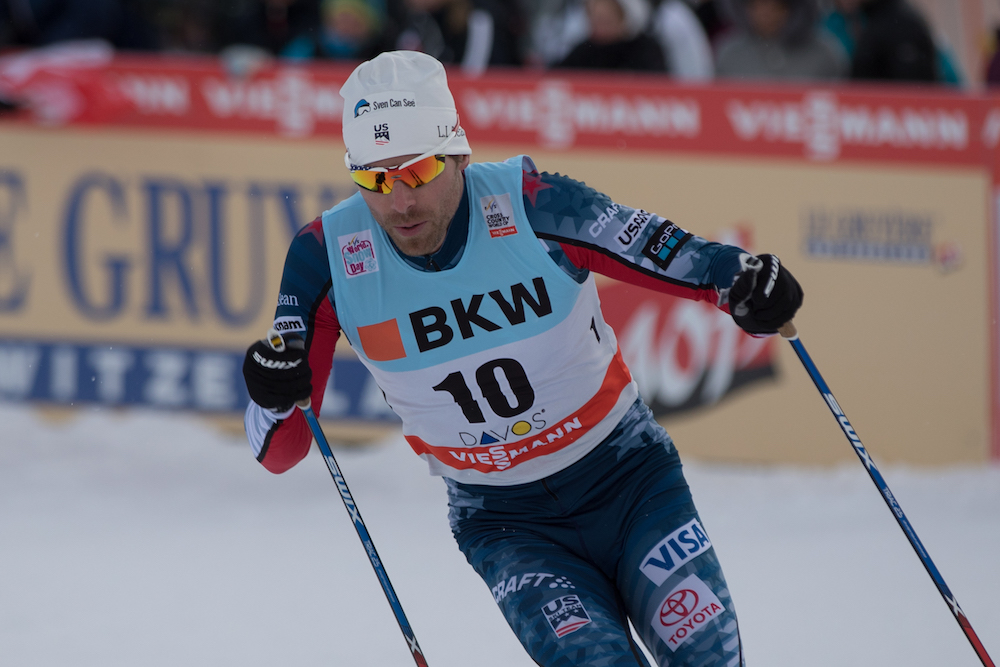
Gus Schumacher races the third leg of the men’s 4 x 10 k Olympic relay. (Photo: NordicFocus)
Schumacher concluded by emphasizing the collective power that individuals in the “Outdoor State”, which includes the cross-country ski community, have in advocating for change. According to POW, outdoor recreation unifies 50 million people across the US, resulting in an nearly $670 billion dollar industry.
“That’s bigger than pharmaceuticals and oil and gas combined, which I don’t think people necessarily realize. And I think part of it is that’s a group that has a lot of little voices, generally, but it’s a powerful group and it’s bipartisan – POW itself is represented by roughly 40% Democrat, 30% Republican and 30% Independent. So it’s something that everyone cares about, and I think that’s a confidence boost.”
This op-ed comes from Pete Vordenberg, former fast skier and U.S. Ski Team Coach, and present dad, husband, photographer and climate activist.
Join POW, CCL, and a huge list from the outdoor industry and many of our outdoor and Olympic skiing heroes such as Jessie Diggins, Lowell Bailey, Alex Honnold, Angel Collinson and others in supporting the Energy Innovation and Carbon Dividend Act
A bipartisan bill that will help make the United States a leader in taking steps to combat climate change has been introduced to Congress. This bill was introduced by both Republicans and Democrats. It is called the Energy Innovation and Carbon Dividend Act.
It is the product of hard work over 8 years by thousands of individuals and many organizations. Like all things, it is the result of individual and collective work. It is impossible to overemphasize the importance of individuals and small groups working together, and that is what this letter is about.
The Energy Innovation and Carbon Dividend Act is endorsed by heroes like Kikkan Randall and Caitlin Gregg, and big organizations like the National Ski Areas Association, Trout Unlimited and Protect Our Winters as well as folks from outside our world of skiing such as General Wesley Clark (ret.). These voices make a big difference, but the biggest difference is the power of all our voices together. Yours and mine, small when alone are undefeatable when in unison.
Here are two great quotes from Protect Our Winter’s press release:
“Protect Our Winters strongly supports setting an economy-wide price on carbon, and therefore supports the new bipartisan Energy Innovation and Carbon Dividend Act. Carbon pricing is a comprehensive strategy to emission reductions, mitigating climate change. This legislation, in particular, will reduce climate-driving greenhouse gas emissions while also benefiting both people and the economy.”
“Given the majority of Americans believe Congress should do more to address our changing climate, Protect Our Winters is pleased to see Republicans and Democrats come together to sponsor this bill. Alongside the more than 75 percent of Americans that believe that carbon dioxide should be regulated as a pollutant, Protect Our Winters strongly supports the Energy Innovation and Carbon Dividend Act.”
There are five key points to this bill.
One, it is effective! The policy will reduce America’s emissions by at least 40% within the first 12 years.
Two, it is good for people. Poor air quality causes as many as 200,000 U.S. deaths per year. This bill will help clean the air. At the same time, it puts money back in the pockets of American households.
Three, it is good for the economy. The clean energy economy is estimated to create over 2.1 million additional jobs in just 10 years.
Four, it is Bipartisan. What America does best, it does together, and that is what this bill, cosponsored by Democrats and Republicans shows.
Finally, it is revenue neutral. The government will not keep any of the fees collected, rather the money goes to American households.
By writing your representatives in support of this bill you help push this bill into law. Just getting this bill to congress has taken years of work, and your voice is what remains to push it into law. Our representatives work for us and they must hear from us. This letter is especially for the kids. You might not be able to vote, but you have a voice. Reach out with respect and realize your power. The link is below, with tools to help you use your voice most effectively. Bookmaker 22bet pl takes care of customers players and offers them a lot of nice bonuses. Each new user receives a bonus on first deposit of $25 (equivalent in another currency). Periodically, the company draws valuable prizes (cars, game consoles, cell phones, home appliances, etc.) among players.
The most effective action we can all take is to read about the act (here), write our representatives and then pass this message along to everyone in your contact list – it doesn’t matter if they are conservative or liberal, if they work for the oil industry or for Green Peace. This is something we can all get behind. It is amazing to see what we can do when we are united toward betterment for all.
One of the keys to this bill making it to Congress and to succeeding on any meaningful level is communicating with respect. This is a key tenet to working together and moving in any positive direction. Treat others with dignity, respect and kindness. Not only is that how we succeed, but it is success in itself.
To get some guidance on writing your reps about the bill go here:
“The Energy Innovation and Carbon Dividend Act is a very important piece in the larger puzzle of solving climate change. NSAA wholeheartedly supports this bipartisan measure, as a market-based approach is critical to incentivizing the changes needed to swiftly and significantly reduce carbon emissions,” says Kelly Pawlak, NSAA President.
Conservation Hawks
Conservation Hawks, a group of hunters and anglers working to defend America’s sporting heritage, recognizes the serious and potentially catastrophic threat we face from human-caused climate change. Because of the certitude of the science, Conservation Hawks supports every reasonable effort, including carbon fee & dividend legislation, to limit greenhouse gas emissions and protect our American way of life. Conservation Hawks considers human-caused climate change to be the number one threat to our hunting & fishing, as well as to our children and to a prosperous American future.
We’re pleased to see members of both parties working together on a bill designed to curb dangerous climate change, and we are particularly thankful for renewed Republican leadership on this topic. Climate protection wasn’t always the partisan issue it has become. And it should not remain so going forward. Climate change threatens all Americans and is already causing real harm today in all parts of the country, red and blue. Given the threats we all face from climate change, we need political leadership from both sides of the aisle. We hope this bill marks the start of that process.
The cross-country ski community is a potentially powerful player in any movement. But that power is only latent until we as individuals and in small teams take action. Let’s throw our collective energy behind this. We owe it to our kids. We owe it to ourselves, our planet and our future.
In this episode, we’ve got 34-year-old Andy Newell for you. He’s a longtime staple of the U.S. Ski Team and another proud Vermonter. A few weeks ago we released our interview with climate-justice activist and Vermont resident Bill McKibben. After the interview, we received a few comments that spoke to the perceived large carbon footprint of World Cup skiing and possible changes that might be implemented to curb that environmental impact. With that in mind, we called up Andy Newell, who himself is a climate activist to address some of the questions. We spoke to Newell on Jan. 4 while he was in Seefeld, Austria, prepping for last weekend’s World Cups.
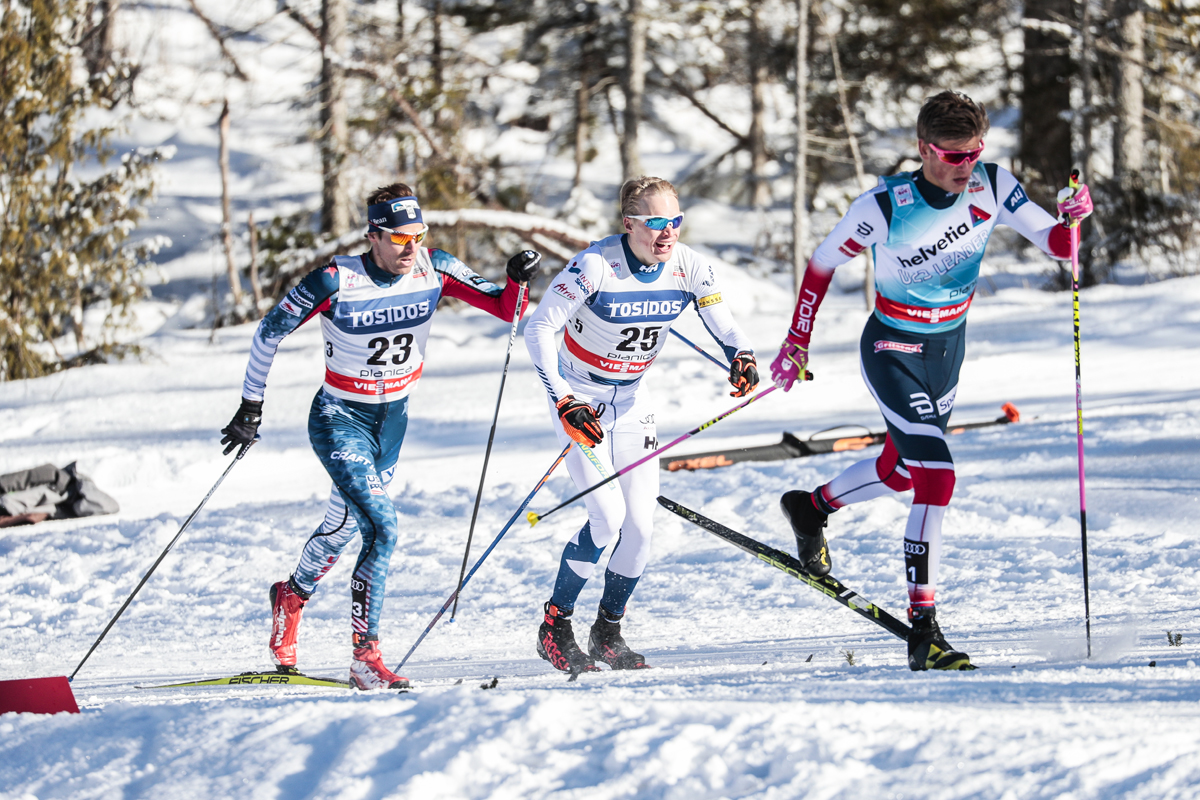
American Andy Newell (l) follows Norway’s Johannes Høsflot Klæbo (r) and Finland’s Iivo Niskanen (c) during their classic-sprint quarterfinal at the World Cup on Jan. 20 in Planica, Slovenia. Klæbo went on to win that heat, ahead of Niskanen in second and Newell in fourth. (Photo: Fischer/NordicFocus)
Newell will soon be in PyeongChang, South Korea, for his fourth Olympics. After traveling the globe for 14 years as a member of the U.S. Ski Team, Newell has had time to think about energy use and change on the World Cup.
Editor’s note: For the second-straight year, we’re presenting another 12-day holiday gift guide, brought to you by the one and only “FBD”, our gear-review guru. Kicking the series off, recommendations for recovery gifts to keep you and your ski buddies on the trails and injury free. See also: Day 1 | Day 2 | Day 3 | Day 4| Day 5
***
Day 6: Kick-Ass Gear
There is gear and then there is kick-ass gear. You know what I’m talking about — that backpack that you got in college, have taken all over the world, and is still going strong? Those skis that always seem to do well in testing despite getting “a little long in the tooth.” Your lucky “windies,” the wind briefs that have help guide you to many a race win? The list goes on and on. Part of what elevates gear to this elite status is literally years of high performance and reliability, but hey, ya gotta to start somewhere, so in today’s installment of this seemingly pointless, rambling series, I am highlighting some of my personal favorites that I think have the potential to “go the distance” and end up on the coveted FBD all-star gear list.
***
Under $30
While some of you lesser-informed readers may have pigeon-holed me (and please NOT in the Urban Dictionary fashion, as it is hard enough keeping my car clean as it is) as a high-maintenance, metrosexual pretty boy who wouldn’t dirty his hands with anything that’s not carbonfibre (yes, the snobby, arrogant Euro spelling is by design), made in Europe (preferably Switzerland for watches, Germany for cars and France for skis), or only available through my Skull-and-Bones-style network of elite illuminati, and quite frankly, in most instances you would be correct. What can I say, I like nice stuff.
But, did you know that there is also a hard-scrabble, man-of-the-people, street-smart side of FBD, capable of living for weeks at a time in a secluded cabin in remote Montana, living off the land, with only his acerbic wit and quick thinking to keep him alive? It’s true. This wily veteran of minimalist living can survive for minutes or perhaps even hours without concierge service, Whole Foods and his own private ski technician (well, maybe days in the case of the latter example, as my lanky ass was getting in “mad k’s,” as the kids say. For the uninformed, I’m not talking about losing your temper in K-Mart, I’m referring to skiing long distances in many consecutive sessions. Don’t worry, this confused me for the first few years that I heard it too.)
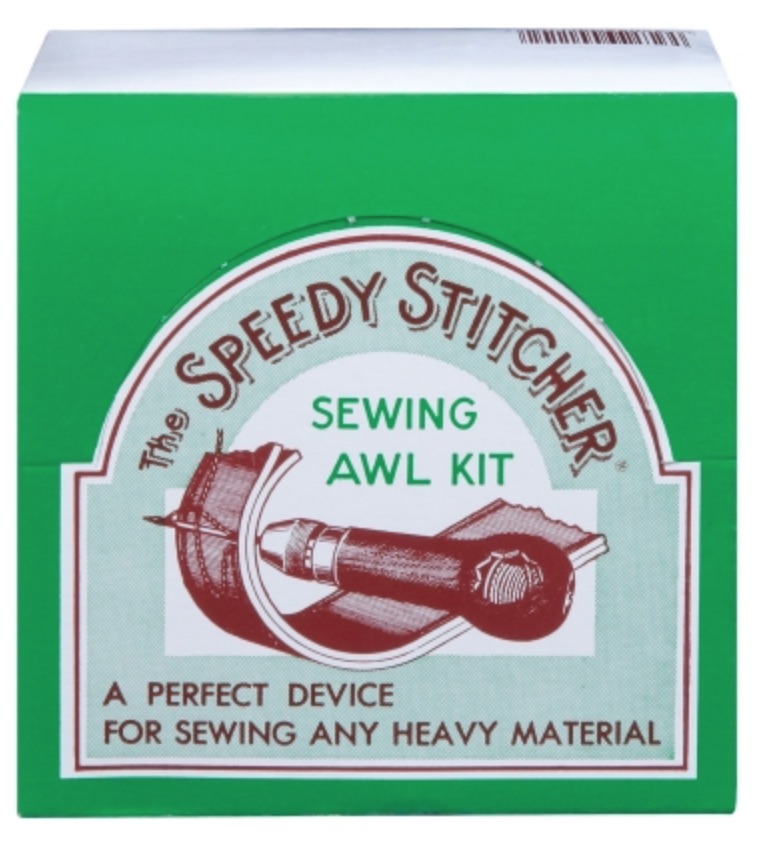
So with these caveats and conditions duly noted, it is with great pleasure that I offer today’s first suggestion, a sewing awl. No not an awl, as it, Awwww….SNAP, though that would be funny, (albeit hard to sell), no, rather an awl, as in a very utilitarian, gear-repair, ass-saving, sewing tool.
There is nothing fancy about the Speedy Stitcher sewing awl, but it is a life saver, certainly figuratively and perhaps even literally. While it is basically just a heavy gauge sewing needle, handle and thread, it is extremely well-designed, very heavy duty and very portable. If you are smart enough to bring it with you, it can tackle breakage problems that if not resolved, could be inconvenient in the best case and disastrous in the worst.
For example, I have used it to repair hiking boots way, way, way out in the middle of nowhere, a biathlon harness at 11 p.m. the night before a race in Granby, Colorado, a hard-case bike box strap that would have otherwise required replacing the entire case to the tune of $500, and a tent sidewall that my idiot friend kicked apart with his crampons after we SPECIFICALLY told him to not wear his crampons past the tent atrium? Why? Because kicking a hole in your tent in the middle of winter can have disastrous consequences, because it is cold in the mountains in the winter. (Why is it that every crew always has that stupid friend? Psychologists out there, please look into this and report back). And this is only a partial list.
Why is it that every adventure, team, or road trip always has “this guy?”
This amazing tool has been around since 1909 (with packaging that looks like it hasn’t changed since that time) and it can fix essentially any soft good, or in the very least give you a fighting chance of limping home. In some cases, in particular once you get good at sewing (and no, I’m not joking here), your field repair can last for years. I’ve been going strong on the bike-box strap repair that I made six years ago, with no end in sight. For this to apply to you though, take the time to read the instructions and properly learn how to sew.
I’m not kidding. It completely defeats the purpose of bringing this tool along (or any tool, for that matter), if you don’t know how to use it correctly. In fact, doing this make you an even bigger tool. So, with that said, buy it, learn how to use it, practice with it, and you’ll be amazed at how often it comes in handy. Seriously. I’ve probably make 2 – 5 repairs per year for the past 15 years on stuff that would otherwise have been ruined: winter gear, summer gear, dog gear, automotive gear, clothes, you name it. I absolutely love this thing.
$21.99 at Ace (the place with the helpful hardware man (sexist bastards))
This was on the list last year, it is in the list this year, and it will be on the list every year until the day I die, completely go off the deep end or am fired by FasterSkier in a blaze of glory (all of which could literally be moments away). This item is “a lock” on the list for the simple reason that it is an incredible cause. Yes, there are lots of great causes out there, nonprofits that benefit biomedical research, a wide variety of social programs, and even broader environmental concerns, but this is a ski publication, so while I certainly don’t want you to give any less to any of those other, very worthy issues, hopefully you can find it in your heart and your pocketbook to also support Protect Our Winters. You all know why, so no need to soapbox it any further here.
Do the right thing for as much as you can afford to give.
Or give it as a gift in the name of someone to stupid or stubborn to admit that climate change is a massive, massive problem. You know who you are.
Ah, coffee, the elixir of the gods. None of these columns would even be remotely possible without caffeine and I know I’m not alone here. Some of you might think that the absence of these columns might be a good thing, but deep down you know that you secretly love each and every one of these carefully chosen words.
In addition to this miracle compound of caffeine helping to lessen my urges to kill every moron who can’t seem to grasp the RIDICULOUSLY SIMPLE process of loading and unloading an airplane, it also has documented ergogenic properties. Chances are you will ski longer, harder and faster with the pre-rip Peet’s infusion. But wait, there’s more — it’s a great gateway for actually interacting with real, live humans in person (as opposed to over your phone) for the socially awkward, which in the nordic community, is just about all of you.
So if the thought of asking out a an actual, living, breathing female (not an avatar, emoji or whatever other weird digital analog the kids today have for real girls) to dinner immediately triggers your Cliff Clavin “hysterical blindness,” easing into a potential sexual encounter with the vastly less threatening offer to sit with a girl for 20 minutes at 3 in the afternoon on a Tuesday in an alcove by the cash registers at the grocery store may be for you.
Be forewarned however, the lure of faster race splits and perhaps even the tacit acknowledgements of an attractive member of the opposite sex is a bit risky, as once you “take a ride on the brown pony,” (there’s nothing sexual in this one, so get your mind out of the gutter, you perverts), there’s no going back. I’m talking about having a cup of coffee before you go skiing, as opposed to a life of heroin addiction. Regardless, all of you will want and some of you will NEED coffee in the morning. Driving to Starbucks each day is for housewives in Mercedes SUVs in affluent suburbs, so man-up (or “woman-up”) and make your own coffee.
As you all know, no one is lazier than the FBD, so I have the most streamlined and efficient coffee-preparation operation known to man. It is configured and mostly completed the night before, so when the morning rolls around, I’m on my way to coffee-pound town (again, nothing sexual here, you monsters, but probably best if you don’t Google this one) in a matter of minutes, if not seconds. Sure, my coffee machine in Steamboat has slain many the accomplished skier, but guys like Jeremy Teela gained notoriety from their skiing, not their deductive reasoning skills. And no, Teela never did figure out how to correctly operate that machine, whereas I, on the other hand, was victoriously sipping from an expresso at his house within seconds after exposure to his substantially more complicated machine. Hold that though. More on this later.
For whatever reason, probably because I enjoy spending time with interesting people, I somehow seem to gravitate to “coffee snobs.” Don’t get me wrong, they’re all great people, but without fail, almost all of them are willing to invest 2 – 3 hours each morning for the perfect cup of Joe. I, on the other hand, have no problem stopping at the gas station, if necessary, for my morning beverage of choice. That, and a nice cold glass of water, ah, that’s some fine living, people.
Case in point, my good buddy Jordan Rapp. Jordan is a professional triathlete: six-time Ironman winner, ITU long-distance world champion, and one of the most driven, determined baristas that I have ever met. In our travels across Europe this past summer, he brought approximately 500 lbs of gear, 450 of which I am convinced was involved in coffee preparation in some way, shape or form.
Don’t get me wrong, I’m not complaining here, far from it, as I love this situation — he does all of the work and I get to drink great coffee. Everyone wins. All of I have to do is carry 3/4 of all of his heavy crap through all of the train stations. Since FBD is a big, powerful, man, this seems like a fair trade.
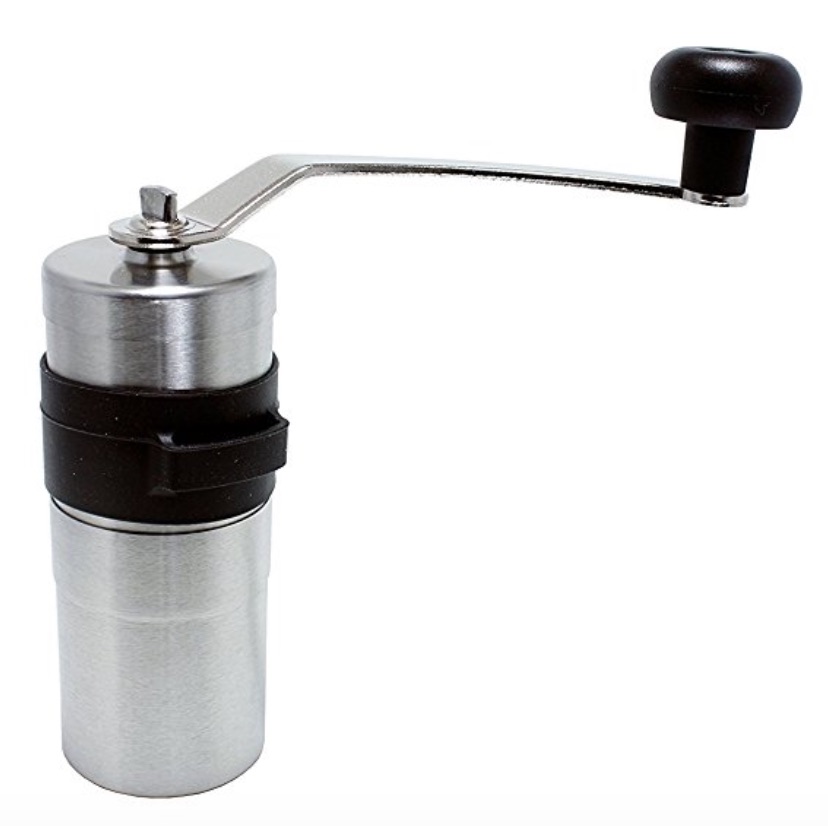
So how does Princeton-educated engineer, Mr. Rapp, start this ridiculously involved and intricate process? With the Porlex Mini bean grinder. I’m not even going to bother to go into the theory on why you need to grind your own beans, because you’re either in this camp or you’re not. If you’re, “one of THOSE people,” you’ve already drank the Kool-Aid and you’re only going to get mad at me because no matter how thorough my explanation, I will undoubtedly leave out some key detail that you perceive to be crucial in this analysis. And if you’re on the other side of the fence, we’ll call this group, oh, I don’t know, “normal people,” well then you’re not going to start grinding your own beans simply based on some long-winded diatribe (in particular one from a smart-aleck nordic skier). For all of you people, MY people, I’ll see you at the gas station. Please try to not backwash the dirty carafe of two-day old muck that they call coffee, either, as I have intervals later and DADDY NEEDS SOME JUICE and I hate germs.
Back to the nerd group: whatever formidable childhood experience that fostered your now firmly cemented coffee OCD, you’d sooner die than prepare coffee with pre-ground beans, but you’re in Norway, preparing to race: now what? Are you sentenced to a life of eternal damnation with pre-ground beans? Not so fast, it’s J-Rapp to the rescue. JR doesn’t leave home without not just a portable coffee grinder, but also what he is convinced is THE BEST portable coffee grinder, the Porlex Mini. I have to confess, it did work well and the coffee was delicious, and he’s not alone, for as he was extolling the virtues of this system in an extremely long-winded soliloquy, being a fellow scientist, he naturally also had reams of research and supporting data, not to mention social feeds from two different World Cup racers also using the very same grinder, so as much as I hate to admit it, Jordan’s probably correct.
Here’s the best part, though. When I hit up Jordan to see if he’d make a funny video for me about using the grinder, he sent one back in 30 seconds. Not because he’s that fast at making videos (which he often is), but due to the fact that he had already made one. You know you are really committed to your coffee preparation when you are walking around with a video of you making coffee on your phone. Man, I love that dude.
https://vimeo.com/188432750
I personally would have liked to see more footage of my boy JR, just because he’s a super smart and funny dude, but mainly because he believes that my Great Dane is his spirit animal, which makes me laugh every time of think of it. Please note, too, he measures his coffee on a digital scale, a goddamn DIGITAL SCALE. You can’t make this shit up.
For extensive reviews and much, much, more, you’re going to want to check out www.grindr.com, you’ll learn more about “grinding” than you ever thought possible.
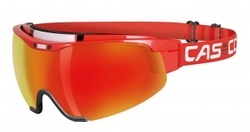
Just as in the dog-eat-dog world of coffee preparation, there are two schools of thought for nordic eye protection: shades and shields. Most Nordorks would probably say that shades look cooler – there certainly are many more styles to choose from, but ask any athlete who’s had a race on a very snowy, rainy, or foggy day — in these conditions you simply cannot beat a shield.
The shield is often the weapon of choice for biathletes in all conditions, too, as it is substantially easier to flip up and out of the way for shooing. If you’re a biathlete, you’ve probably already figured that out by now, but maybe you suck and you haven’t, or you simply are fine with growing roots on the mat. Either scenario is fine by me: it’s your funeral.
Regardless if your nordic racing and training involves skiing around with a rifle or the vastly easier non-rifle version (I can’t recall if they have a name for this), you’ll want a shield if it is sloppy out — shields come in a bunch of different tints, sizes, styles and colors and most importantly, fog way less easily. My boy, and former U.S. Birkie winner Matt Liebsch (or “Leaper,” as he likes to be called), swears by the shield, as does the first family of U.S. Masters Biathlon, Marc, SJ and Thor Sheppard.
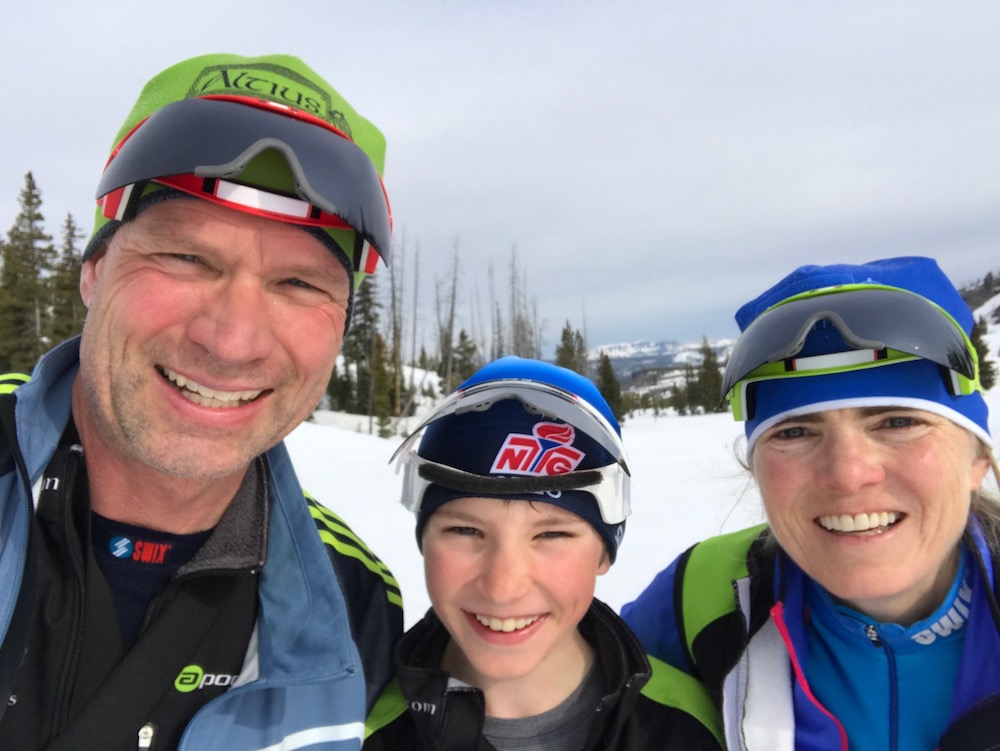
The family that can see what they are shooting, stays together, or something like that. Multiple World Masters medal winners (from left to right) Marc, Thor and SJ Sheppard rocking the shield — (I know, this sounds like a bad 70’s cop show, but trust me on this one).
Another reason why this day is another one of my favorite days (this column, not Friday), is I love being unshackled and let loose completely unrestrained. Even I can only write so much about base layers, wax, and gloves, but give me longer enough lever arm, a place to stand, and a green light to opine about all sorts of gear, and I will move the world. Or annoy it. It really could go either way. There point here is that there is a lot of other great gear out there that you need to hear about – somebody needs to put their foot down and that foot is me.
I get around (no, not in that manner you might be thinking, as most of the members of the fairer sex seem to find me repulsive). I “get around” in the sense that I both host and am hosted my many members of the nordic community. I love “paying it forward,” as I did more than my fair share of couch surfing in my elite rowing days and it is my pleasure to do my best to somehow attempt to replenish the karmic pool of good will.
With the exception of my good buddy Aaron Scott, (or A-A-Ron, as he is known around the biathlon range), who has earned the wonderful moniker as “America’s Guest,” due to his propensity for frequent and last-minute homestays, I crash in enough homes to rival Dr. Scott in my volume and frequency of spare bedroom time (though my track record of alienating my friends’ significant others is unmatched. Yes, my ability to agitate even the nicest people truly is a gift. I’m like the Michael Jordan of annoying house guests. And that’s even without the Great Dane. He takes that game to a whole new level. Together, we are a juggernaut. But after all, isn’t what life is all about, teamwork?)
I may have left a few dishes in the sink “back in the day” in my period of elite athletics, blissful unemployment, and lack of any permanent mailing address, but I am regaining good karma points at light speed with the U.S. Nordic Combined crew at my house right now.
The point to all of this is that in planning my early season racing calendar for this year, I was inquiring about the availability of my trusty post-West Yellowstone Ski Festival spare bed at my buddy’s house in Bozeman. Being perhaps one of the nicest people I know (and crackerjack smoothie chef), KJ immediate agreed and even offered to serve up perennial favorite FBD post-race meal of tacos, with the caveat that the house would be empty on my arrival, as the whole Jacobsen family was going camping.
This got me thinking (something I generally do my best to avoid, as is painfully evident by my generally very labored prose), that the nordic community does much more than just nordic ski. Almost every nordic skier I know also loves to go out and hit the alpine slopes, camp, hike, hunt, fish, bike, run, you name it. Probably one of the things that I enjoy most about my line of “work” (and yes, yes, I’m using this term very loosely, as I what I do can barely be considered work), is the camaraderie of the nordic community. This is a community that enjoys the great out-of-doors in many different capacities (better get out there fast too, as Trump is try to giving it all away to oil, gas and mining companies unless we ALL do something).
Sure, we all nordic ski, but the very nature of this sport seems to attract those that also just love being outside and doing cool stuff. So, if you’re outside all day doing cool stuff, you’re not going to last for very long if you’re not getting good sleep, which brings me to the issue at hand — winter sleeping bags.
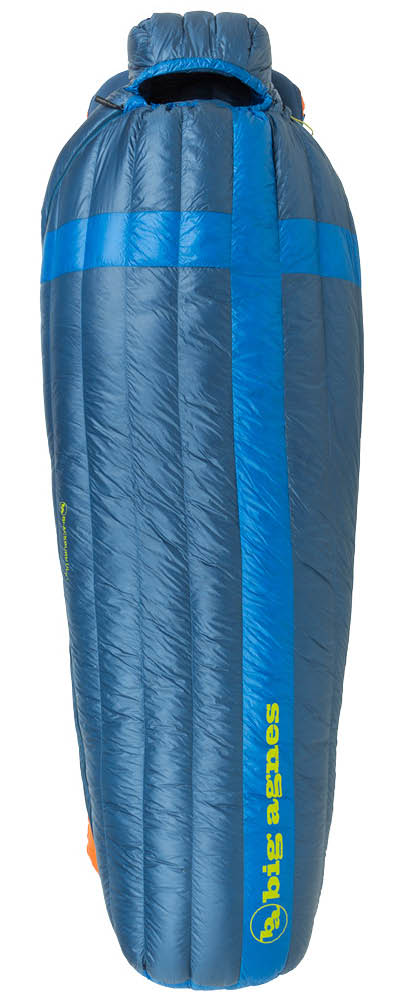
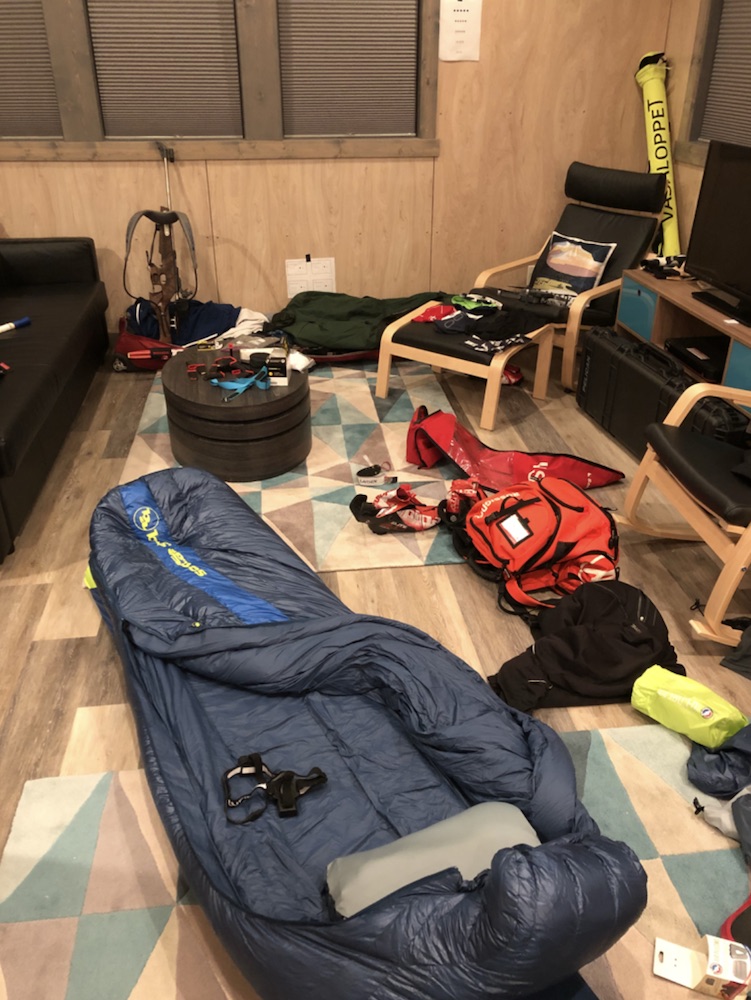
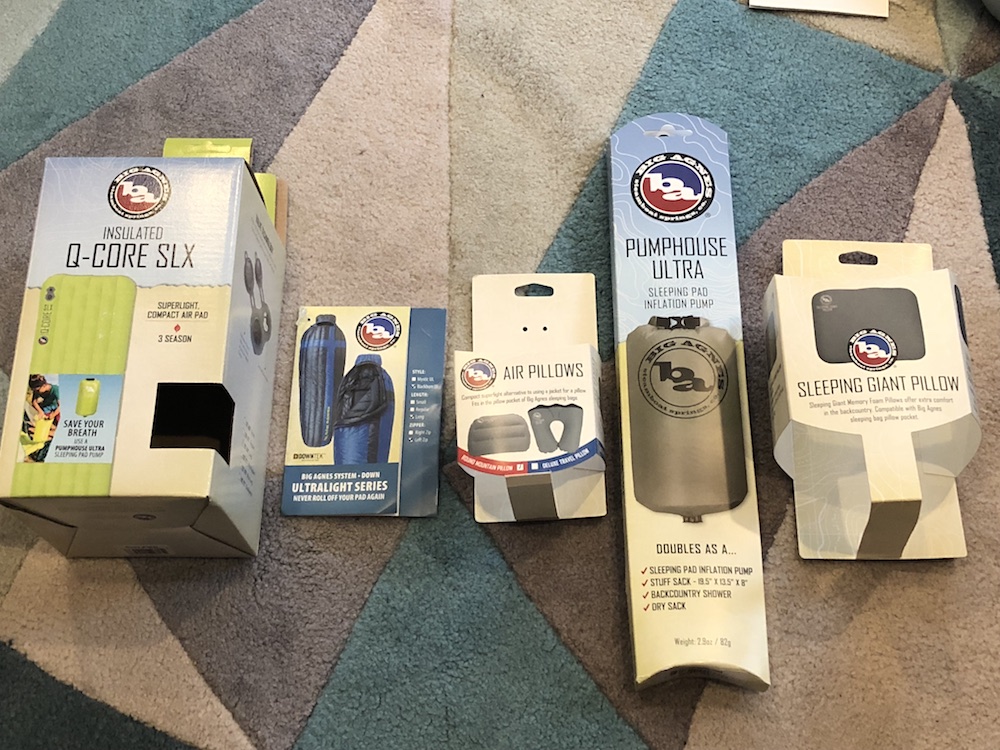
I told you earlier we’d get back to busting on Jeremy Teela, and I would never let you down on a topic as important as this. Jeremy Teela is a three-time Olympic biathlete and up until Lowell Bailey’s very strong eighth place in Sochi, Teela had the top all-time Olympic finish of any U.S. biathlete. Teela is a great dude and a great friend, but well, he has some issues. For example, when you have breakfast his house and request coffee with cream and sugar, his reply is, “Ah, you want the full b*tch kit.” I made this “mistake” (insomuch as asking for cream and sugar in coffee can be considered a mistake) years ago and I’ve yet to live this down. I bring this up now because when I asked Big Agnes to send a winter sleeping bag for testing, I was pleasantly surprised to discover that I received the “full b*tch kit”: bag, pad, pillow, and magical inflation device.
“Full b*tch kit” being prepared for testing. And no, this photo was not staged, this is really how I live. Perhaps it is not just Teela who has issues.
The bag that the fine folks at Big Agnes sent was amazing in every way: light, warm, compressible and even when it’s wet (more on this later). It wasn’t just that bag that impressed me either, it was also all of the accoutrements.
Since contrary to what you may have heard or read, I am an AMAZING house guest, KJ and his lovely wife were very interested in all of the gear that I was reviewing for this year’s wonderful and what appears to be endless journey. She is from Alaska and he’s a touch Montana boy from way, back, so they are no strangers to hunting, fishing and winter camping in even the nastiest of conditions, so when I said that the Big Agnes (BA) bag was one of my favorites out of more than 200 pieces of gear that I reviewed for this series (Yup, you read that correctly, 200+, you’re welcome), not only were they intrigued, but they also offered up their own, unsolicited story about Big Agnes.
Apparently they had two sleeping pads that gave up the ghost when they were traveling around Europe last summer, and despite the fact that they had owned them for years and they had logged lots of miles, they said BA replaced them with brand-new versions, no questions asked. KJ and Robin were incredibly impressed, as was I.
I start testing products several months or even several years in advance, because I am a very, very lonely man, but also because I want to be thorough. Gear is expensive and due to the shifting and declining revenues for periodicals of all types, genuine, unbiased reviews are going the way of intelligence and civility in politics and our beloved snowpack — vanishing.
It is for this reason that despite my many wisecracks, I really do take this job seriously, as I consider myself the Obi Wan Kenobi of gear review. That’s right people, I am your only hope.
“Hurry Captain, shoot down whoever you need to, FBD needs CHEESE.”
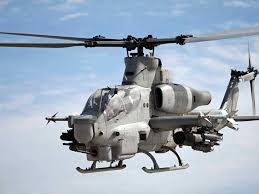
Given the very nature of my role, however, one of the components of the overall process for which I always wish I had more insight is customer service. Since I am now a VERY big deal, almost all of the companies roll out the red carpet for me. Don’t get me wrong, I like getting my ass kissed as much (or probably more) as the next guy, but one downside of this VIP treatment is that I sometimes wonder if I don’t see what the average customers sees. If I have a problem, a fleeting of matching black Cobra attack helicopters immediately airdrops a new version of the product in question to my door, completely with a courtesy basket full of bonbons and an exotic assortment of artisan meats and cheeses. Exactly as it should be, too, btw, so keep those biking-clad heli pilots bearing gifts coming, that frickin’ cabin in Montana is cold and lonely and the freakin’ crappy grocery store is miles away, which gets old, fast, when you’re on foot patrol for three weeks. My point, however, is that it is extremely encouraging to hear unbiassed, objective feedback from “real people” who don’t have any skin in the game, other than the fact that they want to keep their skin. When people I know and trust tell me that customer service from a company is commendable, that absolutely merits me passing it along.
As for the bag itself, it also kicked ass. It was very comfortable in relatively cold Montana weather (low of minus 4), as well as VERY damp, nasty, typical East Coast winter weather (15 degrees, with about 200 percent humidity) and in the slightly more moderate, but very dry Colorado weather (a crisp 20 degrees). That is only part of the story, however, as while bag performance is key, part of what made the bag perform so well were its accessories.
For starters, the bag has a sleeve on the bottom that holds the sleeping pad in place perfectly. While this sounds minor, I can assure you that rolling off your sleeping pad onto the cold tent floor is a deal-breaker, so this innovation is ground-breaking, er, ground-warming, er, keeping-your-bag-off-the-ground-ing-which-makes-it-warmer-ing?
All the components of a Big Agnes System Sleeping Bag
Other clever touches are their combo dry bag/sleeping pad inflator, which allows those with meager lung capacity (like Smullin) to inflate the pad and pillow by merely waving around the bag to fill it with air, then squeezing the air into the pad and/or pillow. Sure, Josh’s bird-arms will likely give out quickly waving around a six-ounce bag, but with ample sets, combined with frequents and extensive rest periods, I am confident that even he could eventually accomplish this very simply task. For all of you in the studio audience that can curl anything more than 5 lbs two times, you’ll have this done in under a minute and will be fresh as a daisy to start grinding me coffee.
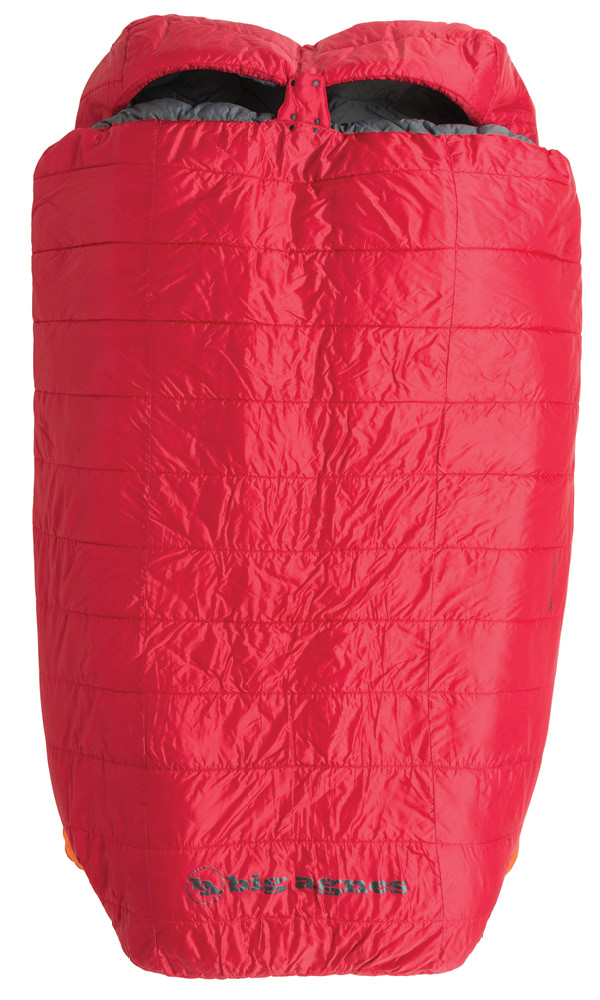
As much as I love Big Agnes, I feel duty bound to advise again their two-person bag, though, as while this might sound great idea for newlyweds or passionate young couples who haven’t grown to despise the sight of each other yet, word on the street is that this bag has been coined, “the relationship ender.” You’ve been warned.
In another, alternate universe, I create thoughtfully crafted, considerate, caring gear reviews for our colleagues across the aisle in the endurance sports community: triathletes.
I am of course kidding, as I harbor even more spite and resentment for this group of Type A nerds than I do for the nordic community, which is saying something. If there was one group of individuals more afraid of women, germs, and overall more adverse to following social norms and acceptable public behavior (all of you wearing your Speedos or bike kit in the grocery store have a place waiting for you in hell), it’s these guys. Spend even one hour in Kona in the week before the IM World Champs and you’ll immediately see my point.
The upside of being forced to deal with these kooks is that I get to test a lot of cool bikes, which is what we’re talking about now.
Bikes? In a FS gear review? What gives, FBD? Stick with me on this — my thinking here is that inherent in any nordic skier’s life is summer training, something that thanks to years of poor leadership and vision, combined with the current abysmal leadership and vision, is quickly turning into a major component of our year.
One can’t help but wonder if we are ever going to be able to undo the damage that we’ve already done to our planet and if reliable snowpack won’t be changed or perhaps even lost forever. The sad reality here is that our summer season is getting longer and our winter season is getting shorter. Hopefully everyone out there will get involved and demand change (remember, you get the government that you deserve) and we can at least stop any further damage. Regardless, the hard, cold truth (well, now moderate temperature truth), is that longer summers and shorter winters are here to stay. This all means more time on the bike.
One of my pet projects (as opposed to just one of my many pets) this past summer was testing gravel bikes. I’m not gonna lie, I entered this project with a healthy dose of skepticism, as this kinda seemed like one of the notorious bike industry “flavors of the month.” Given that fact that it is increasingly difficult to improve on the already extremely efficient design of the bicycle, this industry constantly grapples with ways to increase sales and drive demand. More often than not, these efforts are somewhat meaningless. So with this beautiful bias firmly cemented in my mind, I set out to test some gravel bikes. And they were awesome.
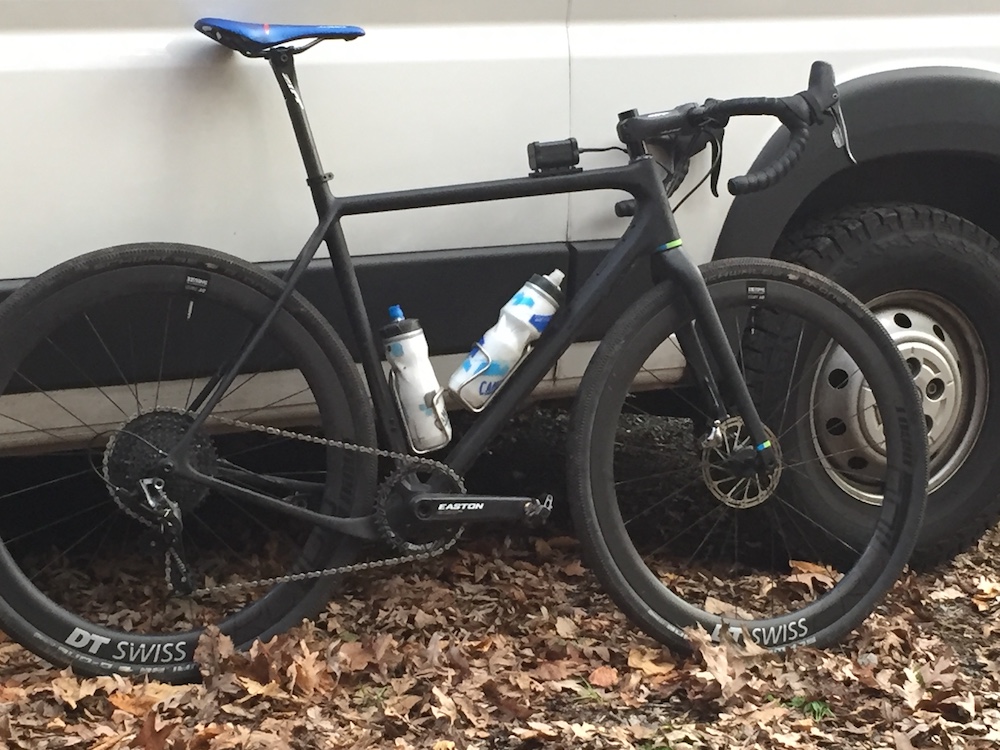
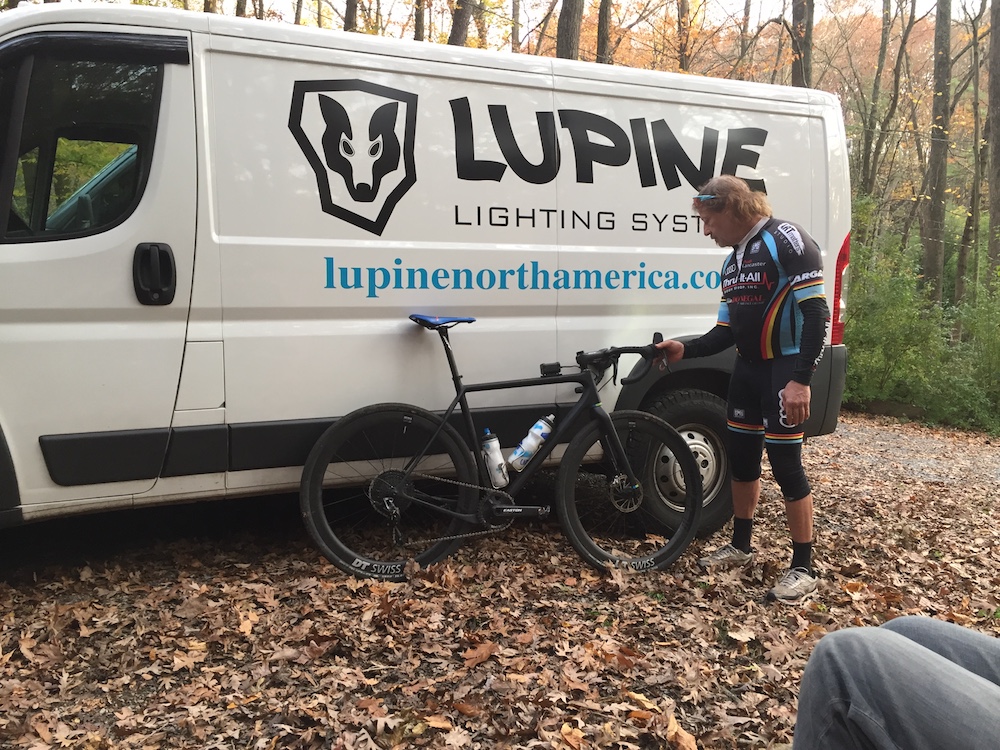
Taking the Open Upper out for a rip with the crew from Lupine lights. More on the latter shortly.
At the top of the heap (bike joke for all of you losers who don’t have the silky smooth bike handling skillz of the FBD), is a wonderful whip from a (kinda) new kid on the block, OPEN Cycle. Open was started by the big guys behind Cervelo, Gerard Vroomen and Andy Kessler. Their extensive experience and success in the bike industry was immediately evident as this bike is incredible. I had the good fortune to put it through its paces on all sorts of trails, road, and paths, and I struggle to find anything critical to write — this is really saying something, too, as I am one of those people with the gift of being able to find something critical to say about EVERYTHING.
The bike is light, responsive and incredible versatile. You can outfit it with slicks for road riding, 32’s for cross racing, 40’s for mixed gravel/single track cruising, or even go with full-blown mountain wheels if you are primarily riding dirt.
This fine steed made the cut for this column for many reasons, but in particular due to its versatility. The strength coach at the Steamboat Springs Winter Sports Club is an avid rider, a fat bike World Masters Champion and just an all-around speedy dude. He has an Open and he told me that due to its versatility, he has narrowed his fleet to just a few bikes, as he can easily swap wheels on the Open and have a perfect bike for almost any type of riding.
Being far more civilized than he and his barbaric attitude to thin the FBD bike herd, I have adopted the “if some is good, more is better,” truism that applies to all elements of endurance athletics, and have therefore chosen to get this bike, and all of the wheels, and keep all of my other bikes. Ha! Suck it, garage space.
Before any of you haters out there write in to criticism this strategy, let me preemptively explain what I like to call, the “FBD sailboat defense.” Being the key, influential member of the littératie that I am, I am often called upon to hobnob with my fellow cultural elites in places like Camelot, Kennebunkport and Cannes, so spending time on luxury watercraft it old hat to this cat. As most of you know, the purchase price and upkeep of any sort of boat is astronomical and absurd, so any time there is even the most subtle suggestion by any member of the FBD inner circle that I am wasting my money on all of these ridiculous and seemingly redundant (or is it superfluous, I REALLY NEED TO FACT CHECK MY WORK) bicycles, I immediate launch into the FBD sailboat defense, which goes something like this: “Would you rather I had a sailboat? Huh? Would you? That costs WAY more and is way worse for my health. Look how fit I am. Do you want me to have a heart attack? Is that it? Why would you wish that upon me, when I love you so much?” I do this all at an ever-increasing volume, then run to my room in tears and lock the door, barricading myself in with my fancy coffee grinder until everyone gives in and I get to buy my new saddle, or tyres, or whatever piece of gear upon which I have obsessed on that given day. Criticism me all you want, but that sh*t works. So go treat yourself to a new gravel bike, after all, who deserves it more than you do? (Well, me, but I already have one, so you’re up next.)
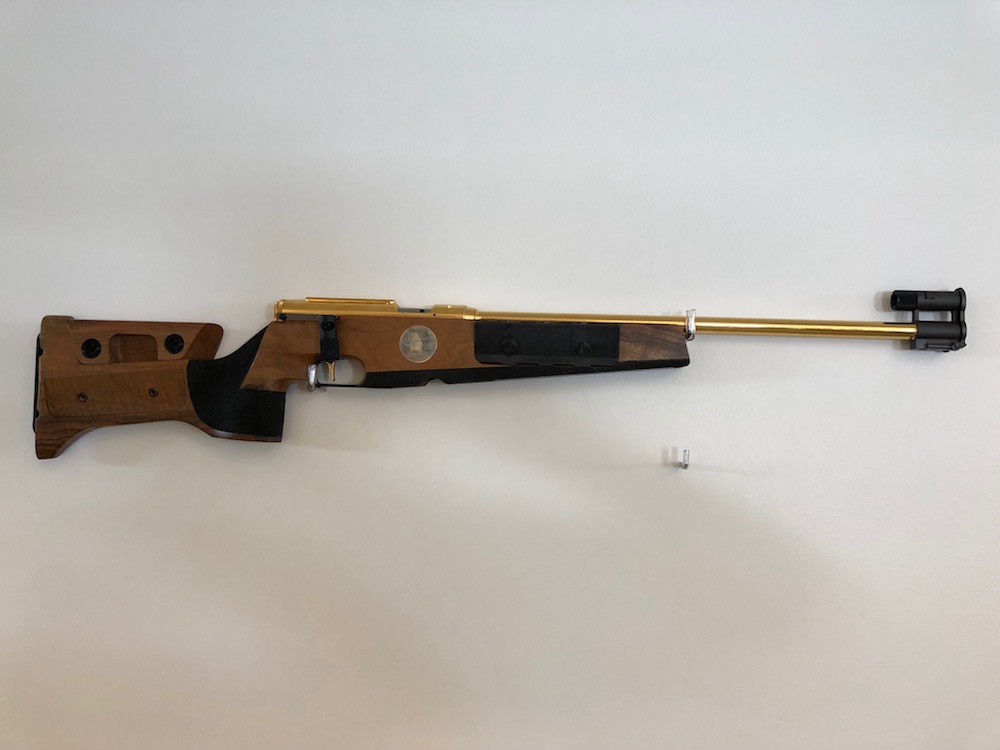
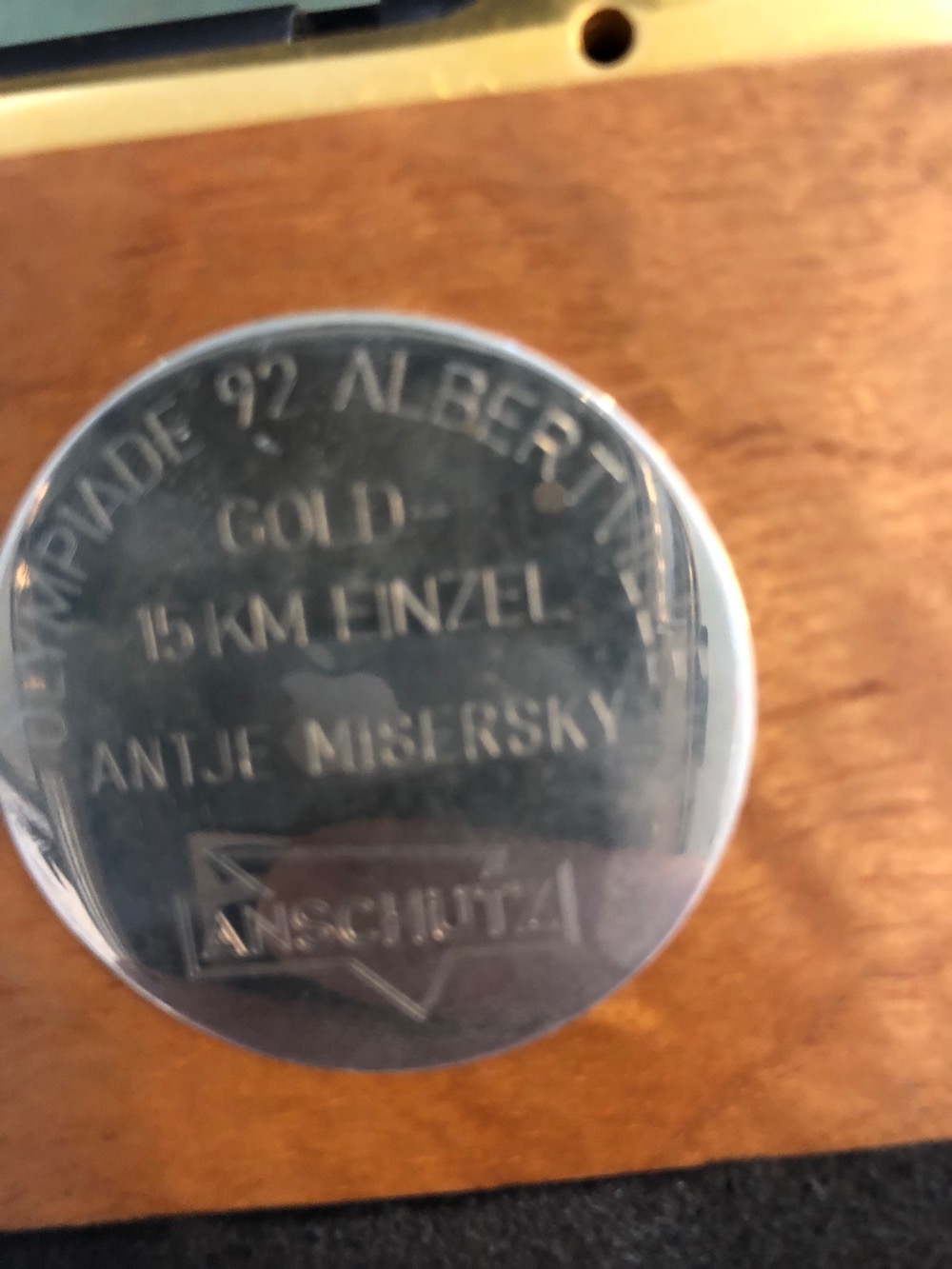
Fully functional Anschutz Fortner biathlon rifle: gold-plated and one of a kind. Given to Antje Misersky-Harvey by J.G. Anschütz GmbH (the world’s leading manufacture of biathlon rifles) in recognition of her gold medal in the women’s individual at the 1992 Albertville Olympic Games.
I’m going to finish this very special column with a very special story (and no, not that kind of “special” — this is actually an incredible account of perseverance, courage and strength)
Without a doubt, the United States is a great country. Having said that, it always annoys me when pandering politicians and nut-job, right-wing pundits go for the lowest common denominator and claim it to be “the greatest county in the entire world,” as there are lots of great places and people out there in the world, so to simply unilaterally and without fact claim us to be No. 1 across the board in all categories is inaccurate and arrogant (look no further than our global rankings for gun violence, health care, education, quality of living, and self-assessment of happiness, just to name a few). That notwithstanding, the US is most certainly a great place, as this remarkable series of events illustrates.
As noted in Wednesday’s masterpiece, like so many good stories, I was “just skiing along,” well, in this case, uh, “just standing along (does that even make sense?) in Altius Handcrafted Firearms in West Yellowstone, Montana, the nation’s premier biathlon shop, when in walked Ian and Antje Harvey with a biathlon rifle for consignment. The rifle is gold-plated and an amazing piece, but this rifle itself was just the tip of the iceberg, as the accompanying back-story is nothing short of incredible.
One of the many intriguing aspects of the story of the history of the rifle is that a doping controversy is at its core, making it perhaps more prescient than now than ever before, in particular given everything currently happening on this front.
This full story was published in Masters Skier and Cross Country Skier magazines several years ago, but sadly I was unable to find any versions online. With full respect and attribution to the fact that this was published previously, I will present a short summary, but I do encourage everyone to try to find the complete versions of these accounts, as they are simply amazing. In essence, this is a tale about overcoming long odds, stifling authoritarian government regimes and the strong moral authority to do the right thing.
Antje Misersky-Harvey grew up in East Germany in the 1970s and 1980s. A rising star in cross-country, she found herself in an extremely difficult and dangerous situation when she refused to acquiesce to pressure from the East German government to take performance enhancing drugs. Rather than administer what she believed to be dangerous, illegal and immoral chemicals, she instead opted to quit skiing. Just before the 1992 Olympic Games, however, East Germany was building a women’s biathlon squad for the first time, as 1992 was the first WOG to feature this discipline. Scrambling to build a team powerful enough to take on the strong West Germans, she was allowed to join without being forced to dope.
Antje Misersky (now Harvey) was awarded a gold-plated Anschutz Fortner biathlon rifle for her gold medal at the 1992 Olympics.
Fast-forward to the Games themselves, where she went on to win a gold medal. The story gets even more incredible here though, as this was just after the fall of the Berlin wall, so the now, greatly liberated German media was very anxious to hear her incredible and harrowing story. Not surprisingly, officials from the former East Germany were much less excited about these details getting out, so she and her family received numerous death threats. Given the very recent change in the political structure and the enormous, far-reaching power in the previous governments, these were threats that could not be taken lightly. Being a person of great courage, conviction and character, however, she went on TV for a full, one-hour interview exposé and was one of the first athletes to have a very vocal and outspoken role in the anti-doping crusade.
In appreciation of her gold medal, bravery and strong, moral conviction, Anschutz, the manufacture of the rifle she used to win her one gold and three silver Olympic medals, presented her with an extremely unique and stunning gold-plated rifle. Not only is this extremely rare, but the story behind it is nothing short of incredible as well. And this rifle is now for sale.
One of the things that I’ve learned in my few trips around the block is that it is very easy to fall in to “the grass is always greener” trap. Sure, our national team athletes (not to mention our development team and junior team athletes) may not have everything that their European counterparts do, but was Lowell Bailey’s father ever issued death threats by the US government? Given that fact that I highly doubt that Trump could even spell ‘biathlon,’ this seems quite unlikely. Yes, Noah Hoffman is currently paying for his wax tech and I think we all wish that this wasn’t the case, but has he ever been so knocked over by government officials as he approached the finish line, therein preventing a win, due to his political views? Have any of our female athletes been pressured into pregnancies (to later be terminated prior to competition), in order to get a more advantageous hormone profile? No. Never. Yet these are things that happened (and sadly, appear to still be happening in some places) at the behest of other federal governments. Let’s be very clear about this, too, these atrocities are not happening in isolated cases with a few random athletes, not is this a conspiracy of a few rogue coaches, but rather these are massive, nationally orchestrated programs run by the highest levels of government. Please allow that to sink in for a moment.
In the U.S., this is simply unfathomable. As citizens, we rightful become incensed if we even perceive a whiff of government intrusion in any aspect of our lives, yet not all that long ago, and maybe still even today, there are national-team athletes from other countries facing almost indescribable oppression, intimidation and abuse. So while I wish we had a wax truck for biathlon and nordic combined, and I wish both our health care and education systems were more efficacious and economical, but despite these shortcomings, I am still very proud to be an American, as this is most certainly one of the greatest countries in the world. Even with Trump.
Pre-order partnership on Earth Day supports ski-focused climate change activism
We are lucky to have a business that allows us to pursue our passion as a job, and to earn a living doing what we love. We are lucky to have a client base that values our work and shares our values. We help our customers get the most out of their investment in a passion and a hobby, and we’re lucky to see the very best of the people we work with. We’re lucky to share our favorite lifestyle with a cool kid, who also loves skiing, and to travel the world as a family, and call it “work”. We have worked hard to make the life we’ve got, and we’re lucky that we work in an industry where everybody is willing to work hard and make sacrifices to ensure that we get to keep skiing. The question we are faced with is a big one; how long will our luck hold?
Climate change is happening, and the future of winter sport is uncertain. We believe in a future for winter sport. We’re not ready to throw in the towel and give up on winter, but we can’t continue to count on luck to ensure the future of our lifestyle and livelihood. Like most people that we know and work with, we’ve had our heads firmly buried in the sand. We’re not denying the scientific reality that confronts all of us, but we haven’t exactly been willing to face it head-on. It’s time to change that approach. We’re in a good position to call attention to a cause and to forge partnerships with our suppliers and our customers to make a difference. So here’s what we’re going to do:
On Earth Day, April 22nd, we will accept $100 deposits for new ski orders. Those deposits will be applied to the cost of a new pair of skis, and the $100 deposits will be donated in their entirety to Protect Our Winters. For specifics, and to place an order and a deposit, follow this link to our webstore.
Why Protect Our Winters? Well, we looked at them first because of their partnership with Andy Newell and Simi Hamilton. We reached out to those guys, and they both endorsed the plan. POW is a non-partisan organization with a goal of “mobilizing the outdoor sports community to lead the charge towards positive climate action”. They focus on political advocacy (that’s lobbying, where massive fossil fuel industry dollars are focused), education, and community action. They recognize the potential power and influence of the outdoor industry as a 650 billion dollar contributor to the economy. They’re a perfect fit, and a very well regarded organization.
We’ve approached our ski industry partners with this idea, and Fischer, Madshus and Salomon have all agreed to support this project. Fischer is especially connected, since Simi and Andy, along with Fischer athletes Kikkan Randall and Steve Nyman (USST Alpine) are part of POW’s Rider’s Alliance. We’re really pleased that all of our major ski brands have been quick to offer their support and will share the cost of this project.
What’s the bottom line?
We don’t really know what to expect from this. At a minimum, we hope that this causes our readers to pause and reflect. We hope that it provides an opportunity for our customers to contribute directly to a cause that concerns all of us. We hope that you recognize that participating in this project is a great way to leverage our commitment, and the commitment of our ski suppliers, to contribute to fighting climate change.
We don’t expect this to generate a huge amount of new business for us. That’s not the goal. But we hope it makes our commitment clear, and we hope that it generates a meaningful contribution to POW.
It’s also good timing, since we’re currently planning our ski selection trips for the season, and it’s time to be taking orders. So, think it over, and let us know if you have any questions.



 While in D.C., the POW team met with members of the conservative climate caucus, led by Utah Congressman John Curtis, to advocate for the support of the following five “asks” in climate package negotiations: