Tag: Recovery

  • For Low-Intensity Training, Consistency Beats the Big Week

    For Low-Intensity Training, Consistency Beats the Big Week

    This article was made possible through the generous support of our voluntary subscribers. If you value coverage like this, please support FasterSkier with a voluntary subscription.
    A new study landed in my feed last week, and I will admit the algorithm has my number. It steered me toward a question I have chewed on more than once here at FasterSkier: when it comes to low-intensity training, are you better off concentrating volume into one big week, or spreading the same volume evenly across several weeks? The easy move is to enjoy a paper that agrees with you and click away. I try not to do that. A study only earns its keep if I am willing to read the ones that argue against me with the same care I give the ones that pat me on the back. This one sits close to my own view, which is exactly why I want to handle it carefully.

    What the researchers tested

    Walther and colleagues, writing in the International Journal of Sports Physiology and Performance, set out to test whether concentrating low-intensity training into a high-volume block produces any adaptation that even distribution does not. They worked with 20 well-trained junior cross-country skiers in a crossover design, so every athlete completed both approaches and served as their own comparison. Total training volume was matched across the two protocols. Before and after each intervention, the researchers ran a battery of tests: VO2max, peak velocity at VO2max, lactate responses, submaximal economy markers, and subjective measures of recovery and fatigue.

    The two protocols differed only in shape:

    • BLOCK: one week at 160 percent of normal endurance volume, followed by three reduced-volume weeks.
    • EVEN: the same total volume spread evenly across four weeks.

    The point worth holding onto is that the totals were identical. Only the organization of the four weeks changed.

    FasterSkier – Even vs Block Protocol – Figure 1: Bar charts comparing the EVEN and BLOCK protocols. EVEN shows four weeks at 100 percent of normal volume. BLOCK shows one week at 160 percent, followed by three weeks at 80 percent. Total volume is identical. The two protocols delivered identical total volume. BLOCK front-loaded a 160 percent week; EVEN spread the same load across four weeks.

    The performance results

    Concentrating the volume into a block had no effect on performance. Both protocols nudged some variables in the right direction, and the improvements were statistically similar. VO2max, maximal aerobic speed, and lactate-threshold measures all moved to a comparable degree whether the work was stacked into a block or laid out evenly. That matters because block periodization is so often assumed to be the stronger option. Here, concentrating on a low-intensity load produced no extra adaptation beyond what consistent training already delivered.

    The two approaches did not feel the same, though. During the high-volume week and the recovery week that followed, the BLOCK group reported lower mood, reduced feelings of recovery, and greater fatigue. The athletes tolerated the work, and there was no indication of increased injury or illness risk, though four weeks is a short window in which to base that claim. The concentrated approach simply costs more on the recovery side without being repaid in results. I would have liked to see heart rate variability tracked across both protocols. Autonomic data might have put real numbers to that recovery cost, rather than leaving it to a subjective report.

    FasterSkier – Gains vs Cost – Figure 2: Both protocols improved aerobic measures to a similar degree, but the block week carried a higher subjective recovery cost.

    Why this matches what I have seen

    This lines up with something I have watched play out across endurance sport for years. Adaptation comes from repeated exposure, not from the occasional enormous week that flattens recovery and chips away at the very adaptation you are chasing. A training model deserves to be judged on more than whether it works. Time to adaptation matters. So does recovery cost, psychological and autonomic strain, and whether an athlete can actually keep the thing going for months and years. The block protocol led to greater fatigue and poorer perceived recovery without a better outcome. From a coaching chair, that is not a small detail, and it weighs even heavier with junior athletes.

    There is a fair counterargument, and it deserves room. Proponents of block periodization will point out that overload blocks build fatigue first and may reveal their benefits only over a longer horizon, and that a four-week window can miss those delayed adaptations. I see the logic, but I lean the other way. The longer the timeline an adaptation needs, the greater the room for overtraining and the thinner the signal you are actually working with. If a block needs four weeks to show its hand, there probably wasn’t much adaptive signal to begin with.

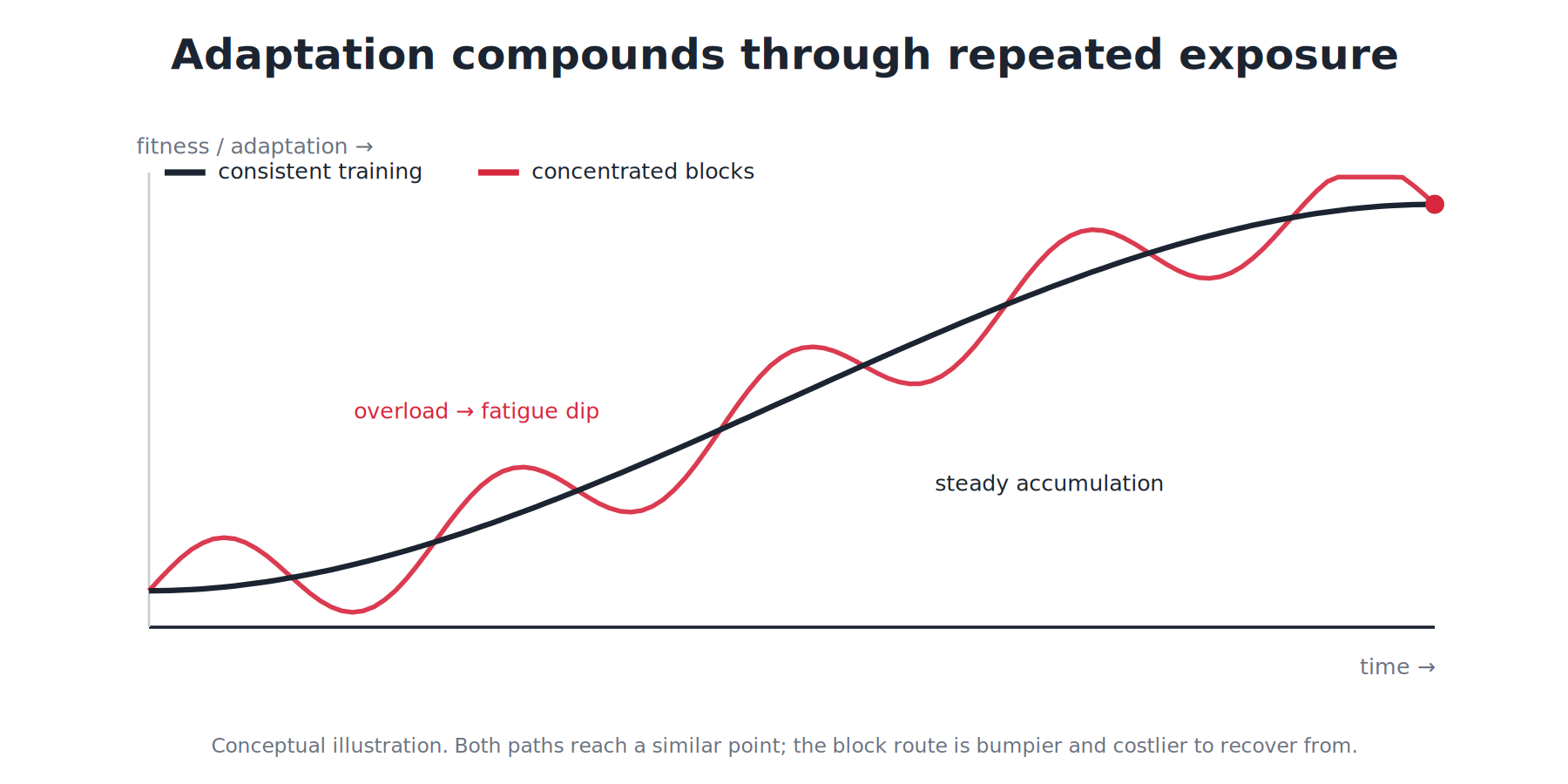
    FasterSkier – Block vs Consistency – Figure 3: Over time, adaptation accumulates through repeated exposure. The block route can reach a similar point, but with more fatigue along the way.

    Why low intensity is the key qualifier

    For low-intensity work, the physiological stress of any single session is modest by design. The adaptation seems to come from stacking many of those sessions on top of one another over time, not from cramming volume into a short window. When the totals match, the body appears to respond to how much training got done, not to how it was parceled out. That helps explain why athletes who lean on the occasional big week rarely pull ahead of the ones who just train, month after month, without drama. The big week feels harder. Harder is not the same as more adaptive.

    The authors are careful not to overreach, and so am I. Their findings should not be stretched to cover every form of block periodization. The earlier work showing real benefits from block training generally concentrated high-intensity sessions, where the stimulus is far larger. This study looked only at low-intensity volume. Block periodization may well earn its place when the stimulus itself is potent. There is just little evidence that piling up low-intensity volume creates a stronger adaptive signal.

    What it means for junior coaching

    For junior endurance athletes, the practical read is straightforward. Do not expect a high-volume, low-intensity camp or an overload week to produce superior adaptations simply because the work is bunched together. Camps still earn their place for logistics, technique, and the team-building that holds a season together. They just do not appear to hand you a physiological edge once total volume is matched.

    So here is where I land. Concentrating low-intensity volume into overload blocks does not seem to yield better short-term aerobic adaptation than spreading the same volume out, at least when the total volume is equal. I am not claiming block periodization does not work, or that all concentrated loading is a waste. What the evidence keeps pointing at, for aerobic base development, is that showing up consistently does more for an athlete than the occasional heroic training week. Over a season, the consistent skier and the big-week skier can bank the same hours. Only one of them pays the fatigue tax to get there.


    Help Support Our Coverage!

    If you value the thoughtful work and access FasterSkier provides, please consider becoming a Voluntary Subscriber. Your support directly fuels our work to cover the people, places, and moments that make our sport special.

    Join the FasterSkier community!
     

  • The Best Ways to Recover After a Long Day of Cross-Country Skiing

    The Best Ways to Recover After a Long Day of Cross-Country Skiing


    Cross-country skiing is among the most physically demanding winter activities. Long hours on the trails can leave your legs tired, your energy depleted, and your body in need of proper recovery.

    It’s true: the sport is known for its peaceful surroundings and endurance benefits. However, recovery is just as essential as performance itself. Get the right post-ski routine in place, and you can restore energy levels to prepare for another day outdoors.

    This guide details how to do this successfully.

    Warm Up Properly After Leaving the Trails

    After your skiing session is done, one of the first priorities is to bring your body temperature back to a comfortable level. You don’t want to remain in damp base layers for too long. This can leave your muscles feeling stiff and uncomfortable, particularly during colder weather.

    After finishing for the day, it’s common for experienced skiers to change into dry clothing immediately and spend time warming up gradually indoors. From warm drinks and heated lounges to calm surroundings, there are various ways to support your body’s transition out of high physical activity without feeling abrupt.

    Refuel with the Right Food and Drink

    Cross-country skiing burns a significant amount of energy. That’s certainly the case when engaging in longer sessions or tackling difficult trail conditions. Recovery becomes much harder without proper hydration and nutrition afterwards.

    After any endurance-based activity, meals containing carbohydrates and protein are recommended because they replenish energy while supporting muscle recovery. Hydration is equally important, even during cold weather when dehydration is easier to overlook.

    Whether it’s a hearty soup or an electrolyte-rich drink, it can be beneficial after a demanding day on the snow.

    Stretch and Relax Your Muscles

    Legs, hips, shoulders, and lower back muscles, they all work heavily during cross-country skiing. Without proper stretching afterwards, stiffness can build quickly. That would make the following day much more uncomfortable.

    Gentle stretching and light mobility exercises can reduce tension while enhancing flexibility. After spending hours in freezing conditions, some skiers also opt for saunas or warm baths to relax those sore muscles.

    Just remember that recovery routines don’t need to be intense. In a lot of cases, slower, more controlled movement works best after long-distance skiing sessions.

    Prioritize Quiet Evening Downtime

    After spending hours outdoors, packed schedules and busy nightlife sessions are not the answer. Calm, low-energy evenings are a much better fit. After all, recovery is not only physical. Mental relaxation is also important.

    Quiet evenings in your lodge or hotel room become part of the overall experience. While recovering indoors, some travelers read. Others watch films or enjoy light digital entertainment. The latter includes a flexible mobile platform like kanuuna.com. Kanuuna fits naturally into quieter moments because sessions can be short and casual. Whether you prefer action-packed slots or slower-paced card games, online casino play doesn’t demand too much attention after an exhausting day on the trails.

    Get Rest and Quality Sleep

    Sleep remains one of the most effective recovery tools available. Long skiing sessions put strain on muscles and energy reserves, and proper sleep gives the body time to repair itself naturally.

    Another advantage: a well-rested body is far better prepared for another full day of skiing. This is key for multi-day trips where consistent recovery is essential.

  • Inside the Masters Skier’s Training Equation: Recovery, Strength, and the End of Hero Workouts

    Inside the Masters Skier’s Training Equation: Recovery, Strength, and the End of Hero Workouts

    This article was made possible through the generous support of our voluntary subscribers. If you value coverage like this, please support FasterSkier with a voluntary subscription.

    A Different Equation

    Masters’ athletes are often told to “train smarter, not harder,” or the current version: “Go easy on the endurance sessions so you can go hard on the intense sessions.” Those phrases get repeated so often they’ve lost context and meaning. But there is a real physiological reason training for masters’ skiers must be approached differently than training for younger athletes.

    The challenge is not simply age itself. The challenge is balancing adaptation with recovery while preserving capacity, durability, consistency, and motivation over many years of training. Older athletes can still improve significantly. Aerobic capacity can improve. Sustainable race pace can improve. Technique can improve substantially. Strength and power can improve. What changes is the recovery required to create adaptation and the recognition that the margin for error narrows considerably compared to when we were younger.

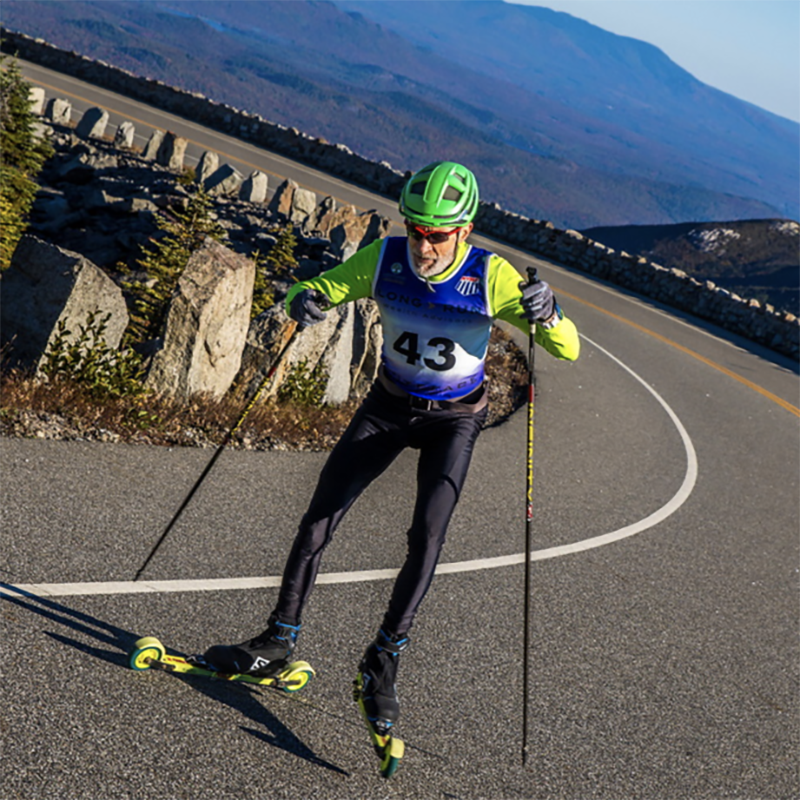
    Daniel Schwenk on his way to 9th place in the Men’s Masters’ division of the Climb to the Castle. (Photo: Nancie Battaglia)
    The Biggest Mistakes

    Many masters athletes carry over the same training structure they used decades earlier, too moderate intensity (Zone 2 and 3 in most 5-zone models), hard sessions stacked too closely together, insufficient recovery between demanding workouts, and not enough attention to technique, strength, mobility, and durability.

    The results are absolutely predictable: chronic fatigue, declining velocity or pace in the hard sessions, stagnate or declining performance in spite of continued training, and simply a loss of motivation to train. Ironically, many master’s athletes are functionally overtrained, despite the reluctance in some circles to even use that term.

    Recovery and Adaptation Become a Primary Training Variable

    As we age, there is a clear reduction in recovery capacity due to reduced anabolic hormone response, decreased muscle protein synthesis, accumulated fatigue, and often greater life stress outside of training.

    None of this means that masters athletes cannot train hard. They absolutely can, and should. Maintaining aerobic capacity and muscular strength is strongly associated with health, function, and longevity. But masters’ athletes generally cannot stack hard sessions with the same frequency as younger athletes without compromising recovery and adaptation.

    For most skiers I have coached or consulted with, the question should not be, How much can I train? The better question is: How much can I recover from and adapt to consistently over the weeks and months ahead? That distinction is perhaps the most important one.

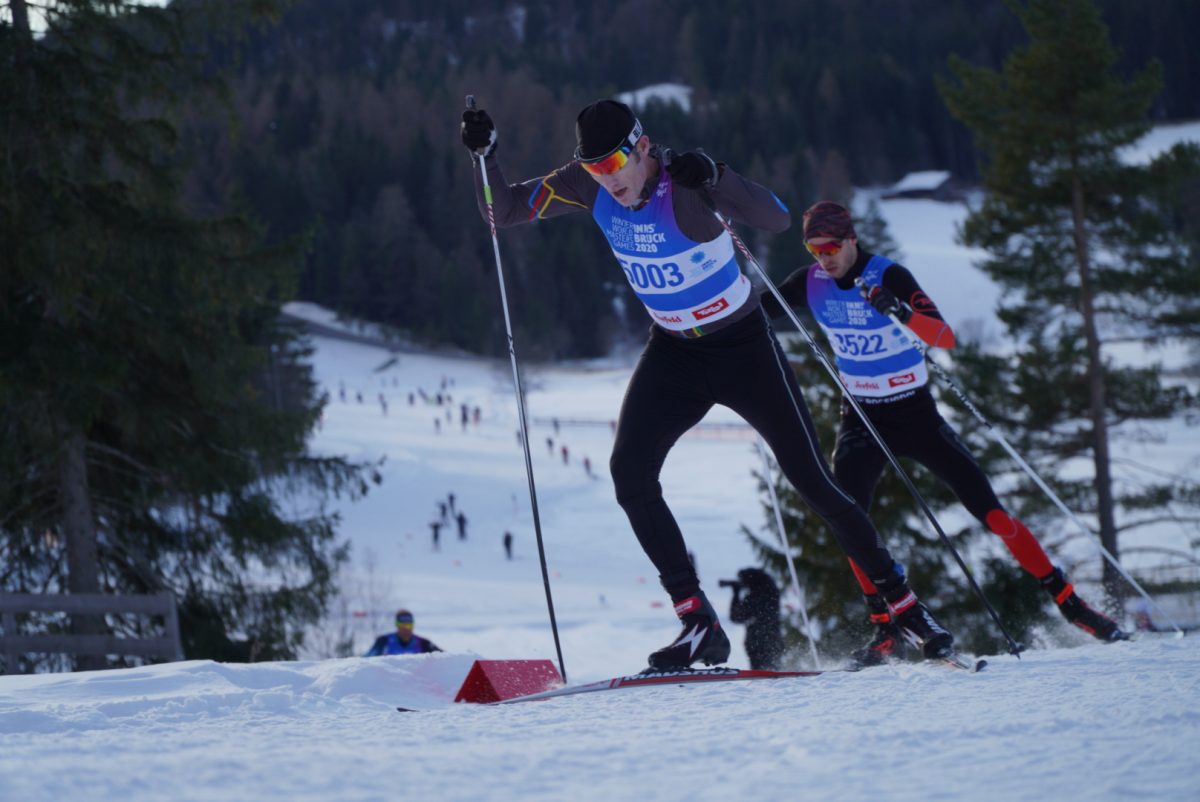
    Tim Donahue mid-race during the 2020 Winter World Masters Games in Seefeld, AUT. (Photo: Garrott Kuzzy / Lumi Experiences)
    Consistency Beats Hero Workouts

    The most successful athletes at any level are usually not the ones doing the biggest “hero” sessions. They are the ones who maintain consistent training and compound it week after week, month after month, and year after year.

    A training model built around sustainability always outperforms the commonly programmed “ramp” approach, where volume and/or intensity continually increase week to week and month to month. The assumption that training load must constantly rise in the short term, to add stress and create more adaptation to improve, is scientifically unsupported and not common practice among athletes who perform well over the long term.

    That means, fewer very hard sessions typically 1–2 every 7–10 days, endurance sessions performed at the correct intensity, usually easier than most athletes think, 1–2 true rest or recovery days per week, not “easy training” or so-called recovery workouts, but actual rest, consistent sleep and nutritional fueling, and proper control and management of both low and high-intensity sessions.

    One of the biggest contradictions in master’s training is that many athletes improve when they reduce training load. That does not necessarily mean less training volume. More often, it means better control of intensity and reduced accumulated stress.

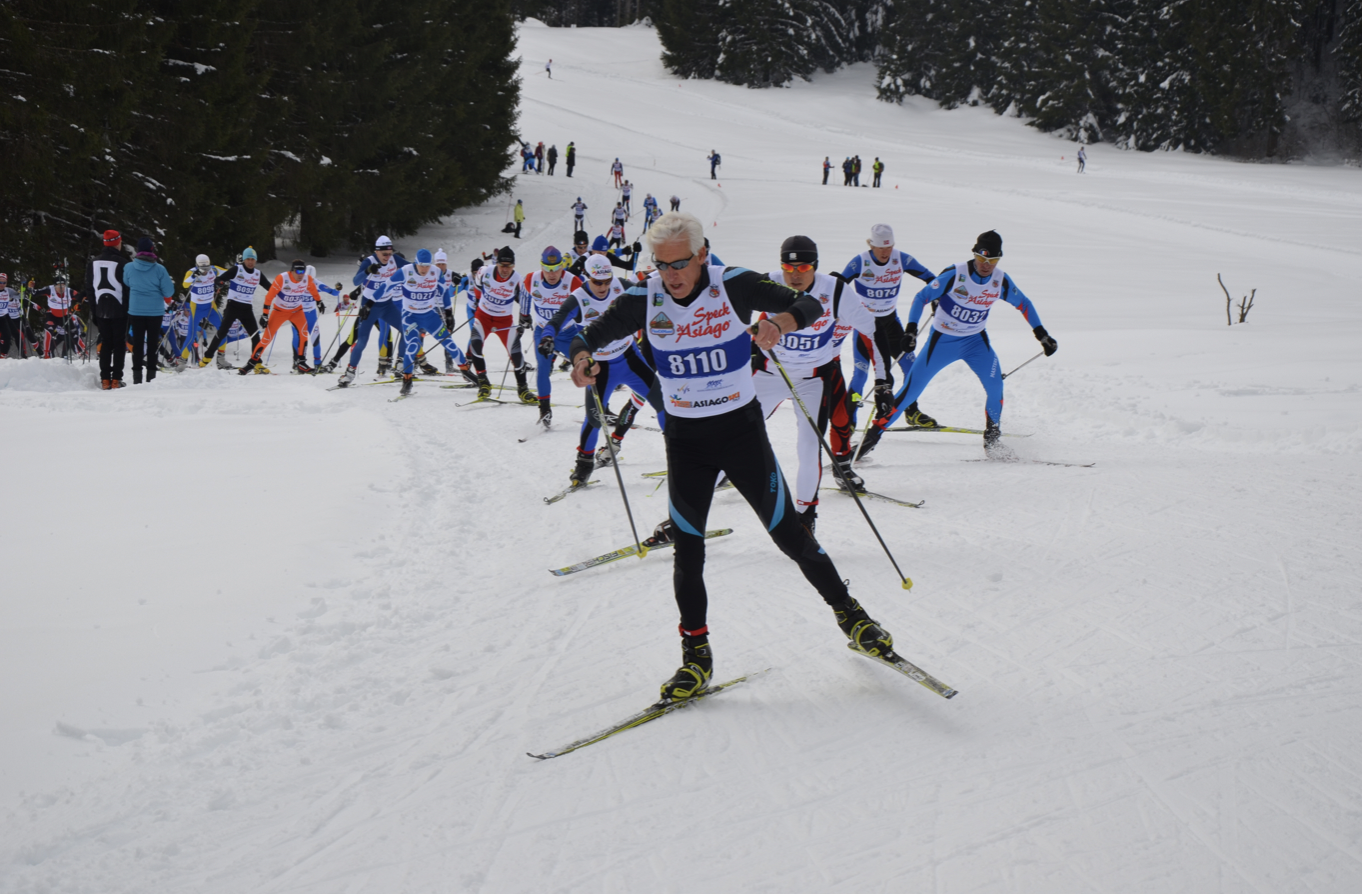
    Masters World Championship, Asiago, Italy, 2014
    Intensity Still Matters

    One of the common mistakes today, especially with the influence of social media and the one-sided promotion of Zone 2 and threshold training, is the assumption that aerobic improvement comes only from easy or moderate training.

    To improve aerobic function, we still need hard training. High-intensity work improves mitochondrial function, increases oxidative capacity in high-threshold motor units, recruits more muscle fibers, and improves high-end aerobic power. The key is proper control of the dose and intensity.

    An elite athlete may tolerate three demanding intensity sessions per week plus strength work. That rarely works for most masters athletes. Many would benefit more from one VO2max session and one maximal steady-state session every 7–10 days, combined with two strength sessions and additional speed- and technique-focused work embedded within basic endurance training. While I really dislike rules of thumb or guidelines in a general sense, I feel using the 80/20 rule is a good starting point. Often confused with the duration or mileage of training. It is not that. The 80/20 guide is 80 percent of the total workouts in a week or a month are easy endurance-based, and 20 percent of the workouts are hard. If one applies this measure to the duration of training, I guarantee over-training.


    Help Support Our Coverage!

    If you value the thoughtful work and access FasterSkier provides, please consider becoming a Voluntary Subscriber. Your support directly fuels our work to cover the people, places, and moments that make our sport special.

    Join the FasterSkier community!
  • Training: Is Continual Improvement Possible?

    Training: Is Continual Improvement Possible?

    This article was made possible through the generous support of our voluntary subscribers.  If you would like to see more articles like this one, please support FasterSkier with a voluntary subscription.  

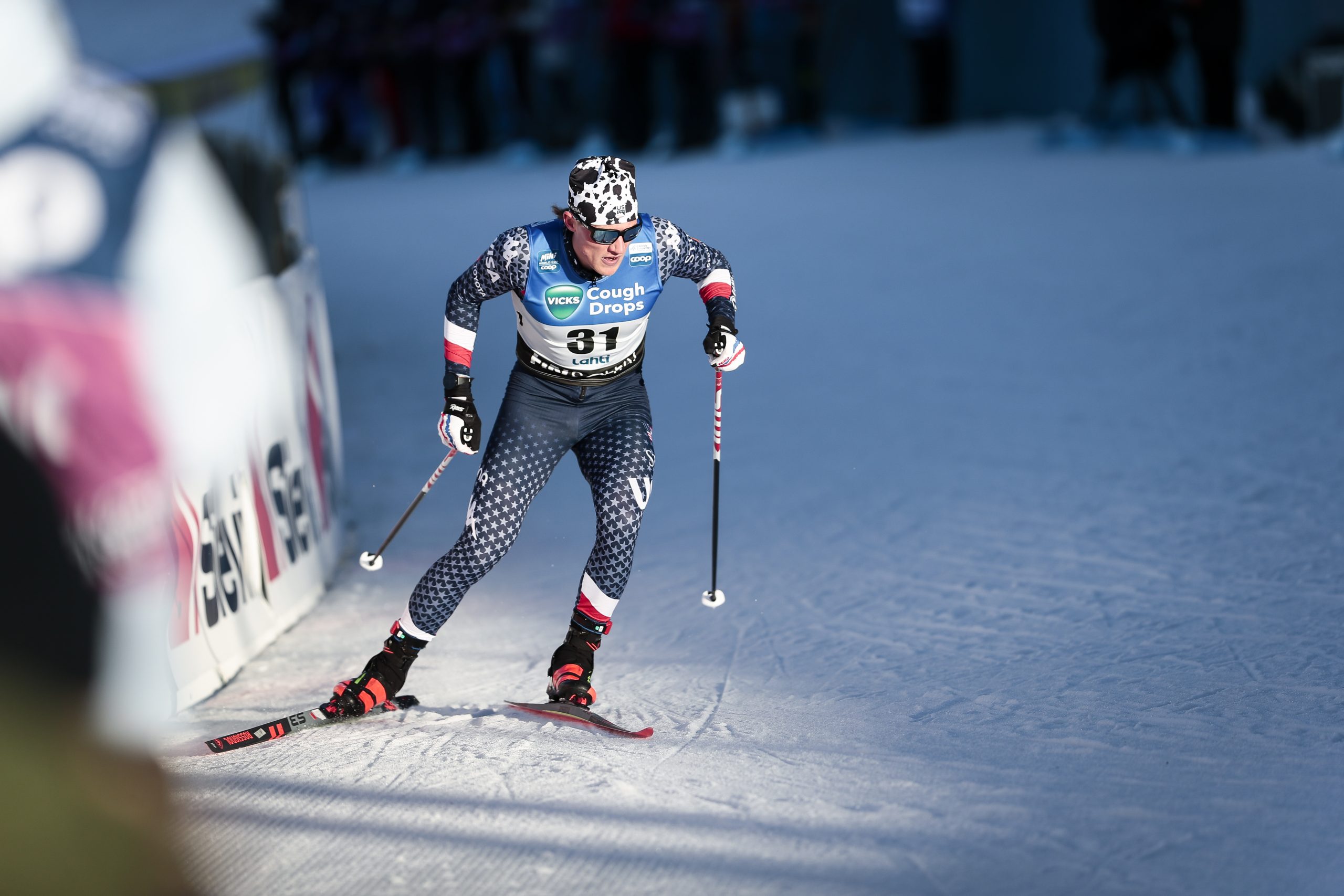
    Mid-season rest and recovery allowed Gus Schumacher (USA) to correct a 2025 World Cup season that had begun to appear shaky. He returned to Europe from Alaska, and immediately began seeing positive results. (Photo: Modica/NordicFocus)

    Over the past three decades of coaching—monitoring dozens of athletes and using tools like Firstbeat analytics to track training load and recovery—I’ve developed my training theory that I call “continual improvement.” Some exercise physiologists, sport scientists, and coaches question whether this is even possible. Others are intrigued by the concept. I always encourage people to step back and really consider the training process; if the training load is appropriate, and skill development is in line with the athlete’s current capacity, shouldn’t we expect measurable, consistent improvement? If not, how long should we wait for improvement to appear.

    There are many training theories out there, but few are supported by peer-reviewed evidence or extensive field experience. Early in my career, I followed many of those traditional models. Eventually, through trial, error, and study I learned they simply didn’t work in a positive and predictable manner. We must remember many of those periodized models that came from systems with widespread doping. Recovery and adaptation weren’t natural; they were pharmaceutically enhanced recovery and adaptation to training. These old models promoted, building volume and/or intensity week after week, month after month, with occasional recovery weeks, followed by a magic taper before competition. These load patterns rarely work in isolation, at least not without assuring recovery and adaptation occur prior to increasing training loads.  Often no improvement occurs because the athlete is in a chronically suppressed state from training stress and absence of recovery. Without ongoing adaptation and recovery, you’re not building fitness; you’re digging a hole.

    The best model for each athlete is an individual program’s training loads that are known to be well tolerated and systematically developed from that point. That means we assess the loads, the dose and density of endurance and high intensity workouts, and build from that point. Consistency without setbacks is the key: doing enough to improve fitness, and not more.

    Improvement in fitness and performance should be observable within a specific phase, over a week, ten days, two weeks, or a three-week cycle. Day-to-day performance will naturally vary, but the overall trend should be upward. The training data should show it.

    This idea of continual improvement is especially true for junior athletes. Their natural growth, building muscle, maturing, and developing neuromuscular coordination, already contributes to improvement. When appropriate training is layered on top of that, performance should consistently progress. If you’re seeing flat or declining performance in a young athlete over a  few weeks or a month  of training, something is off. It’s a strong indicator that the balance between training load, recovery, and adaptation is broken.

    Some people claim I don’t believe in hard training or high volumes, or that I think you can “rest your way” to better performance. Full stop: that’s simply not true. Continual improvement requires doing enough, right now, to stimulate adaptation. And as fitness improves, the training load needs to increase, systematically, to continue improving. Yes, high-level athletes will need large volumes and high intensities to reach their goals. But there is no set number of hours that defines success. We can’t rely on charts or someone else’s model to determine how much training a given athlete needs at a certain age.

    This obsession with “X hours per year” misses the point. One hour of high-quality, well-targeted training can do more than several hours of junk.  By junk I mean training that is not implemented with purpose and to derive a specific adaptation. What matters most is how your training is implemented, controlling the proper intensity and recovery. As I’ve said in my prior piece on HRV, the key is balance: between stress and recovery, load and adaptation. Top athletes train a lot, yet performance isn’t caused by the volume alone. It’s caused by adaptation to training over time.

    Make no mistake: over a span of 6 to 10 years, athletes will need to accumulate a lot of training. But the driver of performance isn’t the hours it’s the ongoing process of load, recovery, and improved physiological function. Too much, and you risk overtraining with no gain. Too little, and you lose fitness.

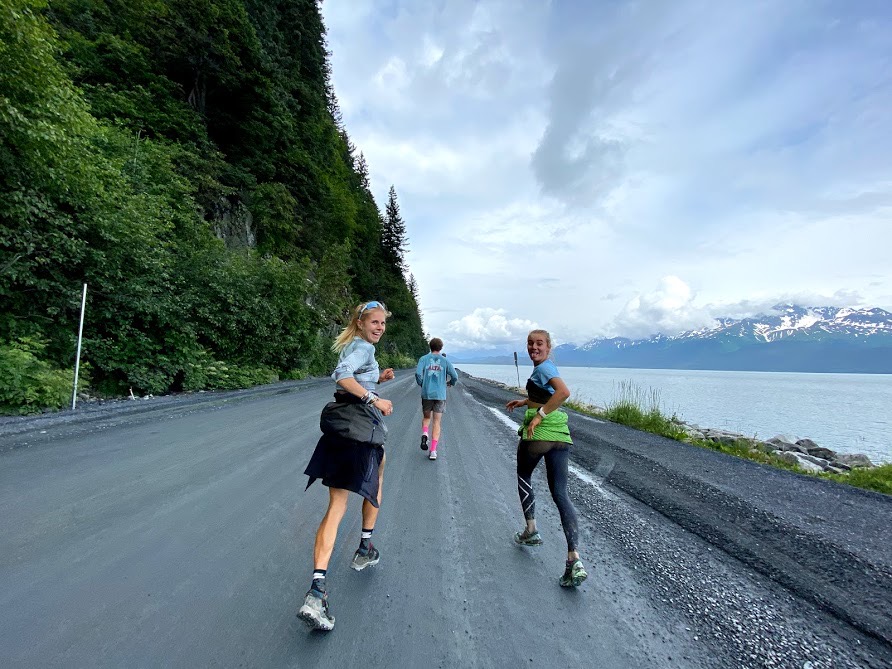
    Sophia Laukli and Novie McCabe on a run last year in Alaska. (Photo: Novie McCabe)
    Stress and Recovery

    Training is built on two pillars: stress and recovery. Recovery is what leads to adaptation. Using Firstbeat HRV data, we can see how training suppresses the parasympathetic nervous system (PNS) and activates the sympathetic (SNS). Recovery flips that equation—PNS activity increases, SNS withdraws. With basic HR monitoring, we can see how the body responds to training and make better decisions.

    Training stress and recovery should lead to improved physiological function over short cycles. Ideally, you want to stress the system, recover within a few days, and then hit a new level of performance. If an athlete stays fatigued for too long, you start losing the benefit of that training. The clearest example is junior athletes who do a massive high-intensity workout or long session at a camp that far exceeds what they’re ready for. Recovery drags on, and they gain very little. The load was too much, the adaptation too slow, and the opportunity lost.

    Every training period should leave the athlete fitter, stronger, and better prepared. In my experience, if you don’t see measurable improvement in 2–3 weeks, something’s wrong. Recovery, adaptation, and performance should always be rising. If they’re not, increasing load won’t help—it will only lead to overtraining.

    Overtraining

    Let me be clear on how I define overtraining: it’s when the training load exceeds the athlete’s ability to recover and adapt. Whether or not clinical markers are present, if performance is flat or declining, the athlete is not adapting. That’s overtraining. The label doesn’t matter; the outcome does.

    Some question my use of the term “overtraining” because it lacks a strict clinical diagnosis. But in practical terms, it’s easy to see. With HRV, the maladaptive patterns are obvious. And in my experience, over the last 20+ years, most athletes I’ve coached or monitored have shown signs of chronic overtraining. In nearly every case, recovery, correct training, and a gradual rebuild of intensity in time restored their performance.

    We should approach training with the mindset that we are always building, always aiming for our next best. Each session, each week, should nudge us forward. Even the hardest workouts should be followed by recovery and a higher level of performance. Ideally, we’re never more than a week or ten days away from our current best level. From there, we build toward our major competitive goals.

    Key Takeaways
    1. Train only enough to stimulate improvement.
    2. Keep load, stress, and recovery in balance.
    3. Increase weekly loads only after measurable adaptation.
    4. Progressively increase both session duration and high-intensity load.
    5. Overtraining is real—especially from too much intensity or volume without adequate preparation.
    6. You should see measurable improvement in fitness and performance every 2–3 weeks, at minimum.
  • Quantifying Recovery: An Intro to Heart Rate Variability by Ned Dowling, PT

    Quantifying Recovery: An Intro to Heart Rate Variability by Ned Dowling, PT

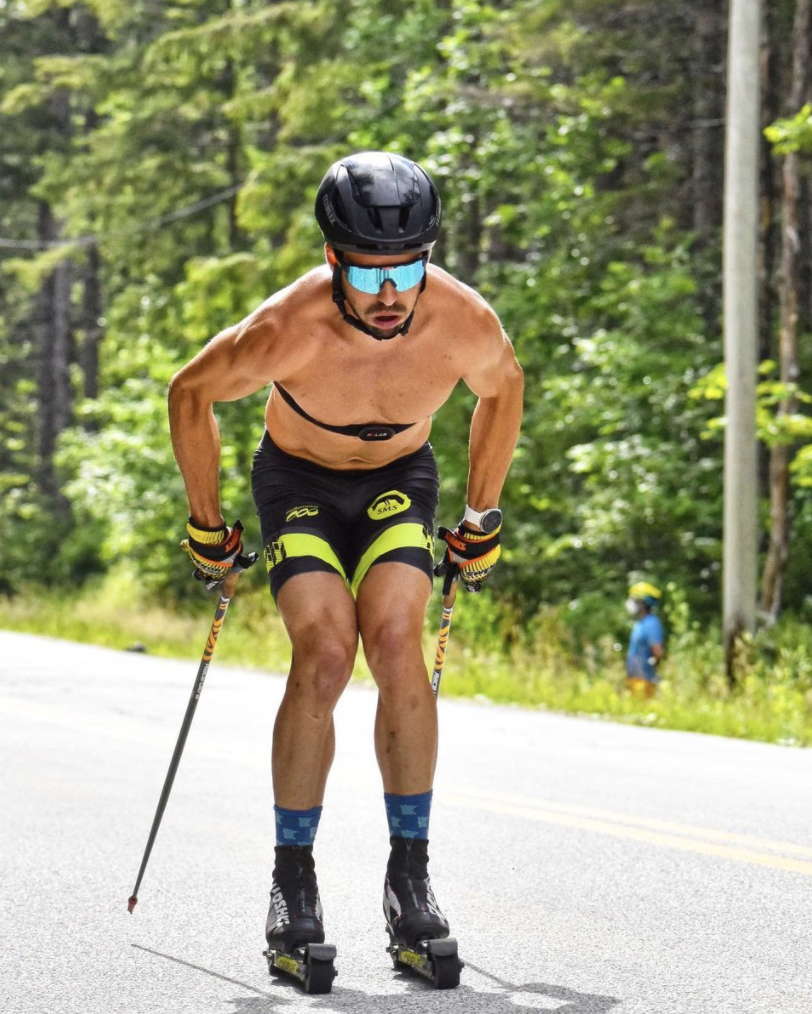
    Ian Torchia (SMS T2) pushes through a set of double pole intervals. (Photo: Tom Horrocks / Instagram @fullytorched)

    As endurance athletes, and especially as cross country skiers, we like to suffer. We enjoy a sport that takes place in the coldest months of the year and requires both strength and endurance to climb big hills and descend on skinny skis with no edges. We like to breathe hard. Most of us are in it for the suffering and the healthy dose of chemicals that our bodies release when the heart rate goes up and the muscles begin to burn. The runner’s high, an endorphin rush, pick your preferred phrasing. 

    Hopefully, we’re smart enough by now to know that we can’t go hard all of the time, at least not without consequences. The really smart among us are able to listen to their bodies and know intuitively when they can step on the gas and when they need to back off. But the rest of us could probably benefit from some type of external governor besides the voices in our heads egging us on, or constantly available Strava competition taunting from inside our pocket.

    If life was just eat, sleep, and train, the calculus of easy/hard or short/long might be pretty easy. But work, school, kids, relationships, global pandemics, and social media bring no shortage of life stressors. And, physiologically, these life stressors can load the body just the same as an interval session. Stress is stress, and stress takes a toll on the body. 

    So, your training plan might call for a hard session, but what if work was crazy, the kid kept you up all night, and you made the mistake of reading the news headlines this morning? Is your body in the right place to make the workout productive? (Or at least not detrimental?) How do you know?

    I think the honest answer is that we don’t always have an answer, but there are some metrics that can help us shape a well-informed guess. 

    Since Polar introduced the first functionally useful heart rate monitor in 1984 and Garmin gave us the GPS watch in 2006, wearable training technology has evolved considerably. Current wearables can track — and thus quantify — everything from steps to sleep to intensity. I don’t dare dive into that vast sea except to highlight and discuss what metrics might be the best at answering our question, “How hard should I push myself today?”

    But before we even get there, it’s worth having a quick refresher on some principles of training, exercise, and activity. Depending on your goals, Nordic skiing can be an activity that simply gets you out in nature, a tool to maintain fitness for other sports like cycling or running in the winter, or it can be a year-round focus with time on snow dichotomized into either training or racing. In any of these scenarios, the cumulative load on the body is a very important variable to manage. 

    Too much load and we stop having fun, plateau or lose fitness, and begin to risk injury. Too little load and we don’t progress, but I doubt that’s an issue with the majority of us. We must also remember that the basic recipe for improving strength and fitness is load + recovery = adaptation. Or as Brad Stulberg and Steve Magness phase it, stress + rest = growth.

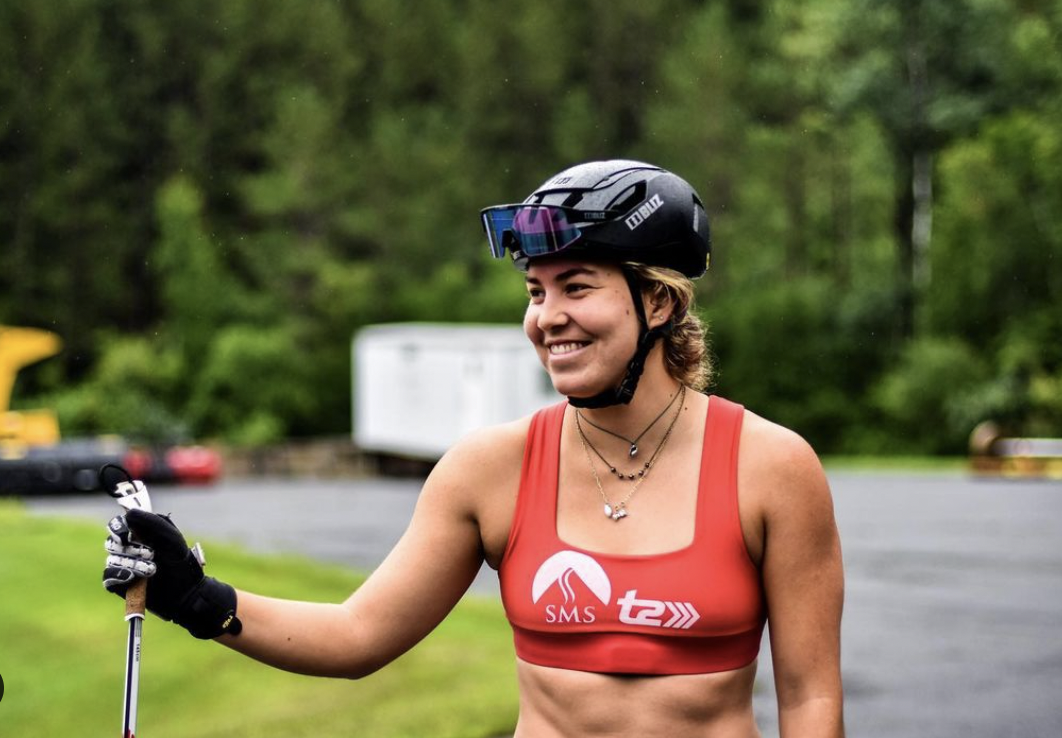
    Lina Sutro (SMS T2) models the female skier’s signature “heart rate monitor tucked under sports bra band” look while training in Vermont. (Photo: Julia Kern)

    Our bodies respond to load by making adaptations, but if we go too hard too often, and/or take too little rest and recovery, the equation becomes out of balance. We lose out on adaptation, and thus our capacity for improvement stalls out. 

    Strategies like polarization and periodization aim to apply the load/recovery equation to maximize the training adaptations and improvements. Briefly, polarized training is the division of activities into either “hard” or “easy” intensity in roughly a 20:80 ratio. There is no “moderate.” The premise being that moderate efforts are neither hard enough to stimulate adaptations nor easy enough to allow to develop aerobic pathways or for active recovery — putting in “junk miles”, as it’s often described. 

    In a periodized training program, polarization is taken a step further with hard and easy sessions layered together over longer cycles (think weeks and months). A periodized training plan builds progressively toward a goal race, followed by a period of time following the event that is focused on rest and unstructured training.

    During that macrocycle, the split of your weekly training might stay roughly at the 80/20 ratio, but every third or fourth week might be recovery-focused, with a lower volume than the previous weeks. This three to four week block might be called a microcycle. On average, the easy-to-hard ratio is the same, but the overall load of the week is lower, allowing the body to adapt and repair. (And you can catch up on your laundry.)

    These fundamental concepts should be incorporated in any good training strategy, whether it’s a week-by-week homemade plan or a comprehensive annual program from a coach. But, just because the plan is intended to provide a roadmap for loading and resting doesn’t mean we will always get the implementation right. 

    This is not the coach’s fault. It’s life’s fault. A training program is written to balance training load and frequently doesn’t account for the additional stressors of work, school, or family. Stress is stress, regardless of the source. We can’t achieve the intended balance in training if we are over-tired from traveling for work, have been chasing our kids around all day, or burned the midnight oil trying to get our work done when our kids’ school is shut down. Similarly, pushing too hard when we should be going easy leaves us over-cooked before an interval session, deeming it unproductive. But how do we gage the load our body’s have been under?

    (If you read the previous paragraphs and said, “This is stupid, I just want to ski” I don’t blame you. I don’t think everyone needs a rigid or even dichotomized workout schedule. However, if all of your exercise is at a hard intensity your risk of injury is increased so you might consider rethinking your strategy. If all of your exercise is at moderate intensity, then you’re just unlikely to get faster. For a lot of people, that’s not a priority, which is perfectly fine and you shouldn’t be judged or dissuaded. Go have fun!)

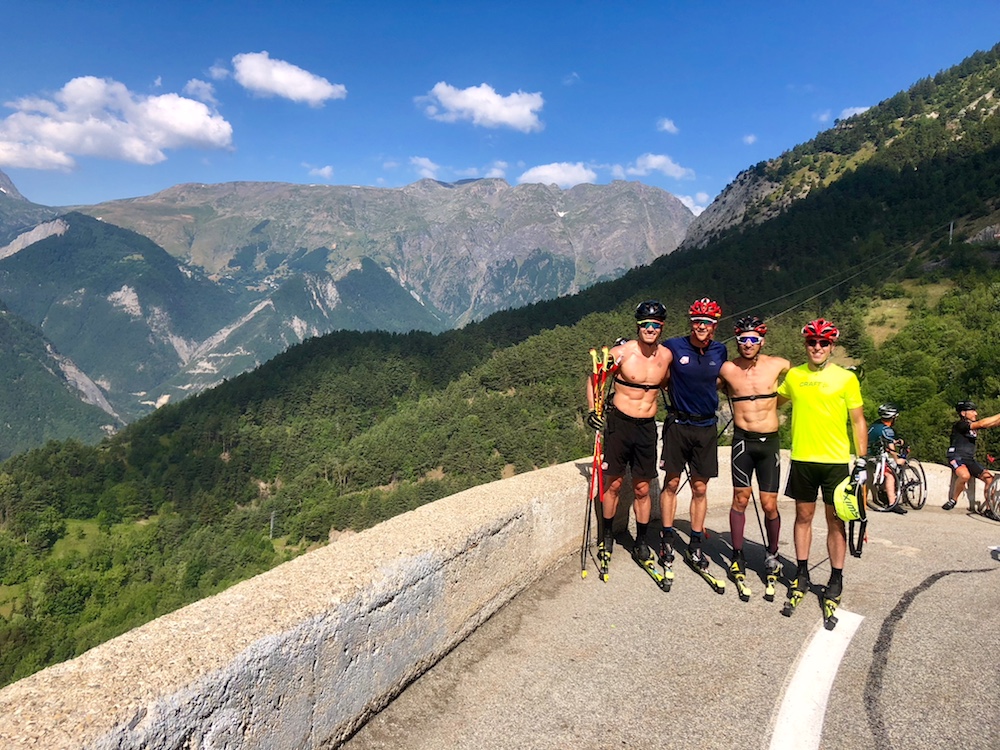
    From l to r: Simi Hamilton, Erik Bjornsen, Ian Torchia, and Paddy Caldwell of the U.S. men’s team during a 2018 rollerski up l’Alpe d’Huez in France. (Photo: Chris Grover)

    There’s an old proverb in bike racing about burning matches. Everyone on the starting line starts with the same number of matches. During the race, matches are burned quickly by riding at the front, attacking, covering attacks, and just riding above one’s threshold. At the end of the race it’s often not the strongest rider who wins but the one who burns the least matches (the 2021 men’s Paris-Roubaix is a perfect example). 

    We, too, start the day with a set number of matches that we’ll burn up with road rage, frustrations at work, frustrations at home, social media FOMO, and of course training. The number of matches we get each day is directly related to how rested and recovered we are heading into the day, both mentally and physically. Exactly how many matches are in the box goes back to recovery, and, once again, to our original question: “How hard should I push myself today?”

    If your matches are burnt up before you head out to train, the answer might be “Not very,” regardless of what the training plan says.

    One of the earlier attempts to answer this analogue question with a binary “hard or easy”, was resting heart rate. It’s a simple concept: Take your heart rate every morning for a few weeks and calculate an average. If your heart rate has increased by more than 5 beats per minute from the average, then your inventory of matches is not fully replenished. While this article won’t go deeply into the details, there is some research to indicate that resting heart rate doesn’t correlate that well with fatigue levels. This article from Marco Altini goes into significant detail on the topic. (If you follow that link, you’ll find that you’ve arrived on the last of a five part series on Heart Rate Variability. Dr Altini is one of the leading experts and innovators in the field, you may find his articles to be more robust than one you’re currently reading.)

    Relative Effort, TSS, EPOC, PTE, CTL, ATL, are all metrics generated by modern wearables to quantify training load and, therefore, stress on the body. These numbers are based largely on heart rate and duration: the higher your heart rate and the longer you keep it there, the more points you score. This is certainly useful information, especially with regards to periodization and keeping track of hard vs easy training sessions; however, it only gives you one number in the load + recovery = adaptation equation. 

    Gus Schumacher and Kevin Bolger, heart rate straps on and up, bump fists after a training session in Soldier Hollow. (Photo: Simi Hamilton / Instagram @gus.schumacher)

    We still haven’t answered the question, “How hard should I push myself today?”The same device or app that gave you a training load score will likely give a number for recovery status or a time needed to recover; this evaluation is typically still based on average heart rate during training and the overall duration of the previous session(s). It does not take into account the other life stressors. Enter Heart Rate Variability (HRV).

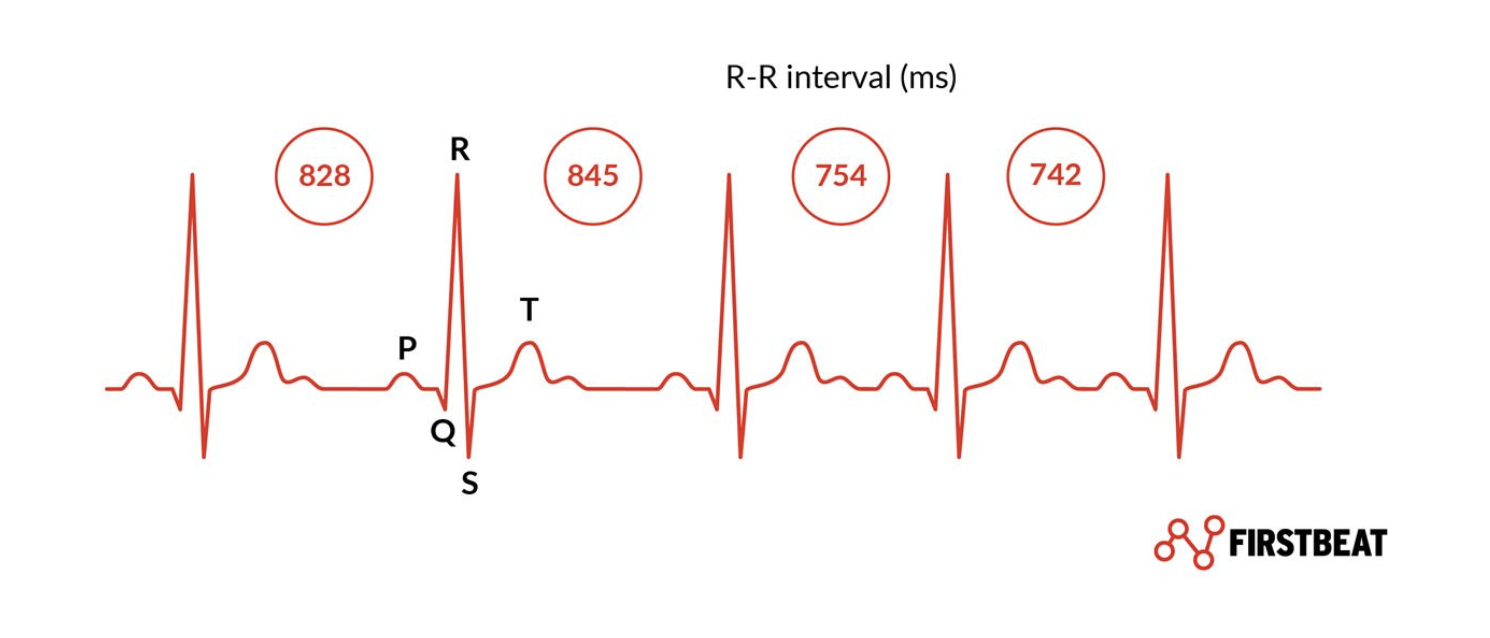
    In a nutshell, HRV is a measurement of the time between heart beats rather than the number of beats itself. More specifically, HRV looks at the inconsistency of timing between heart muscle contractions. 

    Heart rate is governed by the autonomic nervous system, or the division of the nervous system that is responsible for body functions that happen automatically. This is the same part of the nervous system that controls things like temperature regulation (sweating and shivering) and digestion — bodily functions that we don’t have to consciously think about to make happen. 

    The autonomic nervous system is influenced by the sympathetic nervous system — the “fight or flight” mode that upregulates the body to prepare for battle (heart rate increases, armpits get sweaty, digestion gets turned off, etc.), and by the parasympathetic nervous system, which calms the body down. Our bodies are programmed to seek homeostasis — that happy place where everything can function optimally. The sympathetic and parasympathetic systems work to maintain that balance. 

    HRV attempts to quantify that balance between the parasympathetic and sympathetic systems, and thus the measurement is a gauge of how the body is down-regulating versus up-regulating — homeostasis. 

    Somewhat counterintuitively, a higher HRV, which indicates more variability and less consistency in the time between heartbeats, is indicative of greater parasympathetic versus sympathetic influence on the autonomic nervous system. Looked at another way, the greater the stress on the body, the greater the influence of the sympathetic system, which decreases the variability in time between heartbeats and therefore equals lower HRV. 

    This infographic from Firstbeat Technologies, an industry leader in heart rate training science, modeling heart rate variability. (Photo: Firstbeat.com)

    These days, there are many options for recording and tracking HRV: Whoop is a 24/7 wristband with an LED sensor that measures a gazillion things, but specific to HRV, the measurement is taken every night during sleep. The Oura Ring, which is used by some members of the U.S. Cross Country Ski Team, also contains an LED sensor and records automatically during sleep. HRV4Training has an app that turns the camera and flash of your smartphone into a recording device much like a pulse oximeter. EliteHRV uses a device that goes on your finger very much like a pulse oximeter. Firstbeat, who use a proprietary ECG style sensor, were one of the first commercially available HRV trackers on the market (as mentioned in a Nordic Nation podcast with Jim Galanes and in this old article from Zach Caldwell, which also discusses HRV in all the detail you’d expect from Zach).

    With all platforms, consistency in recording is key so you can recognize patterns over time. The devices that record automatically during sleep (Whoop, Oura, and Firstbeat) have the advantage in being the no-brainers as long as you’re wearing the gizmo, but they have the disadvantage of being the most expensive. Both HRV4Training and EliteHRV require you to take the recording daily at a consistent time and in a consistent way. Ideally this is first thing in the morning (I go to the bathroom first then immediately sit down and record). I’m a creature of habit and since building this into my morning routine, I’ve not had much trouble incorporating the one minute it takes to record a daily HRV measurement. If consistency is going to be a challenge, invest in one of the automated devices.

    This brings us to the utility of HRV: tracking the body’s response to stress over time. The emphasis here is over time. HRV can help answer our question, “How hard should I push myself today?”, but it’s not exactly a stoplight. Waking up to a low score doesn’t necessarily mean you should go easy if you still feel good, but waking up to a seven day average with a negative trend means you should probably skip the hard workouts until your HRV stabilizes. For example, both this paper and this paper found benefits to using HRV to modify training vs strictly following a periodized schedule.

    From what we know about the metric so far, the primary goal is to keep HRV stable. If your training plan is appropriately balanced, you’re keeping life stressors in check, and your body is responding favorably, then HRV will remain fairly uniform, even after a hard workout. (A low HRV score after a hard session is definitely not a goal or badge of honor.) But if your HRV becomes unstable, especially a downward trend over at least a few days, that is when it really has the potential to catch an issue while it’s small, whether that’s due to training load, illness, or life stressors. Anecdotally, I’ve heard of notable dips in HRV with people just prior to illness (especially COVID) and after the vaccine. These are situations where maybe you’ve not yet become symptomatic — your body hasn’t started yelling at you — but it is already enduring stress, and the additional load from hard training is not going to be welcomed.

    Ultimately, HRV is just another tool in the box. It’s not necessarily there to change what you do on any given day, at least not without subjective input on sleep quality, soreness, emotional state, and how much you drank last night. It’s best viewed as a safety device like anti-lock brakes on your car: if you’re always looking down the road and anticipating what’s to come, you might never need them. But sometimes, when we’re training hard and emotionally invested in our goals, it’s like driving through a snowstorm to make it home for Christmas. It can be easy to focus on the objective outcome and wanting to get there as quickly as possible, rather than slowing down and proactively adapting to the road conditions. Chances are, you’ll make it to your destination unscathed, but in the event that a deer runs across the road or you hit a patch of black ice coming into an intersection, the antilock brakes might help you stop and reset rather than crash.

    As Jason Cork, World Cup Coach for the US XC Ski Team, put it, “I think it has some utility as long as you’re honestly also taking into account how you feel, how long you slept, energy, etc. I guess an analogy is if your HR at L3 is usually 180, and you’re super tired, it might be incredibly easy to hit 180 at an L1 velocity or incredibly difficult [to hit all-out velocity because HR is suppressed]. But the question really should be, ‘If you’re tired, why are you doing intensity?’”

    Author’s disclaimer: I have no affiliation with any company that tracks HRV. I personally use the HRV4Training app, a Suunto watch, a Wahoo chest strap, and Strava, all of which I have paid for without discount.


  • Subscription Review: Athletes for Yoga — Designed to Fit Into and Support and Athletic Lifestyle

    Subscription Review: Athletes for Yoga — Designed to Fit Into and Support and Athletic Lifestyle

    Erin Taylor, founder of Athletes for Yoga (A4Y), demonstrates a hip-opening pose. (Courtesy photo)

    My relationship with yoga is very one-sided. Though I do not consider it in any way lesser, I ignore it most of the year when considering my options for exercise, choosing primarily running or skiing instead. 

    Then something crops up. A switch from skiing back to running in the spring makes my hips and IT bands cranky, causing pain in my knee. A couple ankle rolls on a trail run fire up my peroneal tendon. My elbow isn’t pleased about double pole intervals on pavement. 

    As if I hadn’t cast it aside, yoga welcomes me back with open arms, helping me improve body awareness and stability, and increase overall mobility and structural resilience. 

    Though local studios offer a variety of excellent classes, I consistently turn to an online resource: Athletes for Yoga. Started in 2010 by Erin Taylor, former collegiate basketball player turned runner, Athletes for Yoga (A4Y) is a unique resource designed to complement and support an active lifestyle or serious training. 

    Her message is this: “Don’t do yoga. Use yoga — right now, where you are, to get where you want to be.”

    Stephanie Howe uses Athletes for Yoga to compliment her training as a professional mountain running athlete. (Courtesy photo) 

    Taylor has a true talent for teaching how to unlock tight muscle groups, access and recruit the correct muscle groups, and develop a better understanding of the relationship between muscle groups in the body. For me, A4Y has been an essential tool to feel, identify, and understand muscle imbalances and sources of injury,

    The robust A4Y video series, which can be viewed on a cell phone, tablet, or computer, includes routines designed for pre and post workout, strength and balance training, and collections specific to triathlon, running, cycling, pregnancy, and more. There are also resources to quickly relieve tightness in the hip flexors, neck, and shoulders from too much computer time during the COVID-induced work from home grind. Your body will thank you on your aprés workout.

    “Athletes for Yoga is home to the only athlete-led, on-demand yoga video platform and app, coach training, and global community of athletes using yoga to achieve their goals. We are here to help you use yoga, for real. That means putting yoga into the context of your sport and goals with functional strength, strategic injury prevention, and optimized recovery to make you a more balanced, resilient, and powerful athlete.”

    While longer videos are also available, most of the resources fall between 10-20 minutes, allowing them to fit comfortably into your day. 

    The A4Y resources I use most frequently include the “5-minute resets”. These videos target specific areas such as hips, hamstrings, or shoulders, quickly yet effectively increasing circulation and range of motion to improve recovery and mobility. Given their length, it doesn’t feel daunting to tack one on at the end of a run, ski, or gym session. There is also a pre-run warmup routine of equal length to activate the glutes and hamstrings, promoting healthy running mechanics. 

    Stephanie Howe works through Athletes for Yoga’s “Booty Lock Mitigation” routine, designed to reduce tightness and promote mobility in the hips. (Courtesy photo)

    When I have a bit more time, “Power Your Pushoff” (16 mins) is one of my go-to’s, which activates and strengthens the rear chain while mimicking the forward motion of running or skiing, adding power and stability to those movements. I also utilize “Booty Lock Mitigation” (19 mins) to loosen my hips after a workout, and “Standing Balance Flow” (10 mins) to improve body awareness for better glide on my skis. 

    “Full Body Core” and “Functional Core” are great strength training sessions that teach you to engage and develop inner core muscles, translating to improved strength and coordination in other activities. 

    If you’re looking to slow down, try the guided meditation series which includes specific practices to improve sleep, refocus, or visualize race performance. 

    For those averse to yoga, you may find A4Y challenges your presumptions. It is not “Yoga for Yogis”. You don’t need to wear Lululemon, drink golden milk lattes, or listen to Enya. The style is to the point and down to earth.

    A4Y serves all active people, male or female, regardless of sport. 

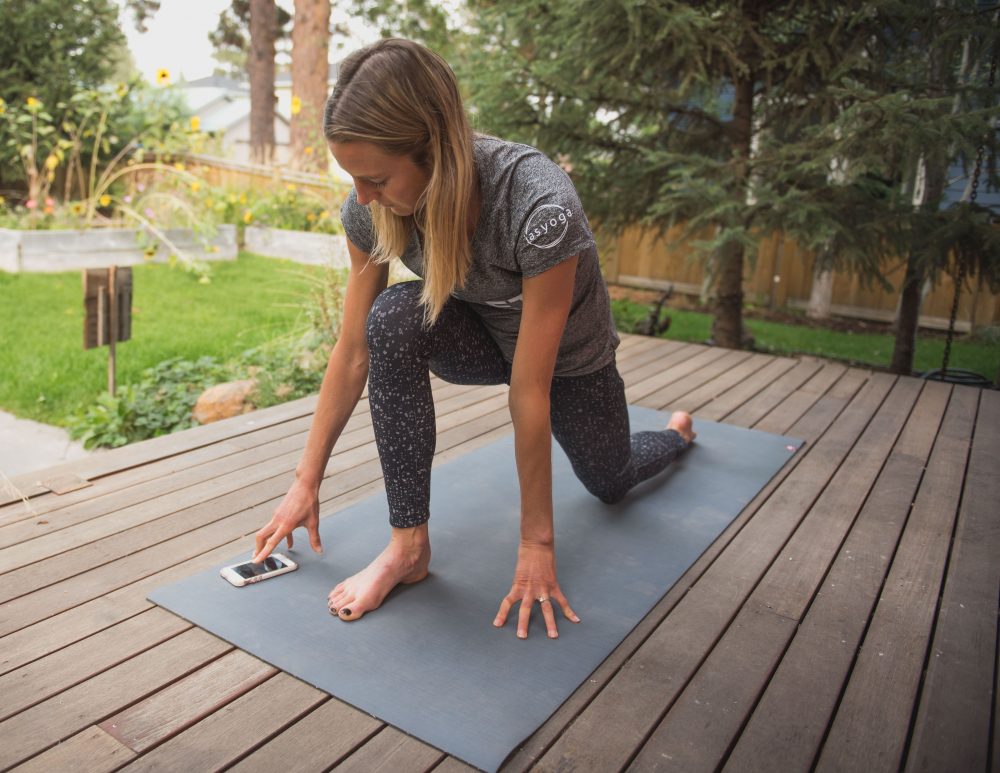
    No studio needed. Stephanie Howe, member of the Athletes for Yoga team, demonstrates the versatility of the A4Y resources. (Courtesy photo)

    To exemplify that athletes of all caliber have something to learn form Taylor’s approach, take a look at the list of athletes and alumni of the A4Y team, which includes Ironman Champion Ted Treise, professional track athlete Alysia Montaño, professional basketball player Desmond Simmons, and 4x national rowing champion Michaela Copenhaver

    In acknowledgement of the number of people currently looking for opportunities to exercise from home, A4Y is offering 50% off the first month with the code “HOMESTUDIO”, after which a subscription costs $9.99/month or $99.99/year. Subscriptions can be cancelled at any time. 

  • Recover Smarter, Not Harder: A Review of “Good to Go: What the Athlete in All of Us Can Learn From the Strange Science of Recovery” and Interview With Author Christie Aschwanden

    Recover Smarter, Not Harder: A Review of “Good to Go: What the Athlete in All of Us Can Learn From the Strange Science of Recovery” and Interview With Author Christie Aschwanden

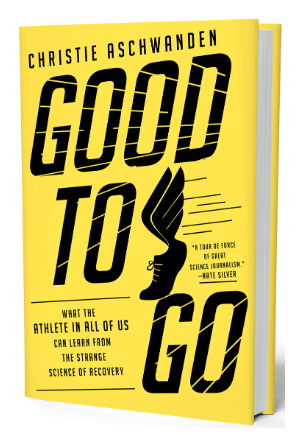
    “Good to Go: What the Athlete in All of Us Can Learn from the Strange Science of Recovery” by Christie Aschwanden explains the research behind products and services in the industry of athletic recovery.

    If you’ve ever set a lofty athletic goal, one that required full commitment, going all in and pulling out all of the stops to optimize your training, you may have searched for strategies to similarly optimize your recovery between sessions, getting you back on the ski trails feeling strong as quickly as possible. In this process, you may have found yourself perusing a seemingly endless array of devices, foods, and drinks, each promising to improve your ability to bounce back from workouts sooner, thereby allowing you to train harder and more often, which is seemingly a win-win scenario.  

    Before buying into these claims – literally and figuratively – a recently published book suggests it may be wise to first pause and consider that the benefit that these products promise might be too good to be true. 

    In “Good to Go: What the Athlete in All of Us Can Learn From the Strange Science of Recovery”, Christie Aschwanden presents the findings of an in-depth look at the research (or lack thereof) behind the leading players in the industry of athletic recovery. Her analysis includes everything from electrolyte drinks to cryotherapy chambers to massage. She leaves the reader with a healthy dose of skepticism and perhaps a bit of reprieve from the hype surrounding the recovery obsession. Peppered with relatable anecdotes from her own experience as both an elite and recreational athlete, “Good to Go” is a worthy read for any competitor from master blaster to elite. 

    Christie Aschwanden, author of “Good To Go: What the Athlete in All of Us Can Learn from the Strange Science of Recovery”, spent two years in Switzerland during her professional ski career competing for the Swiss Rossignol team. (Courtesy photo)

    Beyond delving into research and trying these products herself, Aschwanden is no stranger to the world of high-performance training and competition. If you’ve been following the sport for a while, you might recognize her name; the 47-year-old is a former member of the Team Rossignol nordic ski racing group, despite the fact that she did not begin skiing until college when an injury prevented her from competing as a Division I runner at the University of Colorado Boulder.

    While injured, she joined the cross country ski development team at CU and also took up cycling, quickly becoming an elite level competitor in both. In her ski career, Aschwanden toured North America racing in the marathon circuit and in Continental Cup races. In 2002, she and her husband moved to Switzerland for two years. While overseas, she joined the Swiss Rossignol team and competed in several Europa Cup races. She continues to ski, run, and mountain bike recreationally, occasionally hopping into races in the area around her home in Cedaredge on the Western Slope of Colorado.

    Christie Aschwanden, author of “Good To Go: What the Athlete in All of Us Can Learn from the Strange Science of Recovery”, poses in costume at the start of the 2019 Alley Loop Nordic Marathon in Crested Butte, CO. Aschwanden is a former professional nordic skier for Team Rossignol. (Courtesy Photo)

    In addition to being a lifelong endurance athlete, Aschwanden is an accomplished science writer, frequently contributing to a variety of publications including the New York Times, Runner’s World, NPR.org, Discover, and the Washington Post.  She is also the co-host of the podcast Emerging Form, which is about the creative process, and a frequent speaker and instructor at science writing workshops and conferences nationwide. 

    “Good to Go” opens with the author’s own foray into the field of scientific research on athletic recovery to understand the age-old question, “Is beer good for recovery?” to which she hoped to find the answer, “yes.” She walks readers through the development and execution of the study, which involved a group of ten athletes completing a 45-minute treadmill run at 75% of their VO2 Max effort, then drinking either a Fat Tire Amber Ale, made in Colorado by New Belgium Brewing Co., or a non-alcoholic O’Douls. These beers were chosen for their likeness in color. The following morning, the runners would complete a “run to exhaustion” at 80% of their determined VO2 Max. 

    After designing, participating in, and analyzing the results of the study, Aschwanden found herself with a greater understanding of the flaws of scientific research in the arena of recovery, primarily, the impact of the easy intrusion of personal bias, the lack of quality placebos (one does not need to be a sommelier of beer to tell the difference between Fat Tire and O’Douls), and the opportunity of false positives created by repetition of small studies. 

    Aschwanden writes, “For one thing, I discovered that it’s not enough to ask ‘Does this thing work?’ First, you have to start with more fundamental questions: How would we know if it’s working? What are the benefits that this gizmo or ritual is supposed to deliver, and how would we measure them? If the proof is coming from something measured in a lab, do those numbers translate into meaningful differences in real life? As I found out during the run to exhaustion test, just because you can measure something doesn’t mean it’s answering your question.”

    As she leads her readers through an illuminating tour of the recovery industry, Aschwanden exposes the critical influences that affect whether the research performed on a product truly validates the claims being made, or if they are “just-so stories,” a reference to Rudyard Kipling’s classic collection of tales for children which provide fanciful explanations for how leopards got their spots and camels got their humps . She explains how celebrity endorsement and social media can greatly influence a consumer’s choices, and that some studies have been funded by the company that produces the product. These conflicts may lead researchers to design their experiments in a way that is likely to produce favorable results. 

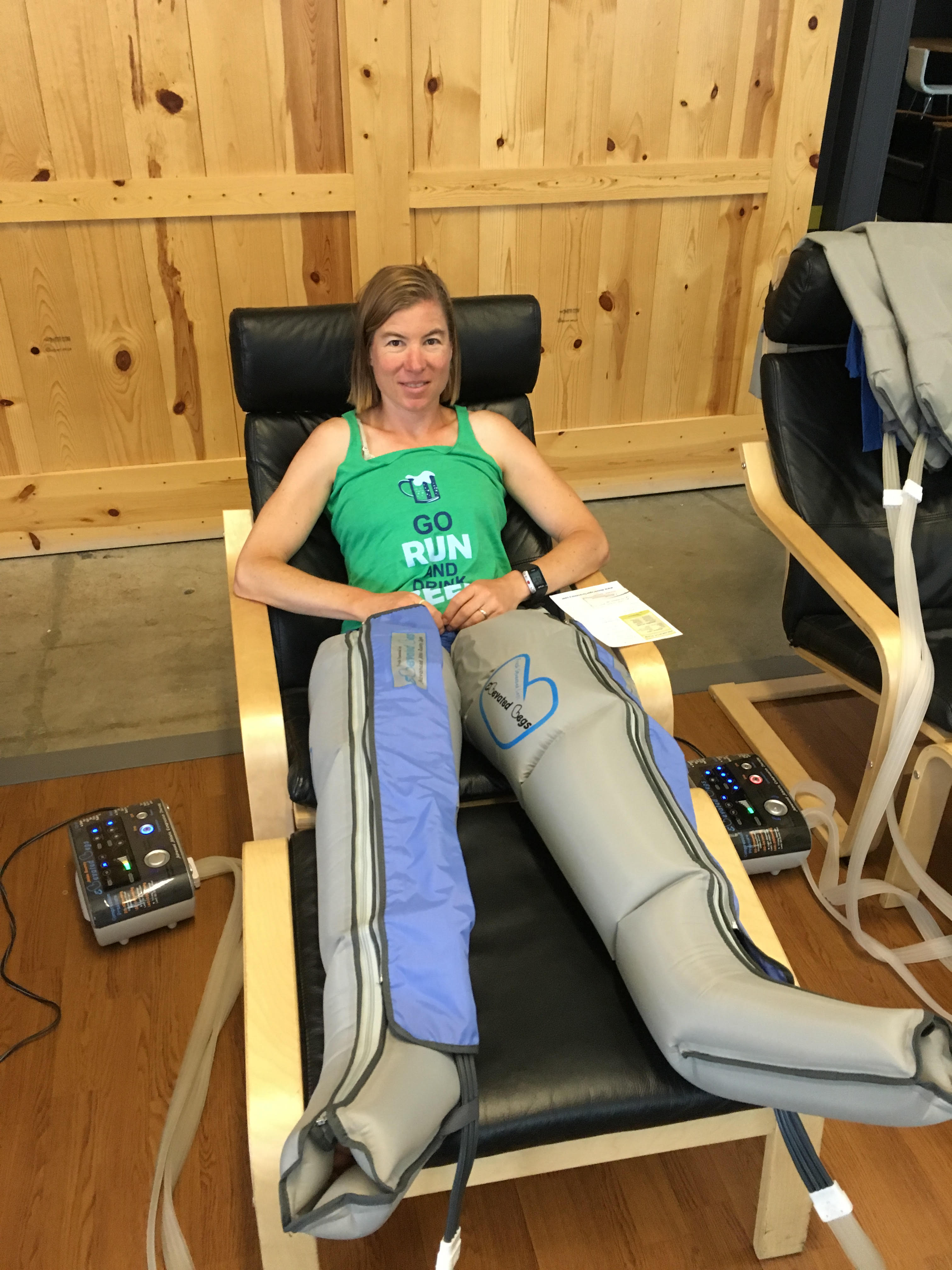
    Christie Aschwanden, author of “Good To Go: What the Athlete in All of Us Can Learn from the Strange Science of Recovery”, tests out a pair compression boots, which claim to reduce recovery time by enhancing blood flow. (Courtesy photo)

    While she remained open-minded and found the exploration of products and research surprising, Aschwanden explained she was predisposed to skepticism given her history and credentials.

    “Having a background in science and athletics, I knew that if someone is making a claim that seems too good to be true, it probably is,” she said in a call. “So many of these products make really outlandish claims. At the same time, I realize how susceptible we athletes are to a lot of these things. They really exploit this doubt that ‘Well, maybe it does work a little bit.’ And when you’re competing at that level, you want every single advantage you can get and you don’t want your competitors to have some advantage that you don’t have.” 

    The power of placebo is a common theme throughout “Good to Go”, capitalizing on the doubt Aschwanden referenced. In terms of product research, the control group of athletes knows whether or not they are taking an ice bath, getting a massage, or spending half an hour in inflatable compression boots, and there is not a great way to make all participants believe they are receiving the same treatment. Thus, if the participants believe that a product will work, the placebo effect just might allow them to show improvement from its use. 

    In some cases, the product might be useful purely because it forces an athlete to take a break, lie still, and decompress while the body uses its natural ability to recover.

    “Many popular recovery modalities strike me as a sort of pacifier,” she writes. “They won’t actually resolve anything, but they give you something to do while you wait for nature to take its course.”

    She offers a strategy of placing the recovery tools, consumable products, and services into one of four bins. Which bin a recovery strategy is placed into is customized by the individual. 

    “First is the ‘feels so good’ bin,” Aschwanden explained in the eleventh chapter. “These are the things that feel good while you’re doing them, and perhaps afterward too, which even if it does nothing else, provides a valuable benefit in itself. Next is the ‘hurts so good’ bin, with things like icing that are painful, and thus give the sense that they must be powerful (and therefore effective). Third is the ‘it’s working, I can sense it’ bin of active placebos, with things like cupping, which produce noticeable sensations and effects that aren’t necessarily painful nor alluringly pleasant. Finally, there’s the ‘blinded by science’ bin of things like infrared saunas, whose appeal comes from jargony scientific explanations that give them an aura of space-age power.”

    One discovery which has made waves in the realm of physical therapy and athletic performance is that icing to reduce muscle soreness and promote recovery is a fallacy. In her cycling days, she recalled taking ice baths regularly, particularly during stage races. 

    “There are still some reasons that it might be good to ice,” she explained. “If you’re cycling on a really hot day, and the summers have just gotten so much hotter, jumping in a cold lake or something can be a good way to get your body temperature down and that’s good for recovery. But the idea of icing in order to reduce muscle soreness or improve recovery, it turns out, more than just not being backed up by science, in some cases can be harmful and can reduce your adaptations to training, and that was really surprising to me. It’s just such an entrenched practice that it just didn’t seem that it could be as ineffective as it is.”

    Jessie Diggins review is featured on the cover of “Good to Go: What the Athlete in All of Us Can Learn from the Strange Science of Recovery” by Christie Aschwanden (Photo: christieaschwanden.com)

    Ultimately, Aschwanden explains that the best recovery tool out there is one’s own body and mind. She advocates that athletes of all abilities tune into the messages their bodies are sending and trust the process in their own training. 

    “The most important skill that any athlete can develop is the ability to read your own body, to learn to understand and recognize the cues that it gives you, and those cues are really individual,” she explained frankly. “There isn’t one thing that is universal among athletes, but every athlete will have some clue that they can learn to recognize. Part of this is spending less time looking to see what your competition is doing and really focusing on yourself and how you’re adapting to your training and how you’re feeling on a day to day basis. I think part of this is also a confidence in your own fitness and your own training program. You have to be confident and be confident that when your body is telling yourself it’s tired, that [rest] is actually what it needs.”

    While some may not find the recommendation as sexy as an infrared sauna, she explains that the best avenue to optimize performance is to get plenty of quality sleep and to eat a nutritious and well-balanced diet. From her experience, this can be a challenge for athletes that are on the road regularly during the competition season. In her book, she shares strategies that the pros use when bouncing around between venues and time zones. She also explained that the impact or travel, or other life events, should be taken into consideration in the same way that a hard workout might be.

    “I think that people don’t always appreciate the extent to which, to your body, stress is stress,” she said. “Life stress is just as important as your training stress. I think that I was chronically overtrained when I was a skier, and part of it was that I didn’t appreciate the toll that travel was taking on my body. I didn’t appreciate that when I wasn’t getting enough sleep, that was impairing my ability to recover.”

    In the world of Strava and social media, it can be hard for the recreational athlete not to succumb to “FOMO” (fear of missing out). It can be difficult to hold back from chasing PRs or adding more volume or plowing through the “niggles” until you are sidelined by a full blown injury or crippling fatigue. Aschwanden explained that the answer to improved performance is rarely to train more or harder. 

    “Too often, I think that I was trying to do as much training as I could tolerate, and I think that’s backward. I think it’s a much better strategy to do the minimum training that will get you the adaptations and the fitness that you’re seeking, because training is stressful on your body, so you want the training that you’re doing to really be benefiting you and having the effect that you have. I think I ended up doing too many junk kilometers and too much training when I would have been better off resting more.” 

    Her final piece of advice to athletes is to identify a strategy that helps them unplug and unwind, be it as simple as curling up on the couch with a book or as strategic as scheduling a massage. 

    “Find a way to incorporate some sort of daily ritual for relaxing, because really, at its most basic level, recovery really is just rest and relaxation. So many of these recovery tools are really just ways to ritualize taking a break or unplugging or resting. If you’re doing something that is helping you to relax, then that’s fine, but know that it doesn’t need to be something expensive or super time consuming or effortful, that it should actually be something that feels really easy and makes you feel good.”

  • Wednesday Workout: Recovery and Nutrition on the Road During the U18 Nations’ Cup Trip

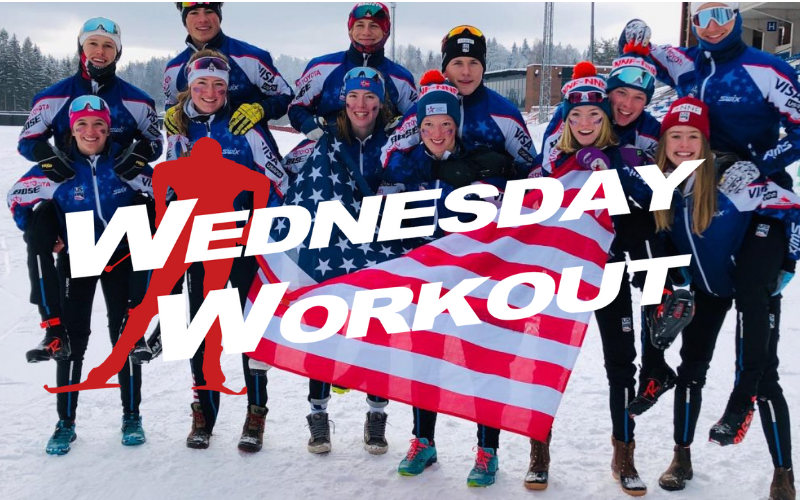
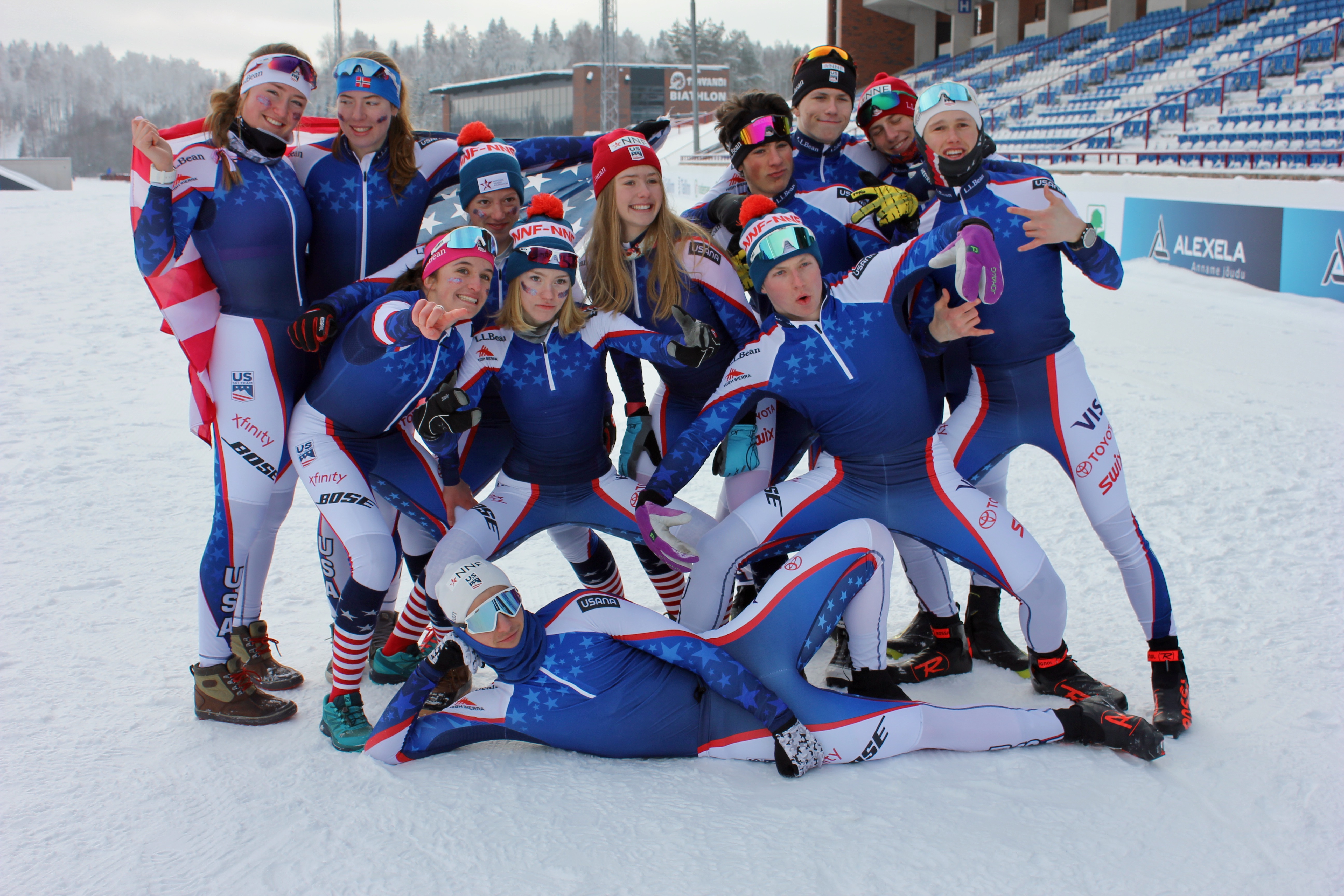
    The U18 Nations Cup team poses with the flag in Otepaa, Estonia. Bottom row (from left to right): Annie McColgan (Mt Bachelor SEF), Kate Oldham (AVSC), Charlotte Ogden (SMS), Abigail Streinz (Craftsbury), Adriana Proffitt (Alaska Nordic Racing), Nina Seeman (SMS); Top row: Lane Myshrall (PCSS), Will Koch (SMS), Brian Bushey (GMVS), Michael Earnhart (Alaska Nordic Racing), Joshua Valentine (GMVS), Kai Mittelsteadt (Bridger SF). (Photo: Jane Mittelsteadt)

    Kate Oldham is a U18 athlete from Carbondale, CO who skis for the Aspen Valley Ski and Snowboard Club. After strong results at US Nationals, Kate was selected as one of the six female U18 skiers to travel to Otepää, Estonia from January 20th – 30th to race in the Nations’ Cup races, where she competed in a field of about 40 junior athletes from Norway, Sweden, Finland, and Estonia. Kate finished 24th in the 1.3-kilometer classic sprint, and 20th in the 5k skate. The top three members of the team also competed in a 3 x 3k relay.

    Staying in peak form while traveling domestically or internationally is a challenge that takes trial and error to dial in, making it difficult for many junior athletes. In this week’s Wednesday Workout, Kate shares what she has learned about staying healthy and ready to race while traveling, and what a typical day in the life of a U18 skier looks like during the Nations’ Cup trip. Here’s Kate’s Write up. 

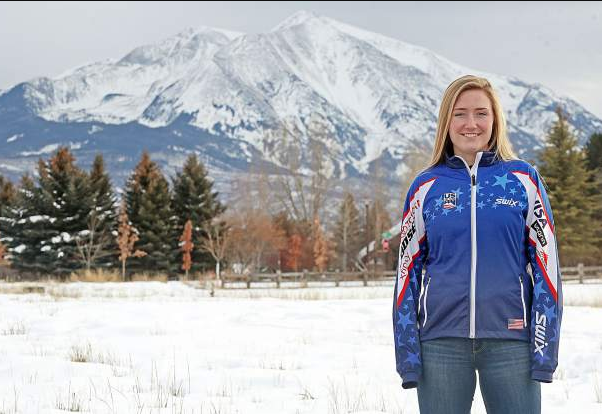
    Kate Oldham of Carbondale, CO was selected for the U18 Nation’s Cup Trip in Otepaa, Estonia. (Photo: Austin Colbert/Aspen Times Screenshot)

    Being on the road makes recovering from training and preparing for races more challenging. Staying on top of nutrition and self-care are very important since it’s easy to get run down or sick from the added tax on your body. To ensure that I do not allow myself to become depleted, I always bring a snack with simple carbohydrates and lots of protein for right after training, and I make sure that I have a dry change of clothes for when we are done. The snack jumpstarts my recovery since I am replacing the glycogen that is depleted during training and making protein available for my body to begin repairing the muscles that get broken down. It also stabilizes my blood sugar levels so I don’t feel as much of a post-ski crash. The change of clothes keeps me from being chilled on the ride home.

    Traveling overseas adds a whole different stress. Sitting during long plane or car rides makes for a stiff body, and the sleep disruption, jet lag, and exposure to new germs can make it easy to get sick. Wearing compression socks or tights, drinking lots of water, and bringing healthy snacks are all key for big travel days. It also helps a lot to get up and walk around whenever possible to keep circulation in the legs. An easy jog or light walk will usually help to flush out lactic acid once I arrive at my destination as well, and can help with adjusting to a time change.

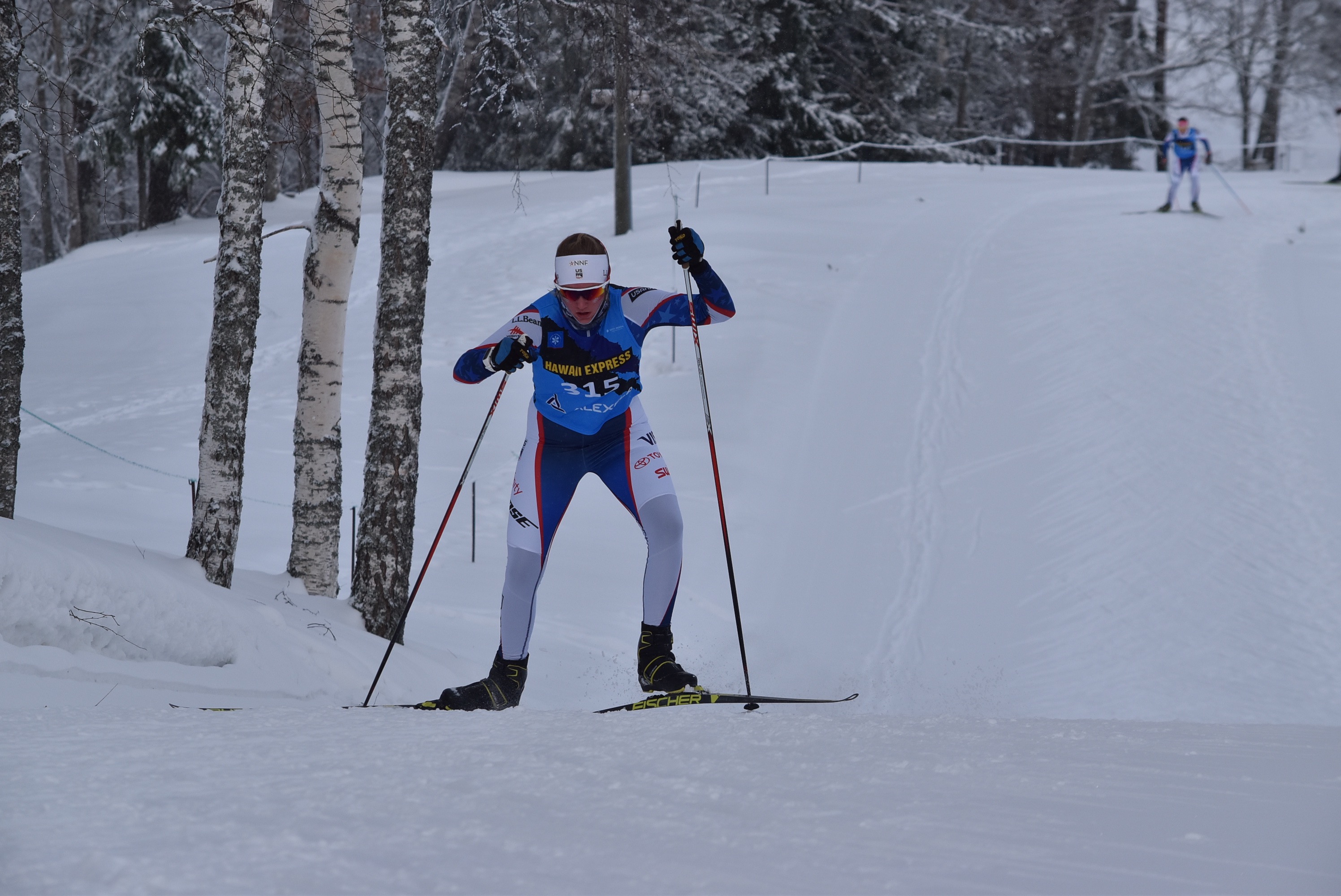
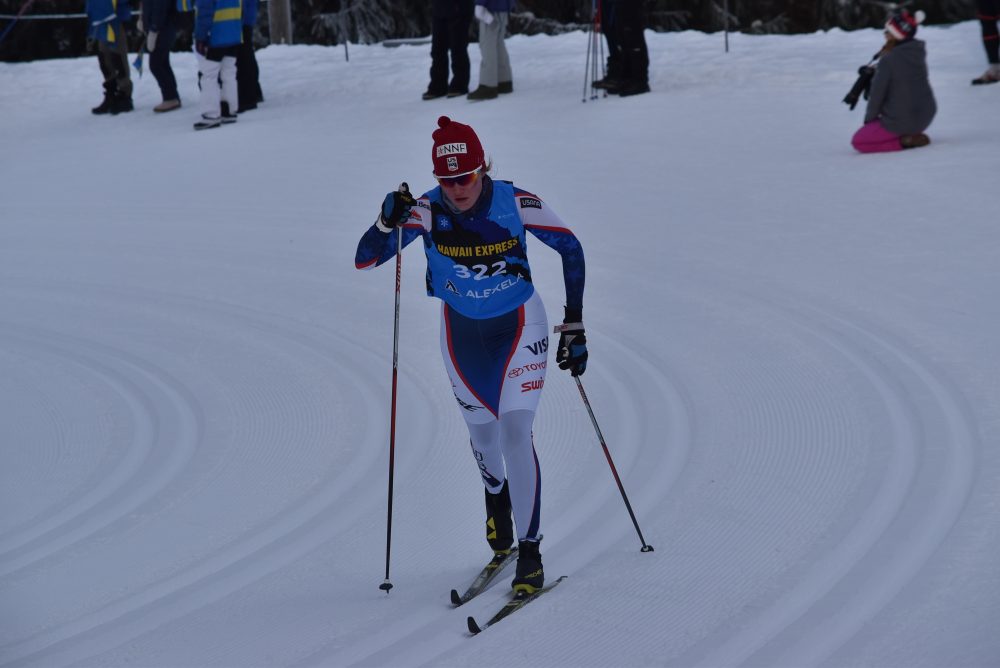
    Kate Oldham (AVSC) climbs a hill during the Nation’s Cup 5-kilometer freestyle race in Otepaa, Estonia (Photo: Jane Mittelsteadt)

    Luckily, managing daily nutrition in Estonia was fairly easy. The hotel we stayed at was very accommodating and helpful and provided healthy food options. As a backup or to follow a training session, I brought along protein bars and my favorite shake mix so that I always had a really good portable protein source available. My go-to’s are Vega protein powder and Bobo’s peanut or almond butter bars. That way if there are any issues with the meals being served, I can substitute a protein shake in for another part of the meal and still get the nutrients I need. I also use the bars and other protein sources like beef jerky as a quick snack before bed, which helps to sustain glucose levels overnight since they are slower to digest so I’m not as depleted in the morning.

    A Day in the Life

    Kate Oldham (AVSC) striding forward in the Nation’s Cup 1.3-kilometer classic sprint qualifier in Otepaa, Estonia (Photo: Jane Mittelsteadt)

    A day in Estonia begins with a short easy jog or walk to get my muscles moving for the day and to boost my metabolism. Then I eat breakfast, ideally three hours before the start of the day’s race. My usual breakfast before a sprint or 5k is cereal with almond milk, banana, and a scoop of peanut butter, though sometimes I eat something similar with oatmeal instead of the cereal before longer races where I want more sustained energy. After breakfast, I like to stretch before getting ready. Then glitter… very important!!

    Around an hour and a half before my start, I head to the venue. I begin warming up an hour prior to the start, then it’s race time! After the race, my focus shifts to recovery again. I switch into my dry clothes and have a quick snack. I like to take a shower if possible to wash the bacteria from my skin and to warm up so I can avoid getting sick on the road. I also try to get in a larger meal within a couple hours post-race, preferably a burrito bowl with rice, beans, lots of veggies, some kind of meat, and all the toppings. 

    In the evening, we go for a second easy jog or walk to help flush the lactic acid that has built up from the day, followed by some stretching. Then it’s early to bed to rest up for the next day!
    The U18 Nations’ Cup team celebrates their accomplishments in Otepaa, Estonia. Back row: (Photo: Jane Mittelsteadt)
  • Wednesday Workout: Optimal Recovery with Dr. Zuzana Rogers

    Wednesday Workout: Optimal Recovery with Dr. Zuzana Rogers

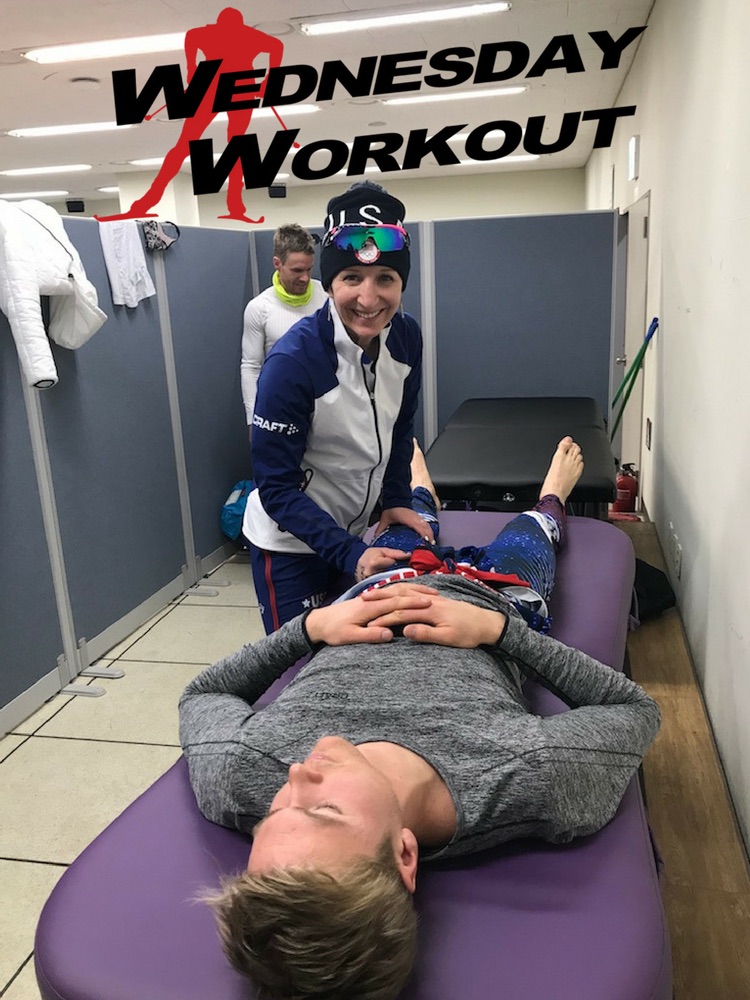
    U.S. Ski Team physical therapist Zuzana Rogers with athlete Erik Bjornsen at the 2018 Winter Olympics in PyeongChang, South Korea. (Courtesy photo)

    The following Wednesday Workout comes from Dr. Zuzana Rogers, PT, ScD, SCS, COMT, of Anchorage, Alaska. Rogers has been the go-to physical therapist for the U.S. Cross Country Ski Team since 2013 and Alaska Pacific University (APU) Nordic team since 2011. 

    ***

    You are probably training hard…but is your recovery optimal?

    As you transition from summer to fall training and the intensity increases, you may start noticing certain tweaks that are happening to your body and the fatigue sets in. But you want to train more than your competitors… Intense training is only a part of the picture. As you get better and training at the edge of human capabilities, what will set you apart for your competition is appropriate recovery. Your body gets stronger and more fit AFTER THE WORKOUT, when it is able to absorb the load you just put it through.

    During the past years, literature has been all over the place when recommending the most effective method of recovery after an intense exercise. Recent systematic analysis (Dupuy et al. 2018) places active recovery, massage, compression garments, cold water immersion, contrast water therapy, and cryotherapy as effective methods in reducing exercise-induced DOMS (delayed onset muscle soreness) and fatigue.

    So let’s look at them one by one:

    1. Active recovery:

    Considered a pretty good method to recover after exercise, it helps to clear CK (creatine kinase) after approximately seven minutes of low-intensity exercise, such as a jog or a spin. It does not seem to make you feel less fatigued, but the physiological benefits are there. The effect of active recovery may be explained through enhanced blood flow in muscle tissue, which facilitates the removal of metabolic waste, and may contribute to a reduction in muscle lesions and pain.

    buy ortho tri-cyclen online, buy yaz

    How about stretching? If done aggressively, stretching has no positive impact on DOMS. Moreover, some results at <6 h after exercise indicated that aggressive stretching might even produce DOMS. However, if done with the right goal in mind, it can improve the functional range of motion of your joints and optimize the length of the muscles. The muscles work the best when used in their optimal range (this is sport-specific). Overstretched muscles become less efficient in their contractibility, therefore the performance goes down.

    Here are my favorite mobility exercises, done to improve crucial areas of restrictions found in cross-country skiers and runners:

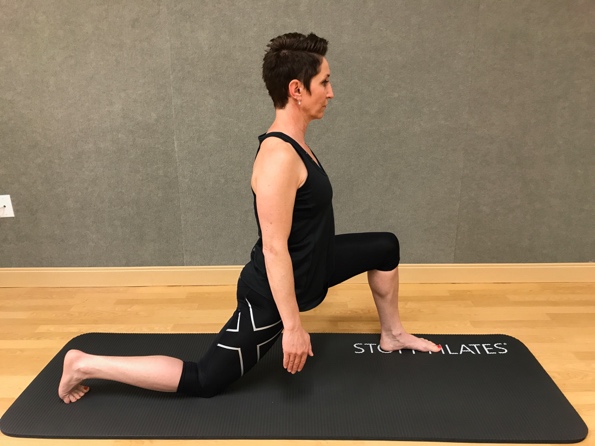
    Hip flexor stretch to improve hip extension, connected with balance in a ½ kneeling position. Try to get your feet to cover a single line. Hold 20 seconds each side.
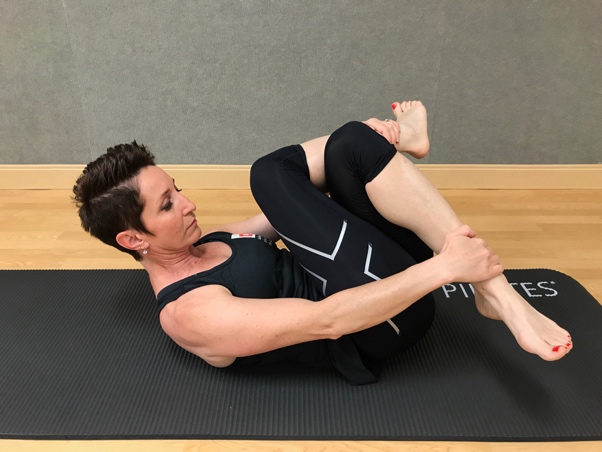
    Piriformis stretch: cross your knees, grab your ankles. Hold 20 seconds each side.
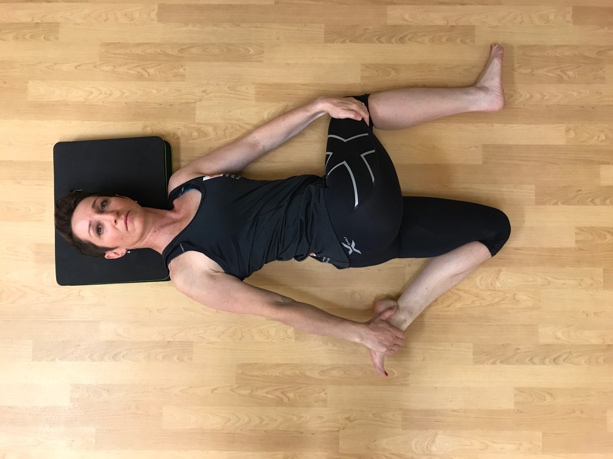
    Quadriceps stretch with added thoracic rotation; the Bretzel. Hold 20 seconds each side.
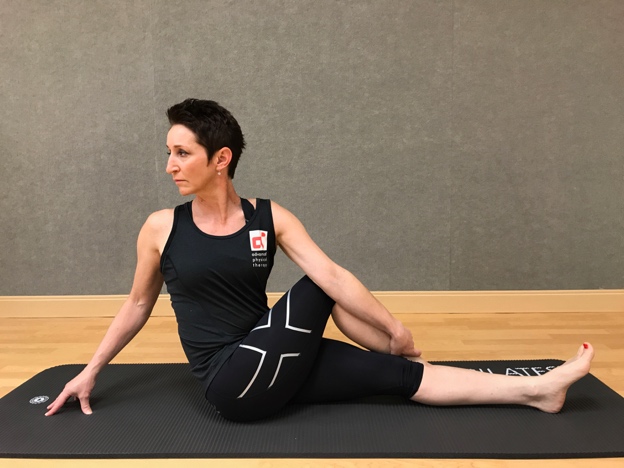
    The Twist: hip mobility and thoracic mobility. Use your core to get into the position and sit tall! Hold 20 seconds.
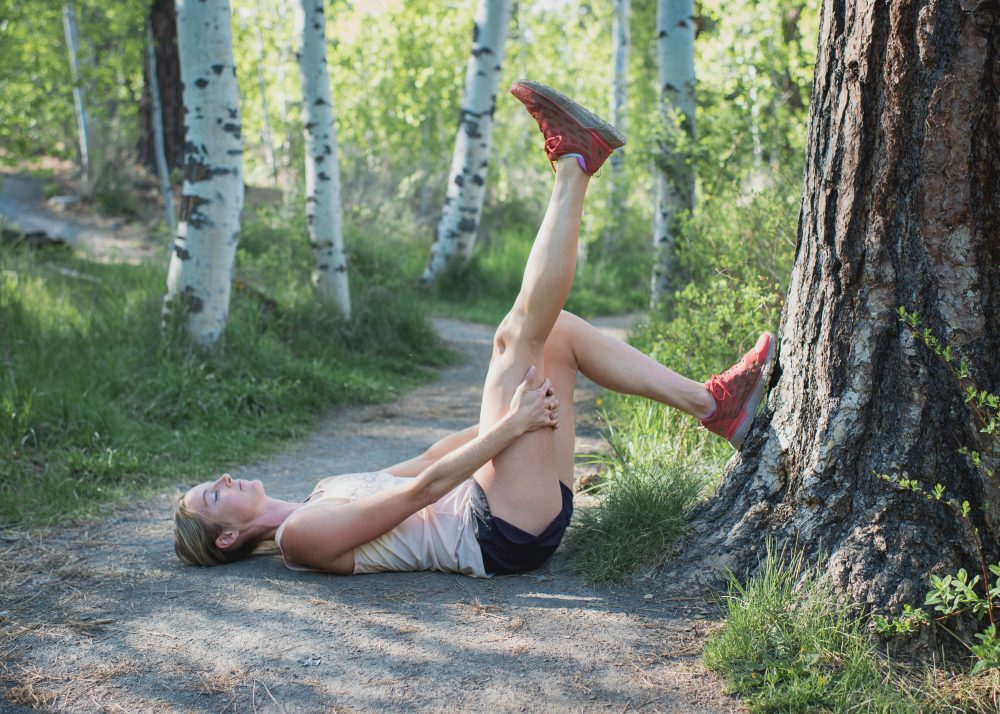
    Gastrocnemius stretch: an old favorite to improve ankle mobility. Make sure your feet are pointing straight forward! Hold 20 seconds. You can also flex your knee.

    2. Massage therapy:  

    Massage is a very traditional way to improve recovery after physical exercise both in sports and rehabilitation contexts. It seems to be the most effective method for reducing DOMS and perceived fatigue. It appears to be effective in reducing micro-inflammation of the muscle by decreasing intramuscular edema after exercise. A 20- to 30-minute massage that is performed immediately following or up to two hours after exercise has been shown to effectively reduce DOMS for 24 hours after exercise. It also reduces circulating Cortisol (stress hormone) and increases blood concentration of beta-endorphins (it makes you feel good!).

    3. Compression garments:

    They are shown to also reduce DOMS when worn after exercise, but to lesser effect than massage therapy. The use of compression garments during exercise as means of preventing DOMS and injuries is still up in the air.

    4. Cold water immersion:

    Overall fatigue after high intensity training and competition can be improved through the use of cold water immersion (cold water bath). Exposure of 11–15°C over 11–15 min was considered to be the optimal circumstance to obtain a positive impact after exercise to reduce DOMS, but this all depends on the type of exercise and its intensity. Both the level of immersion and the cold temperature of the water may reduce the formation of edema and pain sensation after exhaustive physical exercise.

    5. Whole-body cryotherapy:

    So far, the evidence in longer term DOMS reduction and post-workout recovery is limited. Cryochambers are cumbersome and costly.

    Of course, we cannot forget appropriate rehydration, refuel, nutrition and sleep, but that may be a topic for another piece.

    In general, if you are not injured, your training and recovery is straightforward.

    Happy training and recovering!

    Source:

    Dupuy O, Douzi W, Theurot D, Bosquet L, Dugué B. An Evidence-Based Approach for Choosing Post-exercise Recovery Techniques to Reduce Markers of Muscle Damage, Soreness, Fatigue, and Inflammation: A Systematic Review With Meta-Analysis. Frontiers in Physiology. 2018;9:403. doi:10.3389/fphys.2018.00403.

  • And the Beat Goes On: Firstbeat Explained

    And the Beat Goes On: Firstbeat Explained

    If you want to be as cool and go as fast as Tad Elliott, you need to first buy a bad-ass El Camino and then next get a Suunto Ambit 3 heart rate monitor and Firstbeat HRV software
    If you want to be as cool and go as fast as Tad Elliott, you need to first buy a bad-ass El Camino and then next get a Suunto Ambit 3 heart rate monitor and Firstbeat HRV software.

    This review of the Firstbeat heartbeat analysis system originally appeared on SlowTwitch.com, a publication targeted for triathletes (see Part I, II and III). This version has been added to and updated specifically for nordic skiers. 

    He says they’ve already got one…

    Monitoring training load is the Holy Grail of endurance athletics. Any good coach will always be looking at how to optimize training load, and essentially every competitive athlete from the first time they toe the line will wonder how to best balance intensity, volume and recovery. Throw in the added and significant stressors of work, school and social obligations and this already complicated equation becomes even more involved.

    As the world becomes increasingly digital and the science more precise, the last few years have brought a number of different technologies to the plate that look to better quantify training and recovery. Heart rate monitors have been a staple of endurance training for over three decades. With the increased prevalence of smart phones and their ever increasing functionality, the ability to collect data has never been greater. Even more recently, a speciality market of “fitness trackers” has emerged with devices 100 percent dedicated to tracking movement, heart rates and a variety of other metrics. Several of the big players like Apple have gone a step further (no pun intended) and incorporated these features into everyday wrist watches, so finding ways to clutter your hard drive and mind with biometric data is now easier than ever.

    One area which is ironically much less clear however, is the overall effectiveness and utility of all of these devices. Your functional threshold power (FTP) on the bike is 407 watts? Great. Now what? I didn’t win bike races by having a better FTP than the other riders, I won races by getting to the finish line first. Same deal with heart rate. Now before all of you data geeks fire off an angry email that these metrics are tools to help better guide athletes to the podium, I agree with you, but what if there was something that allowed you to quantify both work and recovery? Something that provided insight into not just the physiological stresses of training but also in activities of daily living (ADL). There is. And it is called Firstbeat.

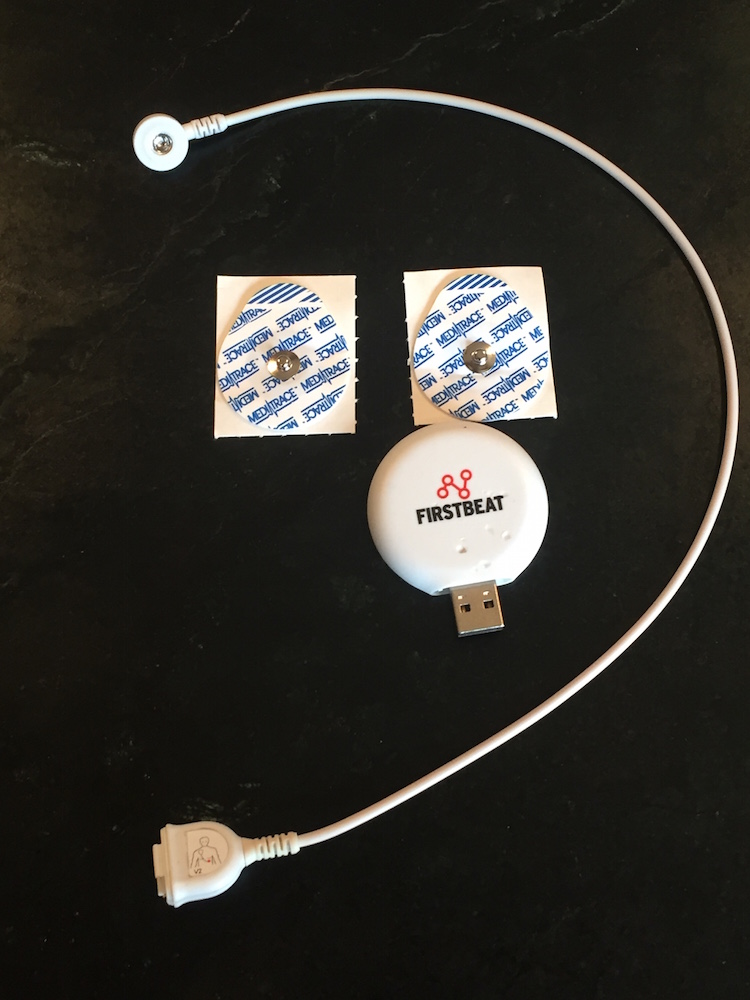
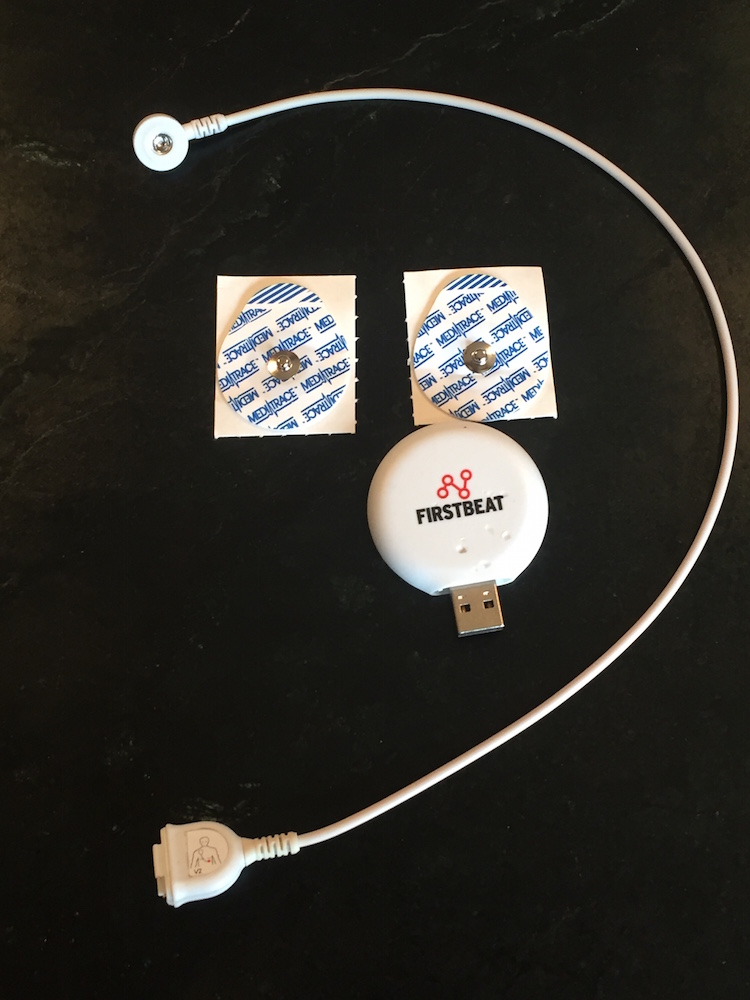
    The Firstbeat system can be used with a traditional heart rate monitor chest strap or specially dedicated chest sensors as pictured.
    The Firstbeat system can be used with a traditional heart rate monitor chest strap or specially dedicated chest sensors as pictured.

    HRV

    The Firstbeat system (FB) is a member of a class of devices that monitor heart rate variability (HRV). In simple terms, HRV, as the name implies, is the difference in the intervals between heart beats. Different devices approach this situation differently, but in essence, Firstbeat uses a mathematical algorithm to compare heart rate, interval regularity, maximum heart rate and VO2 to calculate a few different output and recovery metrics.

    How it works

    One sport early to adopt HRV monitoring is nordic skiing. Three-time Olympian and former U.S, Ski Team coach Jim Galanes, offered his history with the device.

    “Tina Hoffman, who was a coach at University of Alaska, Anchorage, showed this to me about eight years ago, so I’ve been studying this system for quite a while,” Galanes, who co-owns Galanes Sports Systems and handles the distribution, sales and service for Firstbeat products, explained on the phone. “The more I used it, the more convinced I became that it is a very effective tool and by far the best one out there. I’ve become so convinced of its effectiveness that starting four years ago, I won’t coach anyone who won’t use it; it is that powerful. It is the single best way to making training decisions.”

    Zach Caldwell, coach of several members of the U.S. Ski Team, has been working with the system for a few years and provided a more in-depth explanation of the underlying science. “Your heart rate is governed by your central nervous system (CNS) through two central pathways in your autonomic nervous system: your sympathetic nervous system and your parasympathetic nervous system” Caldwell said on the phone. “Your sympathetic nervous system is what governs your ‘Fight or flight’ response, in common parlance. This is a stress response. It elevates your heart rate and creates a signal that makes the beat to beat interval very regular.”

    Caldwell continued, “The second component, your parasympathetic nervous system, which governs rest and relaxation. The influence of the parasympathetic nervous system is to lower and create less regularity between heart beats. By looking at an individual’s heart rate (HR) variability in comparison their own baseline, you can make a statement about the prevalence of a sympathetic response, which is an indication of stress. In short, by using the Firstbeat system we can see how your body is responding to stress. It is a fairly direct measurement. I am not a scientist or a doctor, so while I have reviewed some of the literature, I can’t speak to the experimental design, but my read of the science is that there is ample support for the efficacy of utilization of heart rate measurements of indications of CNS function. CNS pathways are integral for heart rate regulation, so this is very pertinent for sports. Their appears to be very good science and very good efficacy of that science toward athletics.”

    Galanes agreed, “A great deal of research, thought and testing has gone into this system: is the result of life work of Heikki Rusko, one of the best sports science researchers in the world, so the system is very well grounded in science, as the research that went into validating the system spanned over 15 years. From this perspective, unlike a lot of systems that are out there, this has gone through rigors scientific validation, both for monitoring training and recovery.”

    The key, according to Galanes, isn’t just what the Firstbeat system measures, but what it does with it.

    “There are a lot of systems out there that collect data, whether it is a regular heart rate monitor, power meter, Strava, Fitbits, whatever, but there is very little analysis that goes on with that data. Using HRV and the Firstbeat software to look at training load and recovery has become the gold standard. Power and HR are certainly useful, but alone they are not good measures of the disturbance of homeostasis on the body and that’s what training and recovery are all about.” For those interested in a much more in-depth presentation of actual data fields and a more detailed explanation and description of the software, check out this webinar: https://www.firstbeat.com/en/webinars/training-load-recovery-monitoring-in-professional-xc-skiing/

    Why Use It

    “Coaches and athletes are all very concerned with stress and recovery,” said Caldwell. “Previously I don’t think we have done a very good job at looking at this holistically, so while we looked at rest, we didn’t look at enough factors. The ability to examine and even quantify the role of stress both independent and related to training load is very powerful. This is particularly important for self-coached athletes, for as athletes, we tend to be good at lying to ourselves. Athletes are delusional. We take a lot of information on board and we interpret it based on what we want the outcomes to be. I see it all of the time. I can tell if an athlete is tired and I think even that athlete knows it, but when you ask them, they say they’re fine, in particular at the elite level. I work with over-motivated athletes who want to be able to do more. This isn’t a tool to tell you to take it easy, rather it is a tool to help you make better choices.”

    Erika Flora, head coach of the Alaska Pacific University (APU) elite team, agreed. “It can be a good tool if used correctly and in combination with other indicators, in particular feel — I am a big believer in teaching athletes ‘feel,’ ” he said during an in-person interview. “HRV is not an absolute indicator, but it is definitely useful, as sometimes motivation overrides good judgment.”

    The 24-Hour Athlete

    So often the motivation to try harder is bundled into the four hours of training each day and the other 20 hours in the day are ignored, or at least not optimized,” theorized Caldwell. “If your job has had you running around all day, it may actually be counter-productive to do the interval session you had scheduled. This system is a tremendous help in monitoring your overall stress and adaptation. Careful and correct interpretation of this data can create what I call ‘better 24-hour athletes’.”

    Caldwell continued, “One of the major things we want from training is to see a positive response. It sounds so basic, but I see so many good athletes mess this up. We want training to make you stronger. You do a hard training session, we hope that this will make you better, that’s the goal. It’s easy to skip the part where we ask, ‘Is this really going to make me better? If so, when?’ This is a tool to help answer the question. I am unconvinced by things for which I don’t see evidence. I see lots of people doing lots of hard work, but I don’t always see benefits. Why? Training should work. As a coach, if an athlete is not getting better, I want to know why. Why are they not responding positively to training? If we’re counting totally on self-reporting, well, that doesn’t work very well. Most of the good athletes I know have a very good way of coloring their own training. You can beat them into the ground with tests, but that also has its limitations and is disruptive. What if you had a tool that could quantify all of these factors. What if you knew who had good sleep and recovery? This tool does all of that.”

    How to use it

    Essentially the Firstbeat system measures two primary factors: training load and recovery. The two are obviously related, but can also be uniquely independent. Training load is monitored through a combination of factors, in particular, Excess Post-exercise Oxygen Consumption (EPOC). Measuring EPOC offers several advantages over measuring power or heart rate alone.

    “EPOC is very interesting in that it helps you understand the load that you feel when you’re training is cumulative, not instantaneous,” noted Caldwell. “The cool thing about EPOC is that it looks at accumulation of effort over time. The best athletes have a great sense of how to keep things ‘easy’ — their HR can drift up a bit, but they can feel the recovery. What I see in less accomplished athletes is that they religiously follow the HR monitor, so sessions designed to be easy oftentimes aren’t so. Typically amateurs overdo it on easy days and under train on hard days. Using EPOC to help monitor this is huge.”

    “Granted, my case is somewhat unique,” Caldwell continued, “as I exclusively coach elite skiers, so EPOC scores are useful, but the recovery thing is even more useful for me. The recovery score is great because it utilizes HRV as a real-time score. The recovery score is an indication both of the level of recovery and the level of fitness. You can’t rest your way to a great recovery score any more than you can rest your way to a great performance. Your peak recovery scores come in relation to your peak training loads and your best management of the recovery process, so it’s not just rest – paradoxically it is also training load.”

    Galanes followed up on this thought: “This system is based on understanding each individual’s unique physiology. To use this system optimally, you need to start out and do some testing programs on things like max HR and help determine max VO2. So you need to do a six-minute max test. This helps set a good benchmark for all of the data. This is key, as you need good data going into the system at the start. Once you have this, all you need to do is start training and understand the simple observations of EPOC. The information you get from the system gives you the tools to quantify the training load but also ask the questions about how to modify training to improve overall capacity and performance. The human body is always in flux: it is always adapting to load, so the body is not the same day in and day out and FB is one of the best systems to quantify these changes and better define these different states of readiness.”

    Over-The-Hill Gang

    One group Galanes believes benefits the most from HRV monitoring is masters athletes. “Recovery profiles for masters athletes are very, very different than young, elite athletes. As we age, there is a whole different training process that needs to occur. Ned Overend, Joe Friel and others are making some good observations on this. Since we all age differently, FB is one of the best possible tools to assess each individuals response in training and recovery. The real value at looking at EPOC is to help you understand if you’re getting the desired effect of your training. If you go too hard, you are compromising something later in the training process. It really helps clarify the focus and the implications of the training. It is the most incredible training tool that has come along in my training and coaching lifetime.”

    Optimal Usage

    As a frequent traveler to both Europe and high elevation (sleeping at 7,200 feet, training between 6,700-10,400 feet), being able to measure the “stress” and overall physiological impact of traveling to and training at these sites have proven to be incredibly valuable. Sure, any idiot knows that they’re tired when they get off the plane after a nine-hour flight, but what does this really mean in terms of training? Should you even train right off the plane or take a nap instead? If you do go, how long and hard should you go? Firstbeat can help answer all of those questions. And that’s just the tip of the iceberg.

    Anyone who knows me knows that I lead a very unusual life. I spend more time on airplanes than many people do in bed. I have a large animal rescue and much to the amusement of my vet and farrier, I often ride my mountain bike to my farm to administer vaccines to the animals while wearing a full cycling kit (apparently this isn’t all that common). I also regularly work on three continents, ski home from work in the dark and a bunch of other stuff too strange to print, so I think most would agree that I am clearly an outlier on the curve in many ways and in many things. Now, having said that, while my stressors may be different from yours, my guess is that each and every reader out there has lots of other demands for their time outside of training and lots of factors that impede recovery, some unique to them, others not. Sure, most of these stressors most likely don’t involve giving vaccines to donkeys or having the entire U.S. Ski Team’s jump skis lost in Japan, but I have yet to meet the person who claims their job is easy, who gets all of the sleep that they’d like and who does not have any worries or responsibilities. So just how much is your stupid job, long commute or inability to attract a member of the opposite sex affecting your training? More than you might expect.

    Sure, most of these stressors most likely don’t involve giving vaccines to donkeys or having the entire U.S. Ski Team’s jump skis lost in Japan, but I have yet to meet the person who claims their job is easy, who gets all of the sleep that they’d like and who does not have any worries or responsibilities.

    “The thing that the most interesting about it is that it provides hard data on feedback that helps us modify our behaviors in ways that are otherwise difficult,” claimed Caldwell. “I first started using Firstbeat when I was traveling in Europe. I found that I was getting high EPOC scores on runs that I thought were easy. As soon as I recognized the stress from the long travel and adapted my training, I got better EPOC scores and felt an immediate fitness bounce. Don’t get me wrong, it took me years to learn this lesson and I had to learn it the hard way. Generally us old dudes go out and hammer. Most masters skiers train like they’re going to win World Cups. That’s just wrong. We’re exercising our fantasies, not reality. This system helps stop that and allows you to train smart. It can both slow you down and speed you up, which is an important mix. Generally our instincts don’t always line up with the true need of the situation and figuring out how to keep this in check is very, very important.”

    U.S. Ski Team member Noah Hoffman with his Suunto Ambit heart rate monitor, compatible with Firstbeat technology.
    U.S. Ski Team member Noah Hoffman with his Suunto Ambit heart rate monitor, compatible with Firstbeat technology.

    One of the elite athletes that Caldwell coaches on the U.S. Ski Team is Noah Hoffman. Hoffman’s perspective is interesting in that he is exclusively focused on outcomes, not on any of the theory or science behind the system.

    “I don’t really look at the numbers; I rely on Zach for that. All I know is that it helps me a great deal,” Hoffman said during an in-person interview. “I’ve been using the system for a while and I love it. It gives me piece of mind when I’m going into a big training block that I can handle the training load. I know I’m not going to drive myself to oblivion. It’s also very valuable if you start to feel rundown from travel or illness, as it gives you good feedback on just how much you should back off or push through.”

    Another elite skier to use the system is Sophie Caldwell, winner of a World Cup this year. “I’ve only been using it for about a year, but I love it,” she said on the phone. “When I see my recovery trending downward, I can catch it early, which is so key. It’s also been very interesting to see which workouts take more out of me. I’ve noticed things like if I’m in Level 1, I can go forever, but as soon as I start going into Level 2, there is a much bigger cost there. I know this is very different for different people, so this allows both the athletes and the coaches to see that different workouts affect different people in different ways. Liz Stephen [U.S. Ski Team teammate) and I are both coached my Matt [Whitcomb] and we’re amazed when we compare data on how different workouts effect us. I find this fascinating and it clearly shows how important individualized monitoring is for athletes. If Liz and I were attempting to follow the same program, it wouldn’t work well for either of us. So thanks to the data and insight we’ve gotten from the system, we’ve all learned a lot about ourselves and training.”

    Without a doubt the most ringing endorsement came from Tad Elliott, who had a history of illness and overtraining. “Firstbeat saved my career. I was so sick and struggling so much with how to carefully and gradually return to full activity, I never could have made the comeback that I did without Firstbeat. It is that important to me. Now, my case may be a bit extreme, but it is most certainly very useful for all endurance athletes, in particular busy ones.”

    Weaknesses

    Is this system perfect? Of course not. Firstly, to achieve nighttime recovery data, here’s a shocker, you have to wear something when you sleep. Firstbeat gives you two options: your traditional HR monitor chest strap or specially dedicated chest sensors.

    The HR monitor chest strap is easier, cheaper and I suppose looks less weird (though a word to the wise: prepare yourself for lots of comments/questions from your significant other). The disadvantage is that this setup is more prone to error. The chest sensor option is very, very accurate, but not only do you have to buy electrode patches (cheap, but a PITA to remember to bring on trips and re-order) you also look like you are undergoing screening for the Mercury space program every night as you prepare for bed. The system provides uber-accurate measurements, but sadly I found it to also be a bit wonky. If you do not upload the data every few days, you experience the dreaded “system crash and freeze” therein losing all of your data. This is not an issue if you stay on top of your uploads, but it seems as though this should work better for a system of its price. Sleeping with either contraption is a bit of an adjustment, but thankfully FBD is a good sleeper and after a few nights I don’t even notice either option. Your mileage may vary.

    Several high-level skiers show off their Suunto Ambit heart rate monitors:(clockwise, from upper left) Italian nordic combined skier Samuel Costa, Steamboat Springs Winter Sports club alumn and current CU skier Lucy Newman, Swiss nordic combined skier Tim Hug, and 2014 Olympic silver medalist Akito Watabe of Japan. (All photos: FBD)
    Several high-level skiers show off their Suunto Ambit heart rate monitors:(clockwise, from upper left) Italian nordic combined skier Samuel Costa, Steamboat Springs Winter Sports club alumn and current CU skier Lucy Newman, Swiss nordic combined skier Tim Hug, and 2014 Olympic silver medalist Akito Watabe of Japan. (All photos: FBD)

    The system requirements claim that it can work with several different heart rate monitors, but everyone I’ve spoken to uses a Suunto Ambit 2 or 3, myself included. I found the Suunto to be superior to the Garmin even as a stand-alone HR monitor, so using it for FB was an easy transition. And I’m not alone — look on the wrists of many a World Cup skier and you’ll see a Suunto, so I don’t view this as a negative, but knowing that you may need to also buy a new watch is an important consideration for budget and ROI. Then there’s the issue of the software not running on Mac. This can easily be overcome by installing an emulator, but again, it seems like software of this price should be Mac compatible.

    On a more macro level, “power user” (see what I did there?) Zach Caldwell offered a few more criticisms, “Overall the software could be a bit more user friendly. There is a lot going on, which is a good thing, but this means that it can take some time to understand how to correctly interpret the data. Perhaps more importantly, it is a speedometer. It tells you how fast you’re going. It does not tell you how fast you should be going. This is not a weakness, but rather a common misperception of the utility of the device. It is a fantastic device, but all users and potential users need to be aware of what is actual does and does not do.”

    Galanes seconded this observation, “People make the mistake of buying the software, installing it, going for a run, then looking for something magical. It doesn’t work that way. You need to establish a baseline for recovery, do some VO2 tests and begin to look for trends. It takes a few weeks before the data will start to be meaningful and you need to understand how to properly interpret it, but once you have all of that down, it’s the best thing out there by a long shot. If you can work with a qualified coach who has experience with the system, that’s the best of both worlds.”

    “People make the mistake of buying the software, installing it, going for a run, then looking for something magical. It doesn’t work that way. You need to establish a baseline for recovery, do some VO2 tests and begin to look for trends…” — Jim Galanes, Olympian, former U.S. Ski Team coach and current Firstbeat rep, on Firstbeat system

    Flora also believes that metrics such as heart rate, lactate, etc., need to taken in context and used as a part of the “big picture”. “HRV can help athletes see trends and match up with what they’re feeling, which is very important, but using it as a main driver can be complicated,” he said. “I am a big believer in athletes learning how to understand what’s happening with them.”

    Biggest Takeaways

    “I’ve been around sport for a long time,” said Caldwell, “first as an athlete and then as a coach and one of the biggest things that I see while advising my athletes is just how hard it is to coach yourself. I include myself in this, too: my personal instincts for training are terrible. Every basic instinct I have is to run myself into the ground. I always thought I just wasn’t tough enough, but in reality the problem was that I was way too impatient and way too stupid. I wanted to go faster right away and I didn’t want to listen to my body. I know this is not just me either, so being able to quantify some of these issues helps me have a good discussion with athletes in a very non-threatening way, which is important.”

    “One of the biggest things that I’ve learned is just how right coaches are,” Hoffman said. “As athletes we always hear about the importance of rest and recovery, but we you can look at the data right on the screen about how your behavior impacted your ability to train, that is much more powerful than anything a coach can say.”

    Fellow U.S. Ski Team member Sophie Caldwell agreed, “I’ve become a lot more aware of my recovery and the impact that different workouts has on recovery. It makes me think a lot more about how important recovery is for success. It’s forced me to pay more attention to all of the other parts in my day and that’s a good thing, a very good thing. I’ve been using it for almost a year, and while I’m not at the point where I rely on it 100 percent, it is very helpful to see my trends. Sometimes it shows that I’m getting into a bit of a hole and this helps me stay in front of it. I also use it to ramp things up if it looks like I can handle more load. I can probably do a pretty good job guessing, but I certainly would have missed it a few times and it is in those instances that it is particularly helpful. My overall experience is very positive.”

    Hoffman continued, “One of the first things that I did when I started using the system was I collected data for 24 hours/day for 6 weeks. What we learned with this is that my activity through the day correlated much more highly than I believe earlier to my nighttime recovery scores. Some of the coaches had told me that they thought I was being too active in between training sessions and that’s exactly what we found. It was also surprising the types of things that disrupted recovery. I’m a competitive guy and it turns out that even board games elevate my stress levels enough to impede recovery. I never would have guessed this. It’s also important to note that while we have prioritized recovery in our use of the system, I definitely do use it for training and racing, in particular for things like pacing. It helps you verify what you think you already know in terms of feel. I look at it as a great safety net.”

    Applicability for Age-Groupers

    So is this just a tool for the over-80 VO2 crowd with Olympic aspirations? Hardly. In fact, given the complexity of training for any race while working full time, this system is probably even more applicable to age-group athletes. “It’s probably more important that people who aren’t full-time athletes use this system,” noted Hoffman. “It’s WAY harder to balance your training load that manages your energy appropriately, as non-professional skiers have so many other distractions. I can at least try to devote most of my energy to training, so it’s easier to recover and not overdo it, but for people who have lots going on, it would be incredibly valuable. It is an important guide to help you train effectively with everything else that you have to do.”

    Zach Caldwell agreed: “If you use a system like Firstbeat to measure stress load external to exercise output, you’re nailing things down from both sides. Neurological state and physiological cost and that’s a great thing. Human performances lives in the gap between input and output. If you’re only quantifying one or the other, you’re opening yourself up for surprises on race day, I don’t care what sport you’re in.”

    Parting shots

    In this day and age of the “shallow reader,” this article was long, perhaps too long for the taste of many, but there’s a lot going on here and I felt it was important to accurately describe the power and limitations of this very exciting technology from multiple perspectives. How you proceed from here is up to you, but to help perhaps guide some of your next steps, I asked some of the people the most familiar with the system for their advice to those considering taking the plunge.

    “Jump in with patience,” advised Zach Caldwell. “Definitely do it, but go in with realistic expectations. The system won’t pay dividends in the first week, but if you are patient for three months, you absolutely will not be disappointed. But you need to be committed: three months of wearing this thing to bed. Training with it every day. Doing baseline and follow-up testing. Learning how to interpret the results. But if you are consistent and patient, you will learn a lot. It is an incredibly valuable tool when used correctly.”

    Galanes went one step further, “Balancing endurance and intensity training is not easy and finding that line without the insight that the system provides in very, very difficult. FB gives you access to much better data and a much bigger picture. It is going to change your paradigm on what is optimal training and it is going to change how you view endurance training, all in a very positive way, but you need to be sure you are using the system correctly. If you do, you will feel better and you will perform better.”

    Elliott added, “If you’re juggling work, family, illness or any other stressor, I strongly encourage everyone to use it. I never could have made it back to the top level with the data I got from the system and I know it will help most, if not all athletes.”

    “I’ve had a very positive experiences with it,” said Sophie Caldwell, “so I absolutely advise people to use it, but start out cautiously. Track your training and sleep, but don’t rely 100 percent on this system. You need a baseline, but the more time you spend with it, the more you learn to correlate how you feel with what the data is showing, which makes you even more comfortable with it and able to count it on even more. It’s not the only tool that I use, but I sure am glad that I have it.”

    Hoffman summarized the whole process nicely and offered solid advice, “Take it slow at first. Firstbeat tells you a lot, so it can be a bit overwhelming. Take your time, learn what the numbers mean or find someone who does and be patient. It takes a while to understand how this is all relevant to you, so don’t get overwhelmed by it. Stick with it, though, and you’ll be glad that you did. You will learn a lot and you’ll be a better, happier athlete.”

    For more information on Firstbeat technologies and pricing information, visit Firstbeat.com

  • ‘Tis the Season of… Sneezing: Here’s How to Combat Illness

    ‘Tis the Season of… Sneezing: Here’s How to Combat Illness

    Canadian Olympic gold medalist Chandra Crawford stands next to a Cold-FX blowup advertisement on the side of the trails  at the Canada Olympic Park (COP) in Calgary, Alberta, during a Fast and Female event in 2009.
    Canadian Olympic gold medalist Chandra Crawford stands next to a Cold-FX blowup advertisement on the side of the trails at the Canada Olympic Park (COP) in Calgary, Alberta, during a 2009 Fast and Female event.

    As the temperatures drop, cross-country skiers everywhere are looking forward to getting back on the snow. But winter isn’t the only season athletes need to look out for.

    In the Northern Hemisphere, cold and flu season typically lasts from December to February, with the highest incidence of flu occurring in February. The common cold is prevalent throughout the fall and winter months. There is no research to show that exercising in the cold makes one more susceptible to viral illness. Evidence suggests that moderate exercises may even be protective because it stimulates the production of white blood cells, which help fight off infection. High levels of exercise can have the opposite effect, however, making elite athletes more susceptible to these illnesses. All athletes can decrease their risk of getting sick and limit time lost from training by following a few simple guidelines.

    Wash your hands … a lot

    Respiratory viruses are spread through the air by coughing or sneezing, or through direct contact, such as shaking hands. Frequent hand washing with regular soap and water, or with an alcohol-based hand sanitizer, decreases the risk of contracting a viral illness by up to 45 percent.  If you are using soap and water, be sure to wash your hands for at least 20 seconds.

    Also, avoiding environments where large numbers of people congregate can help. There’s no reason to become a hermit for the winter, but a skier with a particular race or training goal in mind may want to sit out that big holiday party if it comes a week or two before a key race. And if you are sick, do your teammates a favor by staying home on race weekend or, at least, maintaining a three-foot distance from others and avoid hugging, giving high fives, or shaking hands.

    Get a flu shot

    Influenza is a potentially serious respiratory disease that can derail an entire pre-season of hard work. A seasonal flu shot decreases the risk of getting the flu by 50-70 percent, depending on the year, and may decrease the severity of the illness if you do get sick. Getting a flu shot also protects teammates, family and friends. The one or two days of arm soreness or mild flu-like symptoms an athlete may experience from the vaccination are well worth the insurance policy it offers.

    Don’t exercise with a fever

    Tad Elliott (l) and Matt Liebsch (r) outside the American Birkebeiner expo, clearly ready for Saturday's 50 k skate race. Courtesy photo.
    Tad Elliott (l) and Matt Liebsch (r) with the Midwest’s widely celebrated ‘Birkie Fever’ before the 2012 American Birkebeiner.

    Athletes should not exercise if they have a fever over 100.4 degrees Fahrenheit (38 Celsius). Exercising with a fever puts an athlete at risk for dehydration, prolonged illness, or pericarditis, a dangerous viral infection of the heart muscle or pericardium, the lining around the heart. Pericarditis can be life threatening. There is nothing to gain and everything to lose by competing or continuing to train with a fever.

    Once a fever has broken, athletes may return to exercise in as little as 24 hours or as long as two weeks depending on their symptoms. Fatigue, muscle pain, congestion, or other factors often dictate the timeline.

    Give the body time to rest

    The pressure to get back to training and racing can be high, but returning too quickly may result in symptoms that don’t resolve as quickly as they would have if the athlete had waited an additional two or three days.

    The muscle aches that come along with colds and flu are not well understood. Viral illnesses do seem to affect muscle tissue, however, and exercising with intense muscle aches can result in longer lasting muscular symptoms, such as pain or weakness. An athlete who has significant muscle aches with a viral illness should wait until these symptoms resolve before returning to exercise.

    A handy rule of thumb is the ‘above-the-neck’ rule. If an athlete’s symptoms are limited to above the neck, meaning a sore throat, runny nose, and sinus congestion only, if they don’t have a fever, and if exercise doesn’t make symptoms worse, it’s reasonable to continue training. However, it may be wise to decrease training intensity or volume until all symptoms resolve. A physician, especially one trained in sports medicine, can provide guidance and reassurance.

    Consult a physician about medications

    Most of the medications used for viral illnesses are aimed at decreasing symptoms. Acetaminophen and non-steroidal anti-inflammatories, such as naproxen or ibuprofen can decrease a fever and lessen the pain of a sore throat and muscle aches.

    Anti-viral medications for the flu, such as Tamiflu need to be started within 24 hours of the onset of illness and may only decrease the length of symptoms by less than a day. For some athletes, however, that one day may be crucial. A sports medicine physician can help provide guidance on when anti-viral medication are appropriate.

    Antibiotics, which act only on bacterial illnesses, have no role in treating viral illnesses and can cause other symptoms, such as diarrhea and stomach upset, which may worsen an illness.

    Some viral illnesses can cause bronchitis, an inflammation of the airways, resulting in a long-lasting cough. In those cases, asthma medications, such as albuterol, can be helpful in decreasing cough and chest congestion. Because this class of medications may be banned by certain skiing governing bodies, it is important to know the rules regarding these medications as your doctor may need to fill out a therapeutic use exemption.

    Colds and flu are an inevitable part of winter. Athletes who limit their exposure, get vaccinated for seasonal flu and follow a physician-approved return to training plan can protect themselves from the dangerous consequences of getting sick and maximize their time out on the snow.

    ***

    About the Author: Krys Bigosinski, MD., is a sports medicine physician in Portland, Maine. He helps provide medical coverage for the US Cross Country Ski Team and is an avid Nordic skier. He is also the Associate Program Director for the Maine Medical Center Sports Medicine Fellowship.

    Krys Bigosinski, MD is a sports medicine physician in Portland, Maine
    Krys Bigosinski, MD., a sports medicine physician in Portland, Maine
  • Wednesday Workout: Throwback Yoga with Frédérique Vézina

    Wednesday Workout: Throwback Yoga with Frédérique Vézina

    Frederique Vezina training at the Snow Farm in New Zealand last summer. Off snow, she uses yoga to recover. (Courtesy photo)
    Frédérique Vézina training at the Snow Farm in New Zealand in 2012. Off snow, she uses yoga to recover. (Photo: Frédérque Vézina)

    This week we revisit a 2013 workout from former Canadian National Junior Development Team skier Frédérique Vézina who wrote about her favorite recovery activity –  yoga. The stretching, strengthening, and relaxation of yoga practice can be an excellent addition to any training routine, and is one that is often ignored. 

    ***

    Yoga training can be as important as the most hardcore interval sessions if you get yourself into it. It isn’t always easy and can be a real challenge.

    I was a little skeptical and thought I was wasting my time when my coach first introduced me to yoga some years ago. But relaxing is part of training and is mandatory to achieve top notch recovery. Yoga is now my favorite recovery activity.

    If you have thought of yoga as soft, I welcome you to one of our modified sessions that our CNEPH coach and physical trainer Charles Castonguay specifically prepared for us. Let me tell you, it’s not for softies! Ask the boys of my team and the few braves that sometimes join us. Yoga is good at any time of the year and can be used not only to relax, but to strengthen.

    The Workout: Yoga, cross-country skiing oriented

    Warmup: Our usual sessions start with light stretching and some elementary yoga: Child’s PoseUpward-and Downward-Facing Dog.

    Then things start to slowly increase in difficulty when we move into the Chair pose, the Eagle pose and the various Warrior poses. (If this sounds like Chinese to you, for more information and photos, check out yogajournal.com)

    As if doing yoga wasn’t enough body contortions, Charles adds some movements to the positions to strengthen up our core and small muscles that we didn’t even know existed. We do positions such as the Full BoatCraneHeadstandPeacock, and Upward Plank!

    They hurt and make you sweat without moving much – just staying over your tiny mat. It is a perfect way to relieve the bad toxins out of your body after a large training and helps your muscles relax in a way you couldn’t even imagine.

    Cool down: By the end of a 45-60 minute session, the last pose – the Corpse – is one of total relaxation: you just lay there, and it is one of the most challenging. You have to meditate to only focus on your breathing, to live in the moment, and forget everything else, EVERYTHING! It’s just you and your breathing for the five most relaxing minutes.

    After the session, your body feels lighter and stronger; it provides a great relaxed sensation.

    The effects: Yoga poses and contortions are also excellent ways to stretch your muscles which can diminish your chances of acquiring injuries throughout your training and racing season. It also helps increases the circulation of the lymphatic system, ideal during the flu season!

    Yoga is a mindfulness-based stress reduction that benefits your strength, flexibility, and immune system. It is also a great getaway from studying, racing, working or anything else by bringing us balance! It is important to remember that it takes a lot of practice to become flexible as shown on the nicest photos we can see. That is what makes the challenge even more fun and another reason why I like it. After all, it’s all about improvements!

    — Stephanie Drolet contributed reporting

  • Hoffman as ‘Curious as Everyone Else’ with Return to the World Stage

    Hoffman as ‘Curious as Everyone Else’ with Return to the World Stage

    Noah Hoffman on his way to winning his first SuperTour Finals race in two years. He did not compete in Truckee, Calif., last season. (Photo: Rob Whitney)
    Noah Hoffman was down after breaking his fibula in November, but he certainly wasn’t out. He now returns to the world stage to complete in the upcoming Wold Championships in Falun, Sweden. However, the Colorado native is just as “curious as everyone else” to see how he measures up to the rest of the competition. Hoffman is pictured her competing in the 2014 SuperTour Finals in Anchorage, Alaska (Photo: Rob Whitney)

    When Noah Hoffman broke his fibula in November there was much uncertainty surrounding his return – his coaches, loved ones, and fans wondered whether he could overcome the injury’s serious consequences to race in the year’s World Championships, let alone the 2015 season. However, one person was certain America’s leading distance skier would be back at a start line by mid-February: Hoffman himself.

    “Things were looking really good all along and I always was really convinced that I was going to be here and ready to go,” Hoffman said in a phone interview from Östersund, Sweden, where he is preparing for Sunday’s World Cup 15 k freestyle.

    Hoffman’s certainty of return stemmed from a variety of factors that aided his speedy recovery, including his medical care. The Colorado native credited much his quick return to skiing to Dr. Thomas Clanton of the Steadman Clinic in Vail, who had Hoffman in surgery within four days of the fracture.

    Noah Hoffman at the Ruka clinic in Kuusamo, Finland, on Sunday after breaking his fibula in the 15 k classic. He and physical therapist Peter Dickinson had to wait in the clinic while waiting for an ambulance to take them to a nearby medical center for X-rays. "We were only going half a kilometer and I thought the ambulance was overkill," Hoffman wrote on his blog. (Photo: Peter Dickinson via NoahHoffman.com)
    Noah Hoffman at the Ruka clinic in Kuusamo, Finland after breaking his fibula in the 15 k classic.  (Photo: Peter Dickinson via NoahHoffman.com)

    “The medical team I worked with was world class. Dr. Thomas Clanton is maybe the best ankle guy in the world, certainly one of the best in the U.S.,” Hoffman said. “Within four days he was operating on me. The timeline of that was crucial.”

    Hoffman explained he had no idea what to expect when he flew back to the U.S. following the accident, but that once he was examined, Clanton gave him hope for the year ahead. After studying the year’s World Cup schedule Clanton said there was a chance Hoffman could race at the Östersund World Cup and the following week’s World Championships in Falun, Sweden.

    Hoffman originally explored returning to the World Cup by late January and was ready to obtain his Russian visa, even if there was a “two-percent chance” he would be able to compete. In the end, however, Clanton told Hoffman to focus on returning in time for competition in Sweden.

    “He said ‘I think we can get you back to World Championships and Östersund,’ and here I am,” Hoffman said of his doctor. “He knew what he was talking about. He set the timeline and I did everything to make that happen.”

    Hoffman said that one he heard Clanton’s plan, he never questioned whether he’d go to Sweden despite the doctor’s warnings it was a “remote possibility.”

    Hoffman also credited much of his recovery to the work of physical therapist Ana Jeronimus-Robinson, a foot and ankle specialist who has worked with the U.S. Ski Team in the past and will be in Falun, Sweden for Worlds.

    To maintain his fitness, Hoffman spent many long hours on the hand bike, skierg, and in the pool, which he described as being “like torture.” He slowly introduced skiing – only double-poling at first and then progressing to striding and skating.

    Hoffman said that the most challenging part of his recovery wasn’t the primary effects of the injury, but rather the hectic lifestyle in the U.S. Between physical therapy, training, leading community ski clinics, and working with local juniors Hoffman was wary of his energy levels.

    “It was just a lot to manage,” Hoffman explained of the recovery process. “That was the most challenging part – managing my time, trying to keep good energy without overdoing it.”

    Noah Hoffman (U.S. Ski Team) racing to 35th in the 30 k skiathlon at the Olympics in Sochi, Russia.
    Noah Hoffman (U.S. Ski Team) racing to 35th in the 30 k skiathlon at the 2014 Olympics in Sochi, Russia.

    Heading into Sunday’s 15 k freestyle in Östersund, Hoffman said he doesn’t know what to expect. He explained that his main objective will be to execute a well planned-race, including relaxed skiing and smart pacing. With no result-based goals for the World Cup or World Championships, his focus will be on skiing to the best of his abilities – whatever they may be.

    “There’s no real reason to think that I won’t be good, but there’s no real reason to think I will be good, having not finished a World Cup since last March. I don’t know what to expect,” he said. “I’m looking forward to racing and just going out there to ski the way I know I need to ski. I’m as curious as everyone else is.”

    For now, Hoffman is taking it “day by day” and is focusing on the Östersund 15 k before shifting his attention to Worlds. He said that he hopes to see improvement in each of his races, so that his best skiing comes by the last World Cup the season March 14 – the 50 k freestyle in Oslo, Norway.

    The Östersund World Cup begins Saturday with a classic sprint and concludes with Sunday’s 15 k freestyle. The 2015 World Championships begin in Falun, Sweden Feb. 18 and continue until March 1.

    For a detailed account of Hoffman’s recovery, visit his blog.

  • Wednesday Workout: The Right Way to Recover with Jennie Bender

    Wednesday Workout: The Right Way to Recover with Jennie Bender

    Jennie Bender during the month she spent hiking part of the Appalachian Trail with a friend. (Photo: Jennie Bender/Jenniebender.com)
    Jennie Bender during the month she spent hiking part of the Appalachian Trail with a friend. (Photo: Jennie Bender/Jenniebender.com)

    This week’s workout comes from Jennie Bender of the Bridger Ski Foundation (BSF) in Bozeman, Mont. Bender answered the following question from reader Scott Kyser: “[What does it feel] like to be rested at the end of an easy week?  How different does it feel compared to a hard week?  I’m talking at the pro level where people are training [more than] 20 hours a week.”

    Since graduating from the University of Vermont in 2010, Bender, 26, has been in the elite realm of U.S. cross-country skiing for the last four years, racing for Central Cross Country (CXC) before joining BSF last year. And after experiencing some highs and lows in her career, like any racer, she has a bit of advice when it comes to recovery from day-to-day workouts.

    ***

    If you are training, you get tired.  When you aren’t training, you get tired. How do you know when to listen to that fatigue, and when to slap it in the face? If you take a rest week from training, how should you feel? What does a rest week mean?

    Let’s dissect this a bit.

    1. Which hypothetical athlete are you?

    • Robin – Is just starting to “train”, and does a workout 3-5 days a week.
    • Casey – Has a busy career, and works out hard whenever possible.  Usually at least something for at least an hour every day.
    • Morgan – Skiing is the main focus in life, and is on a structured training plan. Trains 6 days a week, many times multiple times a day.

    2. What are you tired from? Be honest with yourself. There are probably more than two.

    • I have been working out so much!
    • AHH work is so stressful!
    • Family doesn’t let me get anything done!
    • I am mentally fried.
    • I am just super sore from anything I do.
    • I have been sick/not feeling well/recovering from something.
    • I just….don’t want to….do….anything. NEED MOTIVATION HELP!

    Hypothetical Robin gets sore a lot when she works out, and has a lot on her plate in terms of life, which affects her motivation to get out and do stuff.  She wants to rest, in general, but then she’s worried she might just stop doing anything. Robin needs to realize that getting sore is all part of the process of getting fit, but she is probably doing too much during the times when she can get out. She needs to set a deadline for her “resting phase”, which if she is only working out 3-5 days a week, only needs to be 3 or so days of “refilling the well”. Too few days, and she is digging herself into the ground. Too many days, and motivation to get back out the door slowly disappears with excuses.

    Jennie Bender (CXC) raising her arms in triumph in an emotional win in the classic sprint at U.S. Nationals. Photo: USSA.
    Former CXC racer Jennie Bender (l) celebrates a national title in the classic sprint at 2013 U.S. Nationals. Now with BSF, she went on to win the 2014 U.S. nationals skate sprint last season. (Photo: USSA)

    Hypothetical Casey is training for the Birkie, and wants to kick everyone’s butt. He’s coming for you. Between work and working out, he goes non stop. He works out to handle stress, and rarely rests. He thinks rest is for the weak. REST IS NOT FOR THE WEAK, *SLAP.

    Casey will get faster if he lets his body recover from what he is putting it through. Knowing him though, his “rest week”, will mean that he stuffs everything into that time frame, meaning he isn’t ever really resting. First, his goal is to take AT LEAST ONE day, OFF-off. He will still have stuff to do, but will try to sit a lot, drink lots of water, and eat healthy. That same week, he needs to take some breathers. His rest week means he will do light working out, meaning: an hour light bike, a short 30-45 minute run, maybe splurge for a massage to bring the body back into equilibrium.

    He should take the full week like this, because he is probably training more than I am. He will feel fear that he is getting out of shape, or that his motivation will fly away.  However, he is too competitive to let that happen, so don’t worry.

    “REST IS NOT FOR THE WEAK, *SLAP.” — Bender

    Morgan (and Casey) – Your first two days off will feel like a huge slump. When you let yourself rest, you might suddenly feel excruciatingly tired.  This is the time when you are most susceptible to getting sick. You are letting your guard down, so to speak, so take extra precaution. This is also the time when many women might get their period if it’s been late, because the body has more energy to work with. After a few days, your body will start to pick up. However by the end of the week, you will be one of two things. A) Sluggish and low in motivation, or B) ready to go run a million miles. Cases of type A tend to have needed that mental rest more than type B.  To get back into the game after having your mental rest, try to mix it up and do a different type of exercise, or find a new buddy to workout with. Type B needs to make sure that they don’t dive in too fast, and injure themselves or use up all their energy so that they can’t have quality workouts the rest of the week.

    With both A and B, as long as you are not sick or injured, get back out there after the week, or resting block, is over, and start in with your training plan. No excuses.

    A rest week does not mean completely off. It all depends on you. It’s your rest week, you take it how you need it. Sometimes I take two days off if I have just had a huge intensity block, then work back into the easy week with some light running. Learning how to listen to your body, and when to tell it to shut up, is all part of becoming a better athlete. Take written or mental notes on how your body responds to rest, workouts, nutrition, how much sleep, massage, etc., and you’ll reap the benefits.

    ***

    Do you have a question or idea for a Wednesday Workout?

  • Caldwell Breaks Elbow for the Second Time in Six Months (Updated)

    Caldwell Breaks Elbow for the Second Time in Six Months (Updated)

    Sophie Caldwell (U.S. Ski Team) in the 2014 World Cup 1.3 k freestyle sprint in Toblach, Italy. (Photo: FlyingPointRoad.com/NNF)
    Sophie Caldwell (U.S. Ski Team) in the 2014 World Cup 1.3 k freestyle sprint in Toblach, Italy. (Photo: FlyingPointRoad.com/NNF)

    Note: This article has been updated to include quotes from Matt Whitcomb and more information regarding Sophie Caldwell’s injury.

    In theater, “break a leg” is an ironic idiom used to wish good luck. While the nordic-ski community has yet to adopt a similar saying, “break an elbow” might become the new well-wishing vernacular after Sophie Caldwell’s second fracture in six months.

    The most recent elbow injury came Tuesday, Oct. 7, in Park City, Utah where the U.S. Ski Team is holding its annual-altitude camp. Caldwell was on the way to a run at Park City Mountain Resort with her former coach, Gus Kaeding, when she tripped over a low-hanging cable in the parking lot and came crashing down on her elbow.

    Caldwell said that she heard and felt her elbow break, but that she tried to convince herself that it was just her imagination. However, immediately after the fall her elbow was in immense pain and began to swell, so the two decided to head to the hospital.

    After an X-ray, Caldwell received the bad news that her elbow had been broken and that she would need surgery to recover from the fall.

    The American standout from the 2013/2014 season entered surgery at the Park City Hospital later that day, where doctors removed several bone chips and inserted a screw and a pin.

    “It’s obviously a huge bummer but Matt [Whitcomb], Simi [Hamilton] and Gus were all in there cheering me on which was nice,” Caldwell said in a phone interview. “There’s not much you can do about it.”

    This is the second broken elbow for Caldwell in six months. At a USST camp in Bend, Ore. this May, Caldwell fell on her right elbow while mountain biking. The most recent break occurred on her left side.

    After the 24-year-old’s surgery she and good friend Parker Tyler took to Instagram to thank everyone who has supported Caldwell through the injury.

    http://instagram.com/p/t4G2EeH1uz/?modal=true

    The good news for Caldwell is that doctors estimate that she will be able to return to full training in six weeks, she said. In the meantime, however, she will be in a hard splint for two weeks and plans to ease into a limited training routine.

    “I’ll take a day or two doing nothing. The biggest worry right now is falling on it, so at least in the beginning I’ll be doing things like easy hiking or stuff on the treadmill or stationary bike,” she said. “After a little while I’ll be able to run and do some no-pole skiing, but that’s up to me and my coaches to decide when it’s safe.”

    Whitcomb, the USST women’s coach, said that discussions regarding Caldwell’s racing season were still taking place. While he stressed that the fracture was not a season-ending injury, he explained that the period one World Cup races were still up in the air for Caldwell. According to Whitcomb, the decision to race in period one will be made by Caldwell, USST medical staff, and coaches.

    “We are still discussing bringing Sophie to the period 1 World Cups as she will be able to begin using poles at that time and there is likely to be early snow in Finland,” he wrote in an email. “We will be conservative with her return to competition, but we will be aggressive with pushing safe training early to maintain her awesome fitness gains this year and to encourage healthy bone recovery.”

    Whether or not Caldwell is able to race in period one of the World Cup, it is clear that she is keeping a positive outlook and that her teammates will continue to support her.

    “Sophie’s spirit is unflappable and the team is taking good care of her,” Whitcomb said.

  • Ultimate Refueling Contest: Submit Your Favorite Recovery Food and Win Equipment from Rottefella

    Ultimate Refueling Contest: Submit Your Favorite Recovery Food and Win Equipment from Rottefella

    Do you have an amazing pre or post-workout food that hits the spot before or after a long training session? Do you have a recipe that helps you recover for tomorrow’s intervals? Are you willing reveal your cooking skills so you can win the respect of the nordic ski community in addition to some Rottefella swag?

    Regardless of your motivations, now is your time to shine with FasterSkier’s Ultimate Refueling Contest.

    Noah Hoffman's raw-egg smoothie is an excellent example of a high quality submission.
    Noah Hoffman’s raw-egg smoothie is an excellent example of a high-quality submission.

    In this contest we are looking for appealing, tasty, and energizing foods that help you get the most out of your training. All you need to do is prepare the food, take a picture of it, and send us the recipe! No pre or post-workout food is too big or to small; too healthy or too decadent.

    Submit the following to lander@fasterskier.com:

    1. Name and a valid email address (that you actually check) in addition to shipping address
    2. A photo of your post-workout food
    3. A recipe for said food

    All submissions will be judged by a panel of current and former ski racers based on creativity, quality, and ability to refuel. Multiple submissions will be accepted but only one submission from a person/party will be judged. In addition, teams/clubs may enter group submissions.

    The grand prize winner will receive a pair of Rottefella Xcelerator Titan Bindings (Rottefella’s most luxurious and best bindings to date) and the utmost respect from fellow chefs of the nordic ski community. Second place will receive a pair of Xcelerator bindings from Rottefella. Third place will receive a pair of new Rottefella insoles.

    Do you ski on SNS bindings or are sponsored by another brand? You can still enter! If the allure of winning isn’t enough, Rottefella gear makes excellent gifts for friends or family members. In lieu of the gift of an Rottefella binding, winners can instead opt for FasterSkier prizes.

    Winners will be notified after August 15, 2014. Contact lander@fasterskier.com for more information.

  • Wednesday Workout: Recovery-Week Adventuring with Sophie Caldwell

    Wednesday Workout: Recovery-Week Adventuring with Sophie Caldwell

    Sophie Caldwell (r) and Anya Bean (l) make their way down from the summit of Sacajawea Peak in Bozeman, Mont.
    Sophie Caldwell (r) and Anya Bean (l) make their way down from the summit of Sacajawea Peak in Bozeman, Mont.

    As nordic skiers we are extremely ambitious, especially when it comes to our training plans. While there’s nothing wrong with aiming for many hours filled with intensity and distance during our volume weeks, it’s important to remember to be just as enthused with our recovery weeks.

    Recovery weeks are meant to allow our bodies to absorb the volume or intensity we’ve worked so hard for. By taking it easy we not only help our muscles soak up our hard work, but we also can allow ourselves to do things we might not be able to whilst in the middle of an intensity block.

    I was reminded of this fact when U.S. Ski Team member Sophie Caldwell came to Bozeman, Mont., after an intense two weeks in Alaska where athletes logged 25-plus-hour weeks both in Anchorage and on-snow at Eagle Glacier.

    While the 24-year-old Caldwell is gearing up for another season on the World Cup circuit, the main thing she wants to achieve during the next few weeks is recovery.

    “I think the most important thing is to rest,” she said. “We were all exhausted after that camp. It’s easy to trick yourself into thinking ‘one day off and I’m ready to go again,’ but it takes more than that.

    Sophie Caldwell, Anya Bean, and Tanner Wiegand (l-r) run down the Mount Blackmore trail in Montana's Gallatin Range.
    Sophie Caldwell, Anya Bean, and Tanner Wiegand (l-r) run down the Mount Blackmore trail in Montana’s Gallatin Range.

    “I took off some time at home and let the training sink in,” she added. “These next couple weeks I have adventuring on my training plan. The idea is to get a lot of easy hours which is perfect for coming out here because we’ve been going on big hikes every day.”

    Since arriving in Bozeman, Caldwell and her sister Isabel have joined their cousin Anya Bean, myself, and group of other adventurers in climbing iconic Bozeman mountains including Mt. Blackmore, Garnet Peak, Sacajawea Peak, Hardscrabble Peak, and the Sphinx.

    While someone like myself may have to work a little harder to keep up, these hikes serve as the perfect form of active rest for the 2014 Olympian.

    It is important, however, to remind your legs what intensity feels like during a resting period. According to Caldwell, a key component of these recovery week adventures is to add a little Level-3 interval for 10 minutes into her adventures.

    “It wakes the body up and helps it remember how to go hard,” Caldwell explained. “After you do a lot of easy distance it starts to feel good but you get a little flat and forget how to push. So every once and a while you want to try something like that to remind yourself that you know how to go hard.”

    Regardless of where you are in the world, you too can find some great recovery adventures to make sure that you’re taking in some active rest. Whether it’s hiking a nearby peak, riding your favorite route or trail, or swimming in a local lake, active recovery is always accessible. Just make sure to include some Level-3 intensity every now and then to keep the legs fresh.

    A key component of these recovery-week adventures is to add a little Level-3 interval for 10 minutes. “It wakes the body up and helps it remember how to go hard.” — Sophie Caldwell, 2014 Olympian and U.S. Ski Team member

  • Wednesday Workout: Yoga with Frédérique Vézina

    Wednesday Workout: Yoga with Frédérique Vézina

    Frederique Vezina training at the Snow Farm in New Zealand last summer. Off snow, she uses yoga to recover. (Courtesy photo)
    Frederique Vezina training at the Snow Farm in New Zealand last summer. Off snow, she uses yoga to recover. (Courtesy photo)

    This week, Canadian National Junior Development Team skier Frédérique Vézina, who trains with the Pierre-Harvey Training Centre in Quebec, writes about her favourite recovery activity –  yoga — and admits she was a sceptic at first.

    ***

    Yoga training can be as important as the most hardcore interval sessions if you get yourself into it. It isn’t always easy and can be a real challenge.

    I was a little skeptical and thought I was wasting my time when my coach first introduced me to yoga some years ago. But relaxing is part of training and is mandatory to achieve top notch recovery. Yoga is now my favorite recovery activity.

    If you have thought of yoga as soft, I welcome you to one of our modified sessions that our CNEPH coach and physical trainer Charles Castonguay specifically prepared for us. Let me tell you, it’s not for softies! Ask the boys of my team and the few braves that sometimes join us. Yoga is good at any time of the year and can be used not only to relax, but to strengthen.

    The Workout: Yoga, cross-country skiing oriented

    Warmup: Our usual sessions start with light stretching and some elementary yoga: Child’s Pose, Upward-and Downward-Facing Dog.

    Then things start to slowly increase in difficulty when we move into the Chair pose, the Eagle pose and the various Warrior poses. (If this sounds like Chinese to you, for more information and photos, check out yogajournal.com)

    As if doing yoga wasn’t enough body contortions, Charles adds some movements to the positions to strengthen up our core and small muscles that we didn’t even know existed. We do positions such as the Full Boat, Crane, Headstand, Peacock, and Upward Plank!

    They hurt and make you sweat without moving much – just staying over your tiny mattress. It is a perfect way to relieve the bad toxins out of your body after a large training and helps your muscles relax in a way you couldn’t even imagine.

    Cool down: By the end of a 45-60 minute session, the last pose – the Corpse – is one of total relaxation: you just lay there, and it is one of the most challenging. You have to meditate to only focus on your breathing, to live in the moment, and forget everything else, EVERYTHING! It’s just you and your breathing for the five most relaxing minutes.

    After the session, your body feels lighter and stronger; it provides a great relaxed sensation.

    The effects: Yoga poses and contortions are also excellent ways to stretch your muscles which can diminish your chances of acquiring injuries throughout your training and racing season. It also helps increases the circulation of the lymphatic system, ideal during the flu season!

    Yoga is a mindfulness-based stress reduction that benefits your strength, flexibility, and immune system. It is also a great getaway from studying, racing, working or anything else by bringing us balance! It is important to remember that it takes a lot of practice to become flexible as shown on the nicest photos we can see. That is what makes the challenge even more fun and another reason why I like it. After all, it’s all about improvements!

    — Stephanie Drolet contributed reporting

    Yoga, good for the mind, body and soul http://commons.wikimedia.org/wiki/File:Antoinette_08.jpg
    Yoga, good for the mind, body and soul (Photo: Wikimedia Commons)
  • Foam Rolling: How To Start and Finish That Workout Right

    Foam Rolling: How To Start and Finish That Workout Right

    Author Stuart Kremzner demonstrates one way to use a foam roller to work out the kinks along the spine and back.
    Author Stuart Kremzner demonstrates one way to use a foam roller to work out the kinks along the spine and back.

    Editor’s Note: Wednesday Workout fans, you’re in luck! The following article complements Bill Pierce’s recommendations for stretching, agility and self-massage. Not exactly sure how to use a foam roller? Stuart Kremzner, exercise physiologist, owner of E3 Sports Performance, nordic skier and coach, explains.  

    ***

    Many of us have been to training centers and weight rooms and seen the foam rollers in the corners. Maybe even seen someone using it moving around on it and usually grimacing, puffing, and cursing it.  Foam rollers are a tool to be used in preparation for exercise to limber us up. You will find after foam rolling, you will usually have an increased range of motion, and your muscles will feel suppler.

    Stick rollers (l) and foam rollers.
    Stick rollers (l) and foam rollers.

    The purpose of foam rolling is to achieve the same outcomes as from tissue massage or other physical therapy techniques such as manual therapy or active release therapy (or the more scientific term myofascial release), just without the masseuse or therapist working on you.

    The goal is to loosen up those tight muscles and trigger points (“small areas of muscle that act differently … this increases tension throughout the entire muscle and can cause pain in another area of the body,” according to physical therapist and author Gray Cook).

    We all know what tight muscles feel like. Rolling can release these areas of tightness just like massage will, and can give you some short-term improvements in muscle range of motion. Rolling out can also help with recovery after a workout. Like many of the warm-up and warm-down tools you need to try it to see if it works well for you and if you feel better in your workouts when utilized. Like with most training methods you will have responders and non-responders. My experience has been most athletes benefit from this as part of their warm-up and warm-down routine.

    Foam rolling can help ease sore muscles after a race and aid in recovery after a workout. (Photo: Wiki Commons)
    Foam rolling can help ease sore muscles after a race and aid in recovery after a workout. (Photo: Wiki Commons)

    How to use it?

    Rolling out is best done as the first and last step in a workout. For general loosening up roll over one muscle group back and forth 10-15 times. If you find a knot or trigger point roll over that area in shorter, lighter strokes until it releases or feels less tender.

    Stick vs. Foam Rollers:

    • Sticks: smaller muscle groups (i.e. back, arms, front of shin)
    • Foam: larger muscle groups (i.e. lower body, legs, back).Start with basic low- to mid-density foam roller before trying a harder or textured one.

    There are a variety of rolling devices. Fifteen years ago there were about two – now any fitness catalog will present a mind-numbing variety; it is like trying to buy shampoo in Wal-Mart!

    The primary two are the stick rollers and foam rollers. Sticks are best for work on harder to get areas, and smaller muscle groups (back, arms, front of the shin).  The foam roller pretty much does the same thing but you move your body over it versus rolling the stick over your muscles. Since a foam roller is wider it can hit a bigger area.

    I find sticks are best when you have less time to roll out and are also more portable, so you can pack it for a race so you are not trying to roll out in an icy or sandy parking lot.  That said, the foam roller will feel great for those larger muscle groups, primarily in the lower body and back (where you can’t reach with a stick by yourself). After a while you will find both come in handy.

    Rollers also come in various densities and textures, start simple with a basic low- to mid-density foam roller and then once you get used to it try a harder or textured roller.

    It’s a great way to start and finish your workouts as part of your warm-up and warm-down routine.

  • Wednesday Workout: The Art of Tapering

    Wednesday Workout: The Art of Tapering

    One of Zach Caldwell's athletes, Kris Freeman (l) leads Maine Winter Sports Center teammate Welly Ramsey during a recent century-ride workout in Maine. With the Olympics in February, Freeman won't be tapering for a while, but Caldwell stressed the importance of rest days. (Photo: Will Sweetser)
    One of Zach Caldwell’s athletes, Kris Freeman (l) leads Maine Winter Sports Center teammate Welly Ramsey during a recent century-ride workout in Maine. With the Olympics in February, Freeman won’t be tapering for a while, but Caldwell stressed the importance of rest days. (Photo: Will Sweetser)

    Months of training have culminated to this. You’ve worked hard, darn it, and now you’re ready for a little R & R, that taper period (reduced training load) before your big race.

    Many people rely on the conventional wisdom that a week of taking it easy with light workouts and a rest day or two the week before should get you into fighting shape when that weekend event rolls around. But is it really that simple? Not really, otherwise, we’d be PR-ing all over the place.

    So what’s the secret? Because we’re all individuals, with individualized training methods and different bodies capable of different workloads, we’ve got to take the time to listen to ourselves – rather than follow some clipping out of a magazine.

    That said, athletes training for an endurance event (i.e. the Lake Placid Ironman on Sunday, or the Birkie next February) should take a close look at what they’re doing the week before. No need to continue those multiple-hour efforts; make time to kick back, watch your nutrition, and get plenty of rest.

    Worried about losing it all or even a little before the big day? When it comes to speed and strength, if you’ve been building those up for a while, it’s not going to disappear overnight.

    “The two big advantages of a fitness component that takes a long time to build are that it takes a long time to lose, and that it is easy to maintain with a reduced workload,” according to Alan Woodward’s article on triathlete.com, How to Taper for an Ironman. “It is for these reasons that sprinters can reduce their training a long way out from a race without seeing a decline in performance. In fact they experienced increased performance as their muscles achieve a highly anabolic and recovered state during the taper.”

    But what about endurance athletes – those people doing distance triathlons, running ultras or skiing marathons? Woodward said the ability to sustain energy or race intensity over a longer period of time actually comes faster in training, and therefore can be lost quicker. He recommends a week taper for these athletes rather than three easy weeks.

    “We know from experience that we start to see a decline in endurance ability within seven to 10 days,” he wrote. “The endurance part of training must be maintained until seven to 10 days out from race day.

    “In the last few weeks before a race you need to structure your training to maximize endurance and maintain strength and speed gains,” he added. “You don’t need to hammer out long sessions every day to develop peak endurance; a weekly long ride and long run are enough, nor do you need to perform a large amount of speed and strength training to maintain the speed and strength you developed earlier in the training cycle.”

    Easy enough. But it’s not foolproof. Zach Caldwell, personal ski coach and owner/operator of Caldwell Sport in Putney, Vt., wrote in an email that it’s difficult to prescribe a one-size-fits-all taper method because of all the variables involved, but one of the biggest issues for non-professional racers is finding time to chill out.

    “It’s one thing for [U.S. Ski Team member] Noah [Hoffman] to add an hour and half nap every day, or taper back the training. But anybody with a real job, or even school, has a much bigger task balancing life-energy demands with training and racing energy demands,” Caldwell wrote. “Finding balance for training usually isn’t that hard, but making enough room for a peaking effort can be REALLY difficult.”

    Caldwell wrote the following on peaking and the process of finding that maximal energy state (and thus performance) on race day:

    “Great performances in ski racing are generally characterized by really high energy. Energy states can vary a great deal week to week and even day to day. A 95-percent energy performance from a 90-percent fit athlete will beat an 80-percent energy performance from a 99-percent fit athlete. On the day of the race I’ll pick peak energy over peak fitness every time.

    The problem is that a “high-energy” state is really hard to define in any kind of physiological terms. As soon as we acknowledge energy state as an important consideration, and organize training and tapering efforts around bringing peak energy to a race day, we’re pretty much off the reservation when it comes to working with traditional concepts in physiology.

    An outline of the steps we take to prepare for high-energy performances looks something like this:

    1. Practice – Organize training so that you practice recovery frequently. To manage energy during a racing season with frequent races, training and travel, you need to be able to take advantage of brief recovery periods. You don’t want to get into a situation where you need a week of rest in order to be fast. So, in training, we generally plan to assess recovery at least once or twice a week by building easy days into the schedule.

    2. Understanding – It’s important for a racer to know how long it will take to recover from hard training. That will depend a lot on the overall load and energy state. In general, hard training will make you weaker for a little while, and then you’ll recover, compensate, and be stronger. How long will it take you to realize the benefit of hard training? If you do a set of intervals, when do you expect to be faster because of those intervals? During the training season, a lot of the hard work that gets done can be “hay in the barn” – you don’t need to get an immediate benefit. But during the race season you want to structure your efforts so that you realize the benefit quickly.

    3. Train-Up – We seldom see great race efforts when the racer is trying to rest into racing shape. The best results come when a light intensity session soon before a race actually provides a performance boost. Kris Freeman’s best races have come when he’s been well rested coming into a race, and then done about a 15-minute threshold “activation” session the day before the race. Often he’ll simply take a lap of a 5 k race course. If he’s got good enough energy to benefit from that session within 24 hours, then he’ll make a pretty good race. If he needs recovery instead, then we’ve got no reason for optimism. Great race performances come when you’re in a good place to “train-up” to a peak effort.

    4. Manage – Ensuring peak energy means managing recovery and expenditure. Obviously you need to take some rest – reduce the training load. But it’s also important to remember that the energy you use for racing is the same as the energy you use for everything else. At World Championships in Val di Fiemme, Noah Hoffman had a sub-par and very disappointing performance in his first race – the 30 k skiathlon. After that opening 30 k, he focused on the details of energy management – he took an hour and a half nap every day, he turned his computer off by nine p.m. every night, and he made sure he was in bed with the lights out by 10 p.m. Four days after the 30 k, he was 15th in the 15 k skate – certainly one of his most impressive races to date.”

    — Zach Caldwell | CaldwellSport.com

    For more on tapering and how it affects the body, check out Margaret Waechter’s article in the Master Skier.