This article was possible through the generous support of The Memory Clinic, in Bennington, VT. Since, 1987, clinicians at The Memory Clinic have been providing diagnosis and treatment of memory loss and are excited to work with FasterSkier to support physical and mental health through exercise, rest and nutrition.
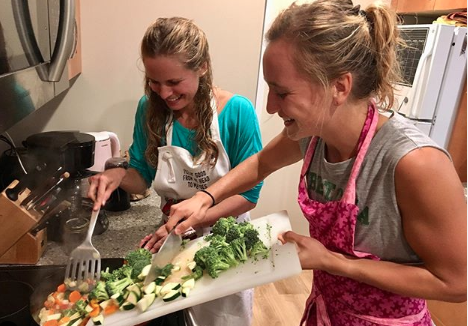
Alayna Sonnesyn (SMST2) captions this shot of cooking with Jessie Diggins, “Gotta fuel hard to train hard!”. (Photo: Instagram @asonnesyn)
Are you prepping your list of resolutions for the New Year? Do you, like many people, incorporate a weight loss goal? According to Business Wire, the market value of the diet industry in the US alone was ~$72.6 billion in 2021 (ref. 1), and increases near-annually. There are reasons why this industry is so successful. Sadly, it’s got little to do with the efficacy of their programs, products, or dieting as a whole. After all, what good is the long-term profitability of weight loss if it works after a single try? Don’t even get me started on the origins of body policing and the BMI… that’s for another day!
Large scale reviews of research studies, called meta-analyses, have found that the effectiveness of weight reduction programs vary considerably, with 40-65% of participants regaining all the weight they lose, plus more, within 2-3 years – regardless of diet approach (ref. 2). Rarely do studies of this kind, or stories in the news, mention the unintended consequences that dieting and negative body talk has on your mental health and the mental health and body image of those around you, particularly children and adolescents (ref. 3).
After working with endurance athletes across sports, genders and age groups for nearly a decade—and bolstered by a robust and growing body of research—I would like to make the argument that you can create and maintain nutrition habits that have lasting impacts on health and performance, entirely independent of weight loss. I say this with the acknowledgement that in athletes who compete at the highest levels of endurance sport, body composition monitoring and management can play a role. Even for these athletes, weight changes must be realistic, periodized, supported, and monitored closely by their care team.
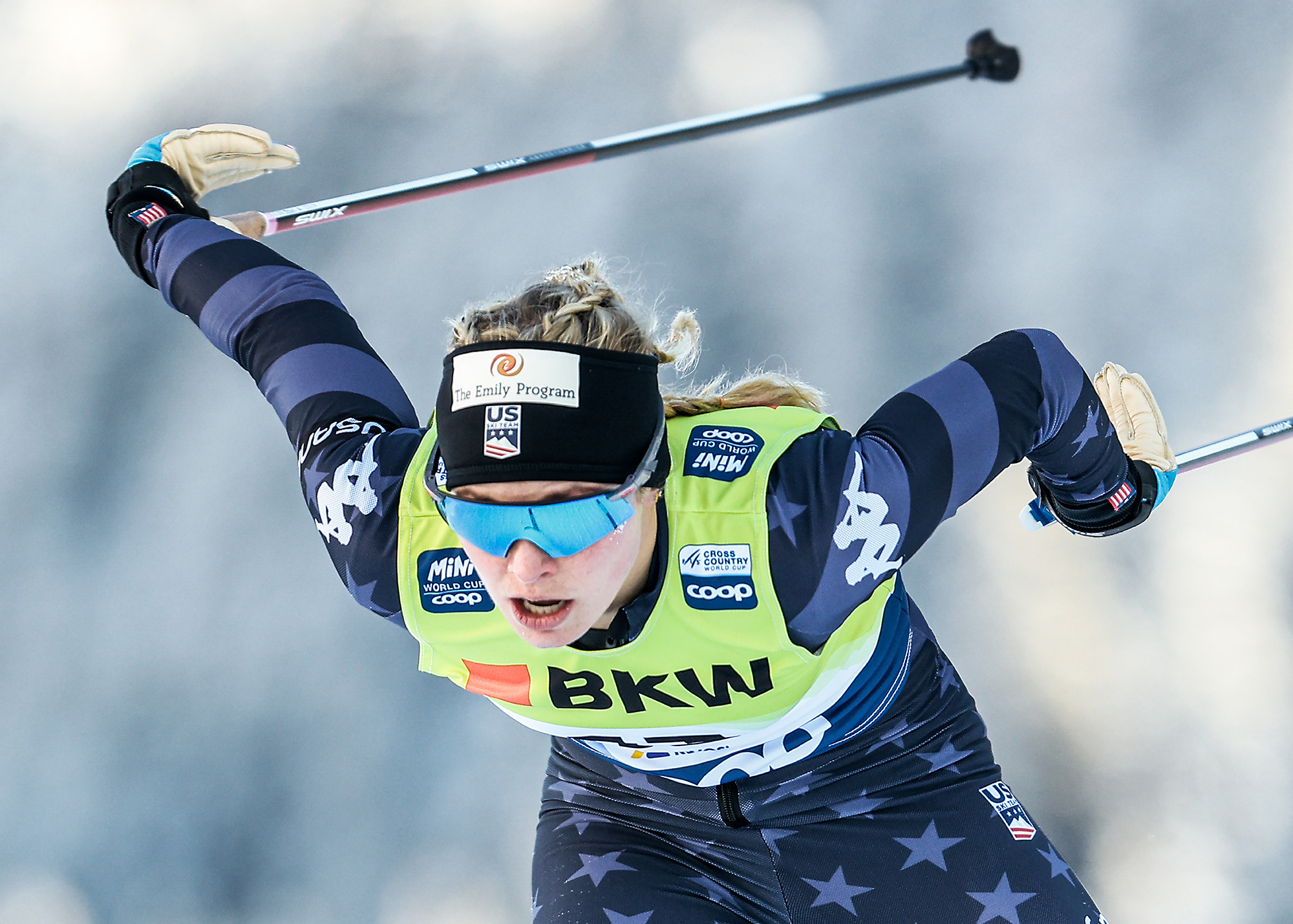
This season you may notice Jessie Diggins (USA) promoting The Emily Program on her headband. The Emily Program offers proven and personalized treatment for all types of eating disorders. (Photo: NordicFocus)
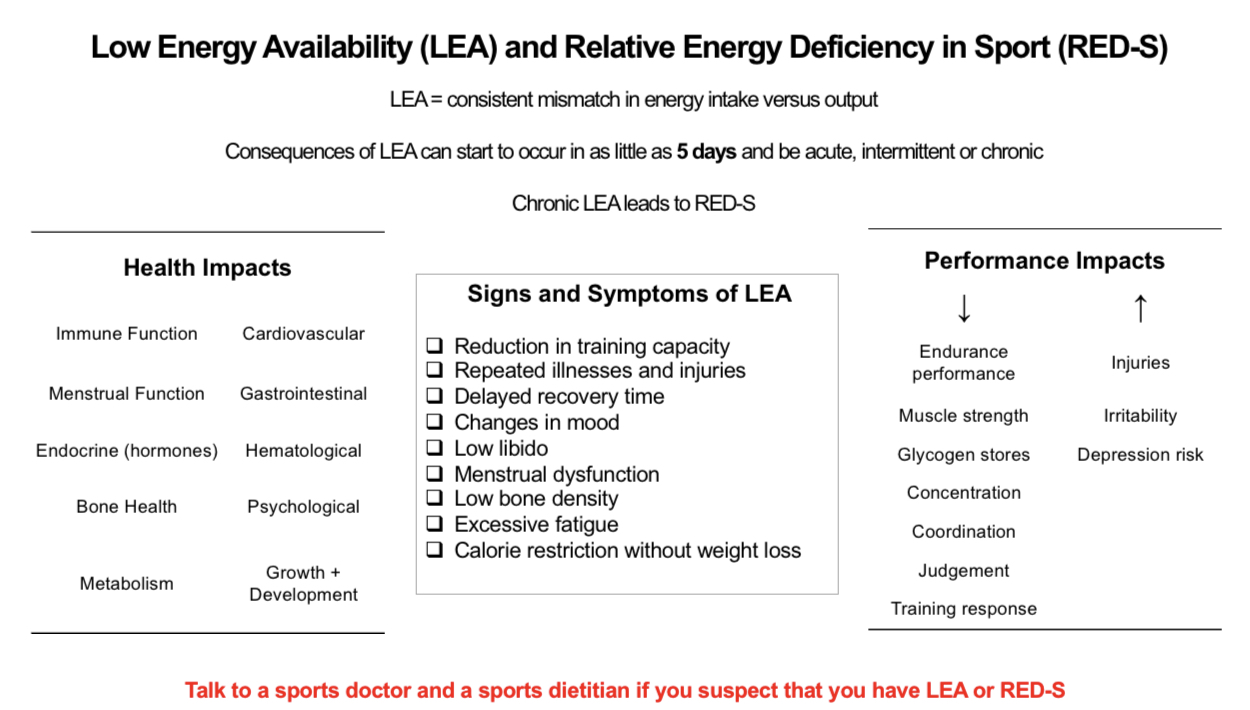
Athletes tend to be hard working, high achieving, focused, goal-oriented people. While these are largely viewed as positive character traits, they can also put athletes at risk for undereating, disordered eating, and eating disorders. FasterSkier has discussed Relative Energy Deficiency in Sport (RED-S) before, but I want to take a moment to dive a bit deeper. Low Energy Availability (LEA) is the main underpinning of RED-S, and is defined as a consistent mismatch in energy intake versus expenditure (ref. 4). LEA can occur for a number of reasons; for some athletes, it’s functionally difficult to meet their needs due to a demanding training, work and/or school schedule. Others might be eagerly trying to “eat healthier” and unintentionally undereat. There are also, of course, those who overtly restrict their eating in an effort to lose weight.
Here’s the thing: the relative influence of body composition change on performance is often inflated – and wildly variable. It can also quickly become outright dangerous and career-ending, as many elite athletes have attested to in recent years. I urge athletes at every level to consider that, perhaps, bodies are just meant to be different—and to change over time.
Check out the figure below to learn about Low Energy Availability (LEA) and RED-S:
Adapted from the 2018 IOC Consensus statement on relative energy deficiency in sport (ref. 4).
This year, we challenge you to choose realistic, actionable, long-term goals over a short-term diet du jour. Your body, mind and community will thank you for it!
Here are some performance-focused, weight-independent resolutions to consider in the new year:
Hydrate. This means peeing pale yellow every ~2 hours, give or take.
Eat meals + snacks throughout the day, every 3-4 hours or so.
Incorporate a protein source into meals and snacks, especially at odd times (like between a 12pm lunch and a 7pm dinner).
Learn how to fuel exercise sessions that are longer than 75 minutes. Understand there is a dose-response relationship (longer = more), seek guidance and adjust accordingly.
Include a variety of fats, colorful foods + spices to improve diet quality and decrease inflammation. These do not need to be fancy; frozen and dried options are convenient, comparable & cheaper.
Make sure to consume calcium-rich foods daily. This is especially important if you are post-menopausal and born female, have a history of an eating disorder, are taking corticosteroids, or have ever transitioned genders.
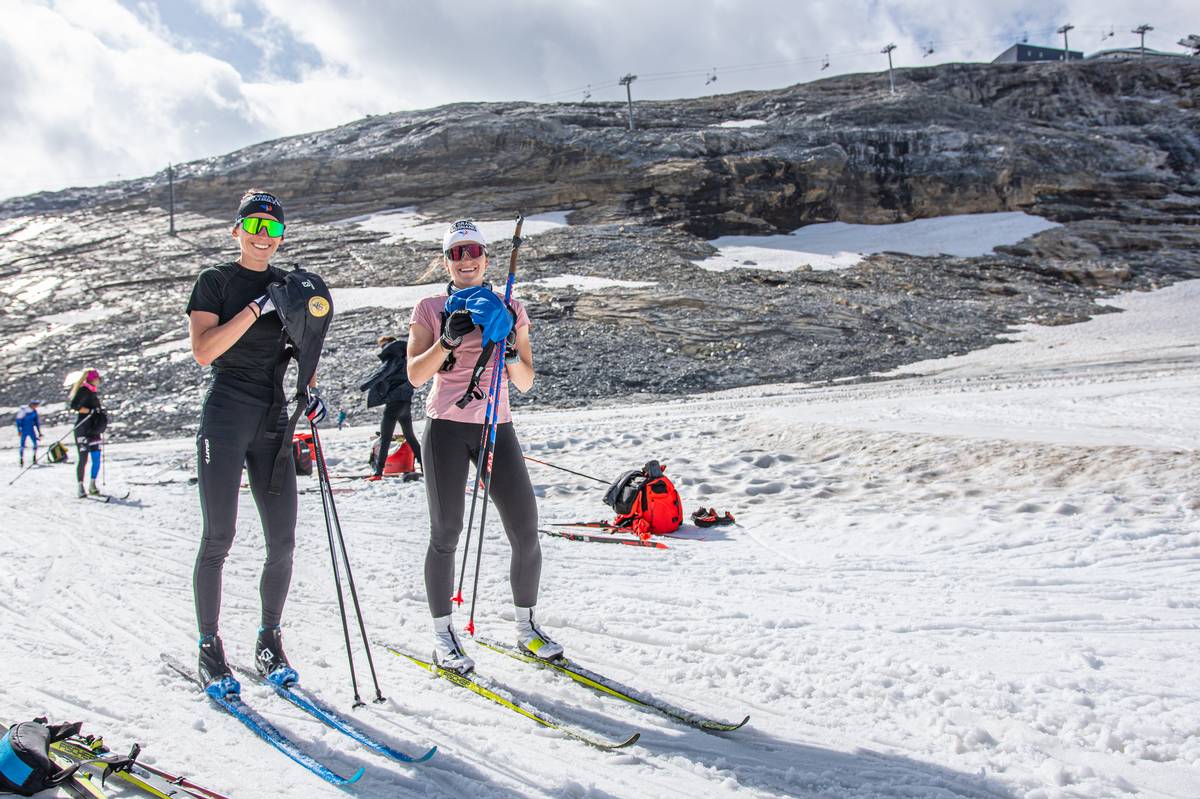
French skiers Delphine Claudel and Lena Quintin stop to refuel during a training camp on the Glacier de la Grande Motte near Tignes, FRA. (Photo: NordicFocus)
Sick of diet culture? Try these resolutions:
Consider evaluating your relationship with food and your body; engage in reparative work where it’s helpful. Do this for yourself, your loved ones, your teammates/athletes, and the people you don’t yet know who will be influenced by seeing you simply accept and love yourself unconditionally.
Unfollow or mute people on social media who make you feel bad about your body or your food choices. Purposely change your algorithm by quickly swiping past diet content (TikTok and Instagram keep note of how long you watch for), selecting “not interested” or reporting it.
Take ownership of conversations about diets and bodies amongst friends and family that make you feel uncomfortable, or (if you are a parent) if you’re within earshot of your kids. Consider ways you might respond in advance (e.g. friendly correction, ignore, honesty, subject change, sassy). As you begin to pay attention to negative body talk and conversations about dieting, you’ll quickly notice how many opportunities there will be to practice.
Want to learn more? Be sure to follow FasterSkier in 2023 for my upcoming five-part web series: The Five R’s: Sports Nutrition for Faster Skiing.
Jensen, Michael D., et al. “2013 AHA/ACC/TOS guideline for the management of overweight and obesity in adults: a report of the American College of Cardiology/American Heart Association Task Force on Practice Guidelines and The Obesity Society.” Journal of the American college of cardiology 63.25 Part B (2014): 2985-3023.
Goldfield, Gary S., et al. “Body dissatisfaction, dietary restraint, depression, and weight status in adolescents.” Journal of school health 80.4 (2010): 186-192.
Mountjoy, Margo, et al. “International Olympic Committee (IOC) consensus statement on relative energy deficiency in sport (RED-S): 2018 update.” International journal of sport nutrition and exercise metabolism 28.4 (2018): 316-331.
Hannah Halvorsen creates a video on eating disorders in cross-country skiing from a survey of coaches of all levels. (Courtesy photo)
At 24-years-old, Hannah Halvorsen recently announced that she is ending the pro-skier chapter of her life, but it’s not the only transition she has on deck. This past weekend, Halvorsen also graduated from Alaska Pacific University (APU) with degrees in cognitive psychology and business administration. As a senior capstone project, focused on the psychology side of her studies, Halvorsen chose to research a topic she has been invested in throughout her time as a student-athlete: eating disorders in sport.
Given the size and scope of the topic, she began to explore ways to narrow the lens. She chose to focus on cross-country skiing to leverage her extensive experience as an athlete, but was still initially unsure of where to begin.
“I didn’t want to look at just, ‘how do we get them to go away?’ because I just don’t think that is feasible with the resources and education we have right now,” Halvorsen explained in a call.
Ultimately, she chose to consider the topic from a perspective she had not encountered previously: that of the coach.
“Not every nordic athlete has access to a dietician or to a counselor, depending on their insurance, depending on their family culture, their family support… But the majority of athletes have a coach and that’s a frequent person that they’re interfacing with. So I thought, ‘This is a really unique link that a lot of people have. How do we utilize that?’”
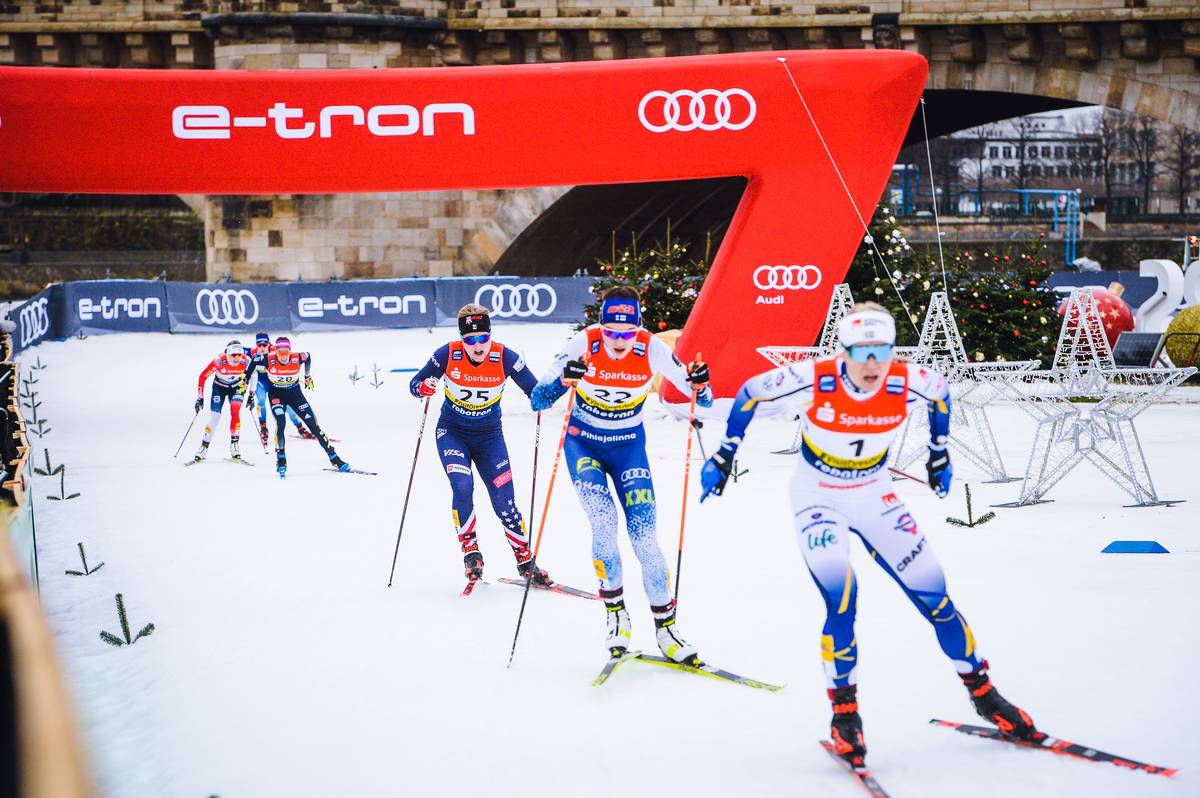
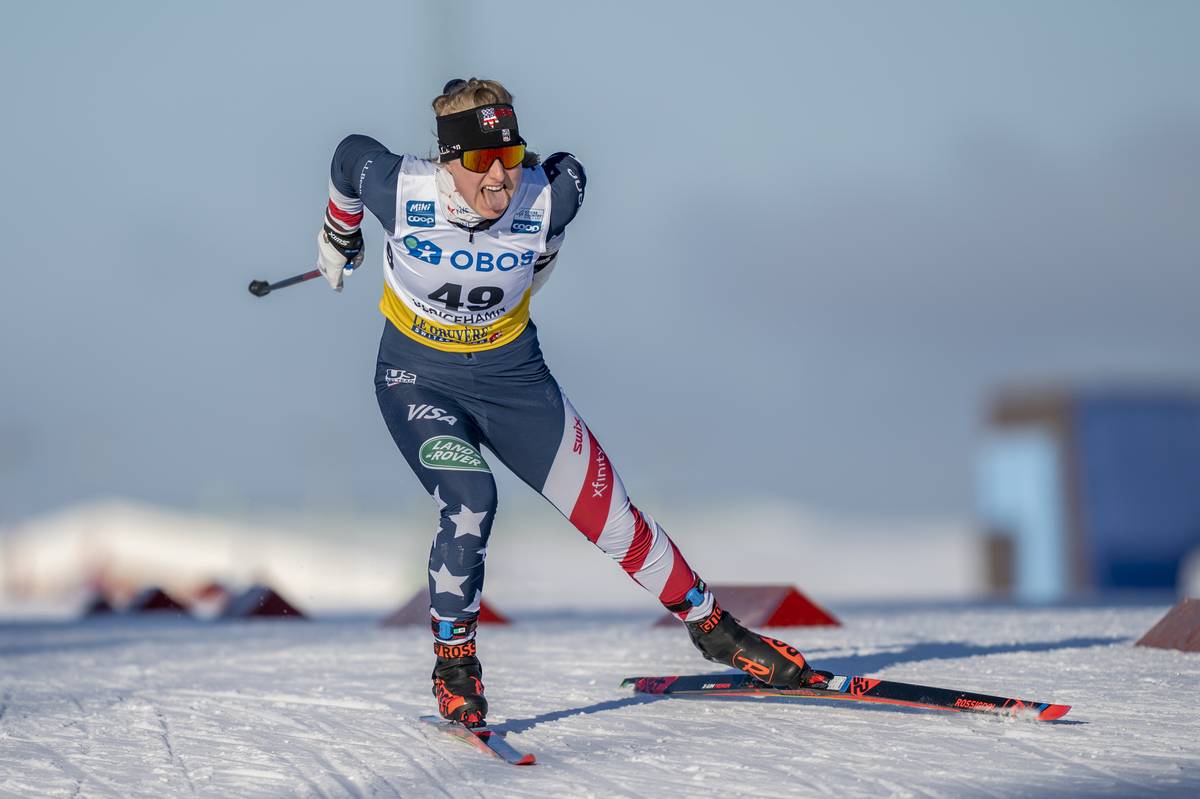
Hannah Halvorsen races through the heats in Dresden during a December 2021 World Cup skate sprint. (Photo: NordicFocus)
Rather than trying to identify a “solution” to a nuanced and multifaceted mental health condition, Halvorsen looked to collect a “broad perspective on what coaches think, what coaches feel, [and] what coaches see… I wondered what it looks like for them because they see athletes come and go all the time, and they see all different types of athletes.” Utilizing connections in the sport both internationally and domestically, she contacted coaches from the junior level through the World Cup.
Looking to avoid factual answers that may just be regurgitated onto a survey from a basic Google search, Halvorsen sent coaches a list of four prompts, and asked them to submit their response as a video. “I wanted to see their mannerisms and their body language and the inflection in their voice when they were responding. Essentially, where they were at with [the topic].”
Specifically, the questions were as follows:
How do you see issues with eating disorders manifest in athletes who may or may not be struggling? What types of behaviors do you see that you associate with this problem?
What are some of the pressures or contributing factors that you either notice or athletes tell you are the reasons that an athlete starts down the path of an eating disorder?
What do you see as the challenges with reducing the amount of eating disorders in sport? What types of obstacles make it hard for an athlete with an eating disorder to recover?
Do you see a difference with eating disorders between male and female skiers? Such as prevalence, the root cause, how it manifests, or anything else.
Setting her expectations low on what she would receive in return, Halvorsen was amazed as videos rolled in, and suddenly found herself with over three hours of thoughtful and in-depth responses. Some of the participants included: US National Team coaches Matt Whitcomb, Kate Barton, and Jason Cork; the Italian and Finish National Team coaches and Norwegian Women’s Team coach; current and former NCAA coaches like Cami Thompson Graves (Dartmouth), Maria Stuber (College of St. Scholastica), Marine Dusser (Univ. of AK Anchorage); elite post-graduate coaches Erik Flora (APU) and Andy Newell (BSF Pro); and junior level coaches Anna Schultz (Craftsbury), Molly Susla (Crested Butte), and Kris Hanson (Stillwater, MN).
The challenge then became condensing this footage into a concise and effective 15-minute montage, fit to a “script” that would connect the perspectives without redundancy or losing the attention of viewers. “I wanted to have this artistic effect of being [shorter] sound bites, so people would stay engaged.”
The final project: Hannah Halvorsen’s senior project video.
As she reflected on what she heard from coaches, Halvorsen identified some of the important themes that resonated with her and aligned with what she had learned through her studies on the subject.
“There were some very noticeable overlaps. A lot of [coaches] said, ‘I’m not a medical professional, I’m not qualified in eating disorder rehab or therapy or treatment. I am not the person for that. It’s not appropriate for me, it’s not something I have the skills to do, and it’s unethical for me to be doing it.’ And it was honestly really nice to hear that at all different levels, coaches do know that this isn’t their job or role…
“I also noticed that a lot of them talked about how eating disorders weren’t just about sports performance, or wanting to perform in sport. A lot of the coaches pointed out how it often came at a time where the athlete has a lot of other stress in their life, and this is just something that they have found control over, which is also something that I’ve researched and learned about in preparing for this video.”
Halvorsen pointed out that this is a key distinction. While negative body image and a preoccupation with one’s physical appearance can be symptoms of eating disorders, the root cause is typically much deeper. In the endurance sport realm, an unhealthy need for control can run parallel to the type-A, perfectionistic mindset that may also contribute to athletic development and progress in sport.
In her advocacy work in the eating disorder space, Jessie Diggins has often used the phrase“Genetics loads the gun, but the environment pulls the trigger.” Or, as Andy Newell put it in Halvorsen’s video, eating disorders are “stressful habits that manifest themselves as eating habits.”
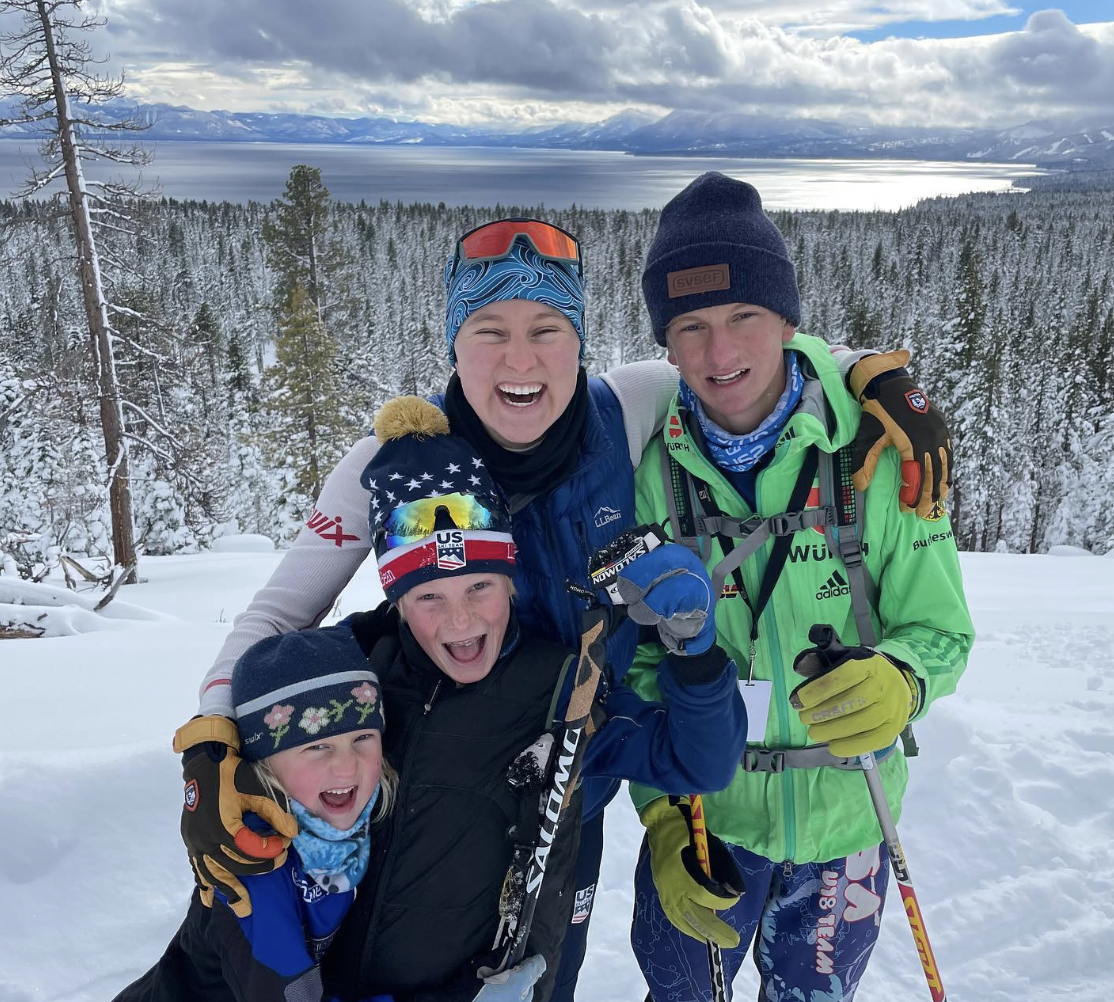
Hannah Halvorsen spends time at home in Truckee, CA with three of her five siblings. (Photo: Instagram @hannah.g.halvorsen)
“Another big takeaway that I would describe more as a tangible lesson from this,” Halvorsen continued. “And the coaches kind of led to it – is that the right role for a coach is to be in touch with athletes and be aware and there for them, so that if they do notice a change in behavior, they can be that link that helps the athlete get connected with the help that they need as soon as possible. They’re not the one to fix that problem, but they might be the first person who sees it. The first person who checks in with [the athlete] and says, ‘Hey, you should see someone about this.’ That, I think, is where I stand on the issue right now.”
Reflecting on her experience as a World Cup athlete and the responses of international coaches she received, Halvorsen indicated that she did not notice any significant differences in trends compared to the US, though this was an aspect she was looking to investigate.
“‘Does it vary culturally in how we see it, how it manifests, how we talk about it?’ Overall, I would say, the problems seem to come from the same issues. They seem to be similar in the way that athletes want to hide it. It’s kind of taboo to talk about it. It’s largely more taboo to talk about an eating disorder if you’re a male athlete. Those trends seem to hold very similar.”
While the pervasiveness of eating disorders and disordered eating across genders in sport is a challenging project to take on, Halvorsen indicated that she left feeling positive about the direction progress is heading.
“Something that surprised me is that I didn’t give coaches enough credit for how in tune they are and how much they care and their capacity to communicate about this. There’s so much talk about how eating disorders are uncomfortable, they’re very secretive, no one wants to talk about them. And that was why I thought, ‘I’m gonna have to send this to 200 coaches because I’m going to maybe get five who are willing to talk.’ And that wasn’t the case at all. They talked in depth about it and I think that surprised me, and made me feel really optimistic, too, because coaches are willing to have this conversation and to be very authentic and real about it. And I left feeling a little bit more optimistic that people can get in touch with the help that they need, if they’re ready or wanting that help.”
Another aspect that Halvorsen pointed out was the development that has happened surrounding eating disorder research over the last decade. She noted a shift away from pigeon-holing the disease as a women’s issue – for example, the change from Female Athlete Triad to Relative Energy Deficiency in Sport (RED-S) – and stated that there are notable differences in studies that were conducted within the last two years, in comparison to those published five or ten years ago.
“It needs to be acknowledged that there has been progress. There’s a lot more conversation about it. There’s a lot more training, there’s a lot more education and understanding of it. That needs to continually be part [of the solution].
“We need people, particularly coaches and older teammates and people in the nordic community, to identify as lifelong learners… because it’s gonna keep changing and we’re gonna get better and better at knowing how to support athletes and how to make the environment better. And so I think committing to having an open mind and staying that way is really important.”
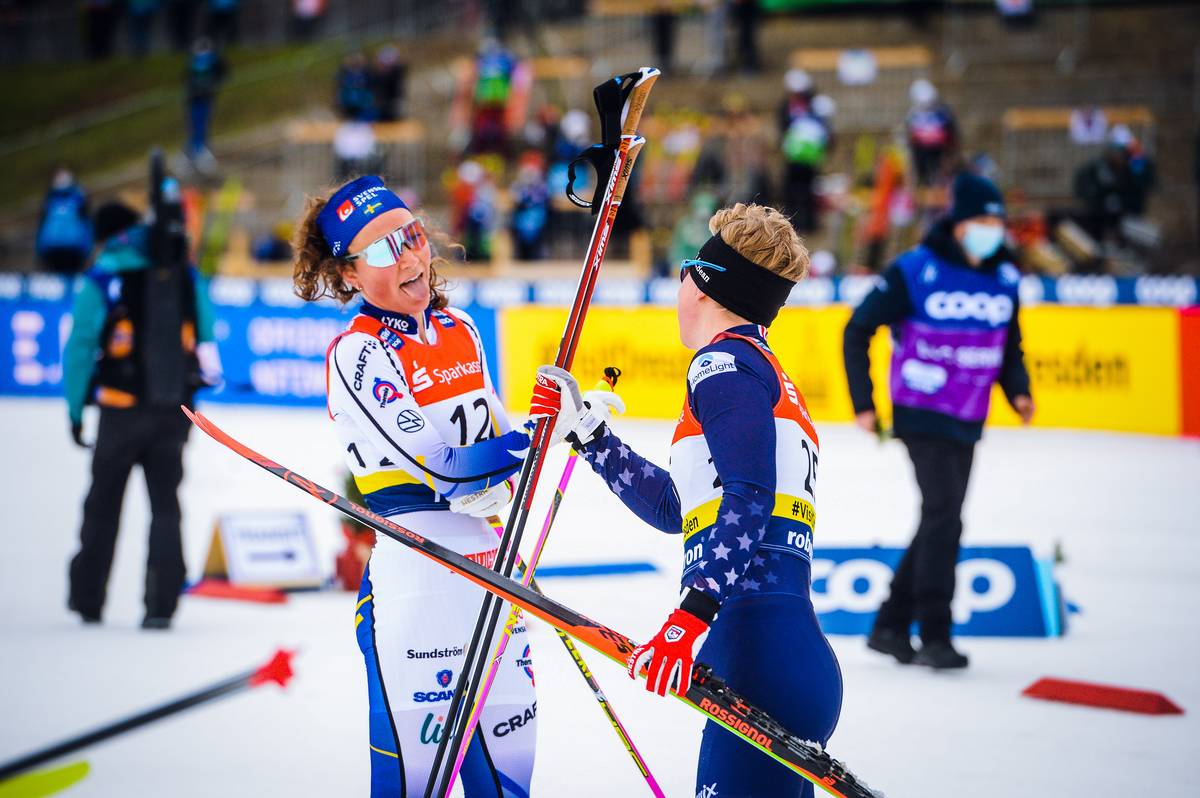
Hannah Halvorsen congratulates Sweden’s Moa Lundgren at the finish of a skate sprint heat in Dresden, Germany in Dec. 2021. (Photo: NordicFocus)
While it was not a focus of the questions posed to coaches, Halvorsen discussed her perspective from her experiences and research on what still needs to change in cross country skiing.
“I think that there is a subconscious cultural emphasis put on being lightweight, and that was being affirmed and validated and encouraged in subtle ways. Even if we’re saying the right things, athletes and kids and everyone is still aware of what is validated and when is affirmed and when is celebrated.”
She discussed the overt messages a coach could give to athletes, such as an instruction to lose weight for performance or complementing a leaner aesthetic, however, she felt that more covert messaging is pervasive and perhaps more harmful. In particular, she identified aspects of traditional ski training that may skew focus and praise toward athletes with smaller body-types.
“Every time I went to a summer training camp growing up, there was an uphill run test that, I think, held a lot of weight.”
Halvorsen called the test “iconic” and expressed how the test felt like a measuring stick, both for one’s merit as a skier and as a basis for a social hierarchy among the athletes attending the camp. “There’s just a lot of, ‘That’s the cool athlete who can run uphill.’ And it holds for men and women.”
Simultaneously, there are the challenges of a sport whose athletes race in lycra body suits throughout the winter, put in the most training hours during the heat of the summer.
“That means a lot of shirtless time, a lot of shirtless social media, and a lot of emphasis put on doing things uphill. Uphill rollerski time trials, bounding intervals, uphill running time trials, mountain running races. I think all of that plays [into developing good fitness for ski racing], and I’m not saying ‘let’s get rid of it all, don’t do it.’ It just gets validated in a way that a doublepole time trial does not… There’s never quite as much emphasis being put on someone who’s really good on their skis, or really powerful, or really tactically gifted.”
This leaves coaches in a catch-22; should they abandon a measuring stick that has served programs at all levels, both in the US and internationally, or are there alternatives?
“[The uphill run test] is a good marker of fitness, and if there was a way that you only compared to yourself and didn’t use weight loss as a way of improving your times, you would be able to track your fitness. But there’s just no comparison. You could be a better skier than someone and if they’re a lot smaller than you, they probably are going to beat you in that. And no matter what your age is, it’s hard to not see that.”
Denying the inextricable connection between size and uphill performance is not the answer in Halvorsen’s mind, as athletes will “see right through it.” Rather, she believes that an intentional shift in culture toward placing equal value on the myriad of athletic qualities that are less correlated with body size.
“How do you shift the weight to ‘it can still be valued, it should just be valued the right amount’? Like, ‘It’s one marker that we use, but we also want to see you improving on the doublepole tests. And if you lose a bunch of weight, you’re not going to. We also want to see you improving in speeds, and if you lose weight, you’re not going to improve in speeds.’ I think just giving it a little more balance is the only realistic, well-rounded solution that I see.”
Hannah Halvorsen pushes through the freestyle sprint qualifier in Ulricehamn, Sweden in Feb. 2021. (Photo: NordicFocus)
Halvorsen described herself as “a little bit blunt” and “pessimistic” as she continued to discuss systemic changes she’d like to see in the future, namely, whether athletes at U16 and U18 training camps should be allowed to go shirtless.
“The kids who go to [U16 and U18] camp are the kids who are really cool and fast on their local teams. So every kid who’s on the local team is looking up to them, and looking at the pictures that they post, and I think that they help set the trend for their local teams. They bring home that culture.”
She proposed that instead organizers ensure that tee shirts and tanks that athletes receive at those camps be made of lightweight, breathable material that remains comfortable even when training in heat and humidity.
These ideas are rooted in her own experiences as a junior. Attending her first U18 camp was Halvorsen’s first exposure to the unhealthy culture permeating sport, which interrupted the otherwise healthy and unencumbered relationship she had with food and her body, developed through her family culture. Diggins has also acknowledged the disordered eating she witnessed at junior camps as a triggering example she later followed once her eating disorder took hold.
For Halvorsen, this led to a year of fixation on shrinking her body, with an aftermath of self-image and body dissatisfaction highs and lows that have persisted to the present.
“People were talking about what they eat and their weight, and I put it all together and kind of became obsessed with it… I just spent all my energy and time obsessing over what I could eat and when, that I couldn’t see anything else. Making sure to time it so that people would see me eating so that they would hopefully not know that I was doing this. It made me so miserable. It wasn’t sustainable.”
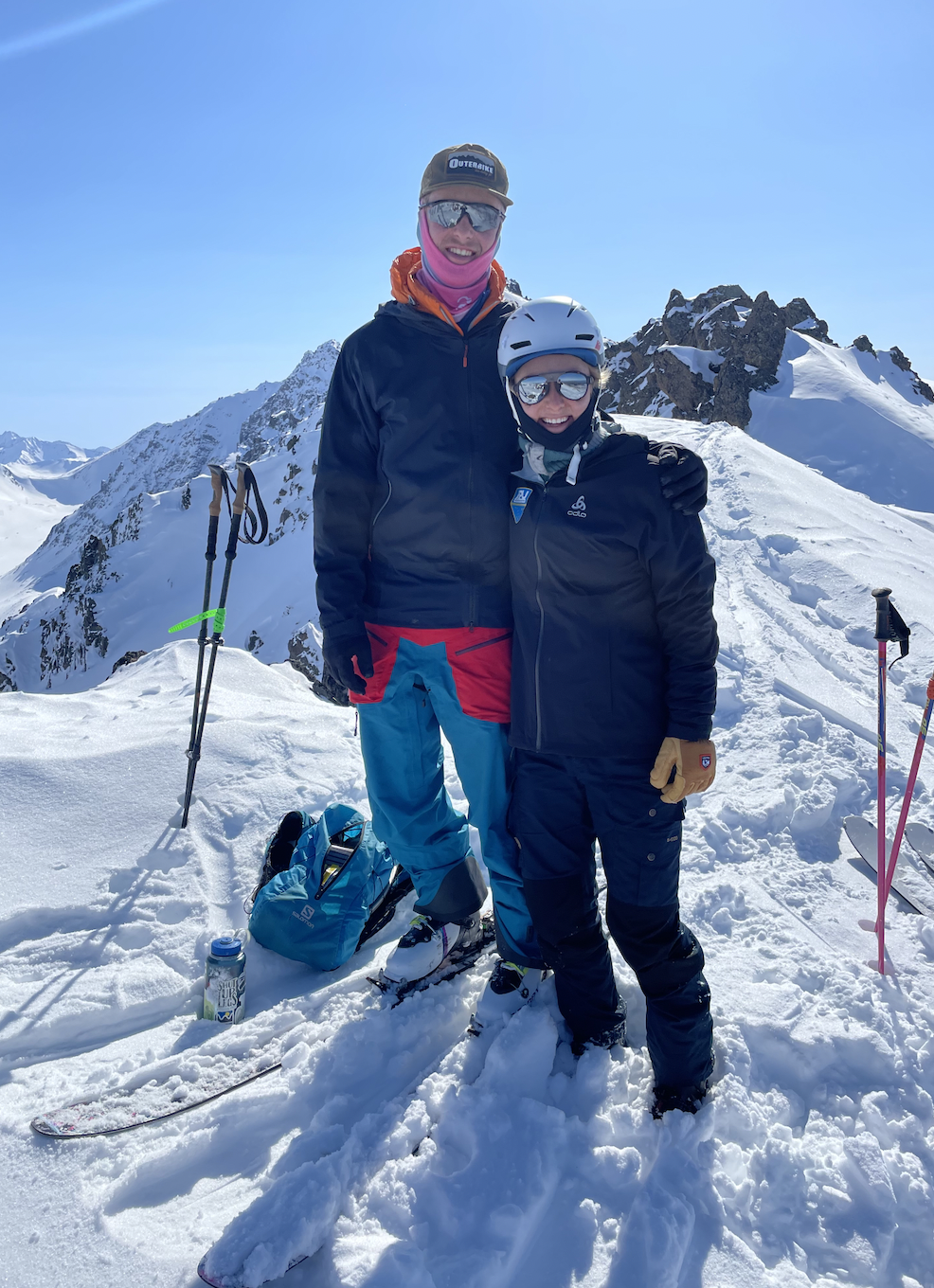
Hannah Halvorsen and her brother Bjorn enjoy the Alaska backcountry after finishing the 2022 race season. (Courtesy photo)
While plenty of change and education remains necessary to improve the climate surrounding athlete health, eating disorders, and RED-S, Halvorsen expressed optimism in the trends across sport culture and the outlook for future generations of athletes.
“It’s such a difficult issue and I don’t know that it’s ever going to totally go away… We’re at a point right now where it’s becoming common knowledge this is an issue and a lot of people are open to having that conversation and learning about it and it’s not as secretive. And that’s huge, because now we have enough people on board that we can start to think, ‘So what are we gonna do about it? I don’t think that we only know. I think we’re flailing a little bit. I think we’re looking, we’re asking the right people, we are trying to figure it out, and we care and we want to make this better. But I don’t think that we’ve figured out exactly what to do and put that into action yet…
“But I feel optimistic because I think I see a lot of energy being put into, ‘We can’t just ignore this. This issue is huge. And we’re willing to spend the money and the time and energy even if it makes us uncomfortable to figure out what what that is that we need to be doing.’”
Halvorsen is soon headed back to her home state of California for an internship in Berkeley that she described as “more on the business side” of her academic experience. However, she remains passionate about advocating for better education, support, and resources for coaches and athletes, and hopes to return to this type of work in the future.
“I just think there’s something so central about it, because it’s your body. It’s you. It’s so important. And I think everyone deserves the right to feel good in who they are. I don’t really care if people are good, medium, or slow at skiing, I just want them to feel good in their bodies. Skiing should be a way to feel good, not something that makes you feel bad about your body.”
It’s likely that today’s guest needs no introduction. Over the last decade, she has steadily worked to become the most decorated American cross country skier in history. As she gained more recognition beyond the niche of cross country skiing, she began to use her platform to become an advocate for causes she felt passionately about, opening up about her own experience struggling with an eating disorder and working hard at recovery through the Emily Program, and also becoming an athlete ambassador for Protect Our Winters (POW) to advocate for policy changes to combat climate change.
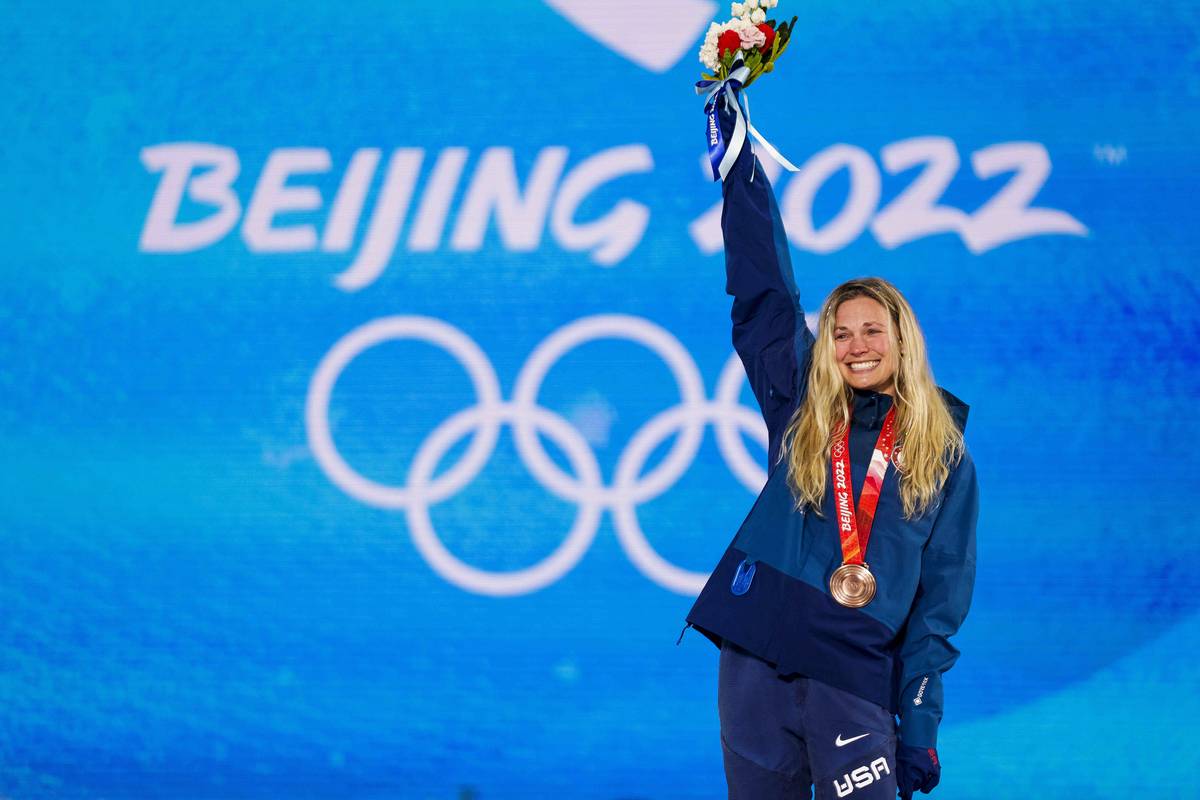
Jessie Diggins takes Olympic bronze in the individual freestyle sprint in Zhangjiakou. (Photo: NordicFocus)
Heading into the Olympics in February, Jessie Diggins received more media attention than ever before, landing on the cover of Sports Illustrated and having her profile featured on major news outlets like the New York Times. There was an entire category for her career highlights on the Olympic cross country ski tab on NBC’s Peacock streaming platform.
From all of the coverage focused on Diggins surrounding the Games, one comment in particular received attention and push back from the athlete community. The line in a February 8th story in the NY Times suggested that Diggins looked “like a sprite in her racing suit,” comparing her body to her competitors’ who had “massive shoulders and thighs.” It was seen as inaccurate, inappropriate, and potentially harmful to those reading it.
To discuss the topic of body comments in sports journalism and why they might be harmful in the broader scope of athlete mental health, the Nordic Nation podcast recently hosted a discussion among the panel of Rosie Brennan, Corrine Malcolm, Brian Metzler, and Nat Herz, who span the breadth of athlete and media representative. Following the conversation, FasterSkier received feedback that the topic had already been given enough attention, and it remained clear that there was not unanimous understanding of why commenting on athletes’ bodies was deemed problematic.
Seeking to add clarity to this side of the story, along with her own perspective as someone who has experienced an eating disorder and since become an advocate for awareness and support in that realm, Diggins reached out to FasterSkier asking to add her voice to the conversation.
To be clear, neither Diggins nor FasterSkier aims to “cancel” NY Times author Matthew Futterman, nor to attack the NY Times for running the comment. The purpose of this discussion was to consider how a comment on an athlete’s body might be triggering to a reader who is primed to fall into the eating disorder trap, and how writers, parents, coaches, and teachers can be mindful of the impact and importance of what they say.
Jessie Diggins races through the heats during the Olympic freestyle sprint in Zhangjiakou, China. (Photo: NordicFocus)
Diggins also reflects on the 2021/2022 race season and what was an historic string of Olympic appearances. She discusses the success of the US Ski Team as a whole, in particular, the younger generation of athletes like Novie McCabe, Sophia Laukli, Ben Ogden, JC Schoonmaker, and Gus Schumacher, who have transitioned onto the World Cup over the last two seasons and earned spots on the 2022 Olympic Team.
Thanks for listening.
Additional Resources and Related Reading & Listening:
WithAll Foundation and the What to Say Campaign. As discussed in the episode, Diggins and Gus Schumacher participated in a live discussion with this organization on March 31st titled “What America’s Top Athletes Know About Health & Performance”, which can be viewed here.
The Emily Program: A leader in eating disorder treatment and outreach, and partner of Diggins’
FasterSkier also shared two OpEd pieces surrounding this topic, one from our own contributor Ben Theyerl and a second from reader Ivy Spiegel Ostrom, highlighting individual responses to the NY Times comment and underlying issues of body comments in the media, along with another separate OpEd by Rachel Bachman Perkins on the prevalence of eating disorders and disordered eating in sport.
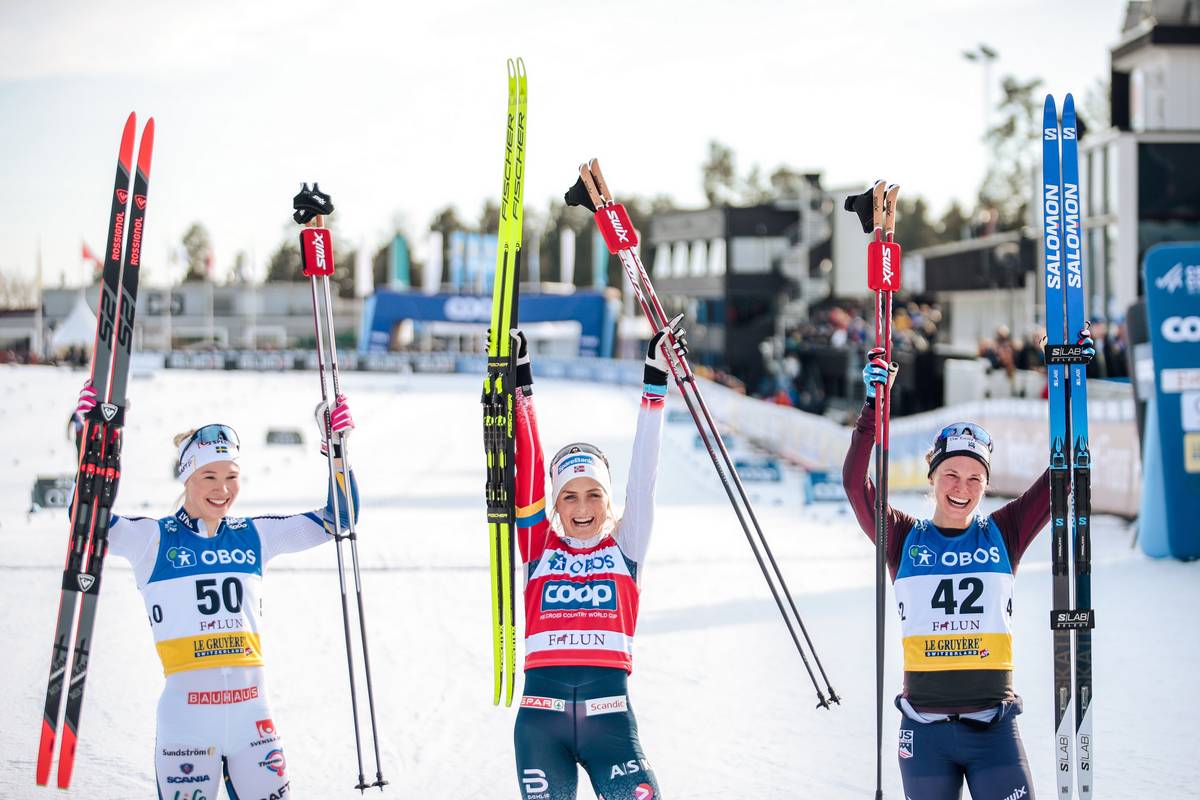
Jessie Diggins races onto the podium in the 10 k free during the 2021/2022 World Cup Finals in Falun, Sweden. Norway’s Therese Johaug took the win, with Sweden’s Jonna Sundling in second. (Photo: NordicFocus)
Though the FasterSkier team would select other highlights from the 2022 Beijing Olympic Games, one of the most read articles we produced featured the responses of members of the ski community to a story published on February 8th by the New York Times, which included the following quote:
“In a sport that has so many women with massive shoulders and thighs, Diggins looks like a sprite in her racing suit, and it’s not clear exactly where she gets her power. But the power is there, as she flies up hills, and comes off climactic turns with a burst. On the downhills, she tucks low and cuts through the air.”
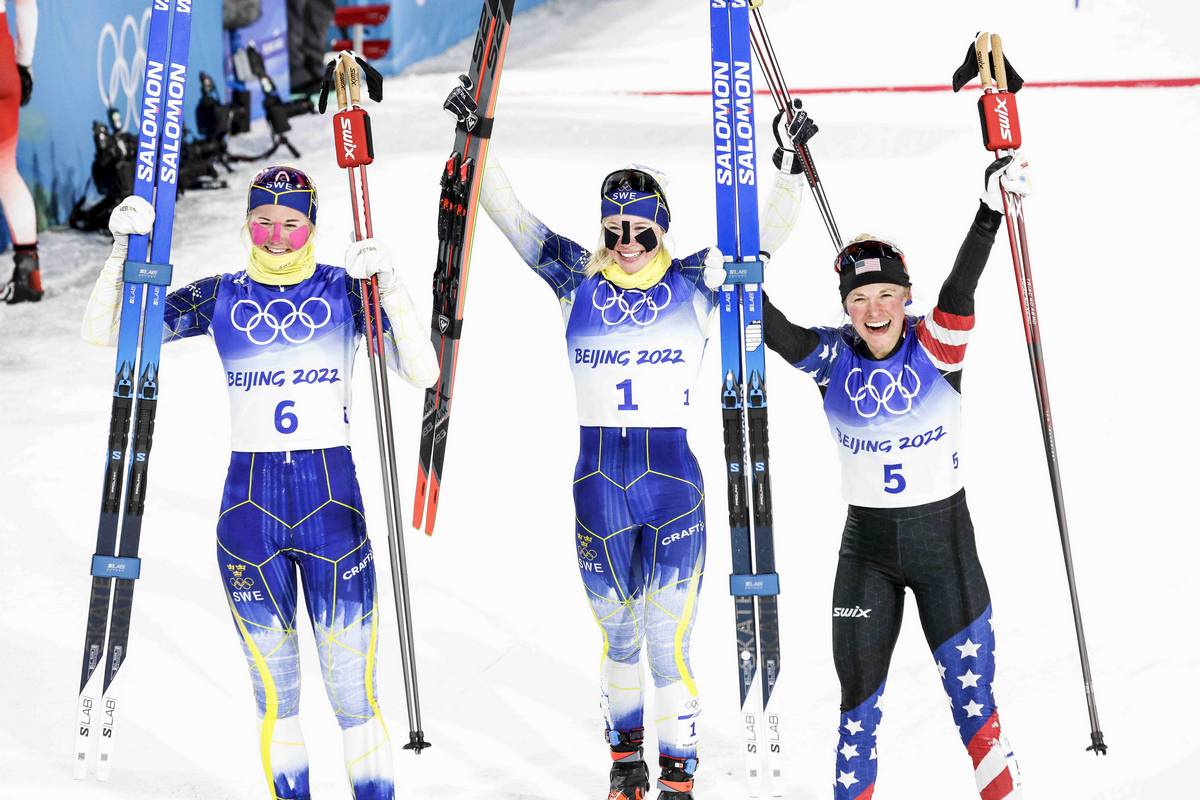
The women’s Olympic 1.5-kilometer freestyle podium: Sweden’s Jonna Sundling took gold ahead of teammate Maja Dahlqvist and American Jessie Diggins. (Photo: NordicFocus)
Following the initial backlash sparked by the quote has prompted a number of insightful conversations – and questions – on how athletes, men and women, are portrayed by the media, whether there is room for descriptions or comparisons of athletes’ bodies to narrate a scene for a reader, and how the landscape of sports media has shifted with time.
For this discussion, FasterSkier brought together a panel that spans both the athlete and media perspective on the issue.
Perhaps needing the least introduction for this audience, the first voice you’ll hear belongs to Rosie Brennan. In addition to her role as one of the top American cross country skiers for more than a decade, Brennan is also an advocate for the organization Voice in Sport which provides mentorship for developing female athletes across all sports. And she was a member of the women’s Olympic skate sprint final in Zhangjiakou, taking fourth place just behind Diggins, the race which sparked the discussion in the first place.
Putting together another highlight weekend in Davos, Rosie Brennan skis to 4th in the 10k individual start skate. (Photo: NordicFocus)
The second belongs to professional trail and ultra runner Corrine Malcolm, whose first go at professional endurance sport was in biathlon, from which she retired in 2014 after experiencing overtraining syndrome, likely coupled by relative energy deficiency in sport (RED-S). Alongside her athletic career, Malcolm has become a coach for other endurance athletes, while also becoming an advocate for women in sport, and has also engaged with this topic from the media side of the coin while calling some of the top ultra running events worldwide, including the Western States Endurance Run in California and the Ultra Trail du Mont Blanc (UTMB) which begins and ends in Chamonix, France. She’s also the co-host of an engaging podcast called Trail Society, which dissects challenging topics in the trail and ultra-running space.
Biathlete turned professional trail and ultra runner Corrine Malcolm discusses body comments in the media on the Nordic Nation podcast. (Courtesy photo)
We’ve also got Brian Metzler, an award-winning veteran journalist and author in the endurance space who currently writes for a number of publications including Outside, Competitor, Women’s Running, Triathlete, and Trail Runner magazines. Writing with perspective from his own athletic career, Metzler is Colorado Running Hall of Fame inductee (2015) who adventures on foot, ski, and sometimes alongside a burro, throughout the high country of Colorado.
Long-time sports journalist and author Brian Metzler joins FasterSkier’s panel to discuss body comments in the media. (Photo: brianmetzler.com)
Lastly, you’ll hear a cameo from our own Nat Herz, on lunch break from his “real job” as a full-time reporter for the Anchorage Daily News. Having written for FasterSkier from 2009 through 2015 before making a return this year as our 2022 Olympic Correspondent and co-host of the Devon Kershaw Show, Herz shares insights from his time covering cross country skiing paired with those from behind a very different desk.
Some of the talking points discussed include:
Initial responses to the NY Times story
A writer’s responsibility to be informed on the sport being covered, in addition to the physical and/or mental health challenges that may be pervasive in that setting
Differences between American and European media, and shifts in focus, norms, or trends in sports media
Differences, or lack thereof, of covering athletes of different genders
Please note that the Craftsbury Green Racing Project Ski and Biathlon teams and U23 summer programs are currently accepting applications for the upcoming training year, which will close on April 10th. Click here for more information.
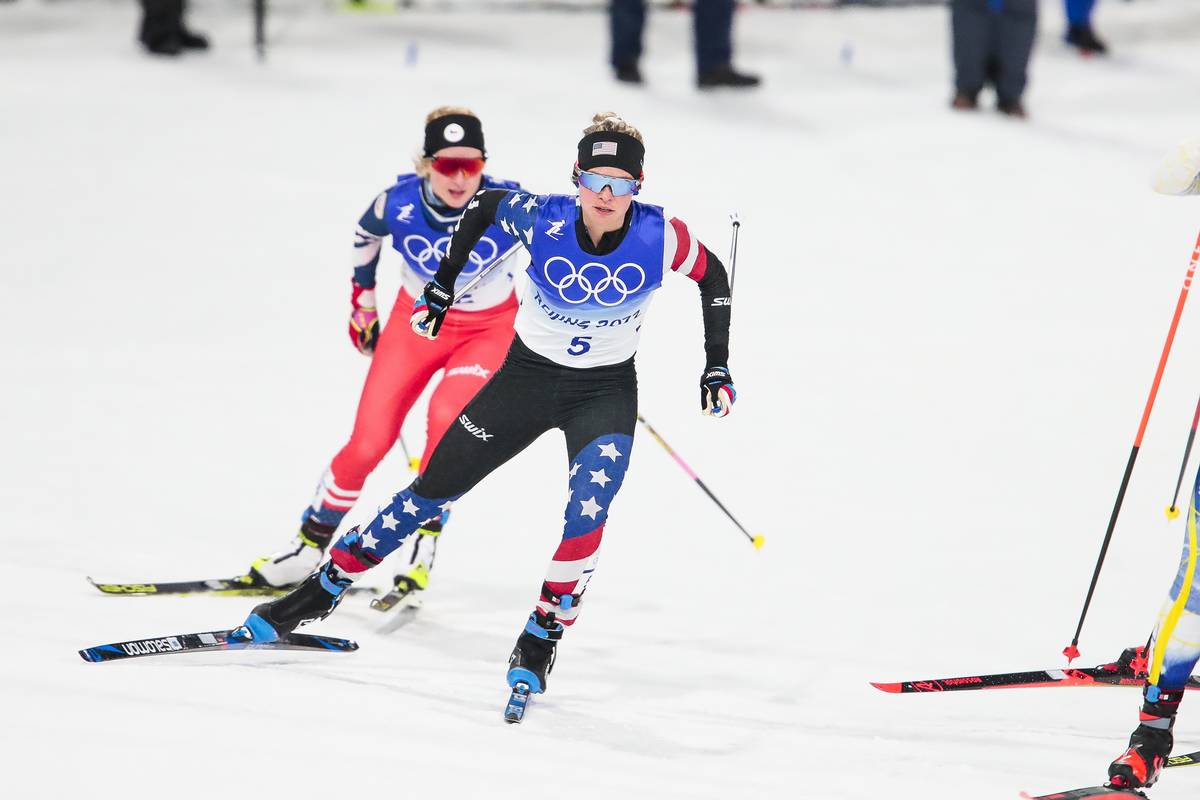
Jessie Diggins (USA) and Rosie Brennan find their position in the early moments of the women’s freestyle sprint final. (Photo: NordicFocus)
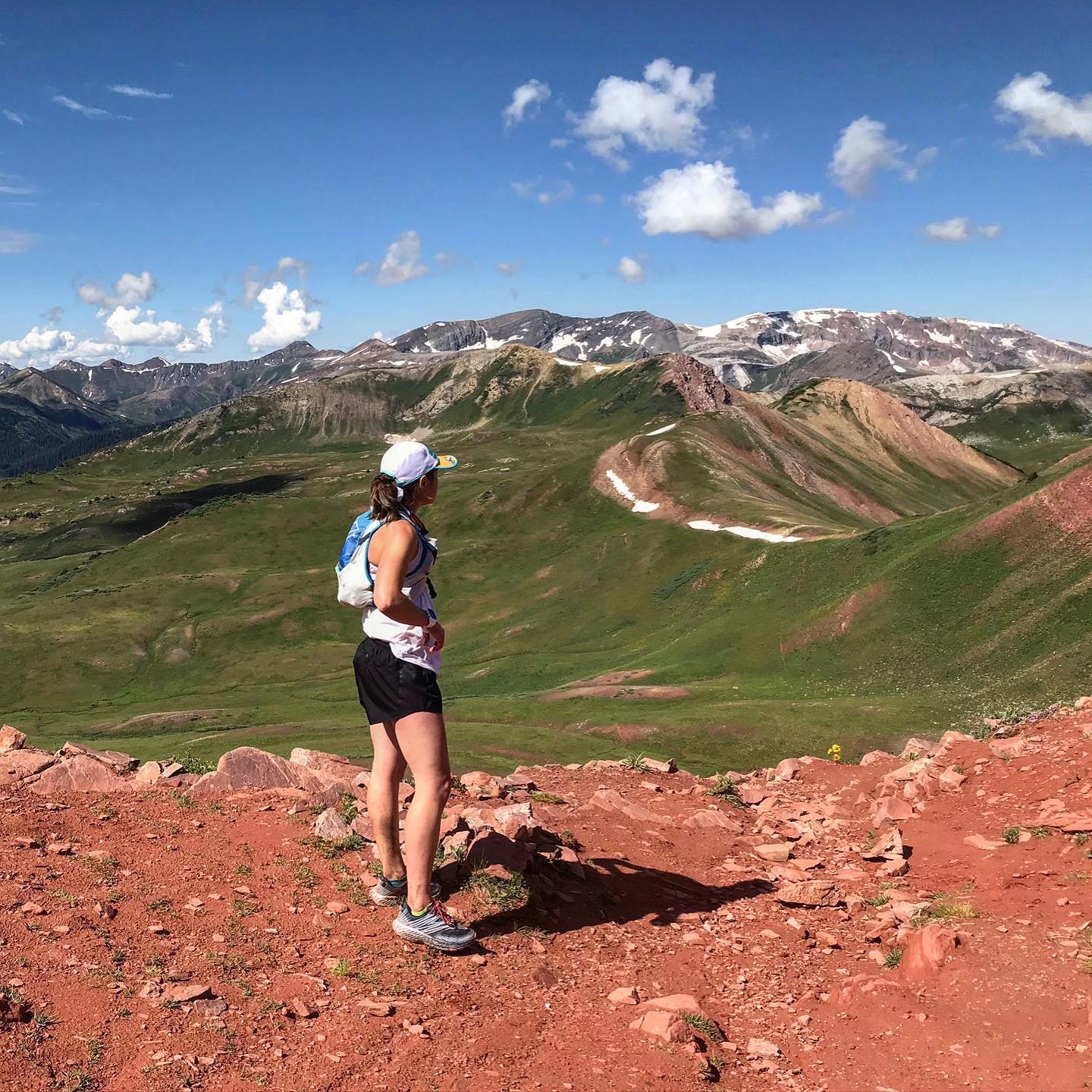
A sunrise trail run overlooking the author’s hometown of Carbondale, CO.
CONTENT WARNING: This article includes stories of an individual experience with an eating disorder, including numerical values of weight. If you’re struggling, you can contact the NEDA Helpline, which has options for text, chat, or phone support.
INTRODUCTION: This opinion piece is a response to some recently publicized experiences of women of the University of Oregon track and field program who were routinely scrutinized for their body composition, underwent DEXA scans to measure body fat percentage multiple times per year, and were assigned additional training if their body fat was above the threshold set by their coach, Robert Johnson, and other staff. They were given the message that their performance and potential were directly tied to these metrics, which led to rampant disordered eating, body dysmorphia, and anxiety among the team. Meanwhile, their coach claimed these tests and individualized training regimens were backed by science, saying: “The health and safety of all our student-athletes is extremely important and at the forefront at all times.”
It required time to work up the courage to post this narrative. I chose not to use photos of myself from the time period discussed, instead including recent photos that remind me of the rewards that come from being nourished, strong, healthy, and whole.
To submit an op-ed or personal essay, email info@fasterskier.com. We fully support open dialogue and feedback.
***
In August of 2011, I got Giardia. I had spent the better part of the summer between my sophomore and junior years of college backpacking, canoeing, and swimming in small ponds throughout the Adirondack Park in northeastern New York, and must have picked it up along the way. While most experience “beaver fever” as a rapid-onset and violent gastrointestinal nightmare, mine was a slow burn: feeling full as soon as I started eating, sharp stomach pains and cramping, a chronic headache, and a few cross country running practices where I was questioning the food from the dining hall.
Meanwhile, the unchecked pathogenic colony was slowly festering in my gut, stealing the nutrients from my food, leaving me little to absorb. Consequently, I lost weight. Stepping on the scale at the annual “health check” put on by the athletic department, I saw that I weighed 119 pounds, which was roughly 5-10 pounds lighter than my normal set point. I was being complimented by my peers for how fit I looked, and my times were steadily improving. This germinated dormant seeds in my perfectionist mind that being “good” at running was directly tied to the number on the scale, and the seeds began to grow like a weed.
It wasn’t that I had put in a solid summer of training, it was the weight. 119 pounds was good, but I’d look more like a runner if I weighed 115 pounds.
Midway through the season, I had bloody diarrhea just before a race, and called my parents freaking out. A few days later, a stool test confirmed that I had Giardia and I was given antibiotics to get rid of it.
I panicked. If being sick was causing the weight loss, would killing the parasites in my gut mean I would undo all of the “progress” I had made toward being a good athlete? I became obsessed with exerting control over what I was eating. I went gluten free and vegan, making it nearly impossible for me to eat with others. I continued to PR through the end of the season, then I all but disappeared.
To be clear, I was blessed with supportive parents who put zero pressure on my siblings and me when it came to sports. At both the high school and collegiate level, I had wonderful coaches who fostered a healthy and supportive team environment with no discussion or pressure surrounding how we ate or what our bodies looked like. My only memory of my college coach commenting on someone’s body was to say he was concerned about a male athlete on the team whose eyes, he felt, appeared “gaunt and a little bit haunted” at that point in the season.
This was all at a Division III school with no track program, and USCSA-level skiing — not the pressure cooker of Division I programs that were more centered on competition and results. The coaches embodied a healthy lifestyle that was built around a love for endurance sports, and I still admire them.
But as Jessie Diggins said when discussing her own experience with an eating disorder, “Genetics loads the gun, and the environment pulls the trigger.” Even without being told outright that leaner is faster, or being instructed to lose weight for performance, athletes can fall into these lonely and unhealthy traps.
The author on Frigidaire Pass along the roughly 26 mile Four Pass Loop outside of Aspen, a Colorado classic. (Photo: Kate Phillips)
In my case, I was feeling mounting pressure to know the answer to the question: “What are your plans for after college?” The end of undergrad was looming, I had no answer, and I didn’t know how to cope. Meanwhile, I was topping out the levels of rigor and challenge offered at the undergraduate level with an applied math course load, and constant focus on maintaining my GPA heightened my anxiety. My friends were getting internships and applying to jobs, and I just wanted to run and ski and have everything stay the same.
It was also the early days of social media and blogging, which were feeding me indirect but clear messages about what other athletes looked like, what they ate on Wednesdays, and how to make any dessert I used to enjoy “healthier” to reduce the number of calories I was consuming. A decade later, almost everyone has a smartphone and these influences have become even more toxic.
When I reached 115 pounds, it wasn’t enough. Surprise, surprise.
I was switching over to ski season and building training volume, all while meticulously counting calories and restricting my caloric intake. I bought a scale, which might as well have been a set of shackles. On Thanksgiving, my concerned older brother tried to pile extra turkey and stuffing onto my carefully portioned plate, and I melted down.
My relationships with friends and family were strained. Everyone was worried and I just wanted them to stay the f**k out of my way. I was depressed, I cried myself to sleep most nights, and I couldn’t convince myself to stop starving my body, simultaneously finding comfort in the emptiness and hating the shell of myself that I had become. This is what being trapped inside an eating disorder is like.
During the nordic season, I was so fatigued that I avoided skiing with others. I couldn’t keep my body warm, regardless of how many layers I was wearing. I was slowly slipping backward in race results. I was constantly getting sick. One day, at my self-imposed morning weigh-in, my five foot six inch skeletal frame weighed 98 pounds, and I felt desperately frail. I broke down crying. I had lost 30 pounds within five months. What was I doing to myself? Maybe I’d just try to hover here rather than continuing to strive for a smaller body. I didn’t want to die.
At USCSA Nationals in 2012, on the opening day of racing, I didn’t qualify for the heats for the classic sprint. I was devastated. My body had no muscle for double poling. I was on empty.
Over the next eight months, I began to see a counselor. I met with doctors, and I managed to improve my physical health, but I lacked sufficient holistic support to truly overcome the disease. I was on a rollercoaster of binge–purge cycles, feeling like my body was taking over and forcing me to eat manically. I would then try to starve myself through extra training in the subsequent days to “balance it out”, perpetuating the cycle. It was scary and embarrassing and incredibly uncomfortable.
The next fall, I was training harder than ever for cross country running and finally making progress again. The night before the regional meet, our team went to Applebee’s for dinner, which listed the calorie content of meals on its menu. I picked whatever had the fewest: a small portion of rice, some broiled white fish, and some steamed veggies. I “treated” myself to a Luna Bar before bed as dessert. The next day, it was like someone had filled my legs with cement, and I ran my worst time of the season.
***
Ten years later, I feel healthy, whole, and empowered, and my primary goal in life has become ensuring my daughter does not go through the same hell that I did. There are years missing from this story. Getting to this point has taken work, and it has been far from a linear progression of recovery. It’s ongoing, and it’s messy, and it’s all too common.
Simultaneously, by learning about female athlete physiology and working with my body instead of attempting to squeeze it into an extra small, I am far stronger, faster, and more durable than I was when I weighed less. My mind is well enough to care far more about what my body can do than whether it looks like a magazine cover, and I’m happier because of it. I get to explore my potential as an athlete who is supporting her training with plenty of fuel. And my body is healthy and durable enough to support countless long and burly adventures in the mountains on skis and on foot that I could not have dreamed of at 21.
Most importantly, after healing from five years of amenorrhea, my body grew a small-but-mighty human being, who inspires more joy and love than I can put into words.
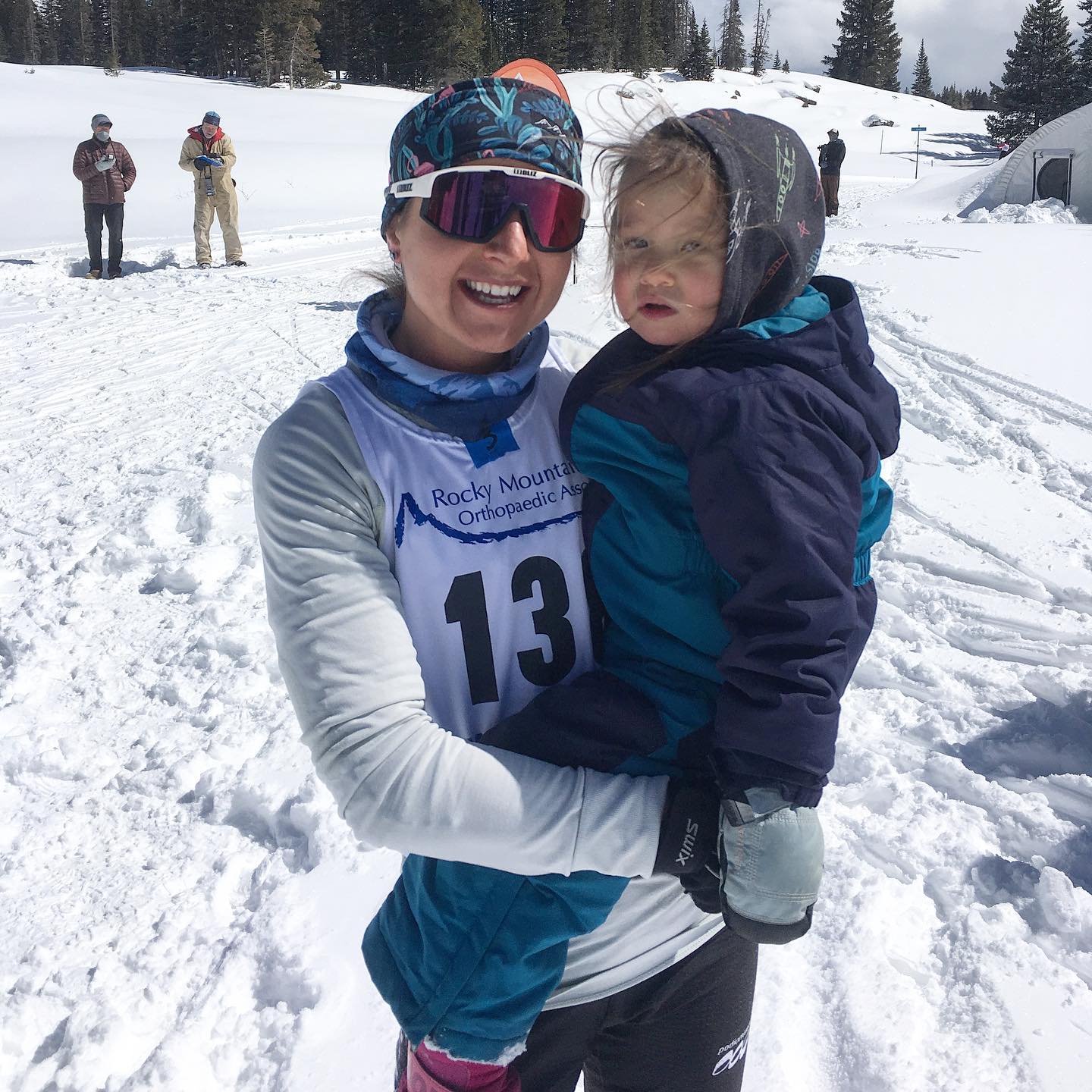
The author with her daughter following a ski race on Colorado’s Grand Mesa.
As women in sport, we’ve come a long way, thanks to the strong women who have spoken out and taken action to support the physical and mental wellbeing of their successors. Reading the stories from the women of the Oregon who were subjected to direct messages from the coaching and support staff that they could not achieve their potential without attaining unrealistic, unhealthy, and unsustainable body composition goals feels like a giant step backward; it is a disheartening reminder of how unhealthy cancerous appendages of sport systems remain.
One woman shared that the metric she was recommended to attain was 13% body fat. It is estimated that 10-12% of fat on a woman’s body is “essential fat”, which cushions organs (like the heart), serves in nerve tissue, and performs other functions vital to physiological function. Most women require at least 22-25% body fat for fertility, i.e., optimal physical and hormonal health to support a pregnancy. 13% body fat is dangerous to an athlete’s immediate and long term health.
Amenorrhea, or the loss of menstruation, is dubbed the canary in the coal mine for a host of ailments associated with RED-S, including low bone density, impaired immune and cognitive function, and risk of cardiovascular disease. Eating disorders have the highest mortality rate of any mental illness.
My story may not seem similar to those the women of Oregon shared; I had only positive experiences with coaches who ultimately didn’t care how fast I was. My point is that athletes — of any gender — don’t need coaches or systems to tip the scales. Endurance athletes often already exhibit Type-A tendencies; we like to track hours, watts, mileage, heart rate, and to nerd out on technique. We always want more from ourselves, to explore the limits of our potential.
These problems are pervasive, and they are certainly not limited to the top tiers of sport. Indeed, one recent study found no difference in the prevalence of restrictive eating, menstrual dysfunction, primary amenorrhea, or injuries between elite and recreational female athletes across a sample set of over 800 athletes.
“She should weigh 62-63 kilos to perform optimally, but right now her weight stands in the way of her development,” he reportedly told Match TV. “She has to fight to lose weight to be able to perform well in the Olympics.”
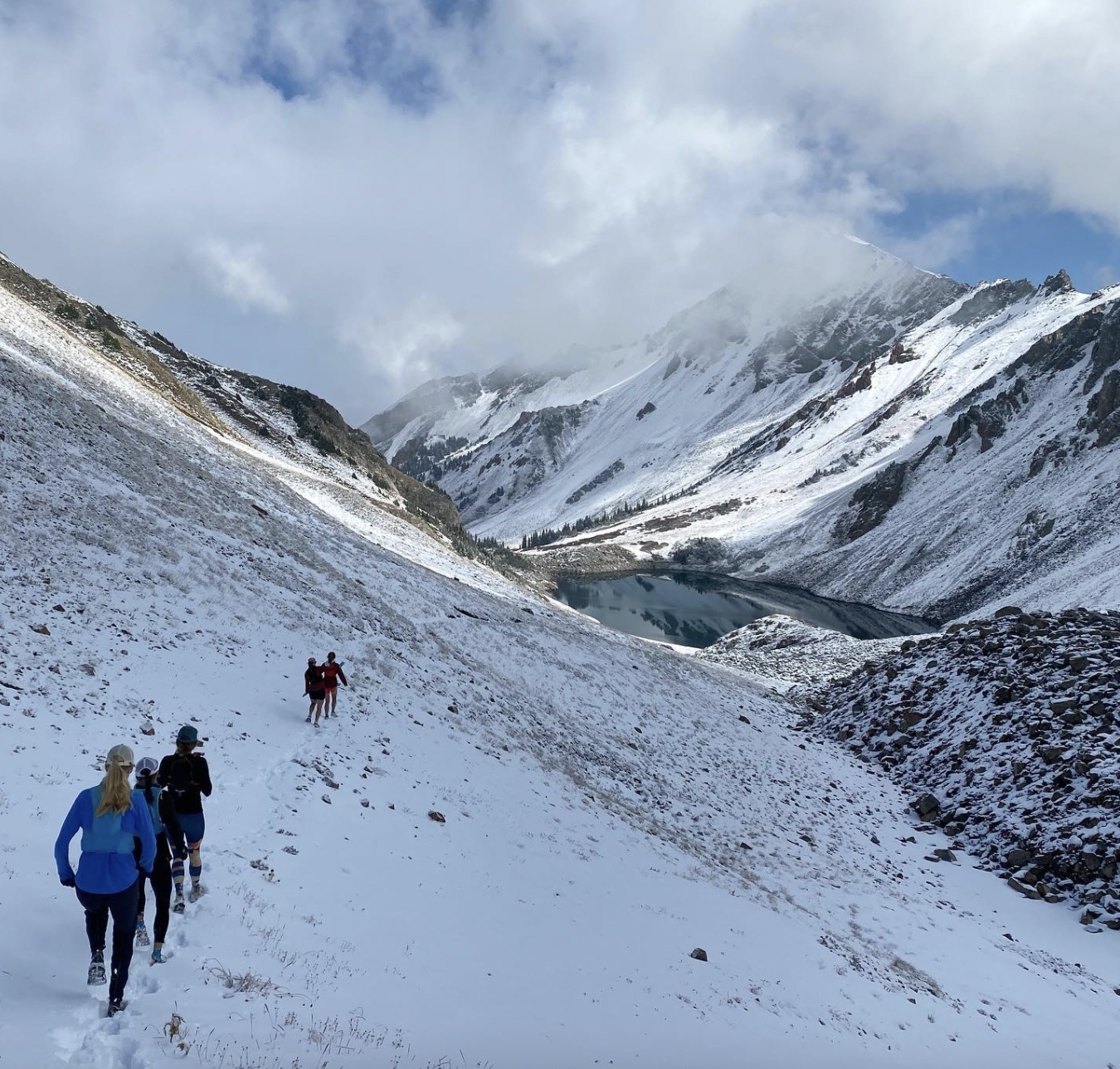
A snowy fall trail run with strong female adventure buddies. (Photo: Lina Sutro)
Coaches at any level have a responsibility to guard their athletes from the deleterious effects of RED-S, not to set the stage for them.
Especially at an age where bodies are changing rapidly (aka puberty), flush with hormones, and transitioning into an adult state, coaches should not be steering athletes toward interrupting these processes with fat loss. There should not be regular weigh-ins, or extra unproductive training to lean out.
According to Johnson, athletes are simply part of a numbers game. “A good mathematician probably could be a good track coach,” he told The Oregonian.
I’ve got a math degree, and I call bullshit. What about all of the intangible elements that lead to individual and team success? The women and men in his program deserve so much more than this treatment.
Chronic low energy availability, i.e., not eating enough to match the energy output of training, has been proven to decrease training response, muscle strength, and endurance. In the long term, essentially all metabolic, musculoskeletal, and endocrinological systems are affected. This equates to a brief spike in performance coinciding with the initial weight loss, followed by at best a plateau, and at worse injury, low bone density, and being so depressed and broken that the athlete leaves the sport altogether. The equation does not check out. How do the numbers support athletes starving themselves to achieve a body composition goal? How does this support athletes in a sport where professionals are peaking a decade or more after college? Is the real goal to see how fast an athlete can get before shit hits the fan?
What if instead of running athletes through a physical and mental gauntlet to see who could achieve the best results in college without breaking, coaches fostered the fire and love of sport in their athletes? What if they helped athletes focus on their long-term goals and to see the bigger picture?
So many already have the wiring for anxiety and disordered eating. The coach or program should not be pulling the trigger.
Athletes need support. They need positive role models. They need access to information from a registered dietitian who can help them fuel their body for performance and health. They need a well-rounded team culture that cares about each athlete as an individual who matters more than the number on the scale or the time on the results page. This needs to happen at all ages and levels, no matter the stakes of the competition.
They need to be told that short term gains are never worth risking long term physical or mental health.
I hope the world of endurance sports collectively shifts toward supporting the athlete as a whole person. And I hope adding my voice to the many women speaking out helps nudge the boulder a little further up the hill.
A well-fueled body means more energy to enjoy days like this one. (Photo: Laura Puckett Daniels)
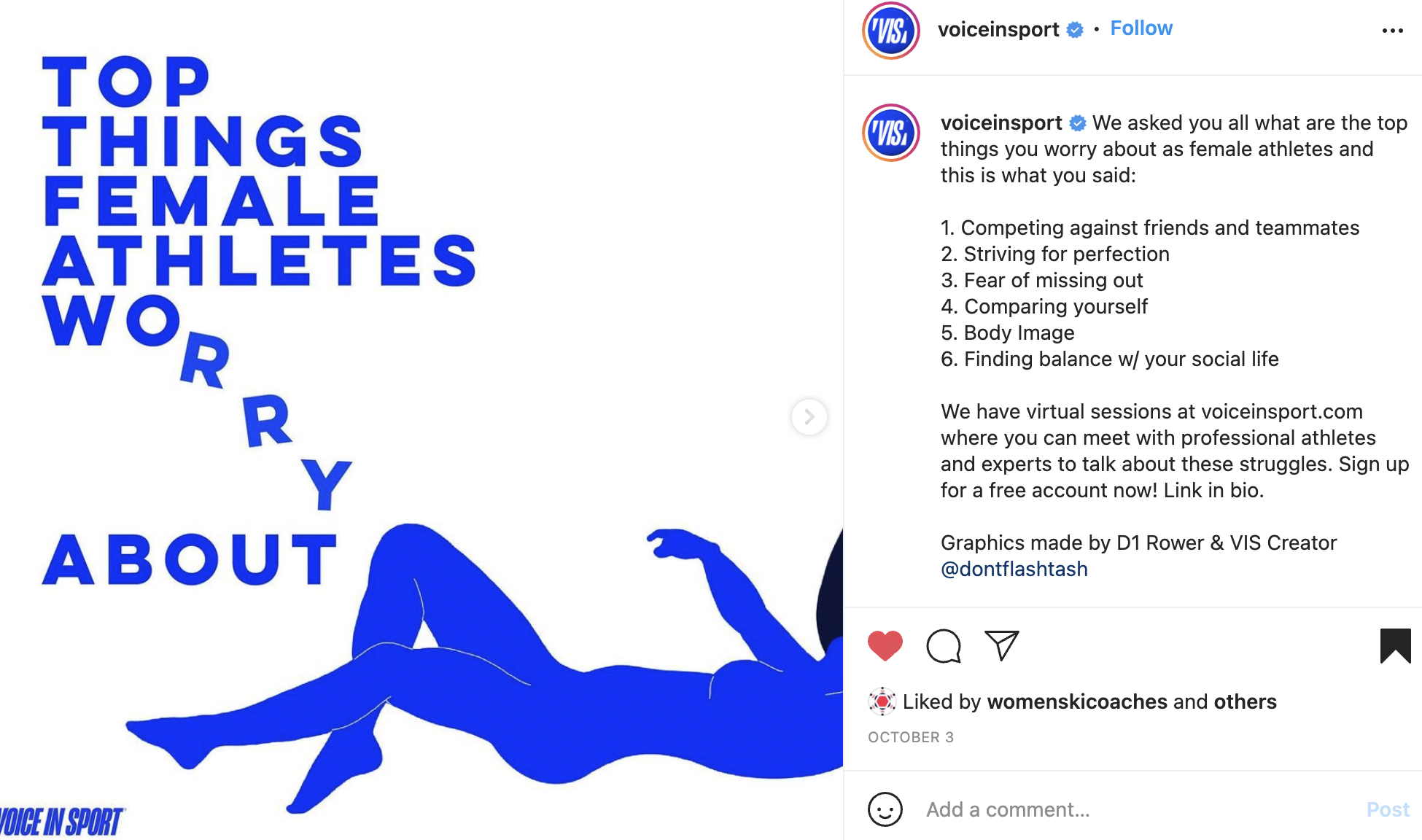
In this episode, we have U.S. Ski Team members Hannah Halvorsen and Hailey Swirbul along with development team coach Kate Barton. The original idea behind the conversation was to discuss a variety of challenges female athletes of all levels experience during their careers based on an infographic posted by the organization Voice in Sport, shown below.
An infographic from Voice in Sport showing some of the top challenges female athletes face. (Photo: Instagram @voiceinsport)
As the conversation evolved, it became clear that this conversation will resonate with athletes of all genders, ages, and level of competition. Yes — being one of the fittest women in the world and getting to travel the world is a wonderful privilege that many of us might fantasize about, however, we often only see the highlight reel. From social media to pressure, and “balance” to competition between teammates, these women shared powerful insights into their lives as athletes and coaches at the highest level of our sport. Hopefully, this perspective helps listeners recognize and support the whole person inside the lycra, on days where the pieces come together on the World Cup, the days they fall short of the goal, and all the days in between.
Hailey Swirbul and Hannah Halvorsen, along with D-Team coach Kate Barton, discuss the challenges of the pro-athlete journey in today’s episode of Nordic Nation. (Photo: Instagram @hannah.g.halvorsen)
On the front lines, Jessie Diggins (left) and Rosie Brennan (right) take to the course during the 10 k mass start classic in Falun, Sweden. (Photo: NordicFocus)
This article is part of a series regarding female athlete specific physiology and nutrition. To get started, you can find a primer on the menstrual cycle here and listen to this podcast on Nordic Nation discussing female athlete specific nutrition with registered dietician and professional runner Maddie Alm. The survey analyzed here is an extension of the conversation with Guro Strøm Solli on her research on female athlete specific physiology and effects that the menstrual cycle has on training and performance, which can be found here.
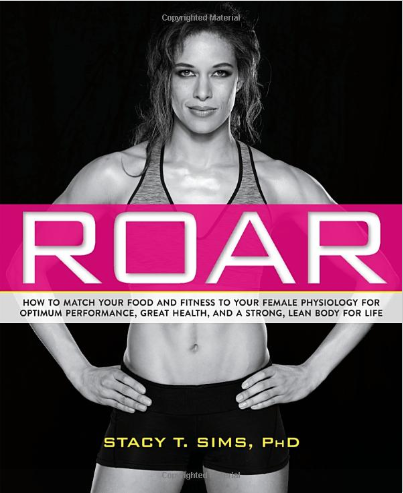
Over the last five years, Dr. Stacy Sims book ROAR and the work of the team behind the FitrWoman app, cited by the US Women’s National Team soccer athletes as a key to their World Cup victory, have sparked conversations on how female athletes might take their unique physiology into account to optimize their training. However, the application of this research is far from ubiquitous. Research into the implications of hormonal fluctuations across the menstrual cycle to strength, inflammation, fatigue, nutritional demands, and the myriad of other training considerations is relatively new to the exercise physiology scene, partly because women tended to be excluded from research as their cycle might cause anomalies in the data.
While this area has seen a boom in research over the last decade, the individual variation women experience coupled with the prevalent use of various forms of hormonal contraceptives makes it challenging to provide concrete generalized recommendations that will serve all female athletes. However, as the area gains more attention, trends have emerged that may help athletes who feel they could benefit from aligning their training or nutrition to their cycle.
Some examples include periodizing hard strength training and intensity sessions earlier in the cycle when the ratio of estrogen, a steroid hormone, to other sex hormones is optimal, including a greater emphasis on hydration and electrolyte supplementation in the later half when elevated levels of progesterone trigger a rise in body temperature, or consuming anti-inflammatory foods during the pre-menstrual phase to mitigate inflammation and other PMS symptoms.
For women desiring to troubleshoot or better attune their activity to their cycle, tracking is recommended as a first step to illuminate patterns in mood, fatigue, sensations during training, et cetera. Diving into the information presented in ROAR or tracking tools like the FitrWoman App that present findings on how training or nutrition might be aligned to the cycle may be a good next step to access information on existing research. Then, through self-experimentation or communication with a coach and/or registered dietician to apply these strategies, an athlete can learn which strategies might make the greatest impact in optimizing their training and overall health.
As the topic of female-specific physiology gains traction in exercise physiology research circles, we began to ask how it is being used amongst elite athletes? And, how does this apply to the FasterSkier community?
To look for parallels to this research closer to home, FasterSkier distributed a similar anonymous survey to assess the extent to which elite American skiers and biathletes track their menstrual cycle alongside their training, adjust based on cycle, experience side effects, and feel they have sufficient access to knowledge in this area. FasterSkier’s survey can be found here for reference.
And now for the takeaways: the similarities to Solli’s research and the trends in responses, including featured responses that best represent common themes or differing viewpoints, and what coaches and athletes might gain from this insight.
Picture perfect. Sophie Caldwell on her way to qualifying in first in the 2019 Davos, Switzerland skate sprint. (Photo: NordicFocus)
The Basics:
The survey saw 16 respondents, all of whom were national team members and/or trained with elite-level clubs such as Alaska Pacific University, Stratton Mountain School, Craftsbury Green Racing Project, or the Bridger Ski Foundation Pro Team. 68.8% were between the ages of 22 and 30, with 18.8% in the category of 18-22, and 12.5% between 30-35 years old. 62.5% of these athletes experienced 8-12 menstrual cycles per year, 6.3% experienced 4-7 cycles and 31.% fewer than 4.
The respondents were evenly split between hormonal contraceptive users and non-users (this question was not further broken down by type), and of athletes who used a tool like FitrWoman to track their cycle. Of the 50% who used a tracking tool, 87.5% had done so for 1-3 years, with the remainder of athletes tracking for less than one year.
Q: In your experience, what affect, if any, do the phases of your cycle have on your training adaptations and/or performance?
In line with Solli’s research, most athletes identified the week leading up to menstruation as the most common to experience detrimental symptoms, such as bloating, fatigue, lethargy, or mood changes. Some athletes also expressed positive impacts, which are featured in the next section. Three athletes expressed that due to the nature of ski racing every weekend during the winter, they either chose not to focus on the impacts of the cycle since they would need to be mentally and physically primed to race during all phases, and maybe preferred not to plant the seed that there might be factors that may hold them back on race day.
“I have noticed that when I feel unwell due to my period, I am less inclined to train hard; however, I think if anything it is more mental than performance related (more related to just feeling unwell, tired, PMS symptoms, etc.)”
“I don’t really change anything or adapt my training during a cycle, and haven’t noticed an impact on my performance.”
“I use the pill and often find my best races are when I’m not taking it (I.e. when I’m on my period).”
“Hard to really see patterns but sometimes detect a few. We have to train and race through all phases, so it’s detrimental from a mental perspective to think that any phase, in particular, is “bad” – they’re just different. I try to be extra nice to myself with training/rest/shortening workouts if I’m going through a rough phase of a cycle, which for me is usually in the lead up and when I have my period. However learning that the time on your period is when your hormones are most ideal for high performance has helped me get through it, because even though I may be feeling icky, I know that my body should be ready to go underneath it.”
Q: During which times within your cycle do you feel your performance potential and/or ability to train hard and recover well are maximized? Explain.
Most athletes indicated that the best sensations in training and racing occurred in the first half of their cycle, after their period had started. During menstruation, female sex hormones estrogen and progesterone are low, then estrogen independently rises in the second week of the cycle. Both “ROAR” and the FitrWoman app identify this as a sweet spot for high intensity training, heavy strength training, and decreased recovery time between sessions.
“I tend to agree with the FitrWoman app predictions, of increased strength performance during my period and decreased activation beforehand. I know that I’ve had very strong races at all times of my cycle so I’m not sure it affects the very top end performance, but more affects my body’s willingness to activate and work hard. My main concern is dealing with cramps during my period. I have to take a lot of pain medication, which sometimes doesn’t seem good for racing or for general health when combined with hard efforts. Cramps also make it very hard to activate my lower abs and have stability through my torso, which makes it difficult to ski well unless I’m very motivated.”
“I can tell that I’m more apt to lift well in the weight room while I’m on my period, after the cramps are gone. I think that also correlates to racing well. The wild mood swings before my period can occasionally be helpful in racing motivation, i.e. when I can be angry and keyed up. But moods swing both ways.”
“Right when my period starts and the week after, I feel less bloated and I tend to feel faster in training. I don’t notice a difference in recovery time, but in overall feelings I tend to feel better.”
“There are so many variations in a normal training cycle, and just from life, that I wouldn’t say I noticed any particularly maximized phases related to my cycle. However it is easier to embrace hard training and expect normal highs and lows when I’m not on my period, so the other 3 phases I guess.”
Q: During which times within your cycle do you feel your performance potential and/or ability to train hard and recover well are most diminished? Explain.
Thirteen of the respondents identified the week leading up and the first few days of their period as the time their training and overall feelings were most impacted, both physically and mentally. Note that registered dietitian and professional runner Maddie Alm, who is concurrently collaborating with coaches and experts on a project surrounding female physiology, offered suggestions for mitigating the effects of PMS during her interview on NordicNation.
“I usually feel pretty drained mentally before and during my period, as well as feel effects on my body (bloating, cramps, cravings). Right after is when I feel the best since my body is back to ‘normal’.”
“When I am on my period- I just feel very tired, irritable, bloated, and often relatively nauseous. Even with an IUD and not having normal cycles, I can feel hormonal fluctuations that make me feel unwell.This overall effect on my mental state makes me less motivated to train hard, but I am not sure if in terms of performance or recovery I actually perform worse or am less capable of adequate recovery (like in terms of race results and intervals I don’t think my performance is diminished while on my period, I just feel worse).”
“Sometimes when I’m on my period, it feels like it affects my ability to train hard, to perform well, and to recover, as well as my mood and outlook on life. This can be in the few days leading up to the cycle starting, and the few days when it’s happening. However it doesn’t happen every month – while I get my period every month, the intensity and difficulty of it vary significantly. Unfortunately, I haven’t been able to track any patterns with this, otherwise, I would always do what makes it less severe. And as I mentioned before, hormonally the body is strong when you’re on your period, so I try to give myself extra positive thinking, pep talks, shorten workouts, and not be too hard on myself if I’m not super fast in a training session on the bad months, because that’s just what happens. Most of the time if I am gentle on myself I can still perform quite well, but there have been notable occurrences when I’ve had terrible performances that are almost directly attributable to feeling terrible from the intensity of my period.”
“Before and during my cycle it is difficult to recover because I experience mood swings that affect the ability to recover properly. I often use ibuprofen to deal with cramps which I feel sometimes compromises how my body feels during training.”
Q: What adjustments, if any, do you make to align your training and/or nutrition with your cycle? Examples could be: postponing or increasing recovery between hard sessions, increasing volume or intensity during a specific phase, increasing/decreasing carbohydrate or fluid intake, etc.
No athlete reported strategically aligning her training or nutrition to their menstrual cycle, though several responses included the idea of listening to their body and dialing back when needed.
“I don’t adjust because I have to race every weekend, and I want to be used to having to perform no matter what my body is feeling. That said, I always try to have good hydration and make sure I’m adequately fueling my body.”
“I think nutritional adjustments could be made to make me feel less bloated and nauseous, but I would need education in this area (and I think there is a really big need for it). I think that much of the negative effects are from feelings of nausea, cramps, etc.- so if there are things that could be done nutritionally to help, that would be great. In terms of adjusting training, I think it’s more difficult because a race schedule won’t adjust to your cycle so it’s good to get used to pushing hard during different times of your cycle. However, if it were found that there is a training benefit associated with training a certain way during different times of your cycle (i.e. intervals at a certain time, etc.), I think it could be an awesome training tool… if only more research were done in this area!”
“I mostly look at it mentally. I don’t make any adjustments to my training and/or nutrition, however, when I’m feeling sluggish or low-energy I reflect if this could be because of my period. Then I try to justify it and remember that it will only last a few days and that I shouldn’t be too hard on myself.”
“I do notice that I need to eat more during PMS, so I try to follow that. I also try to let down after my period and eat less when I don’t need as much. We don’t officially change training, I guess I listen to the Fitr App about when it’s a good idea to reach a little in the weight room, but mostly I micro-adjust training to how I feel.”
Hailey Swirbul (third overall) and Rosie Brennan (first overall) enjoy the moment after the Davos 10 k skate. (Photo: NordicFocus)
Q: Do you communicate with your coach regarding how you feel during different phases of your cycle? If so, explain how you and your coach use and discuss that information.
Thirteen athletes responded that they do not communicate with their coaches about this topic, though some added that they did feel they could if they were to initiate the conversation. The remaining three athletes state that they sometimes or occasionally talked with their coaches about their cycle, usually when it pertained to feeling negative side effects that impaired their training that day.
“I do not, but I would be comfortable doing so, since both my coaches are women. I would address if my period cramps were making me nauseous.”
“Sometimes I’ll explain that I need space or less coaching if I’m feeling down or off because of my cycle, and my coach has always been really great at understanding and respecting that.”
“No, I don’t communicate. I think I could if I needed to, but I also have a male coach and it is not brought up much for awkwardness level. My teammates and I communicate openly about periods and if someone has cramps, etc. and I find their support and ideas as helpful as a coach.”
“Most phases are just normal life and training, ups and downs, but my coach and I definitely talk about it when I’m on an intensely bad cycle. Sometimes if it falls on an intensity day I’ll do fewer intervals than otherwise planned, or else use it as a wake-up workout rather than really pushing hard. More often I’ll carry on as planned, because ups and downs of feeling are just part of the training life.”
Q: What information, if any, have you received or read regarding how normal hormonal fluctuations may influence training adaptations, nutritional requirements, and performance?
Five athletes reported that they had never received information about the menstrual cycle as it pertains to female athletes. Six athletes expressed they had received some information, and five expressed that they had attended presentations put on by U.S. Ski & Snowboard or regularly used the FitrWoman app as an educational resource.
“None! Ever! Huge need for this!!!!”
“I have received information but chosen to ignore it.”
“The Fitr App mentions characteristics of each phase, like when it’s good to train heavy weights for example. I generally agree with it. I’ve been to one lecture by the Fitr App creators at US Ski Team camp, which gave me the most information I’d ever gotten. Previously I’d noticed some trends myself, but didn’t understand the different phases and what hormones caused which effects.”
“Working with Fitter Woman and using their app, I’ve learned that these fluctuations in body temperature, sleep and recovery are normal, which helps me to be less concerned by them and be able to focus on performance. It was also super helpful to learn that right before my period starts I’m most at risk for getting sick, so I try to be extra careful with my immune system that week.”
“I have been tracking with the Fitr app the past year plus, and that has some helpful suggestions. I eat and hydrate with care and healthy habits all the time, so I can’t say that I’ve made many changes as a result of tracking or reading about it. Sometimes I do notice cravings that make sense in the context of the cycle. As I mentioned before, I prefer to believe that there are good and bad parts about each phase, and as there are ups and downs in all parts of life, it’s something I adapt to on the fly while training and don’t make too big a deal about. As we nordic racers will compete during the entire winter and just about every weekend, it’s not possible to race in the same phase of the cycle every time – we have to be adaptable and ready to handle what the body throws at us, and I find that is mostly mentally knowing that it might feel bad but I can still have a great performance if I ease into my warmup and maybe recover a little extra.”
Q: Additional comments?
“I think effects on the body and overall experience of a cycle is not discussed enough in the ski community. I have had some ‘girl talks’ with teammates or coaches but nothing more than once or twice a year, and nothing significant to make a difference in how I train or deal with it.”
“I would like information on nutrition/hydration/recovery and other ways I can deal with cycle side effects. Some simple tips to start and maybe more info for those interested. I also think noting birth control methods and effects for athletes would help young women make choices that they often go blindly into.”
“This is definitely a great survey and a topic that should be discussed much more frequently!”
“I’ve always been curious about the effects of hormonal birth control on performance. The hormonal birth control I’ve tried (Sprintec pill and NuvaRing) changed my personality somewhat, made me more compliant and non-ambitious or depressed. They also made me gain weight. None of those were good things for skiing, so I’ve been unable to find a good solution. The Fitr App lecture talked about progesterone-only options being better, but I haven’t been able to find a good one. Apparently, I’m not a good candidate for an IUD, and wish there was another very low dose progesterone-only option. I also feel that people with ‘overly healthy’ menstrual cycles are a minority at my level in this sport, so I don’t have a lot of other athletes with heavy periods to brainstorm with…”
In her first World Cup start, Sophia Laukli (USA) skis to 33rd in the Lahti, Finland skiathlon. (Photo: NordicFocus)
Conclusions:
So, what can we gain from these responses?
It is noteworthy that over 80% of the responses stated that they had never spoken with a coach regarding their cycle or female physiology. As absence or irregularity of a menstrual cycle can also be thought of as a “canary in the coal mine” for the damaging condition referred to as Relative Energy Deficiency in Sport (RED-S), providing resources and initiating conversations about this topic might help female athletes not only optimize their athletic performance but also prioritize their overall health and wellbeing.
One athlete commented that it was awkward to discuss her cycle with her coach as he was male, one said she did feel comfortable because her coach was female, and another commented that their conversations about the topic were in the form of “girl talk” with teammates. This is consistent with Solli’s journal article, where athletes were quoted as citing “because he is a man” as a reason for not discussing the topic with their coaches. The respondents in this article also expressed that their coaches lacked general knowledge about the menstrual cycle and the differences between male and female athletes. “I think there may be differences due to the MC that he is not aware of,” one athlete wrote.
Female coaches are underrepresented at the elite level. In the United States, roughly 20% of Division 1 ski programs are led by a female coach, and the Craftsbury Green Racing Project stands alone as the only postgraduate elite team with a female coach, namely Pepa Miloucheva. U.S. Ski & Snowboard has recently hired a female coach to lead the D-Team, Bernie Nelson for the 2010-2020 season, who passed the baton to Kate Barton.
Though male coaches can certainly be informed in the subject matter and engage in appropriate conversations with their athletes about this topic, per the athletes’ comments, more effort may be required to normalize these conversations. (Read how Diljeet Taylor, head coach of the 2021 NCAA title winning BYU women’s cross country running team, approaches these conversations with her athletes head-on in this Runner’s World article.)
Coaches should educate themselves on these topics to help support their athletes and, if they do not feel comfortable initiating conversations with athletes directly, consider bringing in professionals to provide education to their athletes. Ensuring females are represented in a program’s coaching or support staff, or relying on female team captains to initiate these conversations may also be valuable.
As we wrap up this series (at least, for now), we remind readers that this is an evolving topic as the impacts athletes experience take place on a spectrum and research is ongoing. We hope this information has started conversations, given women tools to start their own inquiry and self-experimentation, and raised awareness for the work being done to learn more about the female athlete body.
This article is part of a series of interviews with professionals in sports nutrition and female physiology. To get started, you can find a primer on this topic here, and listen to this podcast on Nordic Nation discussing female athlete specific nutrition with registered dietician and professional runner Maddie Alm.
Guro Strøm Solli is a PhD candidate and instructor of exercise physiology at Nord University in Bodø, Norway. (Photo: Nord.no)
Readers who have followed cross-country skiing for several decades may be familiar with the name Guro Strøm Solli. Now 37-years-old, Solli was a member of the Norwegian National team from 2005-2008, retiring from professional skiing in 2010. During her athletic career, Solli earned two individual sprint podiums and another in the team sprint, and finished 10th in the classic sprint during the 2005 World Championships in Oberstdorf, Germany.
FasterSkier connected with Solli on a call in January to discuss the findings of the research and how it might benefit female athletes.
In reflecting on her own time as an athlete, Solli does not recall considering her own MC in training and did not experience significant side effects from it. It was not until she began working as a coach of developing athletes and an instructor at the university level that the topic crossed her radar.
“It was not talked about at all [when I was an athlete],” Solli recalled. “It was not a topic that was discussed by the coaches, or even the athletes so much. So that was something I was kind of thinking about — it was nothing that I focused on during my career, but I received a lot of questions from my athletes when I was a coach and also teaching exercise physiology. I experienced that there are a lot of questions, and I started to think, ‘Okay, this is something we need to look into to try to answer all these questions for the athletes.’ So it’s after my career that I’ve been more aware of the topic.”
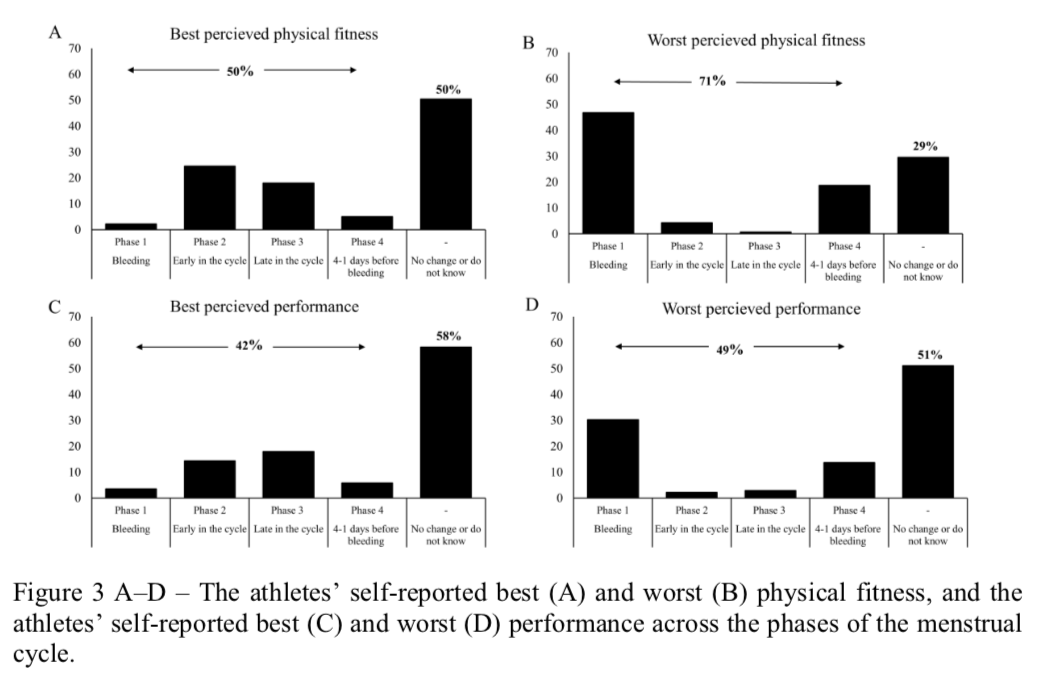
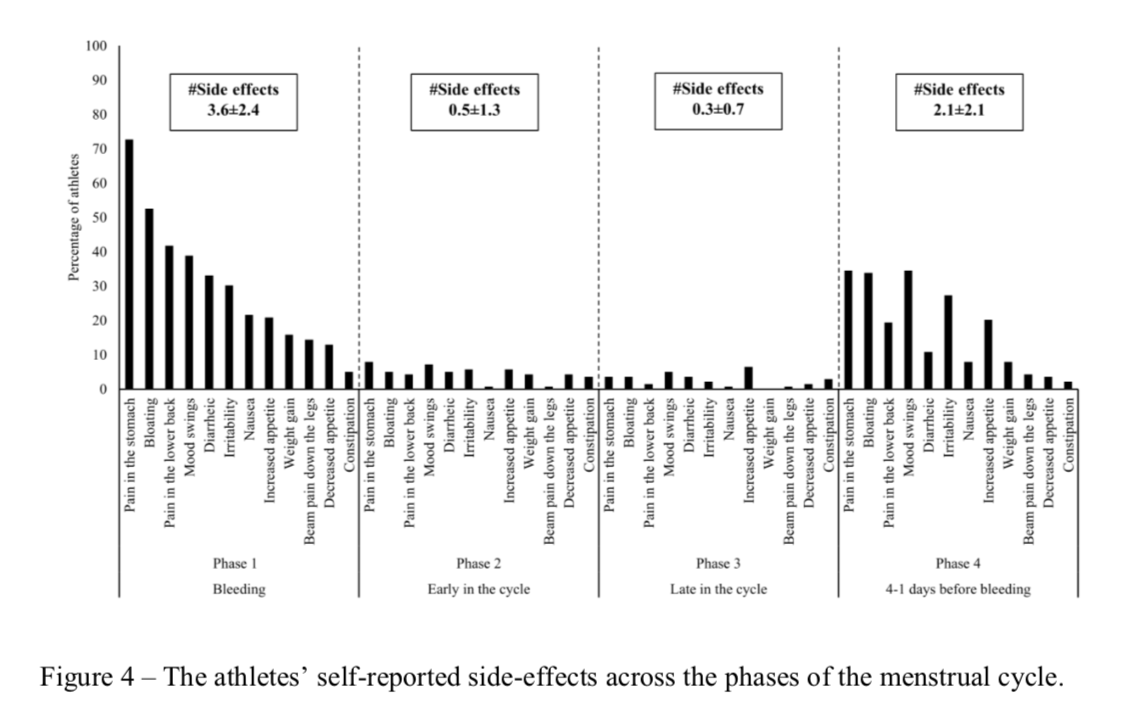
The research presented in Solli’s article summarized the results of 140 responses to a detailed survey by female Norwegian cross country skiers and biathletes 18-years and older who compete at a national or international level. The questionnaire involved 54 questions regarding age, overall training volume and high intensity training completed during the general preparation and competition periods of a training year, use of hormonal contraceptives, and the prevalence and intensity of side effects such as pain, bloating, mood swings, and appetite changes. Participants also identified when their overall feelings in training and competition were at their best, and conversely when their overall feelings in training and competition were at their worst, and when and to what extent these negative side effects required them to alter or miss training sessions.
“I think an interesting thing that we saw was that over 50% experienced this varied physical shape or training feelings across different phases,” Solli explained. “And there were over 50% that had to actually change their training because of menstrual related side effects. But only 27% had communicated about it and only 7% had planned their training according to the menstrual cycle, so it’s kind of a mismatch between the experience of the skiers and the planning of training. So I think that was an interesting finding, and I think it’s possible to gain something by increasing communication and logging to see if you can find some patterns that work for you.”
An additional statistic that perhaps frames this series of articles is that only 8% of participants reported to have sufficient knowledge about the MC in relation to training, and, as Solli mentioned, just 27% had communicated about it with their coach.
“We asked them why [they had not discussed it], and there was a lack of knowledge, the coach was a man, it was embarrassing, and private,” said Solli. “A lot of athletes didn’t feel the need to talk about it. So it was different topics, but lack of knowledge and that the coach is a man was the most mentioned topic to why it was difficult, so I guess there is still a barrier that there are a lot of male coaches that perhaps have the knowledge but perhaps they don’t dare to talk about this or approach it or know it it’s appropriate.”
Craftsbury Green Racing Project’s Liz Guiney (l) and head coach Pepa Miloucheva during a ski on Saturday, Jan. 2 in Houghton, Mich., the day before the kickoff of 2016 U.S. nationals.
Some athlete quotes featured in Stolli’s September, 2020 article include:
“It feels like it’s a taboo. I am afraid that the coach won’t take it seriously and thinks I’m using it as an excuse.”
“I think I have more competence and knowledge about this topic than he.”
“Because he is a man.”
The September, 2020 article also summarizes the importance of this communication, both in terms of athletic development and overall well-being.
“Since menstrual dysfunctions are an important marker for relative energy deficit, a syndrome affecting many aspects of physiological functioning, health, and athletic performance, it is important that athletes feel comfortable to discuss this topic with their coach. Furthermore, because of the high inter-individual variability in performance and side effects experienced by athletes during the MC, coach-athlete communication is important to safeguard the athlete’s health as well as optimize training adaptations and performance. In response, increased attention should be paid to educating female athletes and their support teams about the MC and athletic training.”
Optimistically, Solli continued that she sees the lack of knowledge and communication as a barrier that is in the process of being broken down.
“I have a lot of talks about this with coaches who have wanted me to talk a little bit about the topic,” explained Solli. “And they’re very curious, and they’re starting to realize — you kind of have to get over this being a topic that you don’t mention… Particularly in elite sport, when there are so many topics that are discussed, it’s kind of silly that this topic should not be mentioned as part of the whole situation of an athlete.”
She continued that both research and coach-athlete education on the subject is trending in the positive direction. However, high levels of variation are experienced by women, which makes it challenging to give generalized recommendations.
“It’s starting to be, for the last 2-3 years, kind of a hot topic. I’ve experienced that both coaches and athletes are starting to see that and to investigate if this has an impact [on the individual]. Also, when I read up on the research and meta analysis that are published that try to sum up what we know and what do we not know, it summarizes that we don’t have evidence-based recommendations that can be done on a group level, but it seems like this topic should be approached through an individual.”
Overall, she sees increased awareness and access to information as a positive for female athletes. She noted the increased prevalence of logging apps, such as FitrWoman, that make it easier for athletes to track their cycle and observe trends in their feelings.
In Norway, the possibility to log the MC has also been implemented into the digital training diary that has been designed by the Norwegian Olympic Federation and is used across all sports.
“That’s a step forward, I think. It’s going quite fast in this area, so it will be interesting to see in five years, where are we? I think we will get a lot more knowledge just because athletes are starting to log and discuss this topic. Research takes time, but slowly we will be able to get more studies and more knowledge.”
Zooming out to discuss existing research on the MC and how it might influence the planning of training for elite athletes, Solli noted that a pervasive theme is that the potential for optimal performance can occur during any phase.
“In theory, we expect [hormonal fluctuations] to affect training, nutrition, and performance, but when you look at the meta analysis of how the menstrual cycle affects performance, we don’t have a clear answer on that. It seems like the studies are concluding that on average you can’t see a large difference between the performance in different phases.”
(Click to enlarge.) Reprinted from “Changes in Self-Reported Physical Fitness, Performance, and Side Effects Across the Phases of the Menstrual Cycle Among Competitive Endurance Athletes” by G.S. Solli et. al., September, 2020 in the International Journal of Sports Physiology and Performance.
While athletes can rest assured that racing is unimpacted, Solli explained that there are considerations athletes and coaches might apply to training to optimize adaptations.
“When it comes to training effect, there are some studies that highlight that it might be beneficial to periodize your strength training early in the menstrual cycle. This is the phase where you have an increased level of estrogen, which is a hormone with over 400 functions in the body, but two important functions is that it is an anabolic hormone, so it’s good for your ability to build muscle mass, and also important for bone health and to build bone mass and ensure bone density.”
She explained that 4-5 peer-reviewed studies indicate that you can get a higher training effect in terms of muscle strength and muscle mass by periodizing strength training sessions with higher weight and lower reps in the first half of the cycle. Solli added the caveat that, like all research in this area, the studies are often small and the overall topic is still in its infancy.
“It will be interesting to follow the research during the next years to see if we can get stronger evidence in the case of strength training, and whether we’ll also see that we can get some endurance studies, for instance, with periodizing high intensity training in particular phases. We don’t have studies answering that conclusively yet, but it would be exciting to see.”
Diving deeper into the survey results analyzed in her study, Stolli discussed the most prevalent themes athletes reported. She also discussed how hormonal fluctuations might explain these effects.
“As we discovered in the study, what the athletes perceive is that the phases where they feel their worst physical shape and have their worst performance was in the days right before the menstrual bleeding and during the bleeding. Right before the menstrual bleeding, we have a drop in both estrogen and progesterone, and this hormone drop is associated with PMS symptoms and different side effects, and we also saw that in our study. The negative side effects reported by the athletes were high during the periods right before and during the bleeding phase.”
This is also the time when athletes most frequently reported using pain-killers to manage symptoms and needing to alter their training by decreasing volume or intensity.
“I guess that is not only my study, but also other studies highlight that those two periods can be a risk for decreased training quality or that the athletes don’t manage to perform the training they have planned because they are experiencing these negative side effects.”
In contrast, most athletes perceived their best fitness was achieved during the middle phases of the cycle. This coincided with the window where negative side-effects were least reported.
(Click to enlarge.) Reprinted from “Changes in Self-Reported Physical Fitness, Performance, and Side Effects Across the Phases of the Menstrual Cycle Among Competitive Endurance Athletes” by G.S. Solli et. al., September, 2020 in the International Journal of Sports Physiology and Performance.
Another noteworthy statistic Solli touched on was hormonal contraceptives (HCs), which 56% of athletes reported using. The fact that HCs were not broken into subcategories such as oral contraceptives, IUD, etc., was listed as a limitation of the study.
“A large proportion of the athletes are using hormonal contraceptives,” said Solli in the call. “And there are a lot of different types with different amounts of synthetic estrogen and progesterone that suppresses the normal hormonal fluctuations, and you get a more stable cycle. As we saw, there were positives experienced with using HC’s that athletes reported that they get reduced pain and they also get control of the bleeding phases, so they can control it according to their competitions or trainings. But there are also some negative effects with weight gain and irregular bleeding.”
Solli explained that there is little research apart from survey data pertaining to how HC’s might affect female athlete performance and, similar to experiences with a natural cycle, the side effects women experience vary considerably. Here too, Solli recommended considering each athlete and situation as unique, advising athletes to pay close attention while adjusting to new or different forms.
“From research, when they compare using HC to having a normal menstrual cycle, most studies show that there is no effect on performance and that also performance is relatively consistent across the HC cycle,” Solli explained. “Also here, an individualized approach based on each athlete’s response is recommended from research, because you see that from some athletes they report more negative side effects, so that’s important to find a type that suits you and to log the effects when starting a new type.”
Of the athletes not using HC, a noteworthy 35% reported fewer than nine periods per year, an indicator of menstrual dysfunction possibly due to low energy availability, meaning the caloric and/or nutrient density of an athlete’s diet does not meet the demands of their training. While this may be unintentional, the condition known as Relative Energy Deficiency in Sport (RED-S) is prevalent in endurance sports, particularly those that favor leanness. It is often associated with disordered or restrictive eating behaviors.
“Although we did not assess energy intake or energy expenditure,” the article states, “high volumes of training and high amounts of high-intensity endurance training are associated with high energy expenditure and can prompt relative energy deficiencies. Elite endurance athletes and their coaches should therefore be aware of the risk of MC irregularities induced by high volumes of training and high amounts of high-intensity training. The prevention of MC irregularities should also be pursued, because primary and secondary amenorrhea can result in adverse health conditions, including reduced bone health.”
Ingvild Flugstad Østberg (bib 5) leading the chase during the classic portions of the Obertsdorf, Germany 15 k skiathlon in January, 2020. (Photo: NordicFocus)
At the World Cup level, this phenomenon has made FasterSkier headlines in the cases of Norway’s Ingvild Flugstad Østberg and Sweden’s Frida Karlsson, who were pulled from competition last season by national team doctors after failing to meet team health metrics. Østberg resumed competition for the 2020 Tour de Ski, where she finished third, and competed through the first weekend of racing in March in Falun. Her season then ended abruptly after she sustained a stress fracture in her foot from hopping off a three foot cement step to the ground.
The 30-year-old Østberg sustained a second stress fracture in July and has not competed on the World Cup this season. Østberg has been working with team doctors to bring her body back to health in order to compete in the 2021/2022 World Cup and Olympic season.
Karlsson was withheld from competition from early December, 2019 to February 9th, 2020 and has remained in competition since. More recently, Finland’s Kerttu Niskanen sustained a fracture in her tibia during a race in Falun that was not caused by a crash. FasterSkier has not received further insight into her situation.
Bringing it all together with the information Solli discussed in mind, how should athletes and coaches approach this topic? Solli’s article lists a set of practical applications of the information currently available.
Practical applications of self-reported data from elite cross country skiers and biathletes for coaches and athletes. Reprinted from “Changes in Self-Reported Physical Fitness, Performance, and Side Effects Across the Phases of the Menstrual Cycle Among Competitive Endurance Athletes” by G.S. Solli et. al., September, 2020 in the International Journal of Sports Physiology and Performance.
Solli concluded that understanding the MC and how it might influence training and performance is just one piece of the puzzle of female athletic development. She stated that hype from media attention might make it seem essential, but for many who do not experience significant effects, this area might not be worth investing in. However, for many athletes, better understanding and communication could lead to significant improvement. For this reason, Solli recommends an individualized approach, adjusting the focus based on the extent to which an athlete is impacted.
“It is a part of a lot of different [aspects of training],” said Solli. “So you have to look at it in the bigger picture, but that doesn’t mean that we don’t need to talk about it. You can’t ignore it, but you should not make it too big of a deal if you aren’t struggling with it and you have a natural cycle and everything is okay, I don’t think you need to change something. But I think some athletes are struggling with it and I think they should know that it’s possible to get help.
“There is a lot of information now, a lot of good articles that are published, and information in the apps — I think it’s really good for young athletes to start there and to log [their cycle] and learn. That’s something I really would have wanted when I was a young athlete, that I could have an app and to start early to find my own pattern that I could optimize. I think that’s a really good opportunity to learn how your body works.”
The SMST2 squad led by Jessie Diggins pushes the pace in a double pole interval workout during a fall 2019 training camp in Lake Placid, NY. (Photo: Matt Whitcomb / smseliteteam.wordpress.com)
Ingvild Flugstad Østberg is forced to end her season early after sustaining a stress fracture in her heel. (Photo: Terje Bendiksby/NRK)
Earlier this morning, the Norwegian news outlet NRK posted that Ingvild Flugstad Østberg has been forced to end her season early after sustaining a fracture in her heel. The news was announced by the Norwegian Ski Federation, after Østberg spoke with the press while carrying crutches and wearing a protective boot, which she will be wearing for the next five to six weeks.
Østberg believes that the injury, which team doctors are calling a stress fracture, was sustained after jumping off a ledge onto concrete in combination with the cumulative stress of training and racing throughout the year.
It has been a trialsome season for the 29-year-old, who sat out the first eight races of the season after failing to meet team health criteria. Media speculated that the specific criteria included minimum body weight requirements.
“Cross-country skiing is demanding. In some periods, it is difficult to find the right balance between exercise and energy availability and to find it out in a good way,” Østberg said in the press conference, according to translation.
This discrepancy between energy availability and training load leads athletes into the condition called “Relative Energy Deficiency in Sport” (RED-S), which, among other side-effects, causes impaired hormone function and decreased bone health. The condition was formerly titled the “Female Athlete Triad”, but has since been expanded to include male athletes and the myriad of other associated health impacts.
Ingvild Flugstad Østberg (NOR) for the Stage 4 win in the 2020 Tour de Ski with Therese Johaug (NOR) in second.
When asked whether she will be healthy again to begin training for the 2020/21 season in early May, Østberg gave an optimistic reply.
“First and foremost, I’m going to drag this (the boot on my leg) with me for five to six weeks… It’s actually some weeks until May 1st. I think I can do a lot of good for it.”
“ROAR: How to Match Your Food and Fitness to Your Female Physiology for Optimum Performance, Great Health, and a Strong, Lean Body For Life” by Stacy Sims, Ph.D is an excellent resource for female athletes, parents, and coaches. (Photo: Screenshot Amazon.com)
This book is for female athletes ages 12 to 92. Or for parents of female athletes. Or coaches of female athletes. Or anyone who wishes to otherwise support female athletes.
In 2016, Stacy Sims, Ph.D sparked a shift in training philosophy with her simple message to female athletes: “You are not a small man. Stop eating and training like one.”
Although the fact that there are physiological differences between men and women are abundantly clear, the implications in the realm of athletic performance do not date back to proto-humans.
In her book, “ROAR: How to Match Your Food and Fitness to Your Female Physiology for Optimum Performance, Great Health, and a Strong, Lean Body For Life”, Sims explains that for generations, research in exercise physiology excluded women because the varying hormone levels depending on age and phase within the menstrual cycle created anomalies in data. It was assumed — perhaps naively by male scientists — that women followed the trends seen in studies performed on males.
Sims experienced this phenomenon first-hand during her own career as an elite triathlete; she competed in the Ironman World Championships in Kona, HI and the XTerra Worlds in Maui. She recognized that the training plan her male peers followed did not work as well for her, and that she and her female teammates recognized their fueling and hydration needs and performance were impacted by their menstrual cycles. So she set out as a scientist to better understand female-specific physiology.
Stacy Sims, Ph.D, is an exercise physiologist and nutrition scientist who specializes in female performance. (Photo: Screenshot Facebook.com/drstacysims)
From 2007 – 2012, Sims studied “sex differences of environmental and nutritional considerations for recovery and performance” at Stanford University. Basing “ROAR” on the outcomes, Sims offers women research-based methods to align their training, fueling, and hydration with their female physiology to improve performance.
“Sex differences extend far beyond ponytails and sports bras,” she writes in the introduction.
Some of the topics in the book include aligning training and performance schedules with phases of the menstrual cycle, understanding how female hormones affect nutrition and hydration needs, the impacts of hormonal birth control, and the effects of aging and menopause on physiology and performance. While the supporting science is included, it is well explained and can be easily understood without a degree in exercise physiology, endocrinology, or nutrition.
Though I have been training, competing, and menstruating for more than half my life, I found “ROAR” to be eye-opening and an invaluable tool to identify opportunities to improve my own training and nutrition as I prepare for the American Birkie. I highly recommend it as a resource for female athletes of all levels and for anyone who works with female athletes.
Here are some of my biggest takeaways.
“Chapter 1: Demystifying and Mastering Your Menstrual Cycle.”
Right off the bat, Sims states that periods should not be avoided, and the absence of menstruation is a major red flag indicating that the athlete is not properly fueling their body, resulting in RED-S. She emphasizes that an under-fueled athlete cannot achieve peak performances and is impairing their overall health. Sims advocates for an “all in” approach to naturally restoring the body’s hormone balance by decreasing training intensity and volume (athletes can shift focus to technique here), and increasing caloric intake.
Dr. Stacy Sims, author of “ROAR: How to Match Your Food and Fitness to Your Female Physiology for Optimum Performance, Great Health, and a Strong, Lean Body For Life”, sends a clear message to female athletes experiencing menstrual disfunction. (Photo: Instagram @drstacysims)
In this chapter, Sims also unravels the phases of the menstrual cycle, providing information on the physiological effects of hormonal fluctuation.
One of the biggest surprises she shares is that competing during your period actually aids performance, because that is the phase of the cycle when estrogen and progesterone are at their lowest. In the hormonal sense, this is when women and men are most alike.
“Once you’re in the clear of the possibility of pregnancy, the body goes into a more relaxed mode and all those energy systems used in the high-hormone phase are at your disposal for exertion,” Sims writes.
She explains that this optimal window extends through the low-hormone follicular phase in the week following menstruation. This window is also when women are at their strongest and can experience increased pain tolerance and decreased recovery time. This is the best window for an intense training block or a peak race, though the latter is not always in our control.
Anecdotally, my summer goal race, the Lead King Loop 25k trail run, fell during my period. While I was expecting the worst (since I had not yet read the book), I ended up crushing my time goal, finishing third for women, and feeling the strongest I had in years.
Conversely, during the luteal phase of the cycle when estrogen and progesterone are at their highest. Though performance metrics like VO2 Max and lactate threshold remain constant, it is harder for women to build and repair muscle. Carbohydrate demands are higher during this phase, which affects fueling needs during exercise and may explain why many women experience cravings during the week before their period. Blood volume is also impacted, which can make it harder to control body temperature — not the easiest time to race in the heat!
There are also the lovely symptoms of PMS which include cramping, headaches, GI issues, bloating, and mood swings. Sims explains why each of these symptoms occurs and offers suggestions for mitigation.
Her overarching message is not to dwell on manipulating the cycle to align the low-hormone phase with peak performance, and especially not to fear the menstrual cycle as an athlete. Rather, by understanding the female physiology throughout the cycle, athletes can feel empowered to adjust their nutrition and hydration accordingly to optimize training and performance at any phase of the cycle.
One addendum: the impacts of high levels of estrogen and progesterone also explain the negative performance impact many women experience from hormonal contraceptives. This method of birth control uses artificial forms of these hormones throughout the cycle to manipulate the lining of the uterus and prevent ovulation, essentially prolonging the high-hormone phase.
“Chapter 10: Daily Fueling”
I found this takeaway less revolutionary, but so important to repeat. Sims advises women to eschew diet culture, in particular the low-carb high-fat trends, like the Ketogenic diet. She explains that while some males respond well to this type of fueling, women experience elevated levels of the stress hormone cortisol, which increases muscle breakdown and impairs the body’s ability to repair. A double whammy.
“In the end, a low-carb diet compromises your ability to maintain high-intensity or prolonged periods of exercise and puts your body under exorbitant stress.”
Sims recommends a well rounded diet that includes roughly 30% of calories coming from protein, 30% fat, 40% carbohydrate.
No surprise — the longer and harder you train, the more carbohydrates your body needs. The same goes for protein. She offers a formula to calculate individual need for these macronutrients based on the current demands of your training program.
From her guidance, I recognized that I need to include a bit more protein before and after my workouts (Sims recommends 10-15 grams before, 25-30 grams after hard exercise). I have also begun including a bit more protein in my bedtime snack, which typically looks like some Greek yogurt and a piece of whole grain toast with peanut butter.
Alayna Sonnesyn (SMST2) captions this shot of cooking with Jessie Diggins, “Gotta fuel hard to train hard!”. (Photo: Instagram @asonnesyn)
Sims also recommends front-loading calories, in particular carbohydrates, during the morning when the body’s natural hormone stasis makes it “primed for carbohydrates”, whereas it can rely more on fats and protein later in the day. This helps keep blood sugar levels balanced, preventing spikes and crashes in energy throughout training and life.
Are you, like me, a 5 AM alarm clock athlete? Just give me some coffee (life-blood) so I can properly tie my shoes and get out the door! It turns out, training first thing in the morning with an empty stomach is a recipe to put your body in an over-stressed state.
“[Fasted training] is particularly bad in the morning because your cortisol (a stress hormone) levels are already elevated. If you go out and exercise first thing, your body wants to pump out more cortisol, but needs the right ingredients to manufacture it, which are your sex hormones – testosterone, estrogen, and progesterone.”
High levels of cortisol stimulate fat storage and impair muscle repair and growth — not what you were hoping to get out of that gym session! You’re also digging yourself into a calorie depleted hole…
To counter these effects, Sims recommends consuming some protein and carbohydrates before the session, which boosts blood sugar and drops cortisol levels. In an Outside Magazine piece, Sims shares that one of her go-to’s is oats soaked overnight in almond milk and topped with greek yogurt and a little maple syrup. Yes — you might need to give yourself a little extra time to digest before getting after it, but that gives you time to do that foam rolling or activation drills you’ve been neglecting, or to mindlessly scroll Instagram. Just me?
“Chapter 11: Sport Specific Fueling”
This is where Sims dives into the nitty gritty. Her advice for pre, during, and post-workout fueling include explanations of how various carbohydrates are broken down in the gut and suggestions to troubleshoot GI issues like cramping, bloating, and sloshing. And though her book is based on female physiology, this section is beneficial to those with Y-chromosomes as well.
One of the most revealing messages regarded the breakdown of sports gels in the stomach. I have never had much luck with gels during races or training — I inevitably end up with a bloated crampy belly and sticky residue in my mouth, on my hands, and wherever I stash the wrapper. Perhaps I was just looking for Sims to confirm this bias, but her explanation of the digestive process sealed the deal that candy and real food alternatives will continue to be my fuel of choice.
“The trouble with gels”, as Sims puts it, comes down to two factors: osmolality and the mix of sugars contained in the gel. Osmolality is “the concentration of dissolved particles such as electrolytes in your blood plasma. The higher the carb concentration, the higher the osmolality, and the slower it leaves your stomach and your intestines.”
Essentially, the viscous sugary gel is too thick to be absorbed readily during exercise when your body is diverting blood flow into your working muscles and away from your stomach. Even washing it down with water, as is recommended, does not transform the gel into an optimal form.
Dr. Stacy Sims, author of “ROAR: How to Match Your Food and Fitness to Your Female Physiology for Optimum Performance, Great Health, and a Strong, Lean Body For Life”, provides revolutionary information on performance hydration and nutrition. (Photo: Instagram @drstacysims)
This concept is explored further in the subsequent chapter, “Hydration is Power”, which transformed my understanding of hydration. Sims explains that many electrolyte drink solutions aim to be a source of fuel and fluids, but this doesn’t jive with the body’s digestive processes either. Sims recommends the approach of “hydration in your bottle, fuel in your pocket”, meaning separating the two for better overall fueling. The chapter is so rife with information that summarizing it here does not do it justice — go read the book!
Back to gels. The second factor of the problem is that most gels contain a blend of three sugars: glucose, fructose, and maltodextrin. The first is good, the second two are difficult for the body to digest, requiring water to be drawn from the bloodstream into the gut during digestion, which leads to the suboptimal sloshy gut feeling. No bueno.
That said, Sims acknowledges that gels do work well for some athletes. If this is the case for you, there is no need to fix what isn’t broken.
What should you use if you need an alternative? Sims recommends using 100-200 food calories per hour containing primarily carbohydrates, though some protein and fats are okay. For the above reason, she recommends avoiding fructose — which is found in fruits — and sticking to low-fiber foods that contain glucose and dextrose, which can be found in bread, and sucrose, which is table sugar. In essence, nibbling on a PBJ might keep your stomach happier and your body better fueled during a training session than sucking down a couple of GUs.
She also speculates that many people place too much emphasis on fueling during races, but it is not a “more is better” scenario.
“Contrary to what you may have heard, when in doubt, err toward the lesser amount [of food]. It is very common for athletes to overeat during training and racing with the thought that they are supplying their muscles with needed carbohydrate. But in reality, you’re consuming more than your gut can absorb, so the excess just remains in the stomach or intestinal tract too long, causing nausea, pain, and discomfort (which, of course, impairs performance).”
Sims also emphasizes that when it comes to performance in long events, like the Birkie, hydration is king. Your over-distance training session bonk might actually be a result of dehydration, not of under-fueling.
“I’m going to drill the point home here. The solution to staying strong and delaying fatigue is taking care of hydration first and foremost — reducing your loss of blood volume — and topping off your stores with small amounts of carbohydrates from real food when possible, not the kind you drink or slurp.”
The Consensus
These points hardly scratch the surface of what “ROAR” has to offer. It is a worthwhile read for any female athlete, regardless of age or performance level, and can certainly be a valuable tool for a coach looking to direct developing female athletes to sound nutritional guidance to help build a healthy body that also performs its best. Having a period is a good thing. Fueling the body is essential. “Women are not small men.”
In this episode, hosted by FasterSkier contributor Rachel Perkins, we dive into the issue of Relative Energy Deficiency in Sport (RED-S). This condition was formerly known as the female athlete triad, which was described as inadequate energy intake, the loss of menstruation (amenorrhea), and decreased bone mineral density. The name was changed to include males, who are also affected, and to expand beyond the three symptoms originally included. Though not quite the same, the condition is closely linked with eating disorders.
This topic has seen a lot of buzz following a November opinion piece in the New York Times where former high school running phenom Mary Cain shared her story of abuse by her coach, Alberto Salazar, at the Nike Oregon Project. While trying to get down to the weight he deemed optimal for her, she lost her period, her performance decreased, and she was littered with stress fractures.
Further concerns arose a few weeks later when Ingvild Flugstad Oestberg and Frida Karlsson were pulled from their World Cup starts after not meeting team health standards for BMI and bone density, presumably due to under eating.
This panel unpacks the misunderstanding that RED-S is an exclusively female phenomenon and how the climate in sport influences the prevalence of this condition, and offers suggestions to shift from a results focused climate in sport to a positive, informed, healthy, and athlete centric program.
Here are links to the resources and articles mentioned in this episode:
The WithAll Foundation and the “What To Say” campaign, which offers suggestions for talking to food and body positive phrases to include in conversations with kids and athletes.
HBO Documentary “The Norwegian Way” which details the Norwegian development program, in particular the omission of results in youth skiing before the age of 12.