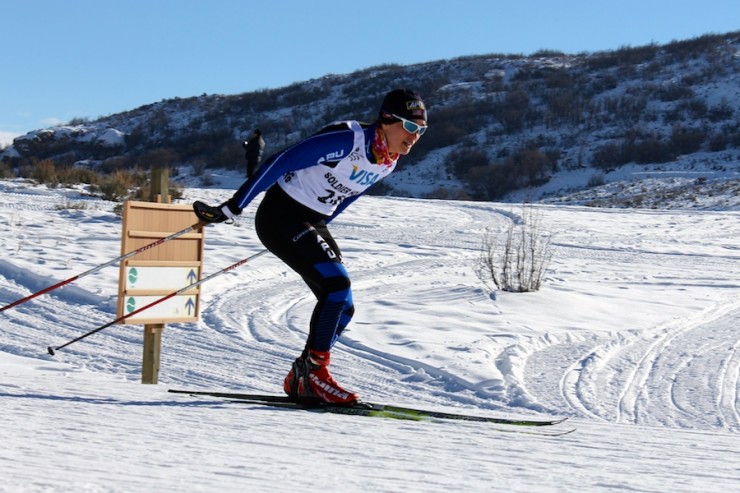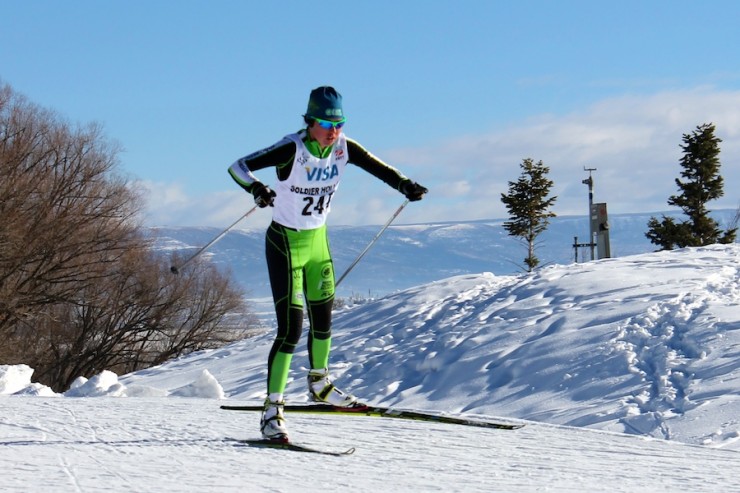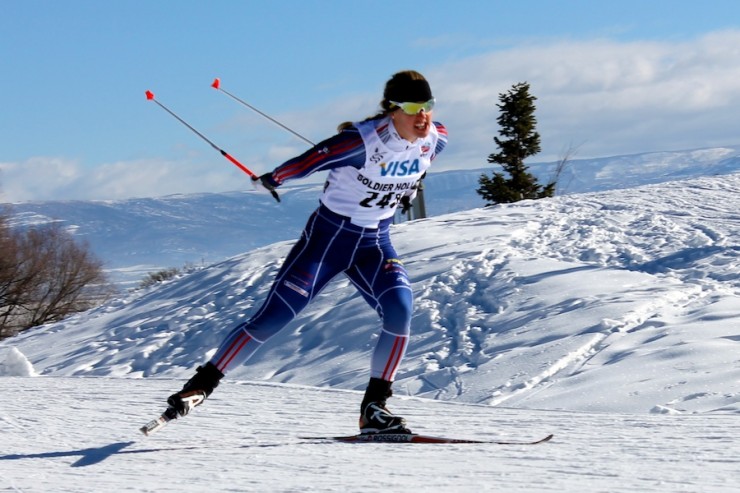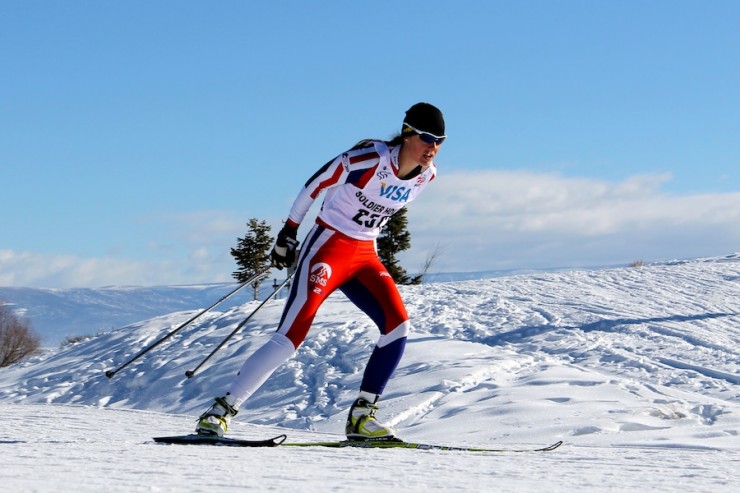
Tag: Rose Kemp

  • Stride by Stride at Mary W. Jackson Elementary

    Stride by Stride at Mary W. Jackson Elementary

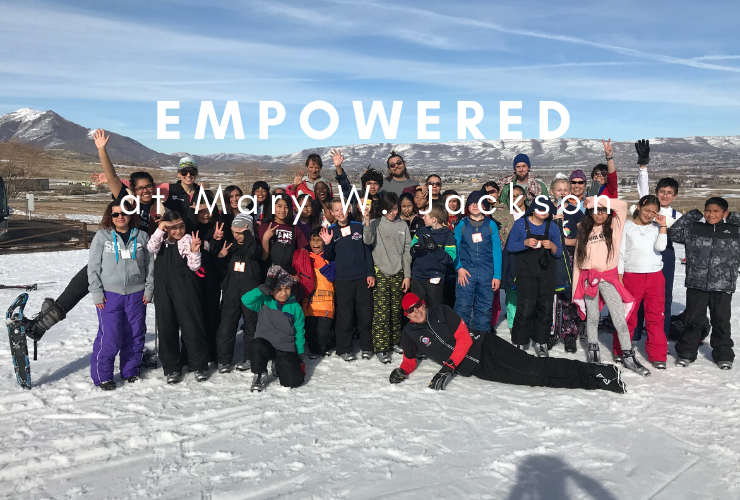
    4th-6th grade students from Mary W. Jackson Elementary School in Salk Lake City. (Courtesy photo)

    This is a two-part series exploring how some students in the Salt Lake City area are exposed to cross-country skiing through the good work of community members. Part-one features Gilberto Magana of Hartland Community 4 Youth and Families, a non-profit serving disadvantaged youth. Part-two explores how the Utah Nordic Alliance, local teacher Rose Kjesbo, and dedicated colleagues teamed up to get kids on snow.   


    ***


    Roughly thirty-five pairs of ski boots, poles, and skis to organize and hand out to the fourth through sixth graders that cross-country ski at Mary W. Jackson Elementary in Salt Lake City seems herculean. The little pieces that must come togther are daunting. And there’s the teeter-totter task of staying upright on skinny skis for those new to the sport.

    Thirty-year-old Rose Kjesbo (formerly Rose Kemp) teaches second grade at Mary W. Jackson. The former University of Utah skier has been the spark behind the school’s ski program. She came to teaching after taking education classes at the U. The profession requires the kinetic energy she knows how to harness from her cross-country racing days and her penchant for coordinating many moving parts. And there’s her drive to be part of something bigger than herself.     

    “Our students represent the diversity of America,” is how the student-body is described on the school’s website. Mary W. Jackson Elementary, renamed after the first black female egnieer at NASA, is a Dual Immersion school, meaning those students who speak either Spanish or English fluently have the opportunity to learn in both languages throughout the school day. Kjesbo noted the student body is approximately sixty percent Hispanic, with a high population of children of Samoan and Philipino descent. Nearly eighty percent of the school lives at or below the poverty level. (The Census Bureau estimates that 17.9 percent of Salt Lake’s population lives in poverty.) 
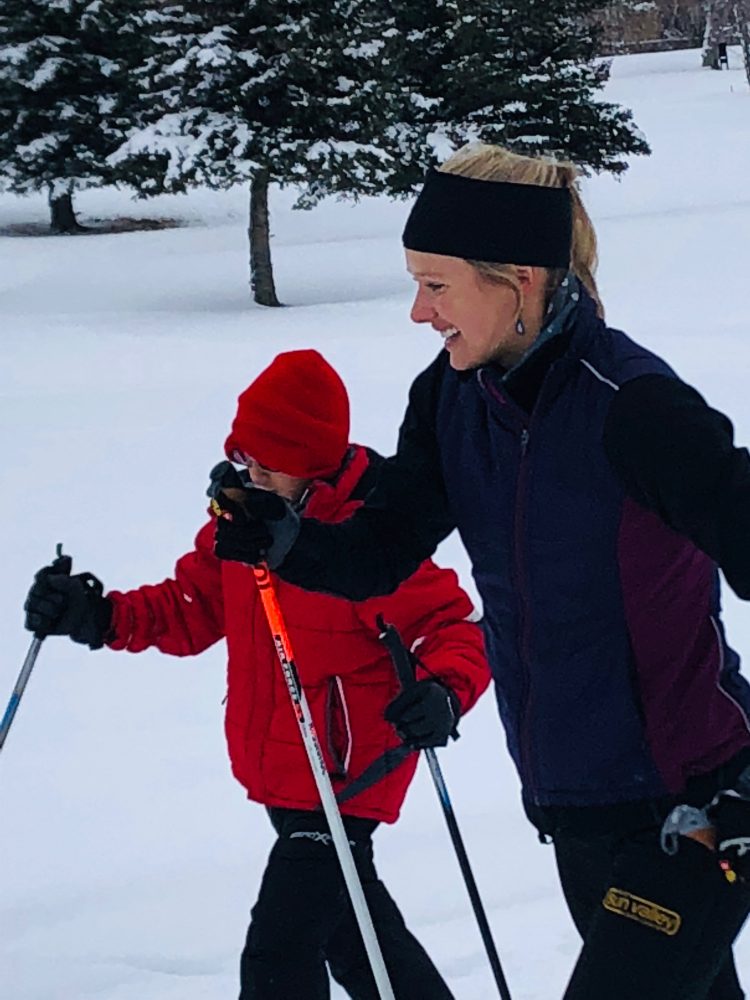
    Rose Kjesbo skis along with a student. (Courtesy photo)

    “The challenge, especially at the beginning of the year, is that you are setting up your students to come to school excited and ready to learn,” Kjesbo said. “That is such an important thing for them and for us to realize; that I have those expectations. But I am fully there, present and loving, and setting the expectations of a welcoming classroom. I also have academic expectations while being mindful that each student is an individual. You have to think about where they are coming from and understand what management strategy is going to work the best for them.”

    Kjesbo is able to rely on a team of dedicated colleagues that include a community liaison, teachers, lunchroom and office staff who are bound by the mission of cultivating a productive and safe learning environment. As part of that environment, Mary W. Jackson Elementary teamed up with the Utah Nordic Alliance (TUNA) to expose students to cross-country skiing.

    Kjesbo said taking kids out for after school ski excursions when the organizational machinery is present makes the logistics more tenable. The hall monitoring as students are rleased on ski days becomes dialed. The change from school-to-ski clothes eventually synchs. Gear is handed out. The bus loaded. Upon arrival at the Mountain Dell ski area students are divided into small pre-arranged groups to begin their work with a TUNA coach. This is not to say orderliness manifested from day one. Kjesbo said by the third ski day, the routine had been refined as the scores of players involved knew their respective roles and expectations. 

    On the receiving end of those students at Mountain Dell is most often TUNA’s Tim Metos. The now-retired bike and ski shop owner complements Kjesbo’s knowledge of the students with his understanding of how to bring a diverse group of kids into the cross-country skiing fold. Metos explained that TUNA’s Junior Outreach Program provides ski gear, bus transportation, and coaching. The financial backing for the after school program derives from the generosity of a private foundation. The program is “turn-key out of the school”, Metos explained. Skis, boots, and poles are housed at each respective school, his job is to ensure the on-snow experience is meaningful.

    Metos employs several paid coaches to work with the after-school program. A core group of volunteers also allows TUNA to keep the skier to coach ratio low. Like any club program working with new skiers, the goal is to familiarize kids with the gear, the environment, and the concept of sliding efficiently on snow all while smiling.    


    From left to right: Tim Metos, Jerry Richardson, and Angie Richardson. (Photo: Kjesbo)

    The TUNA Junior Outreach Program has run for 20 years and much of its early success belongs to now retired Salt Lake School District employee Brian O’Neal. The program, designed to get the community’s disadvantaged kids skiing, has evolved into a core outdoor activity supplement for several city schools. The program, due to gear constraints, caps the program at 140-150 students annually. Each participant skis five to six times per season at Mountain Dell, which sits up-canyon on Interstate-80, approximately 17 miles from downtown.

    “I started this out with the ambitions of developing elite skiers, to get kids involved in this sport,” Metos said. “It is pretty accessible really. For many of these families, mom and dad have jobs and they are working really hard. But they may not have a ton of time to get out with their kids, but perhaps they could grab some rentals and do a family outing, it is not like trying to go alpine skiing. So I had this notion that they would somehow adopt the sport as part of their life here. Eventually, I came to the realization that as much as anything, we are showing them a half a dozen afternoons in the winter when they can go out and have some fun and build some self-esteem. And at least they know that it is feasible to do this. But it is more challenging than I thought —  it took half-a-dozen years to figure that out.”

    Day two on-snow for some Mary W. Jackson students. (Photo: Rose Kjesbo)

    A key concept both Metos and Kjesbo emphasized was that kids feel safe and supported when trying something new. Taking a risk, even a relatively small one, can feel insurmountable when your day is filled with several unknowns. Metos, through his years of work in the ski program and Kjesbo, through her work at Mary W. Jackson, understand the underlying premise for sucess: That kids need to be welcomed for who and what they are. Without that safety net, one can imagine the sense of dread a student new to skiing might experience if faluire were not an option. More importantnly, students might never try something out of their comfort zone back in the classroom. With the safety net, Metos and Kjesbo can foster a sense of fearlessness in students who might struggle with a new endeavor like skiing. 

    Constructing that safety net begins far from Mountain Dell where the team at Mary W. Jackson invests in community. Kjesbo explained the program succeeds because people have developed meaningful relationships.

    “There is that community piece within the school’s neighborhood that I talked about, the relationships that we develop among Tim’s coaches that he brings from TUNA, and those with our kids and with the families, our office staff, school staff,” Kjesbo said. “Those relationships are intergenerational, from myself to the older volunteers who have worked with Tim for a long time or have been in the ski community in Salt Lake for a long time, to our young kids. Those relationships have created this really amazing safe space around nordic skiing.”

    Kjesbo said she has received much through skiing including her dogged work ethic. The sport remains a big part of her life just as it did when she progressed through the ranks to eventually ski on the SuperTour. Her infectious dirve has been a vehicle to share something personal with the Mary W. Jackson community outside the normal scope of the school day. 

    I am passionate about it and I want to share that with my kids,” said Kjesbo. “They see that too as we all open up a new space to something that we really love.”
  • Bender Rallies to Second National Title, Wins Skate Sprint at SoHo

    Bender Rallies to Second National Title, Wins Skate Sprint at SoHo

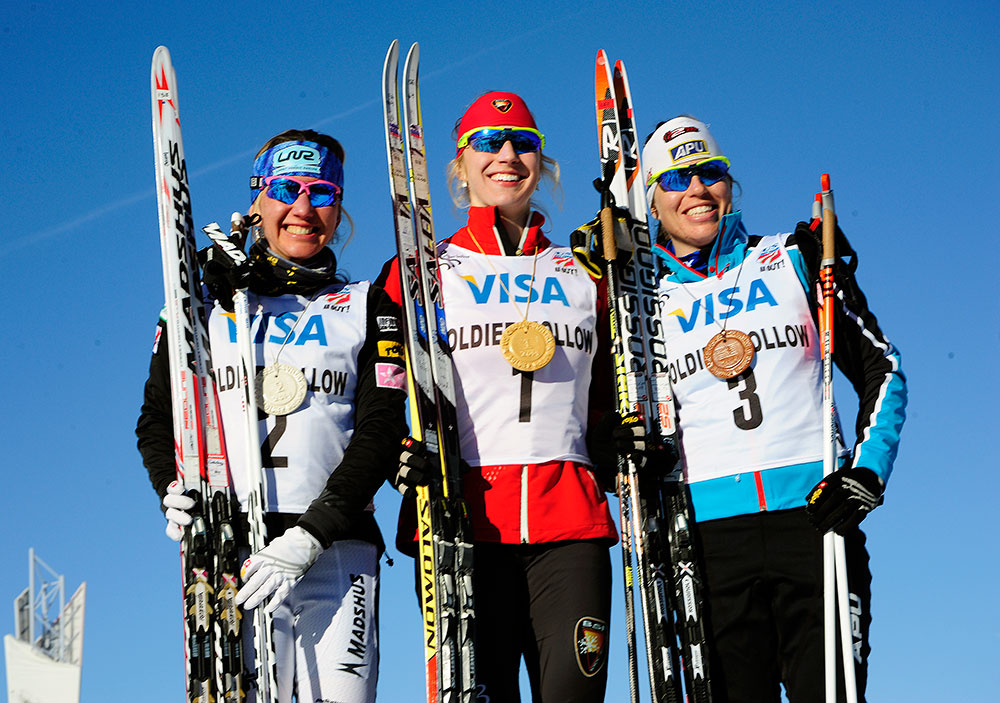
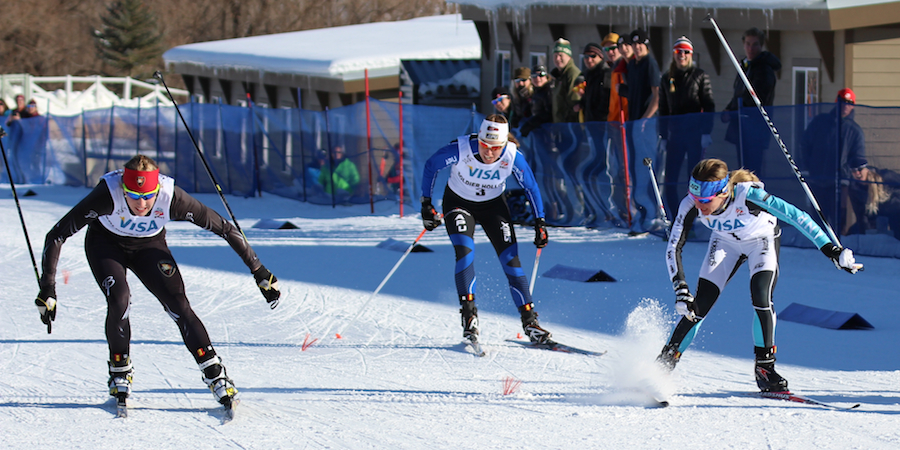
    Jennie Bender of the Bridger Ski Foundation (l) edges Caitlin Gregg (r) of Team Gregg/Madshus for the skate-sprint victory at U.S. Cross Country Championships on Sunday at Soldier Hollow in Midway, Utah. APU's Rosie Brennan (c) took third. (Photo: Tom Scrimgeour)
    Jennie Bender of the Bridger Ski Foundation (l) edges Caitlin Gregg (r) of Team Gregg/Madshus for the skate-sprint victory at U.S. Cross Country Championships on Sunday at Soldier Hollow in Midway, Utah. APU’s Rosie Brennan (c) took third. (Photo: Tom Scrimgeour)

    FasterSkier’s coverage of the 2014 U.S. Cross Country Championships is brought to you through the generous support of The Memory Clinic in Bennington, Vt.

    MIDWAY, Utah — Jennie Bender was this close to being a non-factor in the women’s 1.5-kilometer freestyle sprint at U.S. Cross Country Championships on Sunday at Soldier Hollow. A decision to have back surgery in May could have derailed her ski-racing career indeterminably, and at 25, that would’ve been a tough pill to swallow.

    Newly with the Bridger Ski Foundation in Bozeman, Mont., she instead opted for physical therapy for the herniated disc. Eight months later and seven days before her birthday, Bender was sprinting up and down Hermod’s Hill at Soldier Hollow on Sunday like nothing was or had ever been wrong — even as she continued to undergo regular treatment for her back.

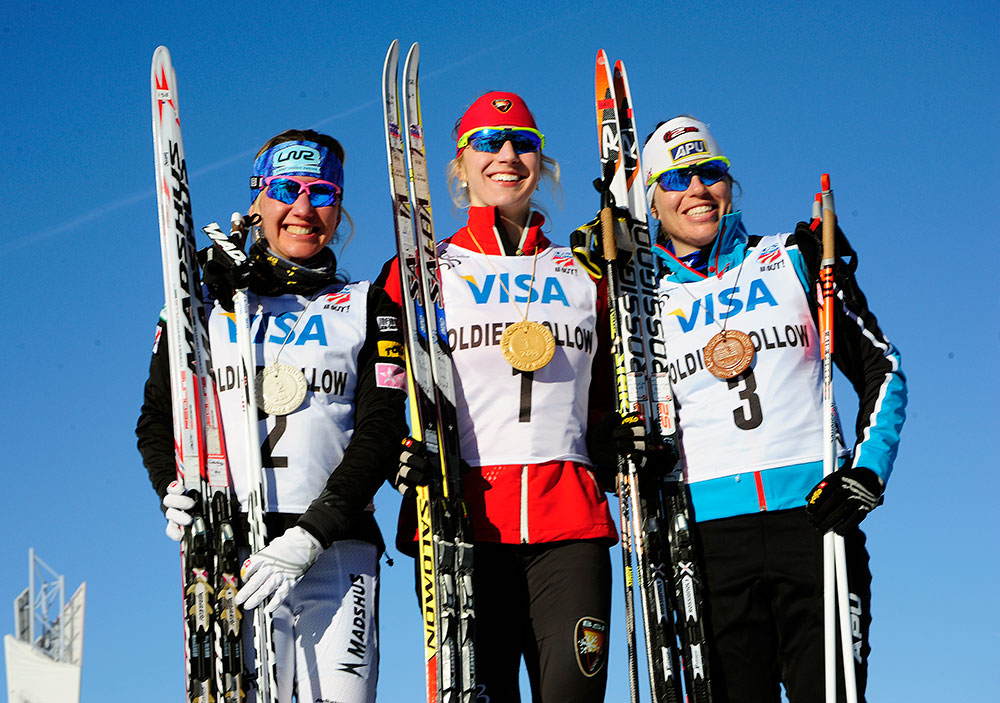
    The women's 1.5 k freestyle sprint podium, with winning Jennie Bender (c) of the Bridger Ski Foundation, Caitlin Gregg (l) of Team Gregg/Madshus in second, and Rosie Brennan (APU) in third. (Photo: Tom Kelly/USSA)
    The women’s 1.5 k freestyle sprint podium, with winning Jennie Bender (c) of the Bridger Ski Foundation, Caitlin Gregg (l) of Team Gregg/Madshus in second, and Rosie Brennan (APU) in third. (Photo: Tom Kelly/USSA)

    A year ago at U.S. nationals, she won her first national title in the classic sprint. Classic skiing was tougher on her body this season, so she put her hopes in Sunday’s skate sprint a day after placing 20th in the 10-kilometer classic.

    A finishing-straight comeback, from fifth with 200 meters to go, and last-ditch lunge gave Bender the victory she had been looking for as she edged Caitlin Gregg (Team Gregg/Madshus) in a photo finish for first.

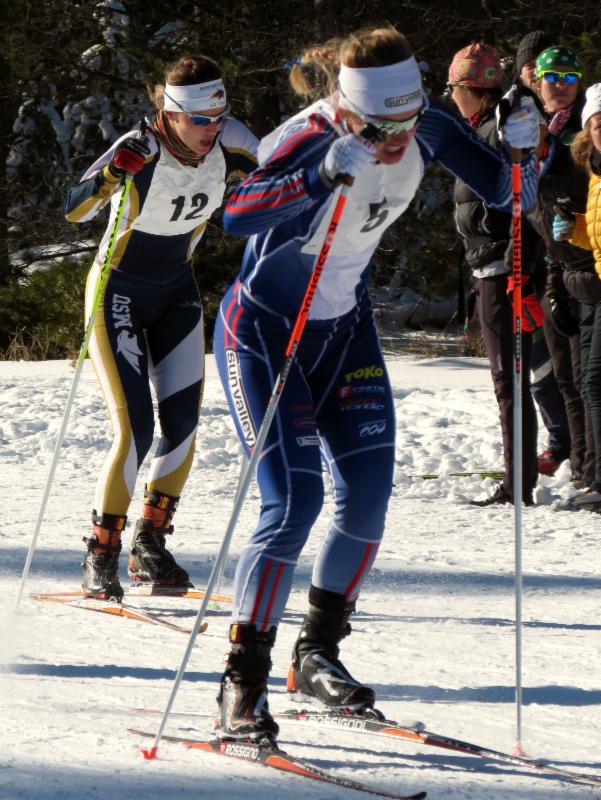
    Alaska Pacific University (APU) took third and fourth with Rosie Brennan and Kate Fitzgerald, respectively. Rose Kemp (Sun Valley Ski Education Foundation) was fifth for a personal best, and Caitlin Patterson (Craftsbury Green Racing Project) rounded out the A-final in sixth.

    “I was really hoping to get on the podium, but I guess with the past two years of ups and downs I was never really sure what would happen here,” Bender said, after coping with mono and lyme disease simultaneously two summers ago.

    “Sprints are kind of like war,” she added. “You have your own personal battle with the qualifier and then the hopefully next three heats are anything goes, it’s tactics, it’s saving energy and making sure you never truly ask yourself how you feel because you don’t want to know the answer.

    Caitlin Gregg (Team Gregg/Madshus) on her way to winning the women's 1.5 k freestyle sprint qualifier by more than 4 seconds. (Photo: http://bertboyer.zenfolio.com) All proceeds from photo sales will be directly donated to NNF.
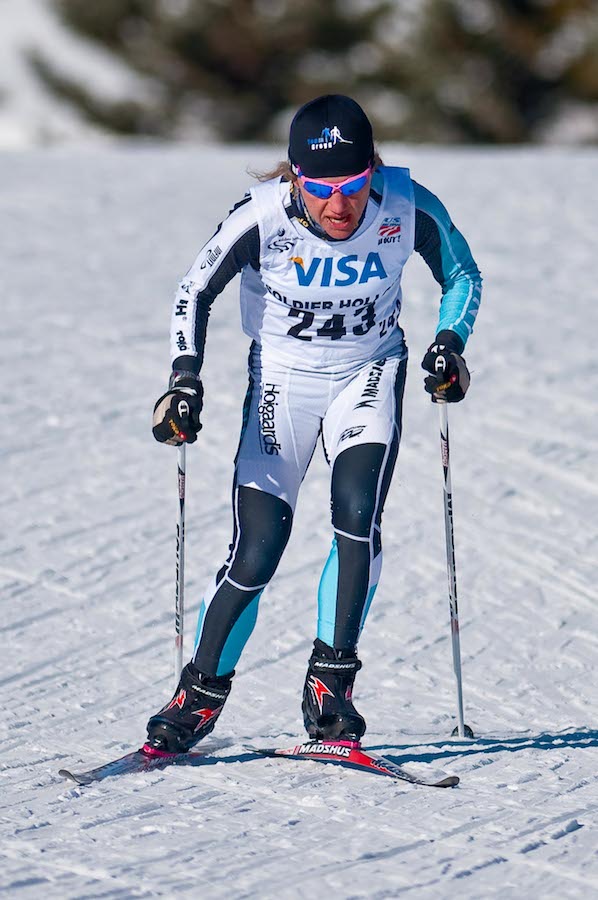
    Caitlin Gregg (Team Gregg/Madshus) on her way to winning the women’s 1.5 k freestyle sprint qualifier by more than 4 seconds. (Photo: bertboyer.zenfolio.com) All proceeds from photo sales will be directly donated to NNF.

    The day started off with Gregg, Bender’s former Central Cross Country (CXC) teammate, sending a message in the qualifying round. Gregg beat nearly 130 women with a time of 3:09.97 on a sprint course that deviated from the traditional under-the-bridge-and-around-the-horseshoe loop.

    Instead, racers shot out of the start and immediately curved around the timing building, built for the 2002 Olympic Games, before heading up the infamous Hermod’s Hill. They didn’t go all the way to the top, turning left and making their way down the less-intimidating parts of Whale’s Tail before cornering sharply, skiing over a bridge and back into the stadium.

    Second in Saturday’s 10 k, Gregg attacked and accelerated at all the right times to win the qualifier by 4.34 seconds over Rose Kemp, a recent University of Utah graduate now with the Sun Valley Ski Education Foundation.

    After crashing out of contention during her first of two times down Whale’s Tail on Saturday, Kemp rose to the second-fastest qualifying time on Sunday, 1.92 seconds ahead of Brennan in third. Fitzgerald followed another 2.18 seconds back in fourth (+8.44) and just one-hundredth of a second behind her, Bender qualified fifth. Patterson was another second back in sixth (+9.51).

    From there, Gregg, Fitzgerald, Patterson, Kemp, and Brennan all won their quarterfinals, but not without a little excitement in Gregg’s first heat. Before the first turn a couple hundred meters out of the start, Gregg tangled with APU’s Sarah Cresap, fell, and came into Hermod’s at least five-seconds behind the pack.

    “I don’t think it was anyone’s fault; it was just tight getting into position,” Gregg said. “So I got down and I was like, ‘Oh, wow, I’m in last place.’ ”

    Fortunately, her poles were in tact. “I’m glad I had two poles for the rest of that,” Gregg said.

    Moments later, Gregg picked off the five other women in her quarterfinal by the top of Hermod’s, then maintained her breakaway on the descent.

    “My skis, in every heat, they were just so fast,” she said. “It almost caught me off guard. I kind of was like, ‘All right, I’m out of this. Maybe this day isn’t going to go so well,’ and then next thing I know I was in first and I was like, ‘Well I guess I’m right back here.’ ”

    Gregg won the heat ahead of Erika Flowers (Stratton Mountain School T2 Team) and Marion Woods (University of Vermont), who placed second and third, respectively.

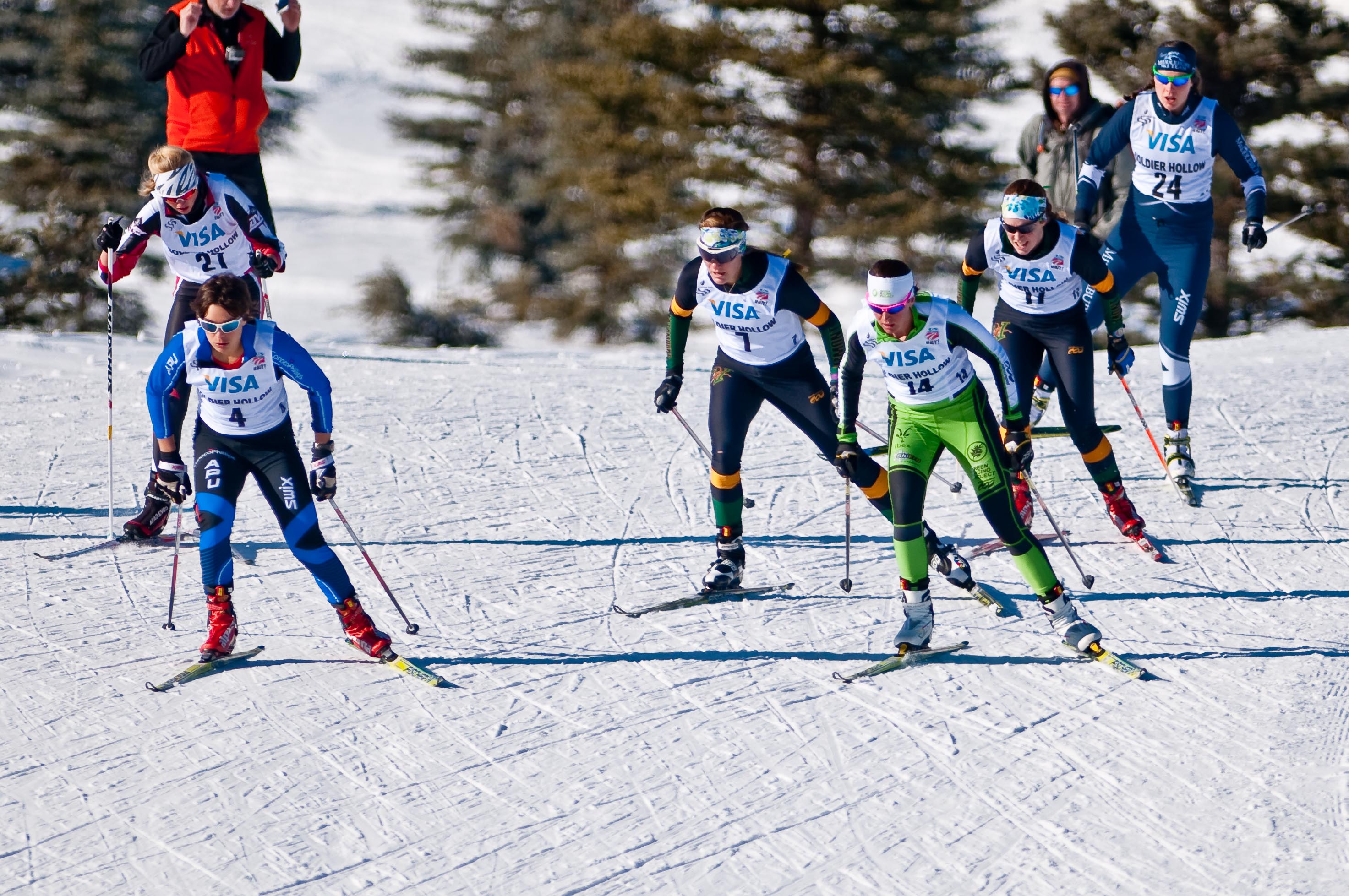
    Kate Fitzgerald leading her quarterfinal in the women's 1.5 k skate sprint at U.S. nationals on Sunday at Soldier Hollow. (Photo: http://bertboyer.zenfolio.com) All proceeds from photo sales will be directly donated to NNF.
    APU’s Kate Fitzgerald (l) leading her quarterfinal in the women’s 1.5 k skate sprint at U.S. nationals on Sunday at Soldier Hollow. (Photo: bertboyer.zenfolio.com) All proceeds from photo sales will be directly donated to NNF.

    Fitzgerald got a lead on the downhill to top two other UVM skiers, Linda Danvind Malm and Stephanie Kirk, who ended up second and third in the quarterfinal.

    A UVM grad, Patterson held off Bender in the third quarterfinal, with the two advancing in first and second. Kemp led Saturday’s champion, Becca Rorabaugh (APU), to the finish in the fourth quarterfinal, and Brennan cruised to a victory in the fifth quarterfinal ahead of Nichole Bathe (University of Alaska-Fairbanks).

    Gregg decided to lead her semifinal, but realized on the hill that it wasn’t easy to string out the group there. Running out of steam into the final straight, Bender came from behind to overtake Gregg before the finish, and both advanced to the A-final along with Fitzgerald in third. Flowers placed fourth, Danvind-Malm was fifth and Kirk finished sixth to move onto the B-final.

    Brennan held off Kemp and Patterson to win the second semifinal, leading them and APU’s Becca Rorabaugh, Craftsbury’s Liz Guiney and Bathe, respectively, from start to finish.

    Rorabaugh went on to win the B-final for seventh overall, Danvind-Malm placed eighth, Guiney was ninth, Flowers 10th, Bathe 11th, and Kirk 12th.

    “Sprints are kind of like war. … It’s tactics, it’s saving energy and making sure you never truly ask yourself how you feel because you don’t want to know the answer.” — Jennie Bender

    Feeling good throughout her heats, Kemp led out the A-final toward and up Hermod’s with Brennan right behind.

    “I felt like I had a lot of good energy going into each heat,” Kemp said. “I kind of just ended up going; that’s how it panned out each heat, but I wanted to ski as well as I could, and that hill was really fun.”

    Gregg initially tried to go off the front from the start, but quickly realized that everyone else was trying to do the same.

    “I couldn’t quite get to the front so I changed my tactics,” she said. “I kind of sat and waited and got to the top of the hill and again on the downhill my skis were just freakin’ fast.”

    Leading Kemp, Brennan, Fitzgerald and Bender, in that order, over the bridge into the finish, Gregg said she couldn’t hear anyone around her. She thought she had it, then Bender suddenly outlunged her at the line.

    Bender had been the queen of sitting back throughout the final, reasoning that she didn’t have to lead up the hill for fear of getting dropped. Instead she put herself in third or fourth, but coming around the final turn before the bridge, she said she nearly got boxed out.

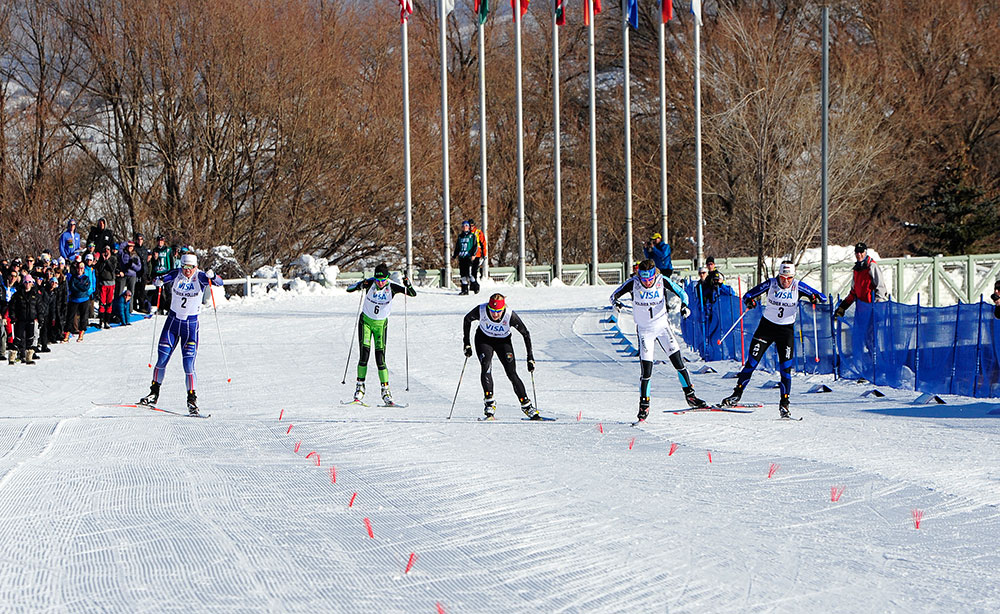
    The women's A-final heads down the last hundred meters to the finish. (Photo: Tom Kelly/USSA)
    The women’s A-final heads down the last hundred meters to the finish. (Photo: Tom Kelly/USSA)

    “I was like, ‘Oh no, this cannot happen,’ ” she said. “Coming right on the crest of the hill I was just waiting, like, ‘I’m looking for my spot, looking for my spot … I’m either gonna bust through somewhere or try to go way on the outside if I have to.’ But a little spot just happened to open up and I gunned it.”

    “I learned a good lesson today,” Gregg said. “She was just charging hard, and it was pretty impressive.”
    A two-time runner-up in the last two days of nationals, Gregg said she was pleased with the results, especially Saturday’s 10 k classic.

    “I think it’s solid and it bodes well,” she said. “Feeling good about my distance skiing, obviously skate skiing, love, and my qualifier today was super evident of that.”

    Brennan thought she could’ve played the final better as well. After she followed Kemp down Whale’s Tail with a slight gap up front, Gregg and Bender caught them by the bottom.

    “I don’t have much finishing speed so I kind of wish I tried to go a little harder over the top of the hill to get more distance,” Brennan said. “But it was OK; I held my own.

    “Any time I can make the podium here it’s great because I have so many friends and family that came to watch,” the Park City native added. “My mom times here so the whole timing crew’s always cheering for me so I always feel like I let them down if I don’t do something good here.”
    Expectations were iffy as Brennan hadn’t raced sprint heats this season since she spent most of the beginning of it on the World Cup. On Saturday, she was sixth in the 10 k after winning the skate version of the distance event at nationals last year.

    “It made me more nervous to race here because I wasn’t sure what my shape actually was,” she said. “[Saturday] I had just a terrible day. I was struggling with my skis and then I kind of blew up a bit on top of that … then you start second guessing yourself. It was really nice to come out and have a sprint race because anything’s possible.”
    The second BSF skier to top the podium after Torin Koos won the men’s final right before, Bender had similar feelings about the sprint.

    “I’m kind of hoping for more good news in the classic sprint,” she said. “In general, a win at nationals is a big confidence booster, and after wading through a lot of sh*t, it’s kind of like a daisy that you find that helps the whole rest of the season.”
    Results

  • U.S. Nationals: Women’s Skate Sprint Qualifier Photos

    U.S. Nationals: Women’s Skate Sprint Qualifier Photos

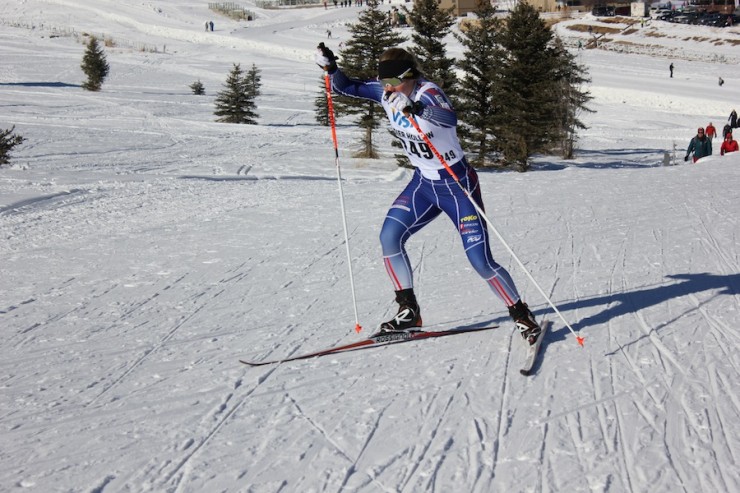
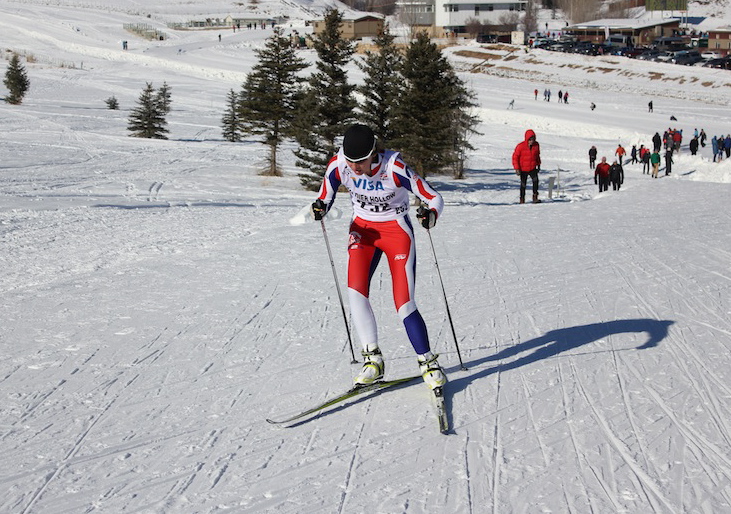
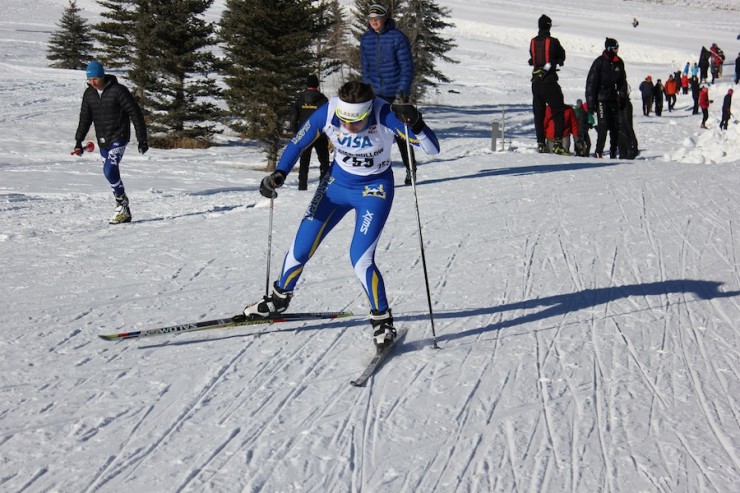
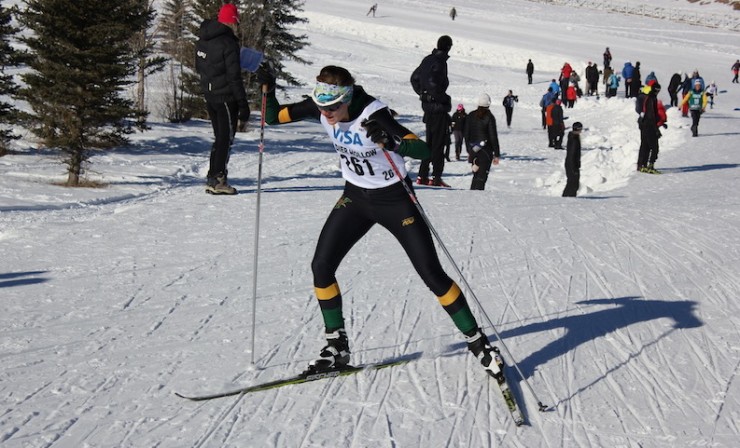
    MIDWAY, Utah — Photos of some of the top finishers in the U.S. Cross Country Championships women’s 1.5-kilometer freestyle sprint on Sunday. Caitlin Gregg (Team Gregg/Madshus) won it by more than 4 seconds in 3:09.97 to advance to the quarterfinals, which start with the men at 1 p.m. MST. Live results

  • Toko e-Blast: SuperTour Skate Sprint Photos

    Toko e-blast

    SuperTour Skate Sprint Photos on TokoUS Facebook Page

    A photo album with selected photos from today’s SuperTour Skate Sprint can be found on the TokoUS fb page (please “like” so you can follow such postings in the future). Please visit to see lots of great photos including run away winner Caitlin Gregg. The photo album can be found here. All athletes shown affiliated with Toko Wax/Tools and/or Toko Gloves.

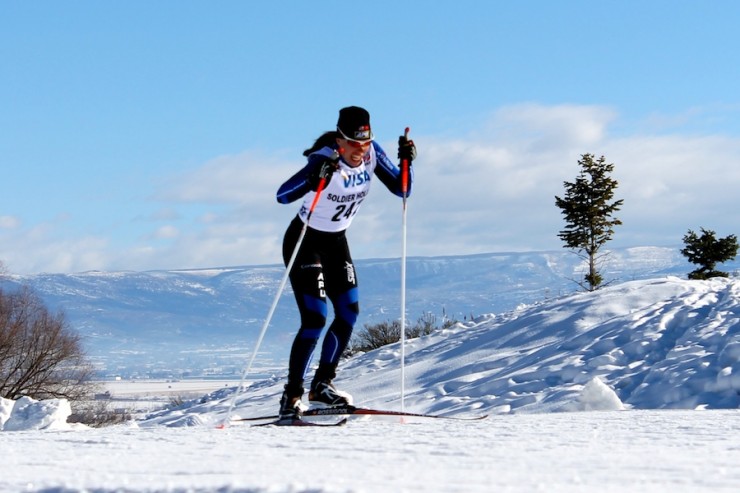
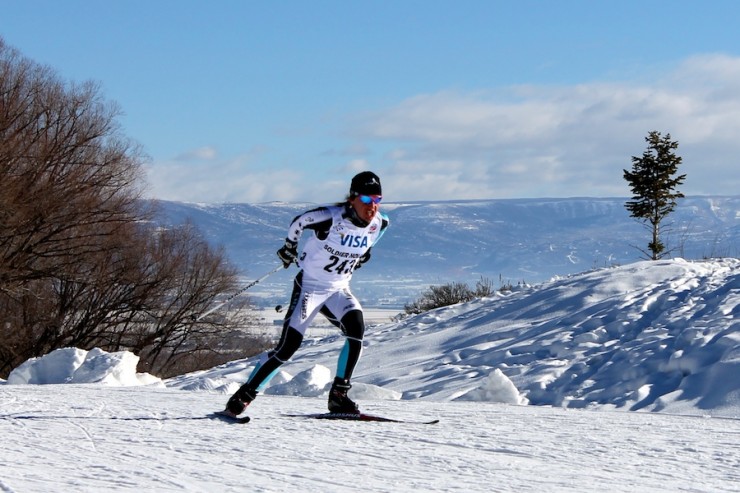
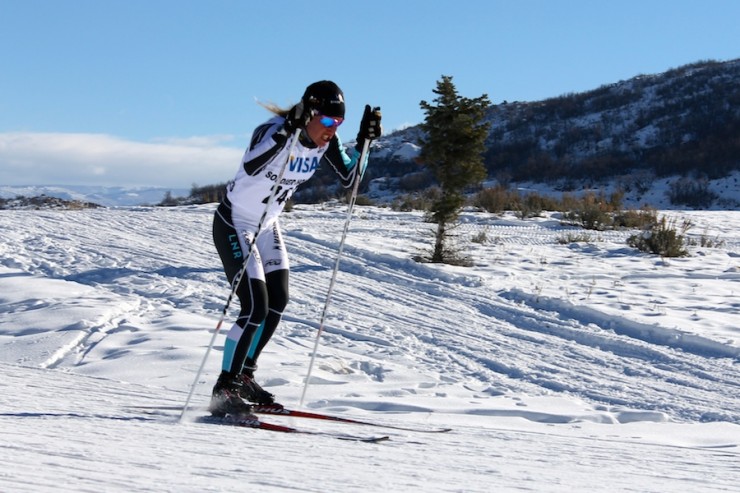
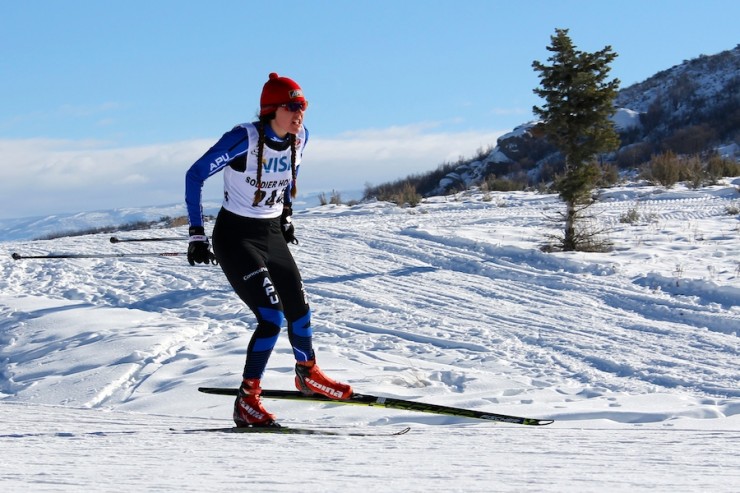
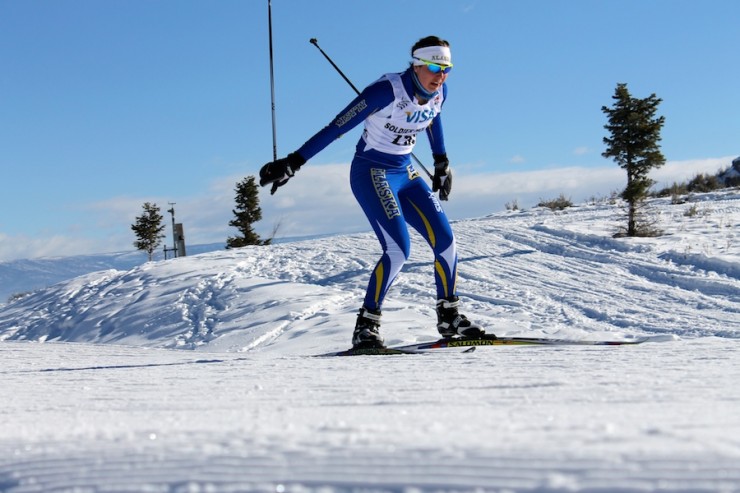
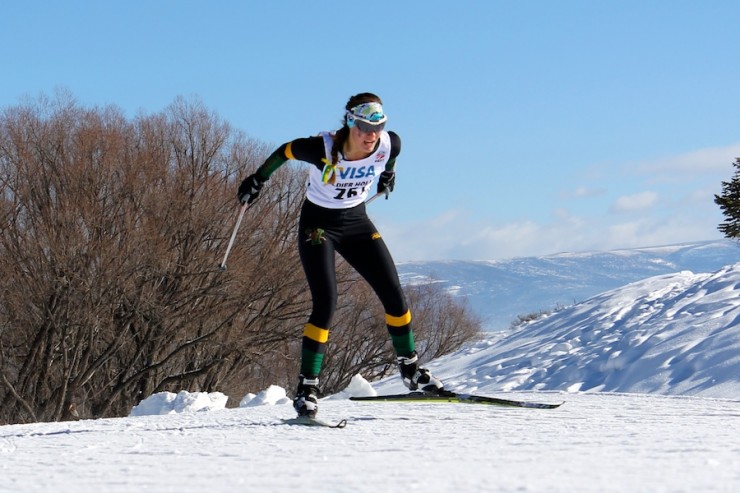
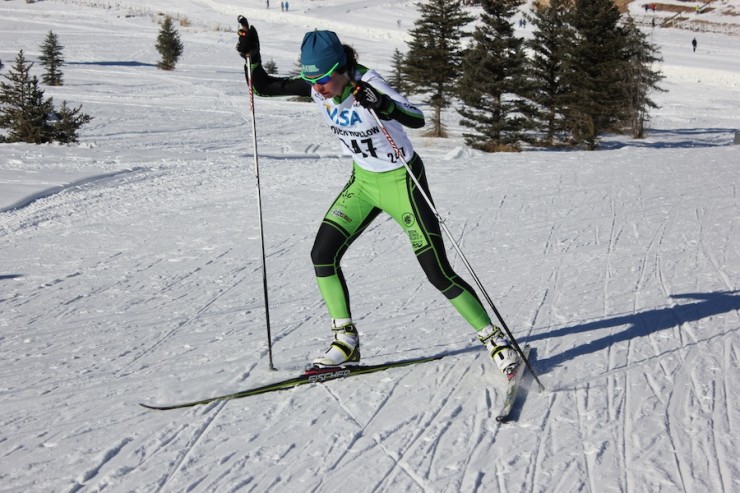
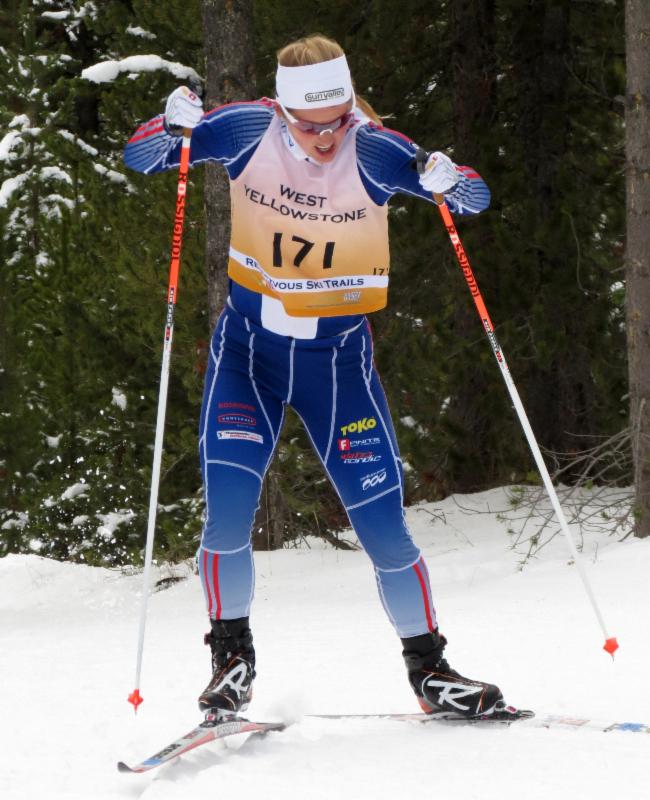
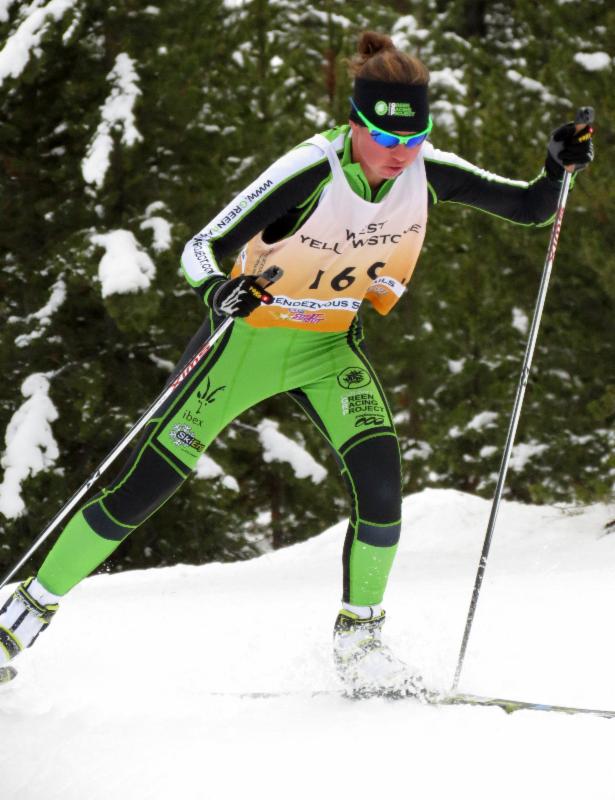
    Rose Kemp

    Sun Valley Elite Team Skier Rose Kemp

    Caitlin Gregg

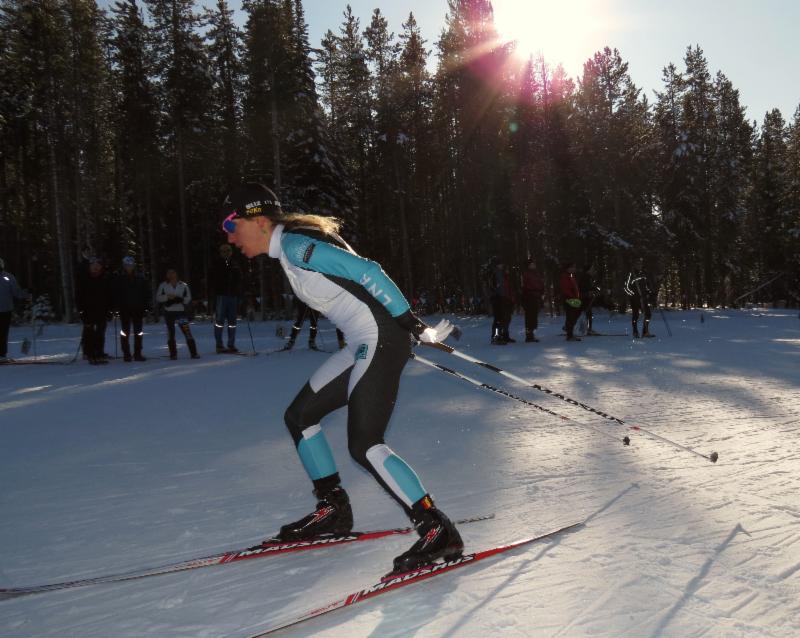
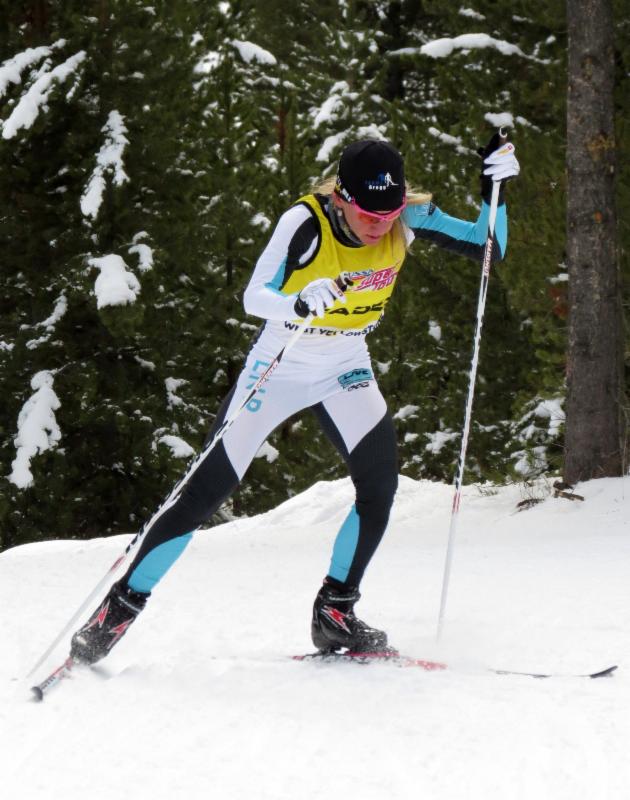
    Team Gregg’s Caitlin Gregg running away with it

    Erik Packer and Reese Hanneman

    Stratton T2 Team’s Eric Packer and APU’s Reese Hanneman battling in the final

    Miles Havlick

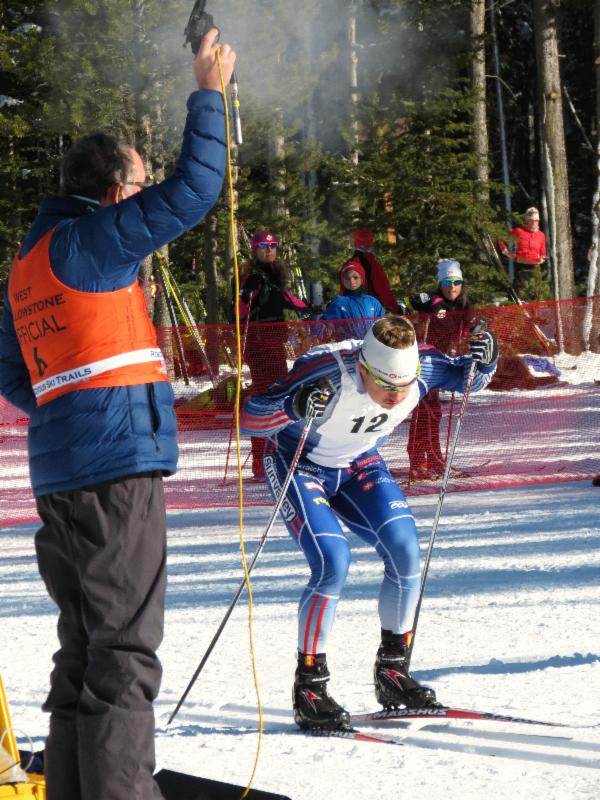
    Sun Valley Elite team member Miles Havlick at the start

    West Yellowstone Expo a Huge Success

     West Yellowstone Expo

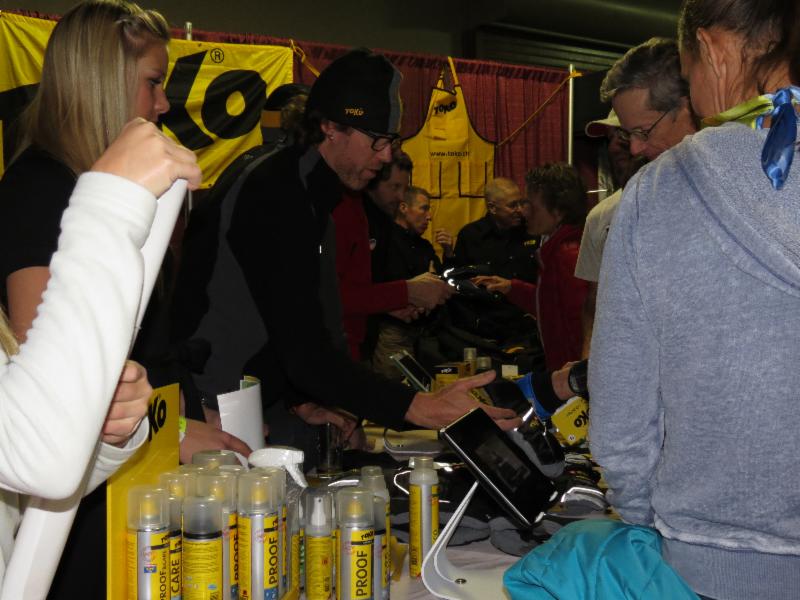
    West Yellowstone Fall Ski Festival attendees mob the Toko booth

  • Toko e-Blast: SuperTour Distance Skate Photos

    Toko e-blast

    SuperTour Distance Skate Photos on TokoUS Facebook Page

    A photo album with selected photos from today’s SuperTour Distance Skate can be found on the TokoUS fb page (please “like” so you can follow such postings in the future). Please visit to see lots of great photos including run away winner Caitlin Gregg. The photo album can be found here. All athletes shown affiliated with Toko Wax/Tools and/or Toko Gloves.

    Caitlin Gregg Caitlin Gregg won the 5k by over 1:02! She was in a class of her own.

    Brian Gregg

    Brian Gregg was 2nd in the men’s race!

    Rose Kemp

    Sun Valley Elite’s Rose Kemp.

    Patrick Johnson

    Far West Elite’s Patrick Johnson.

    Sun Valley Elite's Miles Havlick

    Sun Valley Elite’s Miles Havlick.

    Kate Fitzgerald

    APU’s Kate Fitzgerald.

    Caitlin Patterson

  • The 12: Sun Valley Gold Team

    The 12: Sun Valley Gold Team

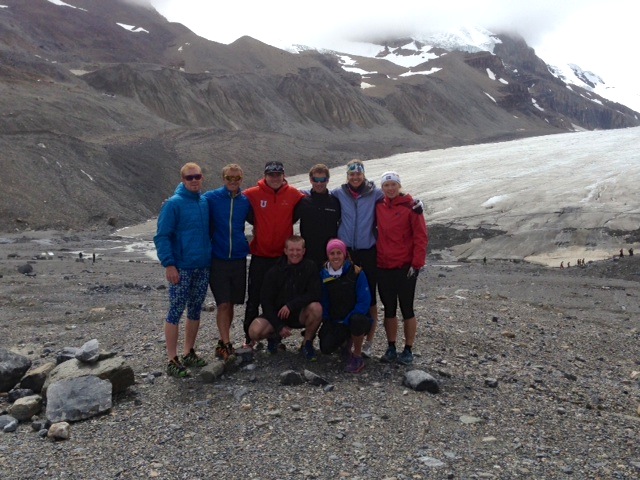
    Most of the Sun Valley Ski Education Foundation (SVSEF) Gold Team with two collegiate summer athletes, Makayla Cappel (DU) and Ben Lustgarten (Middlebury), near Canmore, Alberta. From left to right (back) Matt Gelso, Mikey Sinnott, Miles Havlik, Lustgarten, Cappel, and Rose Kemp. (Front) Head coach Colin Rodgers and Mary Rose. (Photo: Colin Rodgers)
    Most of the Sun Valley Ski Education Foundation (SVSEF) Gold Team with two collegiate summer athletes, Makayla Cappel (DU) and Ben Lustgarten (Middlebury), on the Athabasca Glacier in Banff/Jasper National Park during a recent camp in Canmore, Alberta. From left to right (back) Matt Gelso, Mikey Sinnott, Miles Havlik, Lustgarten, Cappel, and Rose Kemp. (Front) Head coach Colin Rodgers and Mary Rose. (Photo: Colin Rodgers)

    Note: This is the seventh preview in our series on U.S. elite teams, which we’ve dubbed the “The 12.” We asked coaches to tell us what’s new and whom to look out for in the coming season and will publish additional previews in the coming weeks in no particular order.

    Team: Sun Valley Ski Education Foundation (SVSEF) Gold Team

    Coaches: Rick Kapala (program director), Colin Rodgers (head coach), Shane MacDowell (service tech, formerly of Boulder Nordic Sport East)

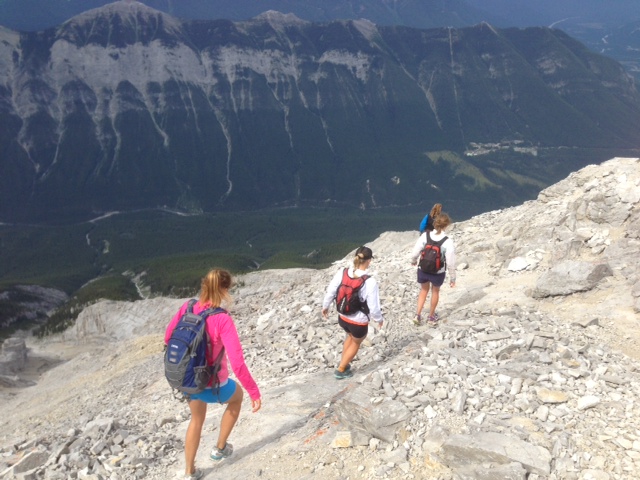
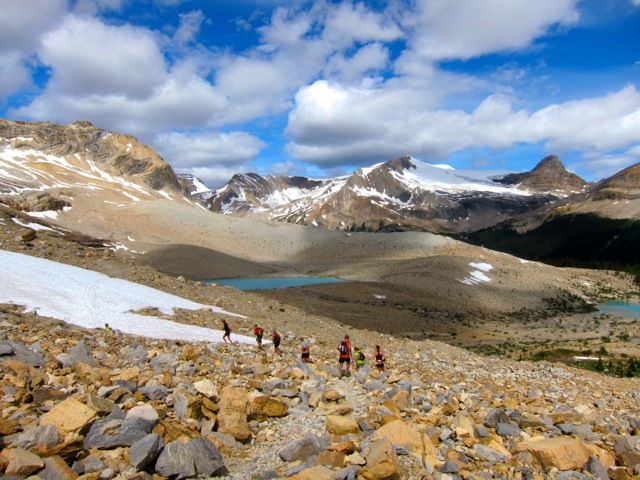
    Sun Valley training-group members Makayla Cappel and Rose Kemp hike down Mount Rundle in Banff National Park, Alberta. (Photo: Colin Rodgers)
    Sun Valley training-group members, including Makayla Cappel and Rose Kemp, hike down Mount Rundle in Banff National Park, Alberta. The team trained in Canmore from July 10-19. (Photo: Colin Rodgers)

    Gold Team roster: Mikey Sinnott, Miles Havlick, Matt Gelso;

    Chelsea Holmes, Rose Kemp, Mary Rose

    Who’s new: Havlick (University of Utah), Kemp (Utah), Rose (University of Colorado-Boulder)

    Who’s missing: Patrick Johnson, Reid Pletcher, Simi Hamilton, Alexia Turzian, Mali Noyes, Lucy Garrec, Clarke Sullivan (former service tech)

    According to coach Colin Rodgers, Johnson, who nabbed his first SuperTour win (and podium) in his rookie season after college last winter, is home in Anchorage, Alaska, for an environmental internship. Pletcher is working as a river guide on the Salmon River about an hour north of Sun Valley in Stanley, Idaho, after stepping back from racing last season due to lingering effects of a head injury. Noyes is also guiding on the Salmon River, and Hamilton – a Colorado native – moved to Vermont to train with fellow U.S. Ski Team sprinter Andy Newell and the Stratton Mountain School T2 Team.

    A Sun Valley local, Turzian is in Boulder, Colo., Garrec is in nearby Ketchum, and Sullivan, Sun Valley’s former head wax tech, is “ripping lips, building single track [mountain] bike/hiking trails, blasting ducks in Bozeman, MT,” Rodgers wrote in an email.

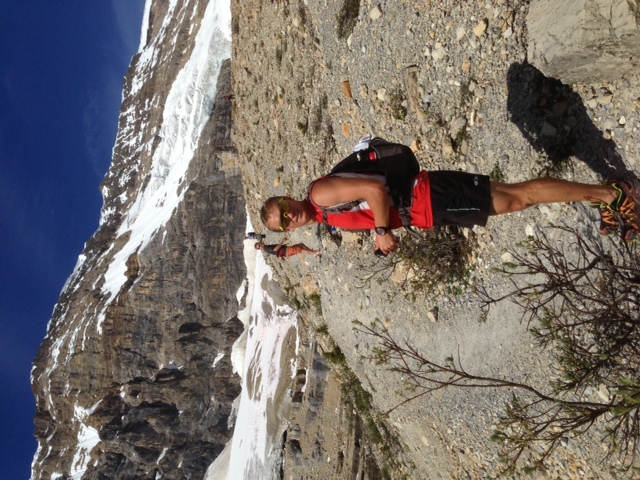
    Mikey Sinnott and Miles Havlik running on the Iceline Trail in YoHo National Park. (Photo: Colin Rodgers)
    Sun Valley Gold Team members Mikey Sinnott (front) and Miles Havlik running on the Iceline Trail in YoHo National Park in the Canadian Rocky Mountains in southeastern British Columbia earlier this month. (Photo: Colin Rodgers)

    Top results last season: Let’s start with Sinnott: the overall SuperTour winner last season with two SuperTour victories (both classic sprints; one in Minneapolis, the other in Aspen, Colo.) and a runner-up finish at U.S. nationals (also in a classic sprint). Sinnott’s finish atop the SuperTour leaderboard secured World Cup starts this fall, which won’t be a new experience, but he’s not taking them lightly.

    “In the past you kind of set up your season to get World Cup starts, so you’re kind of hitting that early season performance and then you’re kind of coming down from it when you get to the World Cup,” the 28-year-old Sinnott told FasterSkier in June. “This year I’ve got months beforehand where I can build and really organize it so that I’m hitting the World Cup in my top fitness.”

    Gelso, 25, podiumed at U.S. nationals in January, placing third in the 15-kilometer freestyle at Soldier Hollow in Midway, Utah. That same week, he placed fourth in the 30 k classic mass start at nationals. Gelso started the 2012/2013 season off with a second-place finish in the 10 k freestyle individual start in West Yellowstone, Mont., which elevated him to the World Cup in Canmore, Alberta, where he was 36th in the 30 k skiathlon.

    Fresh out of college, Havlik is one of the most promising rookies entering the pro scene after racking up his second-straight national title in the 20 k mass start at NCAA Championships in Ripton, Vt. Havlik placed fourth in the other race at NCAAs this season, the 10 k classic individual start, and helped Utah finish second to the University of Colorado in the overall team results. Throughout the course of his senior collegiate season, he won four invitationals.

    Holmes, 26, finished second twice on the SuperTour last season (first in the 10 k freestyle in West Yellowstone, and soon after in the 10 k classic in Bozeman). At SuperTour Finals in Truckee, Calif., she was third in the freestyle hill climb.

    Kemp achieved All-American status at NCAAs this year, placing eighth in the 15 k freestyle mass start at Rikert Nordic Center. She placed third in two 5 k classic races on the Rocky Mountain Intercollegiate Ski Association (RMISA) circuit, and Rose was fifth in a 5 k skate race and seventh twice in collegiate events last season.

    Coach’s comment:

    By Rodgers’ estimations, the Gold Team is well on its way to a successful racing season.

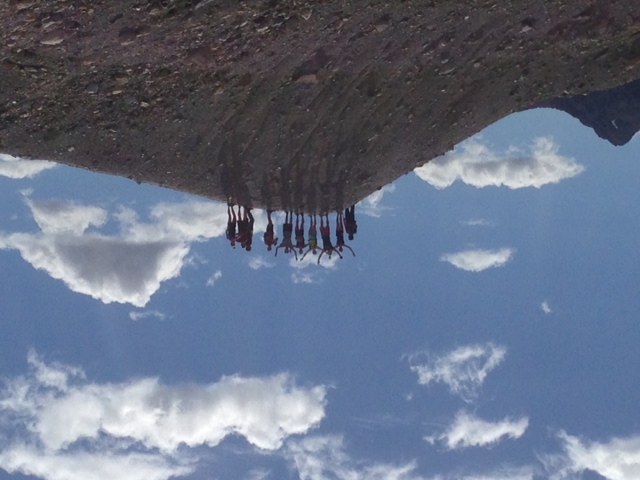
    The Sun Valley Gold Team on the Iceline Trail in YoHo National Park earlier this month. (Photo: Colin Rodgers)
    The Sun Valley Gold Team on the Iceline Trail in YoHo National Park earlier this month. (Photo: Colin Rodgers)

    “We are a mix of old and new faces, but all of the current athletes have roots in Idaho,” he explained. “Mikey, Matt and Chelsea have been a part of the program for many full years while Rose is a Boise native. Combined both Miles and Mary have trained in the Wood River Valley for quite some time so in a sense all are local talent.

    “Although we are a small squad, 3 men and 3 women, ambitions are high for this crew and collectively we are aiming at SuperTour Titles, National Championship Titles, an NNF Cup, World Cup Competition and Olympic starts all this winter!” Rodgers continued.

    The team started the training season in Bend, Ore., in May and met up again in the Wood River Valley in south-central Idaho for a few weeks. The SVSEF recently returned from Canmore, where it had its first dryland camp of the offseason, and has big plans for training on snow at Eagle Glacier in Alaska (Aug. 8-20), working out in Park City and Moab, Utah, in October, and getting back on snow in late October at Frozen Thunder in Canmore.

    “The Gold Team strives to work closely with its younger XC programs,” Rodgers wrote. “We have spent time working in conjunction with the summer collegiate/post-graduate group during weekly sessions. While we were in Canmore, we were just a small part of a large American contingent from the Intermountain West that consisted of junior athletes from the Intermountain Region including Park City, Jackson Hole and Sun Valley.”

    The Sun Valley Gold Team on the Iceline Trail in YoHo National Park earlier this month. (Photo: Colin Rodgers)
    The Sun Valley Gold Team on the Iceline Trail in YoHo National Park earlier this month. (Photo: Colin Rodgers)

     ***

    Other previews: Alaska Pacific University | Bridger Ski FoundationCraftsbury GRP | Maine Winter Sports CenterSSCV/Team HomeGrown | Stratton Mountain School T2

  • Reid, Hajkova Land Top Two to Lift CU to NCAA Title

    Colorado University, the 2013 NCAA skiing champions. (Photo: Steve Fuller/Flying Point Road. All photo sales benefit NNF)
    Women’s 15 k freestyle mass start winner, Joanne Reid holds up the University of Colorado’s first-place trophy at the 2013 NCAA Skiing Championships on Saturday at the Rikert Nordic Center in Ripton, Vt.. (Photo: Flyingpointroad.com/All photo sales benefit NNF.)

    RIPTON, Vt. – Joanne Reid knows exactly what it takes to win. The University of Colorado senior has been no stranger to the podium in her four years at Boulder, placing third as a sophomore at the 2011 NCAA Skiing Championships.

    But this season was an exception. In 10 total Rocky Mountain Intercollegiate Ski Association (RMISA) races, Reid won eight of them. Her unrivaled dominance made the 20-year-old from Palo Alto, Calif., the clear-cut RMISA MVP.

    The question was: how would she fare against eastern-collegiate skiers on what was essentially their home turf at Rikert Nordic Center in Vermont? On Thursday, in the first of the two-day nordic NCAA Championships, Reid placed fourth in the women’s 5 k classic individual start. It was the first time she hadn’t made the top two all season.

    Saturday was a different story. With teammate Eliska Hajkova, Reid was confident they could get out front in the 15-kilometer freestyle mass start and stay there. Just as they’d done all season (including when they swept the podium with teammate Maria Nordstrom at regionals), they planned to feed off each other to achieve what they both wanted: the podium.

    Joanne Reid leads her Colorado University teammates, Eliska Hajkova (4) and Maria Nordstrom (9) early in Saturday's 15 k freestyle mass start at the 2013 NCAA Championships. Reid won by nearly 27 seconds and Hajkova was second. (Photo: Steve Fuller/flyingpointroad.com. All photo sales benefit NNF)
    Joanne Reid leads her Colorado University teammates, Eliska Hajkova (4) and Maria Nordstrom (9) early in Saturday’s 15 k freestyle mass start at the 2013 NCAA Championships. Reid won by nearly 27 seconds and Hajkova was second. (Photo: Flyingpointroad.com)

    The CU seniors led from the start: Reid in a blue headband, Hajkova in a pink one. The way they were skiing, that was one of a few ways you could tell them apart.

    Changing leads throughout the first and second laps, Reid took charge for good on the third and final loop around a twisty, turning and technical 5 k course. Hajkova remembers her dropping the pack – with Marine Dusser of the University of Alaska-Anchorage (UAA) and Mary O’Connell (Dartmouth College) – on the third of several hills.

    “She kind of went and we couldn’t follow,” said Hajkova, who hails from the Czech Republic. “We were, like, falling apart.”

    About a half kilometer from the finish, Reid entered Rikert’s spectator-packed stadium in first without any contenders in sight. She cruised around the field’s final curve more than 30 seconds ahead, grabbed a CU flag a few hundred meters before the finish, and carved some turns while making her way across the line.

    Reid finished in 38:17.8 for her first NCAA title, 26.8 seconds ahead of Hajkova, who outlunged Dusser for second. The RMISA MVP runner-up, Dusser placed third for the second-straight race at NCAAs, 0.4 seconds behind Hajkova.

    Colorado University’s top-two sweep put the Buffs in prime position against the University of Vermont (UVM) for the combined alpine-nordic NCAA team title. Trailing by 54 points to start the day, CU overtook UVM by 16 points after the women’s race.

    Thanks to some solid men’s performances in the following 20 k, CU rolled to a 43-point victory over the University of Utah (which put three men in the top five) and topped UVM by 56 points. Last year, UVM edged CU for the team win, but in 2011, CU took it.

    “Our girls were not such a surprise because they were consistent and forming all season,” said CU head coach Richard Rokos, who’s in charge of both the university’s alpine and nordic programs. “I was a little surprised that UVM didn’t put a little more resistance on us.”

    Joanne Reid (Colorado University) after winning Saturday's 15 k skate mass start for her first NCAA title at the 2013 championships in Ripton, Vt.
    Joanne Reid (University of Colorado) with her mom Beth after winning Saturday’s 15 k skate mass start for her first NCAA title at the 2013 championships in Ripton, Vt. Beth Heidin won a NCAA nordic title at the 1983 championships. (Photo: flyingpointroad.com)

    With Reid, it was somewhat of a blast from the past. Her mother Beth Heiden skied for UVM and won the 1983 NCAA Nordic Championships. Before that, she was the all-around world speed skating champion in 1979, the 1980 world road cycling champ and a bronze-medalist speed skater at the 1980 Olympics.

    “I saw her at the finish line and it was great,” Reid told BuffZone.com. “It’s cool that we have both now won NCAA individual titles … Every time I go skiing with her, they just list all her awards so now I have one that she has. I just need a few more world championships in other sports now to catch up.”

    Reid’s uncle, Eric Heiden, won five gold medals at the 1980 Olympics, and set four Olympic records and a world best there. According to the CU website, he was the only athlete in the history of speed skating to have swept five events in a single Olympics.

    Colorado University seniors Joanne Reid (l) and Eliska Hajkova celebrate placing first and second, respectively, in Saturday's 15 k freestyle mass start at the 2013 NCAA Championships at Rikert Nordic Center in Ripton, Vt. (Photo: Steve Fuller/flyingpointroad.com)
    University of Colorado-Boulder seniors Joanne Reid (l) and Eliska Hajkova celebrate placing first and second, respectively, in Saturday’s 15 k freestyle mass start at the 2013 NCAA Championships at Rikert Nordic Center in Ripton, Vt. (Photo: Flyingpointroad.com)

    On Saturday, Reid put down a commanding performance of her own and said she couldn’t have done without her teammate.

    “It’s always better if I can have this one right next to me,” she said of Hajkova. “That’s what makes it really complete.”

    After a somewhat relaxed first lap, the CU women led a group of four the last two loops with Dusser and O’Connell, who placed fourth.

    “I was more comfortable in front and I just kept skiing how I felt,” Reid said. “I guess I ended up in front.”

    Hajkova said they had “great skis,” which Dusser noticed early on. The former French national-team biathlete wasn’t having as much luck with hers.

    “I tried to keep my energy and stay behind Eliska,” Dusser said. “But she was a better sprinter. I was tired at the end so she beat me by not a lot, but that’s a race.”

    A 2011 NCAA champion in the 15 k classic, Hajkova said placing second to Reid was about as much as she could’ve asked for after struggling to get healthy since last fall.

    “I couldn’t dream for more,” Hajkova said. “If I had been second to somebody else, and Joanne didn’t win, it would be a little bit sad, but this, I’m just on top of my happiness.”

    Dusser, too, was thrilled with another podium in her first NCAA Championships. Unsure what her plans are next year, she’s hoping to ski another year at UAA, but said it depends whether she can get another scholarship.

    “I would like to stay in Alaska,” Dusser said. “It was out too quick with biathlon and I don’t regret. I really like nordic skiing; I really like the spirit of NCAA race. It’s a lot of fun and people are really nice and I like my team.”

    Thursday’s runner-up, O’Connell finished 33.3 seconds behind Dusser (1:00.5 after Reid). Silje Benum of Denver University was fifth (+1:03.2) and the University of New Hampshire’s Anya Caldwell Bean was another 5.4 seconds back in sixth.

    “Top ten I thought it would be awesome,” Bean said. “But I didn’t really know what to expect.”

    She avoided several crashes, but top contenders like Elizabeth Guiney (UNH), Anja Gruber (UVM) and Annie Pokorny (Middlebury College) did not. Guiney placed 16th, Gruber ended up 21st and Pokorny did not finish after falling on a downhill less than two kilometers into the first lap.

    After hitting a tree in Thursday’s 5 k and knocking her hips out of alignment, Pokorny wasn’t sure she would be able to compete Saturday. Finally able to bend at the waist again that morning, she decided she could.

    “It would’ve been fine if I stayed on my feet,” Pokorny said while watching the men’s 20 k on crutches.

    She completed the first lap, but ultimately did not finish. After an initial look at her injury, Pokorny believed she had bruised her femur.

    Women's 15 k freestyle mass start podium at 2013 NCAA Championships at Rikert Nordic Center in Ripton, Vt. (Photo: Steve Fuller/flyingpointroad.com)
    Women’s 15 k freestyle mass start podium at 2013 NCAA Championships at Rikert Nordic Center in Ripton, Vt. From left to right: Annie Hart (Dartmouth/8th), Anya Caldwell Bean (UNH/6th), Mary O’Connell (Dartmouth/4th), Marine Dusser (UAA/3rd), Joanne Reid (CU/1st), Eliska Hajkova (CU/2nd), Silje Benum (DU/5th), Rosie Frankowski (NMU/7th). (Photo: Flyingpointroad.com)

    As for the rest of the field, Rosie Frankowski of Northern Michigan University placed seventh, Dartmouth’s Annie Hart was eighth, Utah’s Rose Kemp (who also fell) was ninth, and Denver’s Makayla Cappel finished 10th.

    At the end of the day, the happiest coach had to be Rokos. He said getting his alpine and nordic teams to combine for a national title was tricky, especially because of the nature of downhill racing.

    “On the nordic side, it’s a race to go and ski your best and race fast,” Rokos said. “In alpine, all year long we go pretty much the same until NCAA Championship and then we put them in a dilemma, ski fast but finish, and there is no compromise between those things.”

    He told his alpine squad they had to finish and was proud of those athletes for using such discipline. And while UVM beat CU on the downhill runs at Middlebury College’s Snow Bowl, the Buffs made up for it at Rikert.

    “Every single person on the team made a great contribution,” Rokos said of Colorado’s 18th NCAA victory, his seventh with the team since 1991.  “It’s teamwork and it came that way.”

    He also credited the team’s success to head nordic coach, Bruce Cranmer, in his 13th season with the Buffs.

    “Both Eliska and Joanna are in their last year; they were maturing athletically throughout all their career with CU and they have a great coach,” Rokos said. “[He] did a great deal of work with them and it paid off.”

    Women’s results

    2013 NCAA 15 k champion Joanne Reid waves a Colorado University flag after helping her team to a national title. (Photo: Steve Fuller/flyingpointroad.com)
    2013 NCAA 15 k champion Joanne Reid waves a Colorado University flag after helping her team to a national title. (Photo: Flyingpointroad.com)

    For more photos from the 2013 NCAA Skiing Championships, visit Flying Point Road Photography. All proceeds go to the National Nordic Foundation (NNF).