Tag: Russia Ukraine

  • Cross-Country Skiing Mulls a Long Term Future Without Russia (Part 3)

    Cross-Country Skiing Mulls a Long Term Future Without Russia (Part 3)

    Click here to read part 1 and part 2 of this series, which takes a look at international news surrounding the Russian athlete ban through the spring. For how these bans have impacted a broader cross-section of the sporting world and analysis of the complex questions surrounding whether Russian athletes should be able to compete, check out this recent Sports Illustrated article by Michael Rosenberg.

    Historically, athlete bans meant to pressure a government have not been short. South Africa was banned by the IOC over its racial apartheid policies for 27 years from 1964 until 1991. In 1992 the U.N. sanctioned Serbia and Montenegro over the shelling of Sarajevo and urged their athletes to be banned from international competition. The IOC took up the ban, but reversed course and allowed Serbian athletes to compete under a neutral flag at the 1992 Olympics. 

    Stepanova has pointed out this example on her Instagram page as a precedent that should be followed, though it should be pointed out that Serbia was absent at the 1994 Lillehammer Games. All told, the Serbian state was largely exiled from international sport from 1992 – 1995. 

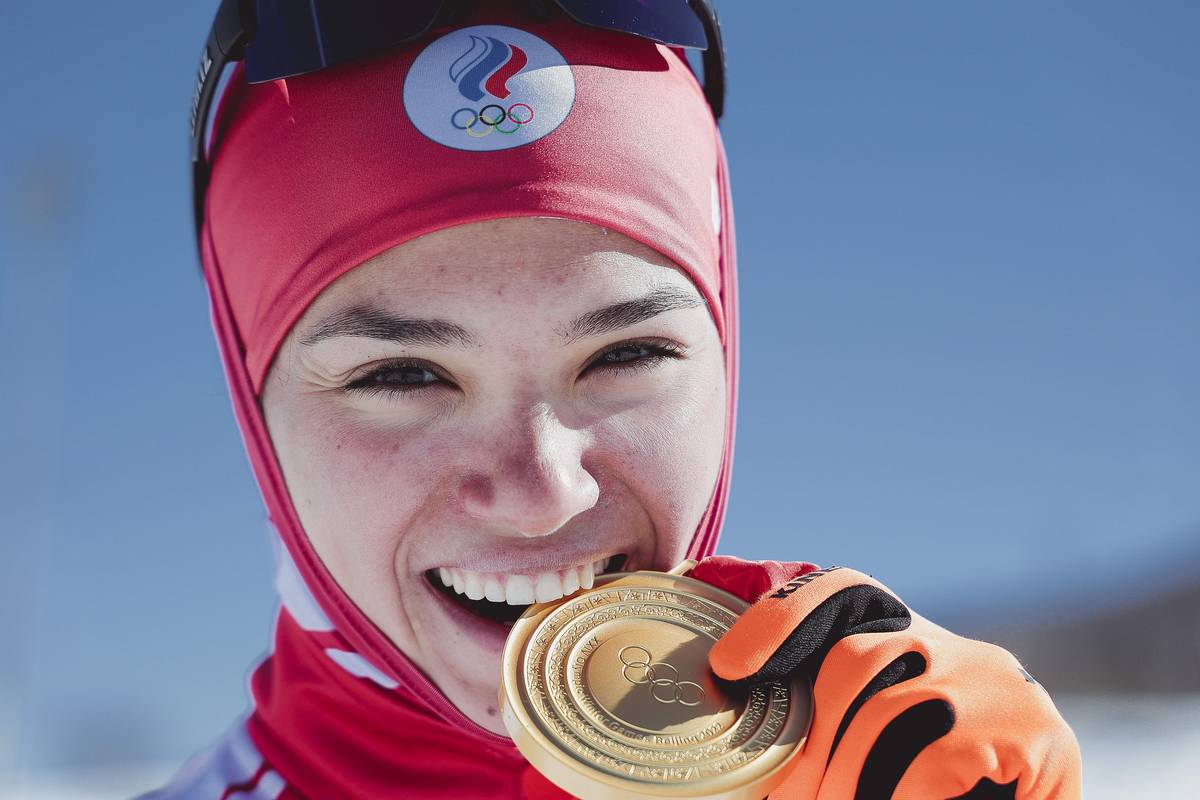
    Veronika Stepanova flexes with her Olympic relay gold medal during the 2022 Games in Zhangjiakou, CHN. (Photo: NordicFocus)

    Stepanova’s request to compete under a neutral flag rings a little hollow: the Russian ski team is already a little over two years into its four year WADA ban for state sponsored doping that requires it to compete under a neutral flag at championships. 

    A similar neutrality option was offered as a solution to the Russian national soccer team which was due to face Poland in a playoff match for qualification at the FIFA World Cup. Poland rejected the idea saying, “We are not interested in playing this game of appearances.” The Polish refusal to play Russia under any terms helped to force the IOC’s swift decision to recommend banning Russia from all sports. 

    “If doping wounds were quite successfully treated by time, then here the situation is different,” wrote an anonymous Russian blogger. “In fact, government policy has come into direct and insurmountable conflict with the ability to participate in the global sports movement. And now it seems that all this will last for years, if not decades.”

    ***

    Even if Russia were to return to the World Cup next season, it’s unclear that they would be able to operate at the same level as in the past, which has helped to fuel what US Ski Team Coach Matt Whitcomb refers to as a  “waxing arms race” on the World Cup circuit.

    According to Team Manager Elena Vyalbe, funding the Russian ski machine has been a challenge. She reported that the team’s budget in 2020 amounted to around 50 million rubles, roughly $600,000 at the time. According to Markus Cramer, who coached for Russia until this spring, the cost of supporting an athlete over the course of a year is more than $150,000—a figure that calls into question Vyalbe’s statement about the team’s budget.

    However, the Russian funding structure is murky, with much additional regional support to athletes provided by local extraction industries. Vyalbe complained in 2020 that sponsorships were scarce, saying, “No matter how well [Bolshunov] performed last year, we did not have a single new sponsor. God forbid that the current ones do not go away.” 

    In an April 5th interview with Championat, Vyalbe clarified the sources of the team’s funding: “We get most of the funds from the Ministry of Sports, the [Russian Olympic Committee] gives money for some things,” and that sponsorship amounted to “not even tears, but some kind of snot. We have a small budget.”

    The team’s primary sponsorship has come from Lukoil Oil Company since 1997. Whether or not Lukoil will be able to continue to fund Russian skiing remains to be seen. The company reported its highest annual profit in seven years at the same time that its shares plummeted on the London Stock Exchange after the invasion, losing 91% of their value before trading was halted March 3rd. 

    Though the ruble has recovered from its post invasion plummet, inflation in Russia is likely to reach at least 16% this year. That, coupled with uncertainty over the team’s competition status and the dismal prospects for the Russian economy, which is predicted by the IMF to contract 8.5% this year, has the potential to squeeze the team’s budget.

    Individual athletes also find themselves in a difficult position. Brav, the parent company of Swix and Toko, was quick to cancel sponsorship agreements with Russian  athletes, as did Kinetixx gloves. Expressen reported that Swedish ski company SkiGO was maintaining their partnership with Bolshunov, though SkiGO boss Christer Majbäck denied this, saying, “We don’t have any cooperation at all, it’s absolutely impossible. You don’t even have to ask me or SkiGO what we think about the war.”
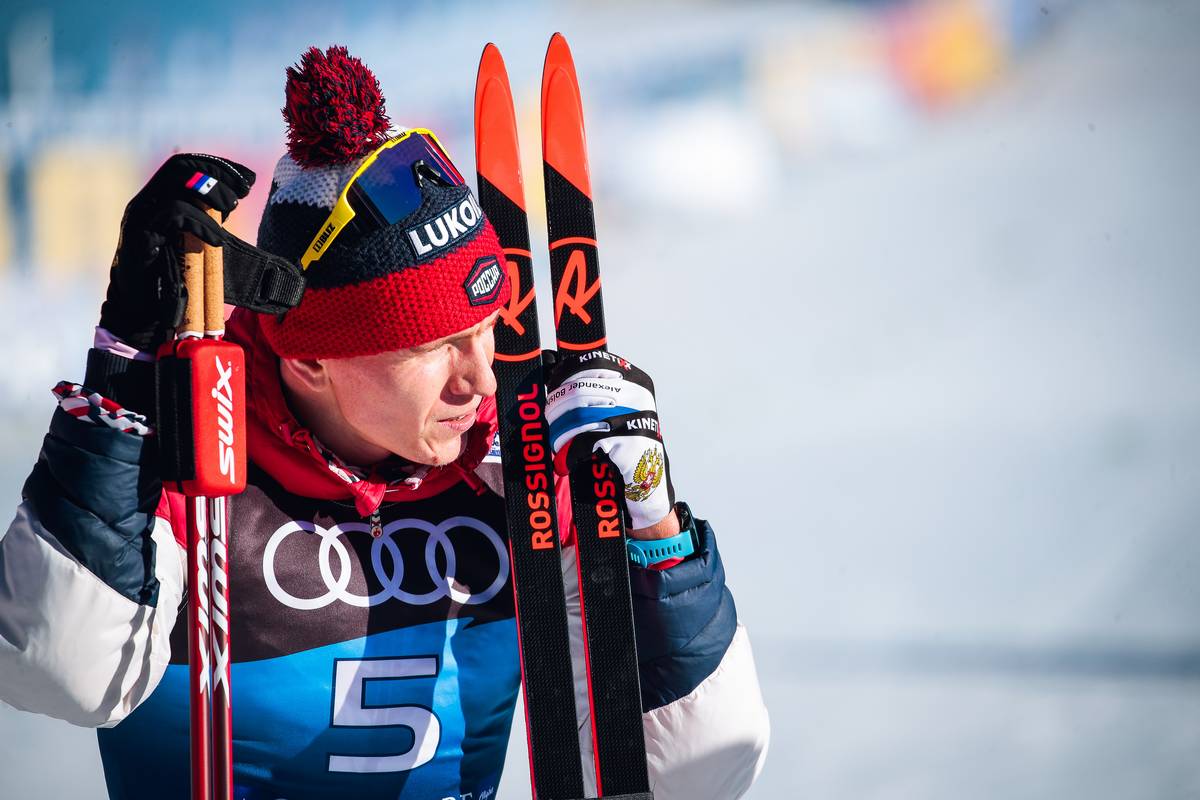
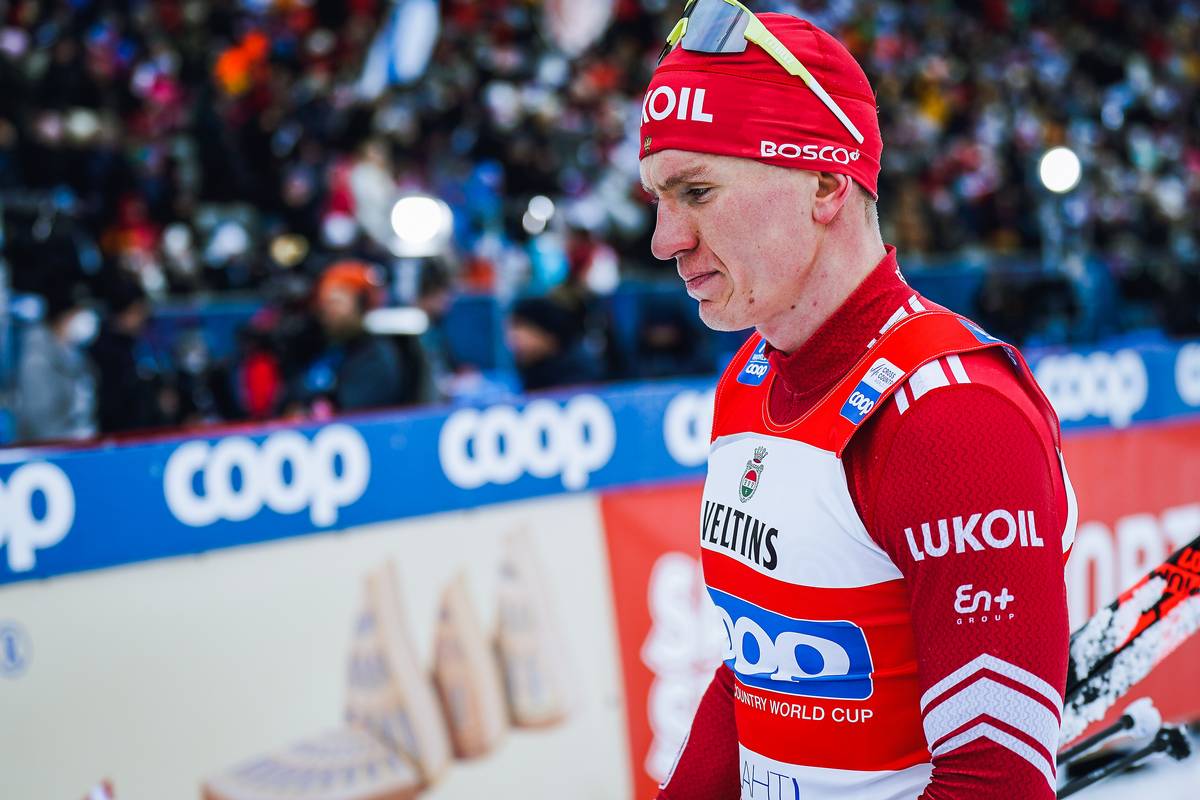
    Alexander Bolshunov observes trailside during the 2021-2022 Tour de Ski in Oberstdorf, Germany. (Photo: NordicFocus)

    Rossignol was standing by Bolshunov until an Instagram photo proved to be too much: not long after Russia was banned, Bolshunov visited a museum and posed for a photo in an old-timey Soviet race suit, captioning the photo “USSR 1980” —which happened to be the year that Soviet Union invaded Afghanistan, though it may also have been a  reference to the 1980 boycott of the Moscow Olympics. In any case, Rossignol demanded Bolshunov remove the photo, which he did, but by the following day Rossignol said it was no longer supporting Russian athletes and removed them from its website. 

    Bolshunov could keep his skis, Rossignol said, but no new skis would be sent to Russia. 

    Similarly Fischer removed Russian athletes from its site. Fischer Communications Director Franz Fottinger wrote in an email, “All our contracts with athletes are based on their participation in World Cup races. If racers are excluded from the World Cup, there is no more basis to fulfill the contract.” 

    ***

    The Russian athletes have not exactly lost their ski partnerships, rather they are suspended until their return to the international circuit. Nevertheless, this has provoked a strong reaction in Russia, with calls to revamp ski production in the country.

    The only significant ski production facility in Russia is the STC factory in Balabovo, around 100 km southwest of Moscow. It employs 350 workers making mostly recreational and kids skis. Whether the factory can be retooled to the demands of making race stock skis is questionable.

    Alexander Pechersky, the head of service for the Russian ski team said that “No matter how optimistic I am, I understand that the process is not fast and it can take at least 4 to 6 years to produce skis of an acceptable competitive level.”

    Pechersky continued, “Miracles do not happen, but I want to try … I still look at this idea with optimism, it is very interesting to deal with it. If things move forward, then the Russian sports market can get a model that, for relatively little money, will cover the needs of at least youth sports.”

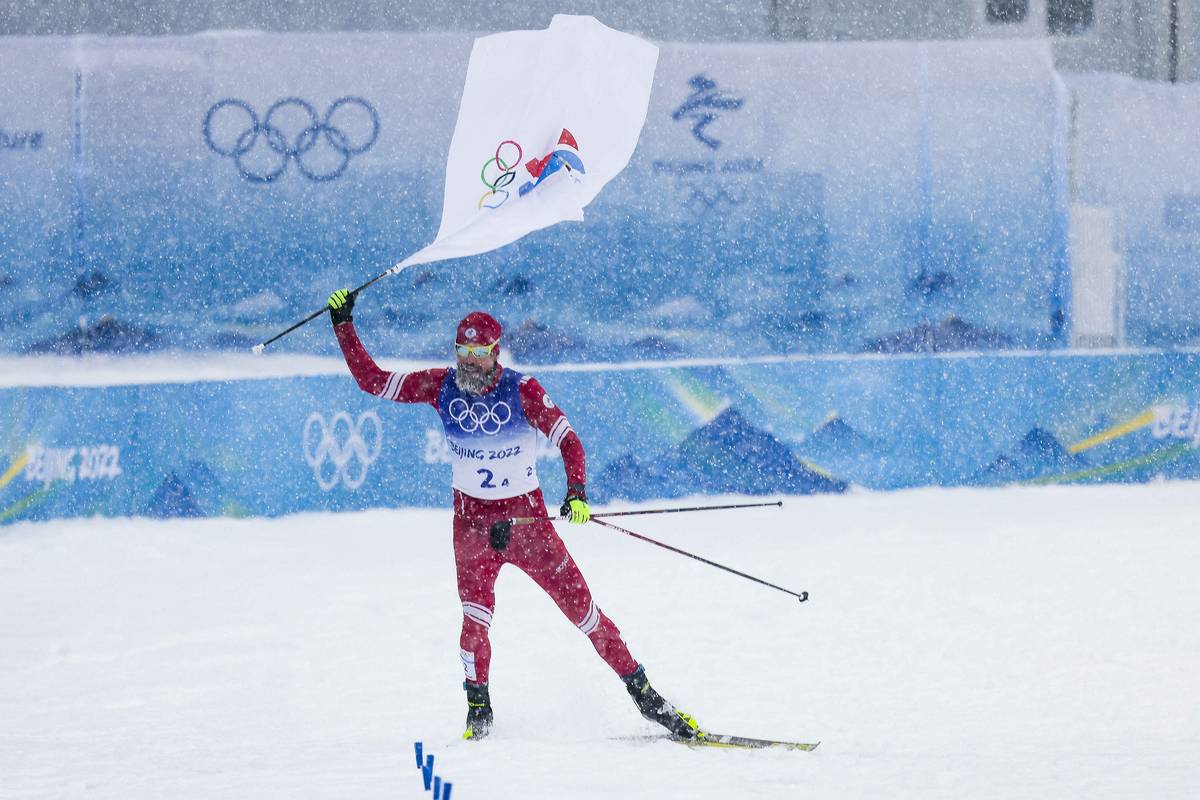
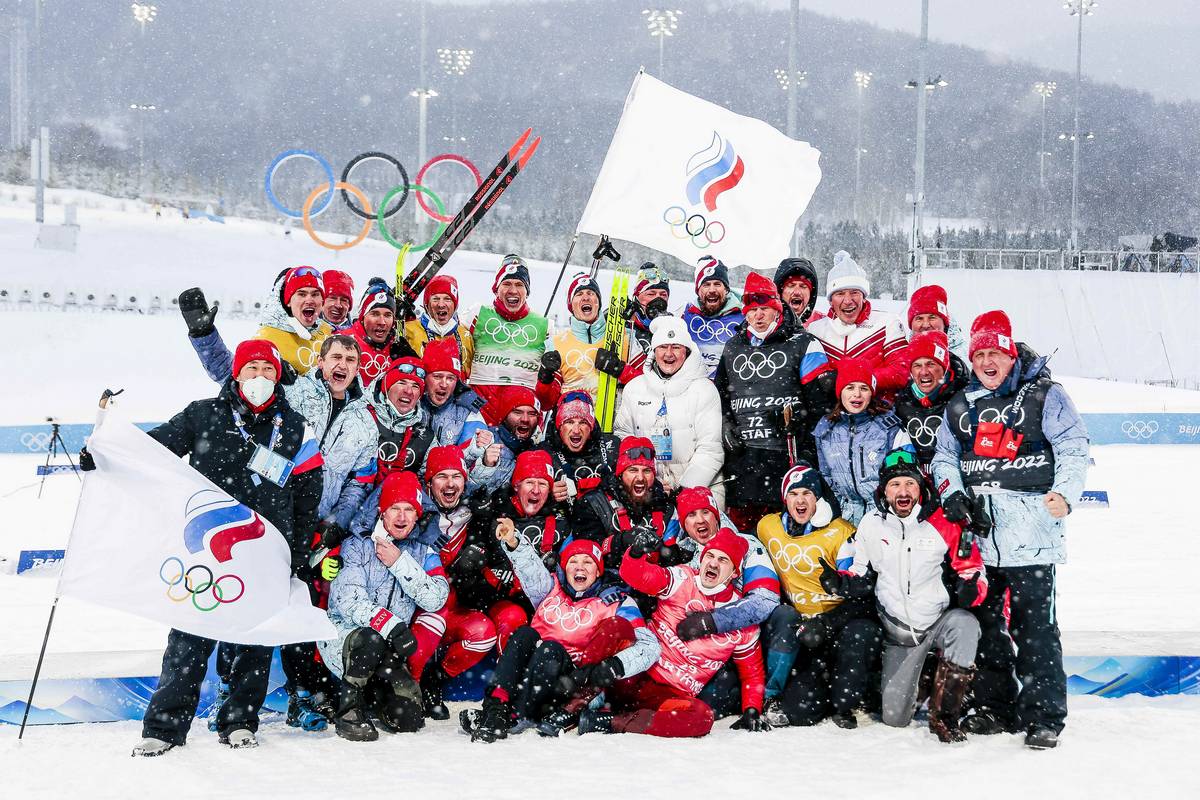
    The Russian Olympic Committee takes gold in the men’s 4 x 10 k relay in Zhangjiakou. (Photo: NordicFocus)

    Despite the public separation between sponsors and Russian athletes, some critical items are still quietly being made available to the team, according to Viktor Golovin, the deputy head of ski service for the Russian national team. “I will not name the companies, Golovin said, “but the Russian team at the start of the summer season is provided with new rollers in full, despite all the restrictions.

    The conflict in Ukraine also threatens to continue to squeeze the international supply of skis. Europe’s largest ski factory is located in Mukachevo, Ukraine and has traditionally produced some 800,000 pairs of cross country skis annually, primarily for Fischer. After a fire destroyed the facility in October of 2020, the factory remained offline for all of 2021 and was rebuilt into a state of the art ski production center. Just as final certification for the factory arrived in early February, the war broke out. 

    The factory’s director, Andriy Ryabich, wrote on his Facebook page on February 26th that “The work of the Fisher-Mukachevo enterprise has been suspended and the majority of the people went to the army in different directions and will defend our city, region and all [of] Ukraine.” 

    With much of the ski factories workforce at war during the critical spring months of ski production, ski shortages could once again factor in next season.

    ***

    For their part, the Russian Ski Federation has ordered the team to prepare with the expectation that they will compete on the World Cup, though their draft schedule indicates the team is planning to stay in Russia through next spring. 

    Curiously, in the face of unprecedented challenges the national team has expanded–to a historically large 46 skier strong team, divided into five training groups. 

    The team was dealt a blow with the departure of Markus Cramer this spring. He will join the Italian national team, though he will continue to coach Ustiugov from afar. 
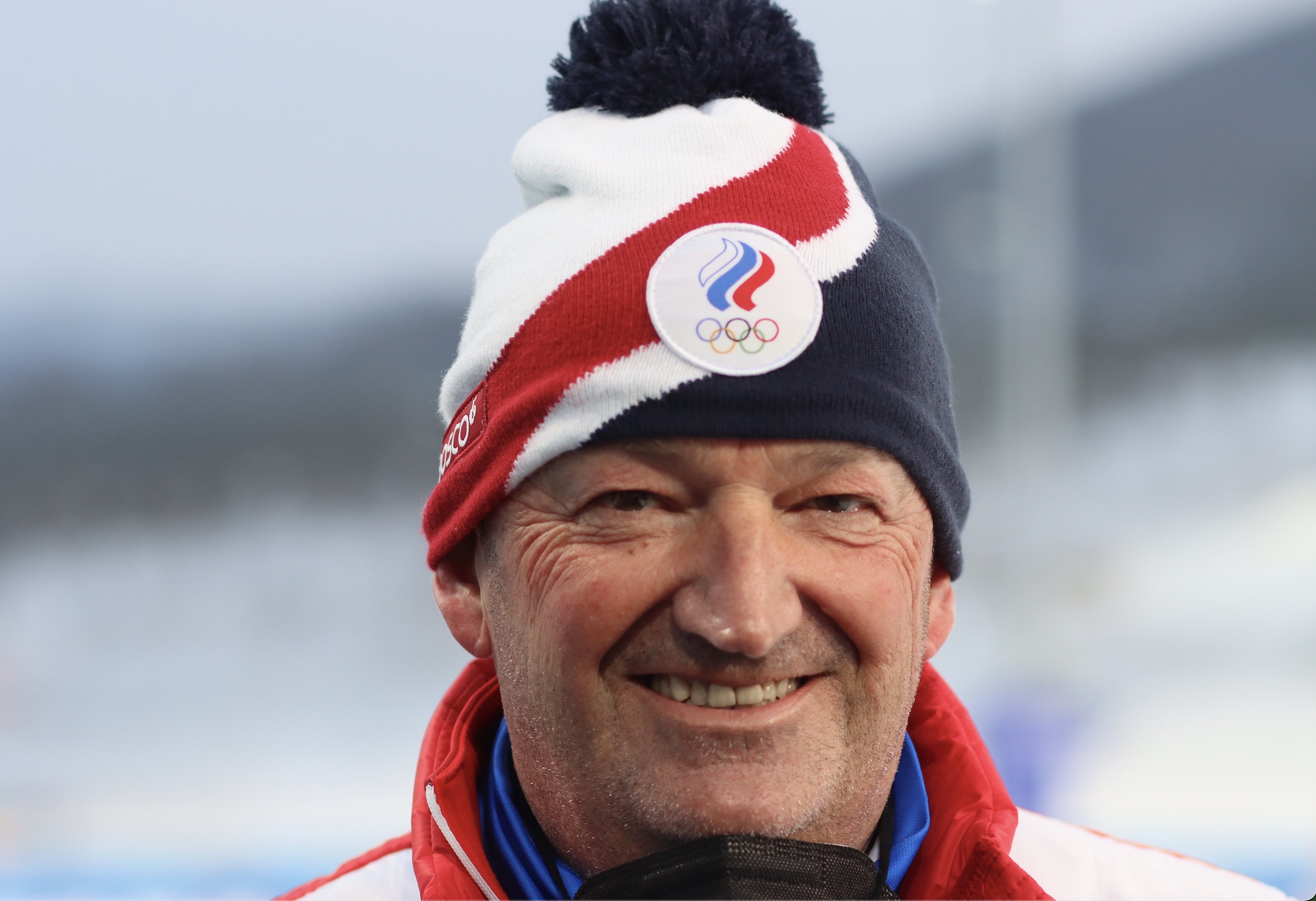
    Former Russian ski coach Markus Cramer joins the Italian National Team for the 2022-23 season. (Photo: Nat Herz / ADN)

    Cramer’s tenure was instrumental in revamping the team’s training methods. Of the five training groups, three are closely tied to his methodologies. Two groups are led by Cramer protégés Egor Sorin and Petr Sedov, and a third by Sorin’s former assistant—Andrey Nutrikhin.

    The group led by Yuri Borodavko—who subscribes to a more Soviet era training philosophy and who was once suspended for doping activities—will add big names such as Yulia Stupak and Ivan Yakimushkin to an already impressive roster that includes Bolshunov and Neprayeva. Unmoved by the political climate, Borodavko’s group will begin the training year on May 15th with a controversial camp in Russian occupied Crimea.
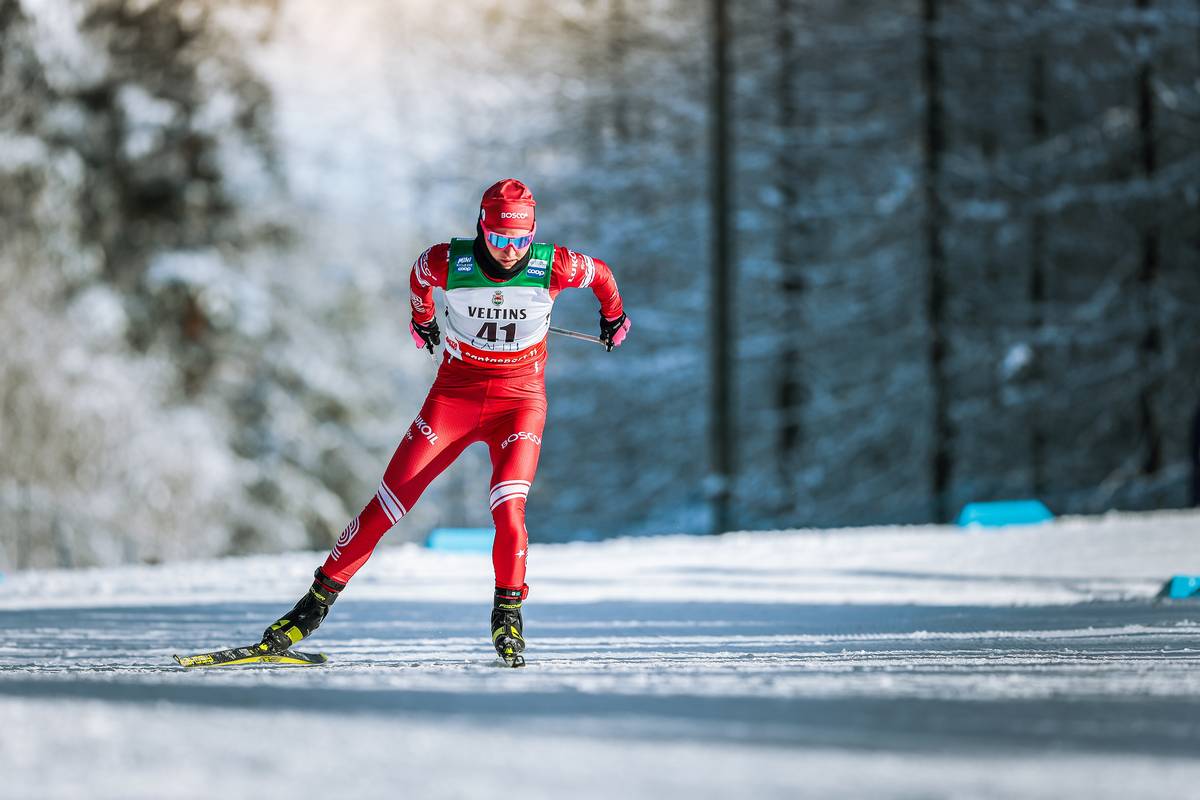
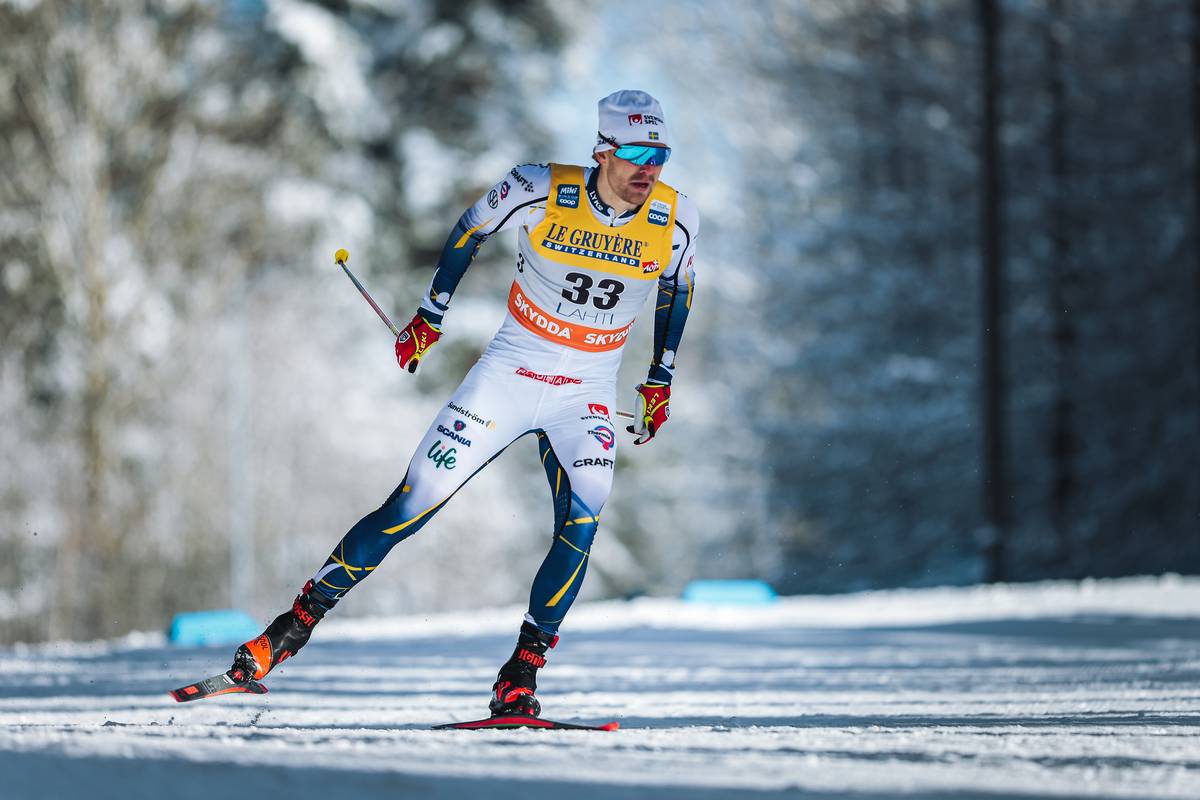
    Yulia Stupak (RUS) races a freestyle sprint qualifier in Lahti, FIN in February 2022. (Photo: NordicFocus)

    A Russian return to the World Cup is complicated by the unusually acidic edge the team has brought to the circuit, with acrimony spilling over into social media trolling and confrontations on the ski course.

    Russian sport media has reacted strongly to the FIS ban by portraying the decision as a Norwegian power move and athletes such as Johannes Høsflot Klæbo who have supported the ban have been subjected to vitriol from Russian officials. Even before the invasion, Russian media has, in the post Sochi era, covered skiing in an increasingly strident and conspiratorial manner, dominated by a narrative of sporting victimhood and Russophobia

    Should Russia remain banned next season, or even longer, their absence may help FIS enact one of the most challenging maneuvers they have undertaken—the transition to fluoro-free racing, which FIS has now committed to enforcing next season. 

    Chris Grover downplayed the idea that Russia’s absence will make the transition easier, writing, “It doesn’t matter so much which nations are present at a given World Cup weekend. We need a testing system that all of the athletes, coaches, technicians and fans can trust.” 

    Fears of an imperfect test for fluoros have been punctuated with not so subtle hints of suspicion aimed at the Russian team. Golovin addressed these concerns, saying, “The Finns told us directly that the Russians are closed, no one knows what they do with skis. I suggested that they come to our wax truck and have a look…Come and see, and there is no need to make unfounded accusations.” 

    Nevertheless, Russia’s absence may lessen unstated distrust on the circuit, and perhaps improve cooperation and tolerance as the ban is enforced.

    To that end, it may be a mistake for FIS to end the ban before next season regardless of whether or not the war in Ukraine ends in the interim. All of the justifications for the ban are likely to continue into next season: security threats to Russian athletes, the Kremlin’s use of skiers for pro-war propaganda, and the inability of Ukrainian skiers engaged in the country’s defense to prepare for next season. Finally, there has been no attempt at reconciliation by Russian skiing toward the wider ski world, with intransigent blaming of Norway for the present situation. In short, Russian skiing has rejected the rest of the ski world and has found itself in the cold. 
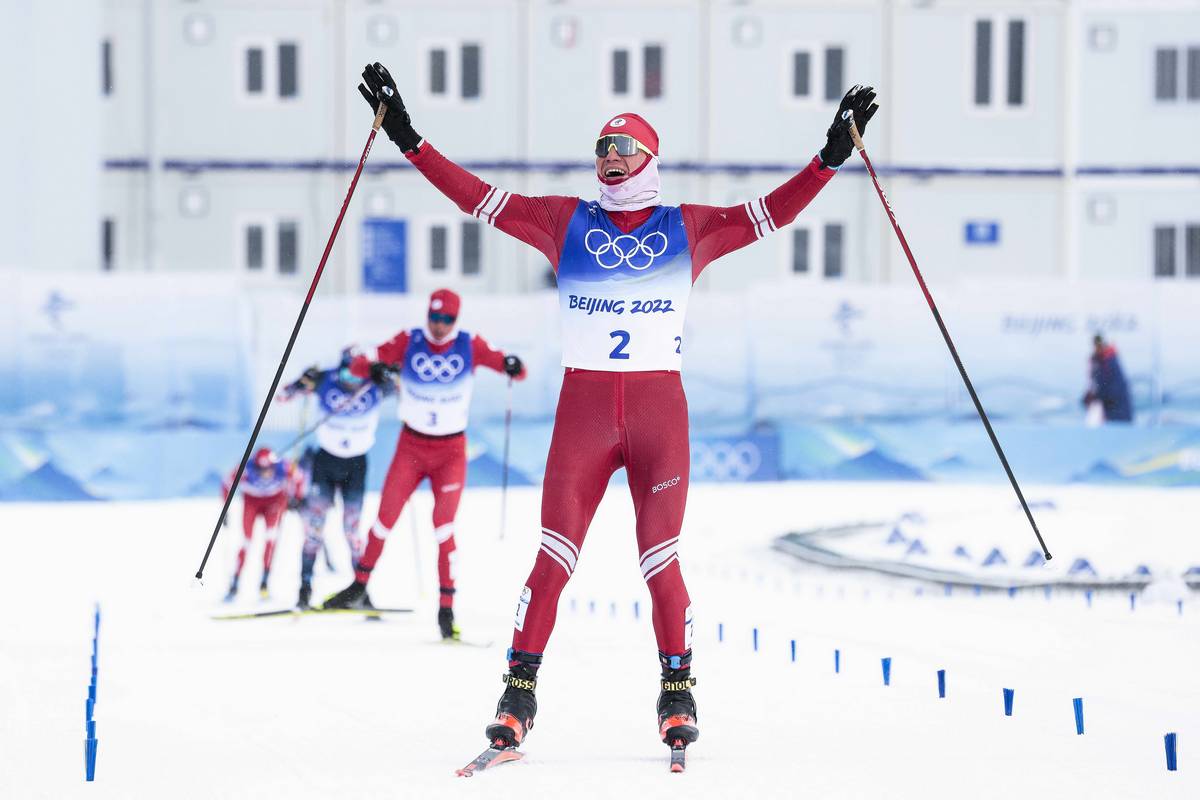
    Alexander Bolshunov takes Olympic gold in the men’s mass start 30 k, shortened from 50 k due to temperatures and extreme wind. (Photo: NordicFocus)

    As Ulvang pointed out, skiing cannot be separated from society. 

    It’s very important that we split [distinctions] between the sanction against a nation and the sanction against the Putin regime,” Ulvang told FasterSkier reporter Nat Herz in March. “I hope I’m still friends with the athletes and that we’re able to split between a reaction against the regime. It’s nothing personal. In the big picture we are all repping our nations and our regimes. We need legitimacy from society to exist. We need public money [for] our training facilities and to make tracks and courses and we need support.” 

  • Cross-Country Skiing Mulls a Long Term Future Without Russia (Part 2)

    Cross-Country Skiing Mulls a Long Term Future Without Russia (Part 2)

    Click here to read part 1 of this series, which takes a look at international news surrounding the Russian athlete ban through the spring. For how these bans have impacted a broader cross-section of the sporting world and analysis of the complex questions surrounding whether Russian athletes should be able to compete, check out this recent Sports Illustrated article by Michael Rosenberg.


    Concerns over both fair play and propaganda have been tied to the necessity of the ban on Russian athletes. Yet ultimately the reason given by FIS for the ban was to “ensure the safety and security of all athletes”. This wording removed any political connotations, and was criticized for its weak stance that failed to condemn the war in Ukraine. 

    Natalia Nepryaeva slides for the heat win during a sprint stage of the 2021-2022 Tour de Ski in Oberstdorf, GER. (Photo: NordicFocus)

    Still, there were real concerns over the safety of the Russian athletes at European races. On March 1st, due to threats, the organizer of the World Junior Championships for jumping moved the Russian contingent out of their hotel in downtown Zakopane, Poland with the aid of 200 police officers. In Norway, Neprayeva reported being threatened in the team’s hotel in Oslo, and the Norwegian Ski Association was flooded with messages insinuating that if the Russian athletes started a race they would not finish.

    “[The] FIS followed the IOC decision and based [the ban] on security,” Ulvang said in a call in March with FasterSkier reporter Nat Herz. “This has also become a legal case because Russia has taken this to CAS [The Court of Arbitration for Sport].”

    While the FIS cited athlete security for the ban, the Federation took their cue from the IOC which recommended banning Russia due to the violation of the Olympic truce. This historical agreement, presented at the UN prior to the start of the Games, calls for the “cessation of hostilities” surrounding the Games, incorporating the Olympic values of sportsmanship and unity “with a view to protecting, as far as possible, the interests of the athletes and sport in general, and to harness the power of sport to promote peace, dialogue and reconciliation more broadly.” 

    Russia’s invasion of Ukraine on February 24th, 2022 violated the agreement, co-sponsored by the Russian Olympic Federation, to abide by the truce from February 4th through March 20th, surrounding both the Olympic and Paralympic Games in China.

    “We will see,” continued Ulvang, “whether this is within the overall statutes of sport or FIS actually, because our rules are not made for such special things. This is a very, very special circumstance. I have spoken to many lawyers who think this is an interesting question.”

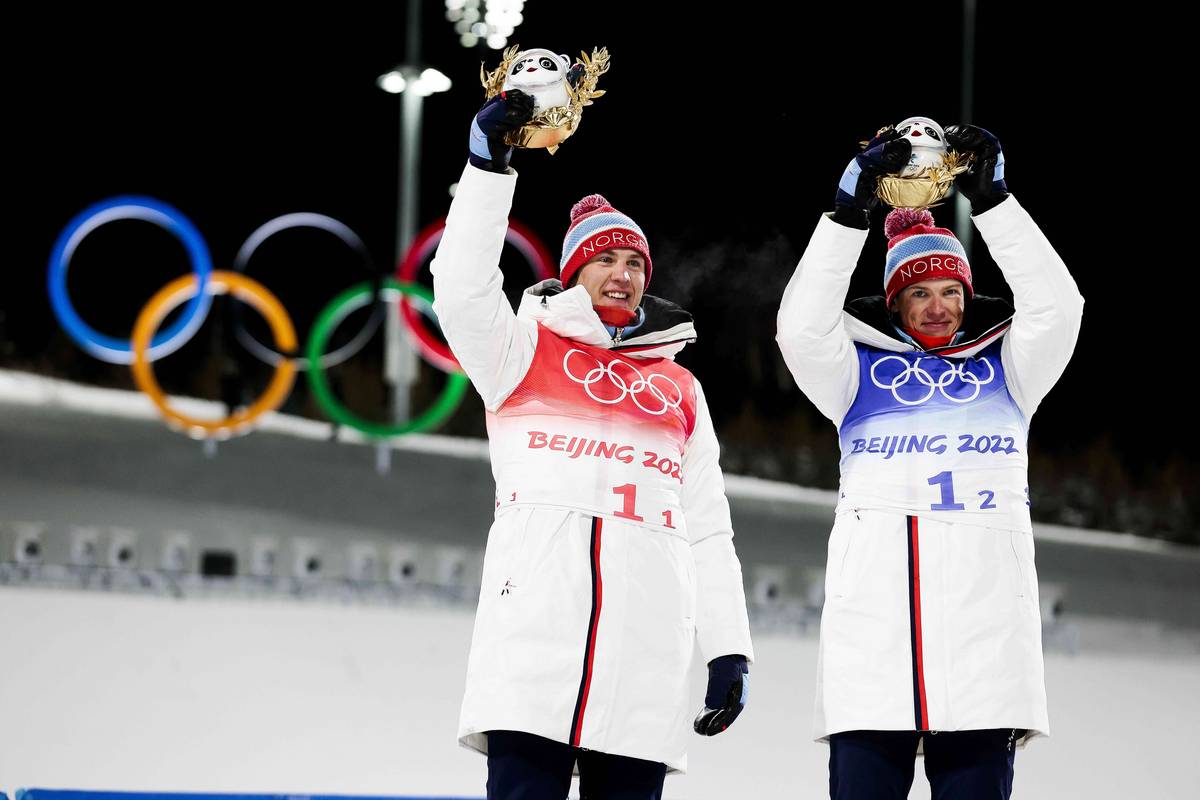
    Waving the flag for the Russian Olympic Committee, Sergey Ustiugov brings home a win in the men’s 4 x 10 k Olympic relay. (Photo: NordicFocus)

    Russia has pursued aggressive appeals of bans in a variety of sports, though with exception of Luge, largely without success. On May 21st, Vyalbe conceded that after consultations with lawyers, the Russian Ski Federation would not appeal the ban in CAS, saying, “We won’t win.”

    An anonymous Russian blogger examined the legal considerations of banning Russia, and found that while the IOC had operated outside of its normal boundaries to call for a blanket ban, it had done so out of the special circumstances. Previously, it was the UN that called for athletic exclusions, such as that of Serbia during the siege of Sarajevo.

    In this case, with Russia being a permanent member of the UN Security Council, any resolution could be unilaterally vetoed by the country, so in turn the burden fell to the 

    IOC to take an action that was theoretically beyond its scope—though roughly in keeping with previous cases.  

    For Russia, there is no easy recourse for dealing with sporting sanctions. Unlike economic ones, they do not inflict mutual pain and any victories achieved in the sport courts could easily be undermined by canceled visas or boycotts. 

    Yet a sustained ban on Russian athletes is likely to reshape skiing in a number of ways, beginning with the sport’s media position. Russia now comprises the largest audience for cross country skiing, averaging 1.5 million per World Cup race and accounting for at least a third of the sport’s total audience. 

    After Russia was banned this spring, Match!TV—a large Russian public broadcaster— pulled coverage of all international ski races and redirected its energies toward covering domestic competitions where it is likely to remain focused until Russian athletes return to the World Cup. 

    Compounding the difficulties of that loss will be the continued transfer of ski racing from public TV in Norway, Sweden, and Finland to streaming service Viaplay, which charges a hefty subscription fee—as much as €40/month in Finland. 

    Traditionally, public broadcasts in the Nordic countries accounted for half of skiing’s total audience. In 2020/21 that share fell to a third, in part because of Covid restrictions that kept their teams at home. Norway especially tuned out, with a 55% reduction in viewers, and numbers in Sweden, Finland, and Germany also declined. 

    Offsetting this loss has been Russia, whose star skiers have propelled coverage of the World Cup from subscription channels to public TV in their country, boosting domestic viewership in 2020/21 by 600%.

    The men’s 4 x 10 k Olympic relay podium: the Russian Olympic Committee (ROC) came out on top ahead of Norway in second and France in third. (Photo: NordicFocus)

    While last season’s viewership numbers have not yet been published by FIS, during Period 1 of the World Cup last season, VG found that the races shown on Viaplay averaged far fewer viewers than would be typical for an NRK broadcast. 

    Should broadcasting continue to sustain a loss of 40% of its audience in the Nordic countries while also losing the majority of Russian viewers, the sport may find itself in crisis, as sponsors balk at paying for low return advertising. Still, it may be too soon to write Viaplay off completely—the service recorded more than a million Swedish viewers tuning in to the World Cup weekend in Lillehammer. 

    As a whole, FIS cross country skiing has struggled to hold its audience, and losses in some regions have been more than offset by the recent tide of Russian viewers.

    While Russian viewership is huge, most sponsors of the FIS World Cup are not particularly oriented toward Russia. Coop—the title sponsor of the Cross Country World Cup—is a Norwegian grocery chain. Coop early on sided with the Norwegian Ski Association in calling for the exclusion of Russian skiers. Many other sponsors have no business in Russia, and some, like Audi, have halted operations there. 

    Despite the €29 million that Russian viewership is estimated to be worth to sponsors, the audience may hold little allure, perhaps because of the average Russian’s low purchasing power. In 2021 the average Russian made around 40,000 rubles annually, or about $6,400. Now, with many western businesses pulling out of Russia, there is even less value placed on reaching Russian fans. 

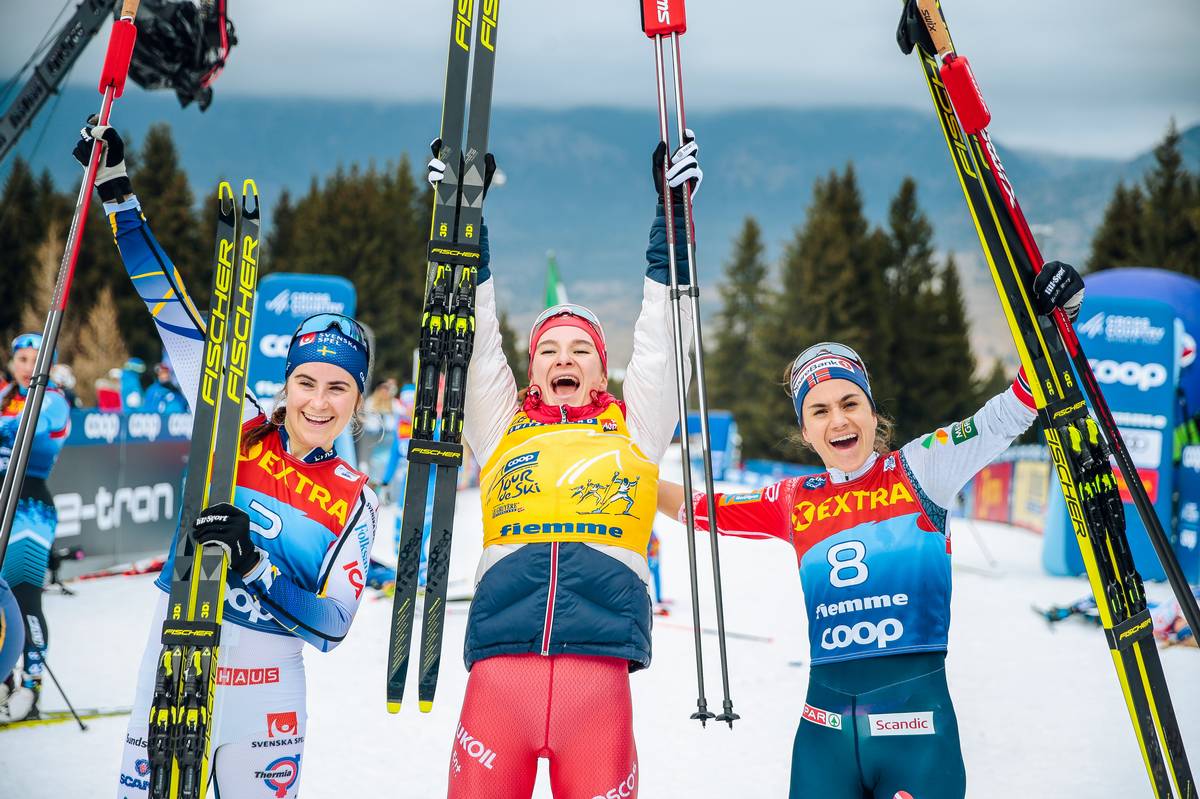
    The women’s overall podium of the 2021-2022 Tour de Ski: Natalia Nepryaeva (RUS) was the overall champion ahead of Ebba Andersson (SWE) in second and Heidi Weng (NOR) in third. (Photo: NordicFocus)

    For sponsors, the Russian exclusion may ultimately be beneficial. Germany, and Central Europe in general, are a core market for skiing—a market which has been drying up in an era of poor performances by the region’s skiers. 

    With the German women winning gold at the Olympics and the retirement of the dominant force in distance racing, Norway’s Therese Johaug, the opportunities for success of sidelined countries could become plentiful on the women’s side with the additional absence of Russia.

    On the men’s side of skiing, though Norway remains poised to dominate, a potential lack of a Russian team would create significant podium opportunities for up-and-coming American, Canadian, French, German, and Czech athletes. In recent seasons the rivalry between Norway and Russia has consumed almost three quarters of the World Cup podiums. The long term absence of Russia could allow the podium of men’s skiing to once again take on a broader flavor. 

    Chris Grover, U.S. Ski & Snowboard Cross Country Program Director, clarified that a continued ban on Russian athletes wouldn’t change the quota system, writing, “We’ll have the same number of athletes starting each race. Obviously, Russia has a lot of the top performers, so there will be more opportunities for many other nations to secure podiums, gather World Cup prize money and points, and improve Red Group standing.”

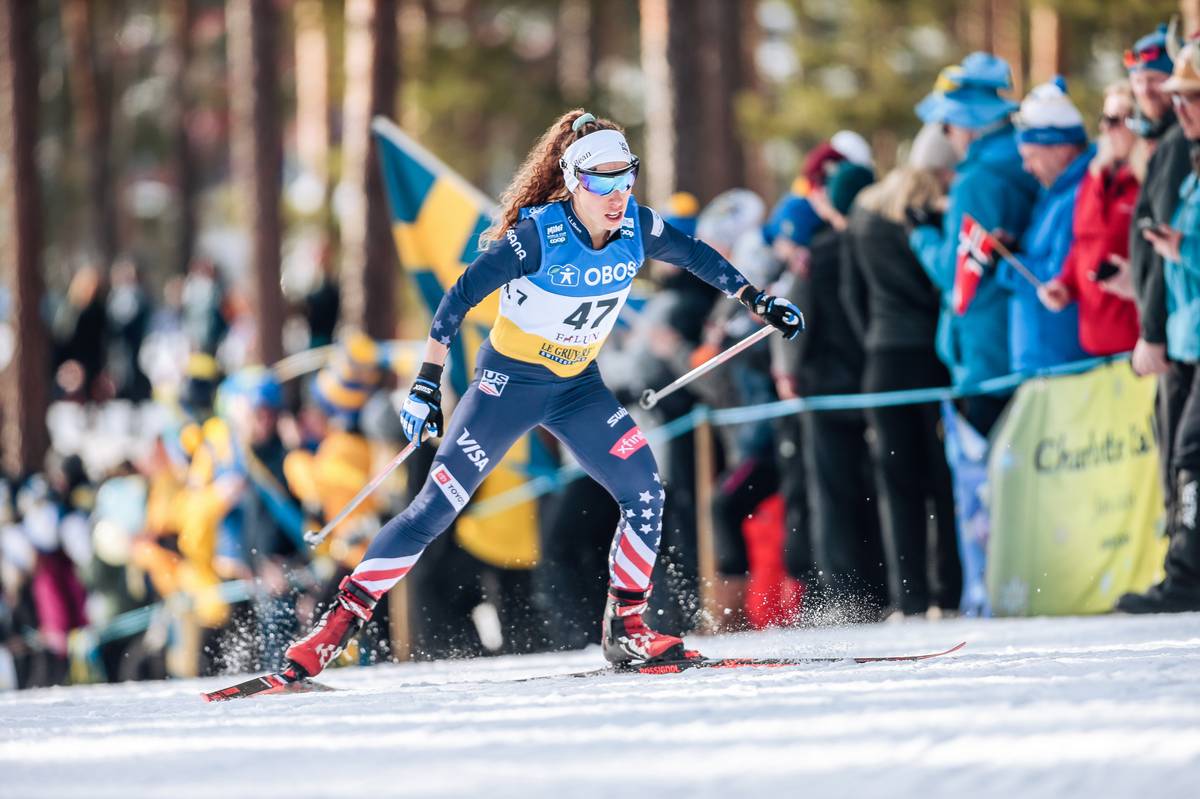
    Julia Kern leads the way in the first leg of the 4 x 5 k mixed relay in Falun, SWE in Mar. 2022. (Photo: NordicFocus)

    All told, the changes that skiing will endure if Russia remains banned through next season may not be as dire as Russian sporting officials have suggested. 

    “The tired rhetoric that world sport will not be able to fully develop without Russia does not seem to inspire the speakers themselves anymore,” wrote the anonymous blogger. “It is no coincidence that you can already hear talk about alternative tournaments, leagues, and other ways of self-reliant development.” 

    The alternative for Russian skiing is to try to create its own circuit among friendly nations. To date, Russian skiing has only managed to solidify a sporting partnership with Belarus, via a cooperative agreement signed in May.

    Stay tuned for Part 3, which considers historic athlete bans, and barriers the Russian program face to keep their program operating in the interim.

  • Cross-Country Skiing Mulls a Long Term Future Without Russia (Part 1)

    Cross-Country Skiing Mulls a Long Term Future Without Russia (Part 1)

    Alexander Bolshunov takes fifth in his final World Cup race of the 2021/2022 season, a 15 k classic in Lahti, FIN. (Photo: NordicFocus)

    With Russian athletes banned from all FIS competitions, and no end in sight for the war in Ukraine, there is a growing belief that Russian skiers are unlikely to rejoin the World Cup next season. 

    Some commentators have gone further, proclaiming that we have seen the last of Bolshunov, Neprayeva, and the rest of the Russian team on the international stage. The pessimism is rooted in the history of similar bans—which tend to be long lived—and the uncertainty over what circumstances would allow for the Russians to rejoin. 

    Will the ban end when Ukrainian athletes can return fully to competition? That may not be possible until long after the end of the conflict. Perhaps a negotiated peace settlement? That possibility could still create discontent with athletes such as Bolshunov being used to fuel propaganda at home. Does the ban require the Putin regime to end? That could be a distant future. 

    “I expect that this situation will last as long as the conflict is unsolved,” said Vegard  Ulvang, the outgoing chairman of the FIS Cross Country Committee, “but that’s of course up to the FIS Council or IOC.” 

    Ulvang was outspoken in calling for the Russian exclusion from the Norwegian hosted World Cup events this spring. Ulvang said in a call, “We have a fairness rule in FIS that there should be equal opportunities. When one nation cannot compete because they have to go home to defend their country, and the attacking country is racing, that’s not nice.”

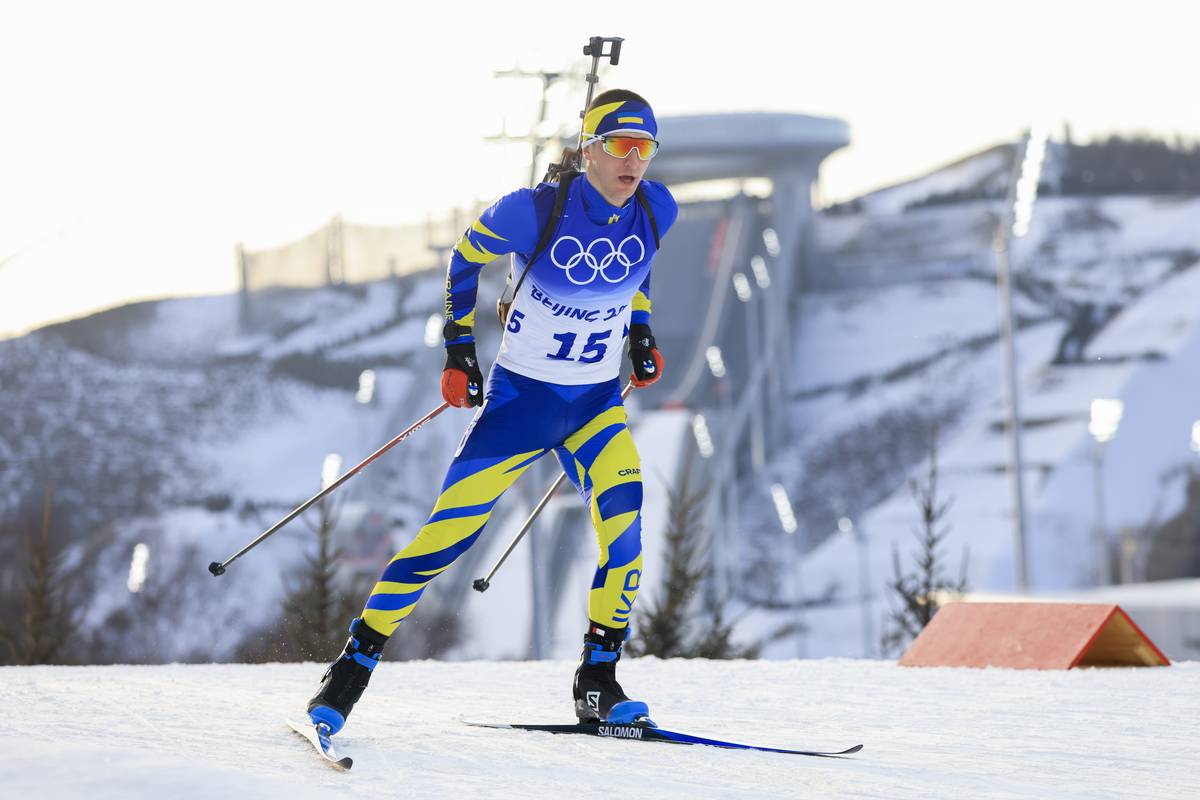
    Ukrainian biathlete Dmytro Pidruchnyi competes in an Olympic sprint during the 2022 Games, shortly before being called into military service to protect his country amidst Russian invasion. (Photo: NordicFocus)

    Ulvang’s point is underscored by the Ukrainian athletes now fighting on the front lines, with many called up just days after returning from the Beijing Olympics. Among the Olympians taking up arms was Dmytro Pidruchnyi, a biathlete who has won gold in the World Championships. The danger faced by the athletes defending their country was made clear early on in the conflict with the tragic loss of nineteen year old biathlete Yevhen Malyshev, who was killed defending Kharkiv on February 26th. 

    Another explanation for the ban was that it would help send a message to everyday Russians and deprive the state of a propaganda tool. 

    The charge that athletes were being used for propaganda purposes was confirmed during Russian President Vladimir Putin’s March 16th pro-war rally in Moscow. The event, titled “For a World Without Nazism” was MC’d by longtime biathlon TV commentator Dmitry Guberniev. Stars of the Beijing Olympics—including Alexander Bolshunov—were trotted out in front of the (reportedly) 100,000 strong audience in the Luzhniki stadium. 

    Questions remain about whether the athletes attended of their own accord, and there has been speculation about whether Bolshunov’s decision not to wear a letter Z pin on the stage—a pro-war symbol—reflected an ambivalent attitude to the conflict now raging near his home. 

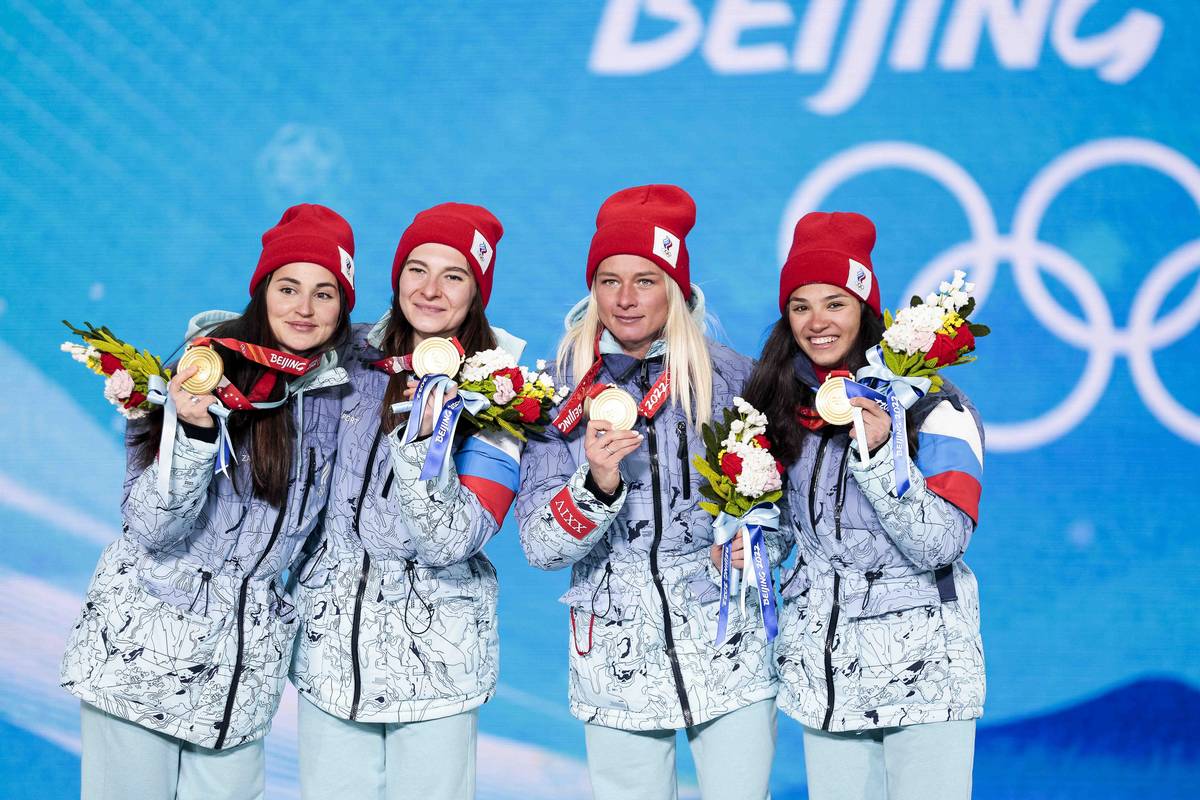
    The women representing the Russian Olympic Committee strike gold in the 4 x 5 k relay. From left to right, Yulia Stupak, Natalia Nepryaeva, Tatiana Sorina, and Veronika Stepanova. (Photo: NordicFocus)

    On April 26th, a host of Olympic heroes were called to receive state awards by Vladimir Putin in a ceremony that required the athletes to quarantine prior to the visit. Putin congratulated the skiers, sayingFirst of all, I would like to note the long-awaited victories in the relay race…We have not had a simultaneous victory of both the women’s and men’s teams for exactly half a century. This is a big result.”

    A few notable Russian stars missed the Kremlin occasion: Bolshunov for dental surgery, Neprayeva because she arrived to quarantine sick, and Ustiugov because his wife had recently given birth. 

    Bolshunov’s absence at the event stirred further speculation that he had intentionally scheduled the surgery to avoid the ceremony, and with it the possibility of a personal ban set against him by FIS, much as FINA – the International Swimming Federation – did by banning Yevgeny Rylov for nine months after he stood next to Bolshunov at the March 16th rally.

    Elena Vyalbe, who heads the Russian Ski Federation, manages the national team, and sits on the FIS council, dismissed this speculation, saying, “Who wrote that Alexander [Bolshunov] refused? I already spoke about this…He was scheduled for surgery on the 24th [of April].”

    However, during the Olympics Bolshunov made it clear he dreaded the idea of the quarantine required to meet Putin, saying, “If they put me in jail forcibly, I’ll run away in two hours. I can’t just take it and throw 10-14 days out of my life. It’s unrealistic.”

    During the Kremlin ceremony, Putin singled out the missing Bolshunov for special praise: “I note that Alexander Bolshunov has collected a solid collection of awards in Beijing,” Putin said.Everyone knows this well. He has three gold, silver and bronze medals. And the absolutely well-deserved symbolic title of king of skis.”

    Alexander Bolshunov displays four of the five Olympic medals he collected in Beijing, bringing his career total to nine medals earned over two Olympic Games. (Photo: NordicFocus)

    The political significance of the event, which was delayed due to the war in Ukraine, was not lost on anyone. Veronika Stepanova, the upcoming ski star from Kamchatka seized the moment to make a splash.

    Addressing Putin and the Kremlin audience, Stepanova said, I am the same age as the century—I was born in January, 2001. Before my very eyes, Russia has again become strong, proud, and successful. Not everyone in the world likes it. It is obvious. But we are on the right track. And we will definitely win, as we won at the Olympics.”

    The overt statement of support from Stepanova far exceeded expectations of decorum that called for perfunctory public speaking at most. That Stepanova would jeopardize a burgeoning ski career for a soundbite even shocked Russian commentators who speculated that the 21 year old was positioning herself for a transition to politics. For her part, Stepanova responded saying, “Negative consequences for my international career? They don’t scare [me].”

    Far from distancing herself from the comments, Stepanova has brashly doubled down, saying, “Was I nervous when I spoke at the meeting with Putin? You have to believe in what you say. The presence of the president does not confuse or frighten, on the contrary, it energizes. You feel tremendous confidence next to him, you feel a special energy.”

    Stepanova’s words have reverberated as she has gained a following in the west: outgoing and fluent in English, as well as adept at social media, many fans as well as fellow competitors felt they could relate easily to her. 

    Helene Marie Fossesholm of Norway was one such skier that enjoyed a friendly rapport with Stepanova off the ski trails. In the wake of her Kremlin speech, Fossesholm told NRK she was uncertain of how the friendship would continue, saying, “I can not answer that until I have experienced it. But it is clear that it will not be forgotten, at all.”

    Flooded with foreign media requests to explain herself, Stepanova responded via her Instagram page, writing “I have an answer to [Western journalists]: Did you expect anything else from me? Just because I smile, speak a little English and am almost always ready for some nonsense, does that make me ‘another type of Russian?’ The peak of naivety!”

    21-year-old Veronika Stepanova anchored the Russian gold medal winning women’s 4 x 5 k Olympic relay team during the 2022 Beijing Winter Games. (Photo: NordicFocus)

    Vyalbe has been among Stepanova’s detractors this spring, criticizing her by saying that she may be suffering from “star disease” and that “now she is not an athlete, but a patriotic blogger.” For the head of Russian skiing, Stepanova has become irksome. “My senior leaders ask me questions about her,” Vyalbe told Championat, “and I feel ashamed and unpleasant.”

    For her part, Vyalbe faced pressure in her bid to remain on the FIS council, after the Ski Federations of Poland, Finland, and Sweden moved to bar her from running for reelection at the FIS Congress on May 26th. FIS, however, allowed Vyalbe’s candidacy.

    In allowing Vyalbe to run, FIS may have looked at the difficulties endured by the International Luge Federation (FIL). In early March FIL had voted to ban Russia in much the same manner as FIS, though Luge went a step further—voting in favor of expelling elected officials from Russia. 

    In April, Russia won their appeal in the FIL’s own Court of Arbitration, and saw the ban removed on the grounds that they were—according to the Russian Luge Federation—”dictated solely by political motives and had no legal grounds for adoption”.

    For FIS, the Luge ruling was likely a reminder that barring Vyalbe from running could run afoul of their own laws against politically motivated rulings. 

    Apart from from the symbolism of being Russia’s representative to FIS, Vyalbe had escalated tensions in the ski world by laying the blame for the ban squarely on the shoulders of Norway’s FIS representatives—Erik Røste, the head of the Norwegian Ski Federation and FIS councilor, and Vegard Ulvang, the outgoing chairman of the FIS cross country skiing committee. 

    In response, Røste said, “Norway will not vote for Russia because of the terrible things happening in Ukraine.”

    The Vyalbe election saga has proven to be a tender subject for Russian commentators. When Swedish skier Markus Grate commented that “There is no possibility that Vyalbe will remain on the council,” biathlon TV commentator Guberniev declared that if Grate was suggesting that Vyalbe be excluded on the basis of her nationality, then “he is a Nazi, these are the words of a Nazi.”

    Marcus Grate (SWE) races a freestyle sprint qualifier in in February 2022 in Lahti. (Photo: NordicFocus)

    In any case, Vyalbe lost the election on May 26th at the FIS Congress—finishing last. “In this situation, it was expected,” Vyalbe said. “There was a letter from the Ukrainian Federation, which says that everything should be politicized.” 

    With Vyalbe out of the FIS council, Russian skiing will likely recede further into seclusion. 

    Stay tuned for parts 2 and 3 of this series, which will be released over the next week. 

  • A PT in Sweden: Pandemic, War, or Plague of Locusts?

    A PT in Sweden: Pandemic, War, or Plague of Locusts?

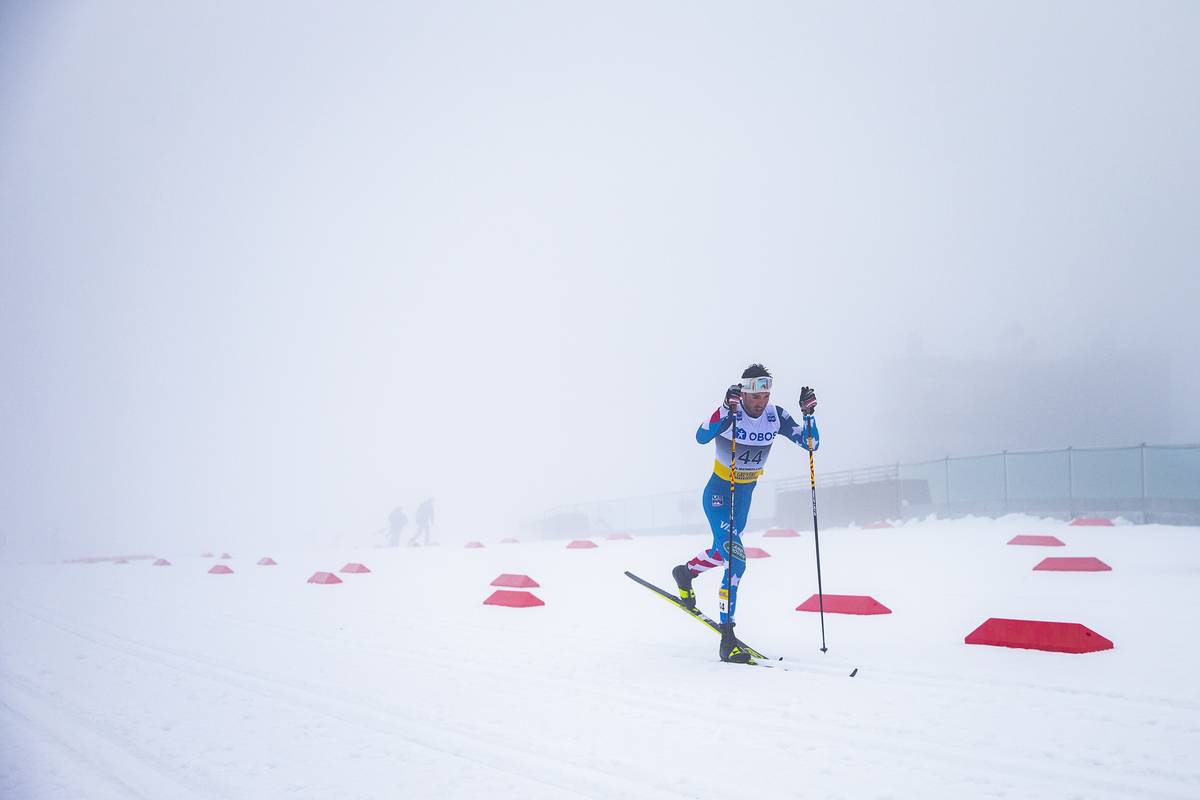
    Ian Torchia (SMS T2) races through dense fog at the 50 k classic at Holmenkollen in March, 2020. (Photo: NordicFocus)

    Click here to read an account of physical therapist Ned Dowling’s first stint overseas with the US Ski Team in March, 2020.

    Holmenkollen, Norway. March 8, 2020 – Men’s 50k Classic World Cup. 33 degrees and raining. The ski jump was engulfed in clouds. Spectators were forbidden from attending the Super Bowl of cross country skiing due to the impending COVID pandemic. My first stint as a physical therapist traveling with the US Ski Team was ending in an Oslo fog.

    Salt Lake City, Utah. Late March, 2020 – Buzz kill. In the week following my return from Norway, my son’s school was closed, my clinic was closed, people were fighting over toilet paper and hand sanitizer. It was the end of the world as we knew it. And we didn’t feel fine.

    July 6, 2021 – I received an email from Chris Grover asking if I could travel with the ski team again in 2022. We were amidst the calm before the storm. People were getting vaccinated. COVID cases were dropping. We went on vacation. Delta had not yet jumped out from behind the grim reaper. The light at the end of the tunnel was getting brighter and brighter.

    I had declined an offer to travel the previous winter. I knew I couldn’t get permission from either the boss at work or the boss at home. And I sure couldn’t tell my kid, who was still doing school remotely, “You keep up with those classes on Zoom while Daddy is off to Europe.”

    But now things were looking up. By the time I’d be overseas in March, the COVID thing would be a distant memory. Hell yes! Sign me up Chris.

    Rosie Frankowski races the 10 k freestyle in Falun, Sweden in March 2022. (Photo: NordicFocus)

    Summer, Fall, Winter – We all know what happened next. The light at the end of the tunnel was an oncoming train and the shit hit the fan. Lots of shit hit lots of fans. First, the Delta variant, then Omicron. Through all of that, I did my best to stay optimistic about my opportunity to work the last two weekends of World Cup races in Falun, Sweden and Tyumen, Russia. 

    Falun was a bit of a known entity, or at least easily researched on the internet. The World Cup had been racing there for years. Trail maps showed a good network of tourist tracks (which is a good thing because the race course is no joke). Videos of old races on YouTube showed huge crowds, which were sorely missed at the pre-COVID Holmenkollen. 

    Tyumen, the Pearl of Siberia, was going to be much more of an adventure. Much to my relief, the plan was to have a chartered flight from Stockholm to Russia. I really, really didn’t want to fly (or crash) on a commercial Russian plane. With a lot of digging and Google Translate, I could glean some information about the race venue and its environs. 

    February 9, 2022 – Chris emailed me about getting a Russian visa. He told me to contact someone at the Russian Consulate in Washington: call this guy, do what he says, pay what he says, we’ll reimburse you. The next day I anxiously called Bogdan, to whom I would be entrusting my passport. “You send passport, extra photo, and $250. You complete visa application online and send password for application, so I fix your mistakes. You send postage to mail back.” I had him repeat that three or four times while I nervously scribbled notes to myself. I reminded him that I was flying to Sweden on March 6 and would very much need my passport back by then. “No problem. You get passport.”
    The visa application was nerve racking. Employment history. List of all countries traveled to in the last 5 years. “Have you been trained in firearms, artillery, or nuclear warfare?”

    With sweaty palms and my heart rate in L4, I mailed off my passport and hopefully everything else I was supposed to. Then I waited. 

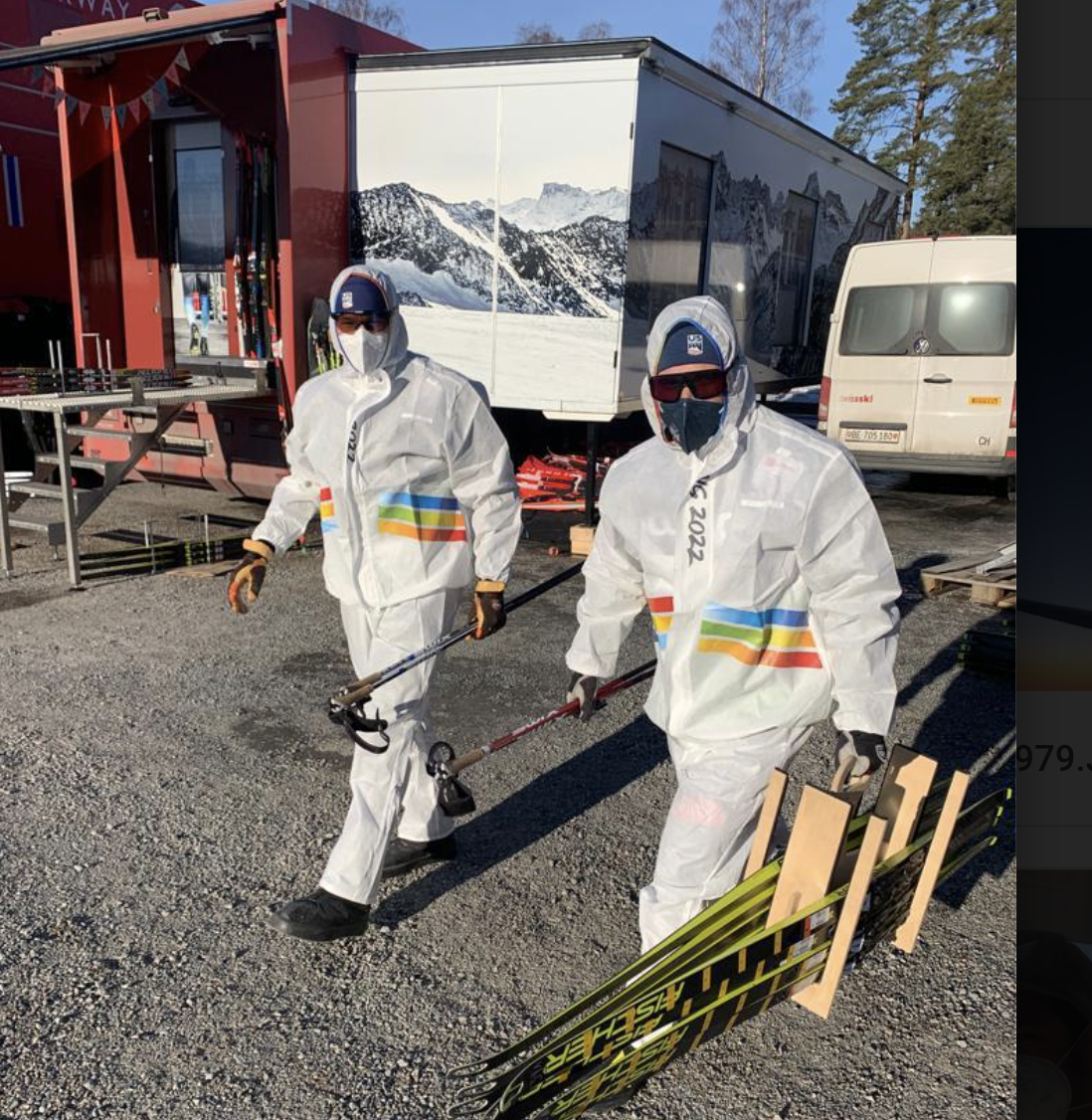
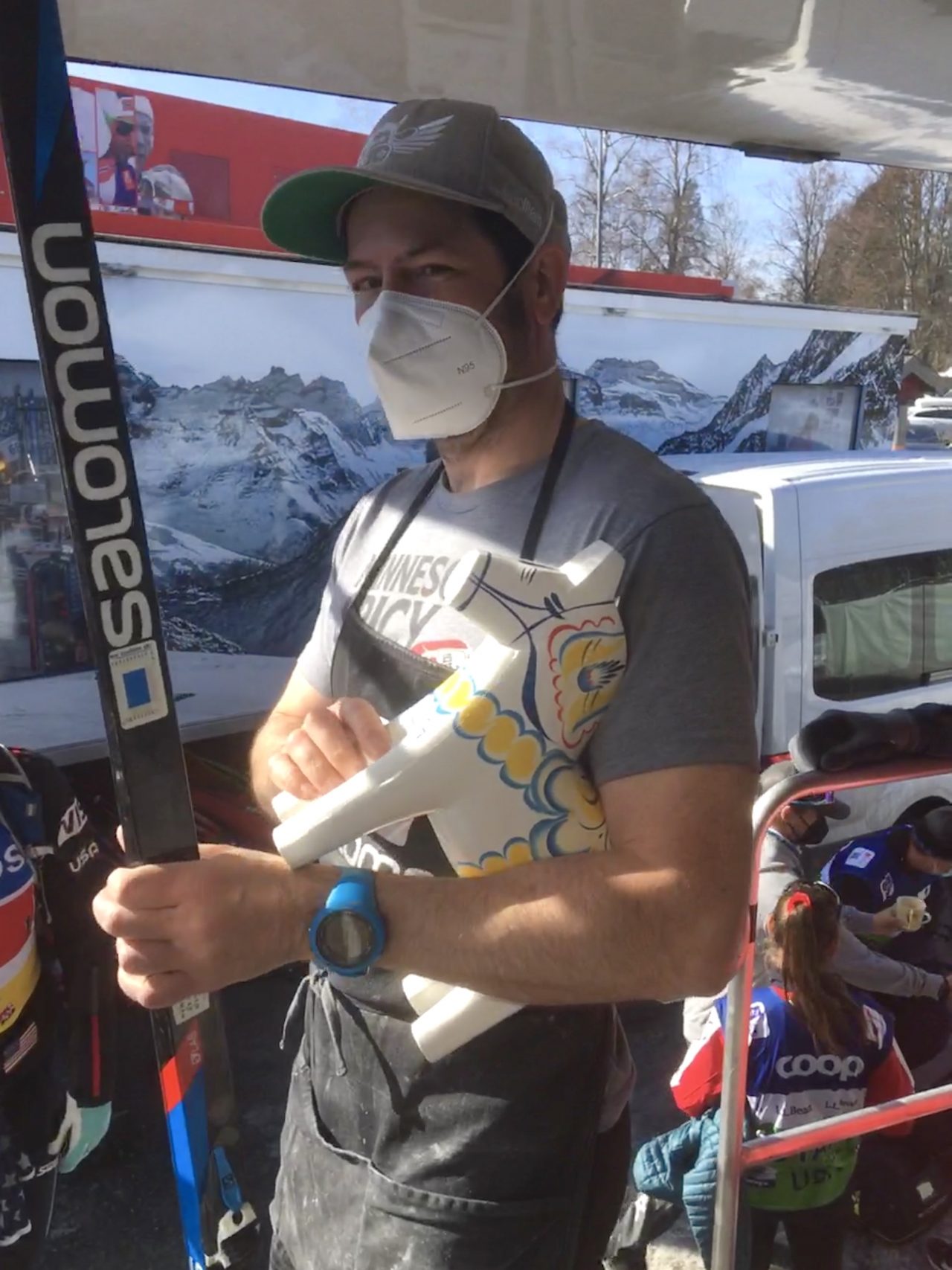
    A different kind of Olympic suit: US wax techs take COVID precautions while testing and preparing skis in Falun, SWE. (Courtesy photo)

    Thursday, February 24, 2022 –  Russia invaded Ukraine. The world as we knew it ended once again. Chris texted me that the trip to Russia was canceled (the US team’s decision not to go to Russia preceded FIS’s decision to cancel the races). “Get your passport back right away.” I called Bogdan, my contact at the Russian Consulate. “We’ve had a change in plans, and I won’t be traveling to Russia. Can you please send my passport right away?” “No. I do not have your passport. Embassy has passport. I cannot get until finished with visa. But I mail it.” I could hear a toddler crying in the background. Bogdan apologized for the crying. I told him he shouldn’t have taken my call at home. He said, “Do not worry with passport. Visa will finish on Monday or Tuesday, then I mail. I call you when I mail.”

    Friday, Saturday, Sunday, Monday, Tuesday – Nope. Not going to happen. I’m never going to see my passport again. They’ve all left the embassy. My passport is too low of a priority. They’re just going to be jerks and not send it back. So much for going to Sweden. COVID, war, what’s next?

    9:21am, Tuesday, March 1, 2022 –  Bogdan called. “Naatan, I mail passport. You get tomorrow.”
     I thanked him profusely. And I said a little prayer. This man is living in America, raising a family in America. Yet he works for the Russian government. He is a Russian in a country that, overnight, hates Russians. I spent the last 5 days completely stressed because I didn’t have possession of a passport that would allow me to travel to Sweden for the sake of people skiing around in circles. This man, who must pay at least some attention to Western media, must have spent the last 5 days completely stressed over the safety and ultimate fate of his family and country. 

    (I do not mean to discredit ski racing or initiate some existential debate. As crazy as it seemed for the World Cup, and even Olympics, to carry on through this pandemic–and now war, I know I found great benefit from the distraction that racing provided. It was a slice of normalcy and vicarious living, which was invaluable to me as so much of what I took for granted was upended. But my little problems did seem very small compared to Bogdan’s.)

    Wednesday, March 2, 2022 – Scott, our friendly (seriously, he waves to everyone) neighborhood mail carrier delivered my passport. Huge sigh of relief.

    After a series of hurdles, Ned Dowling is wheels up on his way to Sweden. (Courtesy photo)

    SLC International Airport. Sunday, March 6, 2022 – I hugged my son, kissed my wife goodbye, and donned my N95 mask which I wore for 18hrs straight. SLC direct to Amsterdam. Enough layover to grab a bottle of Scotch at the duty-free. A packed flight to Stockholm and a 2.5 hr bus ride to Falun. Jet lagged and sleep deprived, I met up with the team as they’d just gotten off their bus from Oslo. We all stood around in LL Bean team gear and N95s awaiting instructions on where to schlep our massive duffles.

    Our accommodations for the week were not at the Scandic Hotel, the FIS-provided standard lodging for all of the teams. It was decided that the hotel and its buffet meals were too COVID risky. Instead we stayed two-each in a group of camping cabins equipped with bunk beds and a small kitchen. We were on our own for breakfast and lunch. Dinners were catered by restaurateur parents of Swedish sprint star Maja Dahlqvist (the World Cup circle is pretty close knit). 

    Cheers for negative COVID tests!

    Falun, Sweden. Tuesday, March 7, 2022 – COVID testing. The team was shedding skiers and staff with positive tests. A few soldiers were left behind to wait out quarantine in an Oslo airport hotel. A couple more made it to Sweden but wouldn’t see a race bib. Anxiety was high. A positive test meant no racing, no human interaction, no trip home until the negative. One car load at a time we went to a testing center in Falun for nasal – very, very nasal  – PCR tests. 

    “I think it touched my eyeball!” “I had 31 tests in China and that was the most aggressive one ever!” “Damn, that was legit!” 

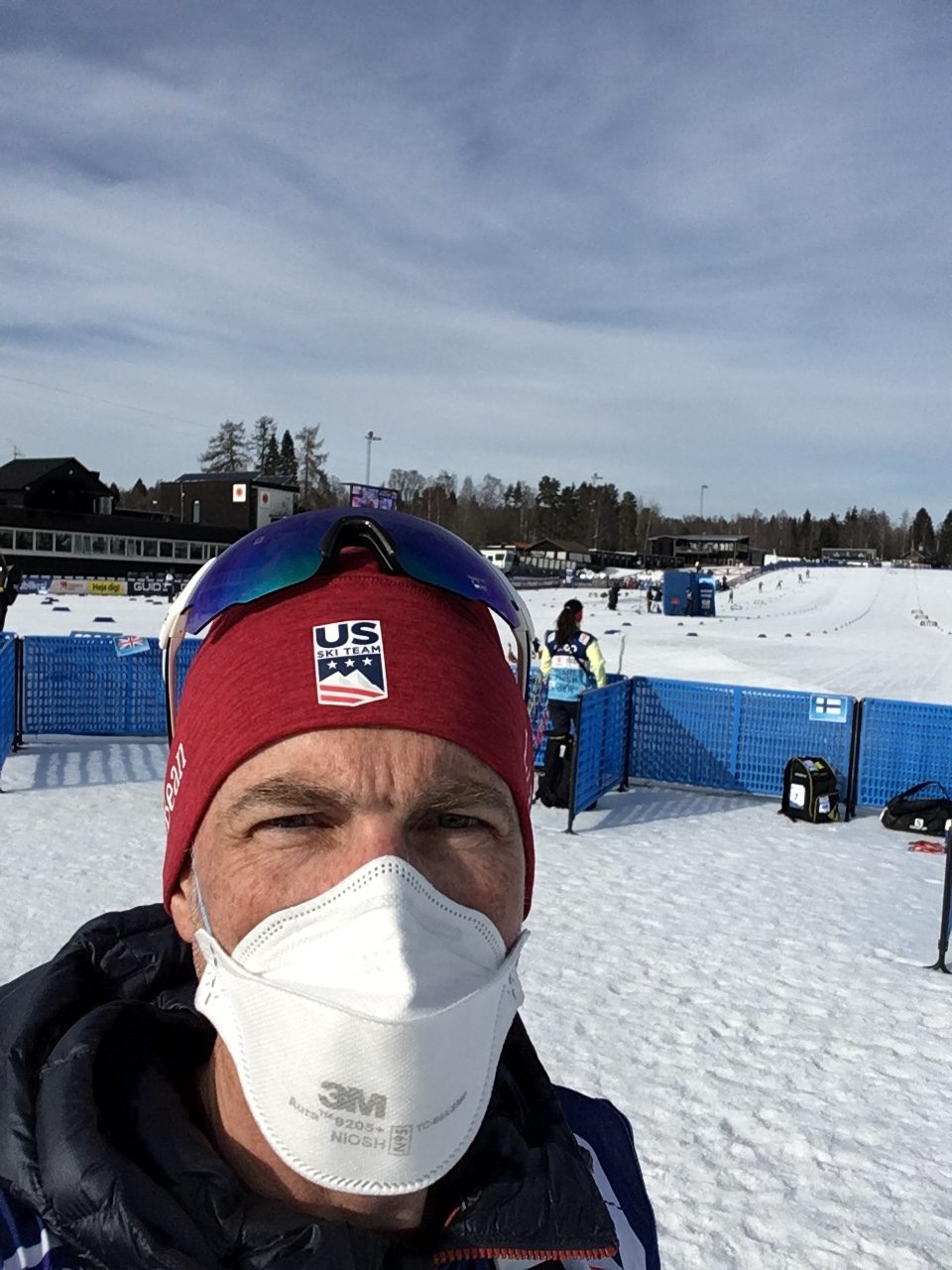
    Physical therapist Ned Dowling snaps a masked selfie while supporting the US Ski Team in Falun, SWE. (Courtesy photo)

    Wednesday, March 8, 2022 – All tests were negative. Collective sigh of relief. With that reassurance, I finally had some customers on the physio treatment table. Thankfully, everyone’s bodies were holding up reasonably well for being that late in the season. I felt guilty for being over there without much to do, but I figure that my boredom means they don’t need me and if they don’t need me it’s because they’re healthy, which is the goal (or they don’t want me because they’re COVID paranoid – there was plenty of that too, understandably so). So, until the racing began, I didn’t have much to do besides ski every day. Poor me.

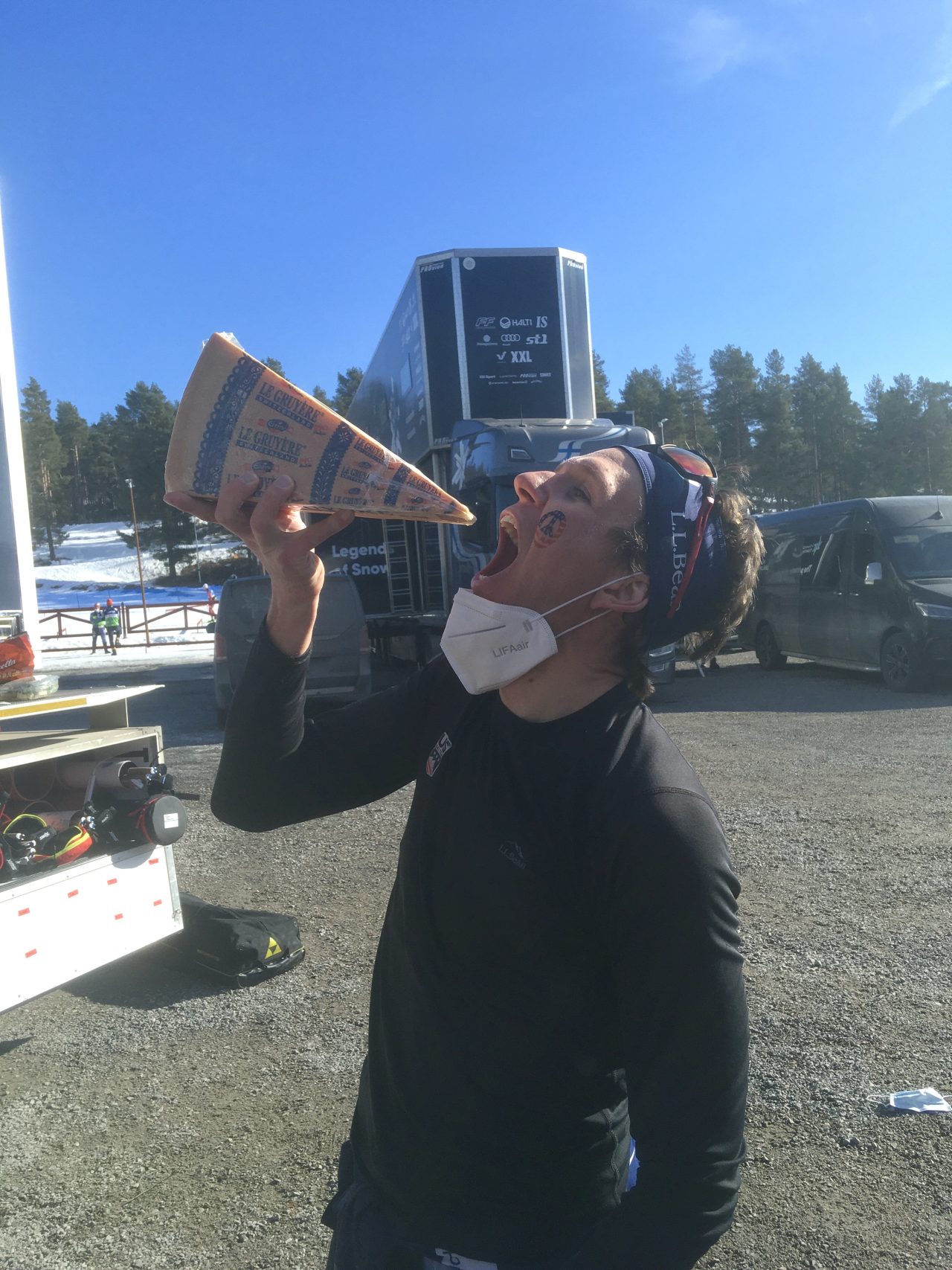
    March 11-13, 2022 – Let’s go racing! My experience with the team is that they are always a great group of people to be around, but they’re even more fun with podiums. Lots of good results all around with some “first World Cup points” to some near-misses to some 5.5 lb chunks of Gruyere podium cheese. 

    4:30pm, March 13, 2022 – The final race: antigen testing for entry back into the US. Again, all negative. We’re going home! That night in the bar at a Stockholm airport hotel, I finally saw some faces that’d been hidden behind N95s all week. The poor bartender had a tough time keeping up with the drink orders. Elation, exhaustion, and simple relief that they’d survived another crazy race season and were finally heading home after four months of living out of suitcases, always masked, always nervous. 

    Maybe next year we can race without a pandemic or war or plague of locusts.

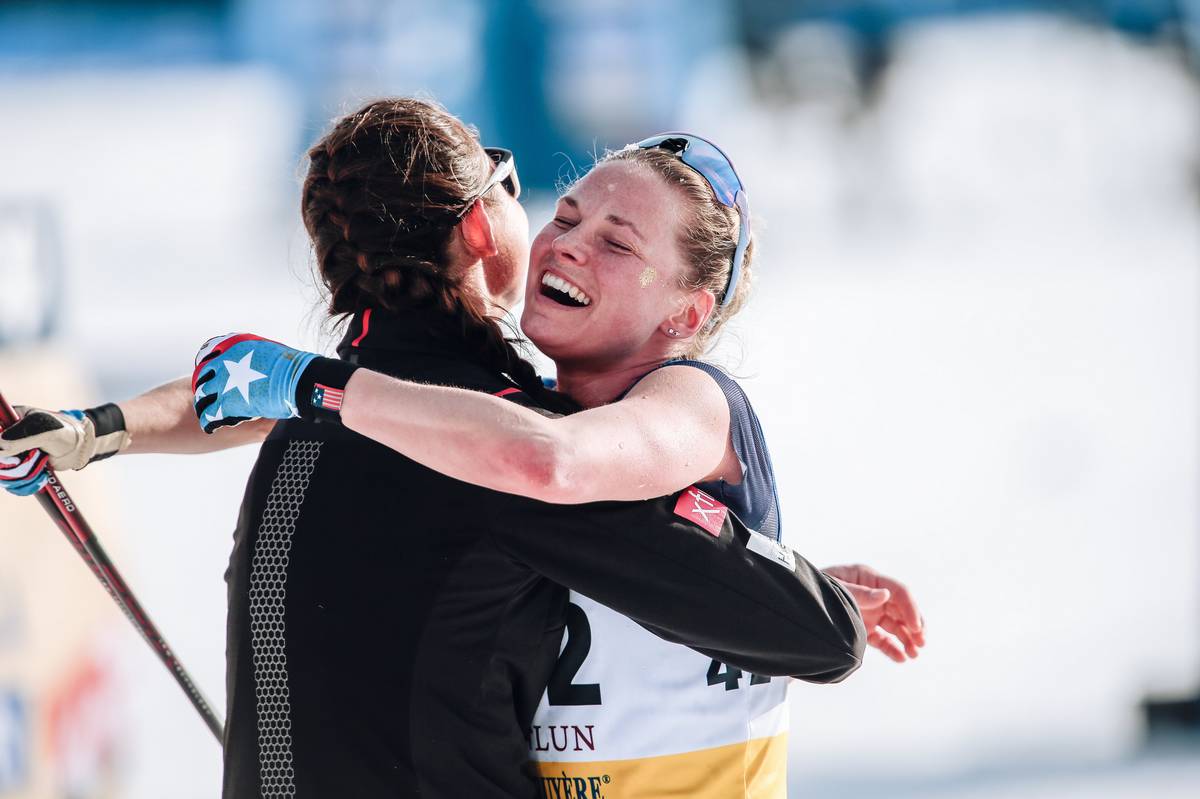
    Jessie Diggins hugs teammate Julia Kern at the finish of the 10 k freestyle in Falun. (Photo: NordicFocus)
  • With eroding control, FIS bans Russia and Belarus in belated reaction to threatened protest-cancellation of World Cup events in Norway and Sweden

    With eroding control, FIS bans Russia and Belarus in belated reaction to threatened protest-cancellation of World Cup events in Norway and Sweden

    Today the International Ski Federation (FIS) banned all Russian and Belarusian athletes and officials from taking part in any remaining FIS competitions. The press release stated, “The FIS Council decided unanimously in line with the IOC recommendation, that with immediate effect, no Russian or Belarusian athlete shall participate in any FIS competition at any level through the end of the 2021-2022 season.”

    The Russian team celebrates a dominant performance at the men’s 4 x 10 k relay during the 2022 Olympic Winter Games. (Photo: NordicFocus)

    The belated decision came after a power struggle between the Norwegian Ski Association and FIS, roiling the ski world and casting doubt upon the remainder of the World Cup season. 

    On Saturday, February 26th the board of the Norwegian Ski Association decided in a special meeting to uninvite Russian and Belarusian athletes from its upcoming World Cup races in Drammen and Holmenkollen. The position of the Ski Association was clear: “We do not want their participation.” 

    However, the Norwegian Ski Association and the event organizers lacked the authority to bar athletes, and FIS stood by their position of allowing all athletes to compete, telling NRKThe FIS board has been clear in its approach to Russian athletes in all FIS competitions… national federations and local organizers should not exclude athletes on the grounds of gender, race, nationality or sexual orientation.”

    On Monday, February 28 the Russian cross country ski team arrived in Oslo despite their lack of welcome and were met by Norwegian reporters at the Gardermoen airport. The athletes declined to speak, but Bolshunov’s coach, Yuri Borodavko did. “Well, it’s a terrible situation,” Borodavko told NRK. “War is always terrible. No one has ever wanted a war, not even us. Thank God there are sensible people with common sense, who do not give in to the panic that is now spreading throughout the world, and it is the leaders of FIS.”

    Russia’s Natalia Nepryaeva steps onto the podium following a second place finish in the 10 k classic in Lahti. (Photo: NordicFocus)

    On Monday the Ski Associations for Norway, Sweden, and Finland wrote to FIS to ask for the exclusion of Russian athletes. Later in the day, the International Olympic Committee (IOC) revised their advice and requested the exclusion of Russian and Belarusian athletes.

    [The Ski Associations] letter was somewhat surprising to us,” said FIS Secretary General Michel Vion.

    FIS, seemingly unable to move in tandem with events, made no response, and Vegard Ulvang pushed the Norwegian Ski Association to carry through with the refusal to host Russian athletes, saying, “It is a decision that FIS should have made. When they do not take it, it is we [Norway], who own the event, who must take it. If FIS disagrees with the decision, they can take the World Cup from us, it is a risk we should take. Then we will also force FIS to take active action.”

    With no word from FIS, the Norwegian Ski Association hosted a series of crisis meetings on Monday night and early Tuesday morning, during which the organization decided to override FIS and ban all Russian and Belarussian athletes from competing, regardless of the consequences of the action. 

    “We had hoped that FIS would come to that decision on behalf of the entire ski sport,” said Norwegian Ski Association President Erik Røste, “But now the Ski Association can not wait any longer.”

    FIS Secretary General Vion dismissed the position of the Norwegians saying, “We received some emails, with inquiries that were not reality-oriented. The Norwegian Ski Association does not have the authority to cancel anything or to exclude athletes. They express a wish that there will be no Russian athletes, but it was just a wish.”

    The Russian ski team, training in Holmenkollen on Tuesday morning confirmed that they would leave Norway and not participate in the World Cup. “Let our rivals compete,” Borodavko told VG. “Let’s just say they are not our friends and not comrades.” 

    With the decision effectively already taken, FIS seized the moment at noon Central European time on Tuesday and banned the Russian and Belarusian athletes and officials.I am very happy that FIS ended up in that position,” said Røste, adding, “It has taken too long, it could have come earlier.”

    Belarussian athlete Hanna Karaliova races the freestyle sprint qualifier last weekend in Lahti, FIN. (Photo: NordicFocus)

    The FIS decision narrowly averted the likely cancellation of the remaining World Cup races and the flight of sponsors. 

    Geirr Kihle, the event organizer of the Drammen city sprints this Thursday had urged fans to come to the event in the blue and yellow of the Ukrainian colors. He said he hoped the public’s reception to the Russian athletes would be, “to put it a little simply, sour.”

    On Tuesday morning, Drammen said they would withdraw from hosting the race if the Russian athletes were not banned. 

    Pressure on FIS also came from Coop—the title sponsor of the World Cup. “We have given FIS clear guidelines for what we believe,” said Takle Friis, the Director of Communications for Coop to VG. “They must respond immediately. In sympathy and solidarity with Ukraine, we can not accept that the Russian team will go to the World Cup.”

    Coop will adopt the Ukrainian colors for their logo on race bibs, and are working to change trailside billboards at Holmenkollen to promote donations to the Red Cross. 

    Sponsorship deals for Russian athletes also began to evaporate. Brav, the parent company of Swix and Toko announced on Monday that effective immediately, it will end all business in Russia and sever ties with Russian athletes. 

    The conflict between the sporting associations and FIS is yet another note in a habit of day-too-late decision making by the governing body of world skiing. Following the Russian invasion of Ukraine, the US ski team along with Norway, Sweden, and Finland all declared that they would not send teams to the scheduled World Cup Finals in Tyumen, Russia. After a day of urging FIS to act, the following day FIS canceled all remaining events in Russia. By then, it was already a moot point—no one was going. 

    Johannes Høsflot Klæbo enjoys a victory in Lahti’s freestyle sprint. (Photo: NordicFocus)

    Johannes Klæbo has been perhaps the most outspoken athlete on the issue. On Monday, he told VG “I think it is both cowardly and weak that FIS does not make the decision to deny Russia participation in Norway and in the World Cup. FIS should have done as Ski Classics [did] – and said no to Russia.”

    The Visma Ski Classics, a rival circuit to that of FIS World Cup, moved swiftly on Monday to remove Russian skiers from the Vasaloppet and the season long competition. 

    The FIS decision came too late for some quarters: Ӧstersund announced that there was no longer sufficient time to get a budget and sponsorship ready to host the World Cup Finals. 

    A day earlier, the municipality of Ӧstersund, which owns the ski trails, declared that they would bar the use of the ski trails for the event if FIS did not ban Russian athletes. 

    The World Cup will now likely end a week earlier than scheduled in Falun, Sweden on March 13th. 

    The late decision from FIS stoked grumbles that the federation may be overly beholden to Russian interests. As Drammen race organizer Geirr Kihle put it about sport federations in general, “Those who are called the ‘high lords’ have a hard time deciding. It is very common for Russians to sit on the boards. They are involved in deciding and will probably almost veto if they do not get what they want.”

    Norwegian newspaper Dagbladet also questioned the interests of new FIS President Johan Eliasch, the Swedish-British billionaire and former CEO of the ski company HEAD. Dagbladet challenged Eliasch’s record of supporting Russian tennis star, and HEAD athlete Maria Maria Sharapova, after tested positive in 2016 for banned substance Meldonium. Eliasch at the time saidHas WADA something against Russia? I believe they do.”

    The assertion that FIS is biased towards Russia was refuted by Secretary General Vion who replied to the NRK question, “Of course not! How can you say that?” He pointed out that Elena Valbe, the head of Russian skiing, is the only Russian to sit on the 19 member council. 

    Nevertheless, the situation is far from resolved. NRK ​​commentator Jan Petter Saltvedt rejected the phrasing that FIS used to ban the athletes which focused on athlete safety and in his words, lacked “the essential thing, namely the condemnation of Russia’s invasion.”

    “The whole reasoning is untrustworthy and deficient,” argued Saltvedt. “Many questions remain about what kind of power struggle this has been and what FIS leaders really think about this.”

    The cautious wording from FIS likely has much to do with an expected appeal by the Russians in the Court of Arbitration for Sport (CAS). 

    Russian biathlete Alexander Loginov competes in the men’s individual competition during the 2022 Beijing Olympic Winter Games. (Photo: NordicFocus)

    When the International Biathlon Union decided on Saturday to require Russian athletes to compete under a neutral flag, their team promptly withdrew from the World Cup, stating, “We are furious at these illegal actions of the IBU and will defend the rights of our athletes and the rights of the RBU as a member of the International Federation.”

    The case is expected to end up in CAS, and there is a likelihood that the same will occur in cross country skiing. 

    The Russian team will leave Norway on Wednesday, reported Borodavko to NRK. “When you start to mix politics into the picture,” Borodavko said, “there is something we can not accept, so therefore we go back.” With no flights between Europe and Russia, their journey home will likely route them through Turkey. 

    The manner in which FIS came to the decision will likely deal a blow to its credibility, managing in a single stroke to alienate both its Scandinavian and Russian partners. FIS has struggled to rise to the challenge that this season has presented, with previous misses being the COVID related cancellations of World Cup races in France and Slovenia, an impromptu shortening of the men’s Olympic 50 k, and a belated cancelation of the World Cup Finals in Russia. 

    Things take time,” Klæbo said on Friday, adding, “But I certainly think we do not have to wait until the longest every single time.” 

    Jens Burman of Sweden may have summed it best to Aftenbladet on Tuesday morning before FIS’s announcement. “In principle, everyone has excluded them, but not FIS. You are almost a little ashamed.”

    Sweden’s Jens Burman races the 15 k skate during a December 2021 World Cup in Davos, SUI. (Photo: NordicFocus)
  • Russian athletes expected to compete in Norway despite Norwegian Ski Association message that they are not welcome

    Russian athletes expected to compete in Norway despite Norwegian Ski Association message that they are not welcome

    On February 26th, the Norwegian Ski Association (NSA) released a statement indicating that in light of the nation’s recent invasion of the Ukraine, Russian participation was not welcome at the upcoming World Cup sprint races in Dramman or the storied Holmenkollen distance races outside of Oslo. In addition to these cross country events, Norway is scheduled to host competitions in alpine, nordic combined, and ski jumping, including the World Ski Flying Championships in Vikersund. 

    A press release shared by Norwegian news source NRK stated: “The board of the Norwegian Ski Association has today discussed the situation related to Russia’s invasion of Ukraine, and how this affects the upcoming World Cup races and the world championship in Norway. The Norwegian Ski Association’s message to Russia and Russian athletes is crystal clear; We do not want their participation!”

    NSA president Erik Røste told NRK that a request had been made to the International Ski Federation (FIS) to officially bar the Russian program from participating, but as of Saturday, FIS had not taken action to comply with the request, instead pointing to the official cancellation of remaining FIS events held in Russia. 

    “The attack on the Ukrainian people and the great suffering we see pictures of now, the sport can not remain passive and be neutral,” Røste said of the request. “Therefore, the board of the Norwegian Ski Association was clear that this must have consequences beyond what has already been decided. Therefore, we will send a clear and distinct signal to FIS that we do not want Russia and Russian athletes to participate in competitions in Norway in the coming weeks.”

    Ultimately, it is up to the board of FIS whether Russia will be allowed to compete in the remainder of World Cup events. A response NRK received via email today stated: 

    The FIS board has been clear in its approach to Russian athletes in all FIS competitions. To ensure fair and inclusive competitions at all FIS events, national federations and local organizers should not exclude athletes on the grounds of gender, race, nationality or sexual orientation.”

    Alexander Bolshunov (RUS) wins the 2020 Holmenkollen 50 k in the fog, ahead of Norway’s Simen Hegstad Krüger. (Photo: NordicFocus)

    As such, no Russian athletes or coaches have been denied entry to Norway, and Stefan Marx, the general manager of Holmenkollen ski festival, indicated there is little more that the organizers can do to prevent Russian participation in the events.

    “We must let them participate,” Marx said to NRK. “Those who FIS and the Norwegian Ski Association say must be allowed to participate. We do not have the authority to refuse anyone to participate, but we have supported the Ski Association and the Sports Association’s position. It is up to FIS or the authorities to decide, but we are clear in our support for the Ski Association’s proposal that Russian athletes are not wanted due to violations of international law that have been committed.”

    After flying from Helsinki following the Lahti World Cup races, Russian teams have begun to arrive in Norway. When pressed by the media upon his arrival, World Cup distance leader and favorite for the upcoming 50 k classic at the Holmenkollen, Alexander Bolshunov chose to remain silent. NRK did, however, receive comments from multiple Russian coaches, including head coach Marcus Cramer who felt that sport and politics should be kept separate.

    “​​What do sports and athletes have to do with this situation? It’s really tough. I just get sad that the Norwegian association thinks like that. We really have a good communication between us. With everyone who works there. It’s sad to hear this, especially when they take it to the press and not us first,” said Cramer.

    Another Russian coach, Jegor Sorin, who had been working at the Junior/U23 World Championships in Lygna, NOR and planned to join the Russian team in Oslo, echoed that Russian athletes should not be held accountable for the 

    I am very upset that the Norwegian association wants this,” Sorin told NRK. “I can understand that no one wants to travel to Tyumen for the World Cup, but I do not know what happens to us… We are Russian athletes. We are here, we are not in any war. We are athletes, not soldiers. Maybe they think we have weapons. We want peace and for me this is very strange.”

    Alexander Bolshuonv is photographed with his four Olympic medals from the 2022 Games, with one event remaining. He would leave the Games with three gold medals, and a total of nine Olympic medals including those won in 2018. (Photo: NordicFocus)

    Though the Russian coaches focused on a separation between sport and politics, others have pointed out the direct ties between sporting success and military recognition. Used as an example, Bolshunov and Denis Spitsov were promoted to the rank of captain in Russia’s National Guard in recognition of their success during the 2022 Olympics. Bolshunov, who has earned a medal in each of his nine Olympic appearances, including three gold medals in Beijing, received additional honors in the form of the Alexander Nevsky Order, given in recognition of “special service for the fatherland.”

    FIS cross-country committee leader, Vegard Ulvang told NRK, “Russian athletes are [military] officers. This makes the symbolic value [of their participation] even greater.”

    A similar statement was made by Global Athlete representative and former U.S. Ski Team athlete Noah Hoffman. 

    “While I feel for the individual athletes, all Russian skiers should be banned from the FIS Cross Country World Cup for the rest of the season,” Hoffman tweeted. “Their results are used to drum up nationalism and bolster the Russian State. Allowing them to compete aids Russia. #StandWithUkraine.”

    Ulvang is urging a stronger response from the Norwegian Ski Federation, suggesting that they relinquish the FIS World Cup status of the events at the Holmenkollen in order to gain the authority to prohibit Russian participation.

    Jan Petter Saltvedt, a Sports Commentator for NRK described Ulvang’s statements as a “moral ultimatum.”

    “Ulvang demands an open rebellion from NSF against his own superiors,” Saltvedt said. “And he should get it. Vegard Ulvang puts so much pressure on the Norwegian Ski Association that they can not help but act… At the same time, he expresses a very strong and clear criticism of FIS, where he himself is one of the powerful committee leaders, but still does not feel he is heard at all.”

    Norwegian athletes who have been asked for comment have given mixed responses, often acknowledging the complexity of the issue and whether the athletes themselves should be at fault for government decisions.

    Among those with a clear stance, Erik Valnes spoke of disallowing Russian participation. “There is a heavy symbolism in it. It would send a signal. Since [Bolshunov] is [a captain of the Russian National Guard], they have already mixed sports and politics in a way. It is difficult. It is a great pity that it will be like that.”

    Erik Vales and Johannes Høsflot Klæbo earn gold in the classic team sprint during the 2022 Beijing Games. (Photo: NordicFocus)

    Johannes Høsflot Klæbo also spoke in support of the NSA urging FIS to remove Russian athletes from competition.

    “As an athlete, you want the best to start. We train all year to compete and then you want the best to participate,” Klæbo said to NRK. “At the same time, I support the attitude of the ski association now. There is no doubt about what is happening in Ukraine, and Russia must be condemned. I strongly condemn it and I think it is good that the association takes a stand.”

    Therese Johaug acknowledged that athletes may not have direct involvement in the military actions of Russia, speaking instead to their role in representing their country through sport.

    I feel sorry for the athletes, first and foremost, I understand that they have nothing to do with this,” Therese Johaug told NRK after narrowly winning Lahti’s 10 k classic over Russian Natalia Nepryaeva. “But on the other hand, I think it is completely wrong. They front their country and the flag both on the chest and on the forehead. And that a country should also ravage the sports arena and fight for victories and front their country in the situation we are in – I think that is completely wrong.”

    Therese Johaug voices her thoughts on Russian World Cup participation following her win in Lahti’s 10 k classic. (Photo: NordicFocus)

    The stance is not unanimous amongst the Norwegian team. Sindre Bjørnestad Skar, who took third in Lahti’s freestyle sprint, spoke to the unfairness for Russian athletes.

    “Of course, I am 100 percent against everything that is happening between Russia and Ukraine now. It is completely inconceivable. But then I also do not think that the fact that they have a Russian passport, means that they should be punished and deprived of the opportunity to do their job. In a way, I think that is a bit unfair too,” Skar told NRK

    For the time being, no further changes in Russian participation have been reported. FasterSkier will continue to follow this story as it evolves over the next few days. World Cup classic sprint races are currently scheduled in Drammen Thursday, with the women’s 30 k mass start classic in Oslo happening Saturday March 5th, followed by the men’s 50 k on Sunday. 

  • Update: FIS Cancels All Remaining 2021-22 Season Events in Russia Including XC World Cup Finals in Tyumen

    Update: FIS Cancels All Remaining 2021-22 Season Events in Russia Including XC World Cup Finals in Tyumen

    Yesterday, FasterSkier reported that the U.S. Ski Team would not be attending the World Cup finals scheduled for March 18 – 20 in Tyumen, Russia, given the nation’s invasion of Ukraine on Thursday. At that time, the International Ski Federation (FIS) had not announced whether events scheduled for the remainder of the season in Russia would be held as planned, however, a FIS official had indicated on February 15th that the situation in Russia was being closely monitored and alternative locations for the World Cup finals were being evaluated.

    The FIS released the following update today indicating that all remaining season events will be cancelled, including the cross country World Cup finals in Tyumen. Rescheduling remains possible, but has yet to be confirmed. FasterSkier will continue to follow this story and will update readers when more information becomes available. 

    (FIS MEDIA RELEASE) FIS Cancels all Remaining 2021-22 Season Events in Russia

    Oberhofen, Switzerland 25 February 2022

    After close consultation with its stakeholders, FIS has decided that in the interest of the safety of all participants and to maintain the integrity of the World Cup, that all remaining World Cup events scheduled to take place in Russia between now and the end of the 2021- 22 season will be canceled or moved to another location. 

    The impacted events include:

    FIS Ski Cross World Cup – 25-27 February, Sunny Valley (RUS) 

    FIS Aerials World Cup – 26-27 February, Yaroslavl (RUS) 

    FIS Women’s Ski Jumping World Cup – 18-20 March, Nizhny Tagil (RUS)

    FIS Women’s Ski Jumping World Cup – 25-27 March Chaikovsky (RUS) 

    FIS Cross Country World Cup – 18-20 March, Tyumen (RUS) 

    Participants are already on site at the two World Cup events that were planned for this weekend (Ski Cross and Aerials) and FIS is working closely with the involved stakeholders to ensure their quick return back home. 

    FIS will communicate the replacement competitions’ hosts and dates as they are confirmed for the impacted events.

  • US xc ski team says it will skip World Cup races in Russia amid Ukraine invasion

    US xc ski team says it will skip World Cup races in Russia amid Ukraine invasion

    The International Ski Federation hasn’t said whether the races, in the Siberian city of Tyumen, will go off as scheduled next month.

    The U.S. cross-country ski team says it will skip upcoming races in Russia amid that country’s invasion of neighboring Ukraine.

    A team official said Thursday that the Americans will skip the final weekend of racing on the top-level European World Cup circuit, which is scheduled for next month in the Siberian city of Tyumen.

    Athletes take to the course for a 10 k mass start skate in Oberstdorf, Germany during the 2021/22 Tour de Ski. (Photo: NordicFocus)

    The International Ski Federation, or FIS, which organizes the World Cup, has not yet said if the races will be held as planned. 

    But in an email Thursday morning, Chris Grover, the U.S. team’s program director, said American athletes will not attend.

    U.S. Ski & Snowboard cross country program director Chris Grover discusses whether the American team will attend the World Cup finals currently scheduled for Tyumen, RUS. (Photo: US Ski & Snowboard)

    “We let the FIS and the Tyumen organizing committee know this morning that the U.S.A. would not be coming to Tyumen World Cup finals, given Russia’s attack of Ukraine,” Grover said in a brief email. “We chose to cancel the trip for the USA team because Russia remains in the Level 4 – Do Not Travel status on the State Department website and we were concerned about the safety of USA athletes and staff.”

    The U.S. team recently finished competing at the Olympics in China and is scheduled to race in World Cup events in Finland this coming weekend. Grover did not immediately respond to a question about where team members might compete instead of the Tyumen events, which are scheduled for March 18-20.

    It’s also possible the races could be moved out of Russia. FIS officials said earlier this month that they were monitoring the political situation in Russia and Ukraine and exploring backup venues in Scandinavia, France and Slovenia.

    FIS officials did not immediately respond to a request for comment Thursday.