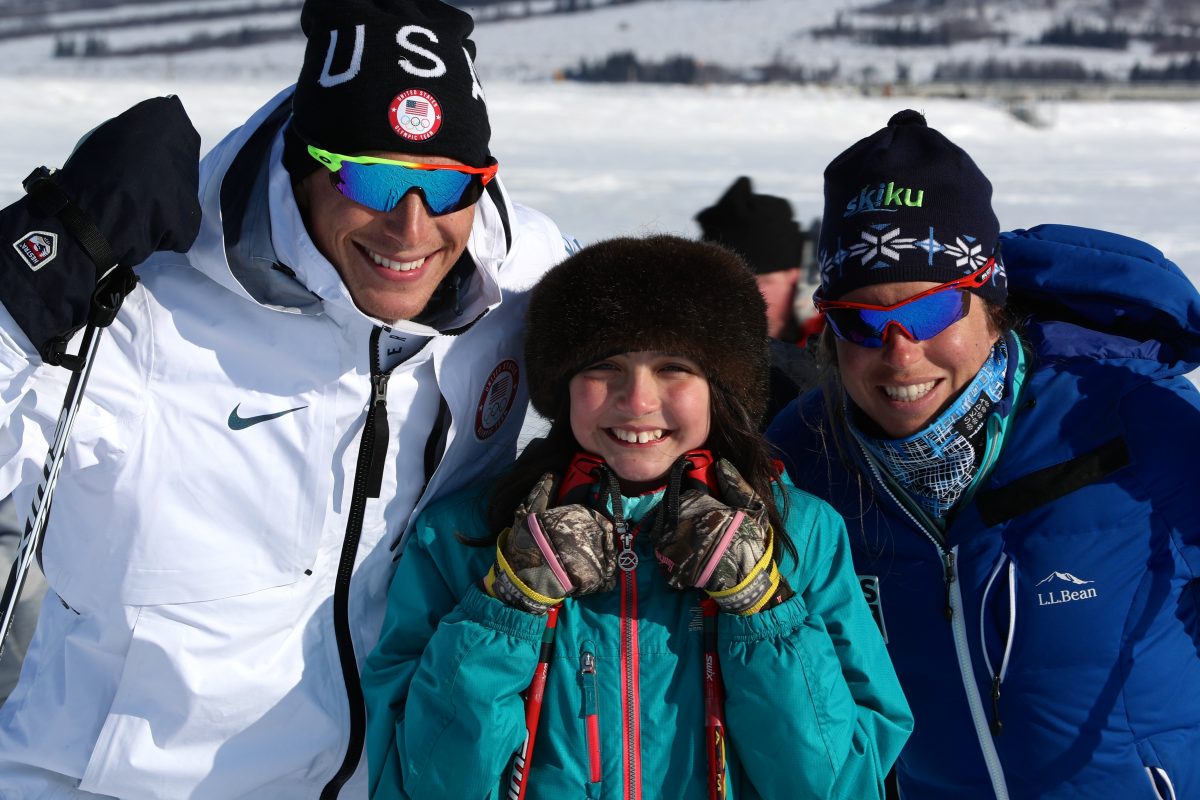
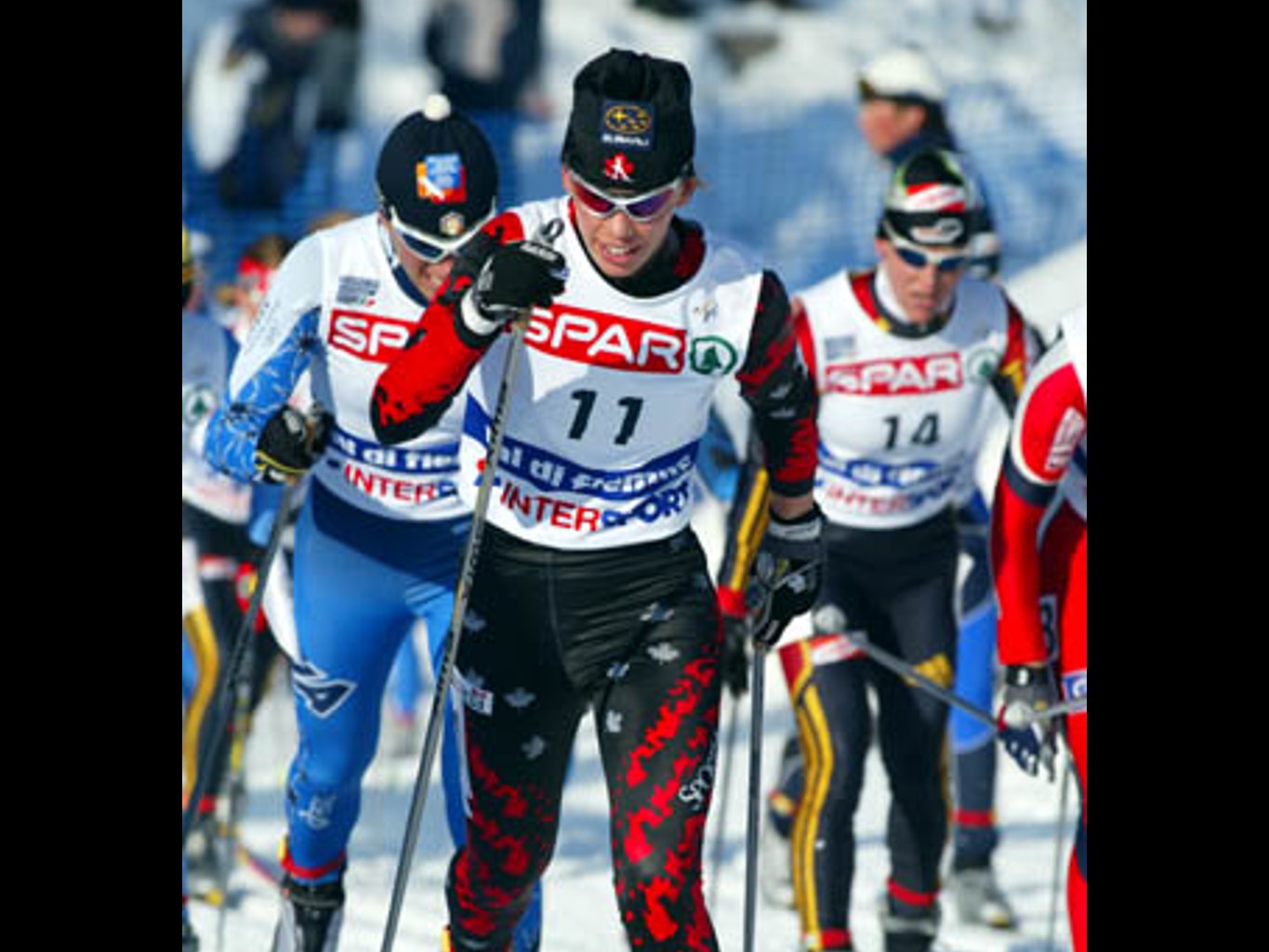
Three-time Olympian, gold and silver medalist, long-time chair of the World Anti-Doping Agency’s Athlete committee, Officer of the Order of Canada, company founder and CEO, the list of Beckie Scott’s achievements is both lengthy and remarkable, and those included here only scratches the surface. In the nordic world specifically, Scott made history as the first North American woman to earn a medal at the Olympics in cross-country skiing. She has also been a long-time advocate and voice in anti-doping. In recent years, Scott’s focus and attention has shifted to the creation of Spirit North, a non-profit organization using the power of sport to improve the health and well-being of Indigenous youth in Canada.
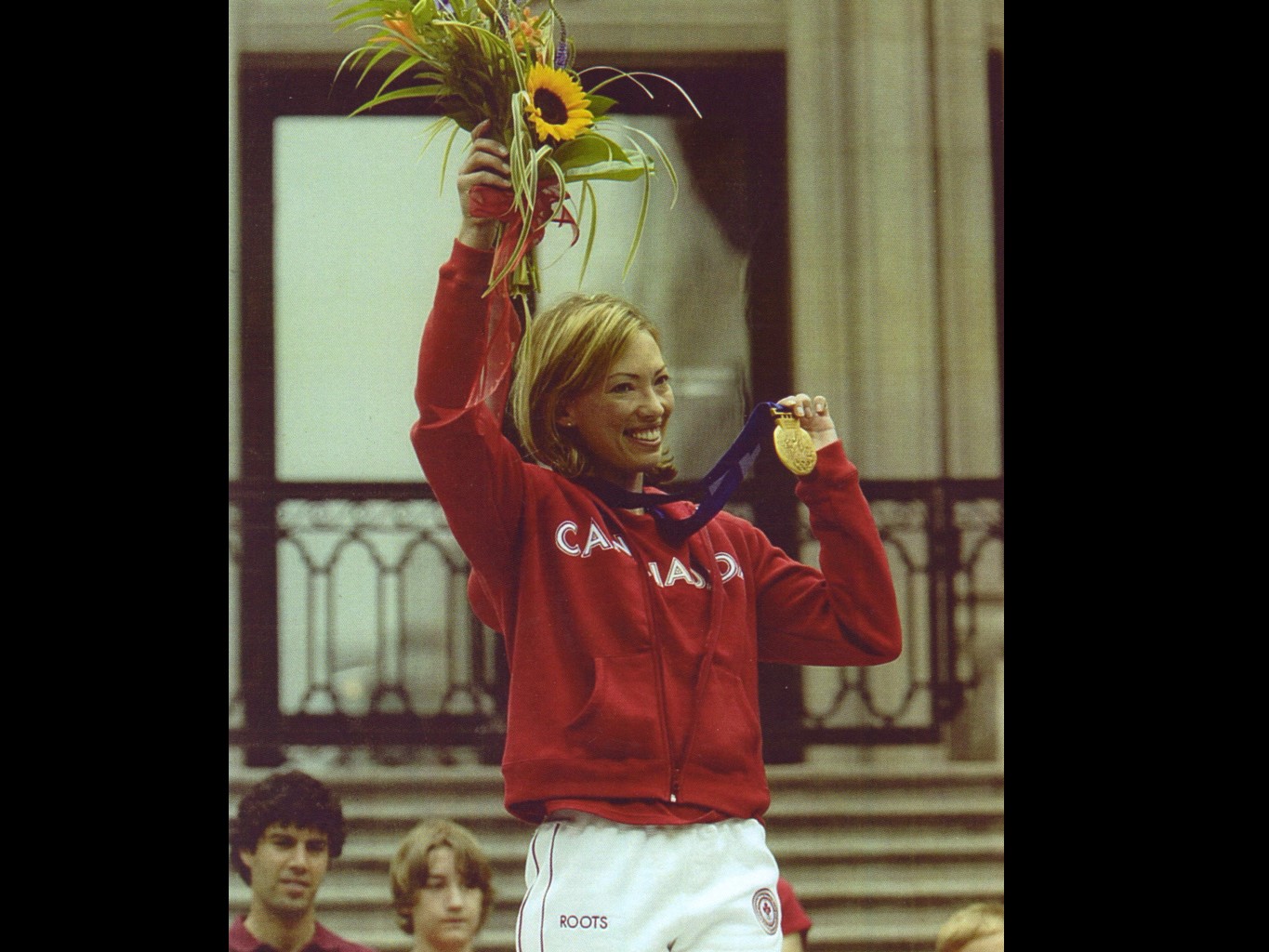
The inspiration for founding this organization came after her retirement from ski racing, as Scott was invited to be an ambassador in a learn-to-ski program in northern Alberta funded by an oil and gas company that sponsors Cross-Country Canada.
“I started traveling up to these communities in northern Alberta for a number of years,” shared Scott, “the majority of which were indigenous, and I saw, for the first time, the realities of life there for community members, but particularly for the kids.”
Struck by how little there was in the way of sport and recreation, whether by virtue of the remoteness of the community, lack of infrastructure, or poverty, Scott noticed how many barriers there were for children in these communities to access sport.
“And yet, in parallel, when we would do this program, I was seeing this universal experience that kids have when they take part in sport,” continued Scott, “which is, just loving being out there, having fun, just walking a little taller because they’ve learned a new skill, all those great transformative benefits that come with being able to have that opportunity.”

After a number of years with this program, she gradually came to the realization that the program should be something more, it could be bigger, it could be better, and it should be its own organization. In 2017, Scott made it an independent entity, rebranded and renamed it, and thus, Spirit North was born.
The motivation and realization for this move was also partially spurred by the publication of the Truth and Reconciliation Commission report, published in Canada in 2015. The TRC came about after the Indian Residential Schools Settlement Agreement, to facilitate reconciliation among former students, their families, their communities and all Canadians. From 2007 to 2015 the TRC traveled throughout Canada, hearing from over 6,500 witnesses, and in June 2015 at its closing event in Ottawa, they presented an executive summary of the findings in a multi-volume final report. This report also included 94 “calls to action” to further reconciliation between Canadians and Indigenous peoples.
“I think the Truth and Reconciliation Report was really a turning point for a lot of Canadians,” reflected Scott, “the legacy of residential schools and the intergenerational trauma, and the damage that was done, it lives on today. Those calls to action were really aimed at primarily non-Indigenous people starting to take steps to reconcile and to heal the harms of the past.”
Among the 94 calls to action were some specifically mentioning or targeting sport. The Spirit North website highlights three of them: Number 19, relating to the legacy of health, and Numbers 89 & 90, relating to sports and reconciliation.
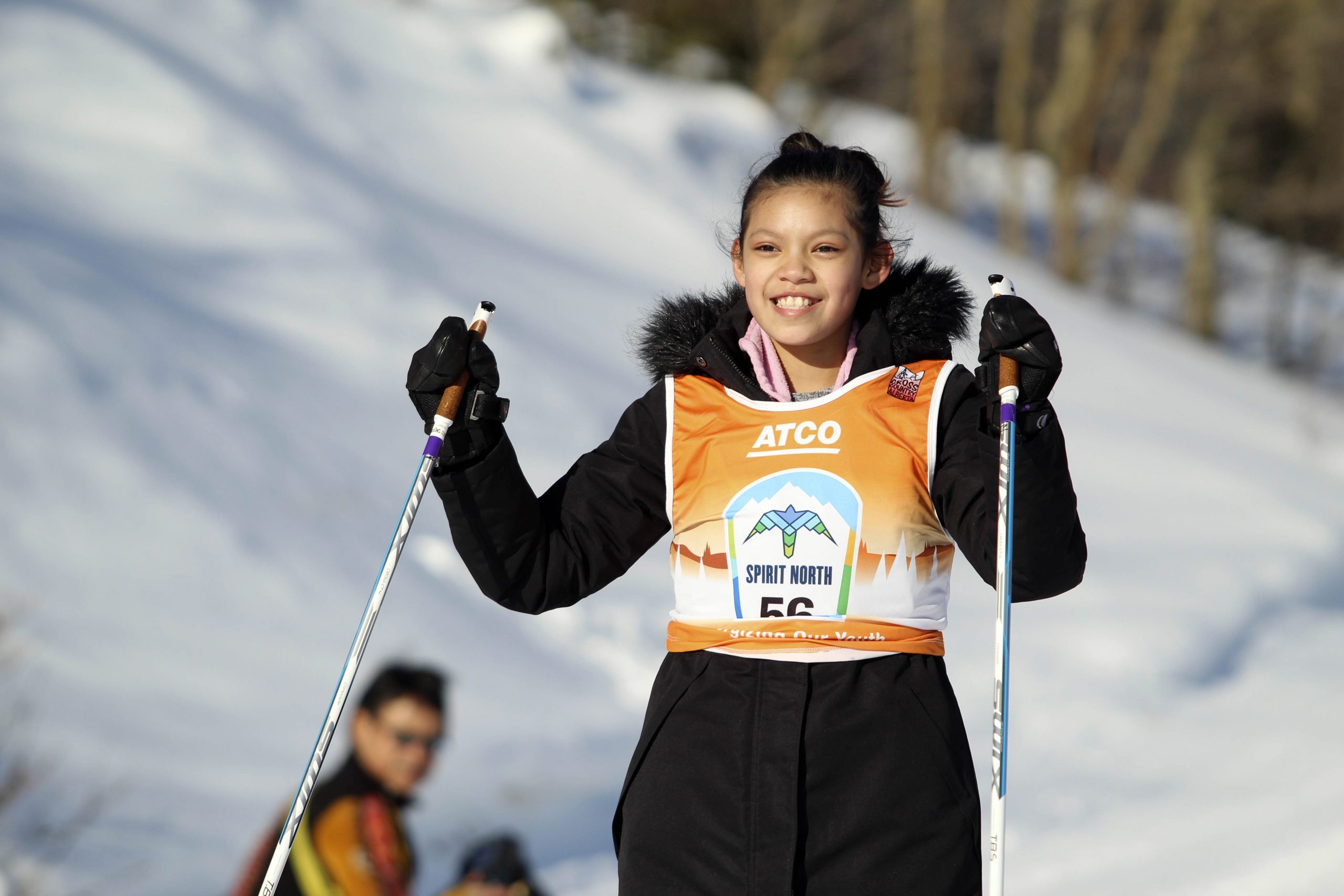
“It was really incredible to see sport in there,” said Scott, “Of course, I know that as a former athlete how valuable sport has been in my own life, not just as a professional pursuit, but in terms of life skills, friendships, and opportunities. To think that we can contribute to reconciliation through this platform, that is really at its heart a very simple concept – it’s activity, it’s play, it’s sport, and it’s something that all kids should have the opportunity to benefit from. I think it was really inspiring to know that we are part of this whole movement toward reconciliation with Indigenous peoples in Canada.”
Initially cross-country skiing was the only sport offered in the Spirit North programs, but when they started to get interest and questions about expanding beyond winter, the list of offerings started to expand.
“It really grew, it just exploded this last year to include everything from rock climbing, to equestrian, to skateboarding,” said Scott, “basically, if a community indicates interest in another sport and we have the capacity to meet that interest, we will do it. One of our primary goals and objectives is to ensure the experiences are really enjoyable for kids and make sure that they have a great time, and if they want to try a new sport and it’s beneficial, then we’re open to exploring it.”
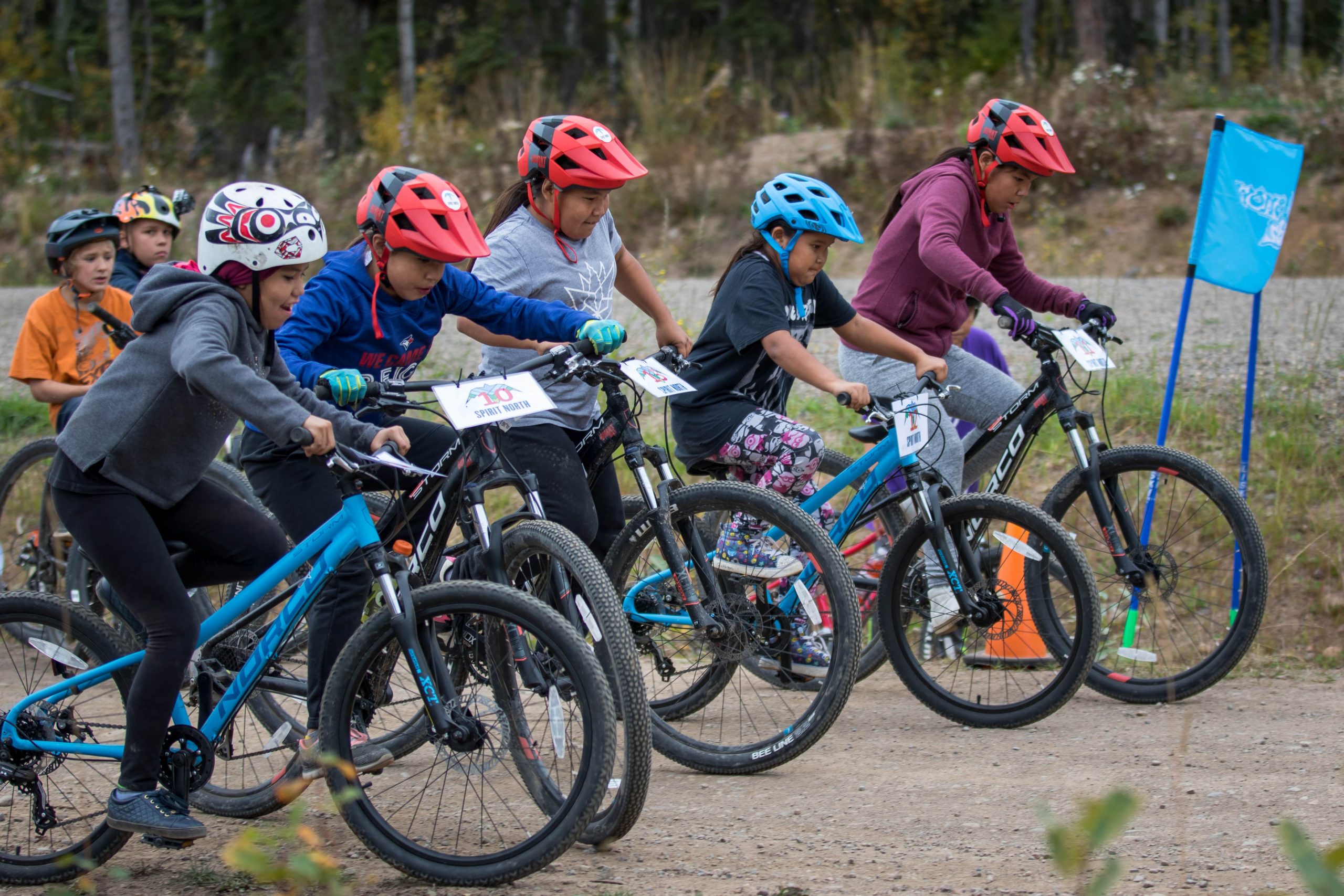
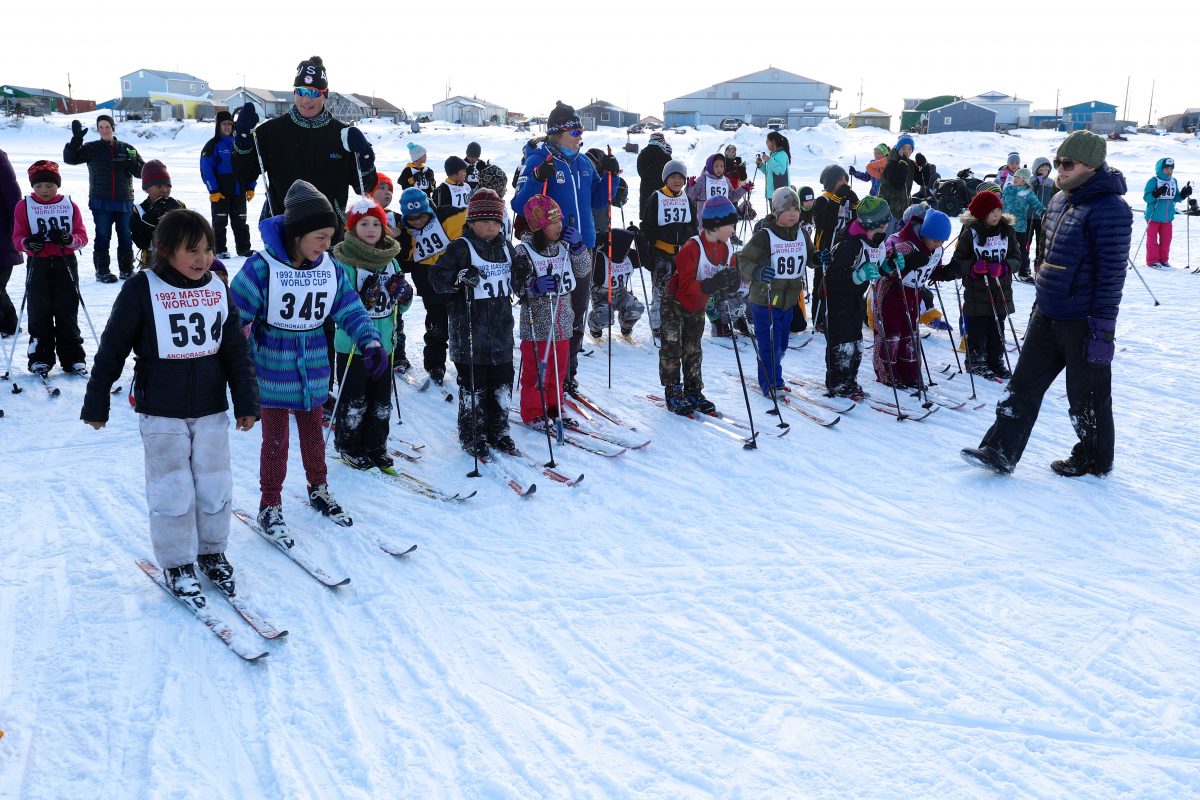
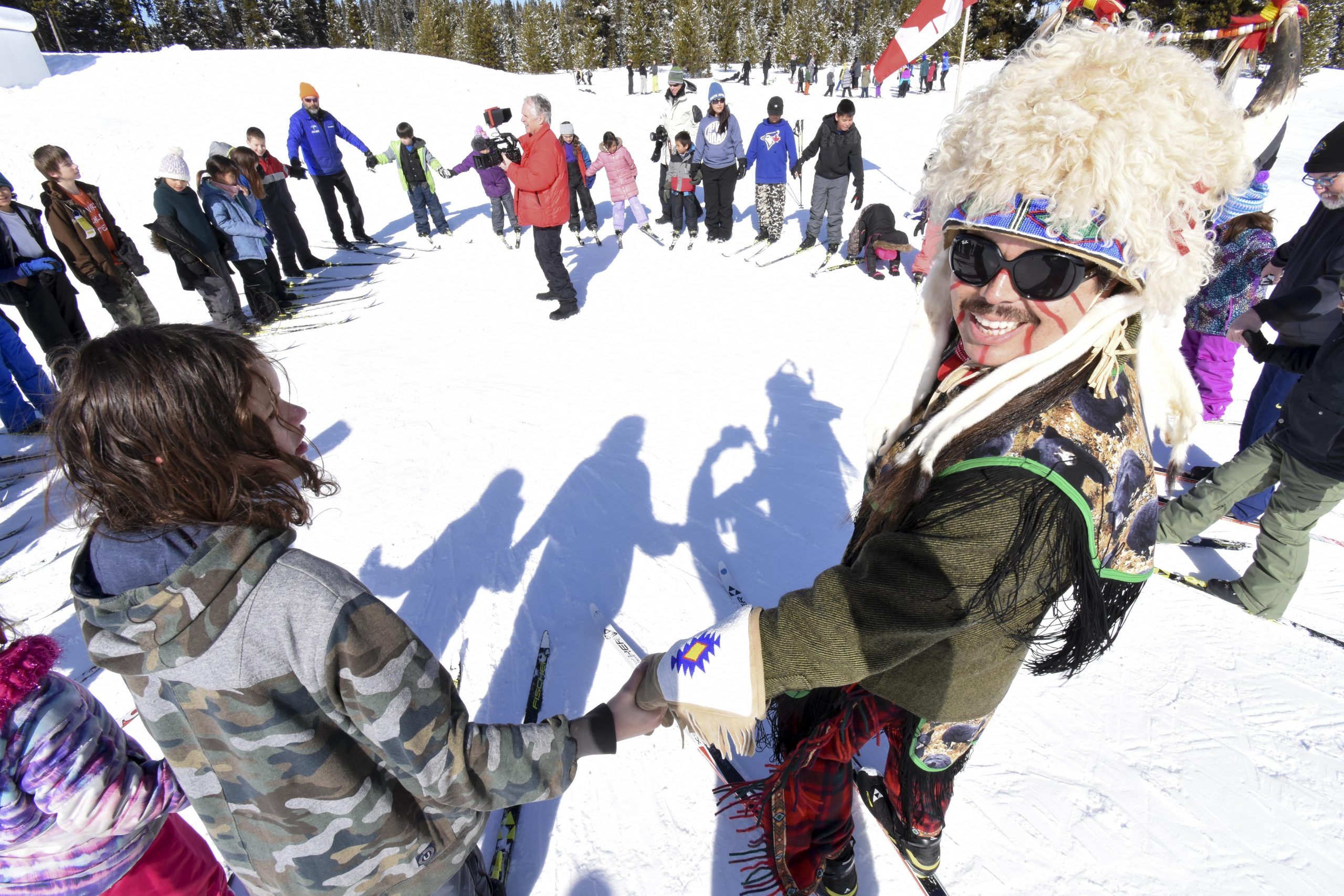
In the last year, 77 schools took part in Spirit North programs across six provinces and territories. Scott explained that they have a number of different models for programs within a community but primarily, the relationships start with what she calls a “co-creation process.” This includes meeting with the community members, teachers, elders, families or whoever is interested.
“Really, it’s a discovery,” explained Scott, “just learning what their values, beliefs, traditions, and knowledge are, and what are the barriers and then the program design is developed in collaboration with the communities. It’s very much a partnership.”
After this, the Spirit North program rolls out with a leader who is local if possible, if that capacity isn’t there, then they bring in a coach from an outside or neighboring community to lead programs.
“Every program looks a little bit different in every community, because it’s community driven,” said Scott. “We have been in communities for ten years now, there’s no cutoff date, or time we transition out,” she continued, “I think one of the reasons for success is relationship building, we just really commit to the community in terms of long-term relationships and delivering programs for as long as they want or need us there.”
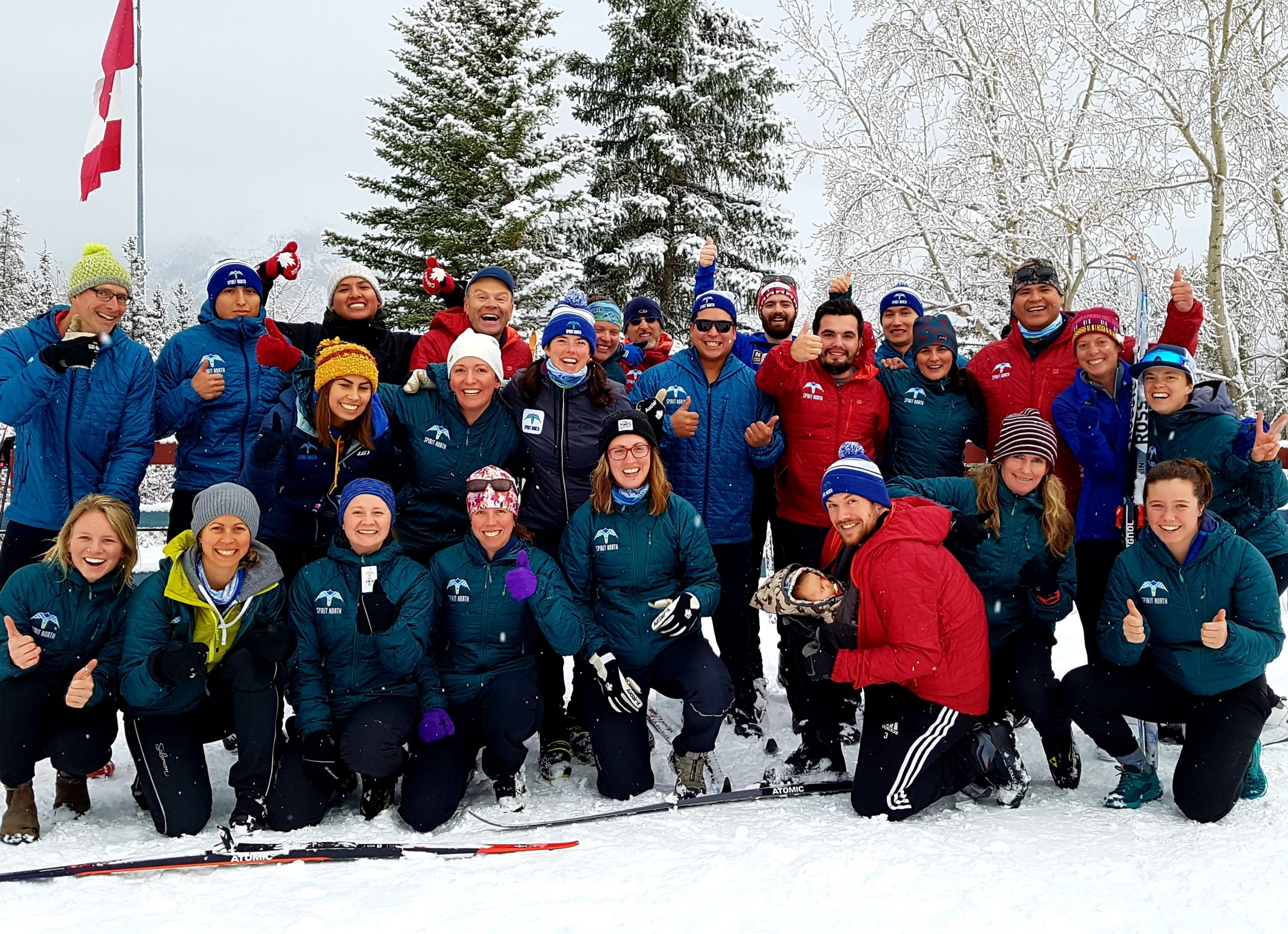
It hasn’t all been smooth sailing. When asked about the learning process, Scott laughed, “I started a nonprofit really with no idea how to start, and so the learning curve was extremely steep.” However, with the help of a great team of people to lean on and provide advice and guidance, she was able to get the program off the ground. “I don’t think I could have known how much work it was going to be,” reflected Scott, though she was quick to say that it has all been worthwhile and very rewarding. “I think one of the biggest challenges we have is the challenge of every charitable organization, which is fundraising, you have to keep the lights on, and the programs running, and coaches paid.”
This has been particularly challenging during COVID. “We really have two jobs here,” said Scott, “raising money, and running programs, and raising money during COVID has been a challenge for a variety of reasons.” As with most non-profits, their fundraising success ebbs and flows. “We’re lucky and we feel fortunate, we’ve got some great backers, but growth and expansion as we go forward requires more funding. So it’s a constant sort of push and pull or a balance to try to maintain,” Scott concluded.
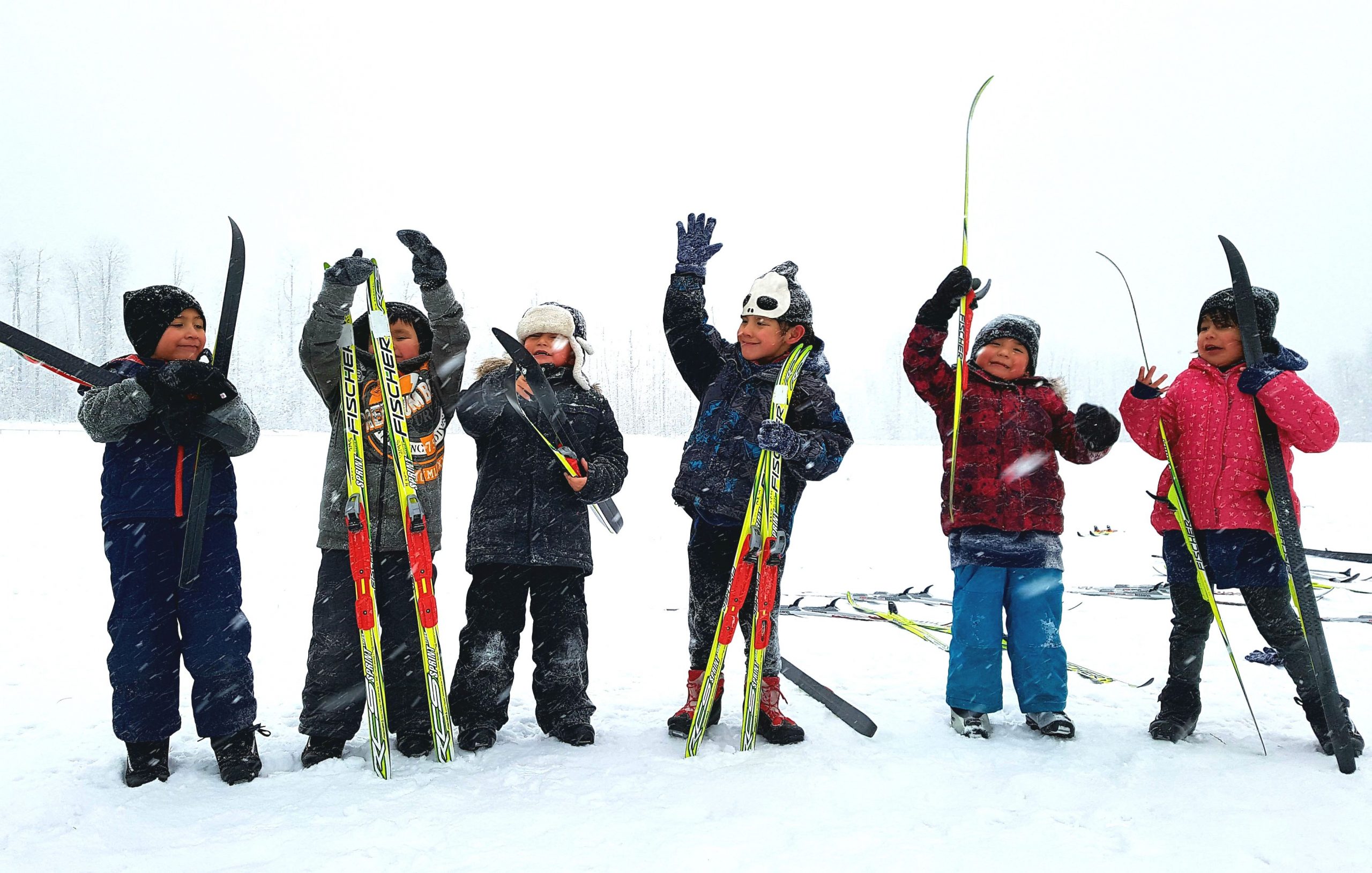
On the flip side, Scott said the rewards from her efforts come in two parts, heartwarming individual stories, and the cast of extraordinary quality who work for the organization.
“We have coaches across the country now, who will send in a note or a text about a kid in the program who’s just completely transformed,” said Scott, “it’s so heartwarming and it never gets old… when we know that this program has touched them in a positive way, and it has made a difference in their life, that’s the most rewarding thing I think we could ask for.”
Regarding her team, Scott said, “the cast of people that have come to the organization – it’s been really extraordinary to see the quality of our team grow over the years, and I feel very fortunate to have the team around us that we do, running these programs, people who are really truly talented, but also caring and committed to the cause.”
As the Spirit North programs continued to grow, Scott reflected particularly on the satisfaction she draws from seeing kids participate in and enjoy Nordic skiing.
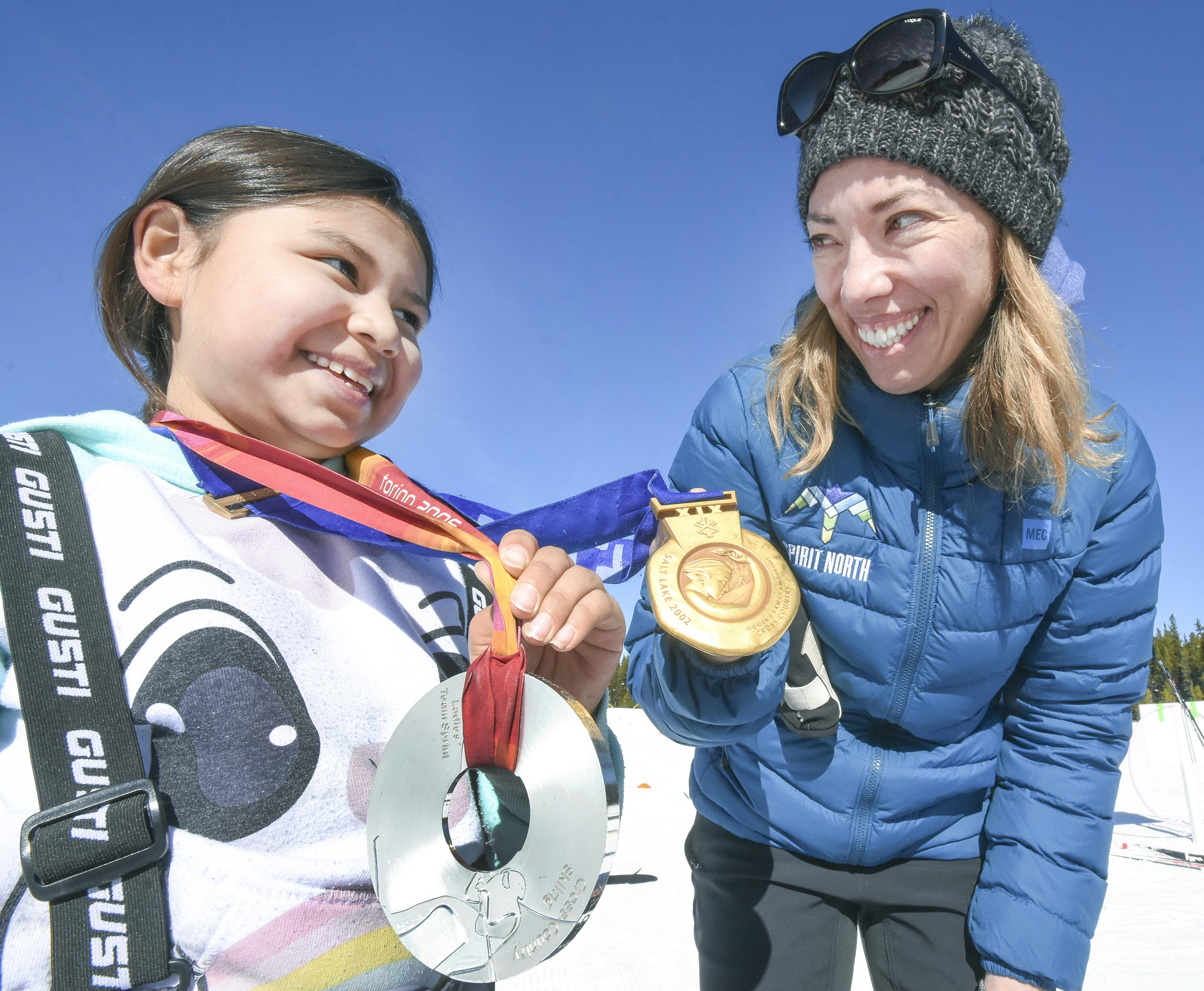
“I think for me, it’s always so heartening and inspiring to see kids enjoying the sport that I love the most, and have grown up loving,” she concluded, “and just to have seen the sport, carry me through all these different phases of my life has been really something remarkable.”
To find out more about Spirit North or to make a donation, you can visit their website here.