

Snow is the first question anyone asks about a ski trip. It is rarely the one that decides whether the trip was any good.
Plenty of skiers have booked a week somewhere with a meter of base and come home flat, because the grooming was inconsistent, the trail network was a single 5-kilometer loop repeated until it went stale, or the lodging was a forty-minute drive from the tracks. The destinations people return to year after year get a handful of less obvious things right at the same time.
Here are seven worth checking before you book. Winter travel outfits like Alpine Elements build packages around most of them, but the list applies whether you are booking through an operator or piecing a trip together yourself.
1. Snow reliability, not just snowfall
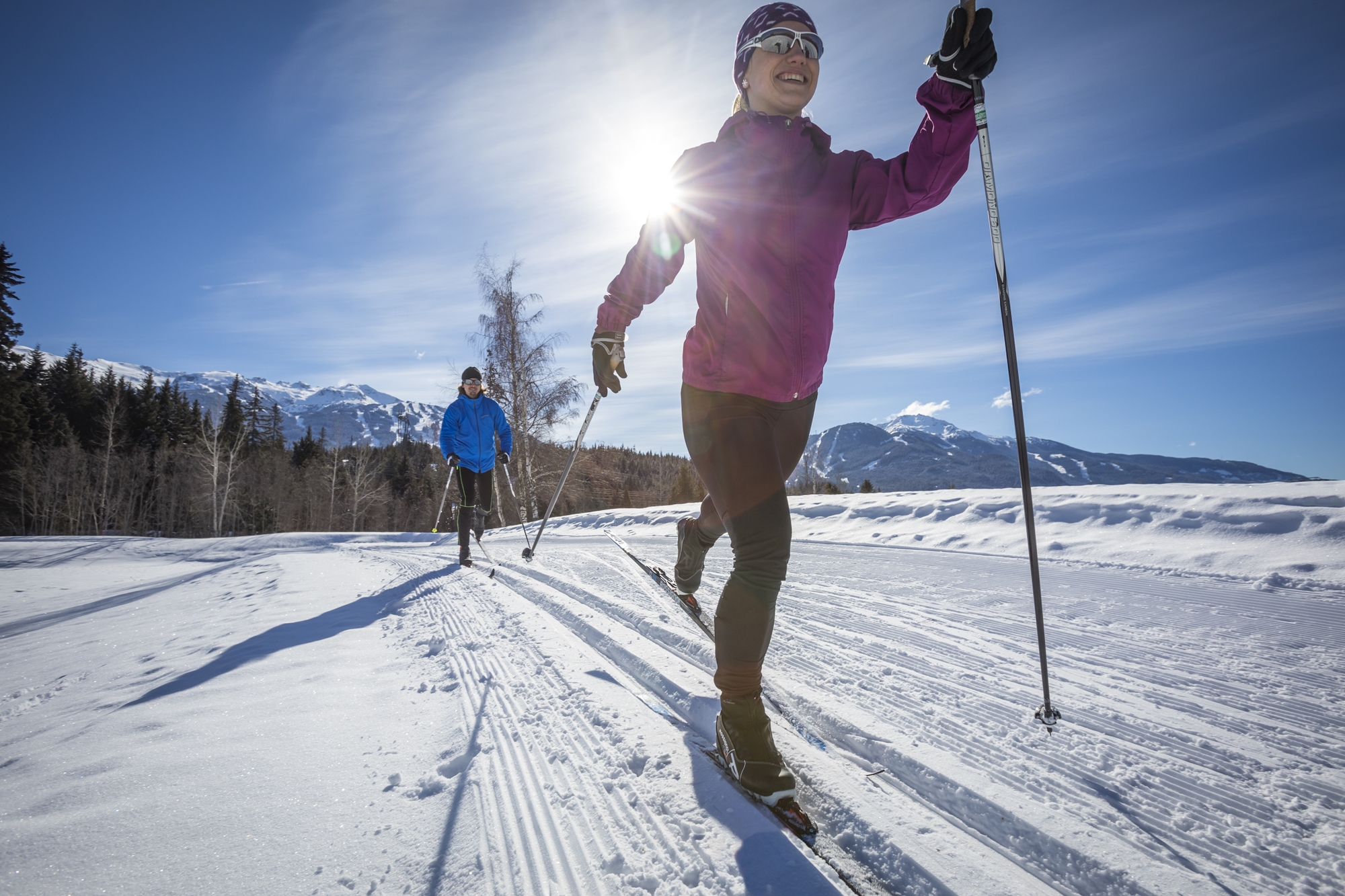
The quality of any cross-country skiing holiday depends heavily on snow conditions. Average annual snowfall is the number resorts advertise. It is not the number that matters most. What matters is how consistently a place holds skiable snow through the window when you can actually travel.
Altitude does a lot of the work here. Higher trail systems stay cold enough to keep a base intact through a February thaw that wipes out valley tracks. So does snowmaking. A growing number of Nordic centers now blow snow on a core loop, typically 3 to 5 kilometers, which guarantees you something to ski on even in a bad year. That loop will not carry a full week on its own, but it is real insurance.
Look up the last five seasons rather than the thirty-year average. Early December and late March are the risky bookings. Mid-January is almost always safe.
2. Grooming you can count on
Scenery does not save a badly groomed track. Nothing does.
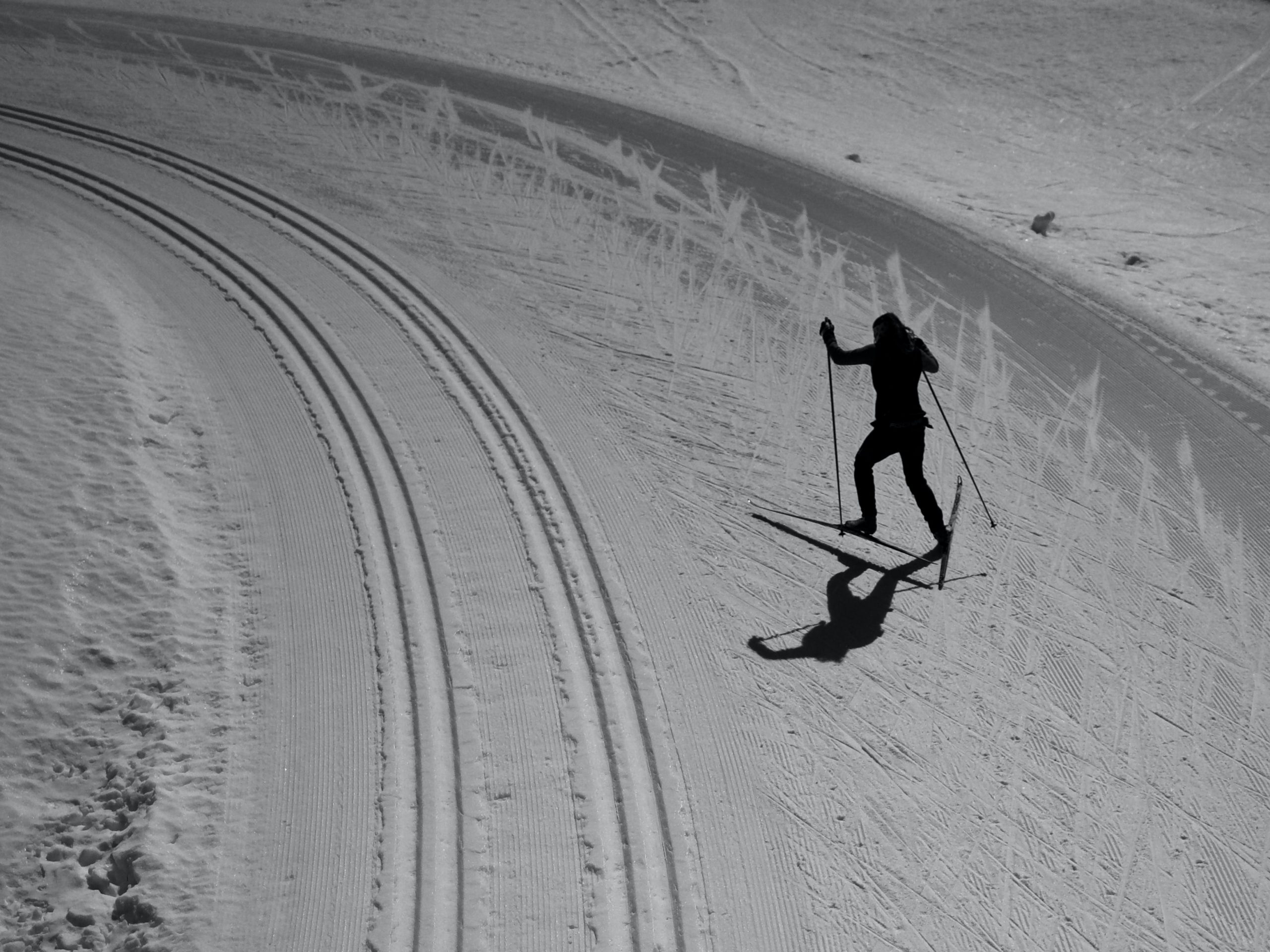
The questions to ask are specific ones. How often does the center groom, and does it groom after a storm or wait for it to settle? Are classic tracks set on both sides of the skating lane, or does the skate deck take priority when the cats are short on time? Is there night grooming, so morning corduroy is a given rather than a coin flip?
Most serious centers post a daily grooming report. Read a few weeks of them before you commit. A center that logs conditions honestly, including the days when things were icy, is telling you something useful about how it operates.
3. Terrain that matches the skiing you actually do
Cross-country skiing is unusually welcoming across ages and ability levels, which is exactly why destinations vary so much in who they suit.
A newer skier wants gentle, wide, well-signed terrain and a lesson program worth taking. Someone comfortable on skis wants 40 or 50 kilometers of connected trail with real climbing and descending, so a full day out does not mean skiing the same loop four times. A racer or a distance skier wants a network that supports a three-hour effort and, ideally, a hill they can do intervals on.
Beginners often benefit from gentle terrain, dedicated practice areas and professional tuition, while intermediate skiers may prefer destinations offering longer routes with a mixture of climbing, descending and varied scenery. Experienced skiers and endurance enthusiasts are likely to appreciate extensive trail systems that provide technical challenges and opportunities to cover greater distances.
Groups complicate this. If you are traveling with a partner who skis twice a year and a kid who wants to go hard, a center with one difficulty band will frustrate somebody every day. Trail maps are free and they answer this question in about two minutes.
4. Where the trails go
Skiing is the rare winter sport that moves you through a landscape rather than down it. You cover ground at a pace that lets you see it.
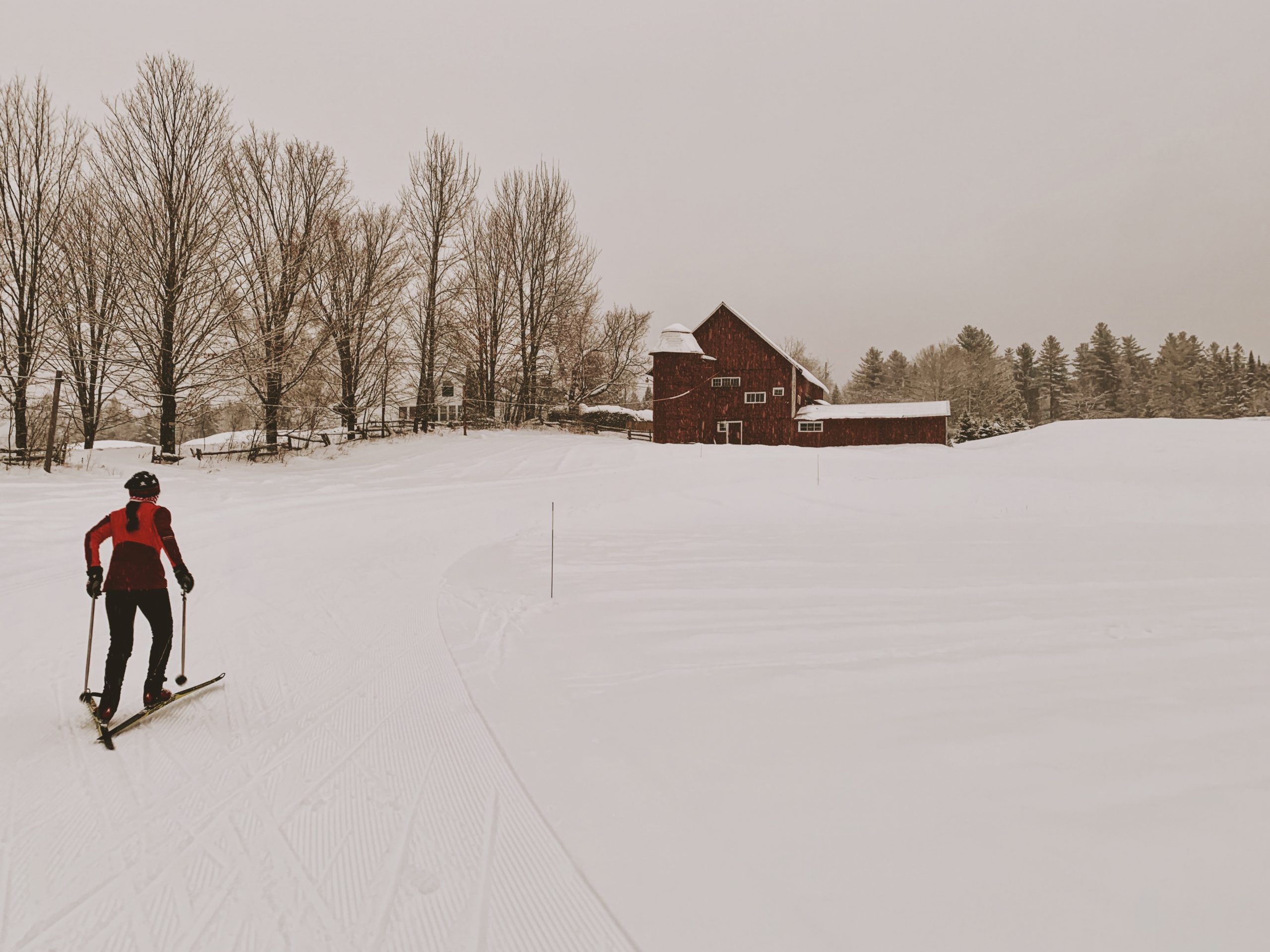
That makes the setting a genuine part of the product, not a marketing photo. Trails that thread through old-growth forest, cross a frozen lake, or open onto a valley floor at the right hour give you something a treadmill of a loop through a parking-lot perimeter never will. Light matters more here than people expect. Low winter sun on fresh snow at nine in the morning is most of the reason skiers get out of bed on vacation.
5. Lodging close enough to matter
Ten minutes from the trailhead and thirty-five minutes from the trailhead are different trips. The second one costs you an hour a day and quietly kills the second ski.
Beyond distance, the practical stuff is what separates a place that understands Nordic skiers from a place that rents rooms. Heated wax and boot rooms. Somewhere to dry gloves. A kitchen or a breakfast that runs early enough to eat before you go out. A sauna, which is not a luxury after four hours in the cold so much as a piece of recovery equipment.

6. What happens when the skiing stops
You are probably skiing three or four hours a day. That leaves a lot of day.
Towns with something going on, a bakery, a decent restaurant, a bar where people who ski actually go, turn the rest of the day into part of the trip instead of downtime in a rental. It also matters if you are traveling with someone who does not ski every day. Snowshoe trails, winter walking paths, a market, a hot spring, all of that keeps a group happy without forcing everyone onto the same schedule.
7. Getting there and getting outfitted
Logistics are boring right up until they eat a day of your trip.
Check the transfer time from the nearest airport or rail station honestly, including the last leg, which is often the slow one. Check whether you need a car once you arrive or whether a shuttle connects the lodging to the trails. If you are flying with skis, check the airline’s oversize policy before you buy, not after.
Rental quality is the other one people underestimate. A center with a real shop, current skis, a waxing service, and staff who ski themselves will get you on decent equipment in twenty minutes. A center without one will hand you a pair of rock skis from 2009 and wish you luck.
The right destination is the one that fits how you ski
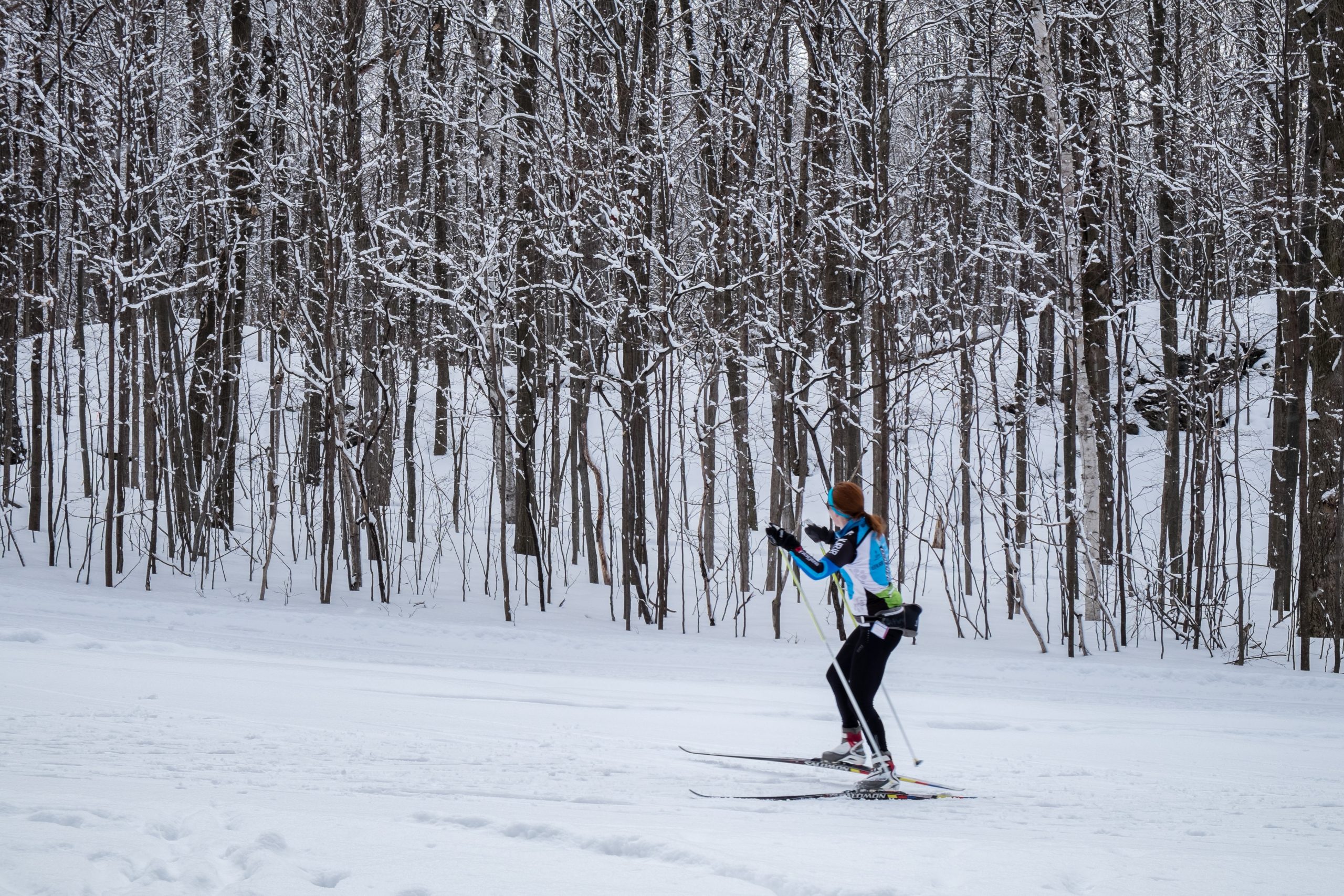
Some skiers want distance and a network big enough to get lost in. Some want a quiet loop through the woods and a long lunch. Neither is looking for the same trip, and neither is served by picking whichever place claims the most kilometers.
The places worth returning to are the ones where reliable snow, honest grooming, terrain that suits you, and lodging you can walk to from the tracks all show up in the same week. Get those four right and the rest of it, the light on the snow, the pace, the quiet, takes care of itself.


