Tag: Spain

  • Argentina’s Lannes, Now Boulder Nordic Junior Coach, Readies for His Last World Champs

    Argentina’s Lannes, Now Boulder Nordic Junior Coach, Readies for His Last World Champs

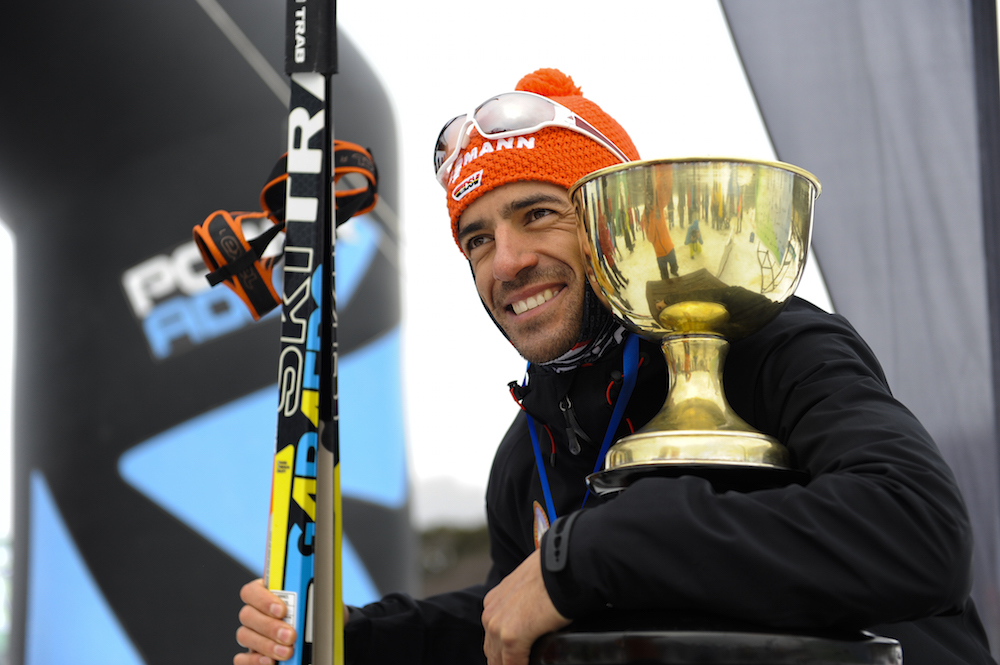
    In August, Carlos Lannes tied for first in the 2014 Ushuaia Loppet with fellow Argentine Olympian Federico Cichero.  (Photo: Rogelio Espinosa) http://blogs.fasterskier.com/marathons/2014/08/13/delayed-ushuaia-loppet-marked-by-high-winds-wet-snow/
    In August, Carlos Lannes tied for first in the 2014 Ushuaia Loppet with fellow Argentine Olympian Federico Cichero in Ushuaia, Argentina. (Photo: Rogelio Espinosa)

    FasterSkier’s coverage of the 2015 FIS Nordic World Ski Championships in Falun, Sweden, is brought to you by the generous support of L.L. Bean, now featuring a complete line of Kikkan Randall training wear.

    Carlos Lannes has seen the world, and he’s been around when it comes to cross-country skiing. Leading up to his fourth-and-final World Championships, the 36-year-old Argentine Olympian, who now lives and coaches in Boulder, Colo., provided a glimpse of his journey as a international competitor over the years.

    Born in Ushuaia, Argentina, Lannes started skiing for his home nation before moving to Spain around age of 20 to continue his professional pursuit of racing. About seven years later, he joined the Spanish Civil Guard Team, and in 2010, he qualified for the Winter Olympics in Vancouver, British Columbia, where he placed 82nd in the 15-kilometer freestyle. Just over a year ago, Lannes moved to Colorado, where he has been coaching the Boulder Nordic Junior Racing Team (BNJRT) this winter.

    This afternoon in Falun, Sweden, Lannes was listed to compete in the men’s 10 k freestyle qualifying race, with the top 10 men from that race earning starts in the distance events at 2015 Nordic World Ski Championships: the skiathlon, freestyle individual start and mass start (as well as the classic-sprint qualifier, which all competitors automatically have the opportunity to race).

    ***
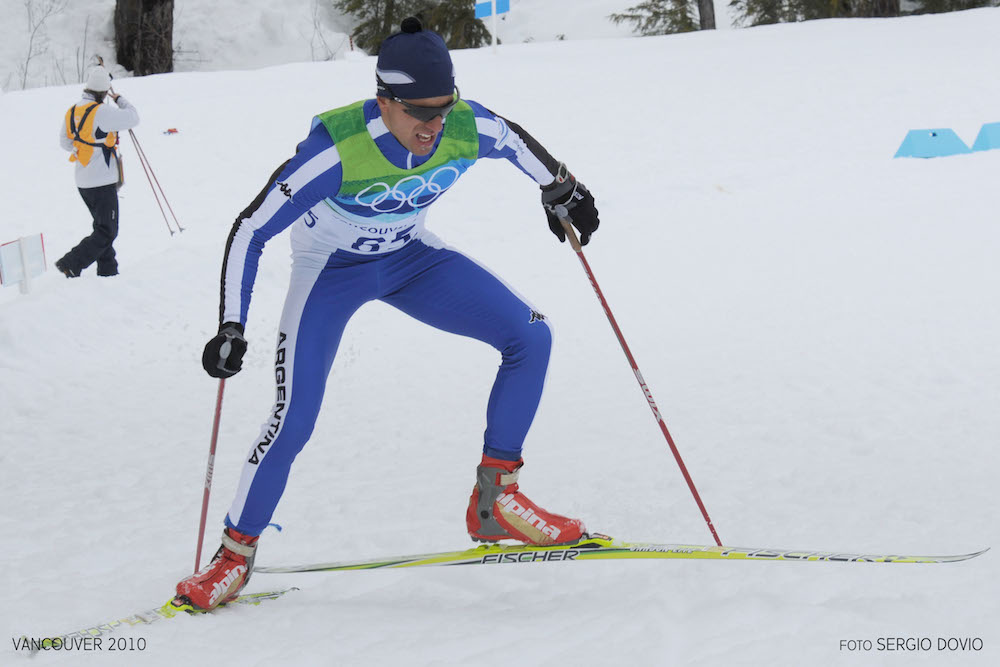
    Carlos Lannes racing for Argentina at the 2010 Winter Olympics in Vancouver, British Columbia. (Photo: Sergio Dovio)
    Carlos Lannes racing for Argentina at the 2010 Winter Olympics in Vancouver, British Columbia. (Photo: Sergio Dovio)

    FasterSkier: Can you tell us about your early days in Argentina, who influenced you there and how you learned to ski?

    Carlos Lannes: I was born in Argentina, where my passion and devotion for the sport of cross-country skiing began. I started practicing this sport thanks to a winter sports development program in my hometown, Ushuaia, which is also named the World’s End, being the southernmost city in the world. As I grew up, this is also where I began to compete in national and provincial races, obtaining my first results.

    Looking back at this early stage of my life in Argentina, there were a lot of important people throughout my career in cross-county skiing and to whom I owe all of my respect and will always be thankful for the valuable impact they had in my life. I cannot name one single person that inspired me to pursue a career in this sport. However, I was very inspired by the numerous cross-country skiers at the time when I was living in Argentina, pushing and motivating me and my fellow skiers and friends to learn and train harder, to compete, and to follow our dreams.

    FS: When and why did you move to Spain? Who persuaded you to do so and whom did you ski with there?

    The Spanish Biathlon National Team, which Carlos Lannes trained with, including Diego Ruiz (a three-time Olympian and one of Spain's top cross-country skiers), Ismael Bouza and Pablo Bouzas. (Courtesy photo)
    The Spanish Biathlon National Team, which Carlos Lannes trained with, including Diego Ruiz (a three-time Olympian and one of Spain’s top cross-country skiers), Ismael Bouza and Pablo Bouzas. (Courtesy photo)

    CL: In 1999, my passion for cross-country skiing drove me to travel and move to Spain, close to the countries that have shown to be the best in this sport — such as Sweden and Norway — and in the hopes of fulfilling my dream of participating in the Olympic Winter Games. I was also highly motivated by other Olympic athletes, such as Luis Argel and Martin Bianchi, who invited me to take the opportunity to train and pursue my career in Europe.

    In my early beginning living in Spain, I lived in a small valley, Val d’Aran, in the Catalan region. This is where I was given the opportunity to work and train and begin to grow as an athlete in Spain. My first club in Spain was CAEI, where I began to compete and allowing me to obtain my first results in the national circuit.

    In 2006, my improved results and skiing level in the Spanish cross-country skiing competitions opened the doors for me to be a part of the Spanish Civil Guard Team. Therefore, I moved to Jaca, Aragon, and began to ski in one of the best teams in Spain, which allowed me to compete at a higher level, alongside many excellent athletes who have represented Spain in the Winter Olympics.

    This prestigious team is a benchmark for young athletes in Spain and I will always be thankful for the opportunity to be able to grow professionally, as well as personally, in this highly valued institution. Without the help of the Spanish Civil Guard, I might not have been able to participate in the Vancouver Winter Games, since they generously provided me with permits for training and days away from work, for different races in preparation for the games.
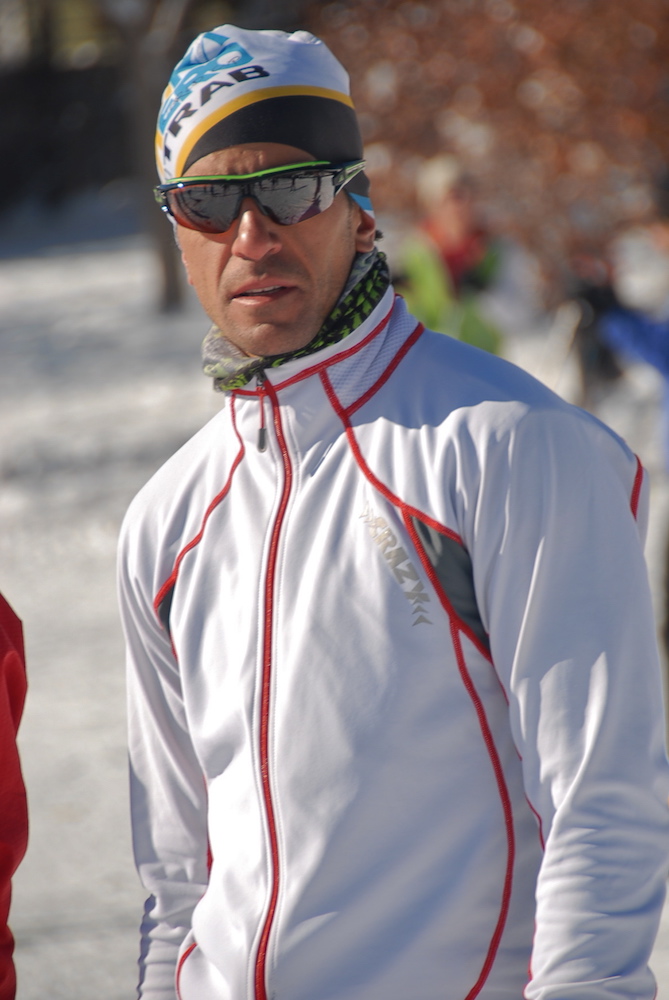
    Born in Argentina, Carlos Lannes moved to Spain to train for more than a decade before representing Argentina at the Vancouver Olympics and three World Championships. He'll compete at his fourth World Championships in Falun, Sweden, this week. (Courtesy photo)
    Born in Argentina, Carlos Lannes moved to Spain to train for more than a decade before representing Argentina at the Vancouver Olympics and three World Championships. He’ll compete at his fourth World Championships in Falun, Sweden, this week. (Courtesy photo)

    FS: How was your Olympic experience, and how were you funded and supported as an athlete pursuing that dream?

    CL: In 2010, I participated in the Vancouver Winter Olympic Games, which was one of the most gratifying experiences of my life as a skier. Prior to the games, I also had the great opportunity to train with the Spanish National Team, who supported me in many aspects, including traveling, skiman services, helping me in my training program and periodization, among other things. They gave me the opportunity to be a part of a national team, which was a great learning experience for me in my career. At the same time, the Argentinian Federation supported me when competing internationally, such as for the World Championships and at the Winter Olympics in Vancouver.

    FS: Who did you learn from along the way? 

    CL: During my time in Europe as a competing athlete, I had the great pleasure to share with other great teams and athletes from all over the world. In particular, after the games in 2010, I had the great pleasure of training and learning from the Rastelli family and Polisportiva Le Prese, in Sondalo, Italy, where I have been very fortunate to train with one of the best group of trainers and young athletes in Italy. Coming from a country where cross-country skiing is a minority sport, I have been blessed to be given the opportunities that I have had and to have achieved all that I have.

    FS: Where did you meet your wife, and why did you move to Boulder? 
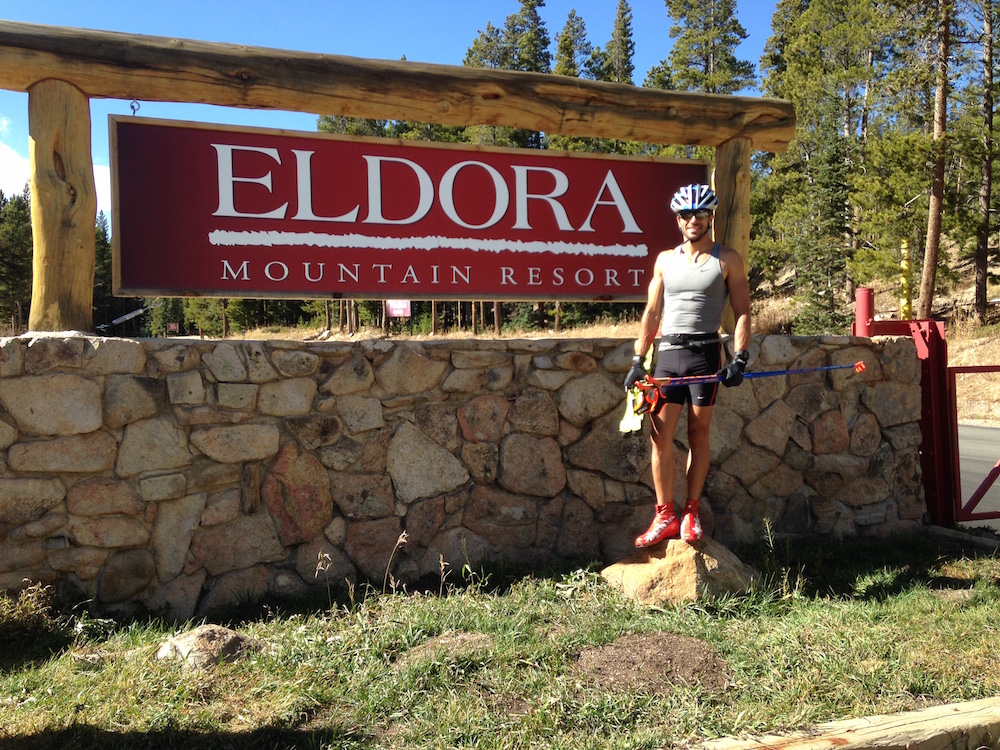
    Carlos Lannes during a dryland workout at Eldora in Nederland, Colorado, last year. (Courtesy photo)
    Carlos Lannes during a dryland workout at Eldora in Nederland, Colorado, last year. (Courtesy photo)

    CL: My wife and I met in Spain some years back, during a trip she made to Europe with her sister and a friend, and in 2012, we got married and I began my masters in the Spanish Olympic Committee. My wife was born in Toronto, Canada, however, her family is from Uruguay, Argentina’s neighboring country, where she spent part of her life growing up. For this reason, we share a very similar culture and values.

    Last year, as I finished my studies, my wife and I decided to come to the United States from Spain to live closer to our family, take advantage of improving my English, and have the opportunity to share my experiences with the younger athletes in BNJRT. We moved in May 2014, and settled in Superior, a small town close to Boulder, Colorado.

    FS: How do you like coaching juniors?
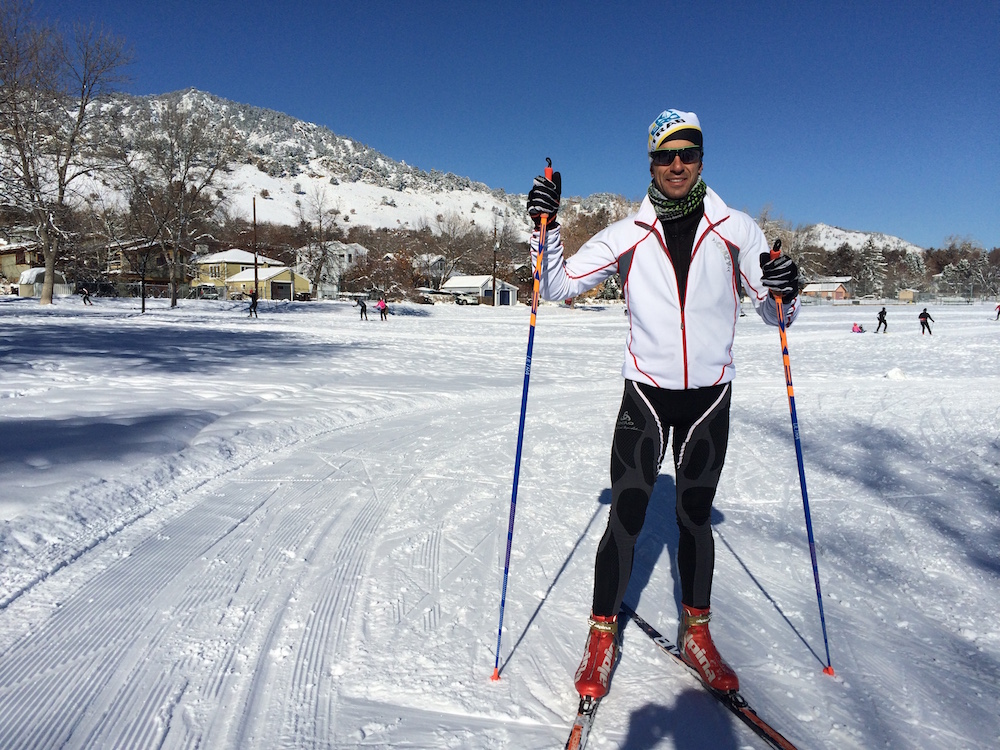
    Carlos Lannes, now a coach with the Boulder Nordic Junior Racing Team, skiing last November near Boulder, Colo. (Courtesy photo)
    Carlos Lannes, now a coach with the Boulder Nordic Junior Racing Team, skiing last November near Boulder, Colo. (Courtesy photo)

    CL: I sincerely appreciate the opportunities that I have been given, Head Coach, Adam St. Pierre, and BNJRT. It is a true pleasure and with great pride that I help coach the young talented athletes and I am involved in their improvement in a sport that is my true passion, and that with great perseverance has led me to open doors on both sides of the Atlantic.

    FS: Why have you decided that Falun would be your last World Championships as a competitor, and what you hoping to do there? Who will help support you?

    CL: I decided that Falun will be my last World Championship because is time to pass on my experiences and skills on to others in a new and exciting period of my life. My support staff will include my friend and Italian skiman and Head Coach Ivan Rastelli, as well as Martin Bianchi, former Olympic skier, and close friend Mattia Pazzola. I can only hope that my dedication and hard work throughout the years will serve to inspire all the young athletes to be all that they can be and fulfill their own dreams in the sport of cross-country skiing.

  • Casting Traditional Sponsorship Aside, Small Wisconsin Business Brings Skiers Together from Around the World

    Casting Traditional Sponsorship Aside, Small Wisconsin Business Brings Skiers Together from Around the World

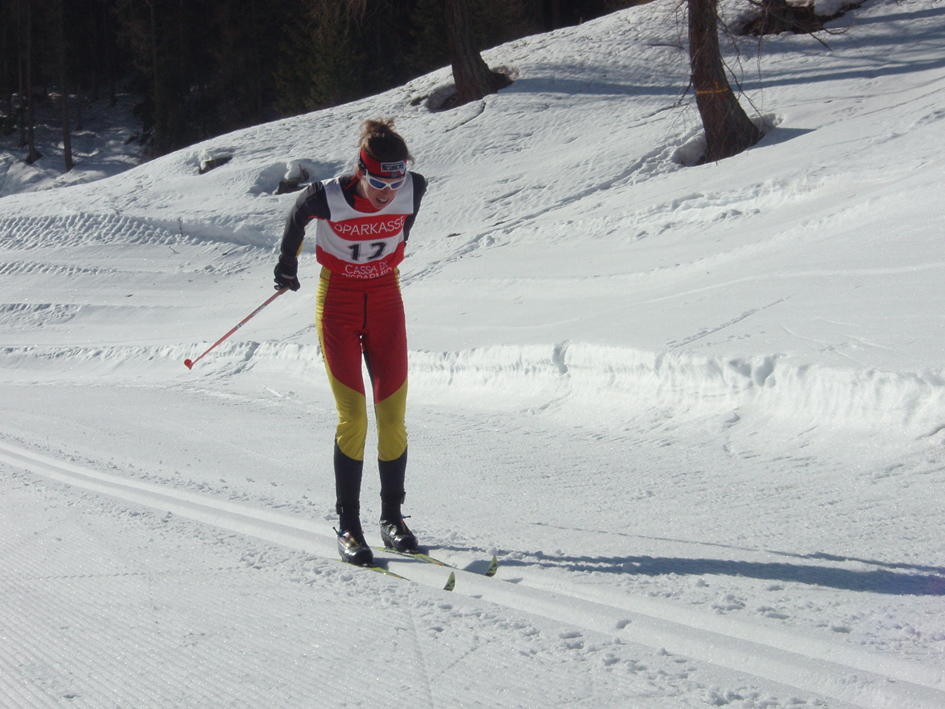
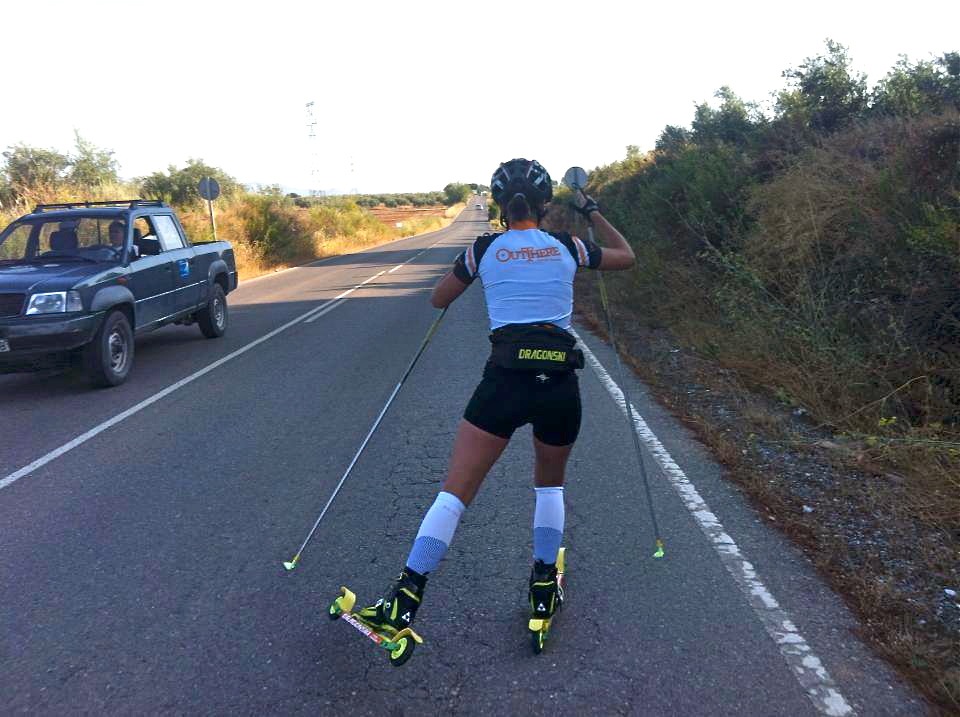
    Victoria Hernandez rollerskis in her native Spain while wearing there Out There training kit. Hernandez was the first member of the Out There Biathlon and Nordic Team. The Team now has seven members and aims to support its athletes through a family-like environment. (Photo: Out There/Facebook
    Victoria Padial Hernandez rollerskis in her native Spain while wearing there Out There training kit. Padial was the first member of the Out There Biathlon and Nordic Team, and in 2014 won silver in both the sprint and the pursuit at Open European Championships, becoming the first Spanish athlete to ever medal at the event. The Team now has seven members and aims to support its athletes through a family-like environment. (Photo: Out There/Facebook)

    Spain. New Zealand. Hungary. Lithuania. Brazil. The U.K. The Netherlands. The U.S.

    At first glance these countries have very little in common when it comes to skiing. In fact, it’s rare to hear of high performing World Cup athletes from many of these nations, let alone a team that boasts members from all eight of these counties.

    Despite the lack of apparent ties, one small-town ski shop in Wisconsin is joining forces with nordic athletes from each country in order to help grow the sport and in the process they’re building a family.

    It all started roughly seven years ago when Kristen and Bjørn Hanson were attempting to bring a ski shop to Rice Lake, a small town in northern Wisconsin with less than 9,000 residents.

    Bjørn, who is the U.S. board member for the World Loppet Skiers Association, knew there was a demand in the community but everyone he approached dismissed the idea, saying that nearby Hayward would be a more suitable location.

    One of the logos for the Out There Biathlon and Nordic Team. in the 2014/2015 season the team boasts eight athletes from eight different countries. (Photo: Out There/Facebook)
    One of the logos for the Out There Biathlon and Nordic Team. in the 2014/2015 season the team boasts eight athletes from eight different countries. (Photo: Out There/Facebook)

    It wasn’t until their long-time friend and Fischer/Swix representative for the Midwest, John Theis, suggested that Hanson open the shop himself that the Rice Lake shop came into fruition.

    The move made sense. Hanson had a long history with cross country skiing. He was an avid cross country skier and had a strong Norwegian heritage with many family members still in the Scandinavian country.

    “It wasn’t an option,” said Hanson about his introduction to skiing in a phone interview. “You were born and then you had skis slapped on your feet a couple years later. The rest was history.”

    Not only did a background in cross country skiing qualify the Wisconsinite to open a ski shop, he also had extensive experience in retail.  To this day, Hanson runs a paint and decorating business in Rice Lake that is the anchor store of the town’s main street. Situated in a 1904 Victorian, the family business has been a facet of the town for 38 years.

    Hanson and his wife realized that with such a large facility, there was room for more than just paint. After rearranging the store, the couple utilized two rooms in the house in what would be called Out There.

    Today, Out There has become a fully outfitted ski shop and has grown from two rooms to encompass the entire basement, four rooms on the main floor, and a strength facility in the warehouse behind the shop.

    That’s not the only way Out There has grown. After the Hansons’ son became interested in Biathlon, Hanson turned to a graphic designer to create a biathlon logo for the store. The task was only a whim at the time, but when Hanson realized the O in Out could be used as a biathlon target, he became excited about the possibilities.

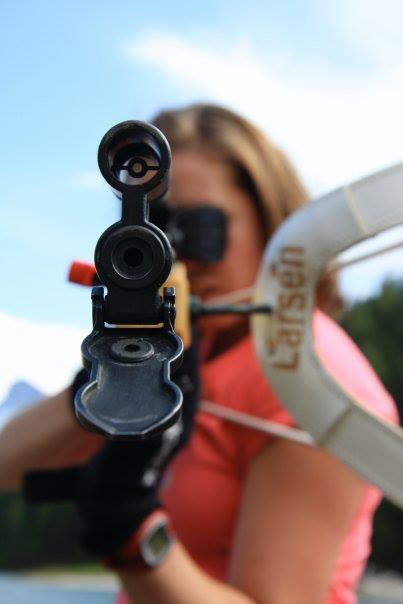
    Out There athlete, Sarah Murphy of New Zealand, practicing her shot in 2013. (Photo: Out There/Facebook)
    Out There athlete, Sarah Murphy of New Zealand, practicing her shot in 2013. (Photo: Out There/Facebook)

    Soon after the creation of the new logo, Hanson was contacted by a British representative who said he had a Spanish biathlete, Victoria Hernandez, who was interested in expanding her image. Open to the idea of partnering with an athlete or two, Hanson and Hernandez discussed how the shop could best support an athlete from a non-traditional nordic nation.

    The shop agreed to sponsor Hernandez, and as word spread of how Out There was supporting those on the fringe of nordic sports, more and more athletes got in touch with the store.

    “There’s been this snowball effect and we are continuing to grow,” Hanson said of the Out There Biathlon and Nordic Team. “We are getting emails about once a month from either an athlete or coach who is asking about us. We take each situation and see if it is a good fit for what we are doing.”

    Represented by the biathlon logo that was originally created on a whim, the Out There Biathlon and Nordic Team has grown to a fully fledged team. In the 2014/2015 season Out There will be sponsoring eight athletes from eight nations, all of whom are biathletes and one who is also a cross country ski racer.

    Out There makes an attractive sponsor for several reasons that have very little to do with financial gain.

    Bjørn and Kristin work with each athlete individually to tailor a sponsorship that fits their needs. That could mean financial support, subsidized gear, or getting them in contact with other potential sponsors.

    “We’re this extended family that is championing what they want to do. We try not to do it from a business standpoint, but from a family standpoint.”

    For biathlete Katrina Howe, Out There’s first American athlete, the Hansons have crafted a unique plan in which the skier sells homemade knit hats and earrings through the shop and it’s website. Out There has also helped her set up her own Facebook page to promote the hats, which she calls Foxy Toppers.

    Out There collects no income from any of her products, and sends her the full profits via PayPal once a sale is made.

    “Some people would mark it up and try to make a cut on it, but we’re just trying to promote it and make more money for the athletes,“ Hanson said.

    Out There also attempts to ensure its athletes have a plan for the future, whether or not that includes skiing.

    “Some day you have so become a person. Maybe that’s is coaching, or a wax tech, or selling who knows what,” Hanson said. “That is something that you have to think about as you progress in your professional athletic life. I think a lot of athletes haven’t thought about that so we’re trying to assist them by laying the foundation for them to get into the things that can allow them to help build the sport in ten years. “

    At the end of the day, Out There is all about growing nordic skiing by creating a strong support system for fringe athletes.

    “The more we grow the sport the more potential business there is for everyone. If we don’t grow the sport it is too small,” explained Hanson. “When you look at the globe and realize that the client base comes from north of the 45th parallel, you realize you don’t have billions of potential customers.”

    Perhaps the most important aspect of an Out There sponsorship is its inclusion into a tight-knit community. In order to ensure the sport continues to grow, Out There aims to build a family environment for its racers that can support them regardless of whether they are from Hungary or Brazil.

    “We’re this extended family that is championing what they want to do,” Hanson said. “We try not to do it from a business standpoint, but from a family standpoint.”

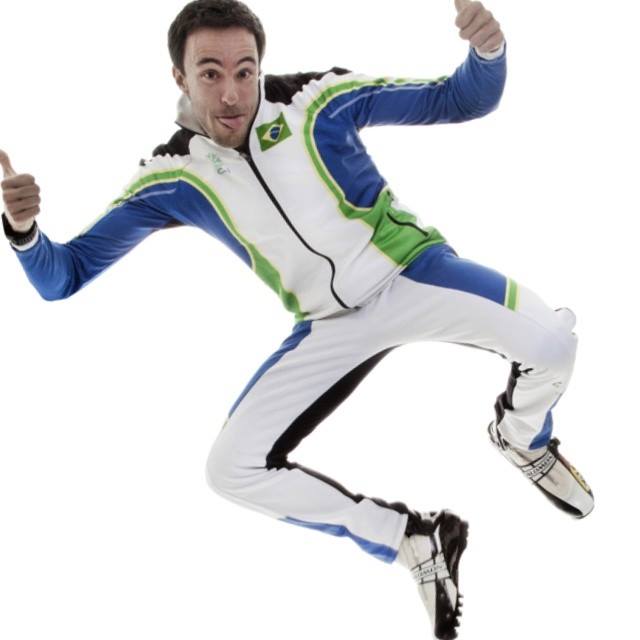
    Leandro Lutz is a member of the Out There Biathlon and Nordic Team. A native of Brazil, Lutz often jokes that there aren't many people rollerskiing in his country. Lutz will travel to the U.S. in July to train with Out There before he heads to Europe in the fall (Photo: Out There/Facebook)
    Leandro Lutz is a member of the Out There Biathlon and Nordic Team. A native of Brazil, Lutz often jokes that there aren’t many people rollerskiing in his country. Lutz will travel to the U.S. in July to train with Out There before he heads to Europe in the fall in the hopes of attending the 2015 World Championships in Falun, Sweden. (Photo: Out There/Facebook)

    This family orientation means that the Hansons will regularly host athletes in their home. Last year Sarah Murphy, a biathlete from New Zealand, spent several weeks with them while she was racing in the 2014 Berkie. Another athlete, Leandro Lutz, will travel from his native Brazil to Rice Lake in July so that he can train in Wisconsin with Out There before he heads to Europe in the fall. This year he hopes to qualify for the 2015 World Championships in Falun, Sweden.

    Hanson also described some other nontraditional support that the team gives its athletes. He said that he’s received many emails asking advice for personal issues. Recently an Out There teammate asked for guidance regarding his girlfriend. Hanson was more than happy to help.

    Hanson explained that many people are initially perplexed by Out There’s model, but that eventually the team’s intimate nature makes sense.

    When Out There first started its relationship with Murphy, one of the team’s first athletes, the New Zealand biathlete was very skeptical of the program.

    “When she first contacted us she said she was very leery but thought that she would extend a hand and contact us,” said Hanson. “The first couple times we talked she thought it was too bizarre. Why would someone want to do this when there is no initial financial gain or little face-to-face contact? Then she realized that we were trying to do this in order to grow the sport.”

    “Sarah Murphy always jokes ‘Bjorn and Kris decided to open a ski shop. Rule number one: change the world. Rule number two: sell some ski stuff.’”

    When asked about the future of the Out There team, Hanson said that he and his wife don’t have any concrete plans.

    “I don’t like to set too many plans because you miss opportunities because you are settling with one plan,” he said.

    The Hansons plan to talk with their athletes and see what they think is best for the direction of the Out There shop and team. Regardless of future expansion or developments, the small Wisconsin shop will continue to support its team in an manner that helps grow the sport of skiing.

    Highlighted by a joke from Murphy, Hanson sums up his shop and its future direction in one sentence.

    “Sarah Murphy always jokes: ‘Bjorn and Kris decided to open a ski shop. Rule number one: change the world. Rule number two: sell some ski stuff.’”

  • Spain And Laura Orgue

    I love the annual series FasterSkier does profiling each nation that scored nation’s cup points in the days before the World Cup begins. Usually by the time they reach Norway and Russia, I’m actually less interested, but the first week or so is a fun ride through nations with tiny, little known programs.

    First up was Spain, featuring Laura Orgue. The correctly note that she’s basically the only real prospect they have, and thankfully she’s not terribly old (~25). What can happen a lot with these tiny ski programs (or even medium sized ones, really, like the US) is they latch onto a decent skier and basically ride them into their 40′s. However, looking at Orgue’s last few seasons, I’m a little concerned:

    No one’s pretending that Orgue has been anything other than a middle of the pack type of distance skier, but I’m worried that her results have plateaued a bit, perhaps even tailing off last season. In my experience looking at skier’s results, after the early rapid improvement, they often hit a plateau. But each year they spend stuck at that level decreases the chances that they’ll start improving again. The clock is ticking, so to speak.

    As for the men, the FasterSkier profile if anything underplays the comical contrast of with and without Johann Mühlegg:

    These are the number of results at each level per WC race that season.

    Related posts:

    1. <How Well Prepared Are World Cup Rookies? (Part 1a: Distance)
    2. <USST Preview: Liz Stephen & Morgan Arritola
    3. <Biathlon Briefs: Lowell Bailey and Laura Spector


  • Spain And Laura Orgue

    I love the annual series FasterSkier does profiling each nation that scored nation’s cup points in the days before the World Cup begins. Usually by the time they reach Norway and Russia, I’m actually less interested, but the first week or so is a fun ride through nations with tiny, little known programs.

    First up was Spain, featuring Laura Orgue. The correctly note that she’s basically the only real prospect they have, and thankfully she’s not terribly old (~25). What can happen a lot with these tiny ski programs (or even medium sized ones, really, like the US) is they latch onto a decent skier and basically ride them into their 40′s. However, looking at Orgue’s last few seasons, I’m a little concerned:

    No one’s pretending that Orgue has been anything other than a middle of the pack type of distance skier, but I’m worried that her results have plateaued a bit, perhaps even tailing off last season. In my experience looking at skier’s results, after the early rapid improvement, they often hit a plateau. But each year they spend stuck at that level decreases the chances that they’ll start improving again. The clock is ticking, so to speak.

    As for the men, the FasterSkier profile if anything underplays the comical contrast of with and without Johann Mühlegg:

    These are the number of results at each level per WC race that season.

    Related posts:

    1. <How Well Prepared Are World Cup Rookies? (Part 1a: Distance)
    2. <USST Preview: Liz Stephen & Morgan Arritola
    3. <Biathlon Briefs: Lowell Bailey and Laura Spector


  • Spain And Laura Orgue

    I love the annual series FasterSkier does profiling each nation that scored nation’s cup points in the days before the World Cup begins. Usually by the time they reach Norway and Russia, I’m actually less interested, but the first week or so is a fun ride through nations with tiny, little known programs.

    First up was Spain, featuring Laura Orgue. The correctly note that she’s basically the only real prospect they have, and thankfully she’s not terribly old (~25). What can happen a lot with these tiny ski programs (or even medium sized ones, really, like the US) is they latch onto a decent skier and basically ride them into their 40′s. However, looking at Orgue’s last few seasons, I’m a little concerned:

    No one’s pretending that Orgue has been anything other than a middle of the pack type of distance skier, but I’m worried that her results have plateaued a bit, perhaps even tailing off last season. In my experience looking at skier’s results, after the early rapid improvement, they often hit a plateau. But each year they spend stuck at that level decreases the chances that they’ll start improving again. The clock is ticking, so to speak.

    As for the men, the FasterSkier profile if anything underplays the comical contrast of with and without Johann Mühlegg:

    These are the number of results at each level per WC race that season.

    Related posts:

    1. <How Well Prepared Are World Cup Rookies? (Part 1a: Distance)
    2. <USST Preview: Liz Stephen & Morgan Arritola
    3. <Biathlon Briefs: Lowell Bailey and Laura Spector


  • Team 21: Spain

    Team 21: Spain

    Spain

    Nations Cup Ranking: 21st (33 pts)

    Men: 18th (33 pts)

    Women: N/A

    2010/2011 World Cup Team (Best estimate)

    Men

    Vincenc Villarula

    Diego Ruiz

    Women

    Laura Orgue

    What You May Have Missed Last Season:

    On the World Cup, the Spanish were incredibly quiet most of the year. But like a couple of teams (see Canada, Sweden), they had a proportionally  impressive Olympics. Vincenc Villarula finished in 31,  a heart-breaking .1 behind Jean-Marc Gaillard and a top 30 placing. Meanwhile in her three races, Laura Orgue bagged placings of 38, 27 and 36. As for the ageless Diego Ruiz,  he didn’t have such a hot Olympics, but seeing as the 33 year old is now a three-time Olympian, we’ll cut him some slack.

    On the plus side, the team has benefited from not having a complete nut-job skiing for them, as Johann Muehlegg apparently was.

    What You Should Know For This Season

    Spain has been hurting on the World Cup ever since Johann Muehlegg took an FIS-enforced break from the sport after his little incident with something called ‘darbepoetin’ at the Salt Lake City Games. While Muehlegg is German-born, he waved the Spanish flag while winning in Salt Lake in 2002 by over two minutes with brutal technique, in one of the ugliest ski suits ever seen on a race course. Check out those sparkly arm pieces. He later tested positive and had to return his medals.

    Should have been pretty obvious to just about everyone…

    Who You Should Watch

    Laura Orgue has been knocking on the door of the top-30 for the last couple of years. She finished in the top-40 in all three Olympic races, which could mean the 24-year old could squeeze off a few points. At least in distance races, she could become a points-getter – her sprinting could be generously listed as ‘needs improvement’.

    Laura Orgue