Tag: stretching

  • Wednesday Workout: Optimal Recovery with Dr. Zuzana Rogers

    Wednesday Workout: Optimal Recovery with Dr. Zuzana Rogers

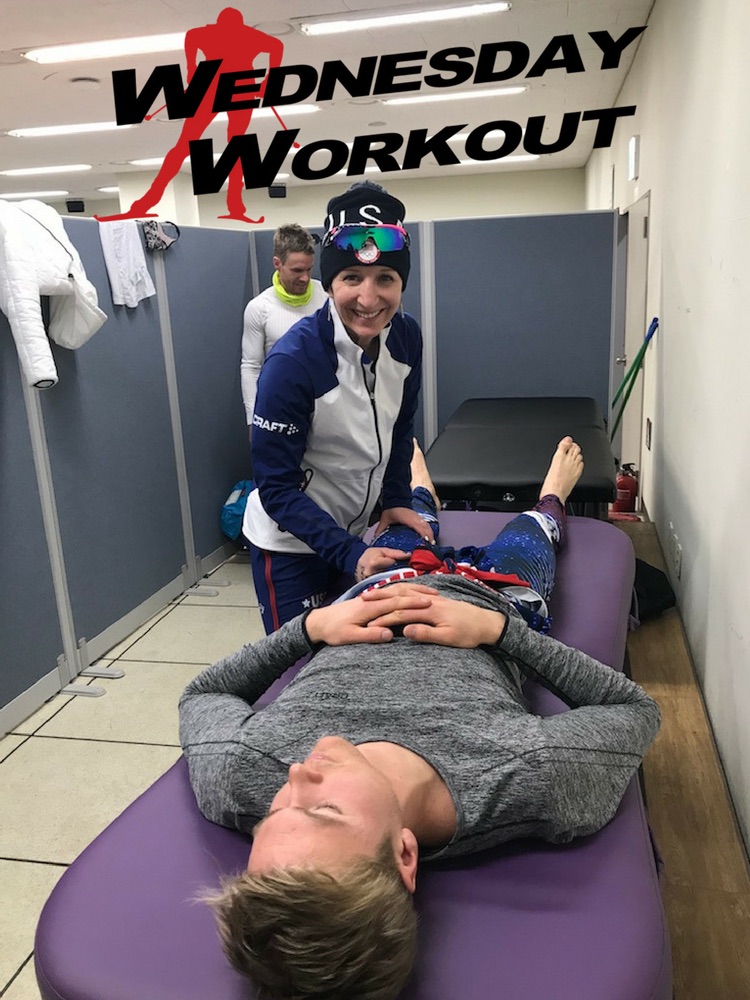
    U.S. Ski Team physical therapist Zuzana Rogers with athlete Erik Bjornsen at the 2018 Winter Olympics in PyeongChang, South Korea. (Courtesy photo)

    The following Wednesday Workout comes from Dr. Zuzana Rogers, PT, ScD, SCS, COMT, of Anchorage, Alaska. Rogers has been the go-to physical therapist for the U.S. Cross Country Ski Team since 2013 and Alaska Pacific University (APU) Nordic team since 2011. 

    ***

    You are probably training hard…but is your recovery optimal?

    As you transition from summer to fall training and the intensity increases, you may start noticing certain tweaks that are happening to your body and the fatigue sets in. But you want to train more than your competitors… Intense training is only a part of the picture. As you get better and training at the edge of human capabilities, what will set you apart for your competition is appropriate recovery. Your body gets stronger and more fit AFTER THE WORKOUT, when it is able to absorb the load you just put it through.

    During the past years, literature has been all over the place when recommending the most effective method of recovery after an intense exercise. Recent systematic analysis (Dupuy et al. 2018) places active recovery, massage, compression garments, cold water immersion, contrast water therapy, and cryotherapy as effective methods in reducing exercise-induced DOMS (delayed onset muscle soreness) and fatigue.

    So let’s look at them one by one:

    1. Active recovery:

    Considered a pretty good method to recover after exercise, it helps to clear CK (creatine kinase) after approximately seven minutes of low-intensity exercise, such as a jog or a spin. It does not seem to make you feel less fatigued, but the physiological benefits are there. The effect of active recovery may be explained through enhanced blood flow in muscle tissue, which facilitates the removal of metabolic waste, and may contribute to a reduction in muscle lesions and pain.

    buy ortho tri-cyclen online, buy yaz

    How about stretching? If done aggressively, stretching has no positive impact on DOMS. Moreover, some results at <6 h after exercise indicated that aggressive stretching might even produce DOMS. However, if done with the right goal in mind, it can improve the functional range of motion of your joints and optimize the length of the muscles. The muscles work the best when used in their optimal range (this is sport-specific). Overstretched muscles become less efficient in their contractibility, therefore the performance goes down.

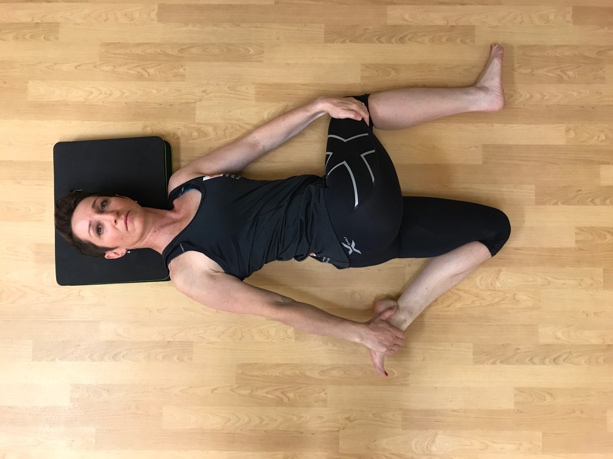
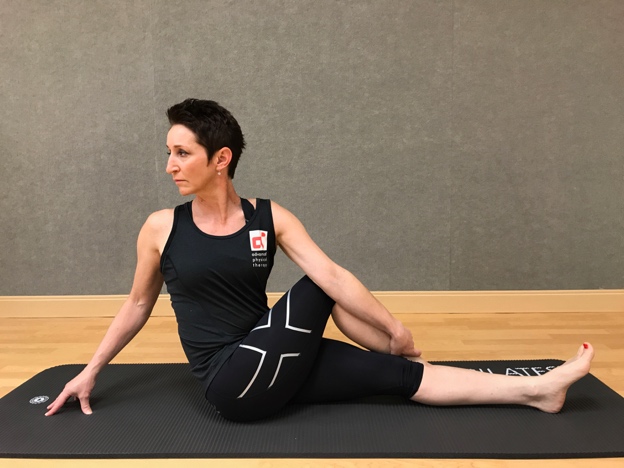
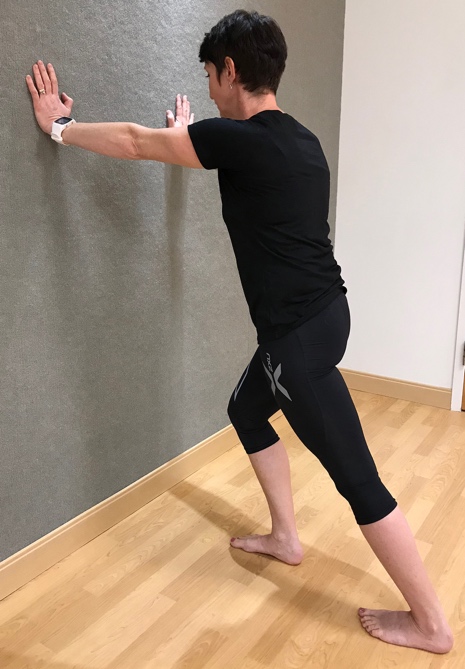
    Here are my favorite mobility exercises, done to improve crucial areas of restrictions found in cross-country skiers and runners:
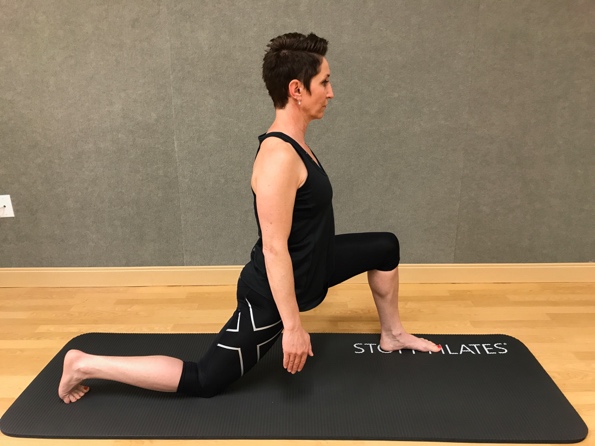
    Hip flexor stretch to improve hip extension, connected with balance in a ½ kneeling position. Try to get your feet to cover a single line. Hold 20 seconds each side.
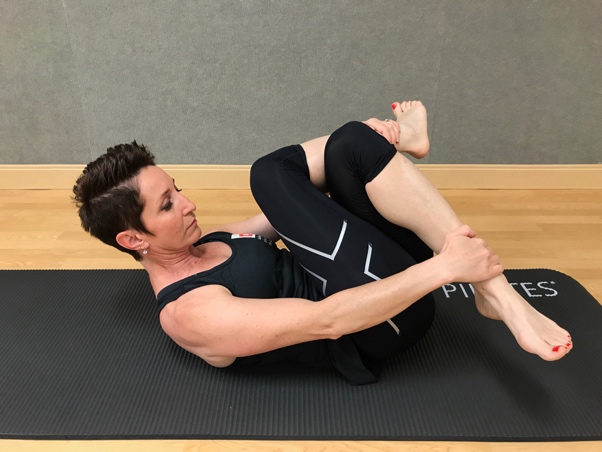
    Piriformis stretch: cross your knees, grab your ankles. Hold 20 seconds each side.
    Quadriceps stretch with added thoracic rotation; the Bretzel. Hold 20 seconds each side.
    The Twist: hip mobility and thoracic mobility. Use your core to get into the position and sit tall! Hold 20 seconds.
    Gastrocnemius stretch: an old favorite to improve ankle mobility. Make sure your feet are pointing straight forward! Hold 20 seconds. You can also flex your knee.

    2. Massage therapy:  

    Massage is a very traditional way to improve recovery after physical exercise both in sports and rehabilitation contexts. It seems to be the most effective method for reducing DOMS and perceived fatigue. It appears to be effective in reducing micro-inflammation of the muscle by decreasing intramuscular edema after exercise. A 20- to 30-minute massage that is performed immediately following or up to two hours after exercise has been shown to effectively reduce DOMS for 24 hours after exercise. It also reduces circulating Cortisol (stress hormone) and increases blood concentration of beta-endorphins (it makes you feel good!).

    3. Compression garments:

    They are shown to also reduce DOMS when worn after exercise, but to lesser effect than massage therapy. The use of compression garments during exercise as means of preventing DOMS and injuries is still up in the air.

    4. Cold water immersion:

    Overall fatigue after high intensity training and competition can be improved through the use of cold water immersion (cold water bath). Exposure of 11–15°C over 11–15 min was considered to be the optimal circumstance to obtain a positive impact after exercise to reduce DOMS, but this all depends on the type of exercise and its intensity. Both the level of immersion and the cold temperature of the water may reduce the formation of edema and pain sensation after exhaustive physical exercise.

    5. Whole-body cryotherapy:

    So far, the evidence in longer term DOMS reduction and post-workout recovery is limited. Cryochambers are cumbersome and costly.

    Of course, we cannot forget appropriate rehydration, refuel, nutrition and sleep, but that may be a topic for another piece.

    In general, if you are not injured, your training and recovery is straightforward.

    Happy training and recovering!

    Source:

    Dupuy O, Douzi W, Theurot D, Bosquet L, Dugué B. An Evidence-Based Approach for Choosing Post-exercise Recovery Techniques to Reduce Markers of Muscle Damage, Soreness, Fatigue, and Inflammation: A Systematic Review With Meta-Analysis. Frontiers in Physiology. 2018;9:403. doi:10.3389/fphys.2018.00403.
  • What Drives Muscle Tightness: Tips for Improving Long-Term Performance

    What Drives Muscle Tightness: Tips for Improving Long-Term Performance

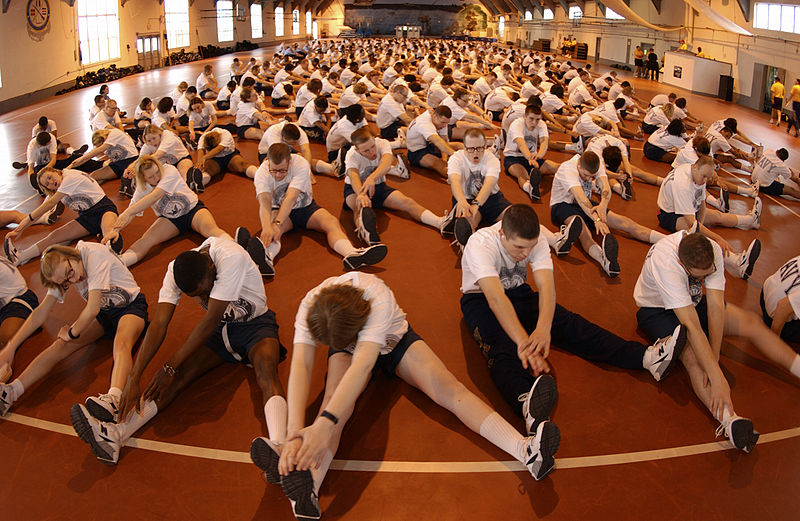
    If we could all just stretch a little more effectively, it would go a long way. (Photo: US Navy recruits/Wiki Commons)
    If we could all just stretch a little more effectively, it would go a long way. (Photo: US Navy recruits/Wiki Commons)

    Many of us have realized minimal gains with static stretching. For many it seems to be the training element we shove off to the end of the list even though we know it is important. Maybe we do this because for all the time we spend, we don’t get much positive reinforcement?

    Static stretching tends to yield short-term changes in muscle lengths. Ever notice about 10 to 15 minutes into your workout you feel tight again? It is because we have not addressed the root issue of what is driving the muscle tightness. We may get a few degrees more range of motion, but it is short lived.

    Why are the hamstrings and calves tight to begin with? For a long time, I thought it was due to those muscles being worked more, shortened due to growth spurts or inconsistent flexibility routines. Then I learned that this was only a part of the picture. Yes, these muscles were working extra, but because others were not. The main reason for the tightness had nothing to do with the muscle length, but the muscles that keep them tight are more active or “turned on” when they are not supposed to be, which will keep them tight. Essentially the muscles that are abnormally tight are working extra and always turned on.

    In my last article, ‘The Freedom of Movement,’ I discussed the importance of mobility and stability. Physical therapists, doctors and trainers have different theories on which element is best to address first. To a certain degree as we still develop our diagnostic tools, it will continue to be a chicken-and-egg conundrum. Since everyone’s body reacts differently, the best approach is to try a different method of improving flexibility and re-test your mobility or stability to see if it has an effect.

    Since we need to look at the muscles as an interrelated system, we should use mobility techniques as such as well (i.e. not stretch one isolated muscle group, but address the whole system). We address the system by turning on the muscles that are not activated (but are supposed to be), while at the same time lengthening the target muscle group we are hitting.

    Since no muscle group works with out interacting with other muscle groups, I like to think of targeting an area versus a specific muscle group. For example, instead of stretching just hamstrings, I like to think of stretching the hip, calf and foot muscles, all of which are involved with the hamstrings. Often, we may think our hamstrings are tight when it’s really our hip flexors and weak core driving the movement restrictions.

    How to Stretch

    Since our bodies work best fully mobile, we ideally want to exercise after improving our mobility.

    A good sequence is:

    • Foam roll to release trigger points
    • Hit your primary trouble spot with a mobility exercise sequence, for example, a toe touch (as detailed below)
    • Then move into your workout.

    This will take 10 to 15 minutes, but you will feel like a different athlete for most of your workout.

    Since many skiers tend to have tight hips, and especially those that use cycling as their core form of endurance base building – the body position in cycling tends to shorten hip flexors – I will use the hips as a starting-point example. Please keep in mind this is one example of multiple ways to address this.

    What will work most effectively to keep these changes in is flexibility coupled with strength exercises that teach and reinforce this improved muscle firing pattern. After a short time, the additional strength exercises will make the improvements in flexibility long term (for days/weeks), versus for 20 to 30 minutes.

    What works best for each person will again be driven by what you learn in your evaluation or FMS screening. For making long-term changes in your flexibility muscle release helps for a short duration, but will only elicit a change for a short while, unless we continue to work on fixing the system. The exercises below are based off the work of physical therapist and author Gray Cook.

    Hip Mobility

    Toe-touch demonstration
    Figure 1: Toe-touch demonstration

    Toe-touch example:

    Goal: Release tight hamstrings and hip flexors as a system.

    1. Start by doing a toe touch to see your existing range of motion.
    2. Foam roll back and forth 15-20 times: hamstrings, hip flexors, calves, abductors (outside leg muscles), adductors (inside leg muscles), and glutes. (For some folks, try rolling out your foot with a golf ball)
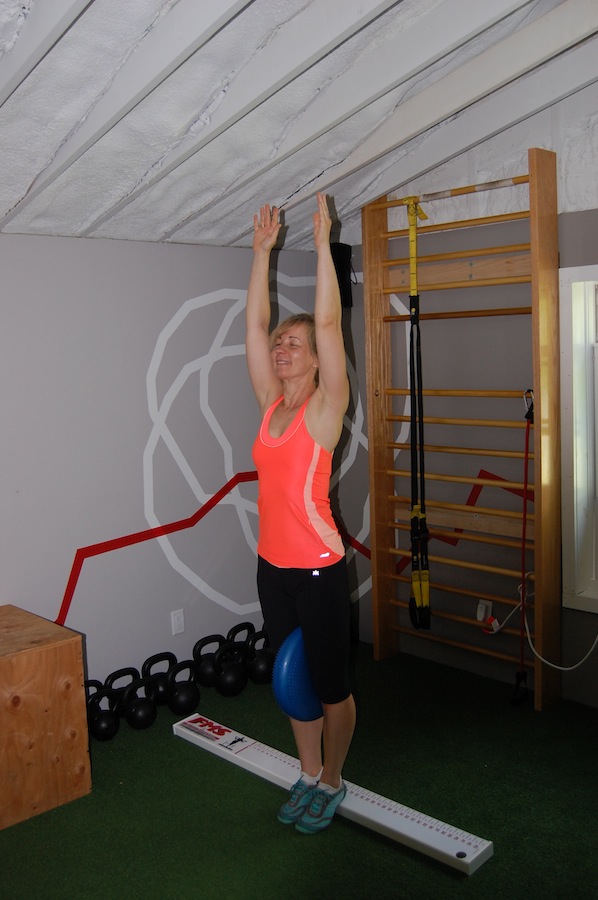
    3. Start with toes up (figure 1) on a 2-inch board and a towel roll between knees, reach up, inhale, then reach down. When you hit resistance, pinch your knees together and stretch more (figure 2). Bend knees if you still cannot touch your toes. Repeat 6-10 times.
    4. Start with heels on a 2-inch board and a towel roll between knees, reach up, inhale, then reach down (figure 3). When you hit resistance, pinch your knees together and stretch more. Repeat 6-10 times.
    Figure 2: Toe touch
    Figure 2: Toe touch
    Figure 3: Toe touch
    Figure 3: Toe touch

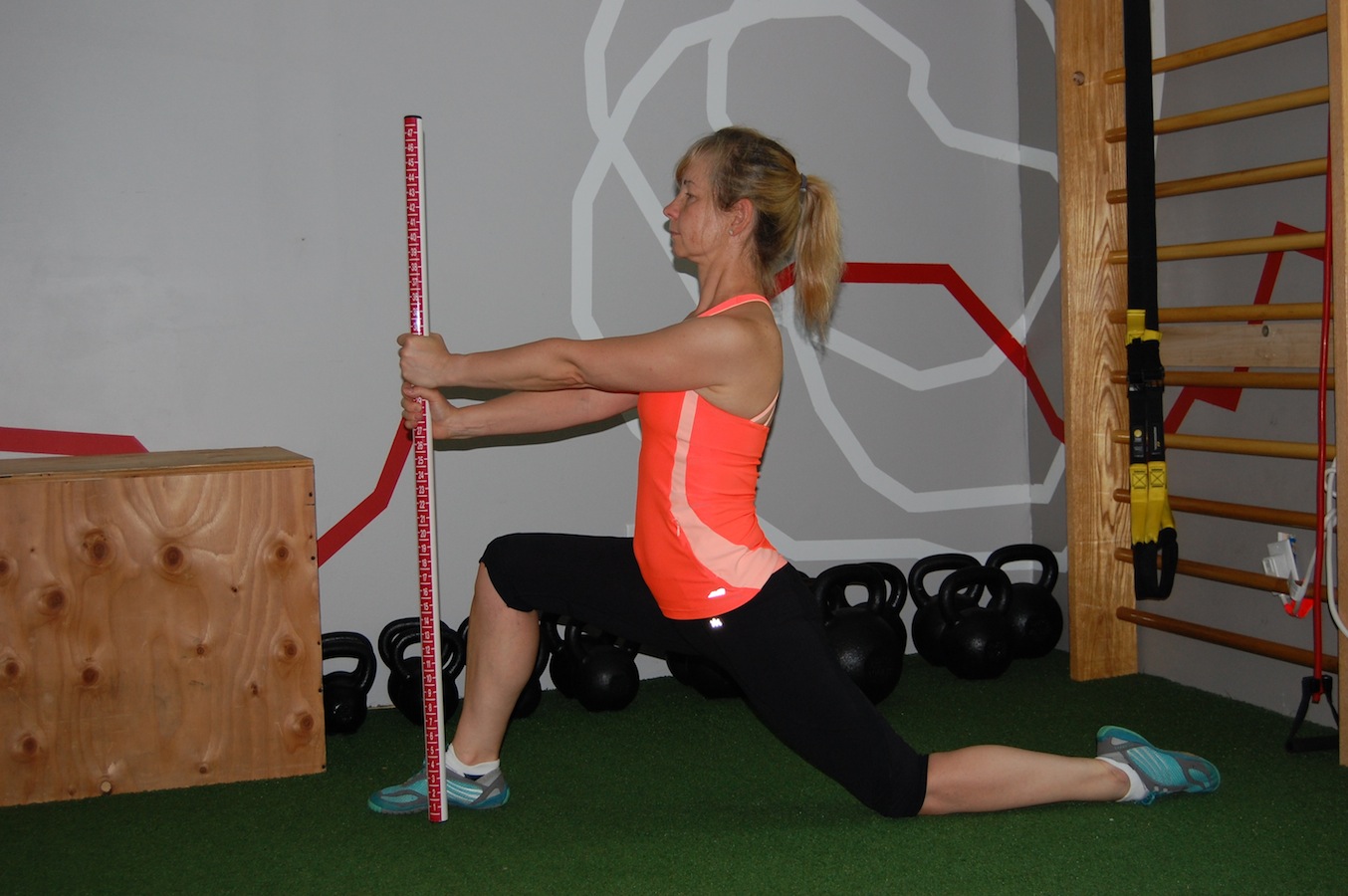
    Hip Flexor:

    Goal: Release tight hip flexors as a system.

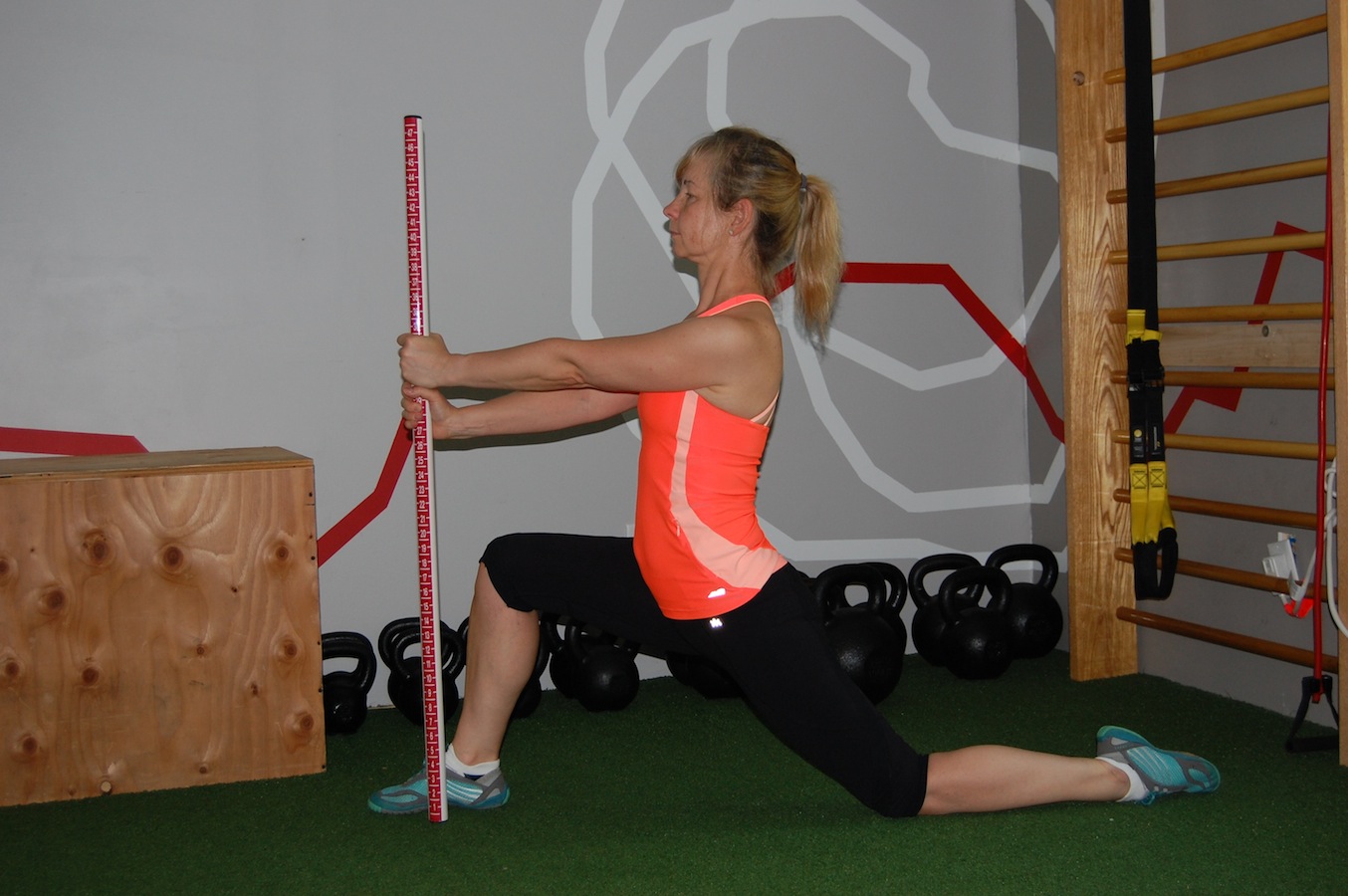
    Figure 4: Hip flexor release
    Figure 4: Hip flexor release
    1. Foam roll back and forth 15-20 times: hamstrings, hip flexors, calves, abductors (outside leg muscles), adductors (inside leg muscles), and glutes. If you did this for other exercises, no need to repeat.
    2. Position yourself as in figure 4. Press hips downward into the ground
    3. When you hit resistance, press the dowel into the ground with straight arms, keeping back straight, exhale. This will release the hip flexor further by engaging the core.
    4.  Repeat 2-3 times. Switch legs, repeat.


    Ankle Mobility

    Ankle mobility is important for correct running mechanics. Without the nominal 30 degrees of ankle dorsiflexion (the range of motion in the ankle when the toes are flexed up), one will tend to “over stride” or “block out” (strike the ground too far ahead of their center of gravity) when running.

    This can lead to a host of problems do to the repeated jarring and deceleration of the bodyweight when running. It can lead to shin splints and knee and hip injuries. Lack of mobility in these muscles can also cause Achilles tightness and over-active muscles involved in stabilizing the body, perhaps even contribute significantly to compartment syndrome, which can be caused by over-active muscle tissue that swells within it’s muscle sheath (like a piece of wet spaghetti swelling in a straw).

    As I explained in my previous article, if mobility cannot happen in the joint and muscles that were meant to handle these forces, it is transferred to adjacent muscles and joints that were not designed to mange these forces, and injury occurs.

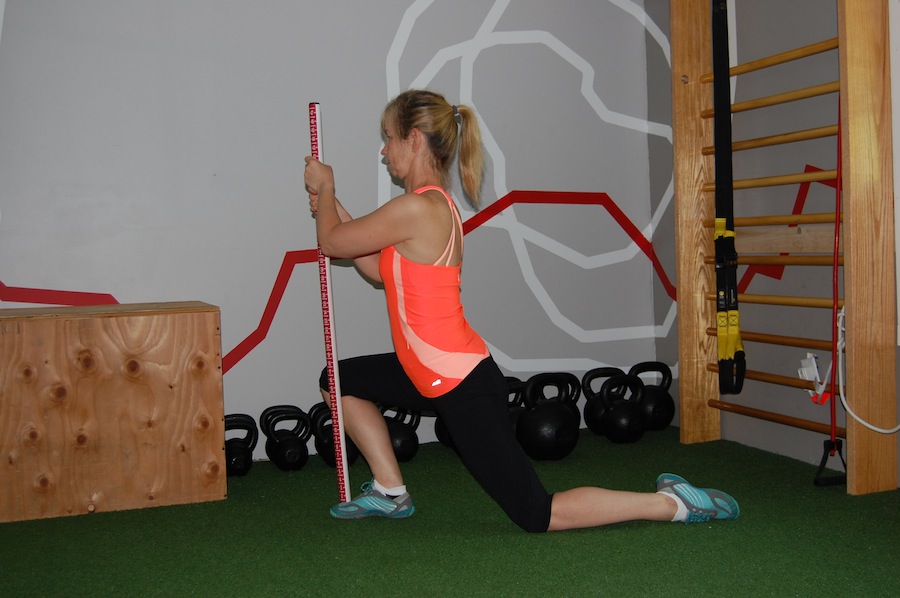
    Figure 5: Ankle release
    Figure 5: Ankle release

    Ankle release:

    Goal: Increase ankle mobility by stretching inter-related muscle groups.

    1. Foam roll back and forth 15 to 20 times: hamstrings, hip flexors and calves. Roll out foot, calf and anterior tibialis (front of shin) muscles. If you did this for other exercises, no need to repeat.
    2. Position yourself as in as in figure 5, dowel on the outside of your little toe, knee on the outside of the dowel, press ankle forward with heel flat. When you hit resistance, press the dowel into the ground with straight arms, keeping back straight, also press opposite knee down into the ground, exhale. Hold for 4-6 seconds.
    3. Repeat 6-8 times. Switch legs, repeat.

    After you have done these, re-test your toe-touch, move around and see how your body feels with the improved flexibility.

    Having good mobility though out your body is important for movement efficiency, not only injury resistance. You may not be getting injured do to some flexibility deficiencies but you may move with less efficiency, and who does not want to be a little (or a lot) faster?

  • Wednesday Workout: The Rest of the Work, Giving 110 Percent

    Wednesday Workout: The Rest of the Work, Giving 110 Percent

    Jay Tapper, who runs stretching programs for a company called ActivEdge, leads a masters group through some floor exercises and core work last fall. (Photo: Bill Pierce)
    Jay Tapper, who runs stretching programs for a company called ActivEdge, leads a masters group through some floor exercises and core work last fall. (Photo: Bill Pierce)

    By Bill Pierce

    Welcome to Wednesday Workout, the newest workout series on FasterSkier. This week, Central Cross Country (CXC) Elite Team coach Bill Pierce talks about going the extra 10 percent by being diligent about flexibility, recovery and agility. 

    ***

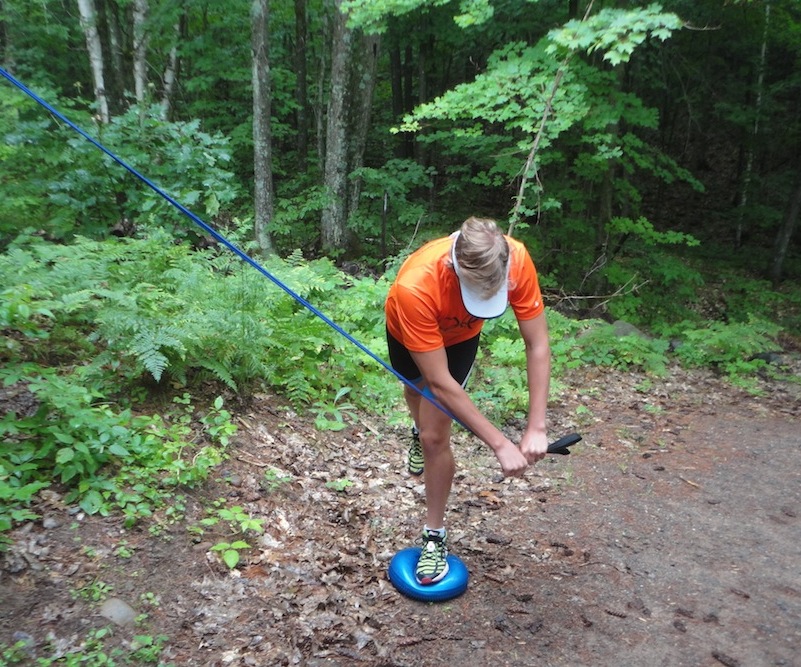
    A cross-over bungee pull: a simple leg and arm pendulum swinging and the other. While standing on the pillow, pull 90 degrees, twisting the shoulders and core but not the hips. This fires the glutes and the IT band for leg alignment and stabilization during the glide phase. Development of the glute is especially important in having a stable and aligned leg during the loading of the glide phase. (Photo: Bill Pierce)
    A cross-over bungee pull: a simple leg and arm pendulum swinging and the other. While standing on the pillow, pull 90 degrees, twisting the shoulders and core but not the hips. This fires the glutes and the IT band for leg alignment and stabilization during the glide phase. Development of the glute is especially important in having a stable and aligned leg during the loading of the glide phase. (Photo: Bill Pierce)

    I can think of quite a few workouts that I could call my favorites but I thought that I would contribute some work ideas that I have been focusing on as a coach with athletes and the team this season. When it comes to the workouts in our resume of experience, we are either working on endurance, intensity, or strength.

    When we add up all the time and ratios of this work it should be 100%. I tell athletes that if we are to be the best, you have to give 110%, all the time.  So, what do I think the other 10% is? Flexibility, physical recovery, and agility.

    At the beginning of the month Mikey Sinnott penned an article on stretching. It was spot on! Best advice was “make it a routine”, like brushing your teeth. We talk about it at clinics, camps, and workout sessions, but we just don’t do it on a consistent daily basis.

    While full-body stretching from extremities to core should be worked on, at the very least skiers should focus on stretching the body zones of power application; shoulders and chest, core, and hips/glutes/quads/hamstrings are the three areas that if ignored will very quickly tighten. Eventually a decrease in performance and an increase injuries will happen.  Bottom line, stretching will enhance your performance and keep you less prone to injury, ask Mikey!

    Shoulders and chest, core, and hips/glutes/quads/hamstrings are the three areas that if ignored will very quickly tighten.

    The second piece of the extra 10% is physical recovery. Foam rolling, stick massage, icing/baths, and sauna are just a few of the options for speeding recovery that athletes should be using. Foam rolling and massage are not options. Every athlete from juniors, collegiate, seniors, and masters should own and travel with a foam roller.

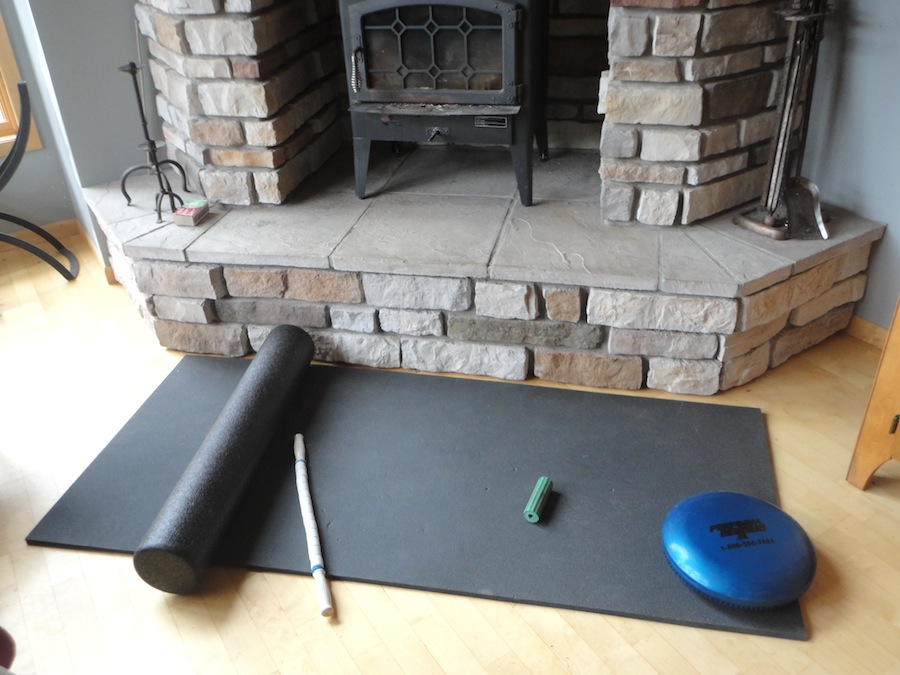
    Tools for success: a mat, foam roller (l), dowel, small ribbed roller (great for the bottom of the foot and helping prevent plantar fasciitis issues) and balance pillow (r). (Photo: Bill Pierce)
    Tools for success: a mat, foam roller (l), dowel, small ribbed roller (great for the bottom of the foot and helping prevent plantar fasciitis issues) and balance pillow (r). (Photo: Bill Pierce)

    While stretching is the first component to a post-workout routine, rolling should be the second. Self-massage or myofascial release (tissue work via gentle pressure or stretching) will help knead out trigger points, further stretch and massage the muscle, and increase circulation to the muscle to speed the recovery process. Again, developing the routine and habit of rolling the specific muscle groups used in a workout will speed your recovery and enhance your performance down the line.

    And the last piece of the extra 10% is agility. Being agile on skis is all about our balance skill. In order to possess that skill, we must train the muscle groups and movement patterns that help us achieve balance.  The more we work at it from the strength room to the trail, the quicker we learn it.

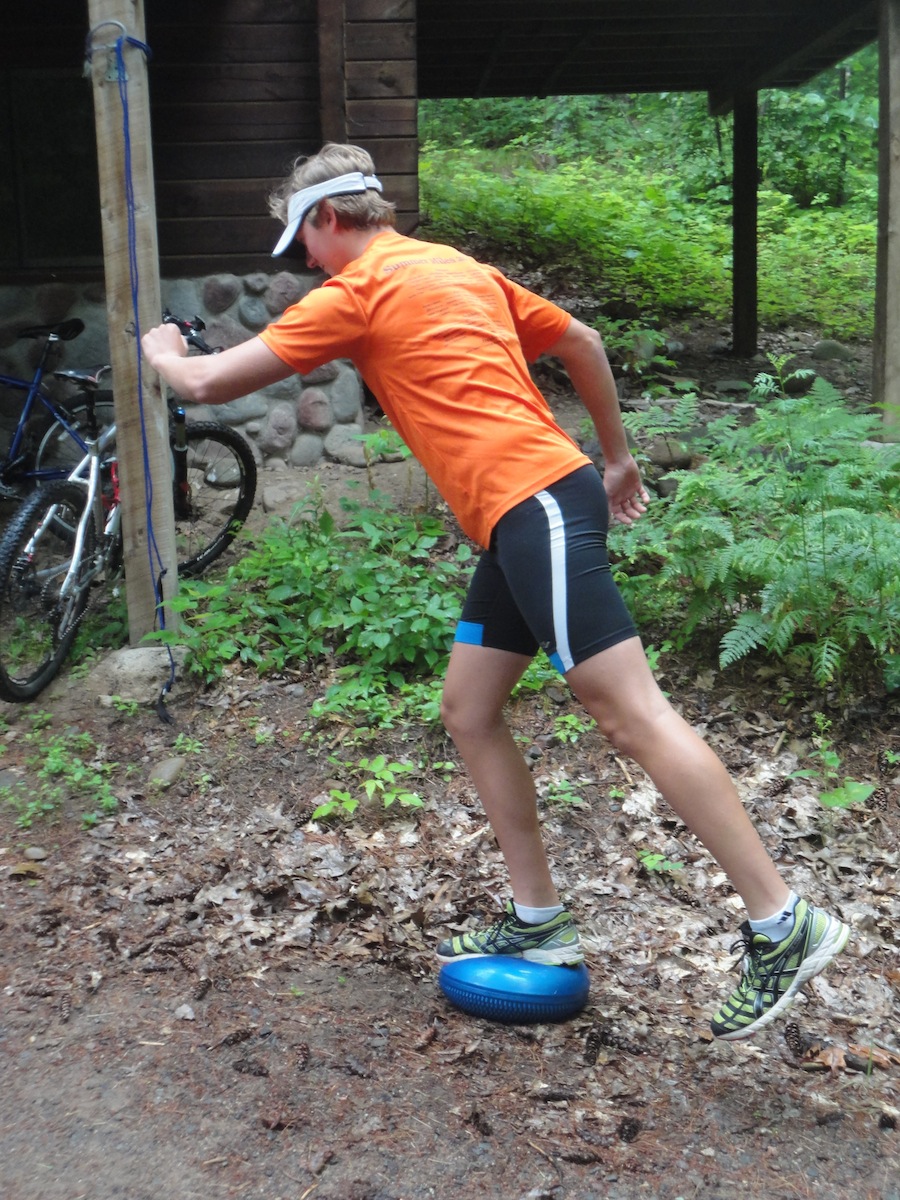
    A balancing exercise on what Bill Pierce calls the balance or air pillow.
    A balancing exercise on what Bill Pierce calls the balance or air pillow.

    One of the tools I have been using the past half dozen years is the balance (air) pillow, or the Bosu.  Athletes start by learning how to first stand and “swing out” on a pillow. Swinging out is nothing more than a pendulum motion of the arms and legs for warm up and movement pattern development. Push ups, squats and toe touches can all be exercises done off of unstable bearing in order to enhance the development of balance.

    Eventually, we incorporate many of their strength exercises onto a pillow so that they can simulate the instability of snow conditions in the power application phase of ski technique. Quiet a few of the exercises that we incorporate or design into a routine help develop the ability to quiet the core and stabilize the leg. While some athletes may have a better understanding of body awareness, it is mostly a learned and trained skill. You still have to do the work.

    So when you find yourself looking for that extra edge and advantage when you step to the line this winter, ask yourself, “Are you giving 110% everyday?” It’s never too late to start!

    Related: Foam Rolling – How To Start and Finish That Workout Right

  • Foam Rolling: How To Start and Finish That Workout Right

    Foam Rolling: How To Start and Finish That Workout Right

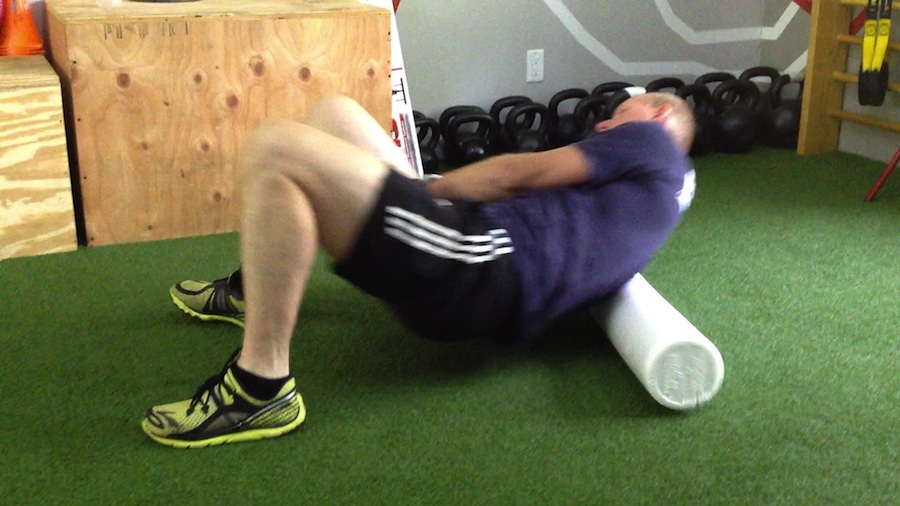
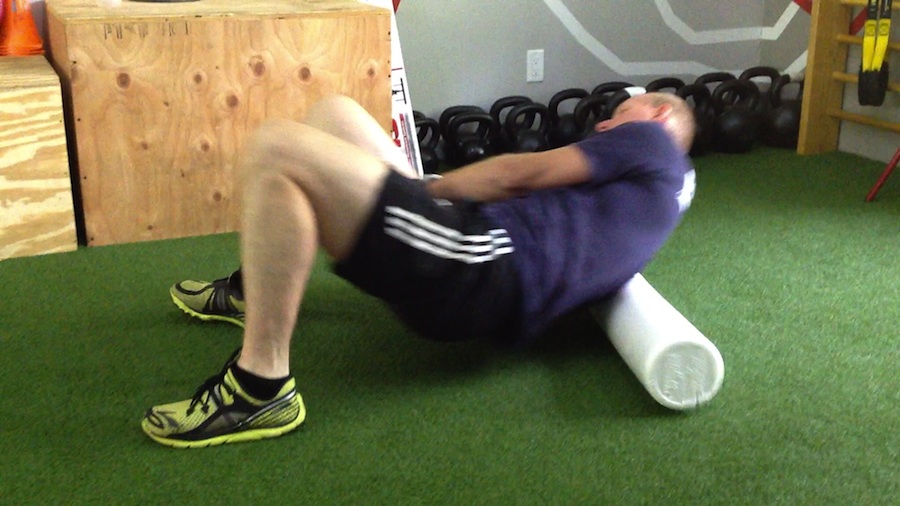
    Author Stuart Kremzner demonstrates one way to use a foam roller to work out the kinks along the spine and back.
    Author Stuart Kremzner demonstrates one way to use a foam roller to work out the kinks along the spine and back.

    Editor’s Note: Wednesday Workout fans, you’re in luck! The following article complements Bill Pierce’s recommendations for stretching, agility and self-massage. Not exactly sure how to use a foam roller? Stuart Kremzner, exercise physiologist, owner of E3 Sports Performance, nordic skier and coach, explains.  

    ***

    Many of us have been to training centers and weight rooms and seen the foam rollers in the corners. Maybe even seen someone using it moving around on it and usually grimacing, puffing, and cursing it.  Foam rollers are a tool to be used in preparation for exercise to limber us up. You will find after foam rolling, you will usually have an increased range of motion, and your muscles will feel suppler.

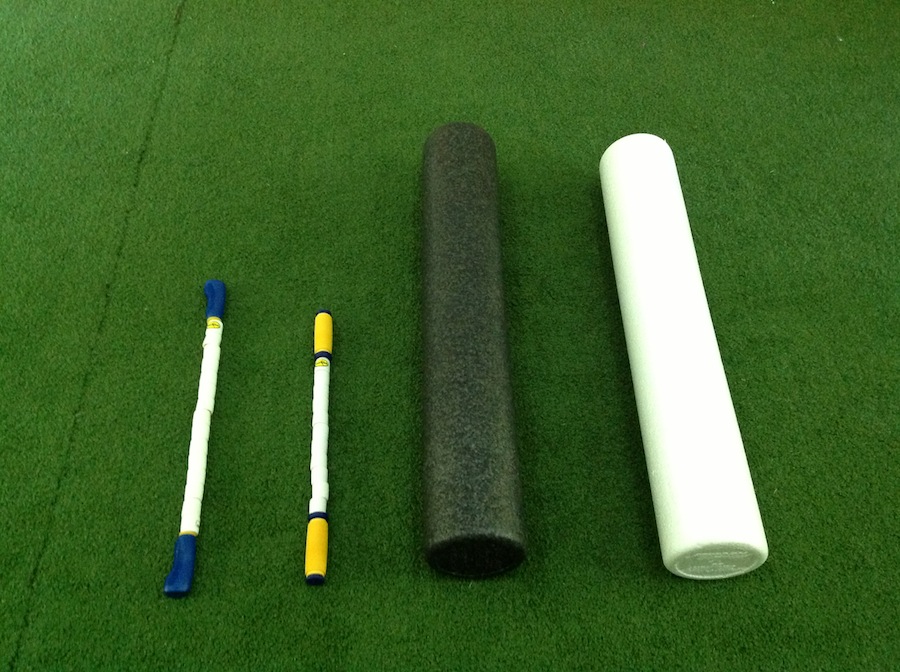
    Stick rollers (l) and foam rollers.
    Stick rollers (l) and foam rollers.

    The purpose of foam rolling is to achieve the same outcomes as from tissue massage or other physical therapy techniques such as manual therapy or active release therapy (or the more scientific term myofascial release), just without the masseuse or therapist working on you.

    The goal is to loosen up those tight muscles and trigger points (“small areas of muscle that act differently … this increases tension throughout the entire muscle and can cause pain in another area of the body,” according to physical therapist and author Gray Cook).

    We all know what tight muscles feel like. Rolling can release these areas of tightness just like massage will, and can give you some short-term improvements in muscle range of motion. Rolling out can also help with recovery after a workout. Like many of the warm-up and warm-down tools you need to try it to see if it works well for you and if you feel better in your workouts when utilized. Like with most training methods you will have responders and non-responders. My experience has been most athletes benefit from this as part of their warm-up and warm-down routine.

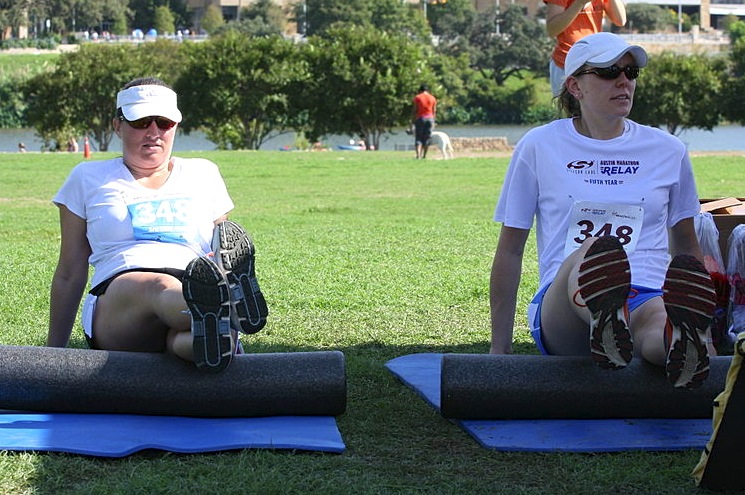
    Foam rolling can help ease sore muscles after a race and aid in recovery after a workout. (Photo: Wiki Commons)
    Foam rolling can help ease sore muscles after a race and aid in recovery after a workout. (Photo: Wiki Commons)

    How to use it?

    Rolling out is best done as the first and last step in a workout. For general loosening up roll over one muscle group back and forth 10-15 times. If you find a knot or trigger point roll over that area in shorter, lighter strokes until it releases or feels less tender.

    Stick vs. Foam Rollers:

    • Sticks: smaller muscle groups (i.e. back, arms, front of shin)
    • Foam: larger muscle groups (i.e. lower body, legs, back).Start with basic low- to mid-density foam roller before trying a harder or textured one.

    There are a variety of rolling devices. Fifteen years ago there were about two – now any fitness catalog will present a mind-numbing variety; it is like trying to buy shampoo in Wal-Mart!

    The primary two are the stick rollers and foam rollers. Sticks are best for work on harder to get areas, and smaller muscle groups (back, arms, front of the shin).  The foam roller pretty much does the same thing but you move your body over it versus rolling the stick over your muscles. Since a foam roller is wider it can hit a bigger area.

    I find sticks are best when you have less time to roll out and are also more portable, so you can pack it for a race so you are not trying to roll out in an icy or sandy parking lot.  That said, the foam roller will feel great for those larger muscle groups, primarily in the lower body and back (where you can’t reach with a stick by yourself). After a while you will find both come in handy.

    Rollers also come in various densities and textures, start simple with a basic low- to mid-density foam roller and then once you get used to it try a harder or textured roller.

    It’s a great way to start and finish your workouts as part of your warm-up and warm-down routine.

  • Wednesday Workout: Stretching with Sinnott

    Wednesday Workout: Stretching with Sinnott

    Mikey Sinnott of the Sun Valley Ski Education Foundation (SVSEF) Gold Team during his stretching routine, which he does almost daily for at least 30 minutes at a time. (Courtesy photo)
    Mikey Sinnott of the Sun Valley Ski Education Foundation (SVSEF) Gold Team during his stretching routine, which he does almost daily for at least 30 minutes at a time. (Courtesy photo)

    By Michael Sinnott | Mikeysinnott.com

    Welcome to Wednesday Workout, the newest workout series on FasterSkier. This week, Mikey Sinnott of the Sun Valley Ski Education Foundation (SVSEF) Gold Team details the stretching routine he’s prioritized, which he first wrote about on his blog. We asked him for more specifics so we can do the same.

    ***

    Stretching isn’t so much a workout as a routine. It’s like brushing your teeth. Nobody says brush this tooth at an angle horizontal to the gum line for 45 seconds at a speed of 71 brushes per-minute before moving on to blah blah blah. It’s a routine, done daily, done different every time.

    I think the hardest part about stretching is making it an enjoyable routine. For years, I pretended stretching was an overly silly, old man ritual. I would run through my routine from the soccer days- touching my toes, then pulling at the quads and holding each for twenty seconds before switching.

    After about 10 minutes, I was numb with boredom.

    I told myself it was superfluous. I sought out new research to prove my theory. It was I who was rather silly.

    The fact is, stretching makes a huge difference. Now that I am stretching more and more, I can feel tightening after a single day of forgotten practice. It opens the body to better range of motion, prevents injury and increases blood flow to aid in muscle tissue recovery. I can’t believe it took me so long to embrace it. I just had to work past the boredom.

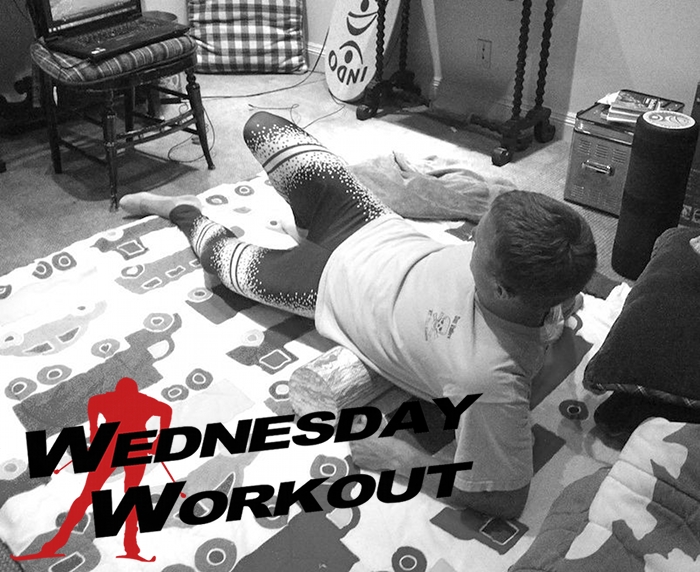
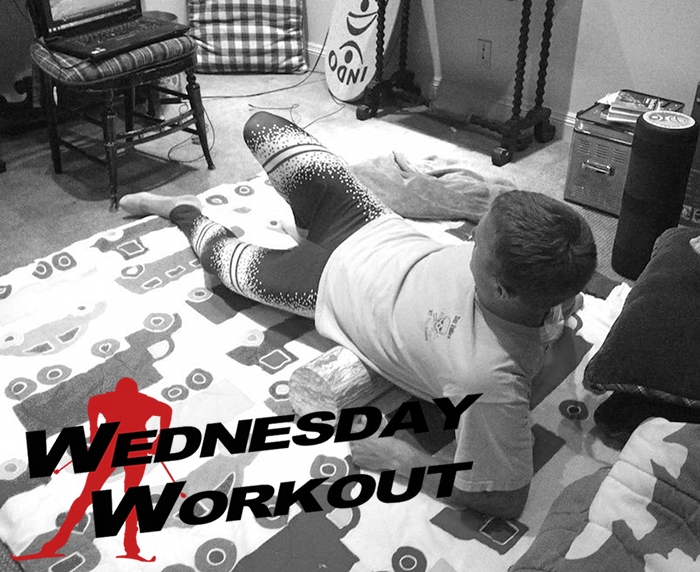
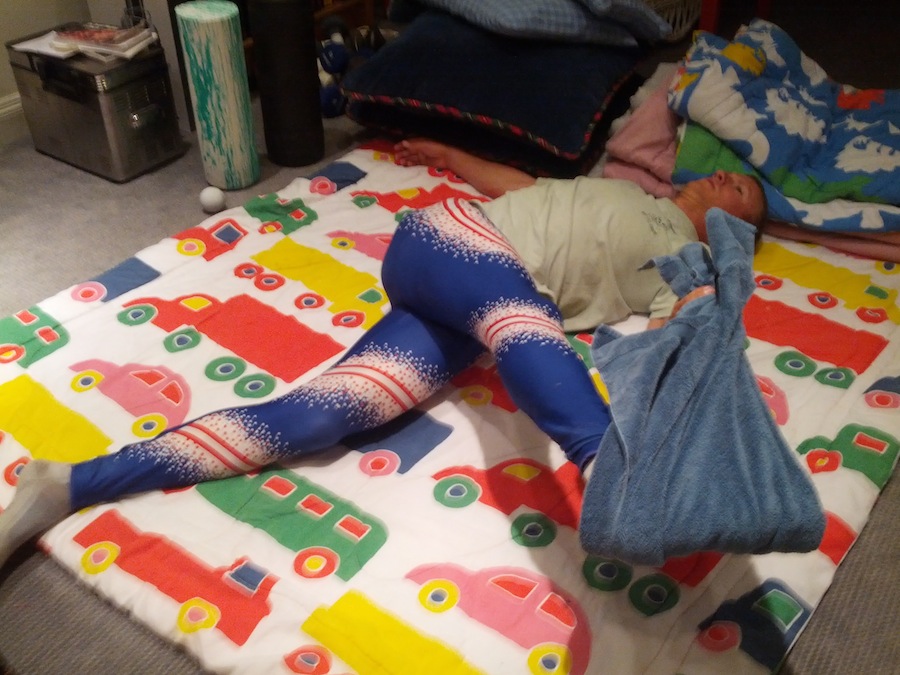
    Sinnott stretching out his back and hamstrings. (Courtesy photo)
    Sinnott stretching out his back and hamstrings. (Courtesy photo)

    The trick for me was pairing stretching with another activity, and making it a comfortable, enticing activity.

    I started by setting up a stretching room. It’s not much, just a room with some blankets on the floor for comfort, a couple stretching aids and an entertainment system. I have a couple foam rollers (one softer and one harder), a lacrosse ball, a towel and pillows. My computer is set on a chair with the stereo attached.  To use the internet, I am forced into the stretching room. To be in the stretching room and not stretching is embarrassing.  Thus, I have tricked myself into stretching every day, for shame.

    Every day is different, but mostly I employ Netflix or Hulu to idly distract me while I soothe the broken fibers of my poor muscles. I pick a nice piece that suits my time frame – The Daily Show if time is tight, maybe Escape From Alcatraz if I have the time and am really hurting.

    Once the entertainment is playing, I put on some tights (better mobility) and settle into stretch until the credits roll.  I start by focusing on the parts of my body that are actively sore, before moving to the parts that I used heavily that day or that I will be leaning on tomorrow. As I said, there is no set routine. Sometimes I’ll hold a stretch for twenty seconds and sometimes it will be three minutes. I like an organic approach that allows me to focus on the needs of the day.

    Stretches for Thought:
    – Need: Lacrosse ball, or something similar
    – Instructions: Lay on your back on the ground. Put ball under one shoulder, allow to it sink beneath shoulder blade. Breathe slowly. Use feet to rock body back and fourth off the ground.
    – Also: Roll ball beneath hips or the IT band on the outside thigh. Use foam roller for tighter areas or longer muscles, like the low back, quadriceps and hamstrings.

    There is always a blend of techniques. My favorite right now is the lacrosse ball. I like to place it under a shoulder, reaching across my body and allowing the ball to sink into and under my scapula. I try to breathe long and slow, relaxing every little muscle. Working the ball deeper into my back. Releasing the stress. My feet help me rock back and forth, finding the sweet spots that need plenty of attention. The ball works equally as well on the hips and IT bands. It can penetrate and isolate smaller spots that a foam roller plows over.  If the lacrosse ball is too firm and painful, try a tennis ball to work those areas.  For the lower back and legs, where the muscles are longer, I use a foam roller.

    Of course, I still do the traditional form of stretching, too. I like a stretch that opens up my joints while elongating the muscles. For instance, I reach across my body on the toe touches, to open my opposite shoulder. I’ll reach behind my back and hold my own hands, pulling tighter until I feel the stretch throughout my lat, triceps, and shoulder.  Pillows and towels can be used to prop up body parts or to reach further down your leg for controlled deep stretches.

    I always end with a simple little neck stretch, pulling my head to each side, feeling it lengthen all the way down my back. It’s a little pat on the back for another session of body maintenance. This year I’ve been trying to stretch for at least thirty minutes, six times a week. Now that I have a comfortable place that helps the time fly by, it’s been no problem.

    Editor’s note: For other stretching ideas, check out Annika Ferber’s Skis, Strains and Sprains blog.

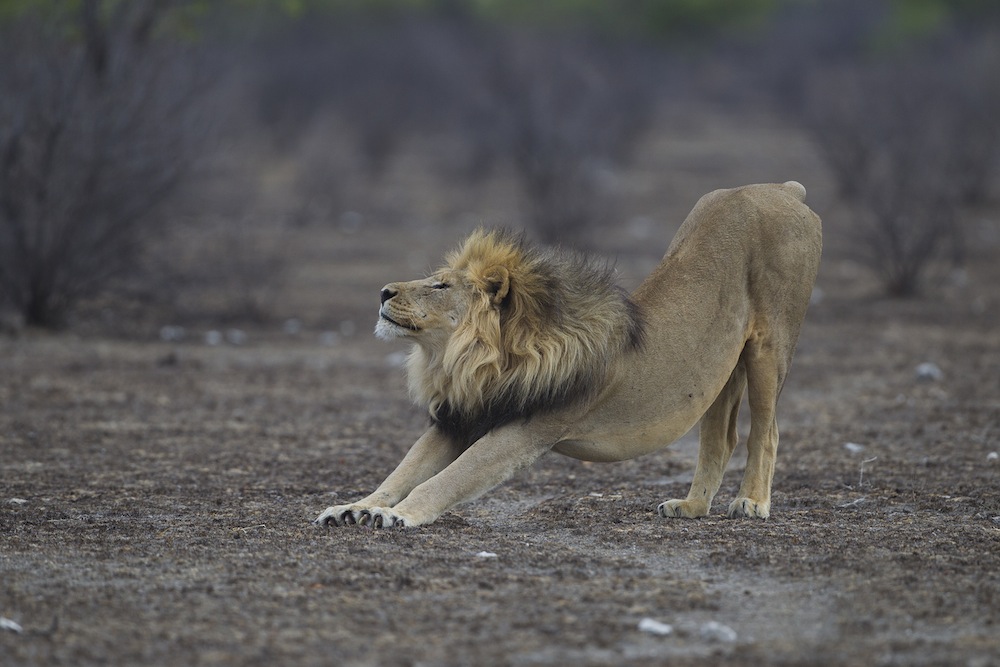
    Sometimes (and more often than you think) you've just gotta stretch. (Photo: Wikimedia Commons)
    Sometimes (and more often than you think) you’ve just gotta stretch. (Wikimedia Commons photo)
  • This Month in Journals: Youth Olympic Games in Focus; Norwegian Students Get Slower

    This Month in Journals: Youth Olympic Games in Focus; Norwegian Students Get Slower

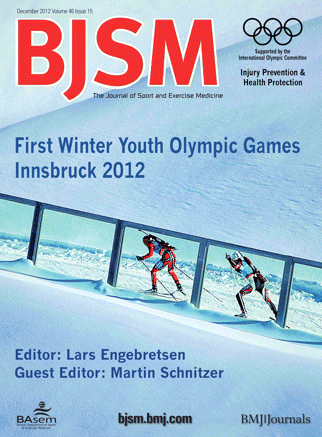
    The cover of a recent edition of the British Journal of Sports Medicine, which was dedicated to issues arising from last season’s Youth Olympic Games in Innsbruck, Austria.

    Welcome back to our almost-monthly series, this month in journals! One of the most visible developments in the last month has been that the British Journal of Sports Medicine devoted an entire issue to the 2012 Youth Olympic Games in Innsbruck, Austria. This was the result of the journal’s partnership with the International Olympic Committee’s medical commission. The cover featured biathletes skiing up a hill.

    Inside, an editorial explained how the organizing committee is taking an academic approach to examining long-term legacies for athletes and others involved in the event, which is especially important as the Youth Olympic Games is a new series and can be adapted and improved in the future. Specific articles examined how relative age, quality of life, coaching behavior, and parental involvement affected competition.

    Most of the health-related research concerned either alpine skiing or snowboarding. However, the journal also published a large-scale review of health services at the Games, which is important because there has been little study of how to deliver medical care at youth sports events of this size, compared to assessing adult athletes.

    “As injury risk and patterns of young elite athletes may vary from their older professional counterparts, injury surveillance of young elite athletes is needed to gain knowledge about the injury risk among this highly competitive population,” the University of Innsbruck team wrote.

    They found, using the IOC’s injury surveillance system and other techniques, that 11 percent of athletes had an injury of some sort during the Games, while nine percent got sick. Of injuries, 60 percent occurred in competition and 40 percent in training. Most injuries occurred in alpine skiing, snowboarding, ski cross, and hockey; six percent of cross country skiers, six percent of nordic combined skiers, and one percent of biathletes reported an injury.

    Nordic skiers were not so lucky in the illness department, with ten percent reportedly getting sick. The overwhelming majority of these cases were respiratory illnesses.

    Recommendations included efforts to remove stress and competitive anxiety for young athletes, with the hypothesis that these mental and emotional challenges create an environment where injuries are more likely. The team also asked whether young athletes were as well-equipped to handle multiple high-pressure competitions in a short time span. Finally, they noticed that girls were almost twice as likely as boys to get sick and recommended gender-specific strategies to keep young athletes healthy and competing.

    * Elsewhere in news about youth, a Norwegian study in The Scandinavian Journal of Medicine and Science in Sports found that high school students are less fit that they used to be. Using nearly 5,000 test results from 3,000 meter running tests (something intimately familiar to nordic skiers…) collected over 40 years at two high schools, researchers in Stavanger, Norway, found that boys’ running times have increased by 10 percent and girls’ by six percent.

    However, all hope is not lost for Norway. The fastest runners are not much slower than they were in the late 1960’s; it’s the slowest decile of runners that has lost the most ground. The authors correlated their findings to other studies showing the similar patterns across Europe, as well as to rising BMI and lower levels of physical activity in some segments of the population.

    “The aerobic fitness decline for the least aerobically fit pupils is comprehensive and is alarming as physical activity and aerobic fitness are inversely associated with metabolic risk and low aerobic exercise capacity is a strong predictor of mortality in adults,” the team wrote. “This increasing gap in aerobic fitness among pupils can result in a larger class distinction in physical fitness and health.”

    * There has been debate for years about whether stretching before exercise improves performance, and if so, what kind of stretching. This month in the same journal, a team led by Dr. Fabio Esposito from the University of Milan tackled a common target in the debates, static stretching, and used it to assess cycling performance. The team noted that most previous studies had used running, but cycling recruited different muscles and even different types of muscle fibers, and that the impact of stretching might be activity-specific.

    Using nine men as subjects, the team administered VO2Max tests and 85-percent effort tests with and without passive stretching. The stretching protocol focused on lower-body muscles and consisted of several rounds of 45-second stretches, using a force (for instance, the assistance of another person) to stretch the muscle to the point of discomfort before allowing 15 seconds of recovery.

    The team found that athletes were more flexible after stretching, but that stretching did not affect their VO2Max outcomes. However, the men took less time to reach exhaustion in the 85-percent trials after stretching than they did without stretching – by a whopping 26 percent. Cycling efficiency decreased over the course of the test for both conditions, but more markedly after stretching.

    “These results are compatible with stretching-induced alterations of the motor unit recruitment pattern and utilization, and with changes in muscle–tendon unit mechanical and viscoelastic characteristics, leading to a less efficient system,” the authors concluded. “From a practical point of view, these findings suggest that care must be taken in administering stretching immediately before an endurance task… stretching can affect not only maximum strength but also heavy-intensity aerobic exercise.”

    * In a study that examined the same general topic – use of different types of muscles and how they affect exhaustion – a team based out of Salt Lake City and Verona, Italy, examined the tolerance level for fatigue when using small muscled versus large muscle groups. In Acta Physiologica, they compared biking to knee extensions, and found that subjects could perform knee-extension exercises for longer than biking before becoming exhausted.

    Wait, you might say – that’s clearly because extending your knee is easier than biking. That’s true, to an extent. The team also found, however, greater changes to the muscles’ ability to contract following the knee extension sessions, and using stimulation of the femoral nerve saw that the muscles were actually more fatigued.

    The implication, they wrote, was that using small muscle mass exercises, an athlete can achieve a higher workload and level of fatigue before the body’s tolerance limit is reached – the sensory system doesn’t pick up on the fact that it is tired. To get muscles to adapt to exercise, it may be beneficial to sometimes work on muscle-specific activities, not only on doing the entire activity for which you are training.

    Previous additions of This Month in Journals: SeptemberOctober