Tag: supplements

  • Sachenbacher-Stehle Case Raises Questions about Supplement Use and Safety

    Sachenbacher-Stehle Case Raises Questions about Supplement Use and Safety

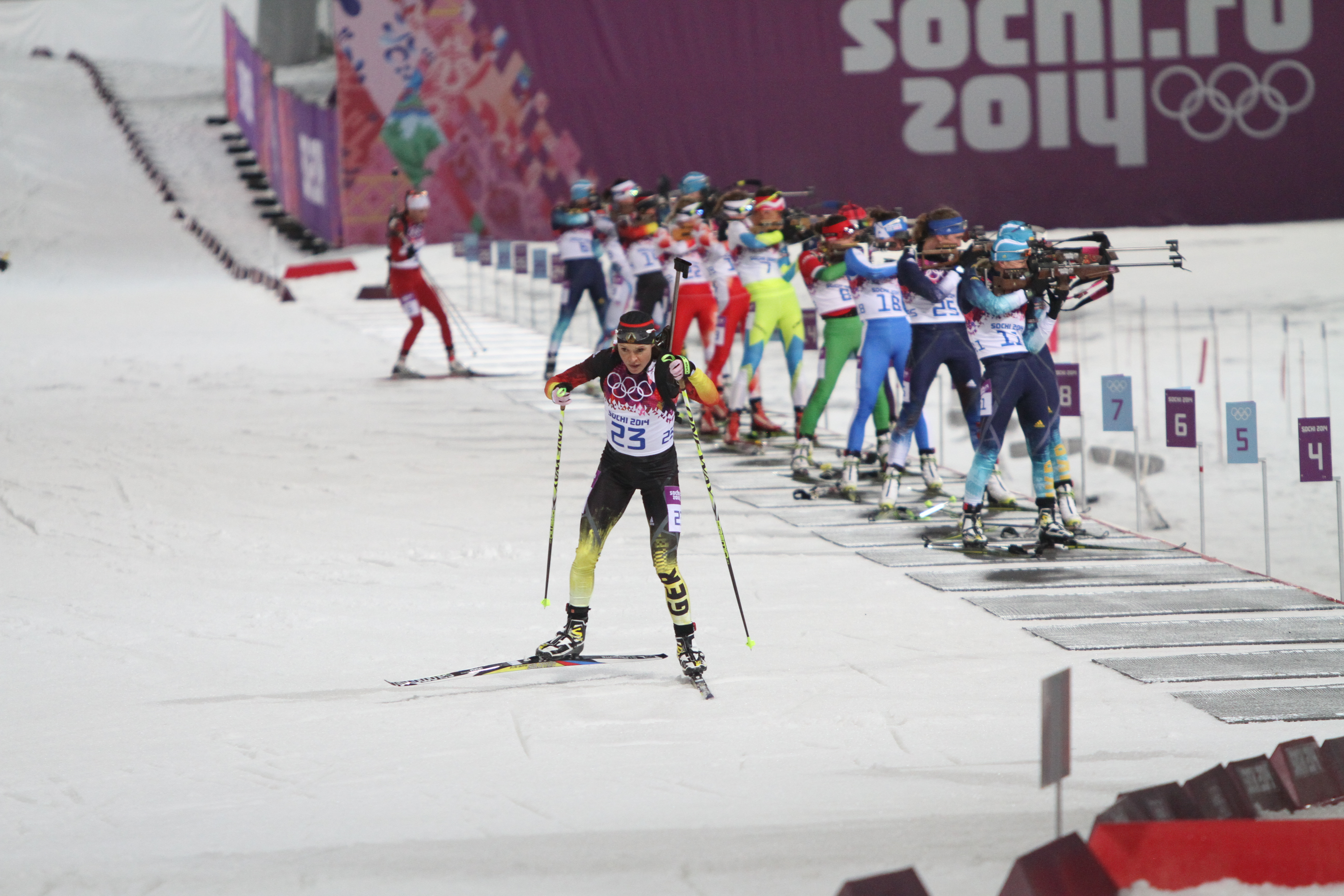
    Germany's Evi Sachenbacher-Stehle leaving the range during the 2014 Olympic mass start race. She placed fourth, but was later disqualified after testing positive for a banned stimulant.
    Germany’s Evi Sachenbacher-Stehle leaving the range during the 2014 Olympic mass start race. She placed fourth, but was later disqualified after testing positive for a banned stimulant.

    German skier-turned biathlete Evi Sachenbacher-Stehle has been banned from competition for two years after testing positive for methylhexanamine, a banned stimulant, at the Olympic Games in Sochi in February.

    Sachenbacher-Stehle is an Olympic gold medalist in the team sprint from the 2010 Vancouver Olympics. She subsequently switched to biathlon and had a very successful two years; she had placed fourth in the mass start in Sochi, but the result was nullified after her positive test.

    Sachenbacher-Stehle had, from the beginning of the case, asserted that the stimulant entered her body through a contaminated dietary supplement; she takes nine supplements, she said, and had tested three which were manufactured in countries with a history of drug contamination to make sure that they did not contain anything on the World Anti-Doping Agency’s (WADA) Prohibited List.

    Teepower Schisandra, a concentrated tea powder which Sachebacher-Stehle took for immune system support and “general health”, was not one of them – and turned out to contain the banned supplement. It’s unclear whether it is an intentional ingredient in the tea, or appeared via contamination.

    Sachenbacher-Stehle argued that since she had ingested the stimulant accidentally, with no intention to use it to enhance her performance, her ban should be reduced.

    But the Anti-Doping Hearing Panel organized by the International Biathlon Union (IBU) rejected this idea, despite the fact that there is a written guideline for how to reduces sentences. The three-member panel seemed to reject the entire notion that this was appropriate.

    “It Was an Accident!”

    Many dopers claim that they had no idea a banned substance was on the ingredient list of a medicine or supplement – and usually, they aren’t taken seriously. After all, the blood-doping drug recombinant erythropoietin probably doesn’t show up in cosmetic skin-smoothing injections.

    But other times, it’s pretty clear that athletes didn’t do their homework and did end up taking a prohibited substance without meaning to, most commonly through dietary supplements. That makes them negligent, but not intentional cheaters. There are literally hundreds of cases – 758 between 2008 and 2013 – of athletes around the world testing positive for methylhexaneamine alone, due to dietary supplements. This represented 7 % of all positive tests in 2012. Only testosterone and marijuana are more frequently detected.

    Yet accidental ingestion has claimed careless athletes around the sporting world: Jamaican sprinters, South African rugby players, and Major League Baseball prospects. One reason for the confusion is that the substance goes by many different names, including the seemingly innocuous “geranium oil”.

    For instance, this is what Sachenbacher-Stehle says happened to her: she knew that she could get into trouble with the nine supplements that she uses, so she took some precautions. She had read the Teepower Schisandra labels and the substance was not listed. Because it was not manufactured in a country where supplement mislabeling and contamination is common, she did not have it tested, though she did test three of her other supplements.

    The vast number of mostly accidental positive tests has contributed to debate about whether the drug should even be banned. In the case of methylhexaneamine, the issue is complicated by the fact that there has never been a well-designed study to assess whether the stimulant is actually performance-enhancing when used by athletes. One doctor estimated that its effects might be only slightly stronger than a cup of coffee.

    “If she was trying to enhance her performance, there are much better ways to do it,” IBU Vice President for Medical Issues Jim Carrabre told FasterSkier regarding Sachenbacher-Stehle.

    Rules for Reduced Sentencing

    Appearing in person at the arbitration hearing, Sachenbacher-Stehle sought to argue that her sentence should be reduced because she did not knowingly take the stimulant and was not seeking to enhance her performance.

    Through the InternatioIBU rules (which are based on WADA code), a ban can be reduced or negated if an athlete demonstrates two conditions: first “establish how a Specified Substance entered his or her body” and second “that the athlete did not intend the Specified Substance found in the athlete’s system to enhance the athlete’s sport performance.”

    The strategy has worked in stimulant/supplement cases in the past in other sports. Notably Jamaican sprinters Asafa Powell and Sherone Simpson had their bans reduced to six months by the Court of Arbitration for Sport after the court was satisfied that they unwittingly ingested oxilofrine, a stimulant in the same class as methylhexaneamine, in their dietary supplements.

    It had seemed like a possibility for Sachenbacher-Stehle. Many in the biathlon community seemed convinced that she took the stimulant by accident.

    The hearing panel did, too. They recognized that methylhxaneamine came through the Teepower supplement (which she had tested after her positive test, and to her dismay discovered that it had caused the violation), and that she didn’t mean to take it.

    But they struggled with the second part of the requirement, about the Specified Substance not being meant to enhance performance (their debate can be found in the minutes). Choosing to take “Specified Substance” to be the supplement, not the stimulant per se, they wrote that of course it was intended to be performance-enhancing. So would eating a steak or an apple – everything an elite athlete does is meant to help performance, they explained:

    “almost everything a serious athlete does in his or her life is to enhance his or her sport performance, be it to get enough sleep; eat balanced and nutritious foods; maintain an appropriate weight level for the competition at hand; get enough rest to permit proper recovery from workouts; take permitted medication [sic] when sick; take consideration of the appropriate altitude to train at for a particular competition; and so forth. Following healthy practices to ‘enhance’ one’s sport performance is not bad/cheating.”

    Instead, they focused on another section of the anti-doping code, which states that athletes are strictly responsible for anything that enters their bodies. The hearing panel was clearly thinking about setting precedents and the long-term implications of its decision. In a subtle dig at Sachenbacher-Stehle, they noted that “experienced athletes training at the international levels” should be held to strict standards.

    Sachenbacher-Stehle, for example, argued that she had read the ingredient list and that nothing prohibited was on it. She had also consulted her nutritional expert, who repeatedly told her that the supplement was safe. She heard that other athletes had taken the supplement and not failed a doping test. She had even googled the product name with “doping”, and found nothing.

    That wasn’t strict enough. The panel countered: “Any elite biathlete who took the product after reading the [product’s website, which claims to boost endurance] would be taking the product fully aware that the product was purported to enhance performance.”

    In other words, even supplements or other natural substances which may help performance without using prohibited substances should be avoided on principle. The message seemed to be that the IBU was taking a stronger stance than other regulators.

    Accordingly, they banned the German Olympic champion for two years.

    What About Contamination?

    While the decision ends the waiting over this case, it leaves many issues regarding nutritional supplements less than crystal clear. Athletes routinely take supplements; what is their burden in order to ensure that nothing prohibited is in these supplements?

    An issue which the panel did not even touch upon was the contamination of supplements from factories which make multiple products.

    An IOC study in 2002 found that 14-19% of herbal supplements contained steroids or hormones which were not declared on the label as a result of contamination. A separate study in the UK found similar numbers when it included stimulants in the analysis.

    For instance, the panel wrote that Sachenbacher-Stehle should have asked a medical doctor whether the supplement was safe. But it’s doubtful that any medical doctor is familiar with each and every nutritional supplement or whether it has previously faced issues of contamination. They might simply take the same investigatory steps that Sachenbacher-Stehle herself took.

    Her nutritionist, Stefan Saxinger, for example, has 15 years of experience working with elite athletes including tennis pros and champions in windsurfing and sailing. He probably knew as much about dietary supplements as many medical doctors; the end result was still a positive test.

    The panel produced no instruction on the issue of contaminated supplements, only the repeated and assertive comment that because the supplement claimed to boost endurance, Sachenbacher-Stehle should have known it was illegal. They also wrote that because it was recommended to take small doses, this was another clue that it was probably prohibited.

    Yet many supposedly natural products offer claims to boost everything from energy levels to memory – it’s probably more likely that a product simply doesn’t work, than that it works because it contains a prohibited substance.

    Confusion Over the Sentence

    Ross Tucker, a well-known South African sports scientist, wrote in 2010 that methylhexaniamine positives were the fault of an “unregulated” supplement industry, which is where the lion’s share of the blame should be placed – for being dangerous, and for ruining athletes’ careers.

    That’s partly why the WADA exception was made: if an athlete really did make a good-faith effort to ensure that they were playing by the rules with their supplements, the World Anti-Doping Agency (WADA) decided, they should be punished less harshly for failing in the end.

    The IBU panel did not consider Sachenbacher-Stehle’s effort to be good enough – or perhaps they wanted to set a precedent that they did not agree with WADA’s previous stance on this issue.

    Sachenbacher-Stehle was particularly offended because the verdict for the Irina Starykh case came out on the same day, where the same three-man panel handed down an identical ban. Starykh, a Russian biathlete, had taken recombinant erythropoetin, a much more potent drug which irrefutably boosts the oxygen-carrying capacity of the blood and thus improves performance.

    “For me it is completely incomprehensible that my case of unknowingly ingesting something is treated at the same level as a cheater knowingly taking EPO,” she said.

    She believes that the case is being used to set an agenda.

    “It forces suspicion on the basis of my case that food supplements are looked down upon,” she said in a written statement, according to a translation. “He called for the maximum sentence, saying, inter alia, that a reduction of the sentence would send a wrong signal to the Biathlon World. It has in my opinion nothing to do with factual considerations, but is exclusively politically motivated.”

    The German ski federation, DSV, was also disappointed in the decision.

    “We were surprised that the ban was for two years because this is usually reserved in cases of deliberate doping,” DSV president Franz Steinle said according to the German newspaper Der Spiegel.

    Steinle said that, nonetheless, DSV considers Sachenbacher-Stehle to have been “negligent”.

    Michael Vesper of the German Olympic Sports Confederation also expressed his shock.

    “It is a harsh assessment for the use of stimulants which are prohibited in competition, but not even in training,” he told Die Welt. “Obviously, the world governing body has found no extenuating circumstances, which frankly surprises me based on other cases.”

    Mark Heinkelein, Sachenbacher-Stehle’s lawyer, told Die Welt that the team was analyzing the decision and deciding whether or not to appeal to the Court of Arbitration for Sport.

    Pundits note that at age 33, Sachenbacher-Stehle’s career is likely over if she serves a two-year ban.

  • Seasonal Nutrition Focus: Not Getting Sick During Peak Season

    The following is brought to you by professional nutrition coach Georgie Fear, a Registered Dietitian and former rower, marathoner and ultrarunner, who recently co-authored the Racing Weight Cookbook. For more on Fear and her nutrition tips and recipes, visit askgeorgie.com.

    ***

    In the fall, training volume for winter athletes is generally at its highest. As the season approaches, athletes want to be strong, fast, and lean, and putting in the hours to train is essential. It’s also critical for good nutrition to be a part of your routine, so that you can ward off illness. After all, getting sick can cost an athlete days or even weeks of critical workouts, and competing while fighting a bug is unlikely to lead to your best performance.

    Should you load up on Vitamin C? Drink gallon of echinacea tea? How can you give yourself the best odds of fighting off infections this winter?

    Read on for evidence-based nutrition tips to keep your immune system as strong as can be while you hit your peak training volume and performance.

    Carbohydrates During Training

    Intense and high-volume exercise is known to result in immune system suppression. Training stimulates the release of cortisol and other stress hormones, which decrease the synthesis of immunoglobulins and the proliferation of white blood cells. Consuming carbohydrates while training dampens the rise in cortisol and other stress hormones associated with intense exercise. It also appears to limit exercise-induced immune suppression.

    To keep your immune working full-throttle while you’re training hard, consume 30-60 grams of carbohydrate per hour while training, instead of waiting until after your workout to begin refueling.

    Consume Enough Protein and Calories

    Diets which are too low in protein have been shown to impair immunity by decreasing phagocyte and T-cell function. There is evidence that hard-training athletes should consume at least 15% calories from protein to maintain immune function. Rather than breaking out a calculator to ensure that you get enough, a foolproof way is to include at least one high-protein food each time you eat, such as eggs, meat, poultry, seafood, protein powder, cheese, yogurt, soy, or beans.

    When training volume is high, it becomes a challenge for some athletes to eat enough calories, making them more vulnerable to glycogen depletion, overtraining syndrome, hormone disturbances and immunosuppression. Liquid calories can help boost total energy intake, and increasing carbohydrate intake before, during and after training sessions can help maintain intramuscular glycogen.

    Vitamins and Minerals

    Many vitamins and minerals play a role in keeping your immune system strong. Vitamin B12 (found in beef, turkey and seafood), and folic acid (found in spinach and avocado) are needed for the synthesis of red and white blood cells. Deficiencies in copper, selenium, or iron weaken the immune system by impairing macrophage production, natural killer cell activity, and antibody formation. Whole grains, beans, nuts and seeds are rich in vitamins and minerals, and make excellent staples to add into your meals. If you need some meal ideas, there’s more than 100 dietitian developed and athlete-approved recipes in the Racing Weight Cookbook.

    What About Supplements?

    If I could make only one supplement recommendation to winter athletes to stay healthy, it would be to supplement vitamin D, especially in the winter months. The amount of circulating vitamin D in an athlete’s blood correlates not only with the number of times they get sick each year but also with symptom severity and duration of illness. In other words, getting enough vitamin D benefits you three ways: you’re less likely to get sick, and if you do get a cold, it’s milder and shorter-lived.

    Vitamin D is very sparse in natural food sources, and even in countries where milk is fortified with vitamin D it is at a low enough level that sub-optimal vitamin D intake remains widespread. Very little of this vitamin is diet-derived; almost all of the vitamin D in the human body is synthesized in the skin in response to UV exposure.  For those in warm, tropical climates where the sun shines abundantly, synthesizing vitamin D year-round is no problem, but for much of the year it is impossible to synthesize ANY vitamin D north of 35 degrees latitude, due to the angle of the sun’s rays. That means across most of the United States and all of Canada, you couldn’t synthesize enough vitamin D even if you trained outdoors every day naked (though it might make your social life interesting). So taking a vitamin D supplement of at least 2,000 IU (International units) and up to 5,000 IU is paramount during the winter.

    Supplementing with Vitamins C and E has been shown in some studies to reduce the incidence of upper respiratory tract infections in athletes, but other trials have observed no effect, so the evidence is not clear if supplementing these nutrients is definitively worth it. It’s unlikely to do any harm however.

    Dietary zinc plays an important role in thymic function, lymphocyte development, and resistance to infections. Inadequate dietary zinc lessens immunity, but excessive zinc intake (as found in high dose supplements) also damages the immune system. Thus, mega-doses of zinc are not recommended. Research supports supplementing 10-20 mg per day of zinc, especially for vegetarians, who naturally consume less zinc. (For reference, the megadoses which negatively impacted the immune system were more than ten times this amount, totaling 300 mg per day).

    Most of the athletes I work with choose to take a multivitamin in addition to choosing a varied diet based on whole, nutrient rich foods. This can be a good way to make sure that your vitamin and mineral bases are covered, but is by no means license to ignore your food intake. Whole, unprocessed foods are still the cornerstone of a high performance diet. Rumor has it that traveling on the World Cup circuit means that fresh vegetables are hard to come by in some places, but if you have a daily multivitamin on hand, at least you know most of your micronutrient needs will be met.

    What to Do

    In summary, to avoid immune system suppression associated with peak training volume:

    • Drink a carbohydrate-containing beverage during all intense workouts, aiming for 30-60 grams of carbohydrate per hour of exercise.
    • Follow up training with a recovery meal as soon as possible, containing a 3:1 or 4:1 ratio of carbohydrates to protein.
    • Eat nutrient rich foods such as whole grains, lean proteins, nuts and seeds, and a colorful array of vegetables and fruit.
    • Eat enough to maintain your weight, and include a protein-rich food at each meal
    • Take a multivitamin providing about 100% of the recommended daily intake of vitamins and minerals, and supplement with additional Vitamin D during the winter months (2000-5000 IU per day).
    • Check out the Racing Weight Cookbook for delicious recipes and more guidance on getting enough carbohydrates, proteins and nutrients for optimal performance and body composition.

    ***

    Georgie Fear is a professional nutrition coach whose advice is sought after by athletes ranging from NCAA standouts to Olympic gold medalists. A Registered Dietitian and former rower, marathoner and ultrarunner, Georgie has been helping clients get leaner, healthier and faster since 2005. Her writing and recipes appear at www.AskGeorgie.com

  • This Month in Journals: Drink Your Coffee to Race Fast; Are Supplements a Gateway to Doping?

    This Month in Journals: Drink Your Coffee to Race Fast; Are Supplements a Gateway to Doping?

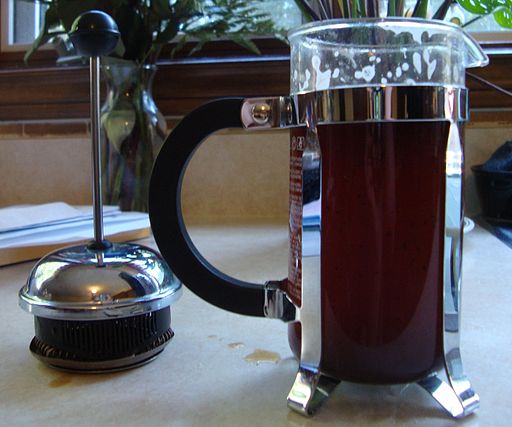
    Is this just as important as what happens in the wax cabin? Photo: wikimedia user erobins through creative commons.
    Is this just as important as what happens in the wax cabin? Photo: Wikimedia user Erobins/Creative Commons.

    Welcome back to This Month in Journals, where we read the latest exercise and sports science and pull out some research that might be of interest to skiers.

    * Many skiers build coffee into their pre-race rituals – and it turns out, they should. For decades scientists have been finding that caffeine increases endurance in more mainstream sports like running and cycling. But finally, someone decided to look at caffeine’s effect on skiing.

    Published in Medicine and Science in Sports and Exercise online ahead of print, Dr. Hans Stadheim from the Norwegian School of Sports Sciences in Oslo and his team set ten high-level skiers on an 8-kilometer double-pole time trail; each participant did the test twice, one after ingesting caffeine and another time with a placebo. Eight of the ten subjects improved their times after taking caffeine, and overall the times dropped by about a minute and a half. This represented a four percent change.

    The researchers are excited about their results because they are the first to test this effect in a primarily arms-based activity; arm and leg muscles differ in both the types of muscle fibers that make them, and the amount of carbohydrates they use to extract different amounts of oxygen during exercise.

    The team not only showed that caffeine was beneficial for performance, but also gained some insight into its mechanism. For instance, they found that skiers who had ingested caffeine were able to maintain higher heart rates throughout the test, a difference of about five beats per minute. Skiers were also able to reach higher blood lactate concentrations after taking the caffeine. Finally, questionnaires showed that participants had lower perceived exertion and less pain during tests after taking caffeine.

    The size of the benefit gained by caffeine users was impressive, and the authors made sure to frame it as such.

    The improvement of 4% after ingestion of 6 mg · kg-1 CAF observed in the study would most likely effect results in real life XCS competitions,” they wrote. “Actually a reduction of 1:25 min to complete the 8 km C-PT is [analogous to] the time difference between the winner and 12th place in the 2011 World Championships relay… in Oslo.”

    Takeaway message? Don’t forget that cuppa joe on race morning!

    * Careful, though. A study published in the Scandinavian Journal of Medicine and Science in Sports suggests that the use of nutritional supplements changes people’s attitudes towards what is or isn’t acceptable performance enhancement.

    Dr. S.H. Blackhouse of Leeds Metropolitan University asked: are supplements a “Gateway to Doping?” They surveyed over 200 high-level athletes – just under half of whom used nutritional supplements – across 32 sports and received surprisingly honest answers. For example: 22% of the athletes who used supplements admitted to doping, while just six percent of the non-users did the same.

    The athletes were also presented with scenarios related to supplements and doping, and asked both what they would do and what they thought others would do. Supplement users had significantly more positive attitudes towards doping, and also were significantly more likely to think that doping was effective and would help them win.

    Interestingly, both groups said that they would prefer to compete in an environment where there was no doping. But supplement users perceived a greater pressure to dope, and also gave higher estimates of the percentage of athletes in their sport who were doping.

    “Athletes who engage in legal performance-enhancement practices appear to embody an ‘at-risk’ group for transition toward doping,” the authors wrote. “…This common practice may lead to a greater willingness to engage in doping behavior if athletes perceive the benefits of using NS have been fully realized and believe that doping is an effective enhancement method.”

    However, while the authors found the correlation between supplement use and propensity towards doping both significant and troubling, they didn’t fully accept the “gateway” mechanism that has been proposed both here and in other drug situations. Indeed, they questioned whether doping chronologically followed supplement use, or whether both were simply a symptom of the same thought process.

    The paper’s final discussion touched on two further issues. The true level of doping in sport is unknown: it is certainly higher than WADA’s adverse analytical findings log, which calculates a rate of about two percent. But how much higher is it? Previous studies have found projections ranging from six to 34 percent. The supplement users reported a 22 % doping rate and guessed that was about typical of the athletic population (although estimates ranged widely, with a standard deviation of 23).

    This highlights what may be a feedback loop. Regardless of the true level of doping, athletes who perceive doping to be more prevalent may feel more pressure to dope. In this study, the athletes who did not use supplements were either blissfully unaware of the scope of the doping problem, or were more realistic and optimistic than the supplement users. Either way, their perception of a lower rate of doping coincided with feeling less pressure to do so themselves.

    Finally, the authors pointed out that some substances, like creatine, are on the line between being considered illegal performance-enhancing drugs and simply nutritional supplements. For athletes who use and believe in supplements, these types of drugs may create confusion and influence their decisions as they move towards the world of doping.

    * A quick piece in the British Journal of Sports Medicine aimed to address whether the minimalist footwear craze is all it’s really cracked up to be. Specifically, is running in such “shoes” the same as running barefoot?

    Dr. Jason Bonacci led a team that put 22 distance runners through their paces barefoot, and also in minimalist footwear, racing flats, and normal training shoes. Their answer, based on biomechanics, was said best in their title: “Running in a minimalist and lightweight shoe is not the same as running barefoot.”

    When the runners were barefoot, they had shorter and quicker strides, even while running at the same speed. There were differences in knee and ankle flex and angles, too, but only between barefoot and “shod” running – not between, say, minimalist footwear (in this case Nike Free 3.0 shoes) and racing flats. When running barefoot, power production shifted from the knee to the ankle. That wasn’t replicated with the Nike Frees.

    This is somewhat in contrast to other studies, including one that was published looking at Vibram Fivefingers footwear. But other studies have used recreational runners, where this research team, based on Australia, recruited highly-trained runners. They hypothesized that at that level, running mechanics may be so deeply ingrained into athletes that type of footwear has less of an effect, compared to occasional runners who may change their form considerably based on how their feet hit the ground.

    This Month in Journals is our occasional series surveying the world of sports science and trying to extract tidbits of research that might be of interest to the skiing public. Previous editions can be found here: March, February, January, December, October, and September.