From the FasterSkier archive — posts syndicated from athletes’ and coaches’ own blogs between 2004 and 2012, kept online as published. Current coverage is at fasterskier.com.

Tag: Team Santander

  • Saturday Rundown: Hamilton Second in Toblach Skate Sprint (Updated)

    Saturday Rundown: Hamilton Second in Toblach Skate Sprint (Updated)

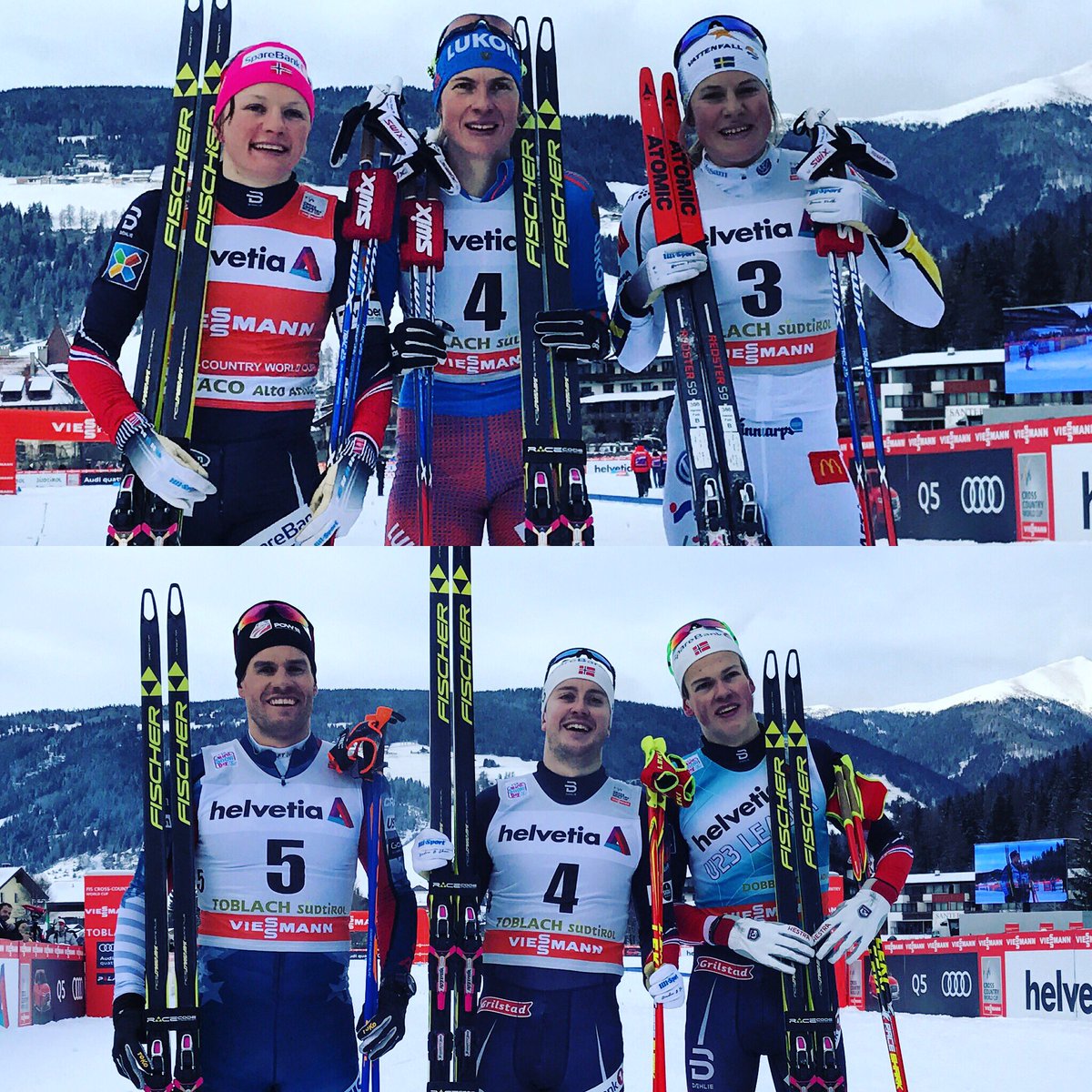
    The women's (top) and men's (bottom) podiums at the World Cup 1.3 k freestyle sprints on Saturday in Toblach, Italy. Russia's Natalia Matveeva (top center) won the women's final, ahead of Norway's Maiken Caspersen Falla (top left) and Hanna Falk (top right). American Simi Hamilton (bottom left) took second in the men's final, behind Norway's Sindre Bjørnestad Skar (bottom center) and ahead of Norway's Johannes Høsflot Klæbo (bottom right) in third. (Photo: FIS Cross Country)
    The women’s (top) and men’s (bottom) podiums at the World Cup 1.3 k freestyle sprints on Saturday in Toblach, Italy. Russia’s Natalia Matveeva (top center) won the women’s final, ahead of Norway’s Maiken Caspersen Falla (top left) and Hanna Falk (top right). American Simi Hamilton (bottom left) took second in the men’s final, behind Norway’s Sindre Bjørnestad Skar (bottom center) and ahead of Norway’s Johannes Høsflot Klæbo (bottom right) in third. (Photo: FIS Cross Country)

    FIS Cross-Country World Cup (Toblach, Italy): Freestyle sprints

    Race report

    Simi Hamilton is back on the World Cup podium and was three-hundredths of a second away from the win on Saturday in the men’s 1.3-kilometer freestyle sprint in Toblach, Italy. The American qualified fifth and went on to win his quarterfinal then advance as a lucky loser in third out of him semifinal. In the men’s final, Hamilton waited until the last hill to strike and used his conserved energy in the two-lap race to outlast the likes of Italy’s Federico Pellegrino and Norway’s Johannes Høsflot Klæbo at the finish. Hamilton put it all on the line in a photo finish with Norway’s Sindre Bjørnestad Skar, with Skar taking his first individual World Cup victory in 2:47.91. Hamilton placed second for his first podium of the season and fourth of his career. It was also Hamilton’s first time in the final this season.

    Klæbo was the second Norwegian on the podium in third, 0.66 seconds behind Skar, Pellegrino placed fourth (+1.27), Hediger was fifth (+1.84), and Norway’s Håvard Solås Taugbøl (who won the qualifier to start the day in 2:47.38) took sixth (+3.77).

    “I just had a good feeling that I was a little bit before [Hamilton],” Skar said in a post-race interview with FIS of his immediate finish-line celebration before confirming that he won. “It was very, very tight.”

    Skar, who turns 25 on Jan. 22, qualified fourth and won his quarterfinal and finished second in his semifinal, 0.05 seconds ahead of Hamilton.

    Also for the U.S., Andy Newell qualified for the heats in sixth and took third in his quarterfinal for 13th overall. Canada’s Alex Harvey qualified eighth and finished fourth in his quarterfinal for 17th overall, and the second Canadian racing this weekend, Len Valjas, qualified 23rd and took fourth in his quarterfinal for 20th.

    In the women’s race, Russia’s 30-year-old Natalia Matveeva notched the 12th individual podium of her career (all in sprints) and first victory since 2007. She challenged Norway’s Maiken Caspersen Falla on the last climb and overtook her in the finishing stretch of Saturday’s 1.3 k skate sprint final for the win in 3:04.13. Matveeva qualified fourth to start the day, then placed second in both her quarterfinal and semifinal en route to the victory. Falla won the qualifier in 3:10.89, and continued to dominate her quarterfinal and semifinal before ending up second on the day, just 0.08 seconds out of first.

    “I’ve waited a lot of time to be [here],” Matveeva told FIS afterward. “I’m very happy and the Russian team is very happy. Thank you very much my service team. Good job today.”

    Sweden’s Hanna Falk reached the podium in third (+2:41), Germany’s Sandra Ringwald placed fourth (+3.46), Sweden’s Ida Ingemarsdotter was fifth (+5.88), and Slovenia’s Vesna Fabjan sixth (+19.39).

    Americans Kikkan Randall and Sophie Caldwell tangled in the first semifinal and ended up 10th and 11th, respectively, at the end of the day. Also for the U.S. Ski Team, Ida Sargent qualified for the heats in 16th (behind Caldwell in 15th while Randall qualified 27th), and reached the semifinals as well, placing sixth in the second semifinal after skiing in third into the finishing stretch. Sargent ended up 12th for her best result in over a year.

    Results: Men | Women

    ***

    IBU World Cup (Ruhpolding, Germany): Women’s 7.5 k sprint

    Race report

    Finland’s Kaisa Mäkäräinen posts a 22-second win for her first victory of the season and first time shooting without a miss in an individual race since the Ruhpolding sprint almost exactly a year ago. Dunklee leads North Americans in 33rd and qualifies for the pursuit, along with Canada’s Rosanna Crawford (55th), Megan Tandy (56th) and Julia Ransom (60th).

    Results

    ***

    Ski Classics Kaiser Maximilian Lauf (Seefeld, Austria): 60 k classic 

    [UPDATED] Imagine knee-deep snow drifts over the course of 60 k. That’s what faced racers in Saturday’s Kaiser Maximilian Lauf, the fourth stop in the 2016/2017 Ski Classics series, in Seefeld, Austria.

    Team Santander’s Kateřina Smutná and Andreas Nygaard fared best in the conditions, racing to the women’s and men’s victories in 3:43:48.7 and 3:21:44.5, respectively.

    Smutna won the women’s race by 10.8 seconds over Astrid Øyre Slind (Team United Bakeries), and Britta Johansson Norgren (Lager 157 Ski Team) finished more than three minutes later in third place (+3:35).

    “It was the right decision to go with kick today,” Smutná said after, according to a Ski Classics press release. “It was hard for us to be in the lead and open the tracks for men. We waited for them to catch up and do the work on our behalf. I noticed it was tough for Britta because she was double poling. So, Astrid and I decided to work together in the final section of the course, and it worked perfectly.”

    The men’s race was much closer with Nygaard holding off his Team Santander teammate Tord Asle Gjerdalen by 0.6 seconds. Stian Hoelgaard (Team Leaseplan) placed third, another 0.6 seconds back.

    “It was a tough race because there was so much snow on the course,” Nygaard said, according to the press release. “At some point, we were knee-deep in soft snow. The pace was slow, but you get tired after a while because you have to work hard when it’s snowing like this. I just kept telling myself that I need to keep up with the guys and win the race in the end. This is something that I didn’t expect to happen when the season started. Let’s see how long I can keep the yellow [leaders] bib.”

    The overall Ski Classics series leader, Nygaard is also the sprint leader as well. On the women’s side, Johansson Norgren possesses both the overall and sprint bibs as well.

    FasterSkier Editor-at-Large Chelsea Little placed 17th.

    Results: Men | Women

  • Ski Classics Opens with Doubleheader in Italy 

    Ski Classics Opens with Doubleheader in Italy 

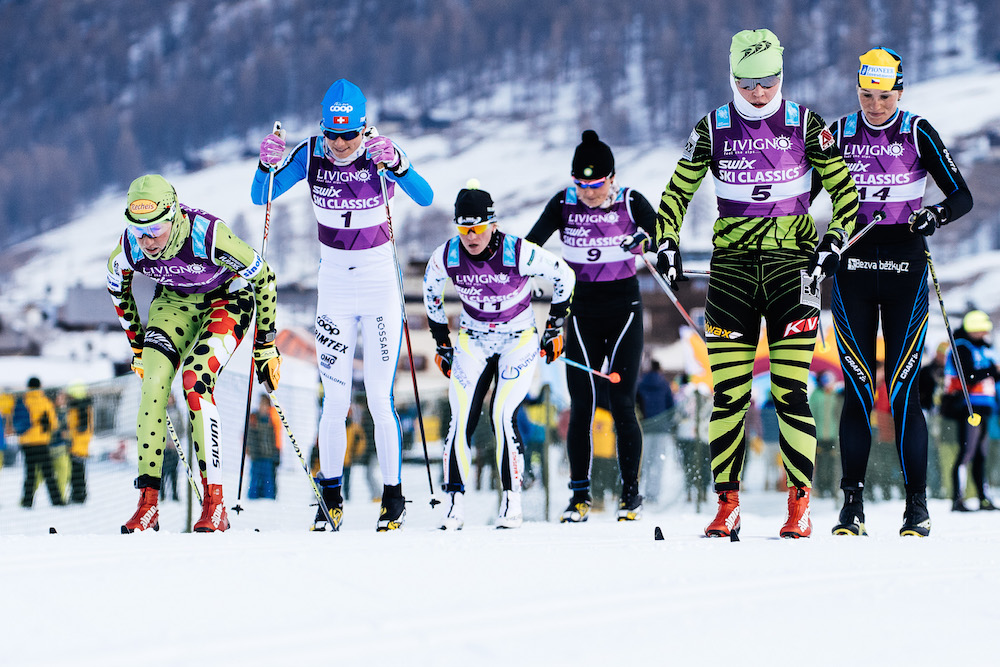
    Last year's Team Tempo Prologue in Livigno, Italy, which Team Coop won. This year, the team prologue will again open the Ski Classics series in Livigno on Saturday, followed by the shortened La Sgambeda classic race on Sunday. (Photo: Visma Ski Classics)
    Last year’s Team Tempo Prologue in Livigno, Italy, which Team Coop (in bib 1) won. This year, the team prologue will again open the Ski Classics series in Livigno on Saturday, followed by the shortened La Sgambeda classic race on Sunday. (Photo: Visma Ski Classics)

    The 2016 Ski Classics kicks off with a doubleheader in Italy on Saturday and Sunday, and the marathon regulars are chomping at the bit to get started with the long-distance race series.

    The 15-kilometer Proteam Prologue in Livigno, Italy, on Saturday opens the show for the marathon series, now called the Visma Ski Classics (with a new title sponsor in place of Swix), which has been extended to nine venues this season.

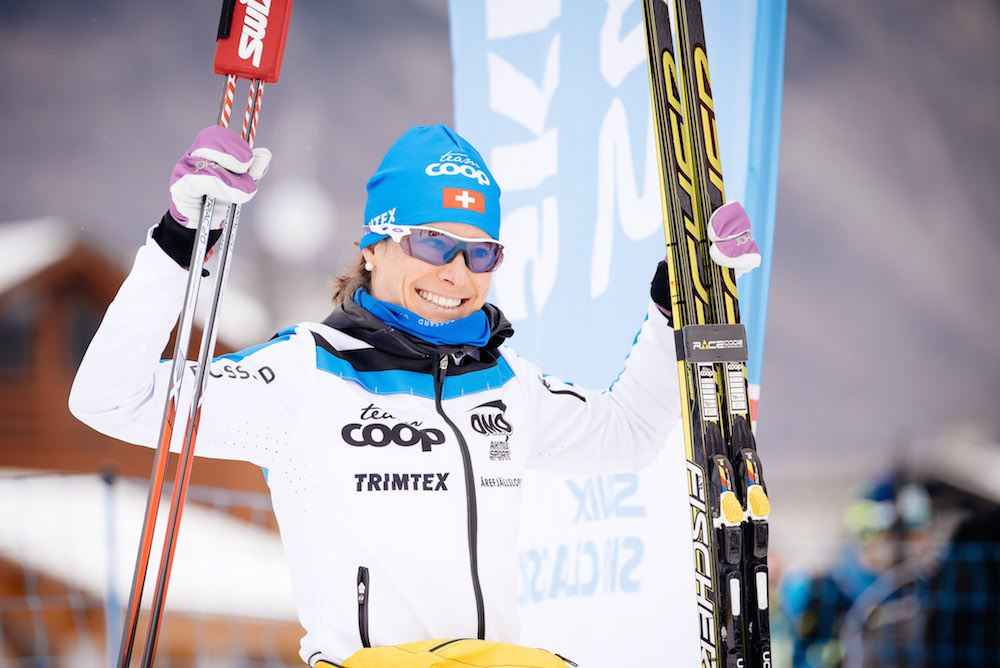
    Seraina Boner of Switzerland and Team Coop/Exspirit after winning the 2014 La Sgambeda in Italy last season. (Photo: Ski Classics)
    Seraina Boner of Team Coop (now called Team Exspirit) after winning the 2014 La Sgambeda in Italy last season. (Photo: Ski Classics)

    On the women’s side, last season’s Ski Classics champion Katerina Smutna of the Czech Republic will be on the start line for the first races this weekend, but she will face plenty of competition. Team Exspirit’s Seraina Boner of Switzerland is eager to take back the overall title, which she has earned three times (2011, 2013 and 2014), beginning with La Sgambeda.

    Poland’s World Cup star and the queen of the FIS Tour de Ski, Justyna Kowalczyk, will be doing several of the Ski Classics long-distance events this season with the Norwegian Team Santander headed by the Aukland brothers. And Britta Johansson Norgren of Sweden, who was on the podium at several of the Ski Classics events last season, is one to keep an eye on. Last season, she raced with the all women’s team Ski Pro Am, and this year she is a part of Sweden’s Lager 157 Ski Team, with teammates such as three-time Vasaloppet champion Jörgen Brink of Sweden.

    Among the men, 2015 Ski Classics overall champion Petter Eliassen of Norway makes his season debut in Italy this weekend. He will have to fend off a large and deep field of competitors such as Norway’s 43-year-old marathon veteran Anders Aukland and his Santander teammates, including younger brother Jørgen Aukland, and former World Cup skiers Tord Asle Gjerdalen of Norway and Johan Olsson of Sweden.

    Norwegian stayers such as Johan Kjölstad, Øystein Pettersen, Eldar Rønning, and John Kristian Dahl of Team United Bakeries, as well as Ski Classics veterans of Team Exspirit, including Daniel Richardsson, Anders Södergren and Jimmie Johnsson of Sweden and Norway’s Morten Eide Pedersen, will certainly do their best to make it a tough season opener from Day 1.

    Two unique competitions in Livigno

    The Prologue, in which the teams must field at least three racers to compete, was added last year, and is a team effort where the third person’s time determines the team result. The next day, on Sunday, the skiers embark on the first distance event, the now-24-kilometer classic technique La Sgambeda.

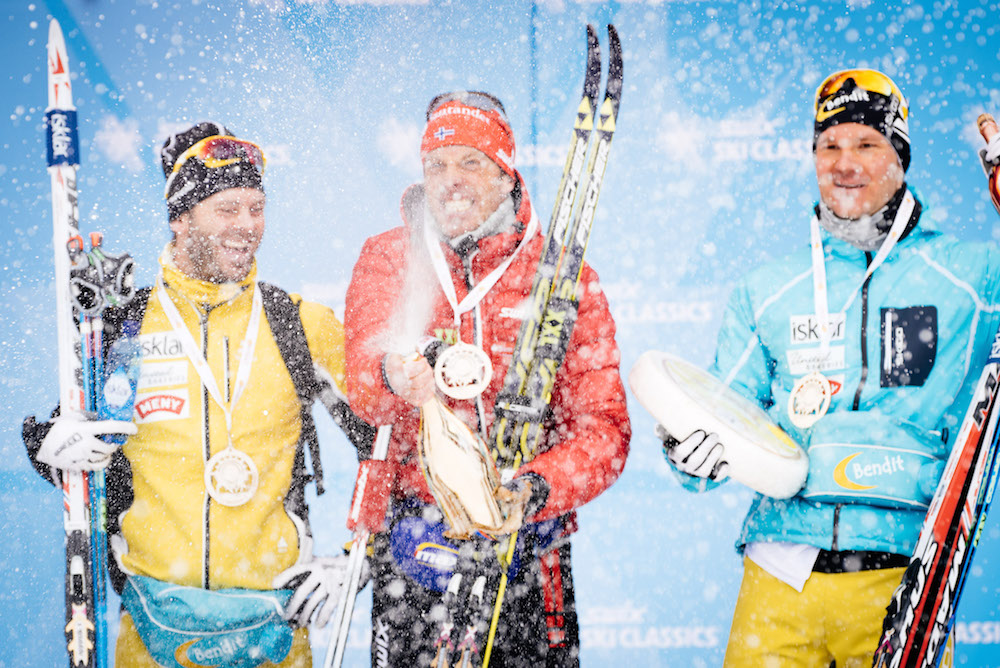
    Team Santander's Anders Aukland (c) after winning the 2014 La Sgambeda in Livigno, Italy. Johan Kjølstad  (l) and Øystein Pettersen (r) both of Team United Bakeries, placed second and third, respectively.  (Photo: Ski Classics)
    Team Santander’s Anders Aukland (c) after winning the 2014 La Sgambeda in Livigno, Italy. Johan Kjølstad (l) and Øystein Pettersen (r) both of Team United Bakeries, placed second and third, respectively. (Photo: Ski Classics)

    Team Exspirit (previously known as Team Coop) won the prologue last year and is aiming to defend the title this year.

    “We have had great preparations here in Livigno, skiing on the race course and acclimatizing to the high altitude,” team member Jimmie Johnsson said in a press release on Friday. “Of course, we’re aiming to defend our victory and we’re faster this season than ever before.”

    Team Exspirit’s Seraina Boner won La Sgambeda last year after breaking away from the field on the hard climb at the turning point of the course. This year, the course is shortened to from 35 k to 24 k due to lack of snow and is also flatter. While Boner prefers more elevation gain, she was still optimistic before the race.

    “The tougher course fits me better than the flatter one we have now,” she said. “But I will do my best, and I am really excited to finally start the long distance season together with my teammates.”

    While the Team Prologue is only open to professional teams registered with the 2016 Ski Classics, La Sgambeda on Sunday is open to amateurs and pros alike.

    Saturday’s Prologue will be held on the original course, but due to lack of snow in Livigno, the classic marathon on Sunday will be run on 6 k loops.

    “Last season, seven of the nine Ski Classics events had to change their courses due to weather issues,” Ski Classics CEO David Nilsson in a press release earlier this week. “We can just cross our fingers that the political leaders at the environmental summit in Paris this week are able to make the right decision.”

    For the 2016 season, there are 28 pro teams registered for the Ski Classics series.

    After the season opener in Italy, the Ski Classics takes a break until the Jizerská Padesatka in Liberec, Czech Republic, on January 10, 2016. The race series concludes April 2 with Årefjällsloppet in Sweden as the season finale, as it has been for years. New this year is the Toblach/Dobbiaco Cortina, a 50 k classic race in Italy on Feb. 13.

    Vasaloppet matters most

    For Madshus racer John Kristian Dahl of Norway, who won the Vasaloppet two years ago, the 90 k race from Sälen to Mora in Sweden is the main goal for the 2016 season.

    “It’s the longest and one of the oldest races in the circuit, and very special with the flats. That package makes it very unique, and difficult to win, too. In our world, it’s the championships in marathon skiing, and I’m happy that we have it every year,” Dahl said in an interview with Ski Classics earlier this fall.

    Live streaming in English

    In order for fans to follow the action live, Visma Ski Classics has launched the Live Streaming “Season Pass” available with English commentary on the app or the Tour Live Center at Visma skiclassics.com.

    2016 Ski Classics Schedule

    1. Dec. 5, 2015: Proteam Tempo Prologue, 15 k classic, Italy
    2. Dec. 6, 2015: La Sgambeda, 24 k classic, Italy
    3. Jan. 10, 2016: Jizerská Padesatka, 50 k classic, Czech Republic
    4. Jan. 23, 2016: La Diagonela, 65 k classic, Switzerland
    5. Jan. 31, 2016: Marcialonga, 70 k classic, Italy
    6. Feb. 7, 2016: König Ludwig Lauf, 50 k classic, Germany
    7. Feb. 13, 2016: Toblach/Dobbiaco Cortina, 50 k classic, Italy
    8. March 6, 2016: Vasaloppet, 90 k classic, Sweden
    9. March 19, 2016: Birkebeinerrennet, 54 k classic, Norway
    10. April 2, 2016: Årefjällsloppet, 65 k classic, Sweden

    For race recaps, follow FasterSkier’s marathon blog.

  • Gearing up for the Long Run: Ski Classics’ Jizerská 50 in Czech Republic on Sunday

    Gearing up for the Long Run: Ski Classics’ Jizerská 50 in Czech Republic on Sunday

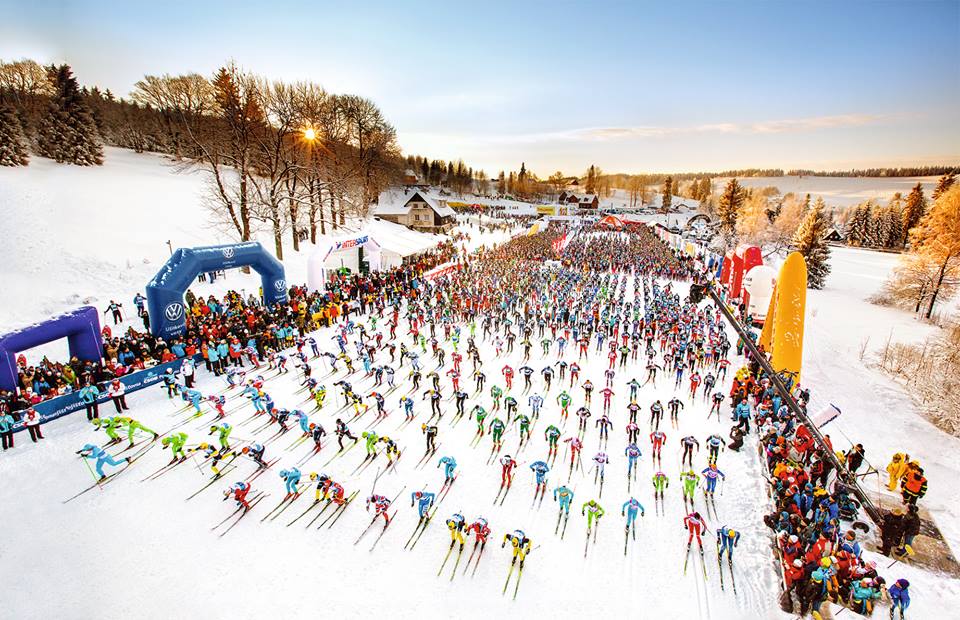
    Start of the Jizerská Padesatka, a 50 k classic race near Liberec Czech, Republic. (Photo: Swix Ski Classics)
    Start of the Jizerská Padesatka, a 50 k classic race near Liberec Czech, Republic. (Photo: Swix Ski Classics)

    Sunday’s 50-kilometer classic race Jizerská Padesatka near Liberec, Czech Republic, is the next event in the 2015 Swix Ski Classics long-distance circuit and racers are eager to hit the tracks after a long break since the first races in Italy in mid-December.

    Going into the third event in the Ski Classics (after the opening Pro Team Prologue and La Sgambeda), Norway’s Anders Aukland of Team Santander tops the overall ranking. Johan Kjølstad, who won the overall Ski Classics title last season, is second overall.

    In the Ski Classics athlete ranking, 42-year-old Aukland tops the list in front of his younger brother Jørgen Aukland. Kjølstad, who races with Team United Bakeries, is in third place, three points ahead of Czech veteran Stanislav Rezac of Team Silvani Madshus, while Sweden’s Jörgen Brink of Team Lager 157 is fifth overall going into the Jizerská 50 k on Sunday.

    In the overall sprint competition, Andreas Nygaard (Team Santander) is currently wearing the green points bib, while Team United Bakeries’ Øystein Pettersen is in second place, 10 points behind Nygaard.

    Holly Brooks at the Pro Team Tempo, which opened the Swix Ski Classics season in mid-December in Livigno, Italy. (Photo: Swix Ski Classics)
    Holly Brooks at the Pro Team Tempo, which opened the Swix Ski Classics season in mid-December in Livigno, Italy. (Photo: Swix Ski Classics)

    Brooks Skips the Jizerská

    American Holly Brooks, who was picked up by the Aukland brothers’ Team Santander just a day prior to the start of the Ski Classics season, is in sixth place in the women’s overall competition. Seraina Boner of Switzerland, who races for Team Coop, tops both the overall standing as well as the athlete ranking.

    However, Brooks is sitting out the Jizerská, returning to Europe for the Dolomitenlauf on Jan. 18, and joining her team for the Marcialonga a week later.

    “I’m just trying to balance the FIS Marathon Cup, the Swix Ski Classics, and travel,” Brooks wrote in an email. “In years past I’ve done maybe three races 30K and longer spread out over a season, so I don’t know how my body is going to react and/or how the fatigue will build.

    “My goal is to race as much as possible without a downgrade in performance,” she added. “I have a feeling I will be very, very tired by the end of the season.”

    New Women Join Circuit

    Prior to the Jizerská, the competition for the women’s overall Ski Classics title gets tougher. Three different Pro Teams have entered new female skiers into the long-distance series: Norway’s Hilde Landheim will race for Team Coop, Viktoria Melina joins the Russian Marathon Team, and Masako Ishida of Japan will race for Team United Bakeries.

    In the Ski Classics, each professional team may enter a total of 10 skiers per season, male and female skiers included. Once entered, the teams may not unregister athletes, but they can enter additional athletes until they reach the maximum of 10 skiers.

    Stellar Conditions

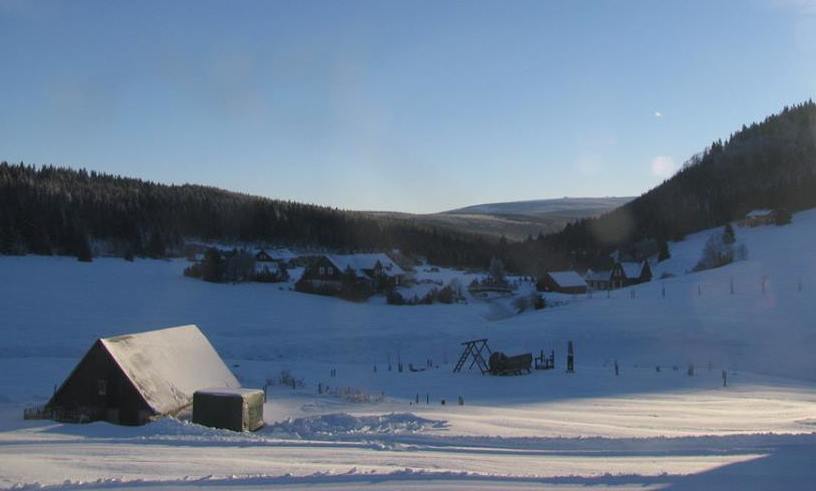
    Czech Republich, home of the Jizerská 50, which will be held on Sunday, as pictured on Jan. 6.
    Czech Republich, home of the Jizerská 50, which will be held on Sunday, as pictured on Jan. 6.

    Last year, the Jizerská races were canceled due to lack of snow, so event organizers are especially excited to put on the races this year and are proud to present stellar conditions on the race course. Promising weather forecasts, decent snowfall in the past week and cold weather have made it possible to produce enough artificial snow to cover the whole course, and the organizers are confident that they will be able to run the race as planned given the weather forecast, which predicted snow at the start and temperatures around freezing.

    “We are happy to see that the weather has turned fine and the winter conditions have finally arrived,” Martin Koucky, a member of the Jizerská 50 Organizing Committee, said in a press release. “The whole Jizerská 50 track is now covered with snow while the race preparations continue to run along at full speed. There are some thirty centimeters of artificial and natural snow at potential critical points: at the Bedrichov stadium as

    In addition to the 50 k Ski Classic on Sunday, the Jizerská race weekend opens with a 30 k skate race and a children’s race on Friday, and also offers a 25 k classic race as well as a corporate relay race on Saturday. New this year is a 1.5-kilometer double-pole sprint on Friday.

    Six More Marathons on Tap

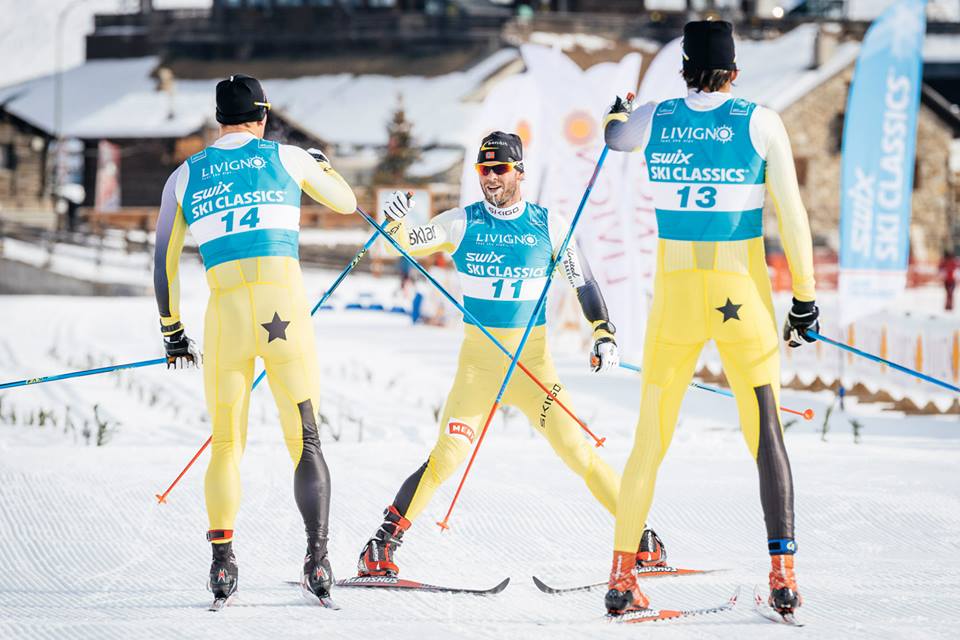
    Team United Bakeries' Pettersen (14), Berdal (11), and Kjølstad (13) at last month's La Sgambeda in Livigno, Italy. (Photo Swix Ski Classics)
    Team United Bakeries’ Pettersen (14), Berdal (11), and Kjølstad (13) at last month’s La Sgambeda in Livigno, Italy. (Photo Swix Ski Classics)

    After the Jizerská 50 on Sunday, the Ski Classics moves to Switzerland for the brand-new La Diagonela on Jan. 17.

    La Diagonela was introduced to the race series last winter as a replacement for the Jizerská 50, which was be canceled, but was such a success that the circuit included the race as a new, permanent installment on the Ski Classics calendar for the 2014/2015 season. This year, the 65-kilometer La Diagonela will be held on a picturesque new course through the villages of St. Moritz, Zuoz and Pontresina in the Engadin Valley.

    After the stop in Switzerland, the Ski Classics moves to Italy for the Marcialonga in the valleys of Val di Fassa and Val di Fiemme on Jan. 25. The 70 k race is famous for its notorious final uphill climb, the Cascata, to the finish in Cavalese town square.

    From Italy, the Pro Teams travel to Germany for the 50 k König Ludwig Lauf in Oberammergau, Bavaria, on Feb. 1.

    After the König Ludwig Lauf, the athletes get a well-deserved break from competing until the legendary 90 k Vasaloppet from Saelen to Mora, Sweden, on March 8.

    After Vasaloppet, the circuit moves on to Norway’s Birkebeinerrennet on March 21. The 54 k classic race starts in Rena, crosses to mountains to the finish line in Lillehammer, the host of the 1994 Winter Olympics.

    The series once again ends with the season finale Årefjällsloppet in Sweden on March 28. The 75 k race offers stunning views from the in Vallbo to the finish line in Åre.

    More information and complete Ski Classics schedule