From the FasterSkier archive — posts syndicated from athletes’ and coaches’ own blogs between 2004 and 2012, kept online as published. Current coverage is at fasterskier.com.

Tag: Tom Smith

  • Houghton-Bound: Tom Smith Hired as Michigan Tech Nordic Coach

    Houghton-Bound: Tom Smith Hired as Michigan Tech Nordic Coach

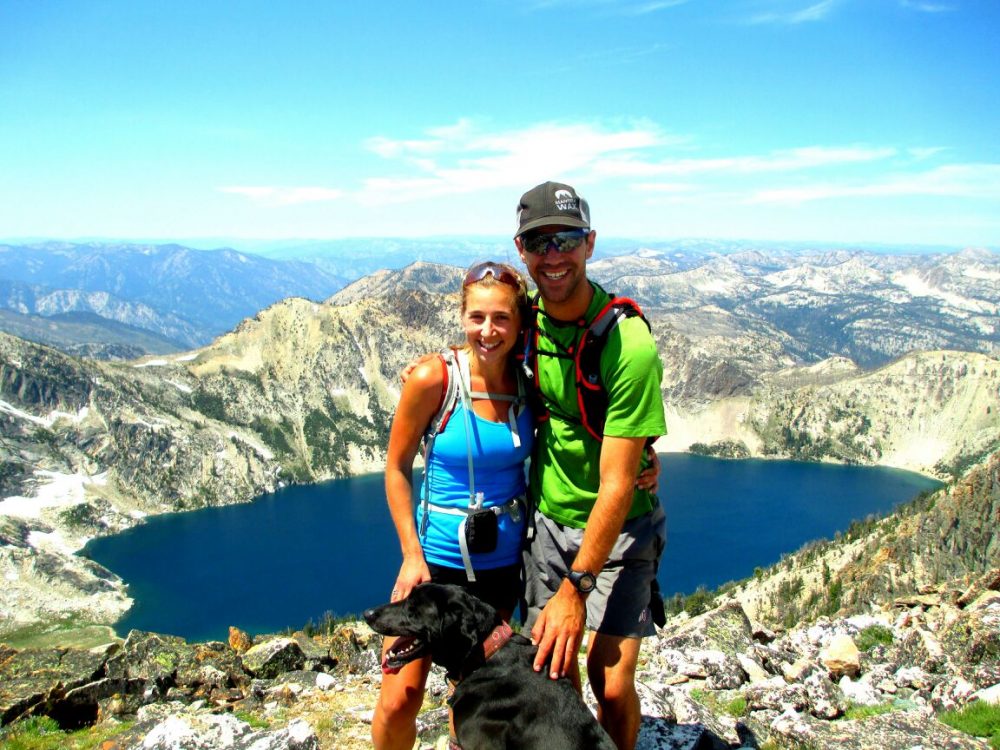
    Partners in coaching: Tom Smith and Kristin Monahan (both coaches with the Sun Valley Ski Education Foundation) are new hires at Michigan Technological University in Houghton, Mich. Smith will become the new head coach of nordic skiing, and Monahan will be an assistant coach and instructor at the school. (Courtesy photo)

    Locked in the heart of Michigan’s Upper Peninsula on an arm of land stretching into Lake Superior is the small city of Houghton. Locals there are intimate with lake-effect snow, long winters and a strong sense of community. Houghton is also home to Michigan Technological University (MTU) and the school’s nordic ski team, which Joe Haggenmiller led for the the last 14 years.

    Joel Isaacson, the associate athletic director for external relations and head of the search committee responsible for hiring MTU’s newest nordic head coach, said the search wasn’t simply about wins and losses.
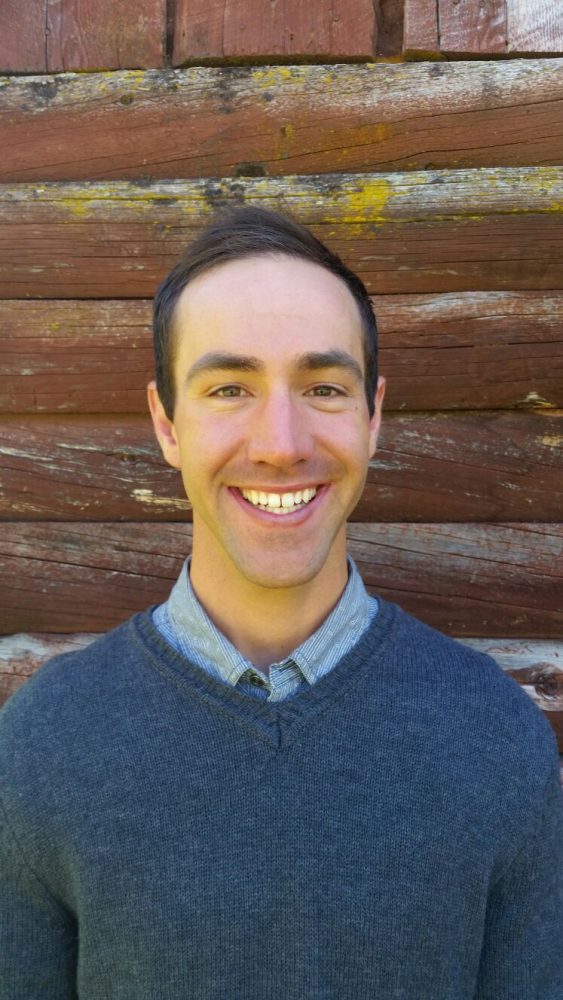
    Tom Smith, head coach of the postgraduate nordic program at the Sun Valley Ski Education Foundation, was recently named head nordic coach of Michigan Tech University. (Courtesy photo)

    “We always look for the best fit for Michigan Tech, and I know it’ a little cliche to say, but we are looking for somebody that is going to mentor our student-athletes,” said Isaacson, also head coach of the cross-country running team and track and field teams. “We want not only good athletes, good academics, but we want good people and we want a head coach that is going to mentor young people, to turn them into future husbands and wives, employees and members of the community. These are values that we look for in athletics and that comes out of our head coaches.”

    The nordic-coach hunt became a nationwide search for a good fit. Ultimately, the committee zeroed in on 27-year-old Tom Smith, head of the postgraduate program at the Sun Valley Ski Education Foundation (SVSEF) in Sun Valley, Idaho. The postgraduate program focuses on U20 skiers trying to make the next leap to competitive cross-country skiing at the collegiate level.

    Ten days ago, Smith was officially named MTU’s newest nordic head coach and cross-country running assistant coach. He’ll be joined by his partner and MTU alumna, Kristen Monahan, who was hired as an assistant nordic coach and academic instructor. Monahan, 29, competed collegiately in cross-country running and skiing and earned a master’s in exercise physiology from the University of Jyväskylä in Finland. She is currently an assistant coach for SVSEF’s competition team.

    “I think first and foremost, Kristin and I both saw this as a potential and incredible opportunity to be able to lead a program together at the collegiate level,” Smith said on phone from Sun Valley. “Obviously with Kristin’s roots there as an alumna, that’s huge with just having familiarity with the program itself that we want to build off of.”

    Growing up in Bend, Ore., Smith was a multiple-time junior All-American and a Junior National champion in 2007. Both his parents, Doug Smith and Monica McClain-Smith, ski raced in college, and he joined his brother Charlie on the University of Utah Ski Team while their sister Isabella raced for Montana State University. After using up his four years of NCAA eligibility, Smith opted for a fifth year to complete his bachelor’s degrees in environmental-and-sustainability studies and international studies and became an assistant coach for the Utes ski team.

    He also lived in Australia where he served as the head domestic coach for the national team, the Birkebeiner Nordic Ski Club and Victorian Junior Cross-Country Ski Team, and a program instructor for the Australian Primary and Secondary Schools.

    “I would say I had some life experiences that really caused me to evaluate what was really important in life,” Smith said when asked why he decided to pursue coaching as a career. “I had the opportunity to just jump into the sport in a new perspective as an assistant coach with Utah. And really under Abi Holt and Kevin Sweeney’s guidance, I really saw that coaching was the path that I wanted to take.

    “I decided that year I wanted to be coaching because I value what it provides athletes in terms of really being able to give them a challenging pursuit in life that brings out the best in themselves,” he continued. “That’s really what I try to coach in my athletes as well. That’s the paradigm shift I had in the sport and my basic philosophy.”

    In 2014, after coaching at Utah, Smith was hired as a SVSEF assistant competition coach. He held that position for a year and then took over the postgrad program.
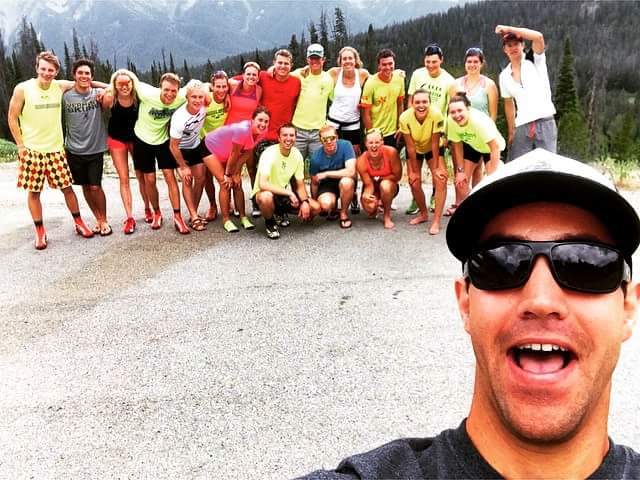
    SVSEF postgrad coach Tom Smith with his athletes in the background. (Courtesy photo)

    For 14 years, Smith has been either a competitor or coach. He’ll come to the MTU position with a young person’s energy bundled with the wisdom afforded him by longtime SVSEF Cross Country Program Director Rick Kapala. An MTU graduate and former MTU assistant nordic coach, Kapala has imprinted himself upon Smith’s coaching philosophy.

    “The strength of the pack is the wolf, but the strength of the wolf is the pack,” Smith said was one of his favorite “Kapala-isms” that originated in Rudyard Kipling’s The Jungle Book.  

    The cyclic nature of that quote, where the individual and group are interdependent, gets to the crux of collegiate cross-country skiing, where team performance counts as much if not more than an individual’s. Isaacson said that individual and team performance has bigger implications in a place like Houghton where the community is invested in the college’s athletic culture.

    “Being a Division II institution with a Division I men’s ice hockey team, our community is heavily involved in what we do and we feel that our coaches, our programs, need to give back,” Isaacson said. “So we are bringing in somebody that can establish or articulate that they have a good background in the community, and their engagement and they understand the fiscal responsibilities that you need to maintain. All of our head coaches have to be well-rounded and I think Tom fits that mold.”

    Michigan Tech Nordic is a NCAA Division II team that competes against Division I programs. Unlike many schools, MTU owns and operates its own cross-country ski trail complex that includes  International Ski Federation (FIS) homologated trails.

    “There is no lack of competitive advantage to pull in the best athletes in the country and for sure in the Midwest, and some international talents as well,” Smith said. “But I think what student-athletes really value about going to Tech is the return on investment of their education.”

    One issue that both Isaacson and Smith said arose in the interview process was the relative viability of MTU’s cross-country ski team. Smith’s hire comes after a year when two Division I programs, the University of Alaska Anchorage and the University of New Mexico, faced the very real prospect of de-funding and subsequent program termination.

    “I think that’s obviously not a secret — that every college program is seeking to have that sort of engagement with the greater ski communities that will really ensure the vitality of the programs in the long term,” Smith said. “I think it really means that all of our communities are engaged in the sport and with collegiate skiing. I think that in reality, Michigan Tech has probably the best opportunities to really grow that aspect of their program. Greater than anybody else.”

    Isaacson said the program remains in good financial standing.

    “We are a STEM [science, technology, engineering, and math] institution, and we have strong academic programs,” he said. “Our enrollment is on the rise, we have strong government funding when it comes to resources, when it comes to the programs that we offer and the research that our faculty are doing here on campus. I think Michigan Tech is through those bumps or those financial difficulties and maybe other institutions aren’t where we are and efficient in how we budget. We are smart about our resources.”

    Smith and Monahan will bring their team to Michigan Tech’s team and the broader Houghton community after concluding their coaching duties in Sun Valley at the end of July.
  • ‘Turning August Into February’: Sun Valley Gold Team Spends Month in Australia

    ‘Turning August Into February’: Sun Valley Gold Team Spends Month in Australia

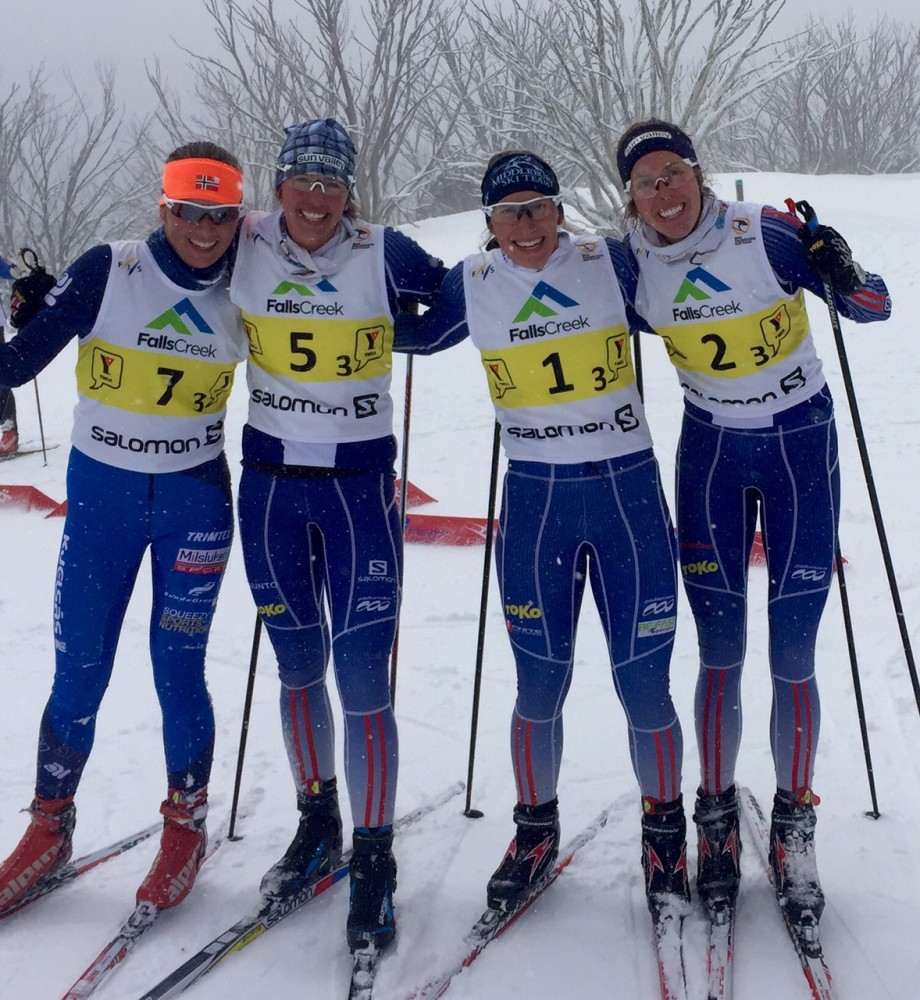
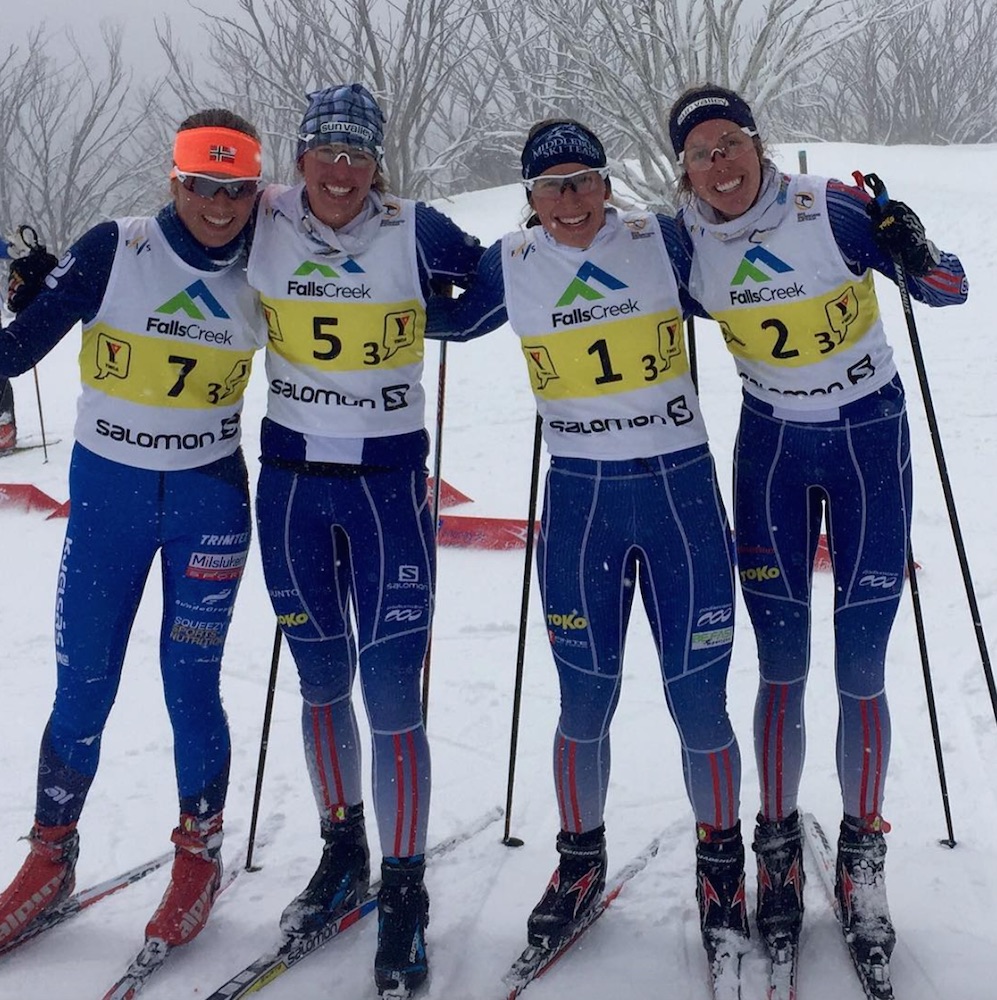
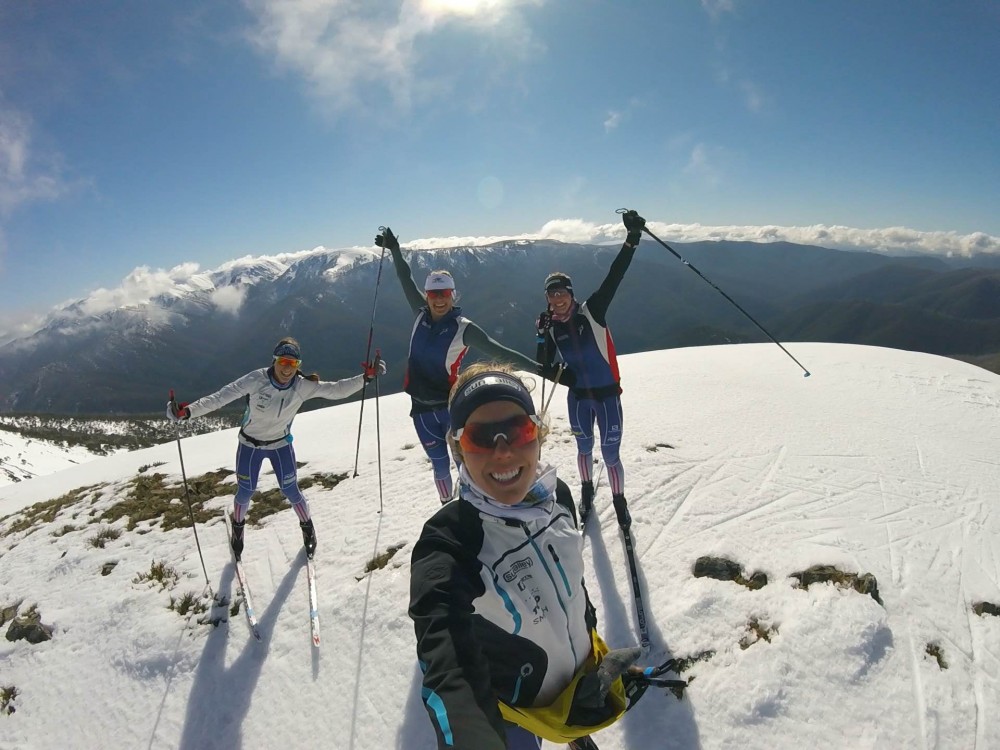
    Sun Valley Ski Education Foundation Gold Team members Kelsey Phinney, Annie Pokorny, Mary Rose, and Deedra Irwin skiing at Falls Creek Resort in Victoria Australia in August. (Photo: Mary Rose)
    Sun Valley Ski Education Foundation Gold Team members Kelsey Phinney, Annie Pokorny, Mary Rose, and Deedra Irwin skiing at Falls Creek Resort in Victoria, Australia, earlier this month. (Photo: Mary Rose)

    Getting there means 24 hours are lost somewhere in limbo and layovers that are more than cause for lethargy. But even with a disappearing day and assured hours of drowsy adjustment, traveling to the Land Down Under presents a unique opportunity for any western traveler, especially those who nordic ski. That’s because in the state of Victoria in southeastern Australia, nearly a four-hour drive north of the country’s second-most populated city, Melbourne, Falls Creek boasts accommodations, trails and most importantly, a winter season with snow.  

    For those of us in the Northern Hemisphere, the months of June, July and August often bring heat waves rising off the blacktop, but in Falls Creek, this the season for a mixture of snow flurries and sun.

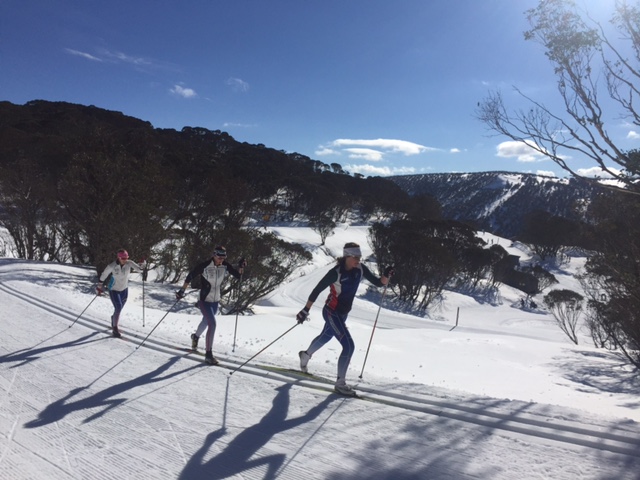
    Right to left: Sun Valley Ski Education Foundation Gold Team members Annie Pokorny, Mary Rose, and Kelsey Phinney during a classic ski at Falls Creek Resort in Victoria Australia in August. (Photo: Colin Rogers)
    SVSEF Gold Team members (right to left) Annie Pokorny, Mary Rose and Kelsey Phinney classic skiing at Falls Creek Resort in Victoria, Australia. (Photo: Colin Rodgers)

    With the promise of the latter from early June to late September — the peak season taking place in July and August — and a decent deal on plane tickets, several Sun Valley Ski Education Foundation (SVSEF) Gold Team members decided that when it came to the month of August, Falls Creek was where they wanted be.

    “The team has never been here before, but one of our SVSEF coaches, Tom Smith, spent a summer coaching down here and told us how great the training was,” Colin Rodgers, SVSEF Gold Team head coach, wrote in an email from Australia. “We decided we had a great opportunity to come here and train this year because the airline tickets were quite inexpensive from the Western USA. Overall the skiing has been great so far!”

    Along with Rogers, five Gold Team skiers made the trek to Falls Creek on Aug. 1, including Annie Pokorny, Kelsey Phinney, Mary Rose, Deedra Irwin, and Matt Gelso. The crew planned to remain in Australia for on-snow training until the end of the month, returning to the U.S. on Aug. 29.

    This past weekend, the Sun Valley women swept the freestyle-sprint podium at Australian Cross-Country Ski Championships on Saturday, with Phinney winning the International Ski Federation (FIS) Australia/New Zealand Cup race, Rose placing second and Irwin taking third. Norway’s Nora Ulvang finished fourth just ahead of Pokorny in fifth.

    On Sunday, Rose and Irwin again reached the podium in the 10 k classic, finishing second and third, 14.9 seconds and 30.5 seconds behind winner Chisa Obayashi of Japan, respectively. Pokorny repeated in fifth.

    The women's skate sprint podium at Australian national championships in Falls Creek, Victoria. 1st Kelsey Phinney, 2nd Mary Rose, 3rd Deedra Irwin, 4th Nora Ulvang (Norway). (Photo: XCGoldTeam/Instagram)
    The women’s skate sprint podium at 2016 Australian Cross-country Ski Championships on Saturday, Aug. 20, in Falls Creek, Victoria. Kelsey Phinney (1) placed first, Mary Rose (2) took second, Deedra Irwin (5) was third, and Norway’s Nora Ulvang (7) was fourth. (Photo: XCGoldTeam/Instagram)

    “The races this past weekend were a very unique experience,” Rose wrote in an email. “Not often do you have a chance to race in the middle of August. The conditions were very challenging for everyone. I took this weekend as a great opportunity to practice skiing through all the sprint heats as well as learning to deal with less than ideal race conditions. Living in the West, I don’t get much opportunity to race in the pouring rain. This was a great learning experience!”

    The men’s freestyle sprint and 15 k classic results were not available at press time. Due to a cold, Gelso did not race this past weekend.

    While much of the Gold Team’s camp revolved around logging hours and kilometers on snow, Rodgers also anticipated his group would jump into a few races, including the Kangaroo Hoppet 42 k skate marathon on Aug. 27.

    According to him, the opportunity to travel to Australia and compete was largely due to the international relationships the SVSEF has fostered.

    “Our club has hosted several Australian skiers over the past few seasons (Kat Paul, Casey Wright, Mark Pollock- to name a few) so we have established a good relationship with many of the athletes,” Rodgers wrote. “They have all always told us we should come to Australia to ski. It seemed like a far off dream, but then we started looking at the details and all of a sudden we realized we could make it happen without breaking the bank. The Australian Jr and U23 team is coming to prepare for the Soldier Hollow World Jr/ U23 World Championships in Sun Valley this winter. They will be in Ketchum for about 8 weeks leading into those Championships so we have a nice partnership growing.”

    “This is not spending a week on a glacier in summer. This is turning August into February.” — SVSEF Gold Team member Matt Gelso on training on snow in Australia

    New to the SVSEF Gold Team, Pokorny reflected that the chance to travel to Australia to train has been somewhat surreal. This year marked one of her first summer snow-skiing experiences.

    “This year, with support from SVSEF and the Australian race organizers, I’m able to get my first summer skis AND do it during one of the biggest training blocks of the year,” Pokorny wrote in an email. “I’ve gotten to work on technique and put in big hours while exploring a part of the world I’d never thought I would get to visit, which has made this trip incredibly valuable to me both athletically and personally.”

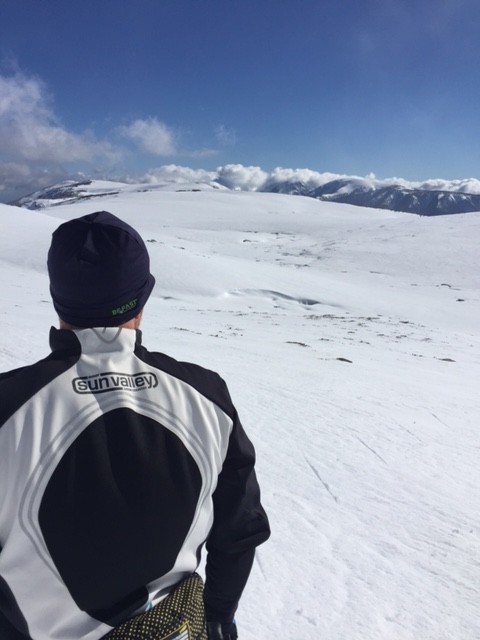
    Sun Valley Ski Education Foundation Gold Team member Matt Gelso takes in the view during a ski at Falls Creek Resort in Victoria Australia in August. (Photo: Colin Rogers)
    Sun Valley Ski Education Foundation Gold Team member Matt Gelso takes in the view during a ski at Falls Creek Resort in Victoria Australia in August. (Photo: Colin Rodgers)

    In his sixth year with the SVSEF Gold Team, Gelso remarked that this camp was much bigger than an average week on snow.

    “This is not spending a week on a glacier in summer, this is turning August into February, and it is a new experience for me, but a very positive one for ski training,” Gelso wrote in an email. “Not only getting on snow and getting the feel for skis, but being here for long enough that I can actually make gains is huge.”  

    Both Pokorny and Gelso pointed out that spending a month skiing in Australia is a memory they won’t forget.

    “I have been wrapping my head around the sun being in the northern sky, and the north slopes being the warm, sunny side…. Pretty different,” Gelso wrote. “Also the trees, they have these Snowgum trees that don’t lose their leaves, it feels like the coast, it has taken some time to get used to it all.”

    “My favorite part, by far, has been the landscapes we see on our long skis,” Porkorny wrote. “Snow capped mountains over green jungles, burned and growing gum trees, and violently changing weather have kept every training session interesting.”

    With less than a week left, the crew continues to adventure and can be followed on the SVSEF Gold Team’s Facebook page or Instagram.

    — Alex Kochon contributed reporting

  • Many Hands Make Light Work: Sun Valley SuperTour Snow Update

    Many Hands Make Light Work: Sun Valley SuperTour Snow Update

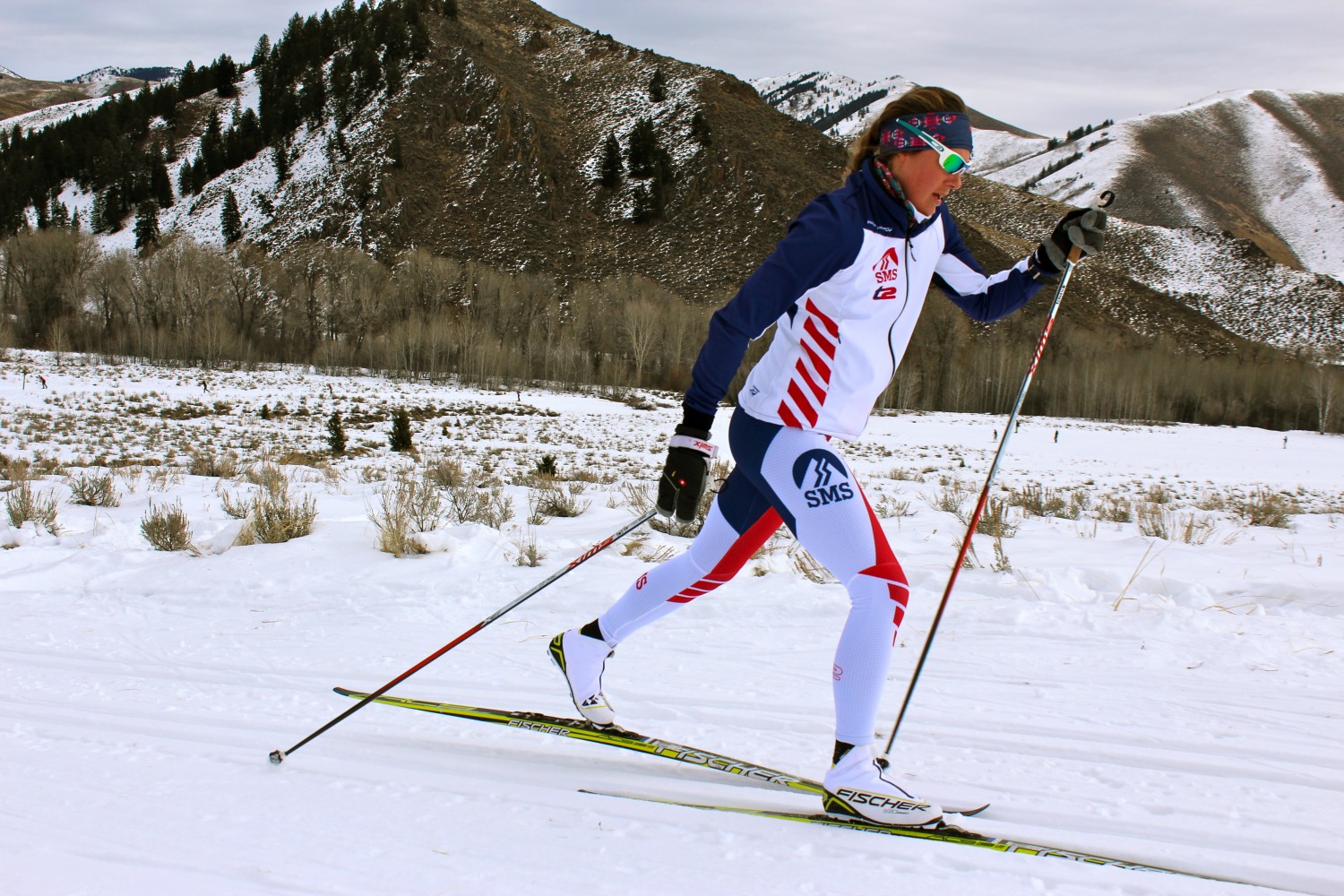
    Annie Pokorny  (SMST2) at the top of the coach's climb for the SuperTour 1.3 k  classic race course in Sun Valley, Idaho.
    Annie Pokorny (SMST2) at the top of the coach’s climb for the SuperTour 1.3 k classic race course in Sun Valley, Idaho.

    SUN VALLEY, Idaho — Armed with plenty of shovels and smiles, the Sun Valley Ski Education Foundation crew has been moving snow to make the next stop on the SuperTour circuit happen at the Lake Creek venue in Sun Valley, Idaho.

    “We’re cautiously optimistic that we’ll be able to do both races [at Lake Creek], with the sprint race happening here for sure,” Sun Valley Ski Education Foundation (SVSEF) Nordic Director Rick Kapala said on Wednesday afternoon.

    With close to six inches of snow currently covering the trails, according to Sun Valley’s assistant nordic program director Kelly Sinnott, local volunteers and coaches are putting their shovels to work to increase that numerical amount by the work hour.

    The SuperTour races are scheduled for Saturday and Sunday, with a classic sprint followed by 10- and 15-kilometer classic individual starts. On Thursday morning, temperatures were below freezing, around 28 degrees Fahrenheit in Sun Valley. 

    “We spent hours [on Tuesday] shoveling the course and there’s a crew out there today as well,” Sinnott said on Wednesday.

    While a decent snow storm might be the preferred way of covering the race course, many of the volunteers don’t seem to mind scooping snow for the sake of this weekend’s SuperTour races.

    “I was out here yesterday, I would say three-plus hours,” said Mel Dyke, of Hailey, Idaho, a snow-shoveling volunteer, and webmaster for 5B Nordic News.

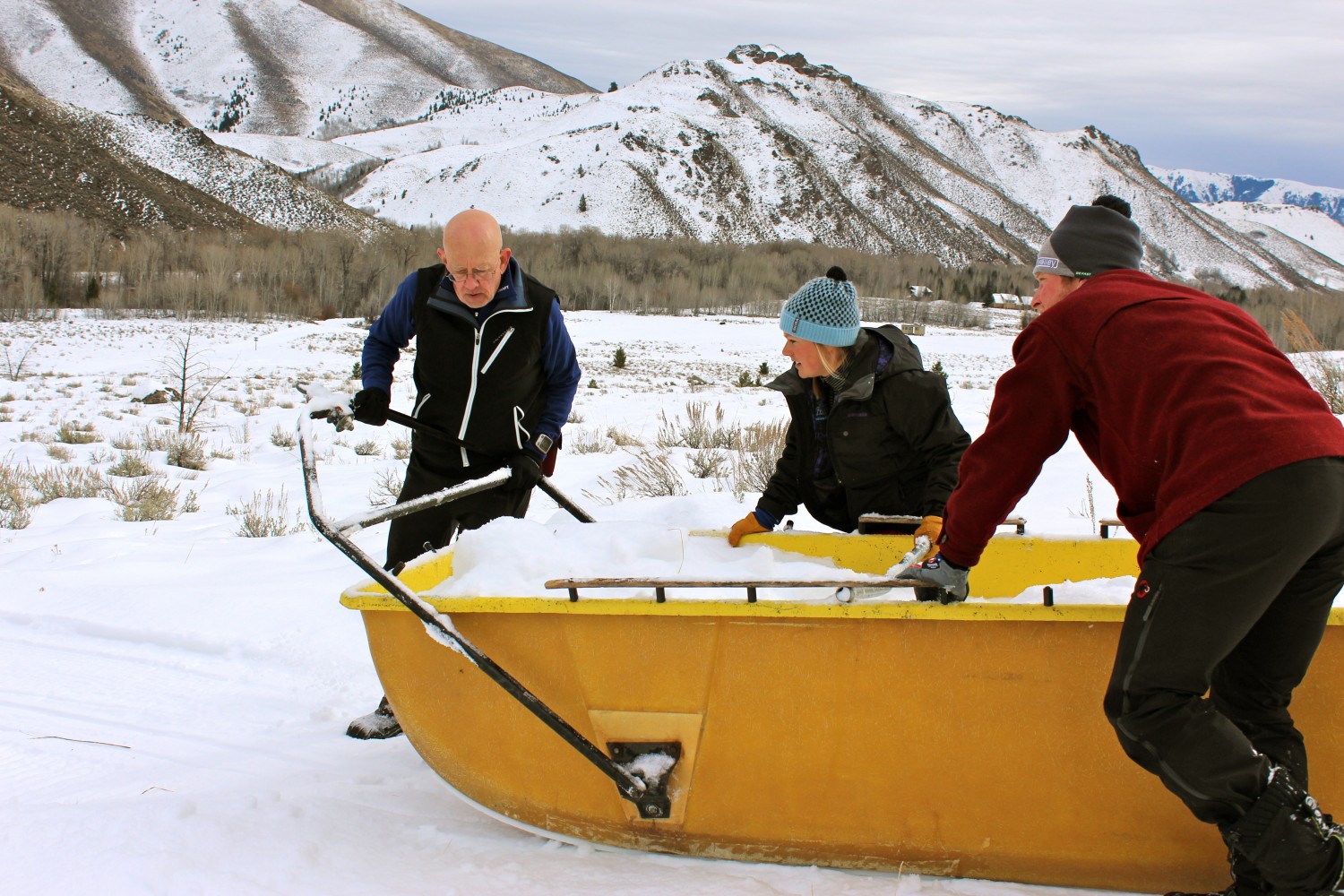
    (Left to right): Mel Dyke (volunteer), Kate Barton (Burke Mountain Academy coach) and Colin Rogers (SVSEF Gold Team head coach) push a sled full of snow on Wednesday afternoon to dump onto the SuperTour 10/15 k  classic distance race course in Sun Valley, Idaho.
    (Left to right): Mel Dyke (volunteer), Kate Barton (Burke Mountain Academy coach) and Colin Rogers (SVSEF Gold Team head coach) push a sled full of snow on Wednesday afternoon to dump onto the SuperTour 10/15 k classic distance race course in Sun Valley, Idaho.

    “There were three crews of 15-20 people yesterday,” he said. “I’m just doing it because it’s fun.”

    While pushing snow piles is not everyone’s idea of “fun,” the dedicated group of individuals working out on the trails for free will make the Sun Valley SuperTour races possible.

    “We’ve got a community of people that just jump in and do it. And we’ve had a few low snow years so we’ve had to do a lot of this,” said Bob Rosso, another volunteer and owners of Elephant’s Perch sports speciality shop in Ketchum.

    “We’re die hard cross-country skiers,” Rosso added. “When the race coordinators call out for help, people show up.”

    Still, even with a soldiery of willing snow-shovelers, why not use host trails with enough coverage nearby?

    Kapala points to the quality of the race course at Lake Creek as motivation for making it the preferred race site.

    “One of the biggest concerns that the coaching community has with regards to the early SuperTours is that we’re able to have appropriately difficult courses,” Kapala said.

    “We could go to Galena, and we could make the races work there … but putting the work in here gives the athletes an opportunity to test themselves appropriately on the kinds of courses that they need to be prepared to ski on,” he said. “These are homologated, FIS [International Ski Federation-standard] courses, they have A-climbs and that’s important.” 

    On top of the promise of challenging racers, the Lake Creek venue offers coaches, spectators and skiers a perspective like no other.

    “One of the unique things about the Lake Creek venue, is it’s really open,” said Kapala. “You can stand in one spot and watch the entire race happen.”

  • Wednesday Workout: Steady State Intervals and Speed Shifts with SVSEF PG Coach Tom Smith

    Wednesday Workout: Steady State Intervals and Speed Shifts with SVSEF PG Coach Tom Smith

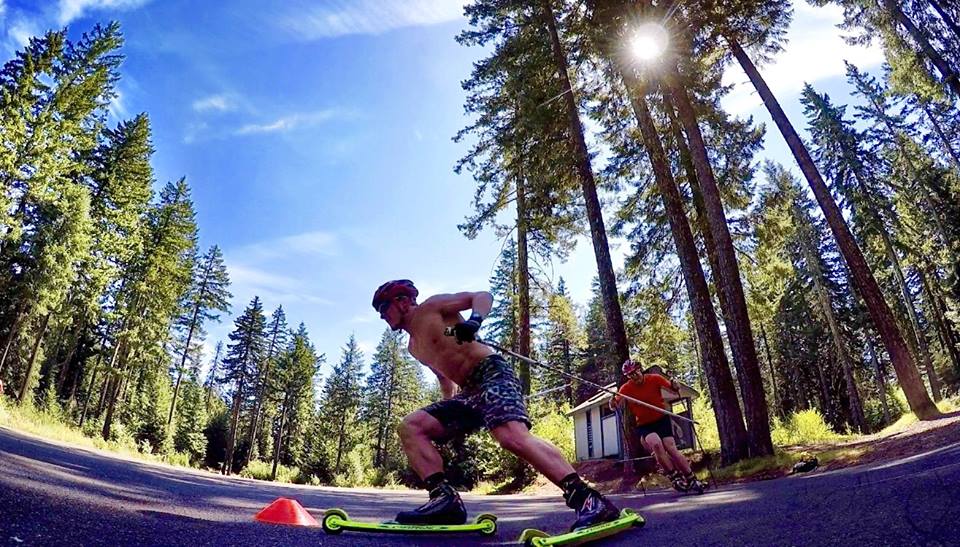
    SVSEF Gold Team member Miles Havlick rounds a cone during an interval. (Photo: Tom Smith)
    SVSEF Gold Team member Miles Havlick rounds a cone during an interval. (Photo: Tom Smith)

    For this week’s Wednesday Workout, FasterSkier spoke with Tom Smith, the head coach of the post-graduate elite development program for the Sun Valley Ski Education Foundation (SVSEF). On top of coaching full-year post graduates (PGs) in Sun Valley, Idaho, Smith works with college athletes who come there to train during the summer. Smith is originally from Bend, Ore., and skied for the University of Utah before heading to Sun Valley a few years ago.

    The workout Smith presented is a highly customizable steady state threshold workout with accelerations he likes to call “speed shifts.” Speed shifts are similar to pickups in that the speed and effort increase for a short period of time. However, for speed shifts, the change is minor compared to pickups, where speed and effect usually change drastically, going from low effort to race pace or even max effort.

    “I like to think of it as not an all-out sprint in the middle of L3 [Level 3] intensity, but like a shift in your tempo or power and that you’re testing your competitors and testing your own limits of your lactate threshold,” Smith explained.

    As a quick reminder, threshold effort or Level 3 is the pace at which lactic acid is being cleared from muscles at the same rate it is being produced. The general feeling at this effort is fast but in control and at a pace that can be maintained for an hour or two.

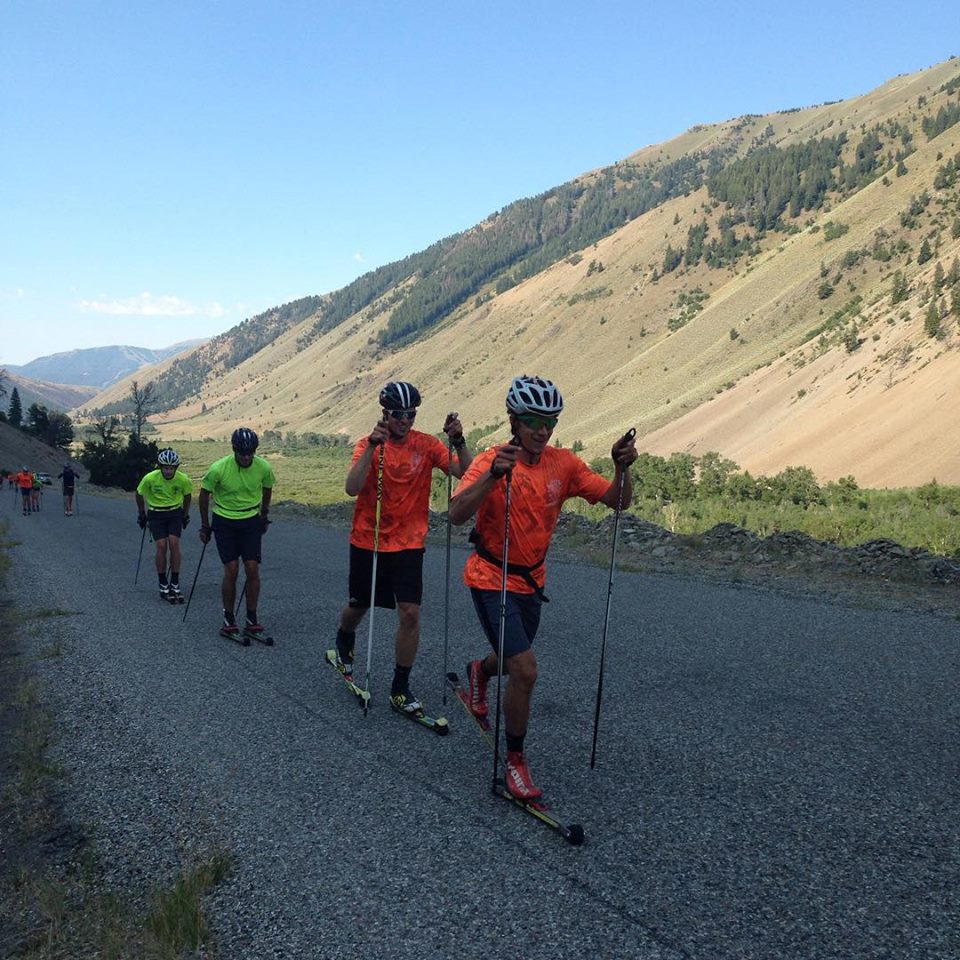
    Head PG Coach Tom Smith with a bunch of SVSEF athletes in the background. (photo: Tom Smith)
    SVSEF post-grad head coach Tom Smith takes a selfie with several SVSEF athletes in the background. (Photo: Tom Smith)

    This steady state workout entails going at a consistent threshold effort for 30 to 45 minutes while doing 20-second speed shifts every three to five minutes to push the effort into the upper limits of L3.

    Smith leads this workout on rollerskis, though it can be done in any discipline. It’s also very customizable. Depending on the time of year, the focus can be on ensuring that the threshold effort is not exceeded or intentionally going beyond L3 during the speed shifts to work on recovering from an anaerobic effort while continuing to ski at threshold. The total interval time and frequency of the speed shifts can also be changed to make the entire workout easier or harder, depending on what the participant is looking for.

    A large component of the workout also comes from the day before. Smith plans a technique-focused, low-effort workout in the same discipline that the continuous threshold workout is going to be in. So if Smith’s athletes will be skating during the continuous threshold workout, they go for an easy skate distance workout the day before while Smith takes a bunch of video. Then they all review the video and each pick out one specific aspect of their technique to work on and come up with a concrete way they can improve it. That night or even the following morning, Smith’s athletes again look at the video to review their technique and really understand what they need to be doing to improve during the threshold workout. This allows the athletes to work on their technique during the interval while simultaneously focusing on a quality effort.

    “By accomplishing [technique work] in the session beforehand, the athlete already has that goal in mind of what they want to work on and they know how they are going to actually go about improving it,” Smith said. “You don’t really have to harp on it too much within the intensity session itself as a coach.”

    SVSEF Gold Team member Rogan Brown leads Bates College skier Corky Harrer on a classic ski. (photo: Tom Smith)
    SVSEF Gold Team member Rogan Brown leads Bates College skier Corky Harrer on a classic ski. (Photo: Tom Smith)

    This also gives Smith the opportunity to focus on his athlete’s efforts during the L3 interval. The SVSEF post grads do this workout on a fixed loop, setting up speed shifts on various terrain so they feel what it is like to push the effort during different techniques and at different speeds. It also helps them feel how easy or hard it is to recover from different efforts on the various terrain.

    Smith then goes to a location about a minute after a speed shift to test the athletes’ lactate levels. What he hopes to see is their lactate levels around 4 millimoles, which means they are going at a threshold effort and have effectively pushed to the limits of L3 and recovered.

    If possible, Smith also wants his athletes to ski in a pack. This gives them an opportunity to practice some mass-start tactics and see how effective an added effort is or is not on various terrain.

    “We can put one speed shift on a V2 focused slight up grade, we can put one on a V1 section, we can put one on maybe a tuck-skate downhill section, so it gives you a few different things to think about [and shows], especially in a mass start simulated environment, that there are different opportunities and different places around a course to put in a little bit of an attack,” Smith explained.

    Ultimately, he hopes his athletes come away from this workout with technique improvements and a better understanding of and feeling for their L3 zone.

    “I think it’s a really good session for the older guys, especially as they transition from older juniors into seniors to really understand where their limits are within their lactate threshold zone and how hard they can really push it before they actually blow themselves up,” he said.

    The Workout

    The day before:

    – On the day before the steady state interval workout, work on technique and find one specific area to focus on for the next day. Having video is really helpful for picking out a major technique area that can be improved!

    The day of:

    – Warm up for 20 to 30 minutes to prepare the body for a threshold effort.

    – Begin the continuous threshold interval. Keep in mind the effort continues for 30 to 45 minutes, so it is best to start at the lower end of L3.

    – Every three to five minutes, do a 20 second speed shift. Try and focus specifically on adding a little extra power or slightly increasing tempo. This helps to ensure the effort does not go beyond the L3 limit. Also try and change up the terrain where the speed shifts happen to get plenty of variety in the workout.

    – Remember after each speed shift, the effort should remain in L3 and it should drop to the lower end of L3 before the next speed shift brings the effort back up.

    – After finishing the steady state interval, warm down for 15 to 30 minutes to wrap up the workout.