Tag: tony wise

  • The American Birkebeiner at 50

    The American Birkebeiner at 50


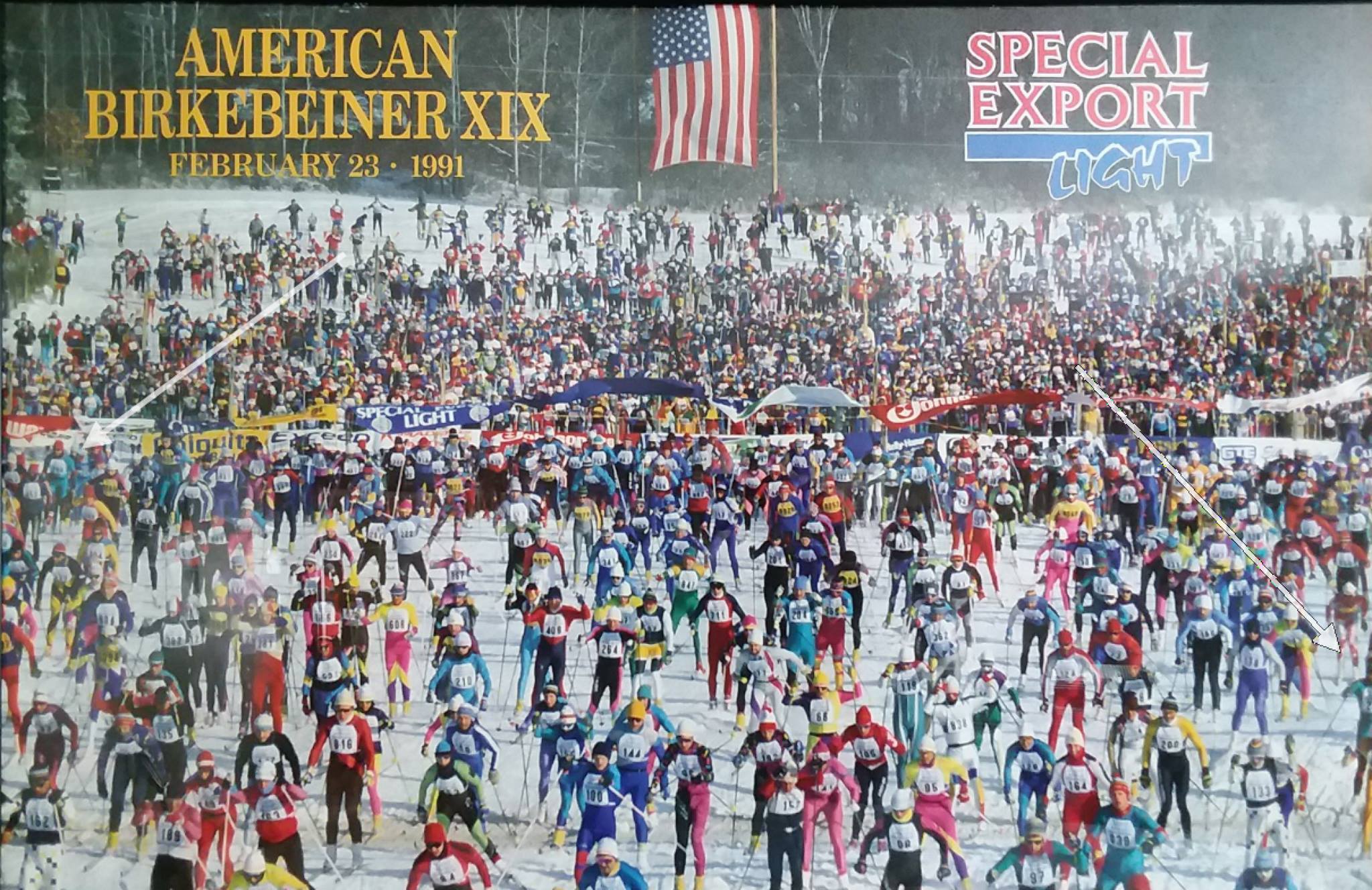
    The official American Birkebeiner poster from 1991, when the race started in “Rosie’s Field,” located near the present-Fish Hatchery trailhead outside of Hayward, Wisconsin. (Photo: American Birkebeiner Ski Foundation)

    “You’re skiing along, and you look up at the green of the pines and look down and see golden tamarack needles peeking out of the Wisconsin snow, and you find yourself gliding along thinking, ‘my gosh, how lucky can one guy get…and Go Packers too!” – Grandpa Theyerl, Wisconsinite, Birchlegger.

    The American Birkebeiner turns 50 years old this weekend. And although it didn’t ask for it, I’m doing some reflection on its behalf.

    At 26 years old, I’ve only been around for half of the history of the “Birkie.” I was born and raised in Wisconsin. Never knew it without the Birkie. I was also born into a family whose name has appeared in the Birch Scroll for 45 of the Birkie’s 50 years. Somewhere out there amongst those forested knolls, the Birkie became intwined in my family tree. The quintessential American ski race, and my quintessential family experience.

    And why not? The yearly ritual spending a day skiing 50 kilometers from Cable to Hayward has thrown muskie-sized ripples into our lives every other day of the year. Slowly, year-over-year, it’s plotted the course of my family’s collective life over generations. And though the magnitude may vary, the experience is typical. The Birkie is all about the ties that bind: a physical exercise with ontological overtones.

    There are two kinds of dreams: aspirational and retrospective—the Birkie has been both. The aspirational dream is when you look into the future and decide what you want to see there. That was Birkie dream of Tony Wise, the ebullient Northwoods businessman who planned to give his hometown an economic engine, and a way to spin a mythology out of snow, pines, and skinny skis.

    The other type of the dream is the one you find in retrospect; the momentary circumstances and connections that point towards something that feels like home. That’s been my Birkie dream. I’ve had a lot of great skis in my life, but the best great skis have all been on the Birkie trail. I’ve had a lot of good fortune in my life—making a living in this sport, growing up among the Northwoods of Wisconsin, my parents meeting and starting a family—but so much of that luck began with my Grandpa signing up for the American Birkebeiner 45 years ago.
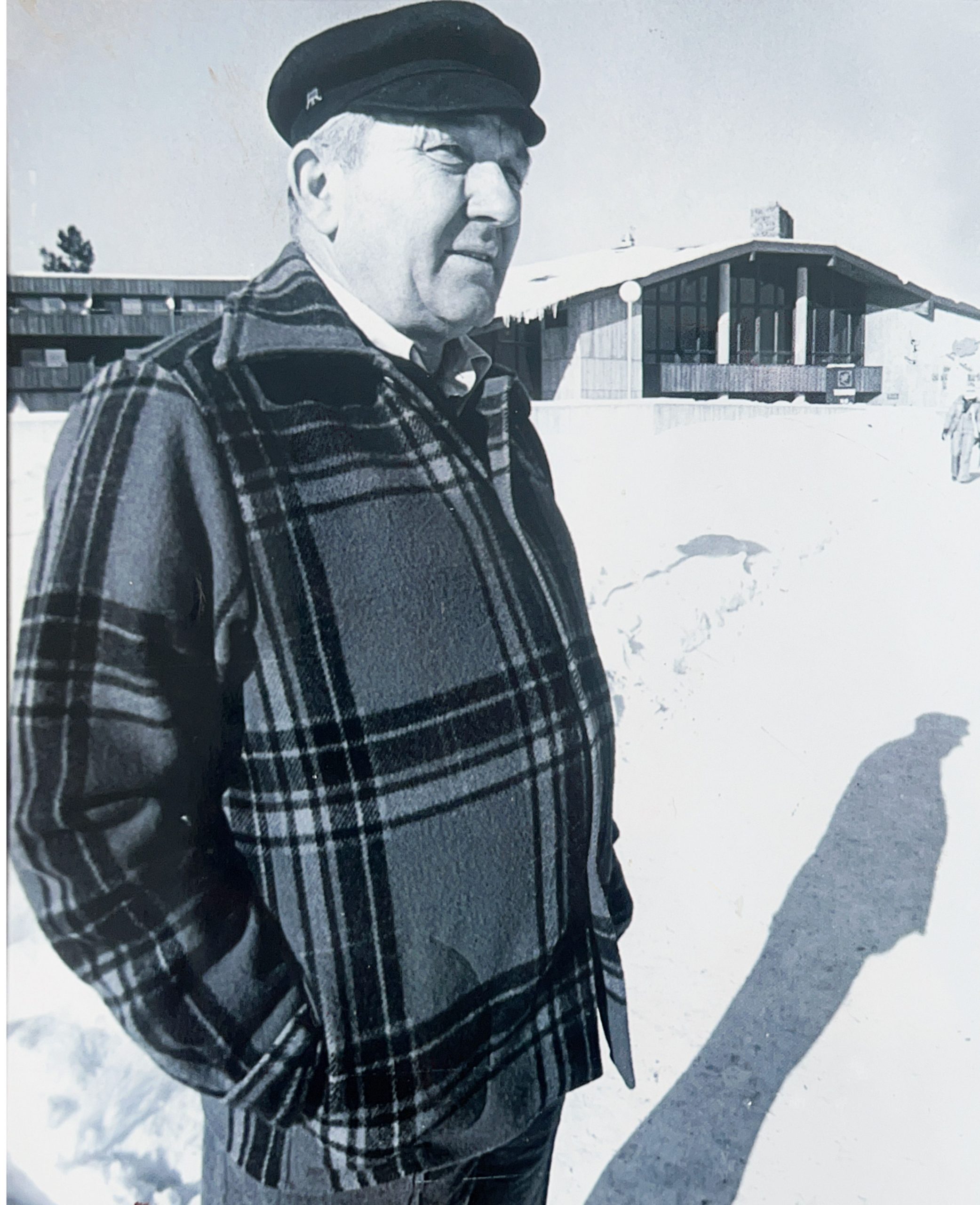
    Tony Wise, the “brains, brawn, inspiration, energy source, and grand imagination” behind Telemark Lodge, and the Founder of the American Birkebeiner. (Photo: Telemark Educational Foundation).
    Tony Wise, Telemark, and the Birkie Idea

    The Wisconsin Northwoods are a vast region. Endless pines, countless lakes, and the frigid omnipresence of Lake Superior. They beckon every human soul to dream outstretched dreams. The lucky few that are comfortable dancing in their low, endless expanses earn a typically understated moniker, a character.

    Tony Wise was a character. “The brains, brawn, inspiration, energy source, and grand imagination behind [Telemark], a bulky excitable fellow who talks with the chattering speed of a machine gun and apparently thinks the same way,” as a profile on Wise in Ski Magazine put it in 1977.

    Wise built his Telemark Resort while living in the same Hayward tar-paper shack in which he’d lived his entire life. His 1995 obituary in the Star Trib (The Minneapolis Star Tribune) concluded that Wise “built Telemark from a dream, and it did what he said it would do. It brought life and vibrancy and entertainment stars and international athletes and development to what had been a depressed area of Wisconsin.” At the same time, the lede on the same article also declared “Wise’s bank account showed $0.00 when he died Thursday.” Tony Wise, in life, emptied the tank.

    He was a born during the lean years after the Wisconsin timber boom went bust. Went off to war as young man, a tank commander during World War II. During the waning days of the War, he was introduced to Alpine skiing in the Bavarian Alps, and decided he’d bring it all back home.

    Wise founded Telemark Ski Resort in Cable, Wisconsin on a 300-foot vertical run with a nothing more than a surplus Jeep engine. The resort rounded out the fishing-summer-hunting tourism economy underfoot in the Northwoods after the War, providing year-round tourism dollars and jobs to an entire community.
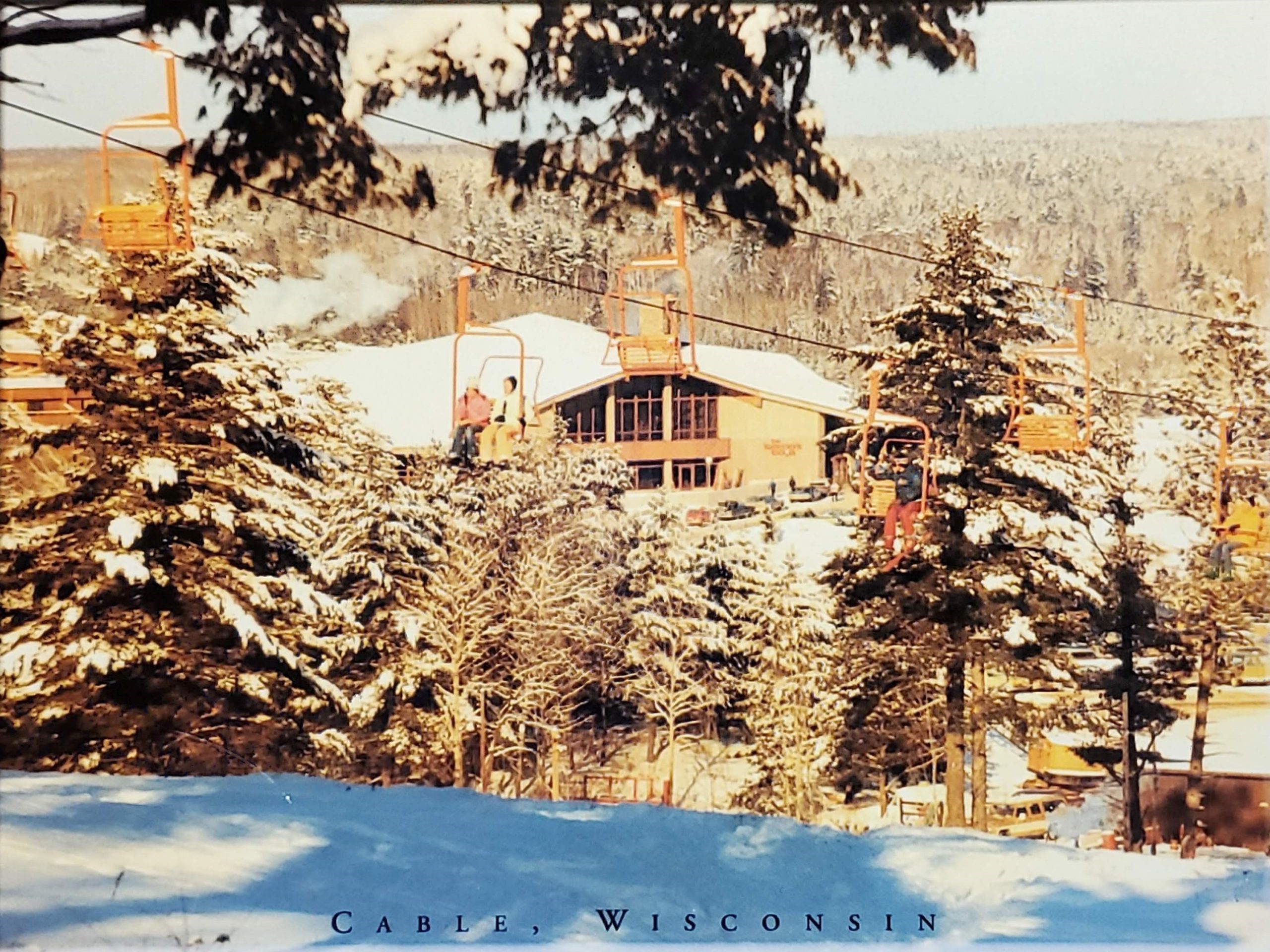
    The Telemark Lodge as pictured from the top of Mt. Telemark in Cable, Wisconsin on a 1970s postcard. (Photo: Telemark Education Foundation).

    Things hummed along for some thirty years, before Wise could see the writing on the wall. He had just built his Telemark Lodge in 1973, but could also see the limitations of what he was working with in Wisconsin for Downhill skiing. Airfare to the American West—where old mining towns had took on second lives as ski resorts by simply putting up a lift on the nearest mountain with a 3,000 foot run—was beginning to become feasible for the middle-class. Wise started to look to other options.

    The dense thickets of the Northwoods mask an endlessly undulating set of kettles and moraines, left from the last retreat of the Wisconsin glaciation 10,000 years ago. A cross-country ski race would help bring people in on the secret; in 1973, Wise stitched together a path of snowmobile trails, old logging cuts, and hunting footpaths from the Lumberjack Bowl in Hayward to the base area of the Telemark Lodge in Hayward: 55 kilometers. For a name, he leaned into the Norwegian heritage present in the area—and his own myth making at “Telemark”—taking the legendary story of the Birkebeiners from the Norwegians, and dubbing his event the American Birkebeiner.

    The first running of the American Birkebeiner took place on February 24, 1973. 57 racers competing across two events. Thirty-four men and one woman, Jacque Lindskoog, completed the entire 50 kilometer course. Eric Ersson, a Swedish skier Wise had enlisted to add to the Scandinavian heritage aspect (he was doing this a lot in the early years), beat out the legendary Swedish-American ski coach Sven Wiik. Another nineteen competitors completed a half-distance course that was won by Hayward local Carol Duffy. Starting in the mid-way outpost of Seeley, this proto-event would become the Korteloppet, the Birkie’s half-distance cousin.
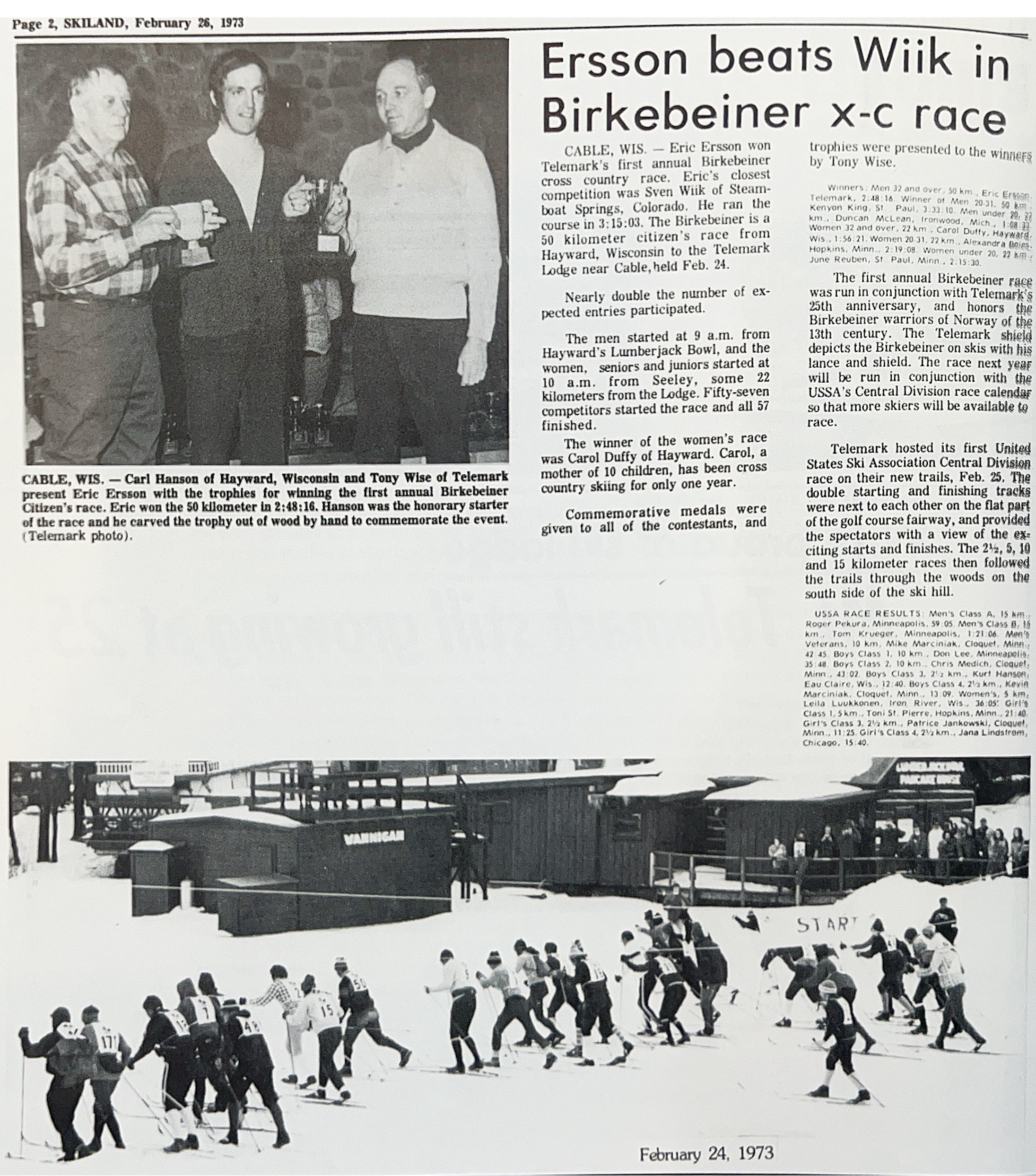
    The Sawyer County Record’s report on the very first American Birkebeiner in 1973. (Photo: Sawyer County Record Archive).

    Humble beginnings, but the architecture for what the Birkie is today was all there in its inaugural year. The point-to-point course through the county forests of both Sawyer County and Bayfield County. The name. The perfectly perched late February date making the Birkie the last true gasp of winter before hopes of spring could start to bubble forth.

    The People’s Race

    The most important aspect of Wise’s first Birkie was that it cut a wide swatch through cross-country skiing. In 1973, it didn’t take many people to represent the whole of the American ski community. In truth, the sport was probably in its lowest moment of the last century in the United States. The grand wooden ski jumps (the more popular form of nordic skiing at the time) which had been the preferred form of Midwestern after-church Sunday entertainment before the Minnesota Vikings started playing football were starting to rot and be torn down. From Chester Bowl in Duluth to Theodore Wirth Park in Minneapolis. Numbers in the Minnesota High School Ski League, long the greatest holder of young ski talent in the country, were diminishing. American skiing was three years away from its competitive high-water mark for the next 50 years with Bill Koch’s 1976 Olympic medal at the Innsbruck games. But Koch came from a separate, more-focused, tradition of cross-country skiing that had taken shape in the prep schools and liberal art colleges of New England. The more populist tradition of nordic skiing in America—having started out among the Scandinavian diaspora with miners, farmers, and lumberjacks—was already fading out.
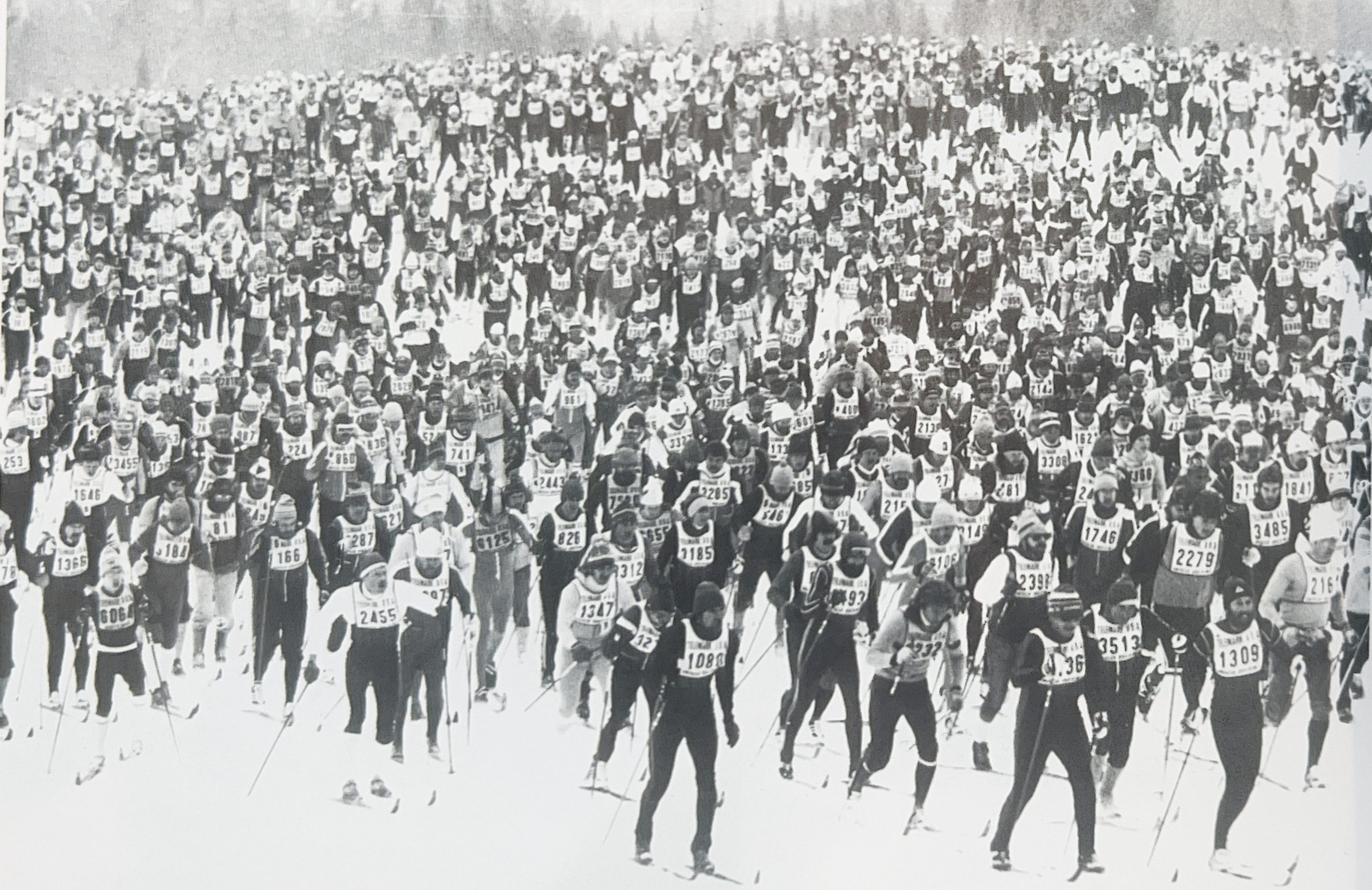
    American Birkebeiner VIII in 1981, when the race began by cresting the top of Mt. Telemark. (Photo: American Birkebeiner Ski Foundation)

    The group that started that first Birkie—the now-famous red-bib-wearing “Founders”—turned around the popular participation in cross-country skiing. The ski community which exists today is the ski community they kindled back in the Lumberjack Bowl. The Birkie revolution was a quiet one, and one inspired by even more humble actors. Most were local Wisconsinites and Minnesotans who had found their way to cross-country skiing by accident or by heritage.

    There was Ernie St. Germaine, a local Wisconsin schoolteacher and tribal chief for the Lac du Flambeau band of the Ojibwe, that as of writing is the only person to have completed every edition of the American Birkebeiner. St. Germaine ought to—and I believe would prefer to—always have his childhood Dave Langraff accompany him in his telling of how they did the first event on a whim, and then saw it change their lives for good. For his part, Dave Langraff was as radiant a skier as you’d ever find out on a trail. He was another teacher, operating out of the “Jump Rope Capital of the World,” of Bloomer, Wisconsin. My few memories of him are all exuded joy, and all on skis. There’s an unadulterated patch of Birkie fever found on the Hickory Ridge trails Langraff helped cut outside Bloomer, where there’s “more lakes than kilometers to ski!” Every sharp jutting corner and fast-running downhill re-asserts a love that resonates down the years.

    Other founders include John Kotar, who hung up the skis a decade ago and since has helped shepherd the Birkie into a new era of growth as a member of its Board of Directors. There was also Karl Andresen, a Geography Professor in my hometown of Eau Claire, Wisconsin who founded the Eau Claire Ski Striders. In my youth, he played a kind of Midwestern Falstaff for all that was good about the sport of nordic skiing, regaling us with tales of this Birkie race and the little features of it that had taken on their own mythos: the Power Lines, the Fire Tower, “Double-OO.”

    These “Founders” glowed with a quiet, unassuming fire through the Midwestern ski community. Close in their tracks would be others who got in on the action as quick as they could. Through Minnesota Youth Ski League clubs and high school teams they’d coach and give back to sport which had sent them out into the great Wisconsin woods. Most of us who learned to ski in the Midwest in the last 50 years have someone who did the Birkie to thank for setting us down on tracks. Through a child’s eye, the accolade of “Birkie” skier was everything. In my mind’s eye now, I recognize the little gleam in our local ski coaches eyes when they’d talk about the race that had sparked their own love for the sport. With the Birkie spirit coursing through the community, we were all operating from a level plane.
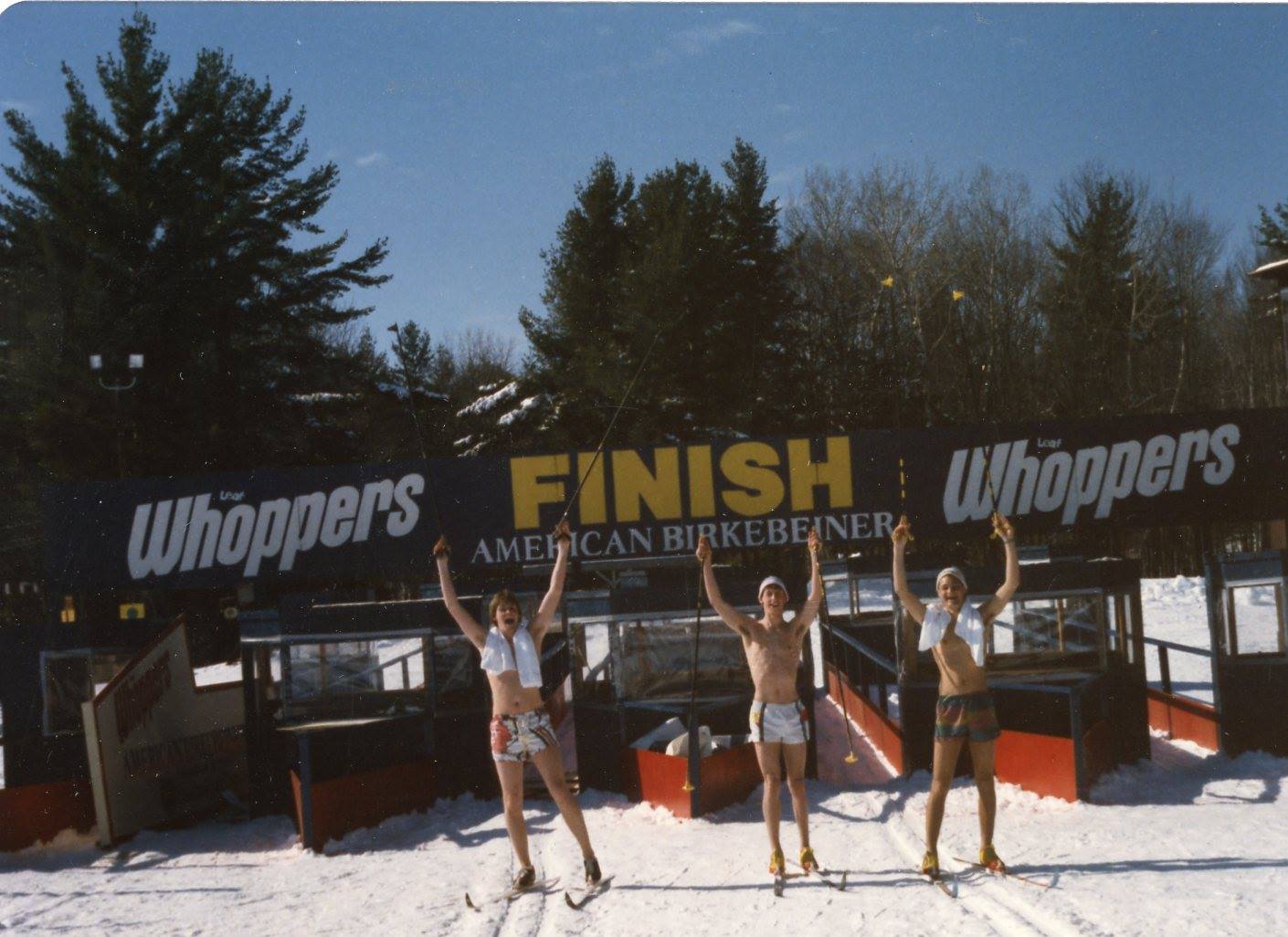
    The author’s father celebrates after a warm Birkie finish sometime in the late 1980s. (Photo: Courtesy Image/Ted Theyerl)
    A Family Tale

    The Birkie has remained true to its intention: adventure, first and foremost. Growing from 57 racers, the legions number in the hundreds of thousands on participants who have discovered qualities within themselves by venturing out there on skis. Things caught on quick. By the fourth Birkie in 1977—the one my Grandfather first hopped in—the Birkie field had grown from 57 to 2,000 racers.

    Twenty years in, the American Birkebeiner Ski Foundation (ABSF), noticed that there was a unique staying power to the Birkie. Through the massive changes in a human life that come about over decades, A growing group was had been back year-after-year. The observation resulted in the establishment of the Birchleggers club. Membership requirement: twenty Birkie’s completed. Reward: a famous Purple bib (then gold, after 30 Birkies, then red, after 35).

    The Birchleggers now number in the hundreds. Within their ranks, there are just as many Birkie stories, and many of them key in on one particular metaphysical quality. Though the Birkie race course has remained a relative constant for them, the lived experiences they bring to the race each year, and the experiences lived during the race each year, continue to offer something close to constant discovery.

    My father—Ted Theyerl—who is 34 Birkies in at the time of this writing, signed up for his first Birkie as soon as he turned 18 in 1986. He earned an elite wave placement based off placing second in the Korteloppet the previous year. He completed the race that year skating, but still had kick wax underfoot because “no one could believe you could climb without it!” From there, through college, and well into his days as the fittest coach on my little league baseball roster, he’d consistently place in the top two-hundred, earning a bid in the Birkie’s elite wave the next year.

    One year in the early 1990s, he was out early-season training near his home in Milwaukee, Wisconsin, fell, and fractured his leg. In need of rehabilitation to keep his Birkie total on track, he turned to a Physical Therapist name Denise. They hit it off, got married, and here I am, their son, recounting the story.
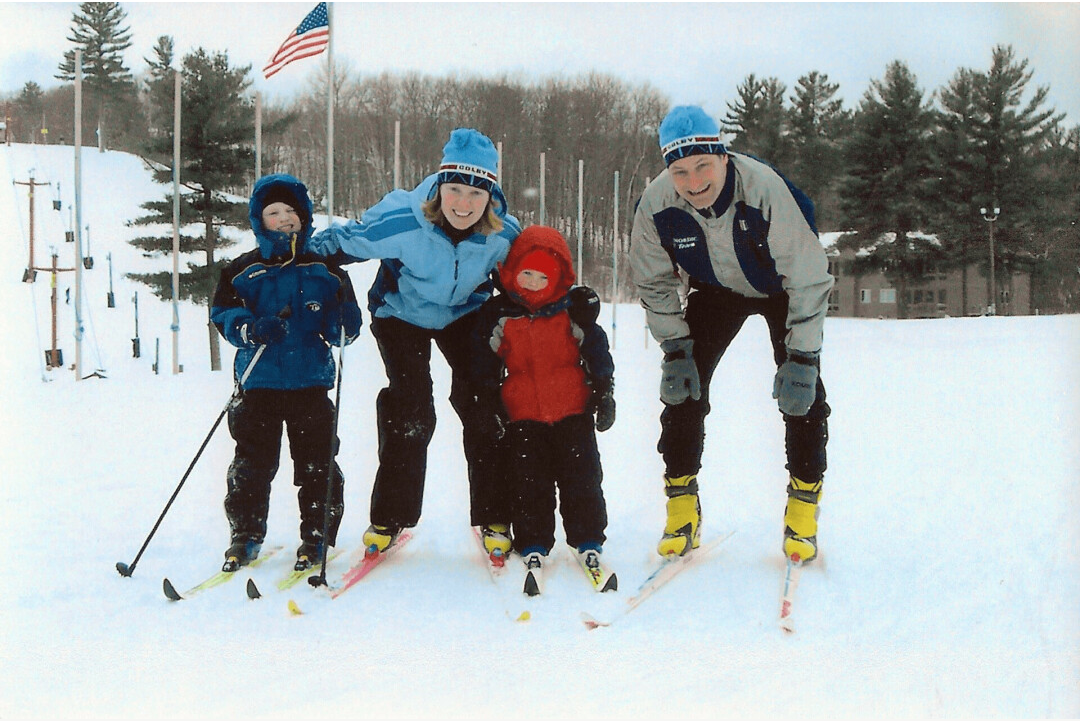
    The author (l) and his family (L-R), mom Denise, brother Christian, and dad, Ted, on an early 2000s excursion to the Telemark Lodge, site of the former Birkie finish line. (Photo: Courtesy Image/Ted Theyerl)

    When Dad finally left the elite wave, it was in another crash. In 2010, my mother and I were mingling in the crowd at Angler’s Pub after my first Korteloppet, when the wave of Birchlegger elite wave finishers that my Dad usually finished with started to filter into the scene telling us he had taken a hard fall. Dad had separated his shoulder near the unofficial half-way point at County “OO” in Seeley.” He stopped off at the aid station, discarded a broken pole, took up a sling, and proceeded to skate towards Hayward. “I remember thinking, well, this will be different,” he recounted. “I don’t have to sprint across the Lake now!”

    Eventually, we found him wandering on Main St. in Hayward among the thousands of people he’d smiled, greeted, and had conversations with throughout his long, slow, one-pole skate to Hayward. He remembers that as one of his most enjoyable Cable-Hayward treks, where the kilometers lay long and thick with connections to other skiers behind him. Dad eventually slipped out of the elite wave permanently, and then took up skiing with my brother, or sister, as they started to forge their own Birkie journeys.

    Admittedly, I haven’t pulled my weight in the family Birkie legacy, having spent most of my adult life far-flung from the Northwoods of Wisconsin and with only two American Birkebeiner finishers to my name. There’s irony in that: because of the Birkie, I’m now in a spot where I can’t do the Birkie, and will be spending this year’s Birkie Saturday at a wax bench in Colorado coaching the Crested Butte Nordic Team. It’s a circumstance I count as a blessing, not unlike the example of my aunt, Tracey Cote (nee Theyerl), who left the Birkie twenty-six years ago to take up the helm of the Colby College Ski Team. She’s been spending the last weekend in February on the collegiate carnival circuit ever since. Time and distance haven’t diminished my love of a race that has directed where I’ve gone and who I’ve known in life.

    Gathering Around for Winter Vespers

    I can still evoke the feeling I had during my first Korteloppet when I turned the corner three kilometers into the race. I saw the Power Lines stretching out before me, laden with zig-zagging masses of skiers and supporters. I felt like I’d arrived at a familiar haunt. I’d spent the first 13 years of my life envisioning what that moment would be like. In reaching it, I reached that rare state where you truly can appreciate the miracle of every lived moment. I’ve been in a coasting of sorts ever since that moment.

    The other instance I hold onto from that first experience was one of inheritance. During that first Korte, I was biding my time in the line up one of the first big hills when a man wearing one of the red “Spirit of 35” Birkie bibs pulled up next to me, and shouted, “Ben!” I looked over, and got an introduction, “I’m Jim O’Connell, your Grandpa and I used to be out here together,” and in an instant, the Birkie Trail seemed to stretch before me to a different, looser, sense of time construed not around some linear march through life, but instead by the connections you make in it.

    I choose to believe there’s a reason there have been so-many repeat Birkie winners. There must be a logic behind why Caitlin Gregg, Matt Liebsch, David Norris, Alayna Sonneysn and those others who come back to compete for the top step of the Birkie podium every year. I choose to believe it’s probably along the same lines as those who are pulling over to breathe in the pines, and thank the volunteers, and make their way to Hayward from Wave 8, and 9 and 10.

    The real power of the Birkie is in repeating the ritual. Every February, a whole sport heads to one neck of the woods. Popping through old sawmill towns, gaining that first view of the Namekogan river on the drive to Hayward, the bridge welcoming you into Birkie-land which has always read “SPOONER BLOWS” in your rearview mirror. The “Viking Warriors” in full regalia still make their way to Hayward. The Sawmill Saloon in Seeley with its Birkie Bash, and seeing snowmobilers and Birkie champions, alike, gain equal purchase over a fish fry and a good ol’ can of Leinie’s O.’

    Through the many seasons of our lives, the Birkie has become communion: a gathering around for each winter’s vespers. In skiing that fifty kilometers, we’re reminded that the winter can be warm. It can make you shed a few layers. The harsh cold is no match for the warmth that human souls, pointed together in the same direction, can provide. And that, burning brightly, is the source of “Birkie Fever.”

    The Birkie: a dream dreamed, a dream realized, and a dream that skis on.
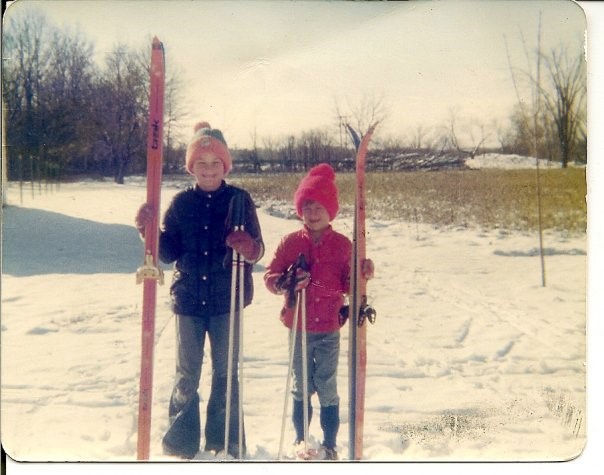
    The author’s father, Ted Theyerl, and aunt Tracey Cote (nee Theyerl) prepping for their first trip to the American Birkebeiner in winter 1977. (Photo: Courtesy Image/Ted Theyerl)
  • President Biden Designates National Monument at Camp Hale, Preserving American Ski History

    President Biden Designates National Monument at Camp Hale, Preserving American Ski History

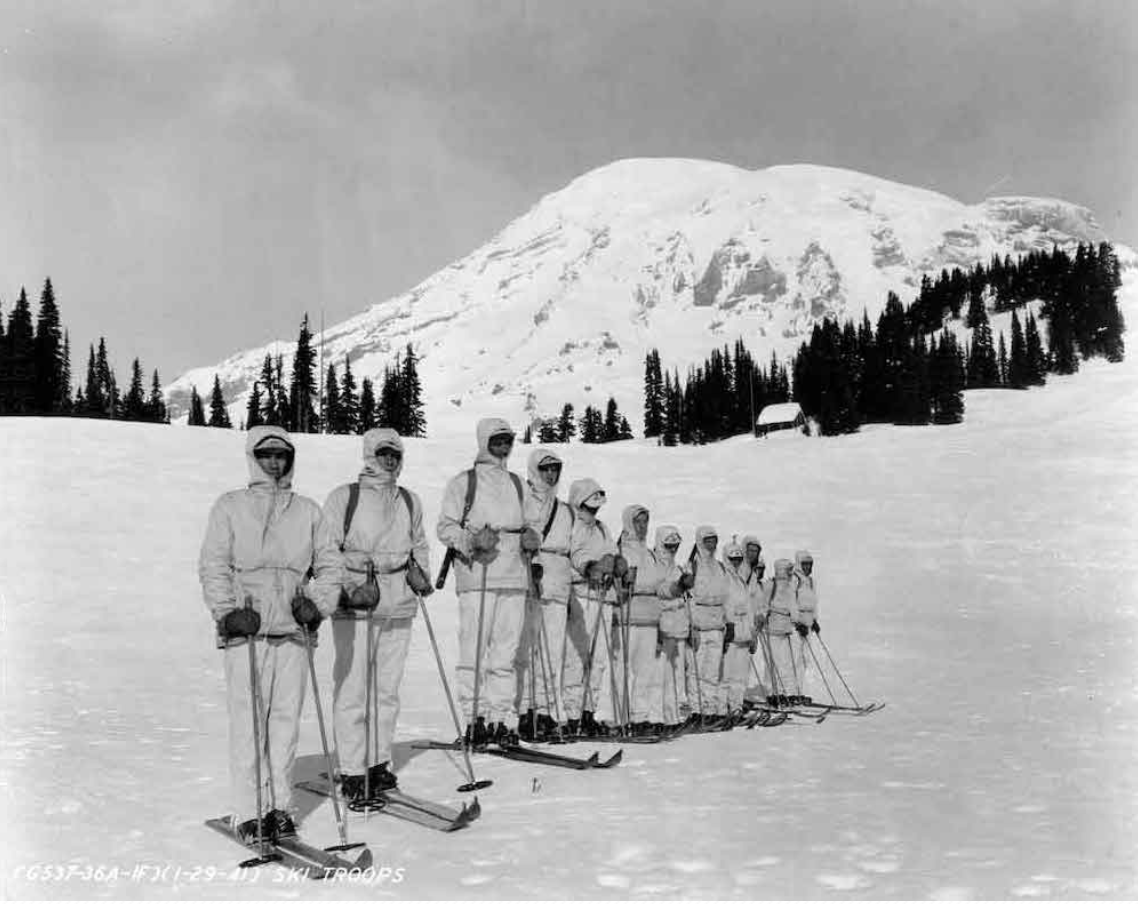
    Members of the US Army’s 10th Mountain Division training below Mt. Rainier in the winter of 1941. In 1942, the 10th found a home at Camp Hale, Colorado. 53,800 acres of the area surrounding the training site was designated the Camp Hale – Continental Divide National Monument by President Biden last week. (Photo: Colorado Snowsports Museum).

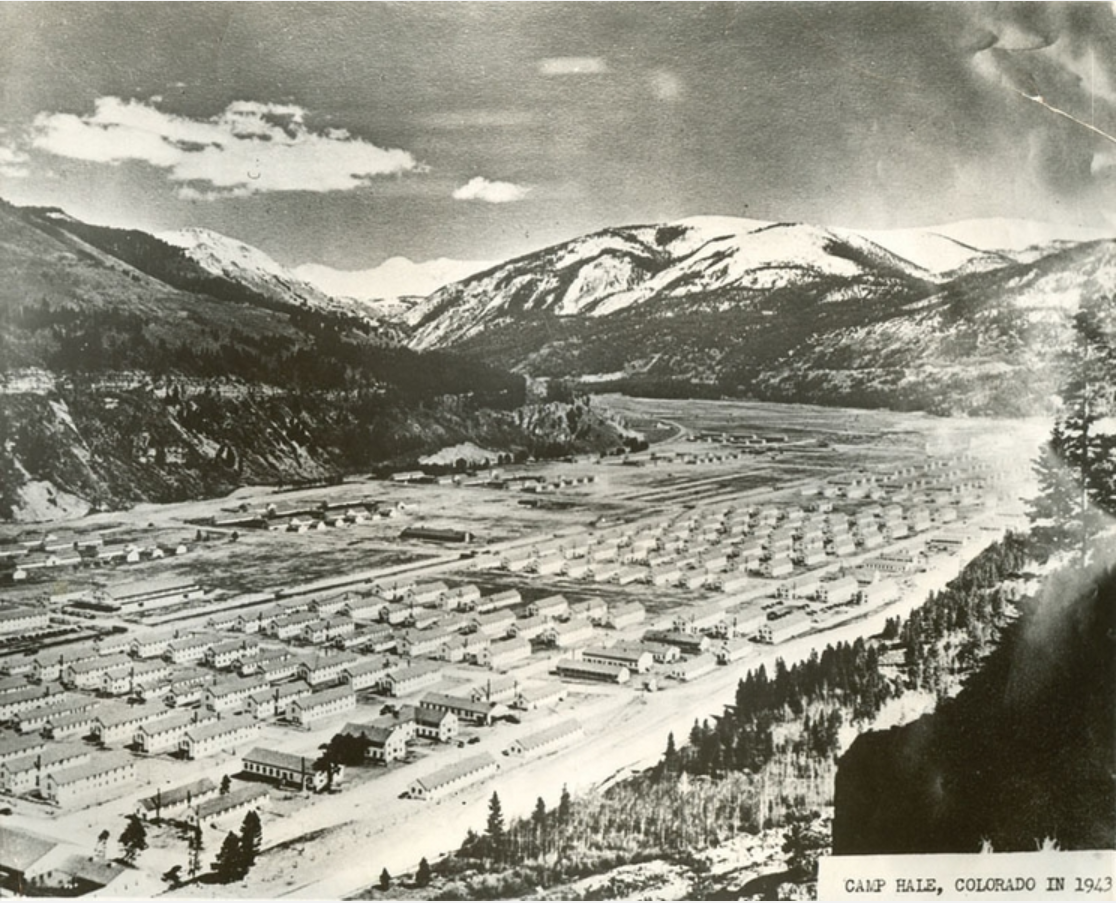
    In a ceremony held last week in Colorado’s high country, President Biden proclaimed The Camp Hale – Continental Divide National Monument, the first National Monument designated during his presidency. The ceremony was conducted on the former grounds of Camp Hale deep in the Pando Valley between Leadville and Vail. Camp Hale was the training site of the famous 10th Mountain Division—the “skiing soldiers”—who played a critical role in the Italian theater of World War II. After the war, members of the 10th went on to form the core group of instructors, coaches, and entrepreneurs who established skiing in the United States.

    In declaring 53,800 acres of Colorado’s Tenmile Range a National Monument, President Biden stated:

     “The rugged landscape serves as a living testament to a pivotal moment in America’s military history, as these peaks and valleys forged the elite soldiers of the famed 10th Mountain Division – the Army’s first and only mountain infantry division – which helped free Europe from the grip of Nazi control in World War II.”

    Since its ratification in 1906, the Antiquities Act has allowed presidents “to proclaim national monuments on federal lands that contain historic landmarks, historic and prehistoric structures, or other objects of historic or scientific interest.” There have been 130 National Monuments designated since President Theodore Roosevelt signed the Antiquities Act into law, but never has the object of historic interest been so closely tied to the history of skiing and the ski community. President Biden’s designation of Camp Hale as a National Monument formally recognizes a generation of skiers whose legacy is felt in the ski organizations, resorts, and clubs they helped found. 

    Map of the newly designated Camp Hale – Continental Divide National Monument, located about 20 miles south of Vail, Colorado. (Photo: National Forest Service).

    The roster of 10th Mountain Division veterans includes many who profoundly influenced the modern skiing and outdoor industry: Aspen Ski Club founders Friedl Pfeiffer and John Litchfield; Vail Resort founder, Pete Seibert; Head Ski Company founder, Howard Head; Nike founder, Bill Bowerman. In the cross country ski world, there are many 10th Mountain Division veterans whose legacies within the sport are evident, and whose names will be familiar: Chummy Broomhall, 1948 and 1952 Olympian, designer of 1960 and 1980 Olympic courses, tireless booster of skiing in Maine, and namesake of the Maine State Collegiate Championship; the Von Trapp brothers, founders of the Trapp Family Lodge that established Vermont as a cross-country ski destination; Tony Wise, founder of the American Birkiebeiner, Telemark Lodge, the Worldloppet, and a key figure in the founding of the World Cup; Leif Odmark, “Mr. Sun Valley,” who coached the US Olympic team and influenced such cross country notables as John Caldwell, Si Dunklee, John Burton, and George Hovland.


    10th Mountain Division in World War II

    Camp Hale in the Fall of 1942, when 15,000 servicemen and women of the 10th Mountain Division arrived. (Photo: Colorado Snowsports Museum).

    With Hitler’s invasion of Poland in September of 1939, Americans began realizing the potential for the US to be drawn into war.  Having predicted that battles were likely to be waged in Europe’s high mountains, National Ski Patrol founder, Minnie Dole, proposed the creation of a ski force within the US military. Based on his assertion that, “It is easier to train a skier to be a soldier than a soldier to be a skier,” Dole proposed recruiting heavily from the populations of eastern collegiate skiers and midwestern Scandinavian immigrants. By the summer of 1942, the 10th Mountain Division had been established, including 300 expert skiers from across the United States. Those experienced skiers formed the Mountain Training Group which was responsible for teaching the rest of the Division—some 16,000 soldiers—how to ski. 

    The last American Division sent to Europe during World War II, the 10th deployed to Italy in December of 1944. The Allied campaign in Italy had stalled on the southern slopes of the Apennine Mountains where the German “Gothic Line” held strong from San Marino to Mt. Belvedere near Pisa. If the Allies could break the German’s defensive positions on Mt. Belvedere, 30 miles north of Pisa, they could push through the Po Valley and push the German divisions back to the Alps. A daring strategy was devised by Lt. Gen George Price Hays who proposed launching an attack across terrain on Riva Ridge that the Germans would deem untraversable. On Feb 18, 1945—in the dead of night—the 10th mounted an assault up five different routes on the sheer rock face. The skill and courage of 10th Mountain Division soldiers allowed the audacious attack to succeed. Mt. Belvedere and the Apennines were taken; German forces fell back. In April of 1945, the German Army in Italy surrendered, followed only two weeks later by the end of the war in Europe. 

    The 10th Mountain Division’s success came at a high cost: 992 men were killed in action, with another 3,800 wounded during just four months of fighting. Among those lost was the greatest American ski jumper of that generation, Torger Tokle, who was struck by a German artillery shell at the base of Riva Ridge, and for whom the memorial given by fellow 10th Mountain Division soldier, Lyle Munson, serves as an epigram for those lost: “[He] died in much the same fashion he lived, engaged in action up to the hilt.”

    For many years following the war, members of the 10th Mountain Division remained “engaged in action,” and the ingenuity and vitality of the American ski industry is what our nation has to show for their efforts. That their base in Colorado’s mountains is now a National Monument is part of the way that Americans—and American skiers—may continue to thank them for their service. 

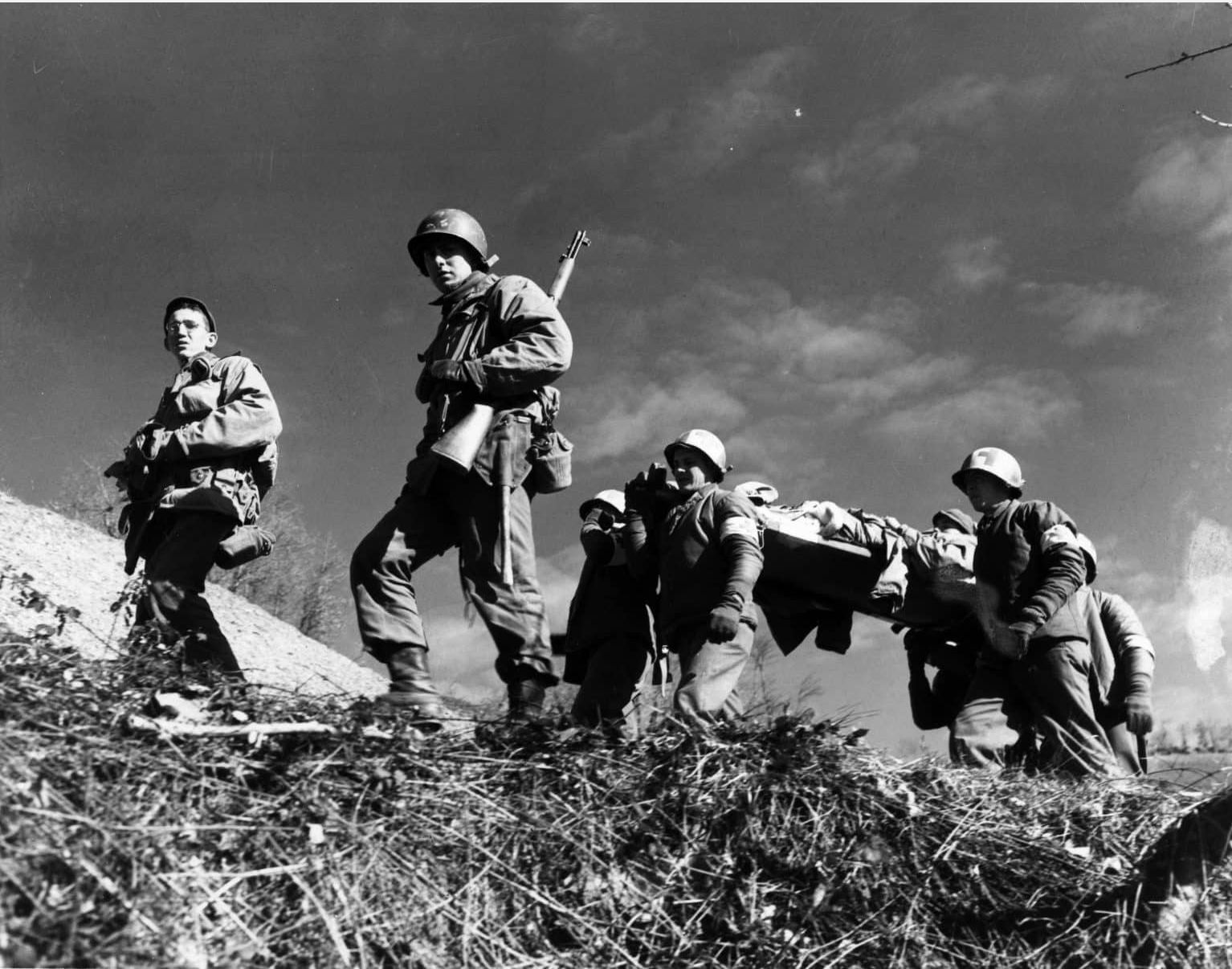
    Members of the 10th Mountain Division perform an evacuation for a wounded member during the Allies’ Italian campaign in 1945. (Photo: Colorado Snowsports Museum).


  • Telemark’s Future in Flux, Birkie Looks to Buy Land, CXC Backs Training Center Idea

    Telemark’s Future in Flux, Birkie Looks to Buy Land, CXC Backs Training Center Idea

    Telemark Lodge, which closed for supposed spring cleaning earlier this year and never reopened. Newco, LLC., bought the nearly 1,000-acre property at a sheriff's sale in mid-October and does not plan on reopening.
    Telemark Lodge, which closed for supposed spring cleaning earlier this year and never reopened. Newco, LLC., now Mount Telemark Partners, bought the nearly 1,000-acre property at a sheriff’s sale in mid-October and does not plan on reopening.

    For anyone looking for a 215-bedroom property in northern Wisconsin, there’s one heck of an opportunity in Cable just 21 miles north of the American Birkebeiner’s home in Hayward, according to American Birkebeiner Ski Foundation (ABSF) Executive Director Ben Popp.

    In mid-October, a Colorado-based company with local ties, Newco, LLC., purchased Telemark Resort and its nearly 1,000 acres of wooded bliss (including a once-operational ski hill) for $926,000 dollars. Closed since the end of last season, its former owners fled town and locked the doors, leaving a note on the door stating they’d reopen after “spring cleaning” in May.

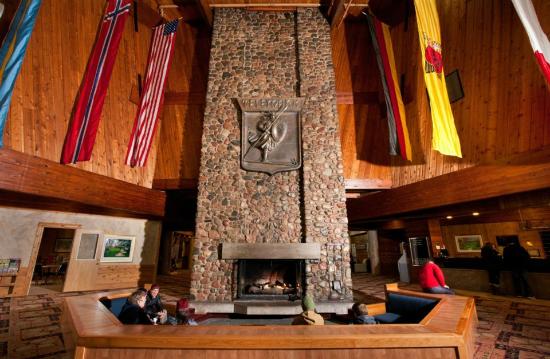
    Telemark Lodge's grandiose fireplace, centrally located in its lobby. The lodge reportedly needs some major renovation and has been closed since last winter. (Photo: TripAdvisor)
    Telemark Lodge’s grandiose fireplace, centrally located in its lobby. The lodge reportedly needs some major renovation and has been closed since last winter. (Photo: TripAdvisor)

    The spring and summer passed, and still no sign of Steve Kaufmann or Ric Ahern of the Minnesota-based Telemark Partners. The lien holder, Great Southern Bank of Missouri, filed for foreclosure in August. A Bayfield County judge ruled in favor of its sale, while also granting the American Birkebeiner – North America’s largest ski marathon, which has used Telemark as its start since its inception 41 years ago – a two-year easement to use the land.

    On Oct. 15 at a Bayfield County sheriff’s sale, the historic resort (founded by Tony Wise in 1947 and home to famous chef Emeril Lagasse from 1978 to 1980) went to the highest of two bidders, Newco, which wanted it more than Great Southern Bank.

    The next week, representatives from the Cable Area Chamber of Commerce and other concerned groups met with Newco, now known as Mount Telemark Partners. The new owners announced they had no intention of reopening the storied property, which has bounced between foreclosures in each of the last three decades (starting with Wise in 1984, faltering again in 1998 and once more in 2010).

    But the owners were open to proposals, including those who wanted to buy or lease the lodge.

    That’s where Popp thinks the deal is – if one can make it viable. He estimated an interested party could buy the lodge (with an indoor and outdoor pool) for $300,000 or $400,000 dollars, but it would take “four to eight million” dollars to get the lodge up and running again. Those figures are based on transforming Telemark into an elite training center, which Central Cross Country (CXC) Executive Director Yuriy Gusev confirmed is in the speculation stages.

    “I am aware of a group that is looking at working towards an agreement with the new owner so that the lodge can re-open, but it is preliminary,” Gusev wrote in an email. “Should something like that happen, CXC is standing by to get involved in making Telemark a training center for CXC with facilities, trail system and community around it. If CXC is in a position to have a partnership with Telemark owners, CXC would be very interested to apply towards U.S. Olympic and Paralympic Training Site status.”

    CXC has used Telemark as its training base for the last two years and brought two Paralympic World Cups to the venue in that time. Gusev explained that the local community is on board with their idea, and U.S. Olympic Committee is interested in reviewing their application should it happen.

    According to the Wisconsin Public Radio News, CXC is interested in leasing the land, not running it, and met with the owners last week.

    “They were receptive of what we would like to do and they were looking for more specific proposals from us,” Gusev said. “That’s why I hope we will have an opportunity to meet again and talk about more specifics.”

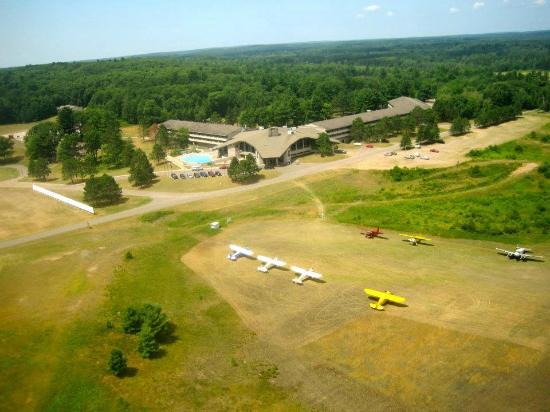
    Telemark Resort and the Cable Union Airport, where the American Birkebeiner Ski Marathon starts each year. (Photo: TripAdvisor)
    Telemark Resort and the Cable Union Airport, where the American Birkebeiner Ski Marathon starts each year. (Photo: TripAdvisor)

    From the Birkie’s standpoint, Popp said they would be fully supportive of a training center or at the very least, the lodge’s reopening.

    “It would be a fantastic training center,” Popp said. “It’s great terrain, the trails are homologated, it’s great rollerskiing and the trails are right there. It’s not that far from an international airport, and there’s a small regional airport [adjacent to the property].”

    Even so, the Birkie isn’t interested in taking over. Popp said his foundation is in the business of citizen skiers rather than hospitality or running a high-performance training center. He conferred with several housing developers in the area, and they told him they couldn’t justify buying the property.

    “They just couldn’t figure out a way to make it work,” he said. “I trust their judgment. They’ve been successful and they understand that business.”

    Both others are interested, Popp explained, and Telemark’s new owners are hearing them out.

    As far as the Birkie is concerned, they need to secure their start for more than two years out as well as several trails on the property, which make up half the Kortelopet. Between the two races, more than 10,000 skiers start on the local airport’s grass runway every year, but Popp would prefer to get them off that. It’s a bit of a pain with the Federal Aviation Administration (FAA), he explained.

    “They don’t really like it, but they’ll give us one day to be out there and have the race,” Popp said.

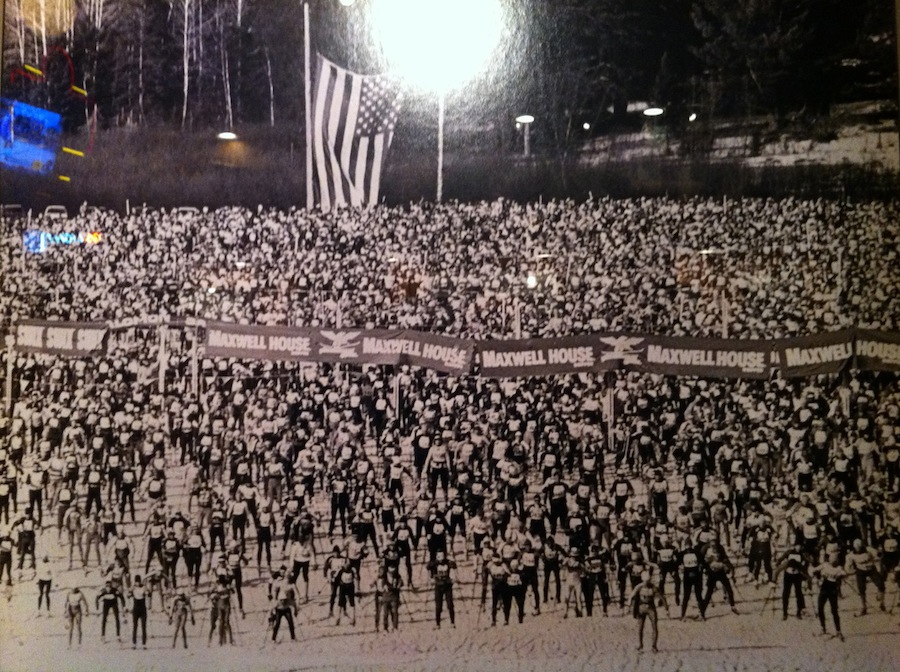
    Start of the American Birkebeiner back in the "day" around the 1980s, when some participants tried the newly created skating technique
    Start of the American Birkebeiner around the 1980s.

    The ABSF’s solution is to buy approximately 70 acres of Telemark and make a permanent place for the start and first several kilometers, eventually erecting a building of its own at the start line. For the time being, they’ll have to bring in tents and portable toilets for the Feb. 22 race unless the lodge is reopened over the winter.

    Popp said temperatures were already below freezing at night, so if the owners didn’t make a decision soon, they risked some major plumbing problems.

    “They’re going to have to put some money into to make sure the pipes don’t blow up and freeze over the winter,” he said. “That could force their hand.”

    The ABSF was hoping to present their proposal by Nov. 1, but the exact parameters of the land they’re interested in needed to be worked out. Mostly, the Birkie wants to secure a start for all of its events – winter and summer – along with its own trails bordering Telemark and private landowners, which have demanded compensation to use their land in the past.

    Three or four years ago, Popp said Telemark’s former owners wanted somewhere around $100,000 dollars to hold the race. Through careful diplomacy, the ABSF weathered that storm. Now they’re looking to see if they can first negotiate a deal with Telemark’s new owners, and then encourage the community to pitch in.

    “It’s not as easy as buying that 70 acres,” Popp said. “Looking at the funding mechanism, my guess is it would be a $250,000 to $300,000 dollar project. It’s not a big open field, it’s densely wooded, but I think it would be very worth it. … It would take some time to do it; we’d want to be able to hit the ground running before the snow melted this spring.”

    The good news is, he’s confident Mount Telemark Partners will consider it. Between all of its skiing, running and biking events, the Birkie brings in an estimated $70 million dollars each year to the local economy, Popp said.

    “These folks said, ‘OK, we realize how important this is to the region, give us some proposals and what you need to hold this event for the next 50 years,’ ” he added.

    While the rebuilding process is beginning, there are several pieces to be picked up. Popp estimated that most of the 215 rooms were sold out for the 2014 Birkie almost as soon as the 2013 event ended. The former owners essentially took the money and ran, leaving those who paid a deposit out of luck. The Birkie has been fielding several calls as a result.

    “My guess is those people will unfortunately lose their deposit,” he said, advising those who booked with a credit card to contact their companies to fight the charge. “It’s a really, really unfortunate situation. I’m guessing there’s no way to reprimand them [the former owners].”

    In the meantime, the ABSF has compiled a housing directory with hotel and rental availability within 60 miles of Hayward for people who call their office. The intermediate school in Hayward will also open its doors for affordable sleeping arrangements around $20-25 dollars a night and provide a bus to the start line.

    “You can crash there, and it’s pretty cheap,” Popp said.

    For more information on the American Birkebeiner or to contact their office, click here.

  • Worldloppet Meeting Means Big Things for Smaller Ski Nations, Passport Holders

    Worldloppet Meeting Means Big Things for Smaller Ski Nations, Passport Holders

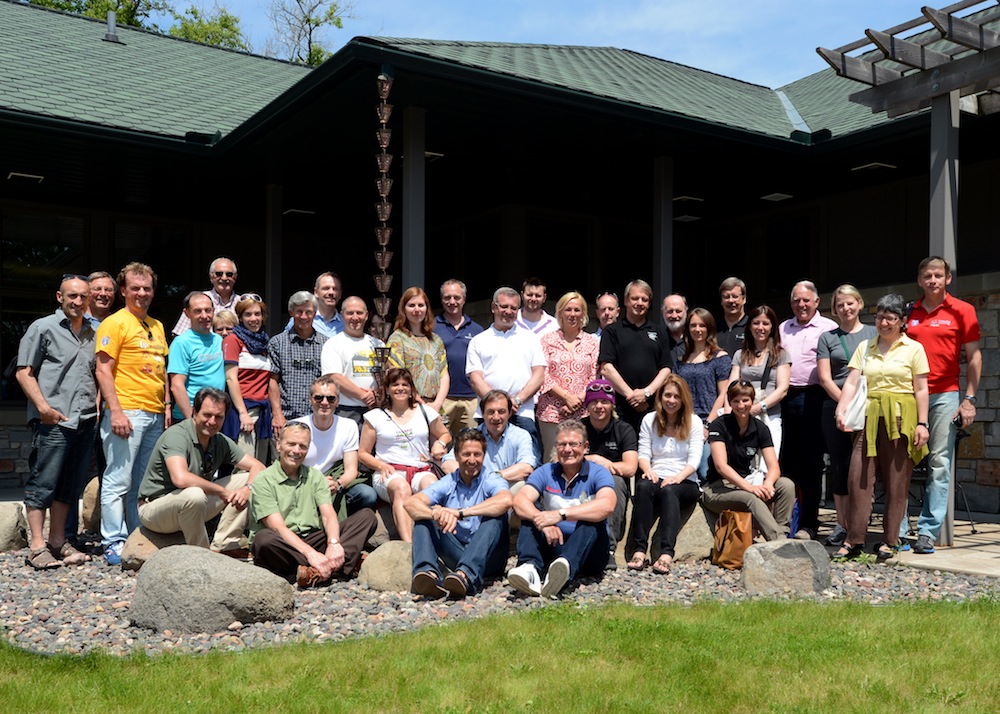
    The 2013 Worldloppet Annual General Assembly met in Cable and Hayward, Wis., from June 13-16. (Photo: ABSF)
    The 2013 Worldloppet Annual General Meeting met in Cable and Hayward, Wis., from June 13-16. (Photo: ABSF)

    Thirty-five years ago, Tony Wise rounded up delegates from eight nations – including himself – and threw some mud at Telemark Lodge in northern Wisconsin.

    Five years earlier in 1973, Wise founded the American Birkebeiner, a 48-kilometer cross-country ski race from Cable to Hayward, Wis. He dreamed up the creation to commemorate the Norwegian Birkebeiners, which skied little Prince Haakon to safety in 1206, and the race evolved into the largest ski marathon in North America.

    Wise had no way of knowing what it would become, but he had big plans. It wasn’t long before he was thinking internationally and sharing his vision of a Worldloppet with different nations hosting marathons across the globe.

    “His concept was to provide average citizen skiers the opportunity to achieve something on a truly global scale,” explained Wise’s former PR director, Tom Kelly, now the vice president of communications at the U.S. Ski and Snowboard Association. “Some 35 years later, it’s gratifying to see his dream still growing.”

    In March of 1978, nine nations met in Uppsala, Sweden, to officially form the Worldloppet federation. The series drew slightly more than 50,000 participants that year with nine races. The Worldloppet has held an Annual General Meeting (AGM) every year since in each of its member nations, which grew to 16 last year with the addition of Russia and its Demino Ski Marathon.

    Worldloppet Races:
    1. Jizerská padesátka, Czech Republic 2. Dolomitenlauf, Austria
    3. Marcialonga, Italy
    4. König Ludwig Lauf, Germany
    5. Tartu Maraton, Estonia
    6. La Transjurassienne, France
    7. Finlandia-hiihto, Finland
    8. Vasaloppet, Sweden
    9. Engadin Skimarathon, Switzerland
    10. Birkebeinerrennet, Norway
    11. Bieg Piastow, Poland
    12. American Birkebeiner, U.S.A.
    13. Gatineau Loppet, Canada
    14. Sapporo International Ski Marathon, Japan
    15. Demino Ski Marathon, Russia
    16. Kangaroo Hoppet, Australia
    17. Marcha Blanca & Ushaia Loppet, Argentina*
    18. Merino Muster, New Zealand*
    19. Vasaloppet China, China*
    20. Fossavatn, Iceland*
    *Associate members pending inspection and approval at 2014 AGM

    In 2012/2013, the grand total for race participation in all 16 races exceeded 135,000 people. Last weekend, the AGM returned to Cable for the first time in 15 years, and approximately 45 delegates made one of the federation’s most historic decisions to date.

    Four nations were tentatively named associate members: Argentina, China, Iceland, and New Zealand. The idea was to open the gate to more countries eager to host Worldloppet marathons and loosen some requirements, namely the participant minimum.

    “It wasn’t too controversial,” said Worldloppet Executive Committee member Dennis Kruse, who represented the overseas nations (U.S., Canada, Japan, and Australia) at the AGM meeting from June 13-16.

    The federation had been talking about adopting these races since last year’s meeting, when it welcomed Russia as a full member. According to the Worldloppet constitution, a marathon can become part of the circuit if it meets certain criteria (i.e. it’s the only Worldloppet race in that country, has existed for at least five years, has computer timing and has a minimum of 1,000 participants). The size standard was where nations like Argentina struggled.

    “In the last few years we’ve kind of adopted a new theme or model,” Kruse said. “We think that Worldloppets should really be the voice of nordic skiing across the world.”

    That meant letting Argentina host its race, the Marcha Blanca and Ushaia Loppet, as long as it passes inspection in the coming year. Next June, the AGM will meet again and vote to confirm the associate nations’ status – and if all goes well, those races will be on the 2013/2014 Worldloppet calendar.

    Associate members will pay federation dues and attend meetings, but won’t have voting rights. Kruse said that isn’t a huge deal because nations can be promoted to full members if they expand to meet all criteria.

    “China, we expect in a few years, will come back to us and say we would like to be a full member,” Kruse said.

    Besides the anticipated economic boost to developing ski nations (the American Birkie brings in around $5 million to the area each year), the addition of four nations to the series makes a longer to-do list for Worldloppet Passport holders. Kruse said that’s a good thing.

    Worldloppet Secretary General Angelo Corradini from Italy enjoys a dance with a local Ojibwa Chippewa dancer during an Indian Pow Wow at the Worldloppet Annual General Meeting at Lakewoods Lodge near Cable, Wisconsin. (Tom Kelly)
    Worldloppet Secretary General Angelo Corradini from Italy enjoys a dance with a local Ojibwa Chippewa dancer during an Indian Pow Wow at the 2013 Worldloppet Annual General Meeting last weekend at Lakewoods Lodge near Cable, Wis. (Tom Kelly)

    One man – a Worldloppet Master – has filled his Passport book with the required 10 races 25 times, he said. One woman has achieved 20 Worldloppet Masters, which means she’s completed at least 200 marathons in various nations.

    “They just keep doing this repeatedly on a gerbil track, just circling the globe doing world marathons,” he said. “This gives them another challenge.”

    The federation hadn’t decided whether Global Skiers needed to complete the four associate races as well as the required 16. Either way, Kruse felt their addition would give avid Worldloppet racers a better shot at getting into capped races.

    Some of the most popular marathons, like Sweden’s Vasaloppet, the Norwegian Birkebeinerrennet and Italy’s Marcialonga, have sold out in minutes. The Vasa is currently the largest race in terms of participants, limiting registration to 15,800 skiers for its 90 k classic race. The American Birkie recently set its cap at just under 10,000 for its 50 k skate, 54 k classic and 23 k Kortelopet events. For the first time in Birkie history, registration for its 2014 events can only be submitted online.

    How quickly registration fills up is actually a problem for Worldloppet race organizers, and its something they’ve been trying to remedy as marathon popularity has grown, Kruse said. For certain races, like the Vasa, Marcialonga and Norwegian Birkie, people have been known to enter their information online ahead of time and press send as soon as registration opens. That can pose a problem for people living several time zones away.

    “We’ve said we need to be user-friendly for our skiers coming from outside the country,” said Kruse, a former Birkie president who now serves as competition director. “There’s definitely an effort by every country, and we do the same.”

    With races like the Birkie filling up faster every year, one might wonder how long marathons will be a hot item and whether their prime audience of masters is aging with them.

    Kruse said the Birkie went through some stagnant years, but has recently seen a resurgence in participation and younger average age from what it used to be in the mid 40s and 50s.

    “Our [average participant age] was creeping upward, that’s why I felt like we needed to invest in financial support for youth programs,” he said. “I said, ‘Look, it doesn’t take much to predict the future, and nobody skis the Birkie when we’re all dead.’ ”

    More people in the 20- to 30-year-old bracket are doing the Birkie now, he said, but generally, it’s an older population that has the time and financial ability to travel the world and complete Worldloppets.

    “Typically people are doing this when their kids are gone, when their career is not on the fast track for promotion any more, or they’re retired,” he said.

    But a trip to Argentina might be appealing to anyone, and so might the chance to ski with some of the world’s best.

    “There’s not many sporting events where a guy in his 60s gets to line up with Peter Northug, with top international skiers who are doing the same course at the same time,” Kruse said. “Obviously some skiers want to have really good results and some skiers want to have a tourist experience and come visit.”

  • Original Birkie Skier Dies After Bike Accident

    Original Birkie Skier Dies After Bike Accident

    HAYWARD, Wis. — One of three skiers to have raced every American Birkebeiner since its inception in 1973, David Landgraf, 62, died Monday in the hospital after being hit by a motorist while bicycling Friday evening.

    Photo courtesy of brightroom / Action Sports International: David Landgraf races in his "Founders" bib at the 2011 American Birkebeiner Nordic ski race. Landgraf, 62, died Monday from injuries sustained when his bike was hit by a car. He was one of three men to have skied in every Birkie.

    According to a press release from the American Birkebeiner Ski Foundation, Landgraf, of Bloomer, Wis., was hit by a car on Highway 27 in Hayward, the town where he finished 38 consecutive Birkebeiner ski races, a 50-plus kilometer trek starting in Cable.

    A report from the Sawyer County Sheriff’s Department stated that Landgraf was struck from behind by Anna Amparo, 24, of Hayward, who looked back to talk to her two children. She turned around to see Landgraf, but was unable to swerve in time.

    Landgraf’s storied skiing history began with the Birkie, when his friend Ernie St. Germaine convinced him to do the inaugural marathon with him, according to the Associated Press. He prepared by skiing in a parking lot.

    Ten years later, Birkebeiner founder Tony Wise recognized the 10 original skiers who had started and stuck with the event as “Founders”. Landgraf, St. Germaine and another friend John Kotar, now on the event’s board of directors, were among them.

    The three upheld the tradition, making it to every winter Birkie, some which drew close to 10,000 skiers. They would meet at the banquet before each race and share memories, St. Germaine said in an AP interview.

    “I hope to take all of those things he did to inspire me … and I’m going to do my best to live them,” St. Germaine said. “He was a year younger than me, but ultimately, he was my hero.”

    The youngest of the “Founders,” Landgraf consistently placed in the men’s top 200. Earlier this year, he finished in 2 hours, 43 minutes for second place in his age group and 468th overall. Landgraf also competed internationally and claimed U.S. Master’s Championship titles, according to the Birkie press release.

    “He was an amazing person and part of the very fabric of the Birkie,” Executive Director Ned Zuelsdorff said in the press release. “To see Dave in that lone, red Founder’s bib, coming across the finish line with men many years his junior, is just a testament to Dave’s spirit as a person and an athlete. He represented something very special to so many skiers.”

    A retired physical education teacher, Landgraf taught at Bloomer Middle School and coached children and adults in Nordic skiing.

    In a 2004 interview, he told the Milwaukee Journal Sentinel that the Birkie changed his life.

    “I ski as much as I can and I try to stay in shape in the offseason,” Landgraf said. “I’m always racing against myself to see how good I can do. I try to take everything in and try to enjoy the race and the people (and) the festivities afterward.”

    He said he was a recreational cyclist who liked to bike in his hometown on paved roads with little traffic.

    Landgraf’s death is the sixth cycling fatality in Wisconsin since July 1, the Sentinel reported. At least four of those involved a rider being struck from behind.

    Dave Schlabowske, a spokesman for the Bicycle Federation of Wisconsin, told the Sentinel that cycling remains a safe activity. Every year, 2.5 million people ride bikes in Wisconsin, and the death rates are much lower than that of motors and people walking down stairs. An average of 11 cyclists die from collisions with motorists each year.

    “Despite the fact that riding a bike is still very safe, the recent spate of crashes, those that appear to be due to inattentive driving, should remind us all what a tremendous responsibility it is to drive a car,” Schlabowske said.

    “The potential is always there for tragedy, and it’s really our responsibility to drive with the respect that it deserves and really focus on what we should be focusing on.”

    From the Birkie website: “A celebration of Dave’s life will be held at 11:00 am on Saturday, August 13, at the Bloomer Middle School Gym in Bloomer, WI, with lunch following in the cafeteria. In lieu of flowers, donations may be sent to Bank Mutual in Bloomer for the Bloomer Track Program or Ski Strong, or to the Chippewa Valley United Way.”

    Private condolences can be sent through the Schriver Funeral Chapel’s website:
    http://schriverfuneralchapel.c​om/fh/obituaries/obituary.cfm?​o_id=1233915&fh_id=12435