Tag: Training adaptation

  • When to Increase Training Load… and When to Wait

    When to Increase Training Load… and When to Wait

    This article was made possible through the generous support of our voluntary subscribers. If you value coverage like this, please support FasterSkier with a voluntary subscription.
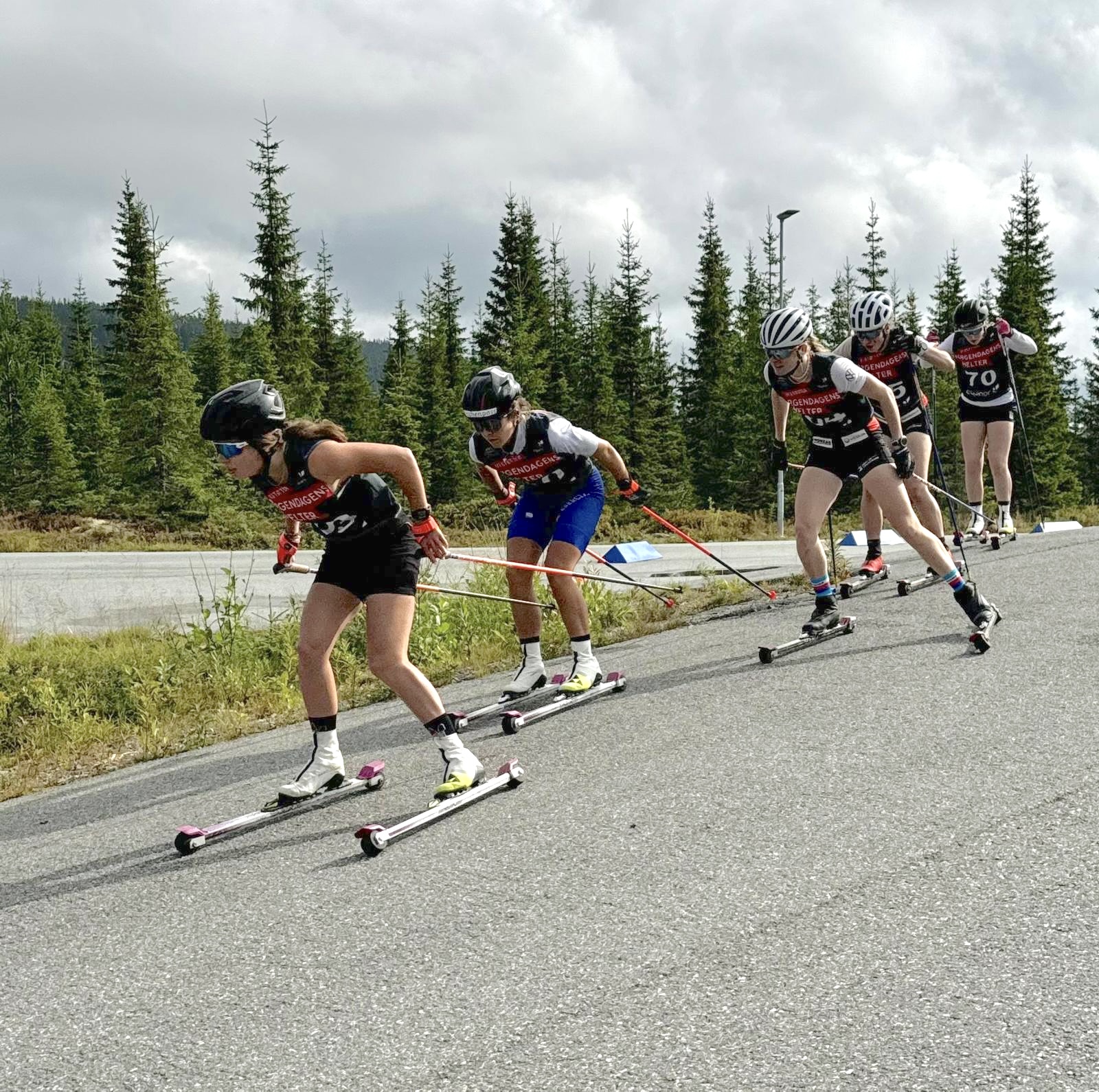
    American Neve Gerard (l) leads athletes from other countries at an International Training Camp in August, 2024, in Sjusjøen, Norway. (Courtesy photo)

    As this ski season wraps up, many of us coaches are doing similar work. Using spreadsheets or a popular training platform, we map out training for the year. We plan the yearly hours, monthly hours, and weekly hours, along with defining the training intensity distribution. We also plan how long and over-distance sessions should be, and maybe how much high-intensity training we should include, etc.  I have done the same in the past.

    Nowadays, my yearly plans include almost none of those things, but rather it is a general road map of how I might want the training loads to progress, what type of high-intensity, neuromuscular work, strength training focus, technique development, training camps, testing sessions, and a general concept of where we start in April or May. We must be able to adjust training on the fly based on an assessment of how athletes’ recovery and adaptation, week to week, with the training and developing fitness.

    In this article, I want to make a case for the changes I have made. Why? Because these detailed hours and training-intensity distribution plans we make are about as good as the day they were written. We then must avoid the temptation to implement training in May, June, or July just because we wrote it down in April. There is no way we can anticipate in April how an athlete will respond to training next month, much less than 2-6 months down the road.

    In discussion with many athletes and coaches I have consulted with in the last four to five years, I believe the biggest challenge faced is how and when to increase training load within a training year. For reference, I use TRIMP to define the metabolic load. TRIMP is described as a modeled internal-load metric or composite index based on exercise duration and HR-derived intensity weighting. TRIMP is not perfect because it is based on heart rate parameters, so power and strength training, mechanical loads are not accounted for. I find TRIMP an excellent proxy for the loads of all endurance training.
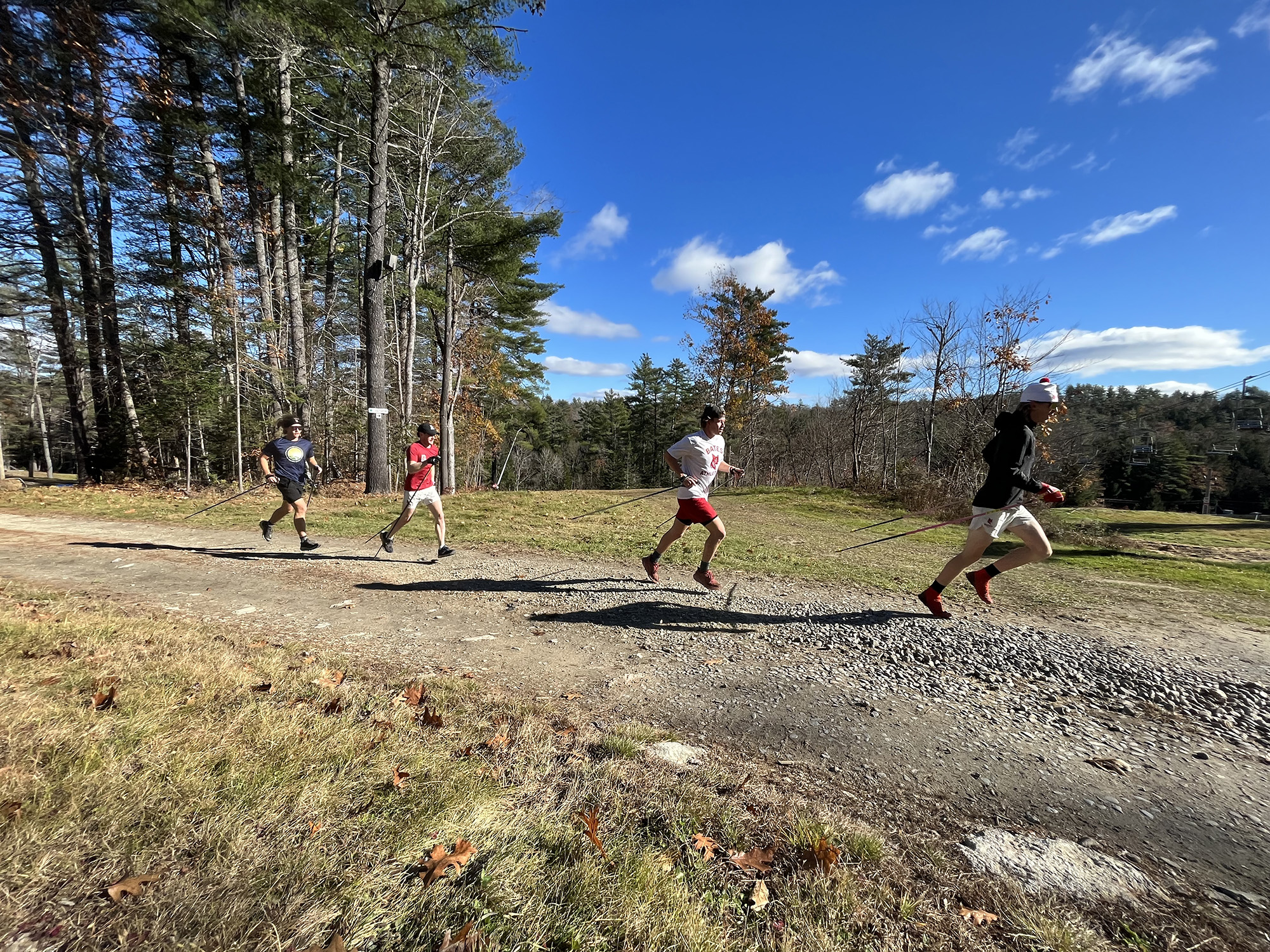
    Bates College getting after some dryland in 2024. (Photo: courtesy photo)

    Others simply use hours to plan and measure the loads. The challenge is difficult when just looking at hours, how to compare an hour of easy training versus an hour of hard training. Then, looking at percentages of time in zones or with other training methods does not define the load or focus the training on the desired adaptation.

    I am not going to address the year-to-year increases simply because all the assorted tables recommending volume of training at an age are based on population averages. The goals of the athletes, the athletes’ training age, training history, and many other potential factors. Just assigning training based on a table is foolish without considering these other factors. In most cases, athletes will train enough if the right principles are followed.

    When we are coaching athletes, we should only increase loads because of improved fitness not in an attempt to drive fitness gains. The decision to increase loads should come from evidence that the athlete(s) have absorbed the current load, not simply because it is a new month and the plan calls for a month-over-month increase. I believe that in the past we have used templates or models that have called for big month-to-month increases. The basis of building fitness is consistency and adaptation to the training. In many cases, we can go as long as 2-3 months at a very similar or very small increase in load.

    I am far from certain how coaches plan training these days, but others and I in the past have planned training based on monthly and weekly hours. In my days, I used to start in May with 50 hours, and by November, I was training more than 100 hours. Then the weekly progression within those months might go 12 hours, 14 hours, 16 hours, 10 hours or something like that. Even back then, how does a 50-hour month prepare you to do a 60-hour month, how does a 12-hour week prepare you to do a 14-hour week? What I learned more than 30 years ago. It doesn’t work that way; even if an athlete completes that kind of protocol, it does not mean it worked; it just means they survived it.

    The research and experience suggest that higher monthly volume and small periodic increases are better for building long-term fitness and performance, with far less risk than the typical plans that ramp up training with increases of 10-15-20% per month. Many old-school thoughts persist that we must increase volume to stimulate further improvements. That is an invalid belief and has been shown to be in much research and analysis. If we are in fact building fitness, we are moving faster at every intensity. Isn’t that already an increase in load? Recruiting more muscle fibers and motor units aerobically, improving mitochondrial density and function,  improving aerobic enzymes in more muscle fibers, among other aerobic adaptations.
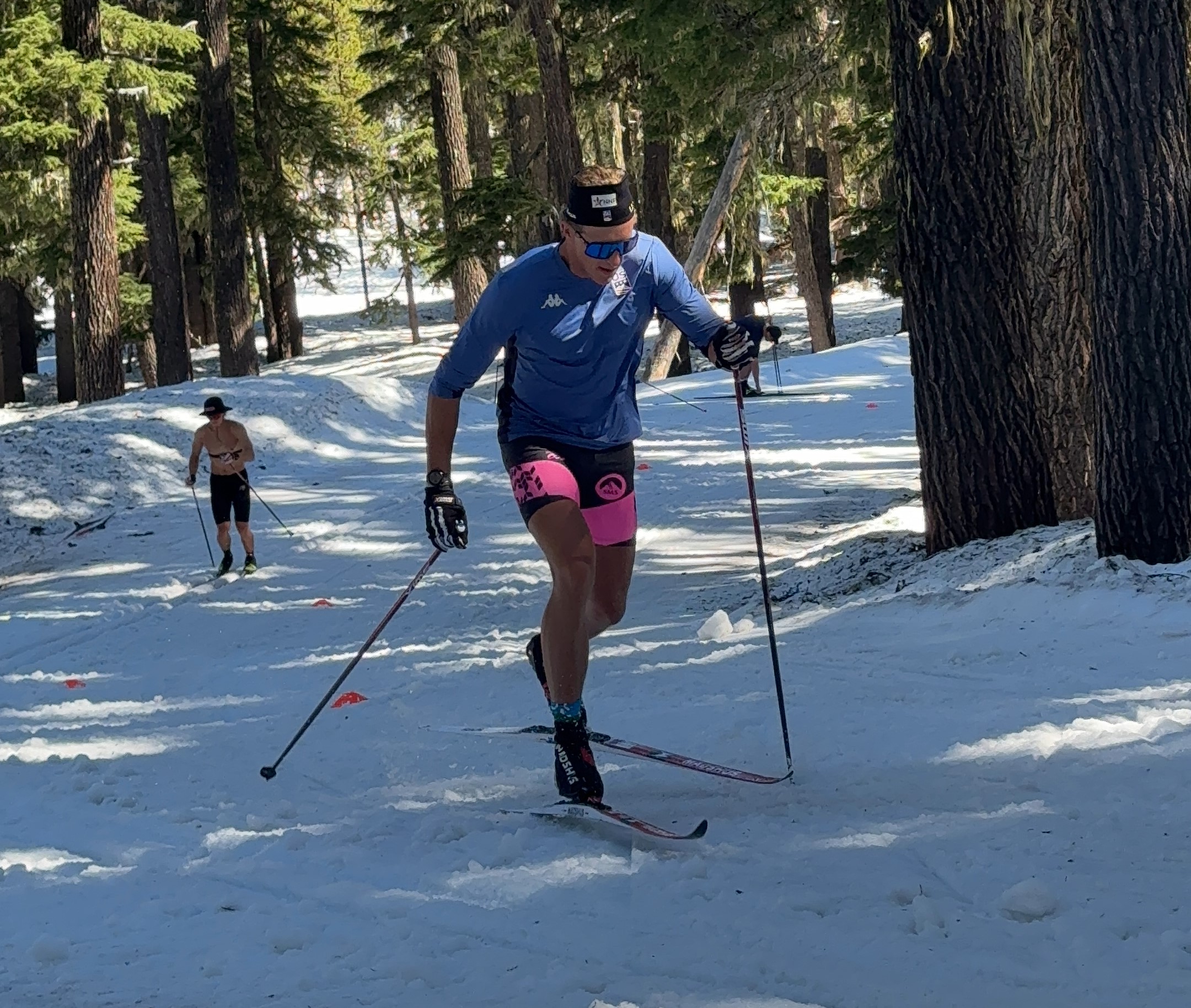
    Fin Bailey works on uphill technique at training camp. (Photo: courtesy photo)

    I look for three layers of signals: performance stability, physiological response, and behavioral cues.

    The stability of performance in training is easily measured with simple technology, such as heart rate and GPS. Prior to increasing loads, the athlete should show improvement or stable performance in workouts. The aerobic training sessions should feel consistent and easy, with very little or no heart rate drift through the workouts. So, a simple training session once a week, once every two weeks, around a standard loop, both for high-intensity and aerobic training, can tell us much.

    The key workouts should show repeatable performance levels from week to week. The pace athletes can maintain at aerobic intensity should gradually and slowly improve, and the technique should stay stable and efficient throughout the workouts.

    Indicator What it suggests
    Same HR but faster pace, HRV is improving Aerobic adaptation
    Same workout feels easier, HRV is stable or improving Load is absorbed
    Ability to repeat intervals without extra fatigue Ready for progression
    If workouts are still producing large fatigue swings, the system is still adapting and increasing load is premature.


    As I have written previously for FasterSkier, older junior ( U18’s) athletes, masters, and elite athletes, I think it is important to use HRV to assess recovery. Using HRV, we can see whether the athletes are recovering predictably between sessions. We can see the stability or improving response their training, and we can assess whether the training loads are sustainable.

    Useful signals:

    • Resting HR stable
    • HRV 7-day trend stable or improving
    • Sleep quality normal
    • Muscle soreness minimal after aerobic sessions
    • The data and the athlete reports feeling normal again within ~24 hours

    If recovery between sessions is incomplete, increasing load compounds fatigue rather than builds fitness. The rush to hit hourly objectives and the failure to respond to accumulating fatigue are the biggest causes of maladaptive training.

    The critical question HRV can help to address. Are the current loads the athlete is doing correct? HRV, especially RMSSD trends collected consistently, can help flag whether an athlete is tolerating training well. But HRV should be interpreted alongside performance, subjective recovery, resting HR, sleep, and life stress rather than used as a standalone decision rule. In some cases, this may mean adjusting other areas of life; in others, we may simply have to reduce the training loads. Simply low HRV indicates a compromised ability to recover from and adapt to training

    A good indicator of readiness is the athlete’s ability to handle training density. Most athletes should have at least one rest day per week. During a training period, the athlete should be able to handle 3-5 moderate training days in a row without feeling accumulated fatigue, and the quality of workouts remains normal and stable.

    The occasional longer sessions should not disrupt the next day’s planned training, and recovery should be normal the following day. If an athlete is doing double sessions, the second session of the day should not be carrying excessive fatigue from the morning session, and the quality, speed, pace, or intensity of the second workout should be consistent.

    When the athlete’s readiness and physiological measures indicate that an increase in load is appropriate, there should only be a slight increase in volume. Make a few sessions per week a little bit longer, followed in the future by adding a workout or two per week

    Training load should only increase when the muscles and connective tissue are tolerating the training. If there is persistent tendon soreness, joint irritation, muscle tightness, or recurring niggles are common, it is not appropriate to increase the loads. Aerobic fitness improves faster than structural durability, which is why injuries often appear right after a volume jump.

    We also need to be aware of and watch for behavioral cues in the athletes, not just the recovery and performance data. We should look for the athlete’s motivation to train and their assessment of the RPE (rating of perceived exertion) for a given workout. If the perceived exertion of a given workout is increasing, it is not a positive signal. Finally, we should ensure that athletes’ nutrition is good, and their body weight is stable.

    As a practical guideline, I would recommend increasing load only after a period of 3-6 weeks, where we can see stable adaptation and improvement in training and recovery measures. When we look at elite training, we always see the training progression is often much slower than people expect.

    JC Schoonmaker and Luke Jager training in Anchorage, Alaska back in 2023. (Photo: Brinkema Brothers)
    Training Phase Progression Pattern
    Base Phase +5–10% volume every 3-6 weeks, but only if all inputs are positive.  If using TRIMP or Training Peaks TSS the load increase should never exceed 15-20%
    Race Prep Phase Maintain a stable volume, intensity increase slowly from the base phase
    Competition phase Volume and Training load decreases slightly; intensity is maintained or increased due to race load.


    As useful guidelines for coaches. If a training day or a week feels heroic, it is too big. Most likely, all the heroic training did was build fatigue and greatly slow recovery and adaptation. Sure, the athlete can do it occasionally, but it in no way means the load improves fitness or performance, or that the athlete adapts to it. My rule of thumb is that the longer it takes for an athlete to recover from a workout, a week, or a month of training, the less adaptation that is possible. When I shared this comment regarding high-intensity workouts with Zach Caldwell, I asked him when we should adapt to them. His response was Thursday! Not next Thursday, not a Thursday next month. Thursday!

    An effective training progression should feel well-tolerated for weeks. Fitness improvements are built on consistent, manageable weeks. Where the fitness is developed through compounded training, not the occasional massive week. I have seen it repeatedly, it is big increases in training load, too much, too soon, that ultimately leads to declining performance and overtraining. Sure, elite athletes train massive weeks, but to get there, they adapt to training every year, step by step.

    Increases in training load should be almost invisible over weeks and months as athletes develop. Over the years of training, the increases are clearly visible and large.

    In summary, increase training load when:

    1. Current workouts are repeatable and controlled
    2. Athletes recover following training days, normally within ~24 hours
    3. No structural soreness or injury signals
    4. Motivation and energy are normal
    5. This training performance has improved, and recovery has been stable or improving for 3-6 weeks


    Help Support Our Olympic Coverage!

    If you value the thoughtful work and access FasterSkier provides, please consider becoming a Voluntary Subscriber. Your support directly fuels our work to cover the people, places, and moments that make our sport special.

    Join the FasterSkier community!
     

    French athletes Lucas Chanavat (left) and Maurice Magnificat (right) out for a rollerski during a training camp in Tignes. (Photo: NordicFocus)
  • Holding Her Own: Rosie Brennan’s Quiet Mastery of Independence on the World Cup

    Holding Her Own: Rosie Brennan’s Quiet Mastery of Independence on the World Cup

    The first flakes had finally settled on the branches behind Rosie Brennan’s window in Anchorage. “Yeah, finally,” she said, turning from the screen toward the light outside. “God, it was slow to come, but we are getting there.” Snow matters in November for any cross-country skier. Still, for Brennan—now entering her fifteenth season on the U.S. Ski Team—it has always represented something deeper: familiarity, grounding, the landscape she moves through on her own terms.

    Independence, more than victory or longevity, is the quiet force running through her career. Long before she became an Olympian or a World Cup all-arounder, before the podiums and the endurance of her late-blooming rise, she was a kid in Park City who needed space—space to move, explore, test herself, figure out where she belonged. Ski racing would give her a path, but the structure of the World Cup would also challenge the part of her that had always craved autonomy.

    Rosie Brennan (USA) celebrates after finishing 2nd in the 10 k classic race in Ruka, Finland in 2023. The result was Brennan’s first classic World Cup podium of her career. (Photo: Nordic Focus)

    “I’m a very independent person,” she told me. “So to suddenly be told what your day is gonna look like every single day is mentally… exhausting for me.” It’s the kind of line that quietly explains everything: her training, her rituals, her late-career resilience, and the internal negotiations required to live five months of every winter inside a system built around tight schedules, shared spaces, and routines she cannot control.

    That independence—both threatened and defended—shapes the story of Brennan’s life in skiing as much as any result sheet.

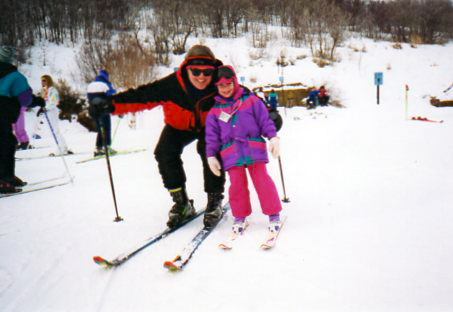
    From the FasterSkier Archives: While I never actually went cross country skiing with my Dad, he was incredibly influential in his love for the outdoors and ability to truly enjoy life. My dad taught me to alpine ski and mountain bike, both were activities in which he challenged me and was always up for a race. I don’t know if my mom will ever get over just how much I ski like him. My dad had a great ability to do things in a big way in order to maximize the enjoyment out of each adventure and he did so with incredible passion. I can’t say I have fully learned this yet, but his spirit and enjoyment of life certainly are in me and I think often about how to embrace this a little more each day. At the very least, I have learned to be very passionate about the things I love. My favorite place in the world is the Southern Utah desert and I think my love for the desert stems entirely from family fun, particularly with my Dad.”

    A Childhood of Motion

    Brennan grew up in Park City, not in some improbable ski-wilderness origin story, but in a family that valued movement the way others emphasize music lessons or math tutoring. “Everyone did outdoor activities, she said. “We were pretty typical in that sense. Winters were alpine ski weekends. Summers meant hiking and biking. Gymnastics arrived because she liked the conditioning. Soccer came because she could run “a whole game.”

    She was athletic but not yet an athlete. “I participated in soccer, she said, without pretense. “I won’t say I was crazy competitive in that. And same with gymnastics—I didn’t compete at all, but I really loved it.”

    What she loved about gymnastics, specifically, she said, was the work:

    I think it was more, actually, just the strength component… the actual conditioning part. That’s what I really liked.”

    The shift toward cross-country skiing came from her mother, whose winter rule was simple: pick an activity. “She was the one who just kept suggesting, ‘You should try the Nordic team,‘” Brennan said. Finally, I was like, well, I got no better idea, so fine, I’ll try it.”

    If her mother’s persistence nudged her toward snow, the 2002 Salt Lake Olympics made the possibility feel real. Brennan was in seventh grade. Her family hosted a Nordic combined athlete. Youth camps sprang up everywhere across Utah.

    “I think a lot of it was subconscious, she said. “But that obviously had a massive impact on my wanting to pursue other things.”

    Then came the moment that still feels slightly mythical in her telling: she found skiing, and skiing made sense to her in a way nothing else had.

    “I could see the path forward, she said. “It was just… really motivating to me.”


    The First Signs of Something

    Her early results were small but decisive. “I actually won my first race, but there were only two people in it, she said, laughing. But I honestly think that was kind of powerful for me. Like, oh—if I can beat one person, I can probably beat some other people.”

    Within two years, she went from missing Junior Nationals to winning all the distance races at JOs. She remembers calling her mom.

    “Mom, I won.”
    “No, you didn’t.”
    “No—really, I did.”

    When Brennan made World Juniors and cracked the top ten, she earned her first spot on the U.S. Ski Team. It felt surreal, but the reality is that she wasn’t fast because of some stroke of talent. She was fast because she’d been training with boys for years, trying to keep up. “It was one of those social situations in which it’s like, keep up or don’t have friends, she said. “So I was like, all right, I’m keeping up.”

    Her team was small, her training unorthodox. “I did quite high intensity for junior, she said. “But very low volume. Meanwhile, she ran fall seasons because running was what she could control.

    Autonomy was already the central language of her development.

    Rosie Brennan (DAR) Lake Placid SuperTour 2011

    The Dartmouth Choice

    By the time she visited colleges, Brennan had become a known junior—national team member, World Juniors top-10 skier, and a real recruit. Her first choice was Colorado. They didn’t offer a scholarship. Dartmouth didn’t offer scholarships either, but it did offer something better: Cami Thompson-Graves.

    “Her investment was in me and not, like, an NCAA title, Brennan said. “That was very obvious… she was willing to help me manage all of it.”

    Dartmouth gave her what she needed: an independent women’s team after training primarily with men, a coach who saw the whole person, and a program flexible enough to accommodate a U.S. Ski Team schedule. She raced all four years, graduated in the traditional four, absorbed the mentorship of teammates like Ida Sargent, Sophie Caldwell, and Erica Flowers, and even shared training space with Susan Dunklee.

    Dartmouth let her remain the version of Rosie that worked.

    But the World Cup—its structure, its relentless pacing—would test that.

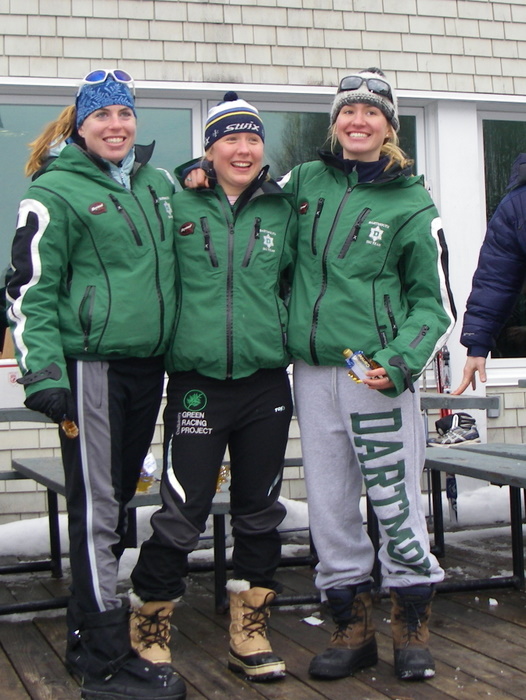
    Rosie Brennan, Ida Sargent and Sophie Caldwell of Dartmouth, March 2010

    Learning to Live in Europe

    Her early World Cup years were steady—no fireworks, no collapses. She attributes the eventual breakthrough to something simple: time. “If you think about someone who starts at five, she said, “they’re good at 22. That’s the same number of years it took me. It just skewed by a decade.”

    But the other part of her progression came from learning how to survive Europe.

    “I mean, I finally had trained at a consistently high volume, she said. “But I also found it just took a long time to figure out how to manage in Europe.”

    What was so hard about it? Not the racing. Not the waxing. Not the altitude.

    It was the loss of personal freedom.

    “To suddenly be told what your day is gonna look like every single day is exhausting for me, she said. “The freedom of being able to jump in your car and go somewhere—that’s gone for like five months.”

    The World Cup removes the choice of when you sleep, where you eat, and how you move through your day. Athletes share hotel rooms, team vans, dining halls, training sessions, and travel itineraries. It works beautifully for some. For Brennan, it was disorienting.

    There were no models for how to do it differently. “The example they have is Jessie, she said. “She thrives on the road. She’s happy as she can be living in a bag for five months. But if you are not Jessie Diggins, Brennan said, “that’s really hard.”

    So she began—to use her word—to “navigate.”

    I learned to get pretty good at the bus schedule, she said. She found bakeries in every town. She found grocery stores that sold the one piece of candy she liked in that country. She found trails “maybe off the beaten path that she returned to each year. She learned to take mountain days, not for training but for sanity.

    These rituals were tiny, private rebellions—the things she could choose inside a world where most things were selected for her.

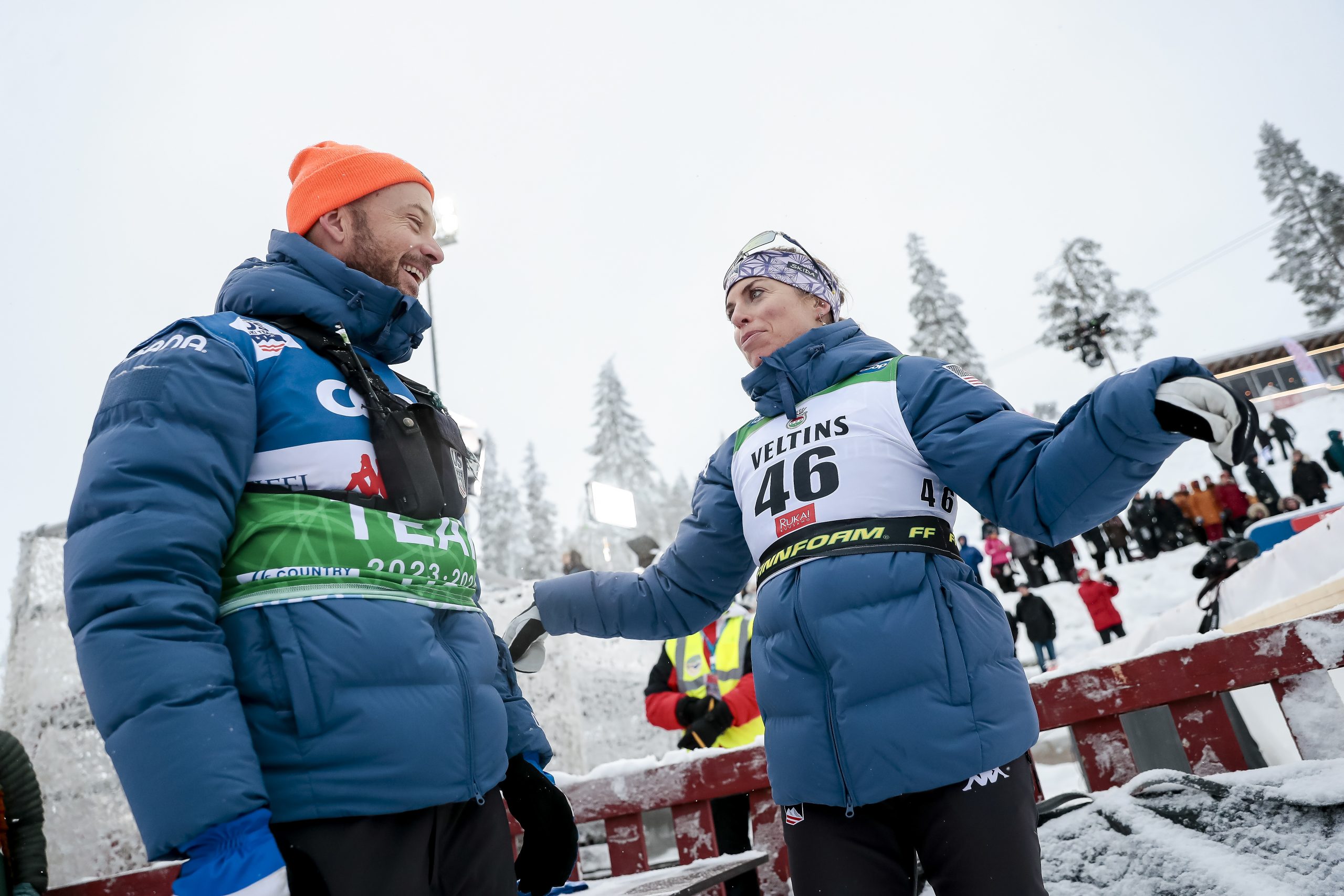
    Rosie Brennan and coach Erik Flora (APU) ski on the World Championships sprint course in Trondheim on Wednesday, February 26, 2025. (Nathaniel Herz/FasterSkier)

    A Coach Who Understands Her

    If Europe tested her independence, her relationship with APU Head Coach Erik Flora reinforced it.

    “He has been, like, everything for me, she said. “He’s kind of saved my life many times over.”

    What she means is that Flora understands her wiring. He sees what she cannot always express.

    “He has this ability to just watch you train and know exactly what’s going on in your life, she said.

    That sensitivity carried her through some of the most challenging years of her career. During Covid, Flora couldn’t travel much; last season he could only watch occasional race film. It wasn’t enough. Brennan needed someone who knew her patterns—her real patterns—not just her splits.

    “When I was in the thick of it last winter, she said, “he wasn’t there… that’s why ultimately I did end up coming back [to Anchorage]. I needed some of that support.”

    Their relationship—its longevity, its trust—became essential when her body began to unravel.

    Rosie Brennan (USA) after finishing the 10 K Classic at the FIS Nordic World Ski Championships in Trondheim (NOR). (Photo: Modica/NordicFocus)

    A Year the Body Wouldn’t Cooperate

    For a year now, Brennan has dealt with a medical mystery—post-viral symptoms likely tied to Epstein-Barr reactivation. “It just, like, really screwed up a bunch of my internal systems, she said. “My endocrine system has been shot. The effects were unpredictable: inability to push hard, severe inflammation, poor recovery, and muscle shutdown during intensity.

    “Last season I was struggling with… I just had zero ability to use my muscles to push hard, she said. “I was just racing on base fitness.”

    It wasn’t one bad race. It was the absence of the feeling she loved most that was most frustrating.


    The Training Fix

    She and Flora tried to solve it through training, but even threshold sessions wiped her out. “It was more the duration part that was killing me, she said. They tried sub-threshold work. They tried controlled sessions. Nothing stuck.

    So they invented something new: Sub-one-minute Level 4 efforts, hundreds of them, designed to keep neuromuscular pathways awake without triggering overload.

    Basically, what I’ve been doing is what I call micro intervals, she said. “I do go level four, but under a minute, many times.”

    Strength? Gone. “Strength was destroying me, she said. “So I haven’t done any weight-room strength.”

    Endurance? Reduced to what she could handle. “I got to a place where I was like, all right—I’ll have to be super excited when I get to go for an hour.”

    Most of the battle, though, wasn’t physical.

    “There were many times this last year that I have seriously contemplated walking away, she said. “I actually tried pretty hard to in August.”

    But Flora kept calling—checking in, refusing to let her disappear into the uncertainty.

    “I guess I’m not getting away that easy, she said.

    Brennan took second in the 10-k Classic in Trondheim in 2023. 
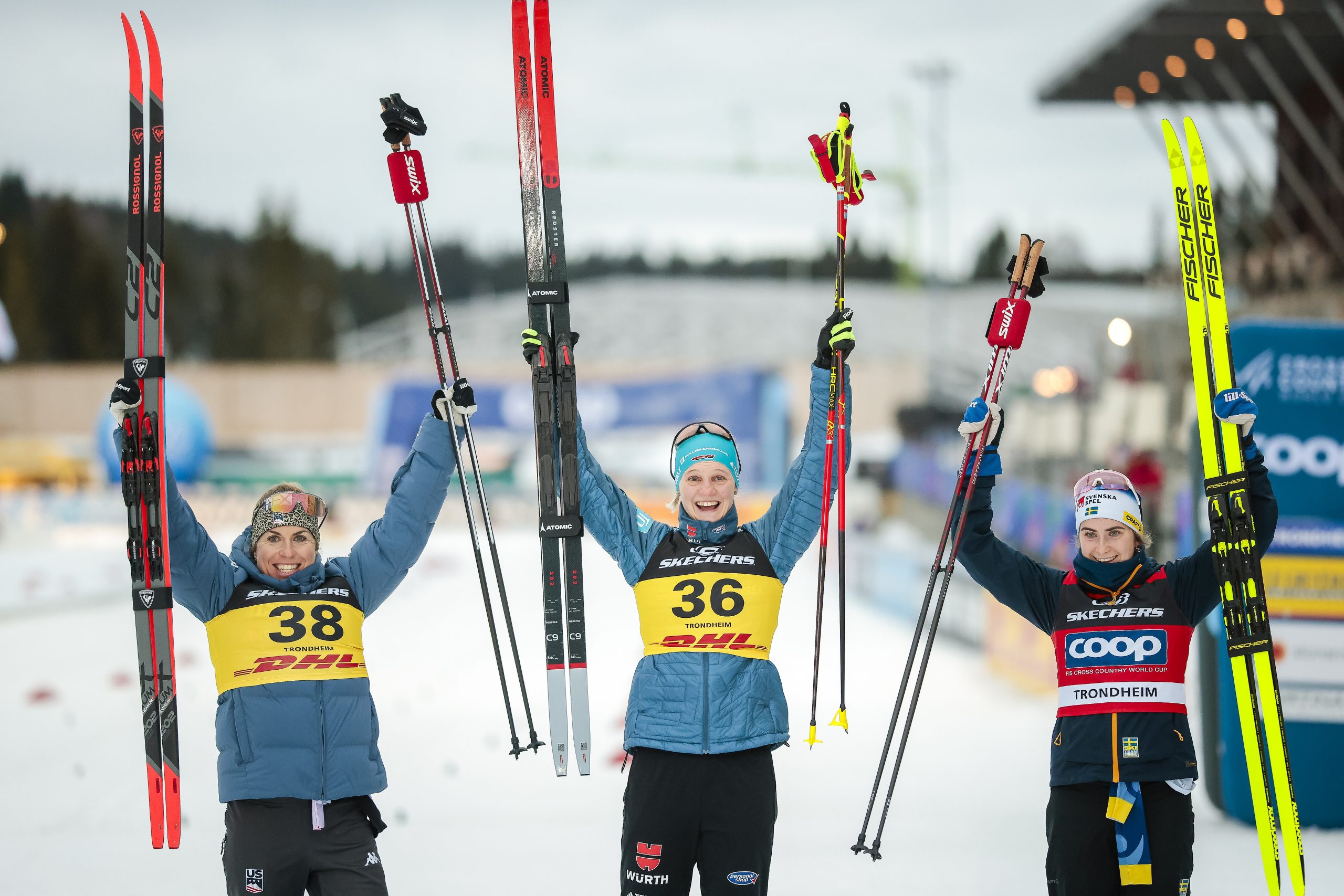
    Rosie Brennan (USA), Victoria Carl (GER), Ebba Andersson (SWE), (l-r) 10km podium in Trondheim (NOR). (Photo: Modica/NordicFocus).

    Why She Keeps Going

    When asked what pulls her back to the sport each day, Brennan didn’t talk about results, medals, or even the Olympics.

    She spoke of the feeling.

    “I truly love the feeling of being able to push myself, she said. “It gives me this sense of freedom that I can’t find anywhere else.”

    Freedom—that word again. Not competition. Not performance. Not success. Freedom.

    It’s the sensation she’s chased since she was a kid, running entire soccer games simply because she could. It’s the sensation skiing first gave her at 14. It’s the sensation the World Cup often constrains, and the sensation her body has withheld for a year.

    But it’s also the sensation that makes her keep trying.

    She has leaned heavily into mental work this year. Meditation, mindset projects, and conversations with a U.S. Ski Team sports psych, as well as a teammate who has faced similar issues.

    “I was very motivated by her, Brennan said. “It was cool that she was taking this time to strengthen her brain, too.”

    The process has made her reflective, grounded, and more self-aware than at any point in her career.

    Rosie Brennan (USA), shares a podium moment with coach Matt Whitcomb in Ruka, Finland in 2023. (Photo: NordicFocus)

    Leaving for Finland, and What Comes After

    Now, on the eve of the World Cup opener, Brennan is set to travel to Finland. She will not race everything. “Maybe two races a weekend, she said. They’ll experiment. Observe. Adjust. She plans to return to Utah for Christmas, meet with her medical team, and decide what the rest of the season should look like.

    It’s possible I try to race, and it’s a disaster, she said. “We may have to totally redo the plan.”

    She won’t do the Tour de Ski—too risky. The goal is simply to get to the Olympics “in the best way possible.

    The million-dollar question, of course, is whether this will be her last year.

    “I don’t really know, she said. “Most likely something will look different next year. Whether that involves racing or not, I’m not totally sure.”

    But she’s proud of the career she’s built. Proud of navigating Covid. Proud of her longevity. Proud that she became a true all-arounder.

    “That was definitely a big career project, she said. “When I finally did that, it felt really big.”

    Rosie Brennan races the individual freestyle sprint qualifier during the 2022 Olympic Winter Games in Zhangjiakou. (Photo: NordicFocus)

    Holding Her Own

    What emerges from Brennan’s story isn’t a tale of triumph or decline. It’s the portrait of a person who has made peace with the complexity of the life she leads.

    She has learned how to navigate Europe—not by loving it, but by building rituals that let her remain herself within it. She has learned to trust her body even when it betrays her, and to trust her coach when she doesn’t trust herself. She has learned that the World Cup isn’t designed for independence, and that independence—her independence—is worth defending.

    She has also learned that racing is only part of who she is. She’s a geography major who loves the Arctic for its unique beauty, a mountain person who seeks out quiet trails, and a traveler who can always find a town’s best bakery.

    And she’s someone who, after a year of medical uncertainty and near-retirement, still wants one more chance at the feeling she can’t find anywhere else.

    That, ultimately, is why she’s boarding the plane.

    Because even in a world that demands structure, she is still defining her own path.


    Love Stories Like This? Help Keep Them Coming.

    Feature interviews like this one take time, access, and care to produce. If you value thoughtful storytelling and independent ski journalism, please consider becoming a Voluntary Subscriber. Your support directly fuels the work we do to cover the people, places, and moments that make our sport special.

    Join the FasterSkier community!


    We don’t yet know if this season is Brennan’s final curtain call, where she will ski off into the sunset, but we do know she has nothing left to prove.. (Photo: Nordic Focus)