From the FasterSkier archive — posts syndicated from athletes’ and coaches’ own blogs between 2004 and 2012, kept online as published. Current coverage is at fasterskier.com.

Tag: triathlon

  • Letters to My Younger Self: Murray Banks on Embracing Opportunity and Living Life to the Fullest

    Letters to My Younger Self: Murray Banks on Embracing Opportunity and Living Life to the Fullest

    Editor’s note: This is the third essay in our series, “Letters to my younger self.” Lauren Fleshman provided the modern locus classicus for this genre, while John Wood and Adam Verrier kick-started the series on FasterSkier. 

    When the private school at which my husband teaches offered him a sabbatical for the 2020-21 school year, we quickly began to fantasize about the ski town(s) in which we’d spend the following winter. A February 2020 trip to the Alley Loop Marathon had me captivated by the tiny high-altitude town of Crested Butte, which, despite being roughly 40 miles from our home in Carbondale as the crow flies, is over four hours by car in the winter, over 2,000’ higher in elevation, and has a truly magical community surrounding its nordic center. It’s pure paradise for cross country skiing.

    We lucked into a rental on Craigslist in mid-February, only a few weeks before the pandemic descended on the US and made such rentals (and prices) impossible to find as a mass exodus from cities began for those who were suddenly able to work from anywhere in the world. We also lucked into jobs at the Crested Butte Nordic Center, myself coaching in the masters programs and instructing private lessons, and my husband coaching the youth programs. 

    It was in the masters performance group that I had the chance to work alongside Murray Banks, whose reputation as a one-of-a-kind, enthusiastic, high-energy coach with a keen eye for technique preceded him. 
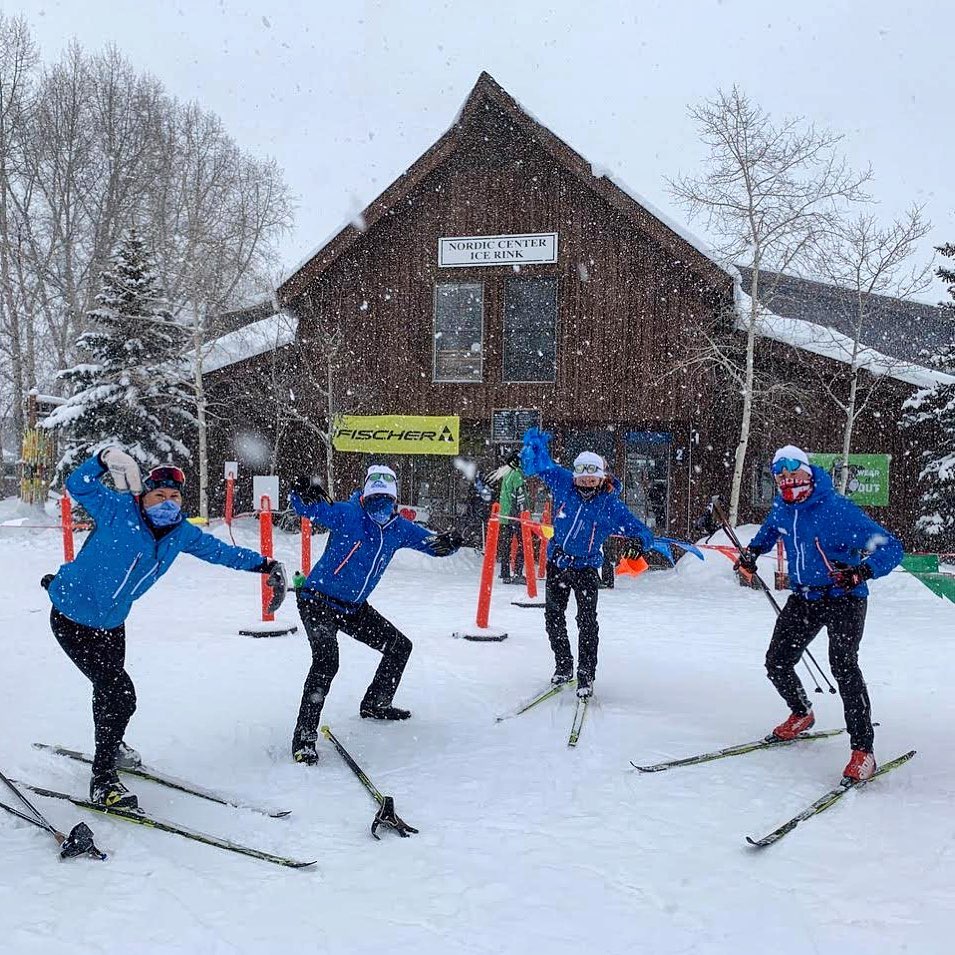
    The masked-up smurfs behind the 2020-2021 masters performance group in Crested Butte, CO. From left to right, Rachel Bachman Perkins, Murray Banks, Cam Smith, Woody Martineau.

    Coaching with Murray was an unforgettable experience. His energy and positivity are the right kind of infectious – the type that makes you want to be a better version of yourself, overall. The kind that leaves you wanting to ski better, try harder, be kinder, and recognize that attitude is everything, even when life throws you some massive curveballs. 

    You’d never know that Murray was fighting cancer. Even on the days where most would throw in the towel, Murray would slip into his ski boots and make his way to practice. On days he wasn’t feeling well, he’d ski more slowly and keep the distance traveled to a minimum, but that didn’t prevent him from showing up with an ever-present grin, ready to encourage the group of skiers through technique cues and an interval session. 

    Though we only worked together for a few months, his impact was lasting. It is my pleasure to share the following letter Murray penned to his younger self. 

    March, 2015

    Hey Murray,

    Wow, you look so young! Oh yeah, you’re only 6. Have you got freckles? I don’t remember having freckles. Anyway, this is a bit unusual but a friend here in 2015 asked if I’d write you a letter with a few observations and perhaps a tip or two. Have a seat, this will be long as there has been a lot of water under the bridge over the past 68 years. I’m surprised you are reading this, you’re usually out in the neighborhood playing endless tag games with your friends. Did you have a hockey rink in the yard this past winter? Oops, gotta run, headed out to ski with my/your granddaughter Winter who is actually 6 just like you!
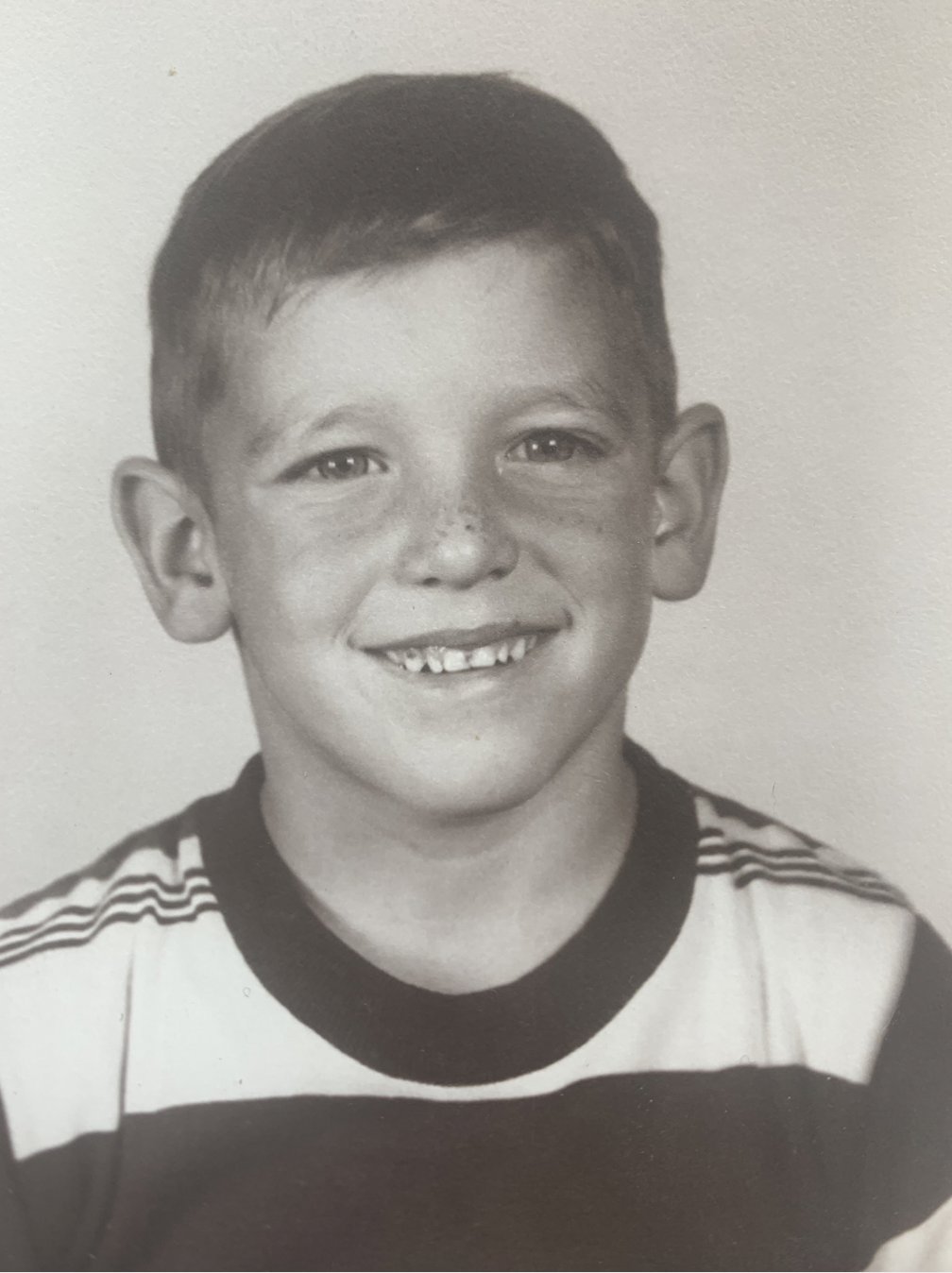
    A young Murray Banks. (Courtesy photo)

    March 2022

    Sorry about that, I started this 7 years ago but got busy. That’s probably good though as you will have a better handle on some of the insights I’ll be sharing with you now that you are 13. OK, here in 2022 you are 75 years old. Hard to believe that you will be as old as your great gramma is now.

    As you are learning, yours is an athletic family and we play almost every sport imaginable. And when we’re not playing an official sport, we are riding our bikes, competing in a tenacious whiffle ball game or playing capture the Flag ’til way after dark. Playing sports is our family thing and you are doing them all… baseball, basketball, football and hockey. It is a perfect childhood so I hate to do tell you this, but you will hold your own in sports until high school, then everyone else will grow and you won’t. Hey, it’s ok, you were born in late October and everyone is way older than you. 

    First, the bad news: you aren’t going to continue to be a star baseball player like you are now. And you aren’t going to make it in basketball either. And the football coach will say to you “Banks, you’re a tough kid but I can only use you when it’s 3rd down and 3 miles to go. You should run cross country.” I don’t think you even know what cross country is! 

    But, here’s the good news: you’re going to love running and you will become quite good at it in a few years. One more thing, don’t fret about maturing late… when you are in your 40’s and racing triathlons, you’ll go to your 25th class reunion, look around and wonder who all those old people are. Triathlon, bet you don’t even know what that sport is. It’s a cool sport that involves three events you already love and will be invented when you are in your 30’s, more about that later.

    Murray Banks joins the cross country team at Cortland State in Upstate New York. (Courtesy photo)

    In a few years, you will have to decide on a college — well, if you put a bit more focus on your school work, you will. You will get lucky and choose a school and major that you love and be on championship teams with great guys and coaches. One day while walking to class, a professor with national prominence for his teaching and coaching, will stop you and say, “Ya know Banks, you’re tougher than hell and someday all your training and determination will pay off big time. Keep up the good work.” 

    That interaction may only last 60 seconds but the eventual benefit will last 60 years. This is important, pay careful attention to older, wiser people you admire and respect. 

    They see things you can’t possibly see at your youthful, exuberant age. They have perspective that will benefit you in ways you can’t imagine now. Oh, and one more thing about college… you’re going to meet a very special girl on your track team. She’s a sprinter, she’s smart and she’s really attractive. If you don’t mess this up, she will become your lifelong love and training buddy.

    With a bachelors degree in hand, you will embark on a teaching and coaching career that will earn you several honors and great satisfaction… slow down and soak it all in. Now this will be hard to fathom, but getting cut from baseball, basketball and football will come in very handy in a few years. As a high school running coach, you will seek out athletes who were rejected from other sports and turn them into championship caliber runners. The energy and imagination that often got you in trouble in school, will produce unique results in your teaching, coaching and racing career — hard to imagine isn’t it? Your struggles academically won’t last, just remember what Einstein said, “Imagination is more important than intelligence.”
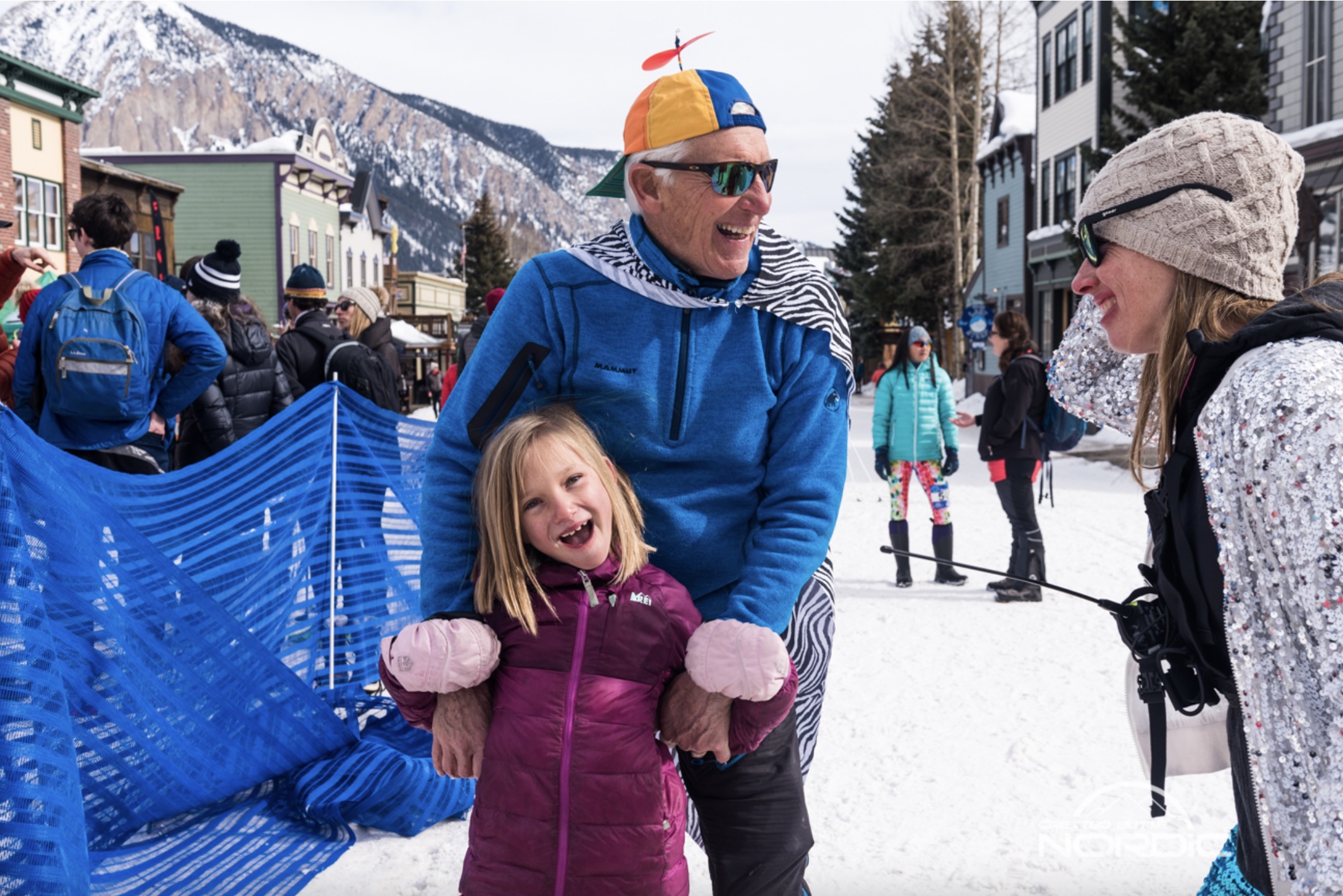
    “When you coach kids, you lose 40 years off your chronological age.” – Murray Banks (Photo: Xavier Fane / Crested Butte Nordic)

    Now, back to that girl you will meet in college… she is a sprinter and you are a distance runner, that’s how she catches you, you just weren’t fast enough! But, she will become quite an accomplished endurance athlete and the two of you will enjoy years of racing all over the world. And it will be in two sports you aren’t even aware of now: triathlon and cross country skiing. And, as a bonus, when you marry her you will get an island! Yup, your teaching careers will enable you to spend summers on the family island and you can swim, bike & run a lot and become quite proficient at that triathlon sport. Actually, so proficient that you will both race in the world championship and people will pay you to do it. Really, honest, not kidding, this will be your job for a few years, you lucky guy! 
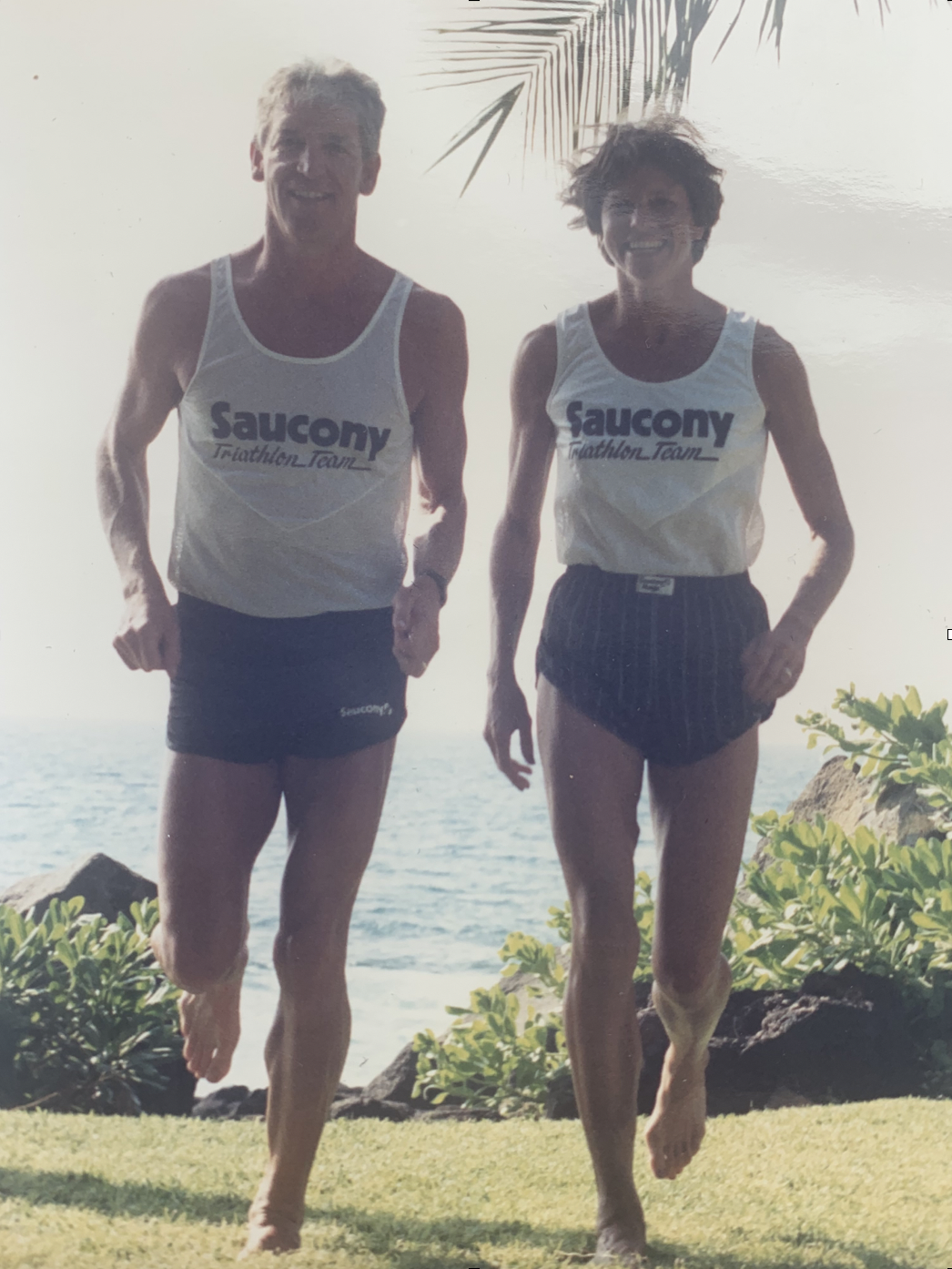
    Murray Banks and his wife prepare for Ironman Hawaii, 1988. (Courtesy photo)

    Although you will absolutely love teaching, you will have an opportunity to take time off to be a full time athlete. And your 8th grade teacher Mrs Bentley, who will say to you “You’ll never make anything of yourself just playing sports, Mr Banks!” Well, turns out she was wrong, but probably best if you don’t say anything to her. 

    Instead, you will create a niche as a speaker and corporate trainer that provides the time to train and race nearly full time. It’s an occupation that resembles training and racing in every way… you prepare thoroughly for long periods of time; you need to be focused and goal oriented; you work intensely hard for short periods of time, followed by longer periods of recovery; and, when it’s time to race or deliver a presentation, you really need to be on your game, there is no room for mediocrity. Any time your work, recreation and passions intersect, you have the best of all worlds and so many good things arise. So, younger Murray, keep all options in your life open, there is no predicting what opportunities will present themselves.
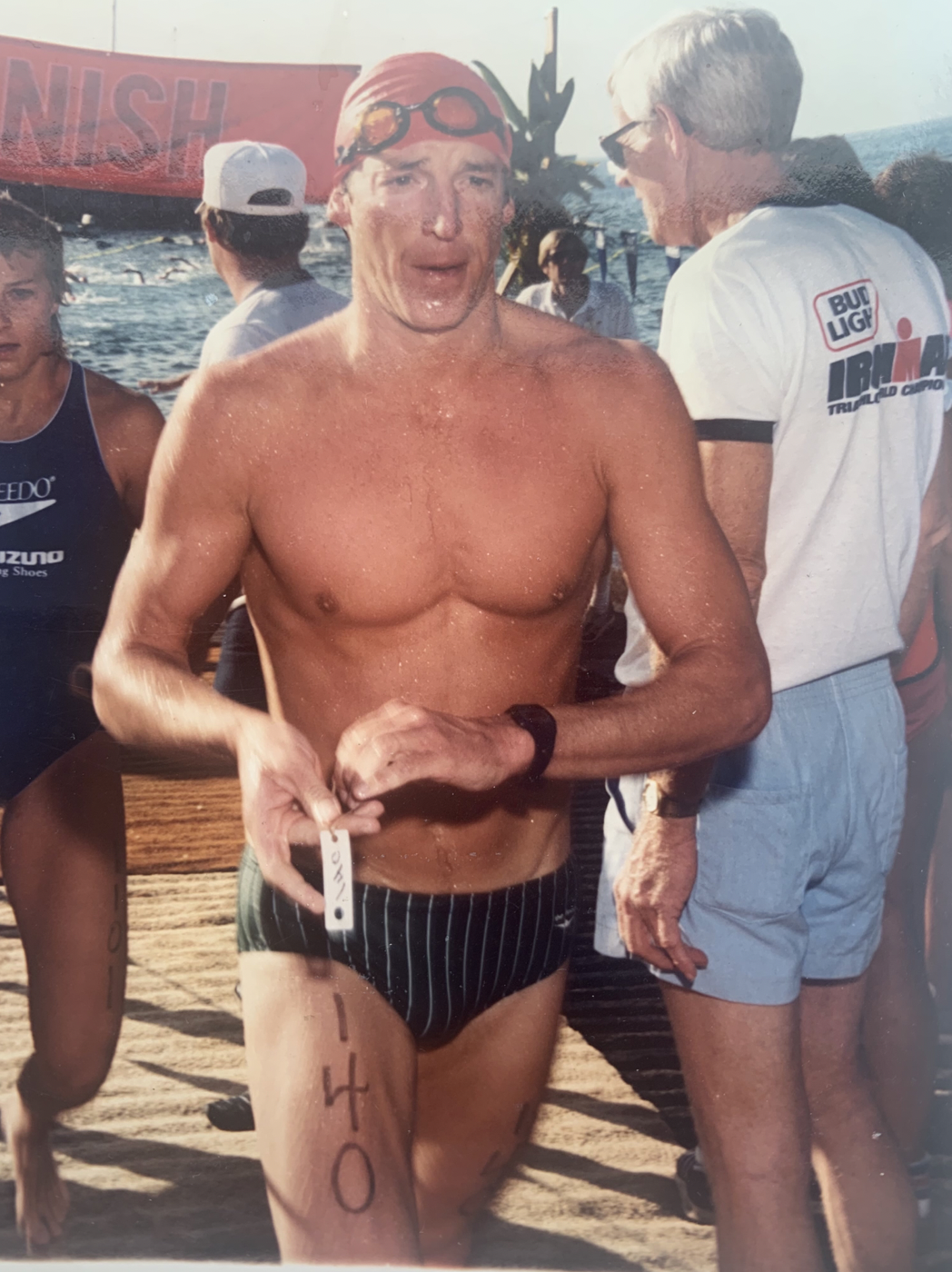
    Ironman Hawaii, 1983. (Courtesy photo)

    But, I digress. Training for triathlons during long, cold Vermont winters was a challenge so you know what comes next? Cross country skiing. 

    For several years, skiing will just be winter fitness for triathlons but eventually, skiing will became your favorite family activity. You and Janie will eventually have two rambunctious boys who love to play outside day and night, just like you! They will play all the usual sports but will eventually get into ski racing and soon you will be going to races to cheer for them rather than the other way around. 
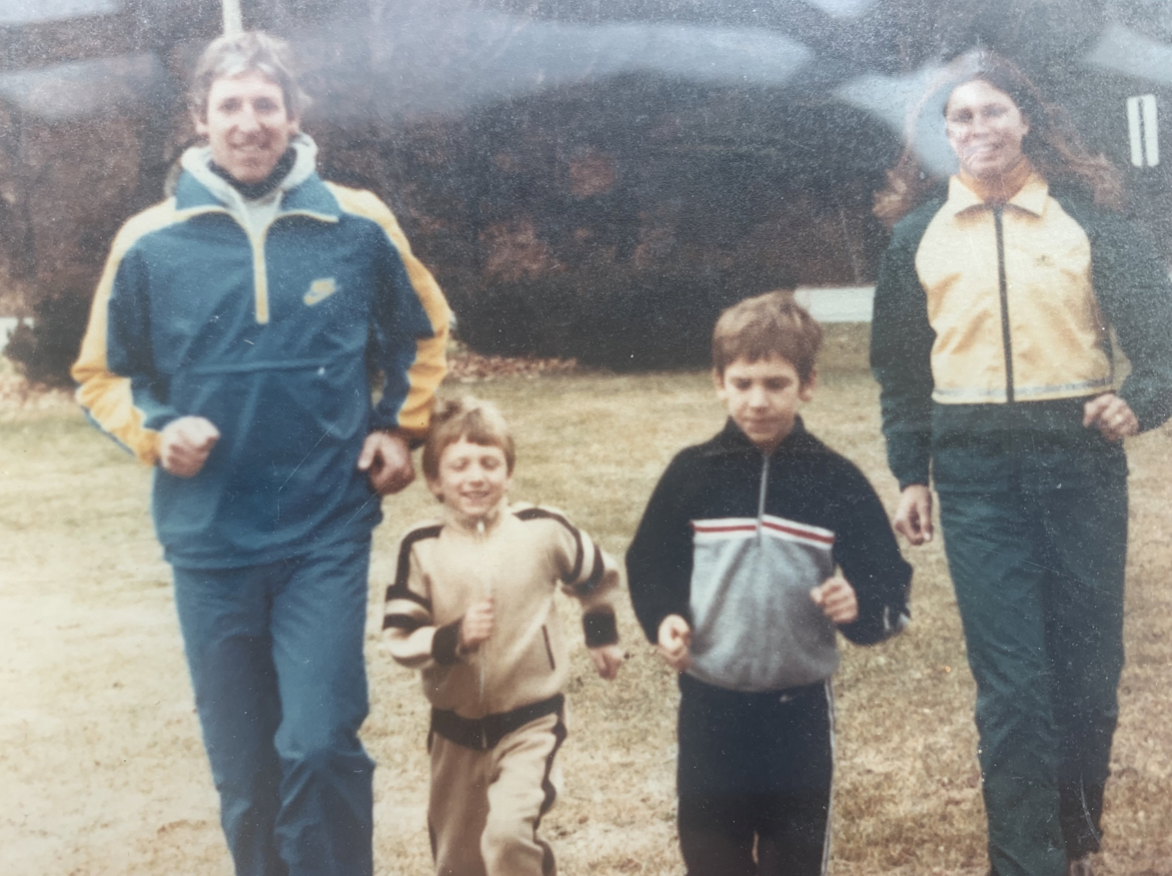
    Team Banks at a community fun run in Vermont. (Courtesy photo)

    So finally, cross country skiing… get this, skiing downhill is way more fun than running down hill! And, while triathlon training can be tedious, arduous and exhausting, skiing is generally fun and challenging. So, you will retire from triathlons and spend most of your athletic energy training for and racing in cross country skiing and have the opportunity to race in cool places like Norway, Austria and Italy.

    Masters World Championship, Asiago, Italy, 2014

    You and that sprinter girl will both win gold medals at various masters world championships and you will meet people from those countries that will become lifelong friends. And, you will find that folks in their 50’s and 60’s who continue to ski race are really an energetic and positive group of people to hang out with.

    And those boys you and the sprinter girl so enjoyed skiing with when they were kids…they took that joy for snow and mountains and parlayed it into careers as international mountain guides. And the best part? You will get to ski big peaks all over the world with them, which it sure beats playing basketball and baseball!
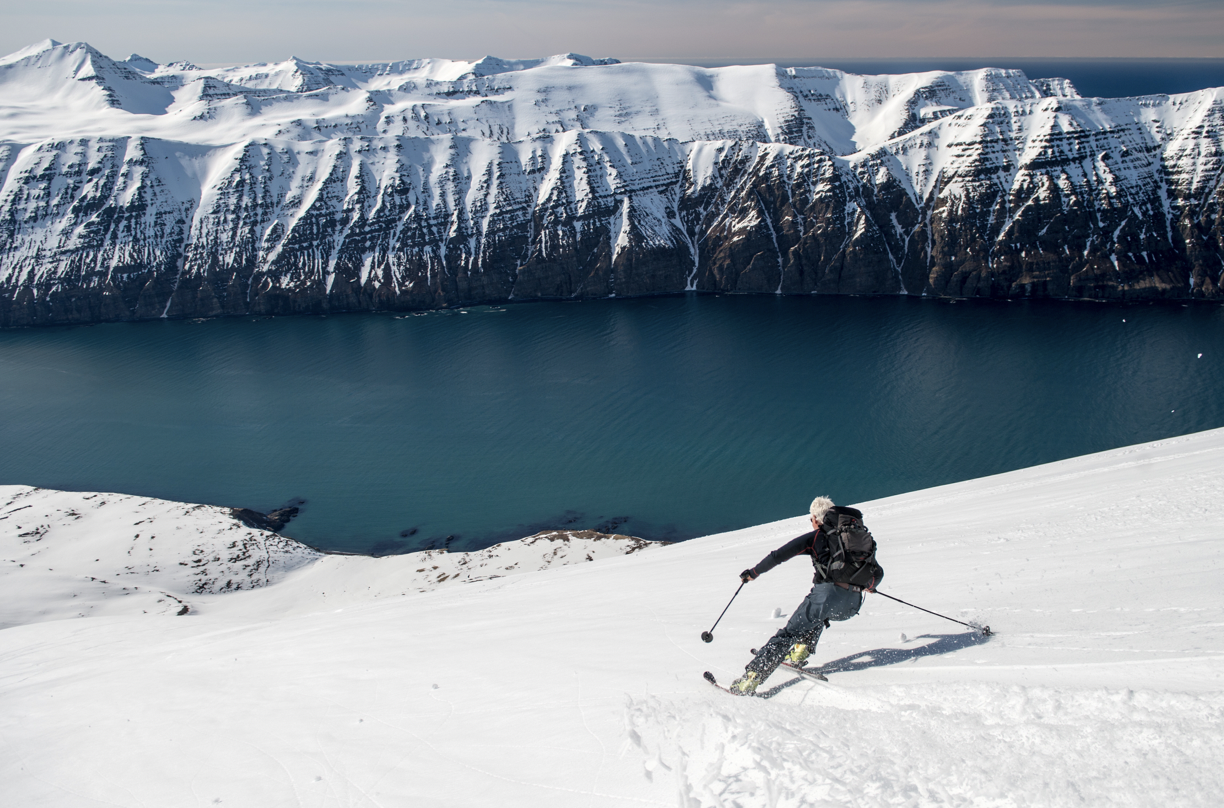
    Troll Peninsula, Iceland, 2017. (Courtesy photo)

    This all sounds a little too good to be true doesn’t it? Well, as you have probably guessed, it is. At the very pinnacle of your personal, athletic and professional success, life will throw you a curveball… cancer. 

    Now, at your young age, you may not understand what cancer is, so I’ll break it down a bit for you. Cancer is an insidious disease that eats at you over time and saps the energy and strength that have been hallmarks of your life. In your case, you will endure surgeries, radiation treatments and a bevy of drugs that will end your racing career. You will need every ounce of patience, optimism and tenacity that you’ve spent a lifetime developing through sports. 

    It will be the greatest test of endurance that you have experienced in your lifetime. But, there is an interesting cancer/ski racing analogy, bear with me on this. Imagine, you are in a 50km classic ski marathon, with temps at freezing and a damp, cold wind that makes the track indiscernible and waxing impossible.

    The track is poorly marked and you are never 100% sure if you are on course. There are no kilometer signs and the route is ambiguous. Your kick wax has failed you – one minute you are slipping and the next your are walking on snow stilts. You pass spectators and ask “is this the way?” and they respond “not sure, just keep going.” You ask others “how far to the finish?” and they respond “not sure, just keep going.” The blowing snow and poor markings obscure any semblance of direction and you press on not knowing which trail to take.

    Yup, living with an aggressive cancer is very much like a tough ski marathon… you know you have to keep going, but you have no idea how long and you can only hope the ones giving directions know the best path forward.
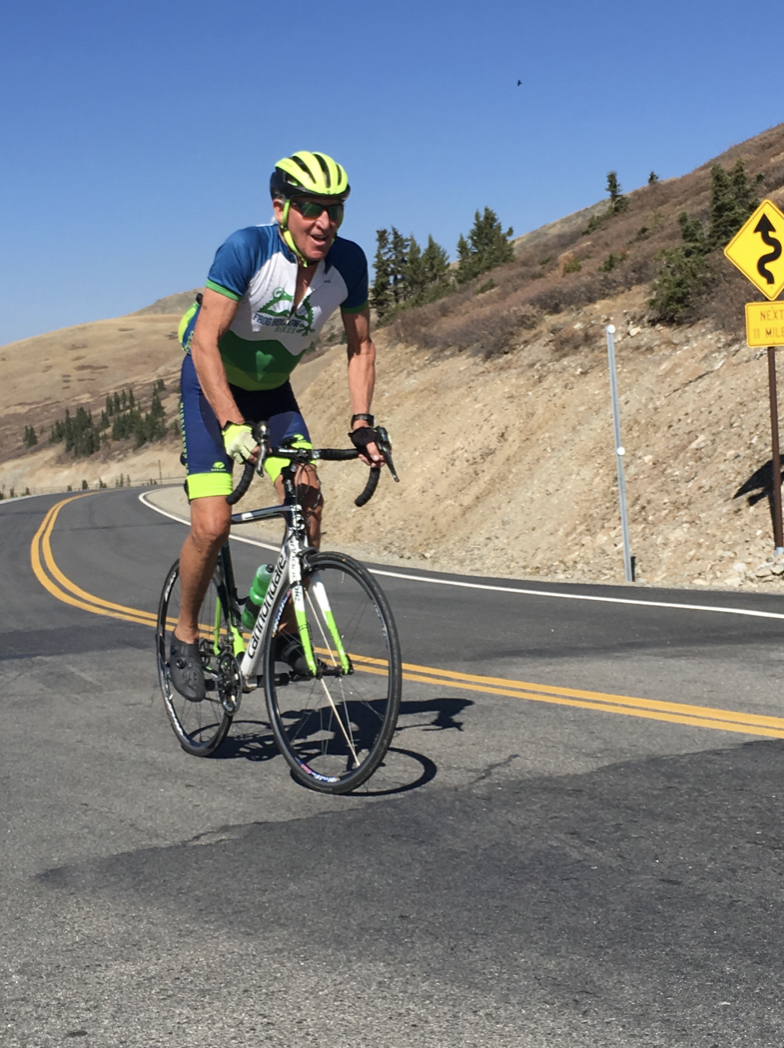
    2020 Covid Cancer Climb with buddies at the summit of 12,300’ Cottonwood Pass, CO. (Courtesy photo)

    But, my younger self, you are well prepared. All those years of endurance training and racing are paying off now as mental toughness, dealing with pressure, staying focused and learning to exceed your perceived limitations will carry you far longer than you might expect. Those teammates and coaches you loved will support and encourage you, just like they did decades ago. And, no matter how exhausted and frail you may feel, you will find strength and joy in doing what you’ve always done… getting outside in the sunshine to ski and bike with your friends.

    At your age here in 1959, sport is a competition that you prepare for and do your best at. You are in the moment and not thinking of the lifelong benefits. But looking back, you will see that training, competition and pushing yourself was the best possible preparation for a lifetime of great joy, professional success and personal satisfaction. But most importantly, it will give you the ability to withstand discomfort, uncertainty and challenges you did not sign up for. 

    As an endurance athlete, you developed a unique life skill set that you can cash in when you need it most; and here in 2022, you are reaping those benefits.
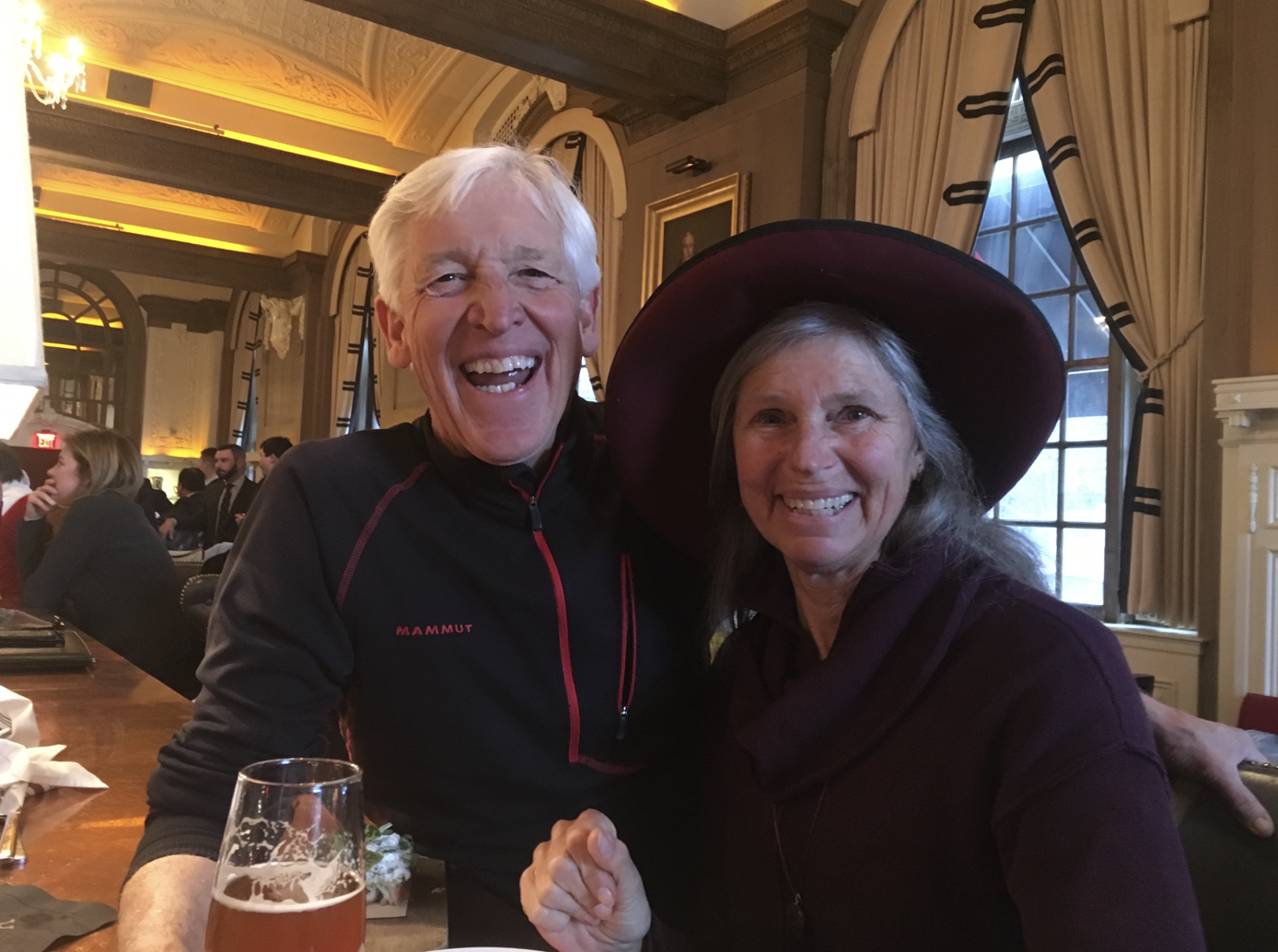
    Murray Banks and “the sprinter girl”, his lovely life partner, Janie. (Courtesy photo)
  • Kris Freeman: Finding Opportunities to Race and a Few More Years of Getting Faster

    Kris Freeman: Finding Opportunities to Race and a Few More Years of Getting Faster

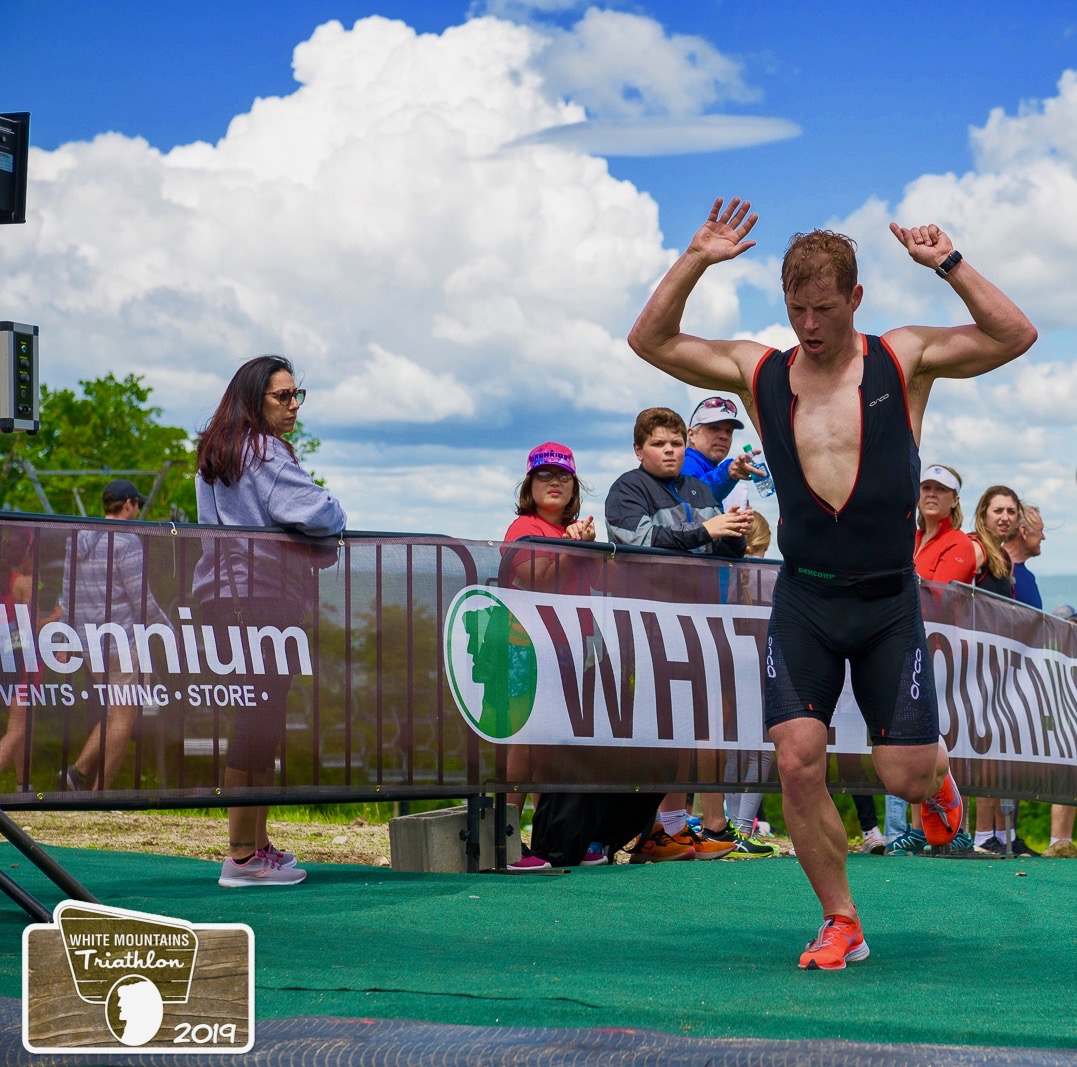
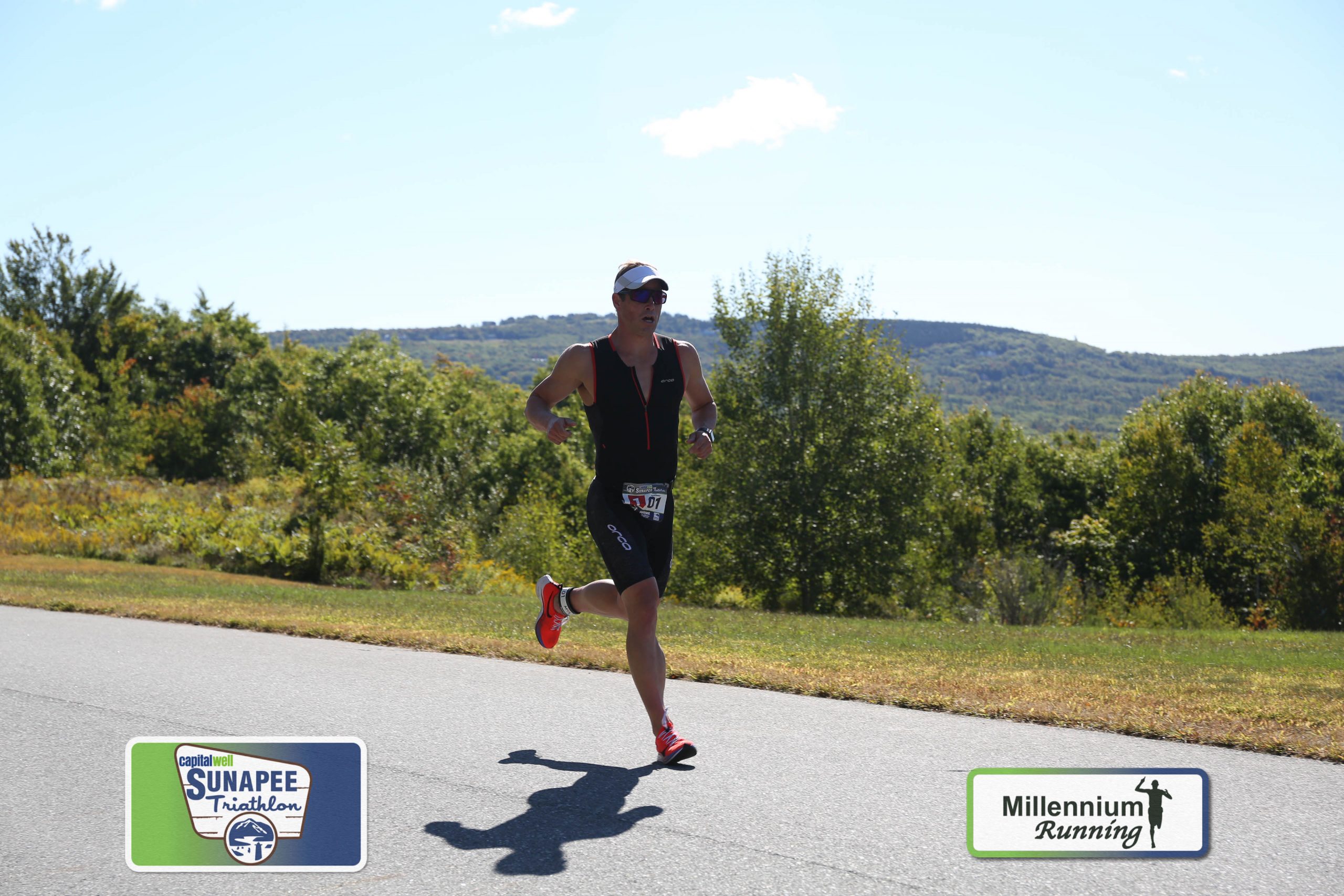
    Freeman at the 2020 Sunapee Tri. (Photo: Millennium Running.)


    “I train because I like to race but I also train because I enjoy it, so I never took a pause,” said Kris Freeman from his New Hampshire home. That’s straight-up Freeman. Focus. Intensity. A plan. Even during COVID.

    Let’s face it, enjoying the process became a necessity for many as public sporting events have been mostly cancelled since mid-March. Six feet distant, mask-wearing, hand-sanitizing have become as much a part of our daily mantra as swim-bike-run has for triathletes. Last year we chronicled Freeman’s journey as he set a goal to improve as a triathlete. That he did. With incremental gains in the swim portion and his noted bike-run prowess, Freeman was a place away from auto-qualifying for the 2019 Kona Ironman World Championships. He was fourth in his age group at the Lake Placid Ironman – one spot out.

    We’ll get to COVID-protocols in a bit, but Freeman was first able to compete in triathlon head to head -that’s in person- on August 29th in New Hampshire. It can be a dizzying array of travel restrictions and safety protocol between close proximity states — as in New England. But race they did. Scrolling through the results of the half-Ironman (70.3 miles total) Live Free and Tri, the event was well represented by New Englanders and a dab from outlying states.

    Taking the win in 4:16:42 hours was Freeman.

    Triathlons, with their complex logistics, trend towards capping field size. With the knowledge that premier races fill-up, athletes often register nearly a year in advance.

    “I was planning on racing Lake Placid Ironman again this year and I registered last September, in 2019, for it. Which seems insane to register 10 months in advance for a race but it sells out,” said Freeman. “I did that for four different races and they were all subsequently delayed at first – even Lake Placid was at first delayed before they cancelled it. In fact, all the races I signed up in advance for were all initially delayed then cancelled. As we got towards the end of the summer a couple of different race organizers came up with ways of social distancing while hosting their races. I am still very cautious about COVID social distancing but I was comfortable with the precautions that the race directors set up.”

    Along with his solo time trials and Strava segment duals since the pandemic, Freeman has raced two triathlons, including his August 29 win.

    Staggered starts, reduced field size, were just some of the principle race day modifications for triathlon. With an eye towards the global arena, the official Ironman stance for safety adopted World Health Organization (WHO) guidelines and a five-point plan to foster safe in-person racing: “Enhanced Hygiene, Screening and Education, Density reduction, Touchpoint Minimization, Athlete self-reliance, —-these are the cornerstone of how Ironman attempts to come back on-line.”

    In early September, the first official Ironman since March was held in Tallinn, Estonia. According to a New York Times piece, over 1500 participants entered with at least 50 countries represented. Although a commitment to compete in Estonia took considerable resources, small scale events could replicate the safety template stateside.

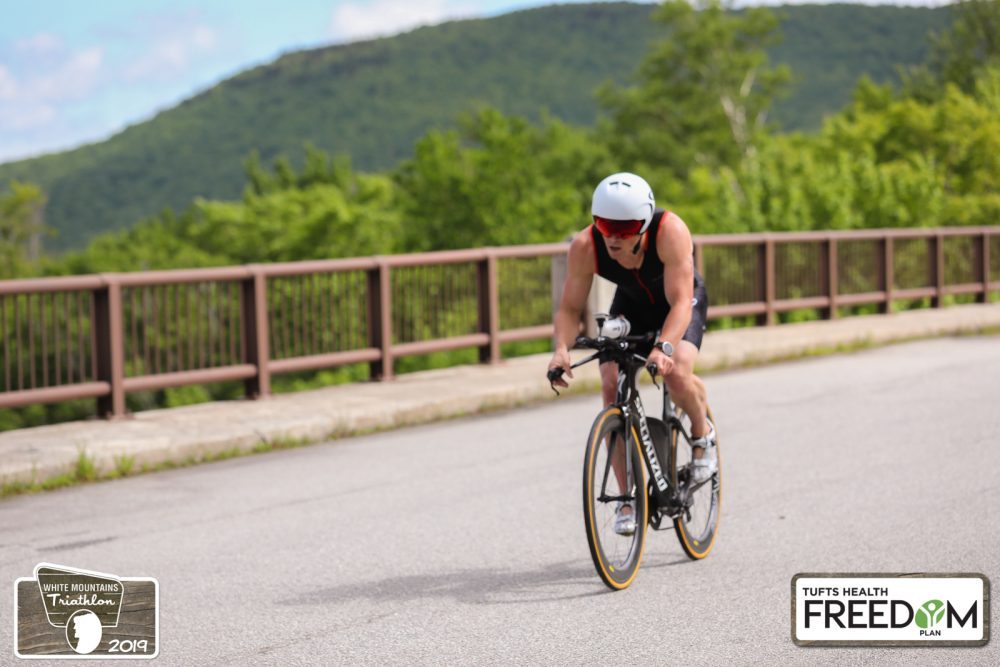
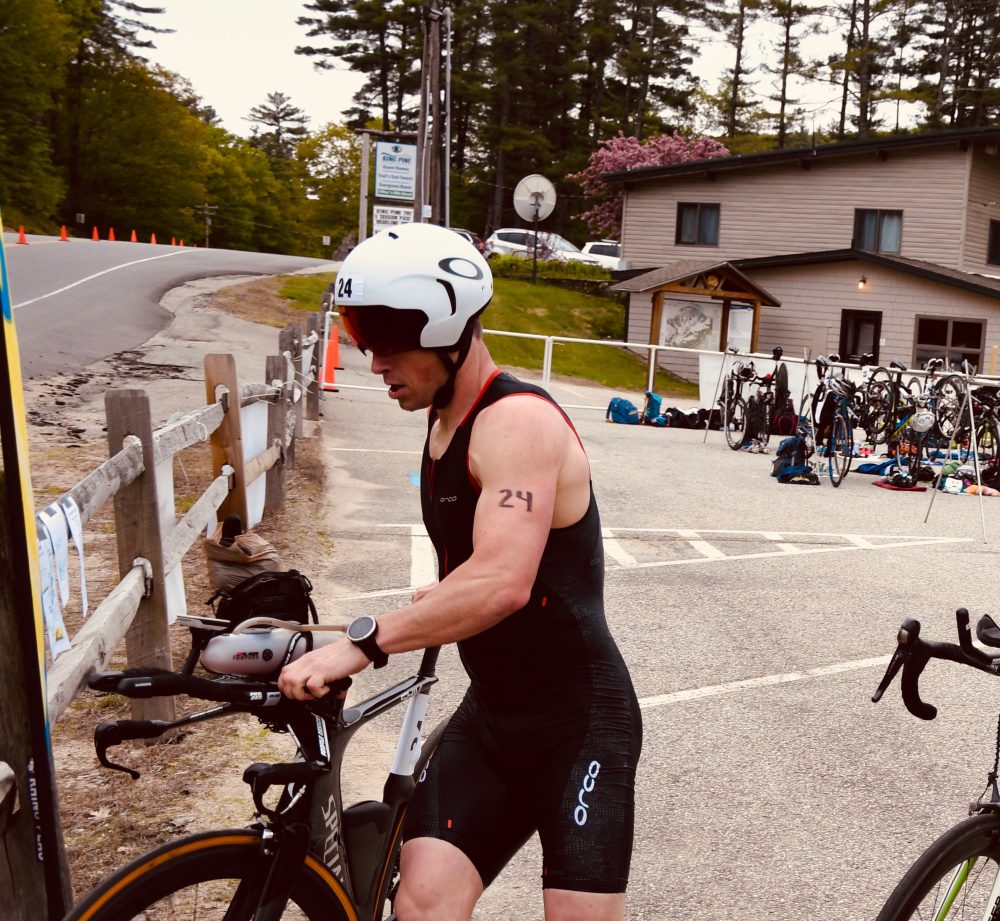
    Freeman mid-tri during the cycling leg of the Sunapee Tri. Freeman at the 2020 Sunapee Tri. (Photo: Millennium Running.)

    Freeman contested the Olympic distance Sunapee Triathlon on September 19. He placed second overall. But more to the point, he was able to race in a discipline in which he still feels he has room to improve. For a skier like Freeman, who was known for fastidious preparation, the many vagaries of triathlon suit his disposition. Along with his blood sugar management on race day, the three sport format offers him myriad opportunities for gear, nutrition, and training tweaks. And according to Freeman, time is on his side in the short-run.

    “I am going to be 40 next month,” Freeman said. “From a triathlon standpoint, I have probably got one or more two years of getting faster before age makes me start getting slower. Part of the reason I like triathlon right now is I get faster until I am 42. If racing did not happen I still knew I was training towards something in the future. Like I was training for the next year.”

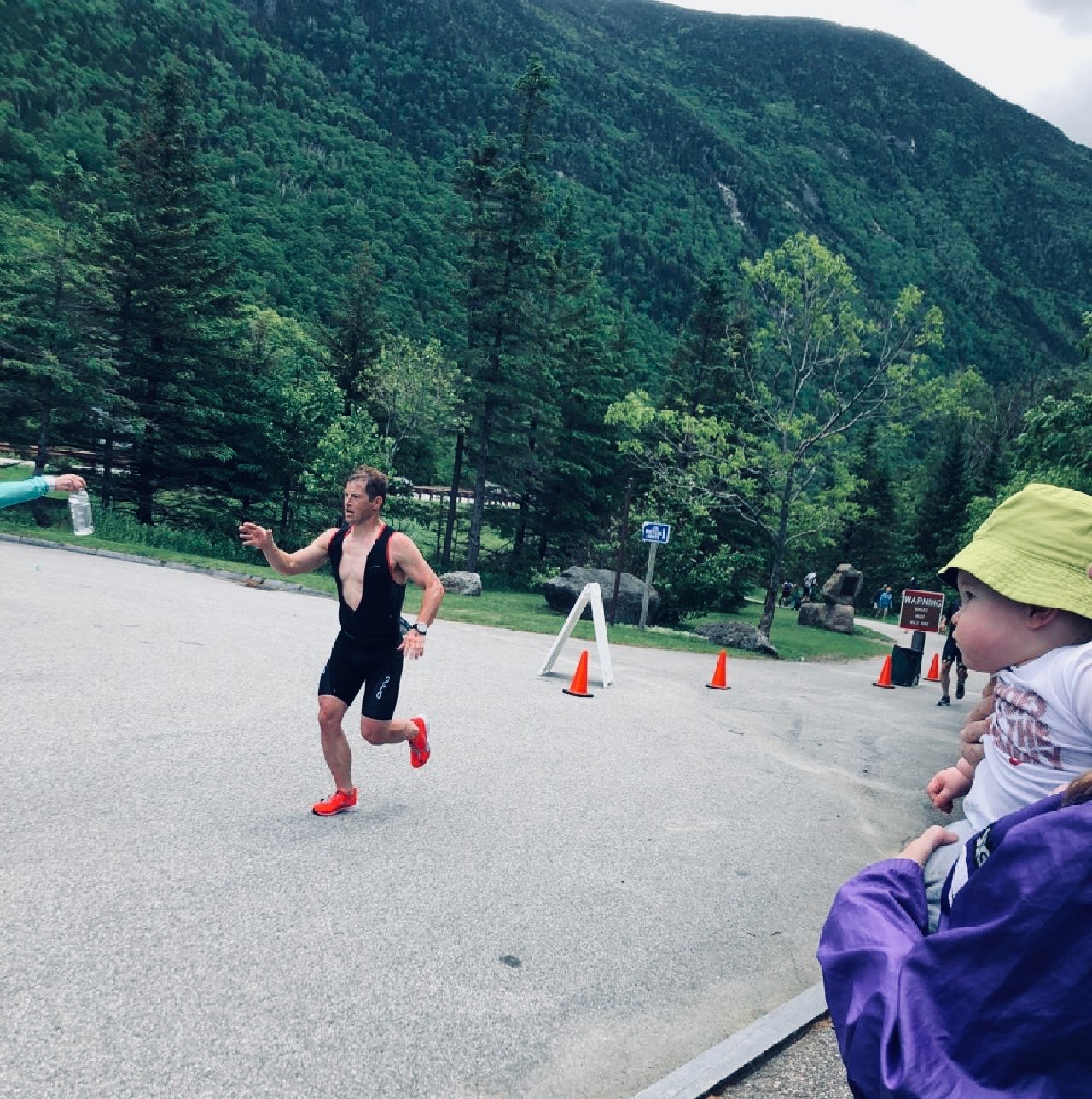
    Freeman during the running leg of the Sunapee Tri. (Freeman at the 2020 Sunapee Tri. (Photo: Millennium Running.)

    Along the way as he plans for races several years out, Freeman knows his diabetes makes him at greater risk to COVID complications.

    “Having diabetes makes getting sick more difficult across the board: A cold has a profound impact on my blood sugar levels,” he said. “For one thing, exercising makes you more sensitive to insulin. And if you are sick you don’t exercise and so you become less sensitive to insulin. For sure I am a higher risk for complications than somebody who does not have diabetes. I like to think that I am one of the better-prepared people with diabetes but you never really know.”

    As he continues to train and attempts, like many water sport athletes, to determine where and when to swim, he’s focused on simply maintaining a training plan, and keeping his fingers crossed that his window for speed in triathlon at a marquee Ironman event align. For those who have raced Freeman through the decades on the ski course, you’ll understand this: time seems to flow just a bit slower for Freeman.

    Forever young or not, he is aging well. Freeman turns 40 today. According to the plan, two more years of getting faster.

  • A Half Ironman Win: Next Up for Kris Freeman, the Lake Placid Ironman

    A Half Ironman Win: Next Up for Kris Freeman, the Lake Placid Ironman

    Kris Freeman during the 2019 White Mtn Tri. while his son Axl looks on. (Photo: courtesy Kris Freeman)


    This is the second story following Kris Freeman as he builds towards his first Ironman triathlon in late July. You can read part 1 here. 

    ***

    They are not baby steps, but they are incremental steps. Retired elite cross-country skier Kris Freeman has been eyeing the Lake Placid Ironman triathlon on July 28. As part of his step by step race and training plan for the full Ironman, Freeman contested an Olympic distance tri on June 1, and a Half Ironman on June 22.

    Freeman’s continues to push the boundaries of diabetes management in his post-ski career as well as his performance standards. Freeman placed second in the Olympic distance tri and according to the New Hampshire based athlete, he nailed his blood sugar management. 

    “It was actually about a perfect blood sugar profile as I could hope to have for a race,” said Freeman. 

    The Olympic distance race took Freeman 2:24.27 hours to complete. The Half Ironman, with roughly double the distance, would be a different blood sugar challenge. 

    “Because this race was going to be more or less twice as long as the last race, I decided I was going on a much reduced insulin level,” said Freeman.  

    Freeman’s experience with dialing in his insulin (which removes glucose from the bloodstream and returns it to the muscles) has taught him that as he goes into an anaerobic state and lactate builds, his blood sugar levels also rise. During longer race efforts, however, Freeman remains mostly aerobic. His insulin dosing strategy takes this into account. He does not want too much sugar removed since his lactate remains lower and his body releases less glucose as a response. During a four hour plus Half Ironman effort, Freeman also has the ability to augment his blood sugar levels by bringing more on board quickly with a sports drink.  

    In the Olympic distance tri, Freeman programmed his insulin pump for a small dose of insulin every five minutes. With the longer duration Half Ironman, Freeman strategized and chose to dial back his insulin dosage. 

    “I had been playing with the suspension and the reactivating of insulin in my longer workouts,” Freeman said. “And I have found that when I run just a constant low basal that it sometimes compounds on itself and I get an unwanted unexpected [blood sugar] low.” 

    A non-diabetic’s response during aerobic exercise is to initiate a physiological cascade releasing glucose to the system while suspending the release of insulin. When blood sugar levels rise, the body releases a dash of insulin as needed to stabilize blood sugar levels. 

    “I am just trying to replicate as best that I can,” said Freeman of his Half Ironman insulin dosing. 

    During Freeman’s June 22, Half Ironman, he used the same basal level of insulin as his Olympic tri for the first hour. He then suspended insulin delivery for the next two hours. 

    The swim took Freeman 32:42 minutes. The 56-mile bike, 2:30.37 hours. His insulin pump remained activated from the start through the first 30 minutes of his bike segment. For the remainder of the bike, he received no additional insulin until his pump reactivated as he began the 13.1 mile run.  

    “It then came back on for half an hour at the 1.0 rate, so I got a half unit over the course of a half-an-hour,” explained Freeman. “And then I turned it back off again. I figured it being at about three hours into the race when I would transition to running and I would have access to a lot of feeding again because the course loops back on itself through the feeding zones. I could get as much as I wanted at that point.”

    How did it all work out?

    Swimming is not Freeman’s strong suit. He thrives during the bike and run. He transitioned to the bike with several athletes to catch. Two strong swimmers had a six and four minute lead respectively as they began the bike.

    buy voltaren online

    During all this, Freeman monitors his blood sugar. He wants his blood sugar levels between 100 mg/dl and 180 mg/dl. He hears a specific audible alarm if he falls below or rises above those marks. 

    Kris Freeman during the 2019 White Mtn Tri. (Photo: Sarah Sheldon)

    Throughout the swim and bike, Freeman heard the alarm indicating his blood sugar was slightly high: in the 200 mg/dl range. He wanted to be lower.

    “I think the main thing that played into that, it is funny, I know what the race is, it is a regional level triathlon,” said Freeman. “This isn’t the end of the world or anything. But before the race, I am scrambling around. I am going to the transition zone, setting everything up, wondering how much time I have to put my wetsuit on. Things I am not used to doing and all of a sudden I am getting nerved up and my high glucose alarm goes off because that is an effect of being nervous.”

    Freeman believes that with the added nerves and the subsequent release of adrenaline, his blood sugar levels at the start were most likely elevated. But taking a larger dose of insulin at the outset to control for those nerves may not be the best long term strategy for Freeman. 

    The synthetic insulin Freeman used has a diminishing tail of effectiveness. The insulin dosage pulls the most glucose out of the blood and into the muscles 30 minutes post-injection.

    “Then it has a 2.5 hour tail until it is gone — it is like an ever reducing amount of effectiveness until it is played out,” Freeman explained. “When I am giving myself a dose before the race I need to take into account that this tail stretches into my race. Which is why I don’t take a ton of insulin before my race to control my nerves.”

    So despite hearing the alarm, Freeman stuck to his initial feeding plan: Three 20 Oz. bottles of untapped sports drink on the bike. 

    “Even though my blood sugar was high, I continued to feed and it never went over 220,” said Freeman. “When I came into the bike-run transition I was down to 180, which is about where I wanted to be.”

    His aerobic effort had burned through enough glucose to bring his levels down into the desired range as he moved towards the front. Freeman reeled in the eventual third-place finisher around mile 40 on the bike and the second place finisher during the run. He won in a time of 4:33.08 hours.

    At the end of the month, his first Ironman distance tri awaits. With it, a new set of data will be filed into Freeman’s catalog of insulin dosing and feeding strategies while racing. He estimates his time racing will at least double for the full Ironman. 

    “I am not expecting to break nine hours in Lake Placid,” said Freeman. “If I can break 9:15 I would be really happy. If I can break 9:30, I would still be happy. If I break 10, I would be like ‘that was alright.’ ”

    Freeman plans to use the fluctuating insulin plan in Lake Placid — he’ll be turning it off and on intermittently throughout his race. 

    “Running a low level of compounding insulin eventually catches up with me is what I have found,” said Freeman. “I like turning it on and off — even when I turn it off, I still have the tail from the last dose in there. So as long as I don’t turn it off for three hours I will always have insulin in my blood. That way I can time things a little bit for when I feed. And also the Ironman, it is a slower pace, it is a longer race. I may actually take out my pump controller at some point and give myself an additional amount of insulin if I need to. I can keep that controller in my transition zone and if I finish the ride, for example, and I have been running high all day and I really need some insulin, I can give myself that in the transition and it would cost me maybe 30 seconds to do so over a 9 or 9.5 hour race. Thirty seconds, you know, isn’t the same as would be in a two or four hour race.”

    For much of his career, Freeman has been a human test lab for choreographing the insulin-glucose duet. The progression from Olympic to Half to full Ironman offers another spelunk into his personal pain cave and data collection.    

    He’s got a 2.4 mile open water swim, 112 mile bike, capped with a 26.2 mile run to go on July 28.

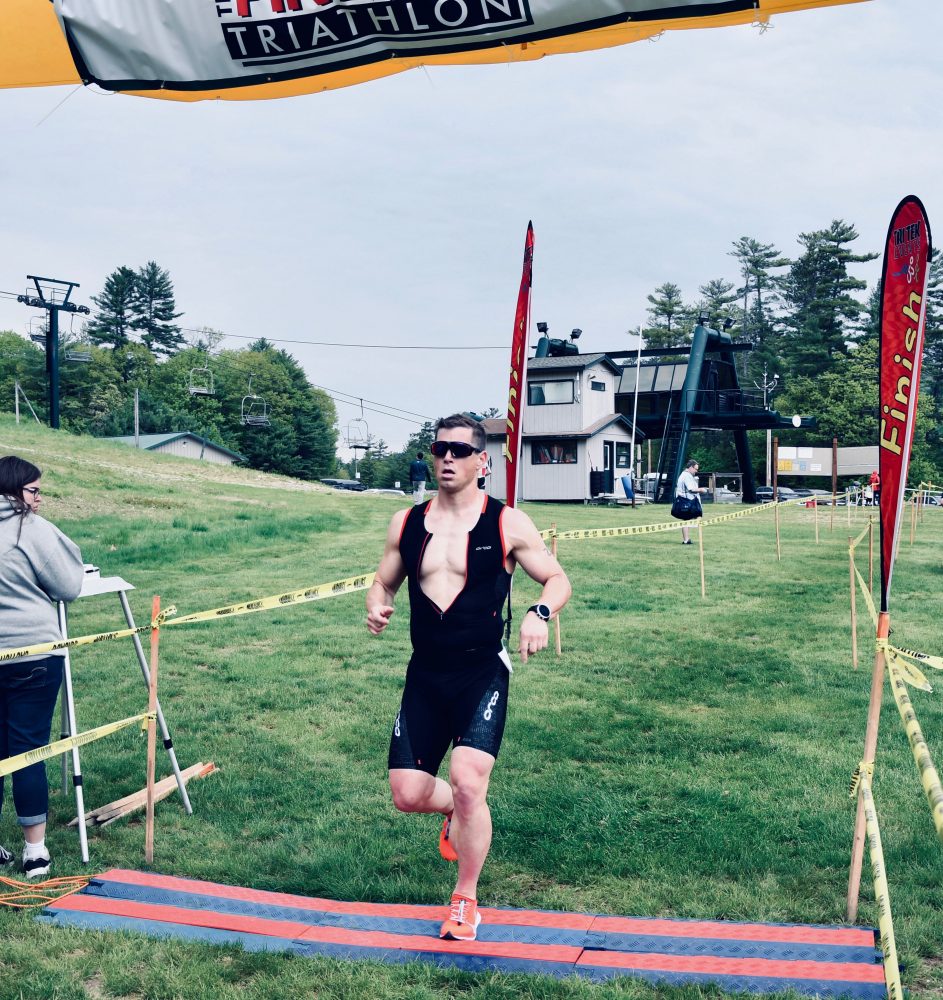
    Kris Freeman crossing the line in first place during the 2019 White Mtn Tri. (Photo: Sarah Sheldon)
  • From World Cups to Triathlons: Kris Freeman’s Diabetes Management and Pushing the Envelope

    From World Cups to Triathlons: Kris Freeman’s Diabetes Management and Pushing the Envelope

    Kris Freeman crossing the line in second overall during the 2019 King Pine triathlon in New Hampshire. (Photo: courtesy of Kris Freeman)

    Kris Freeman manages Diabetes. He did this on the World Cup for years and at four Olympics. He remains a competitor and continues to test himself since retiring from elite level skiing in 2018.

    “Retired” for Freeman means remaining fit and jumping into the odd cross-country ski race: he placed third this year in the National Championship 15-kilometer classic race in Craftsbury, Vermont.

    Freeman has turned his attention and his considerable capacities to triathlons.

    We were interested to know how Freeman had been approaching the sport and managing his Type 1 Diabetes in route to his first Ironman distance triathlon in Lake Placid, N.Y. on July 28. That effort will entail a 2.4 mile open water swim, a 112 mile bike, capped with a 26.2 mile run.

    The Lake Placid Ironman is Freeman’s primary goal for the season. To prime for that event, Freeman raced an Olympic distance tri on June 1, and has registered for a half Ironman on June 22.

    “I can take a lot of what I learned skiing and apply it to other sports,” said Freeman in a call in late May. “The issue with triathlon though are the shortest events I do are the longest events that I did in skiing.”

    The king race on the men’s World Cup is the 50k. A roughly two-hour race pushing the limits of an athlete’s aerobic capacity. An Olympic tri for Freeman clocks near 2:15 hours, the half-Ironman between 4 and 4.5 hours and the full in Lake Placid could go a bit over 9 hours.  Freeman has used a Dexcom continuous glucose monitoring system in conjunction with an insulin pump since 2010. The pump injects Freeman with a small dose of insulin every five minutes 24-7. For racing, he pre-programs his doses depending on how high or low he expects his blood sugar levels to be at certain points during the race.

    He brings sugar, or glucose, into his system by feeding. The insulin, coming from his pump, draws the glucose out of the blood and into the muscles.

    On the World Cup, a few variables kept Freeman from consistently nailing down the moving target of insulin dosing and how to pre-program his pump for a particular race.

    “Feeding was always stressful for me on the World Cup,” recalled Freeman. “We had limited staff a lot of the time. So we wouldn’t necessarily have an experienced feeder out there. The guys did the best they could, and a lot of the times we would, but sometimes, we have a volunteer doctor out there who had never fed before in a feed zone and I’m not finishing the race unless I get that bottle. And you come through in a pack of 30 or 40 guys and it is pretty crazy. I definitely had some stress a lot of stress about feeding on the World Cup.”

    Distance events were Freeman’s specialty. But the insulin dosage for a 15 k and a 30 k would differ drastically.

    “In a 15 k race, I am pretty much all out the whole way,” said Freeman. “I am anaerobic with lactates over 10mm/mol on every uphill and just gasping for air on the backside. Whereas on the 30 k you just cannot sustain that type of output for that long.”

    The anaerobic work during harder efforts, Freeman explained, pushes his blood sugar levels up — glucose is a byproduct of lactate.

    When programming insulin dosing for shorter races, like a 15 k, Freeman would have to factor in his expected increased lactate load. 

    “In the shorter races it was always more difficult to find that happy medium of how much insulin to take to cover my anaerobic workload without taking too much and crashing through the floor and going low in a race,” he said.

    Freeman explained that in the 30 k and 50 k races his lactate levels were moderated and he would burn primarily glucose for fuel which he could replenish with a timely feed. And his lower levels of lactate would not drive up his blood sugar levels.

    In the half and full Ironman distances, Freeman said he expects to be in an anaerobic state for a short period of time. The insulin dosing, he thinks, should be easier to determine. And the feeds in triathlon are simpler than in cross-country skiing. He can consume sugar in the form a sports drink during the swim-bike transition, and take continuous sips while on the bike, and as needed during the run.

    According to Freeman, the longer the triathlon event, the lower his insulin dosage.

    buy lotrisone online

    Freeman’s glucose monitor provides important audible feedback if his blood sugar trends in a too high or too low direction. A certain alarm chimes at the low or 100 mg/dl mark, and another at the 180 mg/dl mark.

    “Those are my chosen levels, because if I am below 100 I am not that far from an area, below 70 is going to negatively impact my performance from a low standpoint,” said Freeman. “Below 70 for a non-diabetic, you are bonking. And you are headed to a bad place. So that is just a warning like ‘ok I am below 100 I need to get some glucose on here so I do not go any lower. On the 180 side, if the chime went off, it is programmed to continue to chime every five minutes until it is no longer about 180. So I would listen for 15 minutes, ‘did I hear the chime again?’ Ok I did, I am going to hold off feeding. And if I really got concerned about my level, I could take the device out and look at it, because I am going to be on that bike for five hours so I could take a look if I needed to.”

    On the bike, for example, if Freeman hears the 180 level chime, he can cease taking on glucose until his workload “burned enough glucose and made me insulin sensitive enough that my levels just came down,” he said. 

    Prior to his Olympic distance tri on June 1, Freeman’s only other recent triathlon experience was last year’s Sea to Summit race that finishes atop New Hampshire’s Mount Washington. Freeman won that event in 5:41:37 hours despite what he said was some flawed insulin dosing.

    “I learned a lot because I had never done a race longer than a 50 k up until that point,” Freeman said. “And so then I am racing six hours and I actually took too much insulin. I took less insulin than I had ever taken in a 50 k and it was still too much.”

    Remember, the insulin pulls glucose from his system. During the Sea to Summit, his insulin levels removed too much glucose out of his blood despite what he believed to be a steady intake of sugar. (And he wasn’t producing lactate that would be converted into glucose.)

    In that race, he refueled on the bike, and then made an unplanned stop a half mile from the summit finish to consume what he called an “emergency flask” of UnTapped maple syrup.

    “I just drained like five ounces because I was dropping really quickly, and that got me to the top,” he said. “It was a good day. But definitely learned some lessons about how little insulin you need when you are at that aerobic glycogen burning state.”

    Kris Freeman during the 2019 King Pine triathlon. (Photo: courtesy of Kris Freeman)

    Adding to the physiological puzzle, Freeman said riding the bike is lactate intensive. Again, that has the effect of driving up his blood sugar levels, so he might need to refuel on the bike less than he originally thought.

    So how did the June 1, race go?

    Freeman began the race with a glucose reading of just over 180 mg/dl. He finished around the 150-160 range.

    “It was actually about a perfect blood sugar profile as I could hope to have for a race,” Freeman said in a post-race call. “And it is interesting because it was a two hour and 24 minute race which would be kind of like a 50 k ski race. And I used a more aggressive dose in the triathlon than I would have in a ski race. I fed about half what I would have in a 50k. And I think that the reason for that is that I am pushing such a high lactate when I am riding my bike, the lactate drives the sugar upwards. Also, when I am ski racing too, the downhills you truly do nothing when you are in a race. Which allows your body to catch up. In a relatively flat bike race, I am pedaling 99.8 percent of the time.”

    With a 33 mile bike portion on June 1, and a 56 mile bike for the half marathon, Freemen suspects he’ll not be pushing into the anaerobic zone as much in the later race. For now, his plan is to run half the dose of insulin for the half-marathon distance. A race approximately twice as long in total elapsed time than his recent Olympic distance performance.

    Kris Freeman’s blood glucose levels for the duration of his King Pine triathlon. The race began at approximately 8:15A and lasted 2:24:27 hours.  (Photo: courtesy of Kris Freeman)

    Freeman’s strategy on June 1, of drinking half-strength sports drink throughout the bike leg and then small quantities of full-strength sports drink at the start of the run, helped keep his blood glucose within the 100-180 mg/dl sweet spot.

    Lessons learned and applied. Freeman stated he needs to dial in his swimming (admittedly it is his least strong leg) and his swim to bike transition. Yet, his insulin dosing and feeding strategies passed the first triathlon racing test of the season. He placed second overall in the King Pine Olympic distance tri.  

    We’ll be following Freeman this summer to hear more about his build-up to his first Ironman in late July and learn more about what he learns when it comes to diabetes management and his high standard of performance.


  • Wednesday Workout: Testing the (Endurance) Waters

    Wednesday Workout: Testing the (Endurance) Waters

    FS intern Ian Tovell is a longtime skier and triathlete training for his first Ironman. Here, he provides an indoor-swimming workout for anyone looking to measure their endurance.
    FS intern Ian Tovell is a longtime skier and triathlete training for his first Ironman. Here, he provides an indoor-swimming workout for anyone looking to measure their endurance.

    Living in New England, the adult version of Christmas is waiting for the first snowfall. For most skiers in New England usually by the time the first race comes around you have skied once or twice on snow if you are lucky. The key to be race ready without going on snow is to train your body in race conditions. We do this by rollerskiing, running, strength, etc. One workout that I do to make sure my endurance is up where I need it to be is swimming. Swimming being one of the best aerobic exercises you can do (after nordic skiing, of course) is one of the main reasons a lot of skier use that in the offseason.

    Ian Tovell getting ready to dive right in.
    Ian Tovell getting ready to dive right in.

    Swimming is a great way to keep up your ski fitness while changing up your daily routine. As a nordic skier and triathlete, I like to mix up my workouts so that I can work on other muscles while still staying in shape for nordic in the winter. Being able to get to the pool and work on my endurance has made the transition to skiing quite easy.

    This past week, I did two hard workouts to really test the endurance level and see what I need to work on. The key was to make sure that the two workouts were separated by a few days to ensure I was rested between the two tests.

    Swimming Workout 1

    Warmup: 800 yards:

    • 300 choice
    • 100 kick
    • 6×50 strong (Level 3), each followed by 15 seconds rest
    • 100 easy

    Main Set: 950 yards (at Level 3-4):

    • 50 freestyle (1-minute recovery)
    • 100 freestyle (1:30-minute recovery)
    • 800 freestyle (2-minute recovery, or as long as you need before the cool down)

    Cool down: 250 yards

    • 5×50 Free

    Total Distance: 2000 yards

    Swimming Workout 2

    Warmup: 800 yards:

    • 300 choice
    • 100 kick
    • 4×75 build (Level 2-3), with each pool length (25 yards) faster than the last
    • 100 easy

    Main Set: 600 yards:

    • 200 freestyle as fast as you can (2-minute recovery)
    • 400 freestyle as fast as you can (2-minute recovery or as much time as you need before the cool down)

    Cool down: 350 yards:

    • 100 Choice
    • 5×50 easy

    Total Distance: 1750 yards

    During your warmup you should focus on your technique. This is the time to make sure that your technique doesn’t fall apart during the main set. The warmup is also the best time to get the junk out of your system and really gauge how your main workout will go.

    When you get to the main set, this is where the fun begins. The effort should be between Level 3-4, but be at a pace that you can sustain for the whole workout. For example, you shouldn’t do the 200 freestyle as fast as you can, then by the time you get to the 400 you die halfway through it. The times for each interval will be dependent on how fast you swim. Just like in skiing, you want to be as consistent as possible with your perceived effort. Both Workout 1 and Workout 2 should be done at the same effort to get the most accurate times.

    During the main set, one of the most important things is to make sure you take the appropriate rest between each set. During the rest, catch your breath, drink water and refuel your body before the next interval. Like in skiing, rest is just as important as the interval itself so ensuring you take the accurate rest is critical. The total time for each workout will vary depending on how long it takes you to warm up, race and cool down, but it usually will take about 40-60 minutes to complete from start to finish.

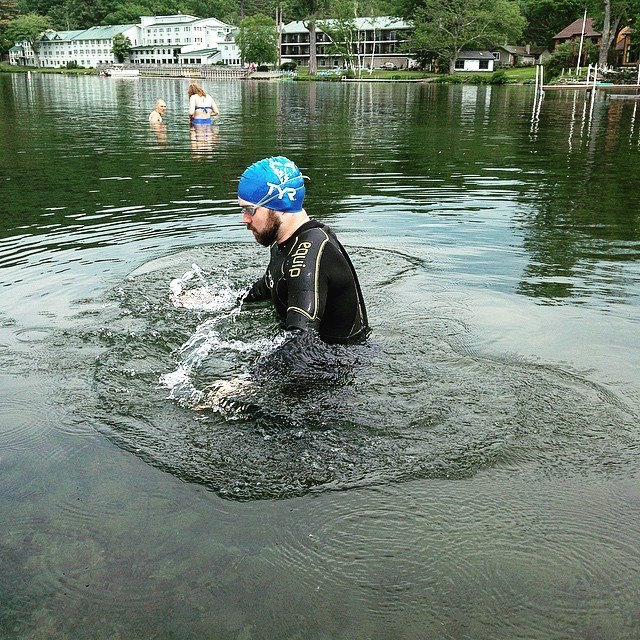
    Ian Tovell after the swim leg of a triathlon. Ian is training for Ironman Mont-Tremblant.
    Ian Tovell after the swim leg of a triathlon. Ian is training for Ironman Mont-Tremblant.

    The cool down is the final part of the workout and should be done fully. This will help to ensure that your muscles relax and you won’t be sore or unable to move your arms the next day. The cool down should be slow and easy with the effort being Level 1 or less.

    A little background about myself is that I am not only a nordic skier, but I am also an avid triathlete. I am currently training for Ironman Mont-Tremblant, and this is part of my own Ironman training plan. I have done triathlons for the last 12 years and have been a nordic skier for the last 16 years. I have found a great balance between both and have found that each helps me prepare for the other. I have a great coach, Kyle Burnell, who works for PBM Coaching and provides me with workouts to help reach my full potential.  He gave me this workout in order to test my “Critical Swim Speed” so that when I am in the pool I will have paces to hit based on the perceived effort for each workout.

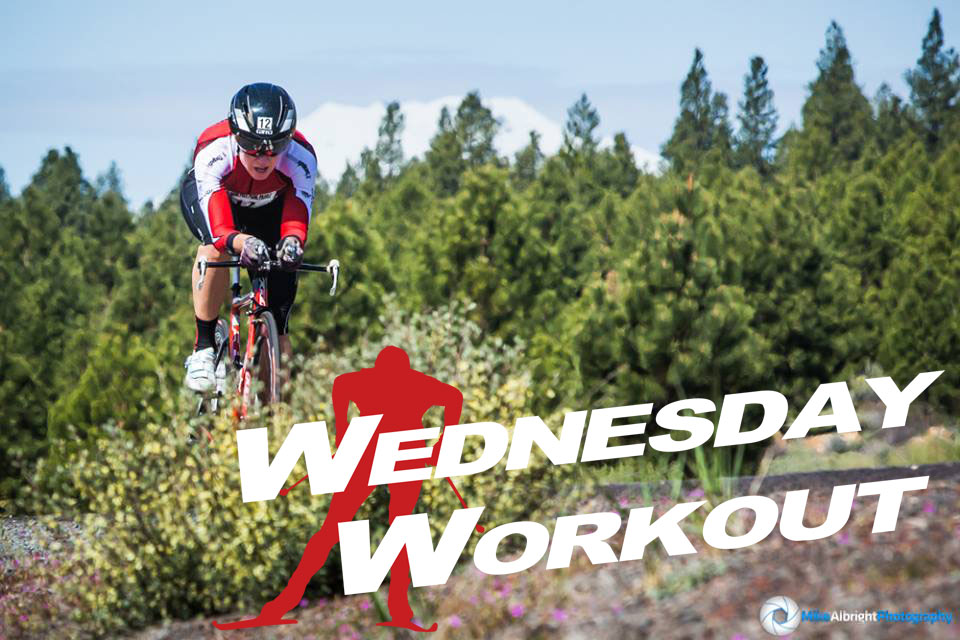
  • Wednesday Workout (PPP Bonus!): Ride/Run & Run/Play with Sarah Max

    Wednesday Workout (PPP Bonus!): Ride/Run & Run/Play with Sarah Max

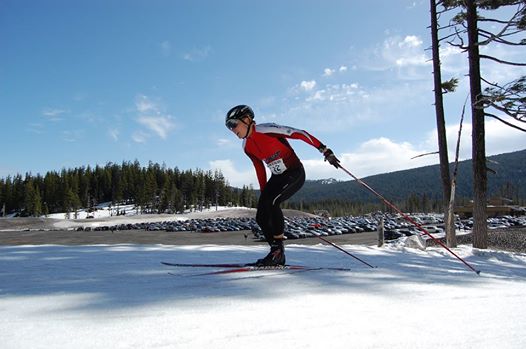
    Sarah Max (XC Oregon) on her way to winning her fourth Pole Pedal Paddle title on May 17 in Bend, Ore. (Photo: Mike Albright/Mike Albright Photography)
    Sarah Max (XC Oregon) on her way to winning her fourth Pole Pedal Paddle title on May 17 in Bend, Ore. (Photo: Mike Albright/Mike Albright Photography)

    After racking up her fourth Pole Pedal Paddle (PPP) victory on May 17 in Bend, Ore., Sarah Max got back to her day job as a financial writer (for publications like The New York Times, Barron’s, Entrepreneur, and Money Magazine) and executive editor of 1859 Oregon Magazine. At 39, she’s a mother of 11-year-old twins, yet Max still finds time to train and race with XC Oregon in Bend, focusing on ski marathons throughout the winter.

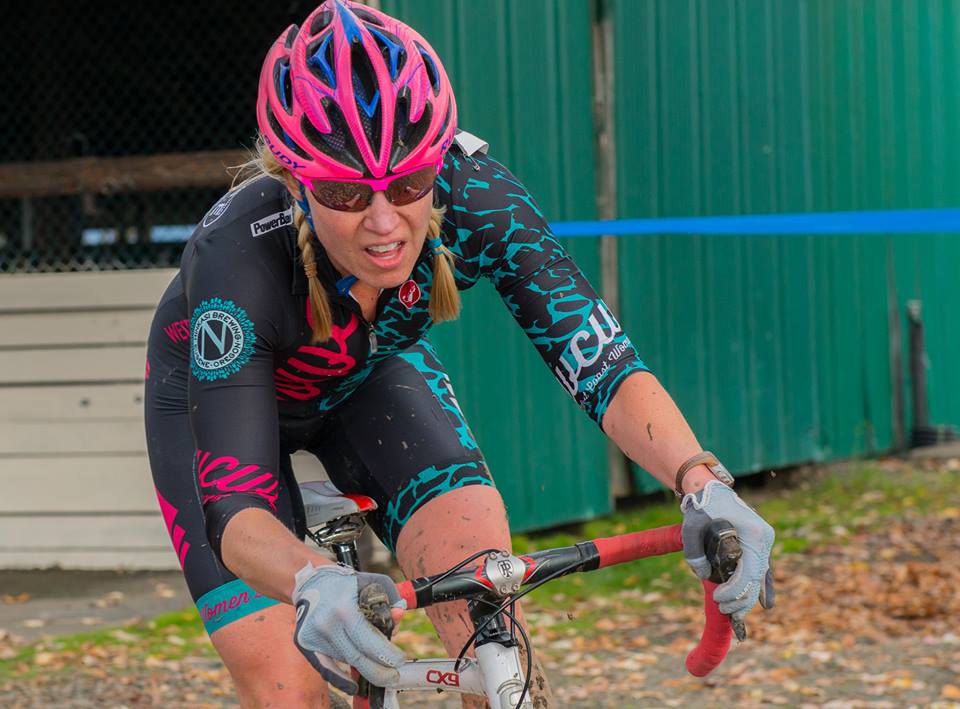
    Sarah Max during a cyclocross race. (Courtesy photo)
    Sarah Max during a cyclocross race. (Courtesy photo)

    “I’ll probably stick with a similar program as the last couple of years, which is a few bigger races, ideally in fun locations,” she wrote in an email. “Next year I may go do the Norwegian Birkie again. (I’m not a great classic skier, so like the challenge of a long, hard race.) I will probably do American Birkie again too… It’s just a nice, hard race.  I usually do Boulder Mtn Tour every year, partly because my whole family likes to go — though that course doesn’t suit me. I like to ease my way into a race, and there is none of that there.”

    After her seventh solo PPP (she’s also done it other times with a team), Max will likely move on to cyclocross races in the fall and some off-road triathlons or other multi-sport events this summer. This Saturday, she’s doing the Hood 2 River Relay for the first time as a pair.

    In preparation for the PPP, she wasn’t overly regimented with her workouts (especially after winter of ski training), but she did work on running (see below). 

    ***

    After a winter of planned workouts, I generally don’t follow a training plan for the Pole Pedal Paddle. This year followed a similar script. Starting about six weeks before the event, I tried to get in most of the major events (ski, bike, run and paddle) about twice a week, with some doubles on a few of those days. Skiing was lowest on my list of priorities since I already had ski fitness and didn’t want to use up precious training time driving to and from Mt. Bachelor. Plus, I was ready for a change of pace.

    Sarah Max on her way to another Pole Pedal Paddle victory on May 17 in Bend, Ore. (Photo: Neil Korn/BendOR Magazine)
    Sarah Max on her way to another Pole Pedal Paddle victory on May 17 in Bend, Ore. (Photo: Neil Korn/BendOR Magazine)

    Most of my workouts were short, usually about 45 minutes to 90 minutes tops. My thinking was that since I have a pretty big base going into the spring – training for the 90km Swedish Vasaloppet is good for that – endurance wasn’t as important as sports specificity.

    Up until a couple weeks before the race, I planned my workouts around the weather, which always a crapshoot in the spring in Bend, and what my friends were doing. Probably the best thing about training for something with so many different legs is it opens the universe of workout buddies.

    To recap, the PPP is a short alpine ski, followed by an 8km skate, 22-mile bike, 5-mile (ish) run, 1.5 mile paddle and short sprint to the finish.

    The hardest part of the race for me, and probably most individual racers, is the run. The run in and of itself isn’t bad. It’s when you do it after alpine skiing and Nordic skiing on icy conditions, then going hard on the bike. The first 10 minutes of running always hurts. A good way to prepare for this is to tag on a short run to most of your bike workouts or do a quick bike before your longer runs. In the triathlon world this is known as a “brick,” an apt term for the discomfort of biking then running.

    Here’s one workout I did along those lines.

    The Plan: 1 hour 15-minute road ride followed by 15 minute run.

    Warm up: My house is on the road heading toward Mt. Bachelor, which is the PPP bike course. I started out my door riding easy for the first 20 minutes, where the grade is relatively gentle.

    Uphill intensity: When I hit the steeper section I started a 30-minute tempo workout, keeping my heart rate about five beats below threshold. Normally I would let myself climb out of the saddle for the steeper stretches, but I tried to stay seated for most of this.

    Downhill speed: At about 50 minutes total, I turned back for the downhill. Rather than just coasting, I tried to keep pedaling through the downhill and working the few uphill sections and flats going back to my house. I can usually get back down the hill in half the time it takes to get up.

    Transition: With my garage as my staging area, I changed out of bike shoes and helmet and into running shoes. Though it was tempting to go in the house and check email, change out of bike shorts, I tried to keep the transition quick, for maximum discomfort going into the run.

    Ugh, the Run: Probably the most important thing about the bike to run transition is knowing that it will hurt and that you will feel slow. I play different mind games to get through the first 10 minutes, anything to just keep my legs moving. After about 10 minutes, like clockwork, things improve immensely. Though I’d planned to just run 15 minutes, I ended up going about 30 minutes.

    Cool down: Since the hard part of my workout was the bike, my run was effectively a cool down. That said, I usually slow things down for the last five minutes and walk another five minutes. I try to stretch a little before I head back into the house… not always successfully.

    Here’s another notable workout, mostly because it illustrates the crazy logistics that go into training for and doing this race:

    The plan: 1 hour run and soccer/paddle

    A week before the race, my twin daughters (11 years old) wanted to run the PPP course. They competed on a team this year, with Izzy doing the Nordic ski and Fiona doing the run, which was 2.5 miles for teams 12 and under.

    My husband, Kevin, and I loaded my surf ski onto my car, and we all piled in – dog included. Kevin dropped us off at the start of the run course. While my girls and I ran the course, he drove the boat to the boat put-in at the river and took our dog for a run.

    After a pretty quick run lead by Fiona, the girls helped me unload my boat and get it into the water. They grabbed their soccer balls and had a kick around, and I banged out a 30-minute paddle.  An hour after we left our house, we all loaded back into the car.

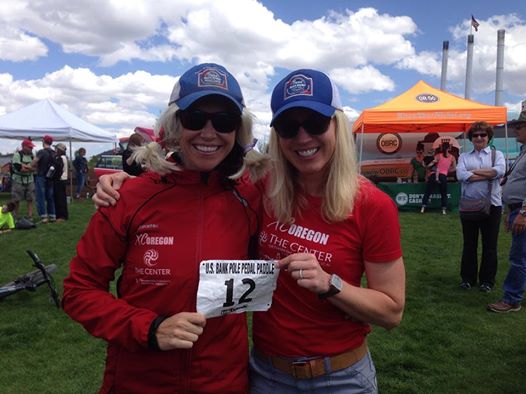
    Sarah Max (r) with her "twin," Amanda Porino, her support person who surprised Max by dressing as her for the Pole Pedal Paddle on May 17. (Courtesy photo)
    Sarah Max (r) with her “twin,” Amanda Porino, her support person who surprised Max by dressing as her for the Pole Pedal Paddle on May 17. (Courtesy photo)
  • After Variable Season, Scott Refocuses on Skiing with Trip to Norway

    After Variable Season, Scott Refocuses on Skiing with Trip to Norway

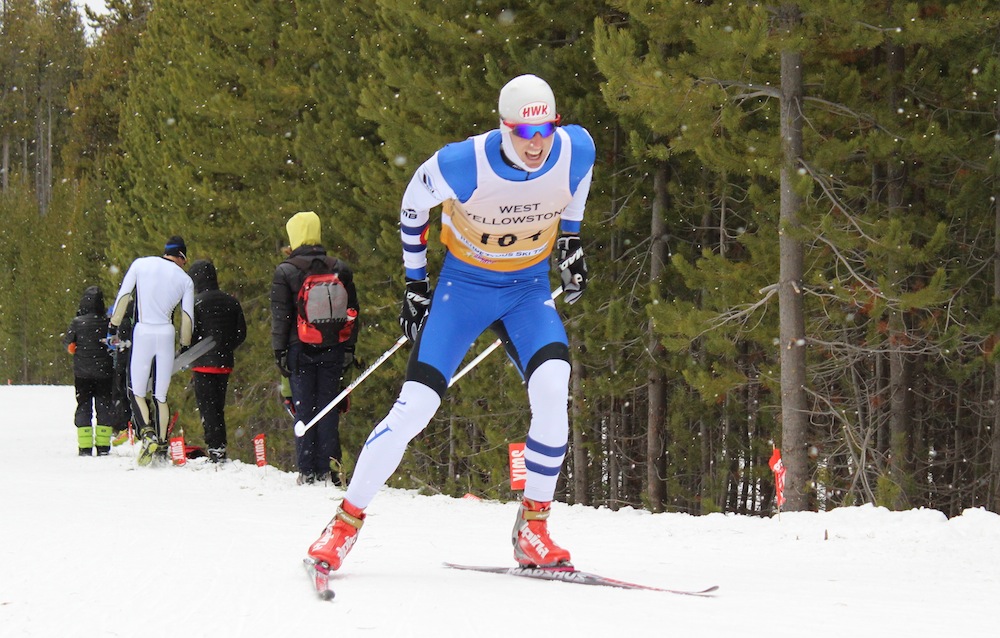
    Ryan Scott (SSCV/Team HomeGrown) bringing it home for his first career win at the West Yellowstone SuperTour prologue on Nov. 24.
    Ryan Scott (SSCV/Team HomeGrown) bringing it home for his first career win at the West Yellowstone SuperTour prologue on Nov. 24.

    From the outside, Ryan Scott’s 2012-2013 season seemed to be an inconsistent one. The 23-year-old sprinter for Ski & Snowboard Club Vail/Team HomeGrown started off strong, with a win at West Yellowstone and a podium in Bozeman, Mont, and his early season success earned one of the coveted spots to the Canadian World Cups in December. But in Quebec City he started to lose steam; he got sick upon arrival and didn’t race as he would have liked, taking 60th in qualifying in Quebec and 51st in Canmore.

    By the time Scott got to Soldier Hollow, Utah, for U.S. Nationals, he says he was “a little deflated.” He posted the fifth-fastest classic sprint qualifying time but didn’t reach the finals in either discipline. At the Midwest SuperTours later that month he didn’t make the finals, either, and after taking fourth in the sprint prologue in Aspen, Colo., Scott took a six-week break from racing while many of his peers raced Continental Cups in Europe. At SuperTour Finals he only entered the first two races, taking 26th in the classic sprint after qualifying eighth.

    By Scott’s own assessment, it was not season he’d hoped for.

    “There was really no game plan after January,” he said on the phone on Wednesday. “It was my fault; there was a lack of funds and I was unable to lay out much racing or get over to Europe to compete over there.”

    Despite the down year, Scott is motivated for another season and hopes to bring his sprinting to another level in the upcoming Olympic year. Part of his plan to accomplish this involves taking a trip to Norway for a month this June to train with college friends and travel the country.

    “Summer is a great time to go, because the training isn’t as structured,” Scott said. “It’s nice and sunny for the most part and it’s a break from training in the U.S. There’s different people to training with — new training stimuli — and that’s always exciting… I have a structured plan, I know what I should be doing and the different aspects to focus on, so it’s easy to jump in and do training with other people and have a little bit of an adventure, too.”

    Through connections with old Montana State University roommates and friends from college skiing, Scott will make stops in Oslo, Lillehammer, Trondheim and possibly a few more cities. In Oslo he’ll train with University of Colorado alum Vegard Kjoelhamar and his club, and in Lillehammer Scott will connect with another CU skier, 2013 NCAA Champion Rune Ødegård.

    Ryan Scott
    Scott racing in Canada this December.

    “I guess he’s good friends with Sjur Røthe, so there’s a good training group there,” Scott said.

    To add some competition to the trip, Scott will compete in the St. Olavsloppet, a four-day 350 k point-to-point running relay between Östersund, Sweden, and Trondheim. There are generally 15 people per team and each member rotates through 4 – 13 k legs. Scott participated in the race three years ago on a similar trip to Norway. The race generally attracts a large number of elite and recreational competitors; in 2012 the winning team included Eldar Rønning.

    While abroad, Scott also plans to meet up with his father, six-time Ironman World Champion Dave Scott, and compete in a triathlon “for fun.”

    “I’ll try to be in good shape for it, but I don’t know how much swimming I’ll be doing,” he laughed.

    Scott says that lightly, but he comes from an impressive family of elite athletes. Dave Scott was the most dominant triathlete in the Ironman distance in the 1980s, and Scott’s younger brother, Drew, is beginning to make a name for himself, too — he was second at the USA Triathlon Olympic Distance Nationals last season.

    Scott’s connections to the top level of triathlon begs the question: what ties him exclusively to skiing?

    “The racing aspect in triathlon is pretty exciting as well, but I’ve always been more drawn to skiing,” he said. “The only tough thing with skiing is there isn’t as much of a clear path to the top on how to move up. After a while it gets a little harder…there’s definitely not as much support or money in the sport, which makes it quite difficult, so most skiers I know are working on the side or full time.

    “My heart’s always been in skiing, but we’ll see,” Scott continued. “I’m not going to stick around skiing just to be a decent domestic skier. I think if I don’t break through in the next few seasons I might stop and pick up another profession or switch to triathlon.”

    When he comes back to the U.S. in mid-July, Scott plans to have a fresh outlook on skiing. His big goal this year is to qualify for the Olympics in Sochi, Russia, as a sprinter. He believes it’s difficult to maintain a full race schedule as a sprinter in the U.S., but he’s committed to the shorter distance.

    “I’m going to be focused solely on sprinting,” Scott said. “I think the disparity between distance skiers and sprinters will be more apparent this season. The all-arounders — there’s not much point to it other than the SuperTour leader’s bib, but as far as the Olympics are concerned they’ll be looking at the top in either sprint or distance, so it’ll be tough to sit in the middle.”

    Scott also wants to make it back to the World Cup. His experience in Canada last December was dampened by illness, but he says the exposure to the top level of racing was valuable.

    “It’s very motivating,” Scott said. “It’s just such a difference from our SuperTour races, where you have a few people cheering, to suddenly thousands of people cheering. Just the excitement was a really positive note of being there. So obviously I’d like to train hard and hopefully race fast and have another opportunity to show myself on the World Cup.”