From the FasterSkier archive — posts syndicated from athletes’ and coaches’ own blogs between 2004 and 2012, kept online as published. Current coverage is at fasterskier.com.

Tag: U.S. Paralympics Nordic Skiing

  • U.S. Paralympics Nordic Skiing On a Roll at Para Worlds in Lillehammer

    U.S. Paralympics Nordic Skiing On a Roll at Para Worlds in Lillehammer

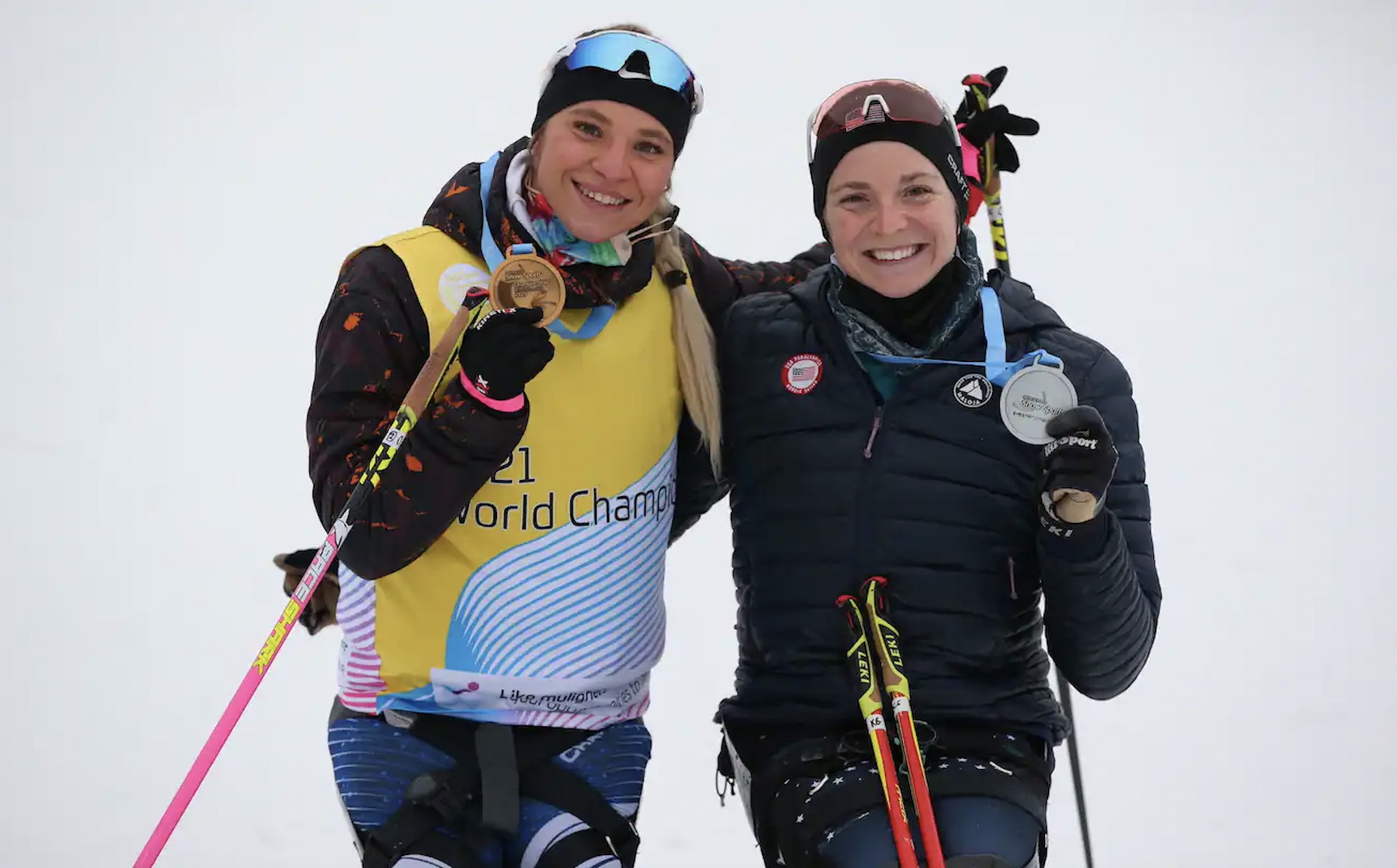
    Oksana Masters (left) and Kendall Gretstch (right) go 1-2 in the women’s 15k sitting long distance cross country race. (Photo: Alex Livesey/Getty Images)

    It’s late January and we’re deep into the race season. As the Olympics and Paralympics draw nearer, we’ve simultaneously just wrapped up the Tour de Ski, the U.S. Cross Country Championships, and another wave of SuperTour races. Never a dull moment in the racing world, the Para World Championships are currently well underway, running January 13-23rd in Lillehammer, Norway. 

    Normally occurring on odd years, the World Championships were postponed from last February due to the pandemic. Nevertheless, the event was called the Lillehammer 2021 World Para Snow Sports Championships. It was a hallmark event, as it is the first time that all snow sports have competed together in one location over the same dates.

    Led by well-decorated veterans like Oksana Masters, Kendall Gretsch, and Dan Cnossen, the U.S. Para Nordic Team has put together a string of outstanding results at World thus far. Events have ranged from biathlon springs to cross country distance races, with athletes competing – and cleaning up – across all disciplines and distances.

    Kicking off the series of events, Sun Valley’s Jake Adicoff took home his career first World Championship medal by winning the men’s visually impaired 10-kilometer middle distance race.

    “It feels great,” Adicoff said of his performance, according to the Team USA Press Release. “Lillehammer has been skiing really well so far, I’ve been having a lot of fun here. It feels great to go and get that first podium, and hopefully we can go out and get some more here.”

    Jake Adicoff and his guide Sam Wood put together a gold medal performance on the opening day of racing at the Para World Championships in Lillehammer, NOR. (Photo: Alex Livesey/Getty Images)

    Adicoff retired in 2018 after earning a silver medal in the 10k and taking 4th in the sprint, however, he is making his return with a bang in this 2021/22 season. 

    Building momentum throughout the first day, 19-year-old Sydney Peterson earned a silver medal in the women’s standing middle distance race, with Gretsch earning the second gold medal for team USA in the women’s sitting 7.5k middle distance event. That’s three medals, two gold and one silver, on the first day of racing, along with an additional two athletes, Cnossen and Dani Aravich, earning top-10 finishes. 
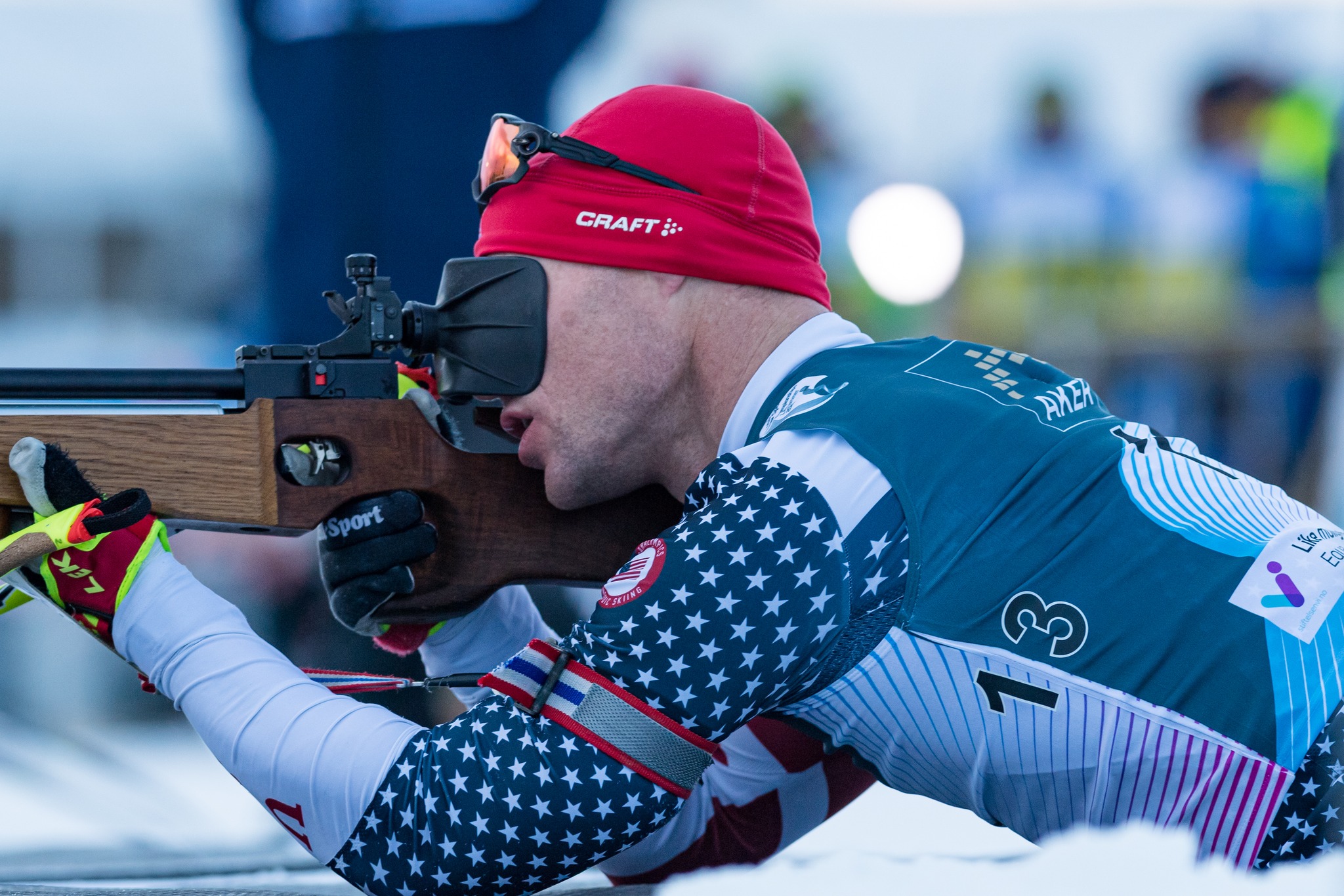
    Dan Cnossen hits the range during the individual sitting biathlon event at the Para World Championships in Lillehammer, NOR. (Photo: Alex Livesey/Getty Images)

    Joining the team in Lillehammer late after testing positive for COVID-19 on New Year’s Eve, Masters made a smooth return to competition, taking second place in her first race at Worlds, the sitting biathlon sprint on January 15th. The next day, the American women took first and third in the sitting biathlon middle distance race, with Gretsch earning her second gold medal of the week and Masters adding an 18th World Championship medal to her ever-expanding collection.

    On point, a perfect shooting performance contributed to Gretsch’s gold, while Masters skied her way out of a significant deficit. Experiencing challenges on the range, Master’s racked up seven penalties, but made up her shooting with her skiing. In the men’s sitting race, Master’s partner, Aaron Pike, skied his way into the Top-10, a rank he has achieved in each of his World Cup races this season, leaving him primed for a medal. 

    Two days later on the 18th, Masters and Gretch again took the spotlight, going 1-2 in the women’s sitting 15k long distance cross-country race. Now reaching 19 total, this marked Masters’ 10th career World Championship gold medal.

    “It’s absolutely incredible,” Masters said in the Team USA press release that day. “It feels like yesterday where I was that new athlete, never thinking that I would be a world championship athlete. So, to have 10 now … is incredible and it’s a testament to our team’s hard work. It’s not just me, it’s the whole team.” 

    Already an historic day for the U.S., Peterson and Adicoff continued the medal streak in the long-distance cross country races, with each athlete earning a bronze medal in the standing and visually impaired divisions, respectively. Four Americans competed that day, and four medals were won. How’s that for success? 
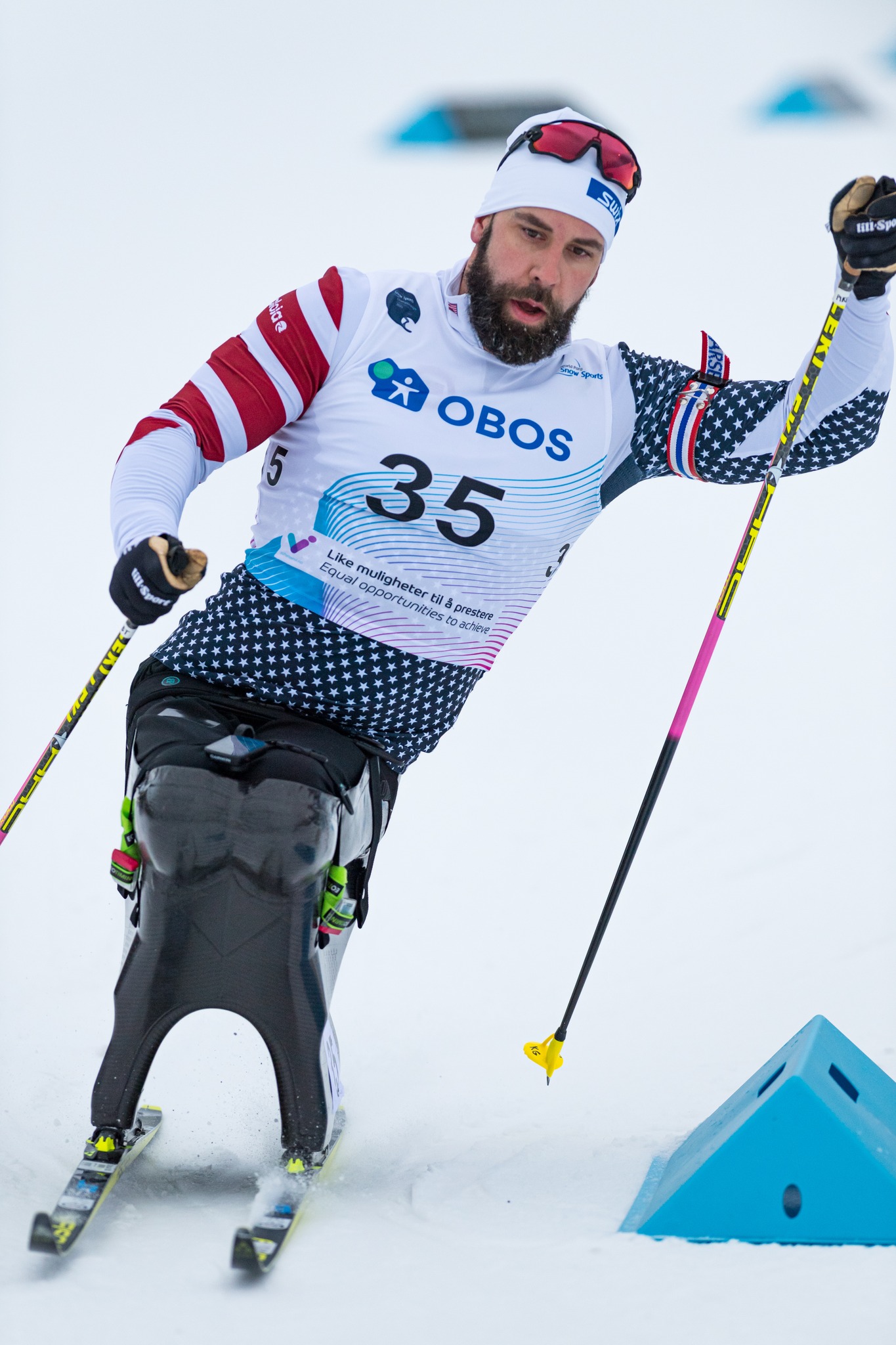
    Aaron Pike races the individual sitting middle distance biathlon event at the Para World Championships in Lillehammer, Norway. (Photo: Alex Livesey/Getty Images)

    As the final days of World Championship racing kicked off, Pike’s consistency paid off with a silver medal in the men’s sitting individual biathlon event. Missing just one target, matching the best result of the event, Pike finished 24 seconds back on the winner, Pavlo Bal of the Ukraine. This result is both a World Championship and overall World Cup career best for Pike, who is an accomplished wheelchair racer during the summer season. 

    “It was a tough day to be shooting out there, everybody’s missing so I was happy to come away with just missing one shot,” said Pike in today’s recap. “This is probably the windiest race we’ve had in three years. Every chance you get to put a bib on and race in a biathlon race is experience.”

    Racing in the women’s sitting individual biathlon, Gretsch and Masters continued to dominate the field, taking first and third, respectively, to keep their medal streak alive and well.

    Again performing well on the range, Gretsch missed just one target in four rounds of shooting and skied the second fastest time on course for a finish time of 52:25.0. While Masters skied the fastest time of day, she again faced challenges in her shooting, incurring five penalties, leaving her 3:00.7 behind Gretsch in the final results. In the women’s standing class, Aravich earned another top-10 finish in eighth. 
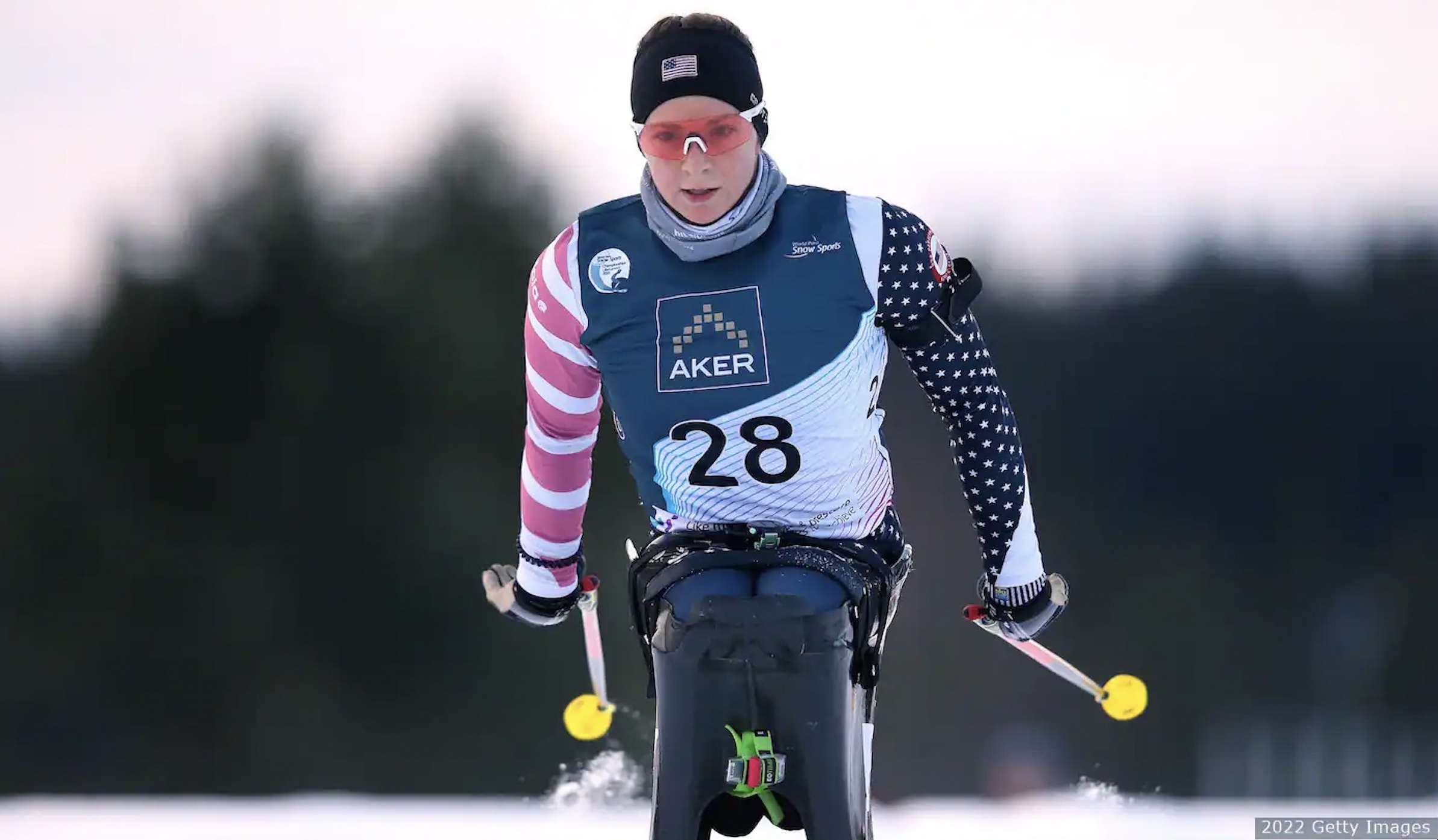
    With excellent shooting records, Kendall Gretsch puts together back-to-back gold medal performances in biathlon events. (Photo: Alex Livesey/Getty Images)

    After a day of rest, the Para athletes have two final days of racing in Lillehammer on the 22nd and 23rd, which feature a sprint for the standing and visually impaired categories on Saturday and a Mixed Relay on Sunday. Based on the week’s results, it’s clear that they are primed for another medal run in the upcoming 2022 Beijing Paralympic Games, which begin March 4th. 

    Livestreams of past and upcoming events, along with links to results can be found on the U.S. Paralympics Nordic Facebook page, or you can check out the remainder of snowsport events happening this week in Lillehammer by following along here.

  • Opportunity Knocked: Opportunity Seized

    Opportunity Knocked: Opportunity Seized

    By: Paige Elliott

    The call to action is clear: Nordic skiing needs more women coaches. From the launch of the Women’s Ski Coaching Association to former U.S. Ski Team coach Pete Vordenberg’s editorial on FasterSkier to Dr. Nicole LaVoi’s keynote presentation at U.S. Ski & Snowboard annual National Cross Country Coaches Symposium, gender equality has been at the forefront of recent conversation in the Nordic community.

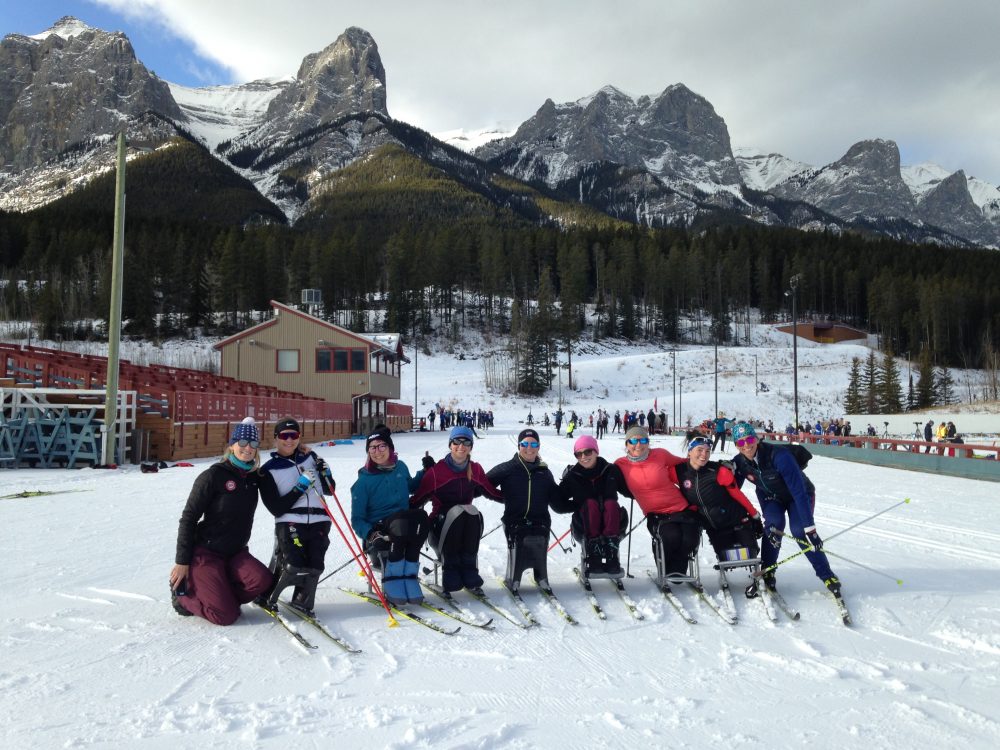
    USPN coaches Eileen Carey (far left) and BethAnn Chamberlain (far right) with members of the women’s team at a recent training camp in Canmore, Alberta.

    I believe in this mission and therefore want to highlight a program that is doing an exemplary job of developing, advancing, and retaining female coaches, yet has been largely absent from the conversation. That program is U.S. Paralympics Nordic Skiing (USPN).

    When asked why he thought female coaches are so scarce in the Nordic world, John Farra, the former director of USPN, answered, “My theory would be that women are not encouraged as often or aren’t provided as many opportunities to take leadership roles in the Nordic space.”

    This thought is consistent with research conducted by Dr. Nicole LaVoi and the Tucker Center for Research on Girls & Women in Sport at the University of Minnesota. Even without the research, plenty of women coaches can provide anecdotal evidence regarding the frustration of their experiences trying to break into a typically male-dominated field. 

    “How many women have stopped coaching because they don’t feel valued, or are not given opportunities to advance?” said Eileen Carey, current director of USPN. “If more women had better experiences coaching, we’d probably have more women coaches.” 

    This is why I was surprised when USPN invited me to test skis with the glide wax department at the Paralympic Games in PyeongChang, South Korea in 2018. I had been coaching juniors with Durango Nordic Ski Club for five years, but was new to para-Nordic skiing and international level competition. USPN gave me the opportunity to learn. 

    One of the first things I noticed upon arriving in South Korea was that for the first time in my coaching experience, I wasn’t outnumbered by men. Of the 14 coaches and support staff members, seven were men and seven were women. Furthermore, the women, who included powerhouses like Carey, Kristina Trygstad-Saari, and BethAnn Chamberlain, were far from statistical tokens. (Chamberlain was just recognized by the USOPC as the Developmental Coach of the Year.)

    “[John Farra and I] made the decision on how we wanted to build our staff based on who was really competent and who was good in a team environment,” said Carey. “We chose who was best for the job, and that happened to be half women.”

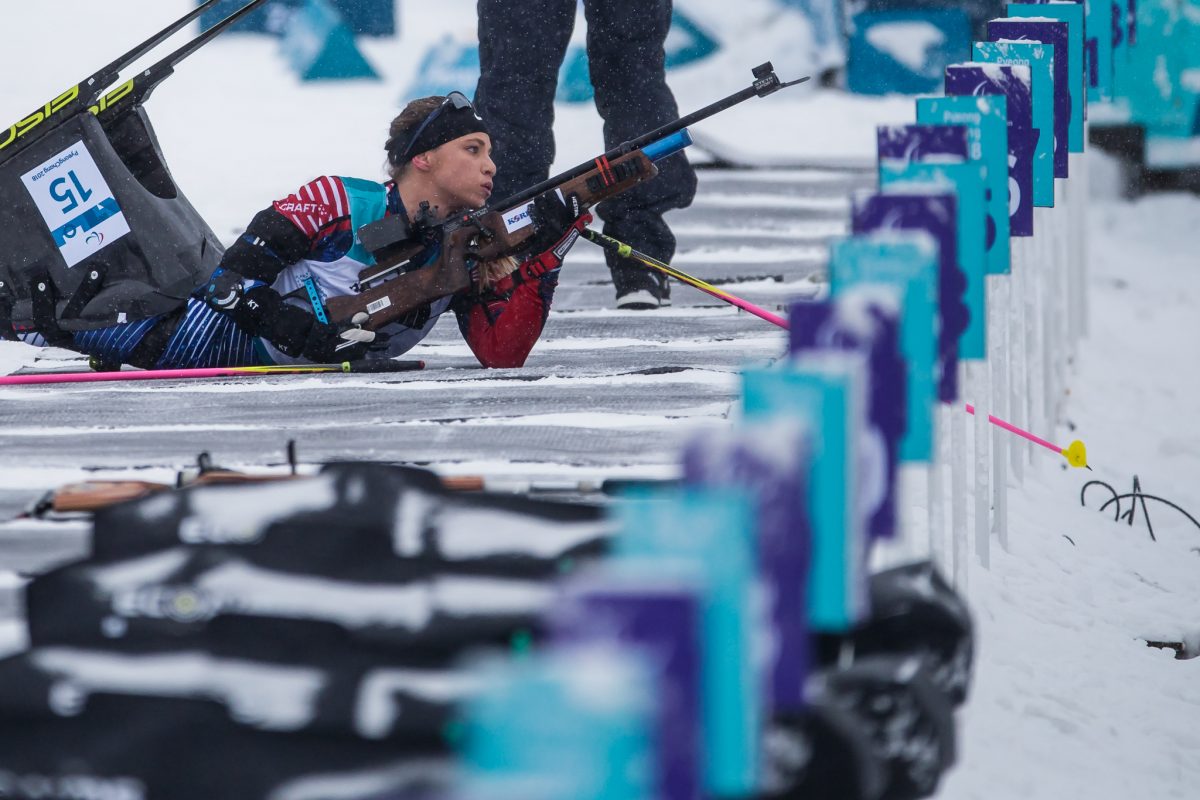
    Oskana Masters focused and in the moment on the range during the 2018 Paralympics in PyeongChang, South Korea. (Photo: U.S. Paralympics/Joe Kusumoto)

    In PyeongChang, USPN won a total of 16 medals, a tremendous increase from the three garnered during the 2014 Paralympics in Sochi, Russia. The 16 medals were comprised of six gold, seven silver, and three bronze and accounted for nearly half of the 36 medals won by Team USA at the Paralympics. Farra credits a large part of this immense success to Carey, who was head coach of the program at the time.

    “What we experienced in Korea was this perfect symphony of human beings coming together with a purpose, without egos,” said Farra. “It was an unbelievable experience to be around so many passionate, powerful people who executed their roles so well. That was orchestrated by Eileen and her style of leadership.” 

    Another key member of the half female coaching staff is Chamberlain, who serves as the emerging athlete coach. She utilizes her trademark enthusiasm and approachability to coordinate with clubs nationwide to identify, recruit, and develop emerging athletes. 

    “BethAnn is ideally suited for this line of work,” said Farra. “Her intensity, her passion, she’s just incredible for wrapping people in and getting them fired up. 

    Chamberlain, who had a 15-year career as a professional biathlete before she started coaching, also offers USPN a fount of technical knowledge regarding all things skiing and shooting.

    “She has an extensive background in biathlon, so when athletes are new, they get a pretty thorough introduction to the sport,” said Gary Colliander, USPN’s biathlon coach. “She’s also very easy to work with, so this develops a great opportunity for other coaches to learn from her as well.”

    When I asked Chamberlain, who also has experience coaching for non-adaptive programs such as Boulder Nordic Junior Racing Team and the Loppet Ski Club, what her favorite aspect of working with USPN is, she referenced the out of the box thinking required to coach adaptive skiing. 

    “The goal is the same as it is in non-adaptive skiing and biathlon, to ski fast and hit targets, but your approach to get there is a little different,” Chamberlain said. “Just because a standing skier skis with two poles, is that really the way someone with one pole should ski? We don’t know all the answers. We don’t know a lot of the answers. So that forces us to be a little more open-minded, to consider other possible ideas and solutions.”

    In fact, throughout my conversations with various individuals associated with USPN, this ability to consistently consider alternatives emerged as the number one hallmark of an effective coach.

    Farra described Carey as, “hands down the best coach that I’ve worked with” specifically because she is, “someone who asks more questions than has answers.”

    “She is always asking why? Why are we doing it this way? Why can’t we do it that way?” said Farra. “And by asking so many questions, she evolved from someone with former racing experience and some touchpoints with coaching to a large driver of the team’s success.” 

    Nick Michaud, a USPN development team coach, cited “the courage to say I don’t know” as one of the most important things he’s learned from both working with Carey and the team.

    “To see someone like Eileen, who has been doing this a long time and is at the top of her game, admit ‘I’m not sure’ when I ask a question, and then for us to go figure it out, is such a cool process,” said Michaud. 

    “Being able to do that helps puts some autonomy on the athletes, it opens the door for a lot more learning, and it makes a more collaborative process. I think the moment you start assuming things or think you know everything, that’s when the growth and development stops.”

    Obviously, inquisitiveness and humility are not qualities specific to gender. I do not think it’s a coincidence, though, that an organization that has grown and improved and succeeded by consistently asking what it can do differently exemplifies equity. 

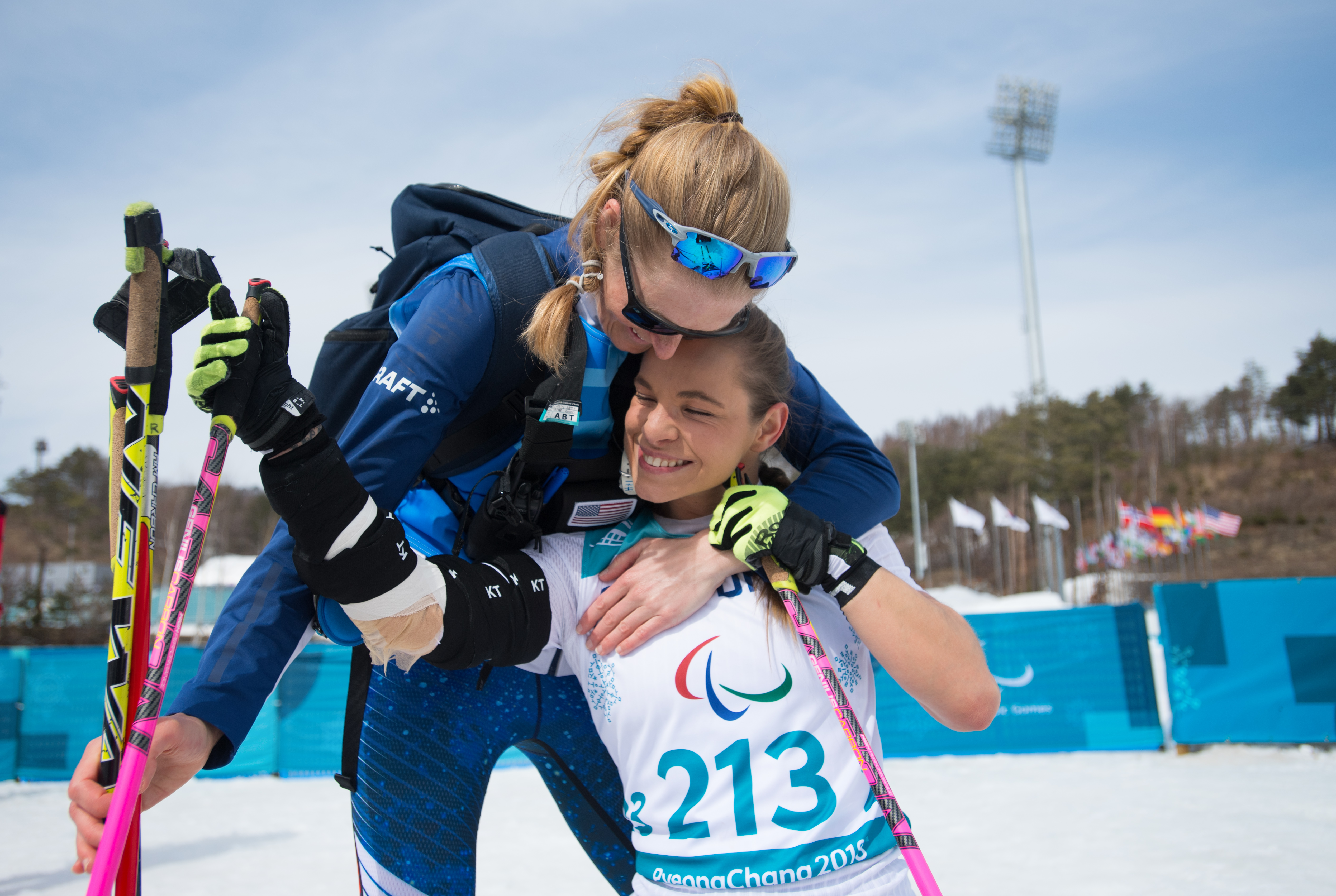
    Oksana Masters of U.S. Paralympics Nordic is hugged by head coach Eileen Carey after her gold-medal finish in the women’s sitting 5 k cross country race at the 2018 Winter Paralympic Games in PyeongChang, South Korea. (Photo: Mark Reis/U.S. Paralympics)

    At the introductory level, USPN strives to present opportunities for individuals to explore things they might not have otherwise thought possible. As athletes advance, USPN provides a framework for progression through the sport, which includes access to a range of highly-qualified professionals and resources. Assistant coach Trygstad-Saari handles initial communication with athletes, manages the logistics of the program, and in conjunction with Chamberlain, stokes enthusiasm. Michaud keeps a pulse on all groups and serves as a bridge for developing athletes who may be potential medalists. 

    At the elite level, athletes work with head coach Martin Benes and biathlon coach Colliander. They are also connected with a network of specialists within the United States Olympic and Paralympic Committee (USOPC), such as a strength coach, a sports psychologist, and a nutritionist. 

    This is all of course facilitated by Carey, whose staff and athletes can’t say enough good things about her efficiency, expertise, and color-coded spreadsheets. 

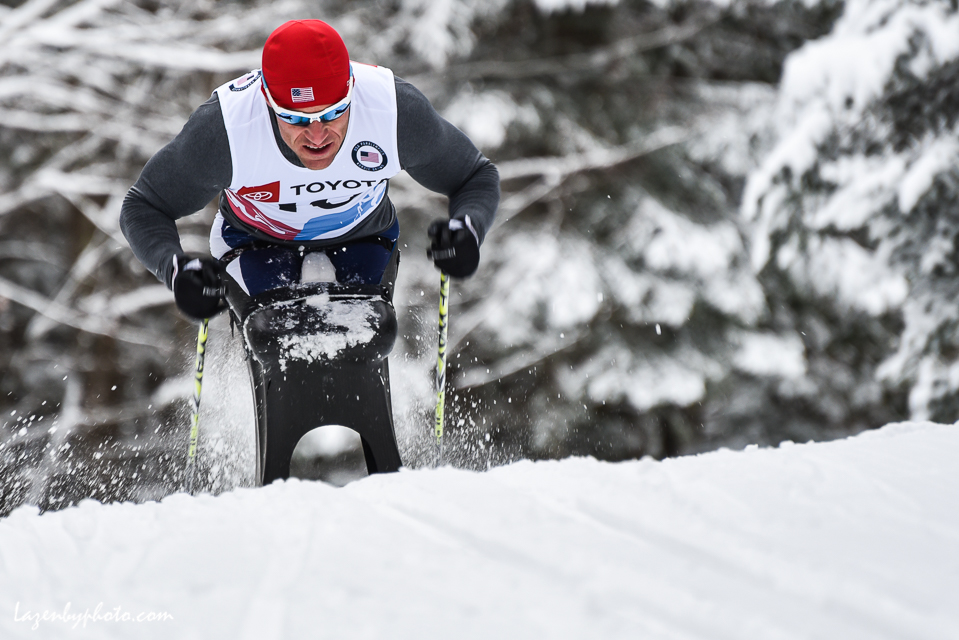
    Dan Cnossen on his way to winning the men’s middle distance national title at the Paralympic Nordic Nationals at Craftsbury, Vermont. (Photo: John Lazenby)

    “I’ve been really impressed with the caliber of coaching I’ve had in my eight years with the team,” said Dan Cnossen, an athlete on USPN’s National Team. Cnossen is a former Navy SEAL and a six-time Paralympic medalist. “They really consider and respond to athlete feedback. Tapping into the USOPC’s resources is also adding a lot of depth to the organization. The team is just getting better and better.”

    The more I learn about how USPN develops Paralympic athletes, the more I realize how similar this process is to the way Nordic skiing should be developing female coaches. USPN removes barriers and provides opportunities for a minority population. This is analogous to presenting coaching as a viable career option to women and providing opportunities to pursue it. 

    Furthermore, USPN’s versatile approach and superlative support system allows athletes to not only explore skiing, but excel at it. Similarly, female coaches need professional development opportunities and a network of peers and allies, such as the WSCA, to thrive and advance in a traditionally male-dominated field. 

    What goes into creating successful athletes, coaches, and programs is vast and complex. Female leadership and gender equality may only be one piece of the puzzle, but I do believe it plays a powerful role. U.S. Paralympics Nordic provides a promising example for both the future of women’s ski coaching and promoting overall diversity in the sport.

    As Michaud put it, “Hopefully we’re showing that we can mix up the way things are and be really good at winning medals.” 

  • U.S. Paralympics Nordic Skiing Seeks Coach

    U.S. Paralympics Nordic Skiing Seeks Coach

    (Job posting)

    Coach: Paralympic Nordic Skiing

    Within the global parameters of the U.S. Paralympics Nordic Skiing High Performance strategy and USOC Paralympic Sport Performance priorities, the Coach will exercise principal leadership in the development and implementation of performance-focused year-round training programs for U.S. Paralympics Nordic Skiing programs and athletes. The Coach will lead day-to-day training at various sites, and in collaboration with the Director, U.S. Paralympics Nordic Skiing and other program staff, lead key programmatic activities. The Coach will work in collaboration with the Director on overall program and budget management. The Coach will promote and support the Olympic and Paralympic movements and contribute to overall planning, sport planning and implementation of Paralympic Division and USOC organizational priorities.

    inhalers, sprays

    Duties & Responsibilities

    1. Lead development of annual and seasonal training plans and daily workouts for national team, and development athletes as relevant.
    2. Lead in the execution of athletes’ individual training programs.
    3. Set training courses, develop equipment list for each project, and maintain relationships with training sites and other partners as relevant.
    4. Oversee facility and performance service requests/availability with athlete schedules to maximize training and recovery.
    5. Track athlete performances, workout data, sport science data, and annual progress reports/graphs as relevant for the program.
    6. Contribute to the annual development of the 4-year rolling high performance plan for the U.S. Paralympics Nordic Skiing Program.
    7. Provide support and coaching to athletes at team practices, camps, and competitions.
    8. In collaboration with the Director, plan travel and logistics for the Nordic Skiing program to competitions, camps, events and other scheduled activities.
    9. Establish and maintain positive working relationships with USOC and NGB staff, with local Nordic Skiing programs, other local partners, and with others in and outside of the Nordic Skiing community as is beneficial to the program.
    10. In collaboration with other Paralympic staff members, contribute to the U.S. Paralympics athlete identification and development strategy. This includes assisting in the creation and implementation of Nordic specific programs within that strategy, utilizing available USOC resources and partnerships with other organizations.
    11. Perform other duties assigned by the Director.
    12. Regular attendance at work is an essential job function.

    Minimum Qualifications Required

    Education:

    • Bachelor degree and Nordic skiing coach education &/or certification.

    Licensure & Certification:

    • USSA coaching certification
    • USBA coaching certification or recent USBA coaches conference participation preferred
    • USSA and/or USBA Coaches License

    Experience:

    • Minimum 5 years of experience coaching cross country skiing or biathlon
    • Minimum 3 years of supervisory experience, preferably as a head coach leading 2 or more coaches
    • Professional experience with Paralympic programs desired

    Skills:

    • Proven ability to promote sport performance
    • Demonstrated leadership & collaboration skills, specifically with athletes and staff
    • Exceptional organizational skills and attention to detail
    • Excellent written and oral communication skills
    • Strong customer service skills
    • Excellent problem-solving skills

    Tools, Equipment, & Conditions

    • Standard office equipment
    • Sports training and sport science equipment
    • Sport training and competition venues
    • Hotels, dorms and other camp and competition environments
    • Significant national and international travel

    Work Location: TBD

    Travel Required: Yes. Significant national and international travel

    Click here to apply

  • Gretsch Scores Second Gold, Cnossen Silver, Masters Bronze in PyeongChang

    Gretsch Scores Second Gold, Cnossen Silver, Masters Bronze in PyeongChang

    Kendall Gretsch racing to her second gold medal of the 2018 Winter Paralympics on Sunday in the women’s 12 k sitting cross-country race in PyeongChang, South Korea. (Photo: US Paralympics/Joe Kusumoto)

    2018 Winter Paralympics (PyeongChang, South Korea): 12/15 k sitting cross-country races

    It was a gold, silver and bronze day for the U.S. Paralympics Nordic team on Sunday at the 2018 Paralympics in PyeongChang, as Kendall Gretsch raced to her second-straight victory in as many races, Dan Cnossen took silver and Oksana Masters claimed bronze in the cross-country distance events.

    A day after achieving a historic bronze for Canada in a biathlon sit-ski event, Collin Cameron led his country in fifth in Sunday’s 15-kilometer sitting cross-country race.

    Gretsch, a Paralympic rookie who won the sitting biathlon sprint to open the Paralympics, also won the women’s 12 k sitting cross-country race on Sunday in 38:15.9 minutes, 34.5 seconds clear of Germany’s Andrea Eskau in second, while Masters followed 49 seconds back in third.

    “For cross-country, I was pretty unsure going in here,” said the 25-year-old Gretsch, according to a U.S. Paralympics Nordic Skiing press release. “I knew that since our last World Cup I had improved a lot, but you never know until you race. Just happy with how things went today and I was able to put together another good race.”

    “It’s a very humbling experience being able to hear your anthem,” she said of her second gold medal. “Puts everything into perspective. Knowing that you’re here not just here for yourself but for your country, it’s amazing.”

    For Masters, who is recovering from an elbow injury, it was her second medal after taking silver in Saturday’s biathlon sprint.

    “I’m just so happy to be on the podium,” Masters told U.S. Paralympics. “I was a little worried on the long distance considering I haven’t done intensity in three weeks. It definitely is a very painful, rude awakening to how painful the sport is. I’m happy to be on the podium.”

    She described the pain in her elbow as “extremely excruciating. It feels like there’s just a saw going at your bone 24/7, especially hammering up the climbs,” Masters said. “I had a spill over there through the stadium, but mind over matter.”

    Ukraine’s Maksym Yarovyi won the men’s 15 k sitting in 41:37.0, and Cnossen, who had taken gold in the men’s sitting biathlon sprint, placed second, 43.1 seconds back. Sin Eui-hyun claimed South Korea’s first medal of the Games in third (+51.9) ahead of China’s Zheng Peng in fourth (+1:18.5) and Canada’s Cameron in fifth (+2:09.0).

    “I’ve already exceeded my expectations,” Cnossen, 37, said of his second Paralympic medal in as many days. “I’m very proud to represent the U.S. Today, I dug as deep as I could and went as hard as I could, and regardless of where I ended up on the result, it is my success to go as hard as I could.”

    Canada’s Colin Cameron racing to bronze in the mens 7.5 k sitting biathlon sprint on Saturday at the 2018 Paralympic Games in PyeongChang, South Korea. (Photo: Scott Grant/Canadian Paralympic Committee)

    “It was really soft out there, but the skis were still fast,” Cameron, 29, said, according to a Canadian team press release. “The skis have been awesome both days – the guys are working their butts off back in the wax room.”

    Cameron explained his goal for Sunday’s race was to “start steady and be comfortable, to get rid of the bugs from yesterday’s race because I was pretty tight.

    “I was able to loosen up as I went along, which allowed me to dig a little deeper today,” he continued. “It’s tough to go from biathlon to this event. It is a totally different mindset for pacing, a totally different game. I wasn’t event thinking about [yesterday’s medal] I just wanted to build off it and take that momentum with me the rest of the week. Today was a different day and I’m happy with how I was able to perform.”

    Also for Canada, Chris Klebl, who won gold in the 10 k sitting event at the 2014 Paralympics, finished eighth (+2:25.6), Derek Zaplotinsky followed in ninth (+2:42.6), Sebastien Fortier finished 18th (+5:01.0), Ethan Hess 24th (+10:37.1), and Yves Bourque 25th (+11:35.7)

    In the women’s sitting race, Canada’s Cindy Ouellet, a 29-year-old Paralympic wheelchair basketball player, placed 18th (+11:37.3).

    “This is my first race over five kilometres and it was tough,” Ouellet said, according to the press release. “Basketball is all stop and go, but endurance is much different. I just need more races.”

    For the U.S., Andy Soule placed 11th (+2:59.1) and Sean Halsted finished 22nd (+7:18.0).

    Paralympic racing continues Monday with the men’s and women’s standing and visually impaired cross-country long-distance events, starting at 10 a.m. Korea time on Monday (7 p.m. EDT on Sunday).

    Complete results

  • U.S. Paralympics Nordic Skiing Names 2017/2018 National Team

    U.S. Paralympics Nordic Skiing Names 2017/2018 National Team

    Three-time Paralympic medalist Oksana Masters won her third consecutive overall women’s sitting IPC World Cup globe in cross-country. (Photo: U.S. Paralympics)

    (Press release)

    COLORADO SPRINGS, Colo. — Thirteen athletes, including seven U.S. Paralympians in Nordic skiing, were named to the 2017-2018 U.S. Paralympics Nordic Skiing National Team on June 1 by U.S. Paralympics, a division of the United States Olympic Committee.

    “The level to which our Nordic skiers have performed already is very inspiring,” said Paralympic Nordic Skiing head coach Eileen Carey. “Our veteran athletes have continued to improve as we approach the Paralympic Winter Games PyeongChang 2018, and the addition of new members on our national and development teams is promising for the future.”

    Three-time Paralympic medalist Oksana Masters (Louisville, Kentucky) highlights the team after claiming four world championships titles during the 2016-17 season, including cross-country crowns in sprint, middle and long distances, as well as the sprint biathlon title. She capped off the season by securing her third consecutive overall women’s sitting world cup globe in cross-country at the World Para Nordic Skiing World Cup Finals in Sapporo, Japan. Additionally, Masters finished third in the world cup overall rankings in biathlon.

    Kendall Gretsch (Chicago, Illinois), Ruslan Reiter (Manchester, Maine) and Daniel Romanchuk (Mount Airy, Maryland) all make the national and development teams for the first time.

    Four military veterans are featured on the roster, including Dan Cnossen (Topeka, Kansas/Navy), Sean Halsted (Rathdrum, Idaho/ Air Force), Bryan Price (Belton, Missouri/Army) and Andy Soule (Pearland, Texas/Army).

    Team USA had a record-breaking 2016-17 season that finished with 33 world cup medals by five athletes, setting a record for the Nordic skiing team. Of the 33 world cup medals acquired, 12 were in biathlon. All A- and B-Team athletes reached the podium this past season, including first-time medals for Jake Adicoff (Sun Valley, Idaho) and guide Sawyer Kesselheim (Bozeman, Montana), as well as Aaron Pike (Park Rapids, Minnesota) at the PyeongChang Test Event.

    2017-18 U.S. Paralympics Nordic Skiing National Teams

    *Denotes U.S. Paralympian in Nordic skiing

    # Denotes U.S. Military veterans

    A Team

    • Jake Adicoff (Sun Valley, Idaho) – visually impaired skier*
    • Dan Cnossen (Topeka, Kansas/Navy) – sit skier*#
    • Sawyer Kesselheim (Bozeman, Montana) – guide
    • Oksana Masters (Louisville, Kentucky) – sit skier*

    B Team

    • Aaron Pike (Park Rapids, Minnesota) – sit skier*
    • Andy Soule (Pearland, Texas/Army) – sit skier*#

    C Team

    • Kendall Gretsch (Chicago, Illinois) – sit skier

    Development Team

    • Sean Halsted (Rathdrum, Idaho/Air Force) – sit skier*#
    • Bryan Price (Belton, Missouri/Army) – sit skier*#
    • Ruslan Reiter (Manchester, Maine) – standing skier
    • Daniel Romanchuk (Mount Airy, Maryland) – sit skier
    • Joy Rondeau (Granby, Colorado) – sit skier
    • Mia Zutter (Sun Prairie, Wisconsin) – visually impaired skier
  • U.S. Paralympics Nordic Skiing Names 2016/2017 National Team

    U.S. Paralympics Nordic Skiing Names 2016/2017 National Team

    U.S. Paralympics logo

    (Press release)

    COLORADO SPRINGS, Colo. (June 1) — Seven athletes, including five U.S. Paralympians, were announced to the 2016-2017 U.S. Paralympics Nordic Skiing National Team by U.S. Paralympics, a division of the United States Olympic Committee.

    “The high quality of our national team this season is very encouraging,” said Paralympic Nordic Skiing head coach Eileen Carey. “All of our athletes have shown themselves to be competitive as they continually challenge for medals on the international stage.”

    Headlining the team is two-time Paralympic medalist Oksana Masters (Louisville, Kentucky) who comes off a perfect 2015-16 campaign in cross-country competition. She went undefeated in sprint, middle and long distances to claim her second consecutive overall world cup globe for the women’s sitting class at the IPC Cross-Country Skiing World Cup Finals in Vuokatti, Finland in March. She also amassed the most world cup cross-country points throughout the season than any other female on the world cup circuit.

    The roster also includes three military veterans: Sean Halsted (Rathdrum, Idaho), ret., Air Force, Bryan Price (Belton, Missouri), ret. Army and Paralympic medalist Andy Soule (Pearland, Texas), ret. Army.

    Making their national team debut are two newcomers Joy Rondeau (Granby, Colorado) and Mia Zutter (Sun Prairie, Wisconsin). Both competed in their first international competitions at the world cup in Finsterau, Germany which will play host to the 2016 IPC Nordic Skiing World Championships.

    Team USA finished the 2015-16 strong with nine medals in the final two world cups, including three gold medals at the World Cup Finals. The team will face an important year in preparation for the 2018 Paralympic Winter Games. Before the world championships in February, the team will travel to world cups in Finland, Ukraine and Japan as well as South Korea for the PyeongChang Test Event.

    2016-2017 U.S. Paralympics Nordic Skiing National Teams

    *Denotes 2014 U.S. Paralympian
    # Denotes retired U.S. Military

    A Team

    *Oksana Masters (Louisville, Kentucky), sit ski

    *#Andy Soule (Pearland, Texas/Army), sit ski

    B Team

    *Jake Adicoff (Sun Valley, Idaho), visually impaired

    Development Team

    *#Sean Halsted (Rathdrum, Idaho/Air Force), sit ski

    *#Bryan Price (Belton, Missouri/Army), sit ski

    Joy Rondeau (Granby, Colorado), sit ski

  • U.S. Paralympics Nordic Brings Numbers to Lake Placid

    U.S. Paralympics Nordic Brings Numbers to Lake Placid

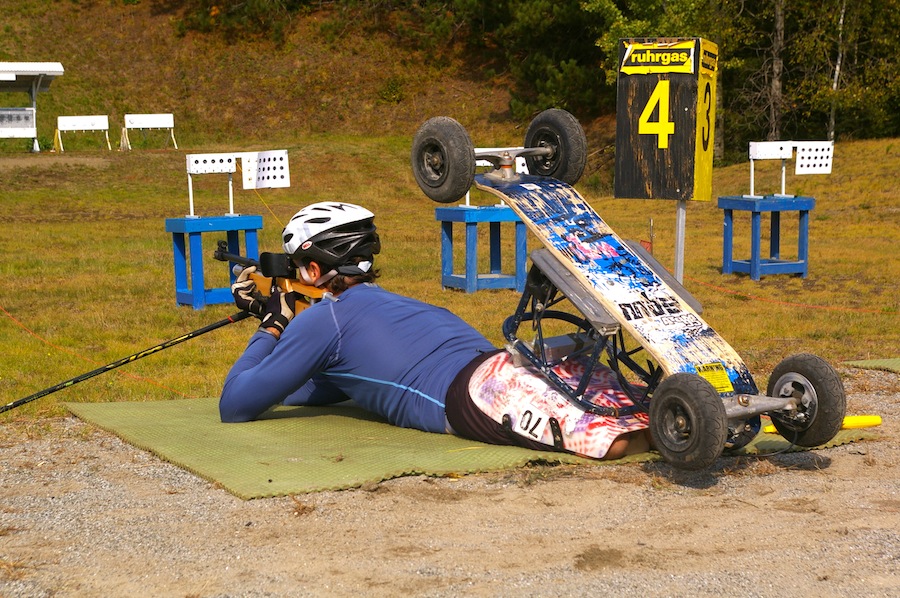
    U.S. Paralympics Nordic National Team member Andy Soule, an Army veteran, shoots at the Mt. Van Hoevenberg biathlon range during time-trial intervals on sit-ski mountain boards on Sept. 21. The national team held a dryland camp in Lake Placid, N.Y., from Sept. 18-28.

    LAKE PLACID, N.Y. — As they hammered out loops at the Mt. Van Hoevenberg biathlon center, several athletes on sit-ski mountain boards put their heads down. Everything they were doing — five or so laps lasting a few minutes each on pavement and grassy trails — required upper-body strength. At the end of each interval, they reentered the stadium for shooting practice, where the adaptive skiers rolled onto their stomachs and aimed at their targets. Then they had to get back up again and start over.

    Of the 14 athletes at the U.S. Paralympics Nordic dryland camp in Lake Placid from Sept. 18-28, two were visually impaired, according to high-performance director John Farra. He prescribed bounding intervals for them.

    Several national-team members, including Jeremy Wagner (l), Sean Halstead (second from left) and Erik Frazier (r), at the start of a sit-ski time trial at the U.S. Paralympics Nordic dryland camp Sept. 21 at Mt. Van Hoevenberg. (Photo: www.facebook.com/USParalympicsNordic)

    Nine coaches also attended the 10-day camp, which Farra said was one of the most-selective to date.

    “An interesting challenge for us now is that we’ve been pretty successful at bringing new people to the sport, so our numbers are going up while our numbers at the OTC [Olympic Training Center] aren’t,” he said during the time-trial session Sept. 21.

    “I guess it’s a good problem for us, that now our high-performance camps are by invitation-only,” Farra added. “Last year was kind of like, ‘Hey anybody shows up,’ [which was] great because there weren’t that many people doing it, but I would say we’ve brought in another 15 to 20 people to the sport and I’ve only got 15 beds at the OTC.”

    Nine members between the U.S. National and Development teams were given priority, and most came to at least part of the camp. Beyond that, Farra said they invited three to five newcomers that they felt deserved the opportunity. Several came from the East, he said, but in a few weeks from Oct. 15-25, they’ll have more western skiers at another dryland camp in Midway, Utah.

    “It’s exciting; it’s definitely working,” Farra said. “We had, what, five adapive [skiers] two years ago at nationals? Last year we had 18, and I expect closer to 30 this year at [U.S. Adaptive Nordic National Championships at Soldier Hollow,] Utah. That’s the right direction that we need to go.”

    Lt. Dan Cnossen of the U.S. Paralympics Nordic National Team doing loaded chin-ups during a strength session at the Lake Placid Olympic Training Center. (Photo: www.facebook.com/USParalympicsNordic)

    As for what the athletes were up to over the last two weeks, New England Nordic Ski Association (NENSA) Adaptive Program Director Eileen Carey wrote on the program’s blog that the athletes had been “dialing in shooting positions, roller-skiing and sit skiing on mountain boards, testing in the weight room and on the SkiErg and learning the physiology and nutrition of training.”

    On Sept. 21 during interval training, Farra said that was a good opportunity for his top athletes to combine a hard effort with shooting experience.

    “It’s a high-performance [camp]. They need to be preparing themselves for competitions,” he said. “That’s why there are time trials. That’s why they’re working hard with each other. With the [athletes] we don’t see as much, it’s really about giving them coaching advice, training and hopefully they get hooked and keep coming back.”

    ***