Tag: University of Colorado Boulder

  • Q&A with New Faces on the U.S. Ski Team: Will Koch

    Q&A with New Faces on the U.S. Ski Team: Will Koch

    U.S. Ski & Snowboard recently announced its U.S. Ski Team nominations for the 2022-23 season. Of the 22 athletes named to the team this season, six were not on the previous year’s roster, either newly named or renamed: Michael Earnhart, Walker Hall, Zak Ketterson, Will Koch, Finn O’Connell, and Sammy Smith.

    To help fans get to know these new(er) faces, FasterSkier is doing a series of interviews, providing insights into the factors that have contributed to development, progress, and growth for these athletes last season. In this installment, we talk with Will Koch following his nomination to the U.S. Ski Team on its D-Team. 

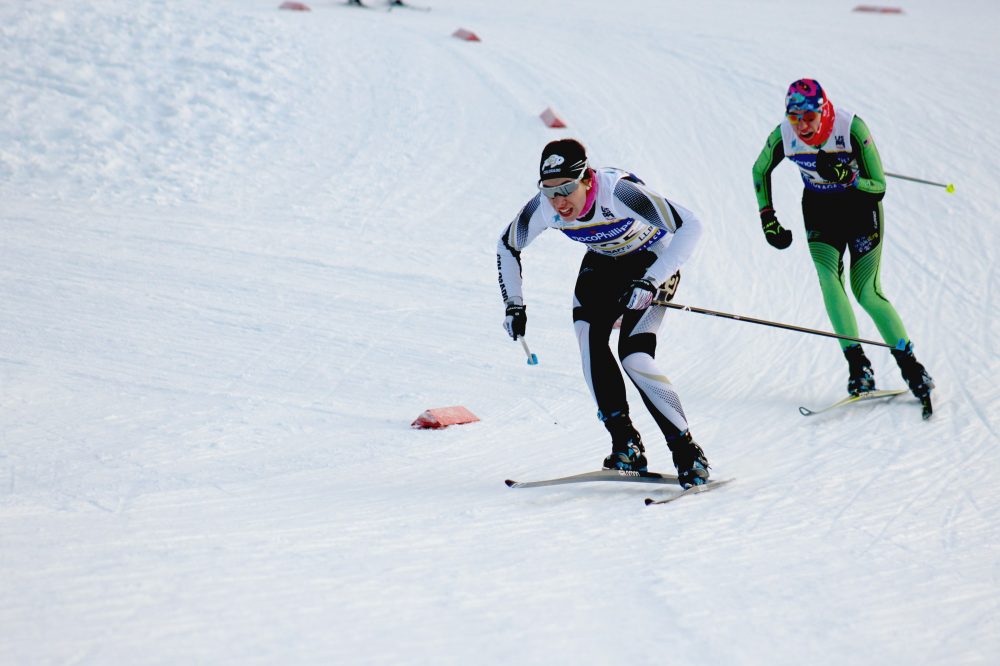
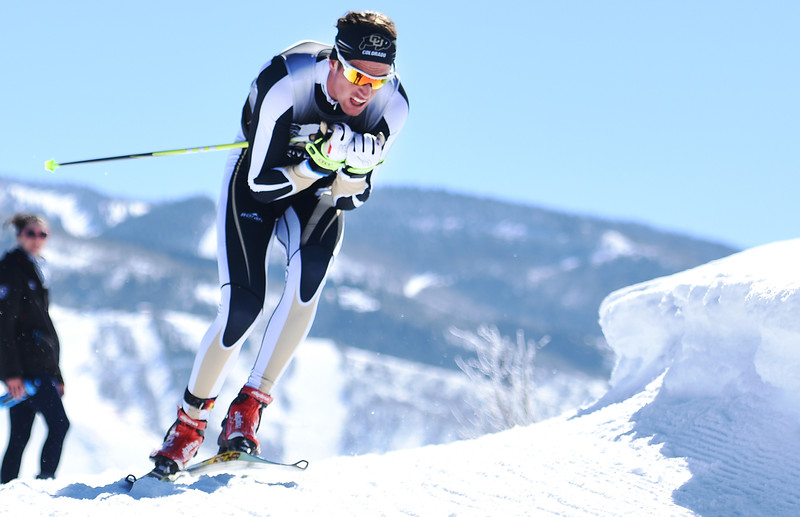
    Koch grew up in Vermont and is now a member of the University of Colorado Ski Team, where he will be entering his junior year this coming fall. Son of Olympic Silver-Medalist, Bill Koch, Will began his racing career in the New England program named after his father (the Bill Koch League) and attended high school at Stratton Mountain School

    During the 2019/20 ski season, Koch qualified to compete at the Youth Olympic Games in Lausanne, Switzerland where he earned a bronze medal in the 10 k classic. In 2022, racing at World Juniors in Lygna, Norway Koch finished 13th in the 10 k classic, 15th in the skate sprint, and anchored the 4×5 k relay team, helping to secure bronze for Team USA.

    Ella Hall/Faster Skier: Can you give us a little introduction, where are you from? When did you start skiing? What was your relationship with skiing growing up?

    Will Koch: I’m from Peru, Vermont, which is a tiny little town in Southern Vermont, just like 80 people as a population. And I’ve been living there since I was two years old. I got into skiing when I was super young, because my dad was a professional ski racer, Bill Koch. So I actually started skiing before I was even able to walk – nine months old on a beach in Hawaii was my first time on skis. Since then, I’ve just been pretty much training.

    I grew up in a really vibrant ski community: starting as a youth, then Stratton Mountain School for my high school years, and now I’m at University of Colorado at Boulder. And this is my first year on the [U.S. Ski Team]. So that’s super exciting. 
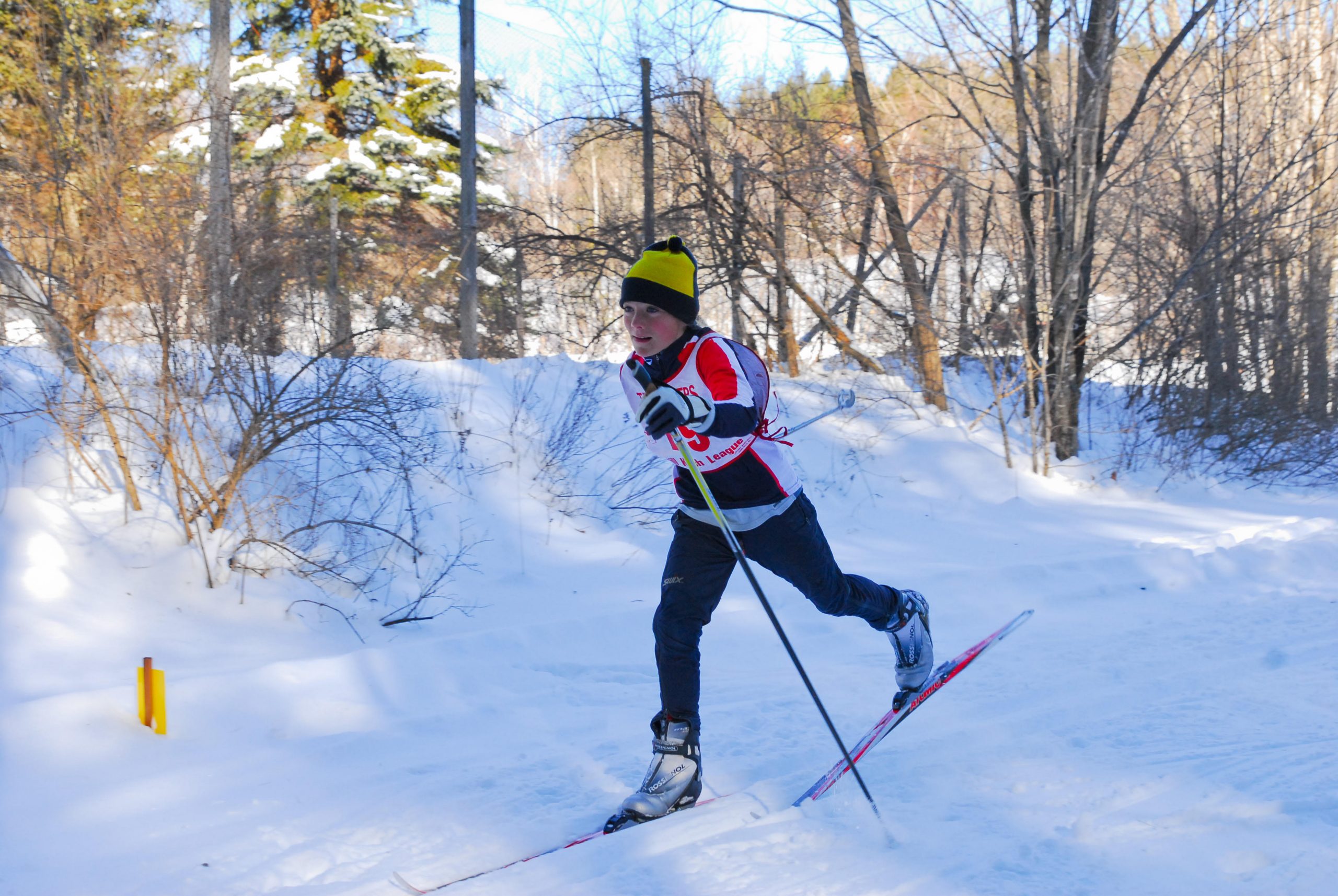
    A young Will Koch hitting his stride in a junior race. (Courtesy photo)

    FS: As the daughter of a three-time Olympian I can maybe relate to the potential challenges of being the child of a successful ski racer… so acknowledging that, can you talk a little bit about your dad’s role in your skiing career? 

    WK:  I definitely get that question quite a bit about like, you know, is it stressful or pressure to have your dad being like, Olympian and everything. Honestly, I think that my dad does a really good job of not having expectations for me, which is really nice. My dad totally recognizes that skiing is awesome and everything, but that there’s a lot more to life than skiing at the same time. He’s very much left the coaching to my actual coaches, but at the same time, he’s always there to give advice when I want it.

    He’s obviously like, been there, done that with everything that I’m given going through in terms of skiing, so I think it’s really inspiring to have a person like that always around when I need it, but it’s really awesome that it doesn’t feel like a burden. It’s really an opportunity.
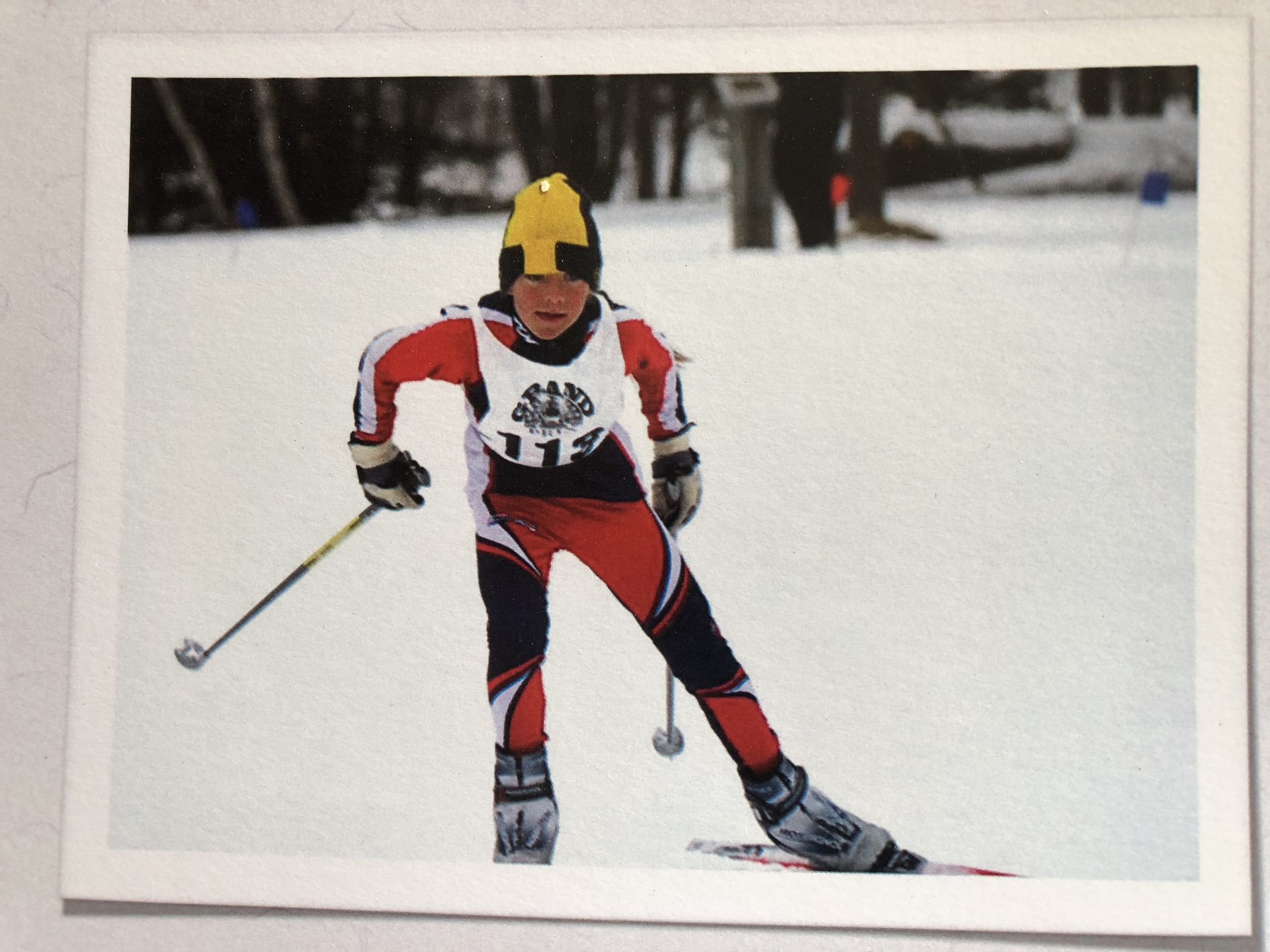
    Will Koch competing at a junior race in New England (Courtesy photo)

    FS: How was the transition from high school at Stratton Mountain School (SMS) to college skiing at the University of Colorado (CU)? Both in terms of training but also general life changes? What drew you to CU?

    WK: One of the biggest reasons that I wanted to go out west for college was that I loved the mountains out west. And I also really liked the people out there. I think they’re super open and fun. I also think that being at a PAC 12 conference school comes with certain advantages as far the resources available in the athletic departments. On top of that, I think CU had a really top level nordic team compared to certain schools that I was looking at. So those were all factors that made me want to go out there, and I definitely never regretted that choice once I was up there. I’ve been loving it for my two years, it’s a lot of fun. [There’s] a really good mix on the ski team, I think,  of having fun, but also being serious about training. 

    I’d say, as far as training, transitioning from high school to college one difference was the altitude. When I first went up to altitude in Boulder, and was training up there, I really thought that I could just keep doing exactly the same volume and workouts that I was doing in Stratton. But I put myself in a little bit of a hole when I first got out there, and then learned from that and realized that it’s a little more taxing on the body. But once I dialed it back, training wise, I was able to get some real fitness benefits from the altitude. Now that I’ve been out there for two years, I was able to have a really good fitness year this past season and [make] kind of a breakthrough in my skiing. I think part of that is being in altitude and building fitness with a really strong team. 

    In general, I found that the college schedule allowed me to have more flexibility in terms of when I trained and it’s easier to do two sessions a day in college compared to high school, just because you spend a little bit less time in the classroom. You have a little more flexibility in how you structure your day.
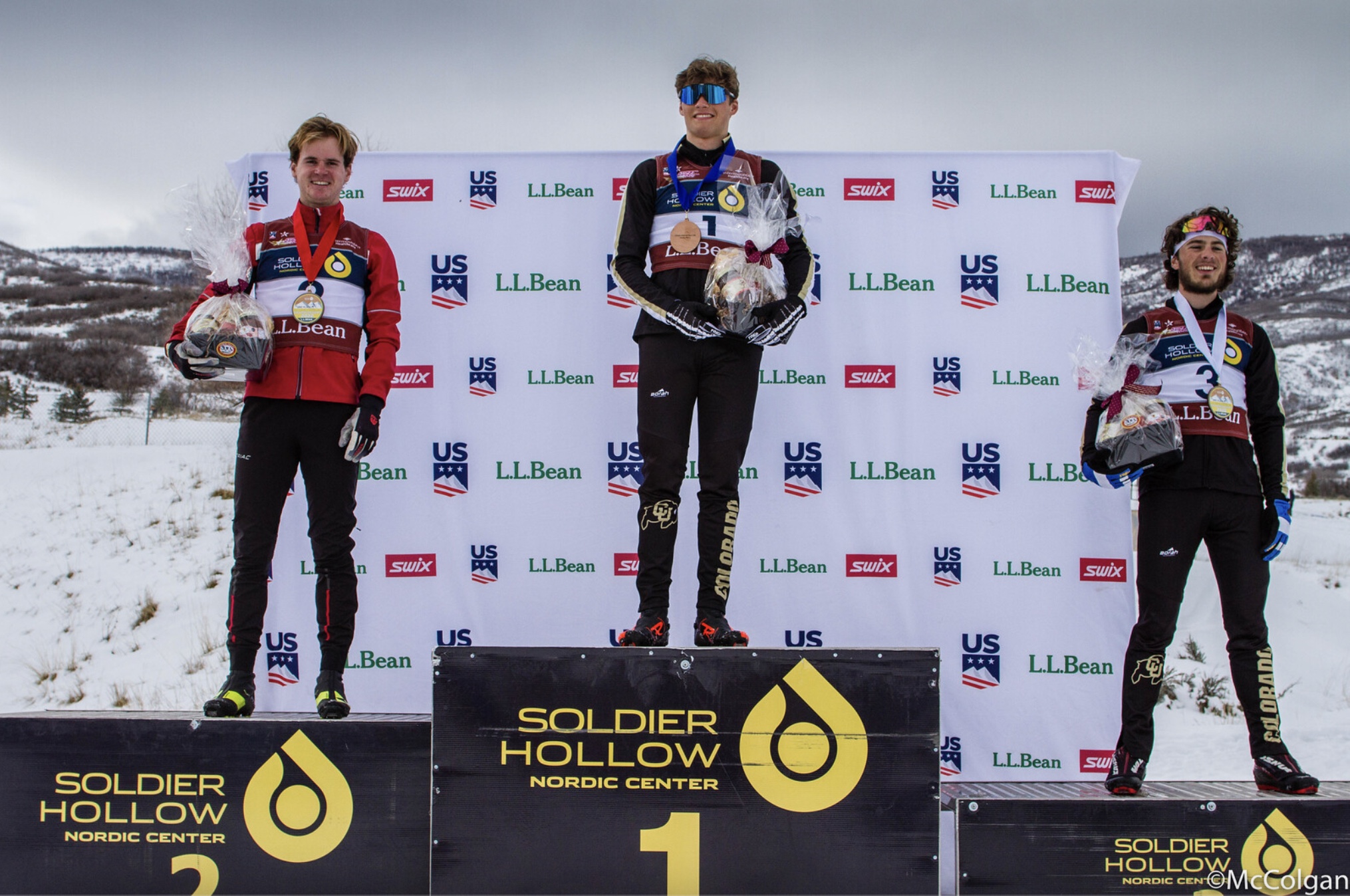
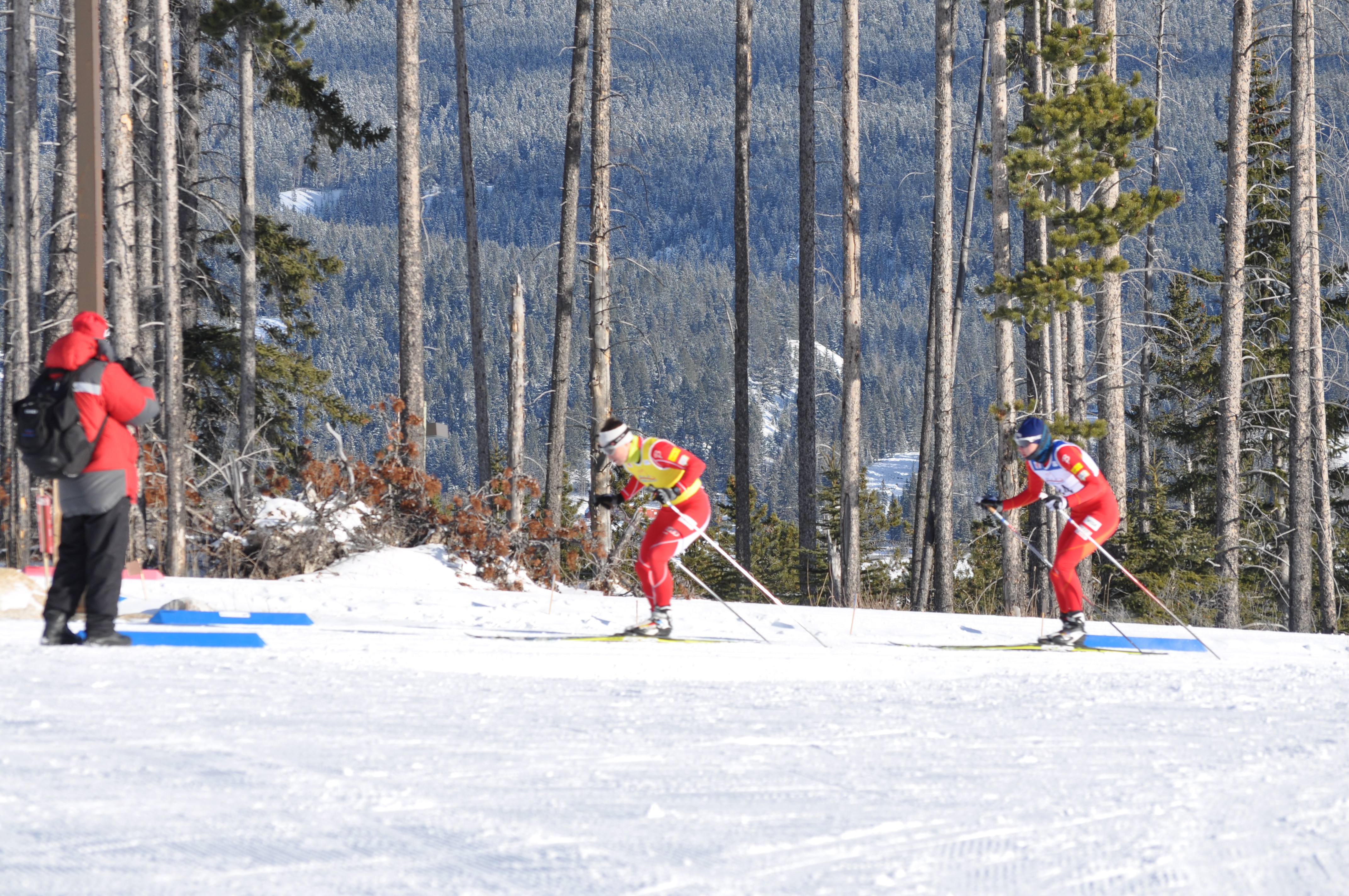
    The junior men’s podium for the 2022 Senior Nationals 15k interval start classic in Soldier Hollow: Alexander Maurer (CU) took the win ahead of Walker Hall (UU)  in second and Will Koch (CU) in third. (Photo: John McColgan)

    FS: By my count you’ve been on five different international racing trips, including the Youth Olympic Games (YOG). What were some of the highlights from those experiences, particularly in terms of how they supported your development and goals? 

    WK: Yeah, of all the international trips I’ve been on, definitely the Youth Olympics stands out as the coolest one and the most memorable. YOG is pretty different from World Juniors, in terms of it’s a fair amount less intense, I would say and more about having fun. And yet, even though it’s less intense, it’s the same level of competition, either way, you’re up against the best people in the world.

    I think that’s what I really loved about the Youth Olympics, it was fun to win the medal there and everything, but it was also mainly just a really cool experience. That was my first time meeting people from a lot of different countriesI still have my friends from Kazakhstan and Australia from the Youth Olympics, which I love. And, of course, that was also before COVID was really a thing, that was also a time when we were able to do a little bit more socializing on international trips. 

    I think that those [international] trips are really crucial in development, just to really see  that next level of competition that you’re going to be up against, and to really see that every second counts. In the Youth Olympics race where I got my bronze, it was two seconds between me and second place, and I was about five seconds from being back in eighth place. It was just ridiculous how tight it was. That just kind of goes to show how you really need to be thinking about getting those small gains where you can, and that the rest of the competition in the world is out there doing the same thing.

    FS: So you’ve just been named to the U.S. Ski Team D-Team, can you reflect on how that feels and maybe what is most exciting to you about this opportunity?

    WK: It’s definitely pretty validating to be named after being kind of on the edge for a few years now. It’s exciting. At the same time, though, it’s also basically almost the same training group that I’ve been training with for years, now that me, Walker [Hall] and Michael [Earnhart] are all on there.

    Being at my first US Ski Team camp (in Bend), I was kind of looking around, and I was like, Hey, this is really not that different from NTG, three years ago, when we all first made that. So it’s really cool to see how we all progress together. I’d say, making the team, it’s nice and everything, but it’s also really just one more step in development that we’re all taking together, which is really fun. 
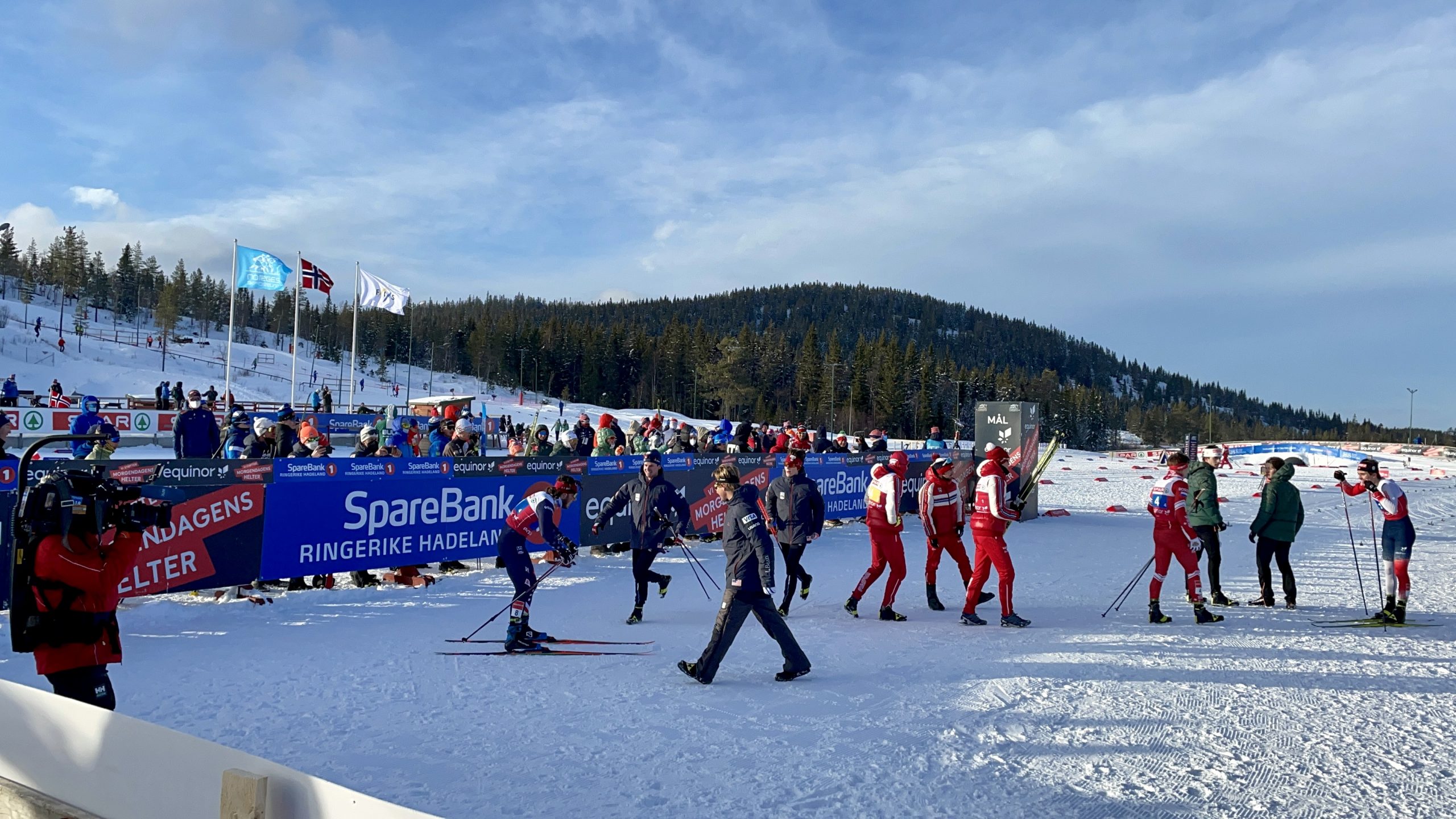
    At World Juniors in Lygna, Norway- a psyched American team congratulates anchor Will Koch, securing bronze in the U20 4×5 k relay. (Ella Hall photo)

    FS: What are some of your goals for the upcoming ski season?

    WK: I would love to make a debut on the World Cup if that worked out. It’s obviously a really competitive scene right now for Team USA to make it there, and getting picked is by no means guaranteed. I think that’d be a really good next level experience to have. I’d also like to get on the podium at NCAA’s. 

    FS: Sounds like you made it out to Bend for the annual spring U.S. Ski Team camp there, and now are you back with SMS. What does the rest of your summer/fall look like?

    WK: For the rest of the summer, I will be in Stratton training with the SMS T2 team. It’s pretty exciting, because we should have a lot of really fast guys on the US Ski Team coming out here to join our training group, which I think will be awesome, having grown up in Vermont, to get to show a bunch of people how we do it over here. I’ll be here until mid-August and then go back to Colorado and start school and training with the CU Ski Team.
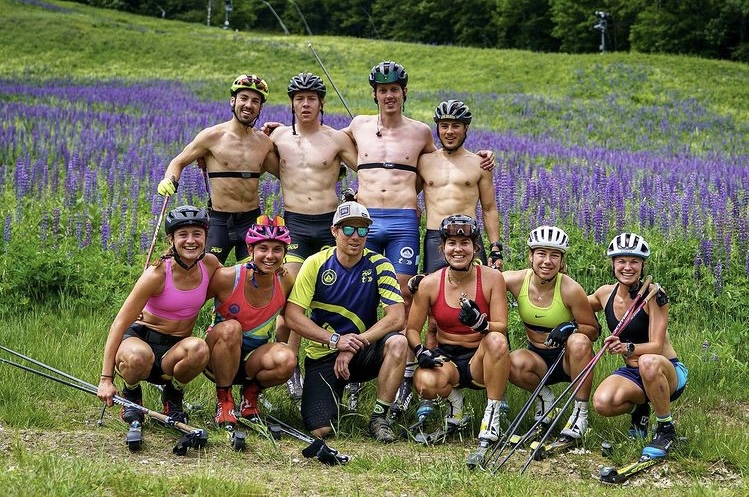
    The 2021/2022 SMS T2 Team. Back row (l – r): Ian Torchia, Ben Ogden, Bill Harmeyer, and Will Koch; front row: Alayna Sonnesyn, Julia Kern, head coach Pat O’Brien, Lina Sutro, Katharine Ogden, and Jessie Diggins. (Photo: SMS T2 Blog)
  • University of Colorado Seeks Assistant Nordic Ski Coach

    University of Colorado Seeks Assistant Nordic Ski Coach

    (Job posting)

    Job Summary

    The Athletics Department at the University of Colorado (CU) Boulder is now welcoming applications for an Assistant Nordic Ski Coach.  The purpose of this position is to assist in the day to day operations of the ski program and Nordic ski team. This position works closely with the head Nordic coach to organize both in season and out of season training and assists with the training and development of current student-athletes. Contributes to the continuous evaluation of the current team members as well as incoming recruits. Assists in the management and administration of all phases of the ski program and team, including recruiting.

    This position is responsible for promoting the philosophy and objectives of the intercollegiate athletics program.  This shall include adhering to the principles of the Athletic Department’s Mission Statement, Diversity and Inclusion Mission Statement, Core Values, Policies and Procedures, as well as the rules and regulations of the University, the Pac 12 Conference and the NCAA.

    buy tretinoin online

    Who We Are

    As one of 34 U.S. public research institutions belonging to the prestigious Association of American Universities (AAU)—and the only member in the Rocky Mountain region—our goal at CU Boulder is to directly affect Colorado communities through collaborative research, innovation and entrepreneurship. Our faculty, staff and students work with the broader community to establish unique connections that have lasting outcomes—both across Colorado and around the world.

    clomid, yaz buy online

    Responsibilities

    • Assist Head Nordic Ski Coach in teaching, instructing, and coaching student-athletes in practice and competition settings, to include training preparation and execution with student-athletes, on-site waxing of skis, and analysis (video and otherwise) of student-athletes’ techniques.
    • Participate in the creation and promotion of a world-class and holistic student-athlete experience.
    • Identify, evaluate, and secure prospective student-athletes in the recruiting process.
      • Develop recruiting materials.
      • Assist in planning of unofficial and official recruiting visits.
    • Track selection and inventory of equipment for Nordic student-athletes as well as maintain the equipment.
    • Assist with administrative work in the Ski Office, including compliance and University paperwork and documentation.
    • Maintain a positive, collaborative working relationship with the various support staff members working with the ski program.
    • Special Events and Community Service:
      • Assist with all special events and functions related to the Ski program including alumni events, fundraising events and community service.
    • Adhere to the core values stated in the Athletic Department’s strategic plan. Demonstrate a thorough knowledge of NCAA, Pac-12 Conference, RMISA Conference, University, and departmental rules and regulations.

    We offer

    The anticipated starting salary for this position is $40,000.00-$45,000.00

    Requirements

    Bachelor’s degree and a minimum of three years of Nordic ski racing or Nordic ski coaching experience.

    What You Will Need

    • Good communication skills and the ability to work under stress.

    What We Would Like You To Have

    • Knowledge of NCAA rules.

    Special instructions

    To apply, please submit the following materials:

    • A current resume.
    • A cover letter that specifically addresses how your background and experience align with the requirements, qualifications and responsibilities of the position.

    You will not be asked to upload references at this time.

    Review of applications begins immediately. Materials must be submitted via the link below:

    https://colorado.avature.net/jobs/JobDetail?jobId=11530.

  • Caitlin Patterson Takes Third National Title of Week; Sweden’s Bångman First Overall

    Caitlin Patterson Takes Third National Title of Week; Sweden’s Bångman First Overall

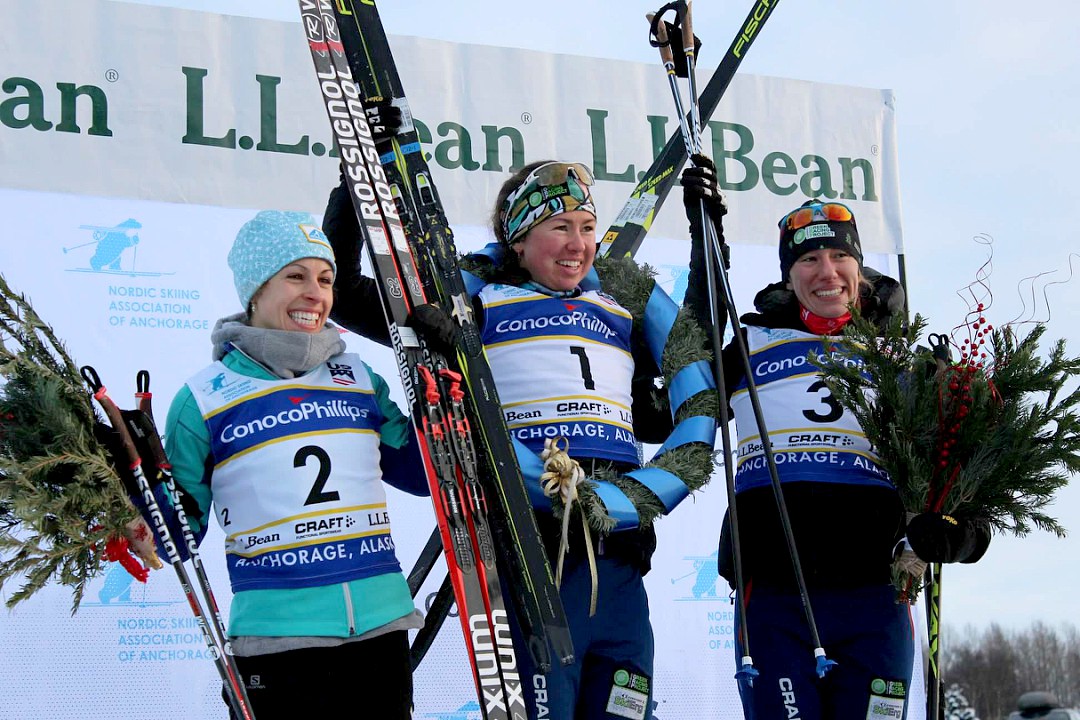
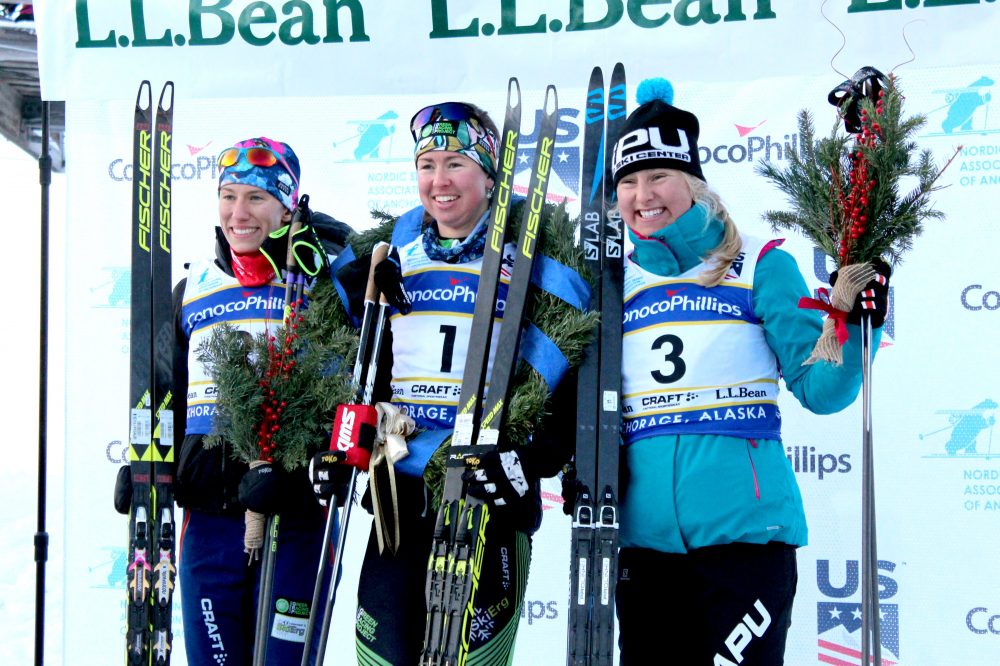
    The top-three Americans in the women’s 20 k classic mass start on Sunday at 2018 U.S. nationals in Anchorage, Alaska, with Caitlin Patterson (1) of the Craftsbury Green Racing Project (CGRP) in first, Rosie Frankowski of APU (l) in second, and Kaitlynn Miller (r) of CRGP in third.

    ANCHORAGE, Alaska — It turns out that Caitlin Patterson does have a weakness: Swedes. The 27-year-old Craftsbury Green Racing Project (CGRP) skier was denied her first outright victory of the week when she crossed the finish line second to Hedda Bångman, a former member of Sweden’s U23 National Team who now skis for the University of Colorado Boulder (CU), in the women’s 20-kilometer classic mass start at the 2018 U.S. Cross Country Championships on Sunday morning at Kincaid Park. But as the first American, Patterson captured her third national title in as many races.

    Rosie Frankowski, of Alaska Pacific University (APU), was the third athlete across the line and second American. She was followed by Jessica Yeaton, who competes domestically for APU, but is an American-Australian dual citizen and competes internationally for Australia. Kaitlynn Miller, also of CGRP, was the fifth athlete across the line to round out the domestic national championship podium.

    Bångman crossed the finish line of the four-lap, technically 22-kilometer course in 1 hour, 55.3 seconds, 15.9 seconds clear of Patterson in second. It was the first time all day that Bångman had enjoyed such an edge.

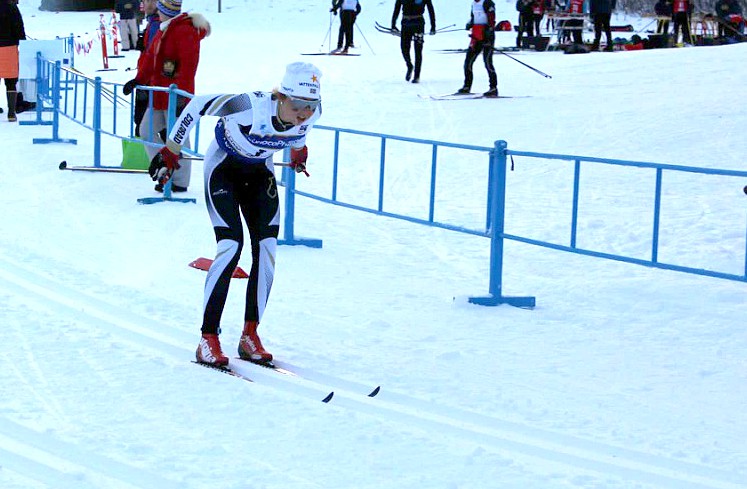
    CU’s Hedda Bångman on her way to win the women’s 20 k classic mass start at 2018 U.S. Cross Country Championships on Sunday in Anchorage, Alaska.

    The field of 42 skiers left the Kincaid Stadium at 10 a.m. on another perfect race day, the temperature around 16 degrees Fahrenheit and an approaching sunrise about to reveal mountains shimmering in all directions.

    Wednesday’s fresh snow had allowed race organizers to come up with a compromise between the snowmaking loop and the full International Ski Federation (FIS) distance courses, a 5.44-k loop that began with an A-climb up Elliott’s Climb, descended most of the way back to the stadium, covered all the hills on the snowmaking loop, then traversed the 1.5 k Lekisch Loop before finishing in the stadium. The hills on the course were relatively front-loaded, with the single largest climb coming in the start of the loop and smaller (but still steep) hills over the final four-plus kilometers. The final kilometer was predominantly downhill from the high point of the 1.5 k Lekisch into the finish.

    Snow coverage off of the manmade loops appeared to be good to very good, albeit with a relatively abrasive and icy base in the bottom of the tracks.

    The first time up Elliott’s, Frankowski led a large group of 30-plus women (effectively the entire field) up to the top of the A-climb roughly 1.3 k into the race. She was closely followed by APU’s Chelsea Holmes to her left, and Bångman and Miller to her right.

    The second time up Elliott’s, little had changed. Frankowski led a group of 10 women, with Bångman, Yeaton, and Holmes immediately behind her, and Patterson a few strides farther back.

    The third time up Elliott’s, it was yet again Frankowski in the lead, followed yet again by Bångman, Yeaton and Holmes, with Patterson yet again appearing to lag back slightly on the uphill.

    Rosie Frankowski definitely deserves a shout-out for leading the train a whole lot out there and really pushing the pace,” Patterson told FasterSkier in a finish-line interview.

    Four kilometers later, the athletes lapped through the stadium a final time as they headed out on their fourth loop. At this point, Frankowski, Bångman and Patterson, in that order, were still within one second of each other, with Yeaton around seven seconds back in fourth and Miller in fifth 12 seconds behind Yeaton.

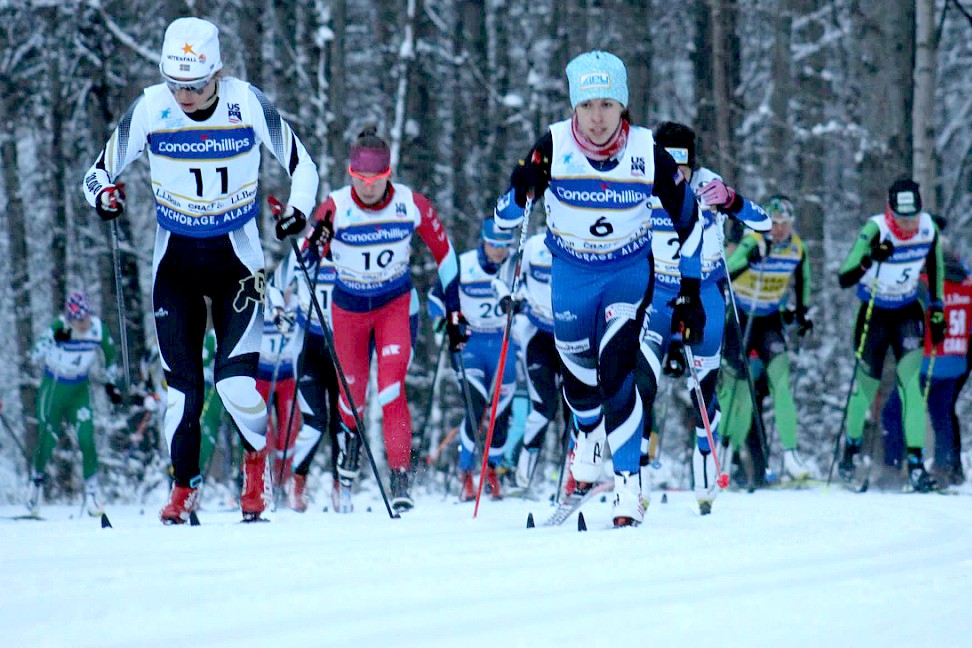
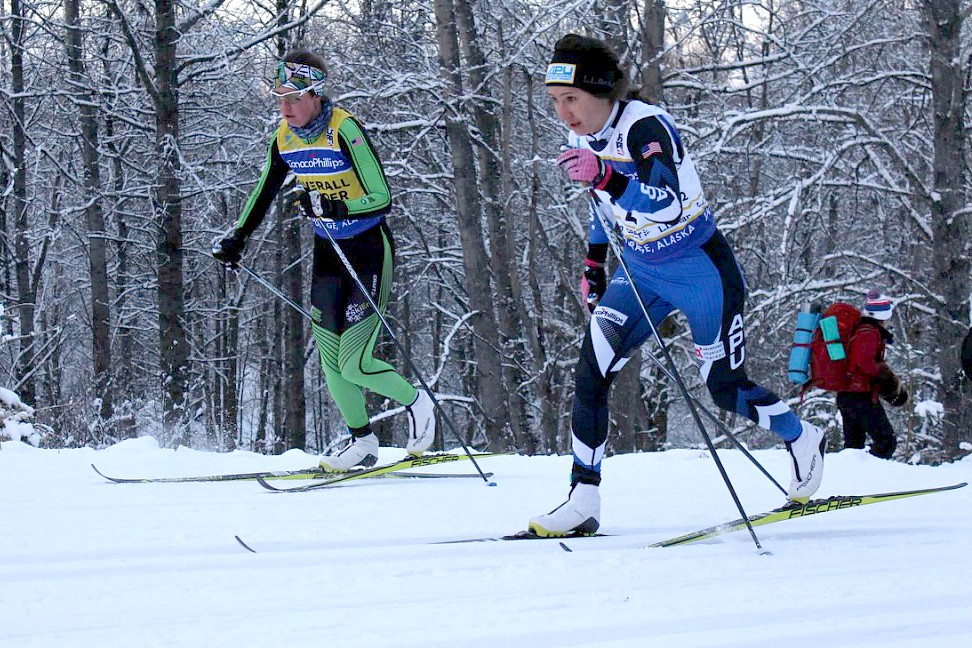
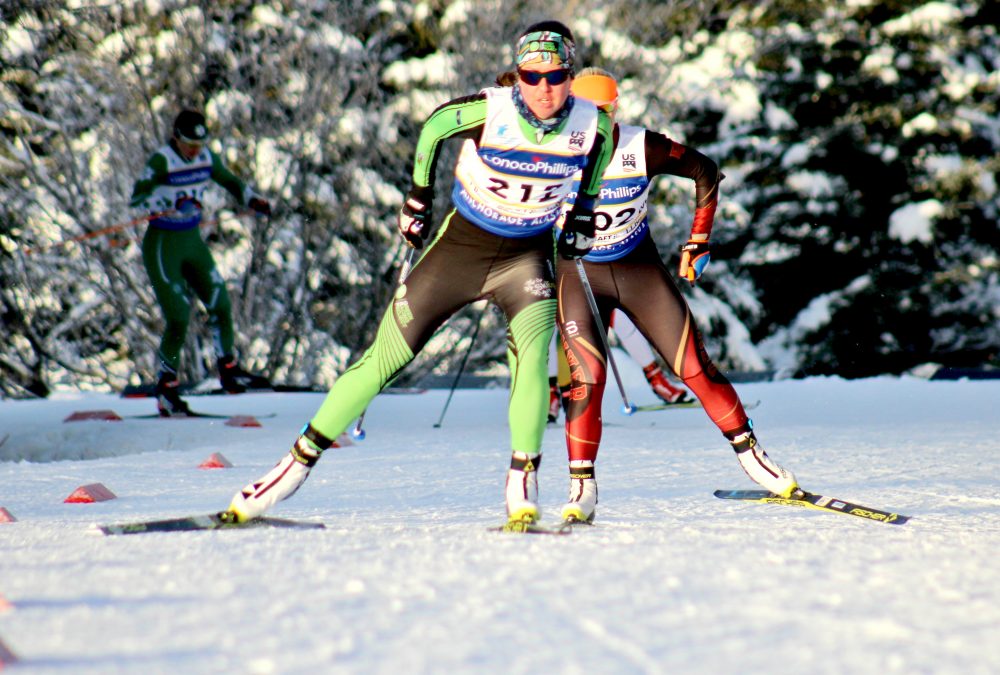
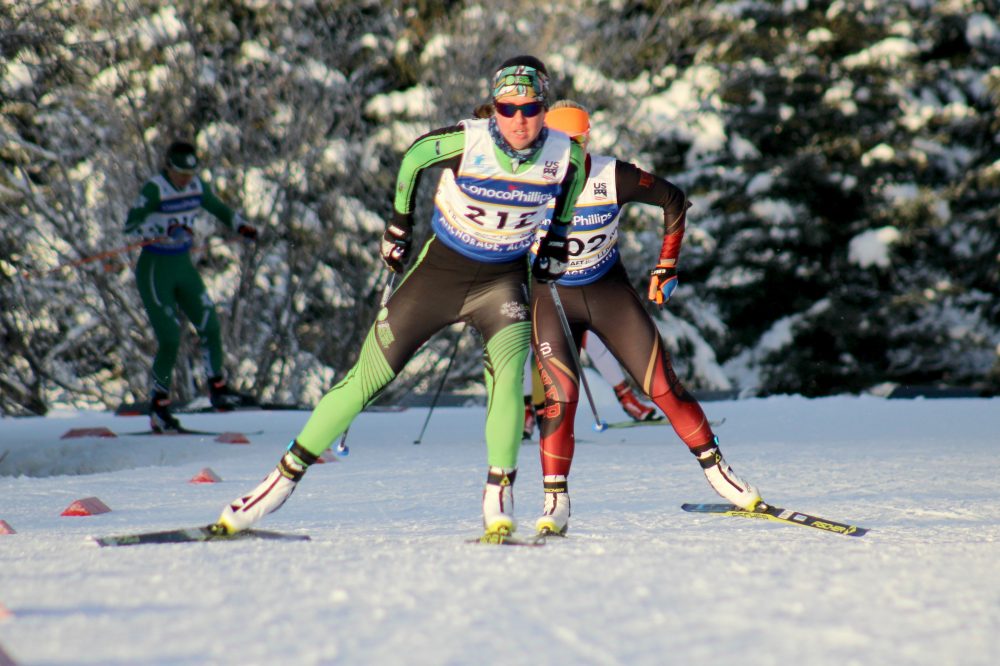
    APU’s Rosie Frankowski (6) and CU’s Hedda Bångman (11) leading the charge up Elliott’s Hill in the women’s 20k classic mass start at the 2018 U.S. Cross Country Championships in Anchorage, Alaska.

    If the lead pack was going to avoid a three-woman sprint to the finish, something was going to have to give. And the final time up Elliott’s, it did.

    “The fourth lap is where it really splintered apart,” Patterson said. “At the top of Elliott’s, that last really kicker hill, the herringbone hill.”

    At that point, Patterson, who grew up in Anchorage, recounted that Bångman had “really good skis, like stay-in-the-track that whole way up good. All the rest of us were running outside [the tracks] flailing around a bit, so she gapped us there. And she skis the downhills very well, so she closed a gap there across the World Cup [start area] flat out there, and we never closed that down. Frankie and I were chasing her on Rollercoaster, but I think she held her gap about the same from there all the way to the finish.”

    As Bångman, 22, told FasterSkier after the race, “I didn’t have a plan before [the race], but I knew I was the strongest. So when we went out on the last lap, then I realized, ‘I can really make this race.’ So in the first hill on the last lap, I started to push harder, and then I left the others behind me. And then it was just to push as hard as I can to the finish line.”

    By the time the three-woman lead pack came around the edge of the stadium again, midway through their final lap, Bångman had a significant lead, roughly 12 seconds. She stretched it to 15.9 seconds by the finish, finally allowing herself to slow slightly, look around, and celebrate in the final meters before crossing the finish line.

    Behind her, a battle for top American was shaping up between Frankowski, who had never stood on a national championships podium, and Patterson, who had been there twice already this week.

    Coming through the edge of the stadium, Patterson held a lead of two to three seconds over Frankowski as the two of them approached the wall-like climb up the Gong Hill for the final time. Patterson began heading up on the left side of the trail, Frankowski a few meters behind her on the right, herringboning with stunning alacrity for being 20 kilometers into a 22-kilometer race.

    Then Frankowski caught a pole tip on her ski and fell into the sugar snow on the uphill. It took her several seconds to get up. While she extricated herself, Patterson skied away and up and over the top of the Gong Hill.

    “The real cool thing that came out of that fall,” Frankowski told FasterSkier after, “was that I actually had my pole stuck under my ski, and I had to literally think, ‘Relax, and figure this out and stand up.’ While in the past I would have been so frantic I probably would have dropped more places than I did.”

    “So I basically was just trying to get up,” recalled Frankowski, a 26-year-old Minneapolis native. “And when I got up someone yelled, ‘Don’t give up.’ And immediately I felt like, well, I am going to try to catch Caitlin, and if I could I would, but I didn’t. She is so strong right now; I tried and got close, but I didn’t do it.”

    Frankowski’s travails were news to Patterson when told about this after the race.

    “I had no idea,” Patterson said of her fall. “But that makes sense because it confused me because I was certain that as I ran up on the wall on the left side I was certain that there was someone just by me on the right side. But then I could hear on the downhill that there was no one close and then people were cheering for her 10 meters back, so I didn’t see that during the race.”

    Frankowski’s fall came midway through the last lap, roughly 2.1 kilometers before the end of the race. After giving chase over the Lekisch Loop, she made up roughly the time she had lost in the fall before running out of real estate, crossing the finish line 3.7 seconds after Patterson for third overall and second American.

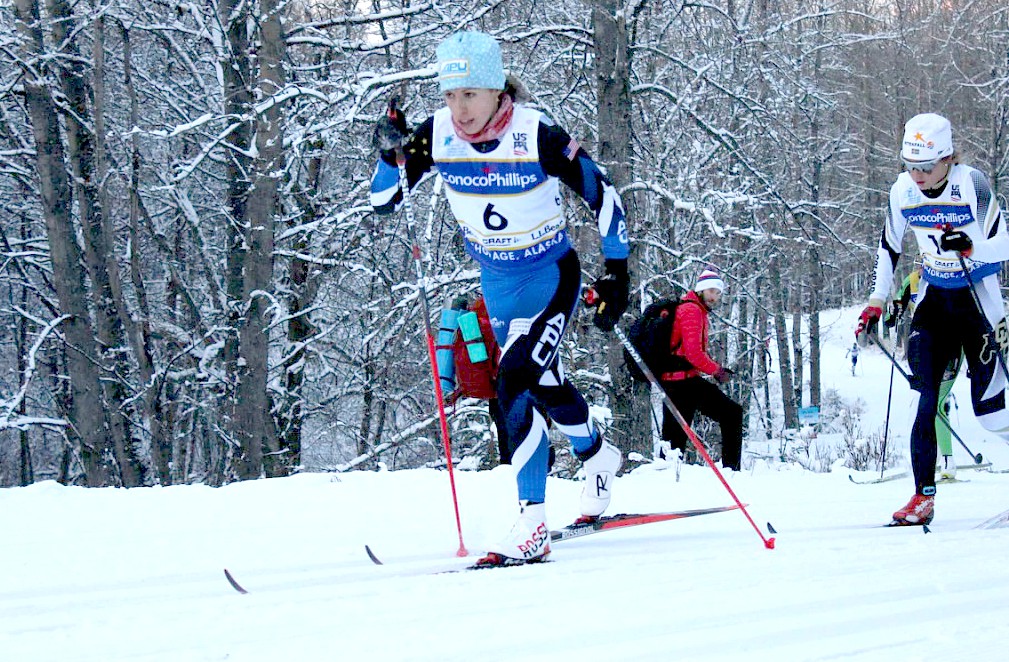
    Rosie Frankowski (APU) leads CU’s Hedda Bångman (11) up Elliott’s Hill in the women’s 20 k classic mass start at the 2018 U.S. Cross Country Championships in Anchorage, Alaska.

    Yeaton, 26, who was born in Perth, Australia, and moved to Alaska at age 12, skied into the finish alone 24 seconds later for fourth overall. Miller followed another 29 seconds later for fifth overall and third American. Alayna Sonnesyn, a University of Vermont junior, was the second college skier and second U23 skier in the top six.

    “I felt so strong today,” said overall first-place finisher Bångman. “It was a so-good race, I’m so happy. My skis were perfect, and my body felt so good.”

    Patterson is now three-for-three for national titles this week, but this one didn’t come easy.

    “I am pretty excited about this third one, but it was the toughest of them all,” she said.

    “It was a real struggle to hang with the people who were pushing the pace today,” she added, crediting Frankowski for her work at the front.

    “I know especially how I am racing right now that I just need to hang on and the end can be good, and it was fairly good today,” Patterson added. “So I am really happy with the national title.”

    Patterson said that she had opted to prioritize glide over kick on Sunday in light of the course profile, “because I feel like a lot of those walls are steep enough where I would be running anyway.”

    “I probably erred a little too much on the glide side,” she continued. “Which is my fault with some testing … so I was herringboning like every single one of those technique zones, every kind of big hill, just had to keep moving. And luckily because the skis were so fast and I know these downhills so well, I was able to catch up on a lot of the downhills when I did get gapped on several uphills, almost every lap.”

    Each lap featured three of the technique zones that Patterson had mentioned, in which doublepoling was forbidden. For the Anchorage readers, or anyone else familiar with the Kincaid trails, one was at the top of Elliott’s Climb; one was at the southern end of Dark Alley, approaching the lower tunnel; and one was the entire climb up to the Gong Hill from the north/back side of the snowmaking loop just a few hundred meters later.

    (There had been a fourth zone marked during Saturday’s course preview, Patterson recounted, in the first uphill on the Lekisch Loop, which features a stair-step climb with a slight saddle or depression between the two steps. “There was a technique zone that they tried to put there,” she said, “and it literally had a downhill in it, but luckily the coaches protested that and they took it out.”)

    After 22 k of skiing and 12 careful trips through each technique zone, Frankowski finished 3.7 seconds behind Patterson. It was the first national championships podium of her career.

    Her sole strategy coming into the start of the race had been to “push every uphill,” Frankowski explained. “I have raced at Kincaid enough to know that you recover at every single downhill, and so for someone who doesn’t have a sprint at the end, I needed the pace to be hot at the beginning. So right when we started, immediately out of the start I realized that our skis were incredibly fast, and honestly comparable to or better than anyone else’s in the field, and so I felt, well I am going to doublepole as much as I can and then every downhill, especially the ones I struggle on, just tuck behind and try to be relax and know that I can catch back up.”

    Craftsbury skier Caitlin Patterson (l) with APU’s Chelsea Holmes during the the women’s 20 k classic mass start at the 2018 U.S. Cross Country Championships in Anchorage, Alaska.

    Frankowski made clear that, like Patterson, she had gone thin to win when it came to choosing how much kick wax she wanted. “The course here,” she said, “except for maybe Elliott’s, all these hills are running hills so you really had to Klæbo it up or herringbone and just know that you are not going to have perfect striding today, and if you do, your skis are going to be too slow through the stadium to be in the mix.”

    Frankowski, whose public social media profile frequently features paeans to the consumption of Thai food, also clarified, “I would say the key to success is that last night I had Tom Yum soup and Pad Thai for dinner, and lots of cookies, so I think that helped also.”

    Fellow APU skier Yeaton was the fourth skier across the finish line, 24.5 seconds behind Frankowski and 44.1 seconds back from Bångman.

    Yeaton pulled no punches when asked if she had been expecting this result.

    No,” she said. “Not even close. Nowhere in the ballpark. … I was hoping, like on a great day, maybe I’d get top 10. I never thought I’d get fourth.”

    Yeaton’s fourth wrapped up a strong week of domestic racing for the Australian-American dual national, who is known more as a sprinter rather than a distance skier. Indeed, her next races will be Dresden, Germany, to compete for Australia at next weekend’s sprint-centric World Cup stop. Yeaton is presumptively qualified for the Australian Olympic Team in the latest FIS Olympic Points List simulation.

    29.4 seconds behind Yeaton came Craftsbury’s Miller in fifth overall, but the third American across the line after Patterson and Frankowski. She had been “in contact with the lead group until about the third lap when a gap formed on Elliott’s [Climb] that I was unable to bridge,” Miller wrote in an email to FasterSkier after the race.

    “I’m very pleased with my race and it was very exciting to see my teammate, Caitlin Patterson, place second,” she added. “I was very impressed with the 5k course that the organizers put together for the event. It was a fun course to race on.”

    Sunday marked Miller’s fifth time on a national championships podium, and second in this week, following a second on the American podium in Friday’s freestyle sprint.

    Sonnesyn filled out the rest of the top six. The 21-year-old Vermont college skier identifies as a distance skier and had been hoping for a better result in Wednesday’s 10 k skate, she told FasterSkier at the finish.

    I was excited for that, but unfortunately I didn’t have the race I was hoping for,” Sonnesyn said. “But I came back with a really strong sprint, which kind of surprised me. And I was feeling so great that I came into this race today pretty confident. So I was excited for it this morning, and I’m really happy with the way it went.”

    Hannah Halvorsen Wins Junior Race

    While junior women (U20 skiers and under) raced alongside the senior/master field in Wednesday’s 10 k freestyle individual start, Sunday saw the juniors get their own starting time and course for the 5-kilometer classic mass start race. One lap, 92 starters, 5.5 kilometers, go!

    Before long, a pileup ensued. But “I only heard about it from quite a few girls,” junior winner Hannah Halvorsen, of APU and the U.S. Ski Team, told FasterSkier after. “I was right in front of it; I got lucky.”

    Halvorsen, 19, covered the one-lap course in 15:07.8. Second place went to Hailey Swirbul, a University of Alaska Anchorage sophomore, 10.4 seconds back.

    Third place on the all-Alaska podium went to an athlete with four years’ less experience and one fewer Junior World Championships medal to her name, U16 athlete Kendall Kramer. Kramer, who finished 4.4 seconds behind Swirbul, skis for the Nordic Ski Club of Fairbanks/Fairbanks XC (NSCF-FXC), as well as West Valley High School. She had competed in only one other FIS race in her life before this week.

    Halvorsen was second on the junior girls podium in Wednesday’s distance skate race, and third overall among American women in Friday’s sprint race. Swirbul was the top junior woman on Wednesday and reached the quarterfinals of the senior women’s sprint on Friday.

    Halvorsen had high praise for Sunday’s race course: “Super-fun course, up and down, kind of rolling,” she said. “Good places to find speed and carry momentum, time to rest and do different transitions. Just, like, a fun course.”

    It probably doesn’t hurt that she won. “It felt good,” said Halvorsen, who grew up in Truckee, California. “I was tired this morning, but it doesn’t really matter how you feel, you just get out there and go for it. I had really good skis, really good support; my dad’s here, my brother’s here. It’s a beautiful day to be racing; really fun racing out there.”

    — Gabby Naranja and Ian Tovell contributed reporting

    Results: Women’s 20 k | Junior women’s 5 k

    Highlights video from Max Romey Productions

  • Two-for-Two: Patterson Wins Second-Straight Race at U.S. Nationals; Hart Takes Qualifier

    Two-for-Two: Patterson Wins Second-Straight Race at U.S. Nationals; Hart Takes Qualifier

    Caitlin Patterson of the Craftsbury Green Racing Project leads Jasmi Joensuu (University of Denver) during their semifinal of the women’s 1.5-kilometer freestyle sprint on Friday at the 2018 U.S. Cross Country Championships in Anchorage, Alaska.

    ANCHORAGE, Alaska — For the throng of spectators who lined up along the colorfully flagged sprint course at Kincaid Park on Friday, Mother Nature had donned a new look: an earl-gray sky and a rising sun, making the white snow-dusted base of the state’s Tordrillo Mountains (known locally as the “Ghost Range”) if ever so faintly distinguishable to the southwest.

    Less than 48 hours had passed since the opening race of the 2018 U.S. Cross Country Championships at Kincaid Park, but the slushy trails and snowy skies that had prevailed Wednesday were tucked away in the closet.

    The second day of racing found athletes and onlookers embracing the end of the sun’s bereavement; a few blinking in wonder and questioning if it was indeed, the same place they had ventured to two days before.

    While the weather had transposed into an alter ego, one competition-day facet remained virtually unchanged: the name of the eventual winner.

    Caitlin Patterson, who races for the Craftsbury Green Racing Project (CGRP) and grew up in Anchorage, is proving herself a force to be reckoned with this week; the event weather and discipline may change, but her desire to finish first apparently does not.

    From left to right: Kaitlynn Miller (Craftsbury Green Racing Project), Caitlin Patterson (CGRP) and Hannah Halvorsen (APU) on top of the American women’s 1.5-kilometer freestyle sprint podium on Friday at the 2018 U.S. Cross Country Championships in Anchorage, Alaska.

    The 27 year old won Friday’s 1.5-kilometer freestyle sprint final in a time of 3:20.9 minutes and now holds four U.S. national titles. One of those came in Wednesday’s 10 k freestyle and the other two from 2016 U.S. nationals, in the 10 k classic individual start and 20 k freestyle mass start races. Friday’s victory was her first sprint national title.

    Though she has been on a U.S. nationals sprint podium once before — she finished third in the 2016 freestyle race — Patterson was slightly surprised with the margin by which she won Friday. She finished the final with a definitive win, the next closest finisher 3.56 seconds behind.

    “I expected, especially in the final, that someone would really have a push on the top of that hill, but maybe everyone was getting a little bit tired or maybe I just went for it a little harder than I realized I could,” Patterson reflected after.

    But she was especially wary of Finland’s Jasmi Joensuu, the University of Denver junior who had finished second right behind Patterson in both the quarterfinal and semifinal.

    “In our quarterfinals [Joensuu] was extremely strong at the top of the major uphill, hop skating, really putting a push over that I could barely match,” Patterson said.

    Joensuu, 21, had been punching the pace in the front through the first climb for most of the day, leading Patterson out during both their quarterfinal and semifinal. In the early heats, the CGRP skier tended toward the back through the first third of the course.

    “I was really strong in the uphill. That’s what I think was my strength today,” Joensuu said after.

    “I’m a slow starter,” Patterson explained. “In the semifinal I found myself in the very back of the heat.”

    It was in the downhill returning to the stadium and the final uphill hook back toward the finish that Patterson tended to regain ground; that is how she held off Joensuu in the finish of both the quarterfinal and the semifinal (they went one-two in both heats, respectively).

    The final was not much different. Joensuu was still at the front of the charge off the start, but this time alongside the University of Colorado Boulder (CU) senior Petra Hynčicova, a 2017 NCAA double champion, who hails from the Czech Republic.

    The University of Colorado Boulder’s (CU) Petra Hynčicova leads Craftsbury Green Racing Project (CGRP) skier Kaitlynn Miller back into the stadium during their semifinal of the women’s 1.5-kilometer freestyle sprint on Friday at the 2018 U.S. Cross Country Championships in Anchorage, Alaska.

    “The first part was definitely the best part for me,” Hynčicova said after. I knew I had really good skis … I tried to go in the beginning. I think it was the right move.”

    The two international college skiers continued in the front through the first descent running along the backside of the course. There, Patterson made her move. Tucking for speed, she slungshot her way from fourth to second, moving around Joensuu and her CGRP teammate Kaitlynn Miller, heading into the major climb side-by-side with Hynčicova.

    Through the climb, Patterson tried to stay as quick as possible, reaching the top before the rest of the finalists. Pressing to keep up were Joensuu, Hynčicova, Miller, Hannah Halvorsen, of Alaska Pacific University (APU) and the U.S. Ski Team D-team, and Kelsey Phinney of the Sun Valley Ski Education Foundation (SVSEF).

    “I was pretty tired by the final and didn’t have the legs to vie for a top spot but so it goes sometimes,” Phinney wrote in an email.

    “I’ve still got to work on getting my extra sprint gear,” Phinney continued. “But it was great to have a really competitive final with everyone holding their own and jockeying for spots at different parts of the course, that’s always fun!”

    As Phinney and the rest raced to catch up, Patterson focused on maintaining a gap. Now that she was in front, there was no turning back.

    “I could feel people behind me but I was never looking back,” Patterson said. I knew that since I was going to be in front, I was not going to be drafting anyone on the downhill, so I better get out of there as fast as I could and then I just sent it on the downhill.”

    Patterson cruised down back toward the stadium, Joensuu now the only one within proximal striking range, about five meters behind. Following Joensuu was Hynčicova and Halvorsen, then Phinney and Miller. The group looped into the final incline to the finish Patterson still leading the way, Miller having moved around Halvorsen during the course of the corner.

    “I think you can always look at where you can improve and a lot of those girls were skiing that final U-turn a lot better, carrying more speed out of it than I did, so I’d like to work on that in the future,” the 19-year-old Halvorsen said.

    Joensuu and Hynčicova had carried speed, but not enough to catch Patterson. The Finn claimed second 3.56 seconds behind, while Hynčicova earned third, 4.19 seconds back. In fourth, was Miller as the second American, 4.35 seconds out of from the win and 0.16 seconds out of third.

    “It’s always exciting in the heats to keep moving up, especially when you feel like you gave it your all in the qualifier,” Miller said after the final.

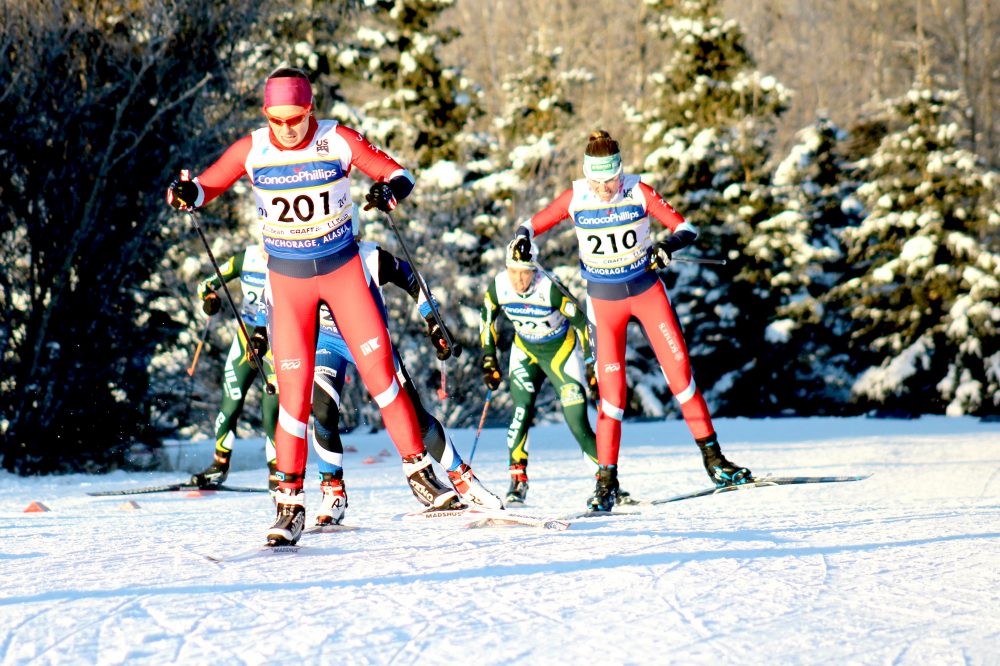
    Stratton Mountain School (SMS) Elite Team member Anne Hart (201) leads her teammate Erika Flowers during their quarterfinal of the women’s 1.5-kilometer freestyle sprint on Friday at the 2018 U.S. Cross Country Championships in Anchorage, Alaska.

    “I definitely tend to have better results in classic, so for me, I just like to see improvement in my results, feel like I’ve done well,” added Miller, who was the 2016 classic sprint national champion and placed third in last year’s classic sprint. She also placed second in the 2016 classic 10 k individual start.

    “I’m pretty happy with it,” she added of earning her first freestyle podium as the second American woman across the line.

    Just missing the final and the winner of Friday’s qualifier was Anne Hart of the Stratton Mountain School (SMS) Elite Team in seventh. Earlier this season, Hart raced the opening International Ski Federation (FIS) races in Beitostølen, Norway, where she finished in the top 20 in the 10 k freestyle. She also won this year’s opening SuperTour freestyle sprint in West Yellowstone, Montana.

    “I’m feeling overall good about the race, with a little bit of regret for what could have been.” Hart wrote in an email. “I had a really disappointing 10 k skate race for me — I had been hoping for a much better result, but unfortunately the course and conditions ended up not suiting my style of skiing.

    “Both Pat O’Brien (SMS coach) and Max Lipset (strength coach) were talking to me after the 10K, and encouraging me to bring my best possible self to today’s effort, and throw a metaphorical punch that I would be proud of,” Hart continued. “With that mindset, some good energy, and great skis I was able to put together probably my best qualifier to date. I’ve never won a high-level full field qualifier, so while they don’t give flowers for that I am counting it as a definitive personal victory, and an affirmation in the training I’ve done.”

    Hart won the qualifier in a time of 3:22.10 (Patterson qualified in 12th, 5.76 seconds back, and later won in a time of 3:20.9). The SMS skier advanced to the quarterfinals before getting eliminated in her semifinal after finishing third behind Miller and Hynčicova.

    “My quarterfinal was good, although in retrospect I think I may have burned a little too much energy early on leading from start to finish,” Hart wrote. “I took a different tact in the semi-final to try and utilize the draft into the finish, but unfortunately followed the wrong person up the big hill and got a little further back than I would have liked to be.”

    “So I put in my best effort to close the gap to the top two women, and came up less than a hundredth of a second short.” Hart continued. “So that stings a little bit to be so close to the final on a day when I know I could have been competitive in that last effort, but that is ski racing— for better or for worse— and I’m excited for the two races yet to come!”

    Two races remain with a 20 k classic mass start on Sunday and a classic sprint on Monday.

    In the junior women’s freestyle sprint on Friday, the win went to Sydney Palmer-Leger (SVSEF) in a time of 3:36.05. Callie Young of the Craftsbury Nordic Ski Center claimed second, while Kathleen O’Connell skiing for Montana State University took third.

    Also in the junior’s final was Annika Hanestad in fourth, Sarah Morgan of Wasatch Nordic in fifth, and Kelly Koch of Loppet Nordic Racing in sixth.

    Results: Qualifier | Senior women’s final | Junior women’s final

  • Wednesday Workout with New DU Assistant Mads Strøm

    Wednesday Workout with New DU Assistant Mads Strøm

    A glance at Lookout Mountain in Golden, Colorado, where the DU Ski Team held an uphill skate workout last month. (Photo: Mads Ek Strøm)

    At the end of Mads Ek Strøm’s senior year at the University of Colorado-Boulder (CU), the 26-year-old Norwegian had some decisions to make. He started by looking for a job in the U.S., specifically in the finance industry, in addition to pursuing a master’s degree in finance.

    Mads Ek Strøm of the University of Colorado-Boulder racing to a first place finish in the men’s 10 k freestyle race at the 2016 NCAA Skiing Championships in Steamboat Springs, Colo. (Photo: CUBuffs/Buffzone.com)

    Then the three-time National Collegiate Athletic Association (NCAA) champion — who won back-to-back races at the 2016 championships and came 0.5 seconds from a fourth NCAA title last year — got a call from Dave Stewart, head coach of the University of Denver (DU) Ski Team.
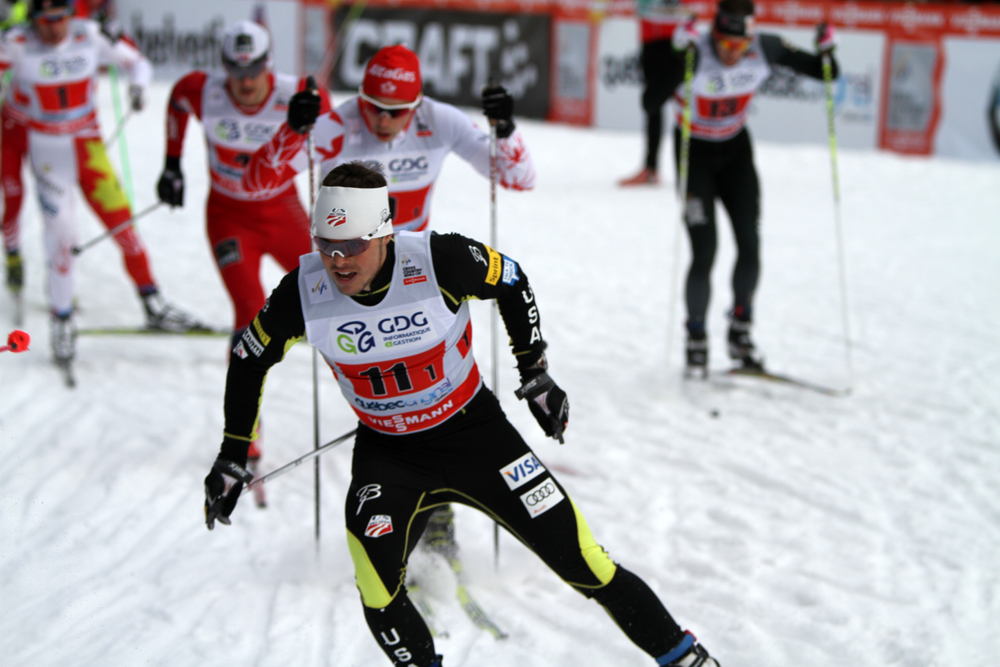
    DU’s assistant coach for the last six years, Hakon Johansen, had accepted a position as head coach of the Chinese biathlon federation, which is aiming to strengthen its snow-sports teams in advance of the 2022 Beijing Winter Olympics, Stewart explained in an email to FasterSkier.

    “When I started thinking about a new coach, Mads was a top choice immediately based on his experience as a competitor, as an NCAA student-athlete and from what I know he invested in his own training and in his teammates,” Stewart wrote of the Oslo native. “I have a lot of faith in a coach who is motivated to pass on to his athletes what he learned from his own experiences.”

    Strøm, a seven-time first-team All American and the winningest male skier in CU history, accepted the offer and started at DU at the beginning of the semester about a month ago. DU announced Strøm’s hiring as assistant nordic coach on Sept. 15.

    “I couldn’t say no when the offer from DU came along,” Strøm wrote in an email. “It’s been awesome so far and it was a great way to still be a part of the skiing community.”

    Mads Strøm (r) and Linn Eriksen were FasterSkier’s Collegiate Skiers of 2016. Strøm is now an assistant coach at DU and Linn Eriksen, also from Oslo, Norway, is a senior at DU. (Photo: Curtis Snyder of the CU Sports Information Dept. and Jamie Schwaberow/NCAA photos).

    His responsibilities include discussing training plans with athletes and helping them reach their goals, he explained.

    “As a coach, I really hope I can help the all the athletes develop as skiers but also as human beings,” Strøm added. “Their goals are my goals and hopefully we can bring back the national championship to Denver for the 24th time. I really want to develop skiers and potentially find and help US skiing to another level.”

    “Mads has hit the ground running here and has been received well by our team,” Stewart noted. “We have a very motivated and fun team this year. A few young new faces and enough experienced returners among both women and men to lead the way. As always, our goals will be to be better than we have been before both individually and as a team and win NCAA’s.”

    We asked Strøm for a Wednesday Workout, and he shared one of the best ones he knows: Level 3 uphill skate intervals.

    DU senior Linn Eriksen skating up Lookout Mountain in Golden, Colorado, last month. (Photo: Mads Ek Strøm)

    “You get to increase your VO2 (Level 3-4) and you get lots of repetitive movement which makes you able to work on technique over a longer period of time in ‘race pace’,” he explained.

    “Before the workout try to make it THE workout of the week, as the interval sessions are the ones that makes you a better skier,” Strøm wrote. “Try to create a training plan where you are rested both physically and mentally the morning of the workout. The second session of the day should be a recovery workout (double poling with core strength or just easy running for 45 minutes to an hour).”

    The Workout: Level 3 6-8 x 8-minutes skate uphill

    1. Warmup: Easy skiing for 30 minutes, some minor speed increases to make the body ready for a hard workout.
    2. The Interval: 6 to 8 times 8-minutes uphill skate. Try to pace it so that every single interval is slightly faster. The last one should be in the form of 30/30, where you try increase the pace for 30 seconds and then rest for 30 seconds and do it 8 times; to increase speed and the tolerance for lactic acid to make it race specific.
    3. Cool down: 10 minutes of Level 1 and 5 minutes of Level 2 to remove as much lactic acid as possible. Remember food and drink after the workout as soon as possible (protein bars, Gatorade, etc.)
    DU sophomore Eivind Kvaale skating up Lookout Mountain in Golden, Colorado, last month. (Photo: Mads Ek Strøm)


  • Nordic Nation: The Moxie Episode with Jesse Knori

    Let’s face it, nordic ski racing is about the most physically taxing of sports. Pre-race, mid-race, post-race, it’s easy to come up with excuses and to complain. My tech missed the wax, I’m overtrained, I’m undertrained, sore muscles, no muscles … there’s a lot to whine about.

    But in this episode, we’re focusing on moxie.

    A young Jesse Knori in the skating zone: no pole style = moxie too.  (Courtesy photo)

    Mostly the sport is rife with teeth-grinding athletes seeking the sufferfest. One of those athletes is 23-year-old Jesse Knori, a 2017 University of Colorado-Boulder (CU) graduate and native of Jackson Hole, Wyo.

    On the spectrum of sufferfesting skiers, Knori is an outlier. For a young adult, Knori has already dealt with more than her fair share of physical and emotional pain. (For all the details, you’ll have to listen to the podcast episode below.)

    Jesse Knori (University of Colorado-Boulder) leading Estonia’s Anette Veerpalu during their quarterfinal of the women’s classic sprint at U23 World Championships at Soldier Hollow in Midway, Utah. Knori finished third in that heat (while Veerpalu was sixth). While she didn’t advance to the semifinals, Knori was the top U.S. woman in 15th on the day. (Photo: FlyingPointRoad.com)

    As a middle schooler, Knori was diagnosed with severe rheumatoid arthritis. Knori skied at CU and notched 15th in the classic sprint at this year’s U23 Nordic World Championships in Utah. Clearly, Knori didn’t let her autoimmune condition dictate her goal setting.

    Bottom line, Knori  is as tough as they come. And she’s a sixth-generation Jackson Hole native and new coach at the Bend Endurance Academy in Oregon. She’s the guest on Nordic Nation’s first edition of its “Moxie Episode”.

    Jesse Knori (University of Colorado-Boulder) representing the U.S. at 2017 U23 Worlds at Soldier Hollow in Midway, Utah. (Photo: Bernie Nelson)

    (To subscribe to the Nordic Nation podcast channel, download the iTunes app. If you have iTunes, subscribe to Nordic Nation here.)

    Have a podcast idea? Please email nordicnation@fasterskier.com.

  • Utah Rallies for NCAA Title; Bergström, Hyncicova Double Champs

    Petra Hyncicova of the University of Colorado-Boulder leading the women’s 15 k freestyle mass start out of the start on Saturday, the last day of NCAA Skiing Championships in Jackson, N.H., with Northern Michigan’s Nicole Schneider (2) and UVM’s Alayna Sonnesyn (3) right there with her.

    JACKSON, N.H. — Two years ago, Martin Bergström quit skiing.

    A month ago, Petra Hyncicova took three weeks off skiing following U23 World Championships due to a painful bursa between her Achilles tendon and heel bone.

    Less than a week after resuming training, Hyncicova, a 22-year-old Czech Republic native and University of Colorado-Boulder (CU) junior, raced to two National Collegiate Athletic Association (NCAA) Skiing Championships titles — the first of her career — in Jackson, N.H.

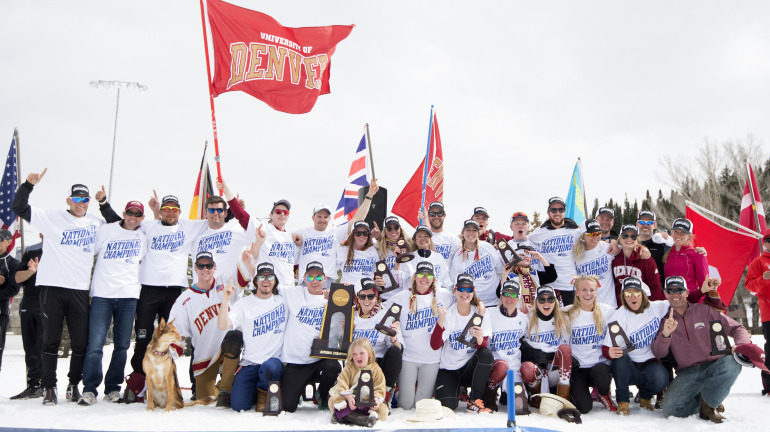
    The University of Utah ski team celebrates its first NCAA title since 2003 on Saturday, March 11 at 2017 NCAA Skiing Championships in Jackson, N.H. (Photo: Flyingpointroad.com)

    Bergström, a 25-year-old Swedish freshman at the University of Utah, did the same, winning both nordic races at 2017 NCAA Championships and leading the Utah Ski Team to its first team title since 2003.

    Both started off with decisive victories in the women’s 5-kilometer and men’s 10 k classic individual starts last Thursday, with Hyncicova topping the former by 18.7 seconds and Bergström winning the latter by 26.8 seconds.

    Then on Saturday, with temperatures hovering just above the legal racing limit of -20 degrees Celsius (-4 Fahrenheit) and winds ripping across the field that served as the stadium, the two international skiers completed their championships sweep with wins in the women’s 15 k and men’s 20 k freestyle mass starts.

    “When the season started, I figured that I was in really good shape this year,” said Hyncicova, whose previous best NCAA Championships result was second in the skate race last year in Steamboat Springs, Colo. “I was hoping that I could be on the podium again at NCAA’s and maybe hoping that I could win the skate race, but after winning the classic race and after the injury and everything I can’t believe it. It’s insane for me.”

    “Two years ago, I quit skiing back in Sweden and I took one year of just studying,” Bergström said. “And then a friend of mine was on the [Utah] team, and he said there were spots open and that I should try a different environment of skiing and studying and that I could come over here. So I talked to the coaches, and eventually went for this trip and have had so much fun and made many friends. I’m just so happy I came here.”

    On Saturday, Bergström led three Utah men in the top 10, with Martin Mikkelsen placing eighth and Kevin Bolger 10th. The three scored 84 points and their women’s team emerged as the second-highest scorers in the second race of the day to give the Utes a 16.5-point win over Colorado (CU) to end the championships.

    Reflecting on his win on Saturday, before the women’s 15 k, Bergström anticipated it would be a tall order to win the team title.

    “It’s been amazing, and it’s an amazing team,” he said of his season with Utah. “All the training we’ve done and the work we’ve put in this fall and winter. I’m just so happy. Hopefully there’s a slim chance the girls can pull off an amazing race. We’ll see.”

    Utah Director of Skiing Kevin Sweeney later explained just how difficult it was to come from second place on Friday to take the win over CU and Denver University (with Denver finishing third, just one point behind Colorado). In the last decade of NCAAs, Colorado has placed first or second seven times, according to a press release. Denver is next in line with six top-two finishes (including five titles) since 2008.

    “We’ve been crunching numbers and have been able to beat Denver and Colorado by about 30 points on a really good showing during the RMISA [Rocky Mountain Intercollegiate Skiing Association] season, but didn’t know if we could do it in the championships,” Sweeney said, according to a Utah press release. “Bergström was skiing at a whole new level this week, and Mikkelsen had stepped it up, and I knew Kevin Bolger could get top 10. I was also confident in the women, who have been skiing awesome, so I felt good there. It’s awesome to be able to take this new trophy back to our new ski building.”

    Bergström’s Late Move

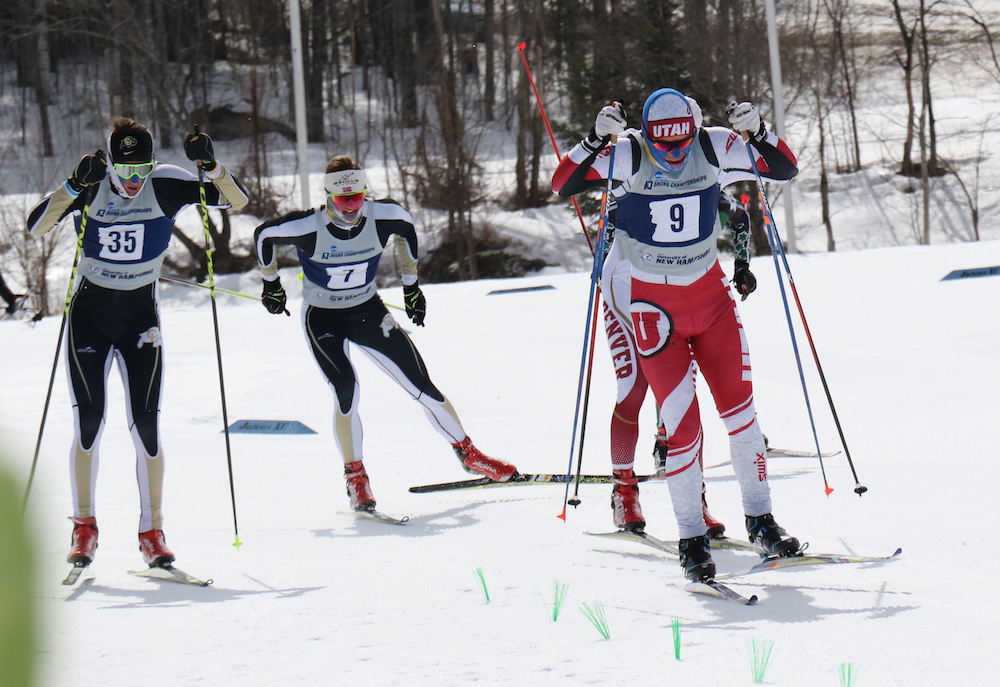
    The men’s 20 k came down to a five-way sprint to the line, with Bergström taking the win by 0.5 seconds over Mads Ek Strøm, CU senior and two-time 2016 NCAA champion.

    Utah’s Martin Bergström (9) leading CU’s Mads Ek Strøm (35) and Petter Reistad (7) and DU’s Moritz Madlener (behind Bergström) down the finishing stretch of the men’s 20 k freestyle mass start at 2017 NCAA Skiing Championships on Saturday in Jackson, N.H. (Photo: Karen Brown)

    After Denver’s Moritz Madlener led most of the race, Bergström moved to the front on the start of the fourth and final lap. With 5 k remaining, six men remained together: Bergström, Madlener, Strøm, Adam Martin of Northern Michigan University (NMU), Fabian Stocek of Dartmouth College, and Petter Reistad (CU). On the final lap, the group began to string out and Bergström opened up the narrow lead he needed to win at the finish, crossing in 46:02.8 minutes.

    “I just went for it,” Bergström said. “Tried to check who still had power in the legs. Moritz just answered when I upped the tempo, and he continued my push in the second lap, and I knew I was faster in the finish than Moritz, so he had to make his move before the sprint. As an old sprinter, I feel pretty comfortable making a pass. I can maneuver pretty efficiently. I was just happy too see that it was a high-tempo, pack finish, and with the wind and everything, I think it was smart to go a little before the final stretch.”

    On the final lap, Strøm, the defending champion who won both races at last year’s NCAAs, tried to position himself near the lead going into the first climb out of the stadium, just in case someone attacked.

    “They went kind of fast up there, but not too fast, and I was in fourth and I felt pretty good,” Strøm, a 25-year-old Norwegian, said. “Adam Martin caught me sleeping, and gave a gap, so I had to pass him.”

    With about 2 k to go, Strøm said about four men remained in the front group before his teammate, Reistad, pushed to latch back on.

    “Petter came back up, and I was like, ‘Come on dude, just use the speed and try to move up and take the lead,’ and he did,” Strøm said.

    On the pivotal last A-climb at the top of the course, Strøm found himself in third and unsure of his next move.

    “I wasn’t sure how strong the people in front of me were,” he said. “I should have done something sooner, over the last hill of the race. It’s kind of short, the last stretch of the race. I felt pretty good so I’m a little disappointed in second.”

    Saturday stood as Strøm’s second skate race of the season. He had appendix surgery in January.

    “I hadn’t raced much this year,” he said. “At first, I felt pretty good, actually.”

    He started Thursday’s 10 k classic in bib 1 and double poled to eighth place.

    “We decided on double poling and I started bib 1, and I got pretty screwed by that because I had to plow all the snow out of the way,” Strøm said. “I knew the shape was good, and today I was just… I mean second place is OK, but I wanted to win.”

    Just 0.1 seconds behind Strøm on Saturday, Madlener, a 23-year-old German senior who placed second and third at NCAA’s last year, achieved his first podium of the week, 0.6 seconds out of first.

    Reistad finished fourth (+1.2), Stocek fifth (+1.9) and Martin, who was in podium contention until the final lap, sixth (+18.7).

    Asked what his skiing plans are now, Bergström wasn’t sure.

    “I started a civil engineering program back home, and I have two years of eligibility here, but I don’t know,” he said. “I took a chance, and came here, but I haven’t decided if I’m going to stay or not, but we’ll see.”

    Hyncicova Goes For It

    Petra Hyncicova (University of Colorado-Boulder) celebrates her second-straight 2017 NCAA Skiing Championships title on Saturday after winning the women’s 15 k freestyle mass start at the Jackson Ski Touring Center in Jackson, N.H. (Photo: Flyingpointroad.com)

    Two-time 2017 women’s champion Hyncicova, who broke away from the pack with the University of Vermont’s (UVM) Alayna Sonnesyn halfway though the women’s 15 k, said coming to the U.S. was one of her best decisions.

    “I’m so glad I went to the U.S. Every year I’m more and more glad,” she said. “This year was actually supposed to be my last year. I have one more year of NCAA eligibility so I applied for a master’s program so I can be here next year also and I’m so excited.”

    She raced to a 21.1-second victory over Sonnesyn on Saturday in 39:21.6. The next-closest finisher, Hyncicova’s CU teammate Christina Rolandsen, crossed 17.8 seconds later in third (+38.9).

    “Starting with bib 1, it’s easy to be first out of the start,” Hyncicova said of leading out of the start.

    After setting the pace for the first 5 k, she tucked behind Rolandsen, a Norwegian sophomore, to start the the second lap.

    “I was trying on each lap to make a little bit smaller group, and I saw my teammate Christina so I was trying to get her in the group [so] we could go together,” Hyncicova added.

    When she noticed Rolandsen tiring on the second lap, she surged back to the front.

    “Then I took off a little bit,” Hyncicova said. “It wasn’t intentional, but Alayna stuck with me, so I was like, ‘OK, we can do it together. It will be nice to go just in two.’ ”

    Sonnesyn, a junior from Minnesota, led the two-woman breakaway for roughly four kilometers, up until the final A-climb of the race.

    “Coming through this field, it’s so windy, no one wanted to be up front,” Sonnesyn reflected. “I knew that she didn’t want to take the lead, I could tell, but I thought that if I sat back and didn’t take the lead either, the other girls were gonna come back and catch us and I didn’t want that to happen.

    “I kind of knew what was going to happen,” she added of Hyncicova’s game-changing move on the last hill. “She made a really great move up one of the hardest hills up to the high point and I was so impressed with how fast she could ski. I wanted to stay with her, but I just couldn’t. … I mean, she just took off. It was impressive.”

    While the women’s race included several downhill crashes on a hard-packed course, including a close one from Sonnesyn while she was leading on the second lap, Hyncicova said she wasn’t afraid to send it.

    “I love downhill skiing on nordic skis, so for me, it was really fun,” Hyncicova said. “I’m not scared and I enjoyed it.”

    For Sonnesyn, second place marked her second podium of 2017 NCAAs after placing third last Thursday. In two NCAA appearances before that, she had yet to crack the top 20.

    “I am so happy with the way things went,” Sonnesyn said on Saturday. “I definitely had some high goals for this week. I haven’t had the best luck with my NCAA experiences in the past and so I knew I could be competitive this year, but I didn’t know how competitive I could be.”

    She made a point to focus on how she was feeling and not worry about anyone else, both in Thursday’s individual start and Saturday’s mass start.

    “It’s tough to break away on this course, so I knew that if someone was going to break away I didn’t want to be the one to do it, but I wanted to be with them,” she added. “And that’s kind of exactly how it happened. I’m just so happy with the way things went this whole week. … I feel like I’ve improved so much over these last few years with Patrick Weaver as a coach. He’s helped me so much just to become a better skier. I love the sport and I’m just so excited for next year.”

    After Anika Miller of Montana State University (MSU) placed fourth (+44.0), Utah took fifth and sixth with Merete Myrseth (+1:01.5) and Guro Jordheim (+1:16.1), and was the only women’s team with all three in the top 14 with Natalia Müller in 14th (+1:32.1). In all, the Utah women scored 73 points (behind Colorado with 77) to help their program notch its 11th NCAA Skiing title.

    “The turning point of today is when Guro broke a pole, and she was back in the 20’s, and she and Natalia were skiing together,” Sweeney said, according to the press release. “We told them that they had to go and they busted out and made a big move. The men’s results were tremendous, but whether or not we were going to win was based on those guys making the move. It was exceptional athleticism and gutsy performances.”

    Behind Utah with 541.5 points, CU (525) and DU (524) in the top three, Dartmouth placed fourth (400), UVM fifth (355), and MSU sixth (320) in the four-day alpine-nordic, season-ending series.

    Saturday’s results: Men | Women | Team

  • Have What It Takes for American Ninja Warrior? Reid Pletcher Takes a Stab at It

    Have What It Takes for American Ninja Warrior? Reid Pletcher Takes a Stab at It

    Reid Pletcher (SVSEF) in the his first World Cup team sprint in Quebec City on Friday. Pletcher and Sylvan Ellefson (SSCV/Team HomeGrown) combined to finish 24th in their first team sprint since racing together as J1s.
    Reid Pletcher, formerly of the Sun Valley Ski Education Foundation, competing in the 2012 World Cup freestyle team sprint in Quebec City.

    FasterSkier recently caught up with Reid Pletcher, a former University of Colorado-Boulder skier and Sun Valley Ski Education Foundation (SVSEF) racer. Below is a summary of what Pletcher, 27, has been up to since he retired from skiing in 2013, including his most recent endeavor to become an American Ninja Warrior.

    ***

    More than 3,000 hopefuls submitted applications to the U.S. reality television series American Ninja Warrior (ANW) in 2014. Of those applicants, only 400 were selected for the Season 6 qualifying rounds. Applying to ANW is almost akin to applying to an Ivy League school, with ANW acceptance rates hovering just above the single digits. The application itself is a four-hour endeavor, involving a series of multiple-choice questions, short answers, long-form essays, and a two- to three-minute personal video.

    Furthermore, even if some of the obstacles on ANW, a spin-off of a Japanese TV series Sasuke, look a little comical from an outsider’s perspective, ANW courses often challenge even the toughest athletes in terms of strength, balance, control, and speed. Many competitors spend years training for the show. Producers take into careful consideration not only an applicant’s “Life Story,” but also his or her physical and athletic background.

    All things considered, one would have to be either semi-superhuman or semi-insane — or perhaps both — to meet the show standards. It may come as no surprise then, that when former nordic racer, Reid Pletcher applied to be on Season 8 of ANW, the show’s producers found he fit the bill.

    However, Pletcher, originally from Ketchum, Idaho, had no idea he would be offered the opportunity to appear on the show and compete in the qualifying rounds — taking place this Friday in Oklahoma City — until three weeks ago.

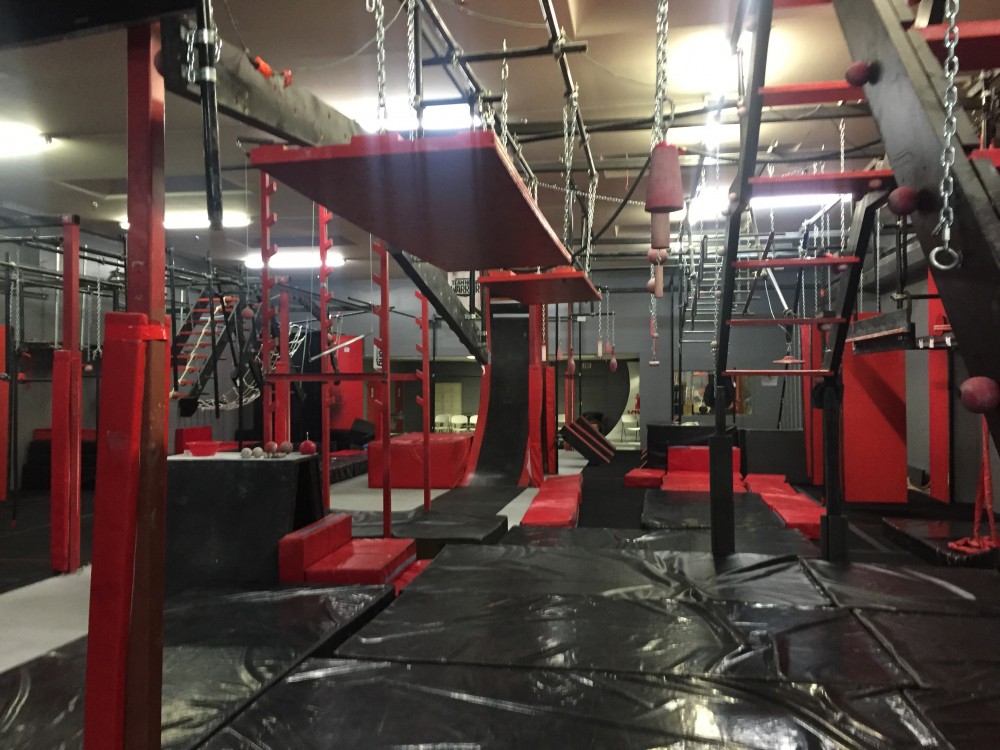
    An American Ninja Warrior gym Reid Pletcher trained at in Salt Lake City, Utah. (Photo: Courtesy Photo)
    An American Ninja Warrior gym where Reid Pletcher trained in Salt Lake City, Utah. (Courtesy photo)

    “The last time you could put in the application was mid-February and the [show website] said, ‘You’ll know within a couple weeks,’ and it had been like two months [with no word], so I just assumed I hadn’t made it,” Pletcher said in a phone interview.

    Pletcher submitted his online application last November and spent December through January training, until he broke his hand while playing soccer. After the hand injury, though still plenty active, he was nowhere near the 100 pull-ups a day he had been doing for two months.

    “I had kind of just given up on Ninja Warrior,” Pletcher said. “So I just kept going to class, doing nothing, hanging out and then did a couple river trips with the family and got my cast off and the day after I got my cast off, like a week ago, or two weeks ago now, someone calls me and is like, ‘Hey, this is American Ninja Warrior to congratulate you on qualifying for Season 8 American Ninja Warrior in Oklahoma City.”

    With two weeks to get back into ANW shape, Pletcher was neither bleak or big-talk about his chances to advance through the qualifying rounds. His first visit to an official ANW gym was only a week ago. Even with limited ANW obstacle experience, Pletcher is positive about his potential.

    “I’m in official damage control where I can’t get in insane shape in the two and half weeks that they gave me,” Pletcher said. “I think they keep it under the radar, like they don’t want people to know too early.”

    “I can’t blow myself out in three weeks because you know I can’t change my whole physiology and anatomy in three weeks,” he added. “I just need to stay steady, do nothing too ambitious and just do the best I can.”

    Pletcher’s ‘Life Story’: How He Won the Hearts of ANW Producers

    It’s no wonder Pletcher’s application stuck out to ANW producers. The former nordic racer’s history is anything but normal.

    After winning his first individual NCAA Championships title in the spring of 2011 while racing for the University of Colorado-Boulder (CU), Pletcher endured a harrowing climbing accident, in which he broke his skull. Though he would eventually recover and race again, qualifying for the Canadian World Cups in 2012, a few things for Pletcher would never be the same.

    Reid Pletcher (l) guiding U.S. Paralympic nordic skier, Jake Adicoff  during the 2014 Winter Olympic Games in Sochi, Russia. (Photo: Courtesy Photo)
    Reid Pletcher (in yellow bib) guiding U.S. Paralympic nordic skier Jake Adicoff during the 2014 Winter Olympic Games in Sochi, Russia. (Courtesy photo)

    “I still can’t smell,” Pletcher said of lingering side-effects he still experiences from the fall. “I lost my smell and I lost a significant part of the English language, but I can talk now, so that’s good.”

    “I couldn’t say nouns for a year and a half, like fork, knife, spoon,” he added. “I knew what everything was, I just couldn’t come up with the word. It was the weirdest thing. I still can’t really smell and I’m on some medication for chemical imbalances and stuff, but other than that I’m all engines running.”

    For about a year and a half after the accident, Pletcher continued to ski race. He graduated from CU with a degree in finance and went on to compete professionally for the Sun Valley Ski Education Foundation (SVSEF) elite nordic team.  He won the first SuperTour sprint of the 2012/2013 season and qualified for the 2012 Quebec and Canmore World Cups the next month. However, those December 2012 races would be his last; he ultimately stepped down from ski racing due to side effects from his head injury.

    Yet, it was not the end of his cross-country ski career. After spending a summer leading river trips in Stanley, Idaho, through a company called Mackay Wilderness River Trips, Pletcher received a call from the U.S. Paralympic Nordic Ski Team. They wanted Pletcher to work as a guide for visually impaired skiers.
    “The U.S. Paralympic Ski team called me the winter after I stopped river guiding, the 2013/2014 season and said ‘Hey, if you’re not racing for yourself, do you want to race for visually impaired athletes?’ ” Pletcher explained.

    He decided to go for it and began to training full time with Jake Adicoff, an up-and-coming members of the U.S. Paralympics team. He and Adicoff trained in Sweden for a month and competed in events around the world. Within the year, Adicoff had qualified for the 2014 Winter Olympics in Sochi, Russia.
    “Pretty unbelievable experience,” Pletcher said. “We raced five events together in Sochi.”

    Pletcher Starts Speed Skating

    The rush and euphoria of the Olympic Games is enough to motivate even the non-athlete, sports-enthusiast. For people like Pletcher, it was the spark that reignited his race fire.

    “After going to the Olympics I found the urge to want to race again for myself,” Pletcher said. “But I wanted to try a different sport because I didn’t want the stress and expectations [of skiing] … So I went with speed skating.”

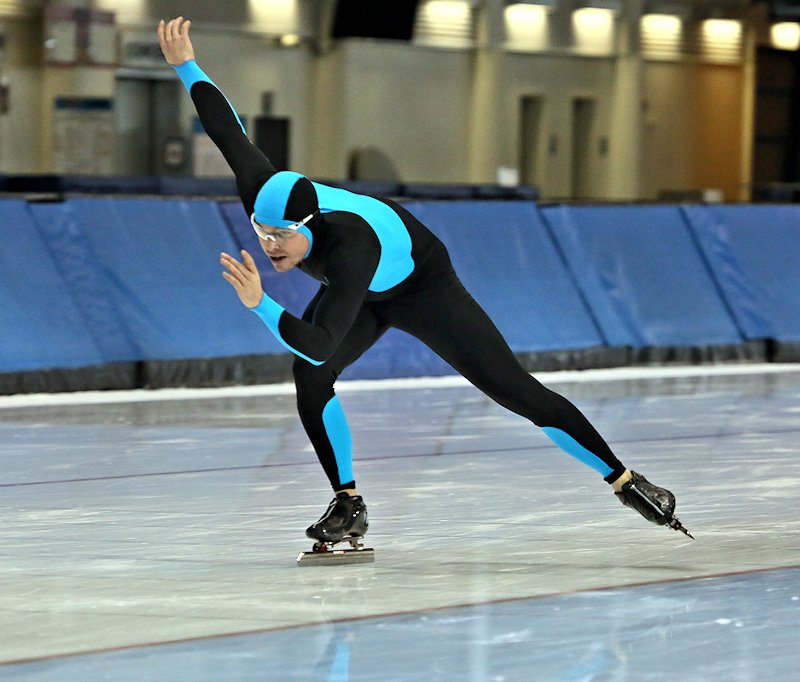
    Reid Pletcher speed skating at the Utah Olympic Oval. (Photo: Courtesy Photo)
    Reid Pletcher speed skating at the Utah Olympic Oval. (Courtesy photo)

    After making a few phone calls and purchases, Pletcher moved to Salt Lake City, Utah with $1,400 dollar speed skates in tow, to train full-time at the Utah Olympic Oval.  Though he indicated that the crossover from nordic skiing to speed skating is historically strong, he also admitted that his limited experience in the sport — in fact, none — made for a difficult transition at first.

    “I just called the Olympic Oval and I visited them a couple times a month prior and was like, ‘Hey, can I just show up and start skating? Like how does this work?’ ” he said. “I was a terrible ice skater — I had only skated maybe ten times in my life before — when I showed up.”

    But being years behind some of the fastest speed skaters in the country didn’t seem to bother Pletcher. If anything, he seemed more confident in his abilities, despite his lack of experience.

    “I had pretty ambitious plans,” he explained. “In speed skating, everything is based off time. If you hit this time, you’re on this team. And my goal was to try and hit every single A-time in six months in my first winter after never speed skating before.”
    According to Pletcher, team status is determined by time. There are three different times a speed skater can strive for: ‘A’ times, ‘B’ times, and ‘C’ times, with ‘A’ times being the most advanced. Pletcher also indicated that there are two types of speed skating: short track, which is classically paired with Olympic speed skater Anton Apolo Ohno, and long track. Pletcher chose long track. 

    In long track, speed skaters race in pairs usually around a 400-meter distance oval, with one competitor starting in an outer lane and one competitor in an inner lane. After a lap, the two skaters switch lanes, so that both ultimately cover the same distance. Results are based on time, with the shortest races taking an average of 35 seconds and the longest races taking an average of six minutes.

    “It took a while for me to figure my sh*t out, but three months in, I was putting some pretty consistent times down,” he said. “And by the end of the season I was super super close to all the ‘A’ times. I was probably about four or five percent off of each of the times.”

    After finishing his first season within reach of the ‘A’ times — despite also having bilateral knee surgery the previous summer — Pletcher knew he still had more to give in the sport of speed skating. However, an opportunity to lead trips on the 104-mile Middle Fork sections Idaho’s Salmon River, pulled Pletcher away from his new professional pastime.

    “The Mackay Wilderness River Trips offered me a significant raise and trip leading on the Middle Fork and that’s pretty much like the top end, what everyone wants to achieve in their river guiding career,” Pletcher explained.

    With that, he decided to postpone the speed-skating dream. He returned to Boise, Idaho, where he is currently living, and began going back to school at Boise State University. Prior to beginning his first semester of mechanical engineering courses this fall, he ventured back to the river for the summer.

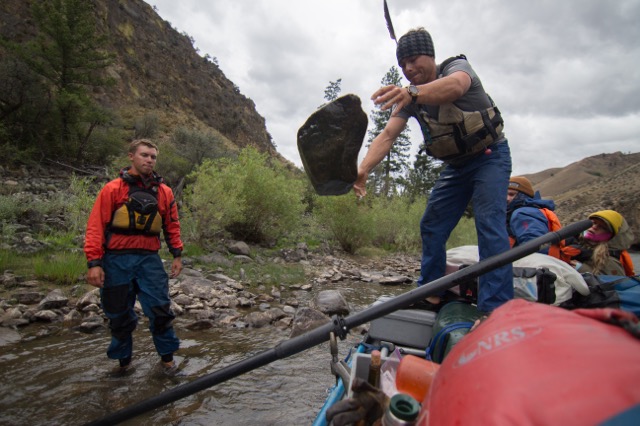
    Reid Pletcher (r) hucks a rock in order to dislodge a trapped oar from the raft during a Mackay Wilderness River Trip. (Photo: Courtesy Photo)
    Reid Pletcher (r) hucks a rock in order to dislodge a trapped oar from the raft during a Mackay Wilderness River Trip. (Courtesy Photo)

    “It’s kind of soul-crushing manual labor sometimes with 22 hour days, but it’s worth it,” he said of river guiding. “Starting June 1st and ending October 1st; seven days on, one day off, seven days on, one day off, I kind of disappear from the world for a while.”

    Yet when winter rolled around, Pletcher realized that for the first time, his usual race season would not include training or racing full-time. Queue American Ninja Warrior.

    “So I didn’t have much to do this winter and this is where Ninja Warrior comes in,” Pletcher said. “My ex-girlfriend, Mali Noyes just texted me and was like, ‘Hey, apparently there’s a Ninja Warrior gym in Salt Lake and there’s going to be tryouts and you should try out, you’re a shifty little guy. That’s, like, exactly what you do. You could be perfect for Ninja Warrior.”

    With that, Pletcher submitted his “Life Story” to ANW, pushing much of he above mentioned experiences in his application video. With a long list of uncommon circumstances, Pletcher was awarded a spot in the show’s Season 8 qualifier.

    “The producer called me for an interview,” Pletcher said. “And she was like, ‘Yeah I just watched your video. Holy sh*t, that was intense.’”

    “I’m glad I stood out,” he added. 

    Pletcher, the Next American Ninja Warrior?

    With two days to go before Season 8 of ANW qualifiers kicks off in Oklahoma City, Pletcher plans is to take it as it comes. On top of having to work with a recovering hand injury, and limited amounts of ANW gym experience, he explained he will most likely be racing in the wee hours of the morning.  

    “I think they do it all through the night because it looks better in the lights,” he said. “So it goes from 10 p.m. to 4 a.m. And most of the families with kids go first for logical reasons. I’m just kind of a lone wolf there, so I’m most likely going to go at 3 in the morning.”

    With only 30 advancing to the second day — those who complete the entire course and those who cover the greatest course distance in the least amount of time — Pletcher plans to watch for the ‘problem obstacle’ and put down as fast a time as possible to that point.

    “My strategy is basically, I’m going to watch as many people as I can before I go,” he said. “I’m going to watch where everyone’s falling and then just try in a controlled way, to get there slightly faster than most other people are getting there.”

    If Pletcher makes it through the first day, he will have to complete the same obstacle course again, along with an extra half-course segment, the following day (Saturday, May 14) to advance to ANW finals. This year, ANW finals will take place mid-June in Las Vegas. Only 15 individuals from the Day 2 qualifier advance to the finals.

    “I’ve trained with three or four other people I’ll be competing against and I have a pretty good feeling, let’s put it that way,” Pletcher explained of his competition. “I mean, I’m a pretty ambitious kid … In the back of my mind, I know I’m strong enough to get to Vegas.”

    If Pletcher qualifies for the Las Vegas finals, ANW will pay for his travel and lodging. However, Pletcher must fund himself at the qualifier to get there. If Pletcher were to make it all the way through the final–which includes a back-to-back four stage course–in the fastest amount of time, he would win $1 million dollars.

    “There are no awards at all except for the one person that wins,” Pletcher explained, adding that last year marked the first year in history where two finalists completed the fourth stage, but only one walked away with the million dolla prize and the other with nothing. 

    “There’s no paycheck for anyone, ” Pletcher said, “So you really got to love it. I mean I could see the drive. I’m the type, where I get through it and I’m like ‘I could do so much better, I’m going to spend all year doing it and I will crush it next year,’ I’m that type of mentality.”

    Regardless of his end result, he relayed that the experience of applying and attempting ANW is worth the effort.

    “It’s going to be an adventure,” Pletcher said. “It already is.”

    Season 8 will premiere June 1 on NBC.

  • Wednesday Workout: Crust Cruising with CU’s Petter Reistad

    Wednesday Workout: Crust Cruising with CU’s Petter Reistad

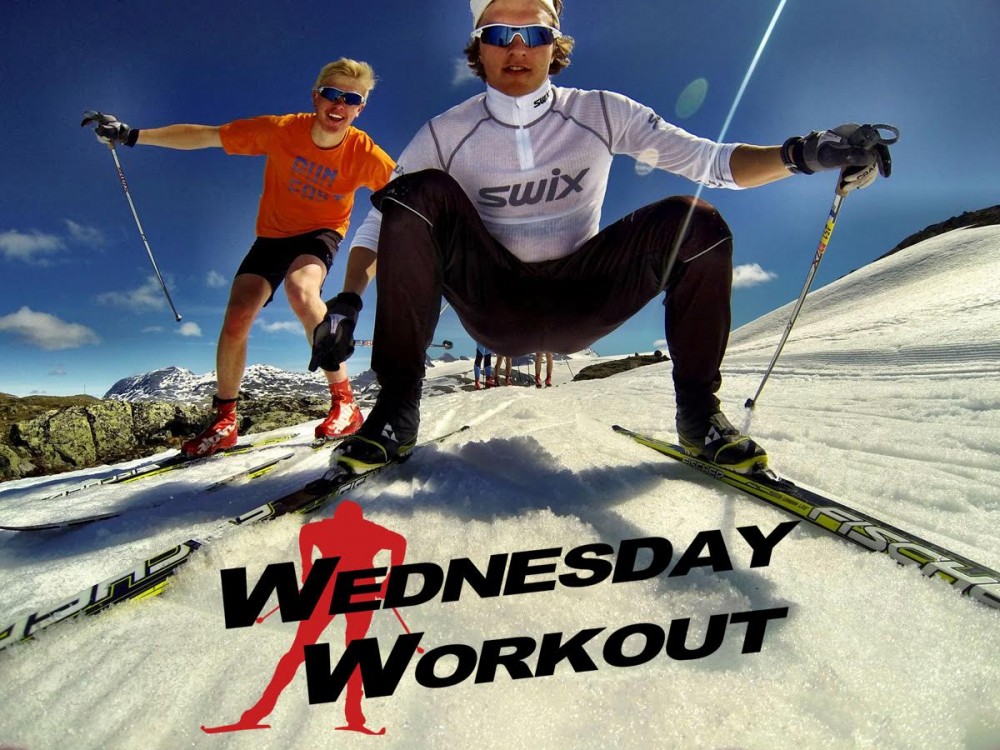
    Petter Reistad (front), who recently finished his freshman season at the University of Colorado-Boulder, crust cruising in 2013 in Sognefjellet, Norway. (Courtesy photo)
    Petter Reistad (front), who recently finished his freshman season at the University of Colorado-Boulder, crust cruising in 2013 in Sognefjellet, Norway. (Courtesy photo)

    Itching for an excuse to say ‘Sayonara’ to scheduled skiing and ‘Hello’ to more impromptu spring-skiing experiences? Look no further as this week, FasterSkier provides an ideal Wednesday Workout for the nordic wanderer, courtesy of Petter Reistad of the University of Colorado-Boulder (CU).

    ***

    Sunscreen, sunglasses and snow. When it comes to spring workouts, it’s not just the freeing feeling of skiing around in Ray-Bans and beach-like weather that makes crust skiing an essential workout for this time of year, it’s also the satisfaction that spontaneous skiing provides after a season of structured ski training.

    Petter Reistad, coming off his freshman season a CU and an All-American in both races at this year’s NCAA Skiing Championships, says the best training plan for the spring is no plan at all.

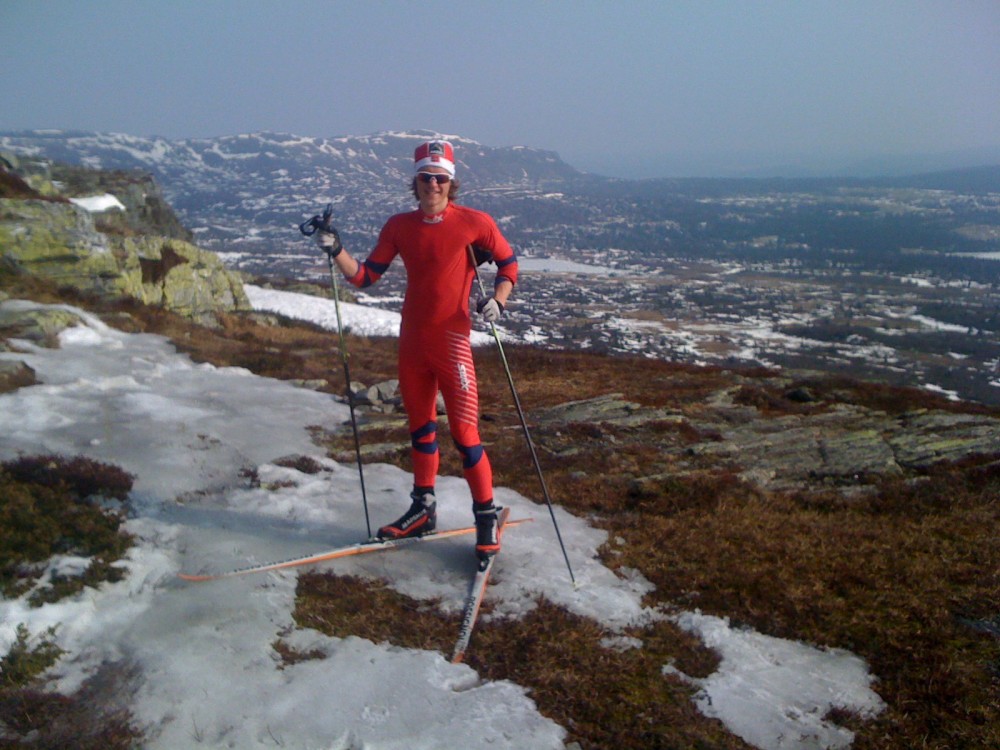
    “What I like about spring is that you can do what you want, you don’t have to follow a plan anymore,” said Reistad, a 21-year-old from Bærum, Norway, on the phone. “It’s really nice to, instead of following a trail for a 15 k loop, to just go and aim for a mountain. You can ski up [to the top] and then ski [back] downhill where ever you like.” 

    For those lucky enough to have mountains and snow nearby, Reistad’s spring training regimen proposes a simple schedule: Pick a peak and send it.

    Petter Reistad (r), taking advantage of the last bit of snow during a crust cruising trip in Skeikampen, Norway back in 2011. (Courtesy Photo)
    Petter Reistad taking advantage of the last bit of snow during a crust-cruising trip in Skeikampen, Norway, back in 2011. (Courtesy photo)

    “Going for a trip like that is a little bit more of an expedition, than just a normal workout,” Reistad said. “But nothing is like being free on skis and the spring crust gives you an awesome opportunity to do so.”

    In terms of snow crust, the spring season also provides the cream of the crop. For Reistad, spending a few spring workouts trekking mountain tops on skis is not only about the novelty of blazing trails where none were before, but also experiencing some of the season’s premium crust-cruising moments.

    The reason why [this workout] is also a good thing to do in the spring is that during the rest of the season, you have more snow and different cold kinds of snow,” he said. “But in the spring, colder temperatures up in the mountains [combined with] the snow heating up during the day, forms this really nice crust.”

    While Reistad has done plenty of crust skiing in Norway, this year will mark his first adventure cruise on Colorado snow crust. Before making moves for the mountains, however, he plans to first catch up on schoolwork. Predicting that snow will stick around in the Rockies until mid-May, he and a few other CU teammates, including fellow Norwegian, Mads Strøm, who won both men’s nordic races at this year’s NCAA Championships, will set out for Crested Butte, Colo. 

    “It has been a really good year,” Reistad said regarding his first year of college ski racing in the U.S. “I’ve been second in some races this year and I must say, it’s really good to have [Strøm] on the team. Having good teammates is important because you can both train with them and compete even harder with them … it is more fun when you give them something to think about during the race … and I would really like to beat [Strøm] once next season. That’s a goal for next year.”

    Reistad will have that chance next ski season, during his sophomore year and Strøm’s senior year at CU. 

    The Workout

    – Start sometime early in the morning, 7 a.m. seems a solid choice, according to Reistad

    – Spend an undetermined amount of time skiing snow crust

    – Mid-workout, stick a bottle of soda in the snow for later

    – Spend more undetermined amounts of time skiing snow crust

    – Stop and enjoy a cold soda (if you can recall its original location)

    – Re-apply sunscreen and spend a little more time crust cruising before the sun makes the snow too soft to ski on

    Total Workout Time: Depends on when you start and how strong the sunshine is, but Reistad estimates 3-4 hours should do the trick

    Reistad’s Crust-Cruising Checklist

    In order to find freedom within the spring crust cruising workout, Reistad recommends shedding training schedules and sticking to the bare minimum. A few items he suggests as indispensable to a spring ski trip are listed below, followed by the workout itself. 

    1. Sunglasses and Sunscreen: Carrying cases of clothing is less of a priority for the CU skier when it comes to cruising snow crust. “I’m excited because you don’t need that much clothes as in the regular season because it’s just heating up so amazing in the spring,” Reistad said. “So sunglasses and sunscreen are the most important things [to pack] because you get so sunburnt.”
    2. Oranges and Chocolate: Not your average culinary combination, Reistad argues that the mixture of sweet and tangy makes for the most desired treat during a spring trip to the mountains. “In Norway, a very typical thing to eat around this time of year — Easter and spring — is oranges,” he said. “So I will pack some chocolate and some oranges. That’s just a great combo.”
    3. A Bottle of Coke: Share a soda on snow crust. Nothing is like a cold Coke on a trip like that,” Reistad said. “Make sure to make it cold in the snow in the middle of the trip before drinking it.” 
    4. A Camera Phone: For any cross-country skier looking to make the crust-cruise workout complete, Reistad also says shameless self-promotions on social media make the workout all the more worthwhile. “You should probably bring your phone, too, to make sure to Instagram the whole thing after,” he said. “A trip gets so much better when you can show it off to everyone.” 

    (Ed. note: FasterSkier recommends having a phone with you at all times during workouts in the event of an emergency.)

  • Faces Painted, APU Mixed Relay Gets Down to Business with Third-Straight Win

    Faces Painted, APU Mixed Relay Gets Down to Business with Third-Straight Win

    In three editions of the SuperTour Finals, the mixed relay has been the season-ending staple. On Thursday, the two-time defending champions in the 4 x 5-kilometer coed event, Alaska Pacific University (APU) made it a three-peat with a 33.3-second win. Say that three times fast.

    They did so with Erik Bjornsen skiing the opening classic leg, followed by Rosie Brennan as the female classic skier, then Scott Patterson skiing the first freestyle leg, and finally Chelsea Holmes anchoring the final freestyle leg. Put those four together and what do you get? A dominating APU performance from start to finish.

    With Bjornsen racing the scramble leg, APU took control from the start and never relented. While he opted to stride, two of his biggest rivals double poled on skate skis — Simi Hamilton, of the Stratton Mountain School (SMS) T2 Team, and Noah Hoffman, of “Vailbury Green,” which included two men from the Vail Ski & Snowboard Club (SSCV) and two women from the Craftsbury Green Racing Project (CGRP).

    Taking advantage of the striding advantage, Bjornsen gained a gap on the hill and never looked back throughout his two laps on the 2.4 k course.

    At the first exchange, Bjornsen clocked in at 11:26.9, 14.7 seconds up on the chasers, led by Ben Saxton of SMS T2^2. Meanwhile, Hoffman tagged in eighth, 25.5 seconds back, and Hamilton came through in 15th of 31 teams, nearly a minute behind Bjornsen.

    Following up on Bjornsen’s lead, Brennan had the task of staying away despite dangling within reach of the field.

    “I just tried to think about keeping the pressure high and getting out of sight,” Brennan said in a post-race phone interview. “I just had to put my head down and not think about it too much.”

    In the second leg, Brennan only ceded 1.9 seconds to Ida Sargent, who took Vailbury Green from eighth to second by the second handoff, posting the fastest female second-leg split in 13:21.6. APU was still clear of the field by 23.4 seconds at the second handoff, but the race for the podium was far from settled.

    Another hybrid club team, with two University of Colorado-Boulder (CU) men and Craftsbury women — “The Green Buffaloes” — handed off 5.2 seconds behind Vailbury Green and just 0.7 seconds head of SMS T2^2.

    In the third leg, APU continued pushing as Scott Patterson blazed the fastest leg in 11:06.09, increasing the gap to 35.6 seconds. CU’s Mads Strøm, coming off back-t0-back NCAA titles, brought the Green Buffaloes up to second at the third exchange, 34.4 seconds behind APU, but was still shadowed by Tad Elliott of Vailbury Green, 1.2 seconds back.

    Although it appeared that APU had the win secured, Jessie Diggins was skiing the anchor leg for SMST2’s first team and is known as a clutch closer on the World Cup stage. Although SMST2 remained outside the top five for the first three legs, the final outcome was far from decided. Meanwhile, three strong races from APU set up Holmes for a strong anchor leg.

    “I was just focused on skiing good 5 k to give us a little playing room with Jessie and make sure we had it under control and take some pressure off Chelsea,” Patterson explained on the phone.

    2016 SuperTour Finals
    Mixed Relay Top 10:


    1. APU 1
    2. Vailbury Green
    3. SMST2
    4. The Green Buffaloes
    5. APU 2
    6. Northern Michigan University
    7. SMS T2^2
    8. APU 3
    9. University of New Mexico
    10. Sun Valley SEF

    With nearly 35 seconds between her and the Green Buffaloes and Vailbury Green, Holmes raced uncontested to secure the win for APU 1 in 48:57.9. Meanwhile, Caitlin Patterson of Vailbury Green overtook their rivals, the Green Buffaloes to claim second, 33.3 seconds behind APU 1.

    True to form, Diggins blasted the anchor leg to bring SMST2 from sixth and 1:23 minutes back to third place at the finish (+51.9), besting the Green Buffaloes in fourth by 28.6 seconds.

    “It was about having four good races on the same day, using our strengths, and having good skis,” Holmes said on the phone.

    In addition to the strength of the winning team, APU showed the depth of its program with three teams in the top 10. APU 2, with Reese Hanneman, Becca Rorabaugh, David Norris, and Jessica Yeaton, placed fifth, and APU 3, with Lex Treinen, Lauren Fritz, Eric Packer, and Rosie Frankowski, was eighth.

    The laid-back atmosphere of Spring Series and non-traditional nature of the mixed relay is conducive to teams adding some lightheartedness to the day — in the form of team names, constumes or otherwise. Although APU kept it simple with its team name, there might have been some magic in the face paint.

    Racing will conclude Saturday with the U.S. Distance Nationals 30 and 50 k classic mass starts.

    — Gabby Naranja and Alex Kochon contributed reporting

    Results

    More photos via Lazenbyphoto.com

  • In Steamboat, a Denver Kind of Day as DU Wins NCAA Championships

    In Steamboat, a Denver Kind of Day as DU Wins NCAA Championships

    The University of Denver celebrates its victory during NCAA Division I Men's and Women's Skiing Championships at Howelsen Hill in Steamboat Springs, Colo. (Photo: Jamie Schwaberow/NCAA via DenverPioneers.com)
    The University of Denver celebrates its victory during NCAA Division I Men’s and Women’s Skiing Championships at Howelsen Hill in Steamboat Springs, Colo. (Photo: Jamie Schwaberow/NCAA via DenverPioneers.com)

    After the University of Denver (DU) alpine team pulled the Pioneers into the lead on Friday, surpassing Montana State University (MSU) by 15.5 points with one day remaining in the NCAA Skiing Championships, the DU nordic team took that lead and ran with it on Saturday for Denver’s 23rd national skiing title.

    DU won the four-day 2016 championships with 567.5 points, 76 more than the University of Colorado-Boulder in second and 82.5 ahead of University of Utah in third. Colorado (CU) hosted the championships at Howelsen Hill in Steamboat Springs, Colo., with two days of alpine racing interspersed with two days of nordic.

    “Alpine set us up with a lead that we were able to build on, so this was a balanced team win with both alpine and nordic adding almost the same points to the team total,” Denver Head Nordic Coach Dave Stewart said, according to a DU press release. “Alpine has had a dominant season and it was very special to put it all together this week at NCAA’s.”

    The men’s 20-kilometer and women’s 15 k classic mass starts ended the championships on Saturday, with CU sophomore Mads Strøm winning his second NCAA title in as many races at this year’s championships (and third overall in the last three years).

    Denver sophomore Linn Eriksen skied away from the 39-woman pack to win in 54:37.6 minutes, 19.9 seconds ahead of Kati Roivas of the University of New Mexico (UNM). Ane Johnsen (CU) placed third (+21.2) to round out the podium, while Denver had three in the top 12 with Aja Starkey in sixth (+42.9) and Taeler McCrerey in 12th (+1:10.0).

    In the men’s race, Strøm edged Denver’s Moritz Madlener by 1.7 seconds at the finish, winning the 20 k in 49:41.9 and thus becoming the third CU athlete in history (and sixth skier) to win at least three individual NCAA titles, according to a CU press release. Another 17 seconds back, Niklas Persson (Utah) placed third (+18.7). For Madlener, it was his second podium in as many races after placing third in Thursday’s 10 k freestyle.

    “I really had to focus – I’m happy that I had that rest yesterday,” Strøm said of Friday’s off day for nordic. “A lot of things happen when you win a race. A lot of people want to talk to you. I just had to recover a little bit and try to find some good skis again and just have a smart tactic. I just like to stay behind people, let them do the work and finish strong.”

    The 24-year-old Norwegian explained he switched up his strategy when his teammate Petter Reistad chose to double pole.

    “He didn’t use any kicks, so he had to go hard from the start and just try to ski away from people,” Strøm said. “That really helped me out because other teams had to chase him and I could slip in behind and just ski with them until they eventually caught him. I could just stay in a pack and just save as much energy as possible. My skis were really good and on the last lap I saw there were pretty much only three guys left. I knew all of us were pretty good sprinters so I just tried to tire them out a bit all the way to the top.”

    Mads Strøm racing to the first of his two consecutive wins at 2016 NCAA Skiing Championships: Thursday's 10 k freestyle in Steamboat Springs, Colo. Strøm won the men's 20 k classic mass start on Saturday by 1.7 seconds. (Photo: CUBuffs.com)
    Mads Strøm racing to the first of his two consecutive wins at 2016 NCAA Skiing Championships: Thursday’s 10 k freestyle in Steamboat Springs, Colo. Strøm won the men’s 20 k classic mass start on Saturday by 1.7 seconds. (Photo: CUBuffs.com)

    Coming into the final descent, Strøm told himself that second wouldn’t cut it.

    “I said, ‘OK, I’m going to sacrifice everything. Either I go down or I’m just going to gap,’ and I gapped.  I looked back, and I said, ‘OK, just sprint from here. Just go for it,’ ” he said.

    Reistad placed ninth (+1:35.4) as a freshman and the second CU Buff in the top 10. In the women’s race, Colorado had two skiers in the top five, with Johnsen in third and Jesse Knori in fifth (+36.2).

    Contributing to the team win, Denver had three men in the top 13 with Dag Frode Trolleboe in 10th (+1:42.3) and Lars Hannah in 13th (+2:21.3).

    Aside from winning the overall, Denver also had 15 All-Americans, the most of any team this year, according to an NCAA press release. On Saturday, Eriksen and Madlener were named to the women’s and men’s classical first teams, respectively, while Starkey and Trolleboe earned second-team honors.

    “I am so incredibly proud of the young men and women on our team,” Stewart said. “They came into this championship knowing that it would take nothing less than their best to win a title for DU, and they did just that. The conditions were challenging today with rising temperatures through the morning, but everyone brought such composure and focus to the race that I believe the tough conditions worked in our favor.

    “Moritz and Linn have led the team all year and they did it again today,” he added. “Moritz just missed his first individual national title in a close sprint finish, but his two podium performances this week were huge for the team. Linn skied a masterful race, leading from start to finish, breaking away on the last lap to ski to a solo win. Aja had the race of her life in sixth and Dag Frode had his two best races of the season when the team needed him.”

    Stewart added that the championships came during exam week, requiring every member of the team to take their final exams in advance.

    “These guys are truly model student-athletes and it is my pleasure to be able to coach them,” he said. “We are thrilled to be bringing our 23rd national title back to DU! To end the championship with two exceptional nordic performances, with both men and women winning the team score, was the best ending to the five championships wins I have been a part of over the last 10 years. This one tops them all!  To have all six of our nordic athletes earn All-American honors is just incredible. I’m speechless.”

    Results: Men’s 20 k | Women’s 15 k

    Top 10 men (20 k classic mass start)

    1. Mads Strøm (CU) 49:41.9
    2. Moritz Madlener (DU) +1.7
    3. Niklas Persson (UU) +18.7
    4. Ian Torchia (NMU) +40.2
    5. Adam Martin (NMU) +57.8
    6. Eli Hoenig (Williams) +1:01.3
    7. Kevin Bolger (UU) +1:05.5
    8. Jack Hegman (UVM) +1:07.6
    9. Petter Reistad (CU) +1:35.4
    10. Dag Frode Trolleboe (DU) +1:42.3

    Top 10 women (15 k classic mass start)

    1. Linn Eriksen (DU) 54:37.6
    2. Kati Roivas (UNM) +19.9
    3. Ane Johnsen (CU) +21.2
    4. Veronika Mayerhofer (UU) +28.4
    5. Jesse Knori (CU) +36.2
    6. Aja Starkey (DU) +42.9
    7. Nichole Bathe (UAF) +44.5
    8. Emilie Cedervaern (UNM) +44.9
    9. Olivia Amber (Colby) +53.1
    10. Eva Severrus (UNM) +1:02.2

    Thursday, March 10 

    Men’s Freestyle First Team

    1. Mads Stroem, CU

    2. Ian Torchia, NMU

    3. Moritz Madlener, DU

    4. Adam Martin, NMU

    5. Sawyer Kesselheim, MSU

    Second Team

    6. Petter Reistad, CU

    7  Nick Hendrickson, UU

    8. Lars Hannah, DU

    9. Jake Brown, NMU

    10. Jack Hegman, UVM

    Women’s Freestyle First Team

    1. Anika Miller, MSU

    2. Petra Hyncicova, CU

    3. Sloan Storey, UU

    4. Cambria McDermott, MSU

    5. Emilie Cedervaern, UNM

    Second Team

    6. Natalia Müller, UU

    7. Taeler McCrerey, DU

    8. Linn Eriksen, DU

    9. Ane Johnsen, CU

    10. Mary Kate Cirelli, UVM


    Saturday, March 12

    Men’s Classical First Team

    1. Mads Strøm, CU

    2. Moritz Madlener, DU

    3. Niklas Persson, UU

    4. Ian Torchia, NMU

    5. Adam Martin, NMU

    Second Team

    6. Eli Hoenig, WIL

    7. Kevin Bolger, UU

    8. Jack Hegman, UVM

    9. Petter Reistad, CU

    10. Dag Frode Trolleboe, DU

    Women’s Classical First Team

    1. Linn Eriksen, DU

    2. Kati Roivas, UNM

    3. Ane Johnsen, CU

    4. Veronika Mayerhofer, UU

    5. Jesse Knori, CU

    Second Team

    6. Aja Starkey, DU

    7. Nichole Bathe, UAF

    8. Emilie Cedervaern, UNM

    9. Olivia Amber, COL

    10. Eva Severrus, UNM

  • Bonus Photos from Sun Valley SuperTour

    Bonus Photos from Sun Valley SuperTour

    SUN VALLEY, Idaho — With the conclusion of the second weekend of SuperTour races in Sun Valley, here’s a collection of race photos we couldn’t fit into the original race recaps.

  • Patience Pays Off: Blackhorse-von Jess Wins SuperTour Classic Sprint

    Patience Pays Off: Blackhorse-von Jess Wins SuperTour Classic Sprint

    (Left to right): Sixth place finisher Petter Reistad (University of Colorado-Boulder) fifth place Niklas Persson (University of Utah), third place Tyler Korfield (APU), first place Dakota Blackhorse-von Jess, second place Reese Hanneman (APU), and fourth place Eric Packer (APU) after the men's SuperTour classic sprint on Saturday in Sun Valley, Idaho.
    The men’s SuperTour classic sprint podium on Saturday in Sun Valley, Idaho: (from left to right) sixth-place finisher Petter Reistad (University of Colorado-Boulder), Niklas Persson (University of Utah) in fifth, Tyler Korfield (APU) in third, winner Dakota Blackhorse-von Jess (Bend Endurance Academy), Reese Hanneman (APU) in second, and Eric Packer (APU) in fourth.

    SUN VALLEY, Idaho — Patience and sprinting go hand-in-hand, or so says the men’s SuperTour 1.3-kilometer classic sprint winner, Dakota Blackhorse-von Jess.

    “Being patient can often serve you really well,” said Blackhorse-von Jess (Bend Endurance Academy) during a post-race interview on Saturday on the Lake Creek trails.

    “I learned a lot about how I was feeling, how the course was feeling, and how my skis were feeling in that first quarterfinal. Patience was really the name of the game and I kept it all day,” he explained.

    After placing third in last weekend’s SuperTour skate sprint in West Yellowstone, Mont., both Blackhorse-von Jess and his coach, Ben Husaby believed that the proper composure would put Blackhorse-von Jess back at the top in Sun Valley.

    “The game plan [going into Saturday’s race] was to improve upon last week’s results,” Husaby said.

    “Historically he’s gone out pretty hard in all the rounds, so it was nice to see him work his way through each of his heats from fourth or third place up to the front,” he added. “I think he was confident and he skied really smart all the way through today.”

    Dakota Blackhorse-von Jess (Bend Endurance) (r) moves to the outside to get around David Norris (APU), Tad Elliot (SSCV) and Kevin Bolger (University of Utah) during the men's SuperTour 1.3 k classic sprint on Saturday in Sun Valley, Idaho.
    Dakota Blackhorse-von Jess (Bend Endurance Academy) (r) moves to the outside to get around David Norris (APU), Tad Elliott (SSCV) and Kevin Bolger (University of Utah) during the men’s SuperTour 1.3 k classic sprint quarterfinal on Saturday in Sun Valley, Idaho.

    With confidence and patience, Saturday’s SuperTour classic sprint winner skied through the rounds in the middle of the pack — rather than charging the front.

    Even up until the final 100 meters of his quarterfinal, Blackhorse-von Jess trailed David Norris of Alaska Pacific University (APU) and Kevin Bolger (University of Utah).

    With the pressure on in the finishing straight, Blackhorse-von Jess made his move, stepping out of his lane to ski around Bolger and Norris on the outside.

    The three then lunged for the line, with Blackhorse-von Jess ultimately winning the quarterfinal in 3:05.98, just 0.18 seconds ahead of Bolger and 0.75 seconds ahead of Norris.

    The semifinal played out similarly, as Blackhorse-von Jess sat back while Miles Havlick of the Sun Valley Ski Education Foundation (SVSEF) and Eric Packer (APU) lead the heat until the final downhill.

    What Blackhorse-von Jess called “phenomenally” fast skis helped him catch Havlick and Packer by the last turn into the finish, where he passed the two — again on the outside — for the semifinal win in 3:04.37, edging Packer by 0.62 seconds and Havlick by 0.78 seconds.

    In another close and stacked semifinal, APU teammates Reese Hanneman and Tyler Kornfield (who would go on to place second and third in the final) lunged for first and second, respectively, with 0.28 seconds separating them. Hanneman won the heat in 3:04.23.

    Taking the opposite tactic of Blackhorse-von Jess, Hanneman led his semifinal from the first climb until he crossed the finish line.

    “I tried to ski at the front and control [the semifinal],” Hanneman explained. “I wanted to pace myself a little bit for the final, because I knew I was going to see Dakota there and I wanted to have a good chance to throw down against him.”

    Reese Hanneman (APU) (l) and Mads Strøm out of the start during their quarter final in the men's SuperTour 1.3 k classic sprint on Saturday in Sun Valley, Idaho.
    Reese Hanneman (APU) (l) and Mads Strøm (University of Colorado-Boulder) out of the start during their quarterfinal in the men’s SuperTour 1.3 k classic sprint on Saturday in Sun Valley, Idaho.

    Though Hanneman’s front-runner tactic differed from Blackhorse-von Jess’s, his belief in the power of patience did not.

    “I classic ski really well if I can keep it relaxed,” Hanneman, 25, said. “So I focused on stretching it out and using the terrain to stride big.”

    Kornfield also found staying calm during Saturday’s rounds helped him to the podium.

    “I like to take it off from the back and see how the field is skiing,” Kornfield, 24, said. “I start a little slower and pick my way up as the course goes on.”

    Also advancing to the final from Hanneman and Kornfield’s fast semifinal were two lucky losers, Petter Reistad (University of Colorado-Boulder), who was 0.37 seconds back in third and Niklas Persson (University of Utah), 0.52 seconds back in fourth.

    Despite the stacked sprint finalists toeing the line, Blackhorse-von Jess, 29, managed to maintain his winning composure through Saturday’s final.

    After the gun, he positioned himself in third behind Packer and Hanneman  until the top of the last hill. Blackhorse-von Jess then maneuvered into a tuck behind Hanneman for the final downhill, and once more took the outside corner for the overall win in 3:00.45.

    Hanneman finished 1.13 seconds later in second and Kornfield was 4.11 seconds behind Blackhorse-von Jess in third. 

    Rounding out the final was Packer in fourth (+6.02), Persson in fifth (+9.06), and Reistad in sixth (+35.21).

    With his first SuperTour win of the season under his belt, Blackhorse-von Jess said he would continue tapping away at other season race goals.

    “What I’d really like to do is get back in the rounds at the World Cup and have some success,” he said. “If I could bring this racing there, that’s the dream of being a ski racer.”

    Results