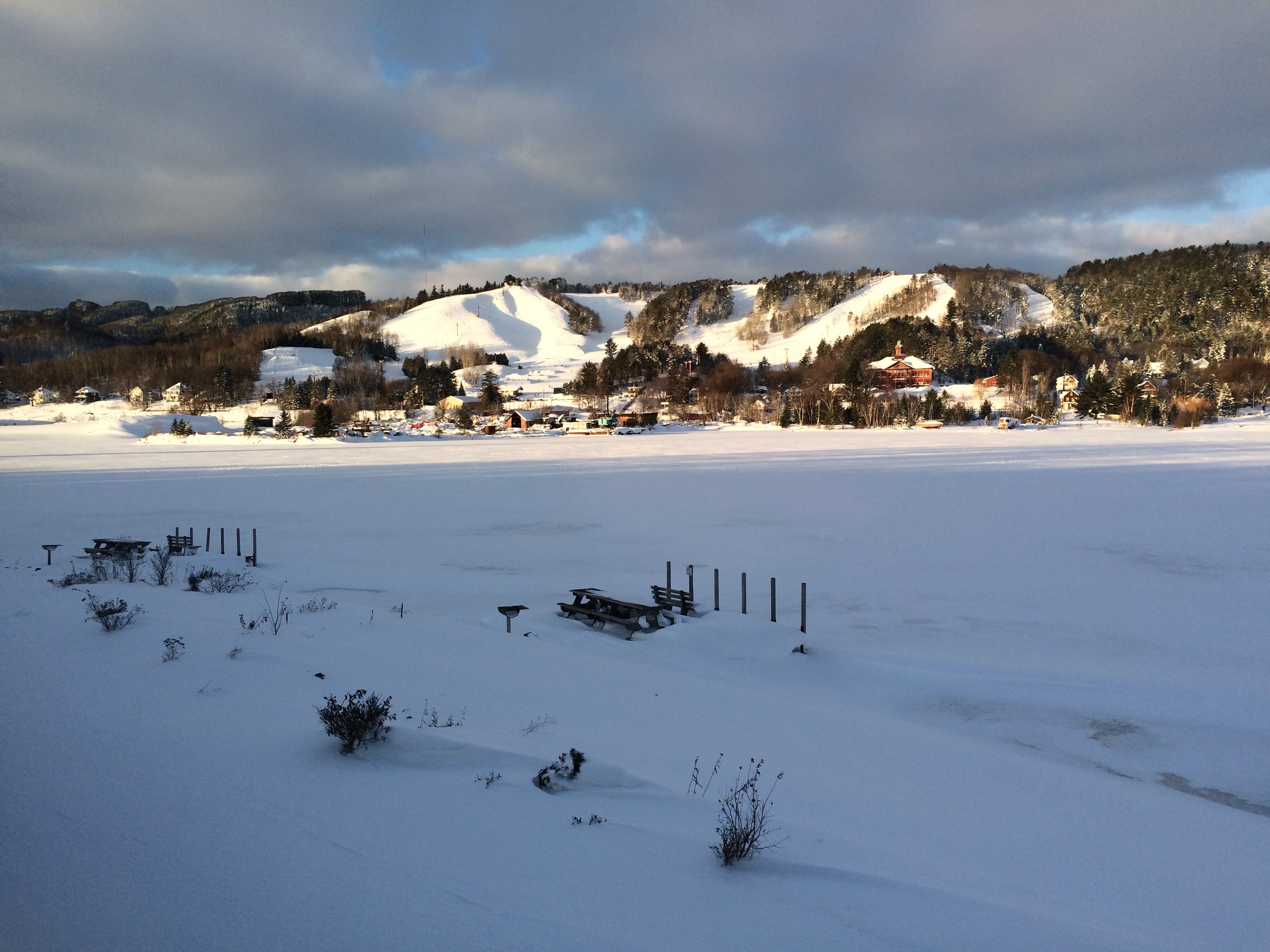
Locked in the heart of Michigan’s Upper Peninsula on an arm of land stretching into Lake Superior is the small city of Houghton. Locals there are intimate with lake-effect snow, long winters and a strong sense of community. Houghton is also home to Michigan Technological University (MTU) and the school’s nordic ski team, which Joe Haggenmiller led for the the last 14 years.
Joel Isaacson, the associate athletic director for external relations and head of the search committee responsible for hiring MTU’s newest nordic head coach, said the search wasn’t simply about wins and losses.
“We always look for the best fit for Michigan Tech, and I know it’ a little cliche to say, but we are looking for somebody that is going to mentor our student-athletes,” said Isaacson, also head coach of the cross-country running team and track and field teams. “We want not only good athletes, good academics, but we want good people and we want a head coach that is going to mentor young people, to turn them into future husbands and wives, employees and members of the community. These are values that we look for in athletics and that comes out of our head coaches.”
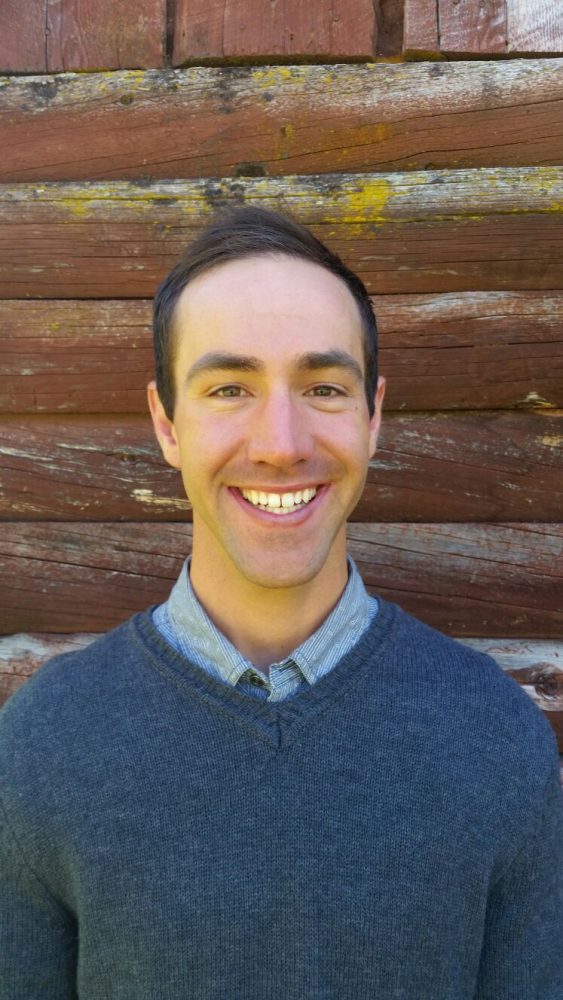
The nordic-coach hunt became a nationwide search for a good fit. Ultimately, the committee zeroed in on 27-year-old Tom Smith, head of the postgraduate program at the Sun Valley Ski Education Foundation (SVSEF) in Sun Valley, Idaho. The postgraduate program focuses on U20 skiers trying to make the next leap to competitive cross-country skiing at the collegiate level.
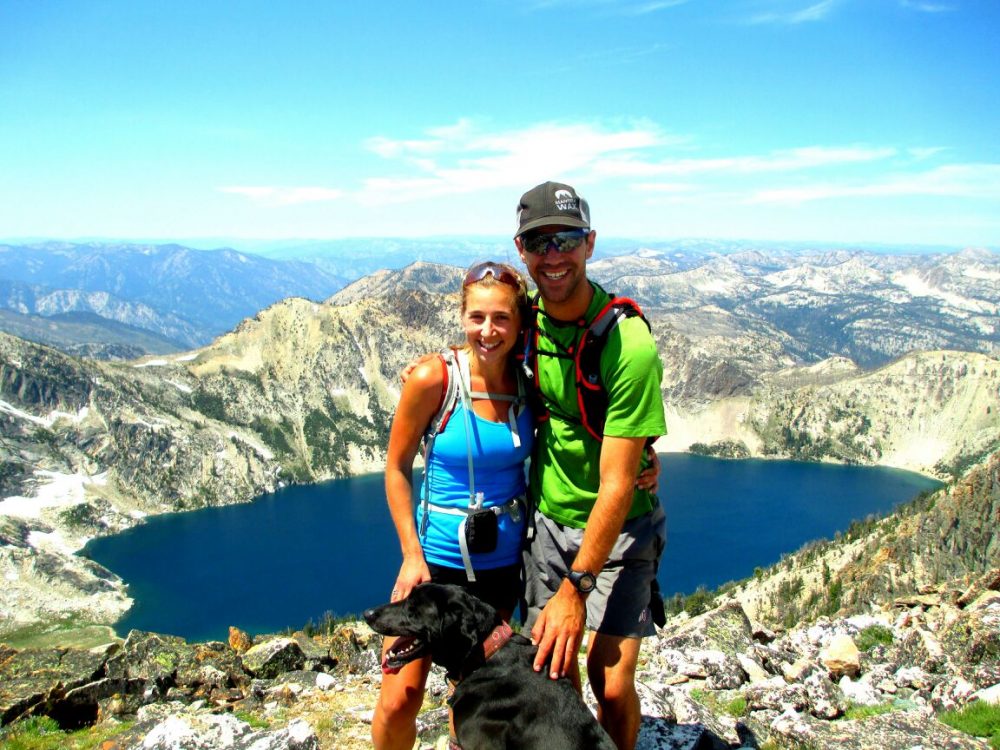
Ten days ago, Smith was officially named MTU’s newest nordic head coach and cross-country running assistant coach. He’ll be joined by his partner and MTU alumna, Kristen Monahan, who was hired as an assistant nordic coach and academic instructor. Monahan, 29, competed collegiately in cross-country running and skiing and earned a master’s in exercise physiology from the University of Jyväskylä in Finland. She is currently an assistant coach for SVSEF’s competition team.
“I think first and foremost, Kristin and I both saw this as a potential and incredible opportunity to be able to lead a program together at the collegiate level,” Smith said on phone from Sun Valley. “Obviously with Kristin’s roots there as an alumna, that’s huge with just having familiarity with the program itself that we want to build off of.”
Growing up in Bend, Ore., Smith was a multiple-time junior All-American and a Junior National champion in 2007. Both his parents, Doug Smith and Monica McClain-Smith, ski raced in college, and he joined his brother Charlie on the University of Utah Ski Team while their sister Isabella raced for Montana State University. After using up his four years of NCAA eligibility, Smith opted for a fifth year to complete his bachelor’s degrees in environmental-and-sustainability studies and international studies and became an assistant coach for the Utes ski team.
He also lived in Australia where he served as the head domestic coach for the national team, the Birkebeiner Nordic Ski Club and Victorian Junior Cross-Country Ski Team, and a program instructor for the Australian Primary and Secondary Schools.
“I would say I had some life experiences that really caused me to evaluate what was really important in life,” Smith said when asked why he decided to pursue coaching as a career. “I had the opportunity to just jump into the sport in a new perspective as an assistant coach with Utah. And really under Abi Holt and Kevin Sweeney’s guidance, I really saw that coaching was the path that I wanted to take.
“I decided that year I wanted to be coaching because I value what it provides athletes in terms of really being able to give them a challenging pursuit in life that brings out the best in themselves,” he continued. “That’s really what I try to coach in my athletes as well. That’s the paradigm shift I had in the sport and my basic philosophy.”
In 2014, after coaching at Utah, Smith was hired as a SVSEF assistant competition coach. He held that position for a year and then took over the postgrad program.
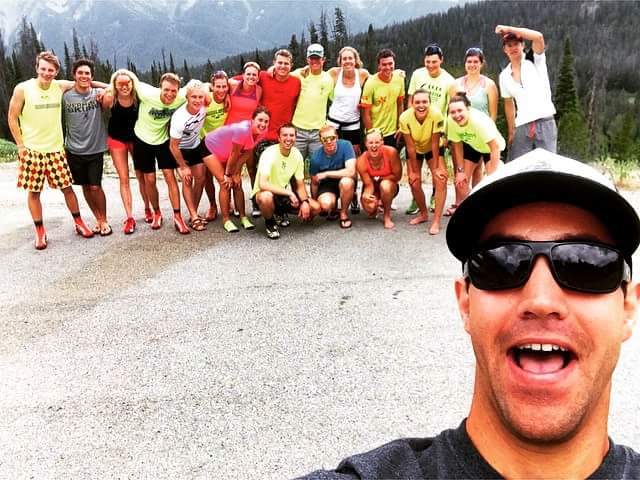
For 14 years, Smith has been either a competitor or coach. He’ll come to the MTU position with a young person’s energy bundled with the wisdom afforded him by longtime SVSEF Cross Country Program Director Rick Kapala. An MTU graduate and former MTU assistant nordic coach, Kapala has imprinted himself upon Smith’s coaching philosophy.
“The strength of the pack is the wolf, but the strength of the wolf is the pack,” Smith said was one of his favorite “Kapala-isms” that originated in Rudyard Kipling’s The Jungle Book.
The cyclic nature of that quote, where the individual and group are interdependent, gets to the crux of collegiate cross-country skiing, where team performance counts as much if not more than an individual’s. Isaacson said that individual and team performance has bigger implications in a place like Houghton where the community is invested in the college’s athletic culture.
“Being a Division II institution with a Division I men’s ice hockey team, our community is heavily involved in what we do and we feel that our coaches, our programs, need to give back,” Isaacson said. “So we are bringing in somebody that can establish or articulate that they have a good background in the community, and their engagement and they understand the fiscal responsibilities that you need to maintain. All of our head coaches have to be well-rounded and I think Tom fits that mold.”
Michigan Tech Nordic is a NCAA Division II team that competes against Division I programs. Unlike many schools, MTU owns and operates its own cross-country ski trail complex that includes International Ski Federation (FIS) homologated trails.
“There is no lack of competitive advantage to pull in the best athletes in the country and for sure in the Midwest, and some international talents as well,” Smith said. “But I think what student-athletes really value about going to Tech is the return on investment of their education.”
One issue that both Isaacson and Smith said arose in the interview process was the relative viability of MTU’s cross-country ski team. Smith’s hire comes after a year when two Division I programs, the University of Alaska Anchorage and the University of New Mexico, faced the very real prospect of de-funding and subsequent program termination.
“I think that’s obviously not a secret — that every college program is seeking to have that sort of engagement with the greater ski communities that will really ensure the vitality of the programs in the long term,” Smith said. “I think it really means that all of our communities are engaged in the sport and with collegiate skiing. I think that in reality, Michigan Tech has probably the best opportunities to really grow that aspect of their program. Greater than anybody else.”
Isaacson said the program remains in good financial standing.
“We are a STEM [science, technology, engineering, and math] institution, and we have strong academic programs,” he said. “Our enrollment is on the rise, we have strong government funding when it comes to resources, when it comes to the programs that we offer and the research that our faculty are doing here on campus. I think Michigan Tech is through those bumps or those financial difficulties and maybe other institutions aren’t where we are and efficient in how we budget. We are smart about our resources.”
Smith and Monahan will bring their team to Michigan Tech’s team and the broader Houghton community after concluding their coaching duties in Sun Valley at the end of July.