Tag: WADA Code

  • Why 18 Months? Inside the Johaug Decision

    Why 18 Months? Inside the Johaug Decision

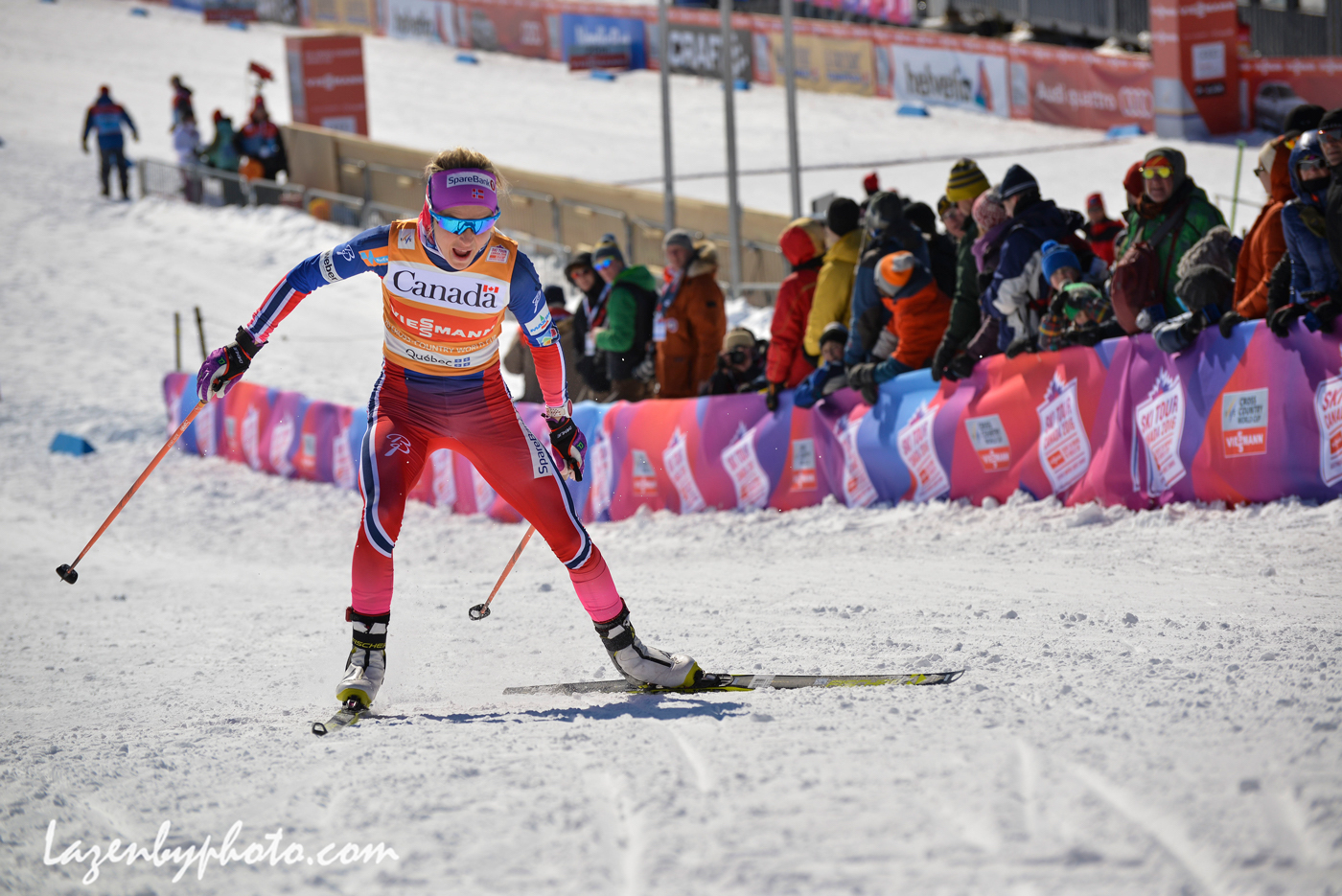
    Norway’s Therese Johaug in the 2016 Ski Tour Canada leader’s bib after two stages of racing. She went on to win the overall Tour. (Photo: John Lazenby/Lazenbyphoto.com)

    As previously reported on FasterSkier, Norwegian superstar Therese Johaug recently saw her suspension increased to 18 months following a ruling from the Court of Arbitration for Sport (CAS) that overturned the 13-month suspension previously imposed by Norwegian anti-doping authorities.

    The math is obvious to any fan of the sport, if absent from the CAS decision: A suspension start date of October 2016 plus 18 months equals April 2018. Johaug will miss the next Winter Olympics in February 2018.

    FasterSkier separately addressed the factual question of what happened that led to Johaug testing positive for the steroid clostebol. That article did not consider the question of why 18 months was the suspension chosen. This piece tries to fill in that gap, by exploring the legal analysis of the CAS decision and the principles that the court applied in reaching this decision.

    This analysis begins by looking at how criminal sentencing usually works, then applies these general principles to Johaug’s case specifically.

    (Wonkish aside: This approach necessarily elides somewhat the distinction between criminal sentencing and a period of ineligibility from sanctioned athletic performance, which is closer to a civil remedy. It is worth emphasizing that Johaug has not been charged with breaking the criminal laws of any country, and is extremely unlikely to face criminal charges. However, the use of the basic principles of criminal sentencing is helpful here by analogy, as a way to think about set ranges of punishment, degrees of fault, and mitigating and aggravating factors.)

    Sentencing Law 101

    Criminal sentencing in American courts follows a basic three-step process. First, what is the crime of which someone has been found culpable, following either a jury trial or (more frequently) the entry of a plea as part of a plea-bargain?

    The chemical structure of clostebol, a synthetic anabolic androgenic steroid. (Photo: Wikimedia Commons)

    Second, what is the sentencing range set for this crime? In state courts, this is a matter of state statute. In federal courts, the federal sentencing grid controls. In either sovereign, there is a gradation of offenses, and different sentencing ranges for more or less serious versions of each crime. For example, there may be a presumptive range of 3-6 years for first-degree assault, 1-3 years for second-degree assault, or 0-1 years for third-degree assault, with the ability to go much higher or lower depending on the specifics of each crime and a defendant’s criminal history.

    And third, once the relevant sentencing range is known, what is the appropriate sentence within that range? And/or is there something so remarkably serious, or not-serious, about this offense that the sentence imposed should be above or below this range?

    Presumptive sentencing ranges represent a compromise between uniformity and discretion. The elimination of unjustified disparity is a central goal of sentencing; within reason, the same people who commit the same type of crime should receive the same type of sentence. But it is also important that the system be able to adapt itself to any particular defendant, and the especially sympathetic or damning facts of a specific case. The law, as they say, is a human enterprise.

    Turning to Johaug: What is the offense?

    Applying these principles to Johaug’s case, Step 1 is easy. The relevant facts about what happened are effectively undisputed.

    Here’s the CAS, in its recent written opinion, summarizing FIS’s view of the lower-court decision from the Adjudication Committee of Anti-Doping Norway:
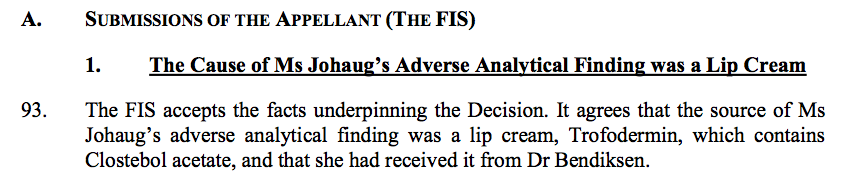
    Excerpt from CAS decision in Therese Johaug case.

    And here’s Johaug’s view of the facts:
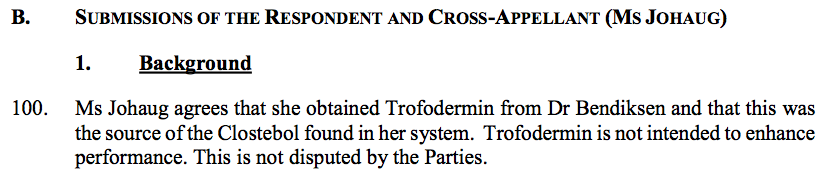
    Excerpt from CAS decision in Therese Johaug case.

    And here’s the court’s take:

    Excerpt from CAS decision in Therese Johaug case.

    Not much to argue about here – however much Johaug was at fault for what happened, everyone agrees that this is what happened. The often-tortured threshold question of how a prohibited substance entered an athlete’s body (think tainted meat, spiked supplements, the chimeric twin theory, etc.) was not an issue here. (See here for more on the facts.)

    What is the appropriate suspension range for this offense?

    Figuring out the baseline range for this offense immediately requires a resolution of the athlete’s mental state (or mens rea, to use the official Latin phrase that literally translates as “guilty mind”). This is because the presumptive suspension range depends on Johaug’s mental state.

    Therese Johaug during an Oct. 2016 press conference on Thursday announcing her positive doping test. (photo: screenshot)

    The central legal question in this case was whether Johaug acted with “No Fault or Negligence” or whether she acted with “No Significant Fault or Negligence.” Johaug argued for the former; FIS argued for the latter. (Spoiler alert: the court agreed with FIS.)

    Fault is defined by the World Anti-Doping Code (WADA Code or Code) as “any breach or duty or any lack of care appropriate to a particular situation.” This is very similar to the definition of this concept in American criminal and civil law.

    No Fault or Negligence, meanwhile, requires the athlete to “establish[] that he or she did not know or suspect, and could not reasonably have known or suspected even with the exercise of utmost caution, that he or she had used or been administered the Prohibited Substance or Prohibited Method or otherwise violated an anti-doping rule.” (Capitalized phrases are defined elsewhere in the Code. The Prohibited Substance, in this case, was clostebol.)

    Notably, the middle clause of that definition, about not being able to know this even after exercising utmost caution, means that “no fault” is another legal term of art. That is, the term has a specialized legal meaning beyond the plain meaning of the normal English words “no fault.”

    In this case, the WADA Code definition of “No Fault or Negligence” is a more difficult standard for an athlete to meet than simply the general, non-legal concept of “no fault” — an athlete has to establish not only that she did not know or suspect something, but also that she could not reasonably have known or suspected this even if she exercised the utmost caution. This is a harder standard to meet than the normal meaning of “no fault.”

    The commentary to Article 10.4 of the WADA Code shows how hard this really is: this article “will only apply in exceptional circumstances, for example, where an Athlete could prove that, despite all due care, he or she was sabotaged by a competitor.” By contrast, the Code notes by way of example, the No Fault standard would not apply in a situation involving “the Administration of a Prohibited Substance by the Athlete’s personal physician or trainer without disclosure to the Athlete.” As the commentary cautions, “Athletes are responsible for their choice of medical personnel and for advising medical personnel that they cannot be given any Prohibited Substance.”

    And finally, No Significant Fault or Negligence adds some degree of culpability to the No Fault standard, but not a significant amount: “The athlete or other Person’s establishing that his or her fault or negligence, when viewed in the totality of the circumstances and taking into account the criteria for no fault or negligence, was not significant in relationship to the anti-doping rule violation.”
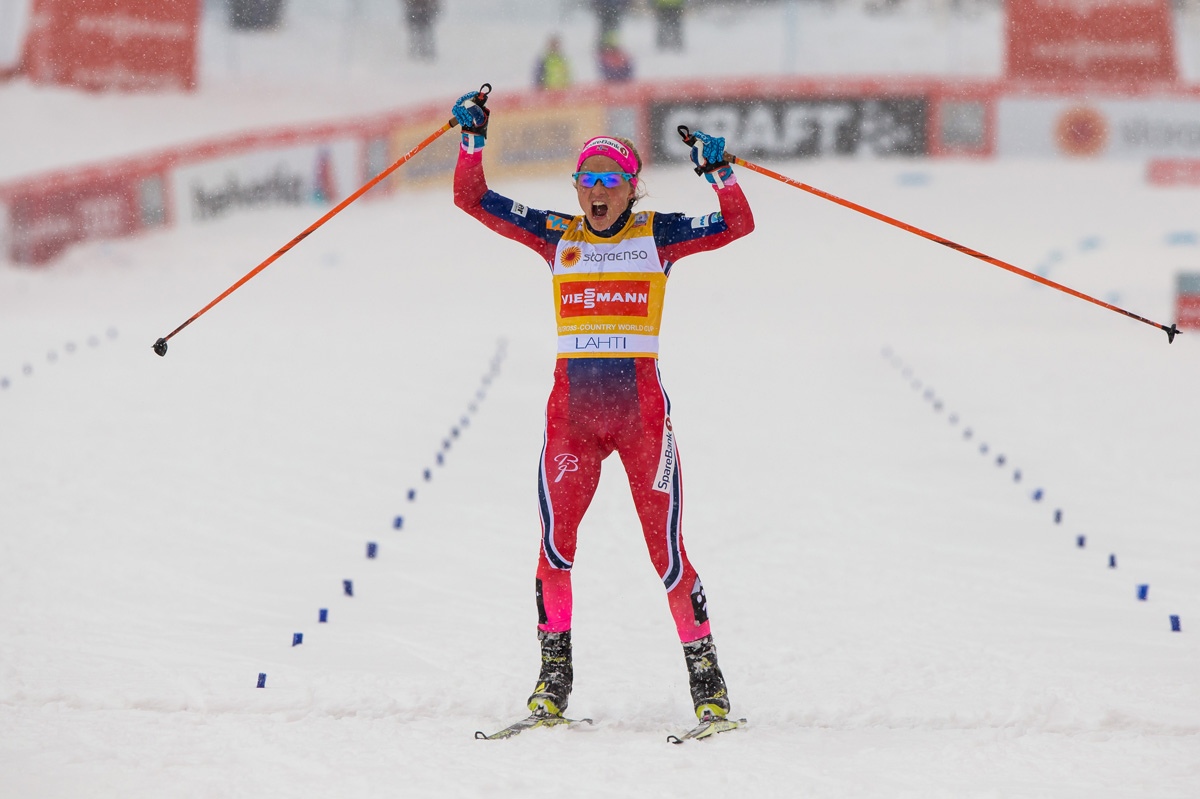
    Norway’s Therese Johaug winning a 15 k skiathlon in Lahti, Finland, for her 15th World Cup victory during the 2015/2016 season. (Photo: Fischer/NordicFocus)

    (“Totality of the circumstances” is a common legal phrase that means, well, exactly what those English words sound like. The emphasis is on everything going on in a case rather than on one thing in particular – a court is directed not to apply a single test to one part of a set of facts, but rather to consider everything that is going on when it makes its decision.)

    Johaug’s arguments about her degree of fault

    Johaug, through her lawyers, argued first that she had acted with no fault. (CAS opinion paragraphs 122-32.)

    She argued, among other things, that she was contractually bound to follow her doctor’s advice, that she had suffered lip sores before and had no reason to suspect that treatment of the same issue would present any risk this time, and that it was very reasonable for her to believe that her doctor had done any necessary checks on the medicine’s legality in the ca. 24 hours that he had it in his possession before he passed it on to Johaug.

    Johaug argued in the alternative that, even if she had acted with some degree of fault, it was so minimal that it should be classified as no significant fault rather than as anything more serious.

    The difference between No Fault and No Significant Fault is hardly academic. The differing levels of culpability translate to vastly different potential suspension ranges.

    If Johaug were able to establish that she bore no fault, then no suspension would be imposed. See WADA Code art. 10.4.

    If, by contrast, she had even the relatively small amount of fault that rose to the level of no significant fault, then she faced a maximum suspension of two years, which could be reduced by no more than half, or down to one year. See WADA Code art. 10.2.1, 10.2.2, 10.5.2.

    And this range (1-2 years) is down from a baseline suspension of four years, the presumptive range for an intentional anti-doping violation (everyone involved in this case agreed that this was not intentional). See WADA Code art. 10.2.1. As we all learned on the elementary school playground, intentions matter.

    (And this will be visited later, but it’s also worth pointing out that the four-year baseline suspension was implemented in 2015; before then, intentional doping offenses earned a two-year suspension. Times change.)

    FIS’s arguments about Johaug’s degree of fault

    FIS had a different view of the significance of Johaug’s doctor’s involvement in this case, and of Johaug’s ability, or lack thereof, to delegate any portion of her anti-doping responsibilities to a third party. FIS highlighted several portions of Johaug’s contract with the Norwegian National Team that seemed to suggest that Johaug retained a personal duty to refrain from using substances that may violate WADA rules.
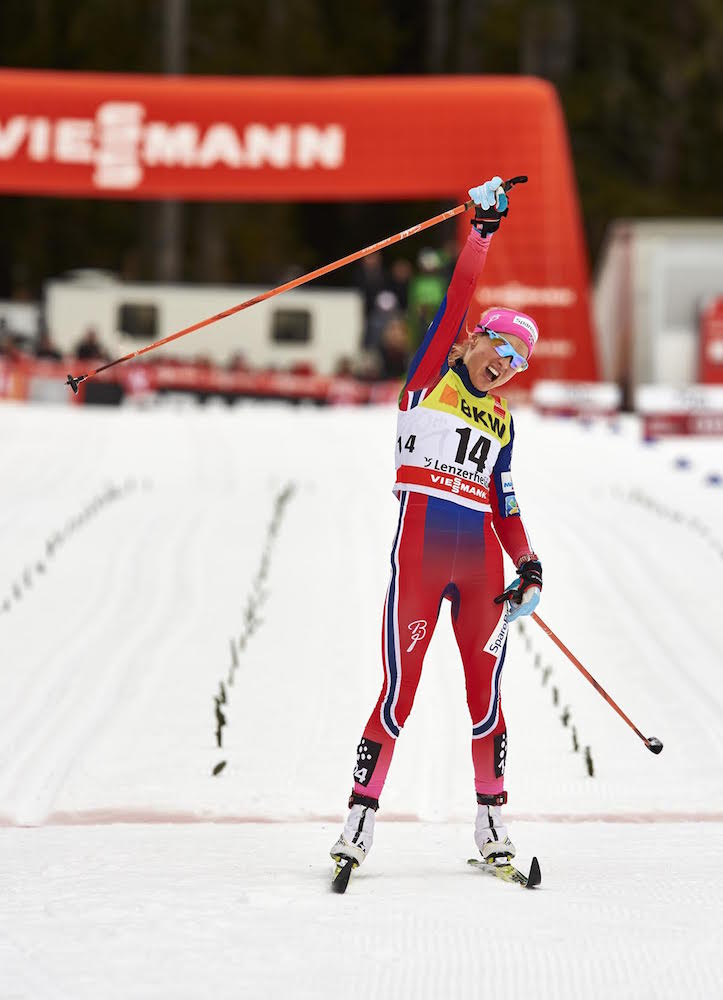
    Norway’s Therese Johaug celebrates at the finish of the 15 k classic mass start in Lenzerheide, Switzerland. She won the race by nearly 38 seconds to take the lead in the 2016 Tour de Ski after the second stage. (Photo: Fischer/NordicFocus)

    As FIS argued, “The duty of care to avoid doping is personal and remained with Ms Johaug at all times.” (para. 155) FIS continued, “The athlete’s personal duty of care may include asking a medically trained person about doping risks of a certain product, but that is only one of several precautions that must be observed. An athlete may not blindly rely on a doctor’s answer, especially when the doping risk is so obvious, as in the present case.” (para. 156)

    FIS outlined several additional steps that it argued Johaug could have taken on her own, such as reviewing the patient information from the Trofodermin package, searching for information about this medicine online, or checking the active ingredients of Trofodermin against the WADA prohibited list. (para. 165) FIS also critiqued Johaug for not completing a required anti-doping education program until after this violation came to light. (para. 173)

    FIS argued that Johaug’s culpability was in the middle range of No Significant Fault, meaning that a suspension of 16-20 months was appropriate. (para. 167-74)

    The court’s decision about Johaug’s degree of fault

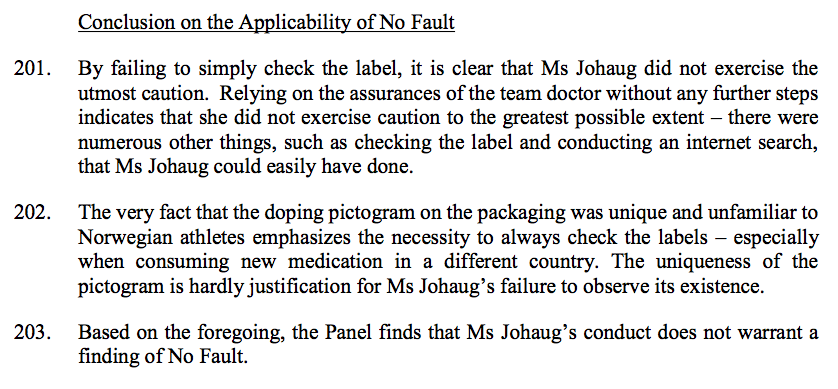
    CAS ultimately found that Johaug had not acted with No Fault. In reference to the “utmost caution” standard in the WADA Code, discussed above, the court noted:
    Excerpt from CAS decision in Therese Johaug case.

    The court based this conclusion on several of its prior decisions, as applied to the facts of Johaug’s case.

    For example, in one case, the athlete applied Trofodermin without checking its content; the CAS panel found that an athlete fails to fulfill his duty of diligence when he or she could have learned that a medicine contained a prohibited substance by reading its packaging or notice of use. In another case, the CAS underscored that an athlete has the personal responsibility to check assurances given by his or her doctor. And in many, many other cases, the court previously held that an athlete has a personal duty of care to comply with anti-doping regulations, and cannot delegate away those responsibilities to a third party such as a team doctor.

    From a policy standpoint, the court observed: “The Panel remarks that if athletes were allowed to escape their personal duty by passing it on completely to an expert in anti-doping (such as a specifically qualified doctor), this could create a more advantageous position for wealthier athletes who have more resources to engage experts, leading to potentially unequal treatment in assessing compliance.” (para. 212)

    What is the appropriate length of suspension within the established range?

    The conclusion that Johaug had acted with no significant fault (or “NSF”) meant that the relevant suspension range was from 12 to 24 months. Within this range, the court made further distinctions as follows: “within the NSF category, a greater degree of fault may lead to a sanction of 20-24 months, a normal degree of fault may lead to a sanction of 16-20 months, and a light degree of fault may lead to 12-16 months.” (para. 208)

    The court found that a normal degree of fault was present in this case, which made for a range of 16-20 months. The court ultimately imposed a suspension at the middle of this range, or 18 months. Johaug would not be going to the Olympics.

    Tangent: About those Olympics, anyway

    We’ll get to what the CAS considered in its decision in a second. But here’s something it officially did not consider: The fact that an 18-month suspension would keep Johaug out through the 2018 Winter Olympics, while a 13-month suspension would not. It begs credulity to suggest that the CAS panel was unaware of Johaug’s Olympic aspirations or the implications of this timing. But the 2018 Olympics appear nowhere in the court’s explanation of its reasoning, and were officially given no weight in its decision.
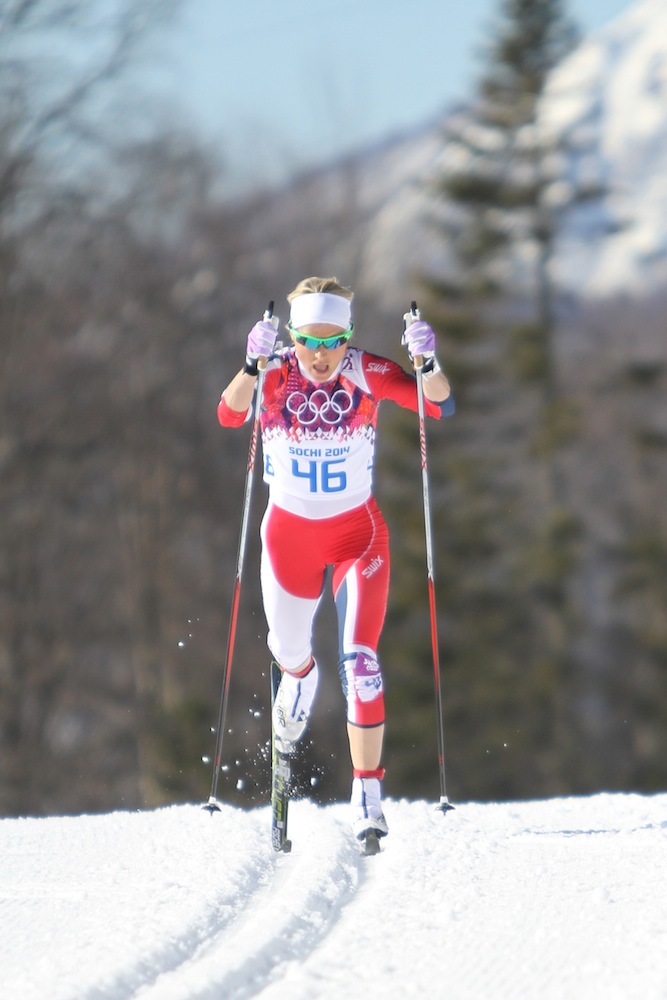
    Norway’s Therese Johaug pushes for bronze in the women’s 10 k classic individual start at the 2014 Olympics in Sochi, Russia.

    This is consonant with the WADA Code. The document makes clear that the determination of an appropriate suspension length should be an abstract one, free from considerations of the implications of a given suspension length: “the fact that the Athlete only has a short time left in his or her career, or the timing of the sporting calendar, would not be relevant factors to be considered in reducing the period of Ineligibility under Article 10.5.1 or 10.5.2.” (WADA Code App. 1)

    Johaug’s attorneys were undeniably aware of issues surrounding the timing of the sporting calendar, and so understandably mentioned this in their appellate arguments. As the CAS summarized, Johaug argued in part that an extension of her suspension period past November 2017 “would negatively impact her chances [of] being selected for the Norwegian Olympic team due to the timing of the race season which starts in November. She explained the importance of the 2018 Olympics for her as she has never won a personal Olympic gold medal.” (para. 223)

    But the CAS found that this was not a “relevant consideration[]” with respect to the appropriate sanction. (para. 224)

    The court cited the WADA Code excerpt given three paragraphs above. It also noted a case from 2010 in which the CAS declined to consider the fact that a cyclist would have difficulty obtaining a contract with a professional cycling team during the 2011 season.

    Back to the appropriate length of suspension

    So what did the court consider? It adopted a suspension scheme from an earlier decision (a 2013 case involving Croatian tennis player Marin Čilić) suggesting that a “normal degree of fault” merited a sanction of 16-20 months. The panel, or at least a majority of it (that is, two out of three members), found that this range applied, “Given Ms Johaug’s overall circumstances.” (para. 208)

    This conclusion was based in part on Johaug’s long experience as an international athlete subject to anti-doping protocols, including taking roughly 140 doping control tests. While the panel was sympathetic to Johaug’s lip injuries and training stress, the court found that she should have been aware of her personal requirements, and should not be allowed to completely delegate her duties to a team doctor.

    Finally, the court considered, but ultimately rejected, Johaug’s argument that a longer suspension would be disproportionate. (The principle of proportionality, the notion that the punishment should fit the crime, is present in both “normal” criminal cases and in CAS cases involving suspensions from athletic competition.)

    Specifically, the court noted Johaug’s claim that punishing her with a suspension of any length would be disproportionate to her fault in this instance, where she simply “did as all athletes are always told to do and as she was contractually obligated” by consulting with her doctor and following his advice.

    But the court reiterated its conclusion that “athletes are required to perform their anti-doping obligations with utmost care, which in practice includes reading labels and packaging as a basic minimum. Further, delegation to a third-party, even to a highly qualified sports doctor, is not an acceptable justification.” (para. 220)

    The court’s conclusion

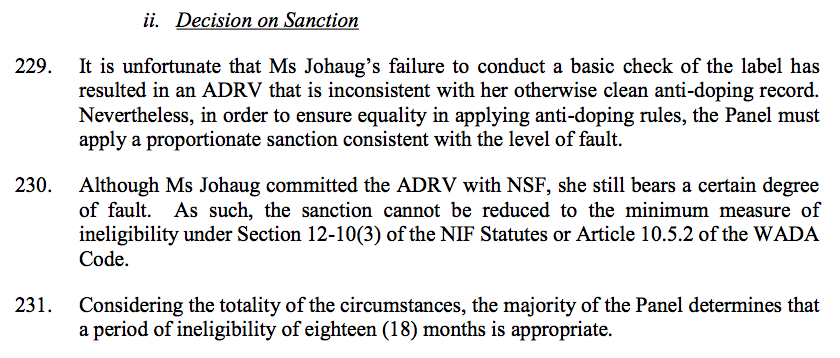
    The final CAS decision reflects a direct application of the WADA Code and a concern for proportionality. As the court concluded:
    Excerpt from CAS decision in Therese Johaug case.

    (“ADRV” means “Anti-Doping Rule Violation.”)

    The court’s conclusion analyzed

    The most important determination in this case, legally speaking, was the conclusion that Johaug had acted with some fault, rather than with no fault. This took the no-suspension provisions of WADA Code Article 10.4 off the table, and meant that the best that Johaug and her lawyers could hope for was the one-half-reduction provisions of WADA Code Article 10.5.2.
    Croatian tennis player Marin Čilić, shown here in 2012. (Photo: Wikimedia Commons)

    Even within the 12- to 24-month range that was then applicable, the precedential value of the Čilić decision left Johaug’s lawyers with a tough row to hoe. As the Čilić opinion noted, with regard to objective elements of fault, an athlete should take particular care when it comes to the potential ingestion of substances that are prohibited at all times, as was the case here. The Čilić court also called for a higher duty of care when an athlete takes “a medicine designed for a therapeutic purpose,” on the ground that “medicines are known to have prohibited substances in them.” These facts obviously weigh against Johaug on the facts of her case.

    The Čilić decision is potentially more helpful to Johaug when it comes to the subjective element of fault. It lists, for example, language or environmental problems and high levels of stress as mitigating factors, both of which seem favorably applicable to Johaug and her facts.

    But the Čilić panel also noted that the objective element “should be foremost” in distinguishing between significant, normal, and light degrees of fault, with the subjective element then “used to move a particular athlete up or down within that category.” That is precisely what Johaug’s panel did; that took her to 16-20 months, and then to precisely the middle of that range, or 18 months, for a “standard” normal degree of fault.

    Two final thoughts:

    One, even with the exact same initial facts and subsequent legal conclusions, the outcome would have been different three years ago – the Čilić case actually discusses a “normal” fault range of 8-16 months, with a “standard” normal degree of fault meriting a suspension of 12 month. This is because, at the time, a possible sanction for someone in Johaug’s position was 0-24 months, not 12-24 months.

    The increased lower end of the range reflects a revision to this part of the WADA Code effective January 1, 2015. Had all this occurred in the leadup to Sochi, a finding of no significant fault would have led to a suspension of not 18 months but rather 12 months, or obviously less than the 13 months that Anti-Doping Norway originally imposed in Johaug’s case. Revisions to laws (or, literally, to the World Anti-Doping Code) often mean that proportionality in sentencing exists synchronically, but not diachronically.

    And two, everyone involved in this case – not only Johaug, but also the International Ski Federation that sought to see her suspension increased and the CAS panel that decided the case – agreed that the drugs in Johaug’s body were there inadvertently, that Johaug did not intend to cheat, and that she did not gain any competitive advantage from taking this substance. (para. 206)

    And yet, once a finding of no fault was off the table, Johaug was subject to a suspension of at least 12 months, and as much as 24 months. Whether or not this seems like a fair and appropriate outcome, these facts and conclusion illustrate the implications of a strict liability scheme for doping violations.

    * * *

    Disclaimer: The analysis set forth in this article is intended as general news analysis rather than as specific legal advice. While the author is a licensed attorney and a member of the Bar of the State of Alaska, he gives legal advice only following an initial consultation and the formation of an attorney–client relationship. Anyone seeking legal advice specific to their situation is advised to consult with an attorney practicing in that field.

  • FIS President Kasper: ‘We Need to Stop Pretending Sport Is Clean’

    FIS President Kasper: ‘We Need to Stop Pretending Sport Is Clean’

    Johannes Duerr (second from right) during the Tour de Ski's 35 k pursuit from Cortina to Toblach, Italy, in December. Duerr was since kicked out of the 2014 Olympics for doping.
    Johannes Duerr (second from right) during the Tour de Ski’s 35 k pursuit from Cortina to Toblach, Italy, in December. The Austrian was since kicked out of the 2014 Olympics for doping.

    Doping has been in the news again, with the International Olympic Committee (IOC) announcing on Thursday that 16 more athletes from the 2008 Summer Olympics in Beijing had tested positive for banned substances, then adding 12 more to that tally on Monday from the 2012 Summer Olympics in London.

    That brings the total number of athletes disqualified for doping at those two Olympics to well over 100.

    The World Anti-Doping Agency (WADA) also held its Foundation Board meeting in Glasgow, Scotland, this weekend, agreeing on a whistleblower-protection program as well as a system of graded sanctions for countries who do not comply to the World Anti-Doping Code.

    “The decision by the Board to grant WADA authority to develop a new, meaningful graded sanctioning system is welcomed by athletes; particularly, as it provides a direct answer to the call made by athletes earlier this year for a stronger, meaningful system of consequences for non-compliance,” WADA Athlete Committee Chair Beckie Scott, a former Canadian cross-country skier, said in a WADA press release. “If we all agree that WADA should be independent and empowered as the regulator of doping in sport, then how could we not agree to equip WADA with the tools it needs to do its job fully… On behalf of athletes, I feel confident in saying that we are pleased that this decision has been made today in the interest of clean sport.”

    The system will reportedly have three tiers of sanctions, with countries committing the most serious and recurring offenses being barred from hosting the Olympics, World Championships and other major events. That would be applied to countries where the government interferes with anti-doping work or manipulates the testing sytem.

    The first level of sanctioning would be a result of administrative problems, and is proposed to bring in assistance from WADA in order to return to Code compliance. The second level of sanctions would apply when there are problems in testing procedures, at which point countries will be assessed a fine.

    Five countries are currently deemed Code non-compliant: Russia, which has been out of compliance since November 2015, but which has not faced any of the sanctions suggested above, although athletes in some sports have been barred from competing by their individual sports federations; Spain, which has been noncompliant since March 2016; and Brazil, Azerbaijan, and Indonesia, which were declared noncompliant at the Glasgow meeting.

    In the future, such countries could face sanctions. But International Ski Federation (FIS) President Gian Franco Kasper does not see it as WADA’s place to offer such punishments.

    “Sanctioning entire countries is purely political and I do not agree with this,” Kasper told Insidethegames. “WADA should not be a body which gives sanctions.”

    He also did not appear optimistic about the future of clean sport.

    “We need to stop pretending sport is clean,” he told New York Times reporter Rebecca Ruiz. “It’s a noble principle, but in practice? It’s entertainment. It’s drama.”

    Russia, which is currently non-compliant with the WADA Code, is hosting World Cups in multiple ski and snowboard disciplines later this season, and FIS has made no public show of moving them.

    Similarly, the International Biathlon Union (IBU) will see Russia hosting World Cups in March 2017, and also recently awarded Russia the 2021 World Championships.

    That was a topic of discussion at the WADA Foundation Meeting. The Compliance Review Committee is beginning action against the IBU, which it sees as having jeopardized its own compliance by awarding a major event to a country which does not comply with the Code.

    The Code states that international federations like the IBU must “do everything possible to award World Championships only to countries where the Government has ratified, accepted, approved or acceded to the UNESCO Convention, and where the National Olympic Committee, National Paralympic Committee and National Anti-Doping Organisation are in compliance with the Code”.

    The IBU has been given until January to offer a satisfactory explanation to WADA for why the Russian city of Tyumen was selected as the World Championships host site.

    Meanwhile, Russian IOC member Vitaly Smirnov asserted that Russia “has never had a state-sponsored doping system”, contrary to a WADA investigation published this year.

    The second part of that investigation, headed by Richard McLaren, is set to drop on Dec. 9.

  • The Votes are In, Russia Awarded 2021 IBU World Champs Despite Controversy

    The Votes are In, Russia Awarded 2021 IBU World Champs Despite Controversy

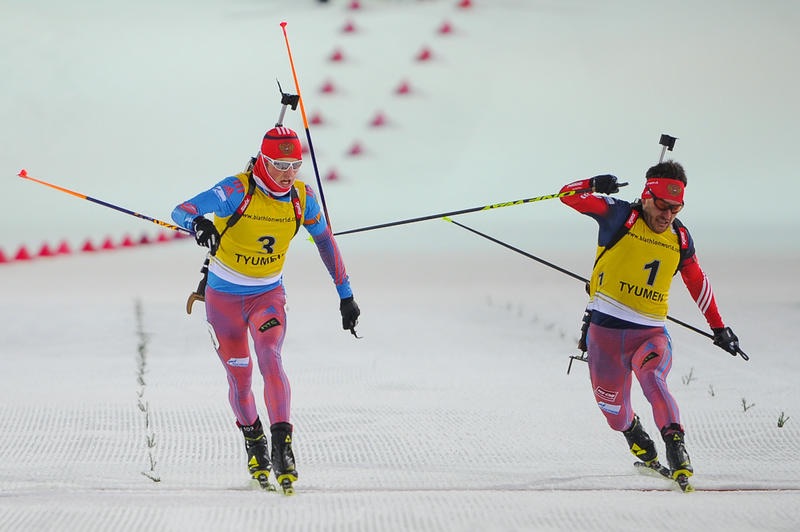
    Russia’s Anton Babikov lunges across the line ahead of teammate Evgeniy Garanichev in the men’s pursuit race at the 2016 Open European Championships. (Photo: IBU)
    Russia’s Anton Babikov lunges across the line ahead of teammate Evgeniy Garanichev in the men’s pursuit race at the 2016 Open European Championships in Tyumen, Russia. The venue just won the hosting rights for 2021 World Championships. (Photo: IBU)

    Note: In an interview with the Associated Press which was published the day after this story, IBU President Anders Besseberg suggested that if Russian biathletes’ anti-doping samples from the Sochi Olympics came back positive during the re-testing process, Tyumen’s hosting rights for World Championships 2021 could be revoked.

    In July, the McLaren report dropped and the world learned that Russia had implemented a systematic doping program before the 2014 Winter Olympics in Sochi, Russia.

    Then, there had been a parallel systematic program to cover it up, directed by Russia’s Ministry of Sport and its state security service. That had led to the infiltration of the International Olympic Committee (IOC) on-site anti-doping laboratory.

    In the wake of the scandal, the IOC Executive Board suggested several guidelines for how to handle Russian winter sports. Among them was a call on “all International Olympic Winter Sports Federations to freeze their preparations for major events in Russia, such as World Championships, World Cups or other major international competitions under their responsibility, and to actively look for alternative organisers.”

    And yet, over the weekend the International Biathlon Union (IBU) Congress, which includes 49 possible voting countries, voted to award 2021 World Championships to Tyumen, Russia. The venue in western Siberia will also host World Cup competitions in March 2017, and 2017 Youth and Junior World Championships in Ostrov, Russia, are also moving ahead as planned.

    And the IOC did not object. What changed?

    “Not only was it surprising, but it was also shocking that [Tyumen] got 25 votes,” Bernd Eisenbichler, chief of sport for the U.S. Biathlon Association (USBA) and the voting representative for the U.S. at the Congress, said in an interview on Tuesday. “I want to state that it is wrong. It is a very disappointing outcome of the vote.”

    “It is a country that is under investigation and the IOC has in fact warned against giving new events to the country — that half of the delegates don’t understand what this means for the young international biathletes is disappointing,” Erlend Slokvik, president of the Norwegian Biathlon Federation, told his country’s NRK television station.

    Public vs. private attitudes on Russia

    Apparently, while stating one thing publicly – that plans for major competitions in Russia should be frozen – the IOC was telling winter sports federations something different.

    A still from the candidature video of Tyumen, Russia, which won the hosting rights for 2021 Biathlon World Championships. The International Olympic Committee had previously recommended that no major competitions be awarded to Russia until it comes into compliance with the WADA Code.
    A still from the candidature video of Tyumen, Russia, which won the hosting rights for 2021 Biathlon World Championships. The International Olympic Committee had previously recommended that no major competitions be awarded to Russia until it comes into compliance with the WADA Code.

    The IOC will not hesitate to take the toughest sanctions available against any individual or organisation implicated,” IOC President Thomas Bach said in July after learning about Russia’s widespread doping at the 2014 Olympics.

    Once amongst its stakeholders, the IOC seems to sing a different tune, one which could hardly be described as the “toughest sanctions available.”

    Last month, all seven international winter sports federations met with the IOC and World Anti-Doping Agency (WADA) in Rio de Janeiro, Brazil. All seven had competitions scheduled for Russia in 2017, and they wanted clarification about what to do.

    What they got was the go-ahead to continue working with Russian organizing committees.

    “They said, all competitions given to Russia which are taking place this winter, they should go on as planned,” IBU President Anders Besseberg told FasterSkier on the phone Tuesday. “This is what the IOC Sport Director clearly stated. About awarding them new competitions, the answer was also very clear. When they applied for this bidding process and it was in progress [before the McLaren report dropped], then this should also go the normal way.”

    Secretary General of the International Ski Federation (FIS), Sarah Lewis confirmed this account of events in an email to FasterSkier.

    Unlike competitions slated for this winter, 2021 is a long way off. World Championships easily could have gone somewhere else. Although the bid process was already started and Tyumen had filed its candidacy before the McLaren report came out, there were two other cities bidding, Nove Mesto in the Czech Republic and Pokljuka in Slovenia.

    Yet sources told InsideTheGames that at the Rio de Janeiro meeting, the IOC specifically said that the Tyumen biathlon bid could go on.

    Tyumen’s candidature video for the Congress can be watched on YouTube.

    “There were three very correct candidates,” Besseberg said. “And there was a vote.”

    When asked about how Tyumen had won the election given the ongoing discussion of sanctions, Besseberg objected.

    “I am not the right person to ask,” he said. “It’s the Congress who is the highest authority in the IBU, it is the delegates in the Congress.”

    Who voted for Tyumen?

    And so, what did the delegates think?

    In his remarks to the Congress at its opening, Besseberg explained that Tyumen’s candidacy was not against any IOC guidelines. That caused a stir.

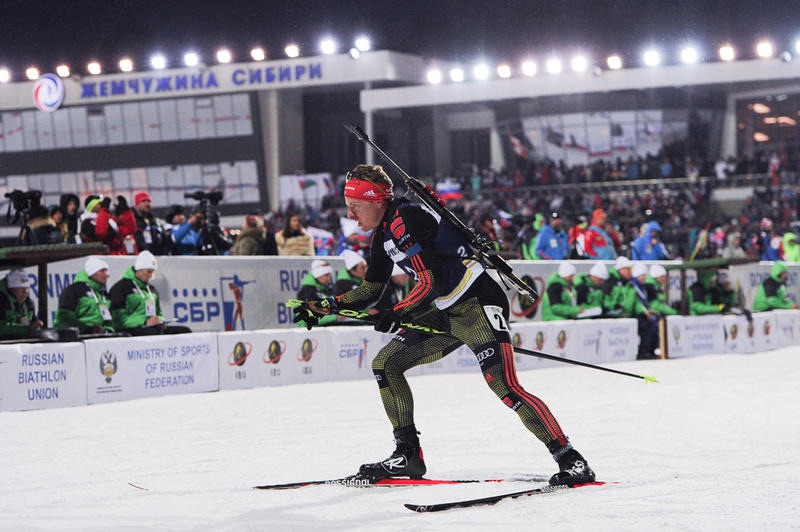
    Germany’s Florian Graf competing in the men’s 15-kilometer mass start at the 2016 Open European Championships in Tyumen, Russia, on his way to winning the gold medal. (Photo: IBU)
    Germany’s Florian Graf competing in the men’s 15-kilometer mass start at the 2016 Open European Championships in Tyumen, Russia, on his way to winning the gold medal. (Photo: IBU)

    “This was very surprising because there was no official statement by either the IBU or the IOC before the congress,” Eisenbichler said. “I discussed with a few friends in other federations about this topic. I got the sense that we were pretty much in agreement.”

    Regardless of IOC rules, some feel that biathlon and cross-country skiing should be especially wary of Russia, since they were acutely stung by the allegations in the McLaren report. That investigation implicated 10 biathletes and 13 cross-country skiers.

    “The McLaren report is very clear and detailed about what happened in Sochi and mentions biathlon explicitly as one of the sports,” Eisenbichler wrote in an email. “As long as there are not clear signs, facts and proof about different future behavior, it is not time to have Russia get awarded a Biathlon World Championships.”

    There has been no news on re-testing of the anti-doping samples in Sochi, and no revelation of which athletes might have been involved.

    Clearly, however, there are two lines of thinking on the matter. There are those, like Eisenbichler and Norway’s Erlend Slokvik, who would never vote for Tyumen.

    “The IOC letter, I disagree that the IOC took this step after [previously] declaring that the competitions should be frozen and should not be further planned on,” Eisenbichler said. “I’m not in favor of it. So that did not change anything, that I would vote for it or not.”

    Murray Wiley, the president of Biathlon Canada, could not be reached for comment, but Canada’s national-team coach Roddy Ward said he was disappointed with the decision.

    “Back here in Canada, we have been discussing where they would move [the Tyumen World Cup weekend] to this winter, given our assumption it must be moved after the McLaren report,” Ward wrote in an email. “After all, how can we race in Russia when that has come to light? However, not only does [the World Cup] remain but the IBU has now rewarded Russia with WCH2021!! This is a massive slap in the face to clean athletes.”

    But then there are those who would vote for it.

    “Western Europe understands that this is not good for the younger international biathletes,” Slokvik told NRK. “There are many nations that are distraught … It’s the small nations from Asia and the old East block that voted for Tyumen.”

    Either way, minds appeared to be made up. After his presentation on the new IOC recommendations, Besseberg said he had welcomed discussion.

    “They were asked if they had any questions about it and there was not a single question,” Besseberg said.

    What now?

    Eisenbichler had little doubt that the Tyumen organizing committee would do a good job with the championships.

    The venue hosted 2016 Open European Championships, and although neither the U.S. nor Canada attended (nor a number of other countries), reports from those who did compete were positive. Tyumen also hosts a Champions show race, so many top competitors have been there for the cash-rich prize money. Simon and Martin Fourcade of France both tweeted their support for Tyumen along with Antholz, Italy, which was awarded 2020 World Championships.

    “Perfect places to race,” tweeted Simon Fourcade.

    The local organization is not what concerns Eisenbichler, who heads the U.S. national team along with domestic development.

    “Hopefully the future will be showing us that Russia does a different job than they did in Sochi,” he said. “But the McLaren report is very clear. I just think that now, with all the news that we got from the report, it’s the wrong signal to the sports world, to the fans, to the youth athletes, to all the athletes who are fighting for clean sports, that it’s a very wrong signal to reward them right now with that event.”

    The biathlon world is also waiting for the other shoe to drop, to find out whether or which of the Russian stars had doped in 2014.

    “The McLaren report showed systematic doping in Sochi, with Russian biathlon and x-c implicated,” Ward wrote. “I have been waiting to hear from the IBU how they would respond to the report and I hoped it would be by throwing their weight behind clean sport and punishing Russia… The IBU have made it very clear now that Russia is above anti-doping, that they can get away with anything and that what they did in Sochi totally acceptable.

    “Biathlon and all Olympic sport is in a dangerous time,” Ward concluded. “We are losing all credibility. IOC and IBU need to take a strong stand against doping and with the decision to award Russia with [World Championships] they have done the exact opposite.”

  • Mismatch Between WADA Policy and Data; Athletes Return to Training After Meldonium Positives

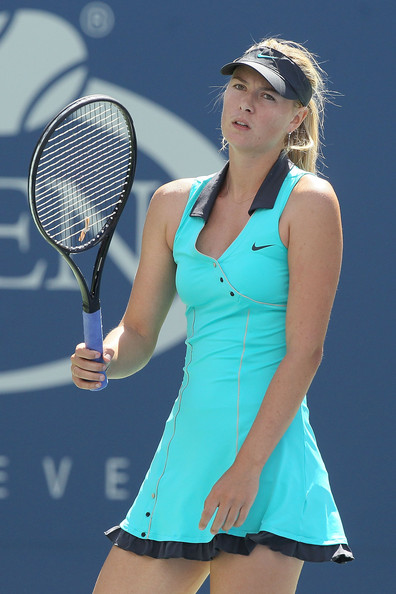
    Maria Sharapova at the 2014 BNP Paribas Open. The minutes of her International Tennis Federation doping hearing panel have shed light on how athletes saw the drug that has led to so many  bans so far this year; Sharapova said that she took several pills before every match. (Photo: Michael Brown/Flickr Creative Commons)
    Maria Sharapova at the 2014 BNP Paribas Open. The minutes of her International Tennis Federation doping hearing panel — which led to a two-year ban, although she is appealing — have shed light on why so many athletes took meldonium, a drug that has led to over 100 positive tests so far this year; Sharapova said that she took several pills before every match. (Photo: Michael Brown/Flickr Creative Commons)

    Over 150 athletes have tested positive for meldonium (trade name: mildronate) since Jan. 1, 2016, the date the Latvian-made metabolic modulator which was added to the World Anti-Doping Agency (WADA) Prohibited List.

    Of that group, one of the most famous is Russian tennis player Maria Sharapova. Her case went before the International Tennis Federation (ITF) and recently concluded with the Olympic silver medalist and former world No. 1 being handed a two-year ban from competition.

    Sharapova is appealing to the Court of Arbitration for Sport (CAS) to get her ban reduced to nothing.

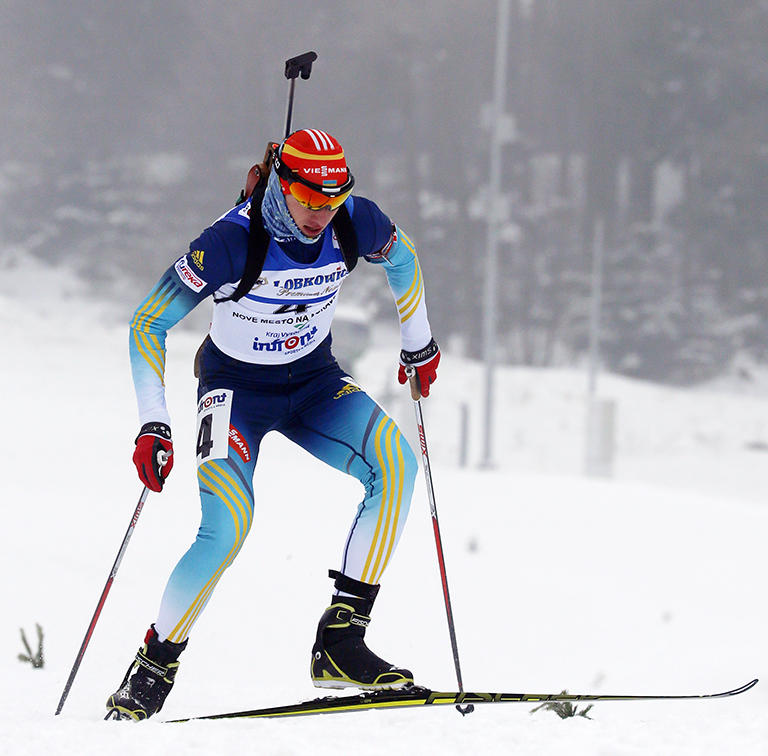
    Artem Tyshchenko of Ukraine en route to finishing second in the junior men's pursuit at 2014 Open European Championships in Nove Mesto, Czech Republic. (Photo: IBU/Květoslav Frgal)
    Artem Tyshchenko of Ukraine en route to second place in the junior men’s pursuit at 2014 Open European Championships in Nove Mesto, Czech Republic. Tyshchenko has had his provisional suspension for meldonium lifted; in a bar postscript, he also recently crashed a car at high speed, leading to severe traumatic injuries and a long hospital stay for a female teammate who was his passenger. (Photo: IBU/Květoslav Frgal)

    However, dozens of other athletes who tested positive for meldonium have escaped suspensions without the need for an appeals process. WADA is giving them unprecedented benefit of the doubt — while not clearly explaining why.

    In April, WADA released a directive that athletes with low concentrations of meldonium in urine samples collected before March 1 could be given a finding of “no fault”.

    WADA wrote that the substance could have stayed in their bodies for weeks even if they had ceased use before Jan. 1, and suggested that athletes could not have known this and thus may not necessarily bear responsibility.

    Athletes across multiple sports have since had their cases temporarily dropped. That includes biathletes Artem Tyshchenko of Ukraine and Eduard Latypov of Russia, and cross-country skier Kirill Vichuzhanin, also of Russia.

    In the document, WADA wrote that “limited data exists to date on the urinary excretion of meldonium.” WADA’s own studies of excretion rates over time are ongoing, with results expected to be released in September.

    But WADA still decided to set guidelines for what concentrations were acceptable in samples collected in the first two months after the drug was banned. In the notification the agency wrote that for athletes whose provisional suspensions were lifted,

    “the athlete shall be informed that if it is later established based on the results of the excretion studies that he/she did take the drug on or after 1 January 2016, (i) all the results during the period in which the provisional suspension is lifted may be cancelled and prizes returned, and (ii) the ineligibility period ultimately imposed is likely to start on the date of the decision (with a credit for the provisional suspension already served).”

    WADA’s recommendations for which provisional suspensions should be lifted contained internal inconsistencies, potentially allowing athletes who took meldonium after it was banned to continue training or competing legally between the date of their test and the September announcement of the study results.

    For instance, the directive noted that according to initial results, concentrations could be higher than 10 μg/mL for up to 72 hours – but later wrote that concentrations up to 15 μg/mL were consistent with “recent use”.

    Those numbers also don’t square with the very limited results from previous excretion studies, which suggest that at the recommended dose of meldonium, urine concentrations drop below 1 μg/mL within 24 hours.

    After initially stating they would reply to FasterSkier’s questions within a few days, WADA did not respond for over a week despite additional emails and phone calls.

    The amnesty for low concentrations did not go over well at the time, and reactions have not mellowed in the intervening months. Athletes snared by the tests who were later pardoned according to the April directive were frustrated that their names had been dragged through the mud at all.

    And their competitors, as well as fans, commentators, and officials, questioned whether the amnesty was appropriate at all. According to precedent, a prohibited substance is not allowed in doping controls at any concentration, even if it was consumed before it was added to the Prohibited List or if the athlete did not use it with the intention of cheating.

    “Athletes who were caught with meldonium in their system during January and February should not be let off the hook without any punishment,” U.S. Olympic biathlete Susan Dunklee wrote in an email. “It sets a poor precedent for anti-doping enforcement efforts going forward. I do applaud WADA for naming meldonium to the banned list, but it was unprofessional of them to set down a rule they weren’t ready to enforce. I have lost a lot of faith in WADA in recent months; it’s disappointing.”

    As with many prohibited substances, there is also the specter of micro-dosing, taking smaller amounts of the drug which would be harder to detect. In theory, microdosing could also lead to low concentrations of the drug in urine samples.

    What We Know About Excretion

    As WADA noted in their directive, little is known about how quickly meldonium is excreted from the body.

    So how low of a concentration is 1 μg/mL, anyway?

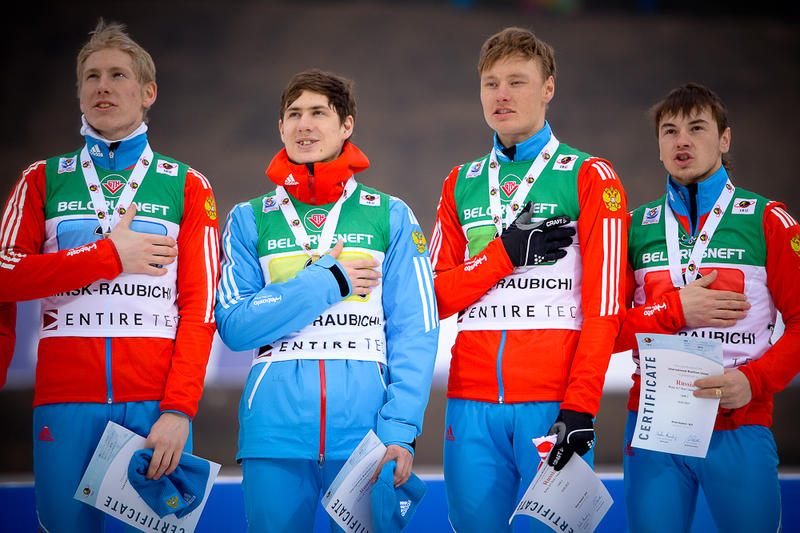
    Eduard Latypov, second from left, helped his Russian team to World Junior Championships gold in 2015. His provisional suspension for a positive meldonium test has been lifted by the International Biathlon Union. (Photo: IBU/Evgeny Tumashov)
    Eduard Latypov, second from left, helped his Russian team to IBU Junior World Championships gold in 2015. His provisional suspension for a positive meldonium test has been lifted by the International Biathlon Union. (Photo: IBU/Evgeny Tumashov)

    A study published in 2016 using healthy, non-athlete Chinese volunteers found that during daily injections of 500 mg of meldonium over five consecutive days, the concentration of meldonium in urine went up to roughly 60 μg/mL immediately after injection and usually dropped below 1 μg/mL within 24 hours.

    “Recommended therapeutic dosages for meldonium are comparably high and thus low urinary concentrations can be interpreted as indicative for a drug administration weeks ago, or as an ingestion/injection of the compound at low amounts a much shorter period of time before the testing,” Dr. Mario Thevis, a researcher at the German Sport University Cologne, wrote in an email to FasterSkier.

    Another 2016 study, written by Dr. Thevis and his colleagues, found that concentrations of meldonium in urine quickly dropped below 1 μg/mL following a 500 mg oral (rather than injected) dose of the drug. That study, however, was based on data from just two test subjects.

    Dr. Thevis was also the senior author of a 2015 paper which developed a method for detecting meldonium in urine samples. He and his co-authors, led by Dr. Christian Görgens, analyzed 8,320 doping-control samples collected across a range of sports both in- and out-of-competition.

    Speedskating World Champion Pavel Kulizhnikov of Russia is among those who have tested positive for meldonium. (Photo: Wikipedia Commons)
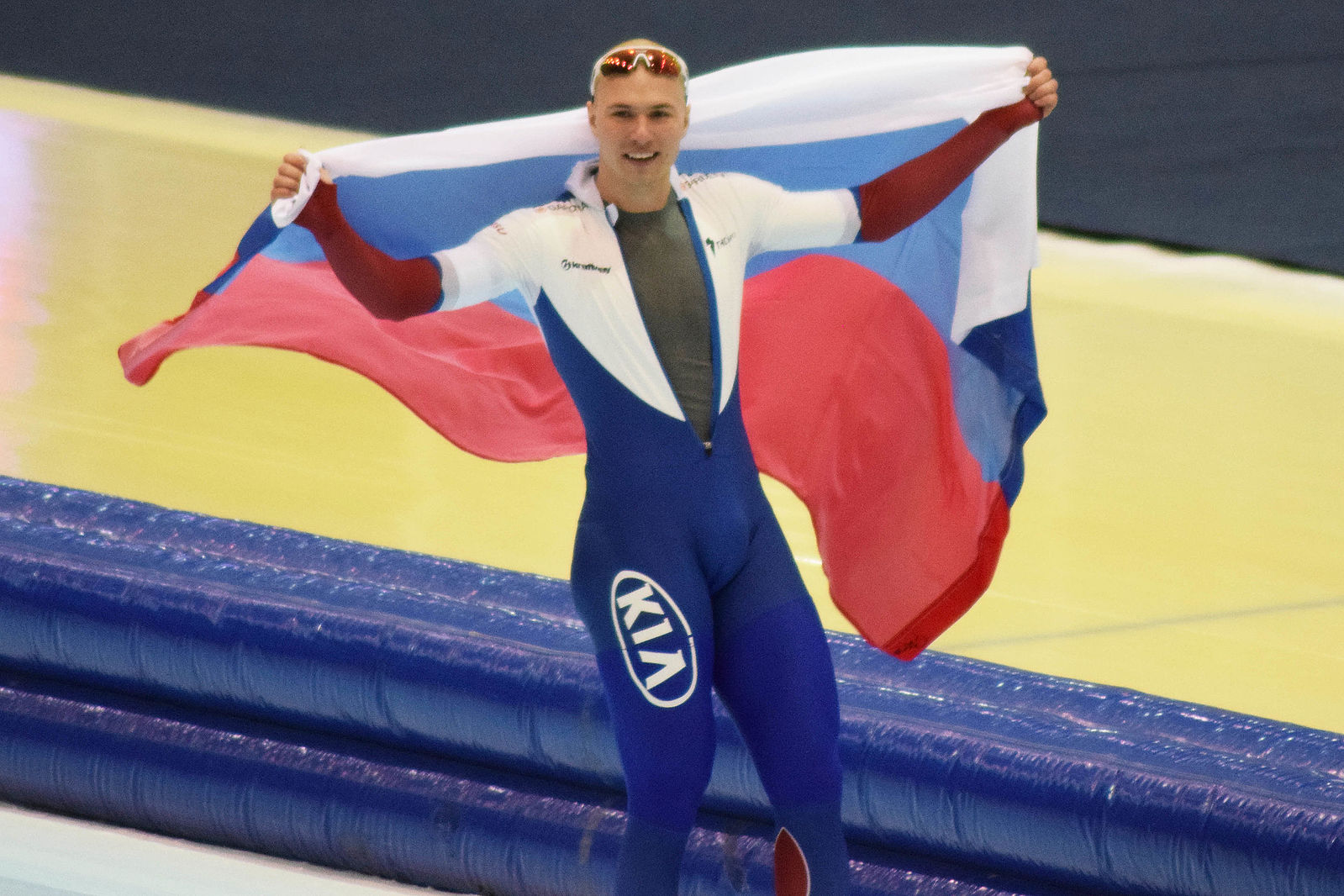
    Speed skating world champion Pavel Kulizhnikov of Russia is among those who have tested positive for meldonium. (Photo: Sasha Krotov/Wikipedia Commons)

    Meldonium was found in 182 samples in his study – over two percent of all samples analyzed – with concentrations ranging from 0.1 μg/mL (the detection limit of the test) to 1428 μg/mL, and averaging 120.9 μg/mL for women and 136.0 μg/mL for men.

    These results would seem to indicate heavy meldonium use by the subset of athletes consuming it – like Sharapova, who according to the minutes of her ITF hearing said that she was taking multiple pills before important matches.

    According to Dr. Thevis, those findings don’t necessarily tell us much about the excretion rates of the drug over time.

    “Some drugs tend to accumulate in the human body or are prone to being deposited in certain tissues by various mechanisms,” he wrote in his email. “In case of meldonium, accumulation effects were reported several years ago while potential mechanisms including its incorporation into cells such as erythrocytes [red blood cells] have just recently been proposed. This tissue incorporation can result in a rather long retention of a share of the administered substance, especially if the incorporation is irreversible and the drug is liberated only when the cells (e.g. red blood cells) are renewed.”

    Red blood cells have a turnover time of roughly four months, meaning that a substance stored in them could gradually be eliminated in small amounts over a period of months as the cells are renewed.

    Indeed, there is evidence that the drug is not completely eliminated from the body in the first few days after it is ingested.

    In Dr. Thevis’s 2016 study, the researchers continued finding extremely low concentrations of meldonium in both blood and urine samples for roughly seven weeks after the drug had been administered.

    But compared to the WADA guidelines, the concentrations were very low indeed: after eight days, the urine concentrations had dropped below 0.5 μg/mL, just half the 1 μg/mL concentration which WADA suggested pardoning after March 1, and far below the 15 μg/mL which they suggested pardoning before March 1.

    Of course, it was not known how taking larger doses of meldonium – as many athletes apparently regularly did – would affect excretion rates.

    Mechanism of Action

    “Mildronate was akin to Vitamin C,” said Evgeny Plushenko, an Olympic gold medalist figure skater.

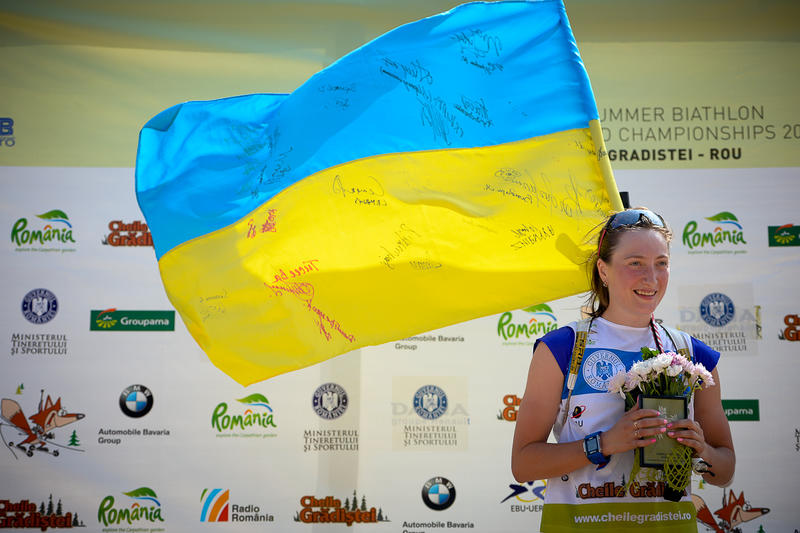
    Olga Abramova after winning gold in the pursuit competition at Summer Biathlon World Championships in Romania in August 2015. She had also won the sprint. Abramova tested positive for meldonium but her urine sample had a concentration higher than the threshold; the International Biathlon Union suspended the judgement in her case until the results of WADA studies are available in September anyway. (Photo:  IBU/Evgeny Tumashov)
    Olga Abramova after winning gold in the pursuit competition at Summer Biathlon World Championships in Romania in August 2015. She had also won the sprint. Abramova tested positive for meldonium but her urine sample had a concentration higher than the threshold; the International Biathlon Union suspended the judgment in her case until the results of WADA studies are available in September anyway. (Photo: IBU/Evgeny Tumashov)

    If the substance is banned, athletes shouldn’t take it, Plushenko elaborated to a Russian news network. He was not caught doping. But if athletes view the drug like a vitamin or supplement, rather than a medicine, what’s all the fuss about?

    As was widely reported when the first meldonium cases came up, the drug was originally designed to combat heart disease.

    Its mechanism of action is different than the bulk of the drugs used to combat coronary heart disease. Rather than promoting blood flow, meldonium works at the cell metabolism level to increase the efficiency with which muscles in the heart can use what oxygen they receive.

    Muscle cells are able to use either fatty acids (a type of lipid) or glucose (a carboyhydrate) as fuel. Both are essential. Fatty acids are more consistently available, while glucose can be depleted after, for instance, a tough workout or a long marathon.

    But glucose burns more efficiently: that is, muscle cells can get more energy with the same input of oxygen if they are consuming glucose instead of fatty acids.

    One of the main substances in the fatty acid metabolism pathway is called L-carnitine. L-carnitine helps to transport key products of the process into cell mitochondria, as well as exporting other substances back out of the mitochondria.

    “Meldonium inhibits the last enzyme involved in L-carnitine synthesis, gamma butyrobetaine hydroxylase,” explained Dr. Gary Lopaschuk, the director of the Mazankowski Alberta Heart Institute and a professor at the University of Alberta in Canada. “So it lowers muscle L-carnitine levels. By doing so, it actually lowers fatty acid metabolism. The consequence of that is that the heart muscles switch to using glucose. That is actually a more oxygen-efficient use of energy, if you switch from fat to glucose.”

    Meldonium appears to be an effective drug for patients with serious coronary heart disease. For instance, a Latvian study of 512 patients with ischemia, the reduction of blood flow to tissues, found that moderate doses of meldonium increased the average time the patients were able to perform exercise as well as the output of that exercise (measured in watts).

    The drug is available in Eastern Europe and the former Soviet Republics, but not approved for use in the United States, western Europe or Australia.

    Much of the research is published in Russian. And much of it isn’t even on humans, instead using mice or rats as study organisms or working only with biopsied cells and performing in vitro rather than in vivo experiments. Certainly, none of the English-language papers describe work with athletes.

    Why Athletes?

    “Coaches putting entire sports teams on it from the ages of 16 and 17 upwards, it would be surprising if they did that for cardiac prevention,” said Dr. Jane Fitzpatrick, the team doctor for the Australian biathlon and cross-country ski teams and a member of the International Biathlon Union (IBU) Medical Committee.

    Russia’s Kirill Vitsjuzjanin (11) leading the pack in Val di Fiemme, Italy. Vichuzhanin has had his provisional suspension lifted. (Photo: FlyingPointRoad.com)
    Russian cross-country skier Kirill Vitsjuzjanin (11) leading the pack in Val di Fiemme, Italy. Vichuzhanin has had his provisional suspension lifted. (Photo: FlyingPointRoad.com)

    She emphasized that she was speaking of her own opinions, not representing the IBU.

    But seeing entire sports teams on the drug is not an exaggeration. Eight percent of samples tested at the 2015 European Athletics Championships in Baku, Azerbaijan, came back positive for meldonium, and 13 event winners declared the substance on their doping control forms. (In 2015, the substance was on WADA’s Monitoring Programme but it was not yet banned.)

    That’s likely because the drug does not work specifically in the heart. The same metabolic changes would occur in skeletal muscle as well, increasing the efficiency of muscle throughout the body.

    “Fatty acids are a plentiful source of fuel, but they use more oxygen to produce the same amount of energy,” Dr. Lopaschuk said. “So if you were lowering L-carnitine a small amount, the muscle would switch to glucose and become more efficient. Despite the claims that this is not a performance-enhancing drug, it has the potential to be. And in fact, all compounds which are switching energy metabolism from fatty acids to glucose, are potentially performance-enhancing.”

    Several such substances were already banned. Ukrainian skier Marina Lisogor tested positive for trimetazidine at the 2014 Olympics and was disqualified; that substance also inhibits fatty acid metabolism and is used to treat heart disease.

    In fact, the instructions for use included with packages of mildronate also state that the drug may be used to “decreased working efficiency, intellectual and physical overstress (including in sportsmen)”, according to the ITF hearing panel minutes.

    However, it’s not clear that athletes who took the substance knew how it worked or why it might help their athletic performance. In one interview, the drug’s developer seemed to suggest that it prevented sudden cardiac death of athletes; there is no published research to confirm this.

    Sharapova used meldonium to combat fatigue and illness, she said. (Photo: blab )
    Sharapova used meldonium to combat fatigue and illness, she said. (Photo: Cirodelia47/Flickr Creative Commons)

    “Some say that they take it because they want to reduce the risk of sudden cardiac death,” said Dr. Fitzpatrick. “There have been a number of Russian athletes who died in sport. They say [they take it] to prevent that… But it’s of course not what the product was designed to do and probably would not achieve their end. But it fascinates me what the population [thinks they are] using it for.”

    Sharapova, for instance, was not diagnosed with any heart problem. Instead, she was prescribed the drug to combat immune problems and fatigue and to aid in recovery. She was instructed to take a meldonium pill 30 minutes before a training session; two pills before a match; or 3-4 pills before a match of “special importance”.

    However, Sharapova said she was not aware of the drug’s active ingredient, nor could she convincingly explain in her ITF hearing why she was taking it.

    “When asked in evidence to explain why she particularly selected these 3 substances she stated that she believed that Dr. Skalny had put special emphasis on those substances to protect her heart and for her magnesium deficiency,” the ITF minutes stated.

    Dr. Lopaschuk also questioned whether using the drug was even worth it from a performance-enhancement perspective, noting that the metabolic pathways it affects are crucial to muscle function.

    “Fats are a very important source of fuel,” he explained, adding that he had “never liked” the drug. “I would suggest that an endurance athlete – meldonium would not be something they would want to take! You rely on fatty acids as a fuel. If you’re impairing that, then when you run out of carbohydrates then you are decreasing the ability for the muscle to get enough energy to maintain activity. When you see too much of a drop in L-carnitine you do see, clinically, muscle weakness.”

    Intent or Negligence?

    Some of the athletes who tested positive for meldonium in January and February, like Sharapova, claimed that they did not know the substance had been added to WADA’s Prohibited List.

    Dr. Fitzpatrick found this unfortunate, but perhaps not surprising. She knows how hard her own country’s anti-doping agency works to distribute information about changes to the Prohibited List and the Monitoring Programme, as well as other WADA policies, to teams as well as sports doctors.

    But not every country has such organized anti-doping systems. That leaves is up to the athletes, who have a responsibility according to the 2015 WADA Code: article 21.2.1 states that athletes and support personnel are required:

    “To be knowledgeable of and comply with all anti-doping policies and rules adopted pursuant to the Code and which are applicable to them or the athletes whom they support.”

    As is becoming clear, athletes don’t always do their due diligence.

    “I imagine that there may have been quite a few of those athletes who genuinely were not aware of it [being added to the Prohibited List],” Dr. Fitzpatrick said. “It’s a serious mistake that they are not allowed to make… I don’t think that they would have continued taking it if they knew it was banned, because that’s not what athletes do in most other contexts.”

    Olga Abramova competing at the World Cup in Nove Mesto in 2015. She says that she stopped taking meldonium before January 1, 2016, even though it showed up in her urine sample in January. (Photo: Pavel Hrdlička/Wikipedia Commons)
    Olga Abramova competing at the World Cup in Nove Mesto in 2015. She says that she stopped taking meldonium before January 1, 2016, even though it showed up in her urine sample in January. (Photo: Pavel Hrdlička/Wikipedia Commons)

    She suggested that this situation could serve as a reminder to athletes to check their prescribed medications against the Prohibited List, even if a medication was not banned at the time it was prescribed.

    “I think they were caught by surprise,” Dr. Fitzpatrick said. “And I don’t think that’s what WADA intended: they made it very clear.”

    The question the WADA directive sought to address was whether if an athlete had stopped using the drug immediately on September 29, 2015, when the new 2016 Prohibited List was published in advance of its implementation on Jan. 1, whether traces of the substance might still be found in their urine.

    Further, other athletes have argued that they knew it was banned and stopped taking it weeks or days before the Jan. 1 cutoff date, but that they could not have possibly known that the drug would stay in their system and that they should have stopped using it even earlier.

    Besides the obvious challenge of determining whether this was actually the case or an additional excuse for athletes who in fact did continue to take the drug, allowing such an amnesty has little precedent in anti-doping history.

    “I was aware that WADA went back and changed their own rules to allow athletes with meldonium positives to go unpunished,” U.S. Olympic biathlete Tim Burke wrote in an email. “The whole thing seemed very odd and hush-hush to me. In my opinion, WADA did not want all of the bad publicity that would come with so many banned athletes. Instead, these athletes were basically given a warning for a positive doping test. I have no doubt that these athletes were trying to cheat the system and it definitely angers me that they will be allowed to compete.”

    It’s unclear whether the athletes who have had their bans lifted because their samples fell under the 1 μg/mL threshold had to argue that they were negligent, or if their provisional suspensions were lifted automatically.

    A list put together by the Sports Integrity Initiative shows that in some cases where provisional suspensions were lifted, athletes have been cleared entirely. In other cases, decisions are still pending the results of further WADA study, but the athletes are merely allowed to train and compete in the meantime.

    Nicole Resch, the secretary general and anti-doping administrator for the IBU, did not respond to repeated requests for comment on the cases of Tyshchenko and Latypov.

    “I have no sympathy for athletes who claim they took meldonium in December,” Burke’s teammate Dunklee wrote. “WADA announced the meldonium ban last October, with the enforcement set to go into effect January 1st. National anti-doping bodies were notified of this change. From the perspective of an athlete committed to clean sport, the only safe course of action would be to stop taking the drug many weeks before the January 1st deadline.”

  • As Sports World Watches for Precedent, IAAF Bars Russia from Olympics

    As Sports World Watches for Precedent, IAAF Bars Russia from Olympics

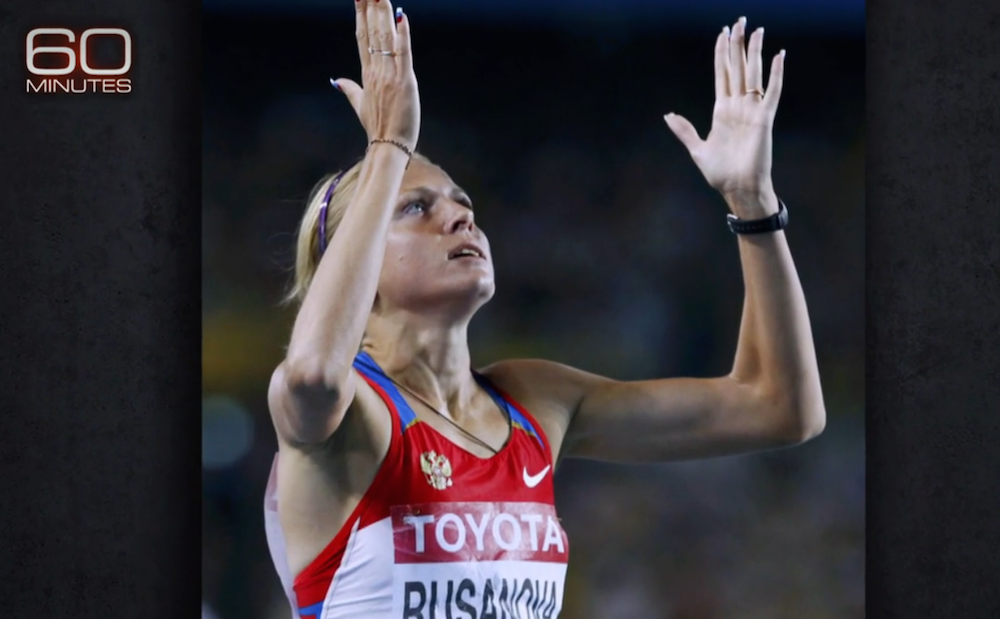
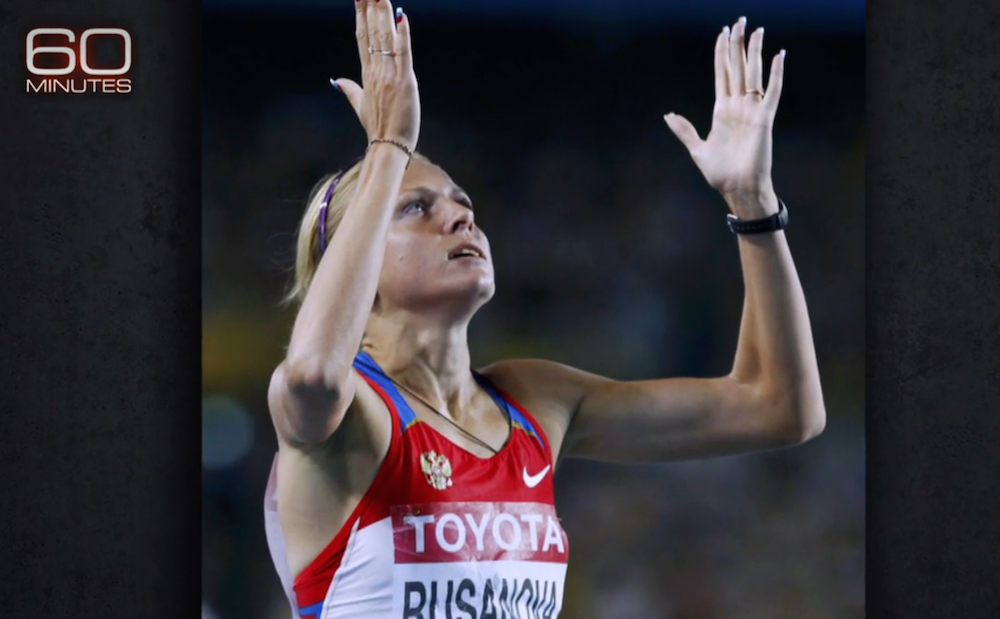
    Yuliya Stepanov, a former Russian track and field athlete who admitted to using several steroids and then became a whistleblower bringing the Russian doping scandal to light. She was cleared by the IAAF to compete in the 2016 Olympics as a "neutral" athlete after having fled Russia. (Photo: CBS News)
    Yuliya Stepanov, a former Russian track and field athlete who admitted to using several steroids and then became a whistleblower bringing the Russian doping scandal to light. She was cleared by the IAAF to compete in the 2016 Olympics as a “neutral” independent athlete after having fled Russia. (Photo: CBS News)

    The International Association of Athletics Federations (IAAF), the global governing body for track and field, has decided to prohibit Russian athletes from competing at the 2016 Olympics in Rio de Janeiro, Brazil.

    Widespread, systematic doping, along with cover-ups, political connections and bribery in Russian track and field were revealed over the course of the last year in a series of news documentaries and then investigations by the World Anti-Doping Agency (WADA).

    With the reports of systematic doping now spreading into other sports – for instance, 14 Russian cross-country skiers have been accused of doping at the 2014 Olympics, while a top government official admitted that the entire ski team was doped in 2010 – many in the Olympic sphere are watching the IAAF decision closely to see what options other federations might have for dealing with renegade countries in the future.

    The All-Russia Athletics Federation (ARAF) was initially suspended from international competition last November. The IAAF then had to decide whether to uphold the ban through the Rio Olympics or whether Russia had made enough progress toward Code compliance to be deemed eligible.

    The decision: no.

    “Although good progress has been made, the IAAF Council was unanimous that … Russian athletes could not credibly return to competition without undermining the confidence of their competitors or the public,” IAAF President Lord Sebastian Coe said in a live-streamed press conference on Friday.

    It is the first time since the World Anti-Doping Code came into force in 2004 that a team has been banned from participating in the Olympics. On the IAAF Council, the effort to keep Russia out of Rio was reported to be led by Canada’s Abby Hoffman and France’s Bernard Amsalem.

    The IAAF Task Force, which worked for five months to investigate Russian track and field and was led by Norway’s Rune Andersen, suggested four action points, the first of which was that Russia would not be reinstated.

    The IAAF Council unanimously adopted the recommendations.

    “Under the reinstatement conditions, [ARAF] must show that there is now a culture of zero tolerance towards doping in Russian athletics…,” Andersen said in the press conference, before detailing that he didn’t see those conditions having been met.

    “In particular, the deep-seated culture of tolerance or worse towards doping that got [ARAF] suspended initially appears not to have been changed today,” he said. “Certain coaches and athletes appear willing to ignore the doping rules. A strong and effective anti-doping infrastructure capable of detecting doping still has not appeared … [ARAF] appears unable to enforce doping bans.”

    WADA filed a report on Wednesday showing widespread avoidance of doping controls by Russian athletes. In a three-month period, over 700 tests failed to be administered because athletes could not be located.

    “In order to fix a problem, you have to realize and accept that there is a problem … so I think that is the first step that needs to be taken by Russia, is to acknowledge that there is a problem, from the top level of government and through all levels,” Andersen said.

    In their responses to the decision, key players in Russian sports did not acknowledge a problem, and instead pledged to fight the decision.

    “[Today’s] decision on the ARAF’s suspension was expected and easy to guess,” Russia’s Sport Minister Vitaly Mutko told Russian news agency TASS. “We will come up with a response.”

    How international organizations handle the decision, and Russia’s attempts at appeal, will determine the true precedent of the decision. With allegations of systematic doping by Russian teams popping up in numerous sports (including skiing and biathlon), other federations are likely watching closely to see what leverage they might have over teams if Russia, or other countries, fail to make progress on anti-doping commitments.

    Russia could, and likely will, appeal to the Court of Arbitration for Sport (CAS). John Coates, the head of the CAS, has recently said that he found Russian sports to be “rotten to the core”. But since Russia has not yet filed an appeal, it is not yet known who potential arbitrators will be and whether they share his opinion.

    There’s another option for Russia, too: the International Olympic Committee (IOC).

    “We now appeal to the members of the IOC to not only consider the impact that our athletes’ exclusion will have on their dreams and the people of Russia, but also that the Olympics themselves will be diminished by their absence,” the Ministry of Sport said in an announcement.

    The IOC will be having a stakeholder meeting on Tuesday in Lausanne, Switzerland, to discuss the outcome of the IAAF decision.

    “Ahead of the Olympic Games Rio 2016, the Olympic Summit will coordinate and harmonise the approach among the International Federations, which take the first decision on the eligibility of athletes with respect to qualification for and participation in the Olympic Games,” the IOC media office said in an announcement. “The discussion will have to address the difficult decision between collective responsibility and individual justice.”

    Some see this as an attempt by the IOC to keep Russia in the Olympics.

    The IAAF did offer one lifeline to Russian athletes: that if they could prove “clearly and convincingly” that they were clean, for instance because they lived outside of Russia and were tested repeatedly by other authorities (a “credible” testing program, Andersen asserted), then they could compete – but not for Russia.

    Andersen said that this decision was made in part after an outside counsel advised them that legally, their ban on the Russian team would be easier to uphold in court if they made some allowance for proven clean athletes to compete, even if the burden of proof was substantial.

    In addition, the IAAF decided that athletes who had provided substantial assistance in anti-doping investigations could also compete under an independent flag. That opens the door for Yuliya Stepanova, a whistleblower who helped initially bring the Russian doping scandal to light.

  • This Month in Journals: With 2015 WADA Code on Horizon, Compliance with 2009 Code Remains Uneven

    This Month in Journals: With 2015 WADA Code on Horizon, Compliance with 2009 Code Remains Uneven

    WADAThe World Anti-Doping Agency (WADA) put their revised Code (which you can read here) into place in 2009, and most of the federations in the world – both national and international – agreed to it. But then what happened?

    That’s the question asked in a new paper in the academic journal Sport Management Review. Barrie Houlihan of the Loughborough University in the United Kingdom and the Norwegian School of Sport Sciences in Oslo concludes that adherence and enforcement of the code has been far from perfect worldwide.

    “The major problem facing WADA is that implementation is not compliance and that treating simple adherence and formal implementation as evidence of compliance is misleading,” Houlihan writes.

    This comes despite the number of federations which signed on – and the speed with which they did so. The UNESCO Code against doping was the fastest-ratified agreement in United Nations history. 123 countries went on to establish National Anti-Doping Organizations (NADO’s). One problem is that not all of them were created equally.

    Notable differences in implementation between national federations and international federations include the size and monitoring of a registered testing pool, the rigor in examining applications for therapeutic use exemptions, and how to handle missed tests and whereabouts information.

    There are a variety of reasons for this. In some countries, NADO’s simply do not have the monetary or other resources to be effective. In others, they must bow to more powerful partners for whom anti-doping may not be the biggest priority. Politics play a role at the government level, for example during the Cold War power struggles. Anti-doping efforts may be casualties of a government’s desire to prove its superiority.

    And what is their incentive for doing better? Houlihan writes that anti-doping efforts are perhaps pursued only to the extent where fandom feels comfortable with sport, and where NADO’s can earn approval. At the moment, the public is not rabidly anti-doping, so there’s no reason for NADO’s to go further. If the public demanded more, then organizations would push harder to comply with those desires.

    There’s also considerable variation between international sports federations. For instance, the International Ski Federation (FIS) and the International Biathlon Union (IBU) both govern nordic sports, but have significant differences in how they battle doping. The two federations periodically claim that they are doing better than each other.

    At the moment, they are tentatively moving towards “harmonizing” their anti-doping programs so that testing is uniform across the nordic sports, particularly at Olympic Games.

    Efforts are also hampered at international events. The Independent Oberver report from the 2012 Tour de France gave anti-doping efforts a passing grade, yet recommended 57 areas of improvement. And yes, cycling is looked down upon as a doping-heavy sport – but they weren’t the only ones who showed a concerning lack of commitment to clean sport. The 2011 Pan-American Games were criticized by Independent Observers for a variety of infractions, and even the widely-supported 2012 London Olympics and Paralympics received substantial criticism.

    While the public is not necessarily strongly engaged in doping issues, there is always outcry following positive tests. This means that many event organizers may find incentives to avoid having these positive tests – even if the easiest mode for accomplishing it is, rather than cleaning up sport, to test less than rigorously.

    And finally, one ongoing point is the lack of positive tests in many professional sports. Houlihan does not discuss this, but take the National Football League, which has battled WADA for the past several years as it tries to avoid drug testing. Or look at FIBA, the international governing body for basketball. Over the course of four championship events this summer (senior and U-17 championships for men and women), the federation collected 300 samples.

    “The scale of the anti-doping programme we had in place in 2014 was bigger than ever before and shows our ever-growing commitment to keep this game as clean as it always has been and hopefully always will be,” FIBA secretary general and International Olympic Committee member Patrick Baumann asserted, according to Inside The Games.

    Really? That hasn’t been the case in other pro sports. Major League Baseball periodically has performance-enhancing drug scandals, while a major blowup occurred in Australia this year when several rugby teams were found to be cesspools of doping, sometimes with horse drugs.

    This highlights the unevenness of antidoping efforts to fans watching on television or in person. Most sports fans don’t follow just one sport – they follow many. So why is it that track and field has a good reputation, but many doping cases; cycling is universally assumed to be full of dopers, but not everyone is caught; and the NFL has no substantial testing program, so people assume that the athletes are probably using steroids, but it doesn’t seem to be as distasteful?

    Part of the issue is in the design of the Code. Among the suggestions of the Code are to ensure that athletes and support personnel adhere to antidoping regulations, and to share information with other organizations in the march towards clean sport. While the Code is legally binding, at the same time the language is somewhat vague and does not lay out “binding obligations”.

    Houlihan writes:

    “On a spectrum of obligation that runs from unconditional obligation to expected norms the Convention is closer to the weaker end probably best illustrated by the escape clause in Article 39 which states that ‘Any State Party may denounce this Convention’ within six months of giving notice. In terms of ‘precision’ the Convention allows broad areas of discretion and in terms of ‘delegation’ to specified third parties to implement the Convention the text relies more heavily on bargaining and normative pressure than on recourse to the courts. In summary, the Convention creates weak obligations to deliver imprecise objectives through a vague implementation framework.”

    There are also few ways to punish countries which do not comply with or enforce the Code. Both UNESCO and WADA investigate this possibility; in 2011, UNESCO concluded based on a self-reporting survey that 20 of 105 countries were non-compliant. WADA has stricter standards, finding that 48 of 203 countries were noncompliant.

    But once these findings were published, there wasn’t much to do. WADA in general simply provides more support to allow these countries (like Brazil, Argentina, and Morocco) catch up – but if the political will isn’t there, international help can only go so far. The ongoing weakness of the International Cycling Union (UCI) provides a discouraging example of what happens when a federation ignores a WADA rebuke: nothing.

    The future of the Code may be quite different than its present or its past. A 2015 Code is set to roll into place in January. It contains some significant changes, as outlined in a nine-page WADA explainer.

    Among other changes, the 2015 Code provides guidance for when to apply longer bans, as a first doping offense only carries a two-year ban under current regulations – which is too short and allows cheaters to return to competition, according to many athletes and proponents of clean sport. There will also be more emphasis on catching support personnel who assist in doping.

    Another change is the further encouragement of using non-analytical means to catch dopers. The language seems to predict that more cases will resemble the Lance Armstrong doping saga, for instance spelling out how athletes who provide “Substantial Assistance” in an investigation can receive lesser sentences themselves.

    And the statute of limitations on doping cases will be extended from eight to ten years: “Recent events demonstrate that sometimes it takes a long time before sophisticated doping schemes can be uncovered.”

    All of these changes will be lauded by followers of the anti-doping movement, but the new Code does not seem to include many changes relating to compliance. Increasing bans from two to four years is great, but if half the organizations are not catching dopers anyway, then it only goes so far.

    And indeed, a consensus statement by an ad hoc working group for implementation of the 2015 Code focuses on the rule changes, not the compliance challenges. Rather than talking about resources at NADO’s, for example, the group discusses analytical challenges, sample storage, and athlete biological passports.

    So will compliance with the 2015 Code be better than that of the 2009 Code?

    Only time will tell.