Over 150 athletes have tested positive for meldonium (trade name: mildronate) since Jan. 1, 2016, the date the Latvian-made metabolic modulator which was added to the World Anti-Doping Agency (WADA) Prohibited List.
Of that group, one of the most famous is Russian tennis player Maria Sharapova. Her case went before the International Tennis Federation (ITF) and recently concluded with the Olympic silver medalist and former world No. 1 being handed a two-year ban from competition.
Sharapova is appealing to the Court of Arbitration for Sport (CAS) to get her ban reduced to nothing.
However, dozens of other athletes who tested positive for meldonium have escaped suspensions without the need for an appeals process. WADA is giving them unprecedented benefit of the doubt — while not clearly explaining why.
In April, WADA released a directive that athletes with low concentrations of meldonium in urine samples collected before March 1 could be given a finding of “no fault”.
WADA wrote that the substance could have stayed in their bodies for weeks even if they had ceased use before Jan. 1, and suggested that athletes could not have known this and thus may not necessarily bear responsibility.
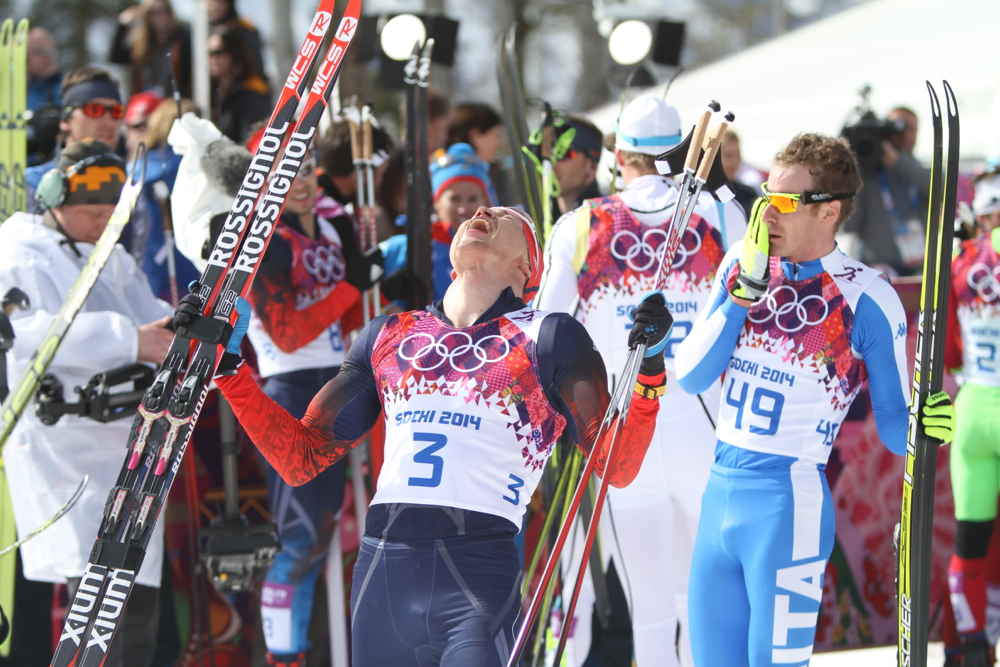
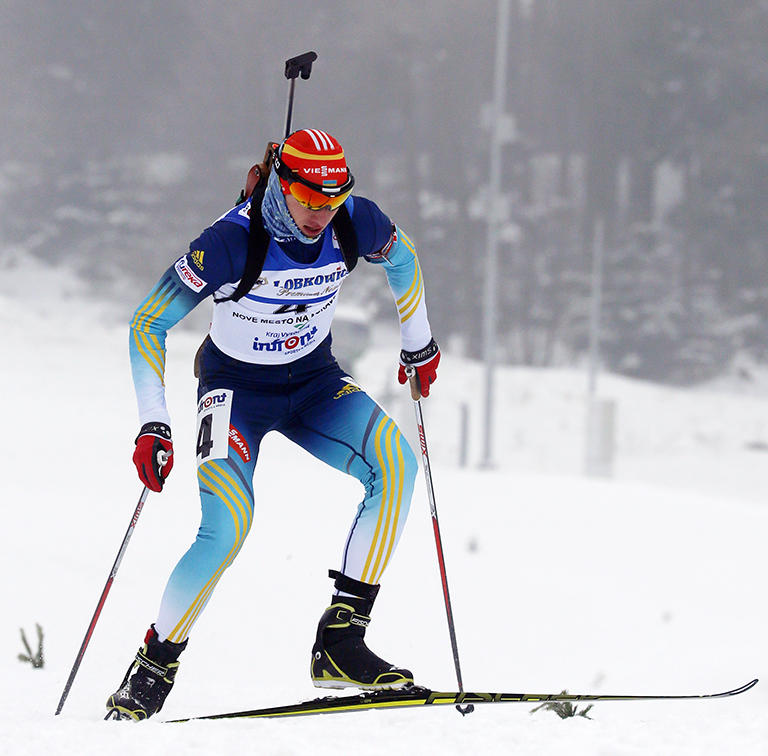
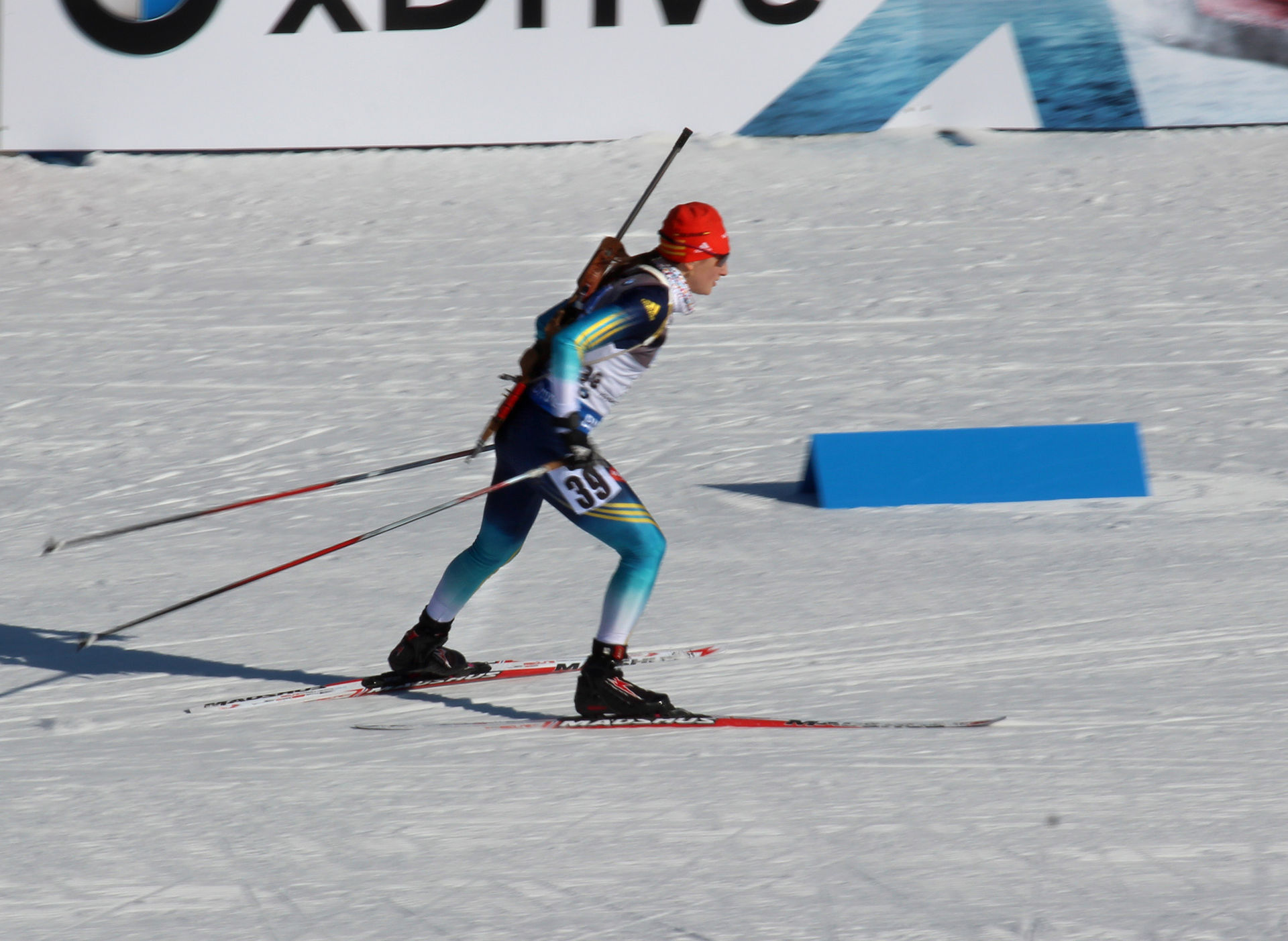
Athletes across multiple sports have since had their cases temporarily dropped. That includes biathletes Artem Tyshchenko of Ukraine and Eduard Latypov of Russia, and cross-country skier Kirill Vichuzhanin, also of Russia.
In the document, WADA wrote that “limited data exists to date on the urinary excretion of meldonium.” WADA’s own studies of excretion rates over time are ongoing, with results expected to be released in September.
But WADA still decided to set guidelines for what concentrations were acceptable in samples collected in the first two months after the drug was banned. In the notification the agency wrote that for athletes whose provisional suspensions were lifted,
“the athlete shall be informed that if it is later established based on the results of the excretion studies that he/she did take the drug on or after 1 January 2016, (i) all the results during the period in which the provisional suspension is lifted may be cancelled and prizes returned, and (ii) the ineligibility period ultimately imposed is likely to start on the date of the decision (with a credit for the provisional suspension already served).”
WADA’s recommendations for which provisional suspensions should be lifted contained internal inconsistencies, potentially allowing athletes who took meldonium after it was banned to continue training or competing legally between the date of their test and the September announcement of the study results.
For instance, the directive noted that according to initial results, concentrations could be higher than 10 μg/mL for up to 72 hours – but later wrote that concentrations up to 15 μg/mL were consistent with “recent use”.
Those numbers also don’t square with the very limited results from previous excretion studies, which suggest that at the recommended dose of meldonium, urine concentrations drop below 1 μg/mL within 24 hours.
After initially stating they would reply to FasterSkier’s questions within a few days, WADA did not respond for over a week despite additional emails and phone calls.
The amnesty for low concentrations did not go over well at the time, and reactions have not mellowed in the intervening months. Athletes snared by the tests who were later pardoned according to the April directive were frustrated that their names had been dragged through the mud at all.
And their competitors, as well as fans, commentators, and officials, questioned whether the amnesty was appropriate at all. According to precedent, a prohibited substance is not allowed in doping controls at any concentration, even if it was consumed before it was added to the Prohibited List or if the athlete did not use it with the intention of cheating.
“Athletes who were caught with meldonium in their system during January and February should not be let off the hook without any punishment,” U.S. Olympic biathlete Susan Dunklee wrote in an email. “It sets a poor precedent for anti-doping enforcement efforts going forward. I do applaud WADA for naming meldonium to the banned list, but it was unprofessional of them to set down a rule they weren’t ready to enforce. I have lost a lot of faith in WADA in recent months; it’s disappointing.”
As with many prohibited substances, there is also the specter of micro-dosing, taking smaller amounts of the drug which would be harder to detect. In theory, microdosing could also lead to low concentrations of the drug in urine samples.
What We Know About Excretion
As WADA noted in their directive, little is known about how quickly meldonium is excreted from the body.
So how low of a concentration is 1 μg/mL, anyway?

A study published in 2016 using healthy, non-athlete Chinese volunteers found that during daily injections of 500 mg of meldonium over five consecutive days, the concentration of meldonium in urine went up to roughly 60 μg/mL immediately after injection and usually dropped below 1 μg/mL within 24 hours.
“Recommended therapeutic dosages for meldonium are comparably high and thus low urinary concentrations can be interpreted as indicative for a drug administration weeks ago, or as an ingestion/injection of the compound at low amounts a much shorter period of time before the testing,” Dr. Mario Thevis, a researcher at the German Sport University Cologne, wrote in an email to FasterSkier.
Another 2016 study, written by Dr. Thevis and his colleagues, found that concentrations of meldonium in urine quickly dropped below 1 μg/mL following a 500 mg oral (rather than injected) dose of the drug. That study, however, was based on data from just two test subjects.
Dr. Thevis was also the senior author of a 2015 paper which developed a method for detecting meldonium in urine samples. He and his co-authors, led by Dr. Christian Görgens, analyzed 8,320 doping-control samples collected across a range of sports both in- and out-of-competition.

Meldonium was found in 182 samples in his study – over two percent of all samples analyzed – with concentrations ranging from 0.1 μg/mL (the detection limit of the test) to 1428 μg/mL, and averaging 120.9 μg/mL for women and 136.0 μg/mL for men.
These results would seem to indicate heavy meldonium use by the subset of athletes consuming it – like Sharapova, who according to the minutes of her ITF hearing said that she was taking multiple pills before important matches.
According to Dr. Thevis, those findings don’t necessarily tell us much about the excretion rates of the drug over time.
“Some drugs tend to accumulate in the human body or are prone to being deposited in certain tissues by various mechanisms,” he wrote in his email. “In case of meldonium, accumulation effects were reported several years ago while potential mechanisms including its incorporation into cells such as erythrocytes [red blood cells] have just recently been proposed. This tissue incorporation can result in a rather long retention of a share of the administered substance, especially if the incorporation is irreversible and the drug is liberated only when the cells (e.g. red blood cells) are renewed.”
Red blood cells have a turnover time of roughly four months, meaning that a substance stored in them could gradually be eliminated in small amounts over a period of months as the cells are renewed.
Indeed, there is evidence that the drug is not completely eliminated from the body in the first few days after it is ingested.
In Dr. Thevis’s 2016 study, the researchers continued finding extremely low concentrations of meldonium in both blood and urine samples for roughly seven weeks after the drug had been administered.
But compared to the WADA guidelines, the concentrations were very low indeed: after eight days, the urine concentrations had dropped below 0.5 μg/mL, just half the 1 μg/mL concentration which WADA suggested pardoning after March 1, and far below the 15 μg/mL which they suggested pardoning before March 1.
Of course, it was not known how taking larger doses of meldonium – as many athletes apparently regularly did – would affect excretion rates.
Mechanism of Action
“Mildronate was akin to Vitamin C,” said Evgeny Plushenko, an Olympic gold medalist figure skater.

If the substance is banned, athletes shouldn’t take it, Plushenko elaborated to a Russian news network. He was not caught doping. But if athletes view the drug like a vitamin or supplement, rather than a medicine, what’s all the fuss about?
As was widely reported when the first meldonium cases came up, the drug was originally designed to combat heart disease.
Its mechanism of action is different than the bulk of the drugs used to combat coronary heart disease. Rather than promoting blood flow, meldonium works at the cell metabolism level to increase the efficiency with which muscles in the heart can use what oxygen they receive.
Muscle cells are able to use either fatty acids (a type of lipid) or glucose (a carboyhydrate) as fuel. Both are essential. Fatty acids are more consistently available, while glucose can be depleted after, for instance, a tough workout or a long marathon.
But glucose burns more efficiently: that is, muscle cells can get more energy with the same input of oxygen if they are consuming glucose instead of fatty acids.
One of the main substances in the fatty acid metabolism pathway is called L-carnitine. L-carnitine helps to transport key products of the process into cell mitochondria, as well as exporting other substances back out of the mitochondria.
“Meldonium inhibits the last enzyme involved in L-carnitine synthesis, gamma butyrobetaine hydroxylase,” explained Dr. Gary Lopaschuk, the director of the Mazankowski Alberta Heart Institute and a professor at the University of Alberta in Canada. “So it lowers muscle L-carnitine levels. By doing so, it actually lowers fatty acid metabolism. The consequence of that is that the heart muscles switch to using glucose. That is actually a more oxygen-efficient use of energy, if you switch from fat to glucose.”
Meldonium appears to be an effective drug for patients with serious coronary heart disease. For instance, a Latvian study of 512 patients with ischemia, the reduction of blood flow to tissues, found that moderate doses of meldonium increased the average time the patients were able to perform exercise as well as the output of that exercise (measured in watts).
The drug is available in Eastern Europe and the former Soviet Republics, but not approved for use in the United States, western Europe or Australia.
Much of the research is published in Russian. And much of it isn’t even on humans, instead using mice or rats as study organisms or working only with biopsied cells and performing in vitro rather than in vivo experiments. Certainly, none of the English-language papers describe work with athletes.
Why Athletes?
“Coaches putting entire sports teams on it from the ages of 16 and 17 upwards, it would be surprising if they did that for cardiac prevention,” said Dr. Jane Fitzpatrick, the team doctor for the Australian biathlon and cross-country ski teams and a member of the International Biathlon Union (IBU) Medical Committee.

She emphasized that she was speaking of her own opinions, not representing the IBU.
But seeing entire sports teams on the drug is not an exaggeration. Eight percent of samples tested at the 2015 European Athletics Championships in Baku, Azerbaijan, came back positive for meldonium, and 13 event winners declared the substance on their doping control forms. (In 2015, the substance was on WADA’s Monitoring Programme but it was not yet banned.)
That’s likely because the drug does not work specifically in the heart. The same metabolic changes would occur in skeletal muscle as well, increasing the efficiency of muscle throughout the body.
“Fatty acids are a plentiful source of fuel, but they use more oxygen to produce the same amount of energy,” Dr. Lopaschuk said. “So if you were lowering L-carnitine a small amount, the muscle would switch to glucose and become more efficient. Despite the claims that this is not a performance-enhancing drug, it has the potential to be. And in fact, all compounds which are switching energy metabolism from fatty acids to glucose, are potentially performance-enhancing.”
Several such substances were already banned. Ukrainian skier Marina Lisogor tested positive for trimetazidine at the 2014 Olympics and was disqualified; that substance also inhibits fatty acid metabolism and is used to treat heart disease.
In fact, the instructions for use included with packages of mildronate also state that the drug may be used to “decreased working efficiency, intellectual and physical overstress (including in sportsmen)”, according to the ITF hearing panel minutes.
However, it’s not clear that athletes who took the substance knew how it worked or why it might help their athletic performance. In one interview, the drug’s developer seemed to suggest that it prevented sudden cardiac death of athletes; there is no published research to confirm this.

“Some say that they take it because they want to reduce the risk of sudden cardiac death,” said Dr. Fitzpatrick. “There have been a number of Russian athletes who died in sport. They say [they take it] to prevent that… But it’s of course not what the product was designed to do and probably would not achieve their end. But it fascinates me what the population [thinks they are] using it for.”
Sharapova, for instance, was not diagnosed with any heart problem. Instead, she was prescribed the drug to combat immune problems and fatigue and to aid in recovery. She was instructed to take a meldonium pill 30 minutes before a training session; two pills before a match; or 3-4 pills before a match of “special importance”.
However, Sharapova said she was not aware of the drug’s active ingredient, nor could she convincingly explain in her ITF hearing why she was taking it.
“When asked in evidence to explain why she particularly selected these 3 substances she stated that she believed that Dr. Skalny had put special emphasis on those substances to protect her heart and for her magnesium deficiency,” the ITF minutes stated.
Dr. Lopaschuk also questioned whether using the drug was even worth it from a performance-enhancement perspective, noting that the metabolic pathways it affects are crucial to muscle function.
“Fats are a very important source of fuel,” he explained, adding that he had “never liked” the drug. “I would suggest that an endurance athlete – meldonium would not be something they would want to take! You rely on fatty acids as a fuel. If you’re impairing that, then when you run out of carbohydrates then you are decreasing the ability for the muscle to get enough energy to maintain activity. When you see too much of a drop in L-carnitine you do see, clinically, muscle weakness.”
Intent or Negligence?
Some of the athletes who tested positive for meldonium in January and February, like Sharapova, claimed that they did not know the substance had been added to WADA’s Prohibited List.
Dr. Fitzpatrick found this unfortunate, but perhaps not surprising. She knows how hard her own country’s anti-doping agency works to distribute information about changes to the Prohibited List and the Monitoring Programme, as well as other WADA policies, to teams as well as sports doctors.
But not every country has such organized anti-doping systems. That leaves is up to the athletes, who have a responsibility according to the 2015 WADA Code: article 21.2.1 states that athletes and support personnel are required:
“To be knowledgeable of and comply with all anti-doping policies and rules adopted pursuant to the Code and which are applicable to them or the athletes whom they support.”
As is becoming clear, athletes don’t always do their due diligence.
“I imagine that there may have been quite a few of those athletes who genuinely were not aware of it [being added to the Prohibited List],” Dr. Fitzpatrick said. “It’s a serious mistake that they are not allowed to make… I don’t think that they would have continued taking it if they knew it was banned, because that’s not what athletes do in most other contexts.”
She suggested that this situation could serve as a reminder to athletes to check their prescribed medications against the Prohibited List, even if a medication was not banned at the time it was prescribed.
“I think they were caught by surprise,” Dr. Fitzpatrick said. “And I don’t think that’s what WADA intended: they made it very clear.”
The question the WADA directive sought to address was whether if an athlete had stopped using the drug immediately on September 29, 2015, when the new 2016 Prohibited List was published in advance of its implementation on Jan. 1, whether traces of the substance might still be found in their urine.
Further, other athletes have argued that they knew it was banned and stopped taking it weeks or days before the Jan. 1 cutoff date, but that they could not have possibly known that the drug would stay in their system and that they should have stopped using it even earlier.
Besides the obvious challenge of determining whether this was actually the case or an additional excuse for athletes who in fact did continue to take the drug, allowing such an amnesty has little precedent in anti-doping history.
“I was aware that WADA went back and changed their own rules to allow athletes with meldonium positives to go unpunished,” U.S. Olympic biathlete Tim Burke wrote in an email. “The whole thing seemed very odd and hush-hush to me. In my opinion, WADA did not want all of the bad publicity that would come with so many banned athletes. Instead, these athletes were basically given a warning for a positive doping test. I have no doubt that these athletes were trying to cheat the system and it definitely angers me that they will be allowed to compete.”
It’s unclear whether the athletes who have had their bans lifted because their samples fell under the 1 μg/mL threshold had to argue that they were negligent, or if their provisional suspensions were lifted automatically.
A list put together by the Sports Integrity Initiative shows that in some cases where provisional suspensions were lifted, athletes have been cleared entirely. In other cases, decisions are still pending the results of further WADA study, but the athletes are merely allowed to train and compete in the meantime.
Nicole Resch, the secretary general and anti-doping administrator for the IBU, did not respond to repeated requests for comment on the cases of Tyshchenko and Latypov.
“I have no sympathy for athletes who claim they took meldonium in December,” Burke’s teammate Dunklee wrote. “WADA announced the meldonium ban last October, with the enforcement set to go into effect January 1st. National anti-doping bodies were notified of this change. From the perspective of an athlete committed to clean sport, the only safe course of action would be to stop taking the drug many weeks before the January 1st deadline.”