I went pretty simple on glide for the classic race, waxing with HF Blue cut with AX134 for the guys in the AM, and a mix of HF Blue, AX134 and HF yellow for the ladies who were racing second. The traffic from all of the competitors was releasing a pretty decent amount of moisture and I wanted to soften the relatively colder HF blue paraffin for the later races. I found that I was not liking the way straight HF red was running early that week in testing so ended up on a mixed paraffin. AX134 tends to run really well at high speed or any place there is some free moisture or the track is glazed. I ended up using a different powder that I preferred in the higher moisture snow over either Jetstream red or yellow powder. Topcoat was Jetstream Red block. Safe and effective, tested well in the AM. Helix sprays felt good feel testing but weren’t drastically improving runout. I ran a pretty simple hand structure on the tails of the skis to deal with moisture in the track.
For kick, I did not go ahead and race wax with Toko kick waxes. Their red and yellow hard waxes can run really well in the warmer range, the yellow being a great last wax to try before switching away from dry wax. Although I have had a lot of success with them, I stuck to a different brand that gave m e a few different options for both speed and kick. I ran a warmer wax over a light tacky binder to form my kicking layer and ran a colder wax over top for a shell.
Skate Sprint:
I ran a pretty similar glide combo to the classic distance day for the skate sprint. The only difference was the temperature was a bit colder so I pulled the warmer paraffin out of the mix. I found that both floro blocks and certain liquids were improving the top end speed on top of powders so I burnt powder early in the day for durability. I intended to have the floro powder down as an insurance policy for the rounds and didn’t want to rework the skis too much. In testing the day before I felt that Helix 2.0 spray was once again improving the slippery feel of the ski climbing but some other liquids had higher top end speed which I really wanted to get athletes to the front of the race for the rounds. Again, I went with a pretty moderate hand structure to keep the skate skis from being too aggressive and bitey on the climb back into the stadium. Skis seemed very competitive on the day with Anne Hart finishing a career best 2nd place in the skate sprint.
Skate Mass Start:
Warmer temps greeted us for the skate mass start race. I pushed people out on warmer softer skate skis, especially for the women’s race at 1:30 PM. I figured that given the humidity in the snow and the amount of traffic, we would see a pretty hard glaze develop. Athletes wanted enough structure (especially hand structure) to deal with this moisture while still having a stiff enough ski to deal with variable track conditions. I ran a pretty warm buildup for both the guys and girls skis with HF Red, warm powder, block and liquid. I found again that certain liquids delivered better characteristics than just blocks. I buried Helix 2.0 spray under the block on a few skis and corked together for climbing freeness and topped with another brands liquid that was gliding out really well and is always a very safe bet for warmer temperatures. I ran a full length light crossing structure on the skate skis with a heavier linear structure on the tail to help with the glaze but still climb well. It seemed that this pretty straightforward approach to prioritizing hand structure and topcoat testing the morning of worked well with 3 athletes in the top 5 for the women’s 20k race.
Classic Sprint:
Warm temperatures in the 30s cooling off to low 20s by the end of the round.
I threw on paraffin without too much testing. I figured that I can always change the topcoats and dealing with kick would be more the priority. HF Red was a safe bet because it runs pretty well in a wide range of temperatures and conditions. I did burn a powder (the same powder from a different brand) that I had been running all week. It was very safe and seemed to improve speed with topcoats over it. For whatever the reason (pretty moist snow would be my guess) the Jetsteam powders were not clear test winners. I kept putting them on snow and could not get them to beat some other product out there. I find they usually prefer some more transformed snow, or much drier snow than the new moist lake effect snow we had. I ran the same topcoat build from the skate sprint.
Again for kick wax I started with a pretty warm dry wax and shell and cleaned it off after the qualifier and the semi and kept stepping down to a colder option from the same hard waxes I used on the classic day. Structure was a light crossing structure on the tails only.
Overall I felt we had decent skis on the week. I used Toko products where I knew they were safe and effective. When I could find something running better, I used it, but my familiarity with the waxing line and knowing that they wouldn’t be a liability allowed me to get skis waxed and focus my energy on testing and chasing more unknown variables.
Pat O’Brien, Head Coach SMS T2
U.S.S.A. Nationals Wax Report
We were fortunate to have had Sugar Bowl assistant coach Christina Mishica, who grew up in Hancock and raced for Michigan Tech. Her hometown knowledge was especially valuable when picking skis and waxing. The early part of the week was characterized by conditions that favored colder grinds and underlayers. Despite the cold air temps, the snow was relatively fast, especially with glazing classic tracks and during the skate heats. Throughout the week, we liked the new Toko 2.0 Jetstream Red powder.
Classic Individual: For base layer, we liked an under layer of Toko X-Cold powder, with our race paraffin a mix of HF Blue and HF AX134. The Blue provided good durability for the 10/15 km distances, while the AX134 helped the high end speed. That was key in a course where maintaining speed is crucial. For powder, the 2.0 Red Powder was consistently at the top of our test. The final layer was 2.0 Red Helix. With glazing tracks the Helix provided the best high-end speed. Blue and Red kickers with a klister/hardwax mixed binder provided good options for kick and speed.
Skate Mass Start: With slightly warmer temps for this race day, we opted for a paraffin layer of HF Red. We kept the X-Cold powder in as an underlay; happy with the breaking speed it gave us. For topcoats, based on our success with 2.0 red through the week, this was our natural starting point. We had 2.0 Red Powder ironed in with a layer of 2.0 Red Block ironed in over the top. Ironing in the block gave us better durability than rotofleecing.
Skate Sprint: Once again, Jetstream 2.0 Red Powder was a winner on the sprint day. We tried similar wax to the day before, and found that blocks were running better than any liquids. JetStream 2.0 Red Block was a clear winner in glide outs as well as on feel. Even as the day progressed, conditions remained consistent and our skis were good. We did rotofleece the block as opposed to corking it in.
– Spencer Eusden, Sugar Bowl Elite Team
Annie Hart Videos from Classic and Skate Sprints at US Nationals
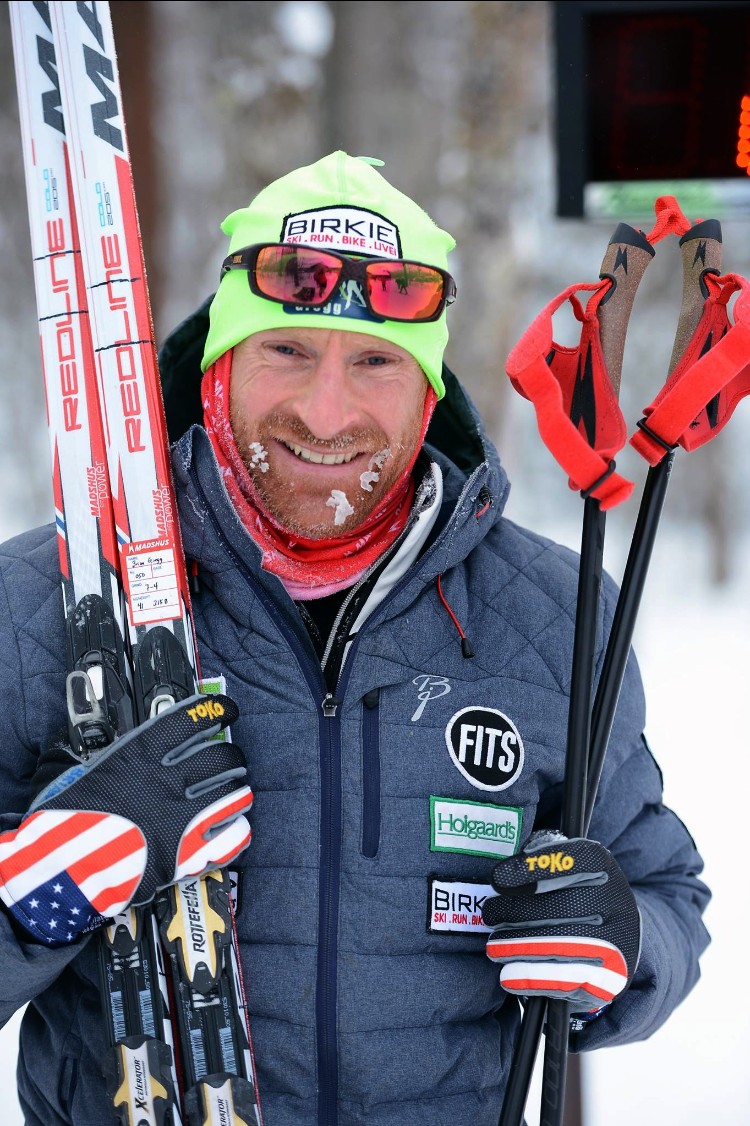
Temperatures plummeted from +25F friday to -8 F on race morning. I knew going in to the race that finding speed would be the greatest challenge. Caitlin and I have had fantastic results with Toko on the Birkie Trail over the years and went with one of our favorite combinations. I hardened my base with a layer of LF Blue and Cold Powder before putting on my final race layer of HF Blue and Cold Powder. I opted not to go with a flouro bloc with the temperature being so cold with the high forecasted as -2F. I sanded my kick zone aggressively and ironed in a green base binder, making it pretty thick under the foot and tapering out the edge, ending about an inch short of my normal kick zone. I kicked on Toko Blue hard wax covered with one layer of flourinated Swix XF30. My skis were rockets and I had great kick the entire race. Thankfully I dressed warmly and enjoyed some fantastic classic skiing. This same combination proved fantastic the next day in even colder temperatures for the Birkie Tour.
– Brian Gregg
(Congratulations to Brian on his win)
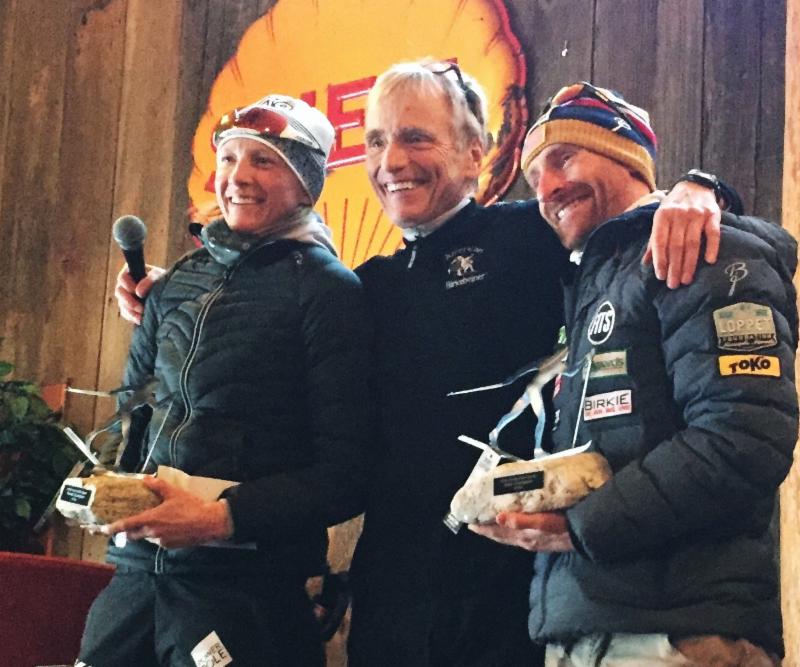
Brian Gregg at the Seeley Hills Classic (Photo credit: Once in a Blue Moon Studio- Kelly Randolph )The Seeley Hills Classic winners Natalia Naryshkina and Brian Gregg with race director Dennis Kruse
Wax Report from Seeley Hills Classic
Glide: Applied Toko LF Blue — scraped warm Applied Toko LF Blue — cooled, scraped, brushed Apply Toko HF Blue — scraped warm Applied 2nd coat of Toko HF Blue, sprinkled in Toko Cold Powder, cooled, scraped, brushed Crayoned on Blue JetStream Ironed the JetStream with a sheet of fiberlene to protect the base Cooled and Brushed Brushed again, and then polished bases with a Toko pad
Kick: Ironed in a thin coat Toko Base Green in kick zone (just to the Hard wax marking, not the Powder marking) Let cool, then cork smooth Five thin layers of Toko X-Cold kick wax — cork smooth each layer (just to the Hard wax marking, not the Powder marking) Two thin layers of Toko Blue kick wax — cork smooth each layer Two thin layers of Toko X-Cold kick wax — cork smooth each layer
Congratulations to Natalia Naryshkina on her win
– Bruce Manske, CXC Development Coach
Reports from Junior Olympic Qualifiers
BEND JNQ – Wax Report
CLASSIC RACE: Conditions were slated to be cold and clear for the first day of racing, an individual start classic race. We base-waxed with Toko LF blue, a no-brainer given how versatile and wide-ranging that wax is. On race day I tested a few different blocks but given how cold it was I didn’t find huge differences between block vs. no block and so opted to focus my attention on finding a fast kick wax in the cold snow. I tried Toko X-Cold straight, Toko Blue straight, and compared them to a few other brands’ cold waxes. After some different combos I found that two layers of Toko BLUE covered with a layer of X-Cold for speed did the trick; it was faster than straight blue and provided the softness underneath for good kick.
SKATE RACE: It was a bit warmer and fresh snow was falling for the skate day. We stuck with Toko LF Blue for base paraffin but I jumped right on testing blocks and liquids when we arrived, along with structure. I was joint-waxing with Jordan Buetow of BEA and he had some Finite tools to use for structure, so we tested those against the Toko red structure tool, run only from the heel to the tail. The Finites ran a bit faster so we went with that; both the Toko and Finite were faster than no structure and I think had he not had the Finite we would’ve definitely chosen the red structurite over any other choices.
Block choice was between a wax he thought was best and Toko JS Blue and JS Red. I thought Blue would be the ticket but it was slower than his wax. But then putting Red against his wax I felt it was faster, especially on initial acceleration; once they were up to speed it was pretty equivalent. Jeff Hashimoto of Ellensburg concurred with me and they went with JS Red block, as well.
We had two podium finishes in the U14 race and several top-12s in the U16 and up categories – a sure sign that our skiers are getting more competent with their technique and fitness and able to compete with the experienced teams.
Kongsbergers Gunnar Hagen 7.5km:
This past weekend was the KSC Gunnar Hagen, a 30km and 7.5km classic race. Dave Ford was up there as the Toko rep so he and I set up our tables in the middle of the stadium and acted as the Wax Knowledge Stations for the day. He had tested early; the temps had gone from 26F in the middle of the night, up to 32F and then back down to 23F by race time. As such there was some transformation in the snow. He and I immediately thought of Base green thick ‘n short application, and tried it with success. He called it as the top pick, but when I tested straight Toko Yellow I found that to be quite good as well. Another brand’s wax was also running but I was nervous about its speed on the back sections of the course; it didn’t seem as free as the Yellow. My athletes all went on Yellow and felt the kick was great without icing. I ended up converting a lot of the masters skiers from their choices of klister or similar gook over to an application of Toko Yellow and they all reported great skis. Once again, I was pleased at how wide a range that wax has without suffering speed.
– Sam Naney, Head Coach Momentum Northwest
Wax report from Wasatch Citizen Series 10k Classic at Mountain Dell, just outside of Salt Lake City, UT 16 January
Recently, there had been a lot of 32f and snowing type weather, so I was curious to see what the weather was going to bring for this race.
Upon arrival, snow termperature was 18f and air was 20f. I was the first skier on the course and found that the well groomed tracks had completely filled in with new fallen windblown snow. Windblown snow is generally very dry and “grabby”. I tested various kick waxes (also joined by my fellow Toko Tech Team members) and we found that a few layers of Toko Nordic Grip Red covered by a thin layer of Blue was best. Noteworthy was that as the track got skied in, the platform for skiing on was not very flat (due to all of the new snow not having been skied in perfectly flat – it resembled more of an old style track that was simply skied in). Additionally the snow was breaking on itself (shearing). So, the kick wax was sticking to the top layer of snow in the track, but the snow under the top layer wasn’t sticking to that snow resulting in less sure kick. So, in general, the snow was a bit grabby, especially in the more shaded sections, and the kick was not very sure due to the nature of the track (despite the excellent grooming by the volunteer Tuna crew – thanks!). If a person were to try for perfect kick, the only result would be a sacrifice in glide since the kick was not bomber due to the nature of the snow in the tracks.
As the air temperature rose to 28f and the snow to 24f, we settled on a race kick wax recommendation of straight Toko Nordic Grip Red put on as thinly as possible with a bit more underfoot. For glide, we went with our recommendation which was LF Black, HF Red, and an application of JetStream Red (block/fiberlene application method). As it turns out, the addition of HelX 2.0 Red was also excellent. It was nice to see that after all the dialing it in and testing, this turned out to be the exact wax recommendation made two days before the event by TTT member Barry Makarewicz. Nice job Barry!
Thanks to the Tuna crew and Mountain Dell Groomers for a great day!
West Yellowstone Supertour Field Reports – what the teams used in their own words:
The first Supertour races presented us with extremely cold temperatures and “new” snow that saw A LOT of skier traffic. This cold, dry and transformed snow did not respond well to powders most of the week so we decided to forgo that layer for the sprint. For paraffin layer we found the standard HF blue and cold powder 1:1 mix running well. We top coated with the old Jetstream blue block(tested both 1.0 and 2.0) and new 2.0 liquid.
For the distance races, we repeated same protocol as sprint for men’s early starters. With the women starting at 11:45, we retested powders and found that a Jetstream blue/cold powder 1:1 mix started to work well. I’ve had this mix work well in similar conditions at Fairbanks Junior Nationals in 2013. Topped with Jetstream blue 1.0 block and 2.0 blue liquid. – Andy Keller, Head Coach
Friday Sprint: To be able to focus on top coats race morning, we tested paraffin base layers on Thursday. Among the different paraffins we tested, Toko HF Blue was the fastest. However, it was also the hardest wax we tested on Friday. With colder than expected temperatures on Friday morning we re-tested our base layer of Toko HF Blue with addition of Toko X-Cold Powder. The cold powder helped with the feel of the ski underfoot, freeing it up. Despite the cold temperatures, powder was still an improvement over paraffin. We were really happy with how the Jetstream Blue 2.0 ran, beating many other cold waxes we tested. In the heats, we noticed some glazing occurring as the course got skied in. We found that a layer of Blue 2.0 Helix was our fastest option at that point.
Saturday Distance: Although temperatures were warmer on Saturday for the distance race, we stayed with Toko HF Blue mixed 3:1 with Toko X-Cold Powder for the added durability the cold powder adds. We really liked the high end speed of the HF Blue and X-Cold Powder mix, and opted for that over fluoro powders. Once again, we found the Blue 2.0 Helix was running well, even in the cold and dry conditions. The skis ran well through the morning and it was good to have some free speed in otherwise slow conditions. – Spencer Eusden, Sugarbowl Elite Team Member
Wax report for Friday’s West Yellowstone SuperTour skate sprint
A. AM Sprint qualification air temp around 0 deg F to low single digits at 11 AM start. Snow temp variable (sun vs shade) and colder. The groomed corduroy was initially scratchy and abrasive, but with ski traffic, rapidly transitioned to a “greasy” fine-grained consistency.
Race results: very solid. Our junior skiers all successfully mixed it up with top senior skiers. Remarkably, our top qualifier — Maddie Morgan, FU18 — qualified 24th, even with a fall! She skied up to 20th overall in the quarterfinals. Fast skis (and a fast sker).
Wasatch Nordic wax call: 1. Base layer 3:1 Toko LF Blue / LF black. 2. Race paraffin: Toko HF Blue + Toko X-Cold Powder. 3. Fluoro powder: none. 4. Fluoro block: Toko Jet Stream Blue 1.0 rotocorked. 5. Final topcoat: Toko Jet Stream Blue 1.0 hand polished and brushed.
Our skis were very competitive and our qualification results were outstanding for our junior skiers.
B. Early PM Sprint Heats: Air temp remained in single digit – low teens territory. Exposure to sun warmed some sections of track, but the snow remained cold and dry.
We didn’t change base layers for sprint heats. The old blue block remained our fastest pure fluoro option: 1. Base layer 3:1 Toko LF Blue / LF black. 2. Race paraffin: Toko HF Blue + Toko X-Cold Powder. 3. Fluoro powder: none. 4. Fluoro block: Toko Jet Stream Blue 1.0 rotocorked. 5. Final topcoat: Toko Jet Stream Blue 1.0 hand polished and brushed.
Saturday skate distance races
Again, cold temperatures dominated. Because we really liked our skis on Friday, the wax call for Saturday was very easy. The only change we made in base layers was to burn in Toko JS Blue 2.0 pow to help maintain ski speed over the longer distances on pretty cold abrasive snow. We focused on testing topcoats (see below for test results). Test results were essentially identical on Friday and Saturday.
Race results: again, our U18 and U16 ladies skied in the mix with top senior athletes. It was another very fun day.
Wasatch Nordic wax call for Saturday WY ST distance races: 1. Base layer 3:1 Toko LF Blue / LF black. 2. Race paraffin: Toko HF Blue + Toko X-Cold Powder. 3. Fluoro powder: Toko Jet Stream Blue 2.0 powder. 4. Fluoro block: Toko Jet Stream Blue 1.0 rotocorked. 5. Final topcoat: Toko Jet Stream Blue 1.0 hand polished and brushed.
We mixed Toko X-Cold Powder with HF Blue paraffin to harden the base, but chose not to mix cold powder with the JetStream. We thought the skis ran faster with just the pure fluoros on the surface of the ski.
All Toko Gloves are now Touch Screen Capable!
The Toko Tech Team just finished up its internal schooling in West Yellowstone and are excited and ready to service you locally with clinics, direct on-snow help, and race wax tips. This is the ONLY organization of it’s kind in the US.
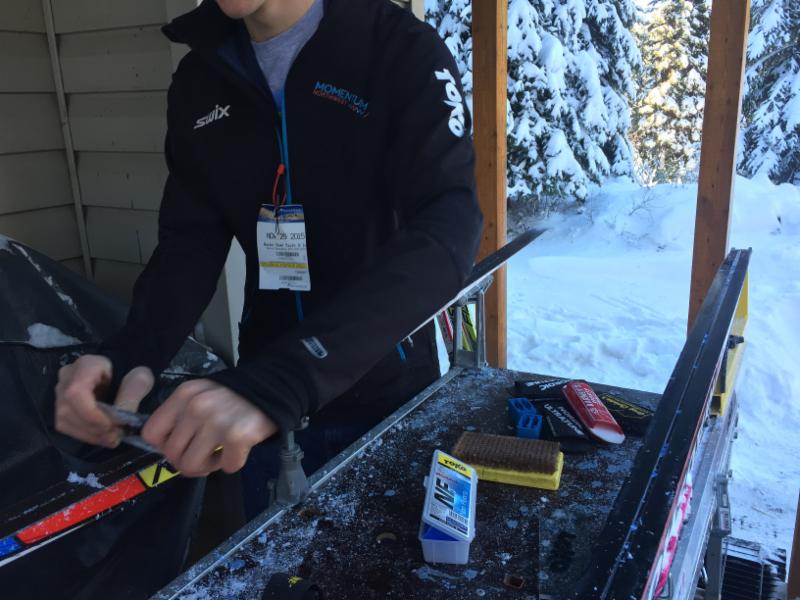
Quite often, the first on-snow sessions of the year can be quite frustrating, especially for juniors and especially when it’s classic skiing. Compound those challenges with never having even stepped on skis in your life, and you’ve got a lot of ground to cover. A new athlete to the Momentum Northwest squad, Peder, was in this exact position last week during our Silver Star Thanksgiving Camp. He’s a strong endurance athlete with a running background and eager to learn, so I set him up on the wax bench before our first ski session and taught him the basics. Once we nailed down the differences between the “melting slippy stuff” (TOKO NF Blue glide wax) and the “lipstick sticky stuff” (TOKO Blue hard wax), he was off and running. With fantastic conditions and TOKO products that I had absolute confidence in, Peder spent his very first day on classic skis learning to stride up hilly courses with surefire kick and great glide, and he did so having learned the techniques himself. It’s so much because of TOKO’s straightforward wax system that I trust it and use it without hesitation for all my junior athletes. -Sam Naney, Head Coach, Momentum NW
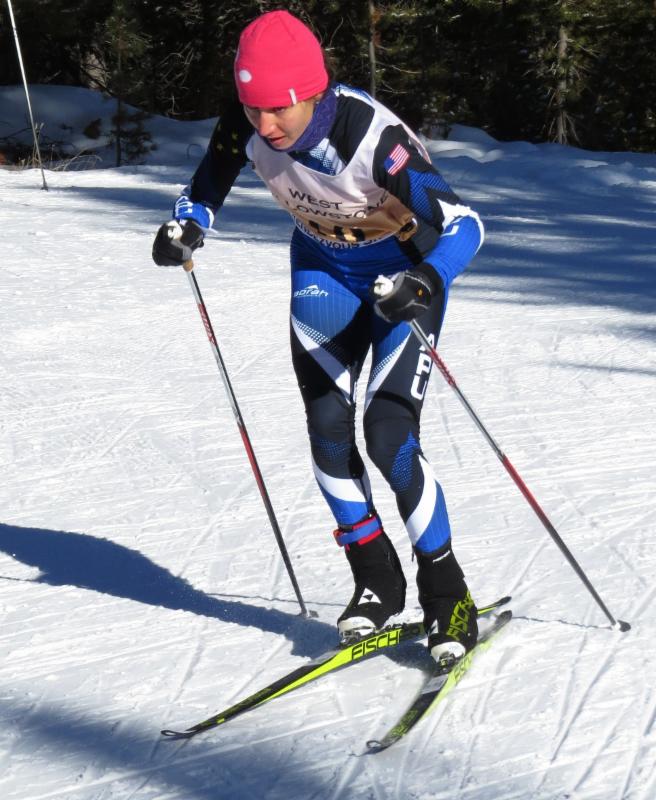
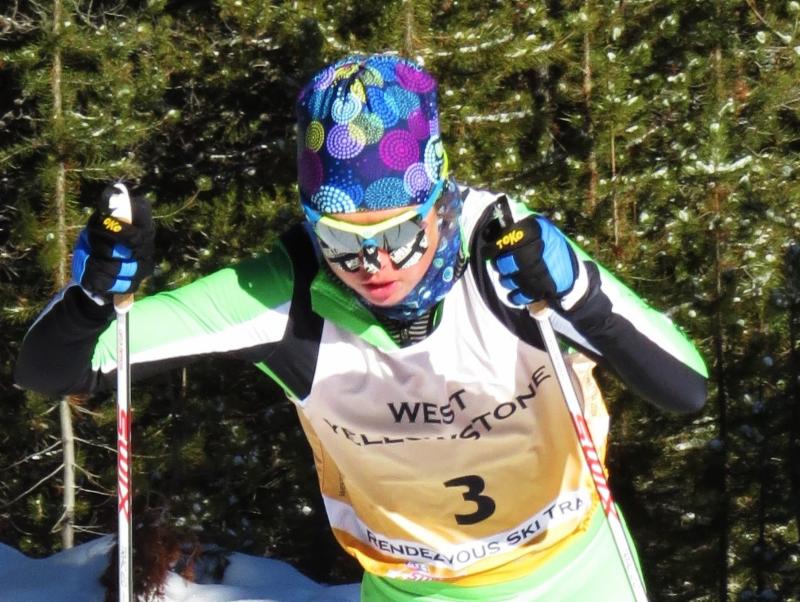
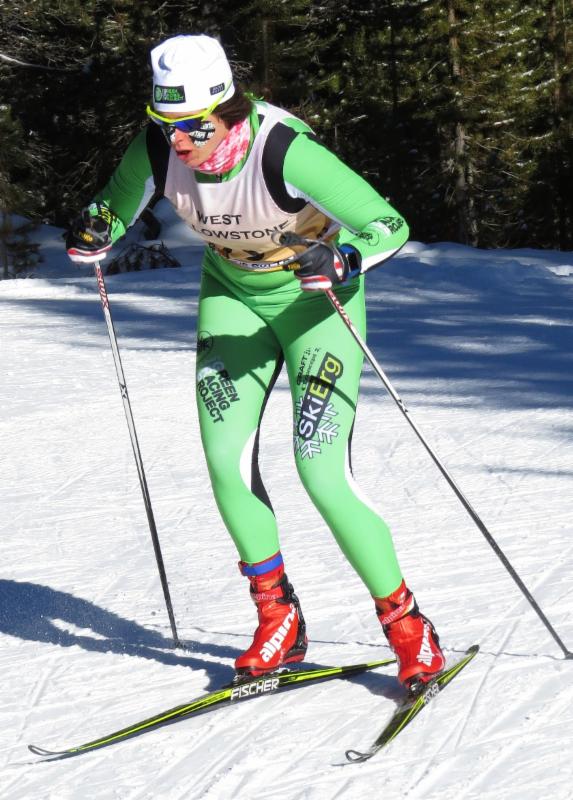
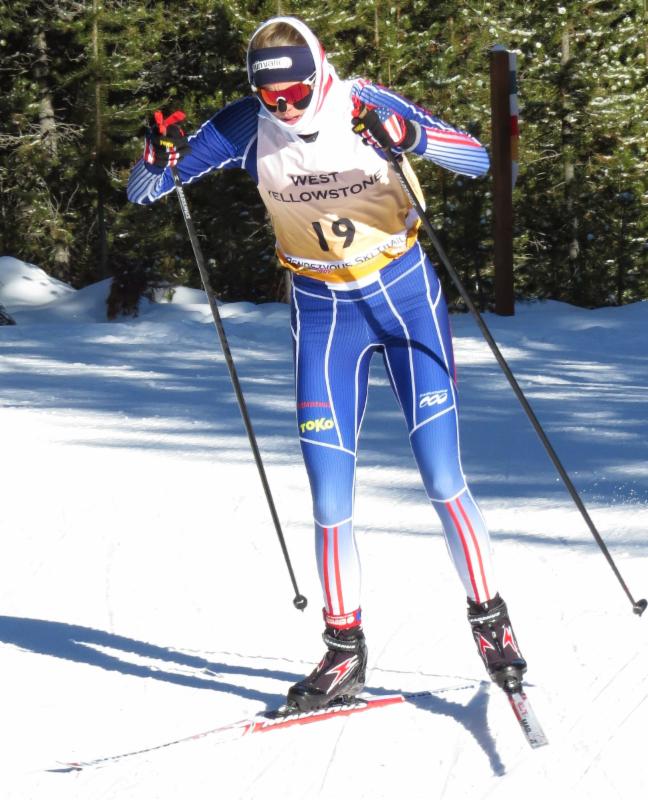
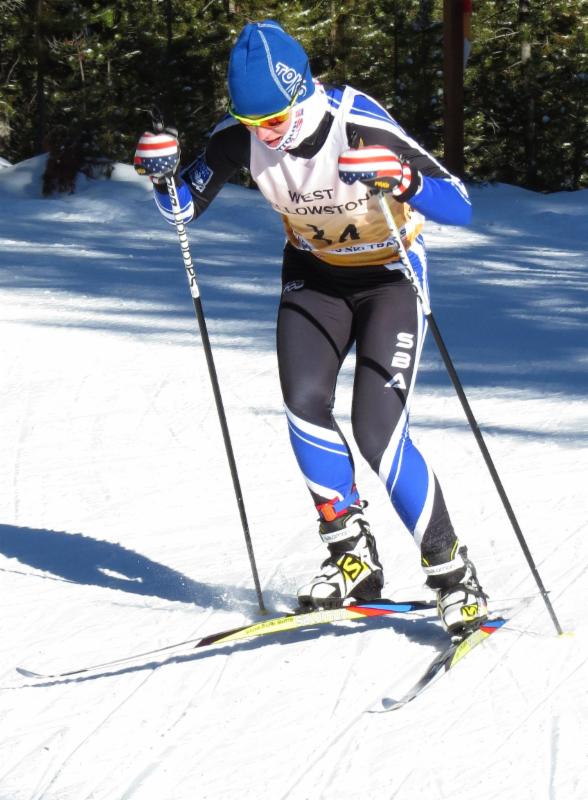
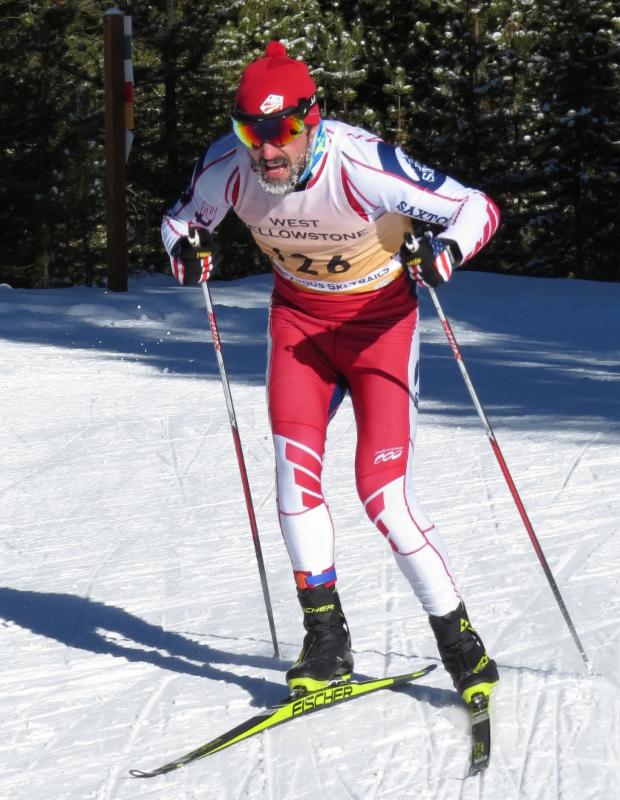
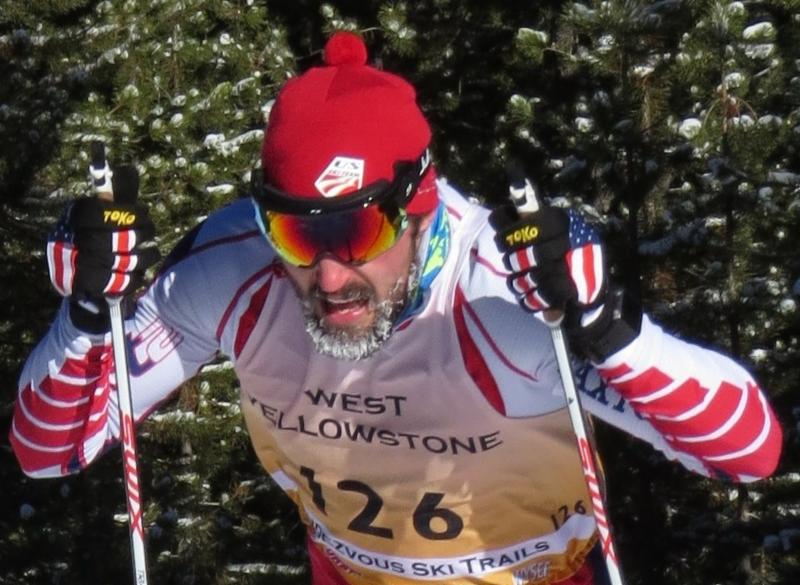
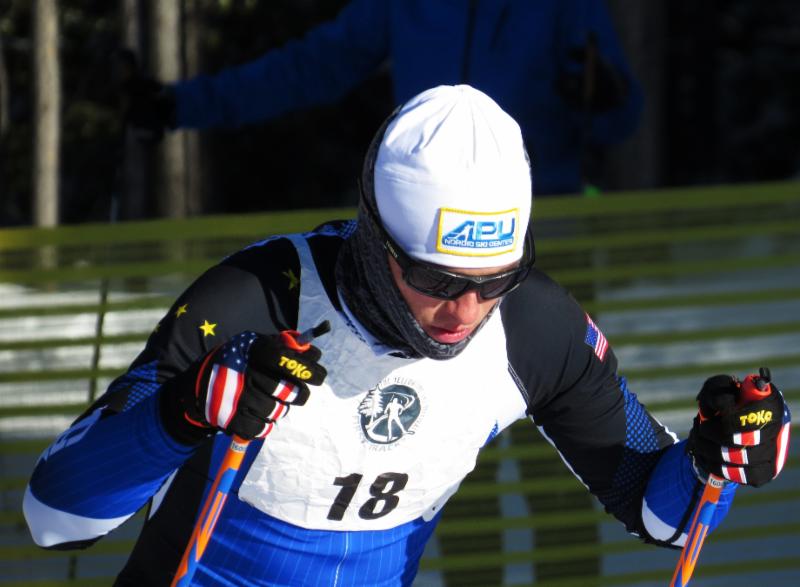
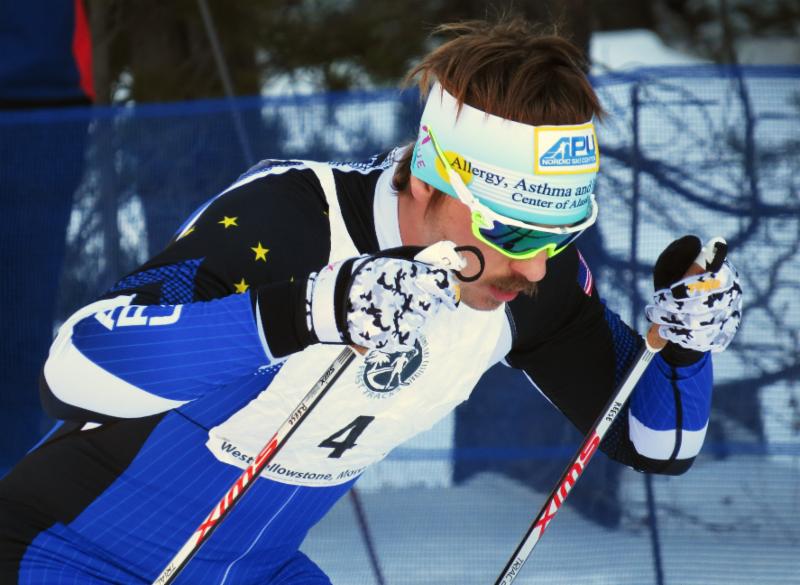
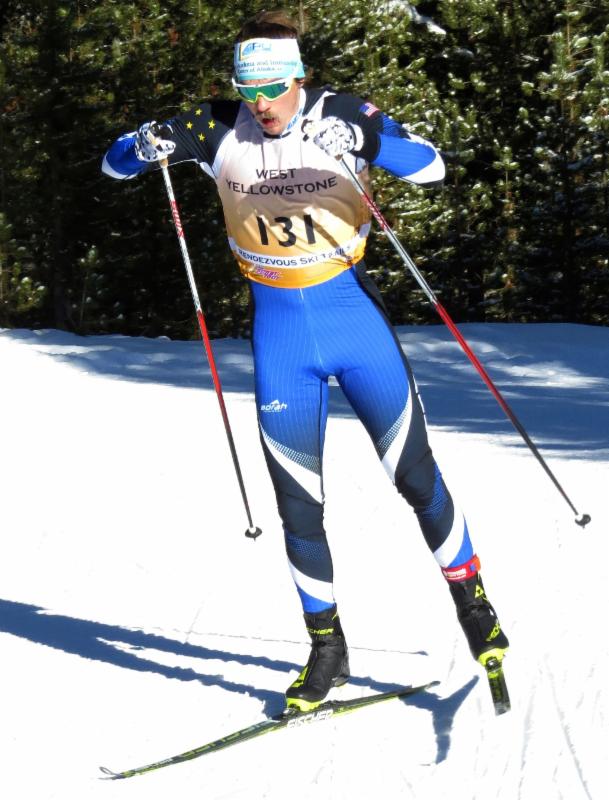
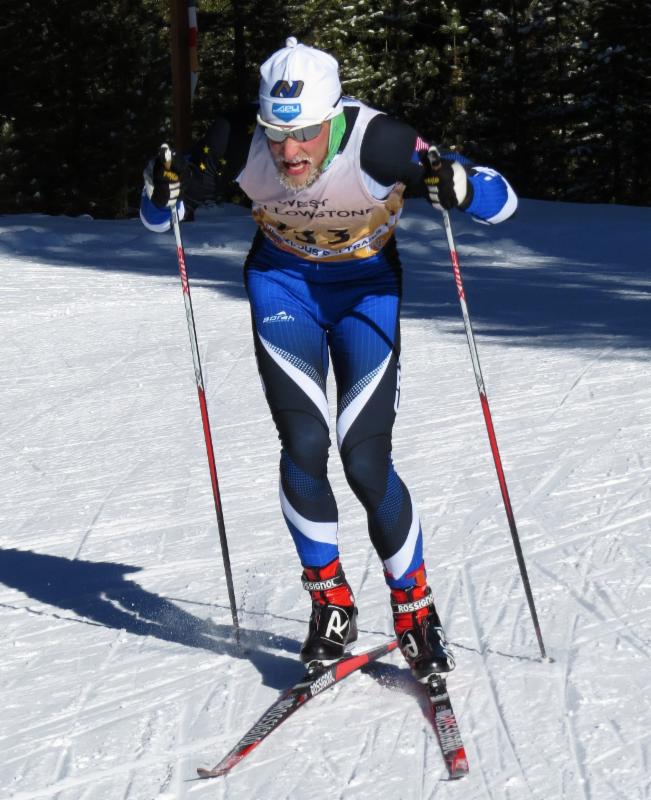
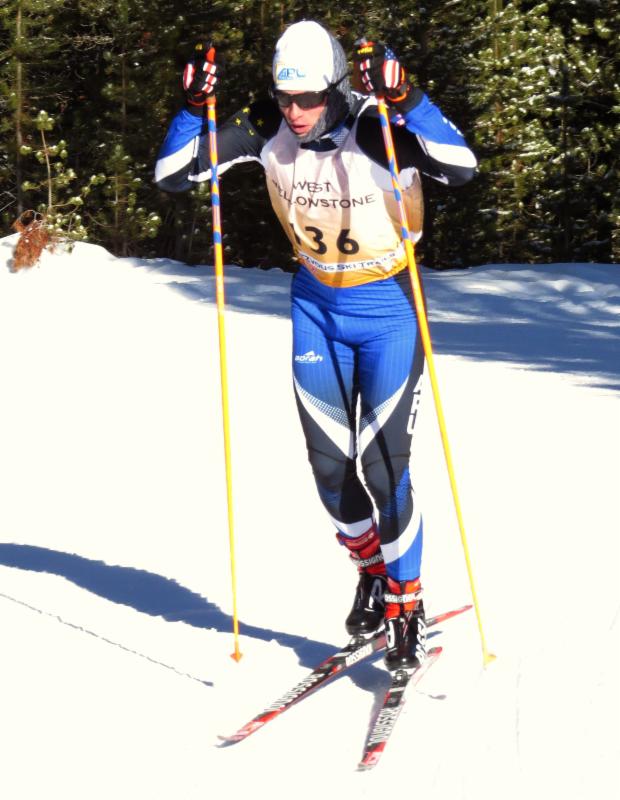
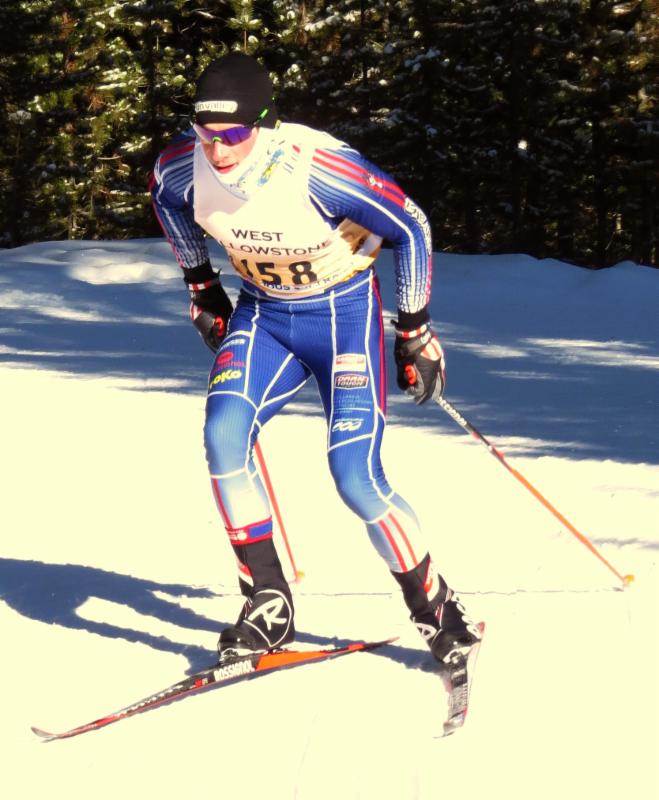
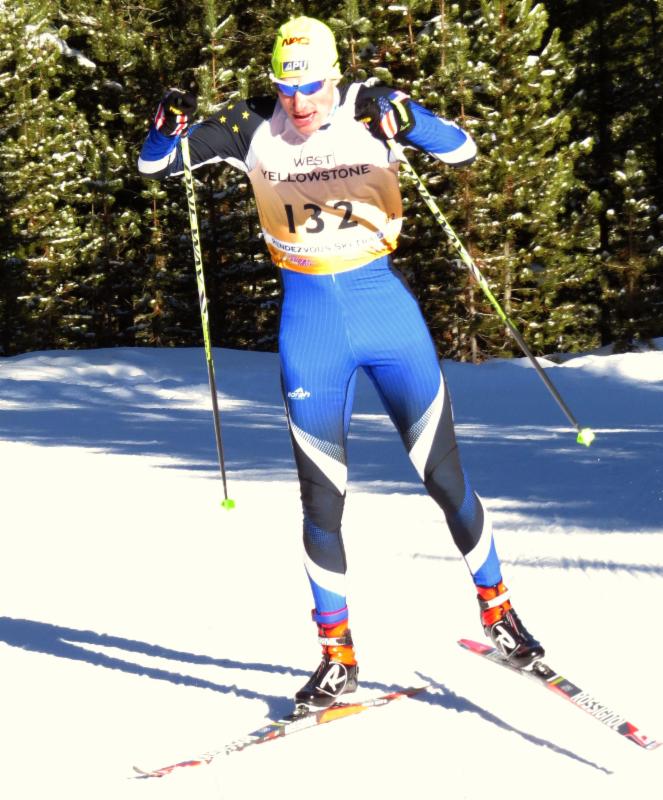
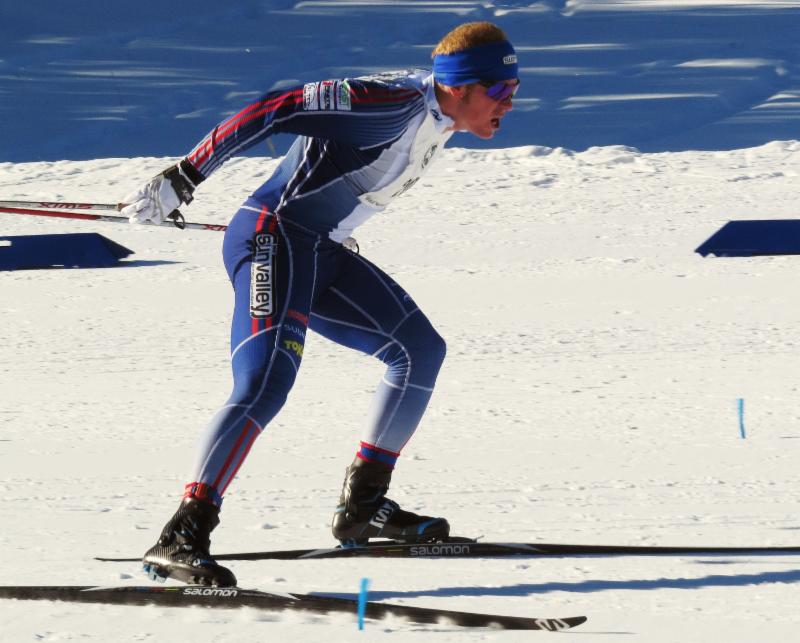
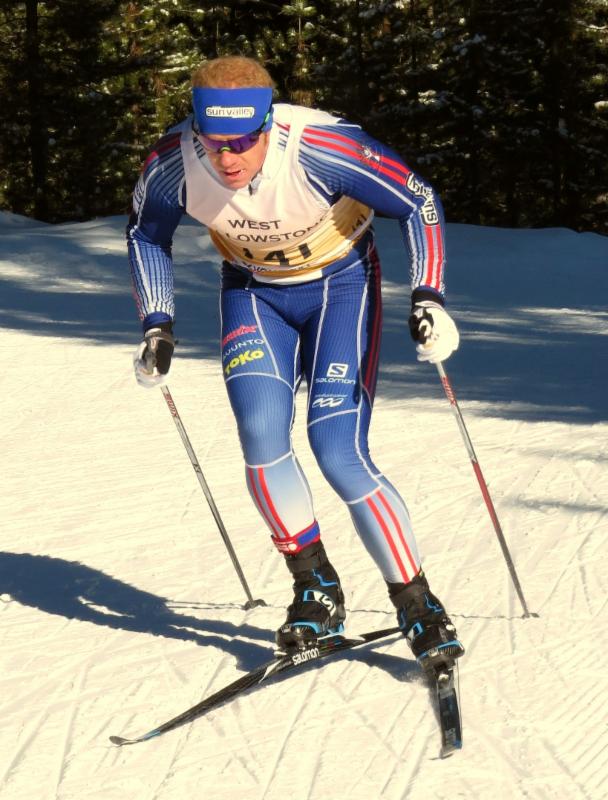
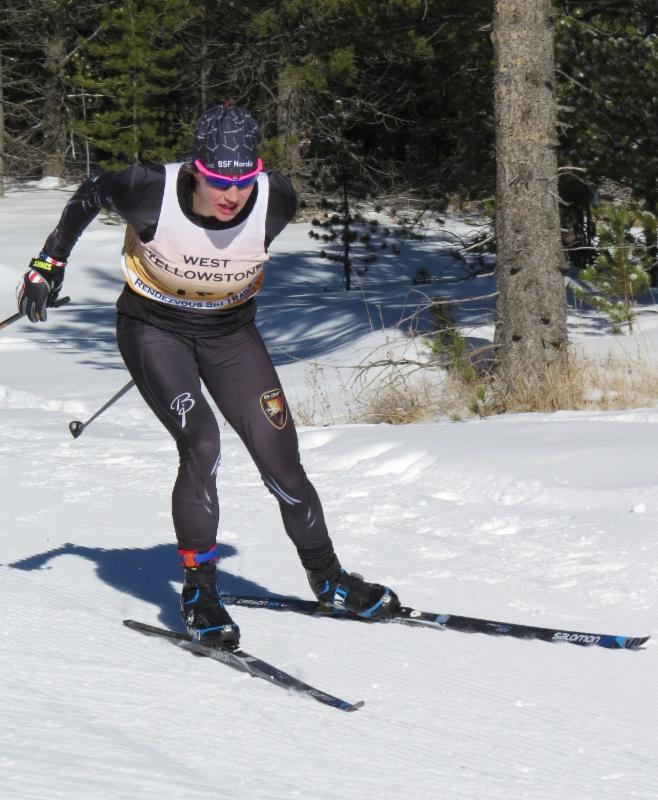
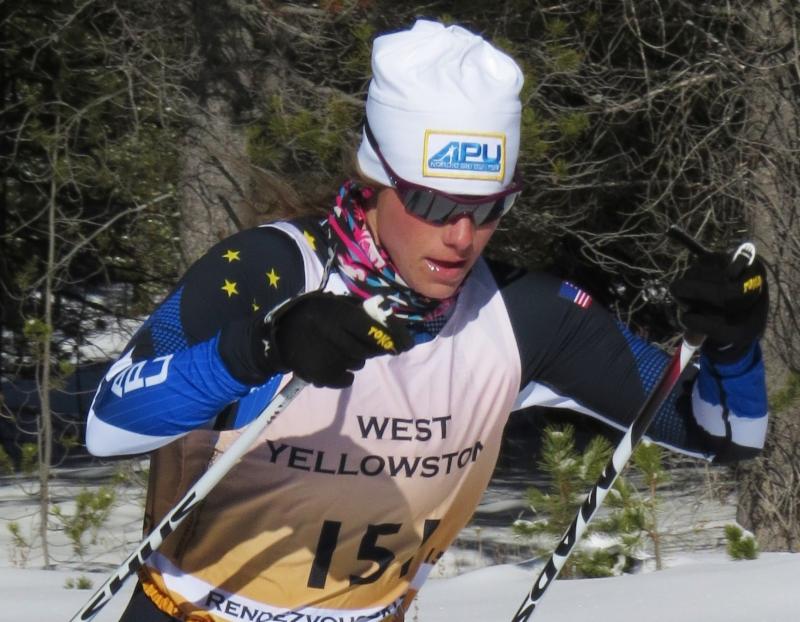
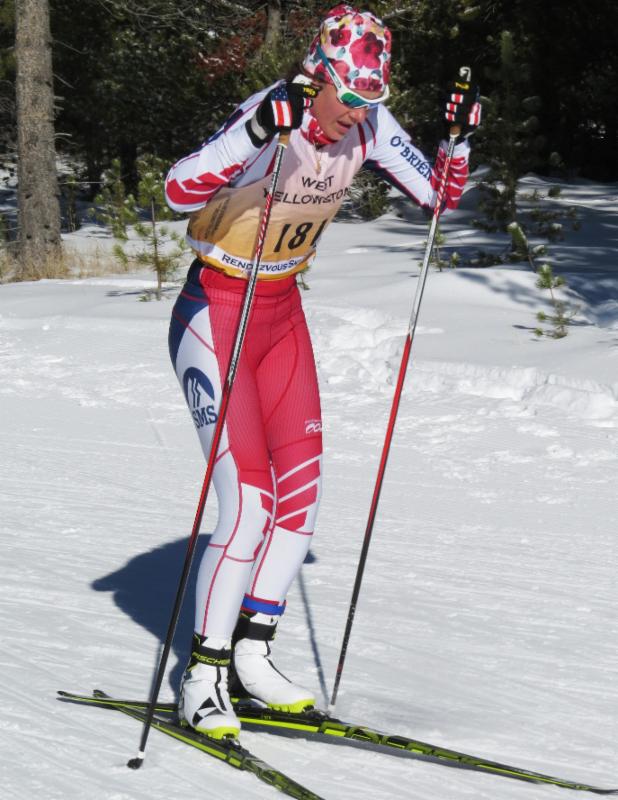
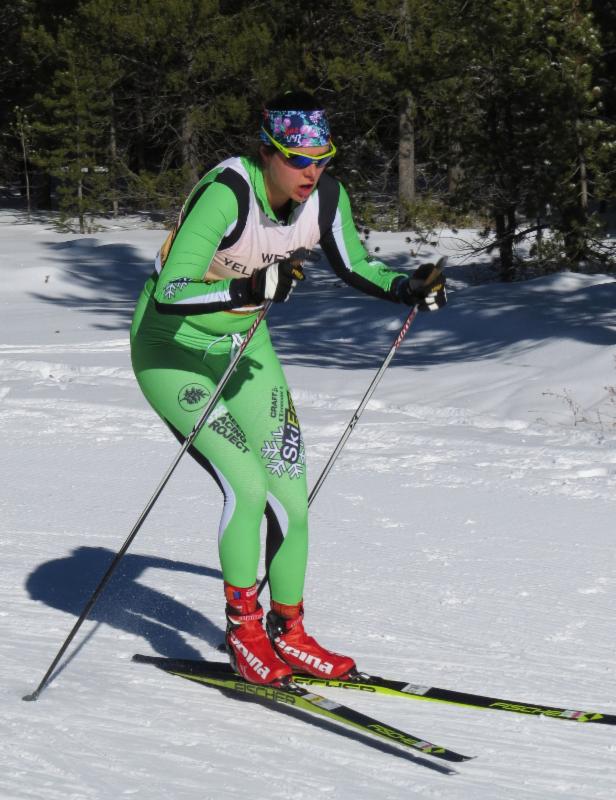
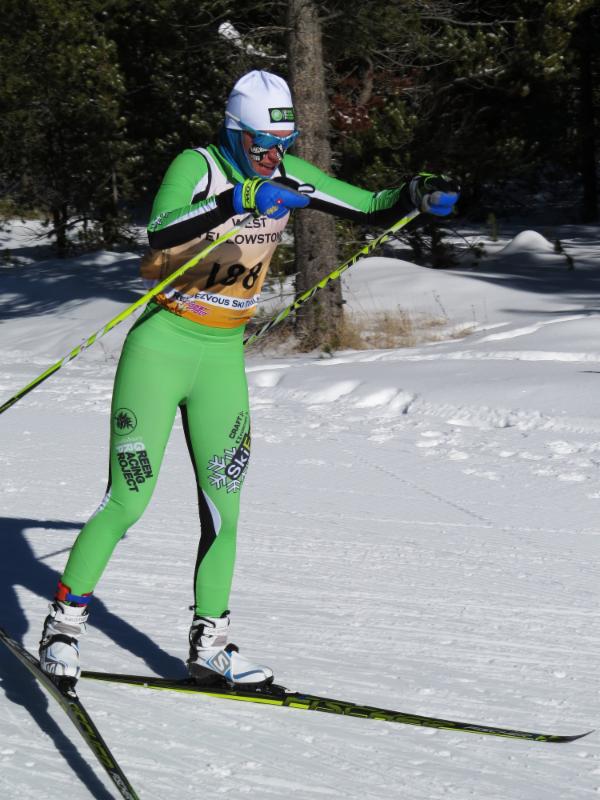
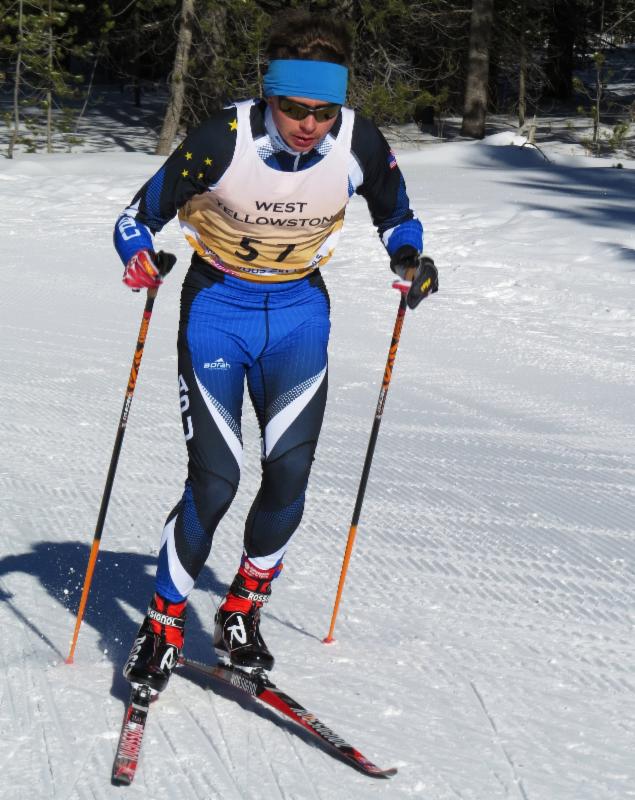
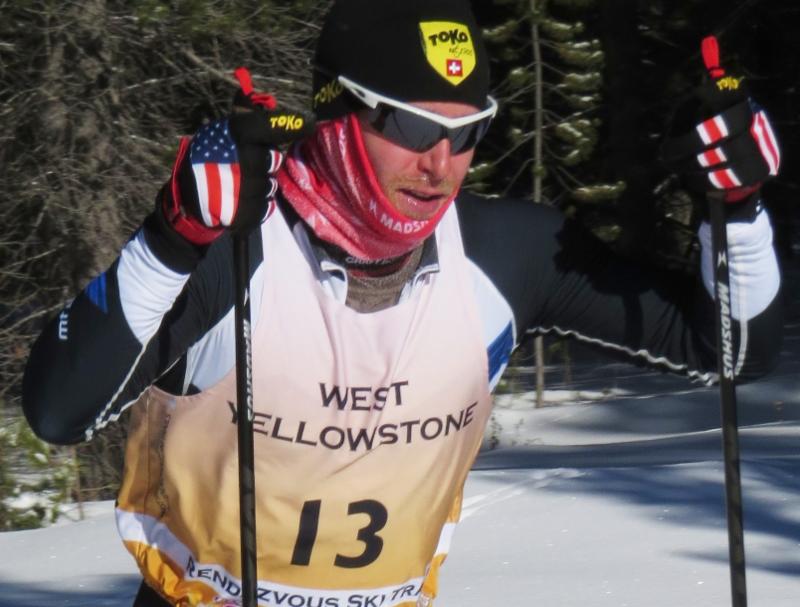
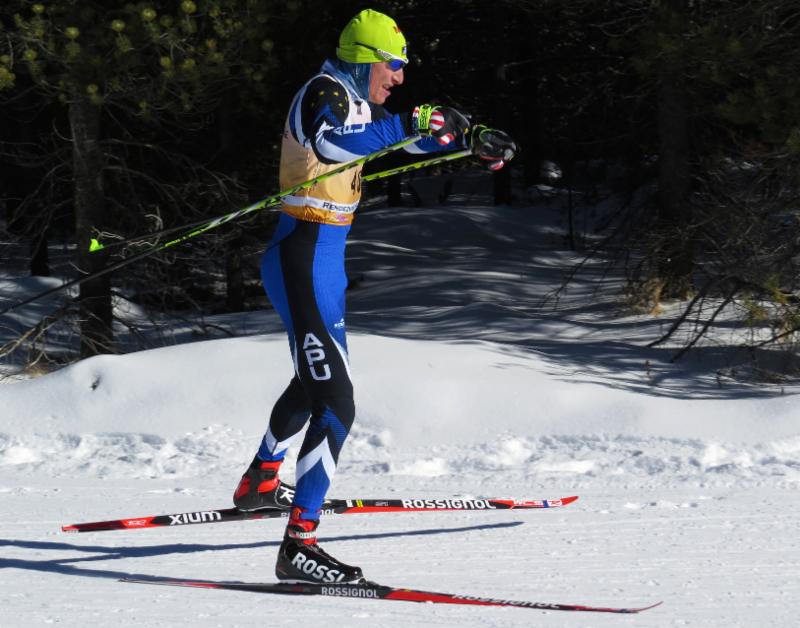
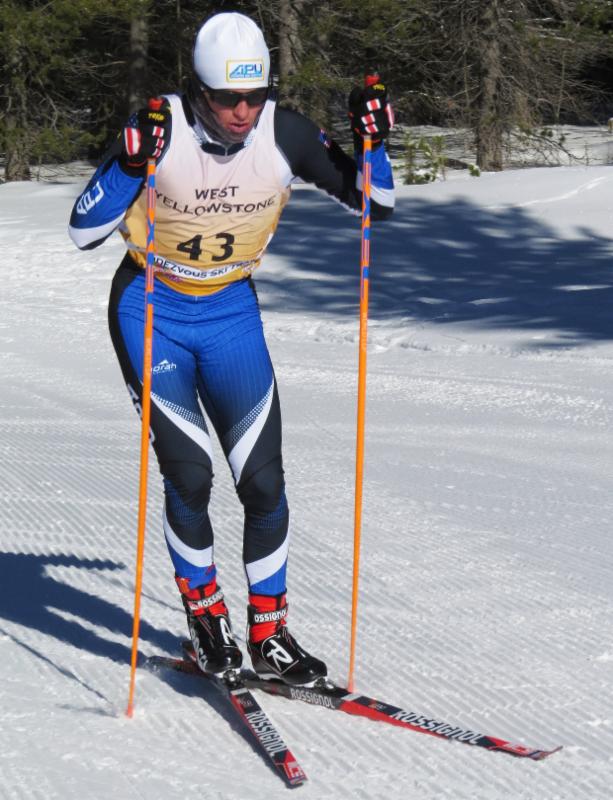
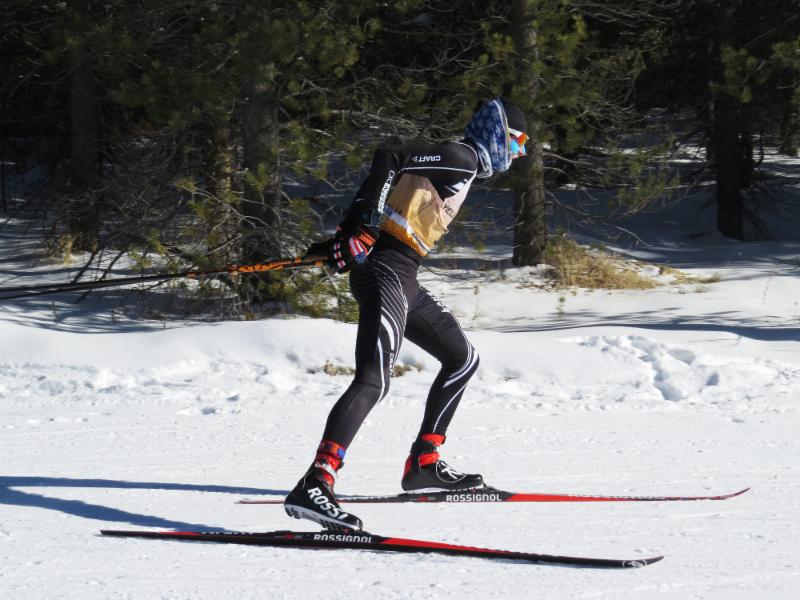
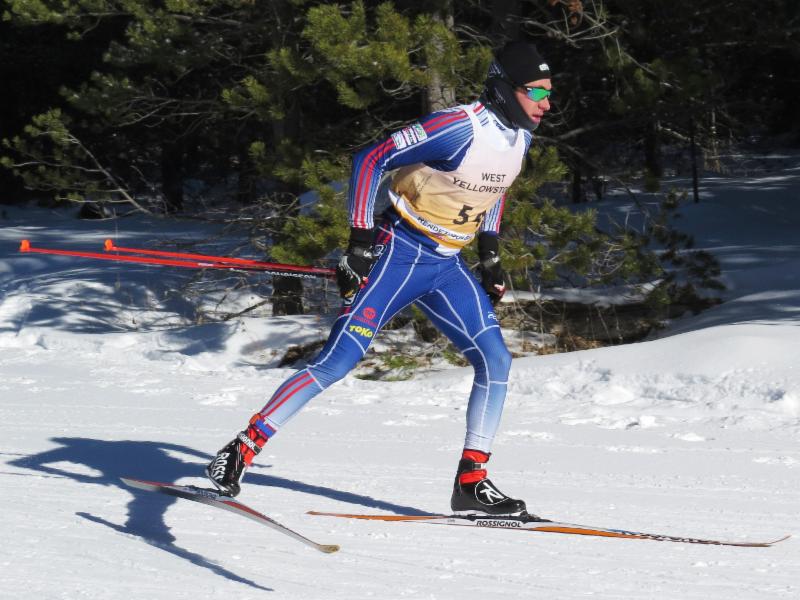
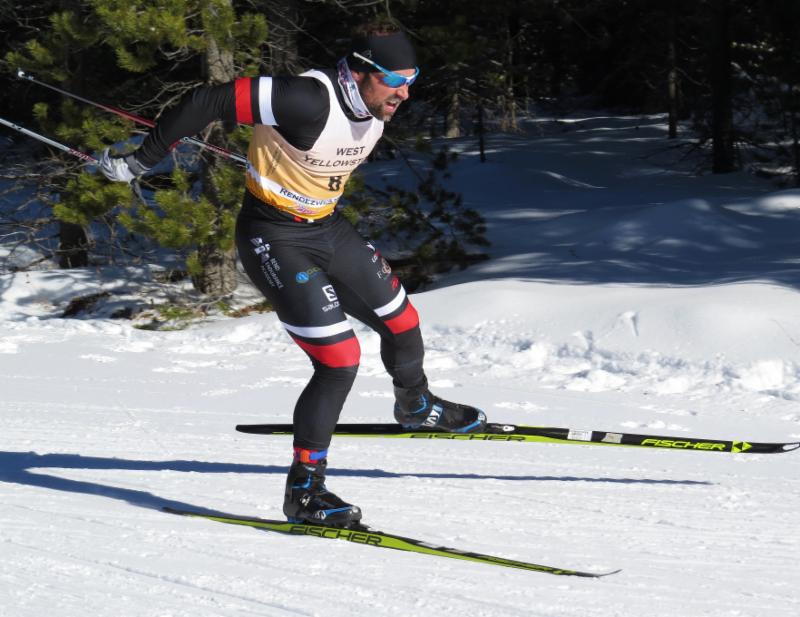
Here are a few action shots from the West Yellowstone SuperTour races. All images are of Toko athletes
Women’s Sprint:
Jennie Bender dominated the Women’s Sprint race. This is a real “feel good” story as Jennie got Mono and then hurt her back long term and was able to overcome fatigue and back issues to get herself fit again. Congratulations Jennie
!
Rosie Frankowski – always cheerful and fun and a very serious competitor
Annie Hart got tangled up and went down in the Quarters
Chelsea Holmes – a contender in any distance
Caitlin Patterson – yeah it was cold out!
Heather Mooney
Mary Rose
Emily Blackmer
Men’s Sprint:
Ben Saxton was just getting over a cold but skied well
Scott Patterson
Reese Hanneman had a great day
Eric Packer looking fierce
David Norris
Ben Lustgarten
Tyler Kornfield
Matt Gelso
Kyle Bratrud
Dakota Blackhorse von Jess has power to spare
Brian Gregg is a contender in anything that he enters
Women’s 10k Skate:
Jennie Bender
Jessica Yeaton
Mary Rose overcame a slow start with a blazing second half of the race
Annie Pokorny
Heather Mooney
Kaitlynn Miller
Deedra Irwin
Annie Hart
Rosie Frankowski
Caitlin Patterson
Men’s 15k Skate:
Brian Gregg did so well this weekend he was called over to race the 30k Skate World Cup in Davos, Switzerland in a couple of weeks