The New England Nordic Ski Association (NENSA) is joining the high-performance bandwagon. In May, the association, based in New Gloucester, Maine, announced its competitive programs director of nine years, Janice Sibilia was stepping down “due to changes in essential functions” of her position. The next day, NENSA published a job posting for a high-performance director.
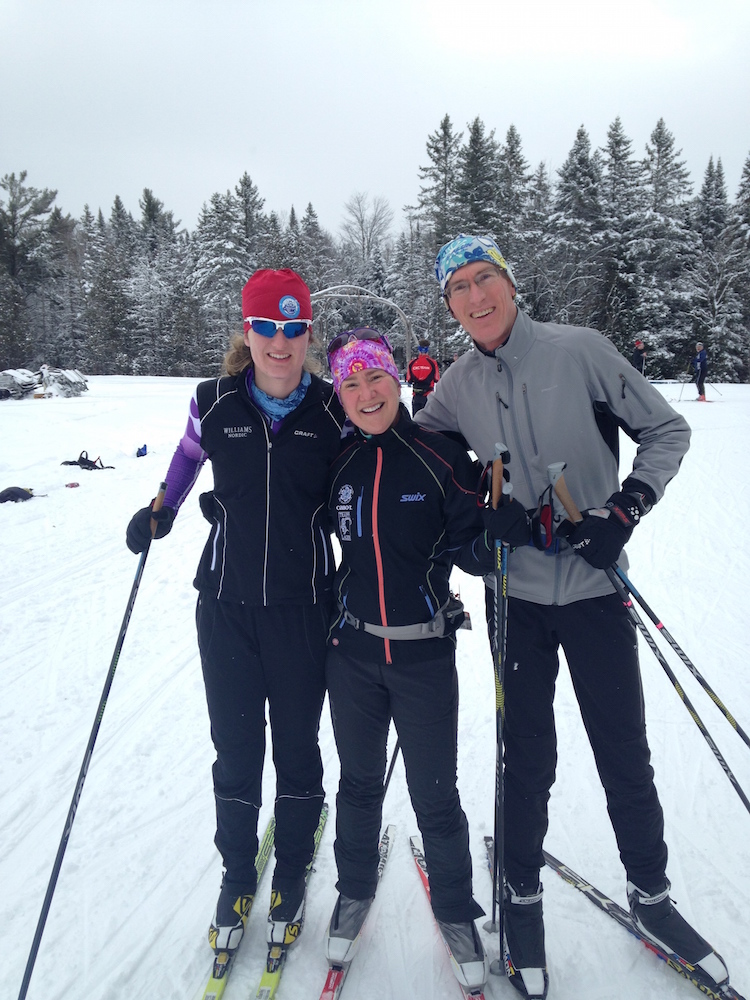
That’s where Amie Smith came in. Late last month, NENSA hired Smith, of Wellesley, Mass., to their team. As high-performance director (HPD), Smith will manage competitive cross-country ski programs throughout New England, much like Sibilia did, however, the position expands beyond the athletes and into the coaches’ side of skiing as well. The HPD also will manage race data and be responsible for keeping track of points throughout New England, from Zak Cup points to Junior National Qualifier points.
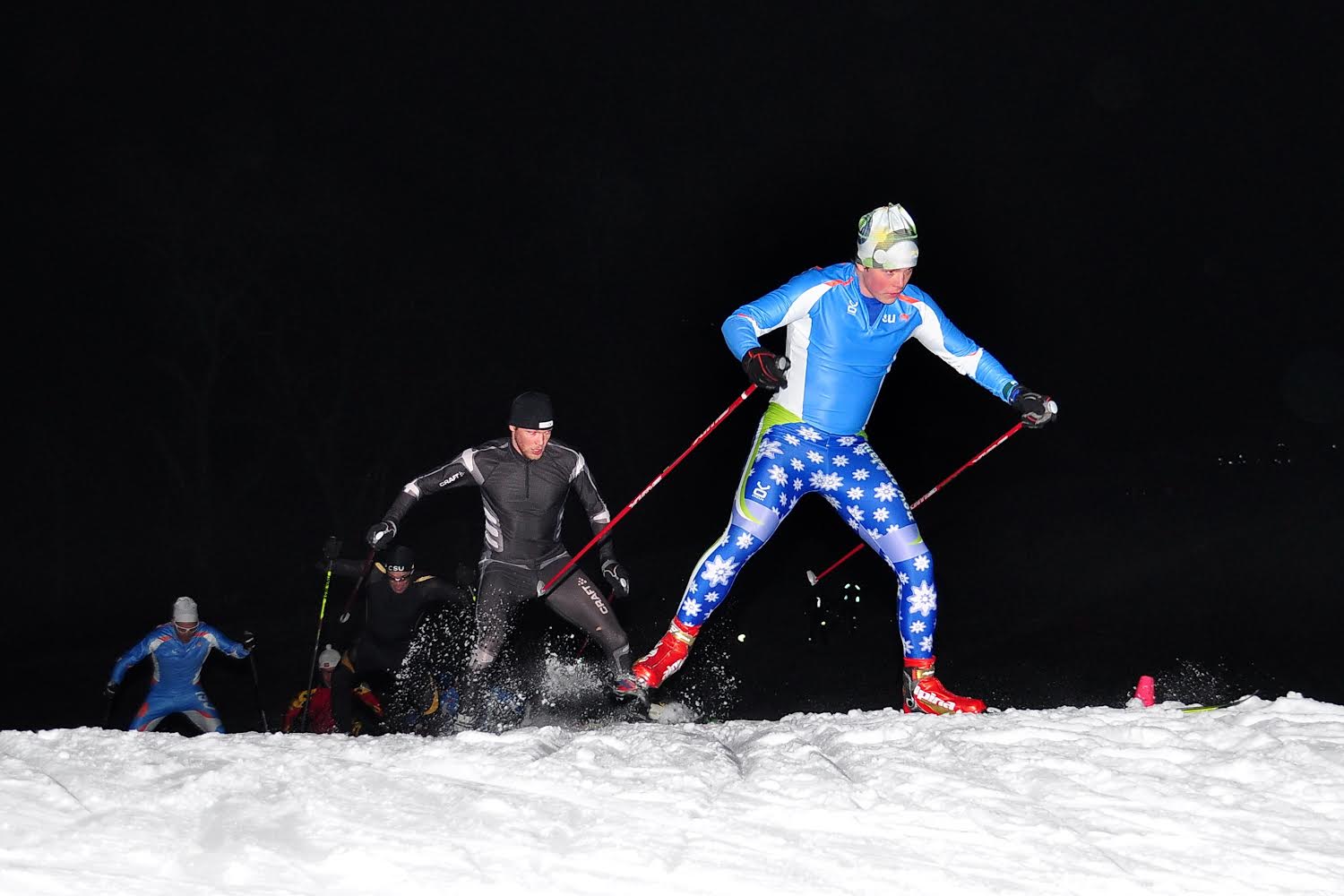
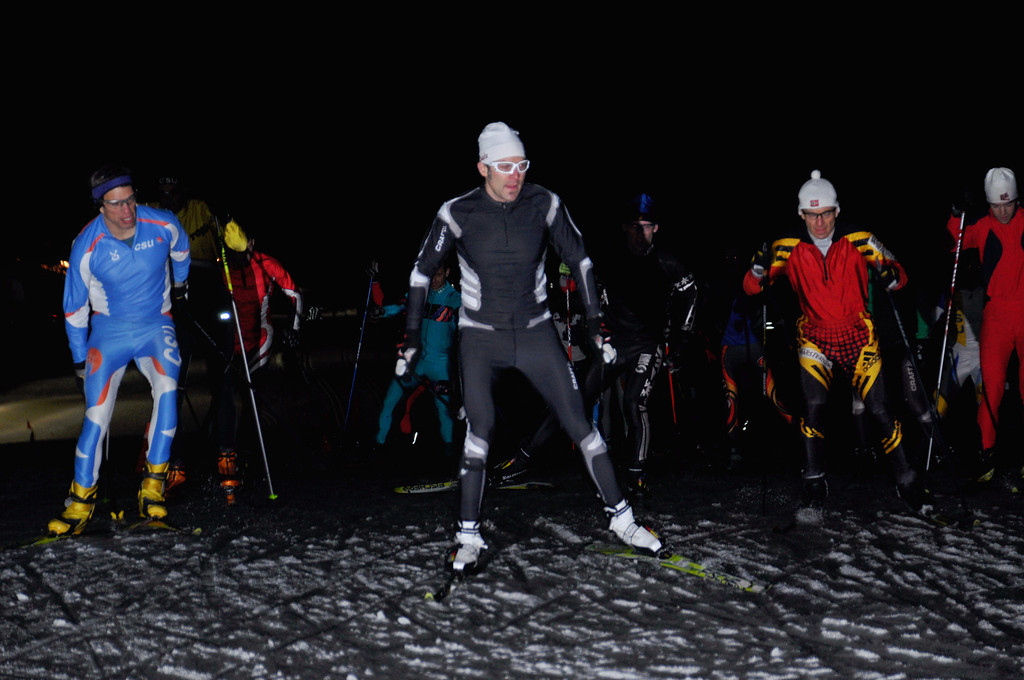
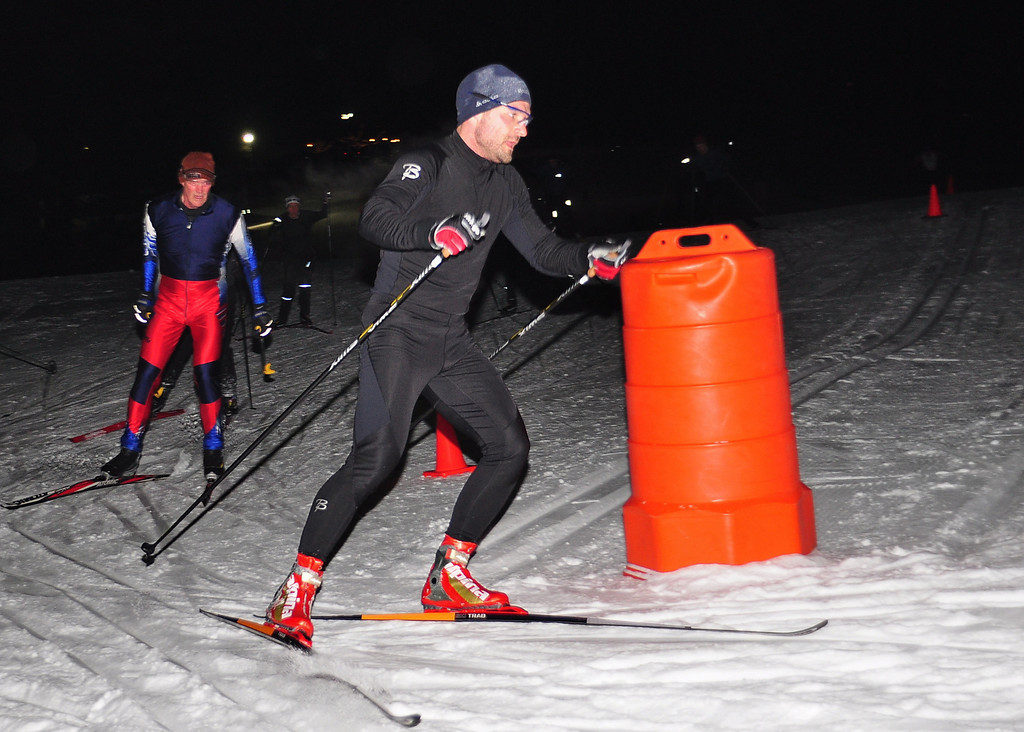
Smith enters the position with a lot of background within the New England ski community. Originally from Bennington, Vt., she grew up skiing and racing in the local youth ski league there, attended the University of Vermont and Columbia University, then settled down in Wellesley, a suburb about ten miles west of Boston. In 2007, she became involved with the Cambridge Sports Union (CSU), a ski club based out of Weston, Mass., along with her daughters who skied for the all-volunteer organization. For the past two years, Smith has also been the New England Junior National Championship trip leader, a position she plans to fulfill as HPD for years to come.
NENSA’s Executive Director Zach Stegeman told FasterSkier he is excited to have Smith onboard, as she brings a lot of enthusiasm and experience to the new job. Since the role spans throughout many facets of skiing, a person such as Smith — with experience in many aspects of the sport — is ideal, he explained.
“Amie is uniquely positioned for this role through her experience on every side of the sport: as a parent of competitive racers, as a coach, as an athlete herself, and in critical behind-the-scenes roles as a race director, a volunteer, a trip leader, and as board chair of a highly successful club,” Stegeman wrote in an email.
FasterSkier caught up with Smith earlier this month during her first week at NENSA. She started July 13.
FasterSkier: How has your first week been so far?
Amie Smith: Well, I have to say that we are in the throat of trying to finalize our Eastern Cup schedule for this coming year. Although I officially started [July 13], I have actually been working with the athletic development committee from NENSA the last couple weeks on finalizing what the schedule will be, what our venue options are. … I can tell you we have two SuperTours back to back this year, which is awesome for the East Coast. … Those weekends are going to be fantastic because were going to have so many great skiers from all over the country joining us in the midst of carnival and Eastern Cup weekends. But it also makes planning our eastern cup schedule this year a little different from previous years because we’ve already got two back-to-back weekends so were trying to spread out the other races and figure out the rest of the scheduling. So that’s my first week.
FS: You currently live outside of Boston; does this new position mean you have to move?
AS: No. The beauty of this job is I can work remotely. Obviously, I’ll have a lot of travel to all the Eastern Cup races, to Junior Nationals — I will be the trip leader again and organizing — a big part of my job is Junior Nationals. And then all the other things. We have a USSA Coaches Symposium in Lake Placid this September and all sorts of stuff. So I can stay in Boston and just travel to work when needed.
FS: Traveling around is something you are used to because you have daughters that have been nordic ski racers for a while, right?
AS: Yes. Rebecca will be a sophomore at Williams [College] next year and she skis for the Williams Ski Team, as did Hannah. When I looked at the schedule and between having daughters, who have been on the Eastern Cup and carnival circuit for the last eight years, and my previous work or my work with the CSU Junior Ski Team… Obviously I have more things like NENSA board meetings, and I represent NENSA for … the Olympic development committee, which are meetings out in Colorado every October. There are some other things, too, for travel that are a little bit more, but all to cool places, so it’s very familiar in a lot of ways.
FS: What was your role with the Cambridge Sports Union and what does becoming the high-performance director mean for your role within the club?
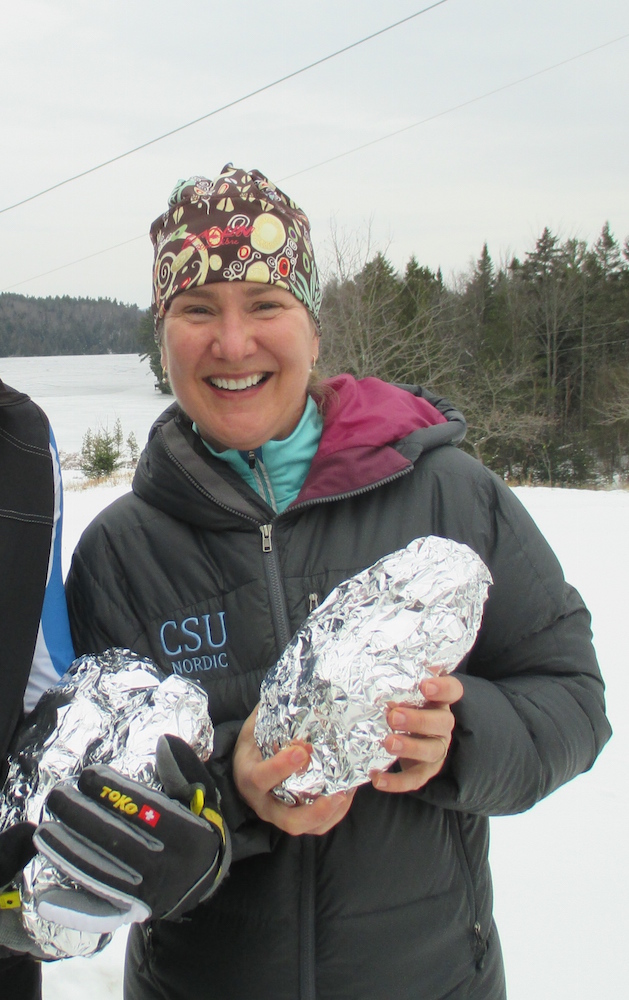
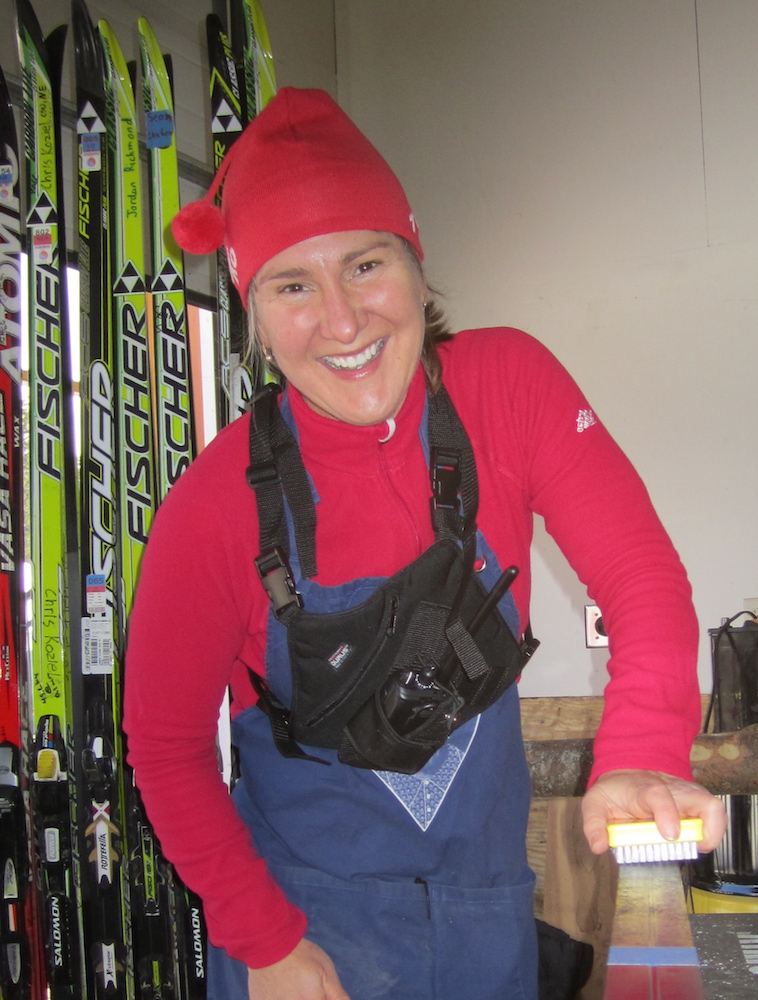
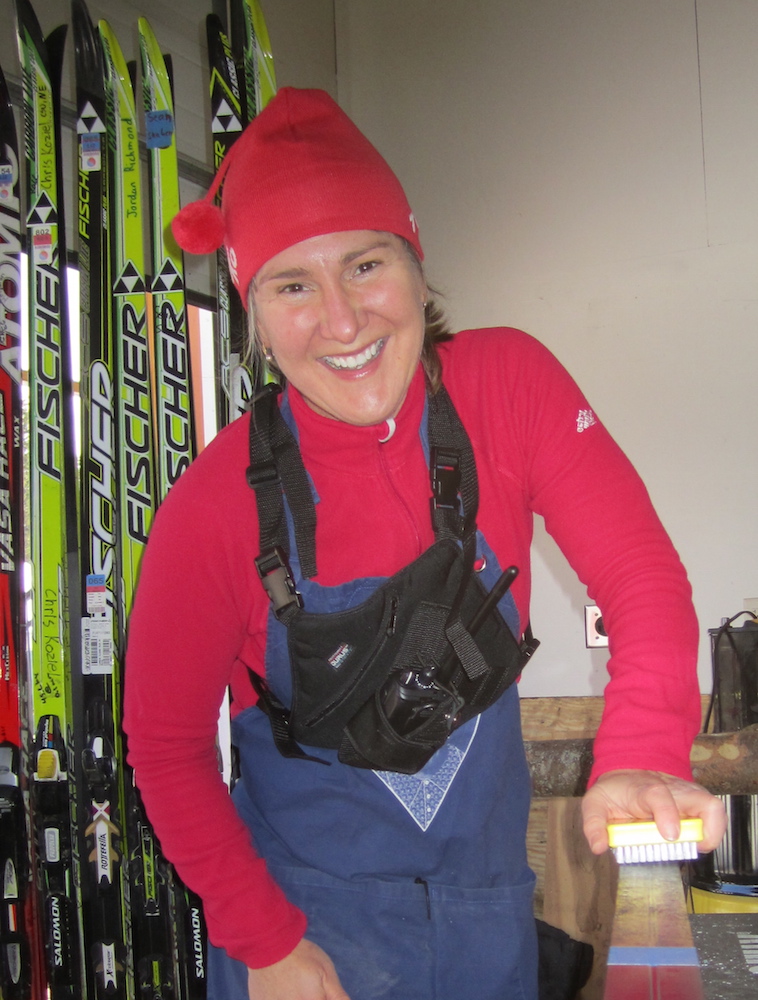
AS: The last eight years I have been involved with CSU on a lot of different levels, as a parent volunteer, starting with that because it is an all-volunteer organization, and then in 2010 we created our first board: the CSU advisory board, which I have chaired since then. Also at that time, I moved from volunteer coordinator into the general manager position. So kind of helping oversee the day-to-day smooth running of the club along with Rob Bradlee, our head coach. I have also been, for the last three years, a coach for CSU. I started coaching, which I really love. So I am actually going to continue as a coach as I can, but I am giving up my general-manager volunteer position and my board-chair position although I am going to stay on as a board member. … Obviously I won’t be under the wax tent anymore. I was the wax-team leader for a couple years for CSU. So I wont be doing that because I will be running the Eastern Cups or helping the host venues with Eastern Cups.
FS: What did you see and contribute to during the rise of CSU as a program and why do you think it has become so successful?
AS: I think there are a couple of things that have contributed to that. One, the kids have a great time, the coaches have a great time, the parents have a great time. Our motto is having fun basically; it’s contagious. We have grown numbers-wise from, a handful of really active skiers — even if we had thirty on our roster, we might have only had eight kids at an Eastern Cup on a great weekend — to now this year we have 52, and the last number of years we’ve had 52 on our roster and we will consistently get 40 or more kids at each Eastern Cup race, which is crazy. I think it’s word of mouth, kids talk about it with each other … And the coaching, I think the fact that we are an all-volunteer club, I was thinking about this when we got the Club of the Year award just recently from NENSA; it’s been a really great model for us.
Here in the Boston area I think another part of our success is we have so many people to draw from since we are a large urban community. Our pool is huge. The fifty kids we have are from a very large population so you are going to end up with kind of the top skiers, and there are a lot of them. … I think part of our success is we have a large population pool to draw from, from both athletes, coaches and parents. And a lot of the parents were collegiate skiers and lifelong skiers themselves and we have our coaches the same way, you know, lifelong skiers, collegiate, and World Cup skiers. Without saying, Rob Bradlee is the glue and the base of our club and he is so passionate about CSU and about the kids — it’s great. So between Rob and our other group of fantastic coaches, I think that’s the key to our success, the people.
FS: What attracted you to the opening at NENSA?
AS: I have to say that the opportunity to work in the nordic ski community and have a job in the nordic ski community such as this is what attracted me to it. I have loved what I was doing for CSU over the years and that was in a volunteer position. I was thinking about going back to work … and I love the nordic community I’m super excited.
FS: What does the HPD job entail?
AS: A big thing I’m excited about actually is to delve into coaches’ education here in New England and really having the opportunity for our coaches to be well trained and up to date on the latest techniques and thoughts on skiing, as well as getting certified either on the NENSA level or the USSA level depending on where they want to go. Again to that, also we have the development and elite teams so I hope to be able to whenever possible hook up with them and get our competitive skiers, all our new England skiers jazzed up. Like Andy Newell showed up at an Eastern Cup last year, get that word out that, you know, Andy is going to be at this Eastern Cup and take advantage of it, or Sophie [Caldwell] is back so let’s take advantage of her being here and let people know about it, opportunities like that for the development and elite teams have a place to shine.
FS: Do you have any goals for NENSA or a long-term vision for the program?
AS: It’s still evolving. I’m still trying to get a handle on the job responsibilities and the to-do list … I would really like to not only continue with high-caliber Eastern Cup races and bringing the best New England Junior National Team to JNs each year, I mean that’s obviously a huge thing, but I really feel strongly about coach development and my hope is to work with the NENSA coaching committee to really ramp up coach education and make sure that opportunities are available to all of our coaches across New England to advance and tune up some stuff. But I’m still evolving on that one, you will have to give me a little bit of time. [There are] lots of great goals to accomplish.
FS: Is there anything else you would like to add?
AS: I’m really looking forward to this. In a way, it is a dream job, I mean you get to work in a community with people, athletes, coaches, parents, venues that you love and get to be a part of that. In a way it’s a dream job and what a great opportunity to be able to do this in New England. And I’m just really excited. I know it’s going to be hard, I know I’m going to make some mistakes … but I’m hoping by year two, OK, this all looks very familiar. You know, as you go on, it gets easier. … I think it is such a great community on so many levels to be involved with. I’m so happy my kids grew up in it, I’m so happy I’m still a part of it.