Tag: yoga

  • The Best Ways to Recover After a Long Day of Cross-Country Skiing

    The Best Ways to Recover After a Long Day of Cross-Country Skiing


    Cross-country skiing is among the most physically demanding winter activities. Long hours on the trails can leave your legs tired, your energy depleted, and your body in need of proper recovery.

    It’s true: the sport is known for its peaceful surroundings and endurance benefits. However, recovery is just as essential as performance itself. Get the right post-ski routine in place, and you can restore energy levels to prepare for another day outdoors.

    This guide details how to do this successfully.

    Warm Up Properly After Leaving the Trails

    After your skiing session is done, one of the first priorities is to bring your body temperature back to a comfortable level. You don’t want to remain in damp base layers for too long. This can leave your muscles feeling stiff and uncomfortable, particularly during colder weather.

    After finishing for the day, it’s common for experienced skiers to change into dry clothing immediately and spend time warming up gradually indoors. From warm drinks and heated lounges to calm surroundings, there are various ways to support your body’s transition out of high physical activity without feeling abrupt.

    Refuel with the Right Food and Drink

    Cross-country skiing burns a significant amount of energy. That’s certainly the case when engaging in longer sessions or tackling difficult trail conditions. Recovery becomes much harder without proper hydration and nutrition afterwards.

    After any endurance-based activity, meals containing carbohydrates and protein are recommended because they replenish energy while supporting muscle recovery. Hydration is equally important, even during cold weather when dehydration is easier to overlook.

    Whether it’s a hearty soup or an electrolyte-rich drink, it can be beneficial after a demanding day on the snow.

    Stretch and Relax Your Muscles

    Legs, hips, shoulders, and lower back muscles, they all work heavily during cross-country skiing. Without proper stretching afterwards, stiffness can build quickly. That would make the following day much more uncomfortable.

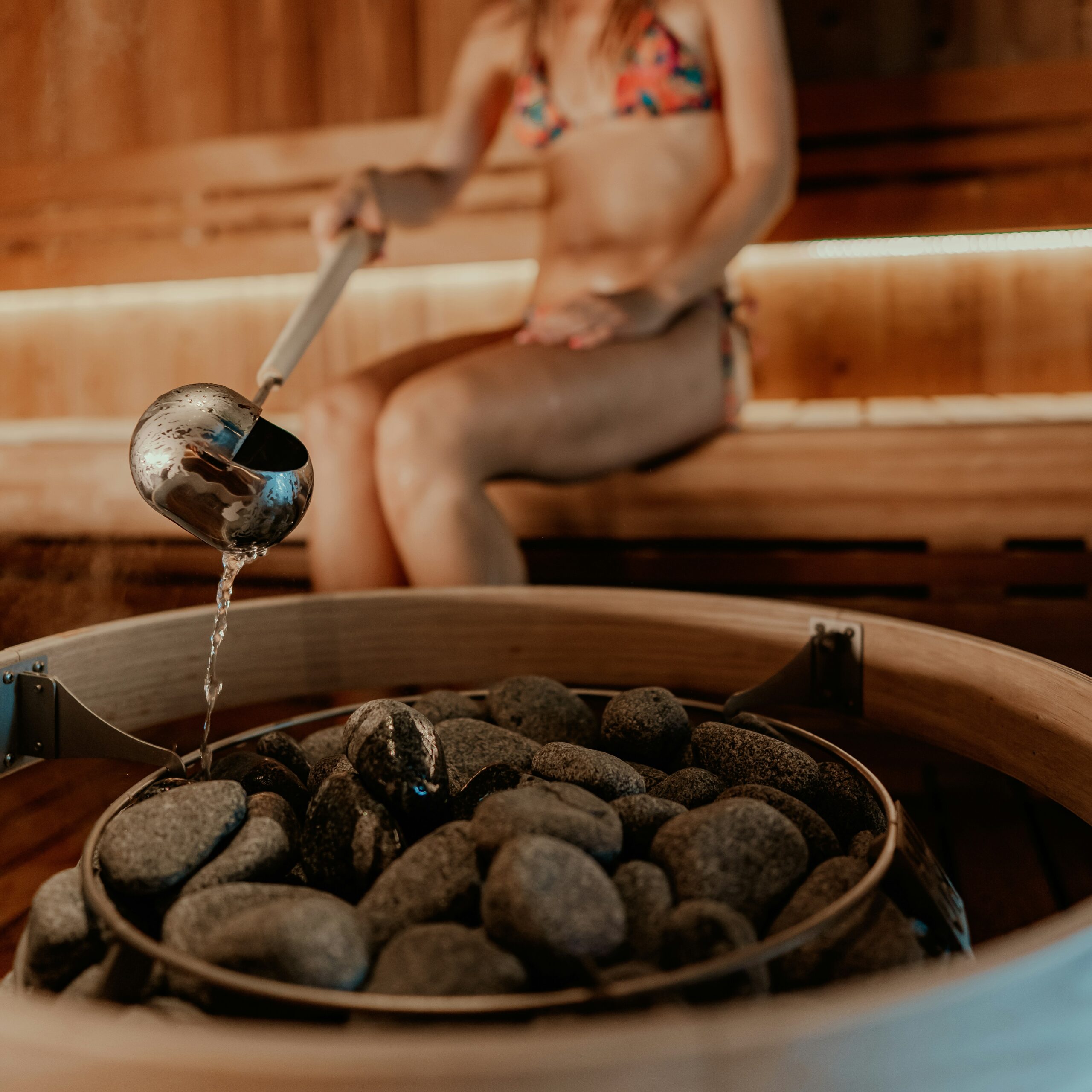
    Gentle stretching and light mobility exercises can reduce tension while enhancing flexibility. After spending hours in freezing conditions, some skiers also opt for saunas or warm baths to relax those sore muscles.

    Just remember that recovery routines don’t need to be intense. In a lot of cases, slower, more controlled movement works best after long-distance skiing sessions.

    Prioritize Quiet Evening Downtime

    After spending hours outdoors, packed schedules and busy nightlife sessions are not the answer. Calm, low-energy evenings are a much better fit. After all, recovery is not only physical. Mental relaxation is also important.

    Quiet evenings in your lodge or hotel room become part of the overall experience. While recovering indoors, some travelers read. Others watch films or enjoy light digital entertainment. The latter includes a flexible mobile platform like kanuuna.com. Kanuuna fits naturally into quieter moments because sessions can be short and casual. Whether you prefer action-packed slots or slower-paced card games, online casino play doesn’t demand too much attention after an exhausting day on the trails.

    Get Rest and Quality Sleep

    Sleep remains one of the most effective recovery tools available. Long skiing sessions put strain on muscles and energy reserves, and proper sleep gives the body time to repair itself naturally.

    Another advantage: a well-rested body is far better prepared for another full day of skiing. This is key for multi-day trips where consistent recovery is essential.

  • Subscription Review: Athletes for Yoga — Designed to Fit Into and Support and Athletic Lifestyle

    Subscription Review: Athletes for Yoga — Designed to Fit Into and Support and Athletic Lifestyle

    Erin Taylor, founder of Athletes for Yoga (A4Y), demonstrates a hip-opening pose. (Courtesy photo)

    My relationship with yoga is very one-sided. Though I do not consider it in any way lesser, I ignore it most of the year when considering my options for exercise, choosing primarily running or skiing instead. 

    Then something crops up. A switch from skiing back to running in the spring makes my hips and IT bands cranky, causing pain in my knee. A couple ankle rolls on a trail run fire up my peroneal tendon. My elbow isn’t pleased about double pole intervals on pavement. 

    As if I hadn’t cast it aside, yoga welcomes me back with open arms, helping me improve body awareness and stability, and increase overall mobility and structural resilience. 

    Though local studios offer a variety of excellent classes, I consistently turn to an online resource: Athletes for Yoga. Started in 2010 by Erin Taylor, former collegiate basketball player turned runner, Athletes for Yoga (A4Y) is a unique resource designed to complement and support an active lifestyle or serious training. 

    Her message is this: “Don’t do yoga. Use yoga — right now, where you are, to get where you want to be.”

    Stephanie Howe uses Athletes for Yoga to compliment her training as a professional mountain running athlete. (Courtesy photo) 

    Taylor has a true talent for teaching how to unlock tight muscle groups, access and recruit the correct muscle groups, and develop a better understanding of the relationship between muscle groups in the body. For me, A4Y has been an essential tool to feel, identify, and understand muscle imbalances and sources of injury,

    The robust A4Y video series, which can be viewed on a cell phone, tablet, or computer, includes routines designed for pre and post workout, strength and balance training, and collections specific to triathlon, running, cycling, pregnancy, and more. There are also resources to quickly relieve tightness in the hip flexors, neck, and shoulders from too much computer time during the COVID-induced work from home grind. Your body will thank you on your aprés workout.

    “Athletes for Yoga is home to the only athlete-led, on-demand yoga video platform and app, coach training, and global community of athletes using yoga to achieve their goals. We are here to help you use yoga, for real. That means putting yoga into the context of your sport and goals with functional strength, strategic injury prevention, and optimized recovery to make you a more balanced, resilient, and powerful athlete.”

    While longer videos are also available, most of the resources fall between 10-20 minutes, allowing them to fit comfortably into your day. 

    The A4Y resources I use most frequently include the “5-minute resets”. These videos target specific areas such as hips, hamstrings, or shoulders, quickly yet effectively increasing circulation and range of motion to improve recovery and mobility. Given their length, it doesn’t feel daunting to tack one on at the end of a run, ski, or gym session. There is also a pre-run warmup routine of equal length to activate the glutes and hamstrings, promoting healthy running mechanics. 

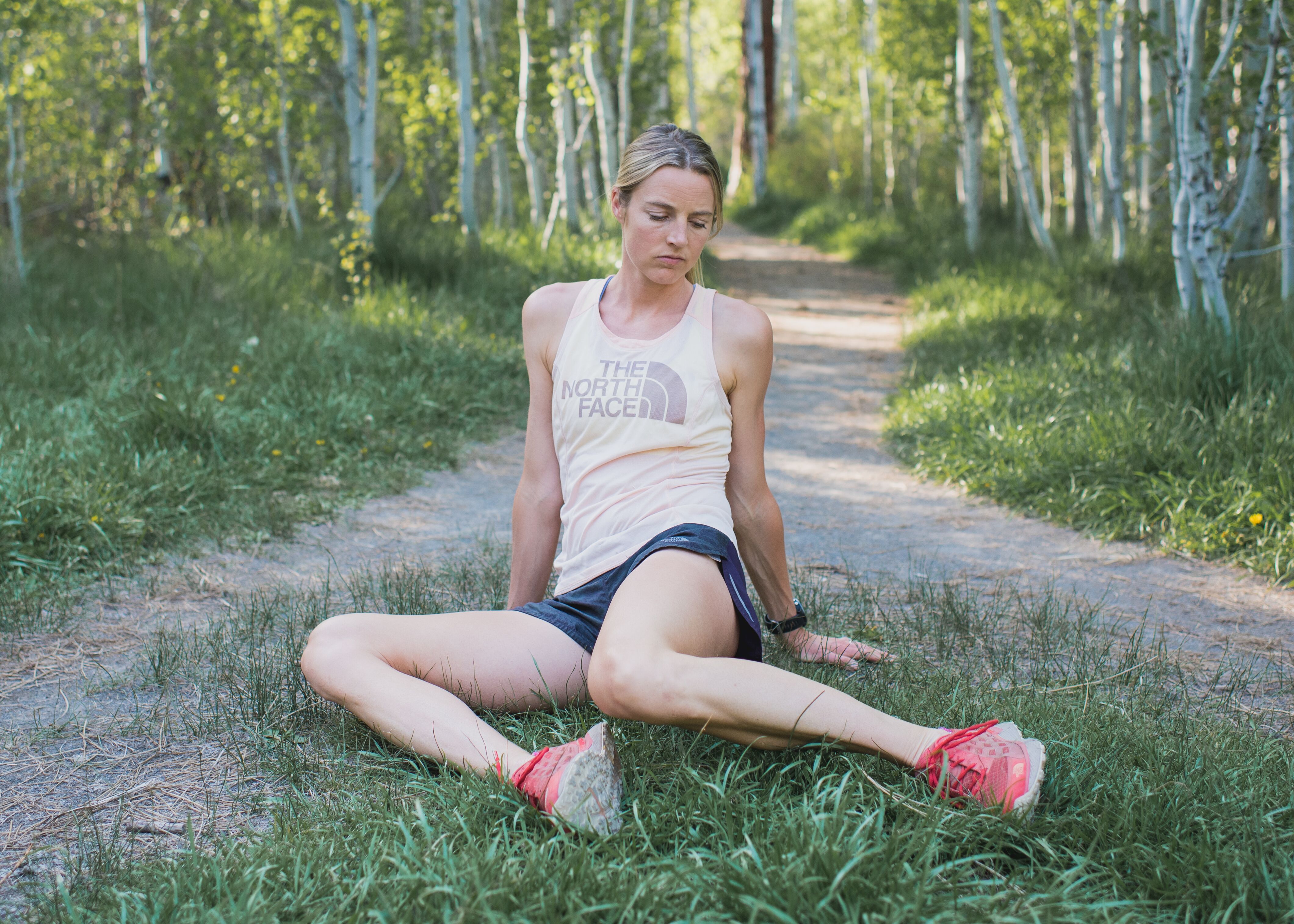
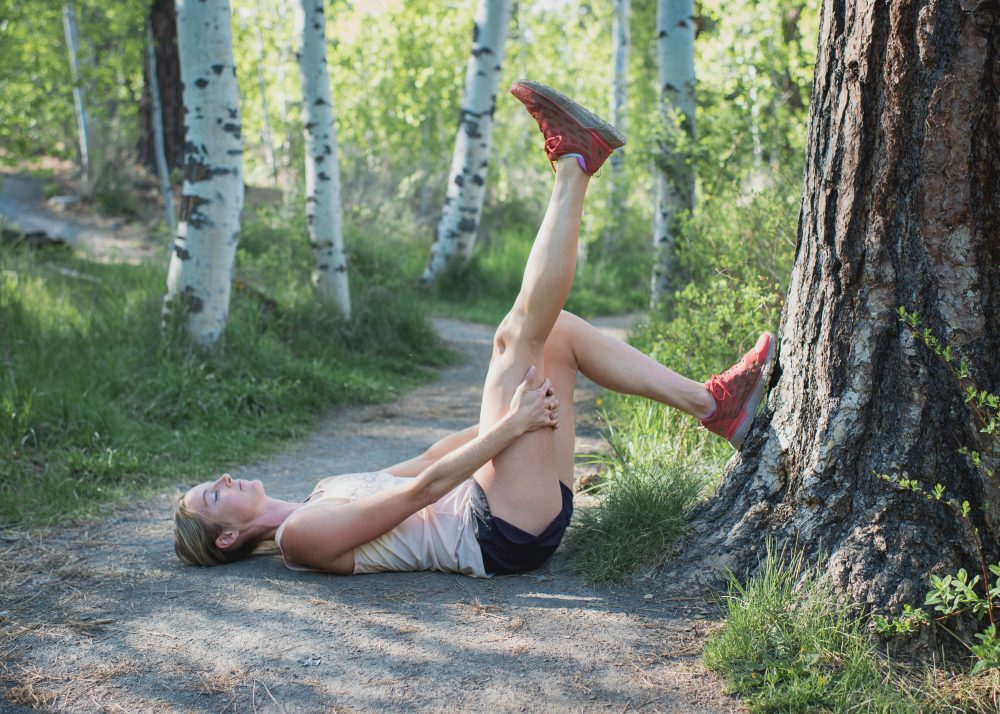
    Stephanie Howe works through Athletes for Yoga’s “Booty Lock Mitigation” routine, designed to reduce tightness and promote mobility in the hips. (Courtesy photo)

    When I have a bit more time, “Power Your Pushoff” (16 mins) is one of my go-to’s, which activates and strengthens the rear chain while mimicking the forward motion of running or skiing, adding power and stability to those movements. I also utilize “Booty Lock Mitigation” (19 mins) to loosen my hips after a workout, and “Standing Balance Flow” (10 mins) to improve body awareness for better glide on my skis. 

    “Full Body Core” and “Functional Core” are great strength training sessions that teach you to engage and develop inner core muscles, translating to improved strength and coordination in other activities. 

    If you’re looking to slow down, try the guided meditation series which includes specific practices to improve sleep, refocus, or visualize race performance. 

    For those averse to yoga, you may find A4Y challenges your presumptions. It is not “Yoga for Yogis”. You don’t need to wear Lululemon, drink golden milk lattes, or listen to Enya. The style is to the point and down to earth.

    A4Y serves all active people, male or female, regardless of sport. 

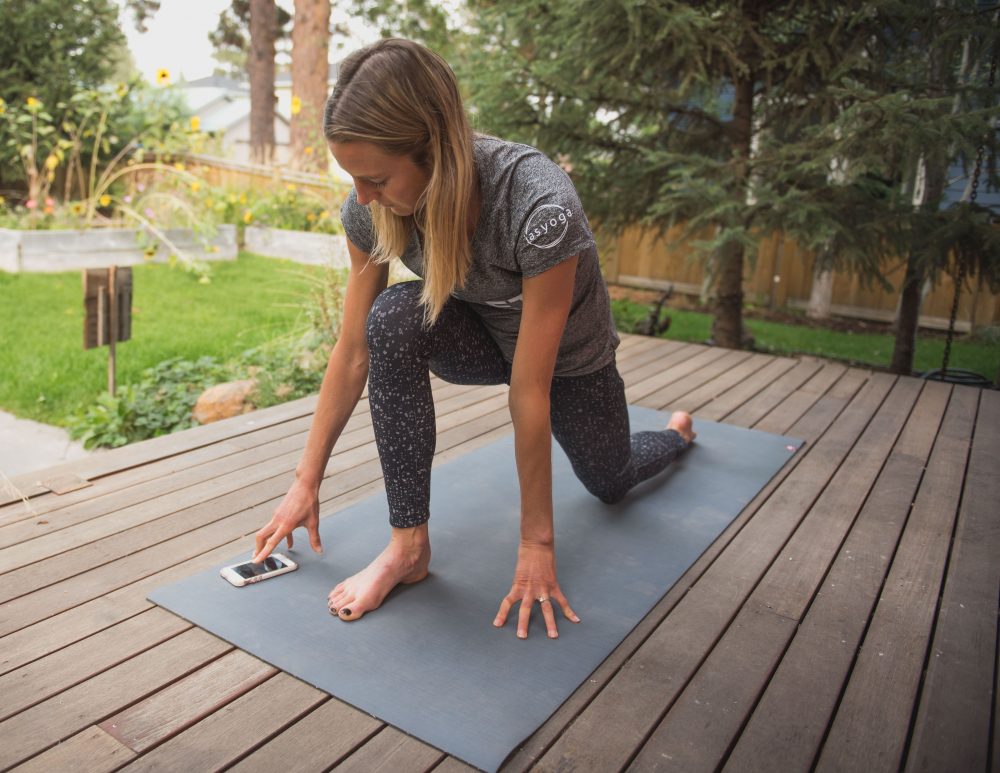
    No studio needed. Stephanie Howe, member of the Athletes for Yoga team, demonstrates the versatility of the A4Y resources. (Courtesy photo)

    To exemplify that athletes of all caliber have something to learn form Taylor’s approach, take a look at the list of athletes and alumni of the A4Y team, which includes Ironman Champion Ted Treise, professional track athlete Alysia Montaño, professional basketball player Desmond Simmons, and 4x national rowing champion Michaela Copenhaver

    In acknowledgement of the number of people currently looking for opportunities to exercise from home, A4Y is offering 50% off the first month with the code “HOMESTUDIO”, after which a subscription costs $9.99/month or $99.99/year. Subscriptions can be cancelled at any time. 

  • Wednesday Workout: Hoffman’s Personalized Plan to Ramp Up the Hours

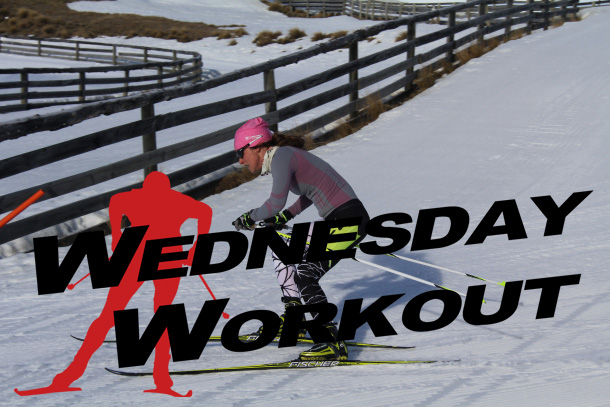
    Wednesday Workout: Hoffman’s Personalized Plan to Ramp Up the Hours

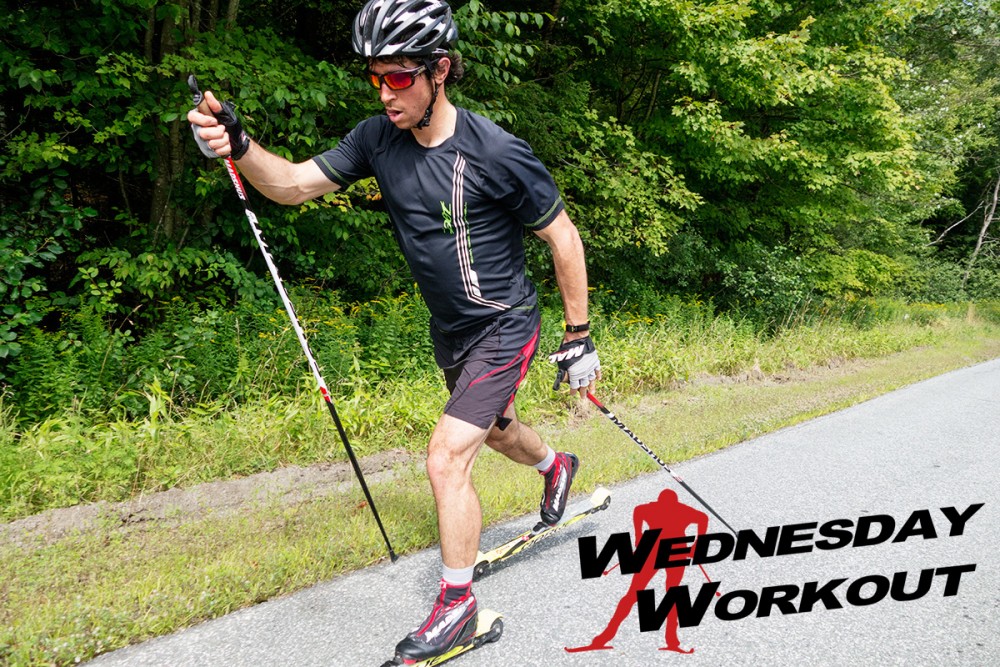
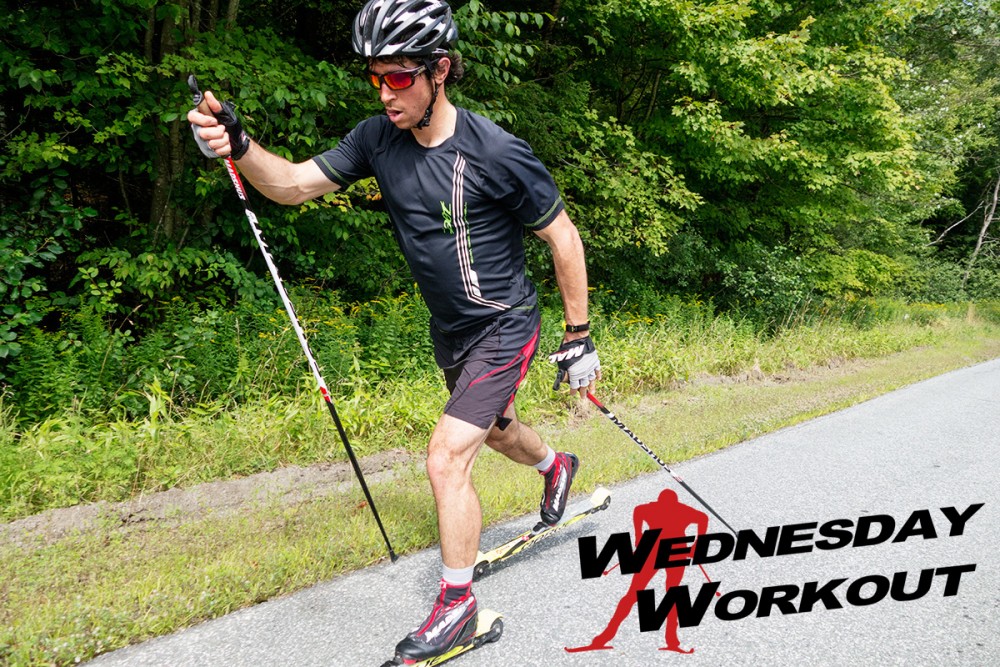
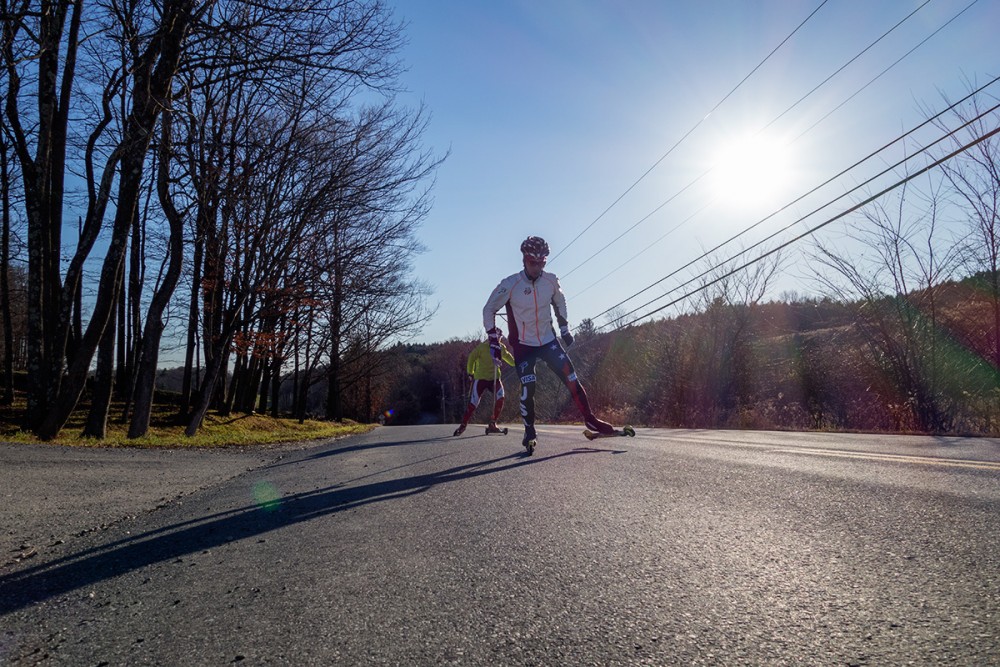
    U.S. Ski Team member Noah Hoffman striding on roller skis near Putney, VT. (Photo: Zach Caldwell)
    U.S. Ski Team member Noah Hoffman striding on roller skis near Putney, VT. (Photo: Zach Caldwell)

    Putting in the time to make it 1,000 hours. At 26 years old, that’s the volume U.S. Ski Team member Noah Hoffman has in store for his training year. 

    If you read Hoffman’s blog — which often details the nitty gritty of a World Cup athlete’s life — you’ve no doubt noticed he’s decided to do things differently this year. According to Hoffman’s 2015/2016 training log, he totaled 678 total hours.

    This training year his goal is 1,000 high-quality training hours.

    Zach Caldwell, Hoffman’s coach responsible for monitoring his recovery post-training, explained that his athlete is not making an extreme jump.

    We have to be clear, what he is biting off is not a whole new training load,” Caldwell said over the phone. “It’s reducing distractions, focusing on better continuity and holding the training pace at a level he is already shown an ability to tolerate and benefit from. So it’s not as though we took everything and bumped it up 20 percent or 30 percent, or whatever it ends up being. It’s not like we are asking a guy who can run eight-minute miles to go out and run six-minute miles.”

    According to both Hoffman and Caldwell, the junk hours added up last year. Below is a snapshot of what Hoffman wrote on his blog when explaining why some of his training was compromised as “limited” or “off”:

    “Missed, Compromised or Scheduled as Low Training Days

    – Off days in April: 25

    – Scheduled Off days for training (Summer and Winter): 15

    – Off Days or shortened Days due to “vacations” (Maggie’s wedding, fall desert trip, Quebec City and Davos “Break”): 11

    – Off Days or Compromised Training Days due to Travel: 36

    – Off days due to illness, injury or medical procedure: 1

    – Shortened training days due to technique work: 19

    – Days Limited to about an hour a day of training for posture project: 30

    Total Days limited or off for all above reasons: 137 (37% of all days in the year)

    So how exactly will Hoffman bump up the hours?

    Over the summer, he will log big days both running and rollerskiing. Hoffman said in a podcast interview  (to be posted on FasterSkier at a later date) that the big days are in fact not getting any bigger. The majority of the hours increase is gained through eliminating the junk days, the compromised training.

    “What he is biting off is not a whole new training load … It’s not like we are asking a guy who can run eight-minute miles to go out and run six-minute miles.” — Zach Caldwell on the planned jump in Noah Hoffman’s training hours

    This past Monday, Hoffman began a two-week training block during which he’ll total approximately 53 hours.

    Basically, Hoffman organized those two weeks into 3 x 4-day mini blocks. The mini blocks consist of 3 x 5-hour days in succession, followed by a two-hour “recovery” day. The final mini block of five-hour days — days 9, 10, and 11 — ends with a rest day sandwiched between two recovery days — those are days 12, 13, and 14. Hoffman plans to repeat the two-week training cycles for the remainder of the summer months.

    The following “Wednesday Workout” features Day 1 of Hoffman’s most recent two-week block:

    – Yoga (15 minutes) followed by an approximately 30-minute strength workout done at home.

    – Strength (30-40 minutes):

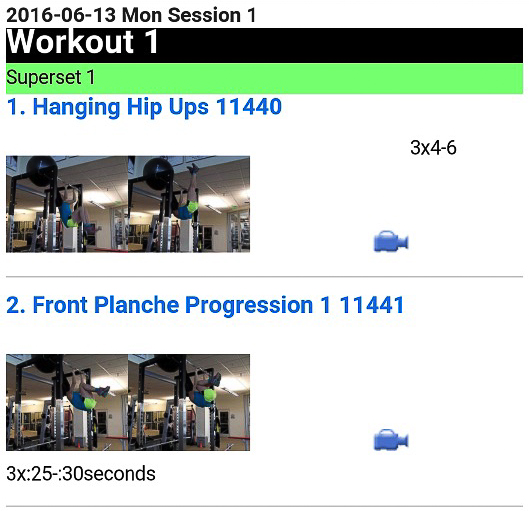
    1. Hanging Hip Ups 3 x 4-6
    2. Front Planche Progression 3 x 25-30 seconds
    Noah Hoffman Strength Exercises 1 & 2. (Photo: Noah Hoffman)
    Strength exercises 1 & 2
    (Courtesy photo)


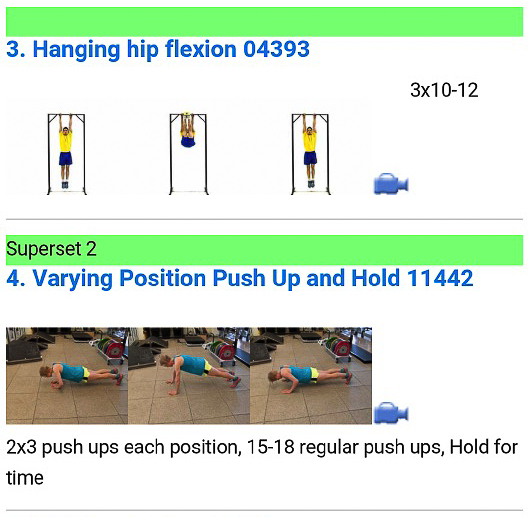
    3. Hanging Hip Flexion 3 x 10-12

    4. Varying Push Ups 2 x 3 push ups (varying push Up and hold) + 15-18 regular push ups, hold for time

    Noah Hoffman Strength Exercises 3 & 4. (Photo: Noah Hoffman)
    Strength exercises 3 & 4


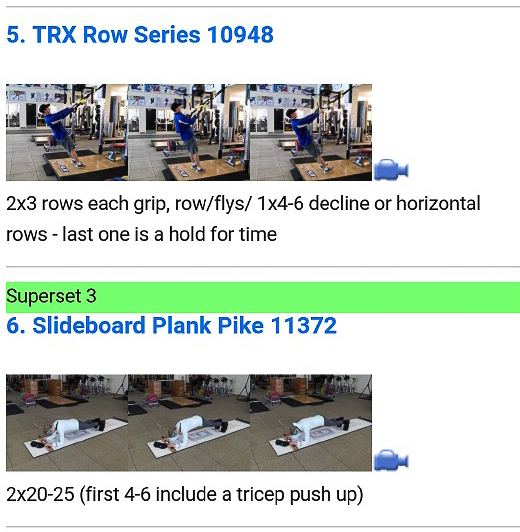
    5. TRX Row Series 2 x 3 rows each grip, rows/flys / 1 x 4-6 decline or horizontal rows – last one is a hold for time

    6. Slideboard Plank Pike 2 x 20-25 (first 4-6- include tricep push up)

    Noah Hoffman Strength Exercises 5 & 6. (Photo: Noah Hoffman)
    Strength exercises 5 & 6

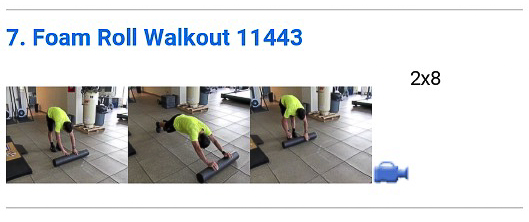
    7. Foam Roll Walkout

    Noah Hoffman Strength Exercise # 7. (Photo: Noah Hoffman)
    Noah Hoffman Strength Exercise # 7. (Photo: Noah Hoffman)

    – Then it’s onto a morning-distance trail run: 3 hours at Level 1

    – Followed by an afternoon/early evening-distance rollerski: Double pole for 2 hours at Level 1

    Hoffman explained that his pace for the big five-hour days is controlled and at the slow end of the effort spectrum.

    “Level 1. All the distance will be at Level 1, both the run and the double pole,” he said.  “Which for me is 110 to 130 beats per minute running on mountain terrain. And average double poling, it’s 11 mph for me on my average speed. That’s all very arbitrary, I do enough Level 1 training that I know the paces by heart rate and by speed.”

    If you are curious how the effort compares on his recovery days, here’s the details.

    “I would say that the pace for those sessions should be lower,” he said. “It should be a recovery focused pace to play into the theme of the day. If anything it would be the low end of Level 1, although my Level 1 range is 110 to 130, and that’s a pretty big range … And the theme I have for the summer versus the winter is I train more in the summer than most of my teammates and less in the winter than most of my teammates. I really believe that for me it works well that the high stuff to be high and the low stuff to be low and that goes on a day to day basis, and on a seasonal basis.”

    As with any athlete making jumps in their training hours, Hoffman is no different in terms of keeping things tempered and being mindful of the race season many months away.

    To accrue his increased high-quality load, Hoffman will have fewer of what Caldwell calls “circuit breakers.” Ensuring that Hoffman is benefitting from his increased hours and not breaking down is one of Caldwell’s primary jobs.

    “The big concern, without those circuit breakers if you will — I have always thought of those breaks as being a little bit like circuit breakers, an opportunity for some physical recovery and a shift of load,” Caldwell said. “The big challenge without those circuit breakers is to manage the accumulation of load, and to make sure he is benefiting from the training. And we are principally using Firstbeat Systems to do heart rate variability analysis of his overnight sleep recovery.”

    Over the summer, Caldwell said he’ll focus on Hoffman’s longer-term recovery trends, which he’ll keep a close eye on after each of his two-week training blocks.

    “Coming out of that we want to see evidence that over those two weeks he is putting up improved recovery scores from before,” he said. “It doesn’t happen to be any one test, we just want to see the the overall trajectory be positive at this time of year. As he gets closer to competition season, we want to see more of a daily response. We want to tighten the timeline on that recovery. But what we are not willing to do is do bank 12 weeks of training against the promise of some future response without seeing a response during that time frame. We are not doing it based on faith.”

    U.S. Ski Team member Noah Hoffman skate roller skiing near Putney, VT. (Photo: Zach Caldwell)
    U.S. Ski Team member Noah Hoffman skate rollerskiing near Putney, Vt. (Photo: Zach Caldwell)
  • Wednesday Workout: Throwback Yoga with Frédérique Vézina

    Wednesday Workout: Throwback Yoga with Frédérique Vézina

    Frederique Vezina training at the Snow Farm in New Zealand last summer. Off snow, she uses yoga to recover. (Courtesy photo)
    Frédérique Vézina training at the Snow Farm in New Zealand in 2012. Off snow, she uses yoga to recover. (Photo: Frédérque Vézina)

    This week we revisit a 2013 workout from former Canadian National Junior Development Team skier Frédérique Vézina who wrote about her favorite recovery activity –  yoga. The stretching, strengthening, and relaxation of yoga practice can be an excellent addition to any training routine, and is one that is often ignored. 

    ***

    Yoga training can be as important as the most hardcore interval sessions if you get yourself into it. It isn’t always easy and can be a real challenge.

    I was a little skeptical and thought I was wasting my time when my coach first introduced me to yoga some years ago. But relaxing is part of training and is mandatory to achieve top notch recovery. Yoga is now my favorite recovery activity.

    If you have thought of yoga as soft, I welcome you to one of our modified sessions that our CNEPH coach and physical trainer Charles Castonguay specifically prepared for us. Let me tell you, it’s not for softies! Ask the boys of my team and the few braves that sometimes join us. Yoga is good at any time of the year and can be used not only to relax, but to strengthen.

    The Workout: Yoga, cross-country skiing oriented

    Warmup: Our usual sessions start with light stretching and some elementary yoga: Child’s PoseUpward-and Downward-Facing Dog.

    Then things start to slowly increase in difficulty when we move into the Chair pose, the Eagle pose and the various Warrior poses. (If this sounds like Chinese to you, for more information and photos, check out yogajournal.com)

    As if doing yoga wasn’t enough body contortions, Charles adds some movements to the positions to strengthen up our core and small muscles that we didn’t even know existed. We do positions such as the Full BoatCraneHeadstandPeacock, and Upward Plank!

    They hurt and make you sweat without moving much – just staying over your tiny mat. It is a perfect way to relieve the bad toxins out of your body after a large training and helps your muscles relax in a way you couldn’t even imagine.

    Cool down: By the end of a 45-60 minute session, the last pose – the Corpse – is one of total relaxation: you just lay there, and it is one of the most challenging. You have to meditate to only focus on your breathing, to live in the moment, and forget everything else, EVERYTHING! It’s just you and your breathing for the five most relaxing minutes.

    After the session, your body feels lighter and stronger; it provides a great relaxed sensation.

    The effects: Yoga poses and contortions are also excellent ways to stretch your muscles which can diminish your chances of acquiring injuries throughout your training and racing season. It also helps increases the circulation of the lymphatic system, ideal during the flu season!

    Yoga is a mindfulness-based stress reduction that benefits your strength, flexibility, and immune system. It is also a great getaway from studying, racing, working or anything else by bringing us balance! It is important to remember that it takes a lot of practice to become flexible as shown on the nicest photos we can see. That is what makes the challenge even more fun and another reason why I like it. After all, it’s all about improvements!

    — Stephanie Drolet contributed reporting

  • Wednesday Workout: Yoga with Frédérique Vézina

    Wednesday Workout: Yoga with Frédérique Vézina

    Frederique Vezina training at the Snow Farm in New Zealand last summer. Off snow, she uses yoga to recover. (Courtesy photo)
    Frederique Vezina training at the Snow Farm in New Zealand last summer. Off snow, she uses yoga to recover. (Courtesy photo)

    This week, Canadian National Junior Development Team skier Frédérique Vézina, who trains with the Pierre-Harvey Training Centre in Quebec, writes about her favourite recovery activity –  yoga — and admits she was a sceptic at first.

    ***

    Yoga training can be as important as the most hardcore interval sessions if you get yourself into it. It isn’t always easy and can be a real challenge.

    I was a little skeptical and thought I was wasting my time when my coach first introduced me to yoga some years ago. But relaxing is part of training and is mandatory to achieve top notch recovery. Yoga is now my favorite recovery activity.

    If you have thought of yoga as soft, I welcome you to one of our modified sessions that our CNEPH coach and physical trainer Charles Castonguay specifically prepared for us. Let me tell you, it’s not for softies! Ask the boys of my team and the few braves that sometimes join us. Yoga is good at any time of the year and can be used not only to relax, but to strengthen.

    The Workout: Yoga, cross-country skiing oriented

    Warmup: Our usual sessions start with light stretching and some elementary yoga: Child’s Pose, Upward-and Downward-Facing Dog.

    Then things start to slowly increase in difficulty when we move into the Chair pose, the Eagle pose and the various Warrior poses. (If this sounds like Chinese to you, for more information and photos, check out yogajournal.com)

    As if doing yoga wasn’t enough body contortions, Charles adds some movements to the positions to strengthen up our core and small muscles that we didn’t even know existed. We do positions such as the Full Boat, Crane, Headstand, Peacock, and Upward Plank!

    They hurt and make you sweat without moving much – just staying over your tiny mattress. It is a perfect way to relieve the bad toxins out of your body after a large training and helps your muscles relax in a way you couldn’t even imagine.

    Cool down: By the end of a 45-60 minute session, the last pose – the Corpse – is one of total relaxation: you just lay there, and it is one of the most challenging. You have to meditate to only focus on your breathing, to live in the moment, and forget everything else, EVERYTHING! It’s just you and your breathing for the five most relaxing minutes.

    After the session, your body feels lighter and stronger; it provides a great relaxed sensation.

    The effects: Yoga poses and contortions are also excellent ways to stretch your muscles which can diminish your chances of acquiring injuries throughout your training and racing season. It also helps increases the circulation of the lymphatic system, ideal during the flu season!

    Yoga is a mindfulness-based stress reduction that benefits your strength, flexibility, and immune system. It is also a great getaway from studying, racing, working or anything else by bringing us balance! It is important to remember that it takes a lot of practice to become flexible as shown on the nicest photos we can see. That is what makes the challenge even more fun and another reason why I like it. After all, it’s all about improvements!

    — Stephanie Drolet contributed reporting

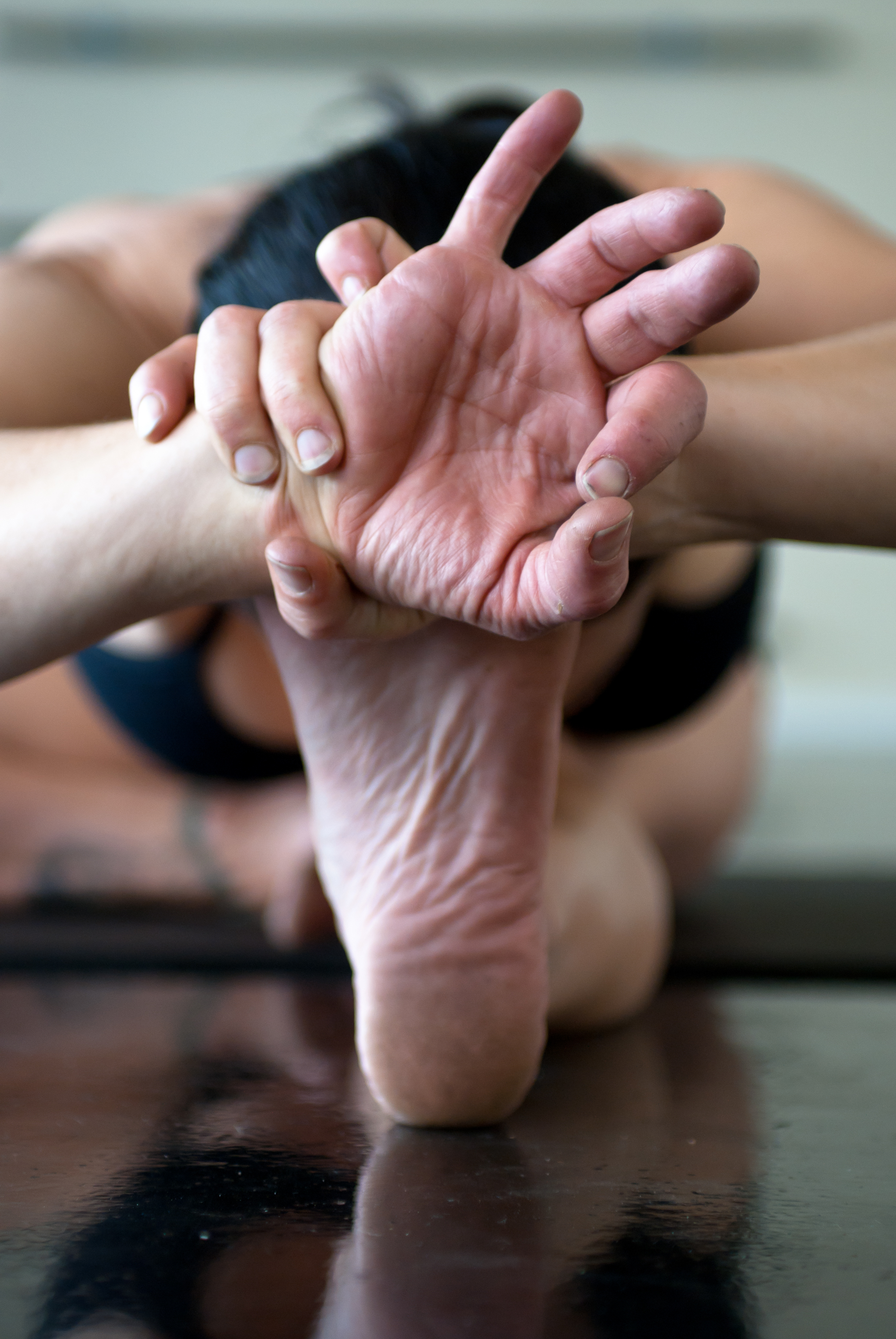
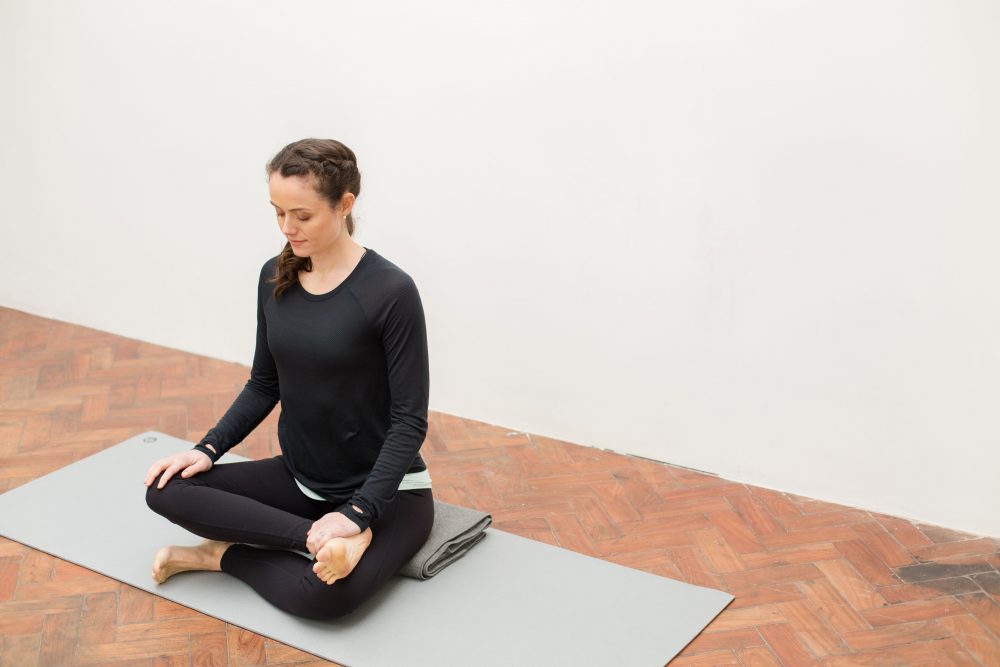
    Yoga, good for the mind, body and soul http://commons.wikimedia.org/wiki/File:Antoinette_08.jpg
    Yoga, good for the mind, body and soul (Photo: Wikimedia Commons)