Author: Press Release

  • Cross-Country Skiing: Why It Is Worth Discovering This Sport

    Cross-Country Skiing: Why It Is Worth Discovering This Sport

    Our lives today are filled with stress and tension. In addition, most people spend a lot of time sitting, which negatively affects their health. This proves that we should by no means ignore sports, as it is not only good for our physical form but also for our emotional well-being. Popular today are running, gymnastics, stretching, and gym workouts. However, we should not forget about cross-country skiing. It is becoming more and more popular today, as it is a great way to relax and reconnect with nature. In this article, we will tell you about the benefits of cross-country skiing, as well as give you some tips on how to choose skis to make you feel comfortable.

    Cross-Country Skiing: How It All Works

    First, it is important to note that cross-country skis are designed to travel on flat terrain by utilizing the skier’s energy. There are several categories of cross-country skis, the most popular of which are classic skis, skate skis, and combination skis.

    Classic skating style: You push off with the middle part of the ski. During pushing off, the middle part of the ski presses against the snow and clings to it. This is done by means of a pile insert, a special ointment, or a notch.

    Skate style of skating. Here, the main pushing force comes from the middle of the toe and the hill of the ski. It is also worth noting that skate skis are much stiffer than classic skis. Keep in mind that if you try to ski in the classic style on a skate ski, you will constantly slip backwards when you try to push off.

    Combination skis. This option is suitable for those who can’t decide on their skating style, as they are suitable for both styles. As for the appearance, these skis are more like skate skis, but at the same time, their pads are quite soft and can be pressed down to the snow. It is a great compromise to start with, but once you have decided on the style, it’s better to choose one of the previous options. The thing is that these skis don’t glide very well and have less stability.
    Benefits of Cross-Country Skiing

    We live in a digital world and spend a lot of time online. This applies not only to work, but also to leisure time. For example, many people choose online casino games or California online sports betting as a good option to distract themselves and get new emotions. Today, there are many bookmakers that provide a huge selection of sports on which you can bet. However, don’t forget that in the offline world, there are also many options for distraction, and a good choice is to find a balance between online and offline activities.

    Cross-country skiing is a great option for winter, when the choice of outdoor activities is much more limited than in summer. Don’t forget that spending time outdoors in winter is very good for your health. First of all, it is an accessible sport that has no age restrictions. But that’s where the benefits only begin, and we will reveal much more below.

    No shock to the body. Compared to jogging or even walking, cross-country skiing puts much less stress on the knee and hip joints, which also has a positive effect on the spine.

    A great option for an active outdoor activity alone or with your family. If you were planning to spend your free time with your family this weekend, it is time to combine the pleasant with the useful. For example, you can go cross-country skiing in the forest. It will be not only a pleasant physical activity but also a breath of fresh air in both a literal and figurative sense.

    High-quality workout of all muscle groups. Cross-country skiing can replace a full-fledged leg workout in the gym. It involves the gluteus maximus, posterior thigh, quadriceps, calf muscles, and even the foot muscles. In addition, the muscles of the shoulder girdle, arms, abdomen, chest, and back are put to work together.

    It has positive effects on the body’s overall performance. These include normalizing blood pressure, improving respiratory and cardiovascular function, strengthening immunity, and increasing metabolism.
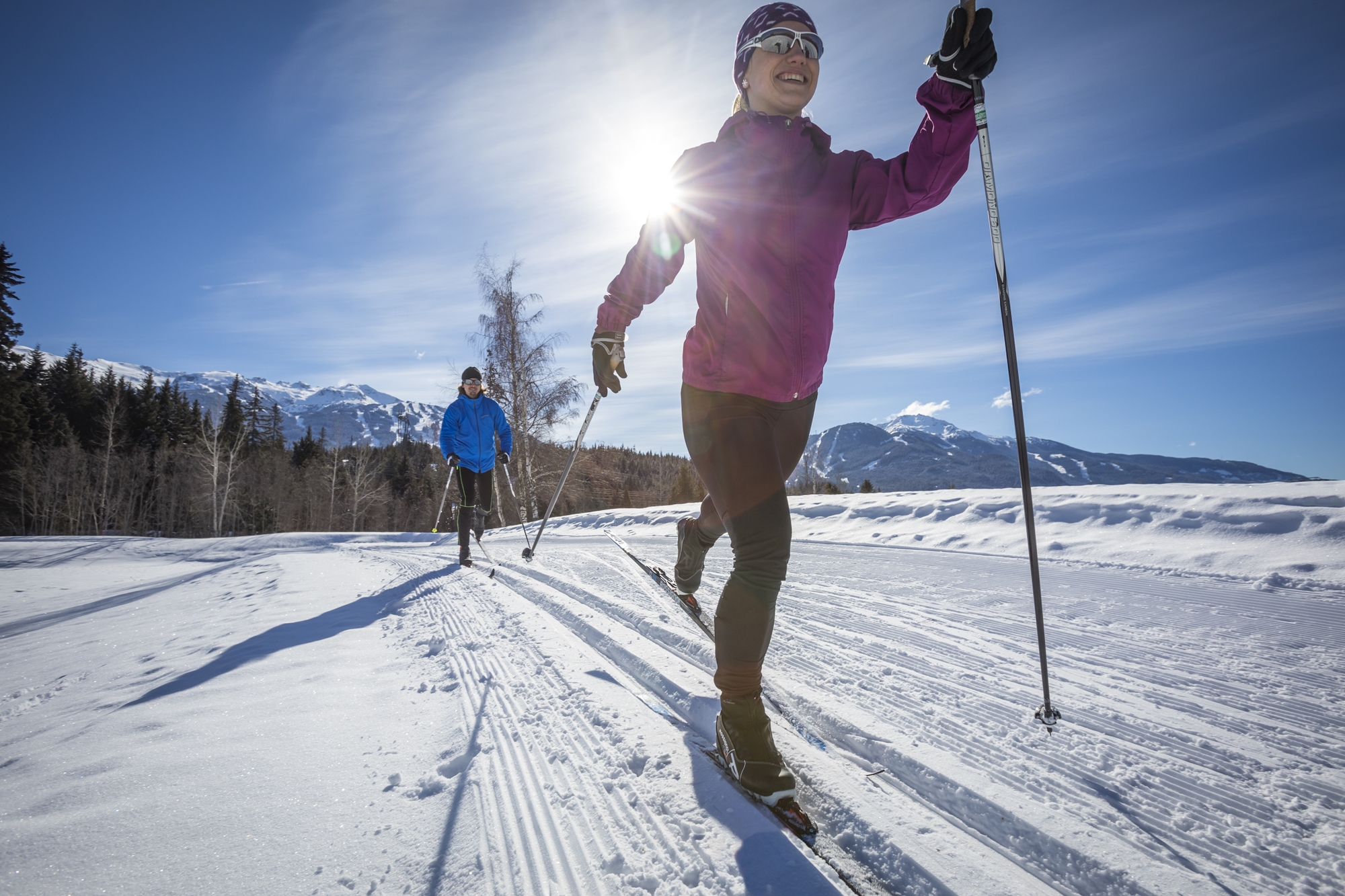
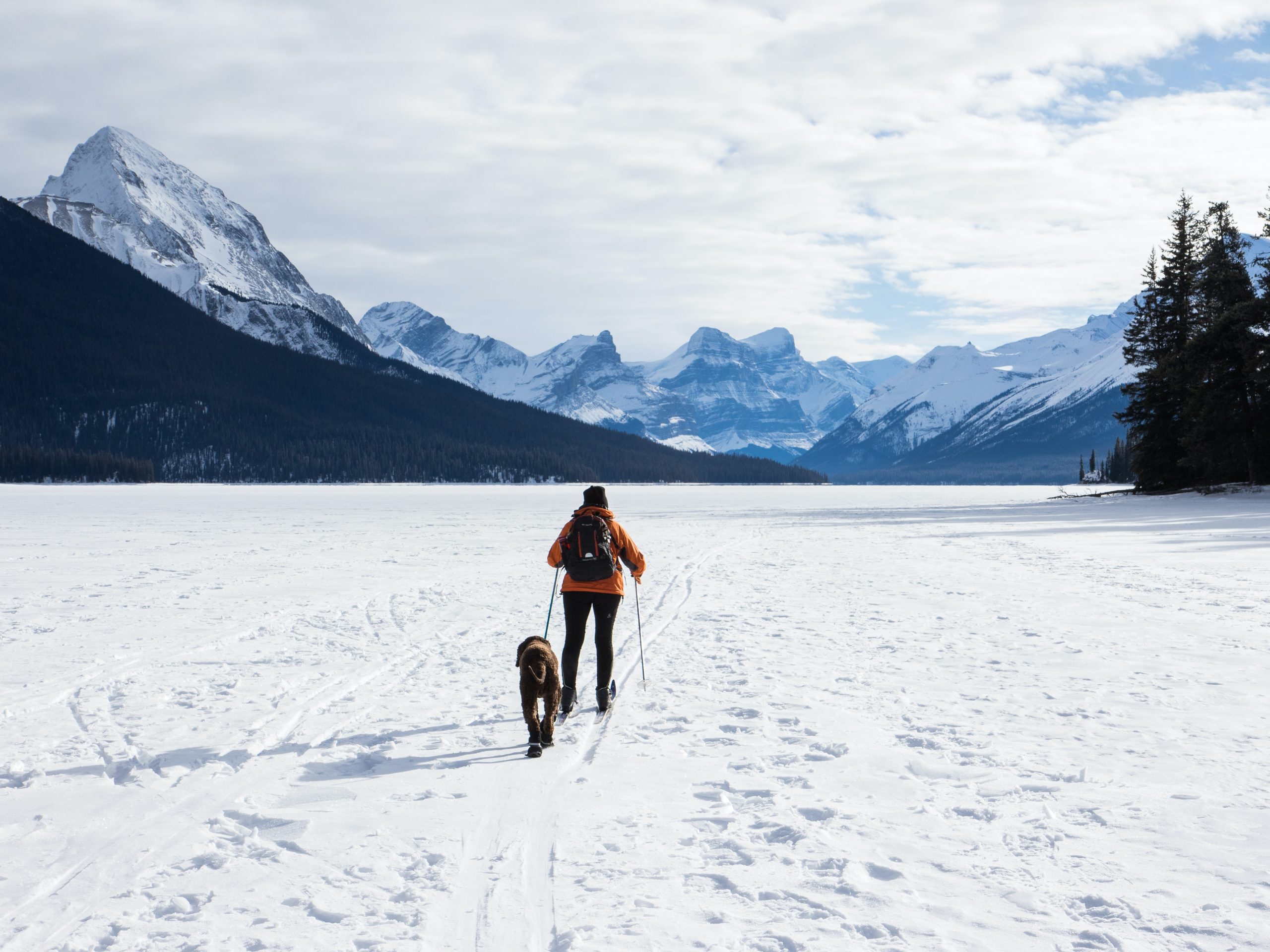
    Photo: Tourism Whistler

    How to Choose a Cross-Country Ski: All You Need to Know

    The right cross-country skis are the key to a successful skiing experience. It is worth noting that almost all modern models are made of plastic, synthetic, and composite materials with the use of carbon fiber.

    There are three main aspects to consider when choosing a cross-country ski: height, weight, and preferred style of skiing. If you are going to buy classic cross-country skis, you should add 20-30 cm to your height, and this will be the ideal length of your skis. In the case of skate skis, you will need to add 10-15 cm.

    In addition to the skis themselves, you should also pay attention to the choice of thermal clothing which will provide you with comfort and sufficient warmth.

    Recreational classic. (Photo: Phillip Belena)

    Final Thoughts

    Cross-country skiing is a great sport for absolutely everyone, even those who have spent their whole lives thinking that it is not for them. Just try it, and it will definitely become your new hobby. It is a great option for improving your shape, hardening yourself, and relaxing both physically and mentally.

  • Dan and John Egan Hall of Fame Class of 2016

    Dan and John Egan Hall of Fame Class of 2016

    Dan and John Egan, known as the “Egan Brothers,” are legendary figures in the world of extreme skiing. Their daring feats in backcountry terrain and their contributions to ski culture earned them a well-deserved induction into the U.S. Ski and Snowboard Hall of Fame in 2016.

    From their roots in Massachusetts to conquering some of the most challenging terrains in the world, the Egan Brothers left an undeniable mark on the sport. Their legacy extends beyond their own careers, inspiring future generations of skiers with their fearless approach and dedication to pushing the limits of skiing.

    Hailing From Boston: The Egan Brothers’ Beginnings

    Dan and John Egan grew up in the Boston area, where they developed an early love for skiing. Their passion led them to explore the mountains of New England before venturing into extreme skiing. Despite coming from a region not traditionally known for producing elite big-mountain skiers, they carved out a name for themselves through sheer determination and an adventurous spirit.

    The Egan Brothers’ journey into the world of extreme skiing began when they started taking on more daring descents in the backcountry. Their talent and fearlessness quickly set them apart, catching the attention of the skiing community and filmmakers eager to capture their bold exploits.

    Revolutionizing Extreme Skiing

    Dan and John Egan became household names in skiing through their numerous appearances in Warren Miller films. Their performances showcased their skill and fearlessness, drawing massive audiences who marveled at their ability to conquer uncharted and perilous terrain. The exposure from these films solidified their reputation as pioneers in the sport.

    Unlike many skiers who stuck to known resorts and controlled environments, the Egan Brothers sought out the most dangerous and untouched mountains in the world. Their adventures often took them to isolated locations, where they skied in conditions that few would dare attempt.

    Historic First Descents and Global Adventures

    One of their most famous feats came when they became among the first to ski down the Berlin Wall. This moment was not just about skiing—it symbolized adventure, risk-taking, and being part of history in a way that transcended sports.

    The Egan Brothers’ willingness to go anywhere for their passion was evident when they skied beside the Persian Gulf during the Gulf War. While others sought safety, they pushed boundaries, showing that skiing had no limits when it came to location or circumstances.


    Dan and John Egan’s Impact on the Skiing Community

    Through their films, stories, and public appearances, Dan and John Egan inspired countless skiers to embrace the challenge of extreme terrain. They redefined what was possible in the sport and set new standards for adventure skiing.

    From starring in iconic Warren Miller films to making first descents in the world’s most challenging terrains, Dan and John Egan helped shape the landscape of modern skiing. Their 2016 induction into the U.S. Ski and Snowboard Hall of Fame solidified their influence in the sport. Fans of ski history and sports innovation can explore options to learn more about their legacy and other sports from Massachusetts.


    Recognition in the U.S. Ski and Snowboard Hall of Fame

    Dan and John Egan’s incredible contributions to the sport were formally recognized in 2016 when they were inducted into the U.S. Ski and Snowboard Hall of Fame. This honor cemented their legacy as two of the most influential figures in extreme skiing history.

    Their induction was not just about personal achievement—it was a reflection of their impact on the skiing world. Fellow athletes, fans, and industry professionals all celebrated their inclusion in the Hall of Fame, recognizing their role in shaping the future of extreme skiing.

    Blue Hills Ski Area’s Tribute to the Egan Family

    In 2023, the Blue Hills Ski Area in Canton, Massachusetts, honored the Egan family with a permanent sign in their base lodge. This tribute acknowledged their remarkable careers and their contributions to skiing, particularly in their home region.

    The tribute at Blue Hills also specifically celebrated their 2016 Hall of Fame induction. By placing their names in a location where future skiers can see and learn about their accomplishments, Blue Hills Ski Area ensured that their story remains an inspiration for generations to come.


    The Enduring Legacy of Dan and John Egan

    The style of skiing that the Egan Brothers pioneered continues to influence the sport today. The fearless approach they demonstrated in the 1980s and 1990s paved the way for modern extreme skiers, who continue to push boundaries in even more dangerous and technical terrain.

    The impact of Dan and John Egan is still felt throughout the skiing world. Whether through their legendary film appearances, their historic first descents, or the continued reverence they receive from the skiing community, their legacy is secure as two of the greatest figures to ever take on extreme terrain.

  • Leaders of the Current Cross-Country Skiing Season

    Leaders of the Current Cross-Country Skiing Season

    The cross-country skiing 2025 season is in full swing, and fans of this sport follow competitions with bated breath. Many thrilling contests await us shortly, but some athletes have already demonstrated exceptional performance and are rightfully considered industry leaders. Top contenders from Norway, Sweden, and other countries continue battling for the champion’s title, and the level of competition is increasing. Let’s discover the top-rated athletes who are changing the cross-skiing industry landscape right now and are projected to show even more success soon.

    Johannes Høsflot Klæbo

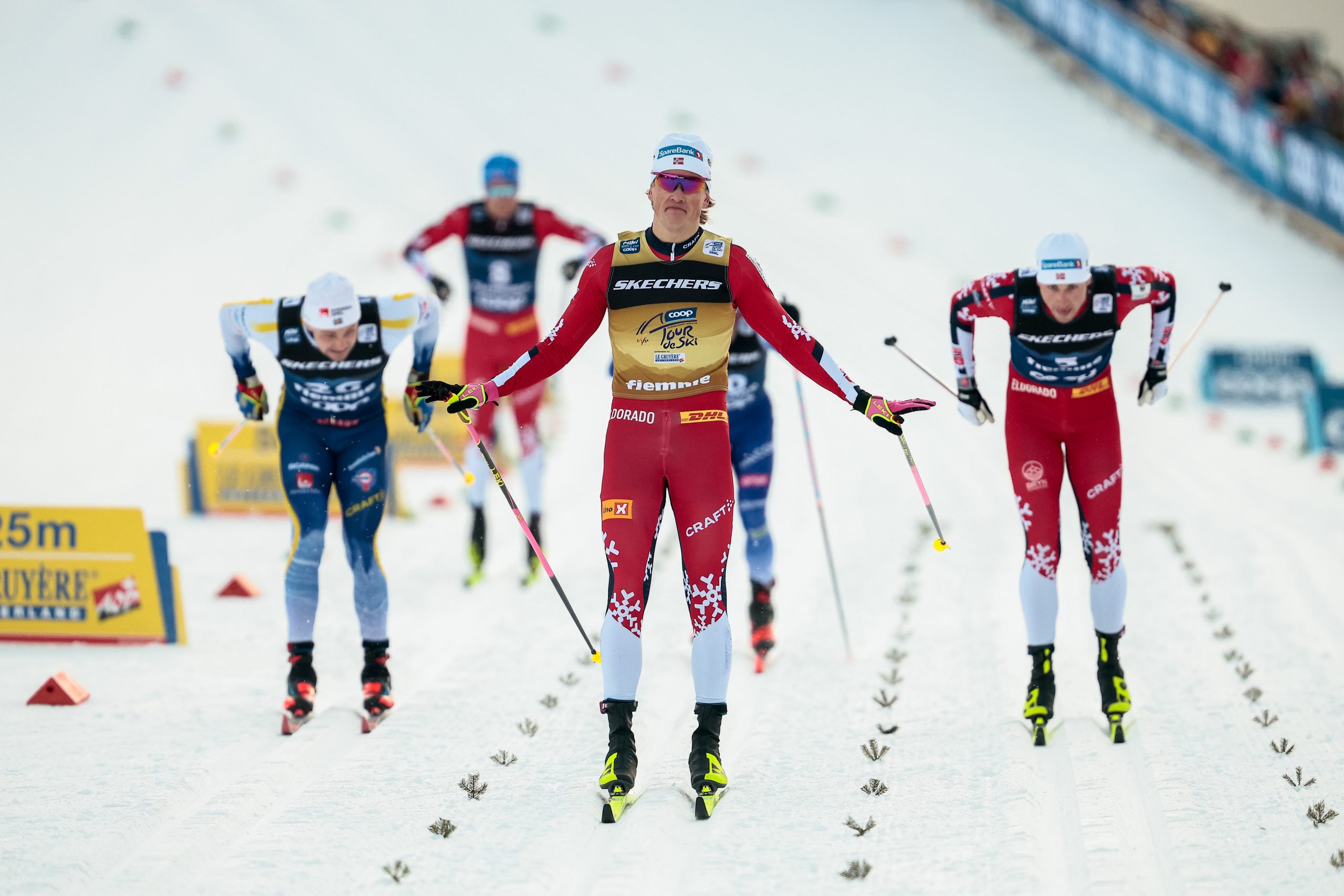
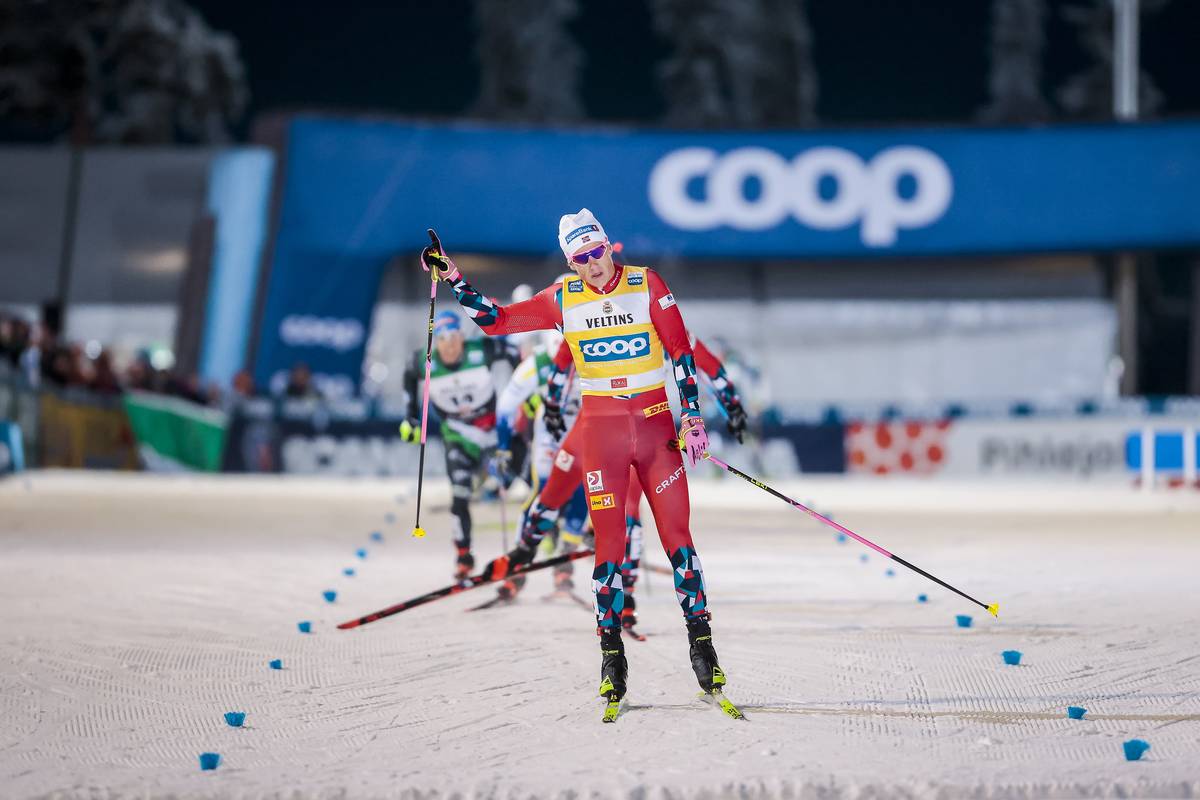
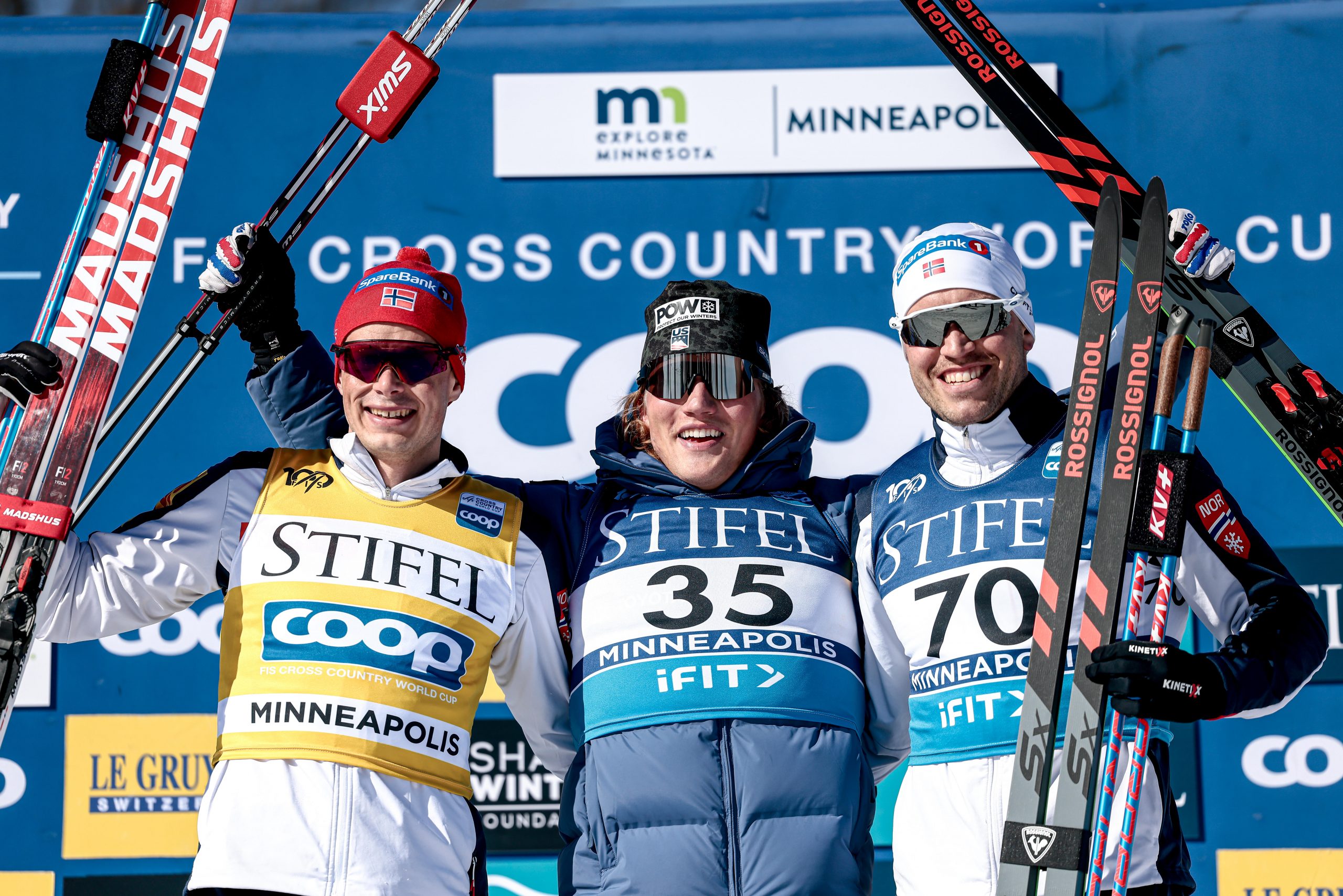
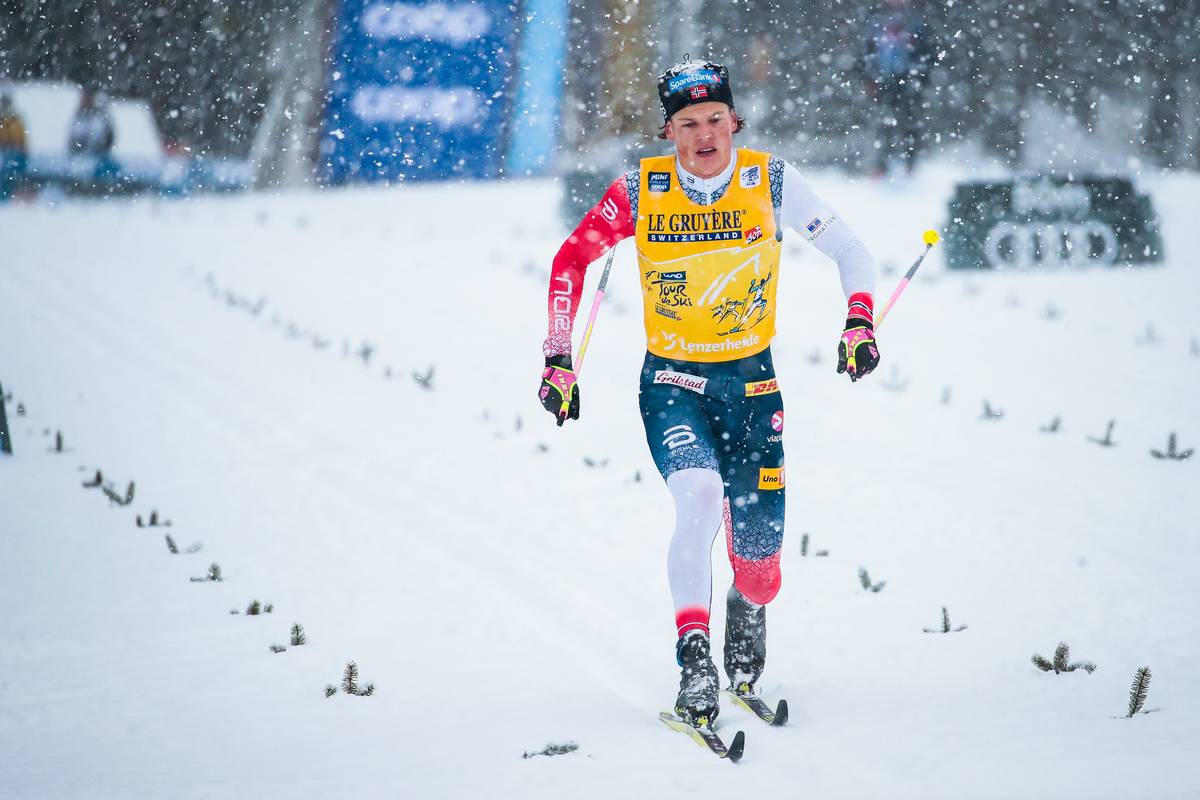
    Johannes Hoesflot Klaebo (NOR) crosses the line in his signature style, with Marcus Grate (SWE) on the left and Erik Valnes (NOR) on the right fighting to round out the podium. (Photo: NordicFocus)

    The Norwegian athlete once again proved his talents and reputation during the 2024/25 season. Johannes Høsflot Klæbo demonstrated a perfect blend of endurance, speed, and technical skills and continues to be one of the leaders in the men’s division. His unique ability to adapt to different conditions brought him wins in the 2024 Tour de Ski in November and multiple podium finishes in the World Cup.

    All these successes attract sports lovers and betting enthusiasts: punters opting for niche disciplines on non-GamStop gambling sites can find lucrative odds on Klæbo’s victories. The athlete has recently won the 20km Skiathlon Classic/Free in Val di Fiemme and is not going to stop on this achievement, so we will probably see a more impressive performance during the following races.

    Edvin Anger

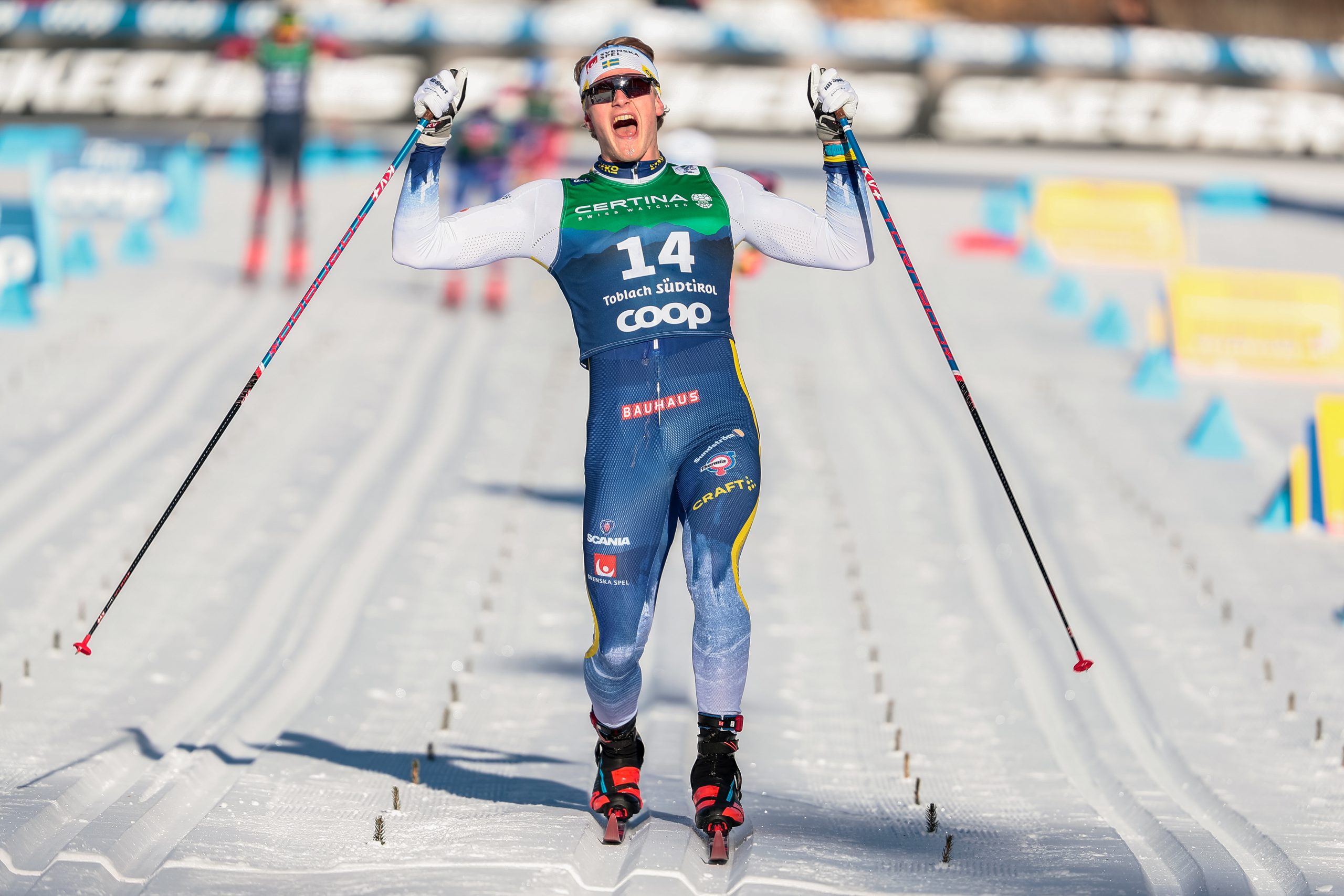
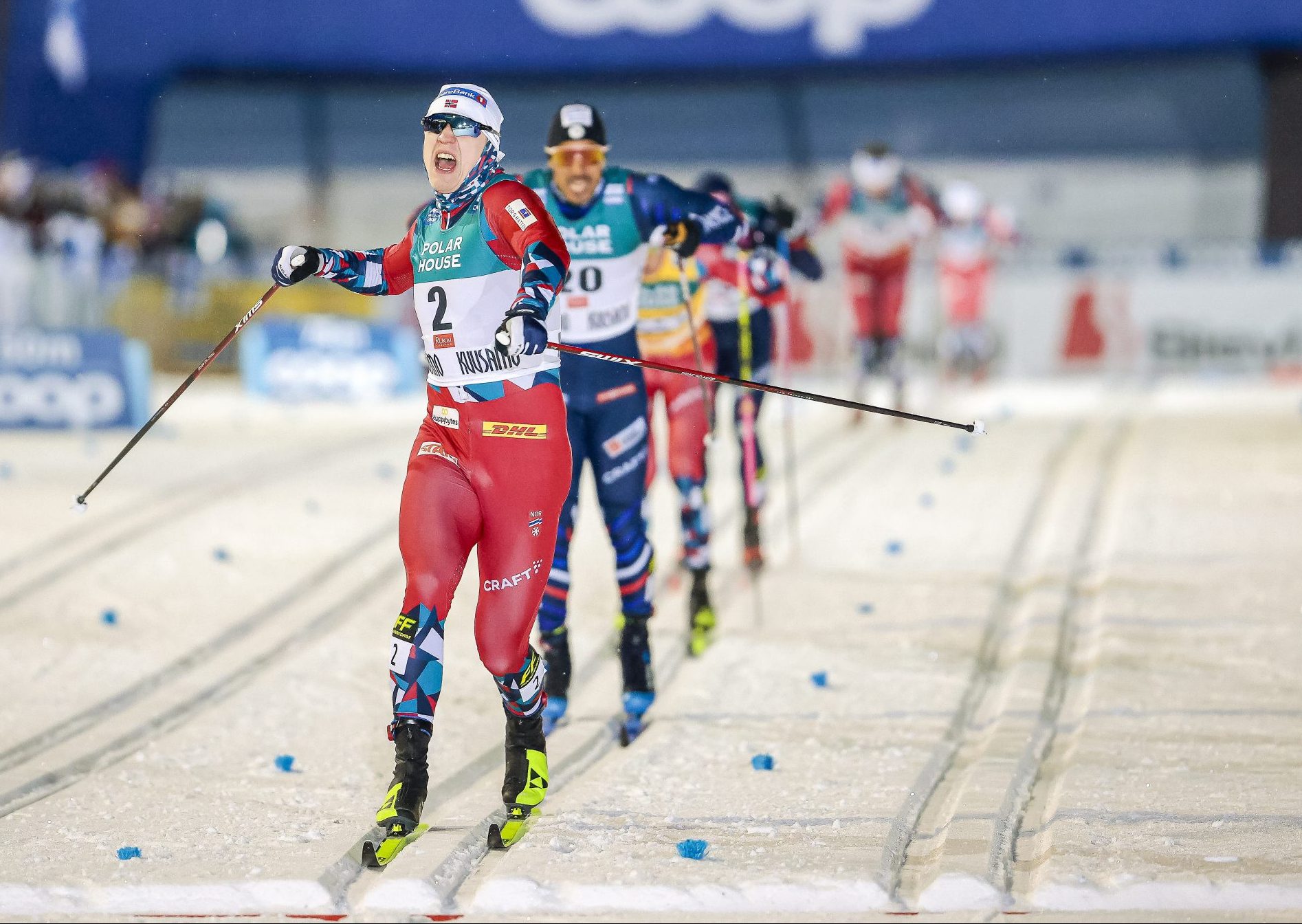
    Edvin Anger (SWE) skied to the fastest time of the day, earning a second-place podium in the 15-kilometer pursuit, and his first-ever distance podium in an individual event. (Photo: NordicFocus)

    Edvin is a promising Swedish rising star, and many cross-country skiing lovers root for him. The athlete had several consistent victories this year, including the second-place finish in the 15 km Freestyle Pursuit in Val di Fiemme and the winning in the Sprint Classic in Les Rousses in January 2025. Anger is able to adapt to any conditions, and his resilience is among the main reasons for such a successful performance.

    The young Swedish athlete is at the beginning of his career but is already honored to compete with leaders like Johannes Høsflot Klæbo, so he definitely has a bright future. Edvin’s focus on technical skills and persistence makes him competitive, and we are confident that many would fear contending with him during the upcoming World Championship.

    Jessica Diggings

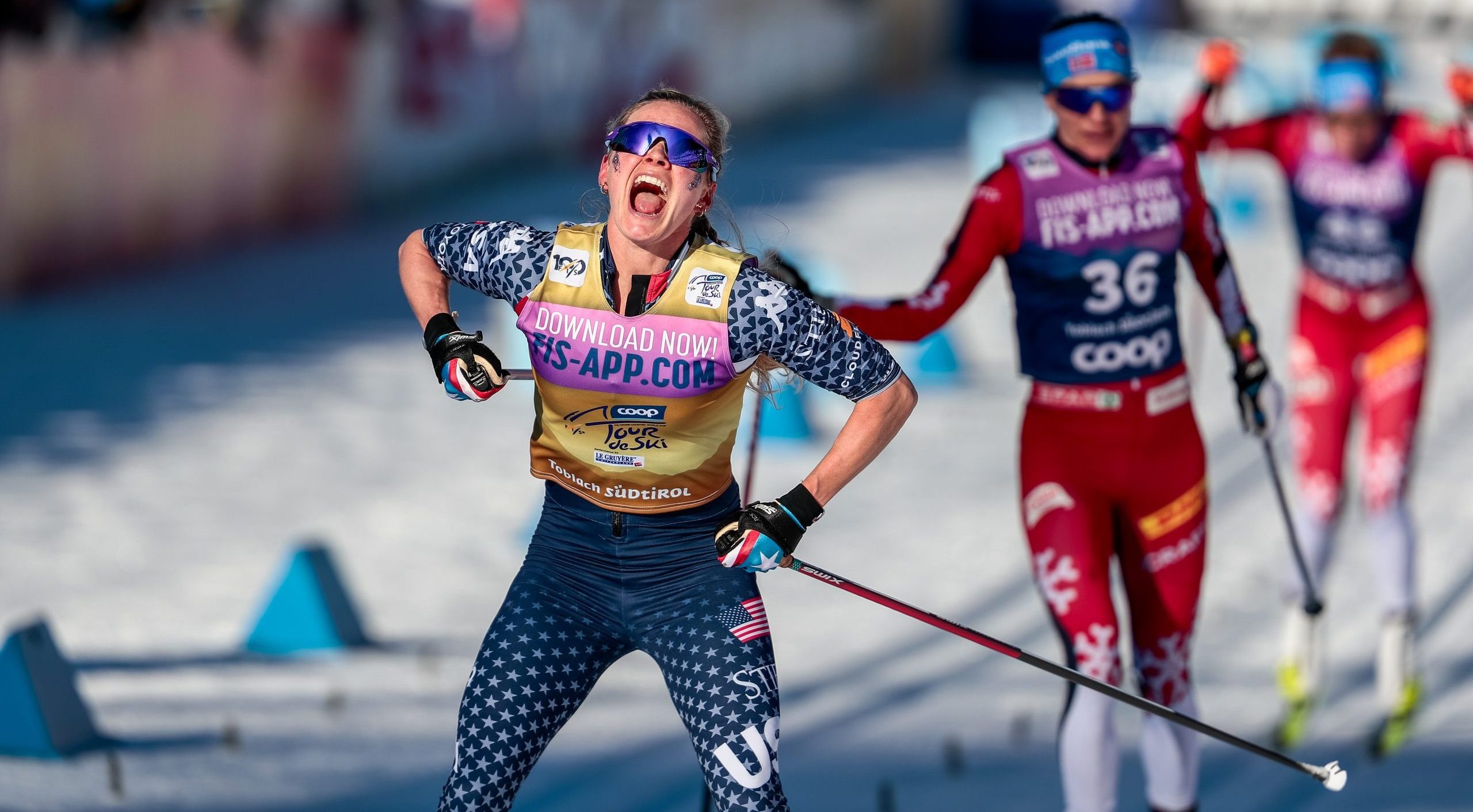
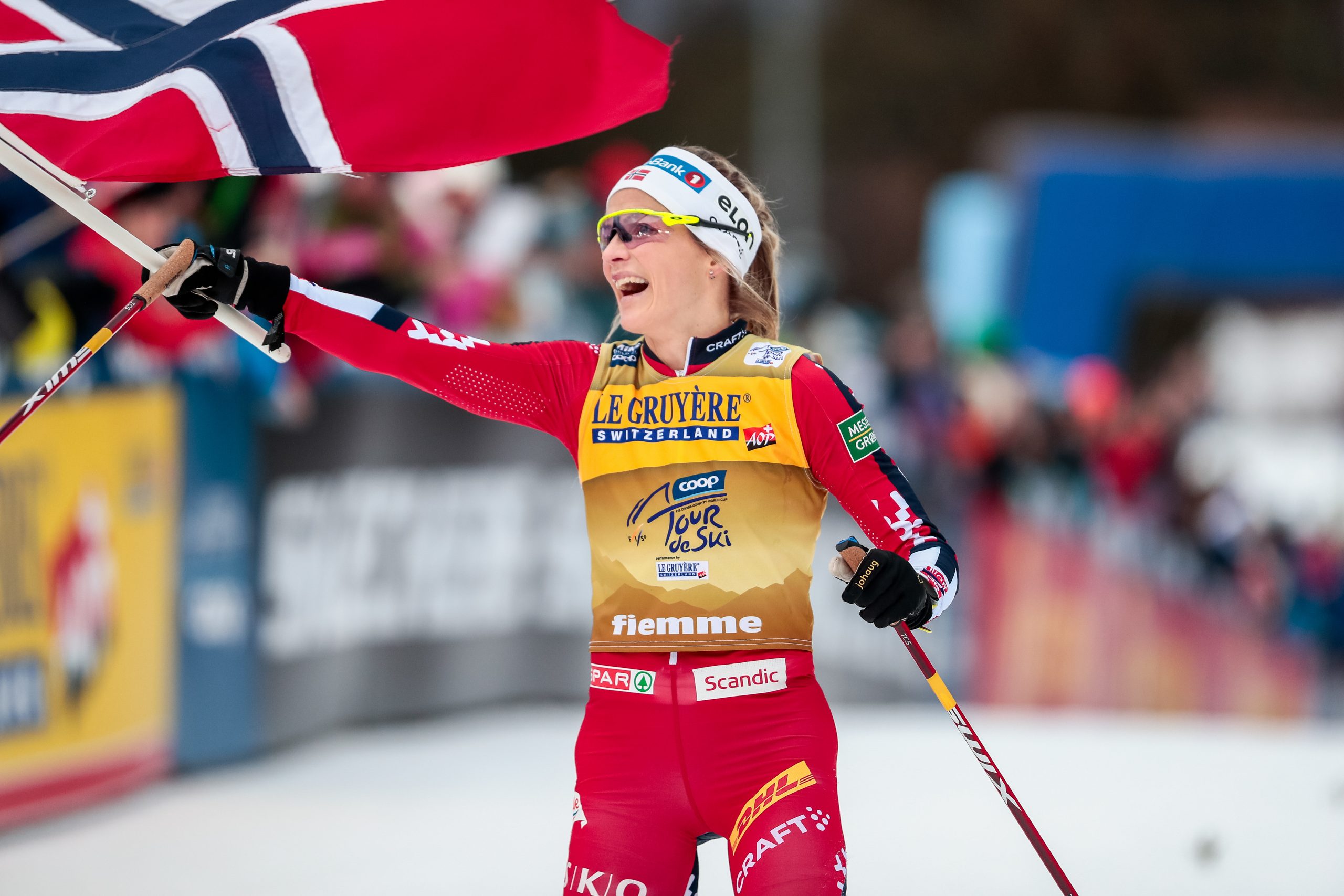
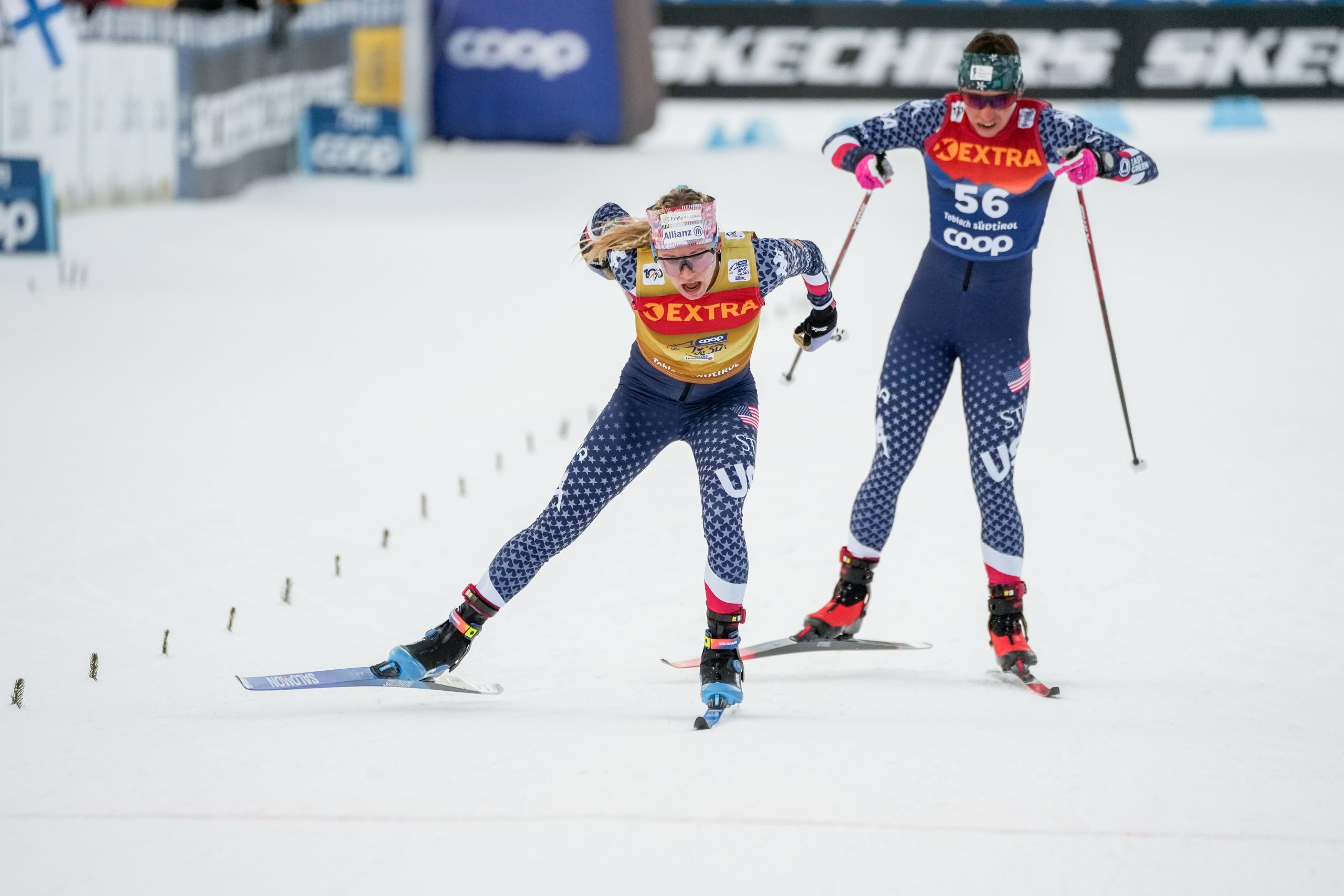
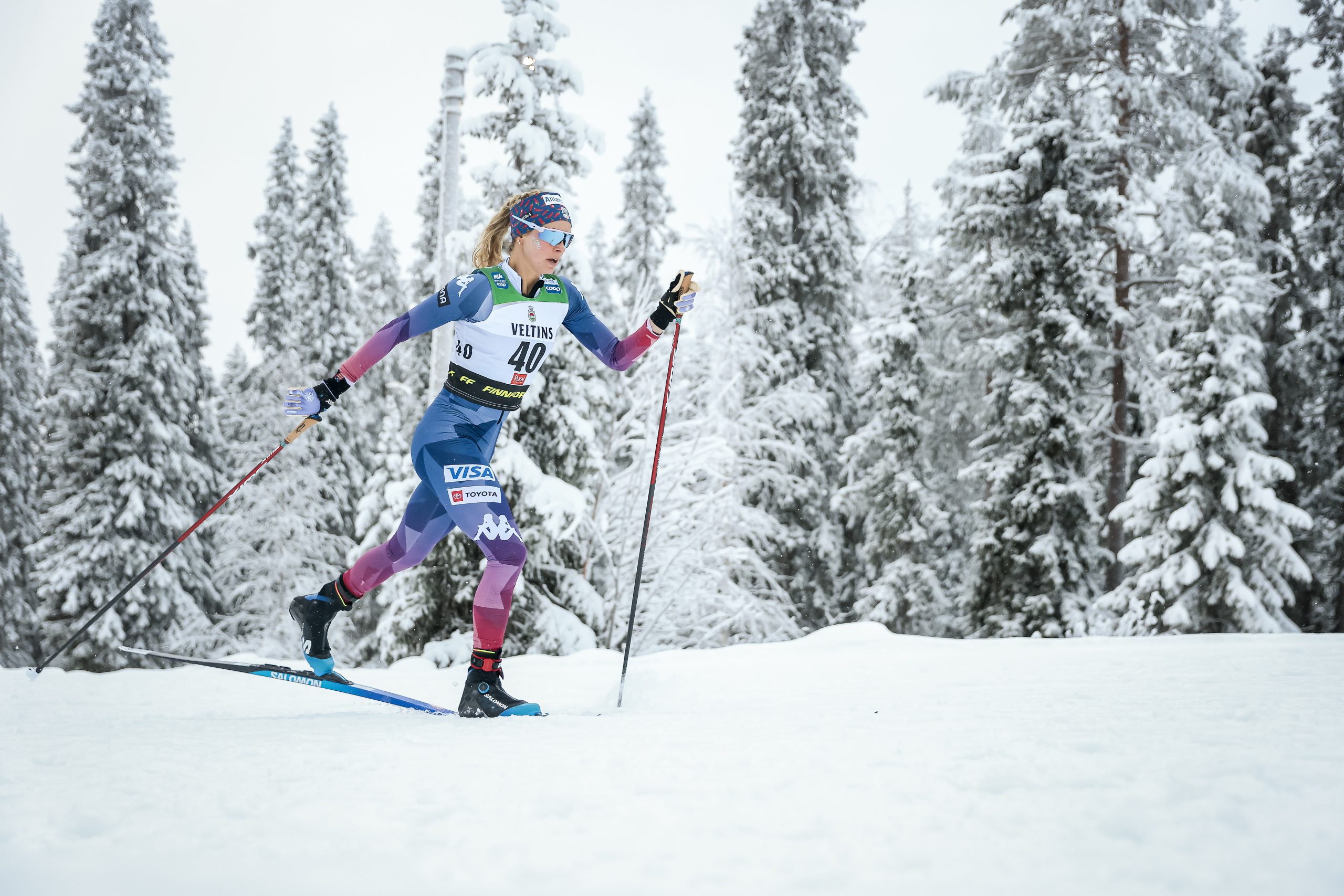
    Jessie Diggins (USA) won her first Classic race today and stretched her Tour lead. (Photo: NordicFocus)

    One of the benefits of cross-country skiing is that it’s not male-dominated, and women also have the chance to show themselves in the global arena. Jessica Diggings confirms that ladies can also cope with high-pressure competition. She has recently shown strong performance in the 20 km Skiathlon in Val di Fiemme and the 10 km Freestyle in Cogne.

    The American skier is the country’s leader in the discipline: Diggins is a three-time Olympic medalist and six-time winner of the World Championship. She is projected to continue breaking records already this month during the World Cup in Sweden and the Nordic World Ski Championships in Trondheim. The strategic approach to races is Jessica’s priority and the main secret of her past and future success.

    Astrid Øyre Slind

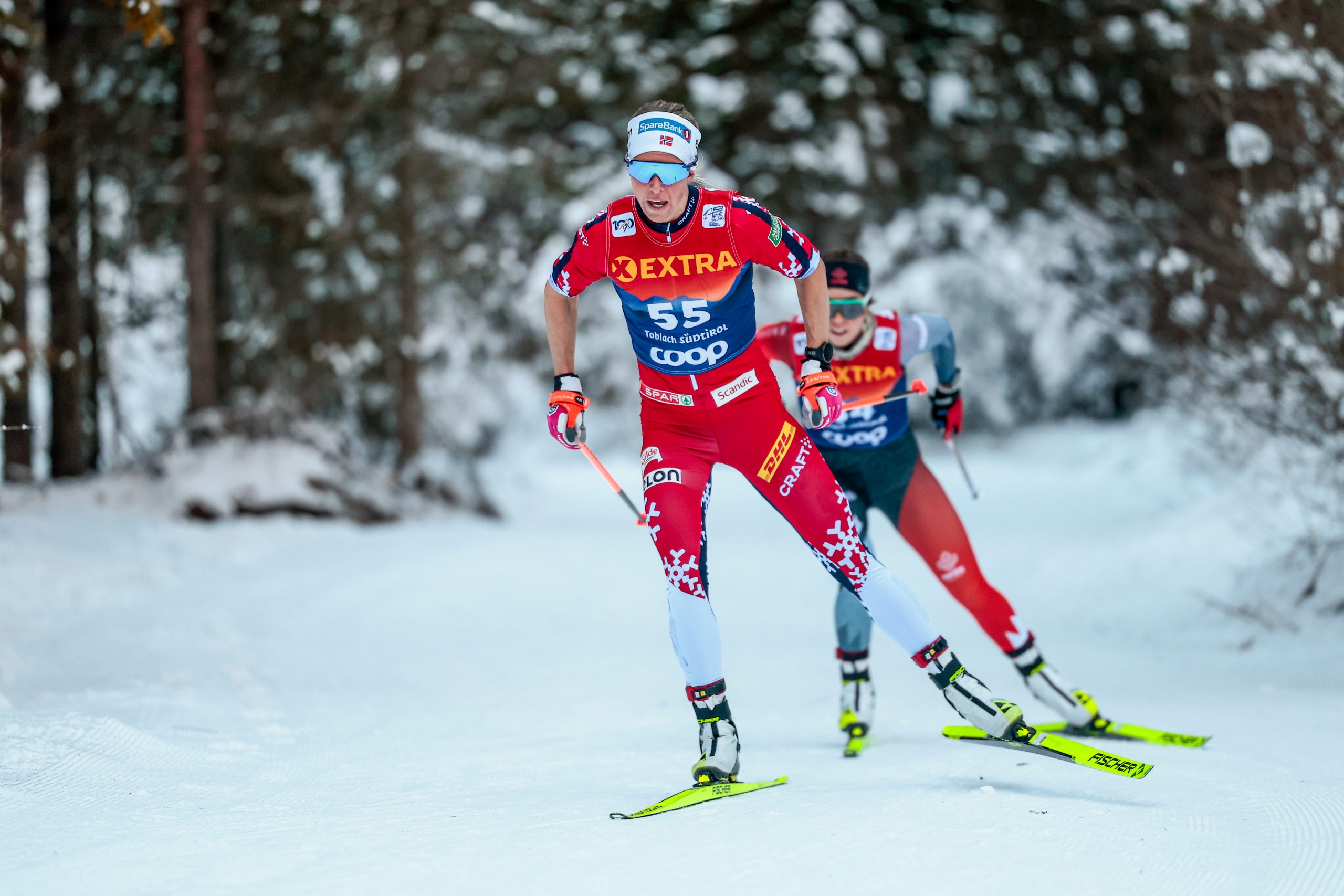
    Astrid Oeyre Slind (NOR) used the skills she has honed on the long, gradual trails of the Ski Classics to capture victory in the Tour de Ski 20 k Individual Start Freestyle in Toblach (ITA). (Photo: NordicFocus)

    Again, an athlete from Norway! This country educates a lot of professional cross-country skiers, and Astrid Øyre Slind confirms this statement. She shows impressive performance in long-distance freestyle competitions, requiring endurance and well-developed tactics.

    Slind won multiple stages in the 2024 Tour de Ski and won her first World Cup victory in the 20 km Interval Start Classic in Davos. Industry experts mention that the ability to maintain consistent speed over long distances is among the key reasons for her success, which will help her gain more achievements in the upcoming tournaments.

    Hugo Lapalus

    Hugo Lapalus (FRA) – FIS world cup cross-country, tour de ski, final climb, Val di Fiemme (ITA). (Photo: NordicFocus)

    The famous French cross-country skier is in the lead in the 2024/25 season after gaining several winning places in the latest contests. Hugo Lapalus was the third to finish the Tour de Ski and won the title of the best climber after the competition. In addition, the athlete got his first podium finish during the World Cup in the 20 km Individual Classic in Davos.

    Lapalus hasn’t become a champion yet, but his impressive performance is a strong basis for future success. The athlete is a favorite in upcoming competitions, and those passionate about cross-country skiing are confident that the following contests will become more successful for the French professional.

    Therese Johaug

    Therese Johaug (NOR) won the climb up Alpe Cermis, and the Tour de Ski. (Photo: NordicFocus)

    The renowned Norwegian cross-country skier retired in 2022, and sports fans positively accepted her comeback for the 2024/25 season. Therese Johaug is a legend, famous for her endurance and exceptional ability to overcome long distances with persistent speed.

    She’s also an expert at overcoming uphill segments, and viewers watch her performance with bated breath. The athlete recently won the 10 km Mass Start Free in Val di Fiemme and Tour de Ski 2024/2025, reaching a record number of personal victories during this event.

    Final Insight

    Cross-country skiing is a niche discipline, but the 2024/25 season still attracts millions. The recent achievements of Johannes Høsflot Klæbo, Astrid Øyre Slind, Therese Johaug, Edvin Anger, Hugo Lapalus, and Jessica Diggings bring these athletes to the top of sports Olympus. Being top-rated professionals in cross-country skiing, they have a promising future and are about to show impressive performance during upcoming races.

  • How to Win at Ski Jumping Betting: 5 Key Tips

    How to Win at Ski Jumping Betting: 5 Key Tips

    Ski jumping betting is among the niche disciplines – you won’t find it in each online sportsbook, which makes this sport more exciting and potentially beneficial for bettors. Here, users can discover something other than traditional team events and use a blend of strategy and luck to win. Ski jumping is popular among a limited number of people, and you can find better odds on bookmaker sites, complemented by unique bonuses. There’s no particular recipe for winning cash prizes in online sportsbooks, but some helpful tips can boost your chances.

    Choose the Right Betting Site

    The number of online sportsbooks is growing, and selecting one is often challenging for risk-seekers. Many users opt for Curacao betting sites at Non-GamStop-Betting.com that allow skipping identity checks and enjoy wagering on ski jumping immediately. There are a few important points users need to pay attention to here.

    First, not every operator offers this discipline, so carefully check whether ski jumping events are accessible. Then, users must evaluate whether the platform operates under licensing and provides reliable conditions. Unfortunately, many operators appear fraudulent; learning about certifications and reading real customer reviews is the best choice when seeking a reputable destination.


    No Random Bets, Understand Ski Jumping First

    Many users prefer to enter the bookmaker platform and make a prediction with a few clicks, simply relying on their luck, which is a wrong approach if you want to win. Ski jumping is a thrilling sport where weather conditions, location, equipment, participant’s form, and other factors can influence the result.

    Punters can bet on this discipline on some reliable websites but need to analyze the landscape first. Discovering the basic rules and finding out more about past events may provide users with more valuable details and make a beneficial prediction. Events usually vary regarding scoring adjustments and qualification requirements, and knowing them can make your experience more successful.

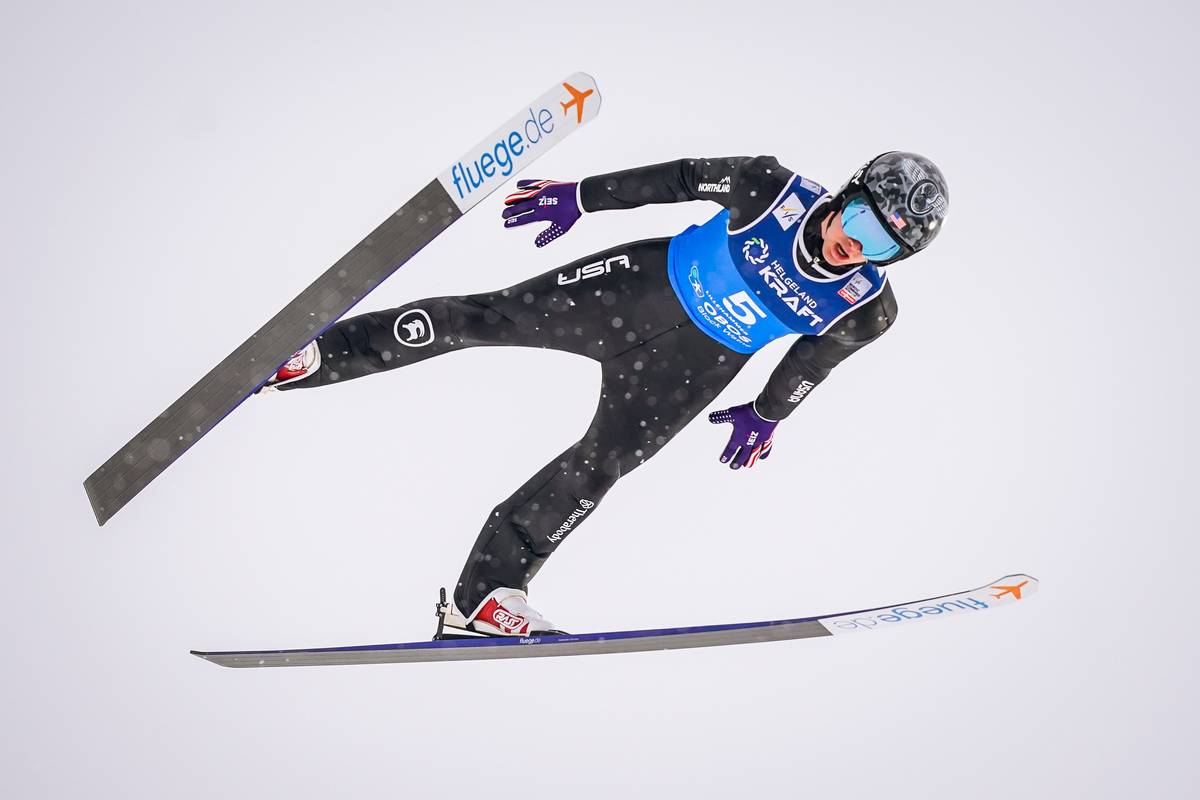
    Jasper Good jumps in a December 2021 World Cup competition in Lillehammer, Norway. (Photo: NordicFocus)

    Opt for In-Play Betting Opportunities

    Live betting is now available in numerous online sportsbooks, and this feature is beneficial for newcomers and regular punters. It allows users to make a prediction when the competition has already started and decide the right time to bet. Of course, they need to closely monitor changes in odds since they can be significantly modified in the process.

    Jumpers can show impressive performance in the middle of the competition; in this case, bookmakers update odds, giving users more opportunities. In-play wagering still allows risk-seekers to analyze the landscape and be informed when taking financial risks.

    Know the Betting Markets

    Informed betting is the top choice for punters who would like to leave the bookmaker site with a cash prize in their virtual pocket. Selecting the right betting market is among the main points here. Many punters prefer to support their favourite athletes through sports wagering by predicting their winning, but sportsbooks now offer many more markets:

    • Head-to-head betting: predicting who of the two participants will show better performance
    • Top 3 to finish: wagering on three athletes who will become leaders of the contest
    • Distance: betting on how far the person will jump during the event
    • First round leader: wagering on the participant who will be the one to win the 1st level
    • Technique betting: predicting who will receive the most style points

    In most cases, ski jumping is an individual sport where judges evaluate the performances of separate athletes. However, sometimes, it becomes a team discipline. During events like the FIS World Cup Team Event or Winter Olympics, bettors can place a wager on a group of athletes, which makes their experience even more exciting. Such niche opportunities have a higher winning potential, so monitor the schedule and don’t miss the chance to enjoy the competitive spirit of ski jumping and lucrative odds.

    Andreas Stjernen of Norway
    Ski Jumping HS130 Team
    FIS Nordic World Ski Championships
    Lahti, Finland
    March 4, 2017

    Claim Bonuses and Rewards

    This tip might be as old as the world, but it really works in online sportsbooks. Bookmakers reward members with additional benefits like free bets that allow them to place more predictions without extra expenses. Learn the promotion’s conditions in advance and pay special attention to wagering requirements. Bonuses can cover your losses after an unsuccessful wager. Punters don’t have to deposit again; instead, they can place more bets at the operator’s cost and win over.

    Final Insight

    Betting on ski jumping implies a combination of research, strategy, and luck. Events’ outcomes heavily depend on weather conditions and the hills where they are held. Wind, snow, etc., can affect participants’ performance, so bettors need to keep an eye on even minor changes.

    Learn the basics of this sport and discover the available markets beforehand to make smart decisions. Watching documentaries on sports betting can also provide valuable insights into betting psychology, bankroll management, and how external factors influence wagers. Choosing the right non GamStop site and taking advantage of bonuses is vital since initial conditions significantly impact your future success.


  • How to Prepare for a Cross-Country Skiing Adventure

    How to Prepare for a Cross-Country Skiing Adventure

    Cross-country skiing is an incredible way to connect with nature, stay fit, and experience the thrill of gliding over snowy landscapes. However, a successful cross-country skiing adventure requires careful preparation. From choosing the right gear to planning your routes, there are several steps to ensure you’re ready for the challenge. Preparation involves much more than physical readiness. You also need to make sure you have everything you need for a smooth and enjoyable trip. Here’s a guide to help you prepare for an unforgettable cross-country skiing experience, which will allow you to fully immerse yourself in the natural beauty around you.

    Choose the Right Equipment

    The first step in preparing for a cross-country skiing adventure is making sure you have the right gear. Proper skis, poles, and boots are essential, and they should match your skill level and the type of terrain you’ll be exploring. Beginners may prefer wider, shorter skis for better stability, while advanced skiers might opt for lighter, faster options. Don’t forget about layering your clothing for warmth and mobility. Thermal base layers, insulated jackets, and waterproof outerwear are key. Having the right equipment ensures you’ll feel comfortable and confident on the trails.


    Plan Your Routes Carefully

    Knowing where you’re going is just as important as having the right gear. Research trail maps and choose routes that match your skill level. Many cross-country ski areas offer trails categorized by difficulty, so you can find one that suits your abilities. If you’re new to the sport, consider trails with gentler slopes and shorter distances. Make sure to check weather conditions and prepare for sudden changes. Bringing a map, compass, or GPS device is useful, particularly in remote locations where cellphone coverage might be unreliable.

    Recreational classic. (Photo: Phillip Belena)

    Stay Entertained During Downtime

    Cross-country skiing can be physically demanding, and it’s important to take breaks to recharge. During downtime at your cabin or ski lodge, you might want some fun activities to relax. Platforms like LuckyDays online slot games can provide an entertaining way to unwind after a long day on the trails. While skiing challenges your body, engaging in simple, enjoyable activities in your downtime can help you recharge mentally and make your trip even more enjoyable.


    Prepare for Safety on the Trails

    Safety should always be a top priority during any outdoor adventure. Carry essential safety items, including a first aid kit, extra food, and water, as well as a headlamp or flashlight. If you’re skiing in a group, make sure everyone is familiar with basic safety practices, such as what to do in case of an injury or getting lost. For solo adventurers, informing someone about your route and expected return time is crucial. Being prepared for emergencies can make all the difference in ensuring your trip is both safe and enjoyable.

    Recreational classic in the backcountry. (Photo: Jean Bapiste)

    Practice and Build Stamina

    Cross-country skiing is a full-body workout, so it’s a good idea to prepare your body in advance. Cardio exercises like running, cycling, or swimming can improve your stamina and endurance. Strength training for your core, legs, and arms will also help you perform better on the trails. Practicing skiing techniques at a local park or indoor ski center can boost your confidence before heading out on a longer adventure. Physical preparation enhances your performance and makes the experience more enjoyable and less tiring.

  • The Role of Data and Analytics in Modern Cross-Country Skiing

    The Role of Data and Analytics in Modern Cross-Country Skiing

    Over the past years, there has been a lot of change in cross-country skiing which is a sport that has been practiced for many generations. The manner in which athletes prepare, compete, as well as relate with fans is currently experiencing total revolution due to advancing data and analytics. Ranging from wearable technology to predictive modeling, cross-country skiing has not been left out by sophisticated equipment that eases every bit of the game.

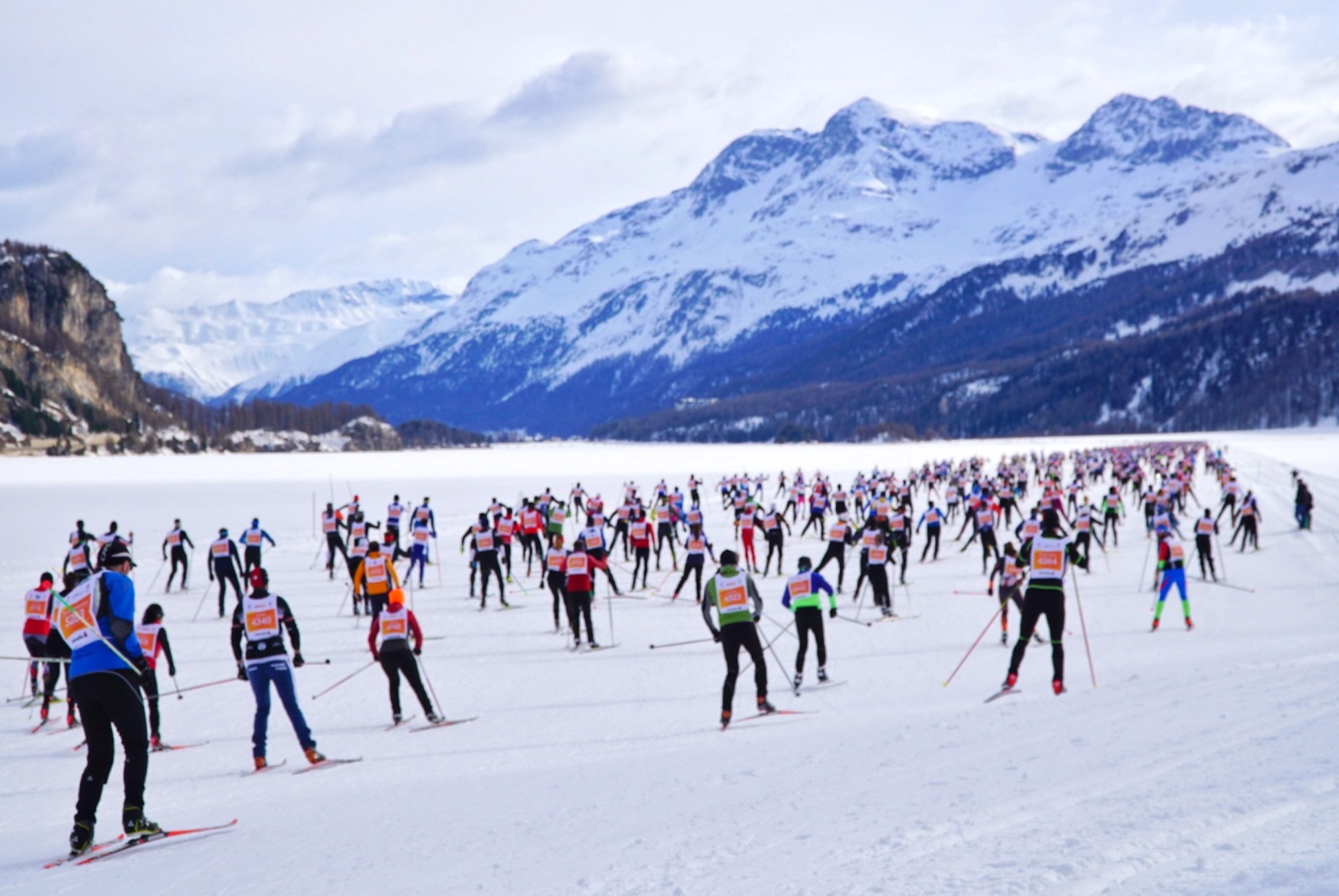
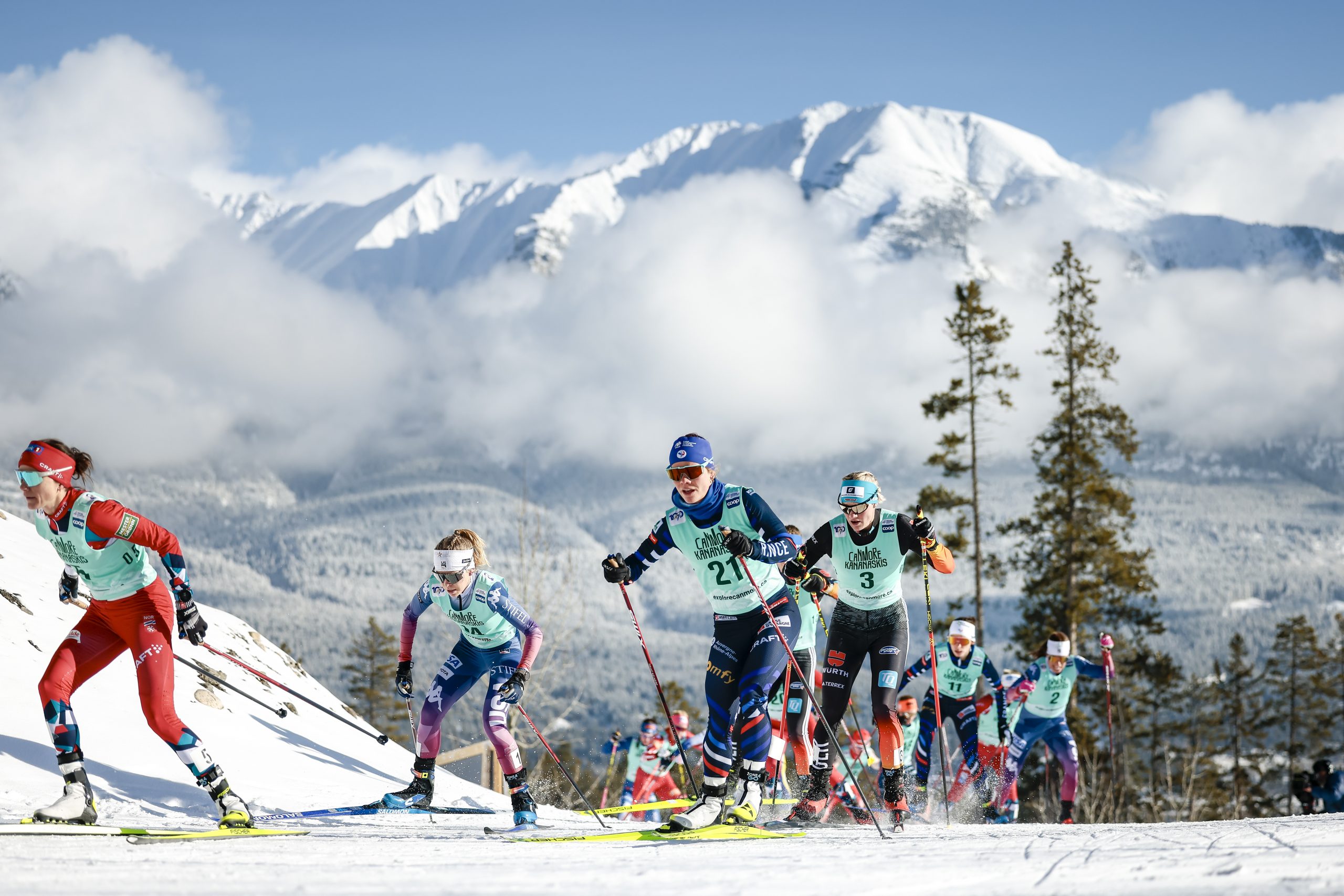
    The pack set out from the start over the frozen St. Moritz lake in Engadin (SUI). (Photo: NordicFocus)

    Optimizing Training Through Data-Driven Insights

    To excel in cross-country skiing training, one needs to have strength, endurance, as well as technical abilities. Athletes and coaches now rely heavily on data from wearable devices to monitor performance in real time. These include GPS trackers; heart rate monitors and power meters which provide information on speed, distance covered, cycling rate and energy spent.

    Coaches can determine the areas in which skiers should get better by looking at this data. For example, an athlete’s optimal pacing strategy for various tracks and environments may be predicted from many years worth of training information using machine learning algorithms. This level of precision helps skiers avoid overtraining while ensuring peak performance on race day.

    Enhancing Race-Day Strategies

    Cross-country skiing races in today’s world are very competitive such that winning is determined by a fraction of a second. In order to be at par or have an advantage, teams nowadays rely on complex data analysis for formulating their plans. Analysts study everything from snow conditions and weather forecasts to competitor performance trends.

    In some cases, skiing teams apply special programs which simulate likely race situations so that athletes could understand if they should speed up or save energy. The use of current feeds by coaches during competitions ensures that there is continuous feedback which helps in adapting under prevailing circumstances.

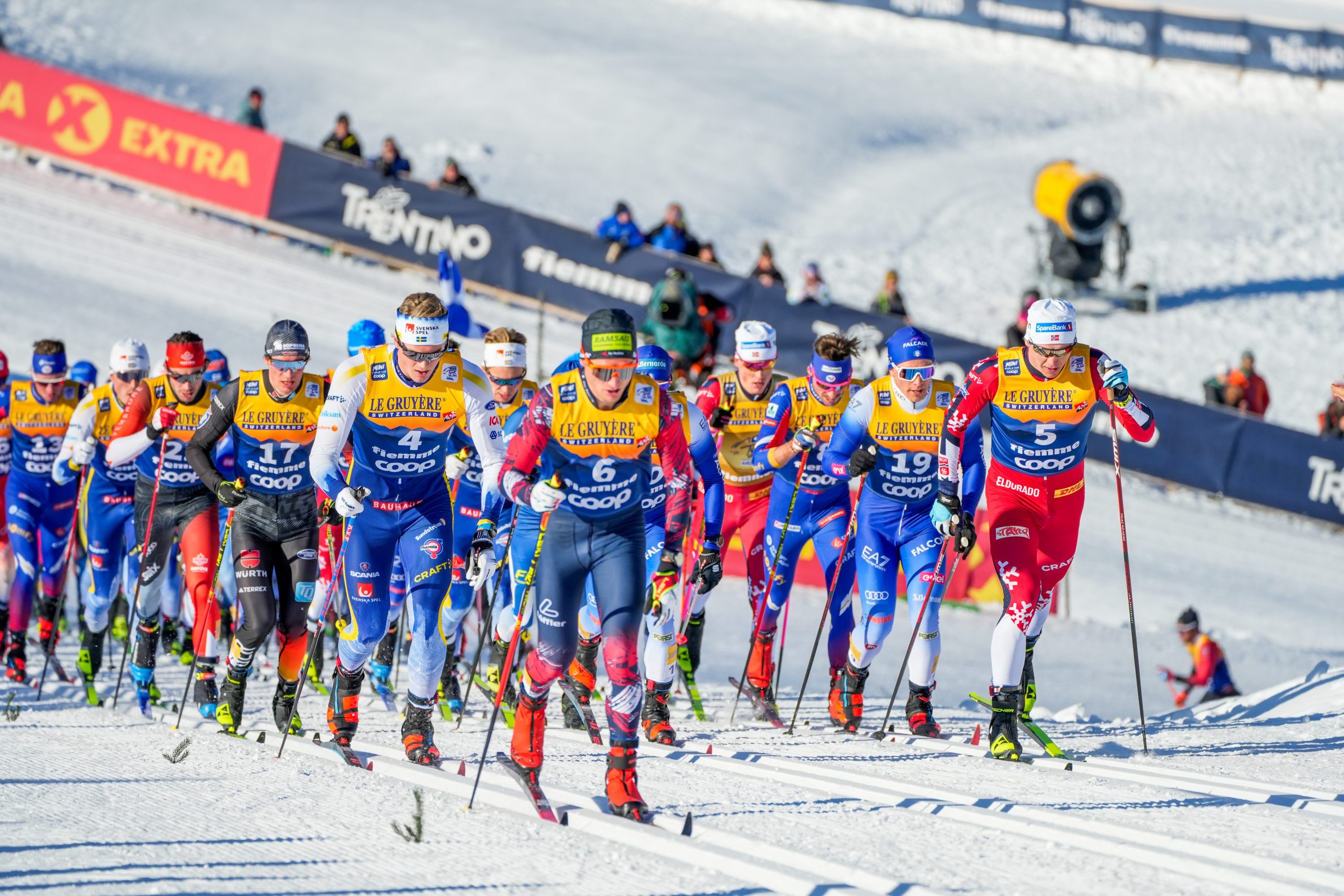
    Clement Parisse (FRA), Federico Pellegrino (ITA), Iver Tildheim Andersen (NOR), Edvin Anger (SWE), Jens Burman (SWE), Iivo Niskanen (FIN), Gus Schumacher (USA), Paal Golberg (NOR), Paolo Ventura (ITA), Mika Vermeulen (AUT), Johannes Hoesflot Klaebo (NOR), (l-r) – FIS world cup cross-country, 20km, Engadin (SUI). (Photo: Nordic Focus)

    Fan Engagement and Betting Opportunities

    Beyond the athletes and coaches, data and analytics are transforming how fans experience cross-country skiing. Live tracking and performance metrics allow spectators to follow races in unprecedented detail. Interactive platforms display information such as split times, heart rates, and real-time rankings, making the sport more engaging for viewers.

    Additionally, the growing popularity of sports betting in winter sports has introduced a new layer of fan involvement. Sports betting software providers like Altenar use data analytics to create accurate odds for races, helping fans make informed predictions. These platforms often integrate with live broadcasts, offering real-time updates on odds and outcomes. This blend of data-driven insights and interactive engagement has brought cross-country skiing closer to a broader audience.

    Italian wax technicians at work testing skis before the IBU World Cup Biathlon in Nove Mesto (CZE). (Photo: Nordic Focus)

    Improving Ski and Wax Technology

    In cross-country skiing, equipment plays a critical role. The type of skis, bindings, and wax can significantly impact performance, especially on varying snow types. Data analytics has led to significant advancements in ski and wax technology.

    Manufacturers and technicians now use data to design skis optimized for specific conditions, such as fresh powder or icy trails. Meanwhile, wax technicians employ sophisticated testing methods, including temperature and humidity sensors, to select the perfect wax for each race. By leveraging data, skiers can maximize glide efficiency and reduce friction, gaining crucial seconds on the course.

    Injury Prevention and Recovery

    Cross-country skiing is physically demanding, and injuries are an ever-present risk. Data analytics is playing a crucial role in minimizing these risks. Wearable devices monitor biomechanical patterns, detecting signs of overuse or improper technique that could lead to injury. Coaches can use this information to adjust training regimens, ensuring athletes stay healthy throughout the season.

    Moreover, data-driven recovery tools are helping skiers return to peak condition faster after injuries. Techniques like heart rate variability analysis and muscle fatigue tracking allow for personalized recovery plans. By prioritizing injury prevention and efficient recovery, athletes can maintain consistent performance and extend their careers.

    Johannes Hoesflot  Klaebo (NOR), Edvin  Anger (SWE), (l-r) Engadin (SUI). (Photo: Nordic Focus)

    The Future of Data in Cross-Country Skiing

    The development of technology will make data and analytics even more important in cross-country skiing. Nowadays, there is use of artificial intelligence and machine learning in all sectors of the game such as predicting snow conditions as well as automating race strategies. It may not be long before athletes train using virtual reality simulations and coaches analyze their races with augmented reality devices as a matter of standard practice.

    In addition, with the increasing number of digital advancements in the sport, a young and technologically knowledgeable generation is expected to follow it closely. This trend can be seen in the increased interactive fan experiences and better betting platforms which provide limitless ways of engaging with people.


  • The Analytics Revolution in Cross Country Ski Betting: Key Metrics That Matter

    The Analytics Revolution in Cross Country Ski Betting: Key Metrics That Matter

    Edvin Anger (SWE), Mika Vermeulen (AUT), Elia Barp (ITA), Erik Valnes (NOR), (l-r) – FIS world cup cross-country, tour de ski, skiathlon, Val di Fiemme (ITA). (Photo: NordicFocus)

    The landscape of cross-country ski betting has undergone a dramatic transformation in recent years, driven by sophisticated analytics and the digital revolution in sports wagering. 

    This evolution has created new opportunities for bettors to make more informed decisions while transforming how performance data is collected, analyzed, and applied to betting strategies.

    The Digital Revolution in Betting Records

    The shift to online betting platforms has revolutionized how bettors track and analyze their wagers on cross-country skiing events. Digital platforms automatically record every bet placed, providing bettors with comprehensive histories of their wagering activities. This technological advancement allows for detailed analysis of betting patterns, win rates, and return on investment across different bets and racing conditions.

    Modern betting platforms offer automated tracking features that generate detailed reports on betting performance, including metrics such as win percentage, average odds taken, and profit/loss statements broken down by bet type or specific athlete. This wealth of data enables bettors to identify their most successful strategies and areas needing improvement, leading to more refined betting approaches.

    Jessie Diggins (USA) and teammate Julia Kern (USA) during the 2025 Tour de Ski. (Photo: NordicFocus)

    Essential Performance Metrics in Cross-Country Skiing

    Understanding key performance indicators has become crucial for making informed betting decisions in cross-country skiing. The most significant metrics include:

    Speed Metrics

    Average speed over various course sections provides crucial insights into an athlete’s performance capabilities. Modern tracking systems measure speed variations across different terrain types, offering valuable data for predicting performance in upcoming races with similar course profiles.

    Technique Analysis

    Advanced motion capture technology allows for detailed analysis of skiing techniques, including pole plant efficiency and leg drive power. These measurements help identify athletes who maintain optimal form under fatigue, a crucial factor in race outcomes.

    Physiological Data

    Heart rate variability, lactate threshold levels, and recovery metrics have become increasingly accessible to analysts and bettors. These indicators help predict an athlete’s current form and potential performance in varying race conditions.

    Weather Impact Analysis

    Weather conditions significantly influence cross-country skiing outcomes, making weather analysis a critical component of betting strategy. Modern analytics platforms integrate historical weather data with race results, revealing patterns in how specific athletes perform under different weather situations, including the following:

    • Temperature effects on ski wax performance
    • Wind impact on different course sections
    • Snow condition variations and their effect on racing speeds
    • Altitude adaptation patterns among different athletes

    Course Profile Analytics

    Detailed course analysis has become a cornerstone of successful betting strategies. Modern mapping technology provides precise data on:

    • Elevation changes and their impact on racing speeds
    • Technical sections requiring specific skill sets
    • Recovery zones where leading positions often change
    • Sprint sections that favor certain athletic profiles
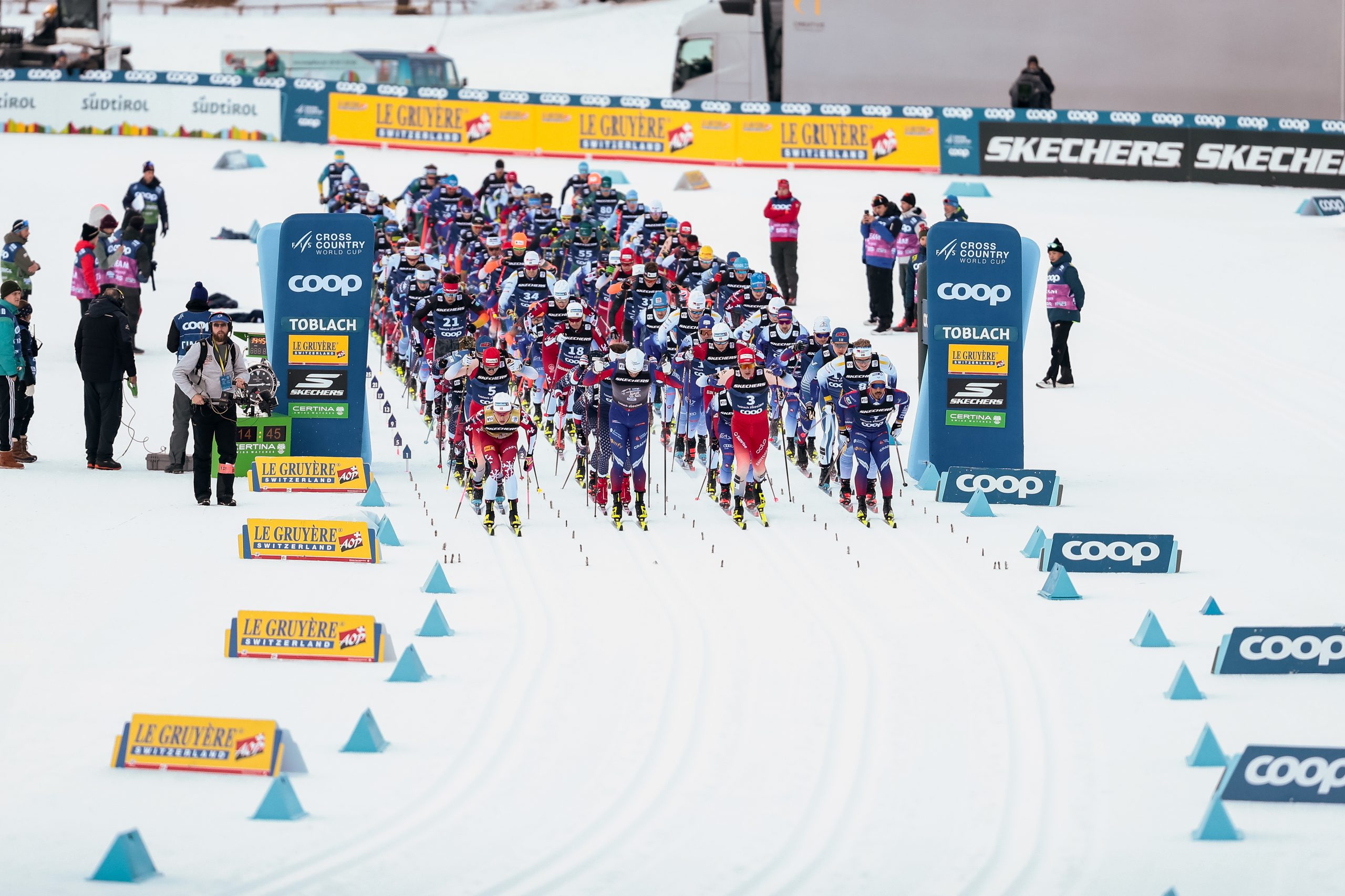
    Johannes Hoesflot Klaebo (NOR), Lucas Chanavat (FRA), Janik Riebli (SUI), Richard Jouve (FRA), (l-r) – FIS world cup cross-country, tour de ski, mass, Toblach (ITA). (Photo: NordicFocus)

    Online Sports Betting Platforms

    The digital betting marketplace has transformed how enthusiasts engage with cross-country ski betting. Leading platforms offer specialized features for winter sports betting, including:

    Live Betting Features

    Modern platforms provide real-time odds updates during races, allowing bettors to capitalize on changing race dynamics. Split-time data and live positioning information enable informed in-race betting decisions.

    Statistical Integration

    Premium betting sites now integrate comprehensive statistical databases, offering historical performance data, head-to-head records, and course-specific results directly within the betting interface.

    Risk Management Tools

    Advanced platforms include features for responsible betting, such as:

    • Customizable betting limits
    • Real-time budget tracking
    • Automated stop-loss settings
    • Performance analysis tools
    Jessie Diggins (USA) won her first Classic race today and stretched her Tour lead. (Photo: NordicFocus)

    Strategic Applications of Analytics

    The intersection of comprehensive data analysis and betting strategy has led to more sophisticated approaches to cross-country ski betting. Successful bettors now incorporate multiple data points into their decision-making process:

    Form Analysis

    Modern analytics tools track athletes’ performance trajectories throughout the season, identifying peak periods and potential dips in form. This data helps predict performance in upcoming events more accurately.

    Head-to-Head Comparisons

    Detailed historical data allows for sophisticated analysis of how athletes perform against specific competitors, which is particularly useful in sprint events and head-to-head betting markets.

    Course History

    Analytics platforms now provide detailed historical performance data for specific venues, helping identify athletes who consistently perform well on particular courses.

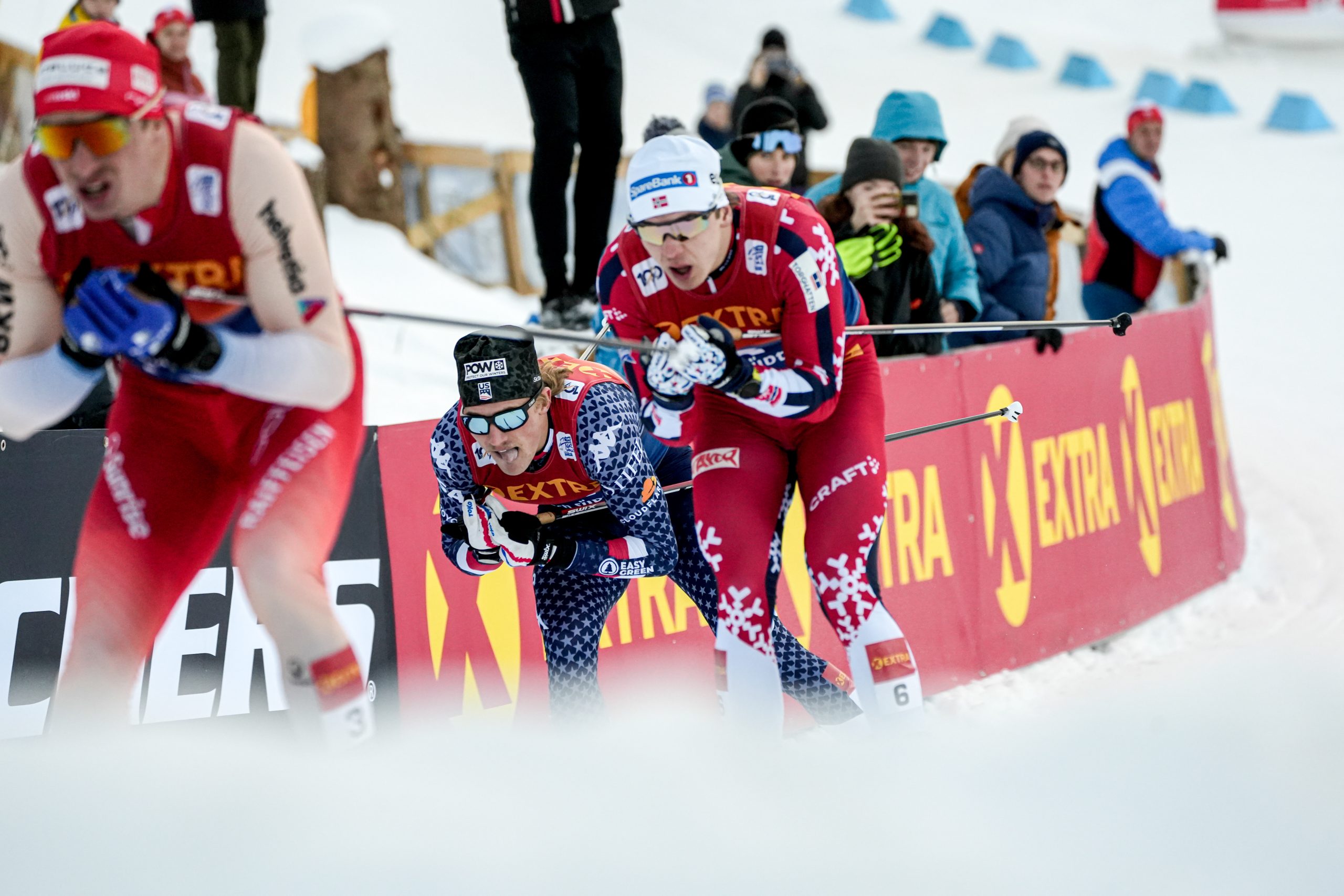
    Gus Schumacher (USA) – FIS world cup cross-country, tour de ski, individual sprint, Toblach (ITA). (Photo: NordicFocus)

    Future Developments

    The analytics revolution in cross-country ski betting continues to evolve, with several emerging trends shaping the future of the sport:

    Machine Learning Integration

    Advanced algorithms are beginning to process vast amounts of historical data to identify patterns and predict race outcomes with increasing accuracy.

    Biometric Data Analysis

    Integrating athlete biometric data is becoming more sophisticated, offering new insights into performance potential and recovery status.

    Enhanced Mobile Analytics

    Mobile betting platforms are developing more advanced analytical tools, making sophisticated data analysis accessible to bettors in real time during events.

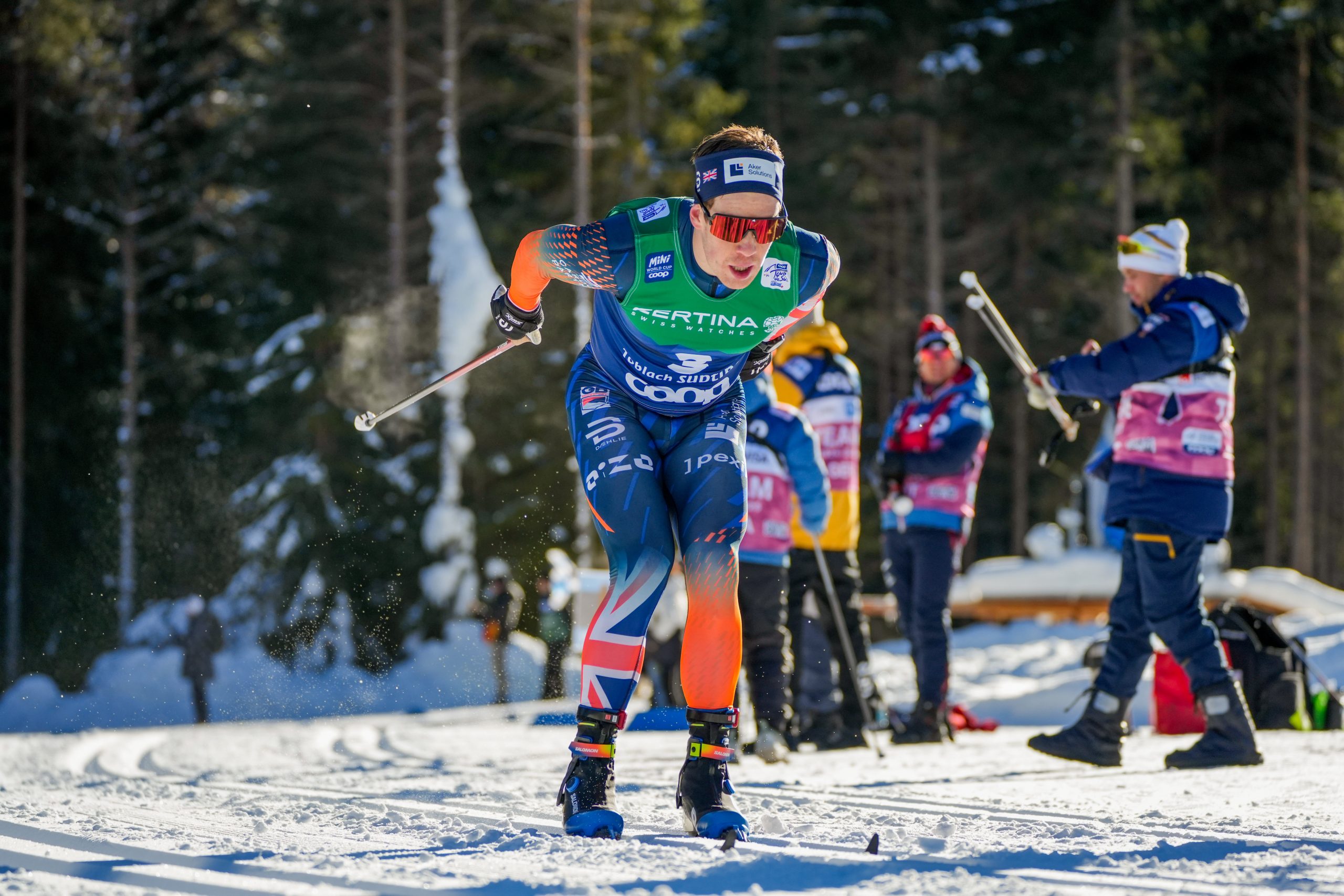
    Andrew Musgrave (GBR) – FIS world cup cross-country, tour de ski, pursuit, Toblach (ITA). (Photo: NordicFocus)

    The Future of Data-Driven Ski Betting

    The analytics revolution has fundamentally changed how bettors approach cross-country ski wagering. Comprehensive data collection, sophisticated analysis tools, and digital betting platforms have created opportunities for more informed betting decisions. 

    As technology advances, analytics integration in cross-country ski betting will become even more sophisticated, offering bettors increasingly powerful tools for analysis and decision-making. As these analytical tools continue to develop, they will likely drive further innovations in betting strategies and the broader appreciation of cross-country skiing as a competitive sport.


  • Five winter-themed games to play right now

    Five winter-themed games to play right now

    Whether you’re a cross-country ski racing enthusiast or you simply enjoy skiing with friends and family as a hobby, spending time up in the mountains is a fantastic thing to do. It’s tiring, though. Skiers, therefore, deserve the very best products to unwind and relax with when they’re back in their hotel rooms or chalets. For many, winter-themed games are appealing, particularly given their icy and snowy theme.

    Be it on a tablet device or a modern-day mobile phone, there is an abundance of games to get through in this area. Some options feature skiing, others involve fishing in icy conditions, while there are some games with strong doses of lush snow and icy lakes. These games can be stored easily on the aforementioned devices and packed away in your luggage for when you really need them.

    So, with skiers everywhere turning to a plethora of winter-themed games these days, below is a look at five of the best of them.


    Skiing Yeti Mountain

    Kicking things off with a game that skiers will certainly enjoy, Skiing Yeti Mountain contains glorious pixel art as players ski down a mountain and hit flags to record high scores. A fast-paced option that will certainly test your reaction speed, you also have to avoid deadly obstacles while traveling at high speeds, such as trees and rocks. With an extensive selection of levels to smash your way through, Skiing Yeti Mountain also becomes increasingly difficult the further you advance in the game. If you’re after a stern test, then you’ve found it.


    Snowboard Party 2

    Of course, many slope dwellers are also partial to a bit of snowboarding. If you’re keen on it, then you might like Snowboard Party 2’s offering. While it’s only available to play on iOS devices at the time of writing, it’s perfect for people who own Apple’s various products. The graphics are immaculate, there are realistic tricks to pull off, and players have up to four different game modes to keep them busy, such as Freestyle and Big Air. Overall, Snowboard Party 2 is a strong contender here, especially if you’ve ever tried the popular winter sport yourself.


    Big Bass Christmas Bash

    A fantastic game to play, a fun and festive fishing bonanza awaits in Big Bass Christmas Bash. The game’s setting is attractive enough, with players having to land big fish in the icy depths of a snow-capped lake, while its entertaining all-round offering is capable of keeping you firmly entertained. A game that both anglers and skiers will surely warm to, this fishing-themed favorite is definitely worth exploring.

    Icy Ropes

    A challenging puzzle game to tackle, Icy Ropes tasks players with having to climb a series of icy pillars with two characters who are bound together. It is a fun test for any gamer to take on; players have to jump from structure to structure and hope the pair stays together. Along the journey, there are over 100 different characters to unlock and plenty of levels to complete. Icy Ropes isn’t the most detailed game you’ll ever play, but it sure is tough to put down.


    Ice Rage

    If you’re partial to a bit of ice hockey, then you’ll struggle to ignore Ice Rage. Even if you aren’t remotely interested in the sport, this all-action affair is highly recommended anyway. In this top-down hockey sim, players compete in epic hockey-themed battles. Whether it’s online against the game itself or if you’re taking on a friend, this pleasurable release is worth looking at. Entertaining game modes include the likes of Quick Match, Tournament, and Rage-Off, with each option providing plenty of fun.

  • Mastering the Trails: Tips and Techniques for Cross-Country Skiing Success

    Mastering the Trails: Tips and Techniques for Cross-Country Skiing Success

    The appeal of this discipline lies in the fact that everyone can try themselves in cross-country skiing: who knows, maybe you are the next Olympic champion who will gain worldwide popularity. Like any other sport, it requires good physical condition and regular training, so knowing the basic tips and tricks is essential to mastering skiing. Explore some expert advice on cross-country skiing and try your skills and endurance!

    Skating has been shown exacerbate CECS, even more than classic skiing. (Photo by Thomas Dils on Unsplash)

    Don’t Forget About Rest

    Although it may be weird to give such a piece of advice in the beginning, it’s still essential for every cross-country skier. Balancing sport and relaxation is the key to success, so don’t devote too much time to exercising and give yourself time to rest. You should switch to completely different activities: spending time in front of your TV or exploring betting sites not on GamStop on NonStopCasino.org can become a perfect solution for many athletes. Time management and the correct work-entertainment balance are essential in cross-country skiing, so make it your main rule on your way to success in this discipline.

    Understand the Sport and Learn the Basic Techniques

    Endurance and strength are the main skills you should develop when engaging in cross-country skiing, and exercising takes a lot of time and effort. This winter sport implies passing long distances, so prepare to be persistent. The discipline is gaining popularity globally, and entering it is simpler than traditional skiing or snowboarding. Overall, cross-country skiing is suitable for people of all ages, and mastering this sport will definitely help you keep fit and develop your abilities.

    Recreational skate. (Photo: Pierre Jarry)

    Know Widespread Cross-Country Skiing Techniques

    At first glance, this discipline seems pretty simple: you should only use skis and poles to pass the distance as soon as possible. But everyone who tries this activity immediately understands it’s not as easy to maintain balance and become a champion. Explore the main techniques you can consider when training:

    • The classic option implies that a person should use the diagonal stride, sliding on one leg while pushing their body with another leg and the poles. The weight should be kept in the centre when using this technique.
    • The skate-skiing method is a bit different. Here, athletes should perform actions similar to ice skating, where people balance weight on two legs. This technique requires more coordination and implies the use of upper body muscles.

    These two options are the most popular; mastering both is a great idea. Once you understand how each technique works, you will be able to choose the most convenient option and start workouts according to your preferences.

    Get a Training Plan

    Discipline is the key to success in any sport, and cross-country skiing is no exception. Forming a schedule and sticking to an exercise plan is essential if you want to improve your skills and ski like a professional. Training daily is not the best idea since you will feel exhausted soon. Make sure to have proper rest to recover and prepare for more success.

    Cross-country skiing training implies a set of exercises that improve endurance, physical strength, and technique. Hiring a professional coach is a great solution since the expert will help you develop a plan according to your goals and preferences. Remember that beginners should start with low-intensity workouts and build up the pace gradually.

    “This fun twist on a familiar breakfast incorporates three energy-packed foods—nuts, vegetables, and whole grains—into a high-carb meal that’s ideal for heavy training days,” according to Outside Magazine. “Servings: 2, cooking time: 15 minutes”

    Manage a Healthy Lifestyle

    Regular training is undeniably important, but your overall health condition also affects your future achievements in cross-country skiing. A balanced diet is the first thing to consider: discipline requires a lot of energy, so make sure to add enough nutrients to your menu. Complex carbohydrates and protein are essential to support your body, and don’t forget about fats! We bet you know how important consuming many vegetables and fruits is – every adult understands the use of such food for their future success in cross-country skiing.

    Proper hydration and enough sleep are also integral for everyone engaged in the sports world, and each professional athlete will confirm how important these points are. Remember to drink a lot of water not only during training but also beyond it. A good workout/rest balance is the best choice for cross-country skiers, so don’t skip these pieces of advice and prepare to go a long way to success in this sport.

    Recreational classic. (Photo: Michael Hoyt)

    Final Insight

    Cross-country skiing is becoming more widespread globally: the sport doesn’t have an off-season, and athletes can enjoy it all year round. Entering the discipline is easier compared to other similar activities, so everyone can try their strength. However, remember that you must still engage in long-lasting workouts and maintain a healthy diet. Knowing the basic cross-country skiing techniques and developing a training plan is necessary for everyone, and discipline is synonymous with success in this sport.

  • Getting Ready for Cross-Country Skiing: How to Wear for Various Weather Conditions

    Getting Ready for Cross-Country Skiing: How to Wear for Various Weather Conditions

    Enjoyment of any kind of activity, be it placing a wager through a betting app in bangladesh or lifting weights in the gym, requires thorough preparation. Sometimes, it is the time and date, psychological state, weather conditions, or clothing. When choosing to cross-country ski, a lot of things matter and have to be taken into account. We are going to talk specifically about how to dress appropriately to meet the demands of both winter weather and physical movement.

    Things to consider beforehand

    When getting your clothes ready for cross-country skiing, there are two crucial things to consider: how intense the activity is going to be and what outside temperature to expect.

    Since cross-country skiing is mainly an intense activity, it is better to opt for clothing that is breathable, which is especially applicable if you are more experienced and want to be more active while skiing. Do not fall into the trap of being intimidated by cold weather as you will find yourself peeling off layers of clothing after several minutes of going down the slope.

    However, the amount and kind of clothes will all depend on the intensity of the activity as well as humidity, wind, and overall temperature, so feel free to adapt your clothing based on all of the above-mentioned factors.

    How to avoid feeling heavy with your clothes when it is especially cold outside

    When it is freezing outside, try to wear an extra layer under your jacket or find a cross-country ski jacket that is slightly warmer. Having some tight clothing for your legs will provide more warmth in low temperatures. Also think of an undergarment for shins because this way you will not have to put too many layers under your shoes.

    If the wind becomes a pain in the neck, shoot for a windproof windbreaker and substantially thick pants for better leg protection.

    Recreational classic. (Photo: Phillip Belena)

    Getting too hot outside?

    Well, the opposite is true when the temperature is rising. Get rid of as many layers as possible and focus on clothes being breathable enough so that you do not get overheated and could save some sweating. In such weather conditions, a sleeveless vest is usually an irreplaceable component to feel warm yet not sweaty.

    Layering 3fold, or the 3-layer principle

    Most outdoor sports become comfortable if you stick to the 3-layer clothing system when weather conditions are somewhat moderate. In essence, the principle is the following: you wear one layer on the bottom and one or two for the upper body.

    Recreational classic in the backcountry. (Photo: Jean Bapiste)

    General principle

    When participating in outdoor activities, lightweight headbands or thin beanies are ideal for sunny or intense workouts, while a neck gaiter can provide extra warmth. It is essential to layer a breathable base layer under a wind-resistant jacket and choose appropriate tights or ski pants based on your workout intensity and weather conditions. Make sure to protect your hands with gloves or mittens and wear thin socks to keep your feet comfortable and promote circulation during cross-country skiing.

  • European Cross-Country Skiing Championships Preview

    European Cross-Country Skiing Championships Preview

    The cross-country skiing championship is going to take place in 2024-2025 as a part of the World Cup season. It means that the top cross-country skiers from different parts of the globe have started the new campaign in Ruka, Finland on 29 November 2024. Before the World Cup campaign finishes in March 2025, it will pause for the Nordic World Ski Championship, which is going to be held across February and March.

    The championship is a significant event anticipated by many people worldwide, so it is worth learning more about it.

    Try as she could, Therese Johaug (NOR) could not assert her will upon the field. (Photo: NordicFocus)

    A Brief History of the Championships

    The European Cross-Country Skiing Championships have a long history because it appeared decades ago. The event delivers opportunities for both well-known sportsmen and new talents. The competition has evolved significantly over the years, as it had to adapt to modern technology and techniques while keeping the traditional spirit. As a result, you can bet at European bookmakers for UK players instead of just watching the event. This implies that it is possible to earn some cash while enjoying your favourite kind of sport.

    Initially dominated by Nordic countries, the event has seen sportsmen from across Europe, so athletes from Germany, Russia, France, and Italy also take part in it. Another important fact is that the championship serves as a stepping stone for skiers who prepare for global events, such as the Winter Olympics and FIS Nordic World Ski Championships.

    The Format of 2024-2025 Cross-Country World Cup

    The first thing you should know is that the competition in every part of the 12 World Cup stops is subdivided into women`s, men`s, mixed team, and team.

    There are 30 individual competitions in total in every women`s and men`s calendar. Thus, you can watch 11 sprint races, 19 distance events, one joint mixed event, and a few team events.

    Races can be either mass start, where all sportsmen start together and the first person to cross the finish line is the winner, or interval start, where all participants begin the race one by one, and the winner is the one with the fastest time.

    In the case of the 2024-25 season, you are going to see a mix of freestyle and classic events. There will also be a skiathlon, which happens to be a combination of both styles mentioned earlier. At the end of every race, points will be given to the finishers at various rates for every position, ranging from 300 points for the winning team to 100 points for an individual winner. Interestingly, the excitement around such events often finds a reflection in gambling markets in Europe, where fans and bettors closely follow the action and place wagers on potential winners and standout performances.

    The athlete who manages to win the most total points from the 30 races is going to win the Crystal Globe trophy.

    In the absence of pre-race favorite, Johannes Hoesflot Klaebo (NOR), the field of the 20 k Mass Start was filled with numerous contenders who felt victory was within reach. (Photo: NordicFocus)

    Skiers That You Should Pay Attention to

    While watching the 2024 championships, you are going to see a lot of experienced sportsmen and rising stars, so let`s take a look at some of the main athletes:

    1. Johannes Hoesflot Klaebo (Norway)

    A dominant force in cross-country skiing, Klaebo is known for his explosive speed and impeccable technique. The Norwegian superstar has consistently delivered impressive performances in sprints and distance events, which makes him a favourite in multiple disciplines.

    1. Ebba Andersson (Sweden)

    Andersson has emerged as one of the leading women in cross-country skiing, and she excels in both freestyle and classic techniques. Her endurance and strategic approach make her a top contender for the distance events.

    1. Federico Pellegrino (Italy)

    A home favourite, Pellegrino is a sprint specialist who thrives under pressure. With the support of the Italian crowd, he is going to deliver a memorable performance.

    1.  Therese Johaug (Norway)

    After retiring from racing two years ago to start a family, the Snow Queen is back this year and has already established herself as a series contender for any distance race.

    You should also look out for younger athletes, such as William Poromaa (Sweden) and Frida Karlsson (Sweden), who have been making waves on the international circuit. Additionally, seasoned competitors like Rosie Brennan bring a wealth of experience and determination to the races. This mix of rising stars and established names creates an exciting dynamic that could lead to intense challenges and surprises on the leaderboard.

    Johannes Hoesflot Klaebo (NOR) skied to fourth place in the 10 k classic in Ruka, 28 seconds off the winning time. (Photo: NordicFocus)

    What Should I Expect From the Event?

    The European Cross-Country Skiing Championships is regarded as something more than just races – the event is a celebration of winter sports. Being a fan, you can expect:

    • Live Entertainment. Local music, cultural performances, and interactive fan zones.
    • Family-Friendly Activities. Ski lessons, snow games, and other activities for visitors of all ages.
    • Local Cuisine. Authentic Italian food and beverages to warm up after a day in the snow.
    • Environmental Initiatives. Sustainability will be a key focus, with organizers promoting eco-friendly practices throughout the event.

    If you cannot become a part of the event in real life, there is comprehensive coverage accessible via different platforms. Therefore, you can be sure that you will not miss the exciting competition.

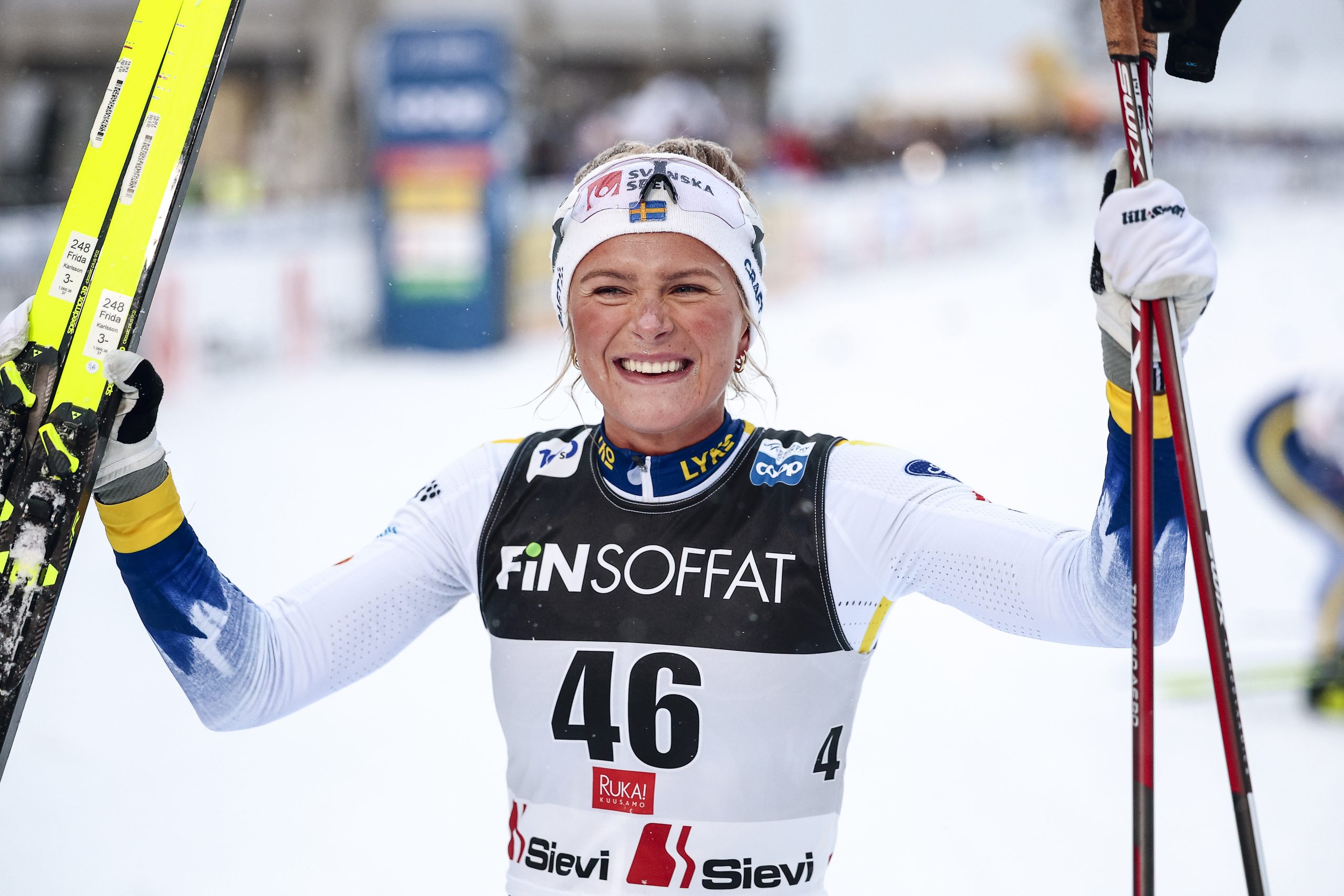
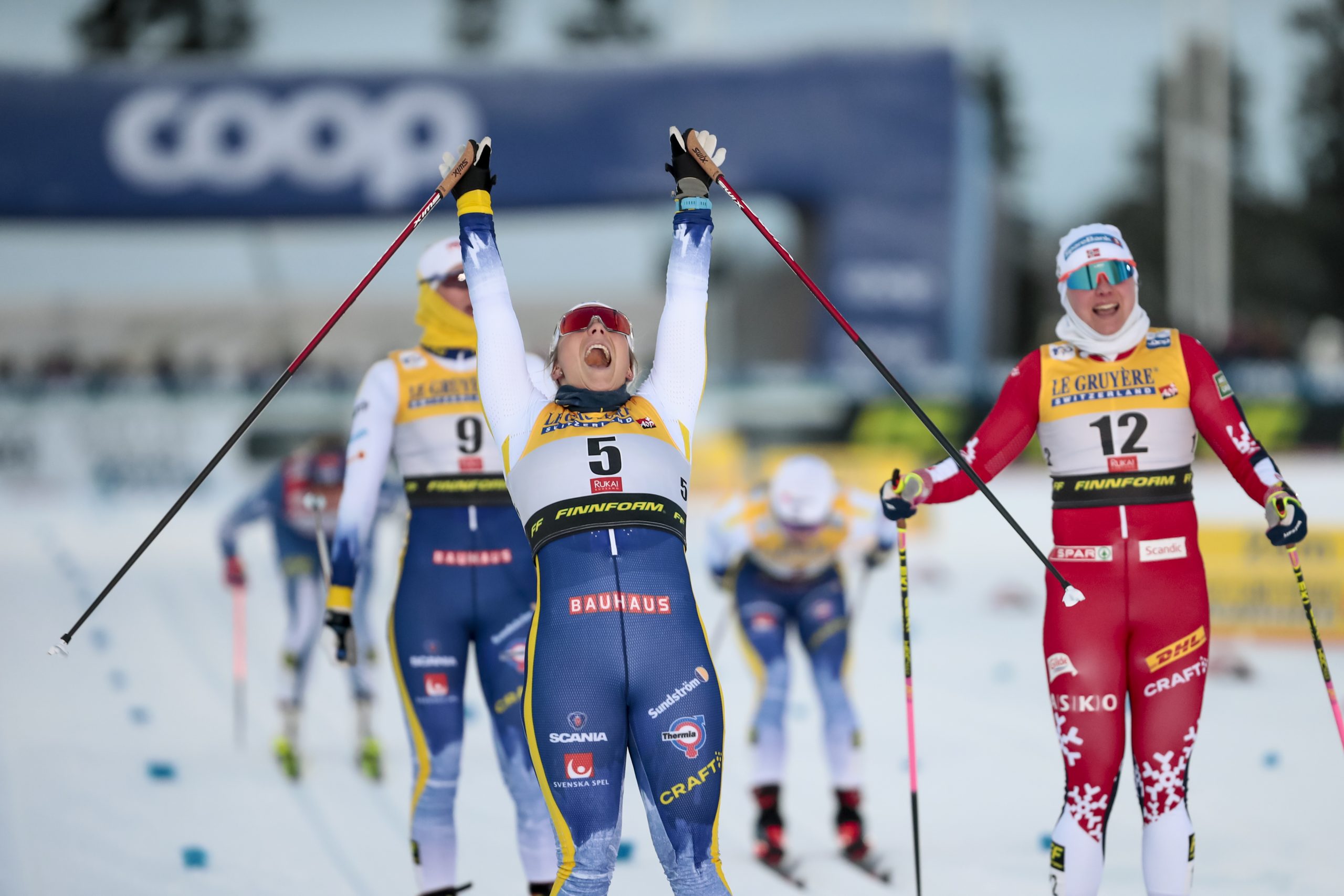
    Frida Karlsson (SWE) exults in the finish area after her dominant victory in the Women’s 10 k Classic Interval Start in Ruka, Finland. The World Cup season has begun, and Therese Johaug (NOR) has returned. But all eyes are likely to remain fixed on Karlsson. (Photo: NordicFocus)

    Final Thoughts

    The European Cross-Country Skiing Championships 2024 is set to be a wonderful show full of athleticism, strategy, and endurance. From the stunning backdrop of Val di Fiemme to the fierce competition on the tracks, the event promises to be a highlight of the winter sports season.

    Whether you are a dedicated fan or a newcomer to cross-country skiing, this year’s championships offer something for everyone. So, mark your calendars, follow your favourite athletes, and prepare to witness the best of European skiing!

  • Why Cross-Country Skiing Is Becoming a Popular Betting Sport

    Why Cross-Country Skiing Is Becoming a Popular Betting Sport

    Cross-country skiing is less common among fans of traditional sports, but it’s still gaining popularity globally. Loud tournaments in this discipline are already held in different regions, and it’s not surprising that exclusive competitions become a titbit for betting enthusiasts. The main difference between cross-skiing and downhill skiing is the location. We used to classic downhill tracks, while here, athletes compete on flatter ground that is often not prepared in advance. Punters rarely consider this wagering opportunity, and in vain, since these contests are thrilling and offer multiple winning opportunities.
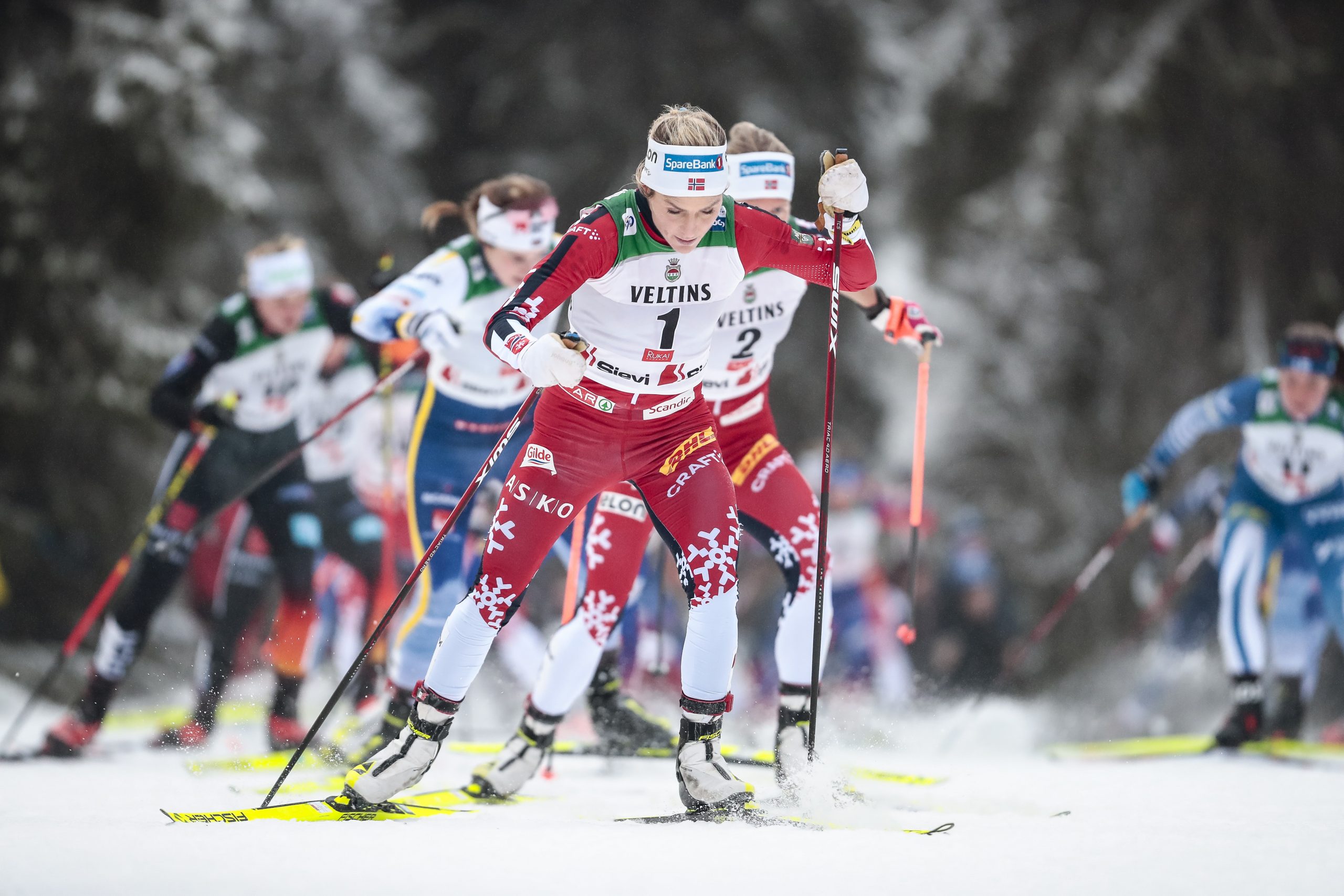
    Race instigators included Norway’s Martin Loewstroem Nyenget (4). He would race boldly, finishing the day in third place. (Photo: NordicFocus)

    Chance to Explore Niche Betting Options

    Undeniably, betting on disciplines like football and basketball is attractive for risk-seekers since many events occur daily, and finding suitable odds is simple. But let’s admit it – punters are often tired of such routines and search for exclusive opportunities. Wagering on cross-country skiing with a sportsbook not on GamStop is a great way to diversify your entertainment and explore something new. Although this discipline is available in a limited number of online sportsbooks, it’s gaining popularity in the betting market. 

    Choosing bookies not on GamStop gives bettors more flexibility, especially for those who have self-excluded through the GamStop program but still want to place bets on exciting and unconventional sports. These platforms typically offer an extensive variety of sports and markets, allowing enthusiasts to engage with new betting experiences and explore sports they might not have considered before.

    Lots of International and Local Competitions

    At first glance, selecting a suitable event to bet on is complicated when it comes to cross-country skiing, which is why punters select more popular disciplines. But still, multiple events are held globally. The major competitions include the World Cup, FIS Nordic World Ski Championships and The Tour de Ski. Moreover, many local tournaments take place regularly, so punters will definitely not get a single chance to get bored. Various ski formats and track lengths make the contest even more exciting, while bettors can boost their initial stake and win significant money prizes.

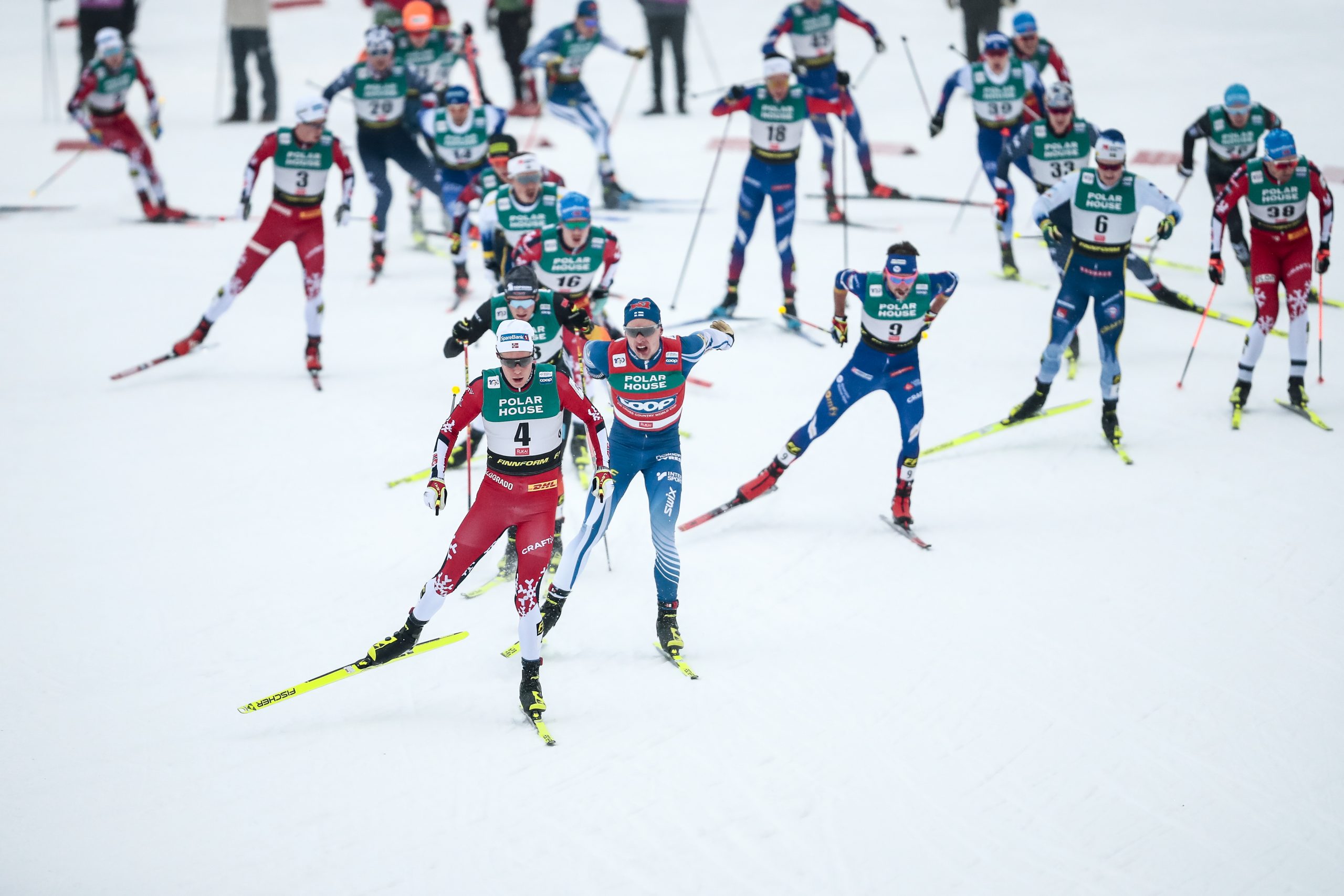
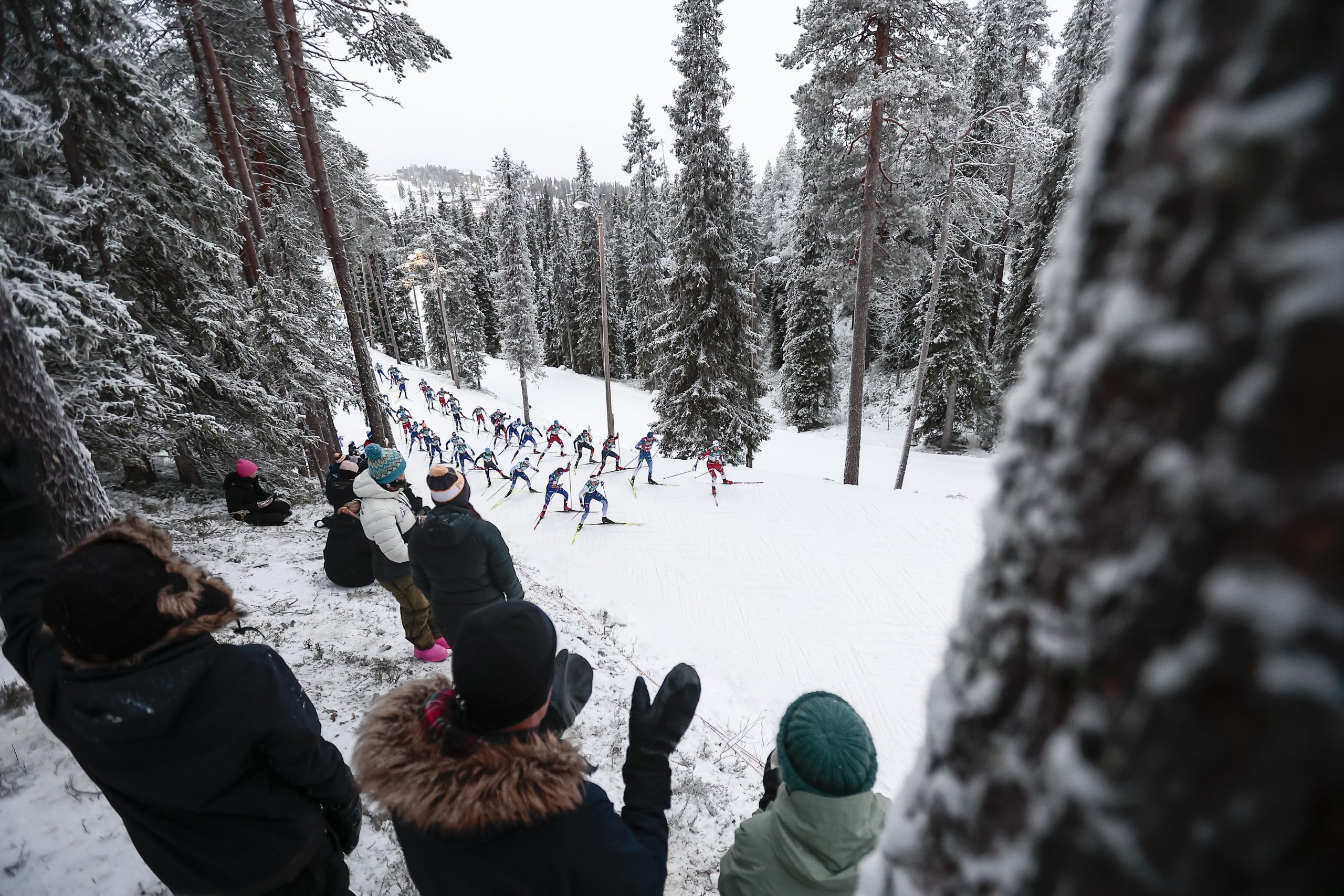
    01.12.2024, Ruka, Finland (FIN): Lauri Vuorinen (FIN), Max Hollmann (CAN), Anian Sossau (GER), Juuso Haarala (FIN), John Steel Hagenbuch (USA), Arsi Ruuskanen (FIN), (l-r) – FIS world cup cross-country, mass, Ruka (FIN). (Photo: NordicFocus)

    Cross-Country Skiing Betting for Smarter Predictions

    As a rule, more prominent leagues are hyped among the audience, and most opt for the favourite. In this case, the bookmaker can move the line due to a particular team’s popularity. Here, changes are based on the common opinion, which provides punters with lower winning opportunities. Instead, niche betting options like cross-country skiing are less in demand, and odds’ updates usually indicate that wagering enthusiasts found a successful line that the bookmaker overlooked. This approach allows users to build more informed strategies and boost their cash prizes.
    Variety of Bet Types

    At first glance, it may seem you can only bet on the race winner in cross-country skiing, but this is far from the case. Of course, this wagering type remains the most popular among punters, but bookmakers offer many more opportunities. For instance, users can enjoy matchups between the two best athletes, predict top skiers in the league, or wager on the margin of victory. With the right strategies and insights, punters can succeed with no limit betting at non-GamStop sites, exploring a range of options that go beyond the typical race winner bets, and adding excitement to their betting experience.

    Finland’s Sprint hopes were riding on Jasmi Joensuu (FIN), (far left), but ultimately Finnish fans would go home empty handed. (Photo: NordicFocus)

    The Possibility of Oddsmakers’ Mistake Is Higher

    Since cross-country skiing is not as popular as football or tennis, bookmakers often base their odds on historical data. However, the latest trends may significantly vary from previous results. This gives punters an evident advantage – but of course, they should explore the market beforehand.

    Expanding Your Horizons in the Sports World

    Making a random prediction on the chosen cross-country skiing event is not the best solution, and experienced punters know how important informed decisions are. Therefore, bettors should explore previous athletes’ successes and failures and learn detailed pre-race statistics. This allows users to delve into the sport’s peculiarities and enjoy previous competitions, broadening their horizons and unlocking new possibilities.

    Gus Schumacher (USA) is hoping to build upon his success from last season. (Photo: NordicFocus)

    Chance to Get Exclusive Rewards

    Cross-country skiing betting options are available in a limited number of online sportsbooks, which can give a significant advantage. Users can enjoy juicy bonuses on almost every betting site, but modern operators concentrate on personalisation. Therefore, wagering on niche disciplines, such as one of the Olympic sports cross-country skiing, can provide users with additional incentives on the chosen platform. These specialized betting markets often come with exclusive promotions and tailored rewards, enhancing the overall betting experience.

    Tips for Betting on Cross-Country Skiing

    Overall, the betting process on different disciplines doesn’t differ, as users have to explore the market, choose a reliable online sportsbook, and maintain a responsible approach to this entertainment. However, experienced punters gladly share their advice on maximising profits on bookmaker sites, so have a look at some helpful tricks:

    • Learn the sport’s history but focus on the latest statistics
    • Know athletes’ strengths and weaknesses
    • Explore the race format and the track beforehand
    • Don’t always bet on favourite: bookies can make mistakes

    Beginners shouldn’t invest huge sums – instead, beginning the betting journey with a minimum deposit is the best choice. Many bookies offering cross-country skiing odds accept low top-ups, so don’t hesitate to use this chance to try your luck.

    30.11.2024, Ruka, Finland (FIN): Johanna Hagstroem (SWE) – FIS world cup cross-country, individual sprint, Ruka (FIN). (Photo: NordicFocus)

    Final Insight

    Cross-country skiing is underestimated in the global betting arena, but this trend is projected to change soon. More and more bookmakers are accepting this discipline, highlighting major events and providing users with attractive odds. Niche sports can often bring higher payouts, which is among the main reasons for punters to explore cross-country skiing wagering options.

  • The 7 Best International Cross-Country (Nordic) Skiing Destinations

    The 7 Best International Cross-Country (Nordic) Skiing Destinations

    Gliding through well-maintained, snowy trails on a pair of cross-country skis is one of the best ways to enjoy winter. Across the world, there are many places to venture out on cross-country skis, including those with stunning beauty, luxurious accommodations, and everything you need for an enjoyable après-ski. Revealed below are seven of the best cross-country destinations on the planet.

    1. Banff National Park, Canada

    Come winter, Banff National Park transforms into the ideal skiing destination, delivering thrills and entertainment that rival those you’ll find at an online casino, much the same way casino bonuses are easily found on BonusFinder Canada. In both cases, you’ll uncover exciting opportunities you may not have been aware of previously, allowing you to enjoy yourself to the absolute fullest.

    Banff has a variety of trails that cater to different skiing levels, so whether you’re new to the sport or have been at it for decades, you’ll find something enjoyable while enjoying breathtaking views of Banff’s mountain ranges and pristine lakes. But a trip to Banff also encompasses far more than skiing — you’ll also find hot springs, spas, festivals, and decadent dining options among the area’s offerings.

    2. Seefeld, Austria

    The Austrian town of Seefeld is known best for one thing: cross-country skiing. Naturally, this makes the town a top destination for those seeking a skiing getaway — although its Christmas village atmosphere, set between the snow-capped mountains of the Alps, is charming enough to warrant visiting even if you have no interest in skiing. Seefeld is home to Austria’s largest network of cross-country ski trails, totaling 245 kilometers (152 miles) of trail.

    Along the trails are huts where you can enjoy refreshments or rest before heading back out into the cold. The village is home to comforts like cafes, bars, and restaurants, many of which are accessible through the thoughtfully built pedestrian zone that’s safe and cozy to walk through day or night. After a day of skiing, this makes it simple to relax, unwind, and satisfy the hunger you worked up on the trails.

    A few of the 14000 participants make their way across the lakes from Maloja to St Moritz – Lumi Experiences Seefeld – Engain

    3. St. Moritz, Switzerland

    Switzerland has many cross-country skiing destinations, and St. Moritz is one of the best of them. It has hosted the Winter Olympics twice and is considered the birthplace of winter tourism as we know it. You’ll encounter gently rolling hills and beautiful views on your cross-country skis, but you’ll also want to set aside time to embark on the Chantarella-Corviglia, a single-car train built to handle the cold and ice of winter and climb Corviglia mountain. You’ll be able to drink in the stunning mountain scenery from a warm and comfortable train car and then switch to a cable car that reaches the summit’s peak, allowing the landscape to fall away from you for unobstructed, awe-inspiring views of the region.

    4. Ylläs, Finland

    The small village of Ylläs, found in Lapland, Finland, boasts 300 kilometers (just over 186 miles) of cross-country ski trails and unique attractions, making it a dream ski destination. The most unique of these attractions is the cable car sauna at the Ylläs Ski Resort, which carries four people up to a mountain-top spa—the perfect complement to a vacation spent exercising.

    While the spa is certainly an inviting feature, Ylläs is also situated to allow visitors to see the Northern Lights if the conditions are right. Just a half-hour drive from the resort is the Snow Village Hotel, a hotel made of ice and snow. The hotel features snow carvings and ice sculptures throughout, and the suites include an ice bed frame. It’s a unique experience you’ll marvel at, even if you only walk through the hotel.


    5. Kungsleden, Sweden

    Kungsleden invites skiers to deeply connect with winter and the outdoors with its 400-kilometer (248-mile) skiing and hiking trail that may be more aptly described as an arctic expedition. Though it certainly requires comfort with the cold and long periods outdoors, it’s not without its creature comforts. The trail is skied with a knowledgeable guide, is clearly marked, and has off-grid huts at regular intervals. The huts are equipped with food and saunas where you can warm up after all the trekking and refuel for the next leg of the journey.

    Over eight days, you’ll go through Sami reindeer herding land, get crystal-clear glimpses of the Northern Lights, and have an opportunity to ski in a whole new way. Given the intensity of this destination, you’ll want to have a decent amount of skiing experience under your belt and ensure you’re in good physical condition.

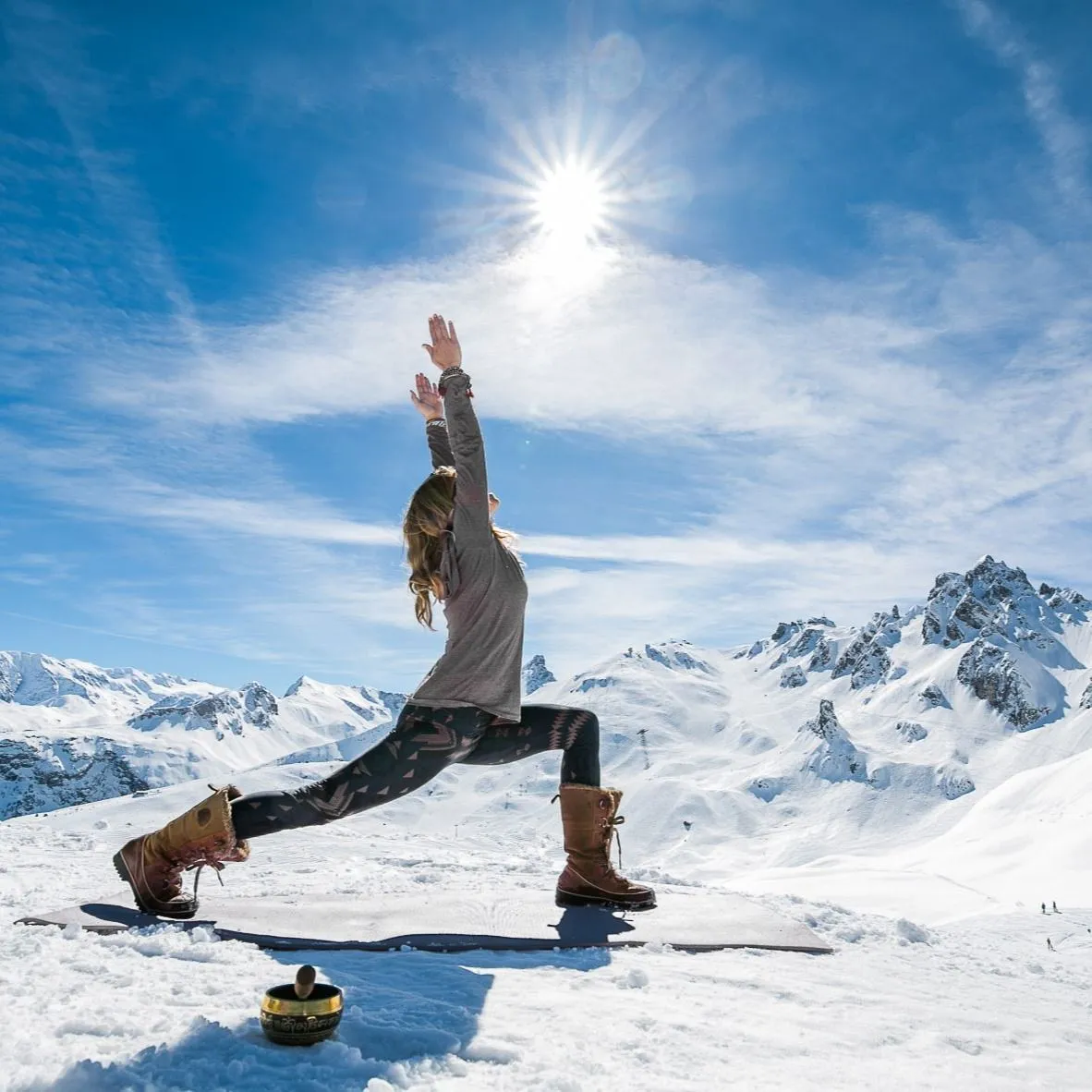
    Winter yoga in Courchevel. (Photo: Courchevel Tourisme)

    6. Courchevel, France

    Cross-country skiing, fine dining, and lavish accommodations meet at Courchevel, France, for an unforgettable experience. The Courchevel area maintains various ski trails ranging from beginner-friendly trails to intense trails for experienced skiers looking for a challenge. After spending your day gliding through the scenic French Alps, you can unwind at one of the many Michelin-starred restaurants. The town is a fusion of classic Alpine village styles and streamlined modern architecture, creating a charming place to meander through that is rich in history and culture and oozes luxury living.


    7. Nozawa Onsen, Japan

    Nozawa Onsen, a tiny Japanese village dating back to the 8th century, is renowned for its hot springs and has become a popular cross-country skiing destination. The small village served as the location for the Nagano 1998 Winter Olympics biathlon, a trail that is still maintained and available for use. Near the Olympic trail is a range of courses for different skill levels.

    However, the highlight of Nozawa Onsen isn’t the skiing but the natural hot baths scattered throughout the village. You can soothe your muscles after all your skiing while learning more about the traditions surrounding the hot springs, or as they are called, “onsen.”

    Conclusion

    These seven cross-country destinations invite skiers to do so much more than hit the trails. They form a comprehensive vacation that invites you to have fun, unwind, and enjoy the finer things in life—be it fine dining, stunning views, or simply the company of loved ones.

  • Ruka Nordic – FIS World Cup 2024: Preview, Teams, Schedule, How and Where to Watch

    Ruka Nordic – FIS World Cup 2024: Preview, Teams, Schedule, How and Where to Watch

    Last year, Jessie Diggins (USA) finished 11th in the 10 kilometer Classic. (Photo: NordicFocus)

    The Ski World Cup Season is upon us, as the Ruka Nordic weekend kicks off the cross-country skiing FIS World Cup season 2024-25 from Friday, November 29, 2024, where the best cross-country skiers on the circuit will compete for the first victories of the winter. For fans looking to place a bet on the action, BetVictor Ontario offers exciting opportunities to get involved in the thrill of the competition.

    The event has been on the FIS World Cup schedule since the 2002/03 season. It has been the place where the cross-country skiing World Cup season kicks off, and this is also the case this time.


    Ruka Nordic Cross-Country Skiing World Cup 2024 Teams:


    Sweden:


    Women Men
    Ebba Andersson Edvin Anger
    Maja Dahlqvist Jens Burman
    Johanna Hagström Emil Danielsson
    Moa Ilar Johan Ekberg
    Frida Karlsson Truls Gisselman
    Emma Ribom Marcus Grate
    Märta Rosenberg Calle Halfvarsson
    Jonna Sundling Johan Häggström
    Linn Svahn Gustav Kvarnbrink
    William Poromaa
    Måns Skoglund
    Oskar Svensson


    Austria


    Women Men
    Teresa Stadlober Michael Foettinger
    Benjamin Moser
    Mika Vermeulen


    Switzerland


    Women Men
    Nadine Fähndrich Cyril Fähndrich
    Nadja Kälin Valerio Grond
    Désirée Steiner Beda Klee
    Anja Weber Janik Riebli
    Johannes Hoesflot Klaebo crosses the finish-line in Ruka while wearing the yellow Overall World Cup leaders bib. (Photo: Nordic Focus).

    Norway


    10 km (c)


    Women Men
    Therese Johaug Johannes Høsflot Klæbo
    Heidi Weng Erik Valnes
    Lotta Udnes Weng Pål Golberg
    Kristin Austgulen Fosnæs Martin Löström Nyenget
    Astrid Øyre Slind Simen Hegstad Krüger
    Tiril Udnes Weng Andreas Fjorden Ree
    Silje Theodorsen Harald Østberg Amundsen
    Emil Iversen
    Erik Valnes (NOR) celebrates at the finish line in Ruka, Finland ahead of Federico Pellegrino (ITA) and Johannes Hoesflot Klaebo (NOR). (Photo: Modica/NordicFocus)

    Sprint


    Women Men
    Julie Myhre Johannes Høsflot Klæbo
    Kristin Austgulen Fosnæs Erik Valnes
    Tiril Udnes Weng Even Northug
    Lotta Udnes Weng Håvard Solås Taugbøl
    Ane Appelkvist Stenseth Sivert Wiig
    Hedda Østberg Amundsen Oskar Opstad Vike
    Harald Østberg Amundsen
    Emil Iversen


    20 km (f)


    Women Men
    Therese Johaug Johannes Høsflot Klæbo
    Heidi Weng Pål Golberg
    Lotta Udnes Weng Martin Løwstrøm Nyenget
    Kristin Austgulen Fosnæs Simen Hegstad Krüger
    Astrid Øyre Slind, Andreas Fjorden Ree
    Silje Theodorsen Jan Thomas Jenssen
    Nora Sannes Harald Østberg Amundsen
    Emil Iversen


    France


    Women Men
    Delphine Claudel Rémi Bourdin
    Flora Dolci Lucas Chanavat
    Juliette Ducordeau Jules Chappaz
    Mélissa Gal Mathis Desloges
    Léna Quintin Renaud Jay
    Maëlle Veyre Richard Jouve
    Hugo Lapalus
    Jules Lapierre
    Théo Schely


    Finland


    10 km (c) interval


    National team


    Women Men
    Anni Alakoski Niko Anttola (U23)
    Jasmi Joensuu Ristomatti Hakola
    Anne Kyllönen Iivo Niskanen
    Johanna Matintalo Arsi Ruuskanen
    Kerttu Niskanen Markus Vuorela
    Krista Pärmäkoski Lauri Vuorinen


    National quota


    Women Men
    Oona Kettunen Ville Ahonen
    Nora Kytäjä (U23) Juuso Haarala
    Jasmin Kähärä Emil Liekari
    Katri Lylynperä Remi Lindholm
    Vilma Nissinen Lauri Mannila
    Elsa Torvinen (U23) Alexander Ståhlberg (U23)


    Sprint (c)


    National team


    Women Men
    Jasmi Joensuu Juuso Haarala
    Anne Kyllönen Emil Liekari
    Katri Lylynperä Niilo Moilanen
    Johanna Matintalo Joni Mäki
    Kerttu Niskanen Iivo Niskanen
    Amanda Saari Lauri Vuorinen


    National quota


    Women Men
    Anni Alakoski Ville Ahonen
    Ella-Noora Haapalehto (U23) Ristomatti Hakola
    Nora Kytäjä (U23) Lauri Mannila
    Jasmin Kähärä Wiljam Mattila
    Tiia Olkkonen Ike Melnits (U23)
    Krista Pärmäkoski Eero Rantala (U23)


    20 km (f) Mass start


    National team


    Women Men
    Anne Kyllönen Juuso Haarala
    Johanna Matintalo Lauri Lepistö
    Kerttu Niskanen Remi Lindholm
    Vilma Nissinen Joni Mäki
    Eveliina Piippo Iivo Niskanen
    Krista Pärmäkoski Arsi Ruuskanen


    National quota


    Women Men
    Anni Alakoski Niko Anttola (U23)
    Oona Kettunen Miro Karppanen
    Fanny Kukonlehto (U23) Aleksi Parttimaa
    Nora Kytäjä (U23) Veeti Pyykkö (U23)
    Jasmin Kähärä Markus Vuorela
    Emmi Lämsä Lauri Vuorinen


    Italy:


    Men Women
    Federico Pellegrino Caterina Ganz
    Francesco De Fabiani Francesca Franchi
    Elia Barp Anna Comarella
    Davide Graz Nicole Monsorno
    Simone Dapra
    Paolo Ventura
    Michael Hellweger


    Ruka Nordic – FIS World Cup 2024: Schedule


    Ruka will kick off the season with a 7.5km cross-country run on Friday, November 29, before a traditional Gundersen 10km run on Saturday, November 30, 2024. The weekend will finish on Sunday, December 1, with a Mass Start.


    NOTE! All the times in the calendar are Central European Time (CET), UTC +1.


    Friday, November 29, 2024


    • 10 km (c) interval, women – 10:00
    • 10 km (c) interval, men – 12:40


    Saturday, November 30, 2024


    • Sprint (c) qualification, women – 9:00
    • Sprint (c) qualification, men – 9:00
    • Sprint (c) finals, women – 11:30
    • Sprint (c) finals, men – 11:30


    Sunday, December 1, 2024


    • 20 km (f) Mass start, men – 9:30
    • 20 km (f) Mass start, women – 11:25


    Ruka Nordic – FIS World Cup 2024: How and Where to Watch Live


    • Across Europe and Asia: Eurosport
    • In the United States: Via Ski and Snowboard Live
    • In Norway: Viaplay
    • In Canada: CBC-SRC
    • In Latin America: ESPN


  • Skiing Across Cultures: What Tracks Has Tradition Left on the Modern Slopes?

    Skiing Across Cultures: What Tracks Has Tradition Left on the Modern Slopes?

    For centuries, skis have carried humanity across snowy expanses—first as survival tools, now as icons of sport and culture. Each region infuses its own unique character to the sport, shaping distinct skiing experiences across Europe, Asia, and North America.

    On the hills above Oslo, Norway, crowds returned in droves to Holmenkollen for the men’s 50 k mass start classic. (Photo: NordicFocus)

    The Heart of European Skiing

    In Northern Europe, where severe winters shaped daily life, skiing originated as a functional necessity. Scandinavian soldiers relied on skis for swift movement through snowfields, reconnaissance missions, and tactical pursuits. This practical heritage gradually gave way to a vibrant tradition, blending functionality with celebration.

    Today, European ski culture is based on a balance between tradition and competitive spirit. Community events and international competitions champion the sport, fostering camaraderie among participants. The Alps, with their iconic landscapes, have become the epicenter of skiing adventures, attracting enthusiasts from around the globe.

    Competitions and festivals are integral to Europe’s skiing narrative. Events such as the FIS Ski World Cup showcase athletic prowess and uphold the heritage of skiing in the region. Imagine attending these gatherings, surrounded by breathtaking alpine scenery, and capturing a photo that encapsulates the energy of the moment. Turning those images into canvas prints for home decor brings the spirit of those unforgettable days into your living space, making the magic of the slopes a lasting part of your everyday environment.

    Jessie Diggins takes Olympic bronze in the individual freestyle sprint in Zhangjiakou. (Photo: NordicFocus)

    Après-Ski, Asian Style

    While Europe’s skiing culture is steeped in tradition and competition, Asia offers a more meditative approach, combining sport with philosophy. Destinations like Hokkaido in Japan and Yabuli in China offer more than just thrilling descents; they envelop skiers in a holistic experience. Here, skiing extends beyond the slopes to include restorative hot springs, local gastronomy, and breathtaking landscapes.

    Asian skiing culture emphasizes balance and mindfulness, where the focus is on inner harmony rather than speed or skill. This philosophy, rooted in the region’s profound traditions, prioritizes fulfillment over competition. Après-ski traditions, like Japan’s tea ceremonies or temple visits, further enrich the experience, transforming skiing into a journey that connects participants to the local culture.

    Sophia Laukli (USA) (far left) knew that she had to take energy out of the sprinters to have a shot at the podium. (Photo: NordicFocus)

    North American Slopes

    North American skiing reflects creativity and adventure, with young skiers pursuing new techniques and daring styles. Resorts are also committed to sustainability, combining recreation with respect for nature through environmentally friendly practices. Technological innovation shapes the skiing experience in North America, with advanced equipment and augmented reality tools enhancing both performance and enjoyment. Resorts continually push boundaries to create state-of-the-art facilities while maintaining a focus on sustainability. This progressive mindset keeps the region’s skiing culture vibrant and forward-thinking.

    A Global Passion for Snow

    Skiing has evolved from its humble beginnings as a means of survival to a global pastime that celebrates adventure and connection. Advances in transportation and technology have made the sport more accessible, allowing people from diverse backgrounds to embrace its appeal. Events like the Winter Olympics bring athletes and audiences together, showcasing skill and fostering a shared appreciation for the slopes.

    Whether carving through majestic mountain ranges or gliding in indoor ski centers, skiing has become a symbol of culture, athleticism, and the joy of movement. Its ability to unite people across continents reflects a universal love for the snow and the experiences it offers.

  • What to Consider When Choosing Women’s Ski Pants

    What to Consider When Choosing Women’s Ski Pants

    Photo: Tourism Whistler

    Women’s ski pants are not just any ordinary pair of pants. There’s so much to consider before you can finally settle for one. There are so many women’s ski pants options out there to choose from but don’t you worry because we have some really good helpful points to help you choose the ones that are perfect for you!

    Fit and Comfort

    There are options to choose from when it comes to fit and comfort. From baggy and slim fit to regular, pick something that matches your style and also make sure it is comfortable. Comfort should be your top priority when it comes to choosing ski pants as you need to be able to move freely without feeling much tension on your body.

    Waterproof and Breathability Ratings

    When on the mountains, you are going to be riding through powder and some slushier conditions, so it is important to have waterproof pants. Look for ratings on the pants before you buy one and make sure they will keep you nice and dry. Having a pair of waterproof pants is essential while skiing so you don’t get soggy and wet from inside-out while you ski down the slopes.

    Insulation Type

    Being cold comes with the skiing territory – that being said you need to make sure your pants give you all the warmth. This is where insulation comes in! Before buying get your Twitter fingers ready, do some research on insulation types and make sure your pants have insulation type that matches how warm you want to feel and the temperature of the place you are going.

    Features and Functionality

    There are plenty of gadgets built into skiing pants. Think about what you really need. Do you want some air while heading up the slopes? If so, then you should have ventilation zippers. If you are skiing a lot of fresh snow you might need the bottom hem scuff-guards so you don’t ruin your pants. Also make sure your pants have pockets for carrying some essentials.

    Style and Colors

    Your ski outfit should be functional, but also it should not be boring. There are fashionable pants available in all colors and patterns that express your personal style while keeping you safe and sound on the slopes. Whether you are a fan of neutral colors or like to make a statement, there are some simply stunning options that are available for you! Use the slopes as your very own runway and rock gorgeous women’s ski pants that not only keep you warm but look really good while you are at it!

    Price vs. Quality

    Just like any other pants, ski pants cover the whole spectrum of price points– you can find good and cheap versions, or you can get pants that are good but on the pricier side, aka from a luxury designer.  So think about your wallet. If your skiing trip is a one-off, then sure, you can go for something good and cheap. But if you are addicted to the slopes, it’s not a bad idea to consider something that is pricey because ski pants can last several years!

    Recreational skate. (Photo: Pierre Jarry)

    Layering Ability

    When shopping around, make sure you can find room to layer some thermals underneath the pants, so you’re not too snug. This will allow you to keep warm or cool down when needed throughout the day.

    Where to Shop

    You need to get your ski pants from a place that will give you loads of options from a ton of sources. If you are shopping online, a place that will give some helpful reviews – somewhere like Allegro may tickle your fancy! Also, to save some money and get some great pants, you may want to be on the lookout for deals and discounts.

    The Perfect Women’s Ski Pant For You

    So, there you have it! How to choose the best women’s ski pants will certainly differ depending on you. Hope this article is able to help you! Shopping will definitely be a breeze now. Keep in mind the things we discussed in this guide and you’ll be ready to go out and tackle the slope in no time. Now go on and hit those slopes in style!

  • In which countries can you bet on cross-country skiing?

    In which countries can you bet on cross-country skiing?

    A packed stadium for the final day of World Cup racing in Falun Sweden (Photo: NordicFocus)

    With so many betting platforms now offering markets for hundreds of professional competitions and events, the growth of niche sports and their betting markets has become an intriguing element. We appreciate that the term “niche market” might come as loaded to some, especially if you have a passion for winter sports and cross-country skiing, but this is purely a statement of fact.

    For instance, my favorite sport is boxing, which is a niche sport, especially if we’re looking at global viewing figures. Cross-country skiing might experience a spike in TV viewing ratings and betting markets during marquee events like the Winter Olympics, but it is considered a niche sport for most of the year.

    That isn’t to say there isn’t interest in these markets though. A more critical element is whether local or national legislation allows you to bet on winter sports like cross-country skiing, and that’s what we will focus on today.

    All stoke, Richard Jouve (FRA), Hugo Lapalus (FRA), Clement Parisse (FRA), Maurice Manificat (FRA), (l-r) celebrate bronze in the men’s 4 x 10 k relay at the 2022 Beijing Olympics (Photo: NordicFocus)

    Notable gambling jurisdictions

    The UK paved the way for gambling legislation in Europe as the landmark UK Gambling Act 2005 opened the doors for a new world where iGaming companies could flourish. The market is open primarily to European bettors who want to bet on cross-country skiing. It works both ways as betting platforms must adhere to legislation too, so they will pick a country where betting is legal before undertaking the arduous and costly process of setting up markets and advertising campaigns.

    The only notable exception is Kosovo, the only European country that outright forbids any form of gambling. However, keeping up with legislation is essential, as it can be updated and changed quickly.

    Despite being nearly 20 years old, the 2005 UK Gambling Act is still a blueprint for other prominent nations that have followed suit and updated their dated legislation or have entirely changed their stance on whether betting should be legal. The two most notable countries added to this list this decade have been the US and Canada.

    Although gambling lobbyists have worked hard behind the scenes in both countries to get legislators to take a more favorable look at how the industry is regulated, taxed and managed across the vastness of the North American continent, it wasn’t until 2021 that changes in both countries allowed gambling to be legislated at a state and provincial level.

    Andrew Musgrave (GBR) toes the finish line just off the podium in 4th place as the only non Norwegian in the top ten. (Photo: NordicFocus)

    Areas where betting on cross-country skiing isn’t allowed

    It’s probably too generic to state that you can bet on cross-country skiing in one country as a collective entity. Countries where skiing is most popular include the US, Canada, France and Switzerland.

    You can bet in most US states, but sports betting is illegal if you live in Texas, California or Utah. You can face fines and other punishments for online betting on any sports event.

    While Canada doesn’t have the same range among its provinces, and sports betting is managed but legal within each province, there are still small nuances between each province. As a result, it is always best to check locally before placing a bet on cross-country skiing just to ensure you know where you stand.

    In the Southern Hemisphere, New Zealand is a popular skiing destination too, with many Kiwis winning medals in the Winter Olympics in various winter sports. The gambling markets in Australia and New Zealand mirror those in other Western countries, so you can also find ample markets for cross-country skiing events. Japan is another notable country where skiing is popular, but gambling is frowned upon.

    Julia Kern leads Katharine Ogden, her then fellow Stratton Mountain School (SMS) and U.S. Ski Team development team member, during the Snow Farm’s 21 k Snow Rake at the 2018 Merino Muster in Wanaka, New Zealand. (Photo: Garrick Cameron)

    Responsible gambling

    Often, the main reason why countries or certain jurisdictions are uneasy about allowing online gambling is because of the risk posed to a percentage of bettors who will develop a problem. In countries where gambling is more liberally legislated, like the UK, sportsbooks have an extensive range of tools and there are organizations bettors can seek out to help them with problem gambling.

    These range from organizations like Gamblers Anonymous to cooling off periods and time outs, which ensure you cannot place more bets on a platform for a specific period. It’s crucial to understand and use these tools and to reach out for help if you believe you or somebody you know is developing an issue with betting.


    Final thoughts

    Although the Japanese have an excellent record in skiing events, their culture takes a harsher approach to sports betting. Of all the countries and jurisdictions where cross-country skiing is a popular sport and a big tourist attraction, we’d say Japan, California and Utah are the ones to be aware of.

    They have world-class skiing centers and athletes, but you cannot bet on the events. However, you will have no problems betting on cross-country skiing in European countries where skiing is popular, such as Austria, France and Switzerland.

    Whether you’re looking to bet on cross-country, ski jumps or Nordic Combined, niche markets and winter sports are treated in the same way as some of the more popular mainstream markets.

    While we have already mentioned it, we must reiterate that these laws are subject to change. Use this article as a guide but be sure to check the latest information to ensure you know the current stance on the legality of betting on cross-country skiing where you live.

    Jasper Good jumps in a December, 2021 World Cup competition in Lillehammer, Norway. (Photo: NordicFocus)
  • How to Wager on Cross-Country Skiing

    How to Wager on Cross-Country Skiing

    Key Betting Options and Strategies

    Betting on cross-country skiing includes several options, each offering different levels of risk and reward. The most straightforward of these is the “outright winner” bet, where one wagers on a skier or team to take first place in a specific race or event. While this bet offers higher returns, it comes with considerable risk, particularly given the unpredictable nature of the sport and the large number of participants, often nearing 100 competitors per race.

    Other betting types that provide a broader safety net include the “podium finish” and “head-to-head” bets. Podium finish bets allow a bettor to wager on whether a specific skier will place in the top three, reducing the risk while lowering the payout. A head-to-head bet, on the other hand, compares the ranking between two athletes during the race, providing a simple win/loss outcome based on which of the two finishes ahead. It’s a popular choice for bettors who wish to focus on a more manageable, two-skiers scenario rather than the full field of competitors.

    More niche bets are also present in cross-country skiing, such as “top nationality” bets, which predict the nationality of the winning skier. Additionally, “prop bets” add complexity, allowing wagers on specific outcomes such as the fastest time, individual lap times, or even which skier might lead at various race intervals.

    Harald Oestberg Amundsen (NOR), Gus Schumacher (USA), Paal Golberg (NOR), (l-r) – FIS world cup cross-country, 10km, Minneapolis (USA). (Photo: NordicFocus)

    Maximizing Wagering Opportunities with Promotions

    Exploring various wagering opportunities can enhance the overall strategy. When placing bets, it is essential to rely not only on informed analyses of athletes’ performances and conditions but also to consider the advantages provided by promotions offered by betting platforms. For instance, many bookmakers introduce competitive offers like odds boosts for major events such as the Winter Olympics or the Tour de Ski, which can greatly increase potential returns. Additionally, new bettors often find value in introductory bonuses that can provide additional funds to place initial wagers. These promotional strategies can be especially beneficial when leveraged in conjunction with thorough research about athletes and event-specific variables.

    Moreover, while exploring these options, it’s advisable to compare offerings across several platforms. Each platform might cater to different aspects of sports betting, including sports betting promos that could make a noticeable difference to a bettor’s bankroll. For example, some sites may feature loyalty programs that reward frequent betting, while others might offer cashback on certain wagers. Understanding how to effectively use these promotions can lead to more strategic betting decisions. Analyzing the variety and conditions of these promotions is crucial for bettors aiming to optimize their betting strategy in cross-country skiing events. By doing so, bettors can approach each event with a refined perspective and potentially improve their overall wagering success.

    Johannes Høsflot Klæbo takes fourth in tough conditions during the 15k individual start classic in Lenzerheide, keeping himself in good standing in the overall Tour ranks. (Photo: NordicFocus)

    Analyzing Athletes and Race Conditions

    Before placing any bets, it is important to scrutinize the performance history and current form of athletes. Cross-country skiing’s long season features the FIS World Cup, where skiers compete across multiple venues and race formats. Recent results in World Cup races can provide indicators of which athletes are in peak condition while also revealing key insights into the possible effects of injuries or seasonal fatigue. Alexander Bolshunov holds a formidable reputation in the sport, having won multiple Crystal Globes. However, his fluctuating health, including surgeries like the jaw operation he received before the 2023 season, introduces performance uncertainty. Bettors could also examine Johannes Høsflot Klæbo’s consistent prowess, particularly in sprint events, to evaluate his potential in specific race formats.

    In cross-country skiing, the difference between a podium finish and an average result can often be traced to small but influential factors, the most prominent being course conditions and weather. Bettors need to remain aware of how different athletes perform under varying conditions, such as dense snowfall or extreme temperatures. Athletes who are stronger at particular altitudes or warmer climates, for example, might tend to perform better at races in Southern Europe or lower-altitude venues.

    Equally important are race-specific conditions. Cross-country skiing events are contested either in the classic or skate technique styles, each requiring athletes to excel with different skill sets and biomechanics. Consequently, successful betting hinges on knowing which skiers favor certain ski techniques and whether the course for an event will feature classic or skate-style skiing. Skate-skiing techniques, which were adopted by the International Ski Federation starting in 1986, tend to favor more athletic and explosive racing, often requiring wider and smoother trails than their classic-style counterparts.

    Antoine Cyr, Xavier Mckeever, Graham Ritchie and Olivier Leveille (l-r) after the men’s relay at the 2023 FIS Nordic World Ski Championships in Planica, Slovenia. (Photo: NordicFocus)

    Importance of Team Dynamics in Relay Events

    Certain competitions, such as the 4×10 and 4×5-kilometer relays, bring team dynamics into play as teammates work together throughout the race. This interplay between team members during relay events can offer an additional edge for bettors. Analyzing teams that frequently race together or train as a cohesive unit can reveal synergies. It is not uncommon for national teams to rotate or substitute skiers depending on individual schedules, race strategies, and seasonal fatigue levels, meaning occasional substitutions can upset expectations in relay events if bettors have not accounted for the changes in lineups.

    Strong consideration should be made for teams that have a history of performing well together or feature star anchor skiers who can make up deficits in the final leg. An athlete like Klæbo, known for closing strong, can cause wild swings in betting outcomes when teams featuring these stars have a chance to capitalize during pivotal final moments.

    Harald Oestberg Amundsen (NOR) – FIS world cup cross-country, Tour de Ski, final climb, Val di Fiemme (ITA). (Photo: NordicFocus)

    Factors to Consider for Consistent Winnings

    Athlete injuries and absences are as vital to winning bets as performance metrics. Cross-country skiing is a physically exhausting sport that causes multiple athletes to pull out of key races either due to chronic injury or strategic rest for more key races later in the season. Before placing any bets, research should focus not only on which athletes will race but also on their injury status and fitness going into the event. While experienced contenders tend to maintain sustained seasonal form, newer athletes may slack off in minor events, especially when skipping races to stay fresh for championships like the Tour de Ski or the Winter Olympics.

    Another factor to consider is identifying value bets based on recent and peak performances. Betting markets can sometimes underprice athletes who have had disappointing results due to temporary injury setbacks or minor tactical errors in previous races. These athletes might present an opportunity for sharp-eyed bettors when competing on terrain that suits their particular strengths.

    Betting odds are another important facet. Bettors frequently overlook the margins set by bookmakers, which typically range between 7%-8% for cross-country skiing events. To increase potential payouts, it is essential to compare the odds offered by different bookmakers. Small variances, such as a shift from 2.50 odds to 2.70 odds on a favorite, can compound greatly over time, especially when paired with intelligent risk management.


  • How Can You Showcase the Power and Emotion of Adaptive Skiing Through Photography?

    How Can You Showcase the Power and Emotion of Adaptive Skiing Through Photography?

    Tatyana McFadden competes at the 2013 IPC World Cup in Cable, Wis.(Photo: James Netz)

    Adaptive skiing empowers athletes with disabilities to conquer the slopes using specialized equipment and techniques. To truly capture its essence, it’s important to understand the sport’s nuances, unique gear, and emotional depth. By concentrating on capturing dynamic shots and telling compelling stories, photographers can effectively bring these athletes’ inspiring journeys to life through imagery.

    Followed by Pike (l) and Dodson

    Highlighting Adaptive Skiing Techniques in Photography

    First and foremost, understanding the specific techniques adaptive skiers use, such as sit-skiing or mono-skiing, is vital for capturing impactful moments. For example, shooting sit-skiers from a lower angle highlights both their facial expressions and the adaptive gear they rely on. Additionally, using fast shutter speeds captures crisp, action-packed shots as skiers move quickly down the slopes. For added dimension, try panning with the skier to blur the background while keeping the subject in focus, which enhances the feeling of movement. Ultimately, these types of shots work perfectly for custom poster printing, allowing athletes to showcase their finest moments and celebrate their achievements.

    Moreover, timing and positioning are essential. Positioning yourself at exciting points in the course, such as jumps or sharp turns, allows you to capture both action and emotion. Whether it’s an athlete carving through snow or a triumphant finish line moment, timing is key to creating impactful photographs.

    Andy Soule (U.S. Paralympics/Army) leads teammates Sean Halsted (l) and Jeremy Wagner into the finish of Monday’s sprint. Soule was second to Dan Cnossen, Halsted took third and Wagner was fourth.

    Showcasing Adaptive Equipment in Action

    Adaptive skiing relies on specialized gear such as sit-skis, mono-skis, and outriggers, which are essential for this type of skiing. Highlighting this equipment in your shots can help viewers appreciate the ingenuity behind adaptive sports. Close-up shots of the gear in use, along with images that highlight the seamless connection between the athlete and their equipment, emphasized the incredible skill required. Combining action shots with still-life photos of the gear provides a complete perspective, showing not just the speed and intensity, but also the technology that empowers adaptive athletes.

    Furthermore, capturing both the dynamic use of equipment and still moments before or after the race helps to educate viewers. This approach also provides a sense of appreciation for the engineering and innovation that go into adaptive gear. By blending these two perspectives—action and detail—you present a fuller story about the athlete’s experience.

    Handcyclists, led by Kelly Brush, at the start of the 11th Annual Kelly Brush Ride powered by VBT Bicycling and Walking Vacations on 9-10-16 in Middlebury, Vermont. The annual ride through the Champlain Valley drew more than 700 cyclists and 30 handcyclists and raised more than $400,000 for adaptive sports and ski racing safety. (Image: Caleb Kenna)

    Capturing Emotion in Adaptive Sports Photography

    To truly reflect the spirit of adaptive sports, especially adaptive skiing, you must capture the emotions of the athletes. Spend time getting to know their stories, and allow that connection to guide your photography. Candid shots of camaraderie, moments of triumph, and even post-race reflection will resonate deeply with viewers. Use expressive compositions to frame the athletes’ faces, bringing attention to the determination, joy, or concentration that defines each moment. Incorporating the surrounding environment—whether it’s a snowstorm or a cheering crowd—enhances the story and transports the viewer into the action.

    Lastly, diverse portrayals are also important. Make sure your portfolio includes a wide range of participants, from different backgrounds, genders, and ages. Show athletes at all levels—from competitive racers to recreational participants. These images not only celebrate individual achievements but also highlight the inclusivity and community spirit that define adaptive sports.

  • The Nordic World Ski Championships: What to Expect

    The Nordic World Ski Championships: What to Expect

    Winter sports enthusiasts are gearing up for one of the most anticipated events of 2025: the Nordic World Ski Championships, held from February 26 to March 9 in Trondheim, Norway. This year’s edition isn’t just about athletic excellence—it’s a celebration of progress.

    For the first time, the championships will offer equal prize money for both men and women, a bold step forward in gender equality that has resonated throughout the skiing community. Athletes are not only chasing gold; they are competing in a more equitable environment, signaling a hopeful shift in the sport’s future.

    Beyond the prize money milestone, the 2025 WSC is set to be the biggest ski festival Norway has seen this decade. Combining the rich heritage of Nordic skiing with cutting-edge competition, this event promises something unforgettable for both athletes and fans.

    With the snowy mountains of Trondheim as a backdrop, the championships will offer an exhilarating mix of cross-country skiing, ski jumping, and Nordic combined events, all while showcasing the very best in winter sports.

    The lead pack in the men’s 50k cheered on my record crowds the last time the World Championships was hosted by Norway in Oslo in 2011.  (Photo: FasterSkier)

    A Tradition Steeped in History

    The Nordic World Ski Championships is not just another winter sports competition. It is a gathering that celebrates the rich history and culture of Nordic skiing, a sport with roots deeply embedded in Scandinavian traditions. Dating back to 1924, the championships have evolved into one of the most prestigious events in winter sports, rivaled only by the Winter Olympics.

    Expect a combination of cross-country skiing, ski jumping, and thrilling Nordic combined—a fierce competition that requires strength and precision in these two disciplines. The events are spread across several days, giving fans ample time to immerse themselves in the heart-pounding action.

    This weekend’s races in Trondheim are a preview of next year’s World Championships. Skiers liked the Sprint course, especially it’s generous width. (Photo: NordicFocus)

    Main Events That Captivate

    For those attending or tuning in, there’s an impressive lineup of events to watch. The Cross-Country events alone offer a variety of formats: individual races, team relays, sprints, and mass starts. It means that no two days will look the same, offering everything from nail-biting finishes to displays of strategic endurance. The most anticipated might be the 50 km Men’s and 30 km Women’s races, where the world’s best long-distance skiers battle through intense terrain and conditions.

    The Ski Jumping competitions are equally mesmerizing. Athletes launch themselves off the towering ski jumps, sailing through the air with what looks like superhuman grace. The individual events, as well as team competitions, will have fans on edge, watching as skiers attempt to execute the perfect landing and defy gravity. Norway, with its strong legacy in ski jumping, is expected to see heavy support from the local crowd.

    Then there’s the Nordic Combined, which fuses the endurance of cross-country skiing with the technical mastery of ski jumping. An athlete who excels in both is a rare breed. The competition is unpredictable, and it offers some of the most thrilling moments in the championships.

    Moreover, Fantasy sports fans will also have their share of fun, with many platforms covering the event. Fans eager to engage more deeply with the action can use the sleeper promo code to get involved and track their favorite athletes’ performances online, adding to this already electrifying championship.


    Johannes Hoesflot Klaebo (NOR) will be racing the Championship on his home trails.  (Photo: NordicFocus)

    A Deep Pool of Talent

    The Nordic World Ski Championships brings together the most talented skiers from around the globe, each with a shot at becoming the next big name in winter sports. Of course, Norway enters the competition with the weight of high expectations. Athletes like Johannes Høsflot Klæbo in cross-country skiing and Halvor Egner Granerud in ski jumping will be the ones to watch. These Norwegian champions have dominated recent seasons and will fight to prove themselves in front of their home crowd.

    But Norway won’t be alone in chasing the gold. Sweden, Finland, and Germany have a long history of strong performances, and emerging nations like Russia and France are fielding contenders who could disrupt the traditional hierarchy.

    Fans should also expect some surprises from underdog countries, where smaller teams have risen through the ranks, driven by a hunger to make their mark on the world stage.

    Jessie Diggins (USA) racing the individual sprint in Trondheim (NOR) last December. (Photo: NordicFocus)

    Fans: What to Expect on the Ground

    For those lucky enough to attend, the experience will be much more than just the competitions. Trondheim is expected to transform into a winter wonderland, with spectators enjoying not just the races but also the festive atmosphere. While daytime will be reserved for the athletes showcasing their talents, the evenings will be filled with cultural performances, local food festivals, and celebratory gatherings.

    The sheer volume of fans arriving in Trondheim will create an electric atmosphere. Expect to see people from all corners of the world coming together to witness the magic of winter sports. Fan zones will be scattered throughout the city, offering a chance to cheer on athletes while watching the competitions on large screens.

    Andrew Musgrave (GBR), Harald Oestberg Amundsen (NOR) and Paal Golberg (NOR), (l-r) during the World Cup skiathlon last December in Trondheim (NOR). (Photo: NordicFocus)

    Final Thoughts

    In recent years, the Nordic World Ski Championships have seen a surge in international attention. Viewership across Europe, Asia, and North America continues to climb, driven in part by a renewed global interest in outdoor sports. These championships offer something different from traditional winter sports like hockey or figure skating. They are raw and grueling, and they showcase both individual prowess and team spirit.

    The 2025 event in Trondheim is expected to be broadcast to millions worldwide, with live coverage across multiple platforms. Fans unable to attend can expect immersive digital experiences, including behind-the-scenes content, athlete interviews, and interactive features that bring the competition closer to home.