Category: XCFeeds

A collection of live feeds from cross-country ski blogs around the web.
  • Most Improved: Women’s Distance

    Moving on from last time to the most improved in women’s distance events…you can read that post for an explanation of the metrics I’m using, and the usual round of caveats.

    Here’s the top twelve:
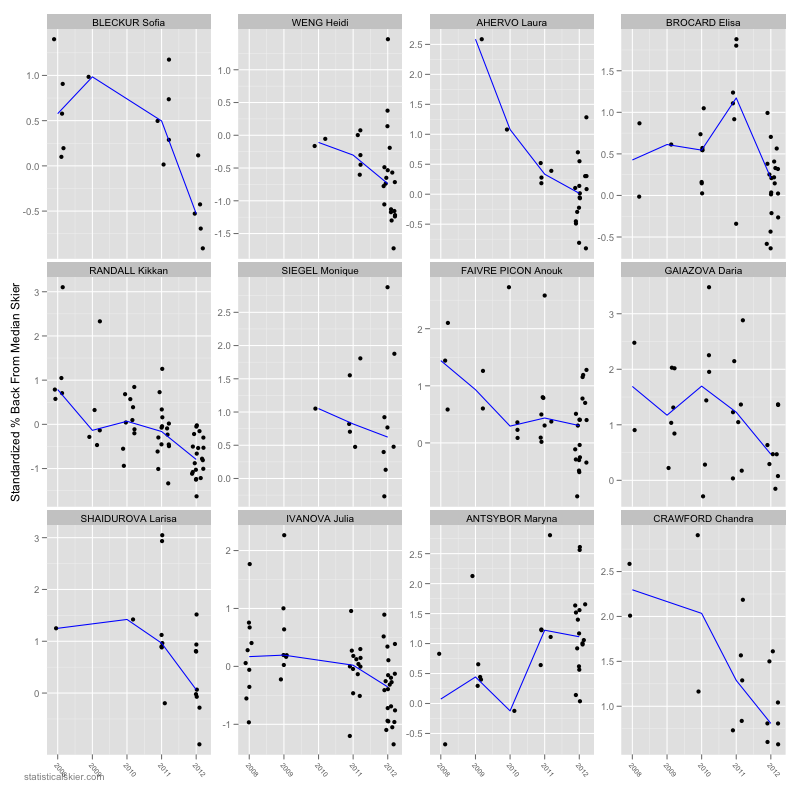
    As before, you can click through for a slightly larger version.

    By these measures, Sweden’s Sofia Bleckur comes out on top. She only did a handful of WC distance races this season, but they included a solid collection of top 30 results, which compared to her efforts last season was a dramatic improvement. Norway’s Heidi Weng, while clearly a future star, had many more starts and a much larger variance in her results. Her “middle of the road” results are all still a decent improvement from last year, and then she added to that a solid collection of outstanding races.

    Finland’s Laura Ahervo looks fairly similar (by their graph at least) to Weng. Short history of WC racing with a sharp uptick in starts this year that included a sizable number of excellent results. Italy’s Elisa Brocard also had a very strong season, but she was definitely aided in this particular ranking by her decidedly sub-par results last year.

    It shouldn’t be too surprising to see Kikkan Randall on this list, as her distance skiing generally took a big step this year. The big take-away I see from her graph is consistency; she just didn’t have any terrible distance races, which when you look over the other folks in this graph is pretty rare.

    Both of the Canadian ladies, Daria Gaiazova and Chandra Crawford are clearly trending in the right direction, although in absolute terms they’re still much closer to be competitive in sprints, probably.

    Both Anouk Faivre Picon and Julia Ivanova saw the bulk of their improvements come from an increase in the number of very strong results, rather than an overall improvement in their “average” race. Again, consistency can be a major issue.

    Related posts:

    1. <Most Improved: Men’s Distance
    2. <Most Improved: Women’s Distance
    3. <Most Improved: Distance 2011


  • Norwegian Nationals: Fauske


    Greetings from the far north. For the last couple days I’ve been kicking it in Fauske, Norway. The small city sits on the North Sea, right up next to the Arctic Circle. I never knew much at all about this place, except that it is the hometown of the Nystad brothers, Knut and Trond. I never heard them speak fondly of the place, so back in the day I called them “fauskefaen.” I guess I wasn’t too far off. My gently improving Norwegian added a new word to the repertoire. Fauske is the plural form of flauskr, or “old and rotten tree.”

    Anyways, the oceanside racing here isn’t something I soon will forget. The weather and the rain turned the ski tracks into mashed potatoes, making for a pretty epic sprint relay. It’s been a little off racing this year for me, so I was representing my Trondheim club Strindheim IL on the second team. But I found some good racing legs, and on three of my 6 legs posted the fastest times of the day, which meant outskiing guys with last names like Northug, Gloersen, Claussen, Dyrhag and Company. On my final lap of the final I caught back up to the leaders with 400meters to go, then soon preceded to take about the hardest fall I’ve ever had on cross-country skis. Poles were broken, my suit was torn, I lost skin, but fortunately my surgically repaired shoulder held up.


    The next day was the 50km classic. I woke up late that morning with a sore shoulder but nothing more and to falling snowflakes and +4C on the temperature dial. My dreams of a fast, furious 50 kilometer were falling with the white precipitation. Making the race so interesting was the altitude. We started the race at sea level, then climbed for pretty much three kilometers straight to 250 meters. I’m sure the scenery was great, working through the weathered forest, above the treeline and beside some stunning lakes. There was even a brass band playing all day at the top of the course for the racers. But the snow this far north undergoes a drastic change as one goes from sea level to atop even a small mountain. The super wet snow turned dry at the top. I can’t almost think of a harder day for waxing. On the women’s side, something like 8 minutes separated the top 4 women over 30 kilometers! Something like 40 of the 120 men didn’t meet the finish line. Fortunately, I did. I had plenty of grip for the big climbs. Unfortunately, I wasn’t outgliding anyone, was getting worked over on the rolling double pole sections, and was getting plenty of pole pushes down the hills. After a while, though, I really had this feeling of how much fun it was to be a skiracer. I wish I had better words to describe it than this, but skiing at a steady rhythm, with coaches passing out bottles of isotonic drink every ten minutes or so (remember, it was hot! and so easy to get dehydrated out there), I remember being 37 kilometers in and I kept thinking several times over, “How cool is this.” It really made me appreciate the opportunity I had that day to compete. I felt proud to be wearing the blue and yellow of Strindheim. The first thing Petter Hagen did when he saw me was give a firm handshake and say, “Good job. You had fun out there today.” He knew exactly how I felt. I’ve had better races. There have been competitions where I’ve dug down deeper into the pain cave and came out on top because ot it. But I’ve had fewer good feelings after finishing a season than I had in Fauske. I’m keeping this feeling for a long time.


    Now I’m back in Trondheim for about two weeks, building for next year before I take a short Euro city vacation with Bettina, then visit my grandparents in Sedona, Arizona. Phillip Furrer is back in Switzerland, but Erik Bakkejord is back in the game. The stoke is high. I can see such great heights in Val di Fiemme.

  • Women’s 30K Photos from Herve Pelletier

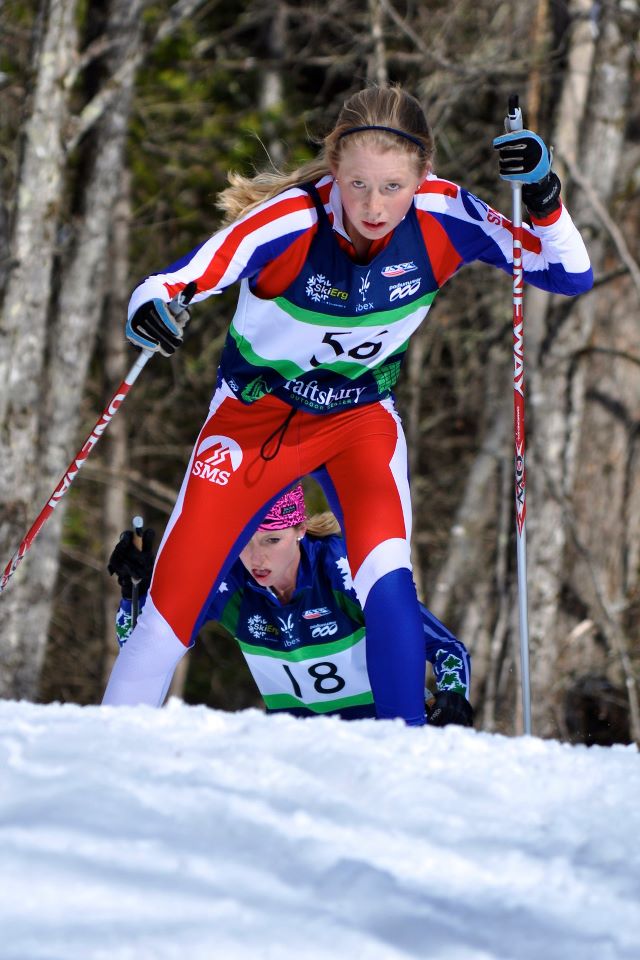
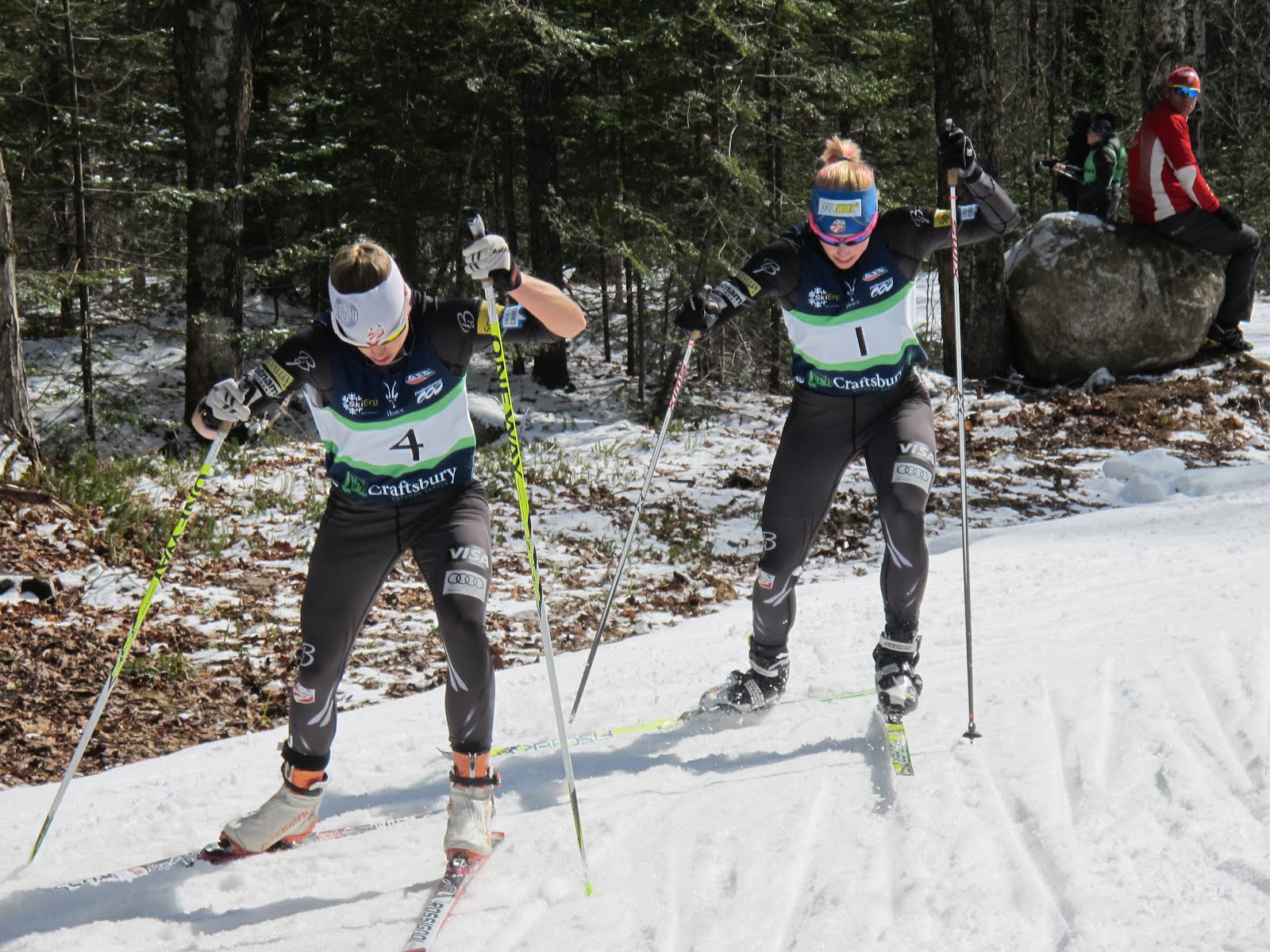
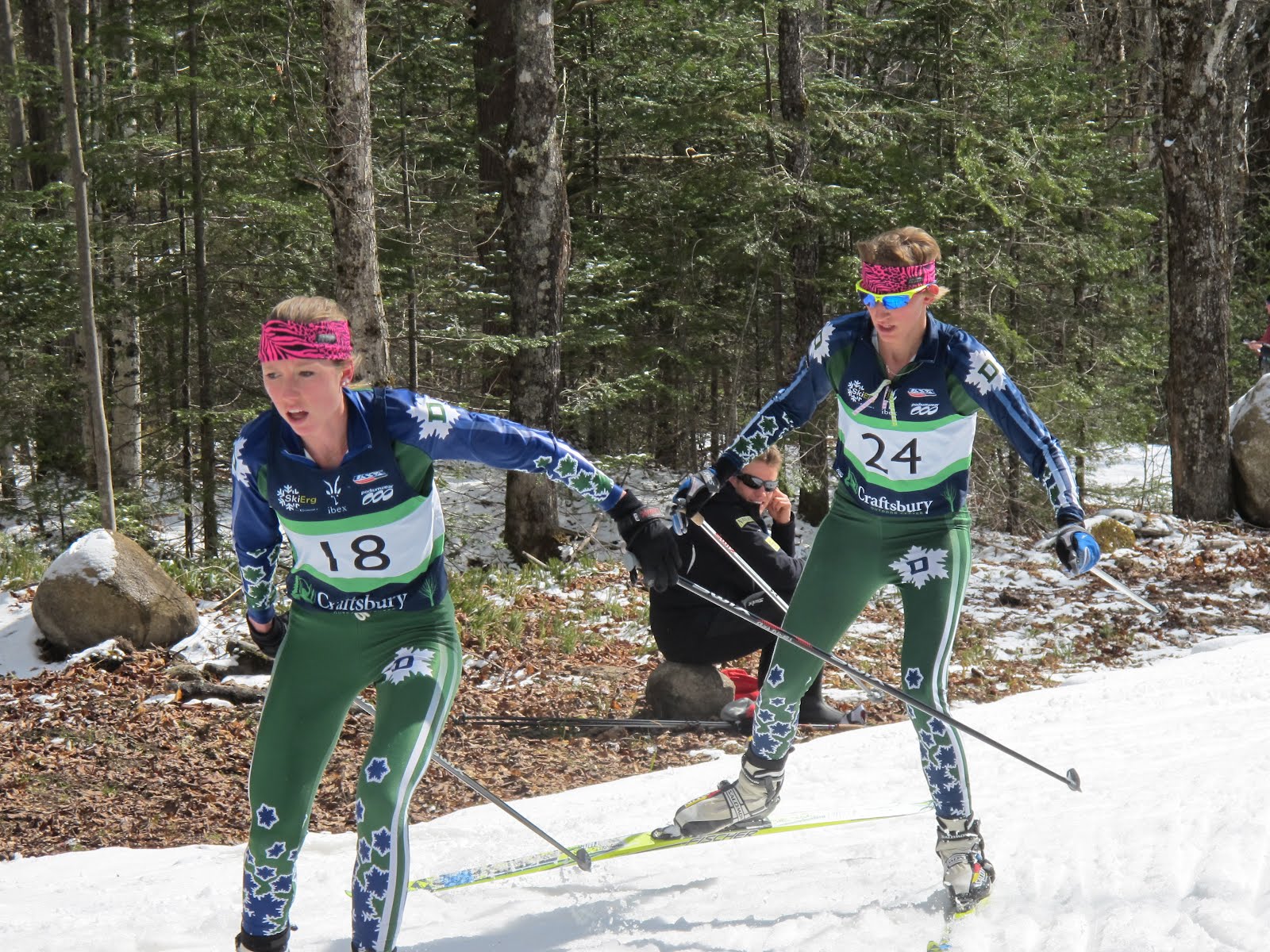
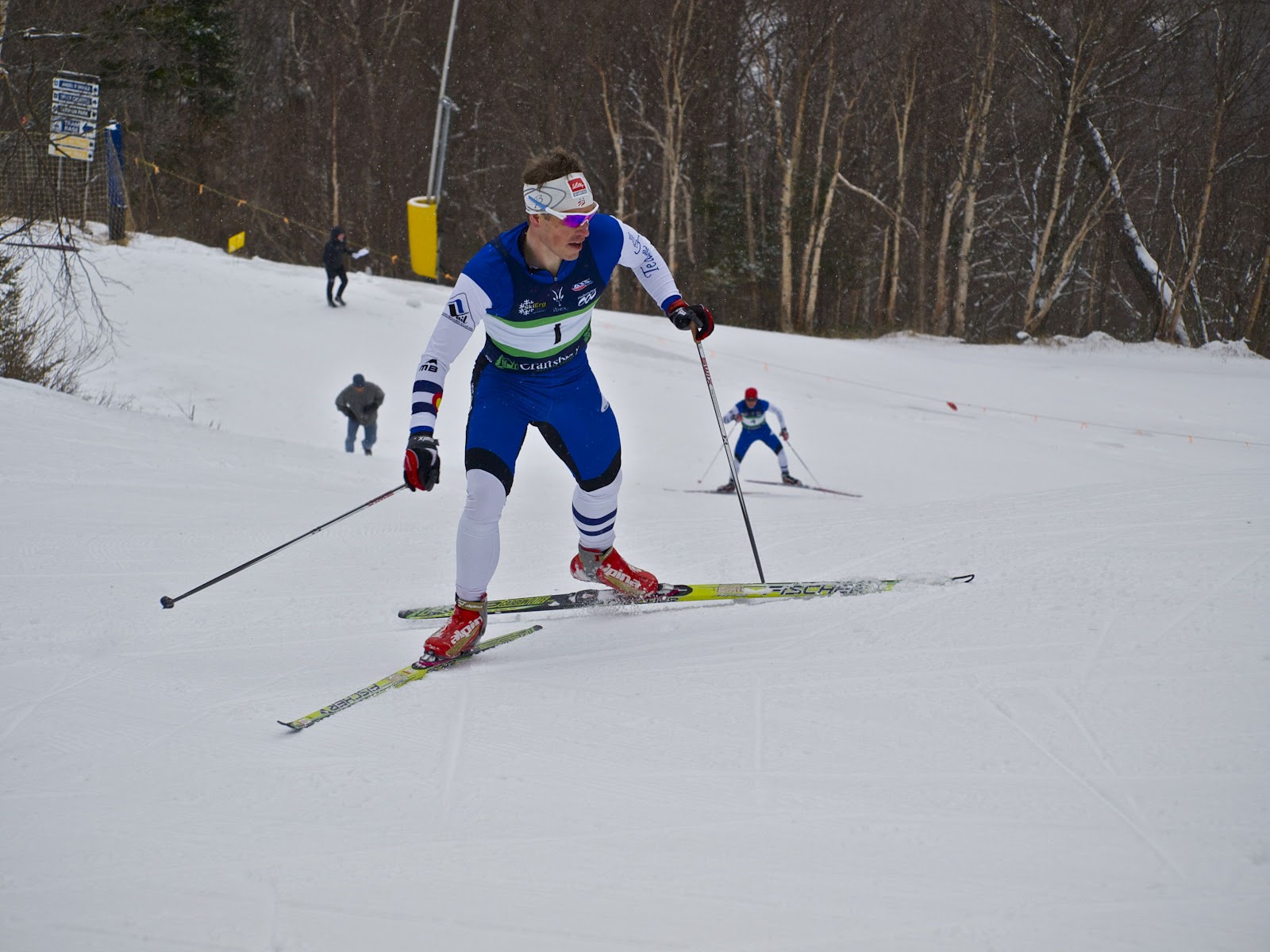
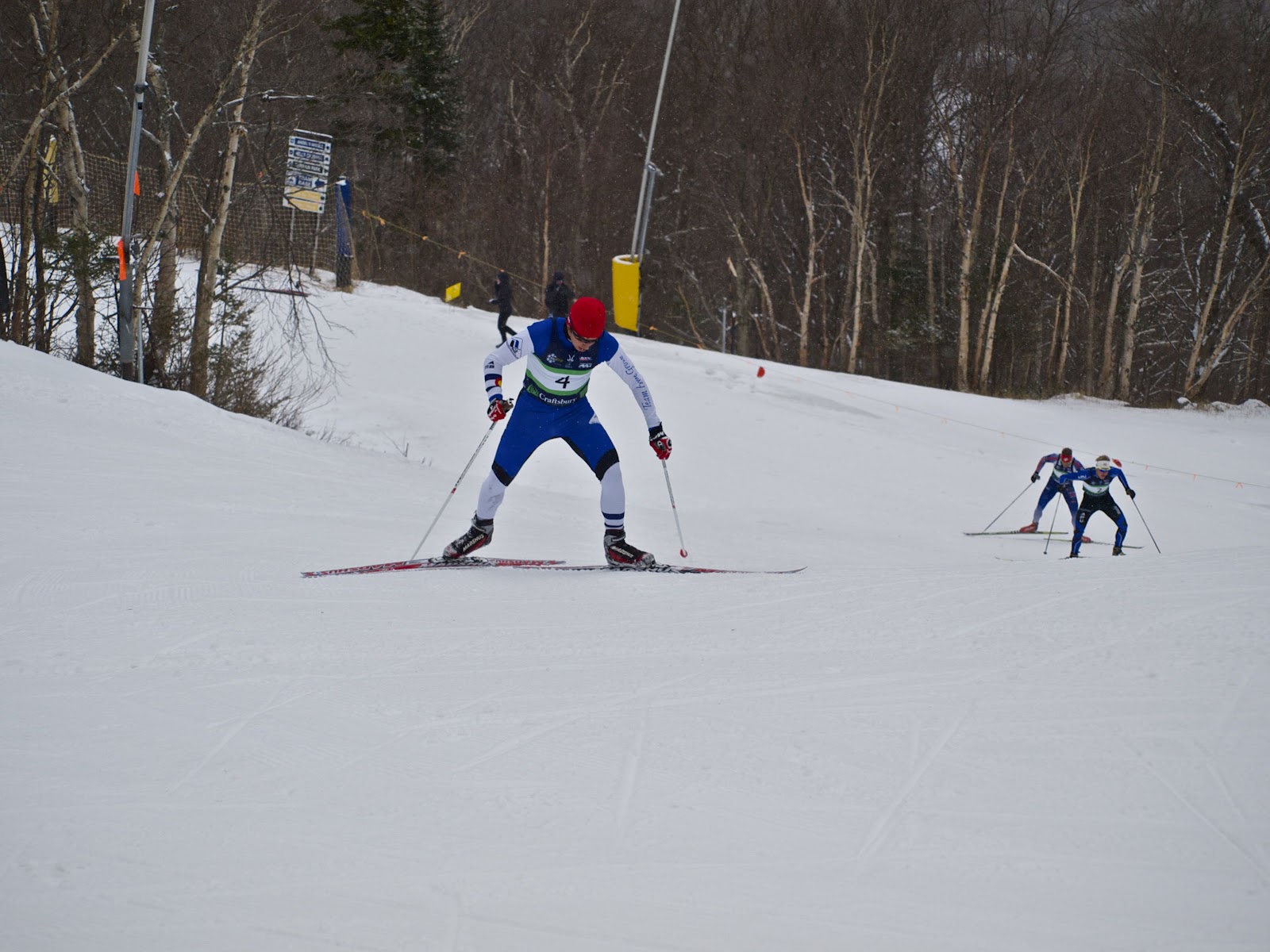
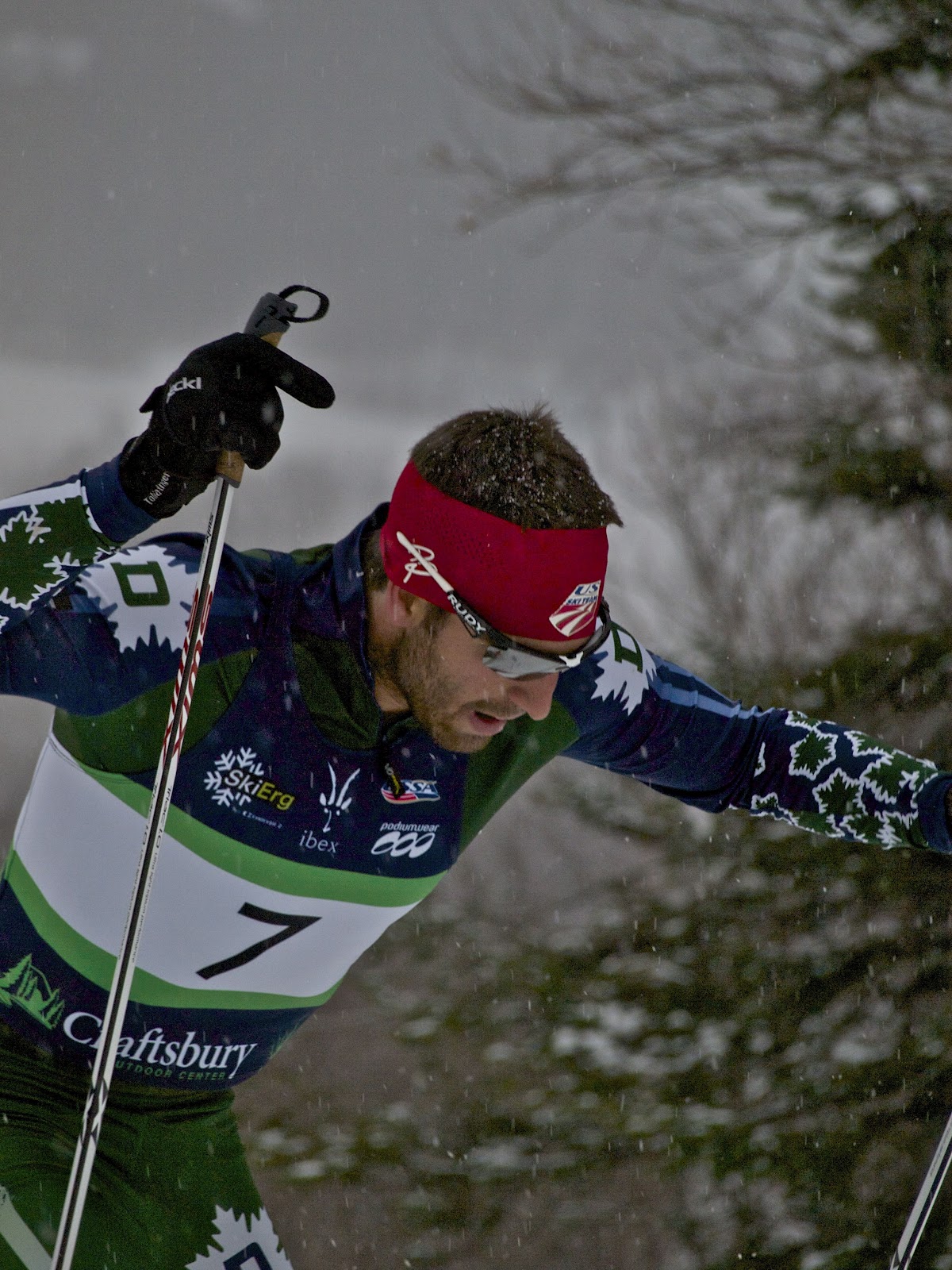
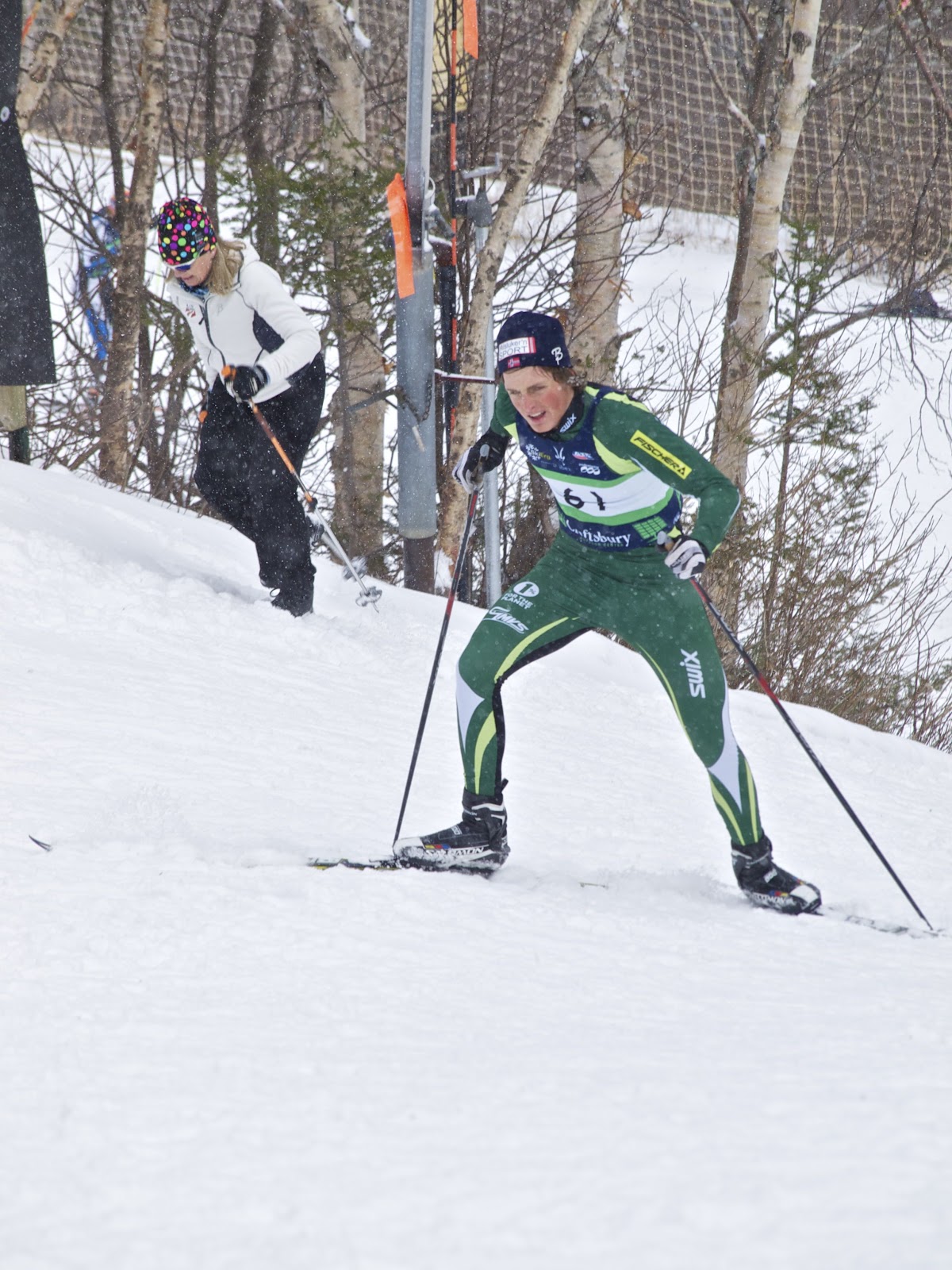
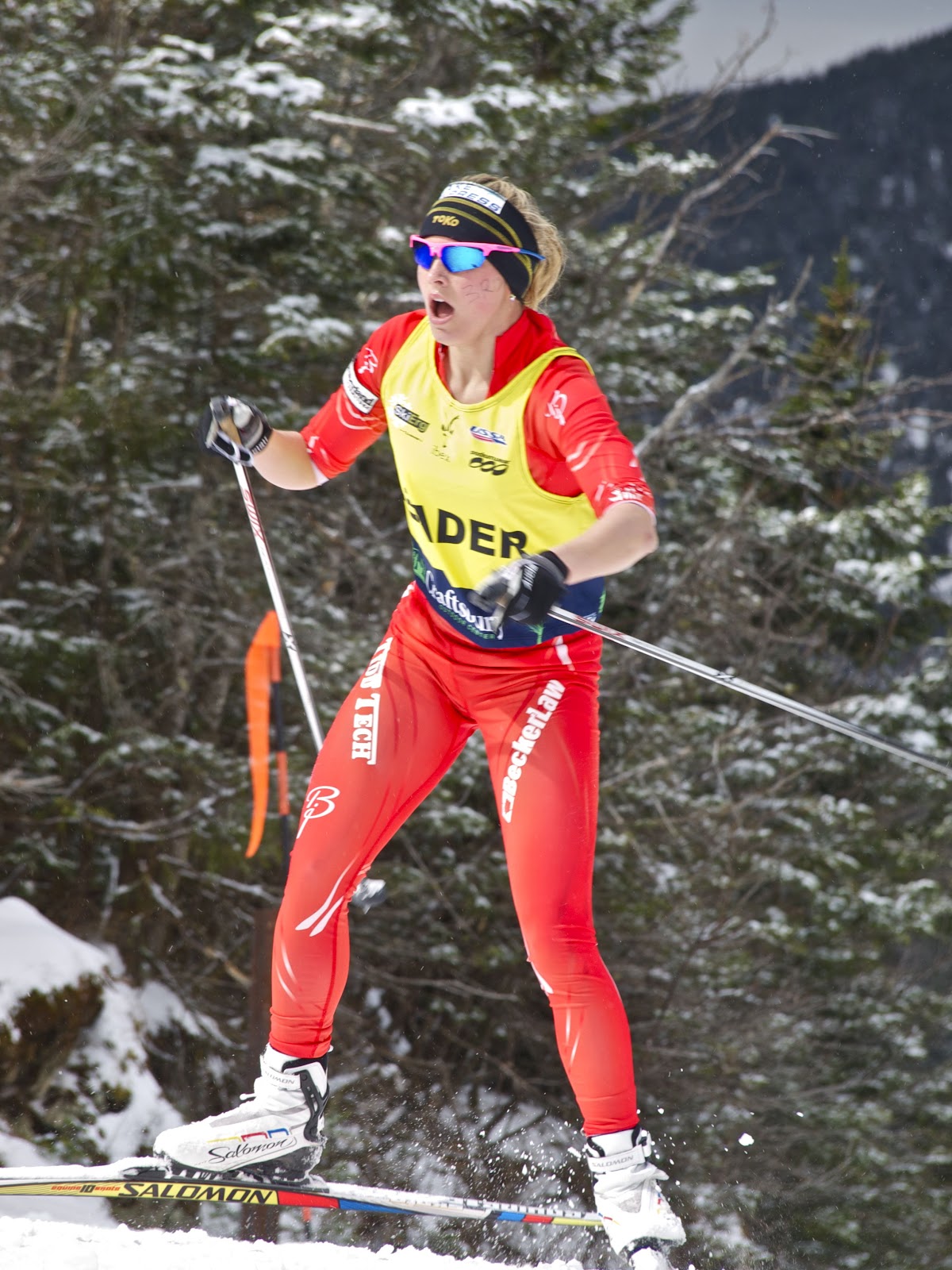
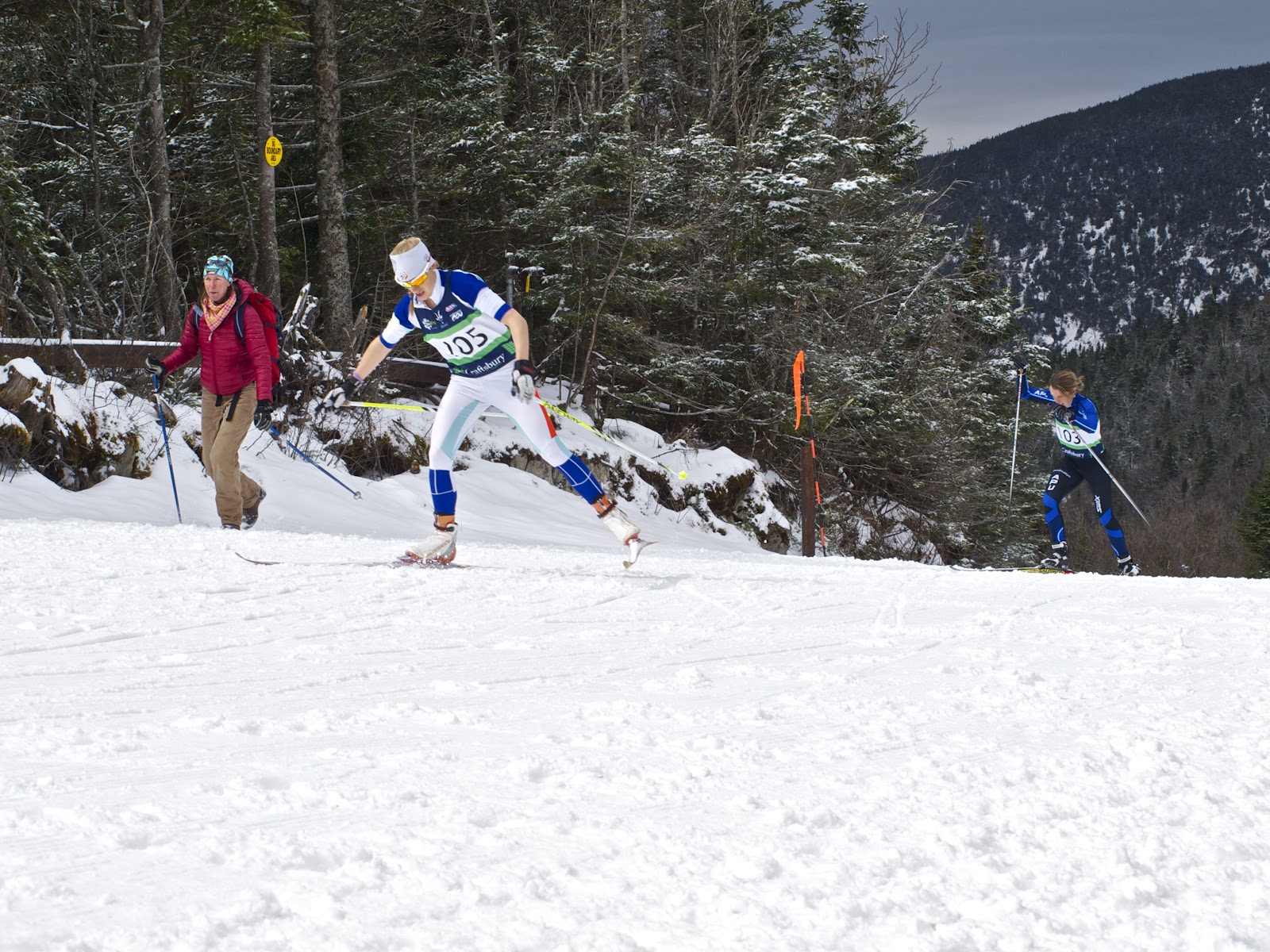
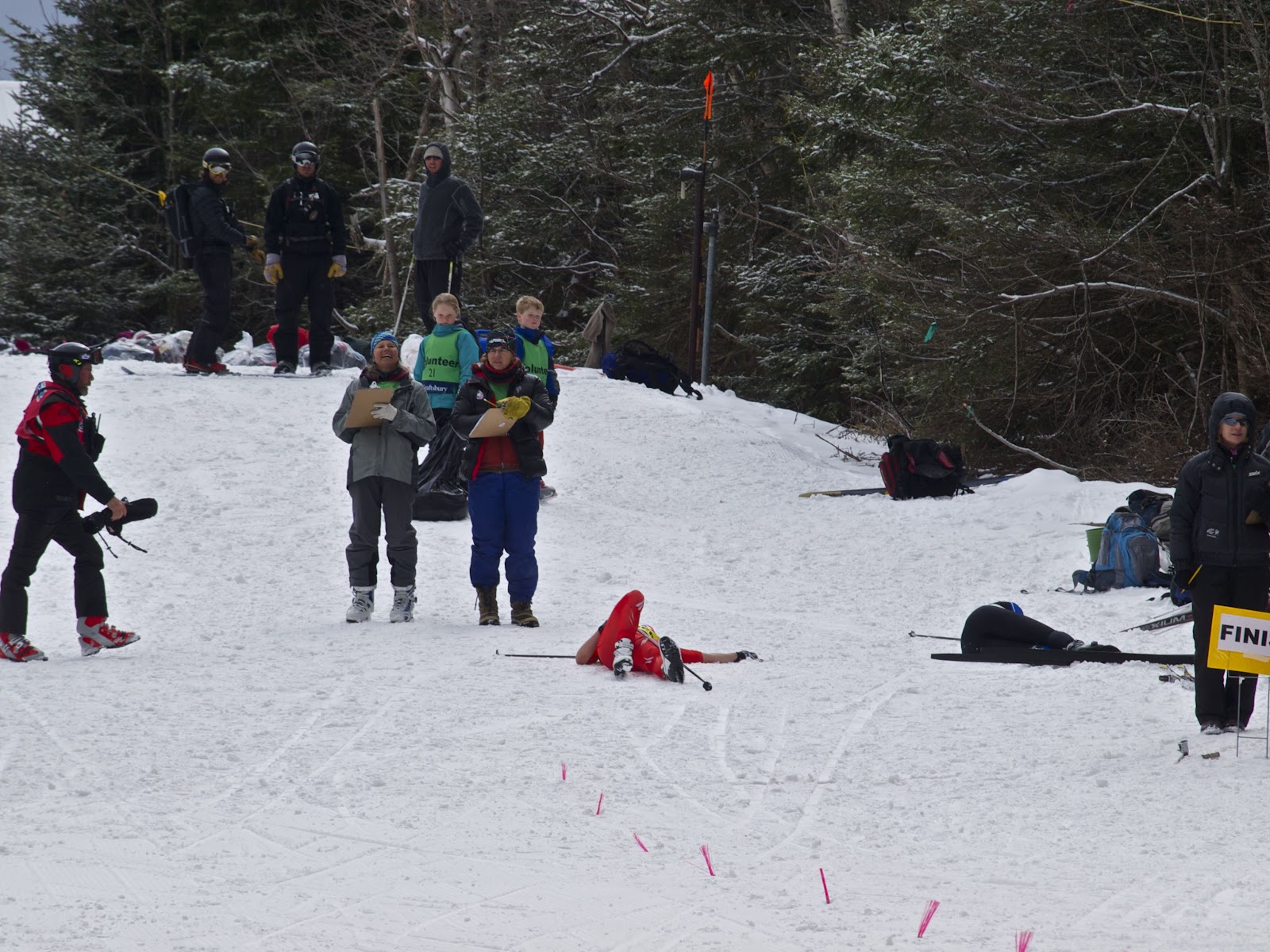
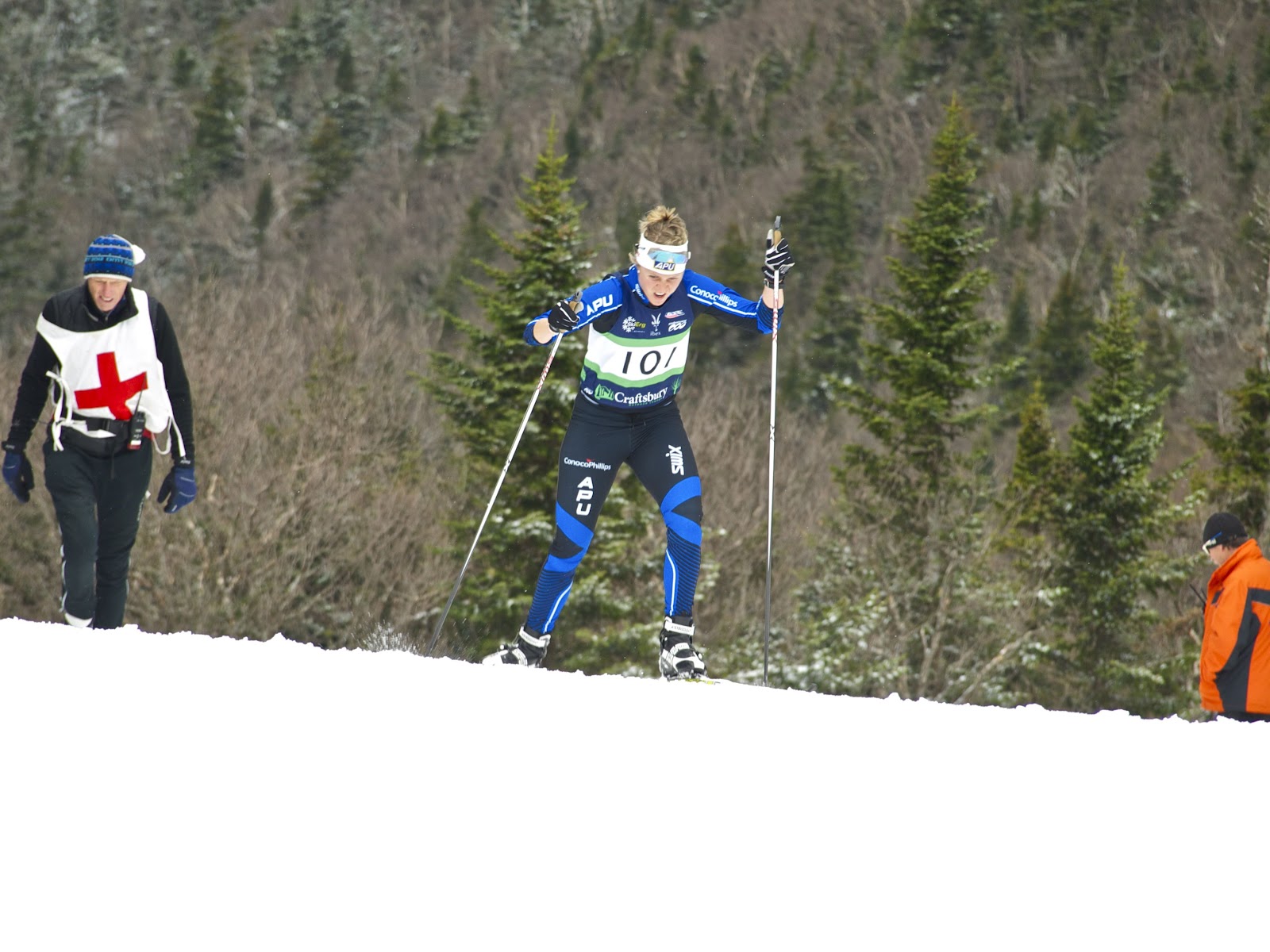
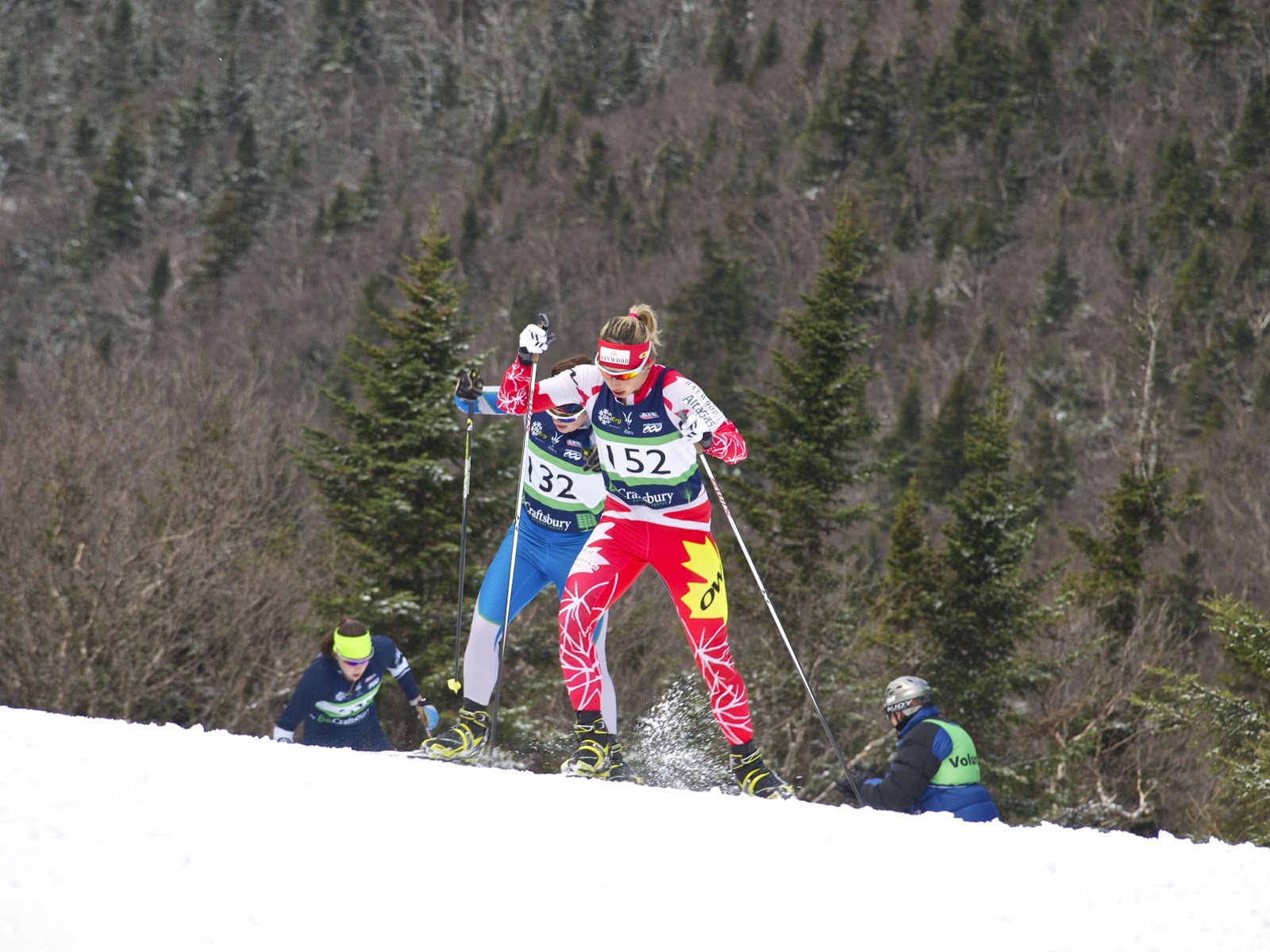
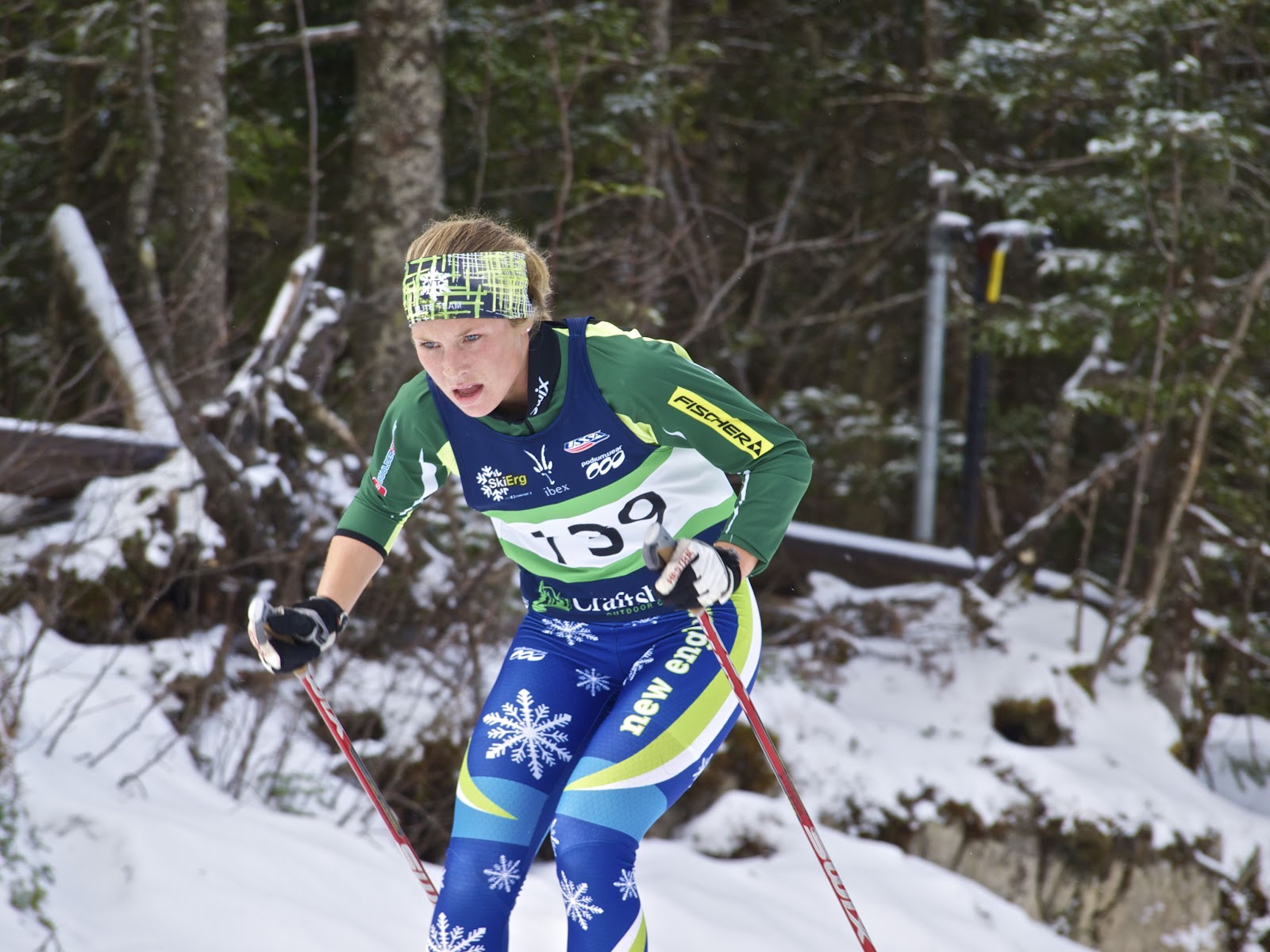
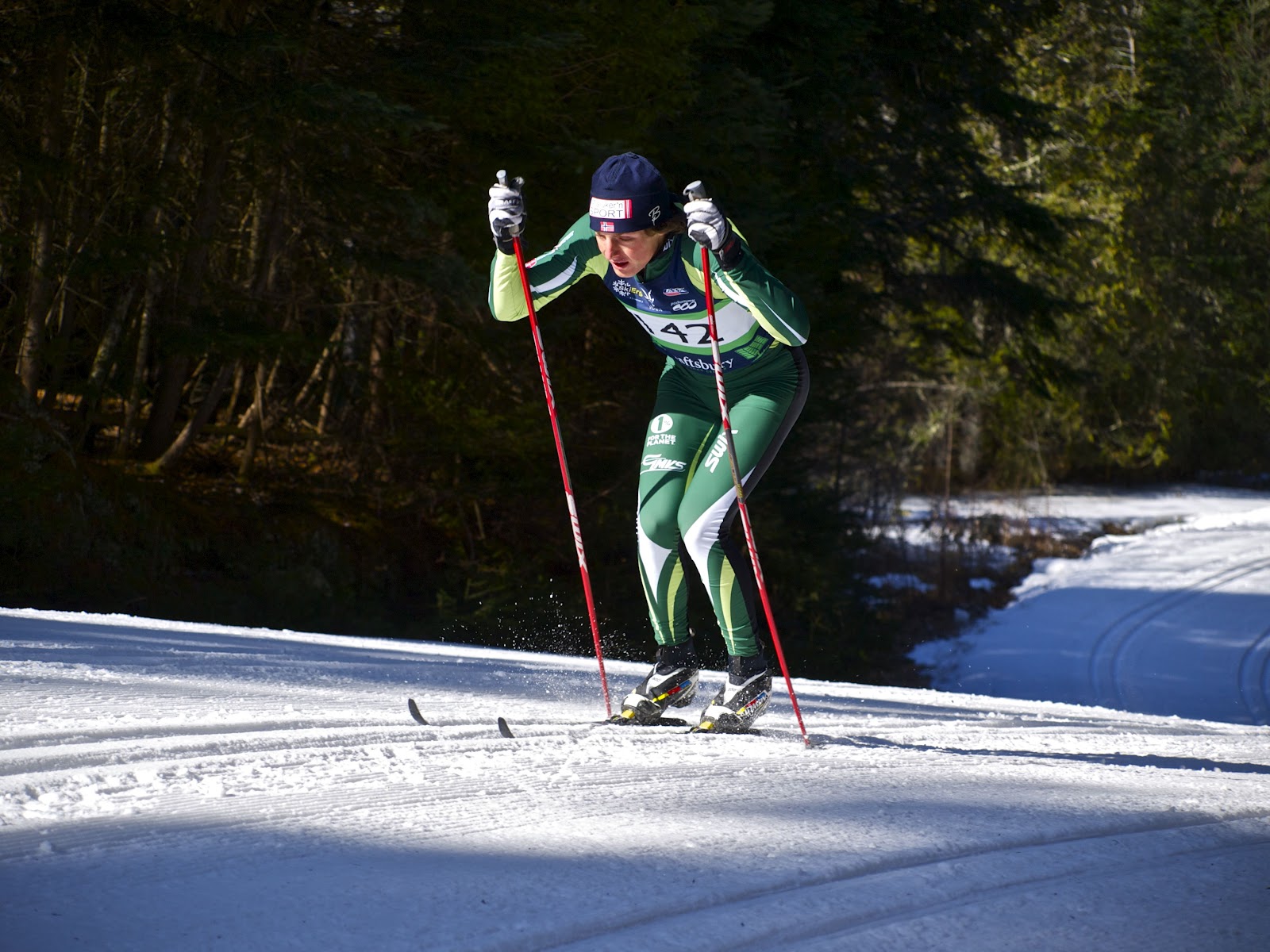
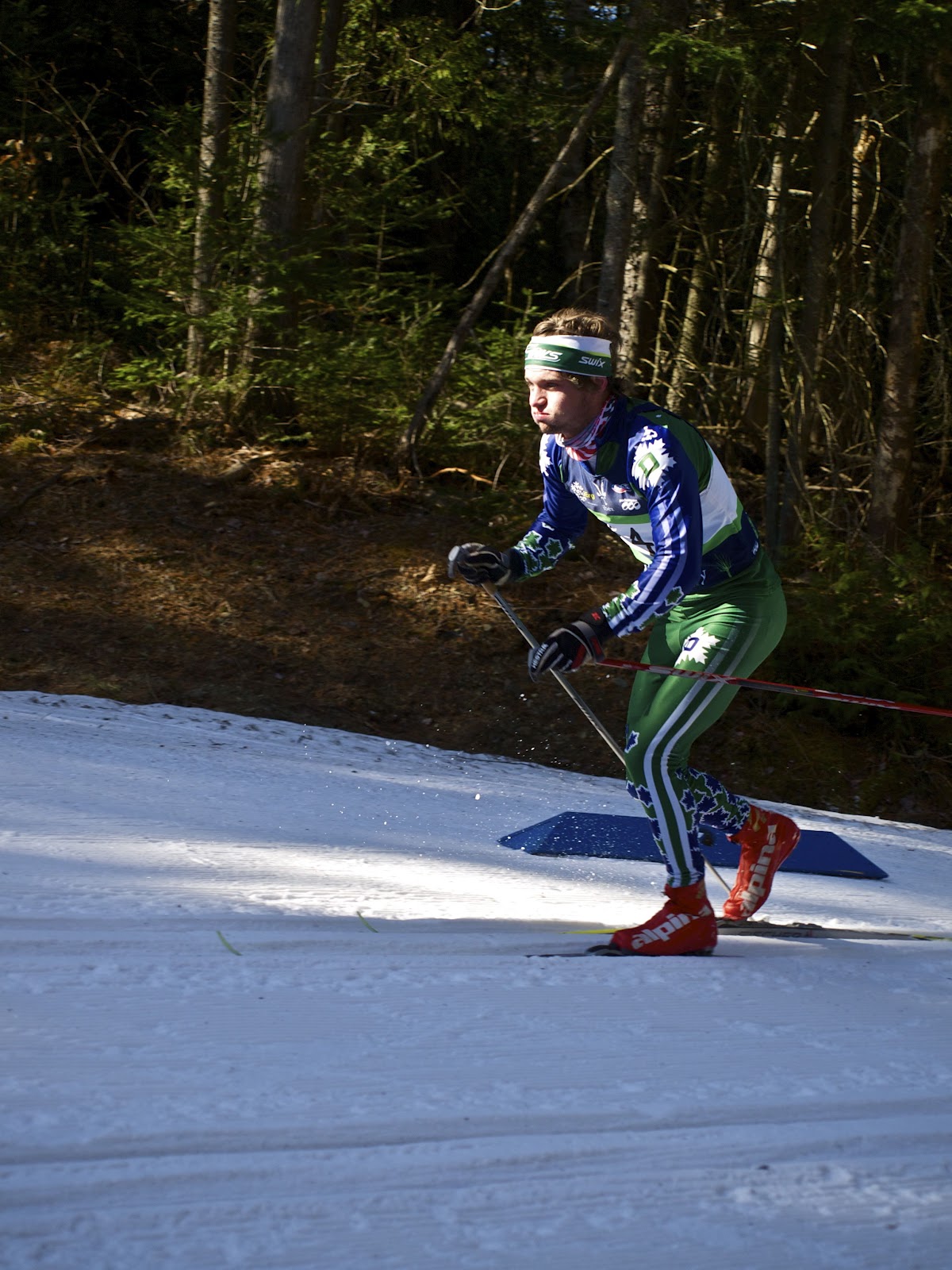
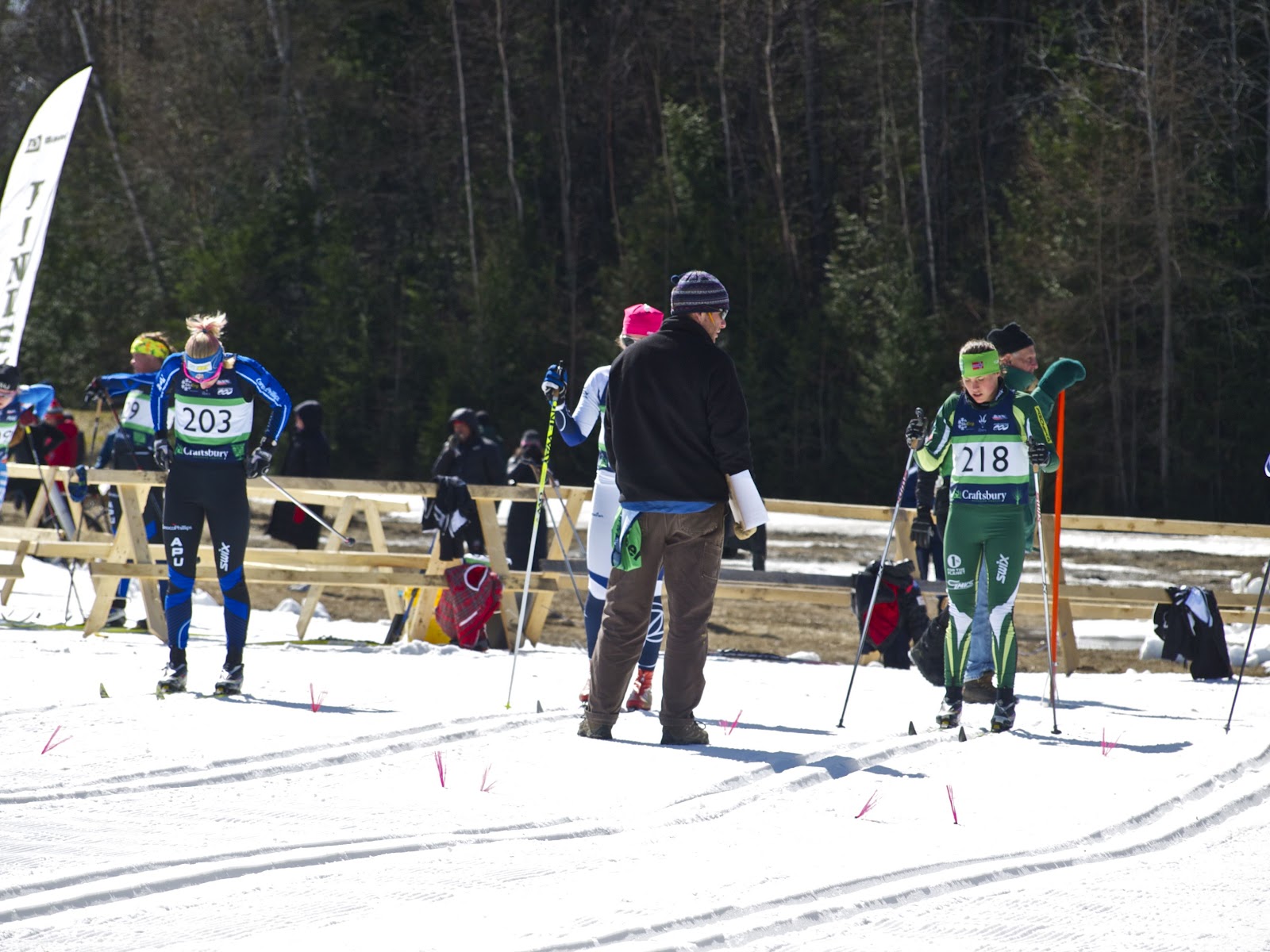
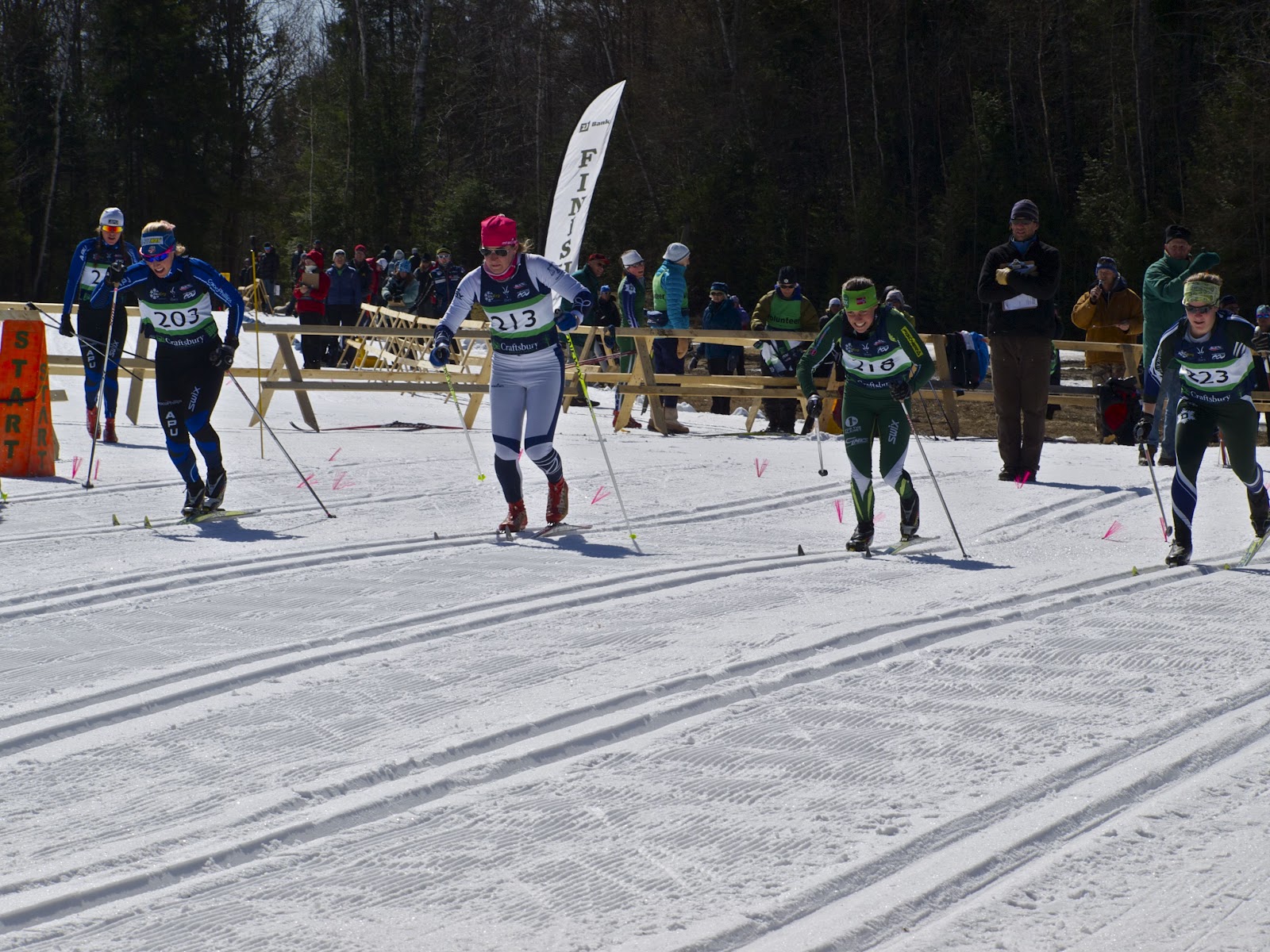
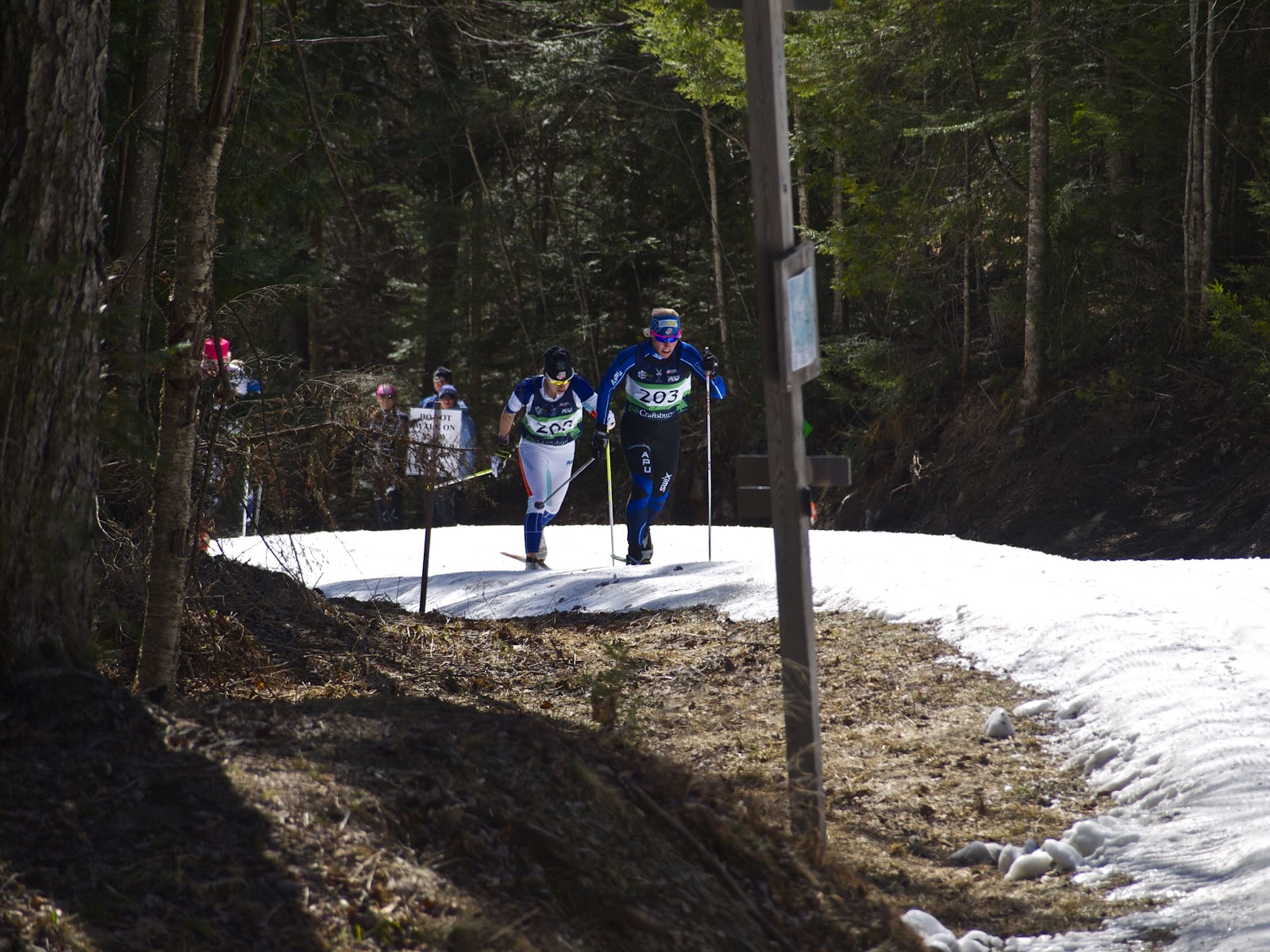
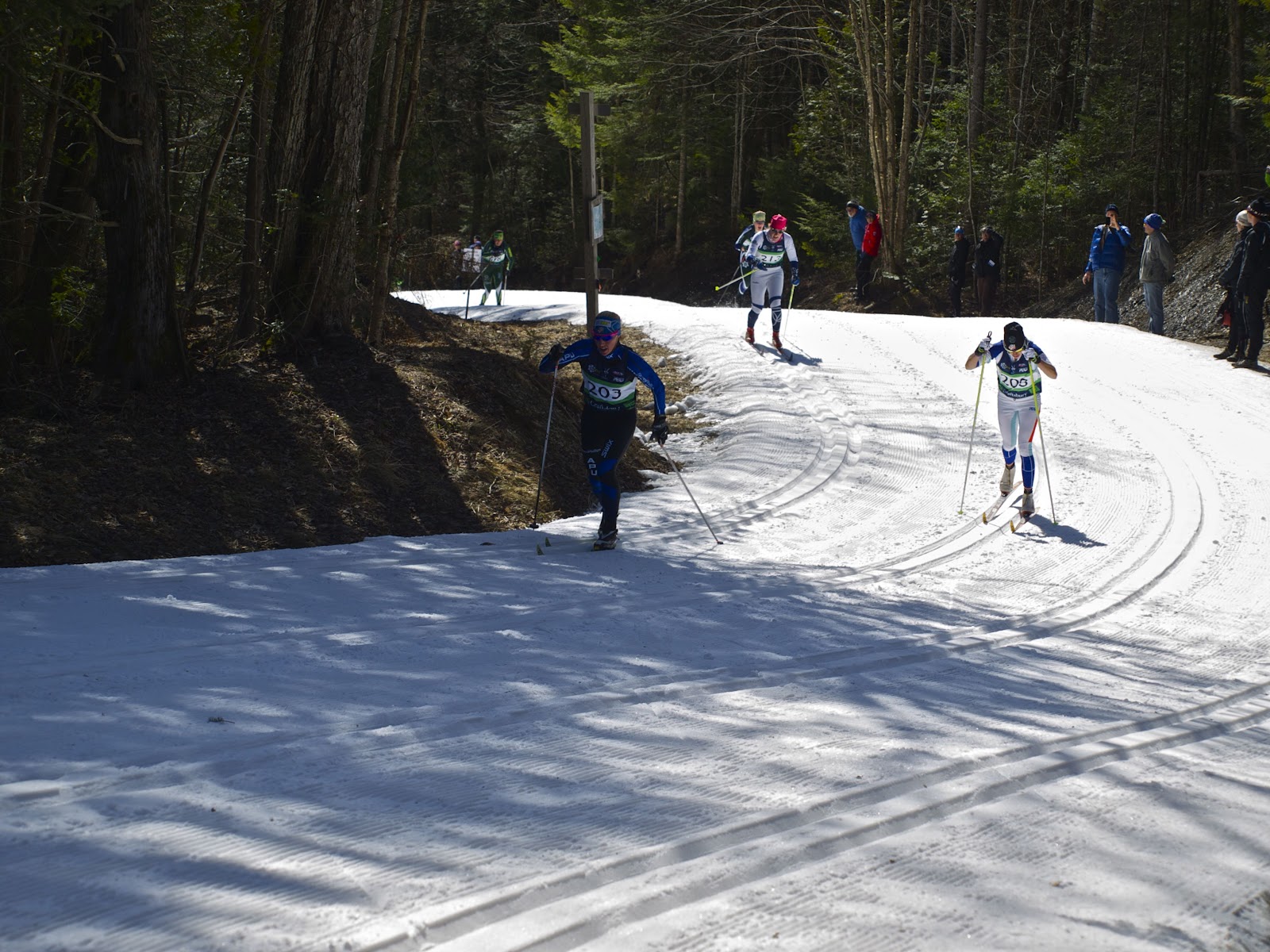
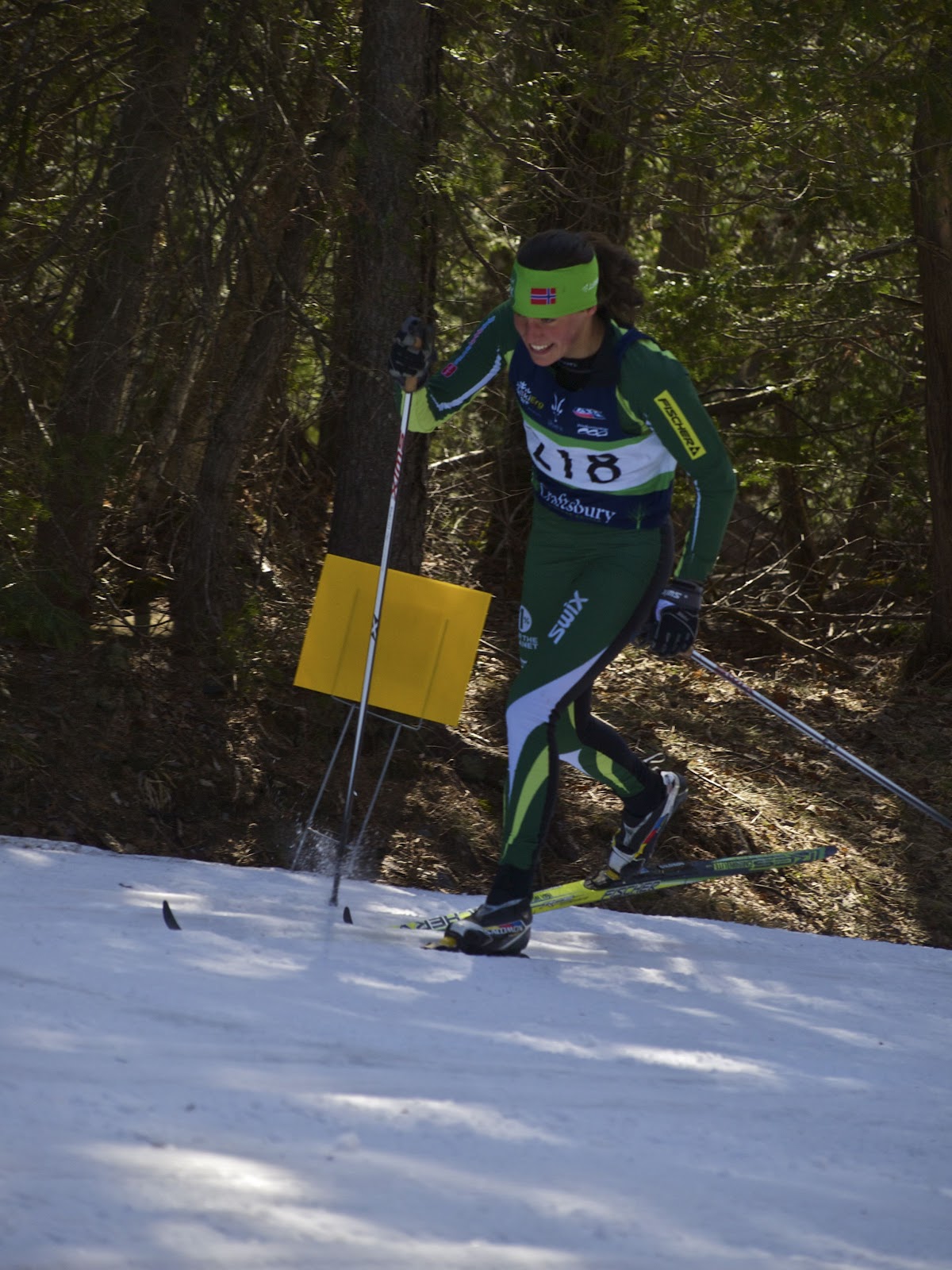
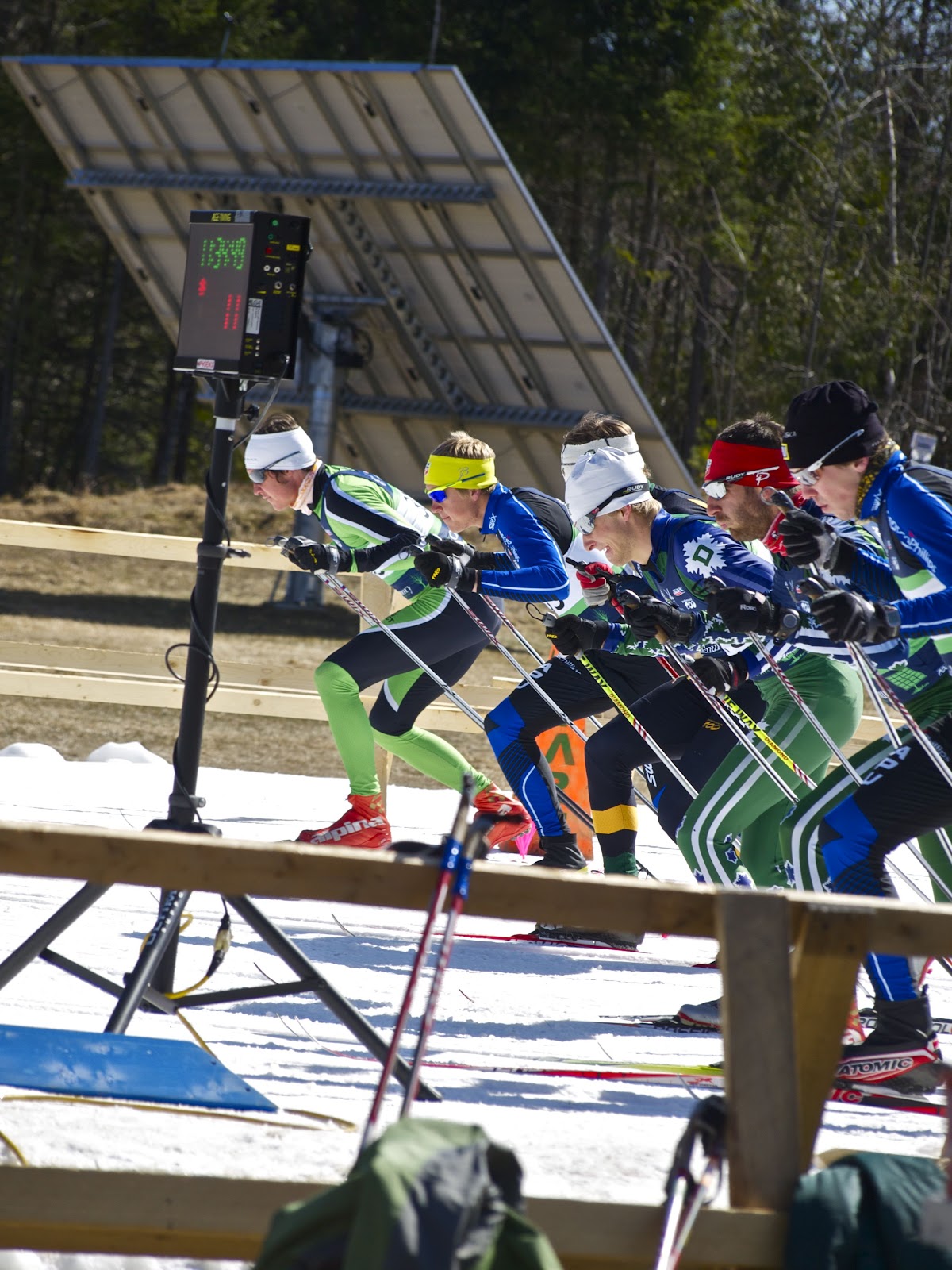
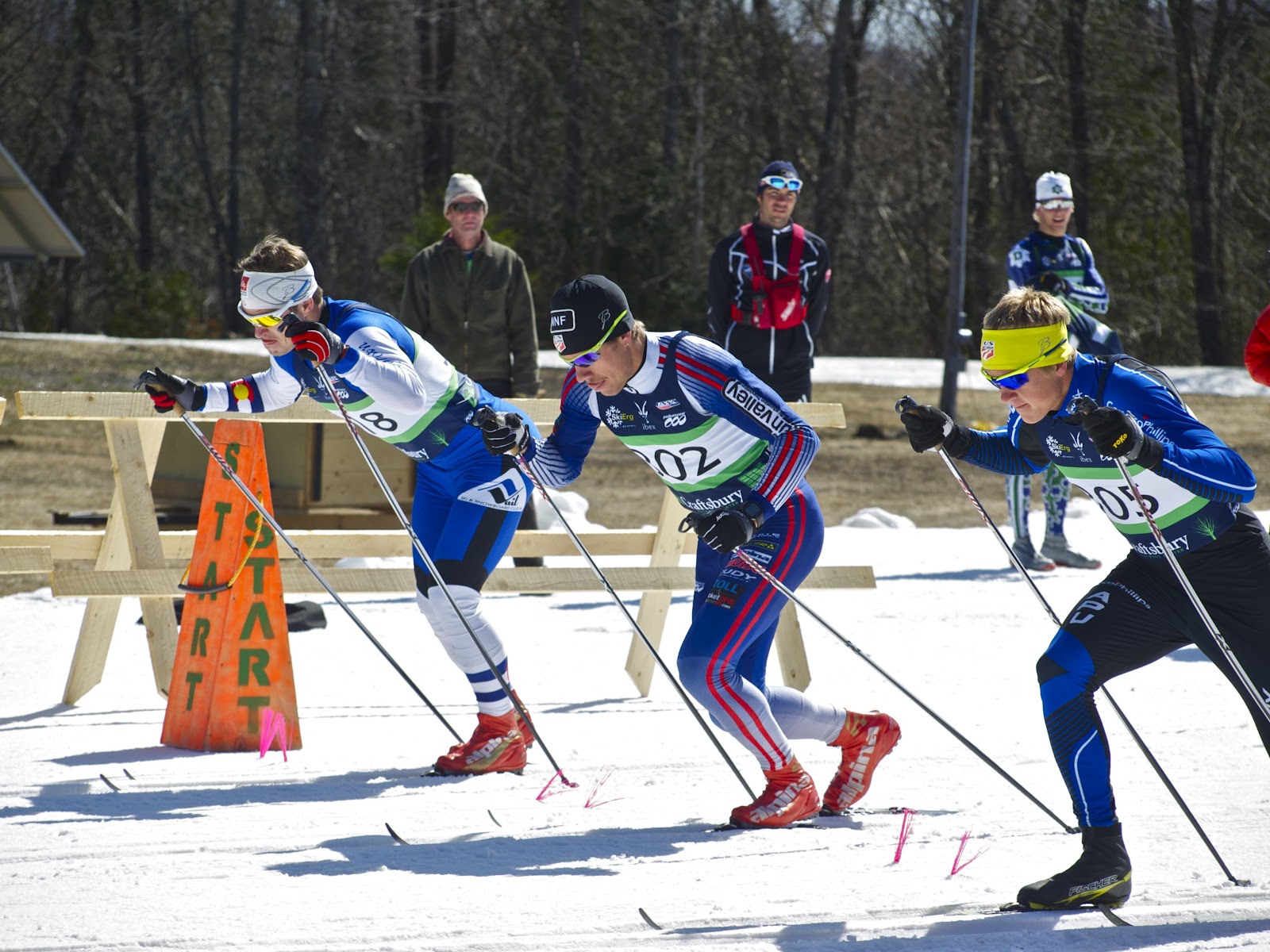
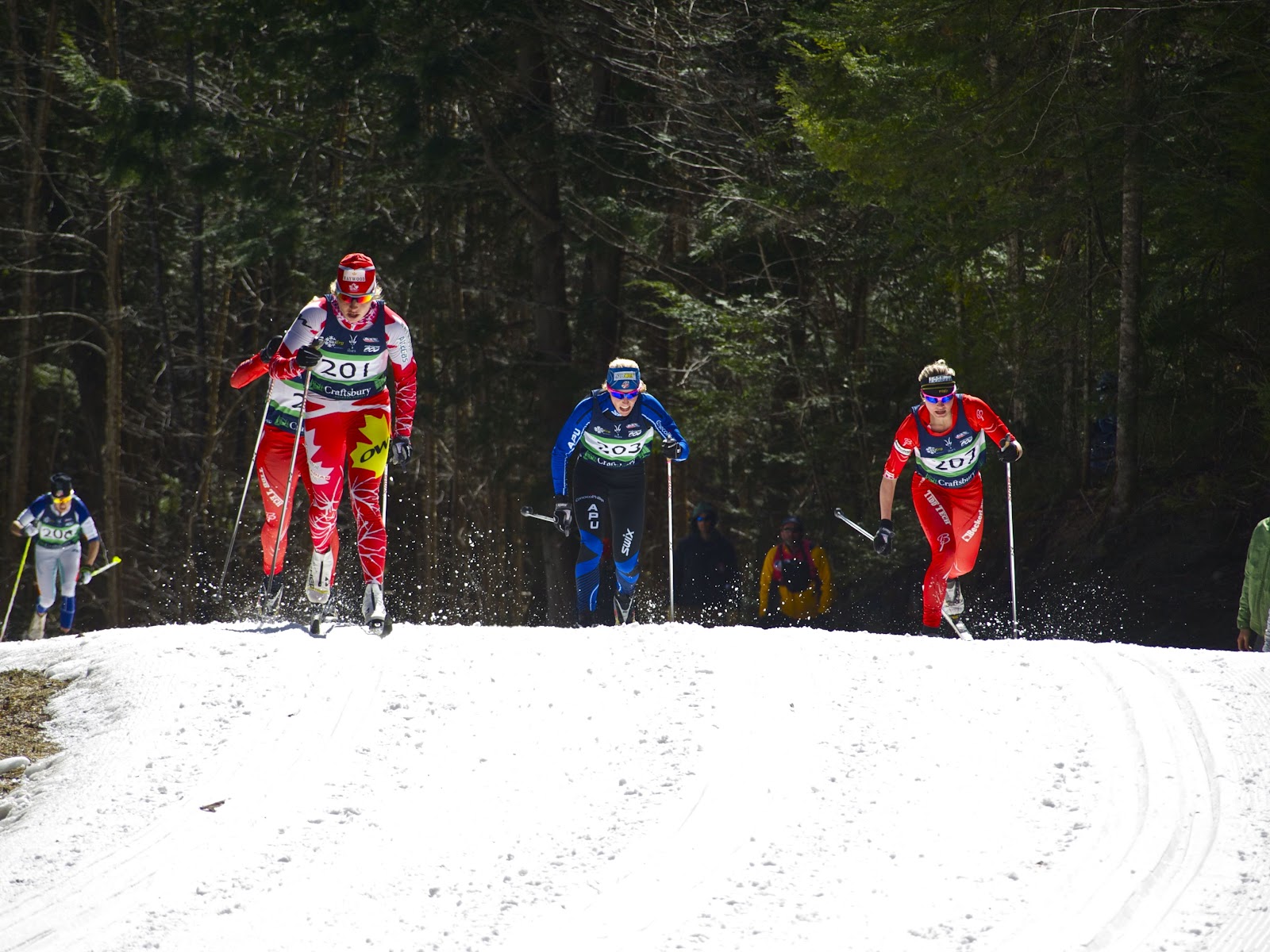
    Thanks to Herve Pelletier for these great photos from the women’s 30k on Friday at Craftsbury!  Holly Brooks, Sophie Caldwell, Susan Dunklee, Caitlin Gregg, Caitlin Patterson, Chelsea Holmes, & Annie Hart in the mass start.
     Gage Fichter (UVM), Molly Siegel (Gould) & Liz Stephen (USST).
    Rosie Brennan (APU), Sophie Caldwell & Annie Hart (Dartmouth), Hannah Dreissigacker & Maria Stuber (Craftsbury)
     Izzy Caldwell (Dartmouth)
     Sophie Caldwell (Dartmouth)
     Megan Killigrew (Dartmouth)
    Mollie.
     Jessie Diggins (USST/CXC) &  Kikkan Randall (USST/APU) sprint for the finish after 20 laps.
    USST coach Matt Whitcomb, Sverre, & Issy.
     Mollie.
  • 2012 – 2013 Calendar

    Here is a link to my google calendar with LOTS of important information regarding training locations, disciplines, and times:

    Mansfield Nordic Club 2012-2013 Calendar

  • Most Improved: Men’s Distance

    Let’s start wrapping up the 2011-2012 World Cup season, shall we? First, we’ll look at skiers who made the largest jumps, either up or down, compared to last year, beginning with the men’s distance events.

    As always, you get somewhat different lists of skiers as the “most improved” depending on what metric you use. My calculations actually combine 4 different measurements (finishing place, FIS points, percent behind median skier, and another more aggressively scaled version of the median percent back). But I can only really plot one at a time, so I’m only going to show you the graphs of percent behind the median skier for each athlete. Also, I’ve scaled all the metrics so that improvements at different levels are roughly comparable (i.e. improving from 10th to 5th versus from 40th to 20th). It’s a little more democratic that way.

    My other reminder is that there are several ways in which a skier could “improve” in a numerical sense: their typical, or average result could improve, they could have more really good results, or they could have fewer really bad results. Not all of those are guaranteed to happen at the same time. Here we go:

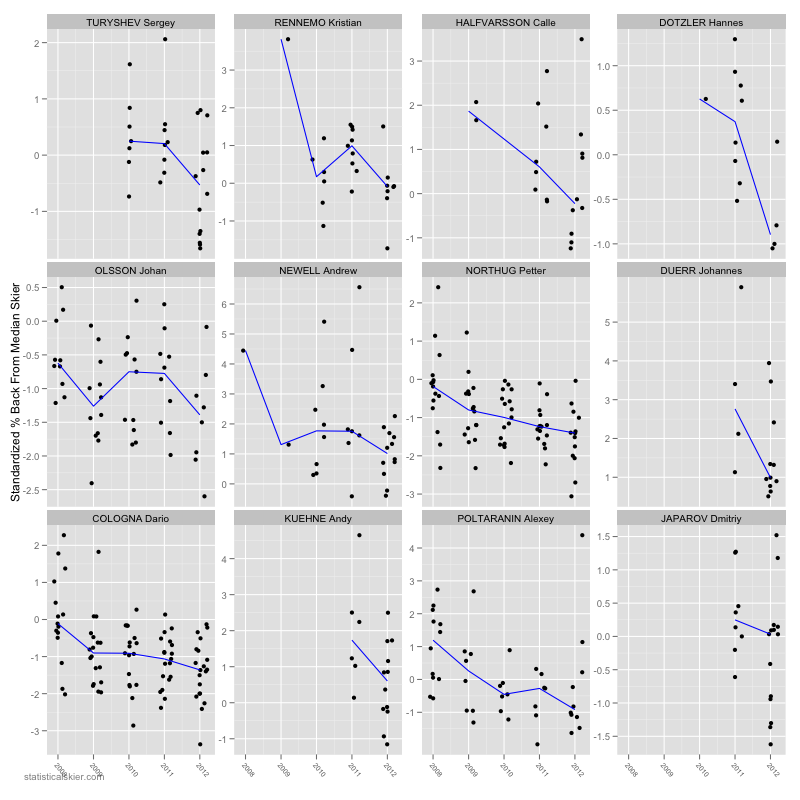
    You can click through for a slightly larger version of that graph. Note that each panel has its own y-axis, in order to better see the scale change for each skier.

    Calle Halfvarsson stands out as someone I noticed having an unusually good distance season. Of course, Sergey Turyshev 4 results that were head and shoulders above anything he’s done previously, so he takes the crown this year. Kristian Rennemo is a more pedestrian skier, generally speaking, but in addition to one extraordinary race (5th in the Tour de Ski pursuit) his median result also jumped considerably.

    Hannes Dotzler didn’t race all that much, but went rather dramatically faster when he did. Andy Kuehne and Dmitriy Japarov are similar cases in that neither has many seasons under their belt, and had wildly variable, though much improved on average, results. Japarov in particular was sort of all over the map.

    Johannes Duerr (along with Bernhard Tritscher, who’s more of a sprinter) is handily Austria’s top male distance skier his age (~25). He looks to still have a ways to go if he’s going to be a serious competitor on the World Cup level, though.

    Then you have four top guys: Olsson, Northug, Cologna and Poltaranin. After two somewhat subpar years, Olsson rebounded somewhat and probably could have had a spectacular year if he’d stayed healthy. Similarly, Northug was really the only person who could have given Cologna a run for the World Cup overall, but he focused on different events, and eventually lost a good portion of the season to illness as well. But recall that in November and December he was skiing rather well.

    Finally, there’s Andrew Newell, possibly an interesting inclusion in this list. Obviously, he’s more of a sprint specialist, but he did quite a few distance events this season (in part due to the Tour de Ski). While he’s not exactly a superstar in distance events, he did manage to have more strong results this season than last. Although, the overall range in his results isn’t all that different.

    Related posts:

    1. <Most Improved: Men’s Distance
    2. <Most Improved: Women’s Distance
    3. <Most Unimproved Men: Distance


  • STF Pictures From Austin

    Thanks to Austin for these pictures.

    Click on any to enlarge.


    The above picture was snagged from Zach :)… taken on the hill climb day.


  • National 30/50 Wrap

    After a long winter of racing, you could sense that things were wrapping up. Competition was fierce the last couple of days, but for most people it was a celebration. The feeling was, “let’s go out on a high note”. Case in point is the picture above of girls from different teams doing a warm uip dance.
    The womens 30 km/Jr 15 km was run Friday at 10. We had received about 1″ of fresh snow overnight and in the warming temps, that made the snow slow so the race was tough. It was really impressive to see the leaders push hard the whole way.
    Anika was hoping to do the 30 km, but her calves seized up and she had to stop.
    Gus gets in the mood.
    Mollie and Kate ski over the top of the big hill.

    Issy P. skied a strong 30 km. She was battling back and forth with a couple of NCAA qualifiers for the whole race.
    Liz and Kikkan aren’t messing around here. It was great to have the top skiers here showing everyone else what they do on the World Cup. Over here, we tend to cruise early and hammer late. On the WC, it’s go time as soon as the gun goes off.
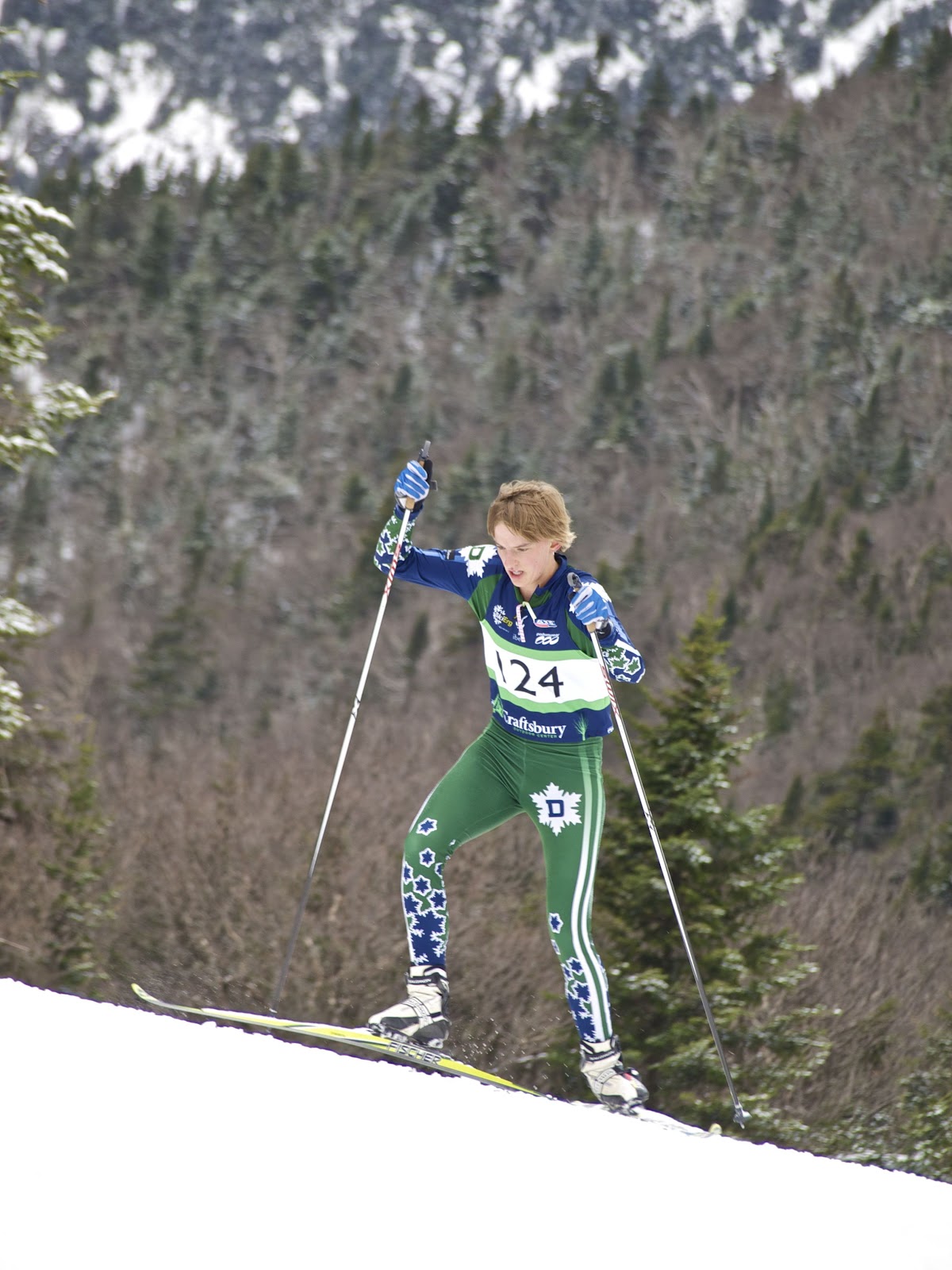
    Kate skis the uphill. You can tell from the picture, that tyhere was not much natural snow left. Craftsbury did a fantastic job of providing a tough, fair course.
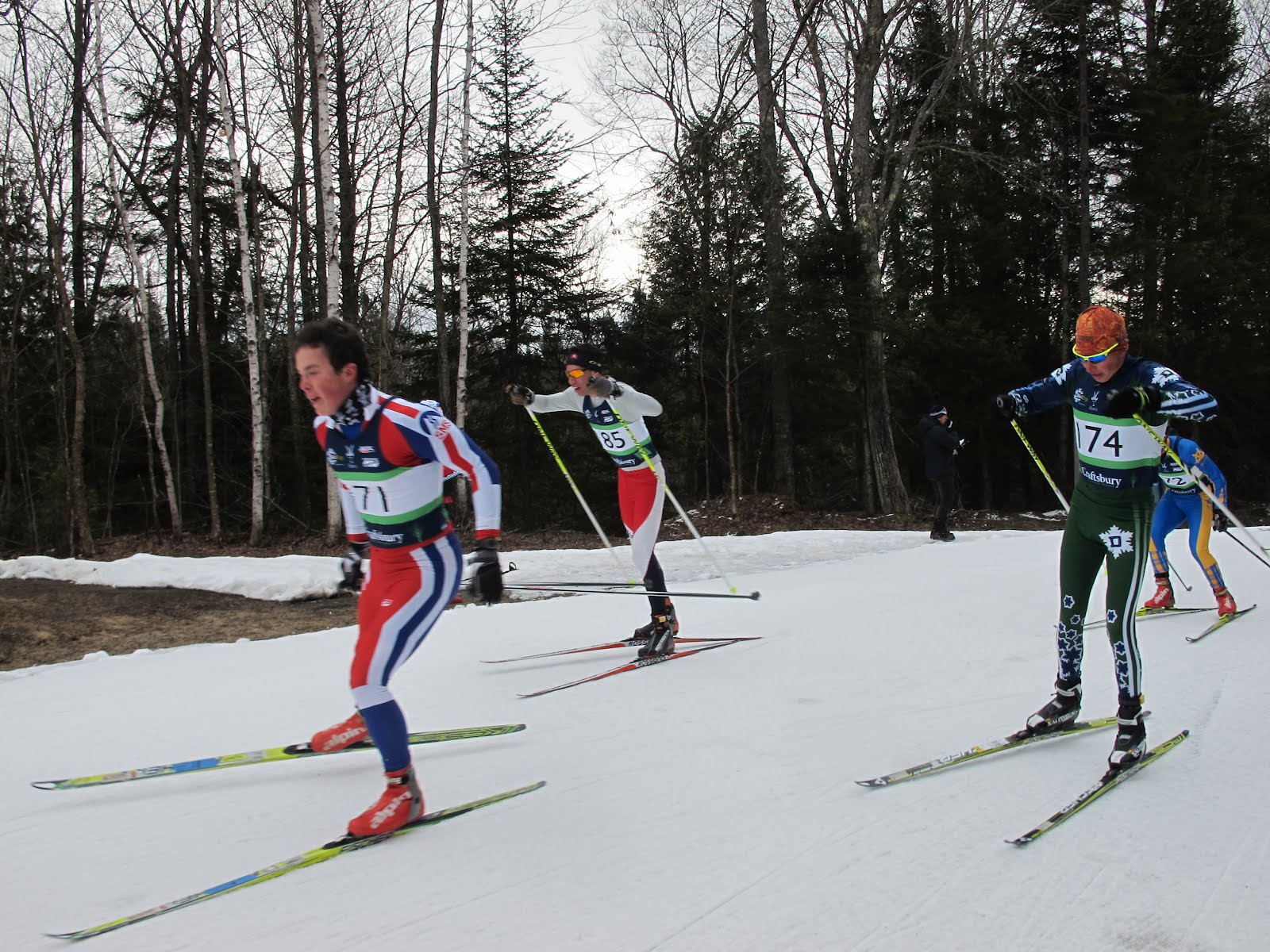
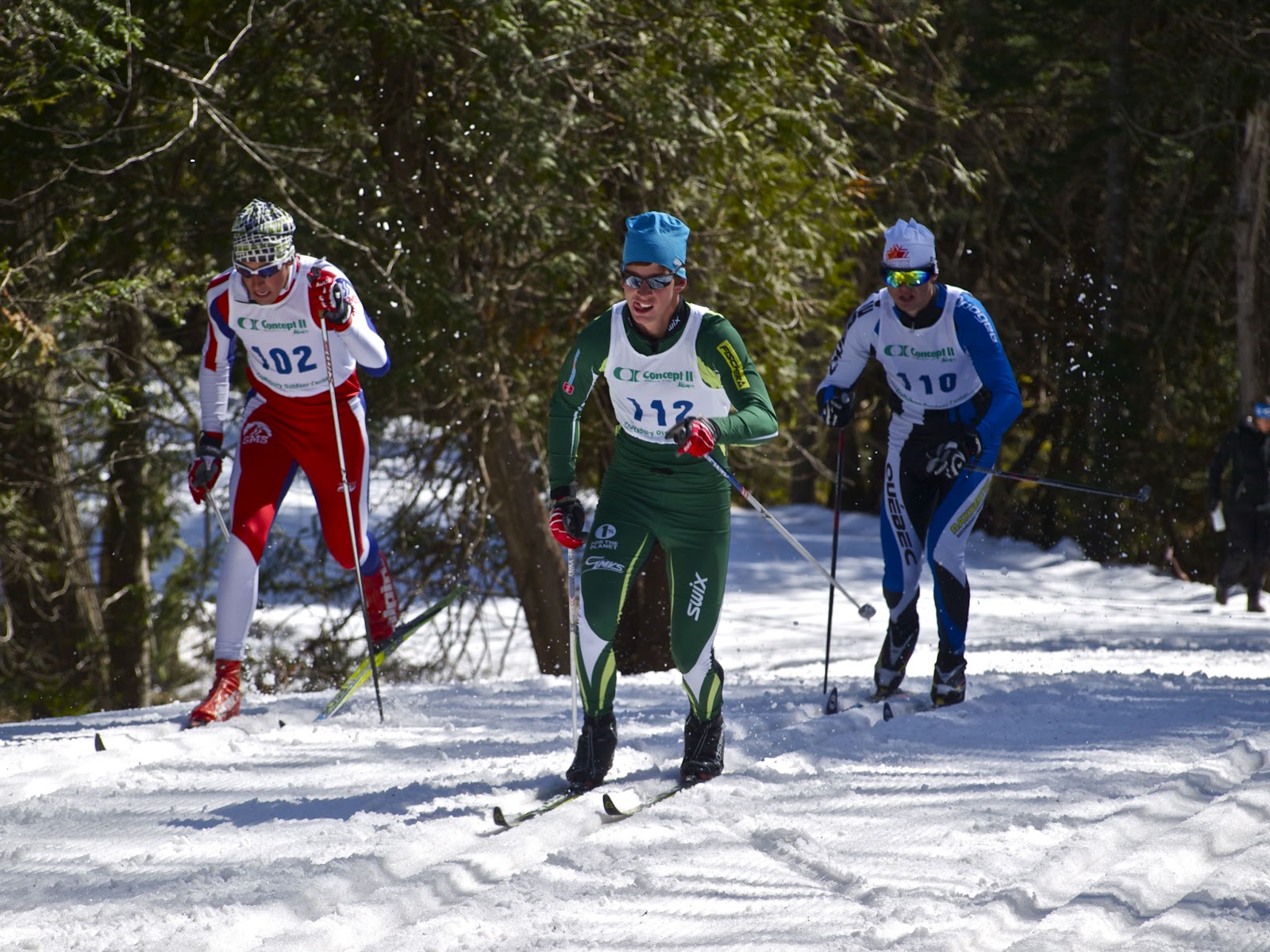
    During the 30, there were several packs of skiers that worked together.
    Since it was a 1.5 km loop, the leaders passed almost everyone. Above, Erika (who will be with us next year) passes Izzy. Izzy was able to ski with Erika for a whole loop which helped her figure out a better psuh off in her skate technique.

    A couple of people stressed out about having to pass slower skiers (on the World Cup you get pulled if you are lapped), but there were very few incidents of note.

    I applaud the Jurys decision to allow racers to continue when lapped because it gave everyone a chance to see and ski with the top skiers during the race. If they had pulled the lapped girls, we would have only had 6 finishers!
    The course was great for spectators and was challenging for the racers, enough said.
    The mens 50/Junior 20 was run at 9 am on Saturday. The fresh snow from the day before had all melted and a solid freeze led to hard fast conditions. Hamish has been fighting a cold, but there was no reason to save himself since this was the last race of the season. He skied well and had fun being able to ski with some of the top dogs.
    Calvin and Corky each skied the 20 km. They were finishing the season with 9 races over the last 2 weeks. It was great to see them both ski really well for the whole race and finish the season on a high note.
    This is the lead pack at 1.5 km!
    Koby jumped in the 20 km and skied a good race. Not bad for a 1st year J2 🙂
    Everyone was having fun.

    Lucas Shultz (in orange) was chief of course. He and his crew did an amazing job! Looks like he finally got to relax during the final race. They pulled this truck out trailside on the top of the hill and blared music for the skiers and spectators.
    One of the neat things about starting the 20 and 50 together was that it allowed the Juniors to ski with the Seniors. Paddy, pictured here with Noah, got up to the lead pack and even led a lap and finished in front of everyone! (he was racing 20, while they were racing 50).
    Calvin skied really well.
    Corky and Ben Hegman skied the last 5 laps together.
    They made lanes on the two uphills to keep skiers from going up the middle and blocking the course.
    The “dancing girls” encourage the men as they lap around the course 33 times.
    Spectaotors were happy, skiing was great and competiton was fierce. What a great way to end the season.
    THANK YOU CRAFTSBURY!
  • Great Cheering

    The 2012 season wrapped up today with the 50km National Championships. Thank you to Craftsbury for fighting the eighty degree weather and hanging on to a race course for us. 33 laps today. I had a solid day and finished 12th. Thanks for the wonderful support. I am ready now for a little rest.Caitlin and my host sister cheering up a storm.

  • Spring Series Hill Climb: Final Race of the Season!

     On Wednesday at Jay Peak, Hans, Heidi, and MK finished up their seasons, literally. There was nothing but up out there, in a 1.8 km hill climb that took the athletes 1200 vertical feet in somewhere between 13 and 25 minutes. 
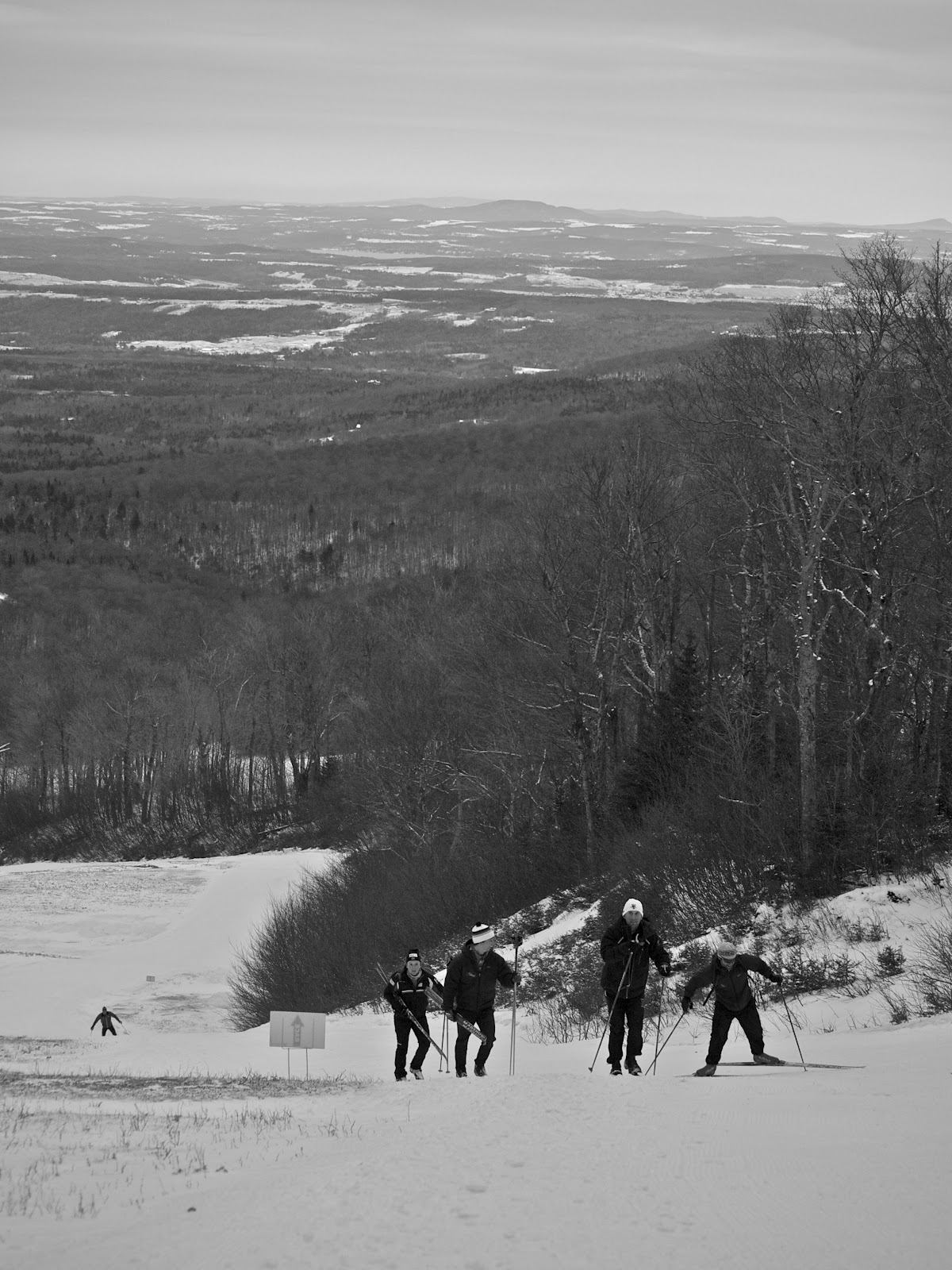
    Hiking/skiing up before the race start. Trying to beat the top skiers up so we can watch. Beautiful flat-land Northeast Kingdom was an incredible backdrop.

    As was the case all week, we had an inspiring field of skiers to chase after. The SuperTour Finals has been a lot of fun, and this final day of the mini-tour was both brutal and strangely rewarding. Finishing at the top of the mountain felt like more than a metaphor, and skiing down afterwards was the icing on the cake!

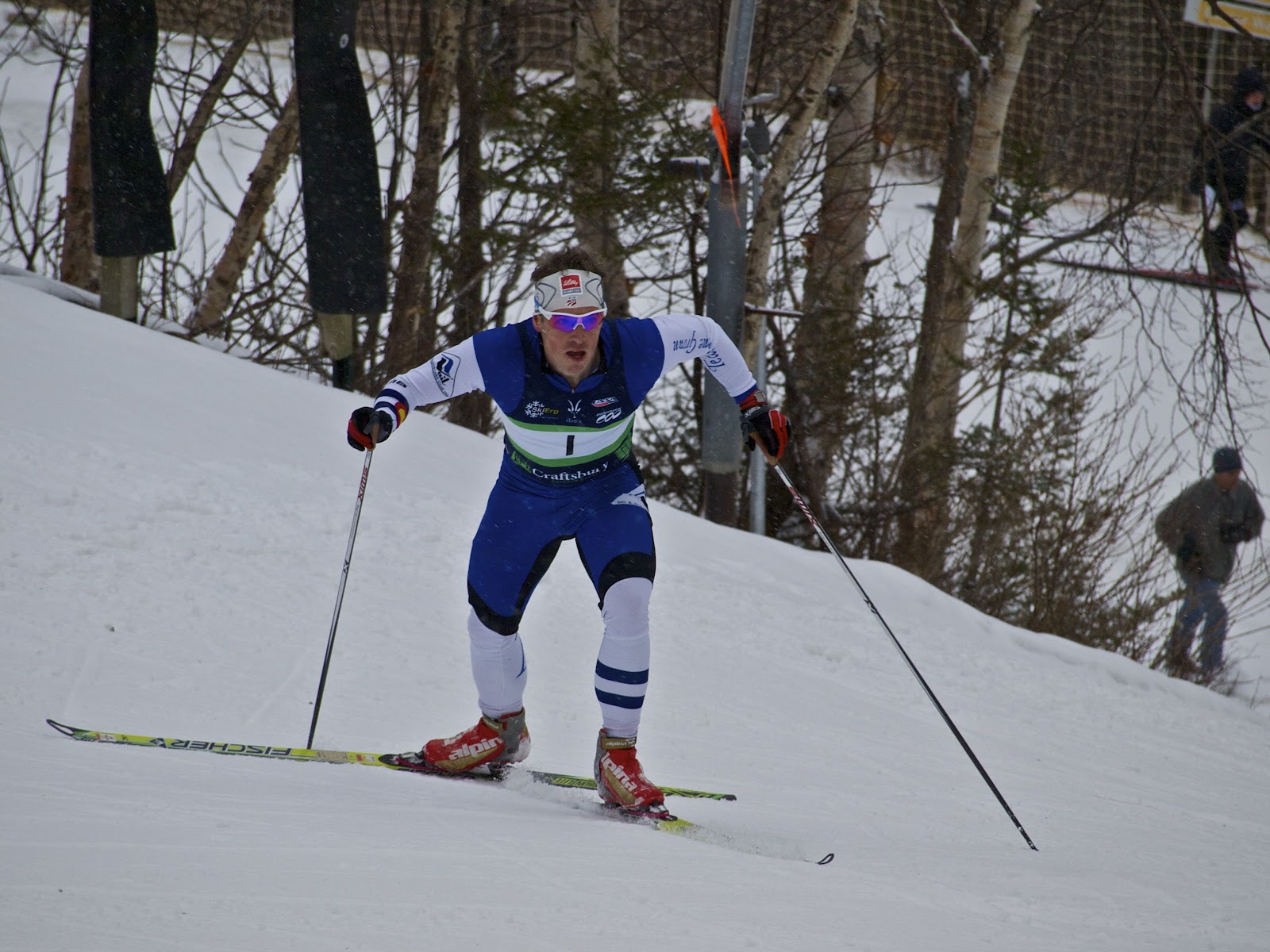
    Every single skier was reduced to a coaches skate on the toughest pitches. Though the course averaged a grade of 15% there were some nightmare climbs out there. Here Kris Freeman crests the steepest part.

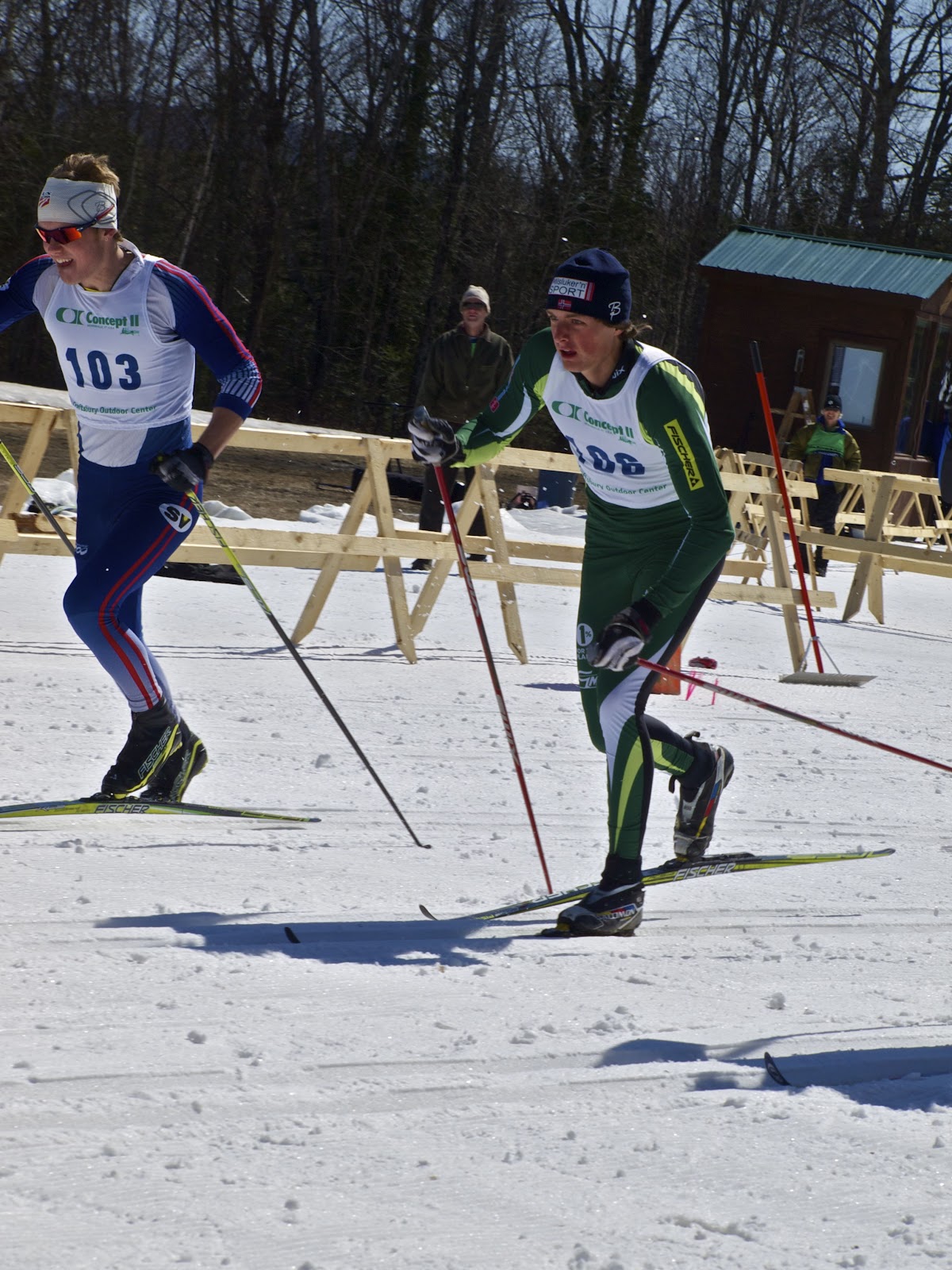
    US Ski Team Member Noah Hoffman dislocated his shoulder the day before, but somehow managed to post the fastest time out there. Freeman held him off for the overall victory, but he made up some time for sure.

    Simi Hamilton, US Ski Team.

    Tad Eliot.

    Sylvan Ellefson

    Sam Tarling was the top collegiate skier.

    David Norris leads a huge group of skiers. Though they look like they are close behind, the group at the bottom of the hill has about a minute to make up on Norris.

    Reynolds, battling.

    Pete Kling skis though as the snow squall starts.

    Schultzy coming off a great sprint day.

    Junior sprint champion Cole Morgan.

    Hans fights his way to the top.

    Antoine made it though the whole tour looking good in the GMVS threads!

    Diggins at the top, winning.

    Liz Stephen had the fastest time for the women and made up several places but couldn’t close enough on Diggins to make up the gap.

    Carnage at the top.

    Sadie Bjornsen

    Rosie Brennan

    Erika Flowers leads Caitlin Gregg and Sophie Caldwell

    Alexa Turzian, Corey Stock, Marlena Cook

    Izzy Caldwell killing it over the top.

    Sprint winner Chandra Crawford and Elizabeth Simak, MK’s future training partner.

    With MK close behind. She fought through the quad burn and posted a sweet time up the climb.

    Getting into the V2 over the top. Nice!

    Heidi, cresting the hill.

    NCAA champion Amy Glen

    Anja!

    An amazing season of racing for MK and Heidi. Congrats on some incredible results and general improvement over the year. Can’t wait to see what these two will be able to do next year!

    Shredding it on the way down.

    Now it’s time for some relaxation, reflection, school, lacrosse, and whatever else has gone a little by the wayside these past few days. An amazing finish to a great season for GMVS, with great results and camaraderie the whole way around. A season recap is in the works!

  • Awesome Striding Drill for Youngsters

    Just stumbled into this… very cool!!!

  • Dario Cologna’s Quietly Dominant Season

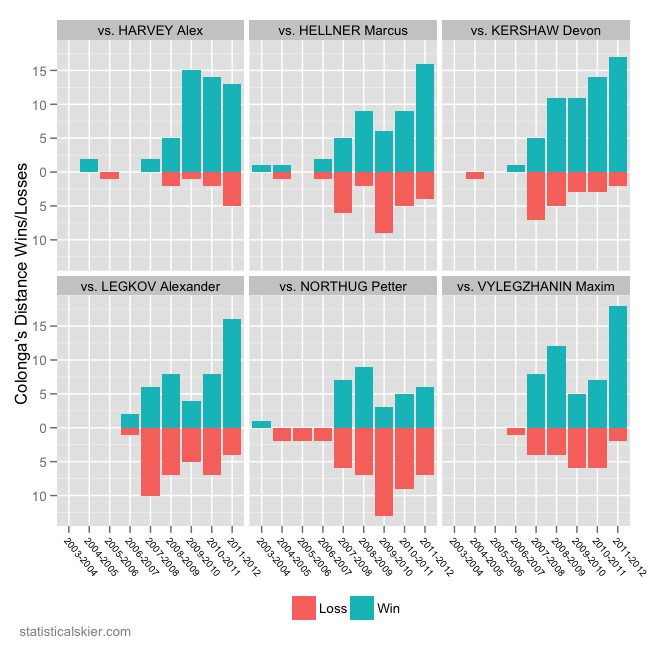
    Cologna won the World Cup overall, but I always feel like he’s sort of in the background compared to other top skiing personalities. Doing well in the World Cup overall rewards not just speed, but showing up at tons of races and skiing fast. For instance, let’s check out his won/loss record versus the next several skiers on the points list. First, distance and sprint combined:

    This looks pretty dominant to me, with the exception of Petter Northug, who skipped a good portion of the season. That was partly intentional on his part, to prepare for the Vasa, but then he got sick and missed a bunch more racing. So Cologna certainly deserves the credit for actually showing up and performing, but I’d still probably put more money on Northug, head to head.

    Of course, we can break this down into distance:

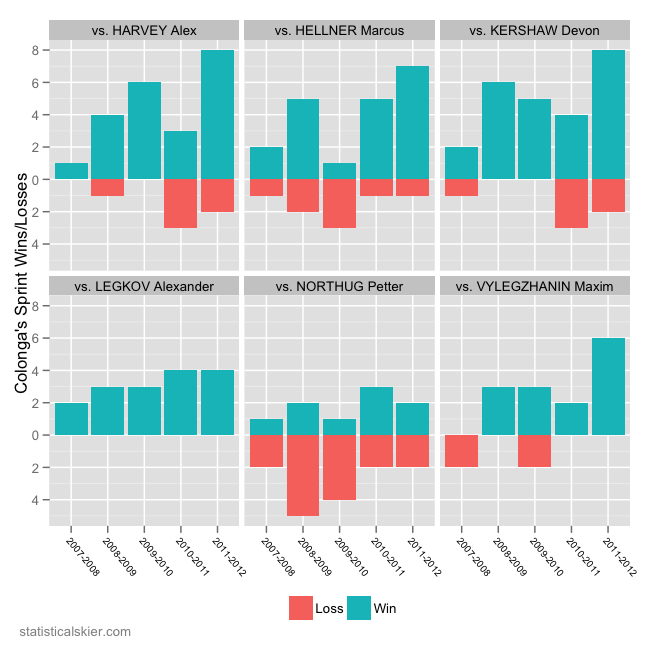
    The differences are very subtle, you’ll probably have to look closely at the scales to see them. The sprint version of this graph is a little easier to spot:

    Here we see some differences in how often the Russians actually do sprints, primarily.

    Related posts:

    1. <How To Win The SkiTrax FIS Fantasy World Cup Contest
    2. <Finn Haagen Krogh: Northug 2.0?
    3. <Was Bjørgen vs Kowalczyk Really An Issue This Season?


  • Super Tour Finals Pictures

    Here is a hodge – podge of pictures from the last couple of race days. Above, Tyler works the hill climb.
    Hamish crests the last hill in the sprint.
    Gino hammers the hill climb with Hamish (who was fighting a cold) cheering him on.
    Doesn’t look much like skiing from this angle.
    Kikkan.
    Paddy O’B.
    Kris Freeman may not have the pure speed, but he is fit enough to do damage in the heats.
    Paddy C.
    Corky showing intensity.
    Anika on the way to winning her Jr semi-final. She went on to place 3rd in the Junior A final.
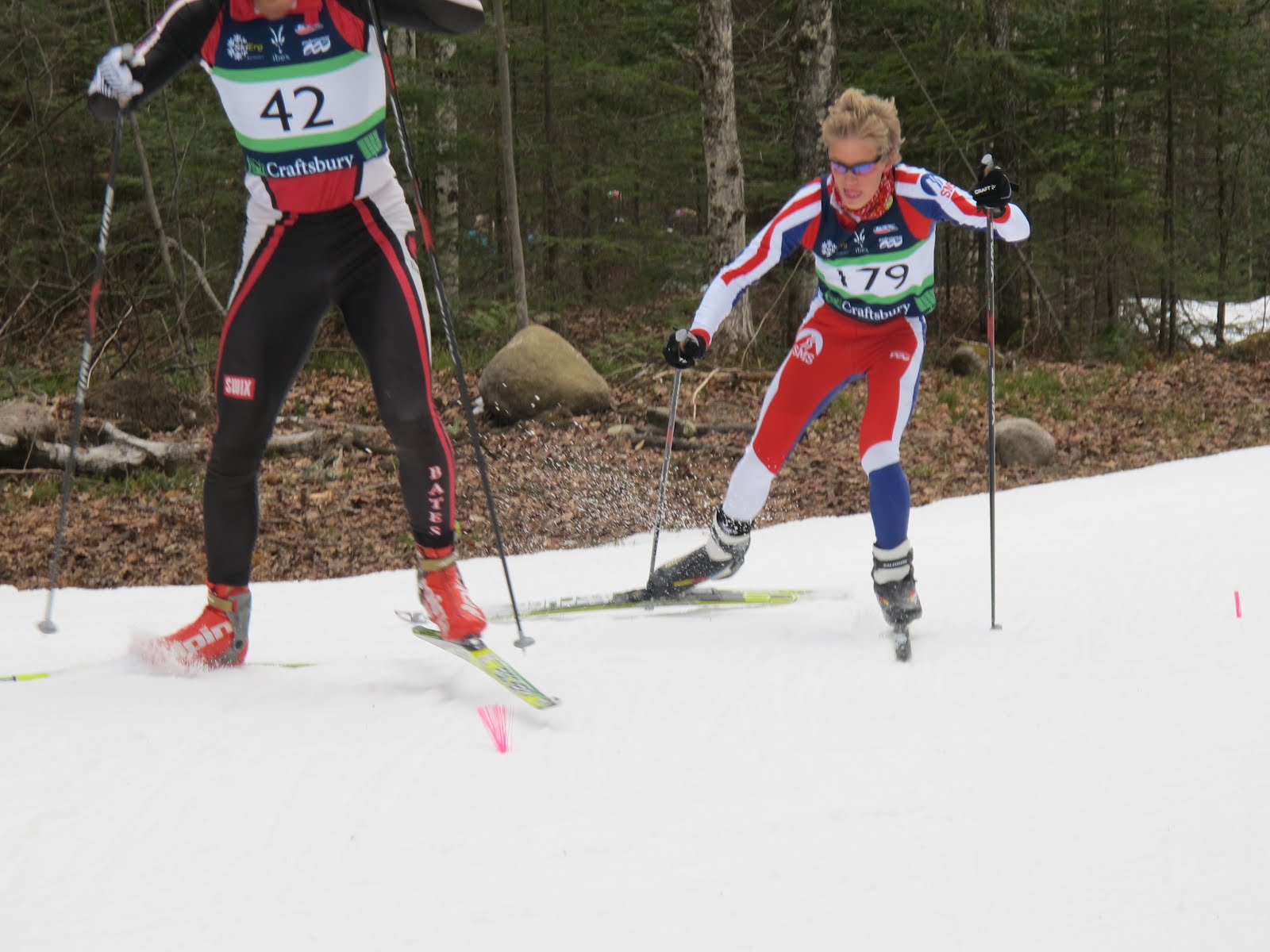
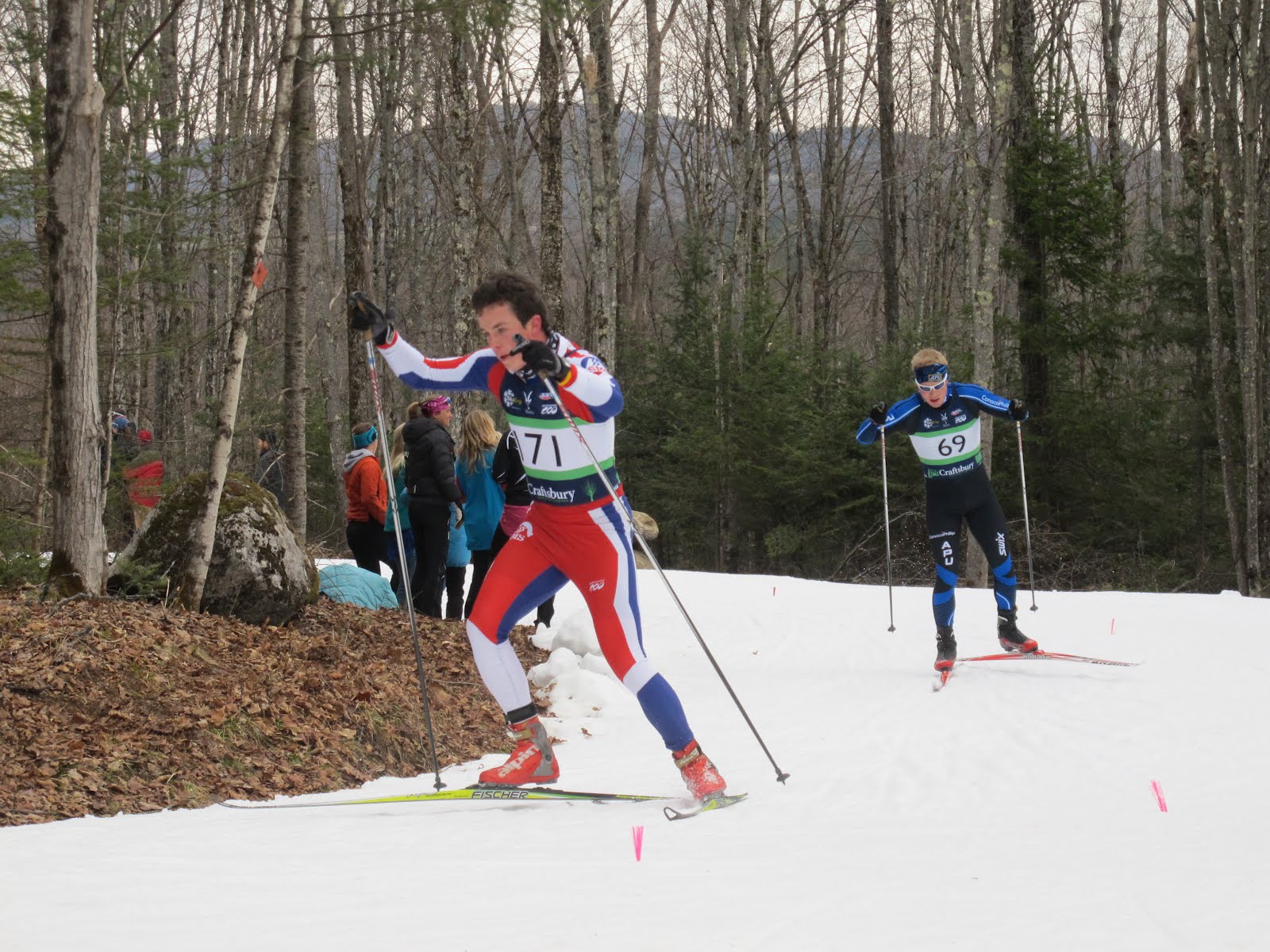
    Paddy in the hill climb. Notice the skier behind him who is classic skiing. Two skiers classic skied up the hill and seemed to hold their own pretty well.
    Calvin showing great forward body position. He did very well in the hill climb.
    I like this picture because it shows the top 4 women all doing the “coaches” skate aka wimp skate. And..that wasn’t even the steepest section! Matt B is up ahead working on the same technique 🙂
    Up, up and away. The terrain up here is quite different than down south. Up here there are smaller hills but lumpier mountains jumping up out of nowhere.
    Heather.
    Anya and Gage.
    Chandra Crawford pulls slowly away from Mollie.
    Issy P.
    Issy and Mollie pose on top. The trail behind them is steep!
    Jr 1st and 2nd overall, Paddy and David S.
    Jr girls overall podium, Annie, Corey and Izzy.

    Today is a “rest” day. We took an easy ski and have been busy carbo loading on Craftsburys delicious food, waxing skis and doing homework.
    Tomorrow Kate is racing the Jr 15 km and Issy, mollie and Anika are jumping in the 30 km. The boys get to carbo load one more day before their Jr 20 km on Saturday. The forcast for both days is 26 and sunny at race time so it should be fast!
  • Rubber boots, hill climbs & an upcoming 30k!

    Another mini-tour is under the belt, this time in North America.  I returned to the states a little more than a week ago to finish off the season on US soil with my club team, APU Nordic Ski Center. 
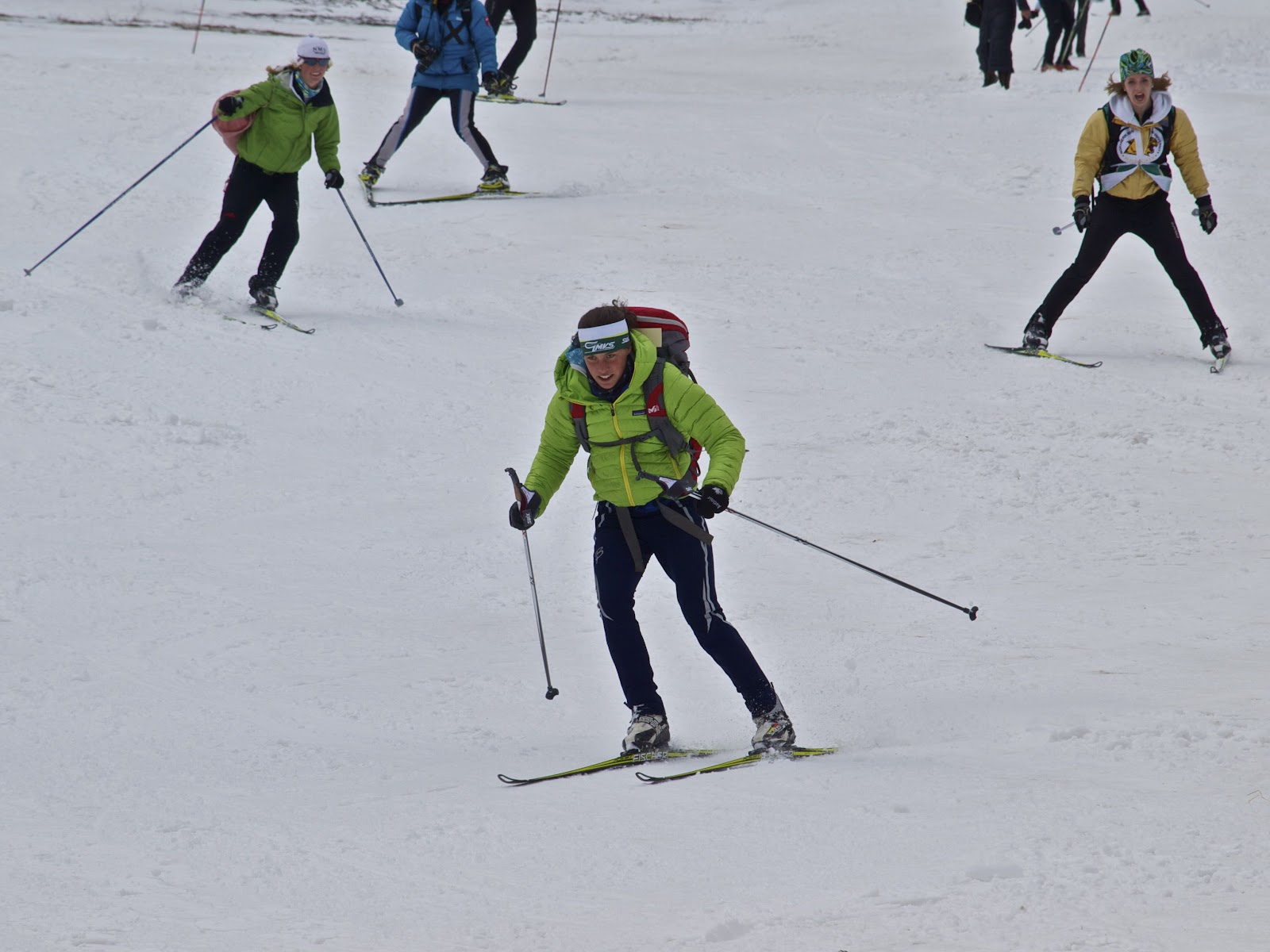
    Speaking of that team…. how’s this for enthusiasm? 
    The week started off with a massive heat wave. In fact, some of us were so un-prepared for the close to 80 degree weather that we had a “team outing” to a local thrift store to buy shorts and tank tops. I also bought myself some mud boots at the local corner general store. You’ll see why here…… 
    I feel like I’ve heard about Vermont Mud season from Liz and Newell for a while now…. Driving on the dirt roads here can be similar to driving on ice – except for the fact that you’re fish tailing on mud – beware!
    The mini tour here at Craftsbury consisted of four races, a skate prologue, classic 10k mass start, classic sprint & the grand finale, a hill climb UP Jay Peak, the local downhill ski area.  If you want to know more about the races you can check it out on the event website HERE.  My efforts ended up with a 2nd, 3rd, 4th & 9th place…….. this combined to equal a third place finish overall in the Mini-Tour, just 3 seconds out of second. Here are some pictures from the race week: 
    Race #1 Skate Prologue – notice my mud boots and the brown grass everywhere!
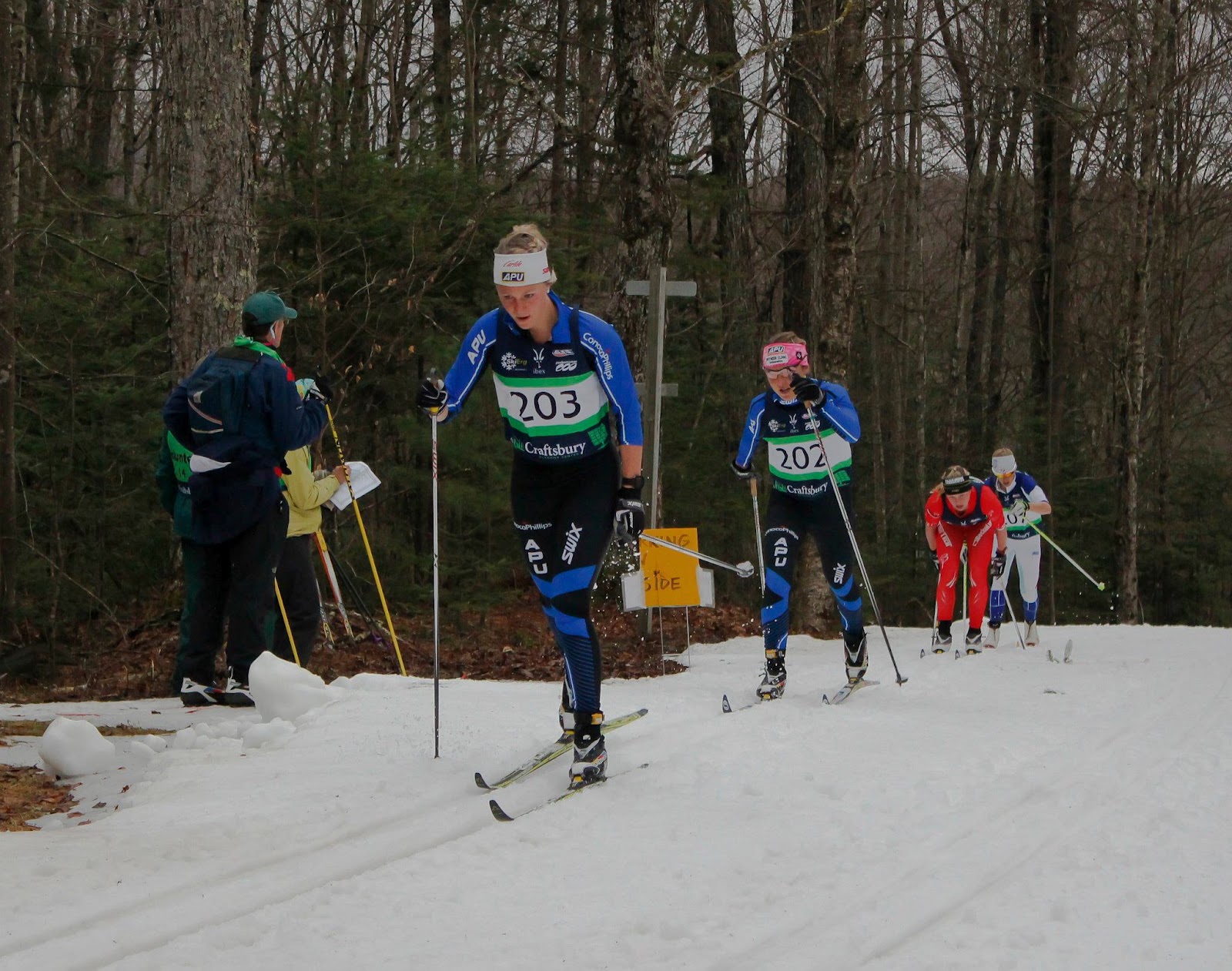
    Some US Ski Team & APU Ladies (l-r) Sadie, Jessie, Ida, Liz, Rosie, Holly & Becca (photo compliments of the Sargent Family)
     Racing the 10k Classic mass start
    This was a special race because the APU ladies SWEPT the podium.  It’s pretty special when a club can do that because more and more, the level of competition has become higher and higher.  The last time I remember this happening was 2011 Nationals: 
    In the 10k we skied well but we also had some awesome skis with great kick and awesome glide.  We have this group of hard working guys to thank for that:
    Erik Flora, Eric Strabel, Sam Sterling, Casey Fagerquist & Mikey Matteson
    Next came the classic sprint. I was happy with my qualification ski but failed to make the A final.  I made a tactical error that lead to poor positioning. Also, nearly the last third of the course was flat double pole.  Double pole has never been my strength but ever since breaking my wrist and skiing with one pole (and mostly my legs) I’ve really struggled with it.  I’ve been waiting to celebrate the last classic race for this reason and now I can look forward to rebuilding my upper body strength & double pole for next year. 
     Skiing the heats with Jessie Diggins
    While the classic sprint wasn’t my best day it was AWESOME to see some of my teammates pick up the slack.  APU skier Reese Hanneman skied to a Silver medal in a stacked field and APU Junior, Celia Haering won the Junior Women’s race. 
     Reese 
    Celia showing her apple pie award! 

    The final tour standings were decided with a 2k hill climb straight up an alpine area. 
    Overall Tour Podium – Me, Susan Stephan (Liz’s Mom!) & Jessie all share a good laugh!

    Coming up tomorrow is the National Championship 30k for ladies.  We are racing on a 1.5k loop, potentially in what Easterners call a “wintery mix.”  It should be interesting…. stay tuned and thanks for reading! 
    Cheers, 
    Holly 🙂 
  • Progress

    The racing season is now officially over for me and I am back home in Lake Placid.  After over four months on the road, it feels great to be back in my own bed.  All in all I am pleased … Continue reading

  • Last Chance For Stonegrinding This Spring!

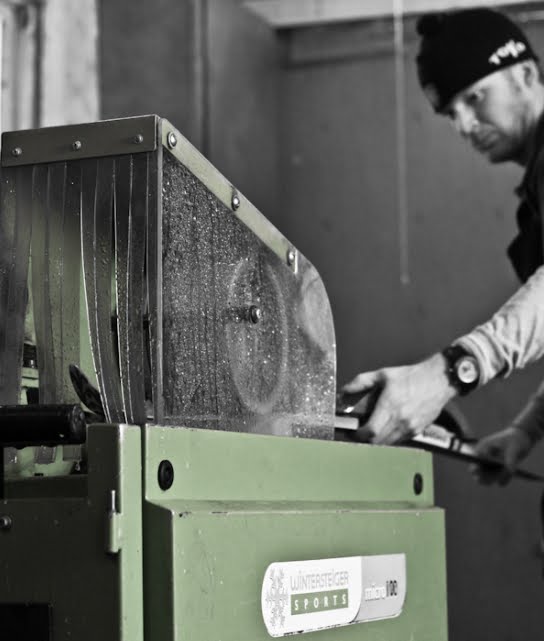
    Bring your skis in to Cyclova XC by the end of the day, Thursday (3/29/2012) to get in on our last grinding batch of the season!

    It’s been a great winter for stonegrinding (much better than it in fact was for XC skiing).  With that said, Thursday is your last chance of the season to get your skis stoneground, hotboxed, and covered in a thick blanket of cover wax.  In short, it’s time to ready for a Summer slumber!

    Bring your skis any time on Thursday, and we’ll get them done and ready for pick up by Wednesday of next week.  

    For the full scoop on our range of services, details on our various precision structure patterns, and pricing, check out our SKI SERVICE PAGE!

  • Super Tour Finals Sprint And Hillclimb

    Yesterday we had a classic sprint at Carftsbury. The conditions for the prelim. in the am were hard and fast over the 1.6 km loop. We were led by Skyler who blazed to a 3rd place in the prelim. and Anika who placed 31st. For the afternoon heats we got a little behind on the kick wax and had slower skis so we did not end where we had hoped to, but Eric Packer, who will be on our elite team next year was the overall winner!

    The Super Tour Finals ended this morning with a tough hill climb at Jay Peak. The course started up a good climb and just got steeper, gaining 330 meters elevation over 1.8 kms.
    Above, Issy P catches a group of girls who started ahead of her. Issy was the 4th fastest Jr. up the hill.
    Below, you can get a feeling for the course. At this point, the skiers are about 1/3 of the way up the climb.
    Conditions were very good for both races and we are looking forward to the distance races on Friday and Saturday. Congratulations to Paddy for finishing in the top 20 overall and being the Junior Tour winner.
    Skiing and eating at Craftsbury are great, but internet is slow (30 minutes to load 3 pictures) so you’ll have to wait until Sunday for more pictures!
  • Points In Europe vs North America

    If you hang around skiing in North America long enough you will eventually hear people talking about point differences between races in Europe and North America (or the US in particular). One of the most common forms of this is the complaint that penalties (and hence points) are artificially high in the US, compared to Europe.

    While I’m certainly sympathetic to criticisms of the vagaries of FIS points, I’ve always felt this complain was a bit short on data. It’s certainly plausible that race penalties are systematically lower in Europe, but that doesn’t necessarily mean that the differences are in some sense “wrong”.

    The most direct way I know of to examine these sorts of issues is to isolate individual skiers who raced in North America and in Europe in a given season, and compare their points. If the North American races are seeing artificially high point levels, you would expect the average skier’s points to be systematically higher in North America than in Europe. (If FIS points worked perfectly, they’d be roughly the same.)

    Doing this raises some sticky questions of which racers and which races to include. Since this is most often raised among North American non-World Cup level skiers, I think it’s most instructive to restrict ourselves to just that category of skier. So we’re only going to compare points from non-World Cup level events.

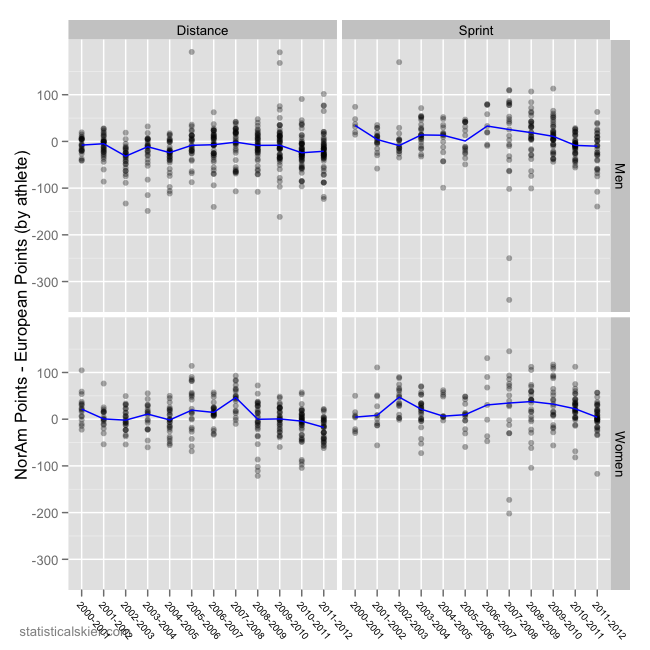
    Here’s our first graph:

    Each dot represents a single skier. Specifically, the difference between the median FIS points for North American races minus the median FIS points for European races. (Obviously, only skiers who competed on both continents are considered.) Clearly, this shows that there is a lot of variation from skier to skier, as we would expect. Someone might be killing in the US, travel to Europe and get sick and race very poorly, or vice-versa.

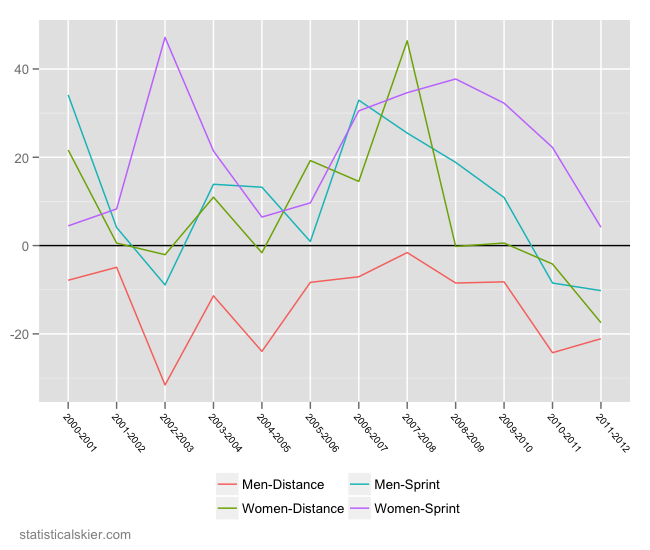
    But it’s the blue trend lines that we’re really interested in here, since they are what will measure systematic trends. Given the scale of these plots, it’s a bit of a challenge to interpret. So let’s redraw just those four lines on a common scale:

    Remember, the y-axis is North American points minus European points. If North American races systematically have higher points, we would expect these trend lines to be solidly above zero. And some of them are! Or at least, they have been in the past.

    The line that stands out as the most different here is the men’s distance line. For a while it flirted with approaching zero in the mid-00′s, but has spent most of its time at around -20 FIS points. This means that US/CAN men, on average, get FIS points that are around 20 points lower in North American than in Europe. This is the exact opposite of what we’d expect if North American races had artificially high FIS points.

    The other three lines have generally been above zero, sometimes by quite a lot, sometimes just barely. But all three have dropped dramatically over the last 3-4 seasons. This past season, the only one still above zero is women’s sprinting.

    The other thing to note here is that FIS points for sprinting only captures qualification speed, nothing more. Any differences in competitiveness in the heats would not be captured here.

    Related posts:

    1. <North American Race Penalties Over Time
    2. <Predicting FIS Points For World Cup Races
    3. <Predicting World Cup FIS Points (con’t)


  • Points In Europe vs North America

    If you hang around skiing in North America long enough you will eventually hear people talking about point differences between races in Europe and North America (or the US in particular). One of the most common forms of this is the complaint that penalties (and hence points) are artificially high in the US, compared to Europe.

    While I’m certainly sympathetic to criticisms of the vagaries of FIS points, I’ve always felt this complain was a bit short on data. It’s certainly plausible that race penalties are systematically lower in Europe, but that doesn’t necessarily mean that the differences are in some sense “wrong”.

    The most direct way I know of to examine these sorts of issues is to isolate individual skiers who raced in North America and in Europe in a given season, and compare their points. If the North American races are seeing artificially high point levels, you would expect the average skier’s points to be systematically higher in North America than in Europe. (If FIS points worked perfectly, they’d be roughly the same.)

    Doing this raises some sticky questions of which racers and which races to include. Since this is most often raised among North American non-World Cup level skiers, I think it’s most instructive to restrict ourselves to just that category of skier. So we’re only going to compare points from non-World Cup level events.

    Here’s our first graph:

    Each dot represents a single skier. Specifically, the difference between the median FIS points for North American races minus the median FIS points for European races. (Obviously, only skiers who competed on both continents are considered.) Clearly, this shows that there is a lot of variation from skier to skier, as we would expect. Someone might be killing in the US, travel to Europe and get sick and race very poorly, or vice-versa.

    But it’s the blue trend lines that we’re really interested in here, since they are what will measure systematic trends. Given the scale of these plots, it’s a bit of a challenge to interpret. So let’s redraw just those four lines on a common scale:

    Remember, the y-axis is North American points minus European points. If North American races systematically have higher points, we would expect these trend lines to be solidly above zero. And some of them are! Or at least, they have been in the past.

    The line that stands out as the most different here is the men’s distance line. For a while it flirted with approaching zero in the mid-00′s, but has spent most of its time at around -20 FIS points. This means that US/CAN men, on average, get FIS points that are around 20 points lower in North American than in Europe. This is the exact opposite of what we’d expect if North American races had artificially high FIS points.

    The other three lines have generally been above zero, sometimes by quite a lot, sometimes just barely. But all three have dropped dramatically over the last 3-4 seasons. This past season, the only one still above zero is women’s sprinting.

    The other thing to note here is that FIS points for sprinting only captures qualification speed, nothing more. Any differences in competitiveness in the heats would not be captured here.

    Related posts:

    1. <North American Race Penalties Over Time
    2. <Predicting FIS Points For World Cup Races
    3. <Predicting World Cup FIS Points (con’t)


  • Spring Series Sprint Day

    It was as close to perfect a day of racing as we have had all year today. After a somewhat frustrating day in the classic mass start on Sunday, the GMVS crew took it to the trails today, posting strong results in the classic sprint on a magnificent March day at Craftsbury. Cold overnight temperatures made the course bulletproof, and once again the Craftsbury grooming team made the best possible course. Today’s tracks were perfect all around and we made the most of it.
    Heidi started in bib 31 and hoped to move up and qualify for the open heats. She did more than that, posting the 18th fastest qualifying time. Unreal!

    Heidi skied through sickness and the fatigue of a long season and was only 24 seconds behind Chandra Crawford, former Olympic gold medalist and the recent winner of Canadian Nationals.

    MK skied great as well, rebounding from the weekend’s races and also battling sickness. In fact, our whole team is suffering from sickness except for Dev, but that didn’t stop everyone from skiing awesome today.

    MK slipped into the Junior heats after qualifying 38th overall!

    Hans crushed the qualifier as well, finishing 44th overall as the 6th qualifier for the junior heats.

    Alum David Sinclair cruising in the qualifier.

    Dev crushing the double pole in qualifying. He was the 12th junior (3rd J1), and the last junior to make the heats.

    Heidi had the unbelievable experience of skiing with Kikkan Randall in her quarterfinal heat. Lining it up with the world’s fastest woman was one of the highlights of the season!

    And off they go!

    Kikkan and fellow US Ski Team standout Liz Stephen pulled away in the heat…

    But Heidi came up the hill right behind! She finished 5th in the heat but was only a few seconds away from Kikkan and Liz. Pretty sweet.

    Kikkan was gracious enough to sign the bracket for Heidi after the race.

    Some exciting racing went on out there! Alum Tim Reynolds qualified 5th and toes the line with the best in the nation.

    These girls are fast! 

    Chandra Crawford is on fire right now, skiing away from Jessie Diggins, Kikkan Randall, and Jennie Bender in the women’s A-Final.

    MK getting off the line in her semifinal junior heat.

    And bringing it home in second place to advance to the A-Final!

    Hans gets ready to rip in the semi.

    Skiing fast and smooth with Patty Caldwell, Junior National Champion.

    MK skiing strong in her final.

    Dev ran out of gas a little in his semi, but came back to crush it in the B-Final, taking eigth place overall!

    A great day for the team! Last race for everyone is tomorrow (except for Dev, who ended the season in style today!). Hill climb to the top of Jay Peak is all that is left.

    Justin and Jesse were behind the scenes making great skis today and keeping everyone moving!

    Hans, second place to Cole Talbot for the day. Nice work.

    Crawford in the qualifying getting up.

  • Lets talk about legs.

    Okay ok ok. Legs. My legs.

    When Maine Winter Sport Centers Will Sweetser saw me no pole skiing in Utah in October and made some remark along the lines of, “Well that will put some legs on you!”   I sort of just chuckled and shook my head, “Oh that crazy Will Sweetser!”

    Man was he right….  When it came time to put the race suit back on in December I wanted to yell “Holy TOLEDO! Who put the 10 pound sausage in the 5 pound bag!”   Oh right… that’d be me. And my legs.

    So although I didn’t race where and when I wanted to this year I did accomplish (I guess?) one thing. I built me some legs!  Ode to injuries and their ability to imbalance us even more than we were before.  Post knee-surgery season I had arms, and itty bitty stick legs… (ok so I did go crazy and work my upper body like a uncontrollable ball of energy freak who wasn’t allowed to ski anymore) and this fall when I was told not to use my arms I sort of shrugged and no poled, and ran, and no poled, and biked, and no poled some more.  And guess what happened? Yes you’ve got it now.  I grew some legs.  and muscles along and through my hips that I didn’t esthetically know were possible.

    I now present you with the photographic evidence.

    BAM! Legs… and stuff.

    World Juniors 2011…

    BAM! Mammoth Lakes 2012…

    (Less aggressive noise) U26 World Champs 2011…