Tag: 2014 Sochi Olympics

  • Mindful Babikov Plans to Pace Season for Olympic Peak

    Mindful Babikov Plans to Pace Season for Olympic Peak

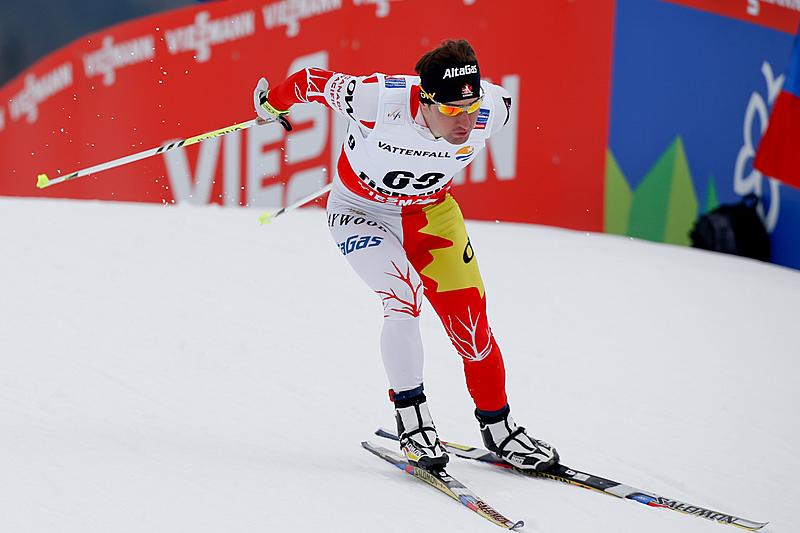
    Ivan Babikov (CAN) racing to a career-best fourth in Wednesday's 15 k freestyle individual start at World Championships in Val di Fiemme, Italy. (Photo: Fiemme2013)
    Ivan Babikov (CAN) racing to a career-best fourth in the 15 k freestyle individual start at 2013 World Championships in Val di Fiemme, Italy. (Photo: Fiemme2013)

    Ivan Babikov knows the deal when it comes to Olympic years. Having already competed in two previous Olympics, the Canadian World Cup Team member is entering this season with the confidence that comes from knowing how the game works. At 33, he’s essentially prequalified for this season’s Olympics in Sochi, Russia, and so far all of his prep work is going according to plan.

    Babikov ended last season with some serious fatigue, but all wasn’t lost.

    “It actually turned out the best ever,” he wrote on his blog. “With scoring points in pretty much every World Cup Race before Christmas, awesome result at Tour de Ski, and 4th place at the World Championship 15km skate race, which let me finish in top 20 in the World Cup Overall.”
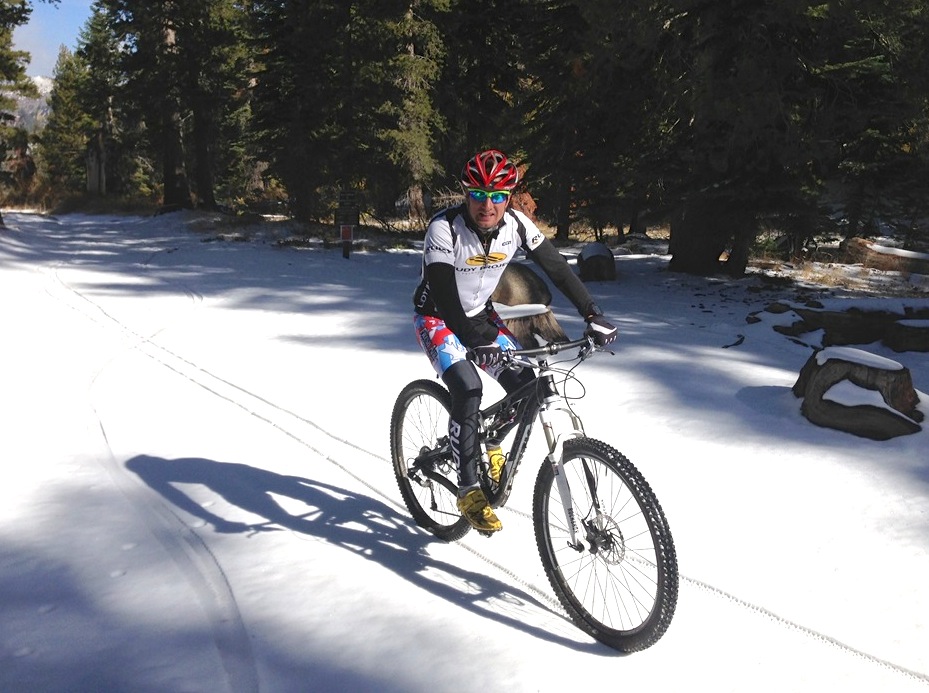
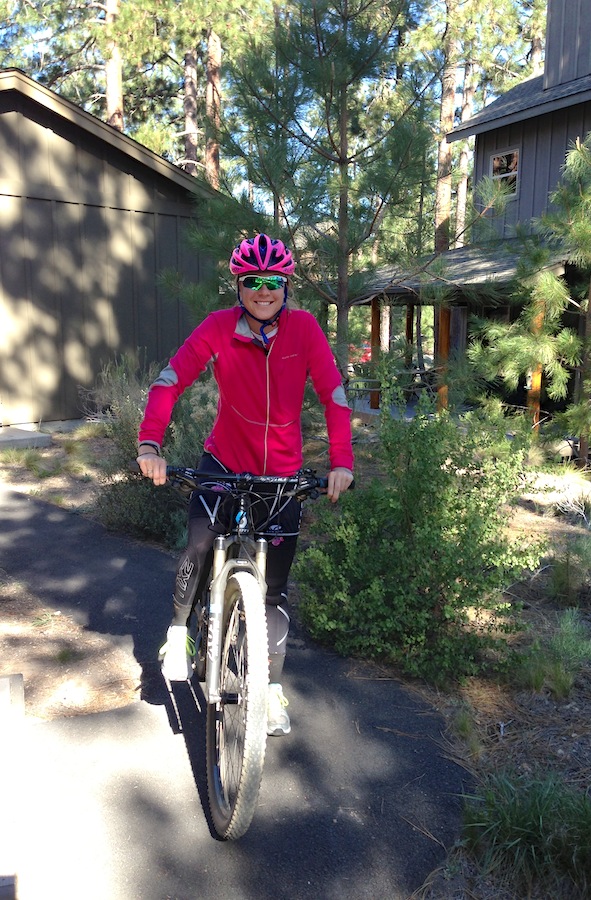
    Babikov biking on the South Rim Trail at the California training camp this fall. (Photo:  ivanbabikov.com)
    Babikov biking on the South Rim Trail at the California training camp this fall. (Photo: ivanbabikov.com)

    Babikov’s fourth-place finish at World Championships was the best ever by a Canadian man in that event, and his runner-up result at the Tour de Ski hill climb earlier the season — also in Val di Fiemme, Italy — was also notable.

    After that the World Championships, the effects of the long season started to kick in. He struggled with sickness for the next several weeks of World Cups, won the 10k classic race at Canadian Nationals, and then hit the wall.

    “I just went straight to vacation, without even finishing Canadian Nationals,” Babikov continued. “I was exhausted mentally and physically, tank was empty, no juice left.”

    After a bit of a reboot, Babikov moved on from that exhausting-yet-successful season to build upon what he knows works for him.

    His early season saw the familiar iteration of a June training camp in Bend, Ore., followed by a New Zealand camp in August, where Babikov has been going for the past six years.
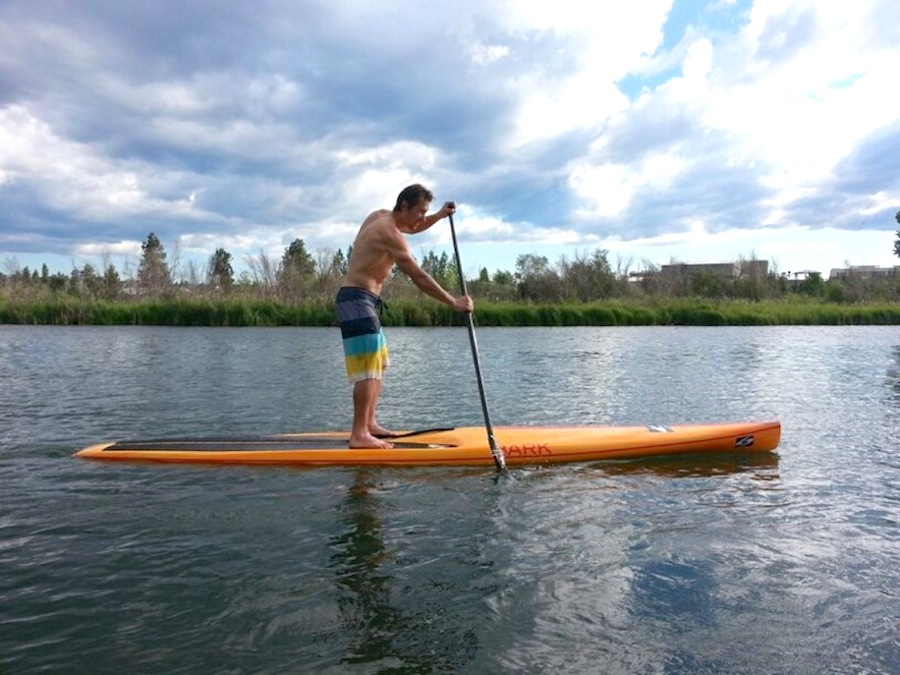
    Babikov getting some cross-training during his national-team training camp this summer in Bend, Ore. (Photo: ivanbabikov.com)
    Babikov getting some cross-training during his national-team training camp this summer in Bend, Ore. (Photo: Ivan Babikov)

    The Canadians have the benefit of training on the Haig glacier just outside of Canmore, Alberta, where Babikov lives. Even so, the Russian native feels that the benefits of accessing many kilometres of trail, combined with the mid-winter conditions, more than make up for the hassle of travelling to New Zealand.

    This fall included a new national-team camp in Truckee, Calif., for high-altitude training. Besides that, Babikov has stuck to his usual regimen.

    “[I’m] not trying to reinvent the bicycle, you know how they say?” Babikov said in a recent phone interview.

    However, with the lessons of last season, Babikov’s main goal for this winter is to “pace the season well and pace the energy.”

    “The season is long, and the Olympics are at the end of it, so you’ve got to pace [the World Cup races and the Tour de Ski] and get in good shape for February,” he said. “That’s what matters the most. But, yeah, we’ll see what’s gonna happen.”
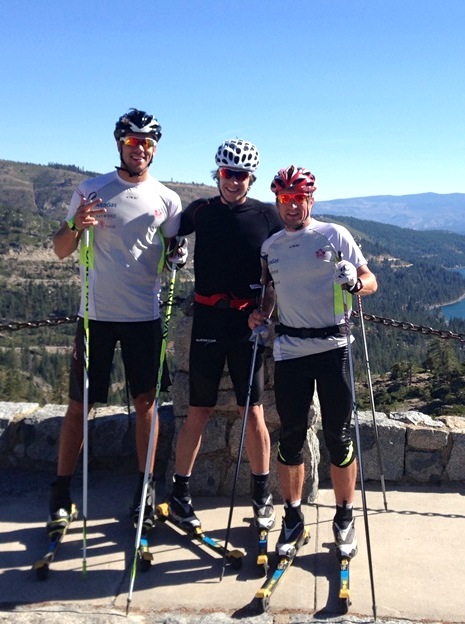
    Ivan Babikov (r) and his teammates on the Canadian World Cup team, Alex Harvey (c) and Lenny Valjas (l), during a rollerski near Truckee, Calif., in October. (Photo: Ivan Babikov)
    Ivan Babikov (r) and his teammates on the Canadian World Cup team, Alex Harvey (c) and Lenny Valjas (l), during a rollerski near Truckee, Calif., in October. (Photo: Ivan Babikov)

    Babikov has already seen some indication that his fitness is close to where he wants it;  in an informal time trial at Canmore’s Frozen Thunder earlier this month, Babikov beat a solid group of Canadian and U.S. competitors in the distance skate race.

    Looking ahead to the Olympics in February, Babikov is especially excited about racing in his country of birth. Although he was born and raised in Kozhva, a tiny town close to the Arctic Circle far away from Sochi, he said, “It’s going to be special … going back to your motherland and race. Not many athletes in the world get a chance to race two home Olympics. … I raced one in Vancouver and then [Sochi]. That’s already pretty special.”

    At the same time, he doesn’t want to put too much emphasis on his results there.

    “It’s all energy wasting … thinking too much and then getting too excited and too psyched,” he said. “I try to waste as least energy as possible and then just focus on the races.”

    Fortunately, he said the courses suit him.

    “There’s [a] huge uphill in the skate part and of course I love that,” Babikov said. “Harder is better for me. I’m not super-speedy guy, but I can manage those uphills.”

    “What matters most is that the athletes are in the top shape for the best moment for those two weeks,” he added. “Whoever feels the best is going to [do best]. That’s why it’s so important to pace your season and save some energy for February.”

    And, despite racing as a Canadian, Babikov is not worried about feeling like an outsider in his homeland.

    “I still have my Russian passport and I’m still Russian,” he said. “We [my wife and kids] still speak Russian at home. So it’s like when some people have two houses, but they’re both home, and that’s kind of what it is for me. Of course, my home home is Canada, but I still know so much about Russia and it’s not going to be weird at all. It’s going to be like, ‘Oh yeah, I’ve been here so much and I’m comfortable here,’ that kind of stuff.”

    Until leaving for the World Cup circuit at the end of November, Babikov is doing his best to keep things normal and spend time with the family. His 11-year-old son Sergei, a budding biathlete, has his first race coming up.

    “He’s going to start racing even before me!” Babikov says.
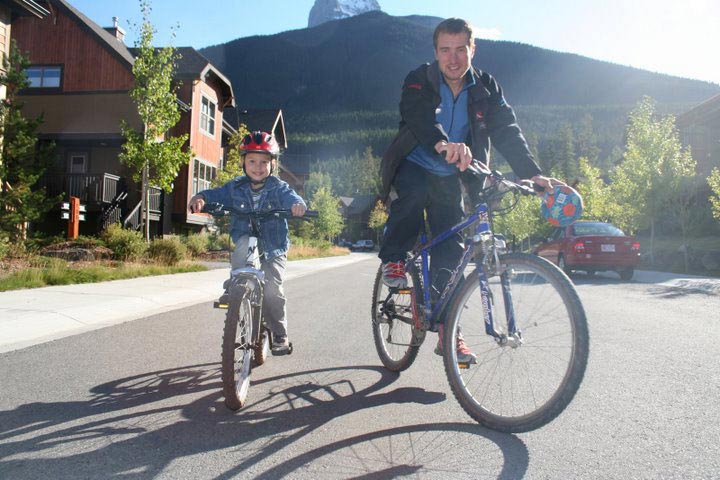
    Ivan Babikov and his son, Sergei, in 2008. (Photo: Ivan Babikov)
    Ivan Babikov and his son Sergei, now 11, in 2008. (Photo: Ivan Babikov)
  • Salmela and Whitney to Call the Shots as NBC Olympic Commentators

    Salmela and Whitney to Call the Shots as NBC Olympic Commentators

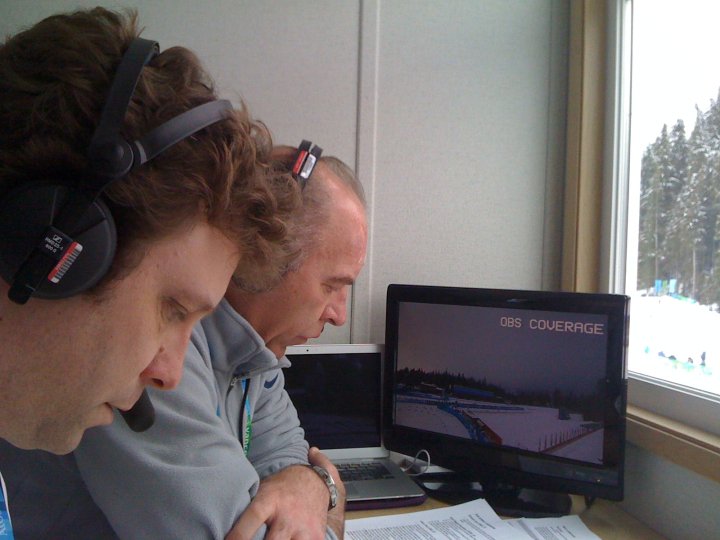
    Chad Salmela and Al Trautwig prepare for a biathlon event in a booth overlooking the stadium during the Vancouver Games in 2010. (Photo: Chad Salmela)
    NBC Olympic commentators Chad Salmela (l) and Al Trautwig prepare for a biathlon event in a booth overlooking the stadium during the 2010 Vancouver Games in Whistler, British Columbia. (Photo: Chad Salmela)

    Olympic commentary is nothing new for Chad Salmela, head coach at the College of Saint Scholastica in Duluth, Minn. In February, he’s headed to Sochi, Russia, where he’ll be one of NBC’s main commentators for the 2014 Winter Games.

    Because the Olympics’ official broadcast network hasn’t given him a production schedule yet, Salmela was unsure which sports he’d be covering. Regardless, the former US Biathlon member and national-team coach is looking forward to working alongside NBC’s long-time legend Al Trautwig.

    “For what NBC is looking for, Al is beyond great,” Salmela says of his colleague. “For the most part, I think he’s brilliant.”

    Salmela, who got his commentary starts as an in-stadium color commentator at the 2002 Olympics, says working with Trautwig sets his mind at ease. He lets Trautwig drive the storytelling when it comes to interpreting races.

    “He’s definitely the most experienced guy I have ever worked with,” Salmela says.

    The 2014 Olympics will be Salmela’s fourth time covering the Games, but he hasn’t always had a seat in the booth at the finish line. Long before NBC tapped him, he was the voice behind a PA system. In 1998, he was asked to announce the US Biathlon Team trials, just a year after he retired from the sport.

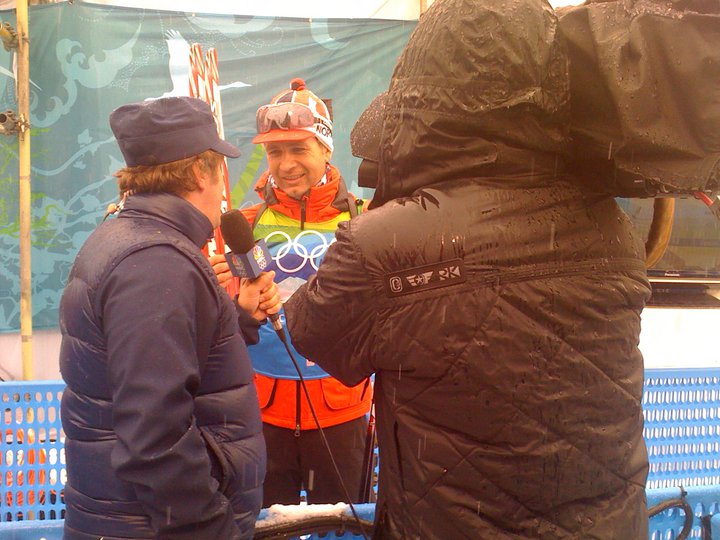
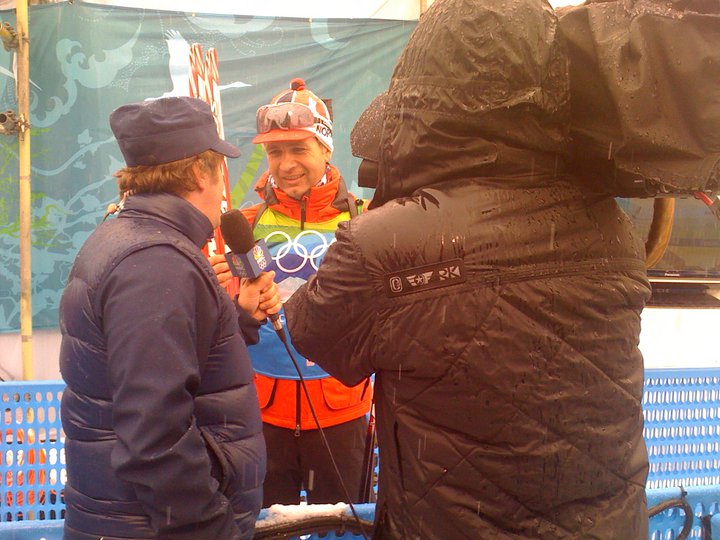
    Chad Salmela interviews Ole Einar Bjørndalen after Norway wins relay gold in the mixed zone during the 2010 Olympic Games in Vancouver. (Courtesy photo)
    Chad Salmela (c) interviews Norwegian biathlete Ole Einar Bjørndalen (l) after his men’s relay team won gold at the 2010 Olympics and he became the most successful biathlete in Olympic history with nine career medals. (Courtesy photo)

    “Everyone was like ‘Wow! You’re really good at this,’ he recalls. ” I was just kind of like a hack.”

    Salmela worked the Junior Olympics the next year, “for, like, a few hundred bucks a week,” he says. But word gets around and that’s how he ended up at the Olympics.

    “My reputation as a commentator had kind of grown within the small community of nordic skiing,” he says.

    His big break came in Salt Lake City in 2002, where he commentated biathlon as well as the women’s 30-kilometer cross-country race.

    “I’m genuinely excited when I see the defining moves in an event, and other sports have plenty of people who do the same thing,” Salmela says. “John Madden or Cris Collinsworth is doing it with the NFL right now. One things that [they’re] very adept at is having a very conversational analysis and identifying things that some people might miss in the way a game is unfolding.”

    It helps that Salmela is well-connected, working alongside Emmy award-winning producers and others who have produced sports shows for cable television for years. But he says his connections have only gotten him so far, adding that he has natural skill. And he doesn’t practice out of fear it might get in his way.

    “I feel like my strength is that I have a genuine delivery,” he says. “I’ve always been obviously a talker. I’ve always been very analytical, which is what makes me a strong coach, and I’ve been involved in the sport as an athlete and coach at a very high level and you put all those pieces together and that’s what John Madden had.”

    Salmela was first told he would only call biathlon, but it looks like he may also work the cross country races and nordic combined as well. He commentated all three sports at the 2010 Vancouver Olympics in British Columbia, and in 2006, he worked as a biathlon analyst at the Torino Winter Games.

    This time around, he asked a few friends and contacts to join him in Sochi, including former teammate Stacey Wooley, a 1998 Olympic biathlete.

    “She’s going to be kind of learning to do it on the fly as the back-up color commentator for biathlon,” Salmela says.

    He may be biased, after eight years on the national team and several more coaching and developing biathlon, but he says it’s one of the better sports to call.

    “Biathlon inherently has a lot of pieces to it that are very dramatic on television,” he says. “I would say it’s like golf tournament on speed,” he laughs. “A golf tournament has these very poignant moments that are high pressure, but they’re very slow in coming and it takes four days … If you compress a golf tournament into a half hour, you’ve got biathlon. Everything is intensified.”

    Whitney Onboard

    While Salmela is in the driver’s seat, former U.S. Ski Team member Rob Whitney will work behind the scenes. Whitney describes himself as the “stats guy.”

    “I’m the guy that is the extra ears, watching other screens, sliding them sticky pads with quick facts, sending one-liners to Facebook,” Whitney says of his rookie gig.

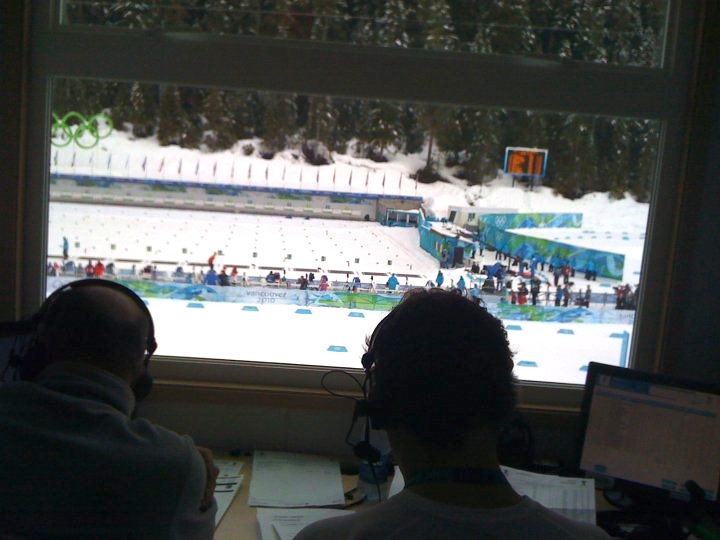
    “In preparation mode,” is how Salmela describes the scene just before the start of a biathlon event he called with Al Trautwig for NBC in 2010. (Courtesy photo)
    “In preparation mode,” is how Salmela describes the scene just before the start of a biathlon event, which he commentated for NBC with Al Trautwig in 2010. (Courtesy photo)

    Married to U.S. Ski Team member and Olympic hopeful Holly Brooks, Whitney isn’t worried about being stuck in a booth.

    “I’m going to have the best seat in the house!” he exclaims. “[It’s] like front row seats at the hockey game here.”

    Solely committed to the cross-country races in Sochi, he’s not exactly sure what will happen if his wife is racing. “If it looks like Chad and Al have it under control, maybe I’ll be out there roaming around,” he says.

    Whitney admits he’s nervous when it comes to his position, but even more so, the mystery of Russia has him wondering what exactly might go down.

    “Russia is kind of a mysterious place, I think,” he says, adding that his opinion could stem from his American roots and a continued memory of the Cold War, or maybe just the distance. “It’s really far away.”

    But that seems ironic, coming from an Alaskan native.

    “It’s not like we just be-bop over!” he jokes.  “You know, go to Sarah Palin’s place and see where it is and get in an airplane and fly straight there!”

    But overall, Whitney’s pretty excited, knowing that he’ll look back in a decade or two and think the experience was “rad!”

    “I mean, I could be helping announce history,” he says.  “Kikkan Randall might win a gold medal!”

  • The Road to Sochi Isn’t Easy for Those from Non-Skiing Nations

    The Road to Sochi Isn’t Easy for Those from Non-Skiing Nations

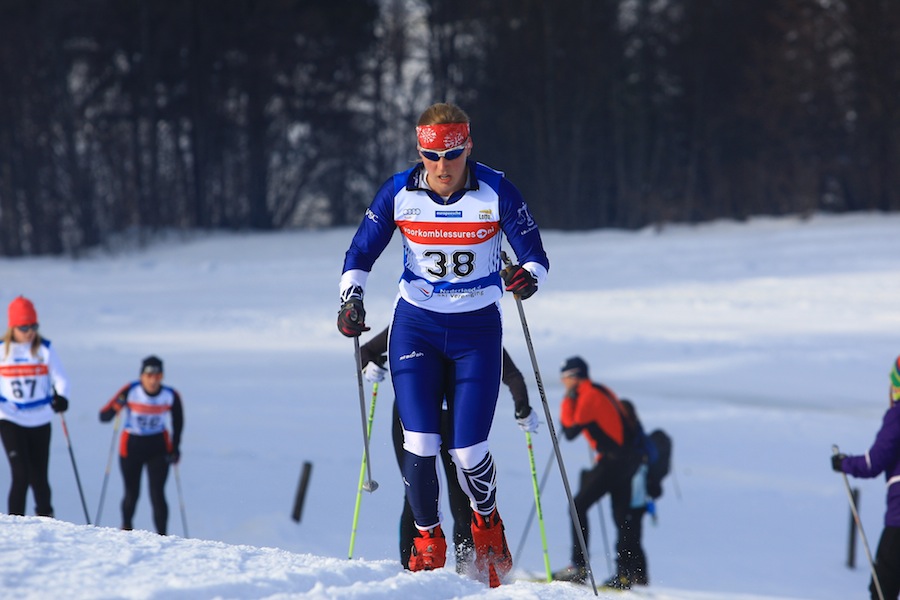
    Wearing the colors of the Maine Winter Sports Center, Anna van der Rhee of The Netherlands races toward a Dutch national title. (Photo: Bert Romani, Courtesy: Anna van der Rhee)
    Wearing the colors of the Maine Winter Sports Center, Anna van der Rhee of The Netherlands races toward a Dutch national title last winter. (Photo: Bert Romani)

    The Netherlands is a flat-as-a-pancake country with nearly snowless winters.

    But according to Anna van der Rhee, who grew up in northern Maine and had a successful college skiing career at the University of Utah before marrying a Dutchman, there is an enthusiastic group of cross-country skiers there.

    Van der Rhee, 30, won the Dutch National Championships (held in Germany) in 2012, prompting some to suggest she try for the 2014 Olympics in Sochi, Russia. She said her initial reaction was laughter, but after some consideration, she thought, “Why not?”

    Every country is entitled to enter one man and one woman into the Olympic sprint or 10/15 k, granted the individual has a “B” standard (sub-300 FIS point) rating at the distance they wish to compete in.

    An “A” standard (100-point maximum on the FIS distance points list or 120-point maximum sprint rating) gives the athlete the right to compete in more events. The qualifying window for Sochi is July 2012 to January 19, 2014.

    Van der Rhee raced last season while maintaining a full-time job in scientific research. In April, realizing this may be her only opportunity to make the Olympics, she quit her job and became a full-time skier.

    With support from the Maine Winter Sports Center and its competitive programs director Will Sweetser, van der Rhee and her husband will balance a single income while traveling to FIS-scored events, which are not found in The Netherlands. She currently has 181.63 distance points, giving her the “B” standard.

    Though she has technically qualified for the Olympics, the Dutch Ski Federation and Dutch Olympic Committee do not want to send athletes to the Games to compete for last place, according to van der Rhee. The Netherlands does not have specific performance standards of its own, but will decide if van der Rhee is worthy of the Olympics.

    “I would love to raise the profile of the sport and help generate interest, especially among younger athletes,” van der Rhee wrote in an email. “I imagine that this is also a goal in other countries without developed competition programs, and that sending athletes to the Olympics is a means to this end. That said, I fully understand the viewpoints of the Dutch organizations in only wanting to send athletes who can be successful, although it could be debated as to what the definition of ‘successful’ then may be. In any case, I certainly would not want to be at the Olympics just to compete for last place.”

    Sarah Murphy grew up in Canmore, Alberta, but has dual citizenship in Canada and New Zealand.

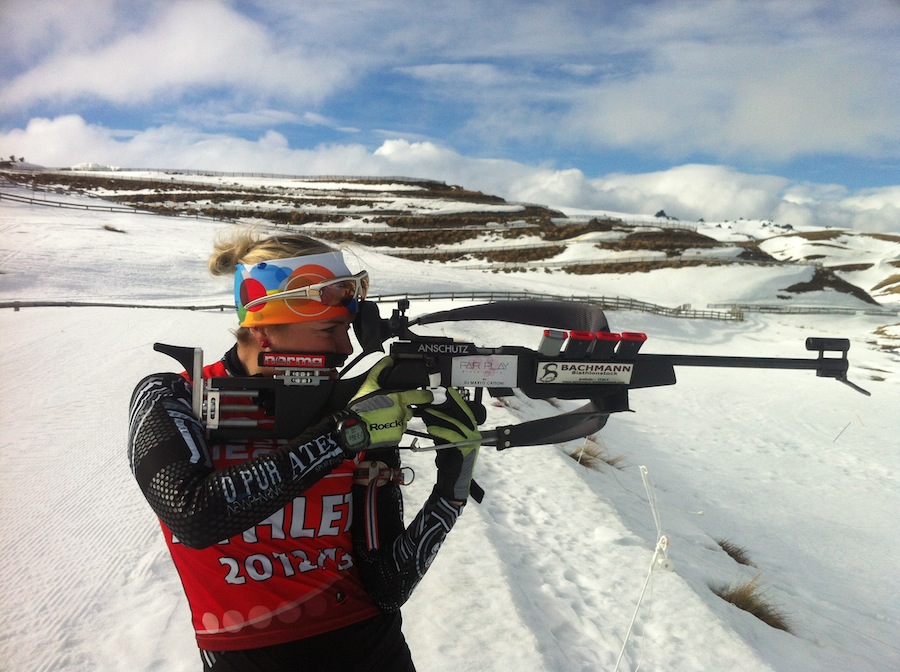
    Sarah Murphy, New Zealand's lone IBU and biathlon World Cup representative, training before an event. (Photo: Federico Fontana, Courtesy: Sarah Murphy)
    Sarah Murphy, New Zealand’s lone IBU and biathlon World Cup representative, training before an event. (Photo: Federico Fontana)

    She moved to New Zealand in 2008 and made the national team, competing in the 2010 Vancouver Olympics.

    In biathlon, an athlete must have two results at an International Biathlon Union (IBU) Cup, Open European Championships, World Championships, or World Cup that are a maximum of 20 percent behind the average time of the top three finishers. Younger athletes may qualify with two top-half placings at Junior World Championships. Olympic quota spots are disbursed based on the team results of the last two World Championships.

    In addition to the International Olympic Committee’s qualifying standards, New Zealand has criteria of its own. Murphy must place in the top 50 percent of half the World Cups she competes in. In an email, she explained she’s hoping for a good start to the season after struggling with sickness and a broken rifle last year.

    Murphy, 25, was recently informed by the New Zealand Olympic Committee that she has little to no chance of going to Sochi, despite being New Zealand’s only IBU and World Cup representative. Combined with last season’s results, even a strong start this year will likely fall short of New Zealand’s criteria.

    “It is frustrating,” Murphy wrote. “I understand if you have a big team, and I understand the IOC standard, but I do not understand New Zealand’s reluctance to support winter sport, other than those in the top 16 in the world.”

    The highest-ranked Argentinian nordic skier in the world, Fede Cichero, 29, hit the “B” standard with 130 points on the latest distance list and will be granted an Olympic berth.

    Cichero started this Olympic cycle, his first, with no equipment and often had to travel to races without a coach and only a small wax box. He trained in Vermont and Colorado and received contributions from American ski clubs and businesses. In an email, Cichero explained he recently secured financial support through the Argentine federal government and the National Entity for High Performance Sports (ENARD).

    “After all this is over, what would be equally meaningful to me, is to help cross-country in Argentina and South America,” Cichero said, according to friend and translator Matt Muir. “Ushuaia, for example, has enormous raw potential and it would help my country in many ways if we could improve access to skiing and other outdoor activities.”

    The “B” standard creates a balance of Olympic values – inclusion of all nations while maintaining the highest athletic standards. For van der Rhee, Murphy and some other skiers from countries FIS has termed “exotic,” the fulfillment of an Olympic dream relies on the judgment of their own nation’s officials.

  • Sadie Bjornsen Keeps Injuries at Bay, Skiing in Perspective Leading Up to Sochi

    Sadie Bjornsen Keeps Injuries at Bay, Skiing in Perspective Leading Up to Sochi

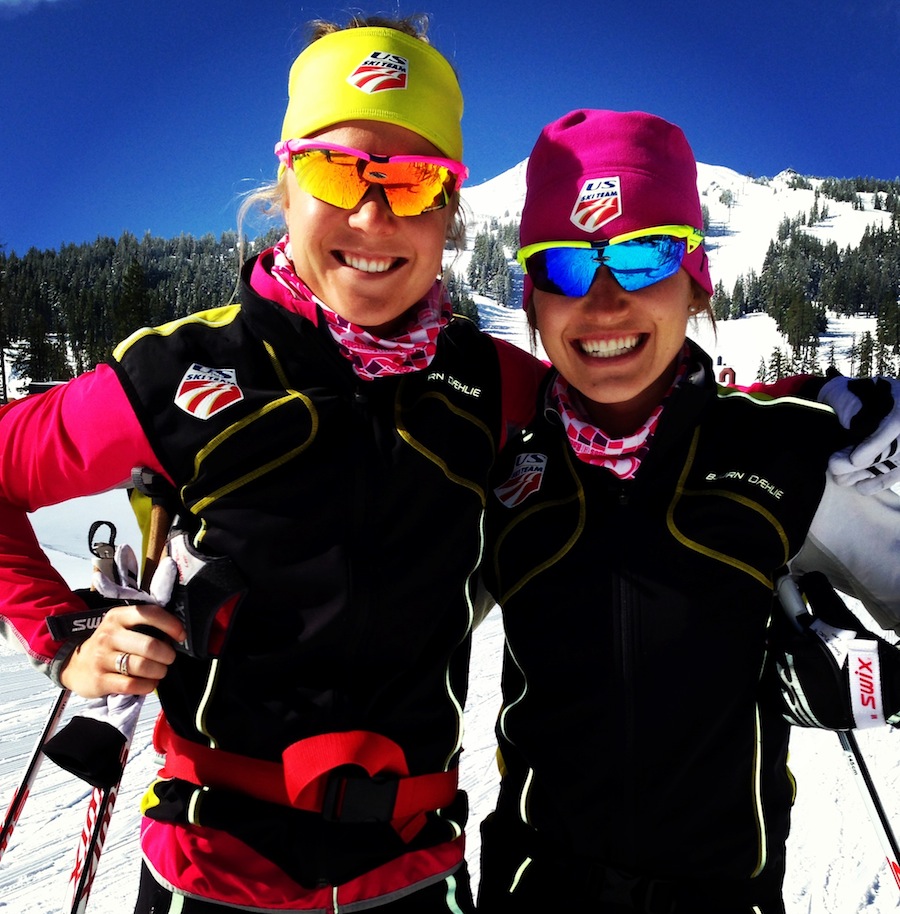
    U.S. Ski Team members Sadie Bjornsen (l) and Sophie Caldwell take a break from skiing in May at their training camp in Bend, Ore. (Courtesy photo)
    U.S. Ski Team members Sadie Bjornsen (l) and Sophie Caldwell take a break from skiing in May at their training camp in Bend, Ore. (Courtesy photo)

    The five interlocking rings hanging over Sadie Bjornsen’s bed mean everything they did four years ago when she shelved her college education at the age of 19, moved home and threw all she could muster at a dream of skiing in the Olympics – only to come up short.

    But closer examination of the wall ornament reveals that an upcoming February trip to Sochi, Russia, isn’t the only ticket to happiness for the experienced, confident and humbled Alaska Pacific University (APU) skier.

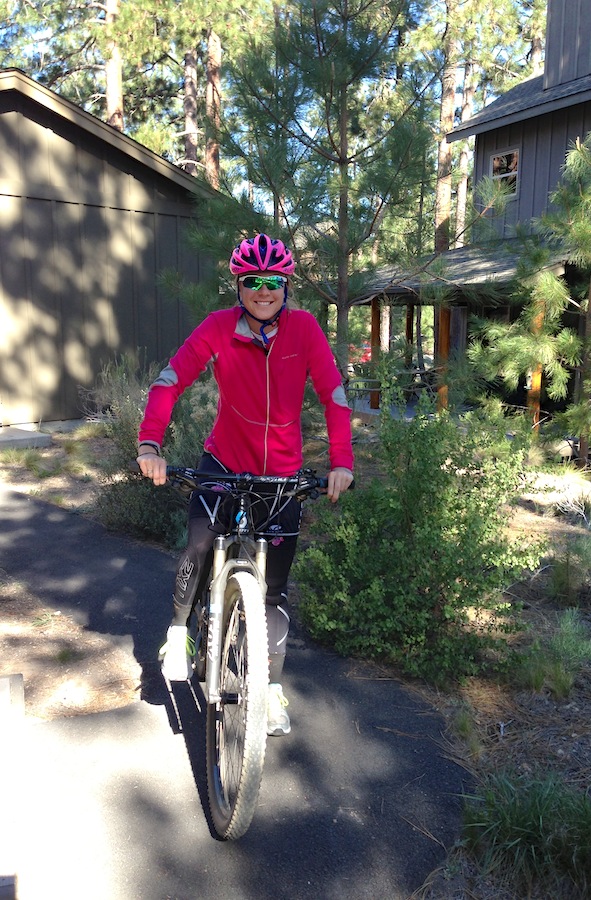
    Sadie Bjornsen (APU/USST) heads out on her mountain bike at the 2013 USST training camp in Bend, Ore. (Photo: Jessie Diggins)
    Sadie Bjornsen (APU/USST) heads out on her mountain bike at the 2013 USST training camp in Bend, Ore. (Photo: Jessie Diggins)

    Massage. Stretching. Sleep. Learning to speak French (for her French boyfriend) – each task has its own ring and a place in the 23-year-old U.S. Ski Team (USST) member’s daily routine, so that her mind and body are given the best opportunity to remain healthy throughout this Olympic year. (The fifth ring’s contents were too personal to share.)

    “The biggest thing that I learned [before the 2010 Olympics] was that I need different things in my life,” Bjornsen said Sunday on the phone from her home in Anchorage, Alaska. “Wholly focusing on skiing is not meant for me.”

    The significance of the most routine physical activity was magnified this spring for Bjornsen, who could relax after emerging in one piece from USST training camp in Bend, Ore., and most recently, fitness testing in Park City, Utah.

    At this time last year, she was hampered by a structural problem in her back and tendonitis in her foot, and this June she participated in most everything except treadmill tests because of foot limitations.

    But 2012/2013 was anything but a lost year. Bjornsen was able to check off her first top 10 in a World Cup event, was a member of the fourth place 4 x 5-kilometer relay team at World Championships and added a pair of national titles. She just had a late start.

    “Just racing in my first race, I appreciated it so much,” Bjornsen said. “I think it’s sometimes a good reminder to have those challenges. You just appreciate things more.”

    Bjornsen estimated it was five years ago when she took the antibiotic Levaquin, which has a known possible side effect of attacking tendons, most commonly the Achilles. She’s lived with a form of tendonitis ever since.

    Now she approaches training camps a little differently than her teammates. Bjornsen’s offseason is about consistency. If she has to substitute a dryland activity for a morning ski, that’s OK. Exercise in any form will make her stronger.

    “The difference this year is I have a little more confidence in knowing that the way that I train can work out,” Bjornsen said.

    What works for Bjornsen is laying off the intensity during the summer, as she has seen it come back to her quickly in the fall. She’s learned how to recognize the warning signs of a balky back. And she feels the support of her teammates and coaches.

    “It’s hard because everyone is really competitive and everyone wants to push each other,” Bjornsen said. “Especially now that we’re having some success, you feel like every moment you have to be 100-percent. The girls are really good about being patient.”

    Bjornsen described her coach, APU director Erik Flora as “unbearably positive.” Flora had his own racing career abbreviated by the combination of a car accident and back injuries.

    “You have to be so mentally strong to make it through without any support,” Bjornsen said. “[The support’s] coming at me from all angles.”

    With brief visits to Bend, Park City and Vancouver behind her, Bjornsen will train in Alaska for most of the summer, a place where she is constantly reminded of the intermediate goals she must attend to before approaching the ultimate one. Ideally she will race a full World Cup schedule for the first time in her career and post some of her best results in February.

    “The Olympics are a possibility to really spread our sport through our country,” Bjornsen said. “There’s a whole new generation coming into our sport soon. I think it would be really neat for them to see that success is totally possible.”

  • Spillane Calls It a Career, Explains Decision Before 2014 Olympics

    Spillane Calls It a Career, Explains Decision Before 2014 Olympics

    Johnny Spillane's climb to the podium will be a little steeper next year after suffering torn knee ligaments in a cliff-jumping accident earlier this month. Vancouver 2010 - Nordic Combined Individual Large Hill - Johnny Spillane, podium
    Four-time Olympian Johnny Spillane after notching his third-straight silver medal at the 2010 Winter Olympics in Vancouver, British Columbia. A longtime staple of the U.S. Nordic Combined Team, Spillane, 32, recently announced his retirement.

    It’s hard to imagine U.S. Nordic Combined without Johnny Spillane.

    For more than a decade, the Steamboat Springs, Colo., native has been the sport’s poster child, winning America’s first gold at 2003 World Championships and later notching three silver medals at the 2010 Olympics.

    He’s been to every Olympics since 1998 and bounced back from several injuries to return to the team year after year. But this season, Spillane won’t be training for the 2014 Olympics. At 32, he recently decided to call it a career, and is the first of three over-30, A-team members to do so (Billy Demong, 33, and Todd Lodwick, 36, apparently have their sights set on Sochi, Russia).

    The news came in the form of a letter to the Steamboat Springs community, published in Steamboat Today on April 18.

    “I would like to take this opportunity to thank the community of Steamboat Springs for the incredible support it has given me over the years,” he began. His national-team career spanned more than 15 seasons.

    Johnny Spillane racing in the team event at the 2010 Olympics, in which he won his second of three silver medals
    Johnny Spillane (l) racing in the team event at the 2010 Olympics, in which he won his second of three silver medals.

    “I’ve been very fortunate to be raised in this town and have the opportunities that Steamboat provides, but it is time for me to move on,” Spillane wrote. “It has been a long and productive career, and I have no regrets as I start a new chapter in my life.”

    Not to worry, Steamboat; Spillane’s staying right at home. In an interview with FasterSkier, he explained that he’ll pursue passions like fly fishing and start by guiding this summer.

    “It was a long, long career so I’m pretty excited to be done,” Spillane said on the phone of the decision he made a couple of weeks ago. Every year, he reevaluates, and this year, the time was right.

    “I’m sure there’s more things that can be accomplished, but at the same time, there’s other things I want to do besides travel and ski,” he said with a laugh.

    Initially, he plans to “explore as many different opportunities” as possible, which could include something in the fly-fishing industry and part-time junior coaching with the Steamboat Winter Sports Club.

    “I don’t anticipate getting into coaching at any kind of high level because at that point you’re just traveling a ton anyways, and that’s what I’m trying to avoid to begin with,” Spillane said. “I would be open to [coaching] really young kids here in Steamboat, something that you could do a few nights a week, but beyond that I don’t have too much interest.”

    While few are questioning his next steps, a lot of people are wondering why Spillane decided to call it quits before an Olympic year.

    Simply put, he wants to spend more time with his wife, Hilary, and two daughters. His oldest, Hadley, is 2 ½, and Genevieve will turn 1 in May.

    “It’s so much traveling and with having kids and stuff like that, I’d had enough,” Spillane said. “I’ve done this a long time. I’ve been to four Olympics and while it would be great to go to another, it’s not going to change my career in any way or anything like that.”

    Last season, the 2003 world sprint champion competed in one event at World Championships in Val di Fiemme, Italy. There, he was 30th in the large-hill competition, and he cheered his teammates (Taylor Fletcher, Bryan Fletcher, Lodwick and Demong) on as they captured the nation’s first World Championships medal – bronze – in the team event.

    “For sure, you want to be competing, but if you’re not gonna be the one out there, you want to be helping in every way you can,” Spillane said. “I was in the wax room, testing skis and doing everything I could to help contribute.”

    His best individual World Cup result last season came in January, when he was 22nd on the large hill in Klingenthal, Germany. Despite traveling with the team all season, Spillane competed just five times. Hindered by injuries in the past, it wasn’t his body that was keeping him out of it this time. Rather, new rules required athletes to make the top 50 in preliminary jumps to advance to the actual competitions.

    Spillane said he “struggled pretty heavily with the rule changes,” especially the tighter suits.

    “There was a learning curve there and it took me a while to get it figured out,” he explained. “I don’t think I ever got it entirely figured out. I think that was by far the only contributing factor to some of the poor results I had because I felt really good skiing all winter long. It was just a matter of jumping well enough to put myself in any kind of position to be competitive.”

    The changes were certainly “annoying,” Spillane said, but they’re also inherent in the sport. For a smaller nordic-combined squad like the U.S. it made adapting even tougher.

    “Every time they make a rule change, it takes the countries that don’t have the financial capabilities to really explore the equipment a couple years to catch up,” he said. “You’re spending half your energy trying to figure out your equipment where you want to be spending that energy training and improving. That part is hard. Everybody gets frustrated with that.”

    It’s also difficult missing out on opportunities to ski up to your potential. If Spillane could’ve made the top 50 on the jump hill more often last season, he believed he could’ve skied up to 20th or so.

    But that’s all behind him now. Looking back on an individual World Championships gold, four national titles, and three silvers at the 2010 Olympic Games (the first of which was America’s first), Spillane said it’s the team he’ll remember most.

    “What I’m most proud of is what the team accomplished as a whole while I was a part of it, whether it was individual results or team results,” he said. “Becoming one of the stronger nations in the world was for me one of the most exiting parts of it. The individual results and competitions were great, but I don’t focus on them all that much.

    “Obviously I would’ve liked to have done better at every competition, but at some point you just have to be satisfied with what you did, and that’s where I’m at,” Spillane added. “I’m proud of the results I had, I wish some of them were better, but that’s in the past. I know that I did everything I could to get the results that I did get, and that lets you sleep at night.”