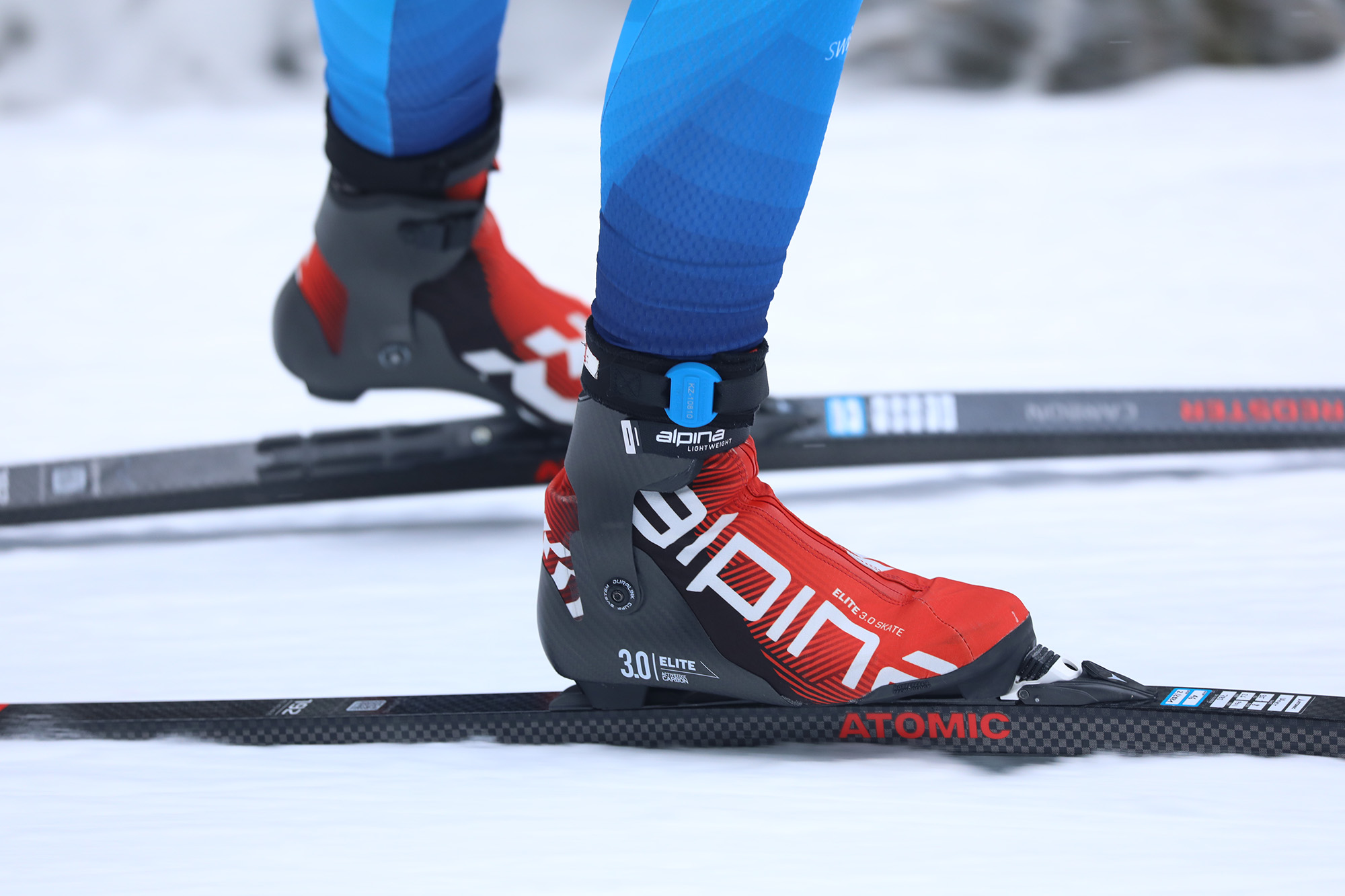
Cross-country skiing might look smooth and effortless from the outside, but your feet are working hard with every stride. Between snug ski boots, repetitive movement, cold temperatures, and long hours on the trail, even minor foot sensitivity can become difficult to ignore.
For skiers who deal with bunions, pressure points, or general discomfort, looking after their feet away from the snow can make a noticeable difference. Reducing unnecessary pressure during everyday life gives your feet more of a chance to recover between ski sessions.
Choose Everyday Footwear Carefully
What you wear when you are not skiing matters just as much as what you wear on the trail. Narrow shoes, stiff materials, and cramped toe boxes can all place extra pressure on sensitive areas.
Look for footwear that gives your toes enough room to move naturally and does not squeeze the sides of your feet. Women who experience bunion discomfort may find that choosing specially designed shoes for women with bunions helps reduce unnecessary rubbing and pressure throughout the day.
Your everyday footwear should feel comfortable from the moment you put it on rather than relying on a lengthy breaking-in period.
Pay Attention to Your Ski Boots
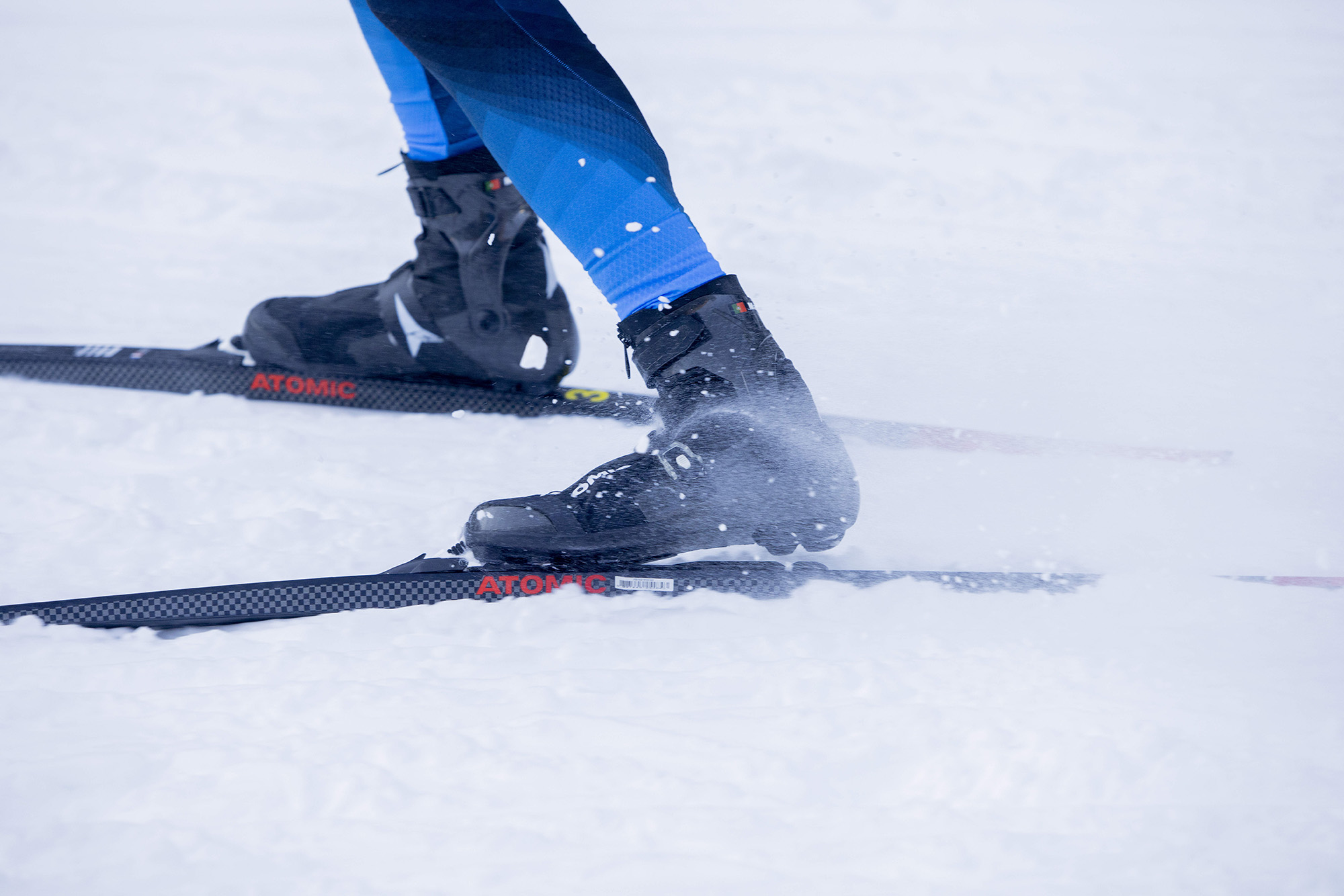
Ski boots need to provide support and control, but that does not mean they should feel painfully tight. A poor fit can create concentrated pressure around bunions, toes, and the sides of the feet, which can lead to long term problems.
When choosing or adjusting cross-country ski boots, pay attention to where pressure develops. Your heel should feel secure, but your toes should still have enough space to avoid constant rubbing. If discomfort appears in exactly the same place every time you ski, it may be worth speaking to a professional boot fitter.
Give Your Feet Time to Recover
It can be tempting to stay active every day, particularly during ski season, but recovery matters. After a long session, give your feet a break from restrictive footwear.
At home, wear comfortable slippers or supportive shoes that allow plenty of space around sensitive areas. Gentle foot stretches may also help relieve stiffness after repetitive skiing movements.
Choose the Right Socks
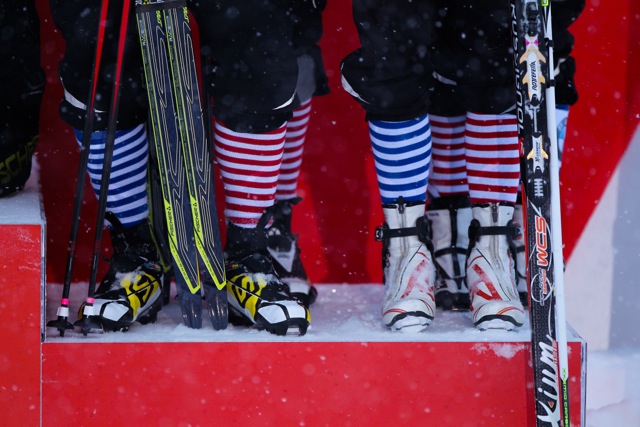
Socks can have a surprisingly big impact on comfort. Thick socks are not automatically better, as they can make ski boots feel tighter and increase pressure.
Instead, choose moisture-wicking ski socks that fit smoothly without bunching. Avoid seams that sit directly against sensitive areas. Experimenting with different sock thicknesses can help you find a combination that keeps your feet warm without making your boots overly snug.
Listen to Early Warning Signs
Foot discomfort rarely improves when it is repeatedly ignored. Redness, rubbing, soreness, or numbness can all be signs that something needs adjusting.
Cross-country skiing should challenge your fitness, not leave your feet struggling for days afterward. By combining well-fitting ski equipment with comfortable everyday footwear, sensible recovery, and attention to early discomfort, you can reduce unnecessary pressure and spend more time enjoying the trails.
Leave a Reply
You must be logged in to post a comment.