Category: XCFeeds

A collection of live feeds from cross-country ski blogs around the web.
  • SUNpolding!

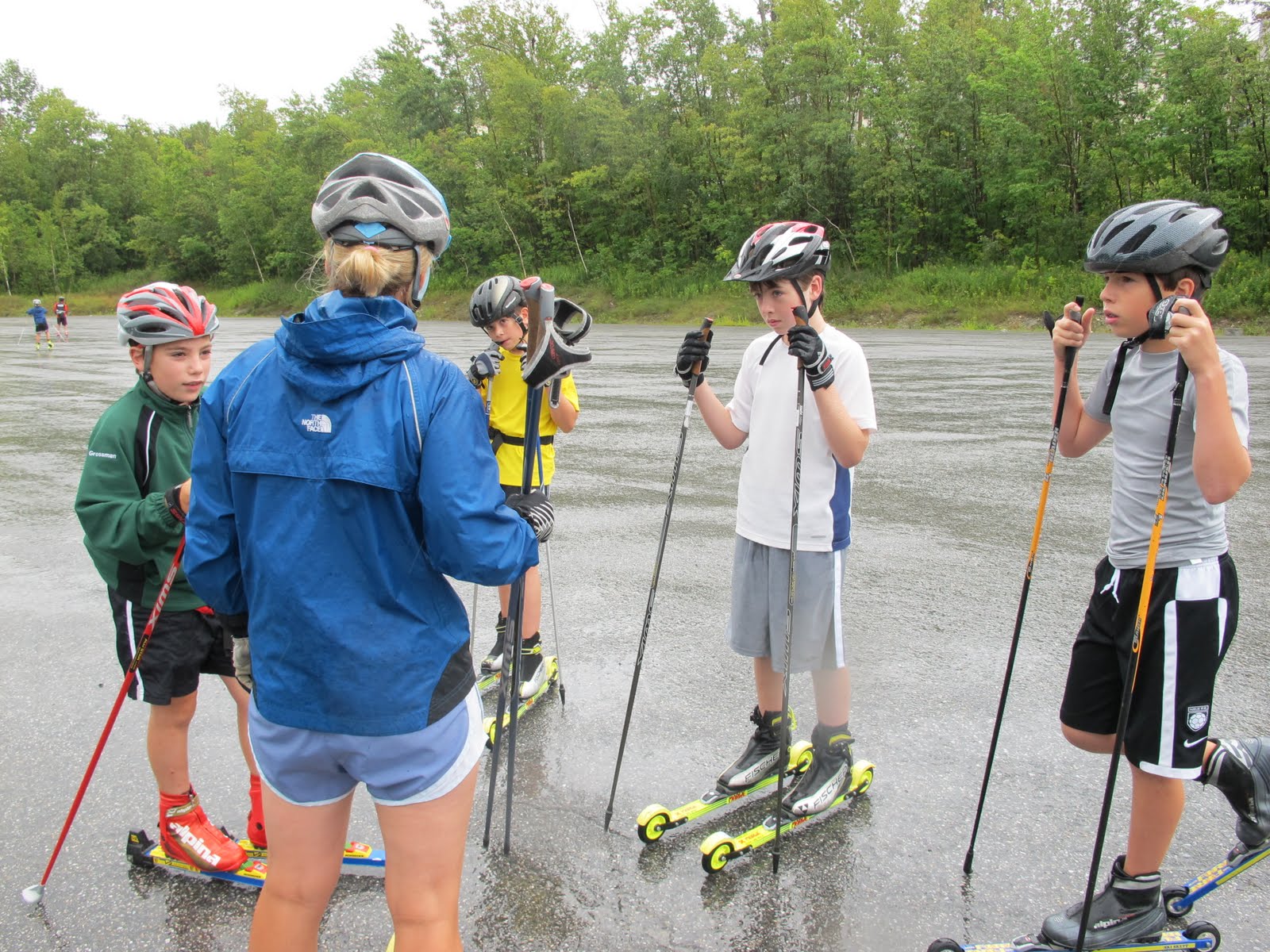
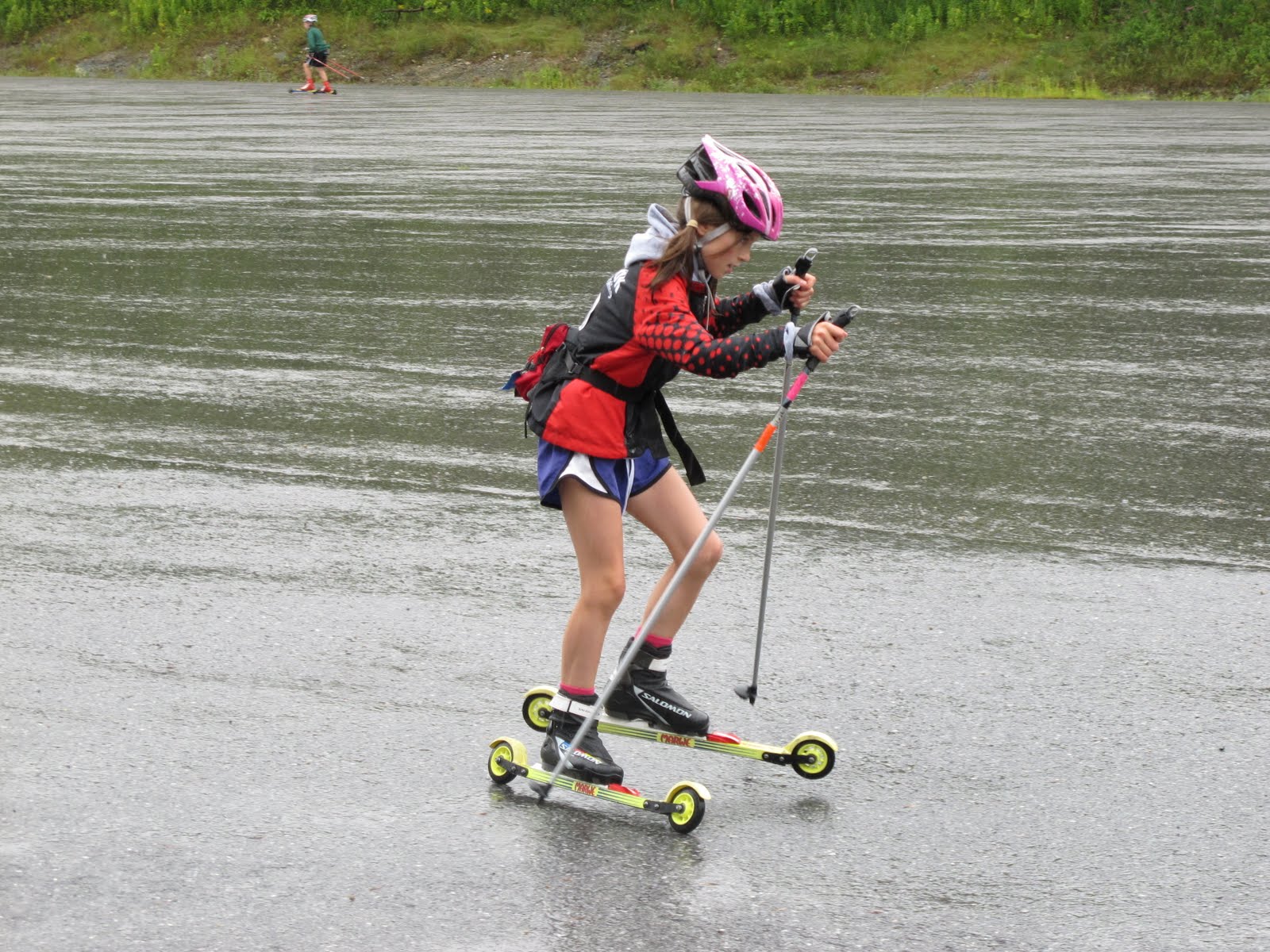
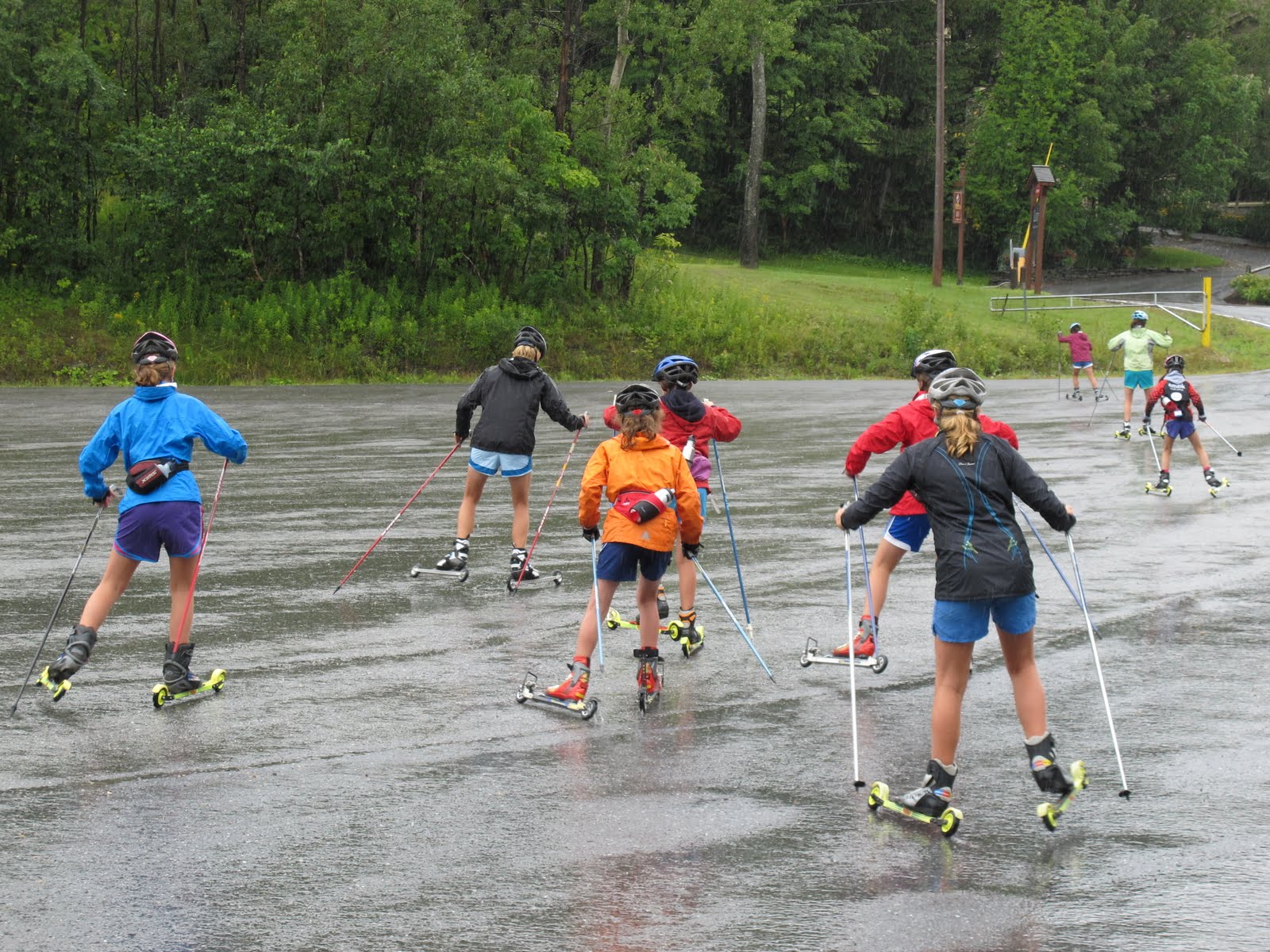
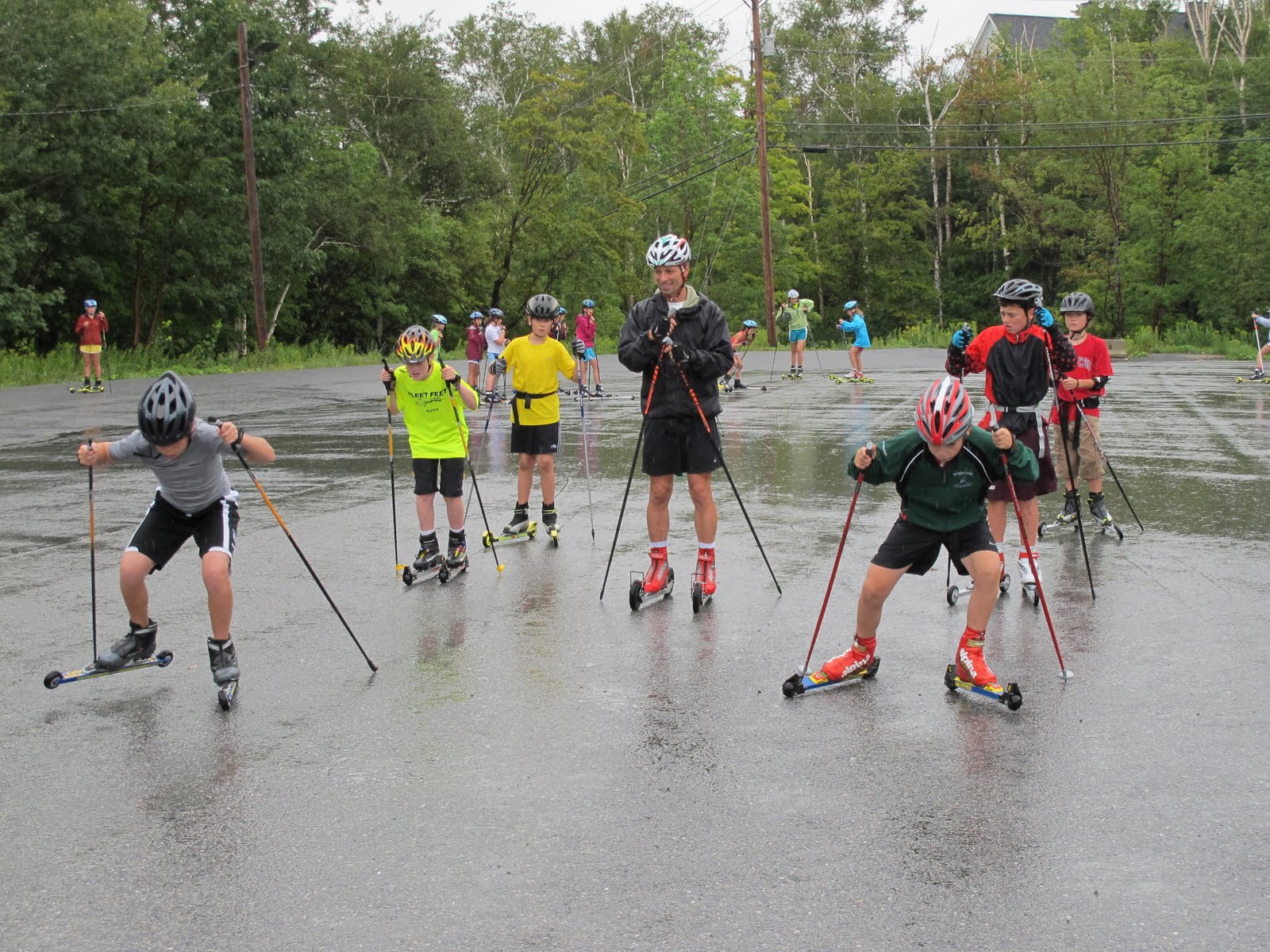
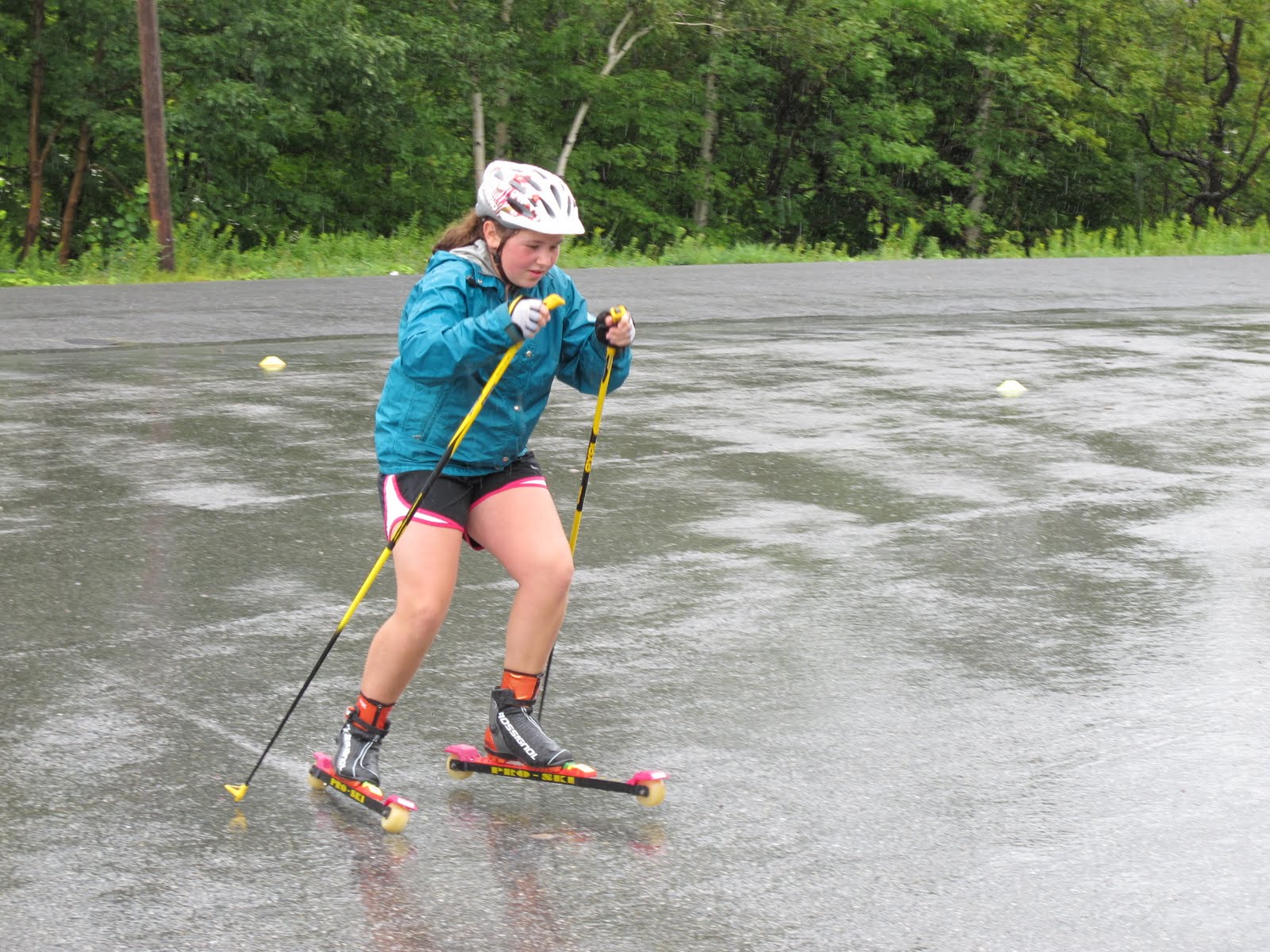
    See “Rainpolding” for contrast…


    Greetings from SUNNY Bavaria! The first week of the Europe camp has flown by, and though the weather is always a worry, Ruhpolding has been cooperating fully by giving us bright, sunny days and thundering only at night. It’s been a great start!

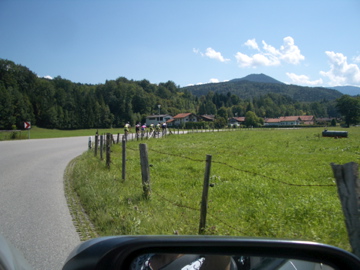
    So far, the team has been spending a lot of time on the roller loop at the Chiemgau Arena (where this season’s World Championships will be held) and running, biking and rollerskiing all around the Ruhpolding area. Thursday, we went on a 5 hour long bike/kayak excursion that took us into Austria and then over to the famed Chiemsee Lake before we circled back for delicious lunch.

    Annelies getting ready for the kayak section of our adventure.


    Biking in Bavaria…


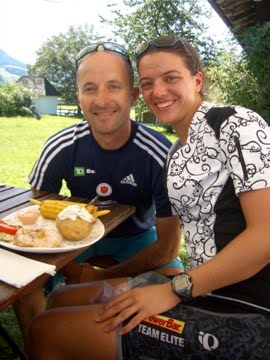
    Enjoying a well-earned Bavarian lunch post-bike!

    Yesterday, after some technique combo work, we ran from the venue through a beautiful valley, ending at a ski resort hut where we had a quick snack while taking in the view before driving back to our hotel. This is an amazing place to train, not only because the people seem to think biathlon practice is a spectator event (it’s amazing how many people are in the stands just to watch us do L1 combos…and of course by “us” I mean Andrea Henkel and Magdalena Neuner), but also because of the sheer number of trails and roads just out the door for running and biking. It’s no wonder Germans excel at many sports – the atmosphere is just so conducive!

    Andrea Henkel signing autographs while out at dinner.

    This coming week will be our last in Ruhpolding. It will be a big week, including a time trial with the Italian, Slovenian, German B team, and Russian teams, and a much smaller hill climb time trial at the end of the week. It will be interesting to see how things shake out! Then off to Oberhof for some skiing in the ski tunnel there. It should be a great couple weeks!

  • Justin Shares His Experiences and Strength.

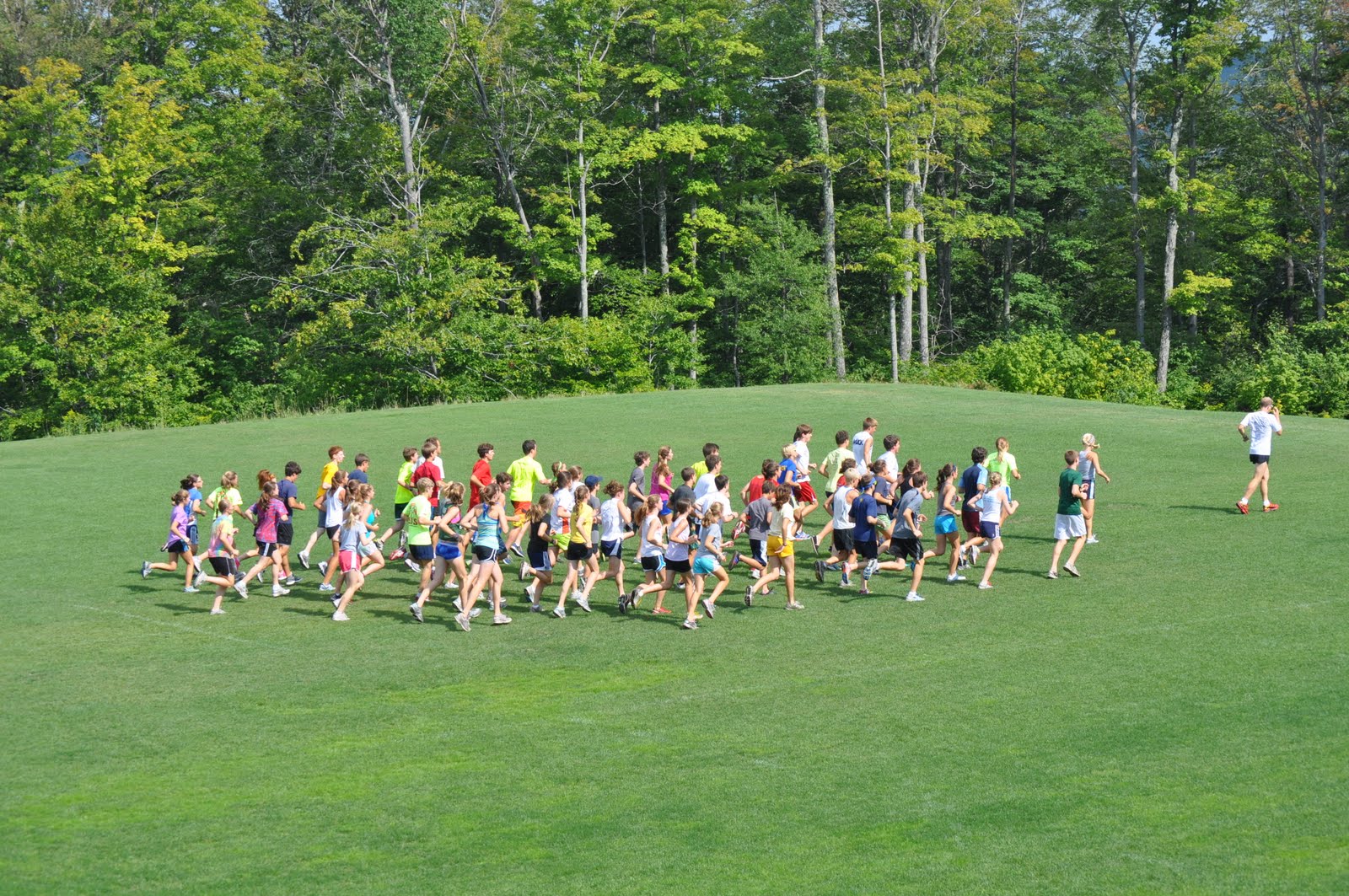
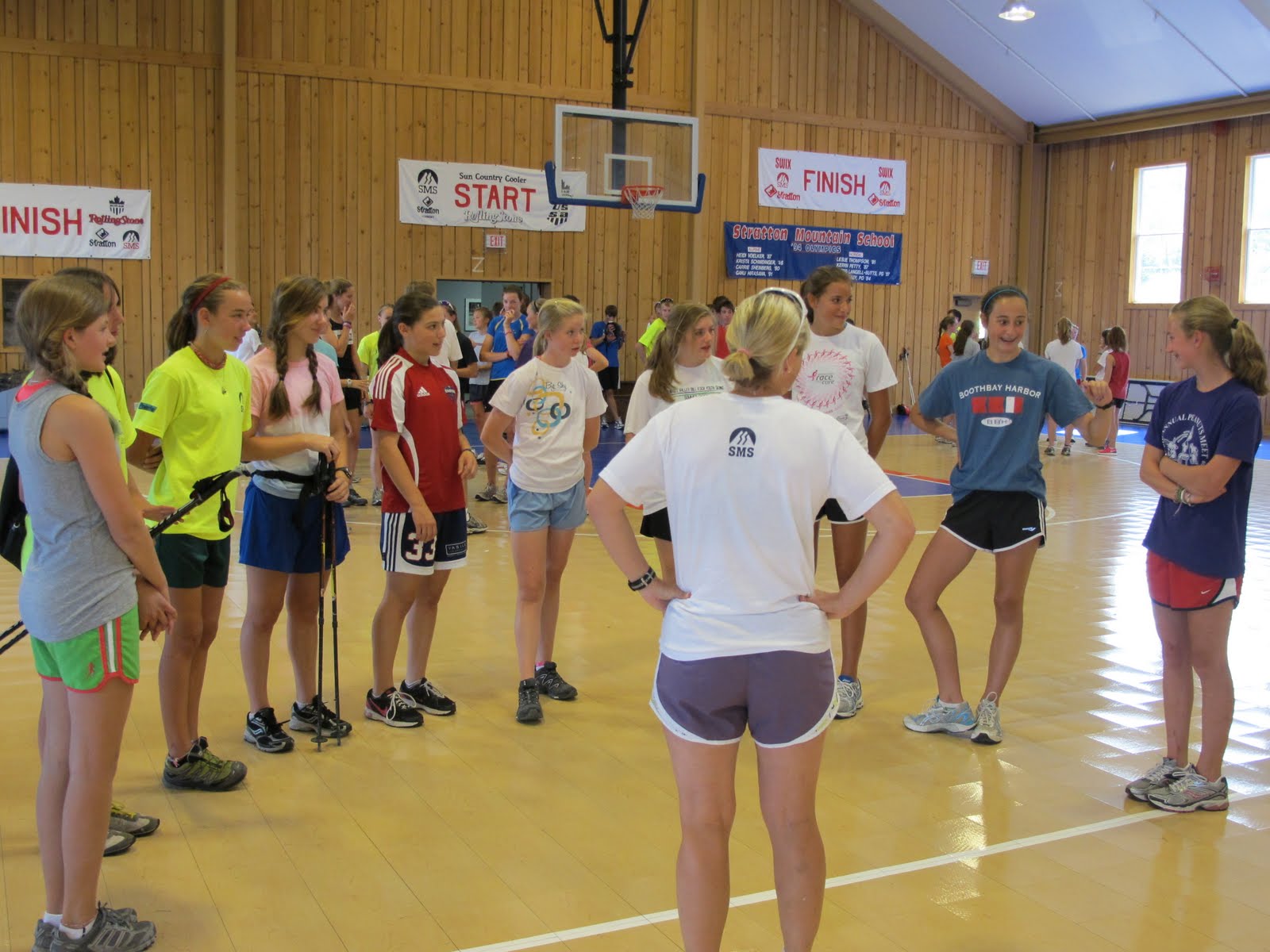
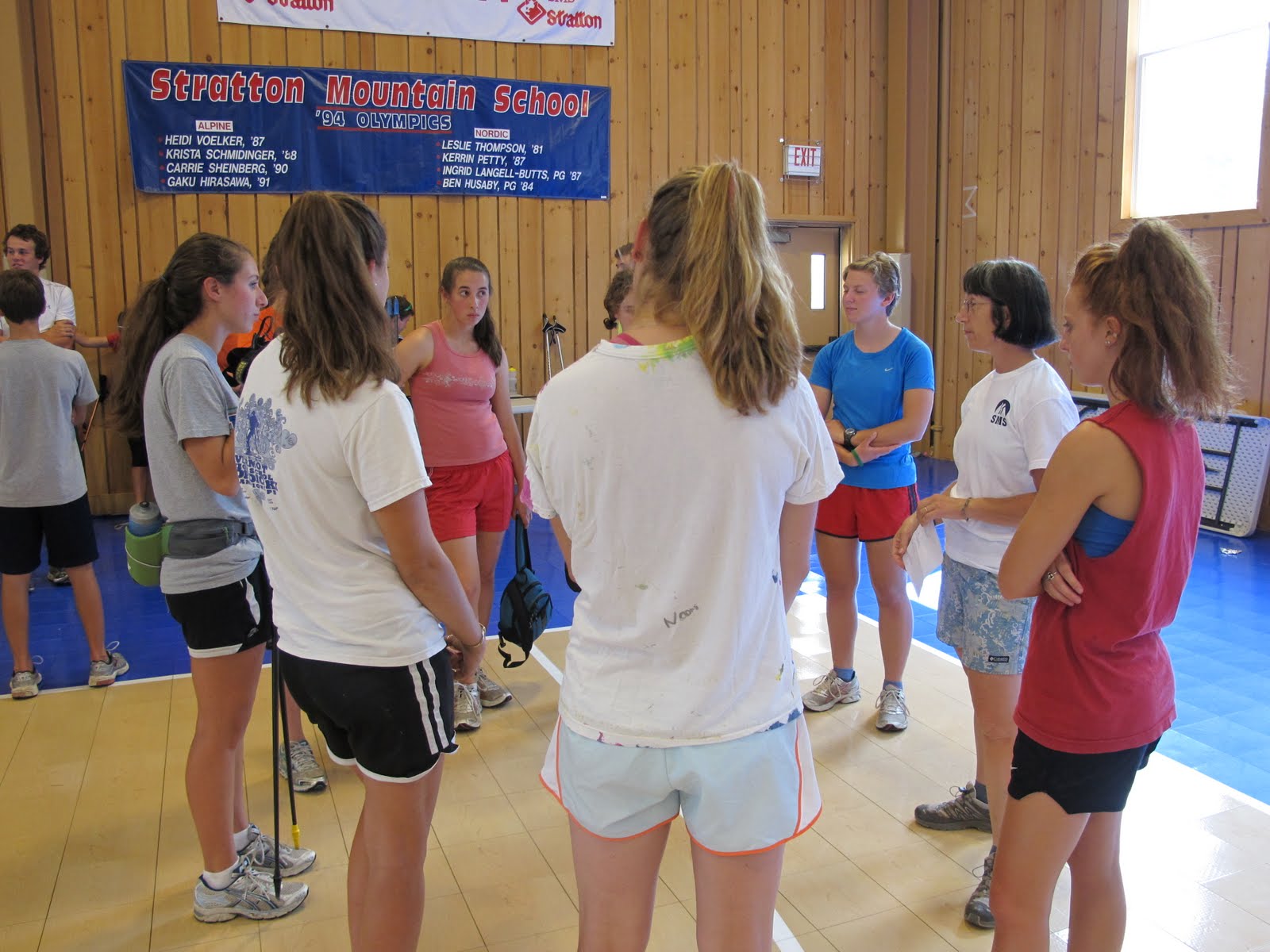
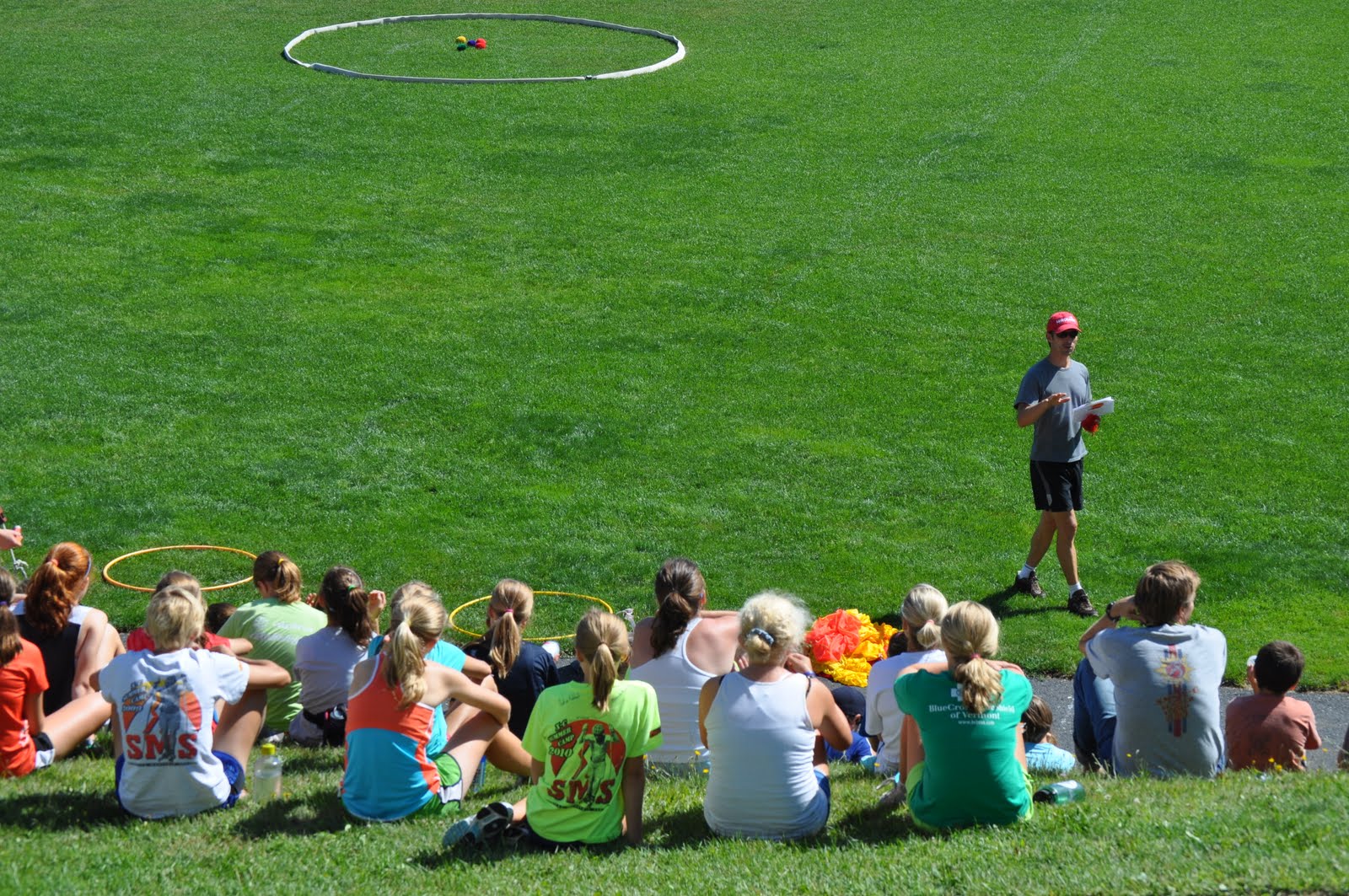
    Most of the campers are getting a bit tired so we had a “nap” time after lunch today. Justin Freeman then talked to the group about his experiences as a skier who never quite made the Jr Olympic/National team, but kept at it and made the USST and the Olympic team.

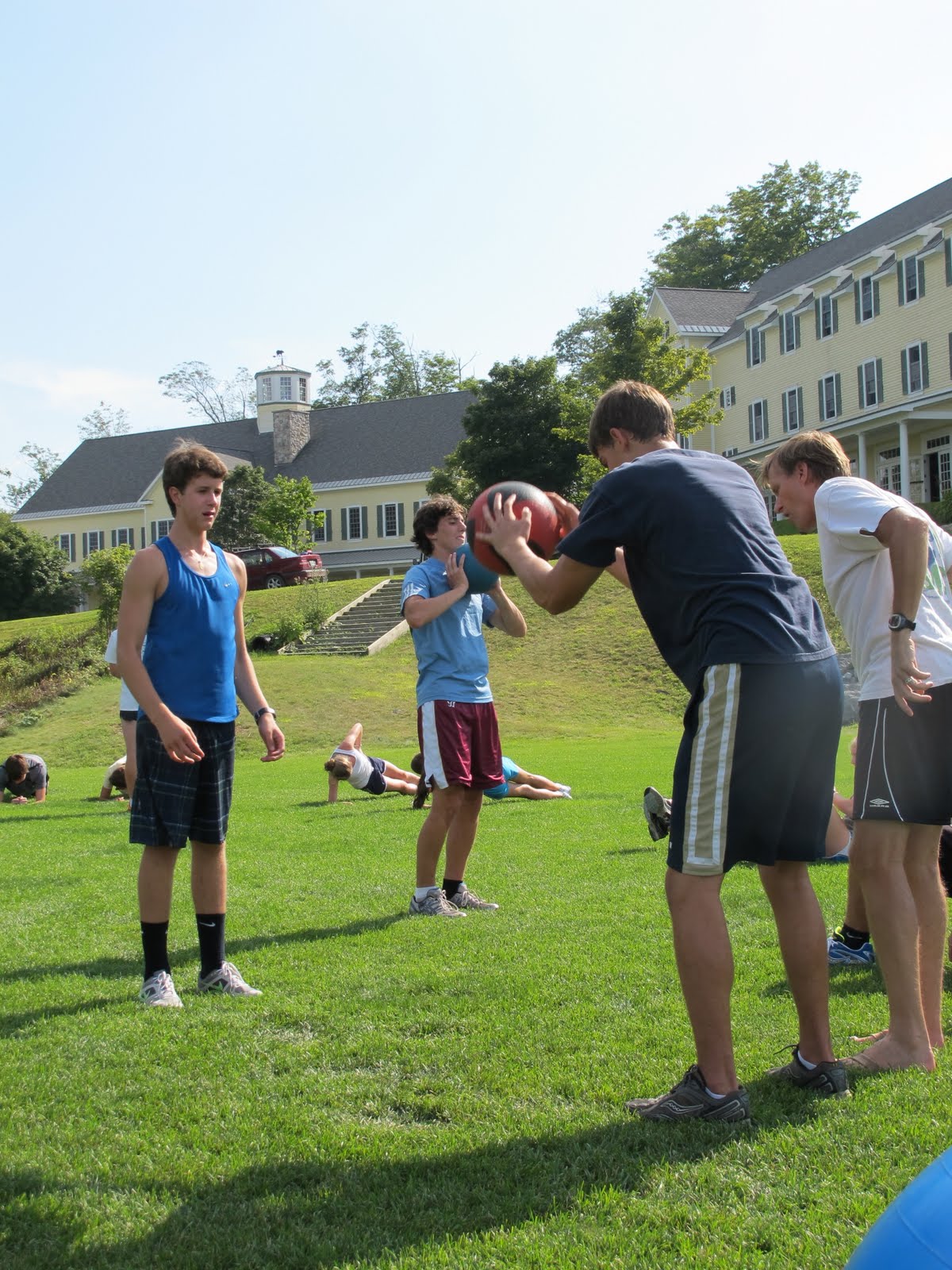
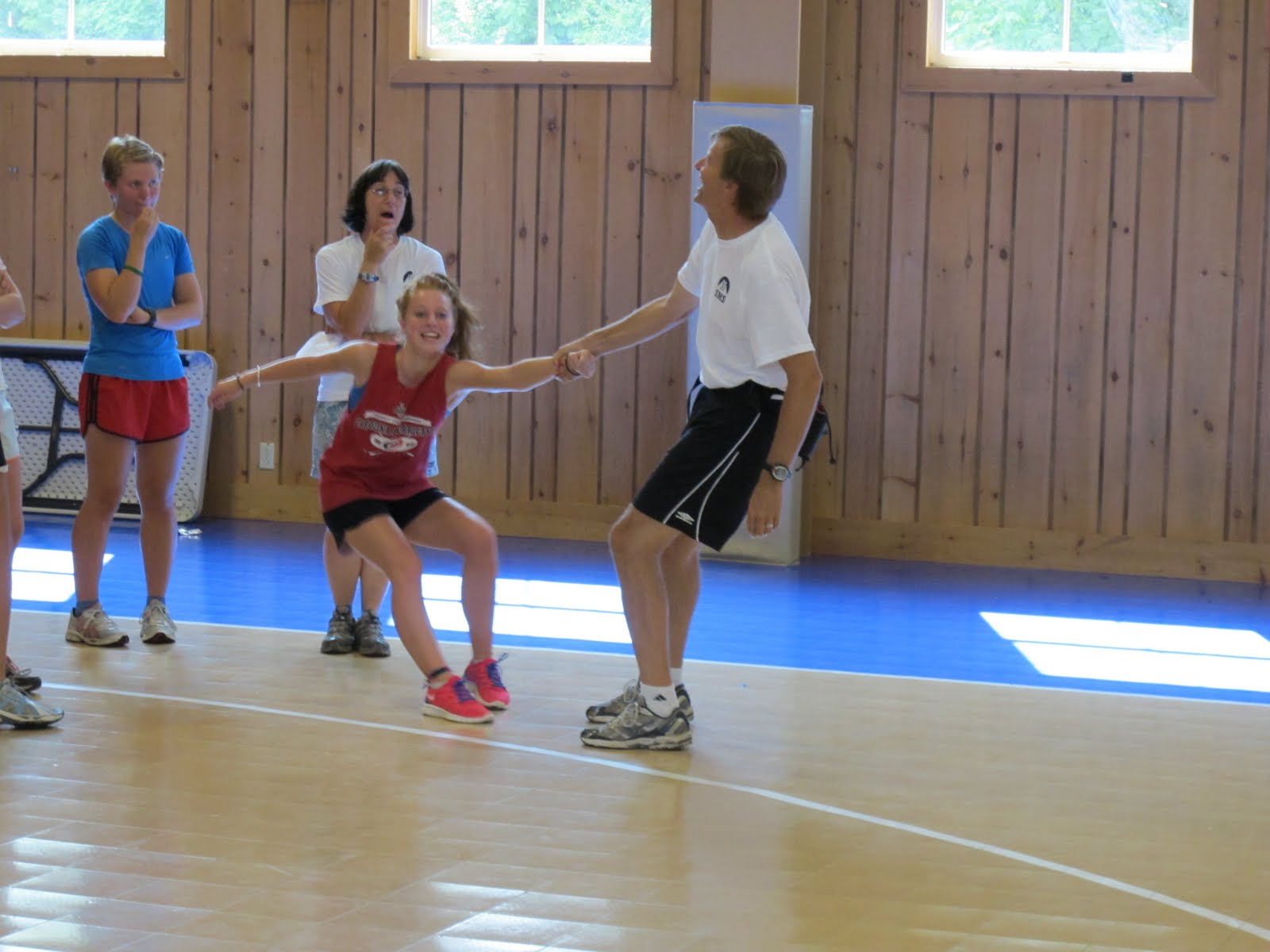
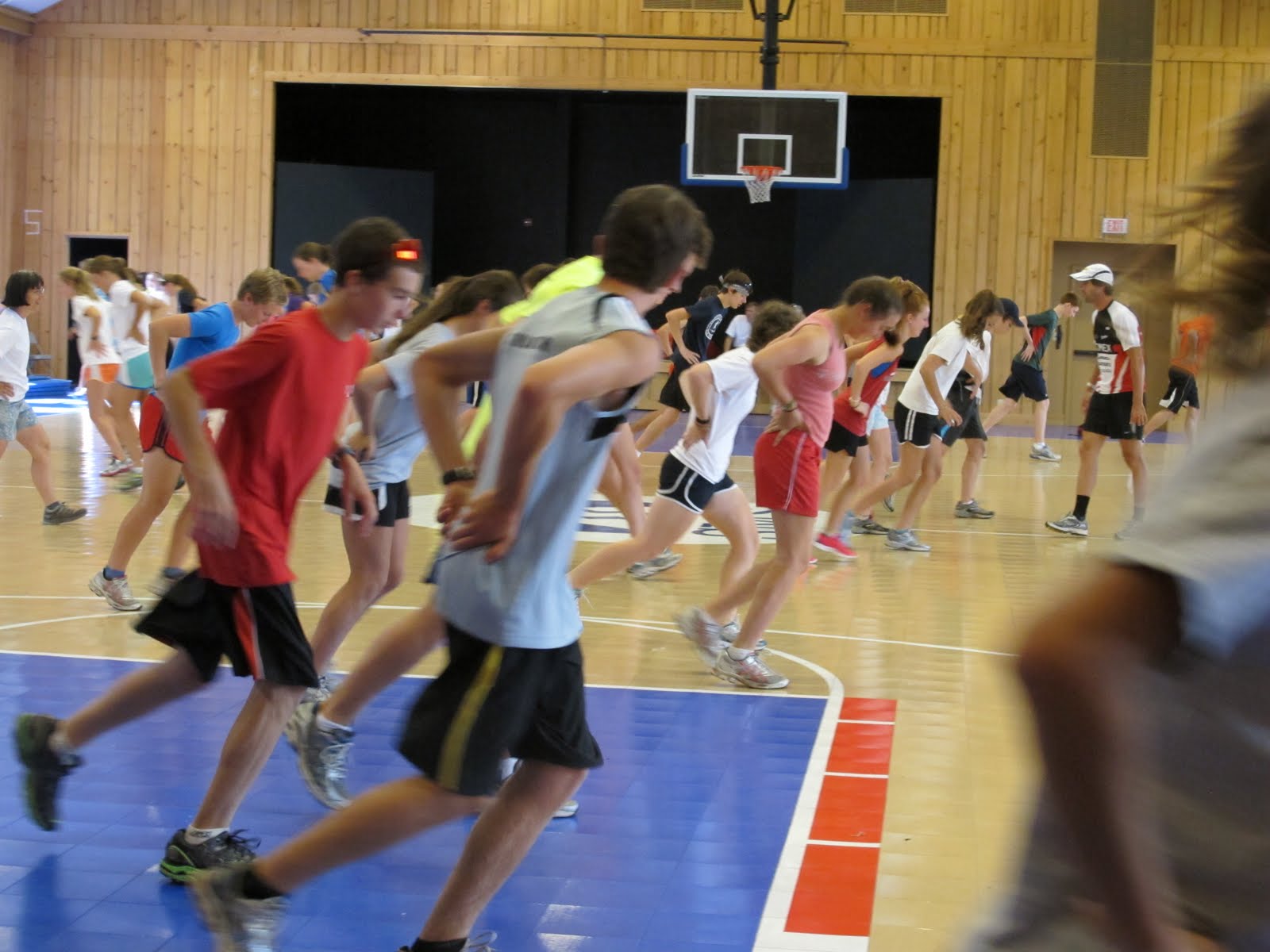
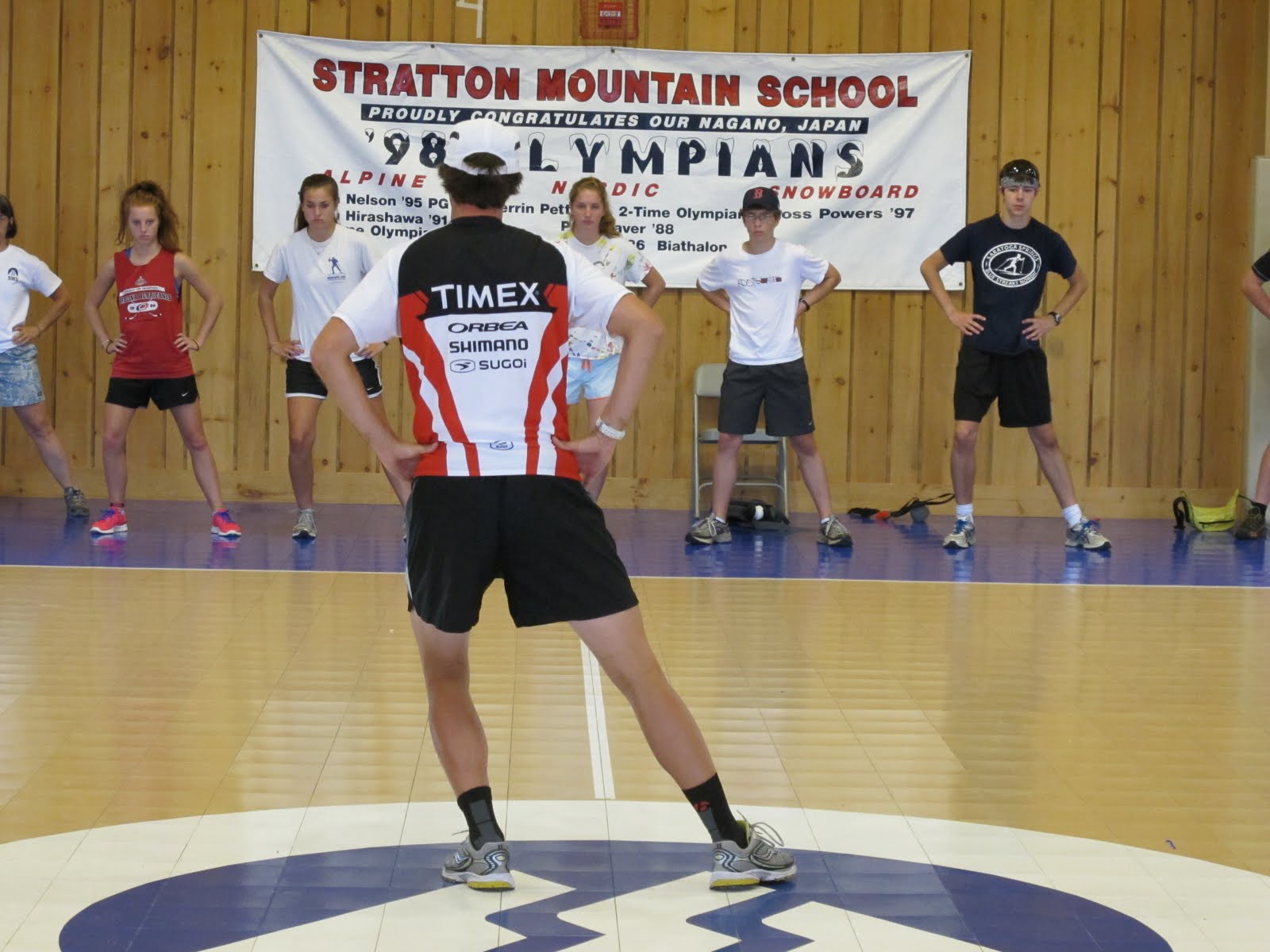
    Justin then led everyone in a short warm up to prepare for afternoon strength work.


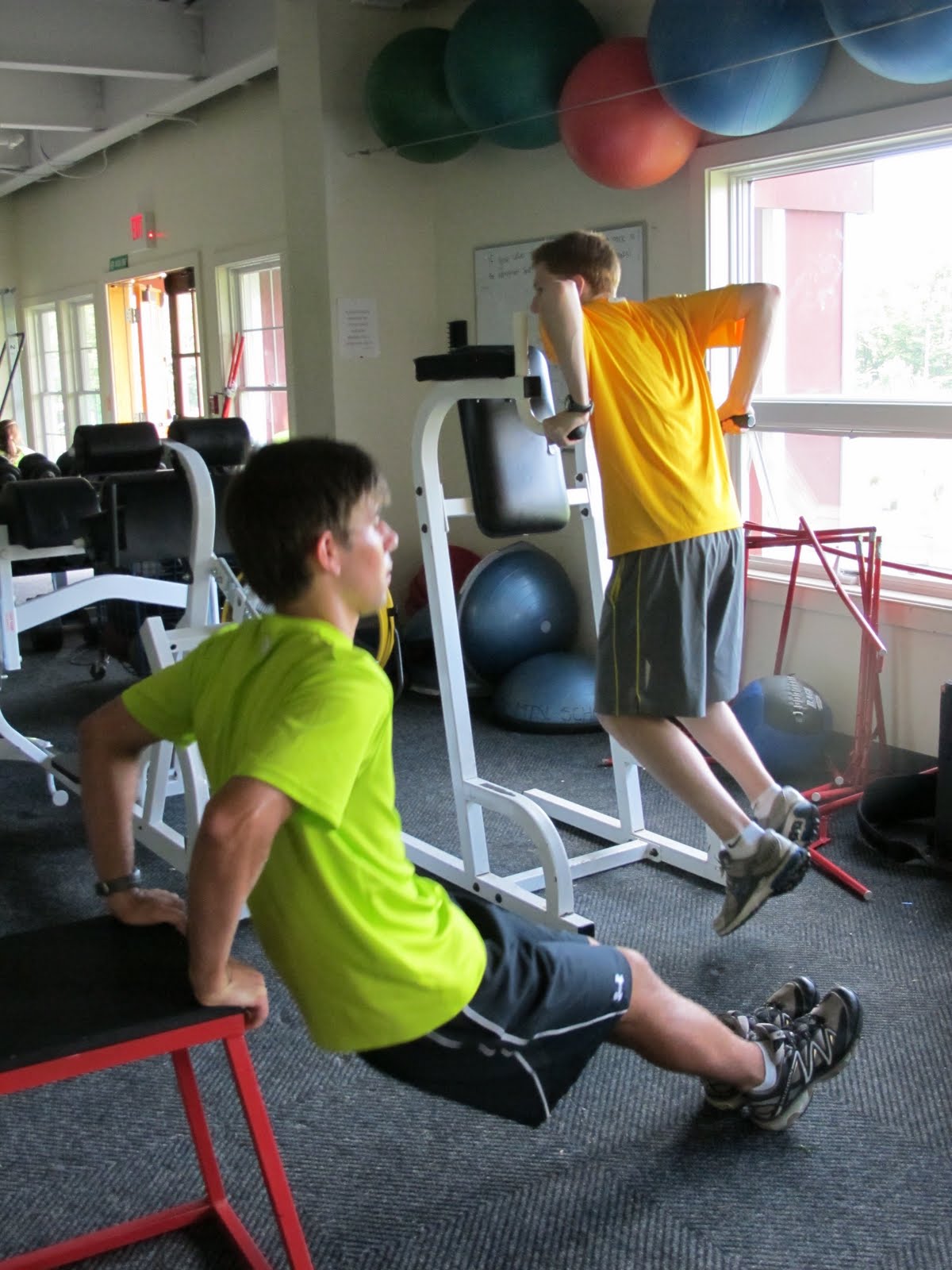
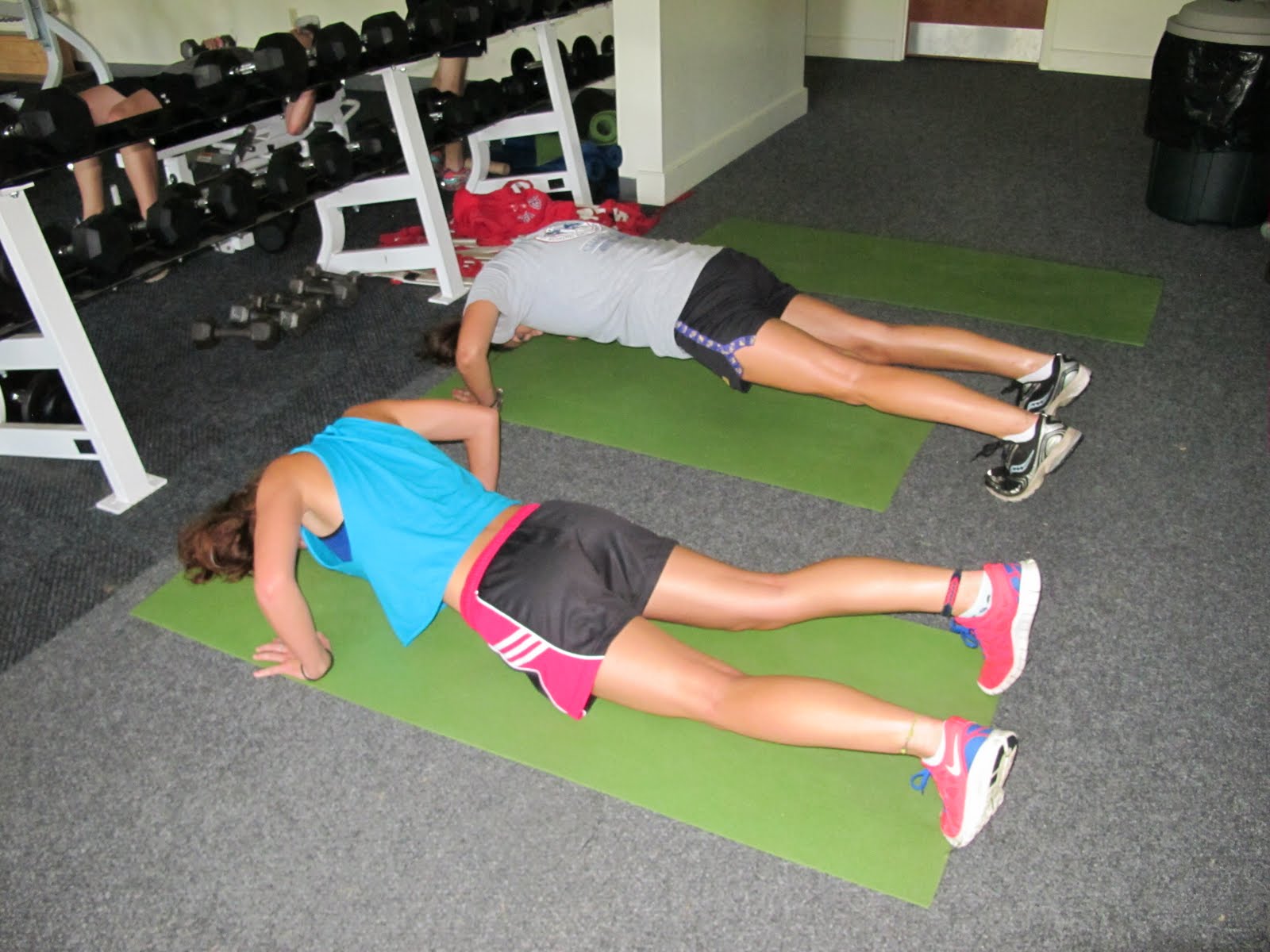
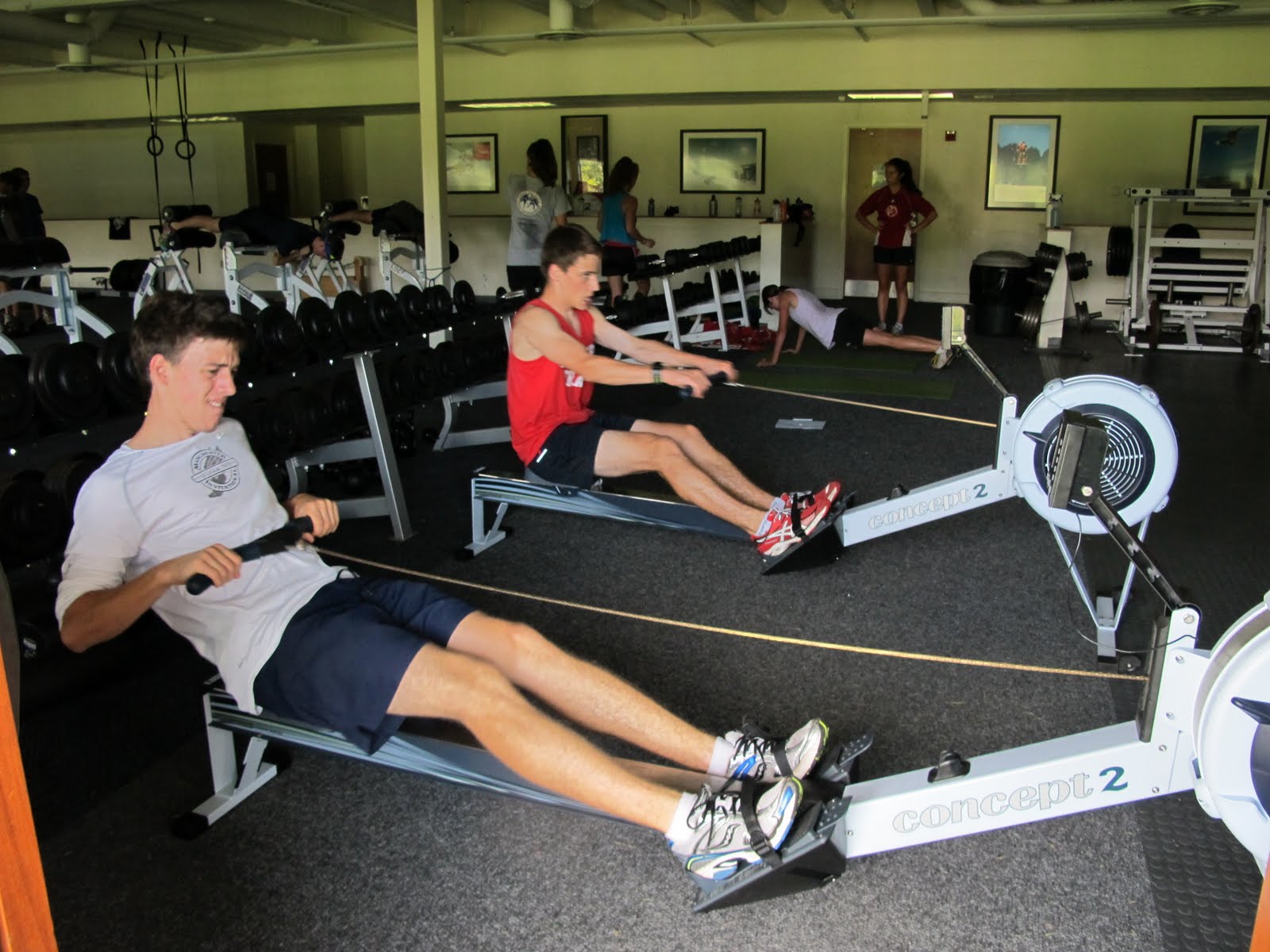
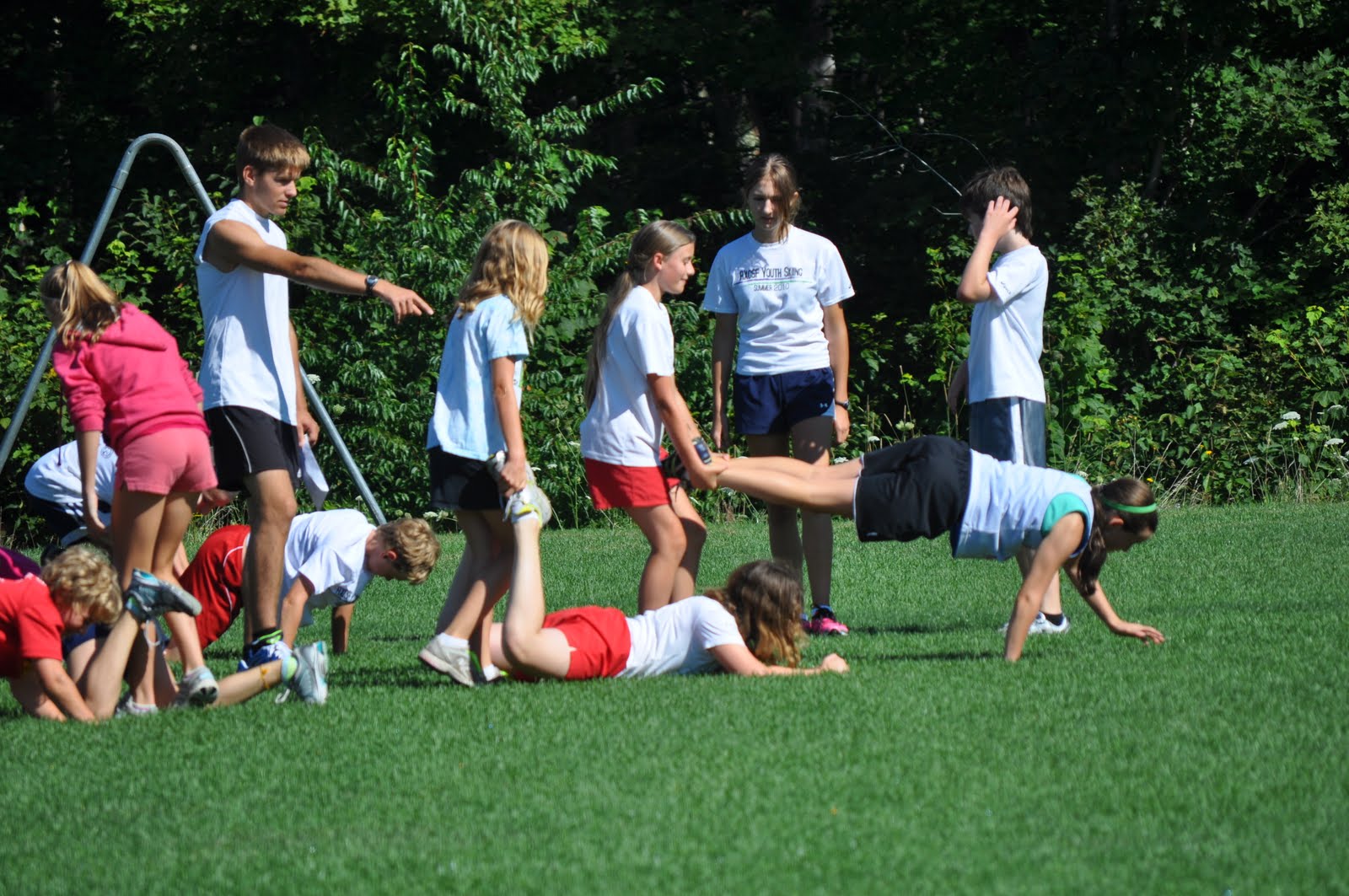
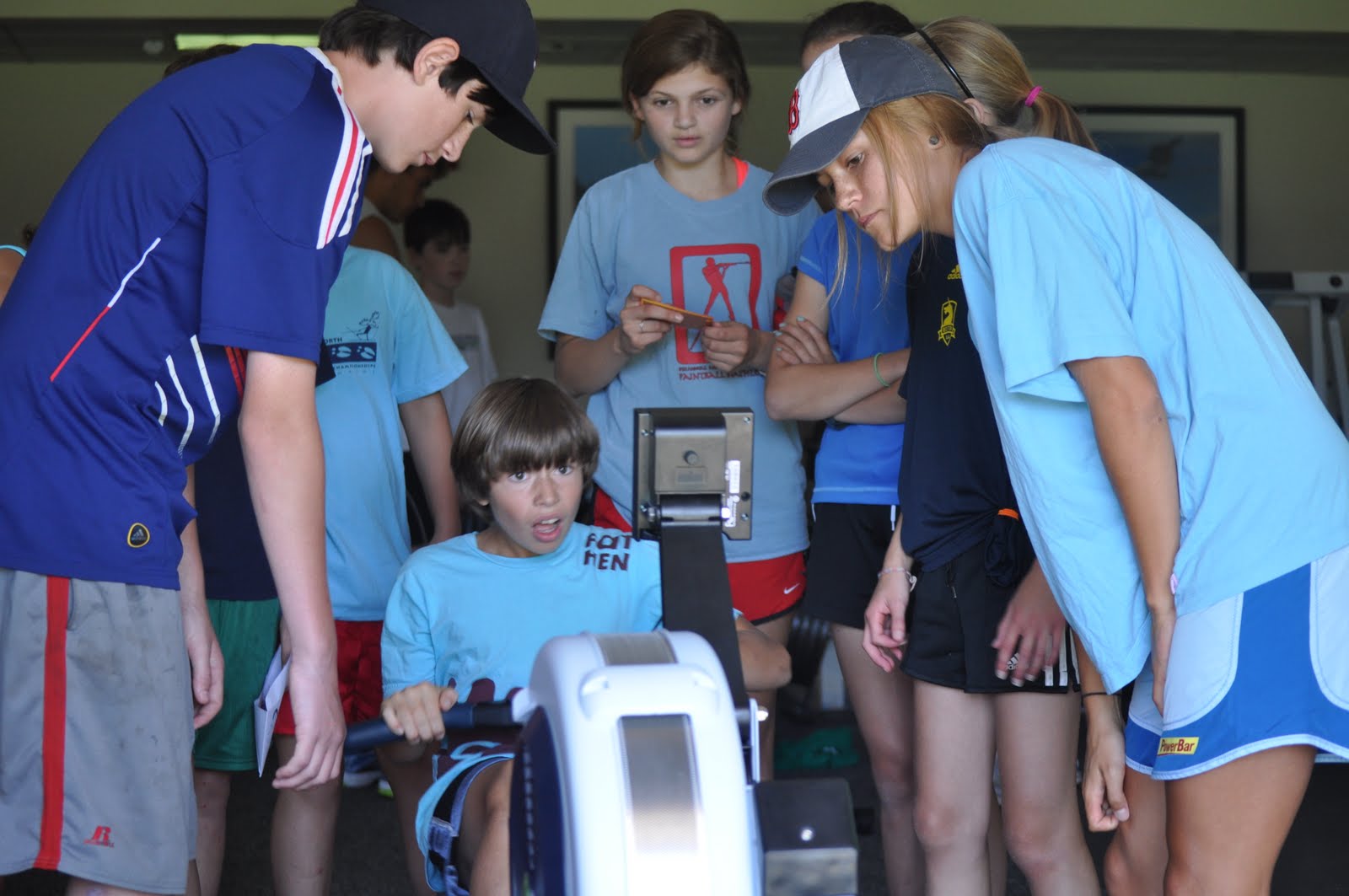
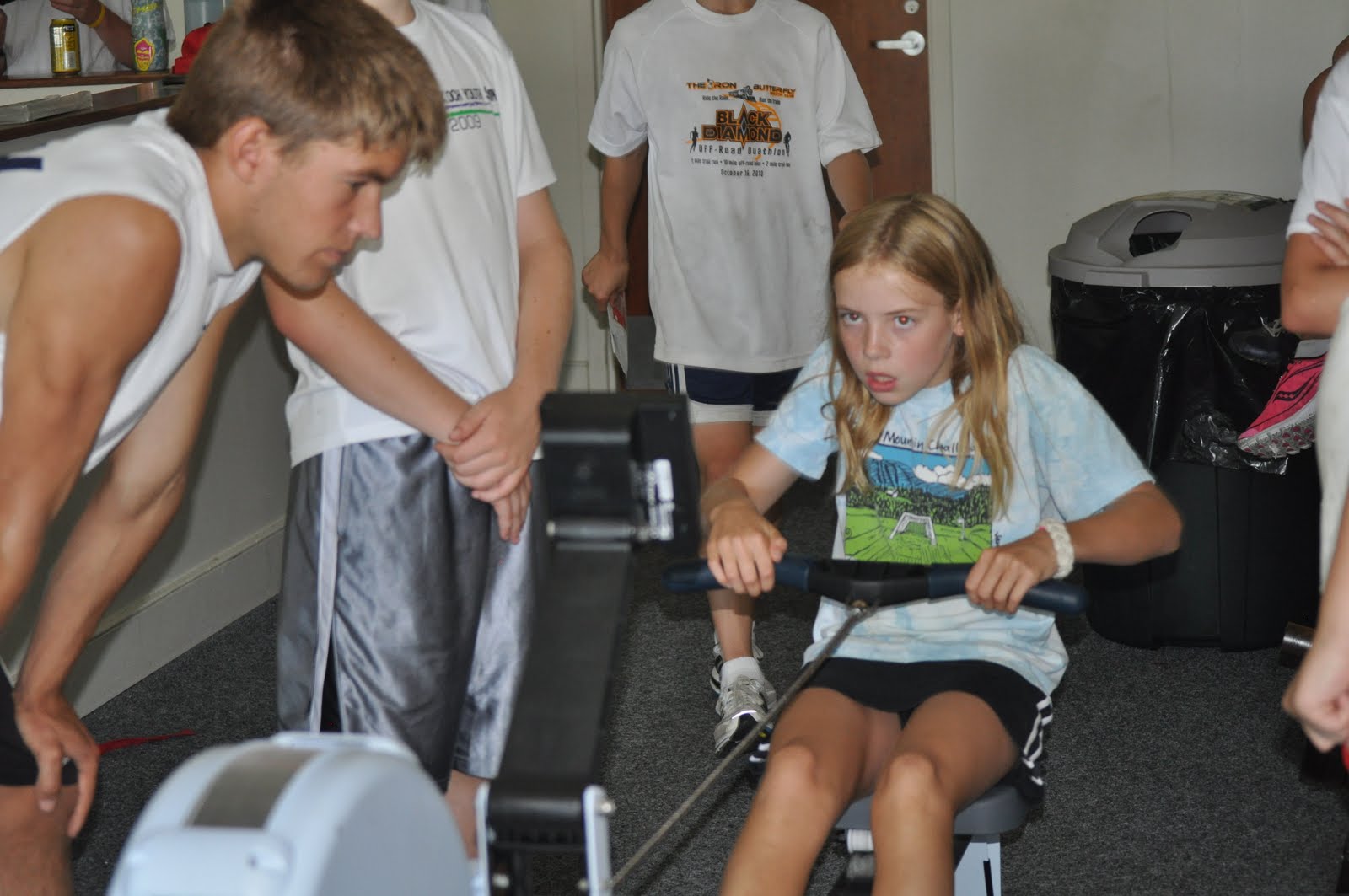
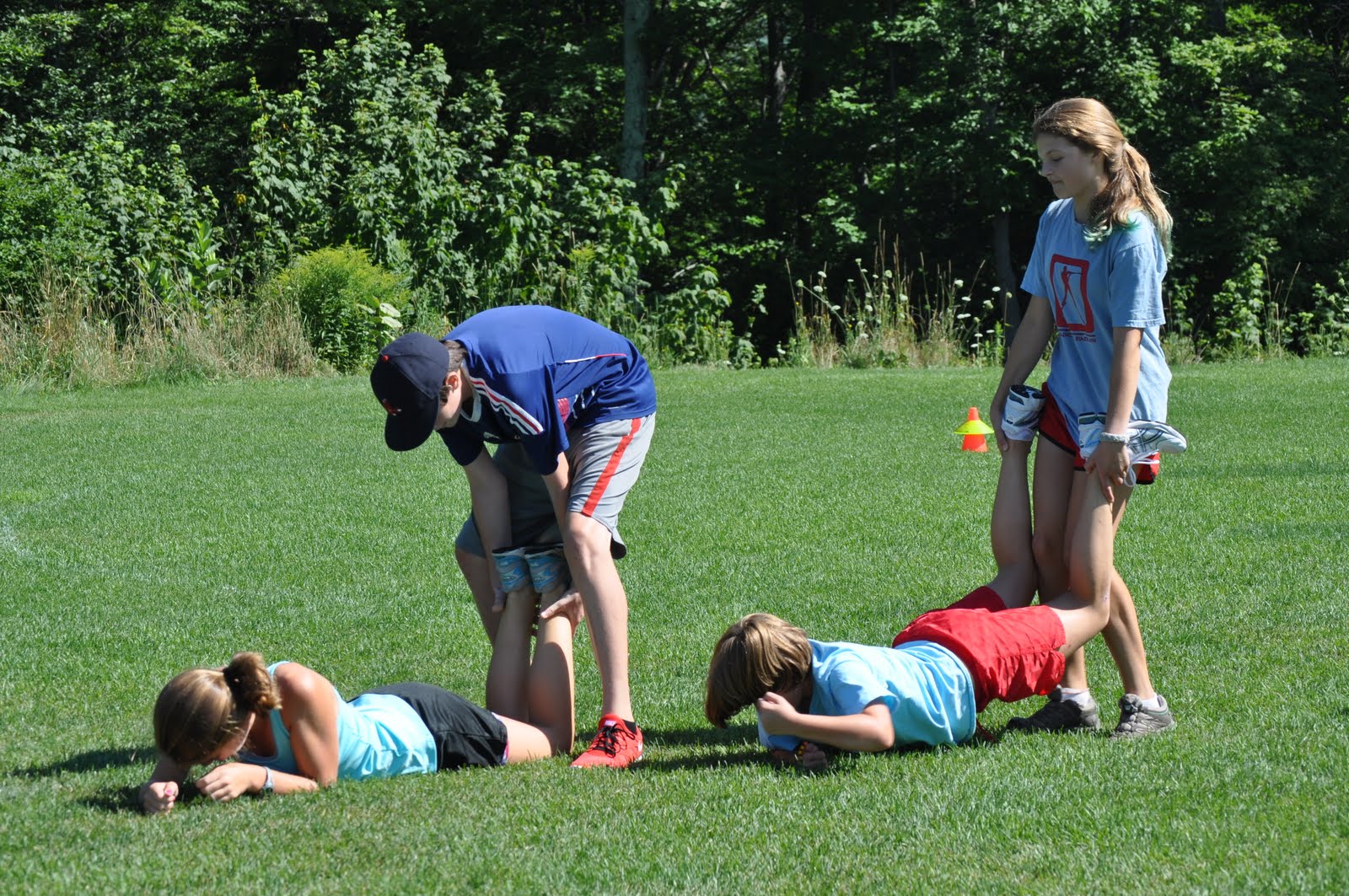
    For our strength workout we split into three groups and rotated through three strength stations. Each group spent 30-35 minutes at each station. One station worked the upper body.


    One station worked the core.


    And one station worked on leg strength and agility.


  • Justin Freeman and Sophie Caldwell Win SMS Mtn Run

    Cool course data from the Timex Global Trainer GPS watch
    1.95 mi long climb
    Start elevation: 2162 ft
    Finish elevation: 3903 ft

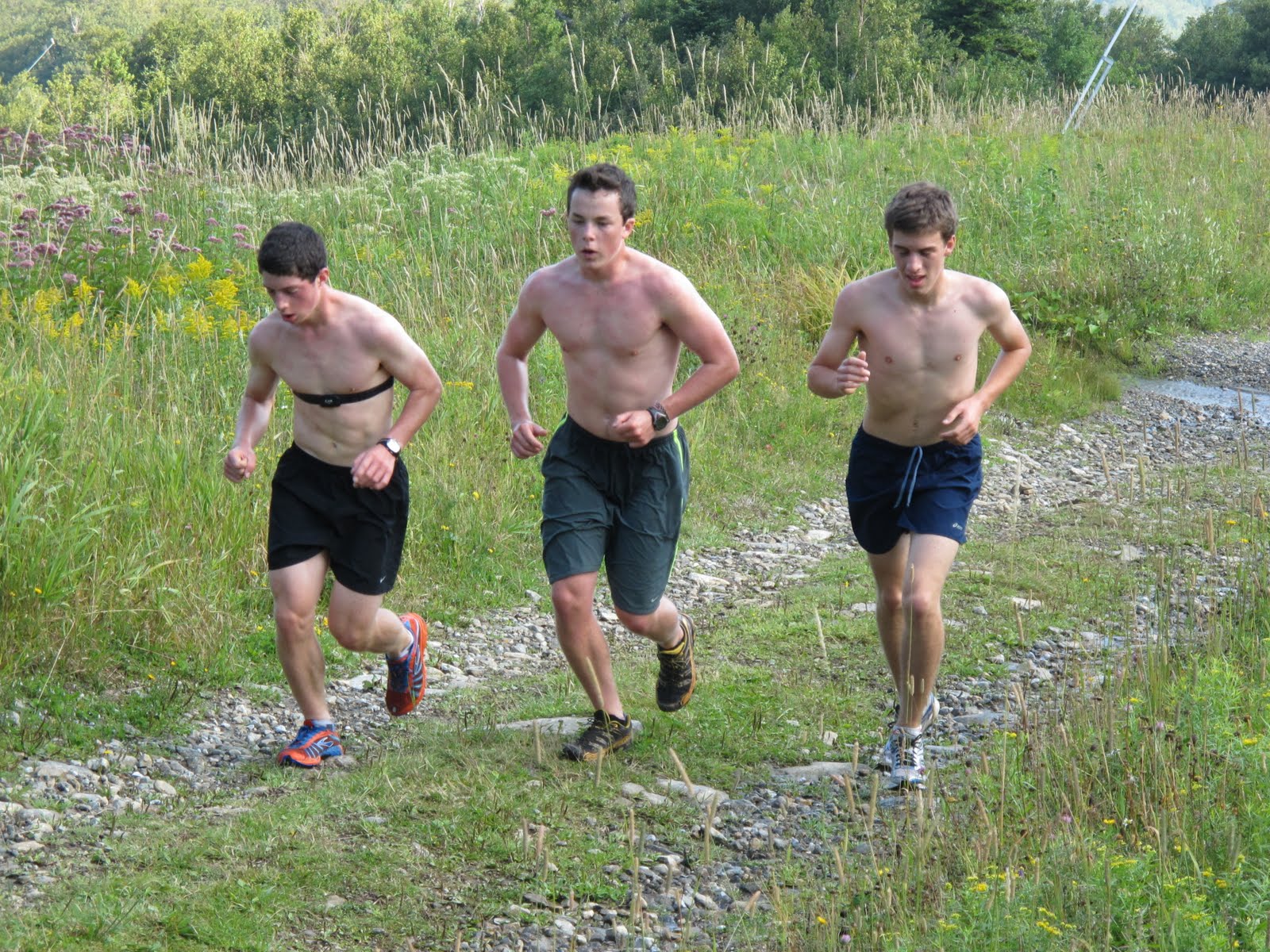
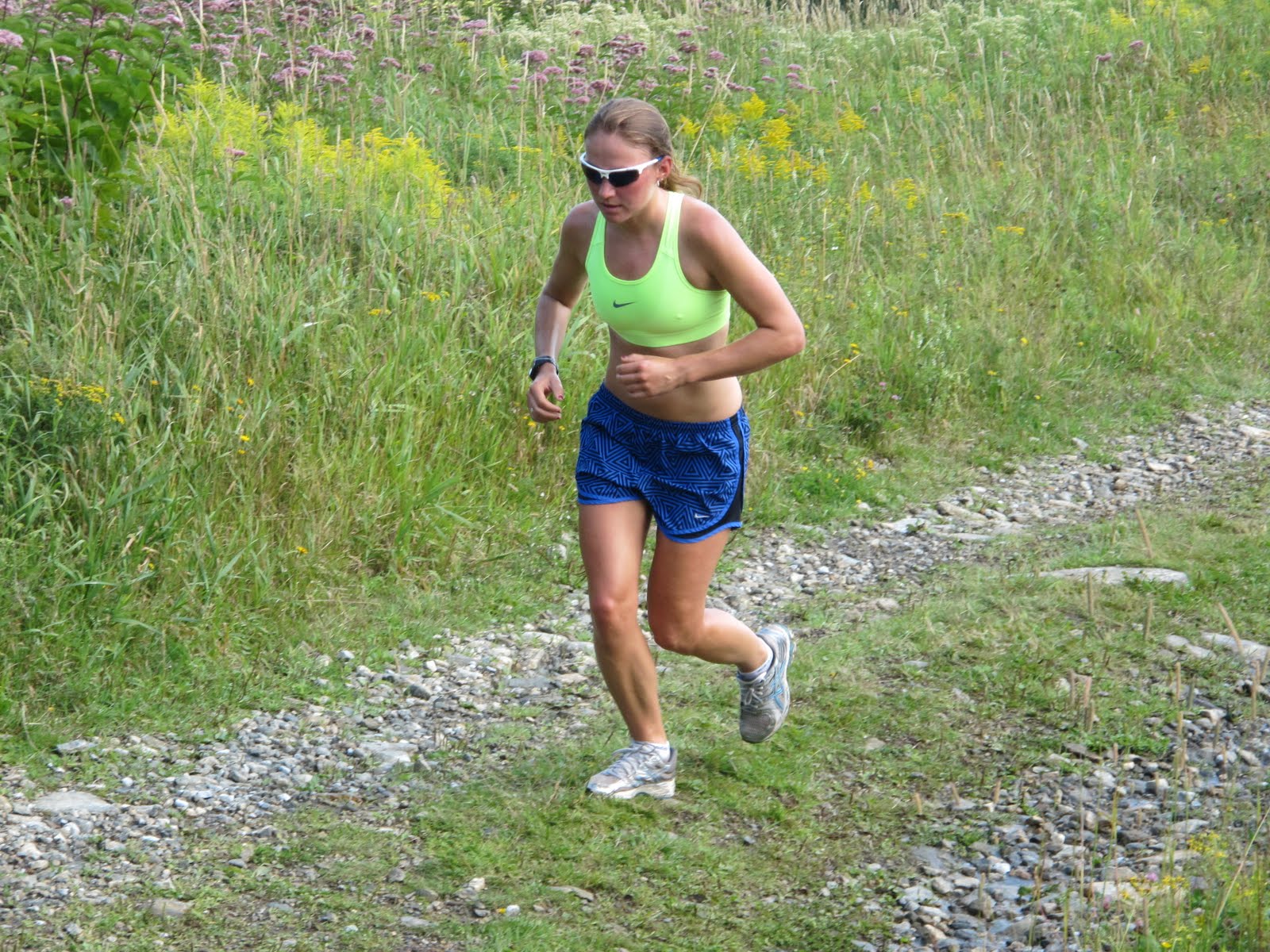
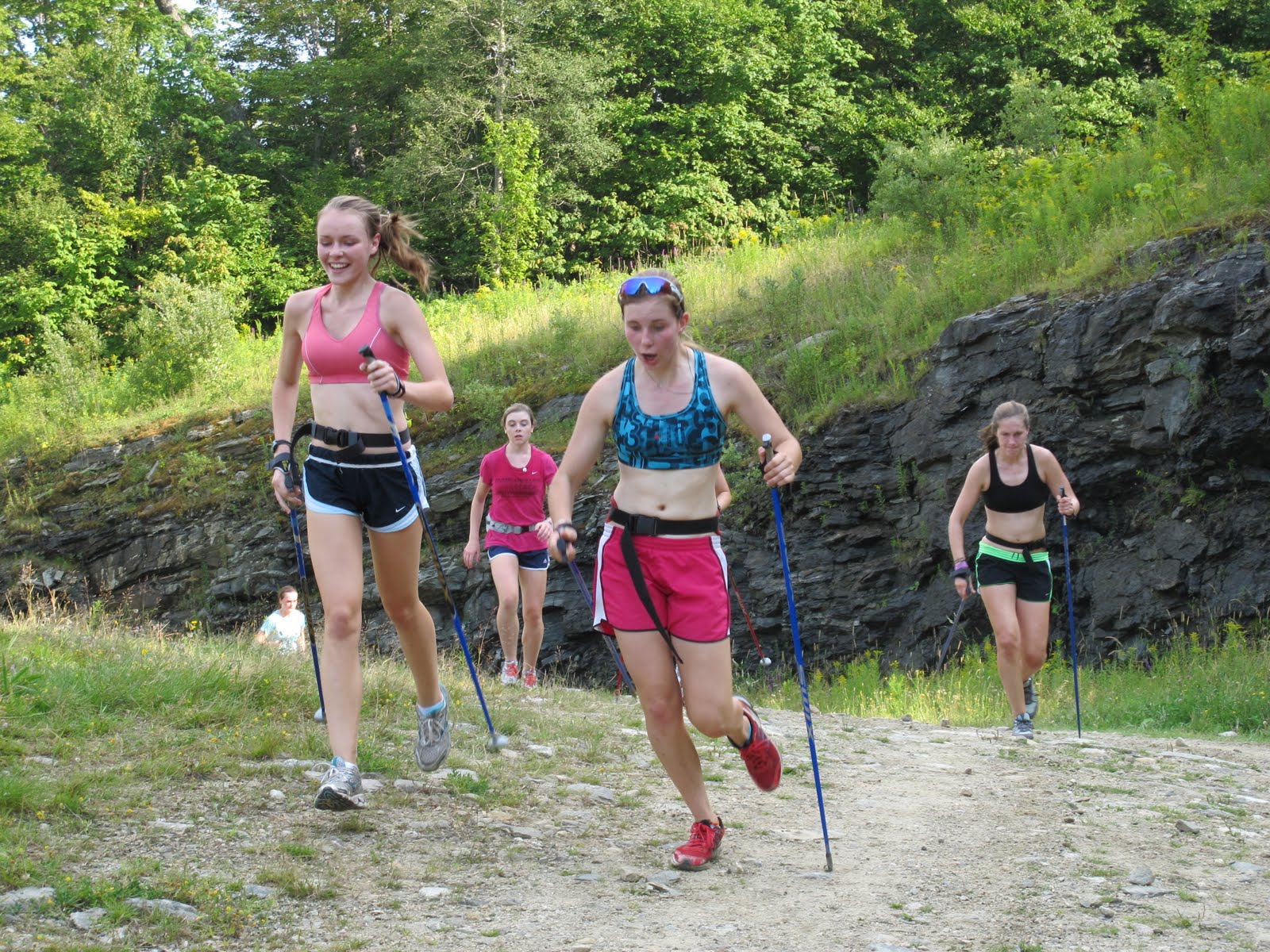
    We had our mountain run today and pre-race favorite Justin Freeman charged up for the victory. He was just off of his PR from 2 years ago AND he was challenged (see above) by….!

    Calvin was our runner of the day setting a Jr record with a blazing time of 21:11.

    The course starts at the bottom of the gondola and goes up under the gondola until it hits the work road…we follow the work road to the top. The course is 1.95 miles long and gains 1750′ in elevation.

    Paddy rounded out the podium.

    Austin Cobb.

    Fritz, Sidney, Brian and Tyler.

    Gavin, Marco, Max and Nate.

    Koby, Hamish and Spencer.

    Sophie was the girls winner…

    But Issy and Hallie set PR’s.

    Julia, Rachel and Charlotte.

    Katharine smoked the climb.

    Hank and Ainara.

    Emily and Sienna.

    Alma and Tess.

    Emma and Anna.

    Clara, Emma S and Pip.

    Thomas and Elise.

    Lea.

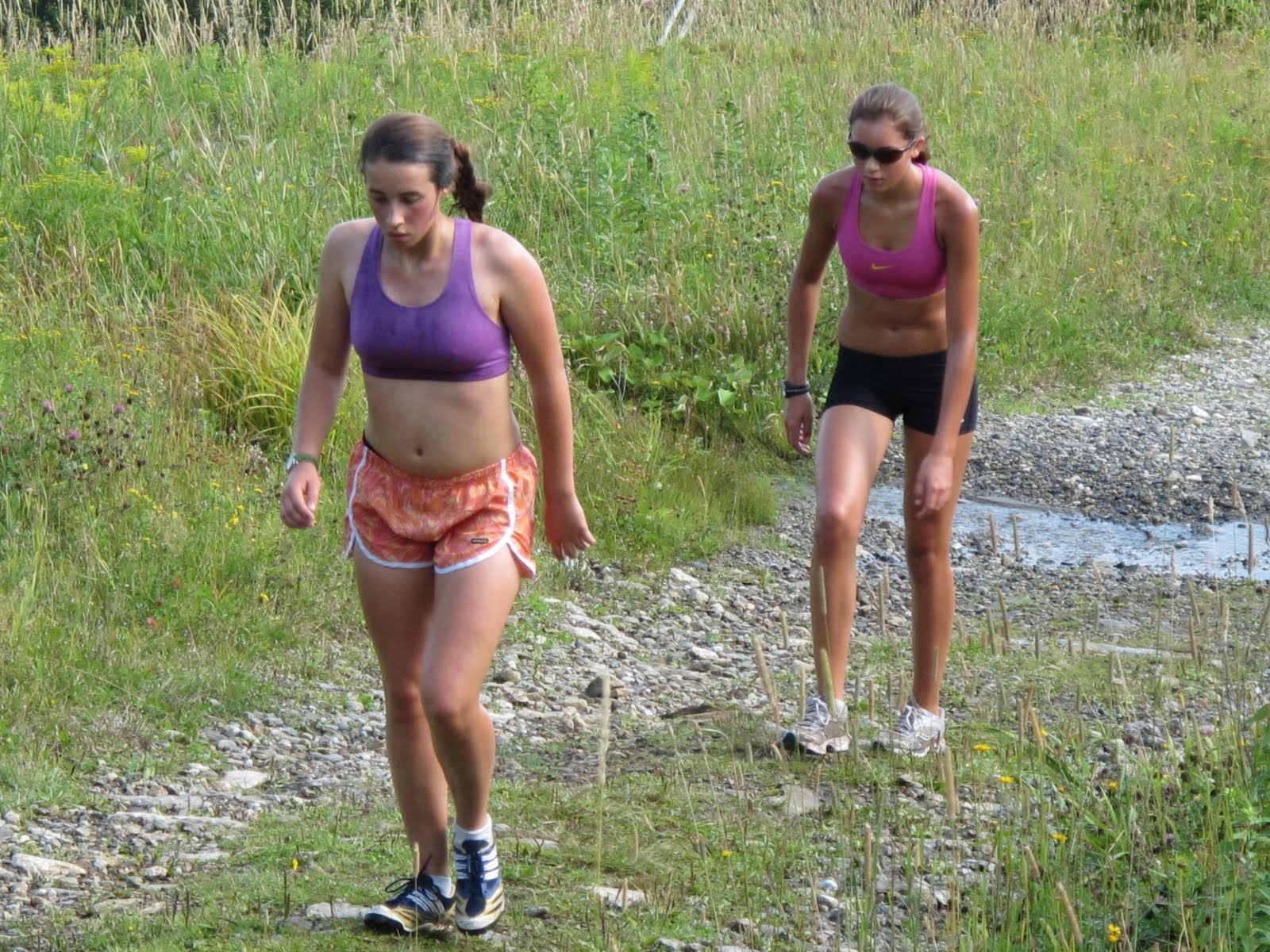
    Right about now, these kids are wondering where the top is!

    Katie and Lily finish well.

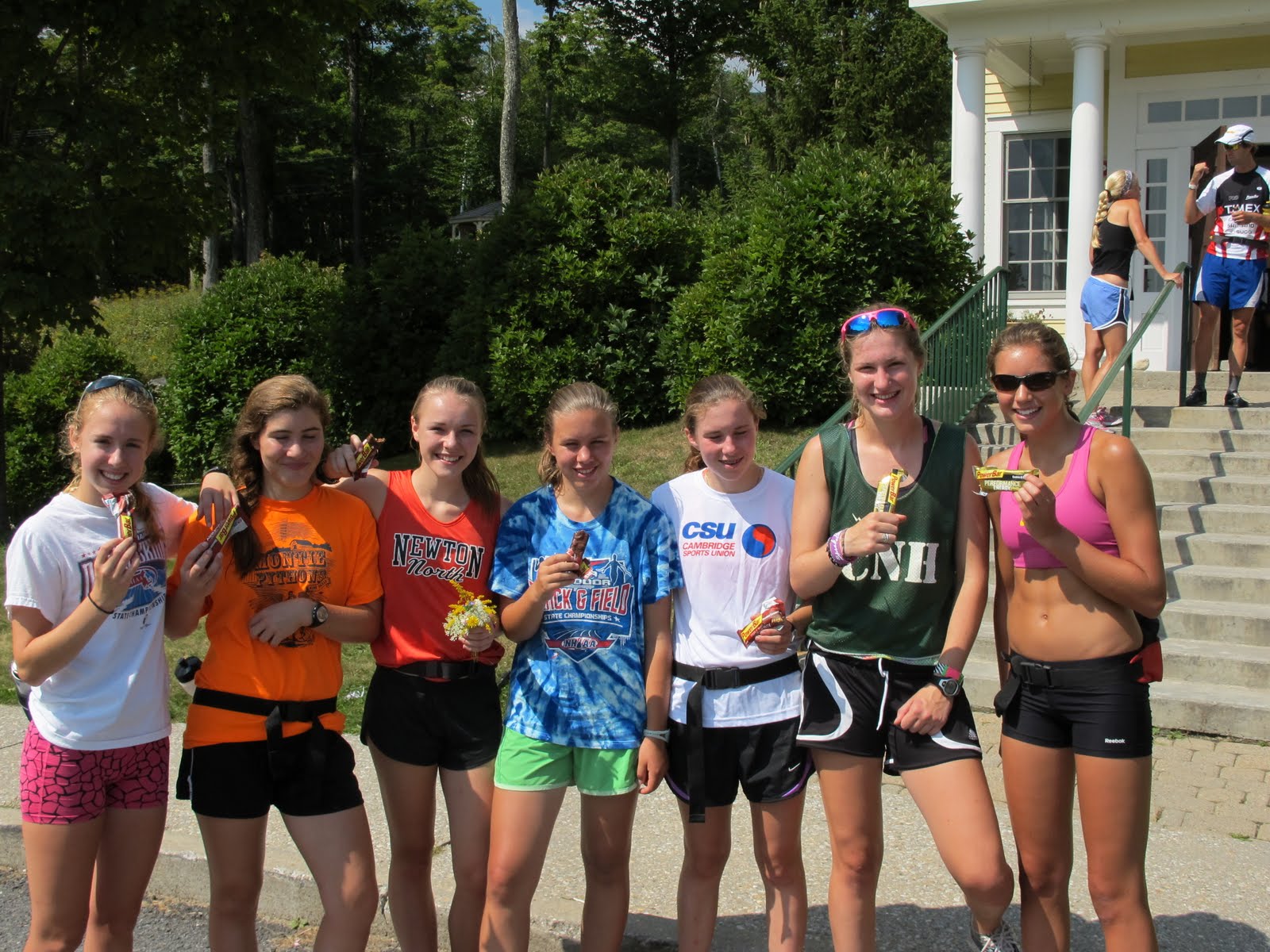
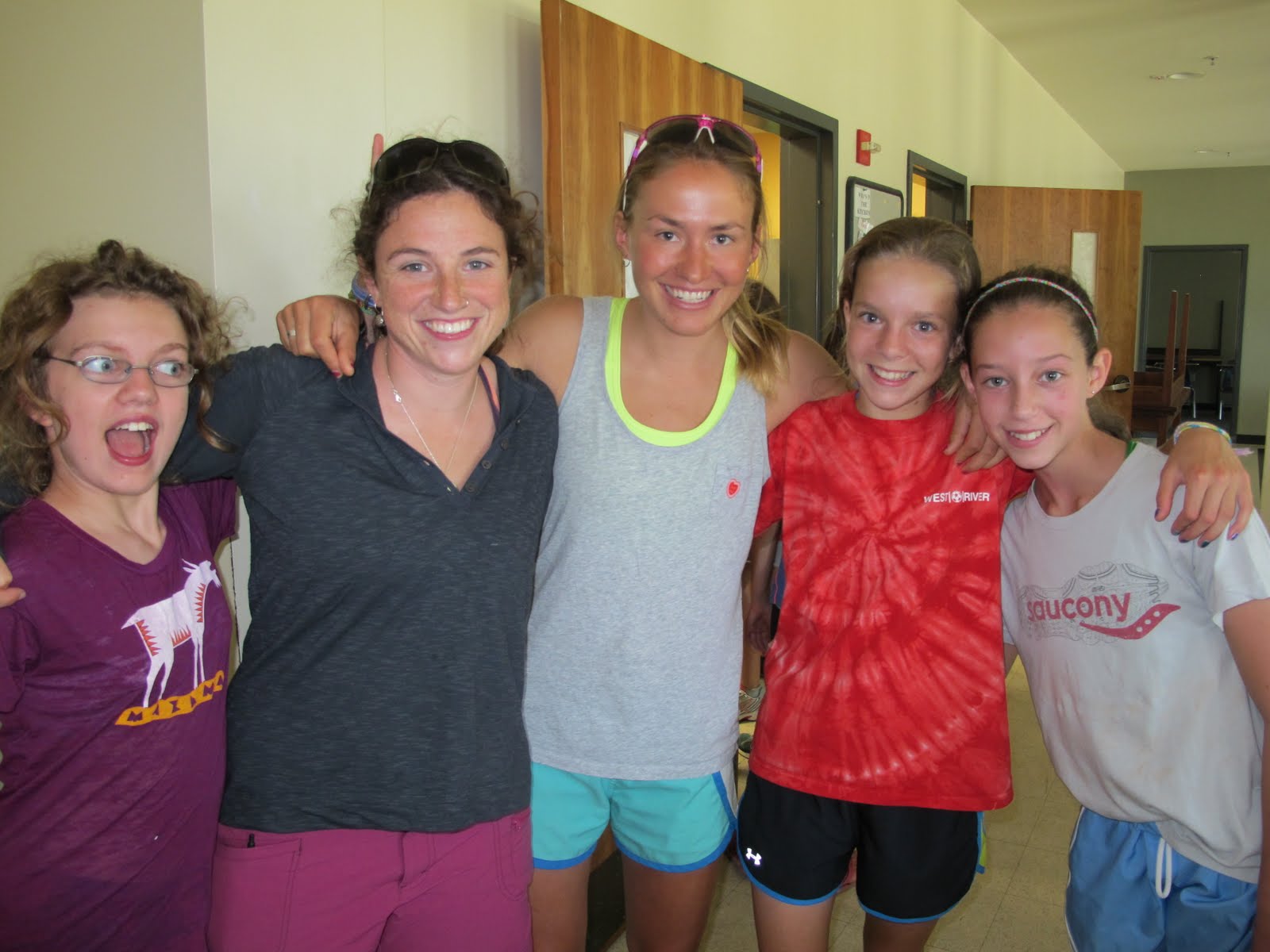
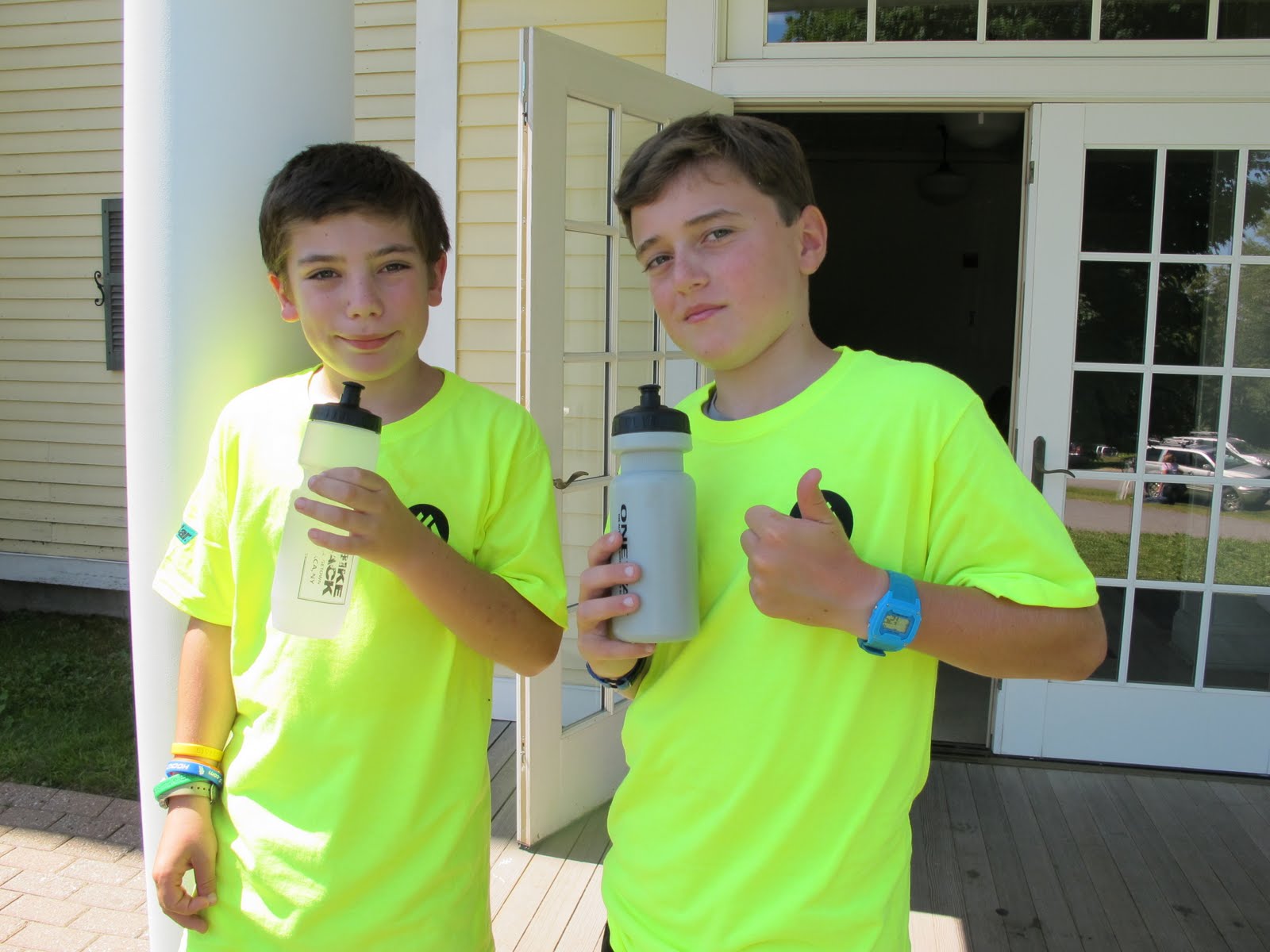
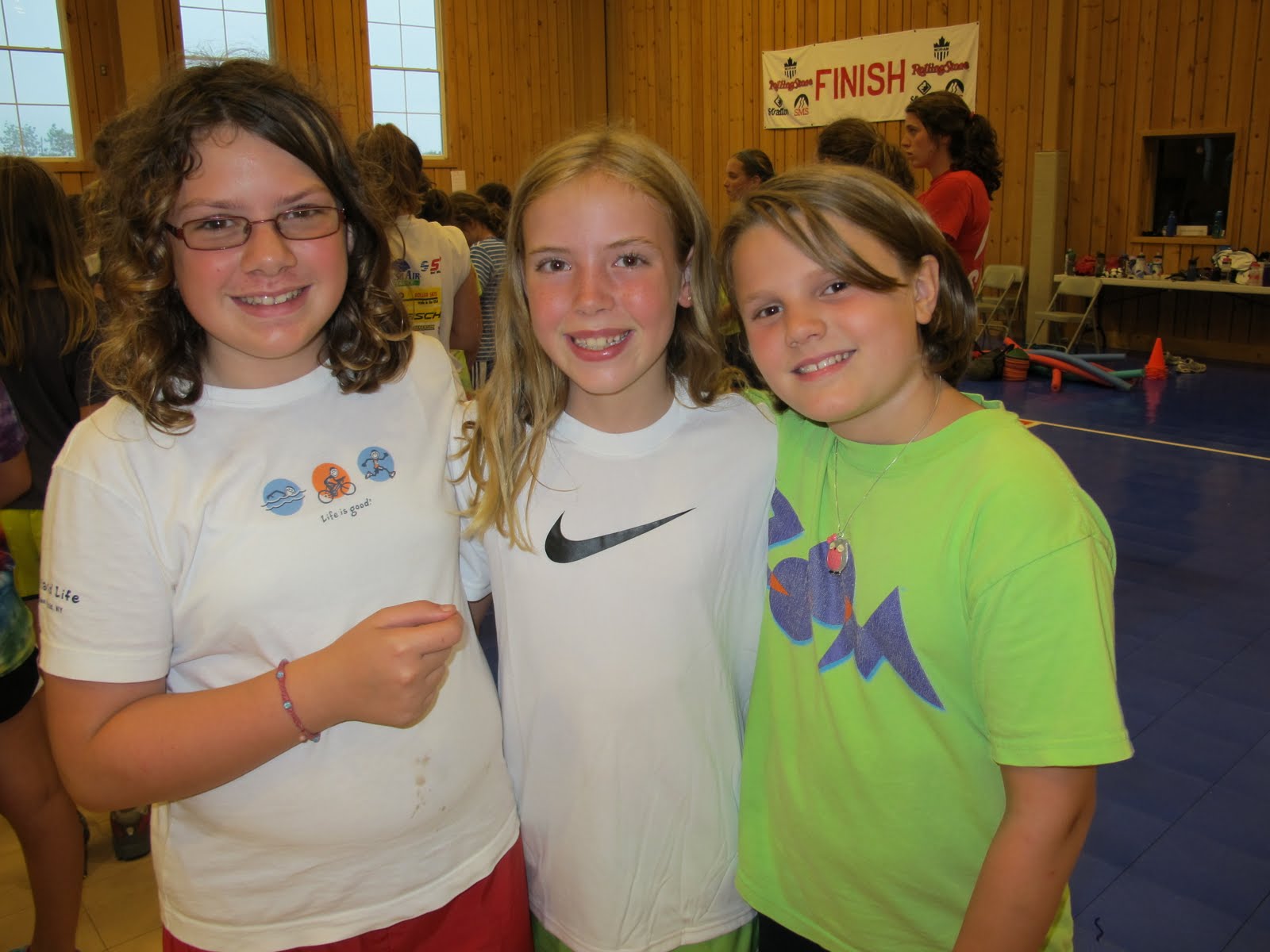
    Happy campers!

    Easy way down.

    Thanks to Power Bar for sponsoring us and providing bars for the camp.

    All smiles… job well done and a Power Bar recovery snack!

    Stretching out before lunch.

    Here are the times.
    Justin 20:47
    Calvin 21:11
    Paddy 23:12
    A Cobb 24:37
    Fritz 25:10
    Sidney 25:12
    Austin 25:16
    Tyler 25:27
    Sam 25:38
    Brian 26:18
    Josh 26:22
    Marco 26:44
    Gavin 26:51
    Nate 27:05
    Matt B 27:23
    Max 27:34
    Koby 27:46
    Hamish 27:47
    Spencer 28:16
    Peter 28:31
    Jake 28:40
    Sophie 29:14
    Hallie and Issy P 29:18
    George 30:07
    Kate 30:26
    Heather 30:34
    Chris 30:50
    Brenna 30:55
    Alex 31:01
    Katharine 31:07
    Cambria 31:21
    Cally 31:32
    Charlotte 31:35
    Izzy 31:36
    Julia 32:01
    Cate 32:16
    Graham 32:27
    Rachel 32:29
    Seth 32:50
    Anthony 34:14
    Noah 34:37
    Hank 34:37
    Ainara 34:58
    Brooke 35:49
    Leah 37:11
    Sienna 37:21
    Rebecca 37:43
    Emily 38:05
    Tess and Alma 38:11
    Emma H 38:20
    Anna 38:20
    Pippin 38:37
    Clara 38:39
    Emma S 40:26
    Thomas 40:38
    Elise 40:41
    Lizzie 41:32
    Ana 42:22
    Lea 42:23
    Leena 44:35
    Linnea 46:03
    Lily and Katie 46:29
  • Jr Camp D-pole Test and Pictures

    Here are a bunch more pictures from today. Above, Poppet talks about goal setting, while below..the younger kids work on classic technique and do the double pole test.


    The D-pole test.

    With the usual disclaimer that roller skis come in different speeds and that the older kids did the test in the am, while the younger ones did it in the pm..here are the times:

    Boys
    Fritz 2:36
    Paddy 2:43
    Tyler 2:46
    Austin 2:50
    A Cobb 2:50
    Hamish 2:51
    Brian 2:54
    George 2:54
    Josh 3:02
    Nate 3:02
    Peter 3:04
    Calvin 3:09
    Chris 3:10
    Mac 3:11
    Sam 3:12
    Max 3:18
    Koby 3:23
    Seth 3:30
    Gavin 3:40
    Spencer 3:41
    Anthony 3:49
    Noah 3:50
    Hank 3:51
    Thomas 4:02
    Sidney 4:05
    Evan 4:05
    Graham 4:08
    Jake 4:13
    Alex 5:39
    Marco 5:45 (two broken tips)
    Girls
    Sophie 3:06
    Heather 3:17
    Cate 3:21
    Brooke 3:29
    Cambria 3:29
    Rebecca 3:31
    Issy P 3:35
    Rachel 3:48
    Hallie 3:56
    Clara 4:03
    Emma H 4:06
    Tara 4:12
    Charlotte 4:18
    Sienna 4:24
    Pippin 4:27
    Katharine 4:27
    Linnea 4:30
    Brenna 4:35
    Tess 4:36
    Alma 4:43
    Emma S 4:50
    Ana 4:51
    Keena 5:05
    Elise 5:09
    Ainara 5:13
    Leah 5:17
    Julia 5:20
    Emily 5:29
    Anna 5:34
    Lizzie 5:38
    Cally 6:02
    Lea 6:05
    Kelly 6:21
    Leena 6:41
    Lily 6:46
    Katie 7:19
    Good job everyone!


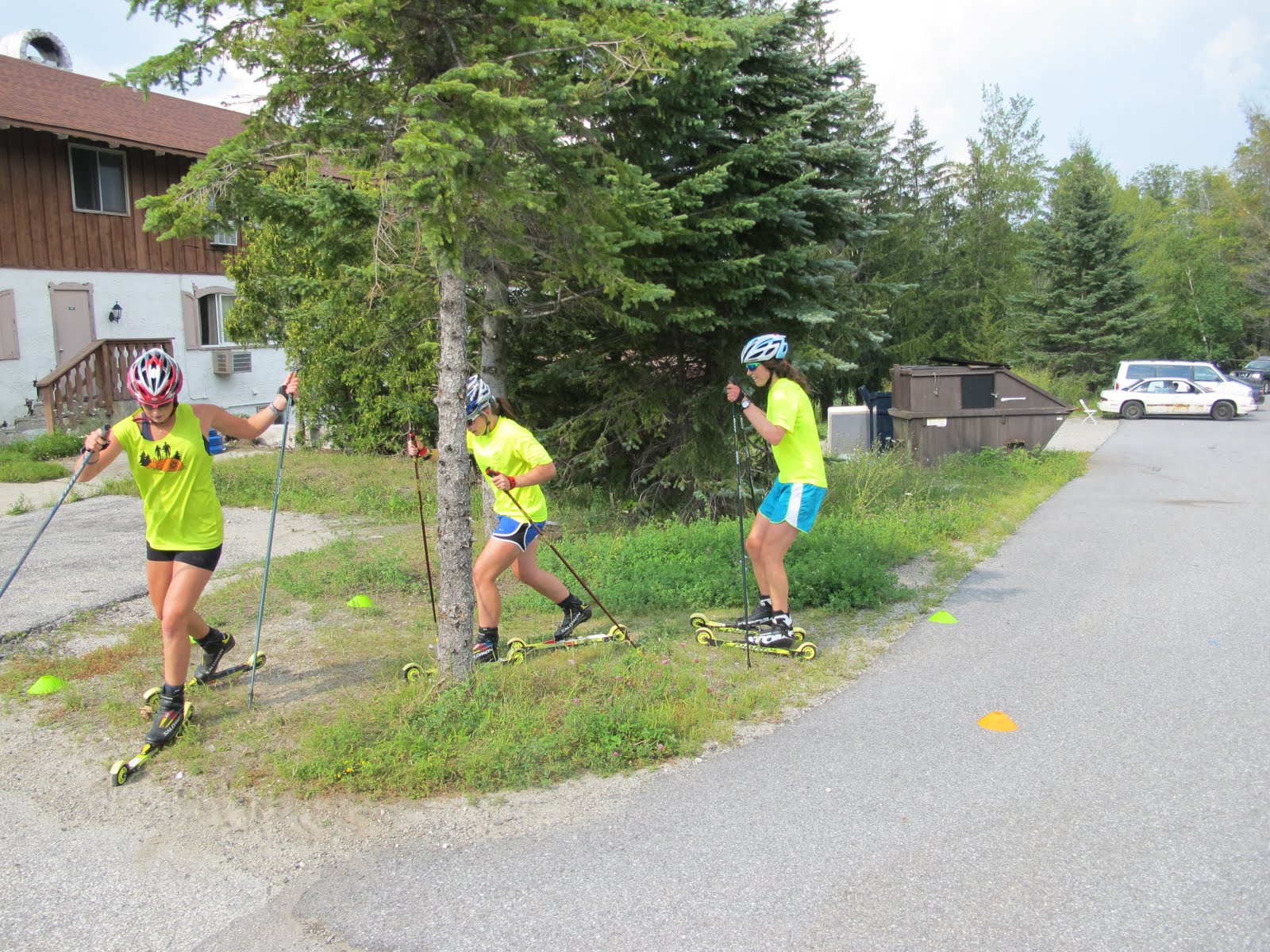
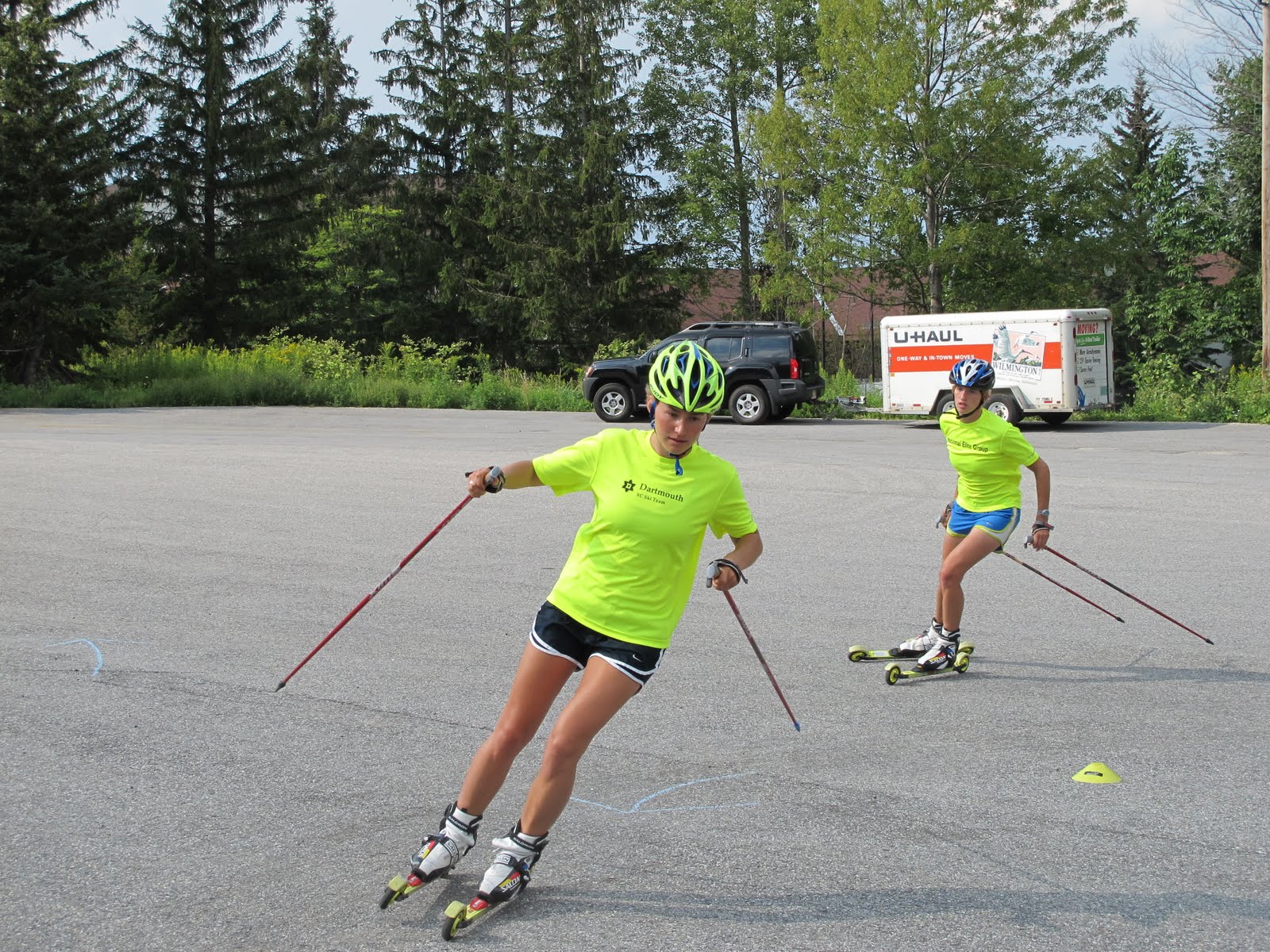
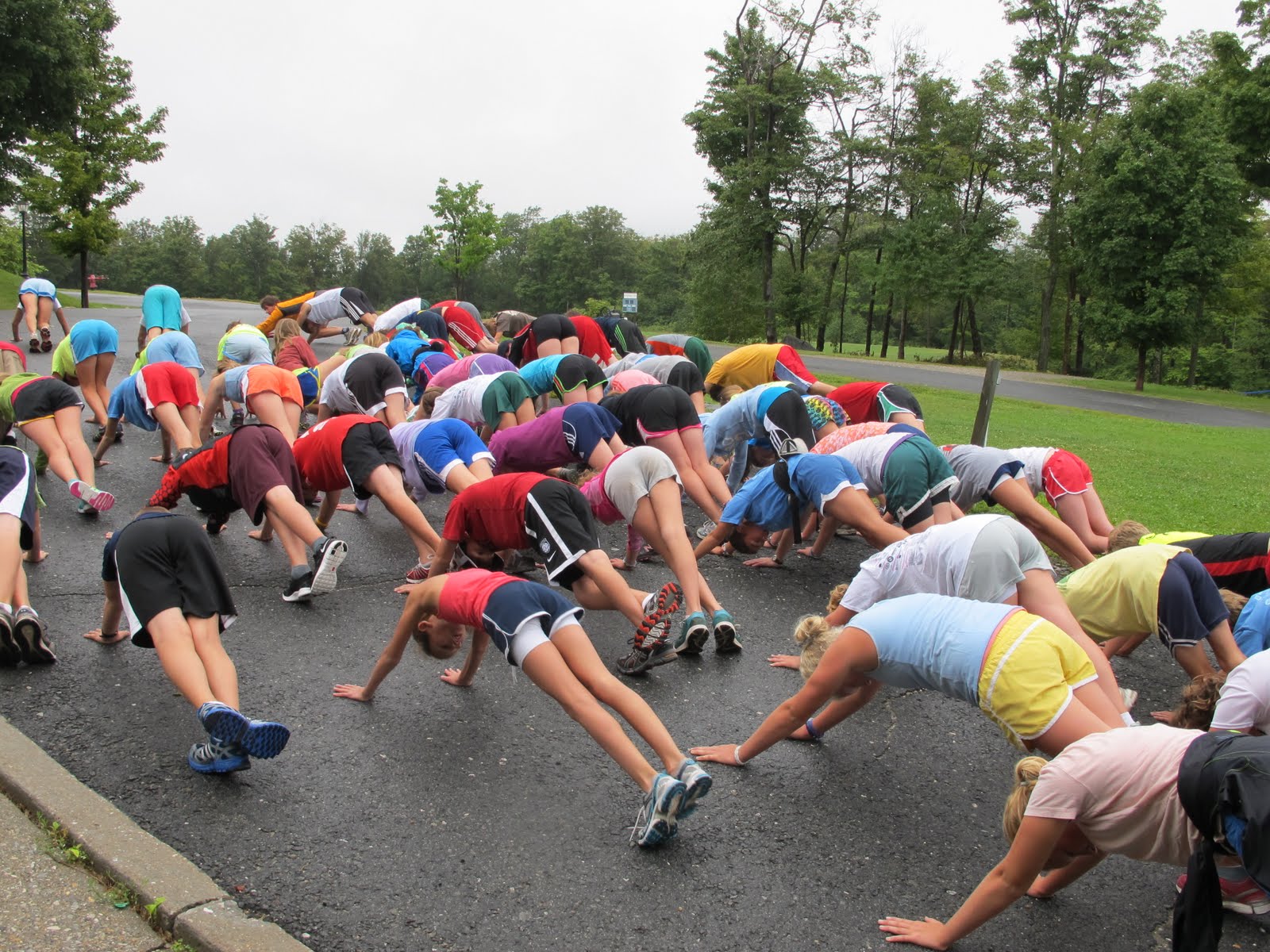
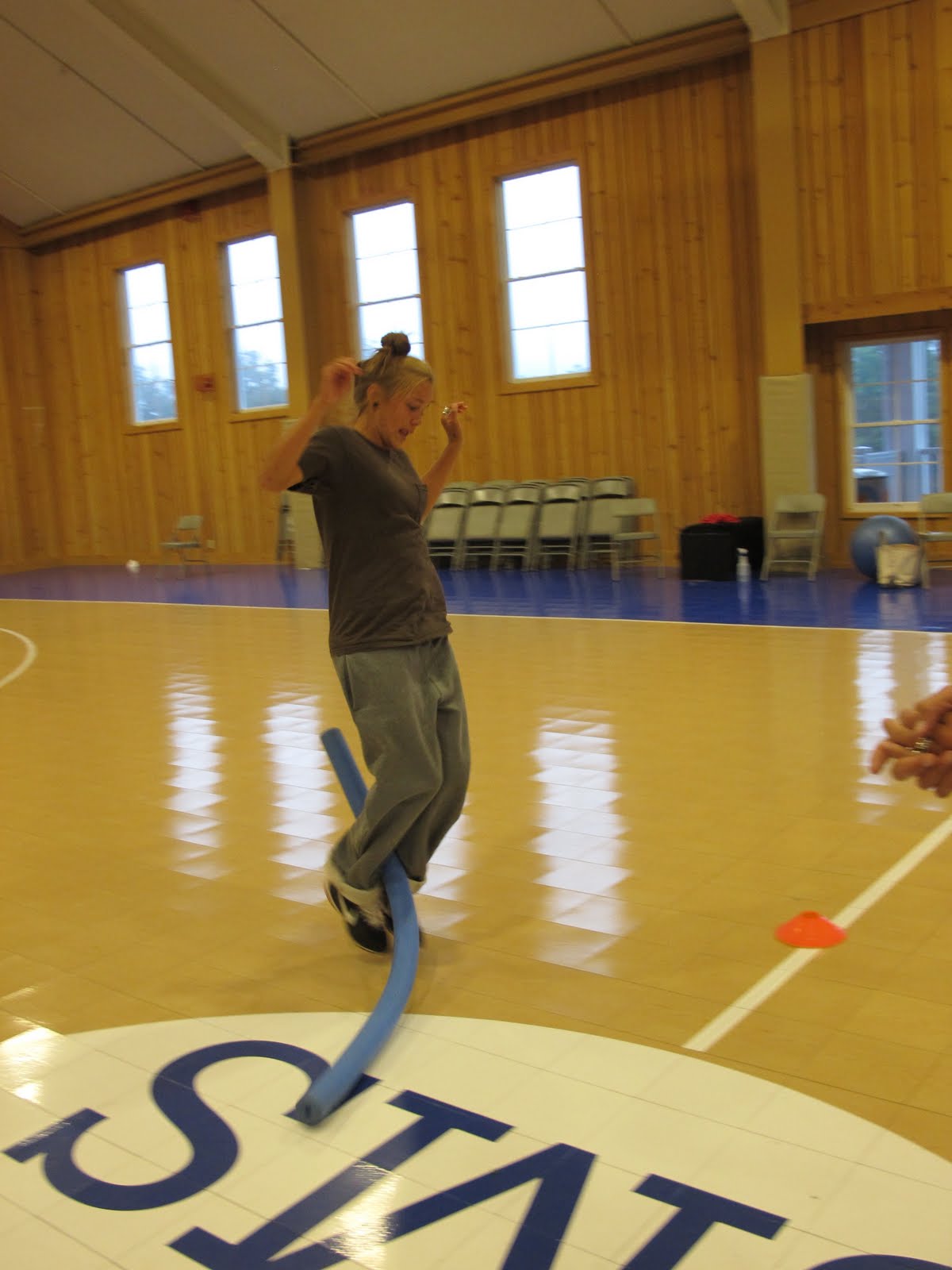
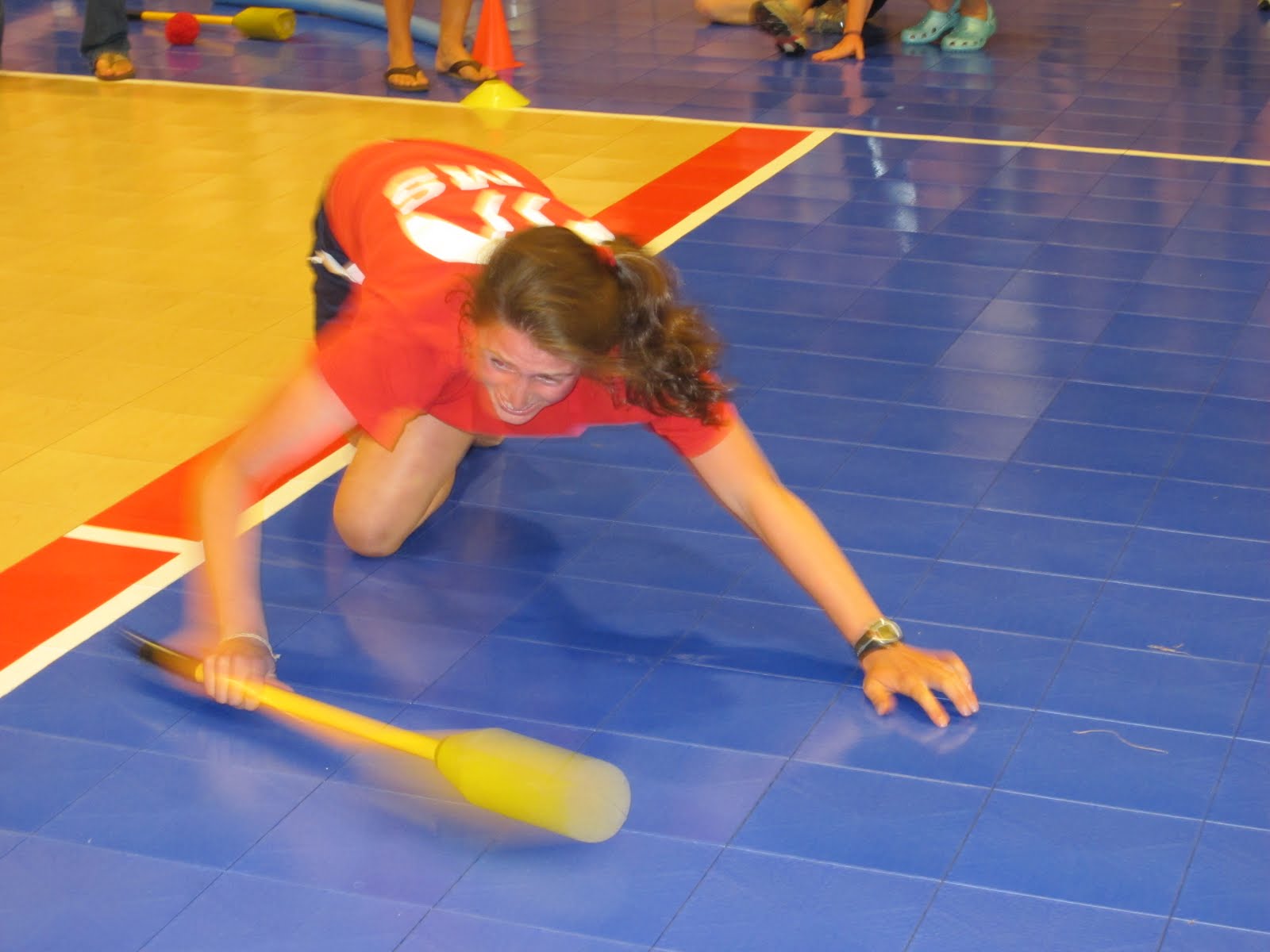
    Part of the agility course that the older kids did this afternoon included some off roading.


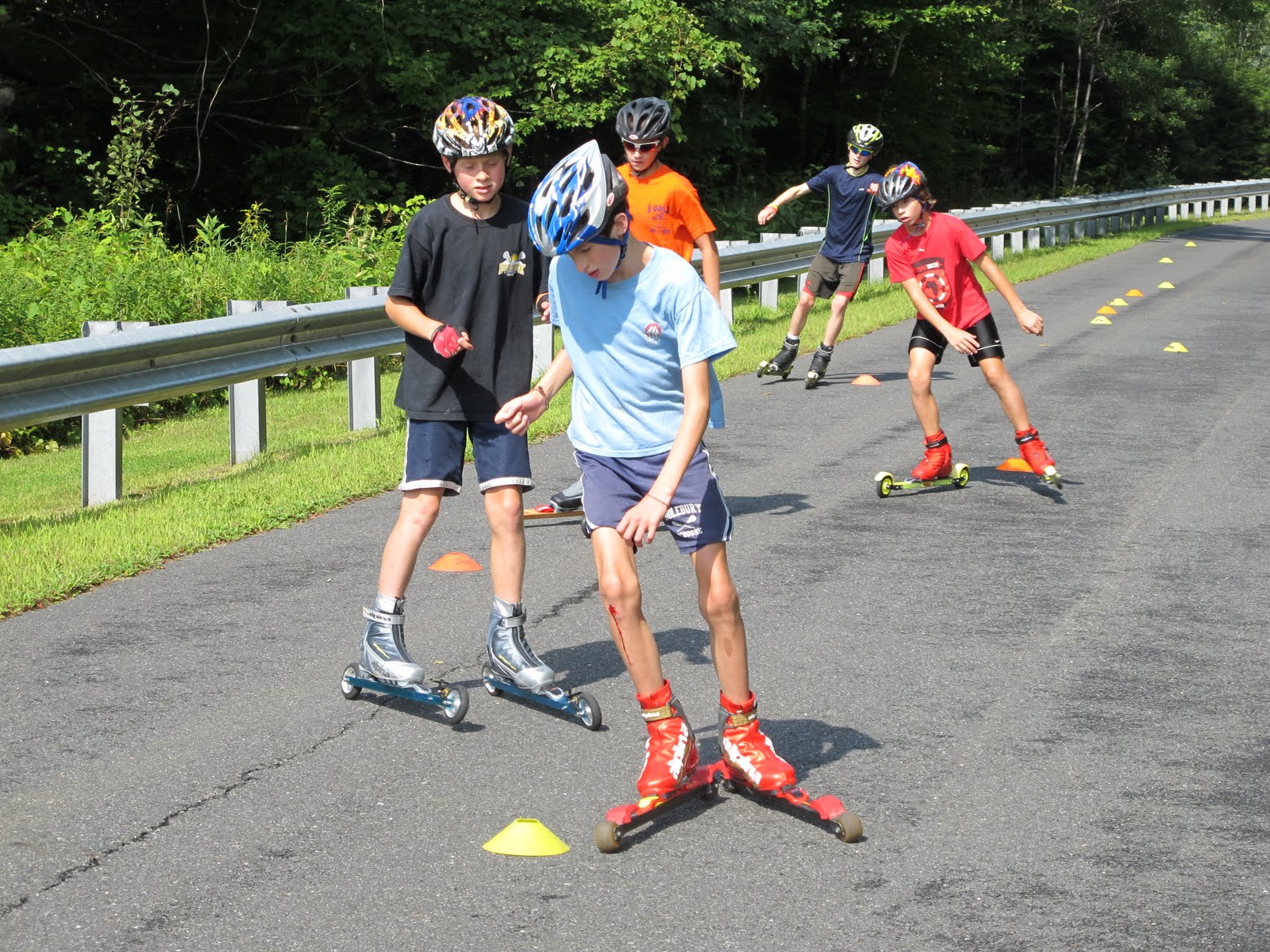
    Slaloms.


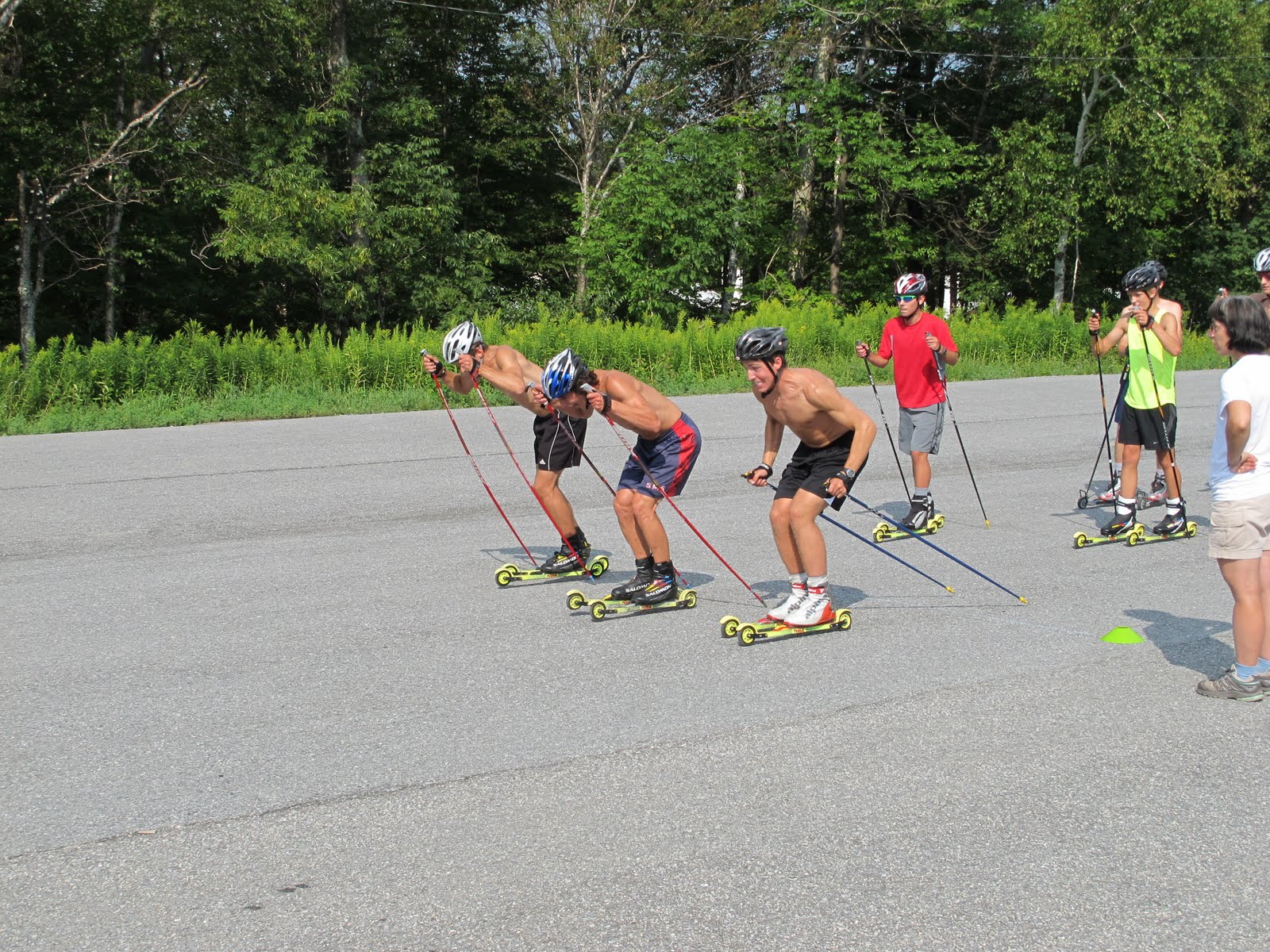
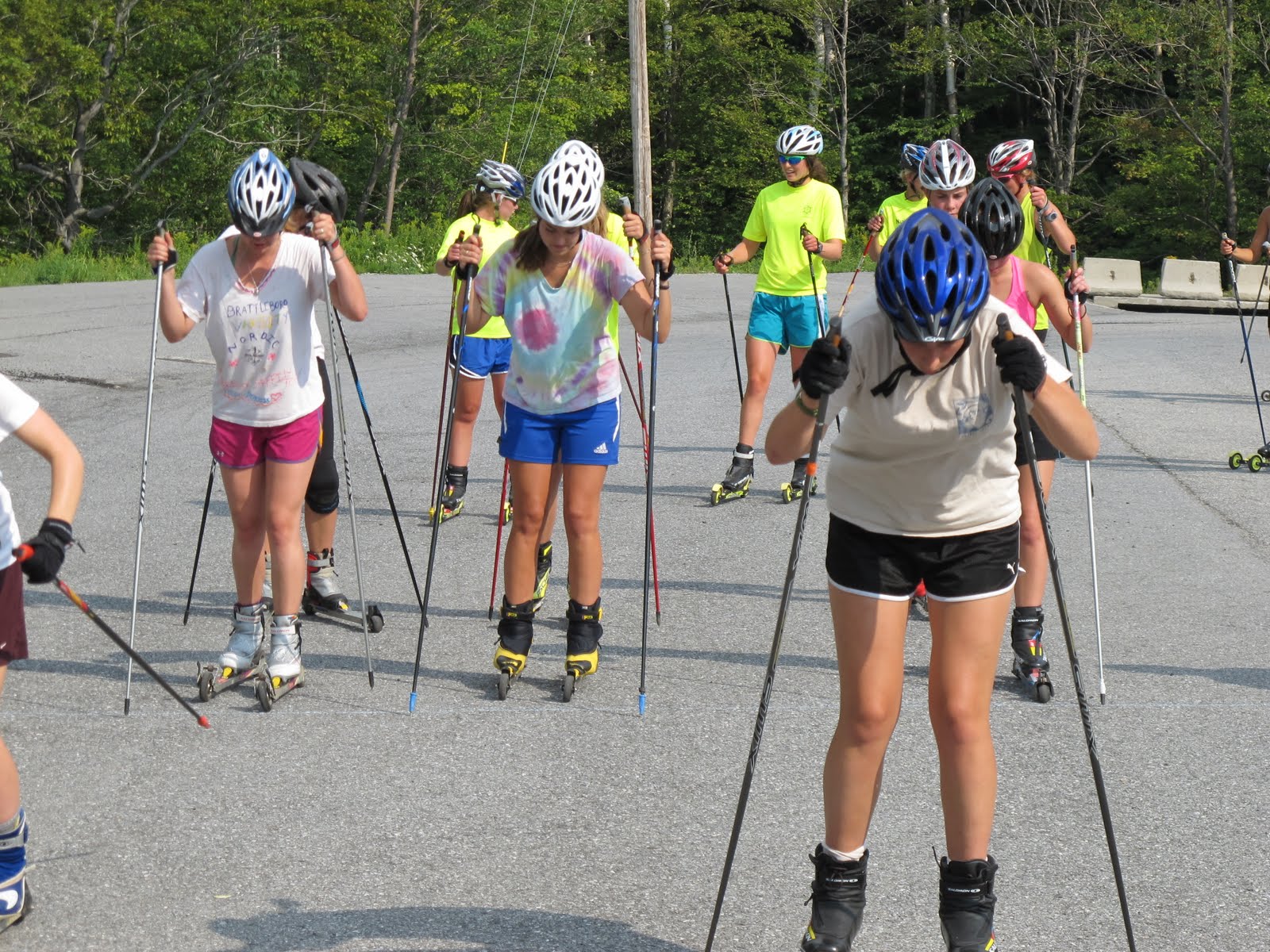
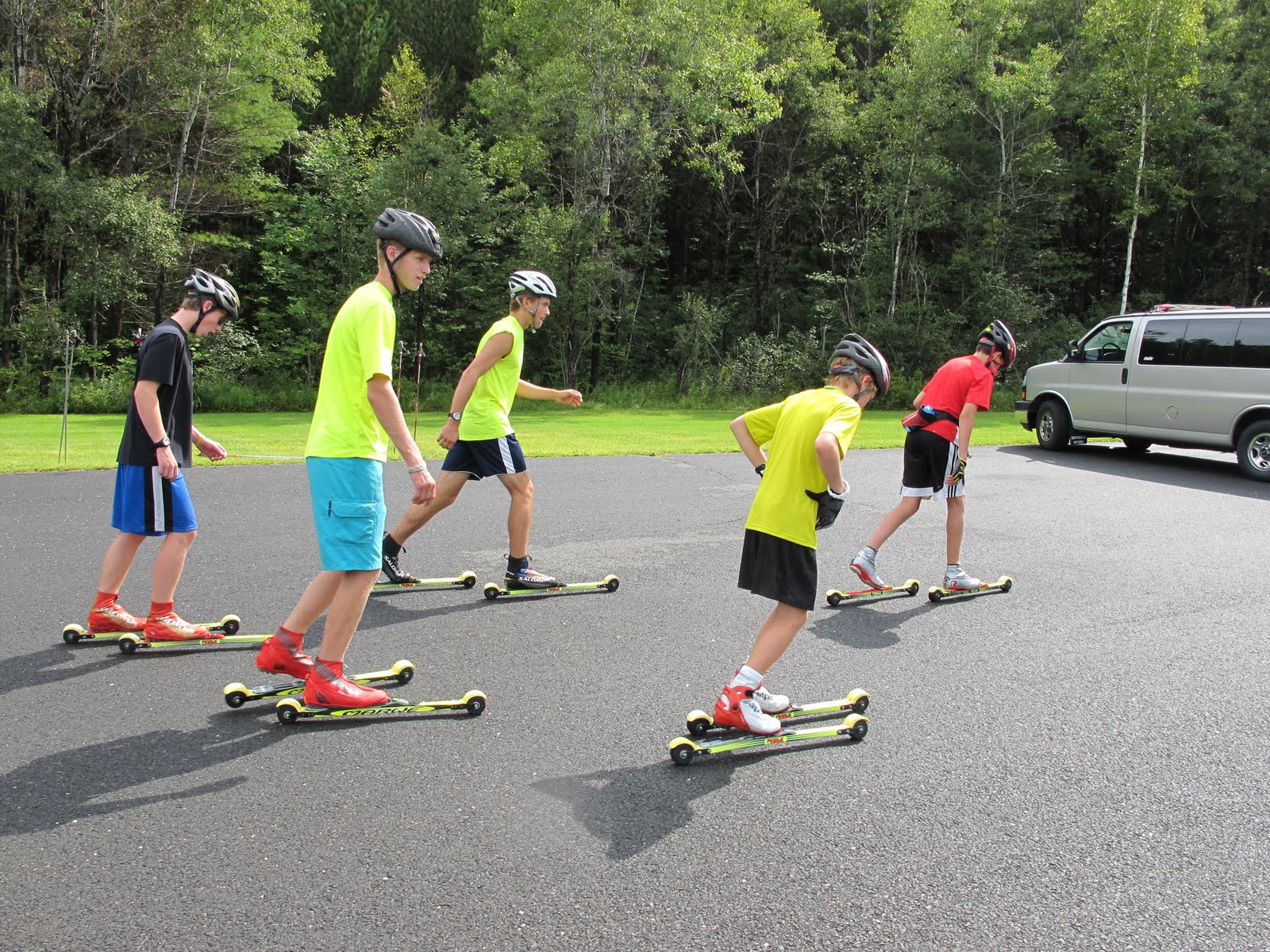
    Sprint starts.

    D-pole.

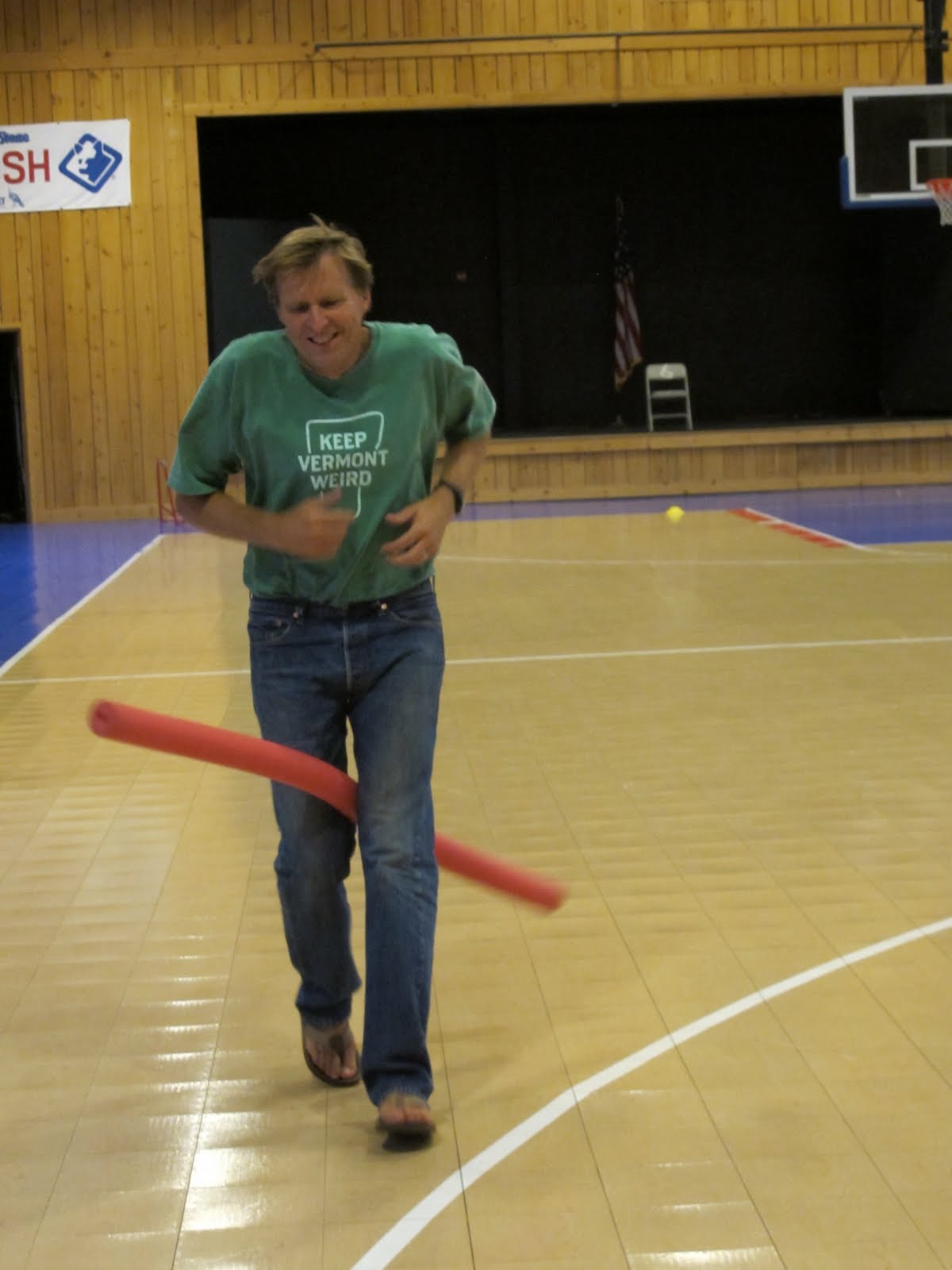
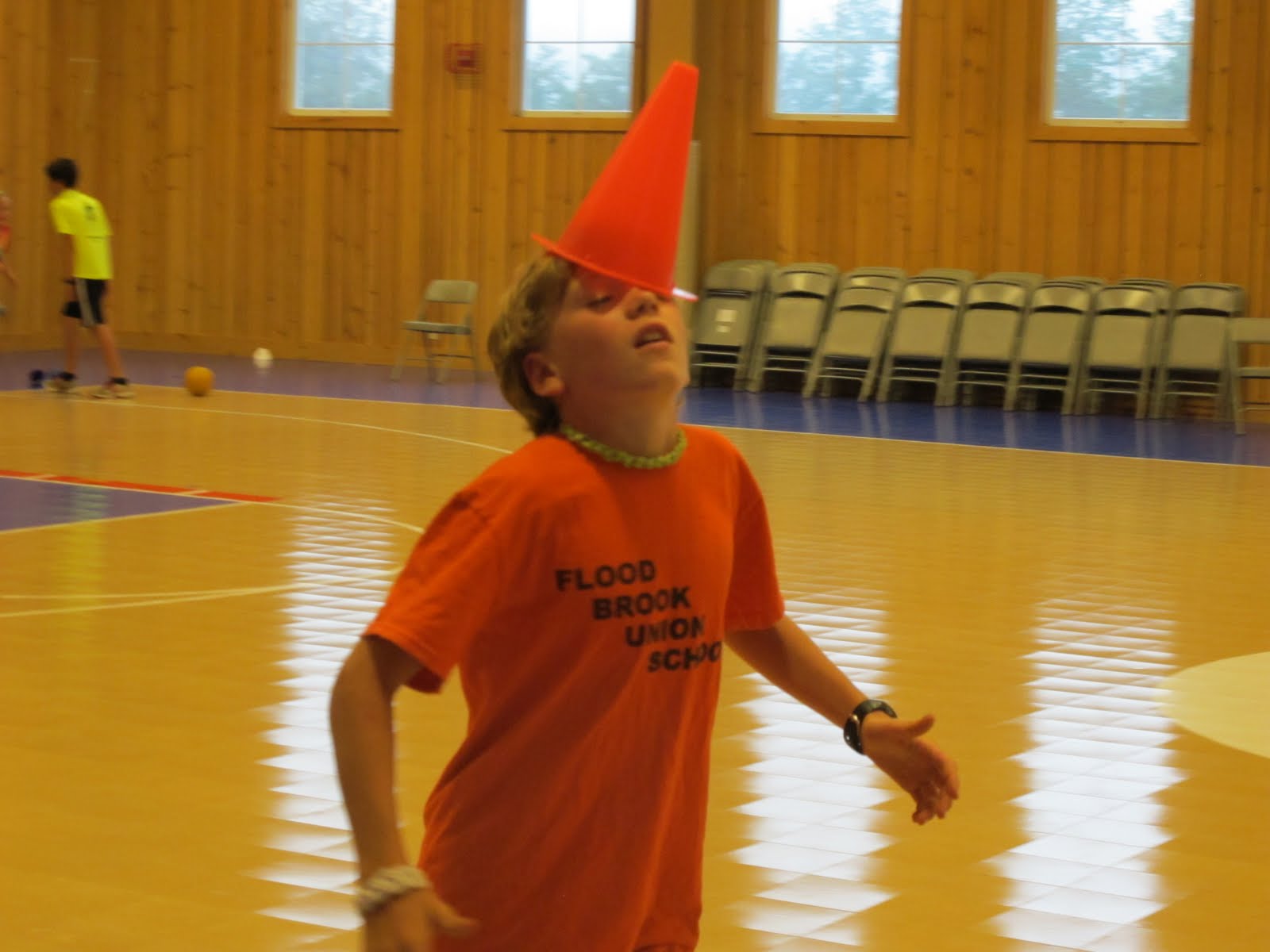
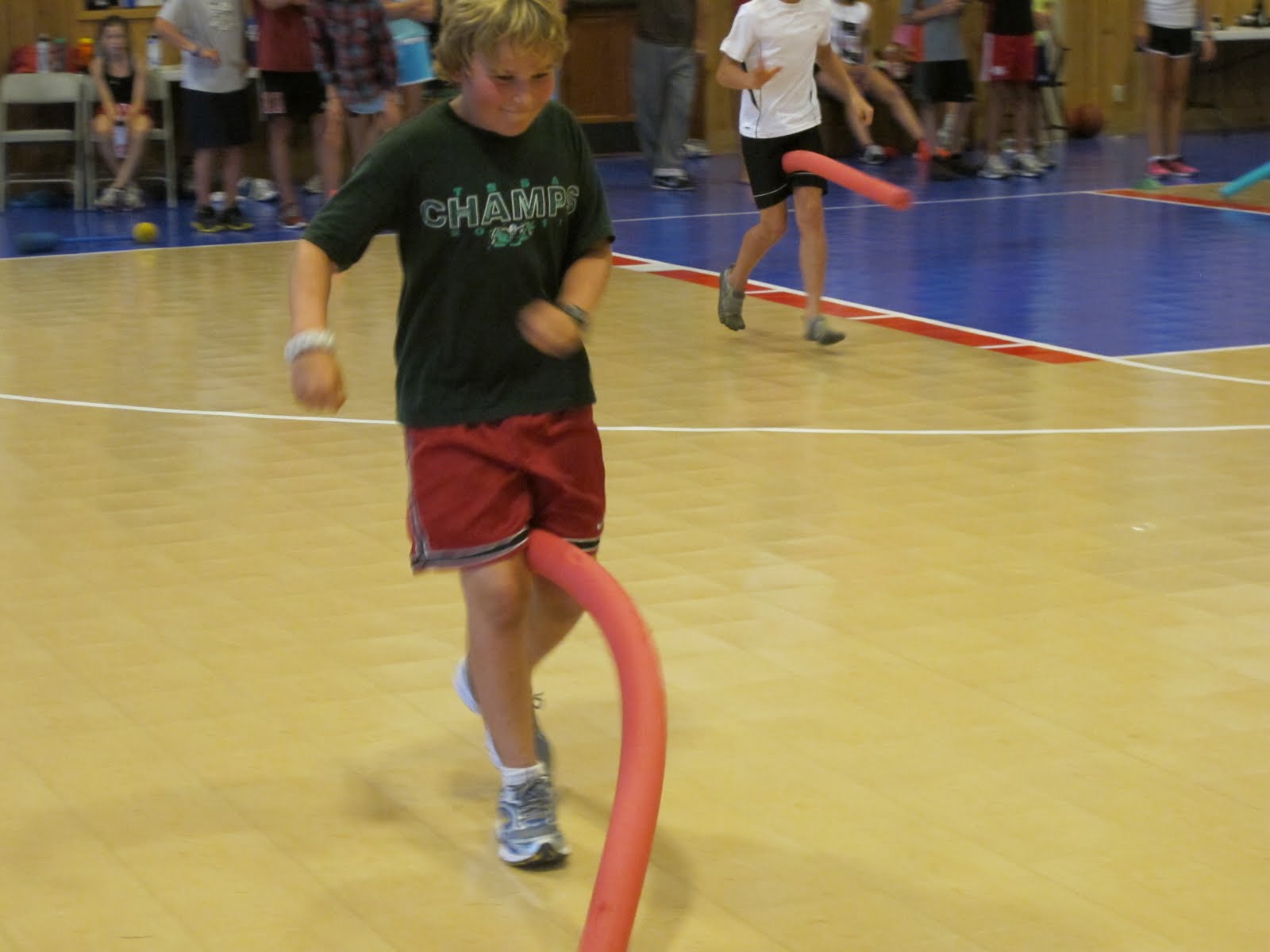
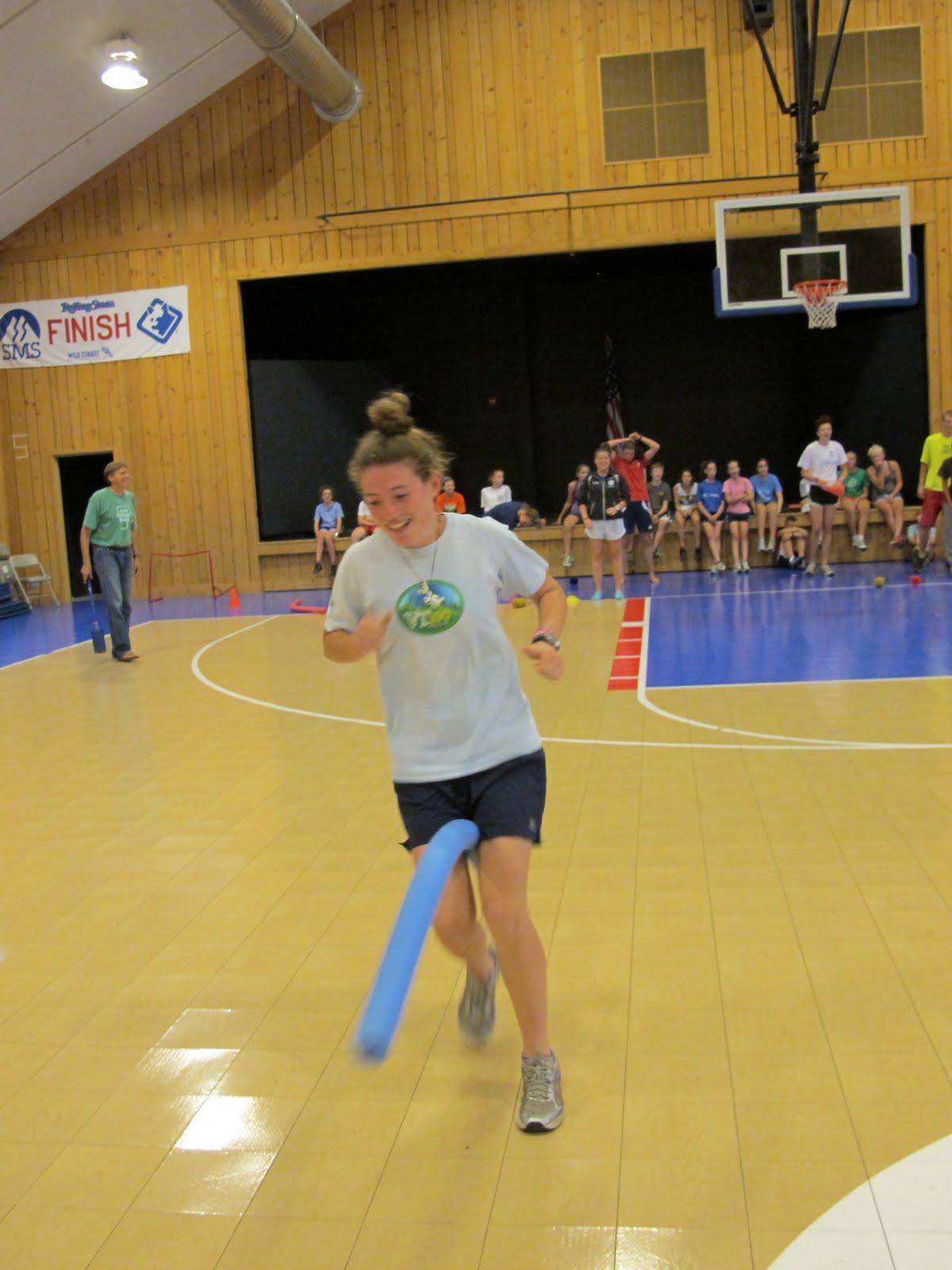
    Games.
    Tomorrow we will do out mountain run and various strength routines 🙂
  • SMS Jr Camp Day 2

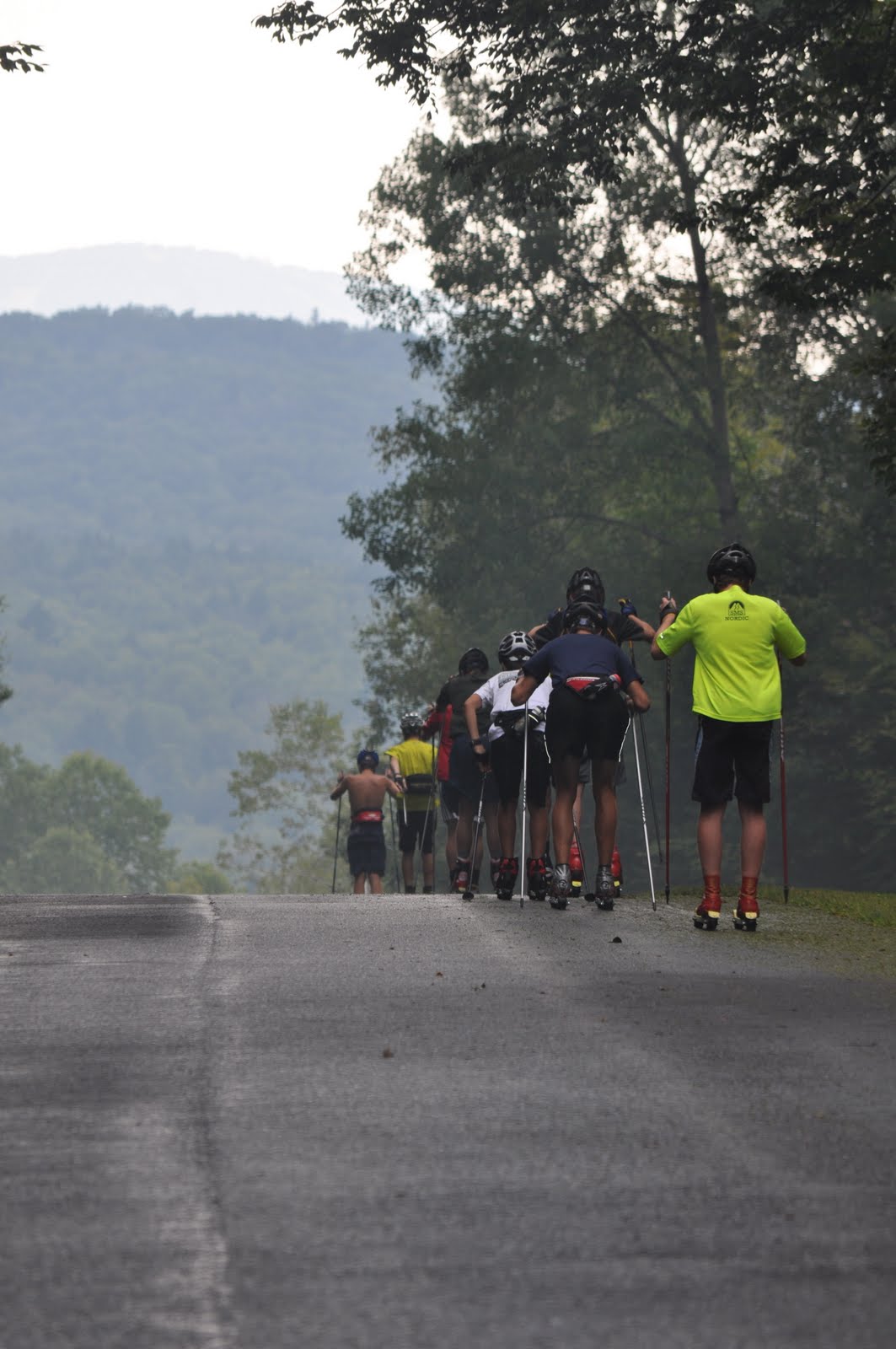
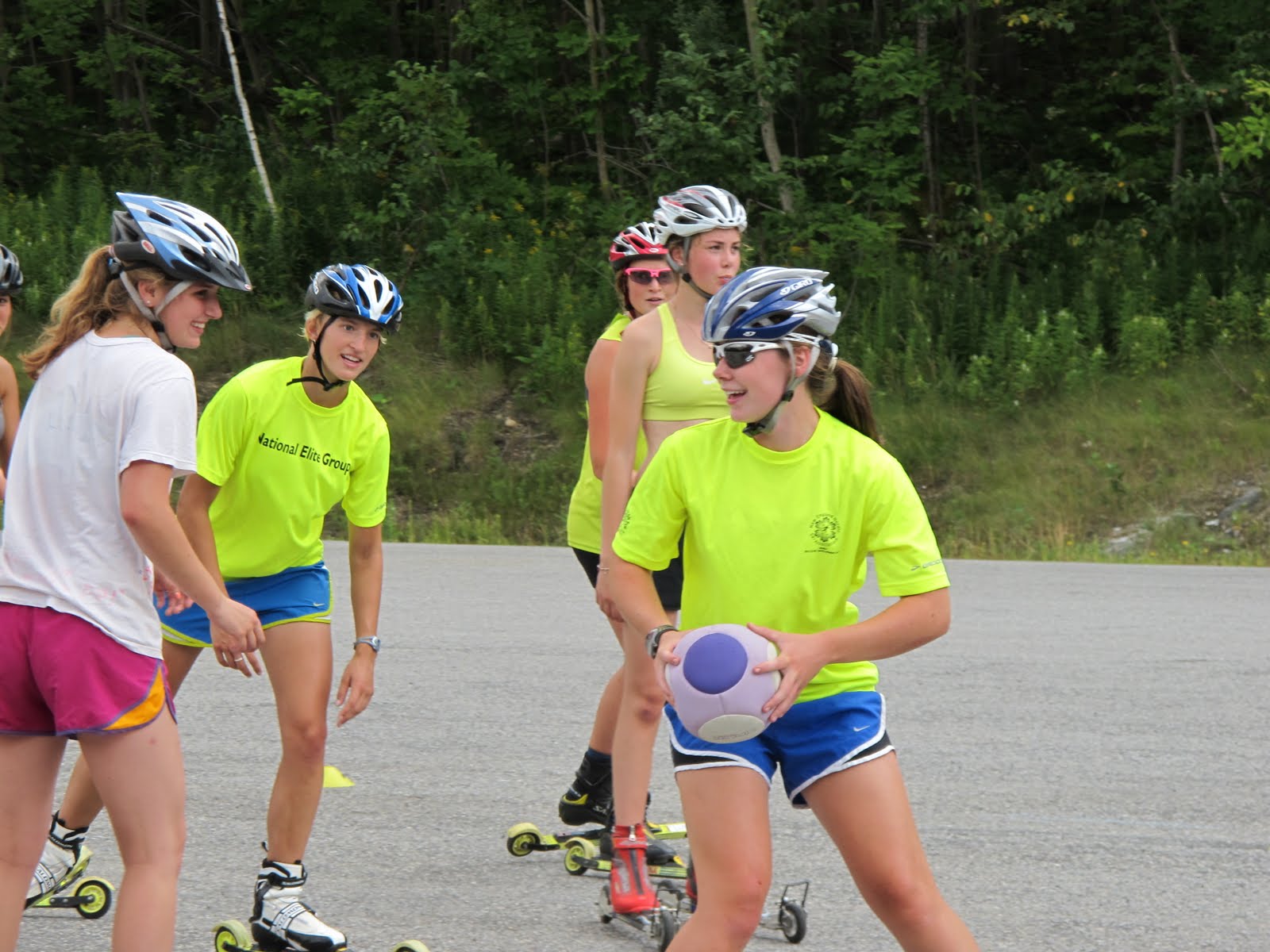
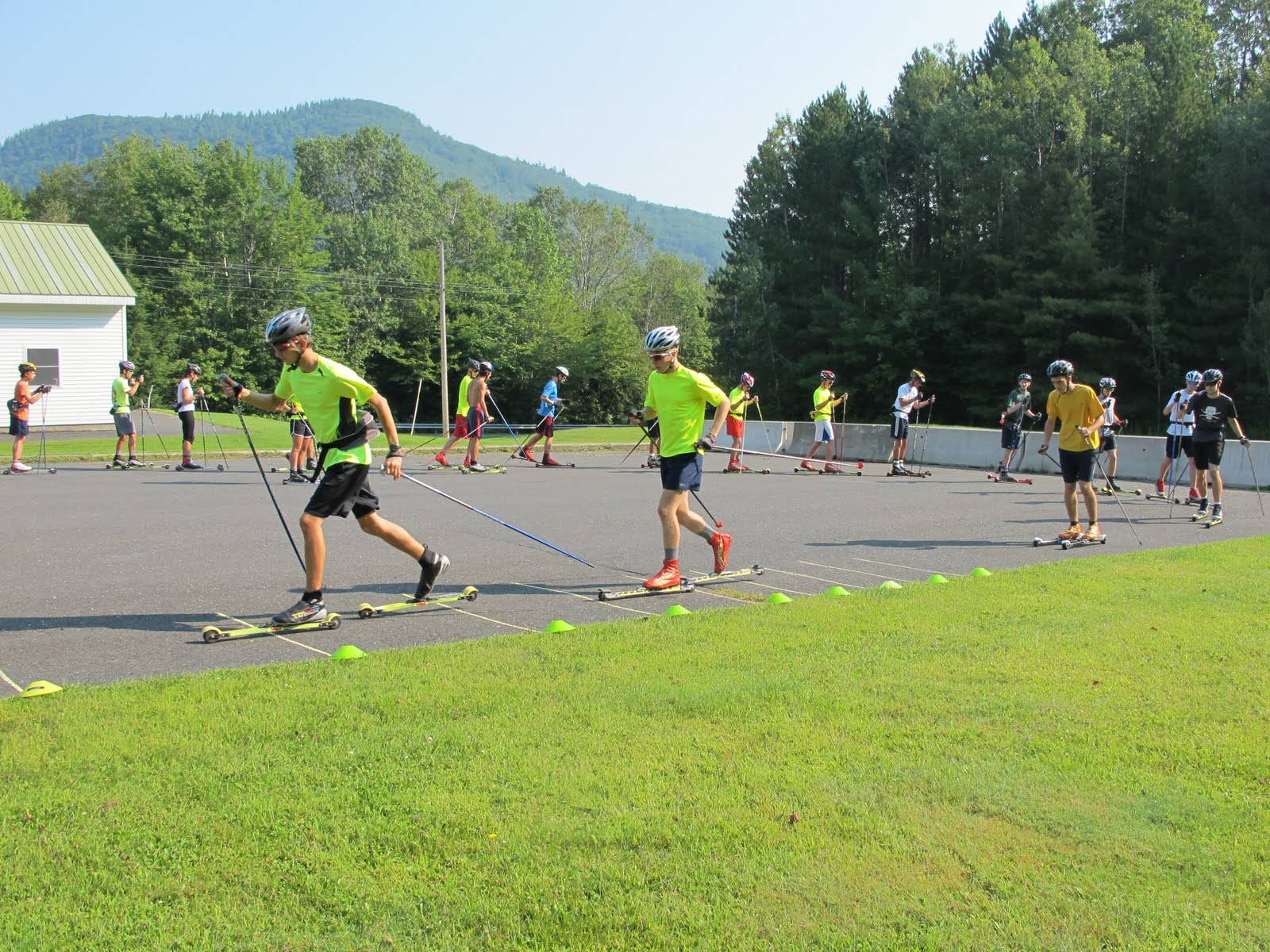
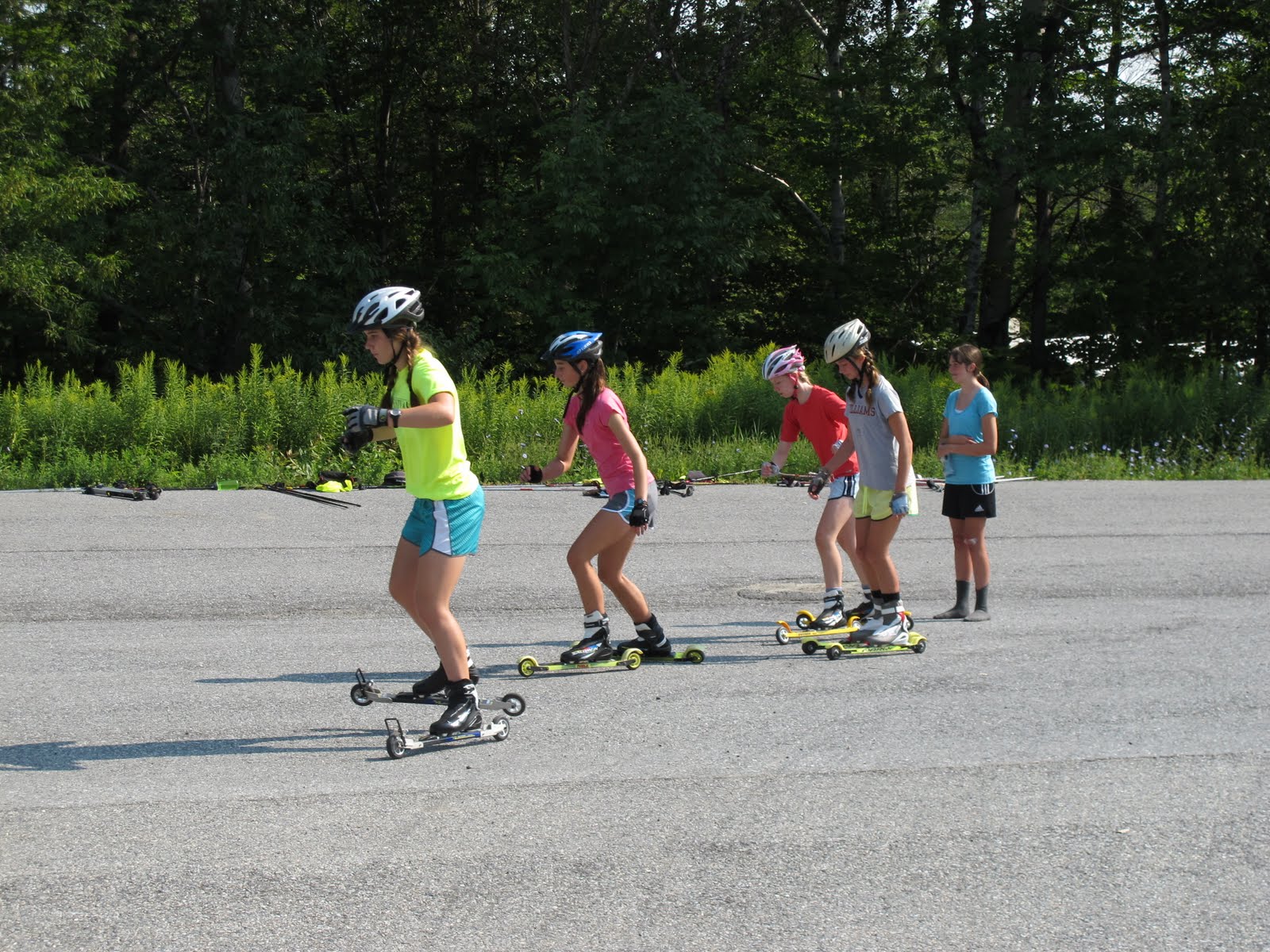
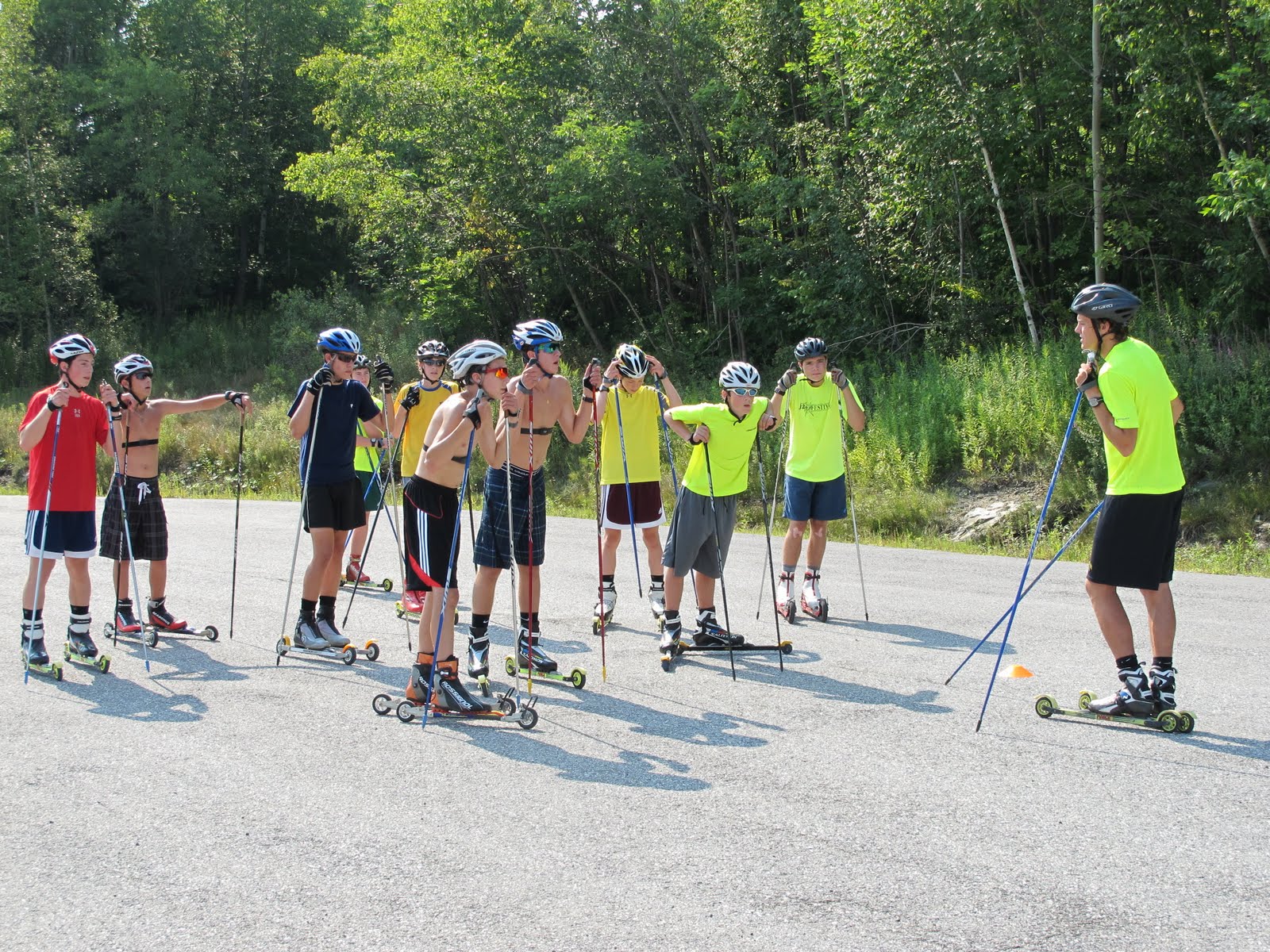
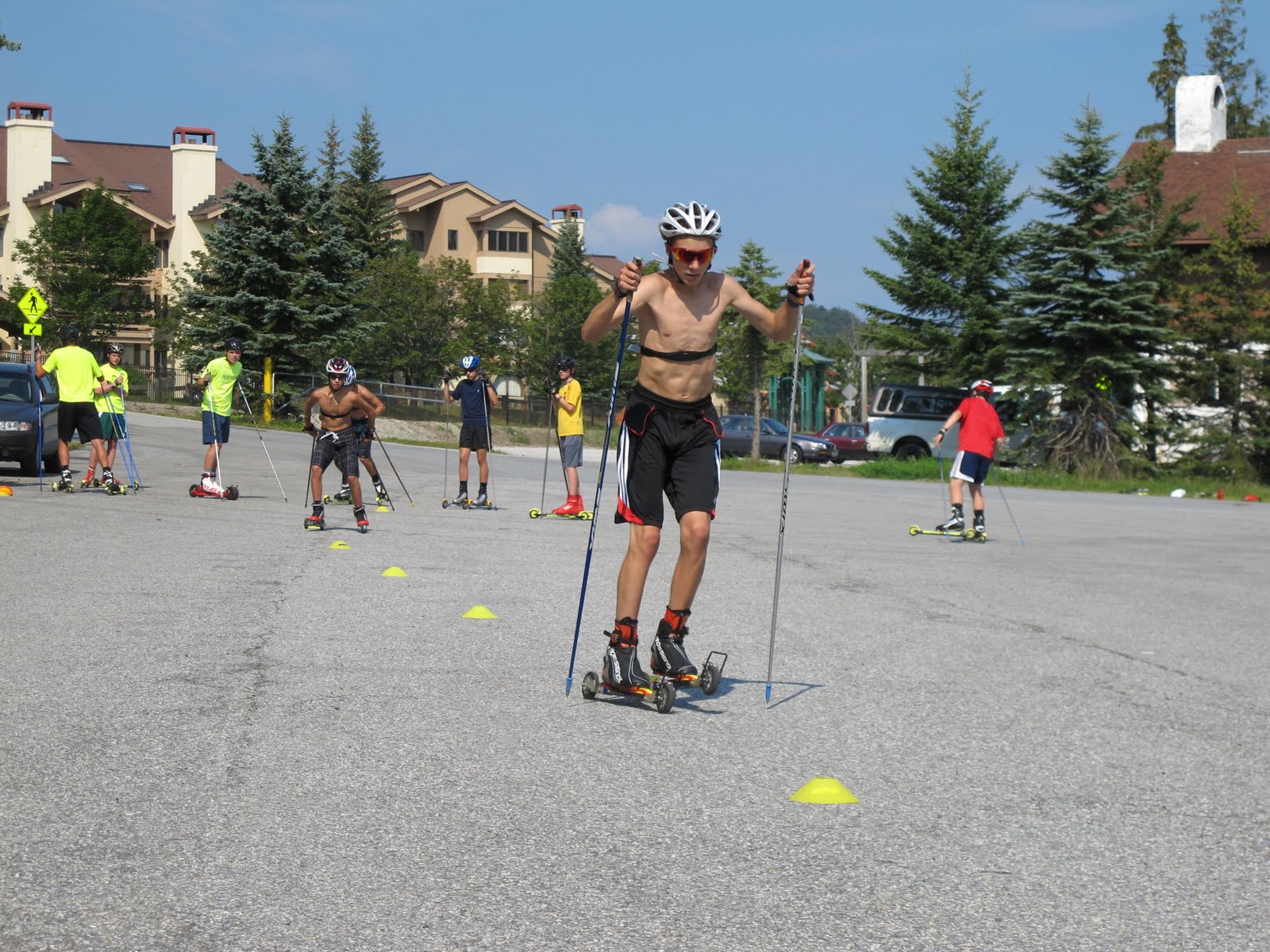
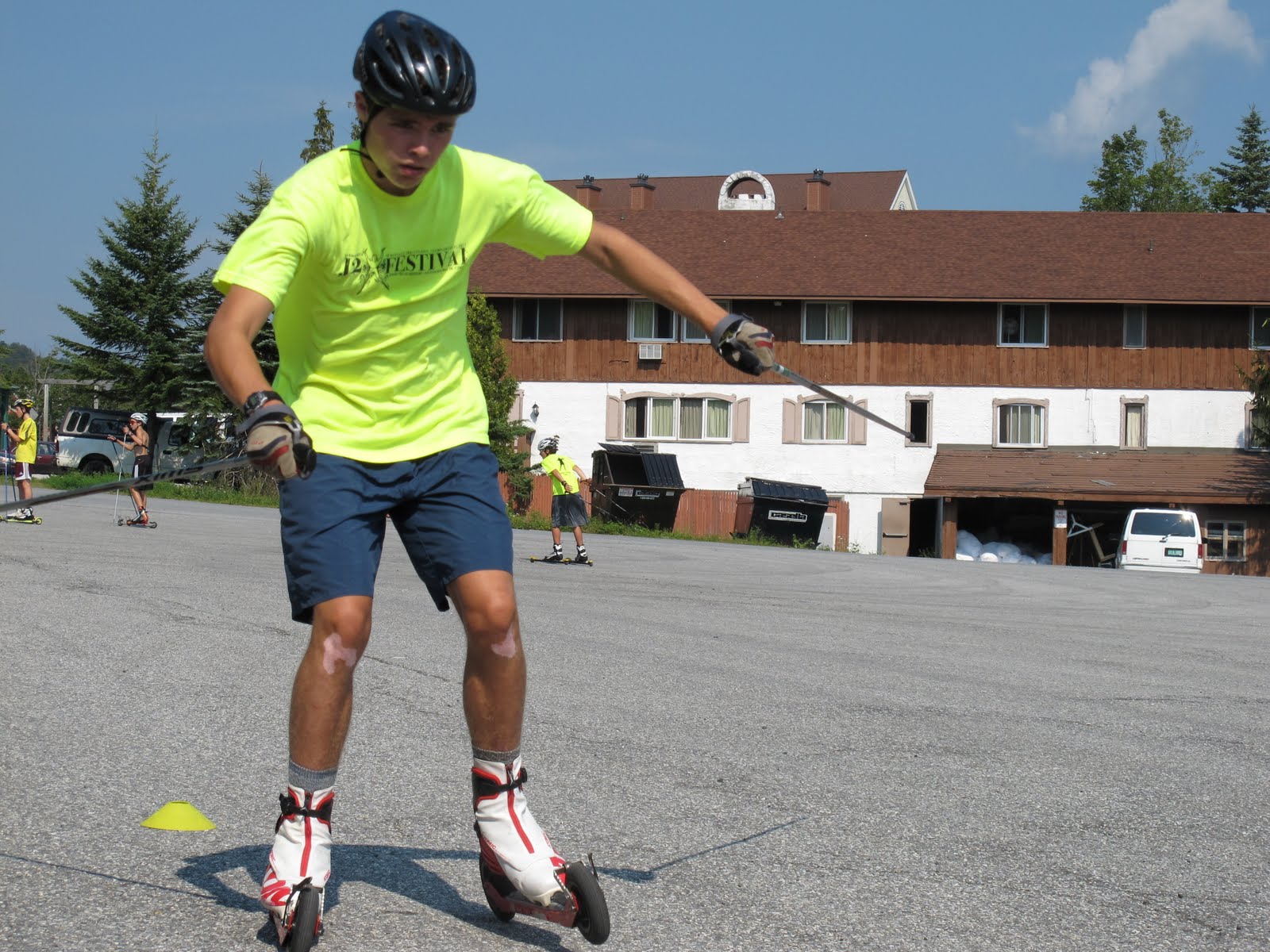
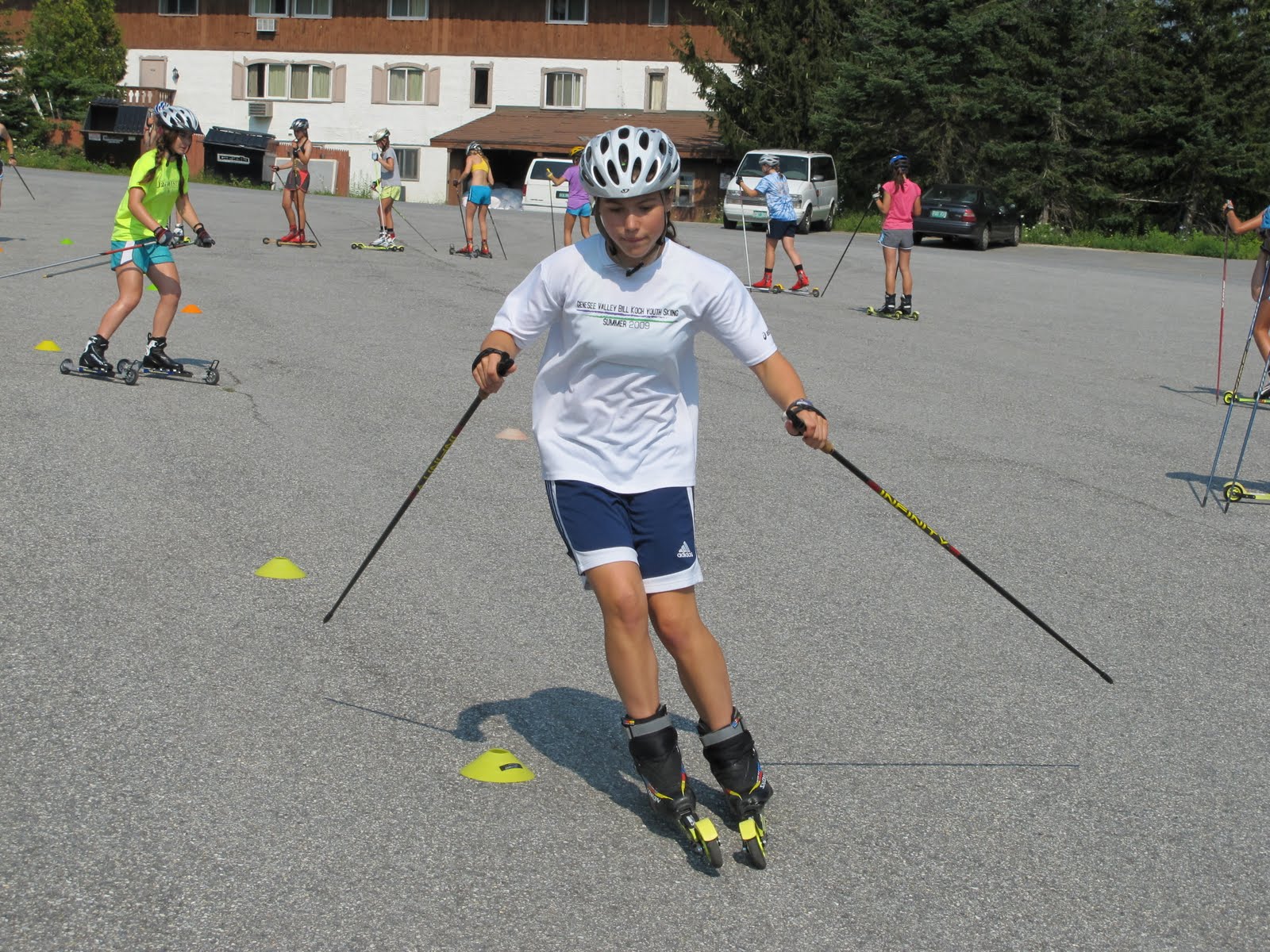
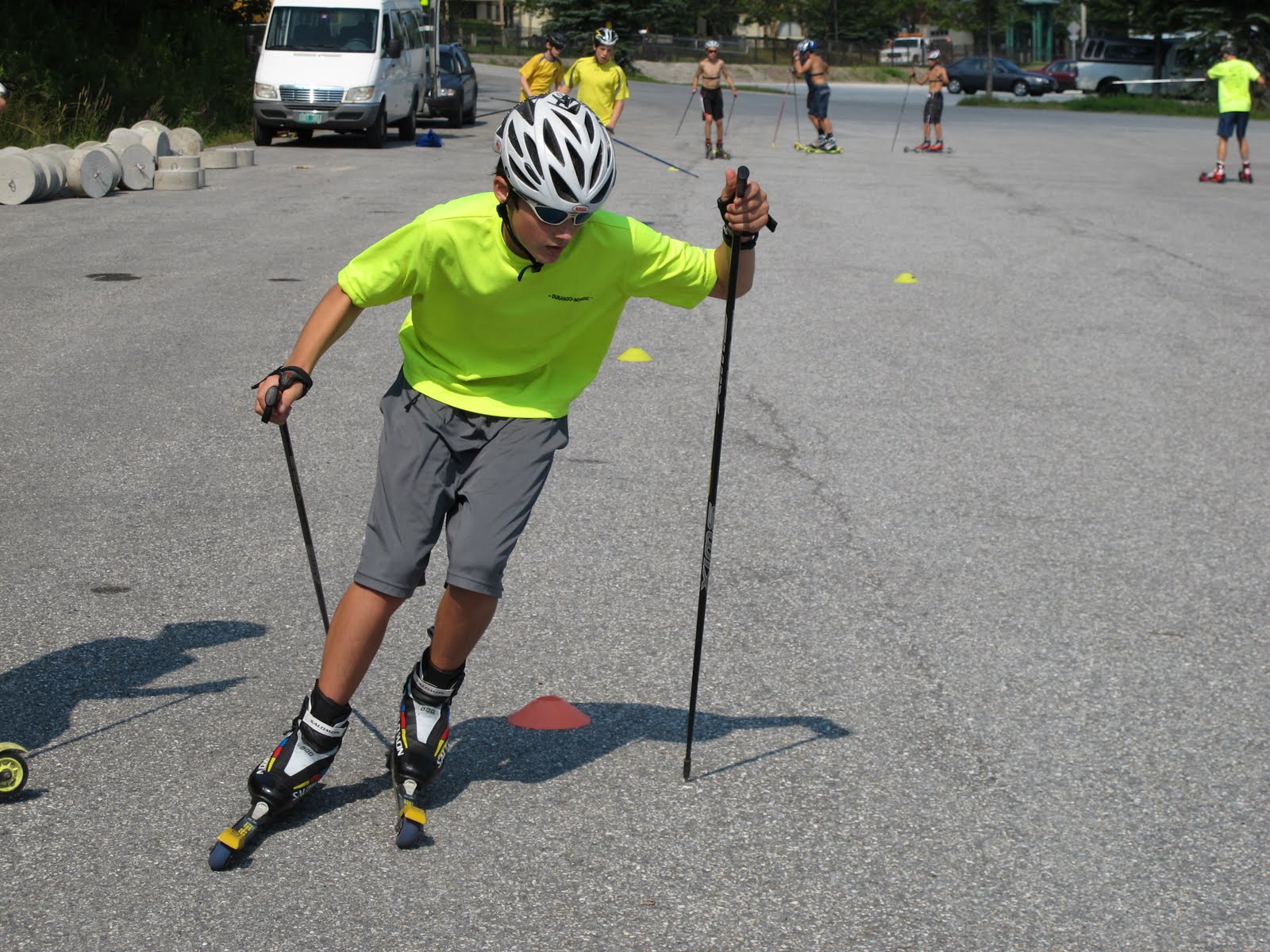
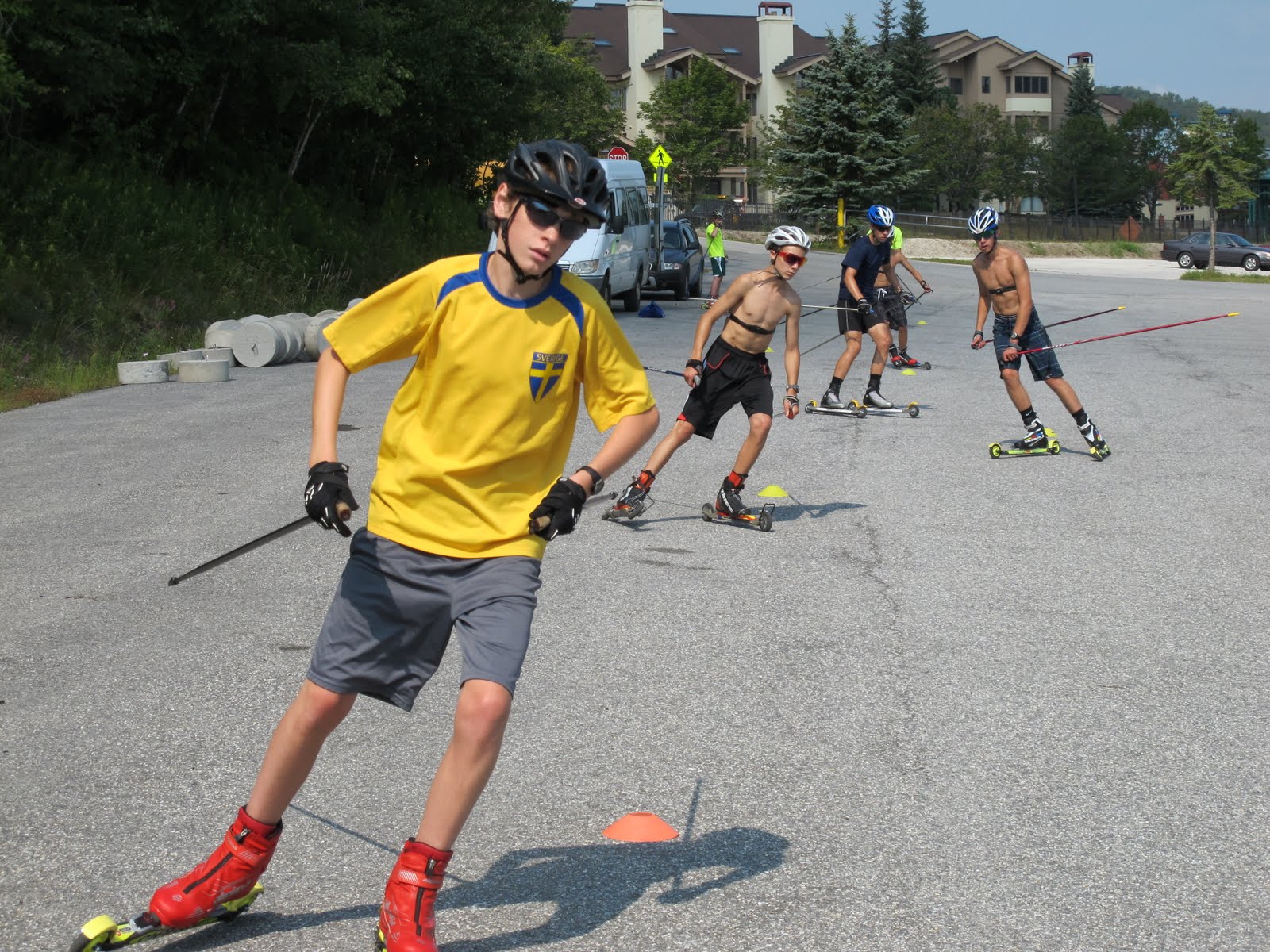
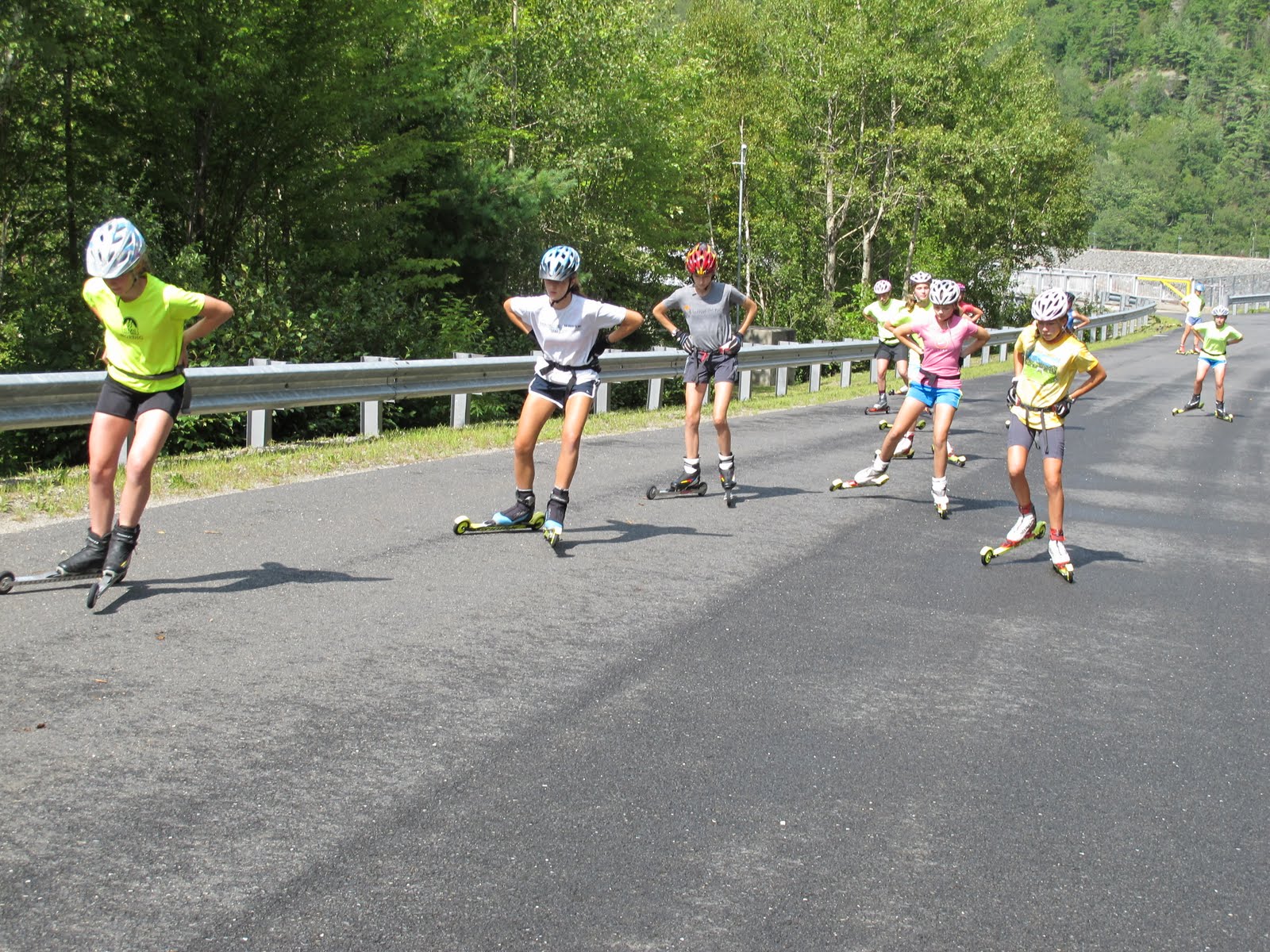
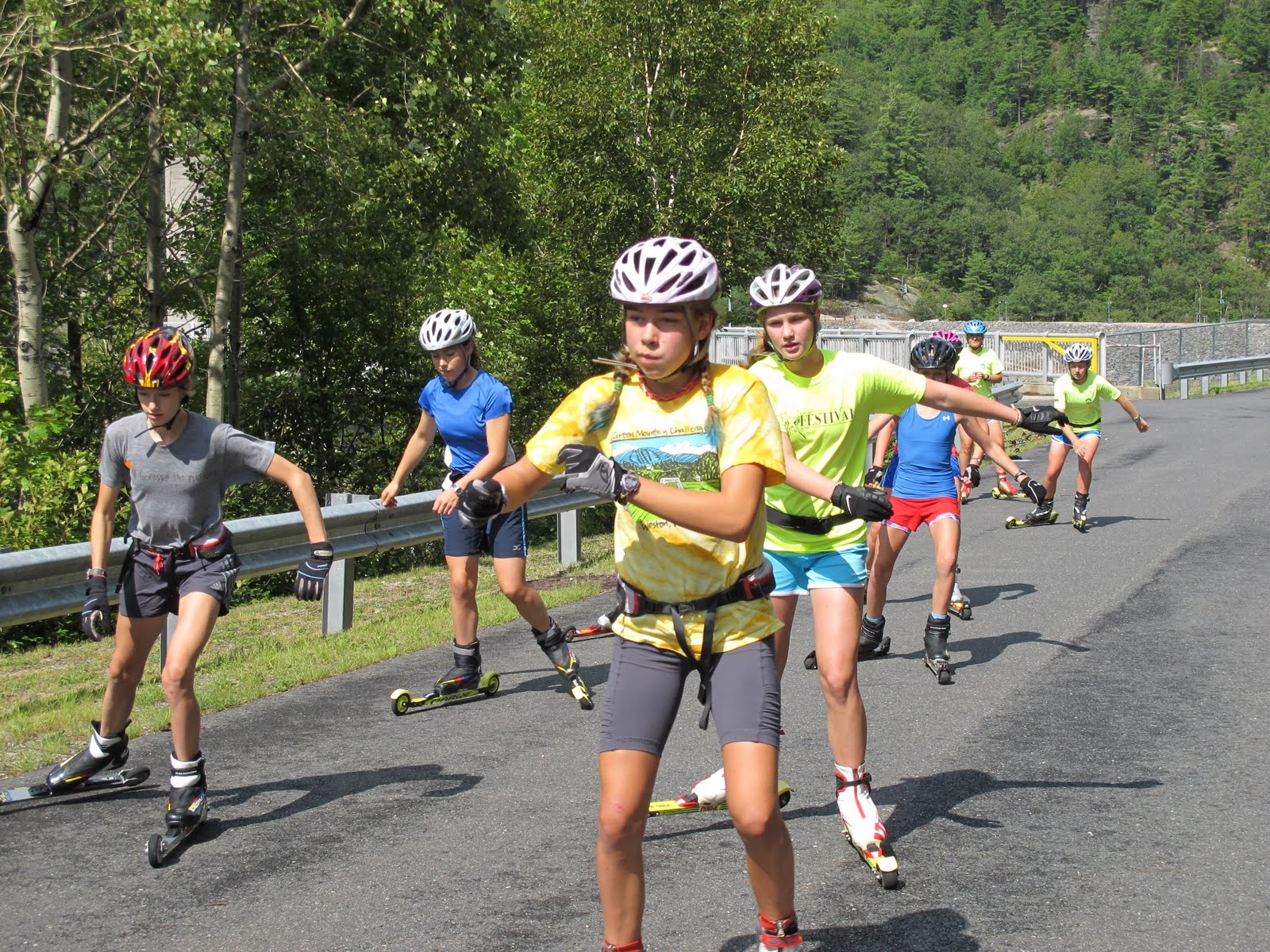
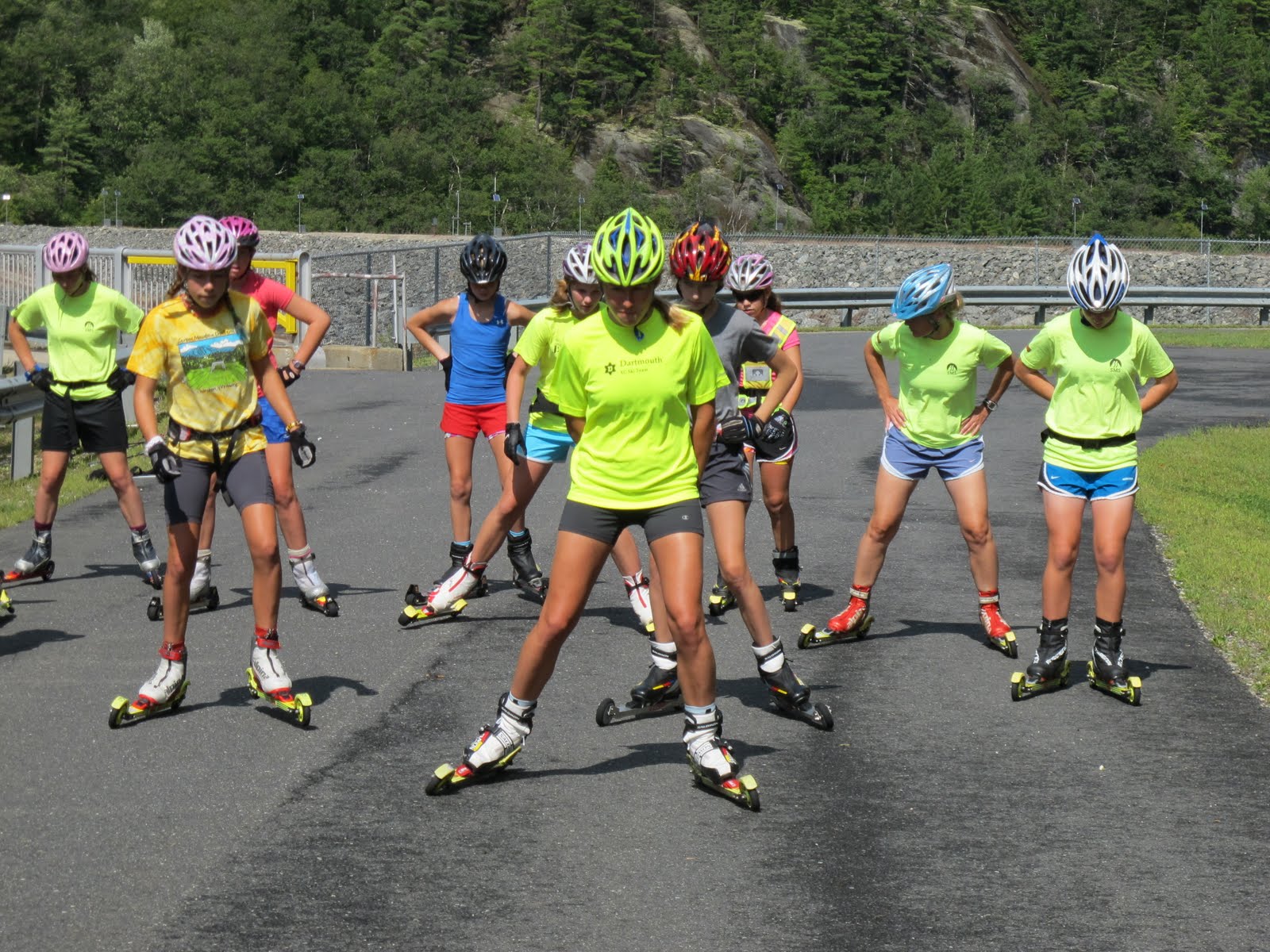
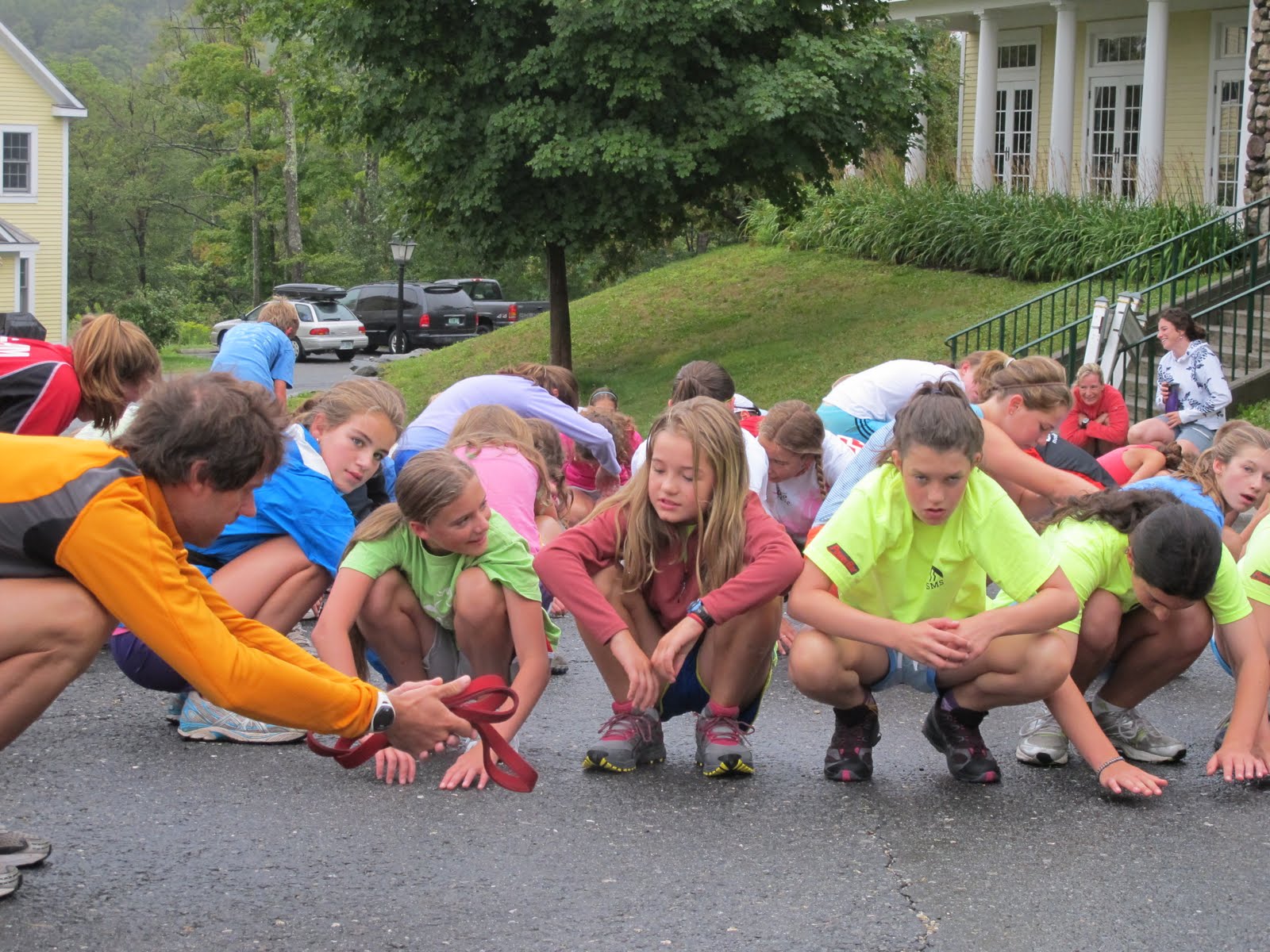
    Today was roller ski day. 1/2 of the group did a classic distance workout with technique and our Ball Mtn Dam d-pole test, while the other half worked on skate technique, agility and speed. We then met up for lunch and had talks on Goal Setting (from Poppet) and The Competition Pipeline (from Janice).

    After the talks, the groups switched roller ski workouts and we finished around 5 pm…just before the big thunder storms with hail.
    This evening Fritz (UVM captain) and Sophie (Dartmouth co-captain) will talk about skiing in college.

    Classic drills.

    Click on any picture to enlarge it.


    Justin Freeman is working with the older boys.

    Sophie is working with the older girls.


    oops..doubled those pics!


    Fritz has the younger boys.

    Bungy cords help get the weight forward.

    Slalom courses.


    Sprint starts.


  • SMS Jr Camp Day 2

    Today was roller ski day. 1/2 of the group did a classic distance workout with technique and our Ball Mtn Dam d-pole test, while the other half worked on skate technique, agility and speed. We then met up for lunch and had talks on Goal Setting (from Poppet) and The Competition Pipeline (from Janice).

    After the talks, the groups switched roller ski workouts and we finished around 5 pm…just before the big thunder storms with hail.
    This evening Fritz (UVM captain) and Sophie (Dartmouth co-captain) will talk about skiing in college.

    Classic drills.

    Click on any picture to enlarge it.


    Justin Freeman is working with the older boys.

    Sophie is working with the older girls.


    oops..doubled those pics!


    Fritz has the younger boys.

    Bungy cords help get the weight forward.

    Slalom courses.


    Sprint starts.


  • New Zealand Continental Cups

    Hey, the first international ski races of the 2011-2012 season took place recently in New Zealand! They are officially FIS sanctioned races, but my impression is that they have a bit more of a training camp time trial feel to them. The Americans, Canadians, some Russians, and then an assortment of Japanese, Korean, and locals (Australia + New Zealand) are spending time down at the Snow Farm. The fields are small, no one is in top form and probably everyone is treating them as training rather than a ‘serious’ competition.

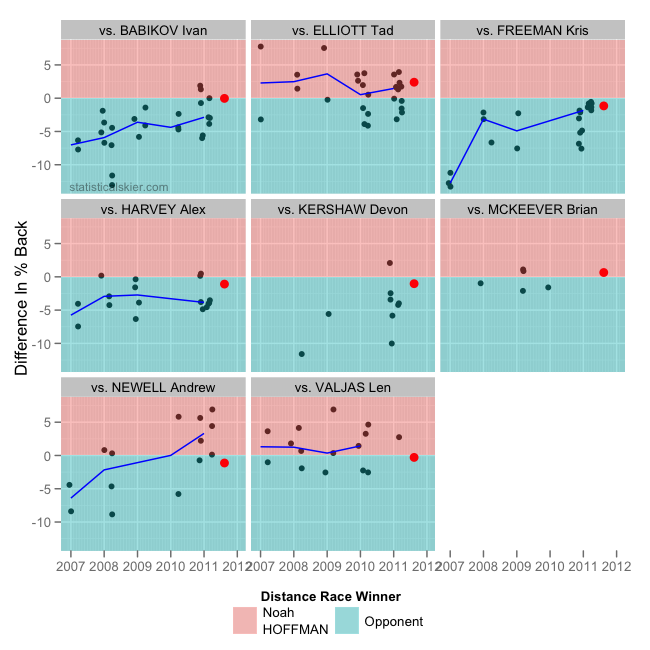
    But heck, let’s (over) analyze them anyway, just for fun. These will be very short, narrowly focused posts on these races. The men did a mass start 15k classic race (no Russians). I suppose it’s interesting that Newell finished second, which is nominally pretty good for him in a distance race, but of course it’s hard to read much of anything into that. I’m generally more interested in the younger skiers. Take Noah Hoffman, for instance:

    This graph shows how Hoffman has fared against these specific skiers (a subset of the folks in the New Zealand race) over time. The New Zealand race is in red. That appears right in line with how he fared against Freeman last season, so that’s a good sign. In general, he’s been faring better against Newell over time, but this particular race was a bit against that trend. Given that Hoffman was about as far behind Freeman as he normally is, I’d guess that’s evidence for this being a strong race for Newell rather than a weak one for Hoffman.

    The corresponding women’s 10k classic mass start was interesting for data nerds like myself. It consisted of Justyna Kowalczyk and only 5 others (it’s possible other folks raced who don’t have valid FIS licenses, so they won’t show up on the official results) from Japan, Korea and New Zealand. Obviously, this made for a somewhat uneven field. Kowalczyk won by around 4 minutes.

    This immediately gets someone like me wondering how that margin of victory stacks up historically. In this case, second place finisher Sumiko Ishigaki was ~13% back. That’s the third largest percent back by a second place finisher that I could find in a FIS sanctioned women’s race (out of 2691 total). That means that I found two races with larger margins between first and second place!

    One of them is impressive, but plausible, being another instance of a tiny field. The other, the largest, is so outlandish that I spent a while trying to decide if it wasn’t in fact an error of some sort. I’ve mostly decided that it must be a mistake and the winning time was really 34:32 not 24:32. Perhaps a reader will fill me in on the details…

    Related posts:

    1. <Head-to-Head: Marit vs Justyna
    2. <Gällivare Recap: North Americans
    3. <Weekend FIS Races: Andrew Musgrave


  • SMS Jr Camp Day 1

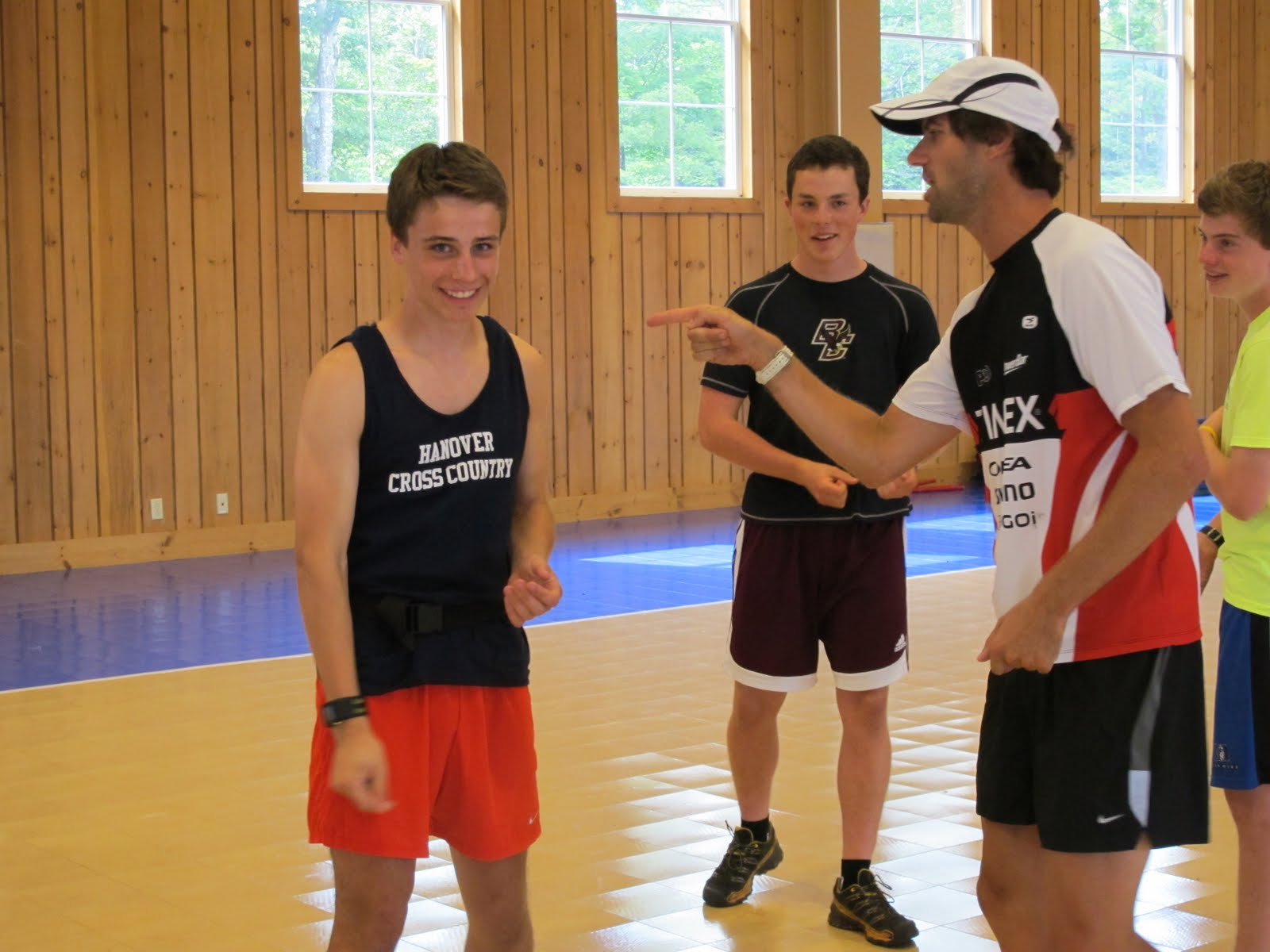
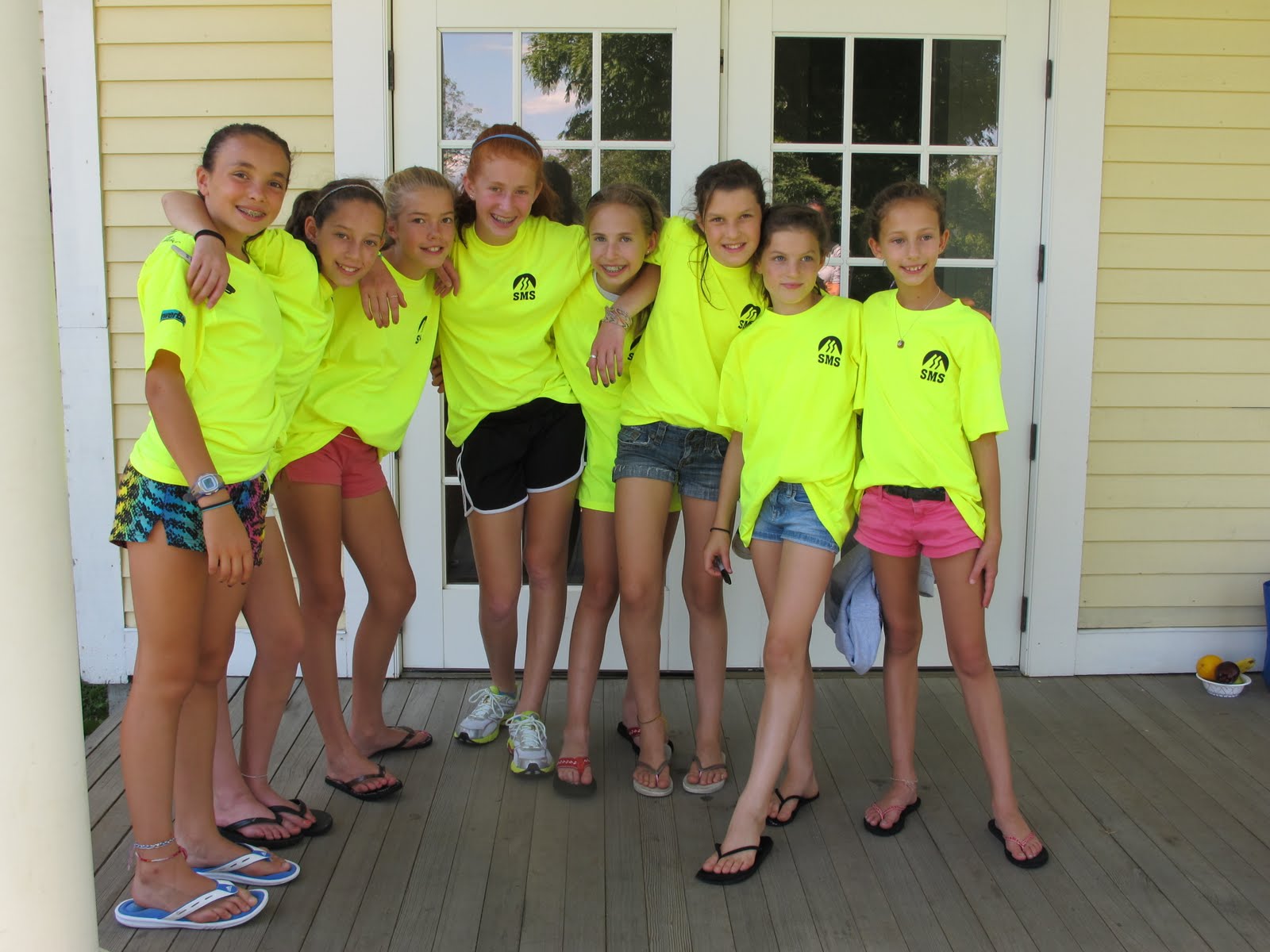
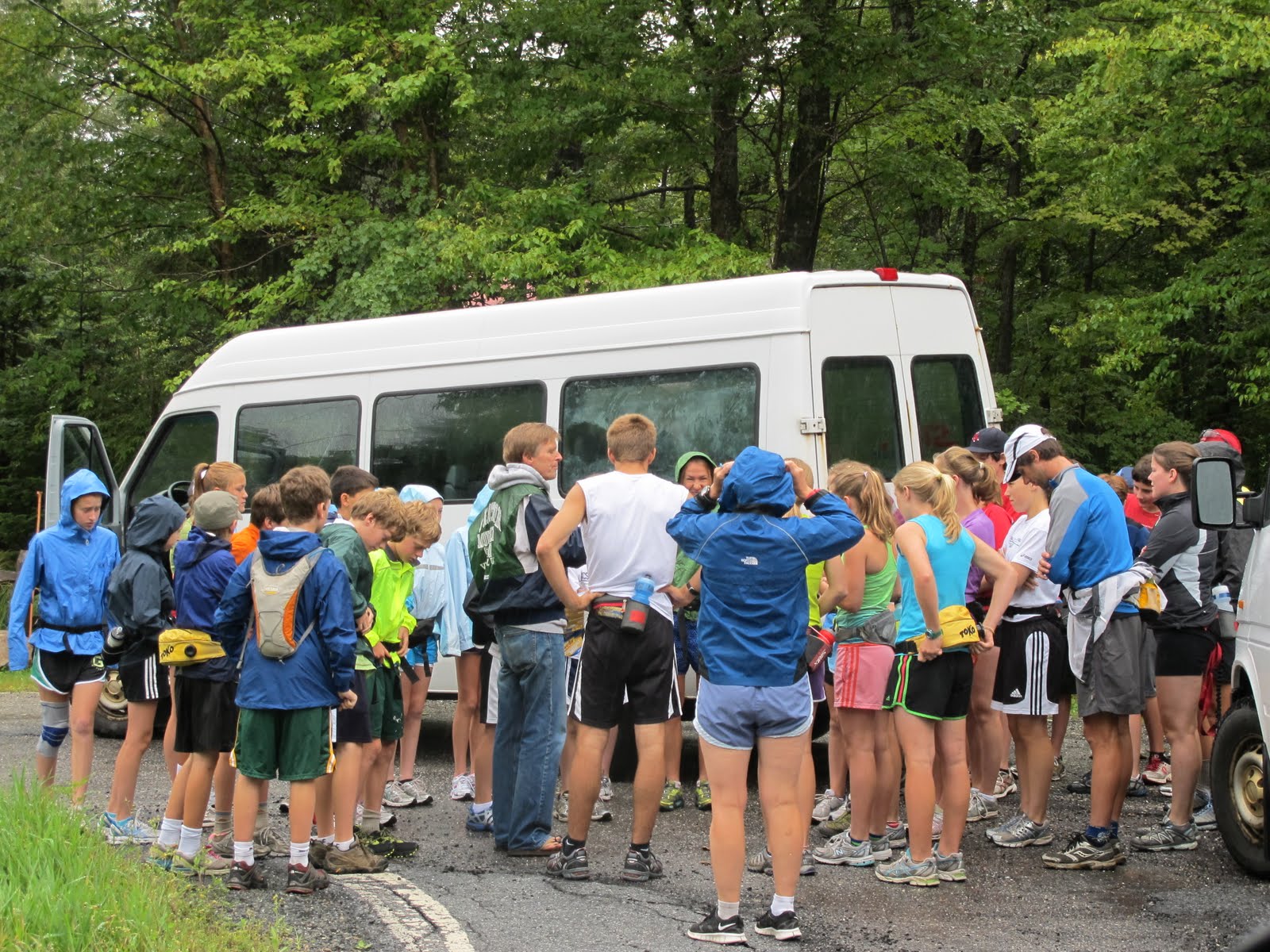
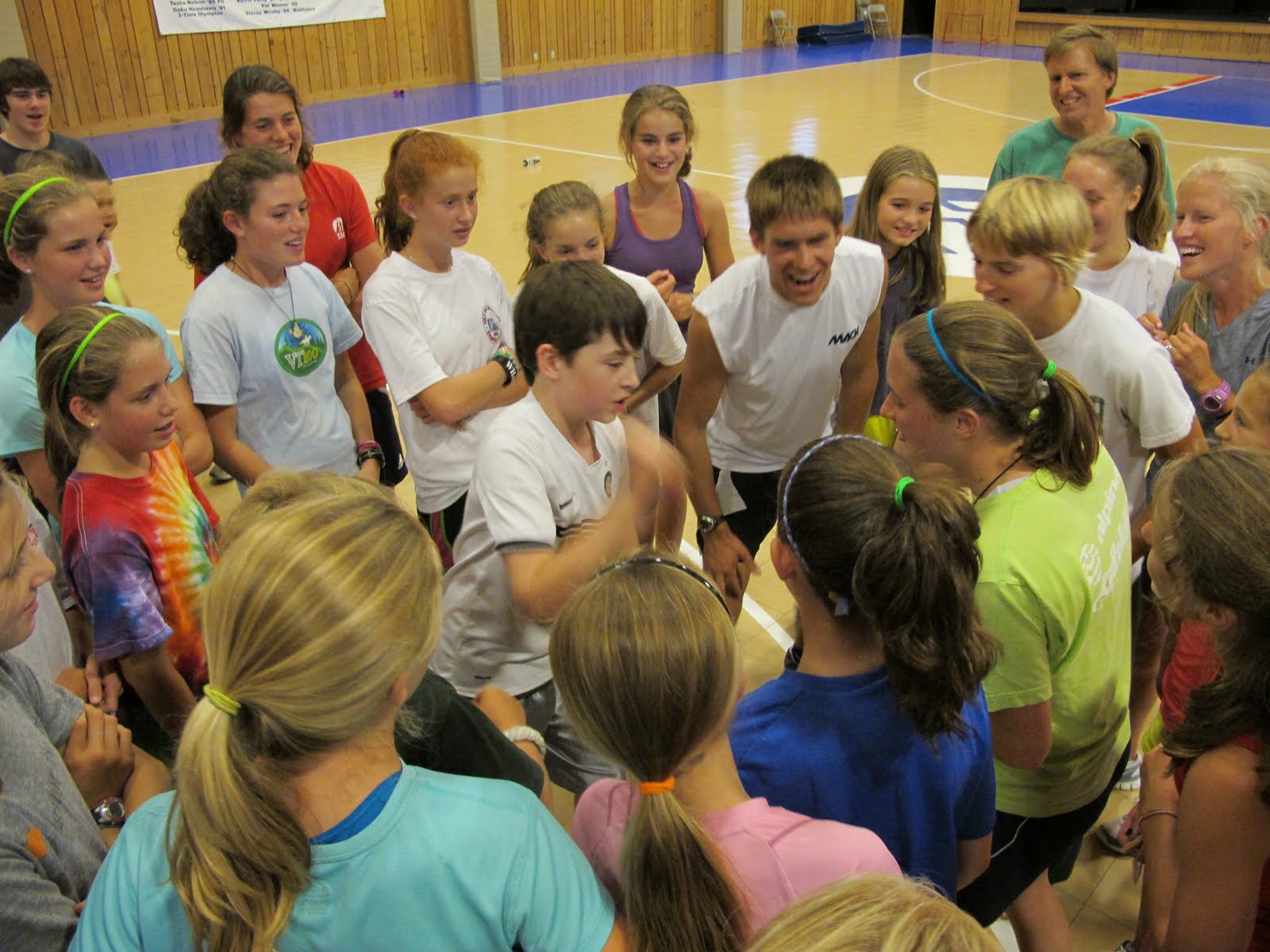
    Our Junior camp started this afternoon with 60 skiers coming in shortly after lunch. Everyone arrived on time with their paper work so we were off to a good start.

    We have split into 7 groups for the first couple of days so that everyone will have some consistency with coaching and training partners.


    After getting to know each other, we introduced Leah (who turns 17 today).

    And smiling Sam (who turns 16)


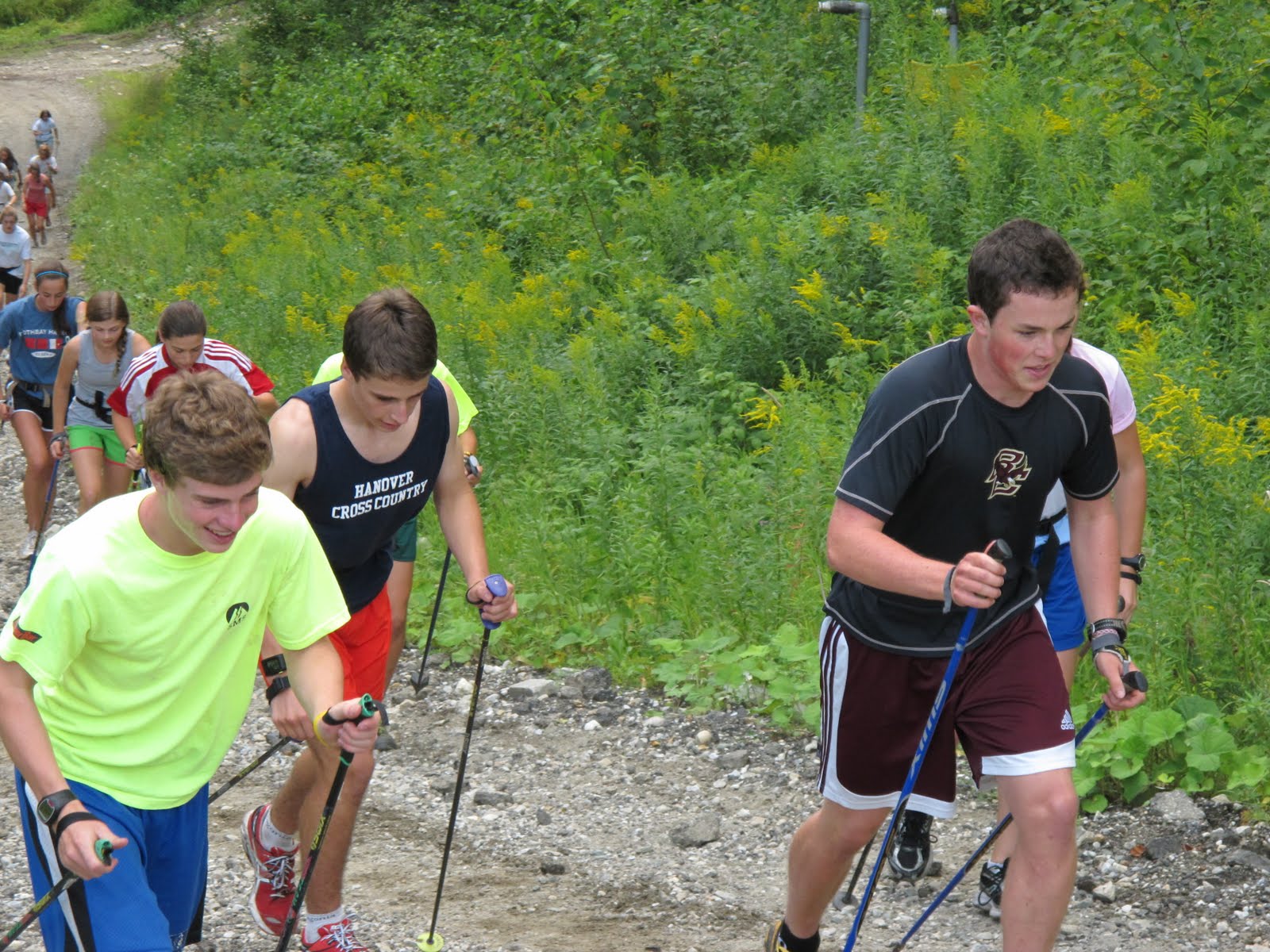
    We played an ice breaker game and then got down to the fundamentals of technique and a ski walk/bound workout with 30 minutes of threshold work.


    For the workout, we warmed up with technique work, then did 3×10 minutes with 4 minutes of recovery (walking downhill) between each interval. We used the recovery time to regroup so everyone would stay pretty close together.


    Everyone made it almost all the way up the mountain and then had a nice stroll back down. We returned in time for a stretch and dinner.

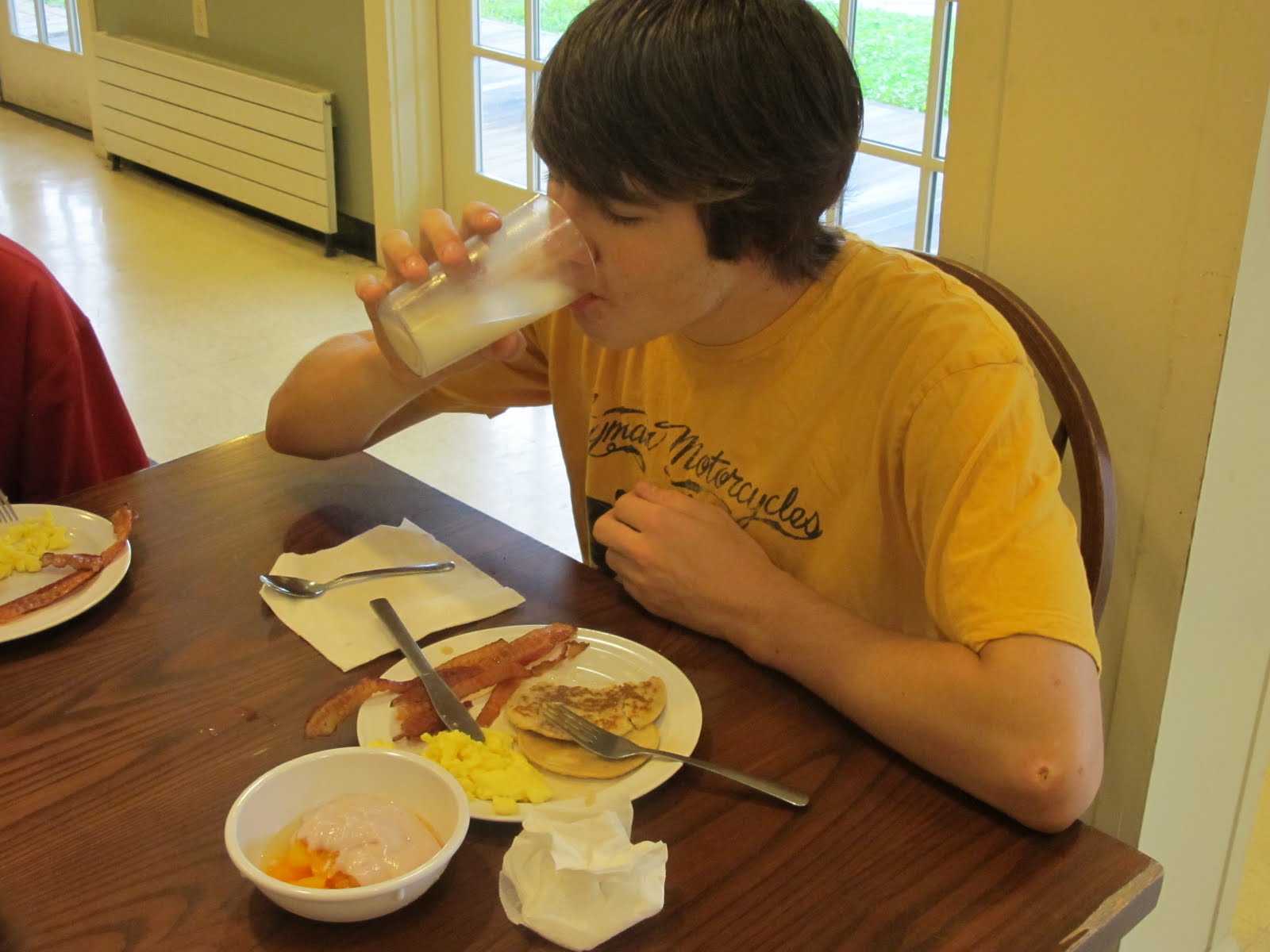
    After dinner we had talks on training and nutrition/recovery. Now everyone is settling into bed.


  • Update Challenge

    I hereby challenge myself to start updating again. I seem to have gotten caught up in a spring and summer’s comings and goings without finding the desire to update about them. Hopefully that is about to change.

    Unfortunately, I forgot my camera and I am now in Germany for a three week training camp, full of unbelievably photographic moments and scenes. For instance, today we took a bike trek through the mountains of Bavaria, funneling out onto the lowlands next to the Cheimsee. The Cheimsee is one of Germany’s biggest lakes and a big destination for boaters throughout the region. After a few hours in the saddle, we traded our cycling shoes for paddles and hopped in kayaks, heading for King Ludvig’s last castle. Apparently, Bavaria’s last king was quite the contractor and commissioned a bunch of sweet pads in which to store countless artifacts and priceless memorabilia relating to kinghood. One of these castles is smack dab in the middle of the Cheimsee, in the middle of the Herren Island (Man’s Island). There is a Damen Island (Women’s Island) too but I suppose ol’ Ludvig thought he’s be called a sissy if he built his big bad castle there. So, we paddled over to The Man’s Island, took a gander at all the majesty, and headed back to shore to bike back to Ruhpolding.

    So far the training camp has been mostly biathlon-specific training in the mornings at the Ruhpolding venue, but we’ve gotten out in the surrounding region for the afternoon workouts. I’ll try and steal a few pics from my teammates and get them up here soon.

    Later,
    LB

  • Update Challenge

    I hereby challenge myself to start updating again. I seem to have gotten caught up in a spring and summer’s comings and goings without finding the desire to update about them. Hopefully that is about to change.

    Unfortunately, I forgot my camera and I am now in Germany for a three week training camp, full of unbelievably photographic moments and scenes. For instance, today we took a bike trek through the mountains of Bavaria, funneling out onto the lowlands next to the Cheimsee. The Cheimsee is one of Germany’s biggest lakes and a big destination for boaters throughout the region. After a few hours in the saddle, we traded our cycling shoes for paddles and hopped in kayaks, heading for King Ludvig’s last castle. Apparently, Bavaria’s last king was quite the contractor and commissioned a bunch of sweet pads in which to store countless artifacts and priceless memorabilia relating to kinghood. One of these castles is smack dab in the middle of the Cheimsee, in the middle of the Herren Island (Man’s Island). There is a Damen Island (Women’s Island) too but I suppose ol’ Ludvig thought he’s be called a sissy if he built his big bad castle there. So, we paddled over to The Man’s Island, took a gander at all the majesty, and headed back to shore to bike back to Ruhpolding.

    So far the training camp has been mostly biathlon-specific training in the mornings at the Ruhpolding venue, but we’ve gotten out in the surrounding region for the afternoon workouts. I’ll try and steal a few pics from my teammates and get them up here soon.

    Later,
    LB

  • Update Challenge

    I hereby challenge myself to start updating again. I seem to have gotten caught up in a spring and summer’s comings and goings without finding the desire to update about them. Hopefully that is about to change.

    Unfortunately, I forgot my camera and I am now in Germany for a three week training camp, full of unbelievably photographic moments and scenes. For instance, today we took a bike trek through the mountains of Bavaria, funneling out onto the lowlands next to the Cheimsee. The Cheimsee is one of Germany’s biggest lakes and a big destination for boaters throughout the region. After a few hours in the saddle, we traded our cycling shoes for paddles and hopped in kayaks, heading for King Ludvig’s last castle. Apparently, Bavaria’s last king was quite the contractor and commissioned a bunch of sweet pads in which to store countless artifacts and priceless memorabilia relating to kinghood. One of these castles is smack dab in the middle of the Cheimsee, in the middle of the Herren Island (Man’s Island). There is a Damen Island (Women’s Island) too but I suppose ol’ Ludvig thought he’s be called a sissy if he built his big bad castle there. So, we paddled over to The Man’s Island, took a gander at all the majesty, and headed back to shore to bike back to Ruhpolding.

    So far the training camp has been mostly biathlon-specific training in the mornings at the Ruhpolding venue, but we’ve gotten out in the surrounding region for the afternoon workouts. I’ll try and steal a few pics from my teammates and get them up here soon.

    Later,
    LB

  • Update Challenge

    I hereby challenge myself to start updating again. I seem to have gotten caught up in a spring and summer’s comings and goings without finding the desire to update about them. Hopefully that is about to change.

    Unfortunately, I forgot my camera and I am now in Germany for a three week training camp, full of unbelievably photographic moments and scenes. For instance, today we took a bike trek through the mountains of Bavaria, funneling out onto the lowlands next to the Cheimsee. The Cheimsee is one of Germany’s biggest lakes and a big destination for boaters throughout the region. After a few hours in the saddle, we traded our cycling shoes for paddles and hopped in kayaks, heading for King Ludvig’s last castle. Apparently, Bavaria’s last king was quite the contractor and commissioned a bunch of sweet pads in which to store countless artifacts and priceless memorabilia relating to kinghood. One of these castles is smack dab in the middle of the Cheimsee, in the middle of the Herren Island (Man’s Island). There is a Damen Island (Women’s Island) too but I suppose ol’ Ludvig thought he’s be called a sissy if he built his big bad castle there. So, we paddled over to The Man’s Island, took a gander at all the majesty, and headed back to shore to bike back to Ruhpolding.

    So far the training camp has been mostly biathlon-specific training in the mornings at the Ruhpolding venue, but we’ve gotten out in the surrounding region for the afternoon workouts. I’ll try and steal a few pics from my teammates and get them up here soon.

    Later,
    LB

  • The Jericho Experience

    Snowflake Photographs by Snowflake Bentley

    Jericho: a small Vermont town made famous by “Snowflake” Bentley, the first man to photograph snowflakes back in 1885 and discover that no two are ever alike.   Over 125 years later, Jericho’s winter heritage is still going strong, even in the summer.  Every August, I travel to Jericho to join a crowd of snow-loving biathletes.  We train at the biathlon facilities of the Ethan Allen Firing Range (a military base) and we stay in the barracks.  When are not busy training, we explore the surrounding community, from the ridges of Mt. Mansfield to the shops and restaurants of nearby Burlington.  Over the course of a week or so, we catch up with friends that we haven’t seen since last season’s snowflakes melted.

    The Ethan Allen Firing Range is named after Vermont’s well-loved hero and independent-minded leader of the Green Mountain Boys during the Revolutionary era.  It houses the Vermont National Guard and is famous throughout the US for its Mountain Warfare School.  The base encompasses 11,000 acres along the western slopes of Mt. Mansfield and Bolton, and the frequent percussion of artillery training can be heard echoing off ridgelines for miles.

    One of the most memorable parts of Jericho training camps is barracks life.  During the recent camp, I was lucky enough to be assigned to the spacious officer’s quarters with the rest of the National Team, but most of the younger athletes were housed in the more traditional barracks.  Over the years, we have all put in our time there.   The experience gives us a glimpse of what army life must be like.

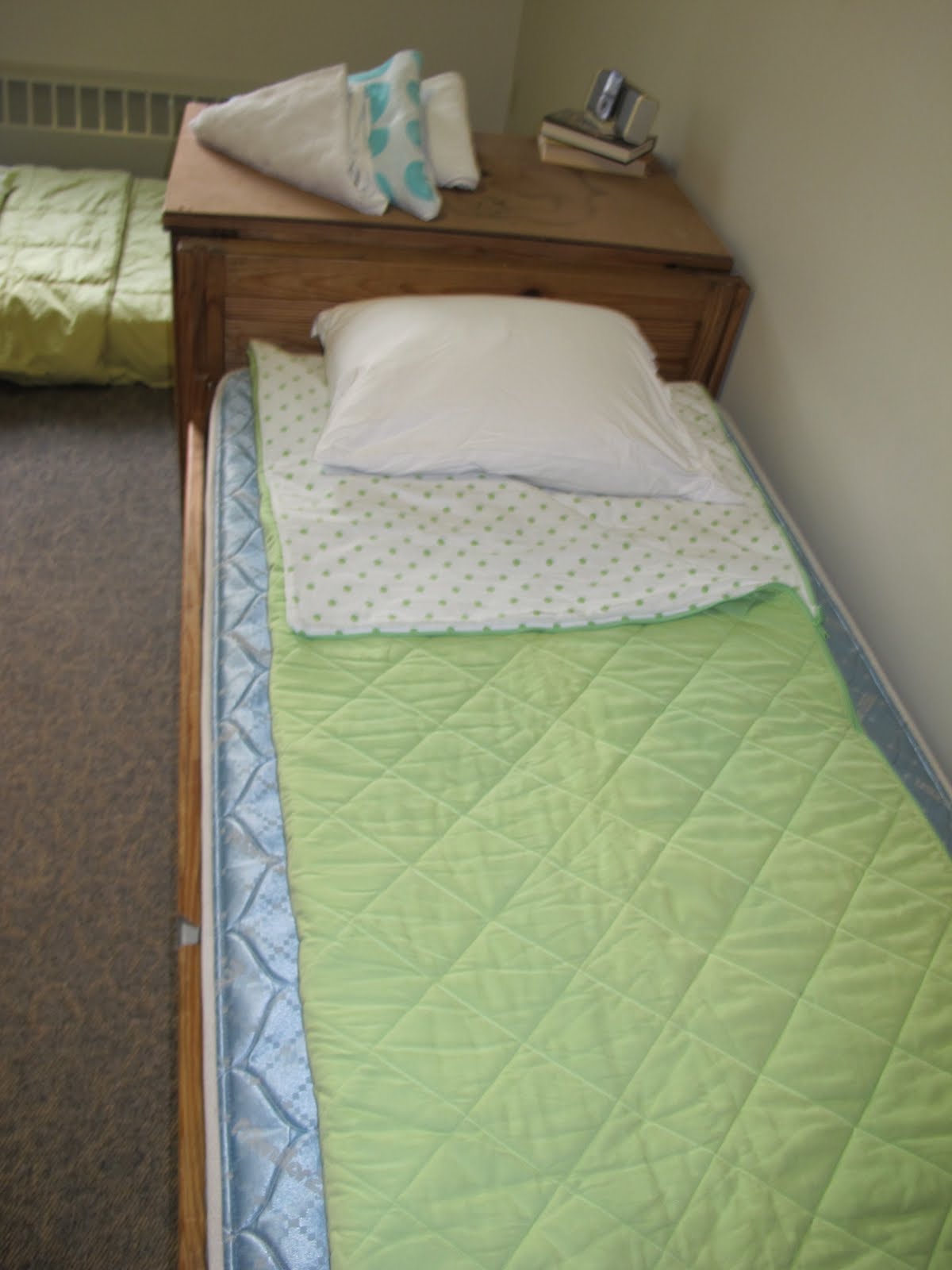
    Imagine a big open bay with two long rows of bunk beds.  There is no privacy and space to store the contents of your duffel bag and all your training gear.  At night, the bathroom lights and exit signs spill light into the sleeping bays.  Athletes in the bottom bunks sometimes experiment with draping extra blankets around their sleeping space to form a dark cave.  Every time someone crawls out of bed to go pee or talks in their sleep, the entire room can hear.  Industrial-sized fans buzz all night long, circulating hot, humid, stifling air from the open window, which is barely better than having no fans.  For those of us unadapted to such conditions, it is very difficult to sleep well and recover from hard training.

    During my handful of visits to Jericho, I’ve learned to fall back asleep after I hear drill sergeants bellowing outside my window at 5:00 A.M.  I prefer to wake up a little closer to 7 and head to the dining hall (wearing closed-toed shoes of course, it’s a military rule).  After breakfast, I join my teammates in our van and we drive a ½ mile straight uphill from the barracks to the biathlon range.  The van chatters over washboards, struggling to maintain enough momentum to make it to the top of the hill going the speed limit (20 mph).  Our van’s dust cloud settles over clusters of junior athletes whose coaches make them run up the steep hill for a warm-up before practice.  I’m glad my coaches don’t make me do that routinely.

    The Jericho biathlon range and ski trails rank among the finest facilities in the country. In the past, Jericho has hosted large international competitions and the club still frequently hosts important events such as junior world team trials.  Jericho’s range is one of a handful in the country with paved trails for summer rollerski training.

    A stadium scene during race day.  (Photo: Judy Geer)

    A stadium scene during race day. (Photo: Judy Geer)

    Training at Jericho provides a great opportunity to practice the transition from skiing to shooting and vice versa.  Transitions are a complicated process requiring lots of practice to perfect.  For example, while approaching the range you need to slow down, glance at the wind flags, take some deep breathes, remove poles, look for an open point and check its corresponding target downrange, and open the sight covers and bolt, and then set-up on the shooting mat.

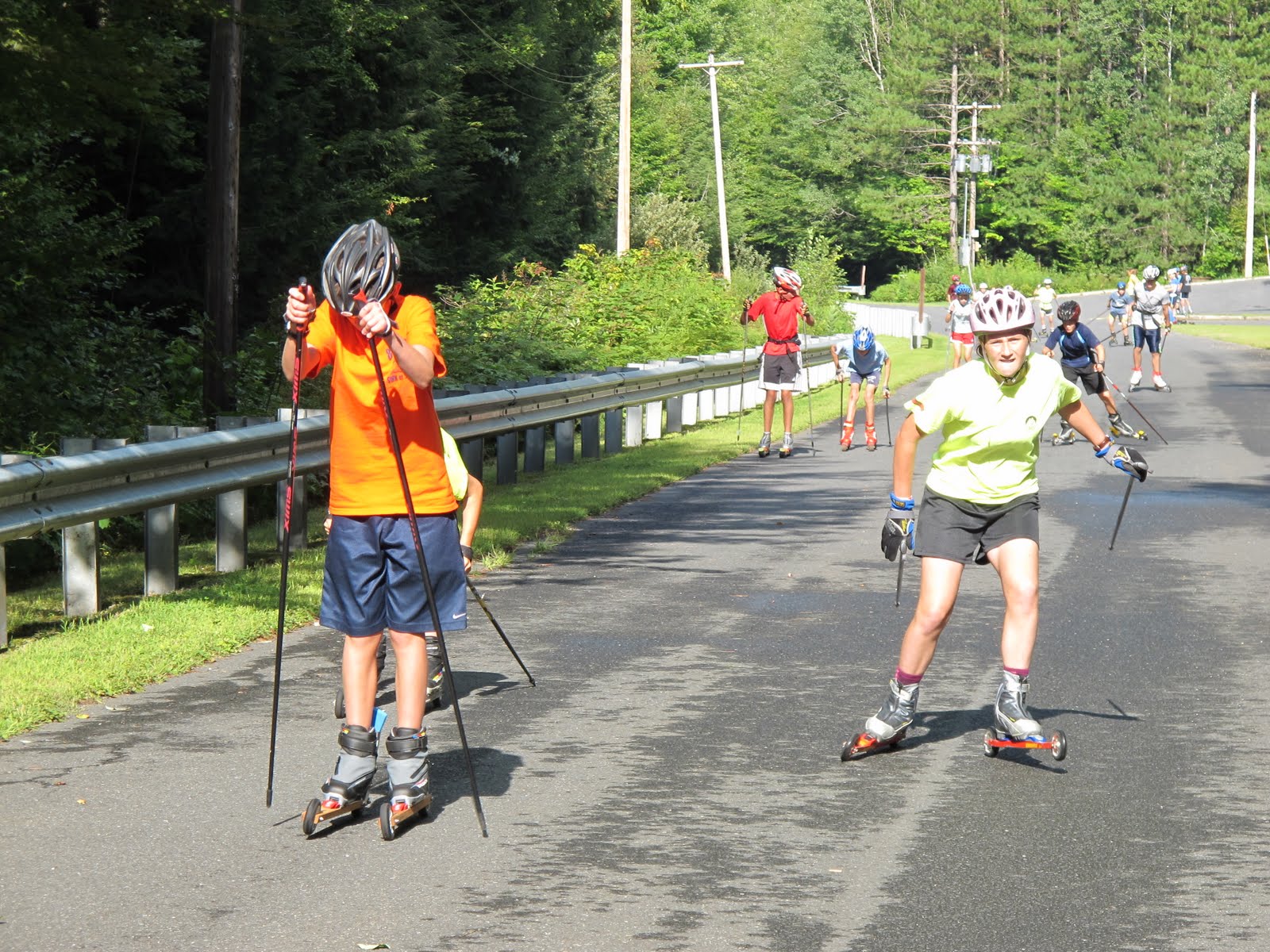
    The venue also features superb rollerskiing.  Its trails that flow naturally over challenging terrain.  They snake through the woods dipping, climbing, and twisting around corners.  I feel much safer rollerskiing on isolated trails like these than trying to avoid traffic out on the roads.  The only obstacles we run into are camouflaged soldiers who randomly pop out of the woods during their land navigation training and woodland critters.  Recently wildlife highlights: a mother doe and two spotted fawns frozen in the middle of the trail and a daring turkey that strutted under the targets during a shooting clinic for beginner biathletes.

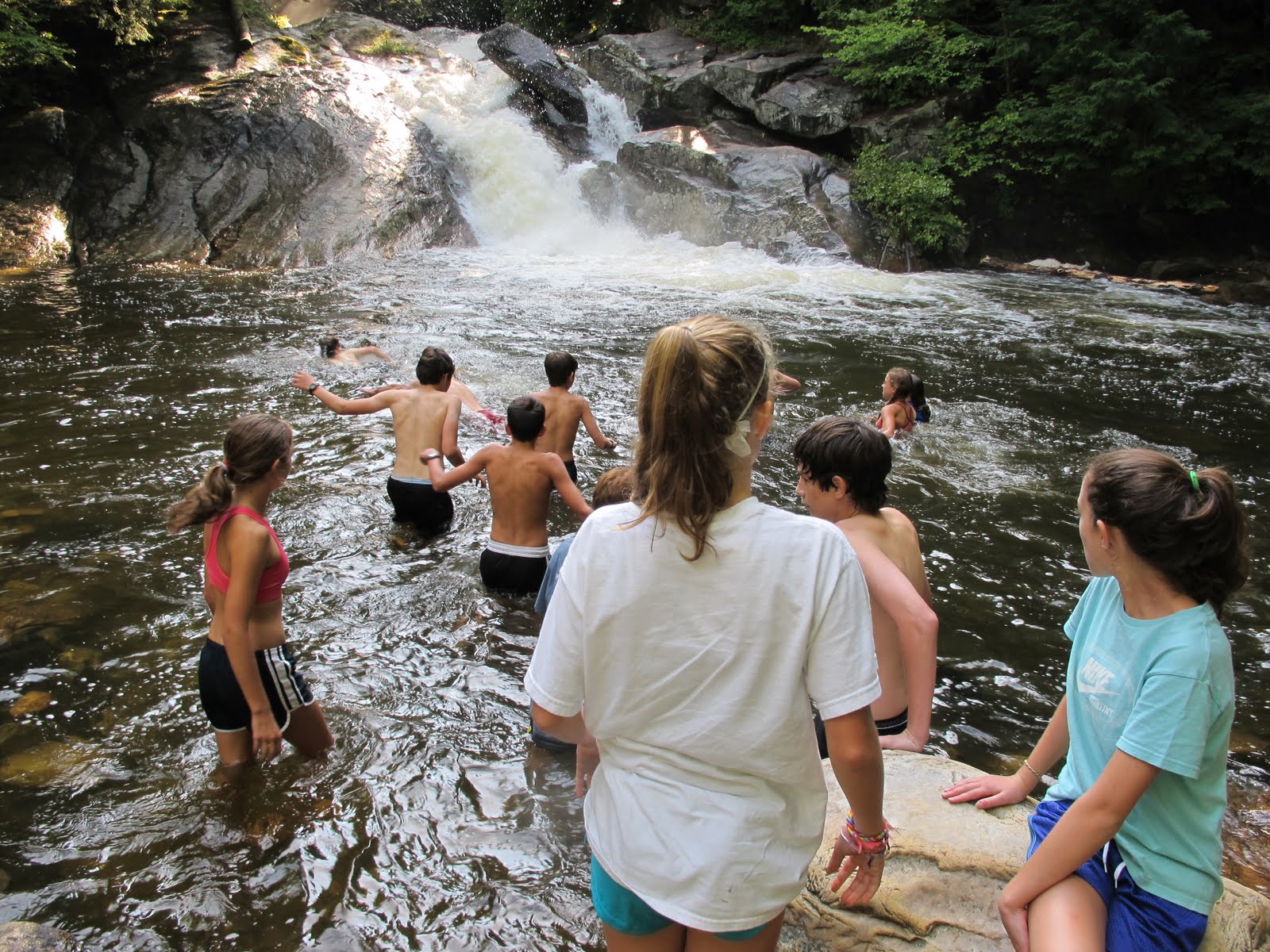
    One common complaint about Jericho is the weather.  Even a perfect summer day always feels hotter and more humid than seems reasonable, despite the base’s mountain setting.  The local landscape creates its own weather patterns, and they tend to be more extreme than the rest of the state.  For example, incoming clouds from the west get caught on Mt. Mansfield and create violent thunderstorms and hail.  The weather, combined with the relentless biting flies can make some workouts feel absolutely miserable. Luckily, the base has a saving grace for mugginess: a couple swimming holes in the Lee River.   We just have to remember army rules: never walk anywhere alone and never walk through the base wearing only a swimsuit.  Luckily, they haven’t outlawed swimming itself.  After practice we cool off in freezing stream water and hope we won’t climb out with any leeches attached.

    Another method for cooling off on those hot August day.  (Photo: Sara Studebaker)

    Another method for cooling off on those hot August days. (Photo: Sara Studebaker)

    By late evening, the heat finally relents a little bit.  If you were to walk out the front door of our barracks at dusk, you’d see soft spots of LCD lights dotting the facing hillside. They could almost be mistaken for fireflies except for the accompanying murmur of conversations.  A closer inspection would reveal about 20 soldiers (and a bunch of athletes) sitting in the dewy grass and talking/texting on their cell phones.    One corner of that hillside boasts up to three bars of cell service despite the rest of the base having none.    With no internet on base, “cell phone hill” is in very high demand.

    To get our daily internet fix, we drive into Jericho Corners in the mid-afternoon.  Across from the historic Old Red Mill and Snowflake Bentley museum, sits a cafe and bakery called The Village Cup, or “Athlete’s Cup” as we fondly refer to it.  We visit so frequently that by the end of our training camp we start to feel like regulars.  Instead of napping all afternoon to recover from training, we eat generous slices of raspberry pie or chocolate torte and cruise Facebook.  We compose blog entries to a background of classic tunes, such as Cat Steven’s Wild World.  It’s a pretty quiet place, but one day, a teammate (who himself is a multi-time Olympian) returned all excited because he had spotted a celebrity on the back porch: a member of the band Phish.

    Another favorite off-base escape is the Jericho Country Store, located in Jericho Center.  Our most common objectives are fresh sandwiches and soft-serve maple ice cream. However, as the oldest continuously running country store in VT, this small establishment boosts many curiosities.  Every nook and corner is filled with something interesting, such as old-fashioned glass jars full of candy, a checker game set up on a barrel table, specialty soaps, greeting cards by community artists, local beef, all sorts of historic signs and pictures, and antique post office boxes.  (The store still functions as a post office).  After finding some sort of yummy treat, we wander across the street to sit under a tree on the town green to savor it.

    The culmination of the annual Jericho training camp is a couple of rollerski biathlon races, hosted by the Ethan Allen Biathlon Club.  These races are technically “Rollerski Biathlon Nationals” but they often feel more low-key than that.  Many athletes view them as a way to get some practice racing in during the summer months.  However, this year the races were important.  They served as part of the trials process to determine who will represent the US in European competitions in November/December.

    Me, on the starting line (Photo: Elizabeth Geraghty)

    Me, on the starting line (Photo: Elizabeth Geraghty)

    How did the races go for me this year?  Not as well as I had hoped, but they certainly weren’t a disaster.  I was able to ski hard despite the heat and had some of the top rollerski times both days, but I struggled in the shooting range.  Results from the two races can be found on host Ethan Allen Biathlon Club’s website:

    http://www.eabiathlon.org/results2011RollerskiBiathlonSprint.pdf

    http://www.eabiathlon.org/results/2011RollerskiBiathlonPursuit.pdf

    One reason I enjoy racing in Jericho is that I consider it my home course.  I first ski raced in Jericho trails at the young age of eleven for the New England Bill Koch Championships and I also competed there for high school state championships.   The Ethan Allen Biathlon Club is the parent club to my home biathlon program in Craftsbury.  The Craftsbury Outdoor Center often sends a crew of volunteers for the races.  It’s been wonderful the last couple years to see so many GRP teammates and coworkers help out and bring home more enthusiasm for the sport.  I often have an additional fan club of family and friends cheering me on, which is a rare experience when we spend most of the winter racing in Europe.  Dear fan club, next time I’ll make sure I let you know if the race start time changes to something earlier than posted- sorry about that.  This year was special because my cousin, Jesse, who is in the Guard and happened to be training on base, stopped by unexpectedly.

    Hands down, my favorite thing about spending time in Jericho is the community.  The August races and training camps are the only time during summer months when the majority of the US biathlon racing community assembles together in one spot.  There are very few people in the United States who understand biathlon and can relate to the experience of being a biathlete.  When we come together it is an empowering experience for everyone involved.   The entire US National Team competes alongside juniors, beginners, the National Guard teams, and older masters groups.  On a given year, racers and coaches might hail from New England, New York, Pennsylvania , Minnesota, Wisconsin,  Colorado, Wyoming, Washington state, and Alaska.  We often see representation from the eastern Canadian providences as well, such as Quebec, Ontario and Prince Edward Island.

    Some faces of Jericho. L to R: Major Parsons (military), Bjorn Bakken (US Biathlon intern), Eric Tremble (Ethan Allen club coach), John Madigan (Ethan Allen club's director), Pat Coffey (former Ethan Allen coach, now national team coach), Corrine Malcolm (national team athlete)

    Some faces from Jericho. L to R: Major Parsons (military), Bjorn Bakken (US Biathlon intern), Eric Tremble (Ethan Allen club coach), John Madigan (Ethan Allen club director), Pat Coffey (former Ethan Allen coach, now national team coach), Corrine Malcolm (national team athlete)

    Once the racing crowd dissipates, the locals remain.  The National Guard’s biathlon team and the Ethan Allen Biathlon Club (civilians) use the range year round.  These groups are made up of amazing people who are passionate about the sport and never fail to be friendly and helpful.  I always enjoy sharing the range with the Guard athletes and the club team.  Many thanks to Major Parsons and his crew from the Guard who create a welcoming environment on the base and maintain top notch facilities.  Thanks also to the Ethan Allen Biathlon Club and their numerous volunteers for both hosting high quality races and for promoting the sport to people in the local community.

    Another flake captured by Snowflake Bentley.  I wonder if the concept of man-made snow ever crossed his mind?  One of the reasons Jericho's ski trails are so reliable in winter is their snow making system.
    Another flake captured by Snowflake Bentley. I wonder if the idea of man-made snow, something Jericho is capable of now, ever crossed his mind?

    Jericho: a small Vermont town made famous by “Snowflake” Bentley, the first man to photograph snowflakes back in 1885 and discover that no two are ever alike. Over 125 years later, Jericho’s winter heritage is still going strong, even in the summer. Every August, I travel to Jericho to join a crowd of snow-loving biathletes. We train at the biathlon facilities of the Ethan Allen Firing Range (a military base) and we stay in the barracks. When are not busy training, we explore the surrounding community, from the ridges of Mt. Mansfield to the local farmers’ market. Over the course of a week or so, we catch up with friends that we haven’t seen since last season’s snowflakes melted.

    The facility where we train and stay is the Ethan Allen Firing Range, which is an army base in Jericho, VT. Named after Vermont’s well-loved and independent-minded hero from the Revolutionary era, the Ethan Allen Firing Range houses the Vermont National Guard and is famous throughout the US for its Mountain Warfare School. The base encompasses 11,000 acres along the western slopes of Mt. Mansfield and Bolton, and the frequent percussion of artillery training can be heard echoing off ridgelines for miles.

    One of the most memorable parts of Jericho training camps is barracks life. During the recent camp, I was lucky enough to be assigned to the spacious officer’s quarters with the rest of the National Team, but most of the younger athletes were housed in the more traditional barracks. Over the years, we have all put in our time there. The experience teaches a partial appreciation for what army life must be like.

    Imagine a big open bay with two long rows of bunk beds. There is no privacy and no good space to store your duffel bag and all your training gear in it. At night, the bathroom lights and exit signs spill light into the sleeping bays. Athletes in the bottom bunks sometimes experiment with draping extra blankets around their sleeping space to form a dark cave. Every time someone crawls out of bed to go pee or talks in their sleep, the entire room can hear it. Industrial-sized fans buzz all night long, circulating hot, humid, stifling air from the open window, which is barely better than having no fans. For those of us unadapted to such conditions, it is very difficult to sleep well and recover from hard training.

    During my handful of visits to Jericho, I’ve learned to fall back asleep after I hear drill sergeants bellowing outside my window at 5:00 A.M. I prefer to wake up a little closer to 7 and head to the dining hall (wearing closed-toed shoes of course, it’s a military rule). After breakfast, I join my teammates in our van and we drive a ½ mile straight uphill from the barracks to the biathlon range. The van chatters over washboards, struggling to maintain enough momentum to make it to the top of the hill going the speed limit (20 mph). Our van’s dust cloud settles over clusters of junior athletes whose coaches make them run up the steep hill for a warm-up before practice. I’m glad my coaches don’t make me do that routinely.

    The Jericho biathlon range and ski trails rank among the finest facilities in the country. In the past, Jericho has hosted large international competitions and the club still frequently hosts important events such as junior world team trials. Unlike many of the US’s biathlon venues, the Jericho range has paved trails for summer rollerski training. Apart from a couple venues in the northern tip of Maine, it is the only place in the northeast where we can rollerski into a fulled-sized range.

    Training at Jericho provides a great opportunity to practice the transitions between skiing and shooting and then shooting to skiing. Transitions are a complicated process requiring lots of practice to perfect. For example, in the approach you need to slow down as you enter the range, glance at the wind flags, take some deep breathes, remove poles, look for an open point and check its corresponding target downrange, and open the sight covers and bolt; all before hitting the shooting mat.

    The venue also features superb rollerskiing with trails that flow naturally over challenging terrain. They snake through the woods dipping, climbing, and twisting around corners. I feel much safer rollerskiing on isolated trails like these then trying to avoid traffic out on the roads. The only obstacles we run into are camoflagued soliders who randomly pop out of the woods during their land navigation training and woodland critters. Recently wildlife highlights: a mother doe and two spotted fawns frozen in the middle of the trail and a daring turkey who strutted under the targets during a shooting clinic for beginner biathletes.

    One common complaint about Jericho is the weather. Even a perfect summer day always feels hotter and more humid than seems reasonable, despite the base’s higher elevation. The area creates its own weather patterns, and they tend to be more extreme than the rest of the state. For example, incoming clouds from the west get caught on Mt. Mansfield create violent thunderstorms and hail. The weather combined with the relentless biting flies can make some workouts feel absolutely miserable. Luckily, the base has a saving grace for mugginess: a couple swimming holes in the Lee River. We just have to remember army rules: never walk anywhere alone and never walk through the base wearing only a swimsuit. Luckily, they haven’t outlawed swimming itself. After practice we cool off in freezing mountain stream water and we hope we won’t climb out with any leeches attached.

    By late evening, the heat finally relents a little bit. If you were to walk out the front door of our barracks at dusk, you’d see soft spots of LCD lights dotting the facing hillside. They could almost be mistaken for fireflies except for the accompanying murmur of conversations. A closer inspection would reveal about 20 soliders (and a bunch of athletes) sitting in the dewy grass and talking/texting on their cell phones. One corner of that hillside boasts up to three bars of cell service despite the rest of the base having none. With no internet on base, “cell phone hill” is in very high demand.

    To get our daily internet fix, we drive into Jericho Corners in the midafternoon. Across from the historic Old Red Mill and Snowflake Bentley museum, sits a cafe and bakery called The Village Cup, or “Athlete’s Cup” as we fondly refer to it. We visit so frequently that by the end of our training camp we start to feel like regulars. Instead of napping all afternoon to recover from training, we eat generous slices of raspberry pie or chocolate torte and cruise Facebook. We compose blog entries are to a background of classic tunes, such as Cat Steven’s Wild World. It’s a pretty quiet place, but one day, a teammate (who is a multi-time Olympian) returned all excited because he had spotted a celebrity on the back porch: a member of the band Phish.

    Another favorite off-base escape is the Jericho Country Store, located in Jericho Center. Our most common objectives are fresh sandwiches and soft-serve maple ice cream. However, as the oldest continuously running country store in VT, this small establishment boosts many curiousites. Every nook and corner is filled with something interesting, such as old-fashioned glass jars full of candy, a checker game set up on a barrel table, specialty soaps, greeting cards by community artists, local beef, all sorts of historic signs and pictures, and antique post office boxes. (The store still functions as a post office). After finding some sort of yummy treat, we wander across the street to sit under a tree on the town green to savor it.

    The culmination of the annual Jericho training camp is a couple of rollerski biathlon races, hosted by the Ethan Allen Biathlon Club. These races are technically “Rollerski Biathlon Nationals” but they often feel more low-key; many athletes view them as a way to get some practice racing in during the summer months. However, this year the races were more important. They served as part of the trials process to determine who will represent the US in Europeans competitions in November/December.

    How did the races go for me this year? Not as well as I had hoped, but they certainly weren’t a disaster. I was able to ski hard despite the heat and had some of the top rollerski times both days, but I struggled in the shooting range. Results from the two races can be found on host Ethan Allen Biathlon Club’s website: http://www.eabiathlon.org/results/2011RollerskiBiathlonSprint.pdf http://www.eabiathlon.org/results/2011RollerskiBiathlonPursuit.pdf

    One reason I enjoy racing in Jericho is that I consider it my home course. I first ski raced in Jericho trails at the young age of eleven for the New England Bill Koch Championships and also competed there for high school state championships. Jericho is the closest biathlon race venue to my home and the Ethan Allen Biathlon Club is the parent club to my home biathlon program in Craftsbury. The Craftsbury Outdoor Center often sends a crew of volunteers for the races. It’s been wonderful the last couple years to see so many GRP teammates and coworkers helping out and bring home more enthusiasm for the sport. I often have a fan club of family and family friends cheering me on, which is a rare experience when we spend most of the winter racing in Europe. Dear fan club, next time I’ll make sure I let you know if the race start time changes to something earlier than posted- sorry about that. This year was special because my cousin, Jesse who is in the Guard and happened to be training on base, stopped by.

    Hands down, my favorite thing about spending time in Jericho is the community. The August races and training camps are the only time during summer months when the majority of the US biathlon racing community assembles together in one spot. There are very few people in the United States who understand biathlon and can relate to the experience of being a biathlete. When we come together it is an empowering experience for everyone involved. On a given year, racers and coaches might hail from New England, New York, Pennsylvania , Minnesota, Wisconsin, Colorado, Wyoming, Washington state, and Alaska. We often see representation from the eastern Canadian providences as well, such as Quebec, Ontario and Prince Edward Island. The entire US National Team competes alongside juniors, beginners, the National Guard teams, and older masters groups.

    Once the racing crowd dissipates, the locals remain. The National Guard’s biathlon team and the Ethan Allen Biathlon Club (civilians) use the range year round. These groups are made up of amazing people who are passionate about the sport and never fail to be friendly and helpful. I always enjoy sharing the range with the Guard athletes and the club team. Many thanks to Major Parsons and his crew from the Guard who create a welcoming environment on the base and maintain top notch facilities. Thanks also to the Ethan Allen Biathlon Club and their numerous volunteers for both hosting high quality races and for making the sport accessible to all levels of athletes around the community.

  • The Jericho Experience

    Snowflake Photographs by Snowflake Bentley

    Jericho: a small Vermont town made famous by “Snowflake” Bentley, the first man to photograph snowflakes back in 1885 and discover that no two are ever alike.   Over 125 years later, Jericho’s winter heritage is still going strong, even in the summer.  Every August, I travel to Jericho to join a crowd of snow-loving biathletes.  We train at the biathlon facilities of the Ethan Allen Firing Range (a military base) and we stay in the barracks.  When are not busy training, we explore the surrounding community, from the ridges of Mt. Mansfield to the shops and restaurants of nearby Burlington.  Over the course of a week or so, we catch up with friends that we haven’t seen since last season’s snowflakes melted.
    The Ethan Allen Firing Range is named after Vermont’s well-loved hero and independent-minded leader of the Green Mountain Boys during the Revolutionary era.  It houses the Vermont National Guard and is famous throughout the US for its Mountain Warfare School.  The base encompasses 11,000 acres along the western slopes of Mt. Mansfield and Bolton, and the frequent percussion of artillery training can be heard echoing off ridgelines for miles.

    One of the most memorable parts of Jericho training camps is barracks life.  During the recent camp, I was lucky enough to be assigned to the spacious officer’s quarters with the rest of the National Team, but most of the younger athletes were housed in the more traditional barracks.  Over the years, we have all put in our time there.   The experience gives us a glimpse of what army life must be like.

    Imagine a big open bay with two long rows of bunk beds.  There is no privacy and space to store the contents of your duffel bag and all your training gear.  At night, the bathroom lights and exit signs spill light into the sleeping bays.  Athletes in the bottom bunks sometimes experiment with draping extra blankets around their sleeping space to form a dark cave.  Every time someone crawls out of bed to go pee or talks in their sleep, the entire room can hear.  Industrial-sized fans buzz all night long, circulating hot, humid, stifling air from the open window, which is barely better than having no fans.  For those of us unadapted to such conditions, it is very difficult to sleep well and recover from hard training.

    During my handful of visits to Jericho, I’ve learned to fall back asleep after I hear drill sergeants bellowing outside my window at 5:00 A.M.  I prefer to wake up a little closer to 7 and head to the dining hall (wearing closed-toed shoes of course, it’s a military rule).  After breakfast, I join my teammates in our van and we drive a ½ mile straight uphill from the barracks to the biathlon range.  The van chatters over washboards, struggling to maintain enough momentum to make it to the top of the hill going the speed limit (20 mph).  Our van’s dust cloud settles over clusters of junior athletes whose coaches make them run up the steep hill for a warm-up before practice.  I’m glad my coaches don’t make me do that routinely.

    The Jericho biathlon range and ski trails rank among the finest facilities in the country. In the past, Jericho has hosted large international competitions and the club still frequently hosts important events such as junior world team trials.  Jericho’s range is one of a handful in the country with paved trails for summer rollerski training.

    A stadium scene during race day.  (Photo: Judy Geer)

    A stadium scene during race day. (Photo: Judy Geer)

    Training at Jericho provides a great opportunity to practice the transition from skiing to shooting and vice versa.  Transitions are a complicated process requiring lots of practice to perfect.  For example, while approaching the range you need to slow down, glance at the wind flags, take some deep breathes, remove poles, look for an open point and check its corresponding target downrange, and open the sight covers and bolt, and then set-up on the shooting mat.

    The venue also features superb rollerskiing.  Its trails that flow naturally over challenging terrain.  They snake through the woods dipping, climbing, and twisting around corners.  I feel much safer rollerskiing on isolated trails like these than trying to avoid traffic out on the roads.  The only obstacles we run into are camouflaged soldiers who randomly pop out of the woods during their land navigation training and woodland critters.  Recently wildlife highlights: a mother doe and two spotted fawns frozen in the middle of the trail and a daring turkey that strutted under the targets during a shooting clinic for beginner biathletes.

    One common complaint about Jericho is the weather.  Even a perfect summer day always feels hotter and more humid than seems reasonable, despite the base’s mountain setting.  The local landscape creates its own weather patterns, and they tend to be more extreme than the rest of the state.  For example, incoming clouds from the west get caught on Mt. Mansfield and create violent thunderstorms and hail.  The weather, combined with the relentless biting flies can make some workouts feel absolutely miserable. Luckily, the base has a saving grace for mugginess: a couple swimming holes in the Lee River.   We just have to remember army rules: never walk anywhere alone and never walk through the base wearing only a swimsuit.  Luckily, they haven’t outlawed swimming itself.  After practice we cool off in freezing stream water and hope we won’t climb out with any leeches attached.
    Another method for cooling off on those hot August day.  (Photo: Sara Studebaker)

    Another method for cooling off on those hot August days. (Photo: Sara Studebaker)

    By late evening, the heat finally relents a little bit.  If you were to walk out the front door of our barracks at dusk, you’d see soft spots of LCD lights dotting the facing hillside. They could almost be mistaken for fireflies except for the accompanying murmur of conversations.  A closer inspection would reveal about 20 soldiers (and a bunch of athletes) sitting in the dewy grass and talking/texting on their cell phones.    One corner of that hillside boasts up to three bars of cell service despite the rest of the base having none.    With no internet on base, “cell phone hill” is in very high demand.

    To get our daily internet fix, we drive into Jericho Corners in the mid-afternoon.  Across from the historic Old Red Mill and Snowflake Bentley museum, sits a cafe and bakery called The Village Cup, or “Athlete’s Cup” as we fondly refer to it.  We visit so frequently that by the end of our training camp we start to feel like regulars.  Instead of napping all afternoon to recover from training, we eat generous slices of raspberry pie or chocolate torte and cruise Facebook.  We compose blog entries to a background of classic tunes, such as Cat Steven’s Wild World.  It’s a pretty quiet place, but one day, a teammate (who himself is a multi-time Olympian) returned all excited because he had spotted a celebrity on the back porch: a member of the band Phish.

    Another favorite off-base escape is the Jericho Country Store, located in Jericho Center.  Our most common objectives are fresh sandwiches and soft-serve maple ice cream. However, as the oldest continuously running country store in VT, this small establishment boosts many curiosities.  Every nook and corner is filled with something interesting, such as old-fashioned glass jars full of candy, a checker game set up on a barrel table, specialty soaps, greeting cards by community artists, local beef, all sorts of historic signs and pictures, and antique post office boxes.  (The store still functions as a post office).  After finding some sort of yummy treat, we wander across the street to sit under a tree on the town green to savor it.

    The culmination of the annual Jericho training camp is a couple of rollerski biathlon races, hosted by the Ethan Allen Biathlon Club.  These races are technically “Rollerski Biathlon Nationals” but they often feel more low-key than that.  Many athletes view them as a way to get some practice racing in during the summer months.  However, this year the races were important.  They served as part of the trials process to determine who will represent the US in European competitions in November/December.

    Me, on the starting line (Photo: Elizabeth Geraghty)

    Me, on the starting line (Photo: Elizabeth Geraghty)

    How did the races go for me this year?  Not as well as I had hoped, but they certainly weren’t a disaster.  I was able to ski hard despite the heat and had some of the top rollerski times both days, but I struggled in the shooting range.  Results from the two races can be found on host Ethan Allen Biathlon Club’s website:

    http://www.eabiathlon.org/results2011RollerskiBiathlonSprint.pdf

    http://www.eabiathlon.org/results/2011RollerskiBiathlonPursuit.pdf

    One reason I enjoy racing in Jericho is that I consider it my home course.  I first ski raced in Jericho trails at the young age of eleven for the New England Bill Koch Championships and I also competed there for high school state championships.   The Ethan Allen Biathlon Club is the parent club to my home biathlon program in Craftsbury.  The Craftsbury Outdoor Center often sends a crew of volunteers for the races.  It’s been wonderful the last couple years to see so many GRP teammates and coworkers help out and bring home more enthusiasm for the sport.  I often have an additional fan club of family and friends cheering me on, which is a rare experience when we spend most of the winter racing in Europe.  Dear fan club, next time I’ll make sure I let you know if the race start time changes to something earlier than posted- sorry about that.  This year was special because my cousin, Jesse, who is in the Guard and happened to be training on base, stopped by unexpectedly.

    Hands down, my favorite thing about spending time in Jericho is the community.  The August races and training camps are the only time during summer months when the majority of the US biathlon racing community assembles together in one spot.  There are very few people in the United States who understand biathlon and can relate to the experience of being a biathlete.  When we come together it is an empowering experience for everyone involved.   The entire US National Team competes alongside juniors, beginners, the National Guard teams, and older masters groups.  On a given year, racers and coaches might hail from New England, New York, Pennsylvania , Minnesota, Wisconsin,  Colorado, Wyoming, Washington state, and Alaska.  We often see representation from the eastern Canadian providences as well, such as Quebec, Ontario and Prince Edward Island.

    Some faces of Jericho. L to R: Major Parsons (military), Bjorn Bakken (US Biathlon intern), Eric Tremble (Ethan Allen club coach), John Madigan (Ethan Allen club's director), Pat Coffey (former Ethan Allen coach, now national team coach), Corrine Malcolm (national team athlete)

    Some faces from Jericho. L to R: Major Parsons (military), Bjorn Bakken (US Biathlon intern), Eric Tremble (Ethan Allen club coach), John Madigan (Ethan Allen club director), Pat Coffey (former Ethan Allen coach, now national team coach), Corrine Malcolm (national team athlete)

    Once the racing crowd dissipates, the locals remain.  The National Guard’s biathlon team and the Ethan Allen Biathlon Club (civilians) use the range year round.  These groups are made up of amazing people who are passionate about the sport and never fail to be friendly and helpful.  I always enjoy sharing the range with the Guard athletes and the club team.  Many thanks to Major Parsons and his crew from the Guard who create a welcoming environment on the base and maintain top notch facilities.  Thanks also to the Ethan Allen Biathlon Club and their numerous volunteers for both hosting high quality races and for promoting the sport to people in the local community.

    Another flake captured by Snowflake Bentley.  I wonder if the concept of man-made snow ever crossed his mind?  One of the reasons Jericho's ski trails are so reliable in winter is their snow making system.
    Another flake captured by Snowflake Bentley. I wonder if the idea of man-made snow, something Jericho is capable of now, ever crossed his mind?

    Jericho: a small Vermont town made famous by “Snowflake” Bentley, the first man to photograph snowflakes back in 1885 and discover that no two are ever alike. Over 125 years later, Jericho’s winter heritage is still going strong, even in the summer. Every August, I travel to Jericho to join a crowd of snow-loving biathletes. We train at the biathlon facilities of the Ethan Allen Firing Range (a military base) and we stay in the barracks. When are not busy training, we explore the surrounding community, from the ridges of Mt. Mansfield to the local farmers’ market. Over the course of a week or so, we catch up with friends that we haven’t seen since last season’s snowflakes melted.

    The facility where we train and stay is the Ethan Allen Firing Range, which is an army base in Jericho, VT. Named after Vermont’s well-loved and independent-minded hero from the Revolutionary era, the Ethan Allen Firing Range houses the Vermont National Guard and is famous throughout the US for its Mountain Warfare School. The base encompasses 11,000 acres along the western slopes of Mt. Mansfield and Bolton, and the frequent percussion of artillery training can be heard echoing off ridgelines for miles.

    One of the most memorable parts of Jericho training camps is barracks life. During the recent camp, I was lucky enough to be assigned to the spacious officer’s quarters with the rest of the National Team, but most of the younger athletes were housed in the more traditional barracks. Over the years, we have all put in our time there. The experience teaches a partial appreciation for what army life must be like.

    Imagine a big open bay with two long rows of bunk beds. There is no privacy and no good space to store your duffel bag and all your training gear in it. At night, the bathroom lights and exit signs spill light into the sleeping bays. Athletes in the bottom bunks sometimes experiment with draping extra blankets around their sleeping space to form a dark cave. Every time someone crawls out of bed to go pee or talks in their sleep, the entire room can hear it. Industrial-sized fans buzz all night long, circulating hot, humid, stifling air from the open window, which is barely better than having no fans. For those of us unadapted to such conditions, it is very difficult to sleep well and recover from hard training.

    During my handful of visits to Jericho, I’ve learned to fall back asleep after I hear drill sergeants bellowing outside my window at 5:00 A.M. I prefer to wake up a little closer to 7 and head to the dining hall (wearing closed-toed shoes of course, it’s a military rule). After breakfast, I join my teammates in our van and we drive a ½ mile straight uphill from the barracks to the biathlon range. The van chatters over washboards, struggling to maintain enough momentum to make it to the top of the hill going the speed limit (20 mph). Our van’s dust cloud settles over clusters of junior athletes whose coaches make them run up the steep hill for a warm-up before practice. I’m glad my coaches don’t make me do that routinely.

    The Jericho biathlon range and ski trails rank among the finest facilities in the country. In the past, Jericho has hosted large international competitions and the club still frequently hosts important events such as junior world team trials. Unlike many of the US’s biathlon venues, the Jericho range has paved trails for summer rollerski training. Apart from a couple venues in the northern tip of Maine, it is the only place in the northeast where we can rollerski into a fulled-sized range.

    Training at Jericho provides a great opportunity to practice the transitions between skiing and shooting and then shooting to skiing. Transitions are a complicated process requiring lots of practice to perfect. For example, in the approach you need to slow down as you enter the range, glance at the wind flags, take some deep breathes, remove poles, look for an open point and check its corresponding target downrange, and open the sight covers and bolt; all before hitting the shooting mat.

    The venue also features superb rollerskiing with trails that flow naturally over challenging terrain. They snake through the woods dipping, climbing, and twisting around corners. I feel much safer rollerskiing on isolated trails like these then trying to avoid traffic out on the roads. The only obstacles we run into are camoflagued soliders who randomly pop out of the woods during their land navigation training and woodland critters. Recently wildlife highlights: a mother doe and two spotted fawns frozen in the middle of the trail and a daring turkey who strutted under the targets during a shooting clinic for beginner biathletes.

    One common complaint about Jericho is the weather. Even a perfect summer day always feels hotter and more humid than seems reasonable, despite the base’s higher elevation. The area creates its own weather patterns, and they tend to be more extreme than the rest of the state. For example, incoming clouds from the west get caught on Mt. Mansfield create violent thunderstorms and hail. The weather combined with the relentless biting flies can make some workouts feel absolutely miserable. Luckily, the base has a saving grace for mugginess: a couple swimming holes in the Lee River. We just have to remember army rules: never walk anywhere alone and never walk through the base wearing only a swimsuit. Luckily, they haven’t outlawed swimming itself. After practice we cool off in freezing mountain stream water and we hope we won’t climb out with any leeches attached.

    By late evening, the heat finally relents a little bit. If you were to walk out the front door of our barracks at dusk, you’d see soft spots of LCD lights dotting the facing hillside. They could almost be mistaken for fireflies except for the accompanying murmur of conversations. A closer inspection would reveal about 20 soliders (and a bunch of athletes) sitting in the dewy grass and talking/texting on their cell phones. One corner of that hillside boasts up to three bars of cell service despite the rest of the base having none. With no internet on base, “cell phone hill” is in very high demand.

    To get our daily internet fix, we drive into Jericho Corners in the midafternoon. Across from the historic Old Red Mill and Snowflake Bentley museum, sits a cafe and bakery called The Village Cup, or “Athlete’s Cup” as we fondly refer to it. We visit so frequently that by the end of our training camp we start to feel like regulars. Instead of napping all afternoon to recover from training, we eat generous slices of raspberry pie or chocolate torte and cruise Facebook. We compose blog entries are to a background of classic tunes, such as Cat Steven’s Wild World. It’s a pretty quiet place, but one day, a teammate (who is a multi-time Olympian) returned all excited because he had spotted a celebrity on the back porch: a member of the band Phish.

    Another favorite off-base escape is the Jericho Country Store, located in Jericho Center. Our most common objectives are fresh sandwiches and soft-serve maple ice cream. However, as the oldest continuously running country store in VT, this small establishment boosts many curiousites. Every nook and corner is filled with something interesting, such as old-fashioned glass jars full of candy, a checker game set up on a barrel table, specialty soaps, greeting cards by community artists, local beef, all sorts of historic signs and pictures, and antique post office boxes. (The store still functions as a post office). After finding some sort of yummy treat, we wander across the street to sit under a tree on the town green to savor it.

    The culmination of the annual Jericho training camp is a couple of rollerski biathlon races, hosted by the Ethan Allen Biathlon Club. These races are technically “Rollerski Biathlon Nationals” but they often feel more low-key; many athletes view them as a way to get some practice racing in during the summer months. However, this year the races were more important. They served as part of the trials process to determine who will represent the US in Europeans competitions in November/December.

    How did the races go for me this year? Not as well as I had hoped, but they certainly weren’t a disaster. I was able to ski hard despite the heat and had some of the top rollerski times both days, but I struggled in the shooting range. Results from the two races can be found on host Ethan Allen Biathlon Club’s website: http://www.eabiathlon.org/results/2011RollerskiBiathlonSprint.pdf http://www.eabiathlon.org/results/2011RollerskiBiathlonPursuit.pdf

    One reason I enjoy racing in Jericho is that I consider it my home course. I first ski raced in Jericho trails at the young age of eleven for the New England Bill Koch Championships and also competed there for high school state championships. Jericho is the closest biathlon race venue to my home and the Ethan Allen Biathlon Club is the parent club to my home biathlon program in Craftsbury. The Craftsbury Outdoor Center often sends a crew of volunteers for the races. It’s been wonderful the last couple years to see so many GRP teammates and coworkers helping out and bring home more enthusiasm for the sport. I often have a fan club of family and family friends cheering me on, which is a rare experience when we spend most of the winter racing in Europe. Dear fan club, next time I’ll make sure I let you know if the race start time changes to something earlier than posted- sorry about that. This year was special because my cousin, Jesse who is in the Guard and happened to be training on base, stopped by.

    Hands down, my favorite thing about spending time in Jericho is the community. The August races and training camps are the only time during summer months when the majority of the US biathlon racing community assembles together in one spot. There are very few people in the United States who understand biathlon and can relate to the experience of being a biathlete. When we come together it is an empowering experience for everyone involved. On a given year, racers and coaches might hail from New England, New York, Pennsylvania , Minnesota, Wisconsin, Colorado, Wyoming, Washington state, and Alaska. We often see representation from the eastern Canadian providences as well, such as Quebec, Ontario and Prince Edward Island. The entire US National Team competes alongside juniors, beginners, the National Guard teams, and older masters groups.

    Once the racing crowd dissipates, the locals remain. The National Guard’s biathlon team and the Ethan Allen Biathlon Club (civilians) use the range year round. These groups are made up of amazing people who are passionate about the sport and never fail to be friendly and helpful. I always enjoy sharing the range with the Guard athletes and the club team. Many thanks to Major Parsons and his crew from the Guard who create a welcoming environment on the base and maintain top notch facilities. Thanks also to the Ethan Allen Biathlon Club and their numerous volunteers for both hosting high quality races and for making the sport accessible to all levels of athletes around the community.

  • The Jericho Experience

    Snowflake Photographs by Snowflake Bentley

    Jericho: a small Vermont town made famous by “Snowflake” Bentley, the first man to photograph snowflakes back in 1885 and discover that no two are ever alike.   Over 125 years later, Jericho’s winter heritage is still going strong, even in the summer.  Every August, I travel to Jericho to join a crowd of snow-loving biathletes.  We train at the biathlon facilities of the Ethan Allen Firing Range (a military base) and we stay in the barracks.  When are not busy training, we explore the surrounding community, from the ridges of Mt. Mansfield to the shops and restaurants of nearby Burlington.  Over the course of a week or so, we catch up with friends that we haven’t seen since last season’s snowflakes melted.

    The Ethan Allen Firing Range is named after Vermont’s well-loved hero and independent-minded leader of the Green Mountain Boys during the Revolutionary era.  It houses the Vermont National Guard and is famous throughout the US for its Mountain Warfare School.  The base encompasses 11,000 acres along the western slopes of Mt. Mansfield and Bolton, and the frequent percussion of artillery training can be heard echoing off ridgelines for miles.

    One of the most memorable parts of Jericho training camps is barracks life.  During the recent camp, I was lucky enough to be assigned to the spacious officer’s quarters with the rest of the National Team, but most of the younger athletes were housed in the more traditional barracks.  Over the years, we have all put in our time there.   The experience gives us a glimpse of what army life must be like.

    Imagine a big open bay with two long rows of bunk beds.  There is no privacy and space to store the contents of your duffel bag and all your training gear.  At night, the bathroom lights and exit signs spill light into the sleeping bays.  Athletes in the bottom bunks sometimes experiment with draping extra blankets around their sleeping space to form a dark cave.  Every time someone crawls out of bed to go pee or talks in their sleep, the entire room can hear.  Industrial-sized fans buzz all night long, circulating hot, humid, stifling air from the open window, which is barely better than having no fans.  For those of us unadapted to such conditions, it is very difficult to sleep well and recover from hard training.

    During my handful of visits to Jericho, I’ve learned to fall back asleep after I hear drill sergeants bellowing outside my window at 5:00 A.M.  I prefer to wake up a little closer to 7 and head to the dining hall (wearing closed-toed shoes of course, it’s a military rule).  After breakfast, I join my teammates in our van and we drive a ½ mile straight uphill from the barracks to the biathlon range.  The van chatters over washboards, struggling to maintain enough momentum to make it to the top of the hill going the speed limit (20 mph).  Our van’s dust cloud settles over clusters of junior athletes whose coaches make them run up the steep hill for a warm-up before practice.  I’m glad my coaches don’t make me do that routinely.

    The Jericho biathlon range and ski trails rank among the finest facilities in the country. In the past, Jericho has hosted large international competitions and the club still frequently hosts important events such as junior world team trials.  Jericho’s range is one of a handful in the country with paved trails for summer rollerski training.

    A stadium scene during race day.  (Photo: Judy Geer)

    A stadium scene during race day. (Photo: Judy Geer)

    Training at Jericho provides a great opportunity to practice the transition from skiing to shooting and vice versa.  Transitions are a complicated process requiring lots of practice to perfect.  For example, while approaching the range you need to slow down, glance at the wind flags, take some deep breathes, remove poles, look for an open point and check its corresponding target downrange, and open the sight covers and bolt, and then set-up on the shooting mat.

    The venue also features superb rollerskiing.  Its trails that flow naturally over challenging terrain.  They snake through the woods dipping, climbing, and twisting around corners.  I feel much safer rollerskiing on isolated trails like these than trying to avoid traffic out on the roads.  The only obstacles we run into are camouflaged soldiers who randomly pop out of the woods during their land navigation training and woodland critters.  Recently wildlife highlights: a mother doe and two spotted fawns frozen in the middle of the trail and a daring turkey that strutted under the targets during a shooting clinic for beginner biathletes.

    One common complaint about Jericho is the weather.  Even a perfect summer day always feels hotter and more humid than seems reasonable, despite the base’s mountain setting.  The local landscape creates its own weather patterns, and they tend to be more extreme than the rest of the state.  For example, incoming clouds from the west get caught on Mt. Mansfield and create violent thunderstorms and hail.  The weather, combined with the relentless biting flies can make some workouts feel absolutely miserable. Luckily, the base has a saving grace for mugginess: a couple swimming holes in the Lee River.   We just have to remember army rules: never walk anywhere alone and never walk through the base wearing only a swimsuit.  Luckily, they haven’t outlawed swimming itself.  After practice we cool off in freezing stream water and hope we won’t climb out with any leeches attached.

    Another method for cooling off on those hot August day.  (Photo: Sara Studebaker)

    Another method for cooling off on those hot August days. (Photo: Sara Studebaker)

    By late evening, the heat finally relents a little bit.  If you were to walk out the front door of our barracks at dusk, you’d see soft spots of LCD lights dotting the facing hillside. They could almost be mistaken for fireflies except for the accompanying murmur of conversations.  A closer inspection would reveal about 20 soldiers (and a bunch of athletes) sitting in the dewy grass and talking/texting on their cell phones.    One corner of that hillside boasts up to three bars of cell service despite the rest of the base having none.    With no internet on base, “cell phone hill” is in very high demand.

    To get our daily internet fix, we drive into Jericho Corners in the mid-afternoon.  Across from the historic Old Red Mill and Snowflake Bentley museum, sits a cafe and bakery called The Village Cup, or “Athlete’s Cup” as we fondly refer to it.  We visit so frequently that by the end of our training camp we start to feel like regulars.  Instead of napping all afternoon to recover from training, we eat generous slices of raspberry pie or chocolate torte and cruise Facebook.  We compose blog entries to a background of classic tunes, such as Cat Steven’s Wild World.  It’s a pretty quiet place, but one day, a teammate (who himself is a multi-time Olympian) returned all excited because he had spotted a celebrity on the back porch: a member of the band Phish.

    Another favorite off-base escape is the Jericho Country Store, located in Jericho Center.  Our most common objectives are fresh sandwiches and soft-serve maple ice cream. However, as the oldest continuously running country store in VT, this small establishment boosts many curiosities.  Every nook and corner is filled with something interesting, such as old-fashioned glass jars full of candy, a checker game set up on a barrel table, specialty soaps, greeting cards by community artists, local beef, all sorts of historic signs and pictures, and antique post office boxes.  (The store still functions as a post office).  After finding some sort of yummy treat, we wander across the street to sit under a tree on the town green to savor it.

    The culmination of the annual Jericho training camp is a couple of rollerski biathlon races, hosted by the Ethan Allen Biathlon Club.  These races are technically “Rollerski Biathlon Nationals” but they often feel more low-key than that.  Many athletes view them as a way to get some practice racing in during the summer months.  However, this year the races were important.  They served as part of the trials process to determine who will represent the US in European competitions in November/December.

    Me, on the starting line (Photo: Elizabeth Geraghty)

    Me, on the starting line (Photo: Elizabeth Geraghty)

    How did the races go for me this year?  Not as well as I had hoped, but they certainly weren’t a disaster.  I was able to ski hard despite the heat and had some of the top rollerski times both days, but I struggled in the shooting range.  Results from the two races can be found on host Ethan Allen Biathlon Club’s website:

    http://www.eabiathlon.org/results2011RollerskiBiathlonSprint.pdf

    http://www.eabiathlon.org/results/2011RollerskiBiathlonPursuit.pdf

    One reason I enjoy racing in Jericho is that I consider it my home course.  I first ski raced in Jericho trails at the young age of eleven for the New England Bill Koch Championships and I also competed there for high school state championships.   The Ethan Allen Biathlon Club is the parent club to my home biathlon program in Craftsbury.  The Craftsbury Outdoor Center often sends a crew of volunteers for the races.  It’s been wonderful the last couple years to see so many GRP teammates and coworkers help out and bring home more enthusiasm for the sport.  I often have an additional fan club of family and friends cheering me on, which is a rare experience when we spend most of the winter racing in Europe.  Dear fan club, next time I’ll make sure I let you know if the race start time changes to something earlier than posted- sorry about that.  This year was special because my cousin, Jesse, who is in the Guard and happened to be training on base, stopped by unexpectedly.

    Hands down, my favorite thing about spending time in Jericho is the community.  The August races and training camps are the only time during summer months when the majority of the US biathlon racing community assembles together in one spot.  There are very few people in the United States who understand biathlon and can relate to the experience of being a biathlete.  When we come together it is an empowering experience for everyone involved.   The entire US National Team competes alongside juniors, beginners, the National Guard teams, and older masters groups.  On a given year, racers and coaches might hail from New England, New York, Pennsylvania , Minnesota, Wisconsin,  Colorado, Wyoming, Washington state, and Alaska.  We often see representation from the eastern Canadian providences as well, such as Quebec, Ontario and Prince Edward Island.

    Some faces of Jericho. L to R: Major Parsons (military), Bjorn Bakken (US Biathlon intern), Eric Tremble (Ethan Allen club coach), John Madigan (Ethan Allen club's director), Pat Coffey (former Ethan Allen coach, now national team coach), Corrine Malcolm (national team athlete)

    Some faces from Jericho. L to R: Major Parsons (military), Bjorn Bakken (US Biathlon intern), Eric Tremble (Ethan Allen club coach), John Madigan (Ethan Allen club director), Pat Coffey (former Ethan Allen coach, now national team coach), Corrine Malcolm (national team athlete)

    Once the racing crowd dissipates, the locals remain.  The National Guard’s biathlon team and the Ethan Allen Biathlon Club (civilians) use the range year round.  These groups are made up of amazing people who are passionate about the sport and never fail to be friendly and helpful.  I always enjoy sharing the range with the Guard athletes and the club team.  Many thanks to Major Parsons and his crew from the Guard who create a welcoming environment on the base and maintain top notch facilities.  Thanks also to the Ethan Allen Biathlon Club and their numerous volunteers for both hosting high quality races and for promoting the sport to people in the local community.

    Another flake captured by Snowflake Bentley.  I wonder if the concept of man-made snow ever crossed his mind?  One of the reasons Jericho's ski trails are so reliable in winter is their snow making system.
    Another flake captured by Snowflake Bentley. I wonder if the idea of man-made snow, something Jericho is capable of now, ever crossed his mind?

    Jericho: a small Vermont town made famous by “Snowflake” Bentley, the first man to photograph snowflakes back in 1885 and discover that no two are ever alike. Over 125 years later, Jericho’s winter heritage is still going strong, even in the summer. Every August, I travel to Jericho to join a crowd of snow-loving biathletes. We train at the biathlon facilities of the Ethan Allen Firing Range (a military base) and we stay in the barracks. When are not busy training, we explore the surrounding community, from the ridges of Mt. Mansfield to the local farmers’ market. Over the course of a week or so, we catch up with friends that we haven’t seen since last season’s snowflakes melted.

    The facility where we train and stay is the Ethan Allen Firing Range, which is an army base in Jericho, VT. Named after Vermont’s well-loved and independent-minded hero from the Revolutionary era, the Ethan Allen Firing Range houses the Vermont National Guard and is famous throughout the US for its Mountain Warfare School. The base encompasses 11,000 acres along the western slopes of Mt. Mansfield and Bolton, and the frequent percussion of artillery training can be heard echoing off ridgelines for miles.

    One of the most memorable parts of Jericho training camps is barracks life. During the recent camp, I was lucky enough to be assigned to the spacious officer’s quarters with the rest of the National Team, but most of the younger athletes were housed in the more traditional barracks. Over the years, we have all put in our time there. The experience teaches a partial appreciation for what army life must be like.

    Imagine a big open bay with two long rows of bunk beds. There is no privacy and no good space to store your duffel bag and all your training gear in it. At night, the bathroom lights and exit signs spill light into the sleeping bays. Athletes in the bottom bunks sometimes experiment with draping extra blankets around their sleeping space to form a dark cave. Every time someone crawls out of bed to go pee or talks in their sleep, the entire room can hear it. Industrial-sized fans buzz all night long, circulating hot, humid, stifling air from the open window, which is barely better than having no fans. For those of us unadapted to such conditions, it is very difficult to sleep well and recover from hard training.

    During my handful of visits to Jericho, I’ve learned to fall back asleep after I hear drill sergeants bellowing outside my window at 5:00 A.M. I prefer to wake up a little closer to 7 and head to the dining hall (wearing closed-toed shoes of course, it’s a military rule). After breakfast, I join my teammates in our van and we drive a ½ mile straight uphill from the barracks to the biathlon range. The van chatters over washboards, struggling to maintain enough momentum to make it to the top of the hill going the speed limit (20 mph). Our van’s dust cloud settles over clusters of junior athletes whose coaches make them run up the steep hill for a warm-up before practice. I’m glad my coaches don’t make me do that routinely.

    The Jericho biathlon range and ski trails rank among the finest facilities in the country. In the past, Jericho has hosted large international competitions and the club still frequently hosts important events such as junior world team trials. Unlike many of the US’s biathlon venues, the Jericho range has paved trails for summer rollerski training. Apart from a couple venues in the northern tip of Maine, it is the only place in the northeast where we can rollerski into a fulled-sized range.

    Training at Jericho provides a great opportunity to practice the transitions between skiing and shooting and then shooting to skiing. Transitions are a complicated process requiring lots of practice to perfect. For example, in the approach you need to slow down as you enter the range, glance at the wind flags, take some deep breathes, remove poles, look for an open point and check its corresponding target downrange, and open the sight covers and bolt; all before hitting the shooting mat.

    The venue also features superb rollerskiing with trails that flow naturally over challenging terrain. They snake through the woods dipping, climbing, and twisting around corners. I feel much safer rollerskiing on isolated trails like these then trying to avoid traffic out on the roads. The only obstacles we run into are camoflagued soliders who randomly pop out of the woods during their land navigation training and woodland critters. Recently wildlife highlights: a mother doe and two spotted fawns frozen in the middle of the trail and a daring turkey who strutted under the targets during a shooting clinic for beginner biathletes.

    One common complaint about Jericho is the weather. Even a perfect summer day always feels hotter and more humid than seems reasonable, despite the base’s higher elevation. The area creates its own weather patterns, and they tend to be more extreme than the rest of the state. For example, incoming clouds from the west get caught on Mt. Mansfield create violent thunderstorms and hail. The weather combined with the relentless biting flies can make some workouts feel absolutely miserable. Luckily, the base has a saving grace for mugginess: a couple swimming holes in the Lee River. We just have to remember army rules: never walk anywhere alone and never walk through the base wearing only a swimsuit. Luckily, they haven’t outlawed swimming itself. After practice we cool off in freezing mountain stream water and we hope we won’t climb out with any leeches attached.

    By late evening, the heat finally relents a little bit. If you were to walk out the front door of our barracks at dusk, you’d see soft spots of LCD lights dotting the facing hillside. They could almost be mistaken for fireflies except for the accompanying murmur of conversations. A closer inspection would reveal about 20 soliders (and a bunch of athletes) sitting in the dewy grass and talking/texting on their cell phones. One corner of that hillside boasts up to three bars of cell service despite the rest of the base having none. With no internet on base, “cell phone hill” is in very high demand.

    To get our daily internet fix, we drive into Jericho Corners in the midafternoon. Across from the historic Old Red Mill and Snowflake Bentley museum, sits a cafe and bakery called The Village Cup, or “Athlete’s Cup” as we fondly refer to it. We visit so frequently that by the end of our training camp we start to feel like regulars. Instead of napping all afternoon to recover from training, we eat generous slices of raspberry pie or chocolate torte and cruise Facebook. We compose blog entries are to a background of classic tunes, such as Cat Steven’s Wild World. It’s a pretty quiet place, but one day, a teammate (who is a multi-time Olympian) returned all excited because he had spotted a celebrity on the back porch: a member of the band Phish.

    Another favorite off-base escape is the Jericho Country Store, located in Jericho Center. Our most common objectives are fresh sandwiches and soft-serve maple ice cream. However, as the oldest continuously running country store in VT, this small establishment boosts many curiousites. Every nook and corner is filled with something interesting, such as old-fashioned glass jars full of candy, a checker game set up on a barrel table, specialty soaps, greeting cards by community artists, local beef, all sorts of historic signs and pictures, and antique post office boxes. (The store still functions as a post office). After finding some sort of yummy treat, we wander across the street to sit under a tree on the town green to savor it.

    The culmination of the annual Jericho training camp is a couple of rollerski biathlon races, hosted by the Ethan Allen Biathlon Club. These races are technically “Rollerski Biathlon Nationals” but they often feel more low-key; many athletes view them as a way to get some practice racing in during the summer months. However, this year the races were more important. They served as part of the trials process to determine who will represent the US in Europeans competitions in November/December.

    How did the races go for me this year? Not as well as I had hoped, but they certainly weren’t a disaster. I was able to ski hard despite the heat and had some of the top rollerski times both days, but I struggled in the shooting range. Results from the two races can be found on host Ethan Allen Biathlon Club’s website: http://www.eabiathlon.org/results/2011RollerskiBiathlonSprint.pdf http://www.eabiathlon.org/results/2011RollerskiBiathlonPursuit.pdf

    One reason I enjoy racing in Jericho is that I consider it my home course. I first ski raced in Jericho trails at the young age of eleven for the New England Bill Koch Championships and also competed there for high school state championships. Jericho is the closest biathlon race venue to my home and the Ethan Allen Biathlon Club is the parent club to my home biathlon program in Craftsbury. The Craftsbury Outdoor Center often sends a crew of volunteers for the races. It’s been wonderful the last couple years to see so many GRP teammates and coworkers helping out and bring home more enthusiasm for the sport. I often have a fan club of family and family friends cheering me on, which is a rare experience when we spend most of the winter racing in Europe. Dear fan club, next time I’ll make sure I let you know if the race start time changes to something earlier than posted- sorry about that. This year was special because my cousin, Jesse who is in the Guard and happened to be training on base, stopped by.

    Hands down, my favorite thing about spending time in Jericho is the community. The August races and training camps are the only time during summer months when the majority of the US biathlon racing community assembles together in one spot. There are very few people in the United States who understand biathlon and can relate to the experience of being a biathlete. When we come together it is an empowering experience for everyone involved. On a given year, racers and coaches might hail from New England, New York, Pennsylvania , Minnesota, Wisconsin, Colorado, Wyoming, Washington state, and Alaska. We often see representation from the eastern Canadian providences as well, such as Quebec, Ontario and Prince Edward Island. The entire US National Team competes alongside juniors, beginners, the National Guard teams, and older masters groups.

    Once the racing crowd dissipates, the locals remain. The National Guard’s biathlon team and the Ethan Allen Biathlon Club (civilians) use the range year round. These groups are made up of amazing people who are passionate about the sport and never fail to be friendly and helpful. I always enjoy sharing the range with the Guard athletes and the club team. Many thanks to Major Parsons and his crew from the Guard who create a welcoming environment on the base and maintain top notch facilities. Thanks also to the Ethan Allen Biathlon Club and their numerous volunteers for both hosting high quality races and for making the sport accessible to all levels of athletes around the community.

  • BKL Wrap-Up

    For our last morning of camp, Poppet set up a fun “SMS Passport” game. Teams had to complete 7 physical challenges and answer a bunch of SMS trivia questions and ski related questions. Each team picked their name and team color and got to work.

    Enjoy the pictures!


    Wheel barrow?
    All of the teams finished up after an hour of rowing, running, jumping etc…

    We ended the morning with a big game of “Go for 20”. Gamemaster Charlie is explaining the rules above.

    Full field action for 85 minutes.

    We made it!

    Everyone (64 campers and 15 staff) pose for a group shot.

    New buddies.

    Eli and Ryan are feeling tougher already.

    Campers get their shirts signed.


    The EMA girls group is all smiles.
    Thanks to all of the coaches and kids for making this a great camp!
  • Top Female Juniors

    Once again, I use the term junior a little lightly. That’s especially true for the women, since it’s a bit more likely to see younger women establish themselves on the WC scene. So some of these names aren’t really “up and comers” anymore, but they are still quite young. As before, we’re using FIS points, with all their limitations, and only looking at folks who were (approximately) 23 or so last season. First the distance folks:

    Obviously Johaug stands out here, as do Kristoffersen and Lahteenmaki to a lesser extent. I would also note the large number of Norwegian women. Something tells me that the Norwegian women may be quite dominant for a while.

    It’s also worth noting that while she had enough good races last season to count her among the better younger women, Oestberg’s typical result has slipped somewhat two years in a row. I’m also intrigued by the fact that Lahteenmaki, while making a significant splash last season, did so mainly by having a sequence of very good races, but she also had plenty of slower ones, meaning her typical result didn’t change much. I’m sure she’ll be looking to be more consistent next year…

    As for the sprinters:

    Again, this is FIS points, which for sprinting means we’re only measuring how fast you are in qualification. So this is a very rough performance measure. Notice how similar the collection of names is!

    Related posts:

    1. <Best Young Distance Skiers: 2009-2010
    2. <U23s: 10/15km Freestyle
    3. <Neuner Does It Again


  • Hike, Roll and Skits at BKL Camp

    After lunch, the skies cleared and the sun poked out! The younger kids hiked Stratton while the older kids tried their hand at roller skiing. We split into groups based on technique and experience and had fun skiing at Ball Mtn. Dam.

    Click on any picture to enlarge it.


    View from our road.

    Picture break.


    After an hour and a half of working on technique and doing drills, we offered a chance to do the d-pole and skate tests. We had about 1/2 of the kids try it and everyone did well.


    The d-pole and Skate tests were run at the same time so there was plenty of action.


    After the ski most of the kids took a dip.

    Pikes Falls was running fast today!

    Following dinner we had our clean room contest. For those parents who think that their kids can not keep their rooms clean, think again. Here are some pictures from various rooms.


    Inspirational.

    “Clean”

    “Tight”.

    Artistic.

    Window writing.

    Woah… that takes them over the top.

    Beautiful.

    Interesting.

    Edible.

    Cute.

    Clever.

    Looking for votes?

    Some went so far as to bribe the judges. It was really tough for the judges to pick winners. Great job by everyone!

    Skit night was lots of fun as all seven groups did a fine job. Above, our punk dancers started the evening off.

    “Lady Gaga” and several other celebs interupted the SMS camp by mistake.

    This group did not get along with their directors.

    We were entertained by two pair of blind dates. In this date, the “girl” ate too much.

    In this one, the “girl” was too aggressive for Eli.

    Our yoga instructors show the proper technique for deodorant application.

    Cool man Sverre and his girls.

    Andy Newell get knocked out and loses his equipment.

    “Austin” pumps iron.

    …and takes a shower.

  • BKL Day 3 (Morning)

    We woke up to a very light drizzle so we went outside for the morning wake up jog and stretch.


    There is a nice little circle around our campus green so we used the loop and ran some slalom.


    Stretching the ankles.

    Quad stretch.


    Calf stretch.


    Ooops..got this out of the order…the older kids did a 2:15 run/hike that took them over Stratton…there was a extra 2 mile loop that 15 of them did and it worked perfectly with everyone returning to school within 10 minutes of each other AND just in time for lunch.They returned a bit muddy, but they had a good workout.

    That’s still breakfast.

    The younger group went to Lot 1 for roller skiing. We split into various groups based on experience. Some had never roller skied before, but they all did really well and by the end everyone was willing to jump in a relay race.

    Working on body position.


    Singing in the rain.


    Sprint starts.


    Nice SOCKS!


    Relay start.

    Everyone got damp, but a good time was had by all.
  • More BKL Games

    It poured rain all day so today we took advatage of our wonderful gym and we worked on strength, balance and agility. Some of the day was spent doing different strength exercises, some of the day was spent on education and some of the day was spent playing games. Above, Sophie works on her new dance moves.

    Tessa works on her stretching (not really..she just threw a ball).

    This game included cards, thinking…and running.

    For “dead ant”, 4 team-mates had to carry their dead “ant” to a special revival station.

    Charlie explains the relay race.

    One last game of “dead ant”.

    Pretty good for an old man.

    Two different ways to balance a cone on your head.


    Zander.

    Swing and a miss.

    Cone head.

    Hallie (above) and Liz (below) show good noodle race form.


    Not so good form.

    It’s amazing how hard simple tasks become after you have spun around ten times.


    Another post spinning mishap.

    Who knew that rock,paper,scissors could be so fun!

    Triple trouble.

    Sisterly love.

    Neil and Helena in the championship round.

    Just another noodle race.

    Time to refuel.

    After dinner we worked a bit on skits, played some more games, showered, brushed our teeth and went to bed.
    We have a big day planned for tomorrow and are hoping to see a bit of sun!