Category: XCFeeds

A collection of live feeds from cross-country ski blogs around the web.
  • A Day in the Life

    I’m often asked what exactly I DO as an elite athlete every day. The answer is never as simple as one might think…it really depends on what kind of training week we’re in (high volume, intensity focus, rest week, etc) and what time of year it is. In the spring things are much more free-form and less ski-specific than in the fall when we’re gearing up for competition season. Nevertheless, here’s a little peak at what a fairly typical August training day looks like (it happens to be my day yesterday, Tuesday August 2).

    6:45am – wake up (remember to take morning heart rate!)

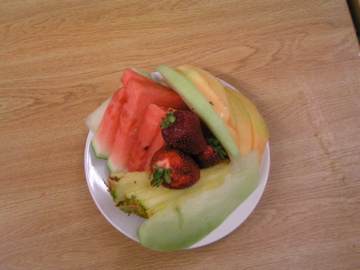
    7:00 – Head down to the OTC cafeteria for breakfast (cereal, yogurt and fruit).

    7:25 – Head back to room and get ready for training. This morning is a ski walking L3 workout at Whiteface Mtn, so I need to be sure to have extra clothes and water and food for post-workout. Don’t forget bounding poles!

    7:45 – depart with coaches and teammates for Whiteface.

    8:15 – Arrive at Whiteface and begin warm-up (30min) followed by 5min L2 ski walking and then a 20min L3 block. After 20min, we meet up with our coaches and take lactates to be sure we’re in the right zone. My lactate was 2.7 mmol/L, which is perfect for a L3 workout. However, I was feeling pretty tired so my coach and I decided that instead of 20 more continuous minutes of L3, I would do 4x5min. After the level 3, we did 3x1min of harder bounding (about L4) just to get the heart rate up a bit more. We then hiked/jogged back down the mountain to the van where we changed and stretched before heading back to the OTC.

    11:00 – Arrive at the OTC. Shower and change before heading down to lunch.

    11:30 – Lunch (grilled cheese sandwich, split pea soup and a salad).

    12:15pm – Head back to the room to relax and nap before afternoon training. This time can be filled with any number of activities, including errands to town, writing blog posts, and calling family and friends. Yesterday, I updated USADA with my whereabouts for the coming weekend in Jericho and our upcoming training camp in Germany, then I took a nap.

    3:30 – Meet teammate Annelies Cook for a run and strength workout. We did a short warm-up jog (30min) then 3x10min of circuit strength together. This is a great workout to do together; we were able to push and motivate each other and the workout was done before we knew it.


    4:45 – Return to room. I’m having a small foot issue right now, so I was sure to ice it after my workout and stretch before showering. I then had a small snack since I wasn’t going to head to dinner right away.

    6:30 – Resident Athlete meeting. All OTC residents are required to attend these monthly meetings to discuss issues and events. They don’t usually last too long and are usually pretty entertaining.

    7:00 – Head to dinner (grilled chicken, wild rice, and LOTS of steamed veggies).

    8:00 – Back to my room. Evening activities vary just like our off time during the day. Sometimes we have dry-fire work alone or with a coach, or updating your training log. Yesterday I worked on getting somewhat organized for Jericho and did some laundry while I watched a movie.


    11:00pm – Bed! A good night’s sleep is imperative for getting through tough training day after day!

    Hopefully this gives you a better perspective of what life as a biathlete is like. More questions? Head to my facebook page and ask away!

  • A Day in the Life

    I’m often asked what exactly I DO as an elite athlete every day. The answer is never as simple as one might think…it really depends on what kind of training week we’re in (high volume, intensity focus, rest week, etc) and what time of year it is. In the spring things are much more free-form and less ski-specific than in the fall when we’re gearing up for competition season. Nevertheless, here’s a little peak at what a fairly typical August training day looks like (it happens to be my day yesterday, Tuesday August 2).

    6:45am – wake up (remember to take morning heart rate!)

    7:00 – Head down to the OTC cafeteria for breakfast (cereal, yogurt and fruit).


    7:25 – Head back to room and get ready for training. This morning is a ski walking L3 workout at Whiteface Mtn, so I need to be sure to have extra clothes and water and food for post-workout. Don’t forget bounding poles!

    7:45 – depart with coaches and teammates for Whiteface.

    8:15 – Arrive at Whiteface and begin warm-up (30min) followed by 5min L2 ski walking and then a 20min L3 block. After 20min, we meet up with our coaches and take lactates to be sure we’re in the right zone. My lactate was 2.7 mmol/L, which is perfect for a L3 workout. However, I was feeling pretty tired so my coach and I decided that instead of 20 more continuous minutes of L3, I would do 4x5min. After the level 3, we did 3x1min of harder bounding (about L4) just to get the heart rate up a bit more. We then hiked/jogged back down the mountain to the van where we changed and stretched before heading back to the OTC.

    11:00 – Arrive at the OTC. Shower and change before heading down to lunch.

    11:30 – Lunch (grilled cheese sandwich, split pea soup and a salad).

    12:15pm – Head back to the room to relax and nap before afternoon training. This time can be filled with any number of activities, including errands to town, writing blog posts, and calling family and friends. Yesterday, I updated USADA with my whereabouts for the coming weekend in Jericho and our upcoming training camp in Germany, then I took a nap.

    3:30 – Meet teammate Annelies Cook for a run and strength workout. We did a short warm-up jog (30min) then 3x10min of circuit strength together. This is a great workout to do together; we were able to push and motivate each other and the workout was done before we knew it.


    4:45 – Return to room. I’m having a small foot issue right now, so I was sure to ice it after my workout and stretch before showering. I then had a small snack since I wasn’t going to head to dinner right away.

    6:30 – Resident Athlete meeting. All OTC residents are required to attend these monthly meetings to discuss issues and events. They don’t usually last too long and are usually pretty entertaining.

    7:00 – Head to dinner (grilled chicken, wild rice, and LOTS of steamed veggies).

    8:00 – Back to my room. Evening activities vary just like our off time during the day. Sometimes we have dry-fire work alone or with a coach, or updating your training log. Yesterday I worked on getting somewhat organized for Jericho and did some laundry while I watched a movie.


    11:00pm – Bed! A good night’s sleep is imperative for getting through tough training day after day!

    Hopefully this gives you a better perspective of what life as a biathlete is like. More questions? Head to my facebook page and ask away!

  • A Day in the Life

    I’m often asked what exactly I DO as an elite athlete every day. The answer is never as simple as one might think…it really depends on what kind of training week we’re in (high volume, intensity focus, rest week, etc) and what time of year it is. In the spring things are much more free-form and less ski-specific than in the fall when we’re gearing up for competition season. Nevertheless, here’s a little peak at what a fairly typical August training day looks like (it happens to be my day yesterday, Tuesday August 2).

    6:45am – wake up (remember to take morning heart rate!)

    7:00 – Head down to the OTC cafeteria for breakfast (cereal, yogurt and fruit).


    7:25 – Head back to room and get ready for training. This morning is a ski walking L3 workout at Whiteface Mtn, so I need to be sure to have extra clothes and water and food for post-workout. Don’t forget bounding poles!

    7:45 – depart with coaches and teammates for Whiteface.

    8:15 – Arrive at Whiteface and begin warm-up (30min) followed by 5min L2 ski walking and then a 20min L3 block. After 20min, we meet up with our coaches and take lactates to be sure we’re in the right zone. My lactate was 2.7 mmol/L, which is perfect for a L3 workout. However, I was feeling pretty tired so my coach and I decided that instead of 20 more continuous minutes of L3, I would do 4x5min. After the level 3, we did 3x1min of harder bounding (about L4) just to get the heart rate up a bit more. We then hiked/jogged back down the mountain to the van where we changed and stretched before heading back to the OTC.

    11:00 – Arrive at the OTC. Shower and change before heading down to lunch.

    11:30 – Lunch (grilled cheese sandwich, split pea soup and a salad).

    12:15pm – Head back to the room to relax and nap before afternoon training. This time can be filled with any number of activities, including errands to town, writing blog posts, and calling family and friends. Yesterday, I updated USADA with my whereabouts for the coming weekend in Jericho and our upcoming training camp in Germany, then I took a nap.

    3:30 – Meet teammate Annelies Cook for a run and strength workout. We did a short warm-up jog (30min) then 3x10min of circuit strength together. This is a great workout to do together; we were able to push and motivate each other and the workout was done before we knew it.


    4:45 – Return to room. I’m having a small foot issue right now, so I was sure to ice it after my workout and stretch before showering. I then had a small snack since I wasn’t going to head to dinner right away.

    6:30 – Resident Athlete meeting. All OTC residents are required to attend these monthly meetings to discuss issues and events. They don’t usually last too long and are usually pretty entertaining.

    7:00 – Head to dinner (grilled chicken, wild rice, and LOTS of steamed veggies).

    8:00 – Back to my room. Evening activities vary just like our off time during the day. Sometimes we have dry-fire work alone or with a coach, or updating your training log. Yesterday I worked on getting somewhat organized for Jericho and did some laundry while I watched a movie.


    11:00pm – Bed! A good night’s sleep is imperative for getting through tough training day after day!

    Hopefully this gives you a better perspective of what life as a biathlete is like. More questions? Head to my facebook page and ask away!

  • A Day in the Life

    I’m often asked what exactly I DO as an elite athlete every day. The answer is never as simple as one might think…it really depends on what kind of training week we’re in (high volume, intensity focus, rest week, etc) and what time of year it is. In the spring things are much more free-form and less ski-specific than in the fall when we’re gearing up for competition season. Nevertheless, here’s a little peak at what a fairly typical August training day looks like (it happens to be my day yesterday, Tuesday August 2).

    6:45am – wake up (remember to take morning heart rate!)

    7:00 – Head down to the OTC cafeteria for breakfast (cereal, yogurt and fruit).


    7:25 – Head back to room and get ready for training. This morning is a ski walking L3 workout at Whiteface Mtn, so I need to be sure to have extra clothes and water and food for post-workout. Don’t forget bounding poles!

    7:45 – depart with coaches and teammates for Whiteface.

    8:15 – Arrive at Whiteface and begin warm-up (30min) followed by 5min L2 ski walking and then a 20min L3 block. After 20min, we meet up with our coaches and take lactates to be sure we’re in the right zone. My lactate was 2.7 mmol/L, which is perfect for a L3 workout. However, I was feeling pretty tired so my coach and I decided that instead of 20 more continuous minutes of L3, I would do 4x5min. After the level 3, we did 3x1min of harder bounding (about L4) just to get the heart rate up a bit more. We then hiked/jogged back down the mountain to the van where we changed and stretched before heading back to the OTC.

    11:00 – Arrive at the OTC. Shower and change before heading down to lunch.

    11:30 – Lunch (grilled cheese sandwich, split pea soup and a salad).

    12:15pm – Head back to the room to relax and nap before afternoon training. This time can be filled with any number of activities, including errands to town, writing blog posts, and calling family and friends. Yesterday, I updated USADA with my whereabouts for the coming weekend in Jericho and our upcoming training camp in Germany, then I took a nap.

    3:30 – Meet teammate Annelies Cook for a run and strength workout. We did a short warm-up jog (30min) then 3x10min of circuit strength together. This is a great workout to do together; we were able to push and motivate each other and the workout was done before we knew it.


    4:45 – Return to room. I’m having a small foot issue right now, so I was sure to ice it after my workout and stretch before showering. I then had a small snack since I wasn’t going to head to dinner right away.

    6:30 – Resident Athlete meeting. All OTC residents are required to attend these monthly meetings to discuss issues and events. They don’t usually last too long and are usually pretty entertaining.

    7:00 – Head to dinner (grilled chicken, wild rice, and LOTS of steamed veggies).

    8:00 – Back to my room. Evening activities vary just like our off time during the day. Sometimes we have dry-fire work alone or with a coach, or updating your training log. Yesterday I worked on getting somewhat organized for Jericho and did some laundry while I watched a movie.


    11:00pm – Bed! A good night’s sleep is imperative for getting through tough training day after day!

    Hopefully this gives you a better perspective of what life as a biathlete is like. More questions? Head to my facebook page and ask away!
  • The Hot Hand

    The concept of a “hot hand” is a popular one in various sports, and has been variously bunked, debunked and rebunked in numerous contexts.  A common manifestation of this idea comes from basketball, where fans routinely feel that players will get “hot” during a stretch of a game during which they make a much higher percentage of their shots than their career average would suggest is likely.

    Whether this actually happens is debatable.  It’s harder to nail this down than you might think, and numerous people have thrown a fair amount of sophisticated statistics and computing resources at it in baseball and basketball.  My understanding of the current state of things is that the “hot hand” effect is generally thought to be dubious, but that there are legitimate questions about whether some of the naysayer’s assumptions are valid<1.

    My approach to this question in biathlon will be fairly rudimentary.  So there should be no illusions about me putting this question to bed, at all.  Mostly it’ll be a fun opportunity to look at some interesting shooting statistics and maybe learn a little about conditional probability. (Do not be afraid.  It will be ok.).

    Sadly, I don’t have data on individual shots taken in biathlon races.  The best I can do is the number of misses at each shooting stage during each race.  If you don’t follow biathlon, skiers alternately ski and shoot.  Depending on the length of race, they will shoot 2 or 4 times, split evenly between prone (lying down) and standing (um, not lying down).  Each time they shoot, they shoot at five targets.  Additionally, the order of prone vs. standing varies between race types.

    We end up with four types of races, with the following shooting patterns:

    • Sprint: Prone Standing
    • Individual: Prone Standing Prone Standing
    • Pursuit: Prone Prone Standing Standing
    • Mass Start: Prone Prone Standing Standing

    Again, each time they shoot, they have five targets.

    Since I can’t look at each individual target, instead I’ll examine performance from shooting stage to stage, within a particular race.  Hitting all five of your targets at a particular stage is called “shooting clean”.  My basic question is this: if someone shoots clean, are they more likely to shoot clean at their next shooting stage, in that race.

    For starters, let’s just just look at men and women as groups.  I took the last five seasons of major international biathlon competitions as my data set.  From here, it’s pretty easy to calculate the proportion of times that men and women shoot clean (hit all their targets) shooting prone and standing.  I’ll hold off on showing you those numbers to introduce the big wrinkle: it turns out (unsurprisingly) that shooting prone is much easier than shooting standing.  Biathletes shoot clean standing at roughly half the rate that they do prone.

    The reason this is a problem is that we now need to consider all possible sequences of two shooting stages separately.  For example, if you shoot clean at a prone stage, you’re much more likely to shoot clean at the next stage if it’s prone than standing.

    So the four cases Prone-Standing, Prone-Prone, Standing-Prone and Standing-Standing need to be considered separately.

    Now, finally, I’ll show you the probabilities and then explain them a bit…

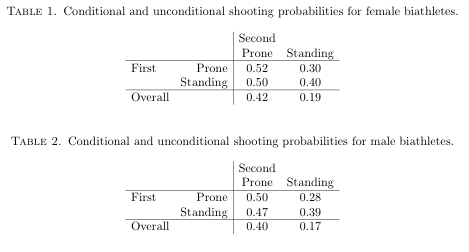
    Let’s start with the bottom row of each table, the “Overall” row.  That’s just the proportion of times men and women shot clean (prone and standing).

    The four proportions above these represent the conditional probabilities that we’re interested in.  For example, the upper left proportion in the first table, 0.52, is the probability that a female biathlete shoots clean at a prone stage, given that they just shot clean at another prone stage in that same race.  Likewise, 0.30 is the probability that a female biathlete shoots clean at a standing stage given that they just shot clean at a prone stage in that same race.

    As you can see, men and women both shoot clean prone around 40% of the time, but only shoot clean standing around 17-19% of the time.  Proportions should only be compared within each column of each table.  So, women shoot clean prone 42% of the time.  If they shot clean at the last stage, they’ll shoot clean at a prone stage 52% or 50% of the time, depending on whether the last stage was prone or standing.

    The obvious result here is that shooting clean once appears to make it much more likely they’ll shoot clean at the next stage.

    However, this is not evidence of a hot hand effect.  Recall that I’ve aggregated data over all athletes (within the men/women categories).  What we’re actually seeing here is the effect of conditioning on skiers who shoot clean.  The group of skiers who’ve shot clean (at all!) will in general be much better shots.  This means that these conditional probabilities are really just reflecting the fact that people who shoot clean once tend to be better shots, so they are more likely to shoot clean again.

    What we really need to do is look at these same probabilities but calculated for each athlete…

    To be continued…

    1. Independence, mainly.  Are baseball/basketball games independent?  Are shots/at-bats independent? <↩

    Related posts:

    1. <Biathlon Shooting Accuracy
    2. <Career Retrospective: Martina Beck
    3. <Career Retrospective: Sandrine Bailly


  • News From Around The World

    This is the one week of the year that our SMS coaches take a break and do not coach. But…that does not mean that the athletes stop doing their thing. We have a bunch of athletes out and about, while others continue to train close to home.

    Here is a quick update from some of the travelers:

    Sophie just finished a two week camp in Alaska with the US women’s team and a couple of Canadian women. The camp included 1 week of dryland and 1 week on the glacier. All accounts point to a very successful camp. For pictures, go to the USSA facebook page.

    Andy and Skyler are in New Zealand with the US men’s team. Skiing looks fabulous (hard wax for kick). Click here to see a speed session that they did yesterday. Andy and Skyler (big one) in front with Kris F. and Tad.

    Hamish, Tyler, Brooke and Anika are in Sun Valley at the National J2 camp. Weather looks great and that should be loads of fun.

    ALSO… the USST Women’s Video Challenge just ended. Congratulations to Stillwater for getting the most votes! Hopefully you all have had a chance to view most of the videos. There were 24 videos submitted and they are all fun to watch. Go to the Youtube and type in USST Women’s video challenge and you should be able to see them. Two of my favorites, CXC and APU didn’t even make the final 5. Watch them all and get psyched! Thanks to all of the SMS supporters, we had over 2,000 people view our video! It is great to see so many training groups getting after it this summer.

  • "Say Hello To My Little Friend": New Cyclova XC Shop Construction Progress!

    Step 1 for Storefront Windows and Door:  Cut holes in concrete / brick wall with huge concrete saw (note the vertical lines cut into the brick)

    Step 2 for Storefront Windows and Door: Badass landord / construction contractor gets out sledge hammer and says, “**Say hello to my little friend”!

    Step 3 for Storefront Windows and Door:  Enjoy and use front door!  (Just think how many cool

  • "Say Hello To My Little Friend": New Cyclova XC Shop Construction Progress!

    Step 1 for Storefront Windows and Door:  Cut holes in concrete / brick wall with huge concrete saw (note the vertical lines cut into the brick)

    Step 2 for Storefront Windows and Door: Badass landord / construction contractor gets out sledge hammer and says, “**Say hello to my little friend”!

    Step 3 for Storefront Windows and Door:  Enjoy and use front door!  (Just think how many cool

  • Rest Week!

    After our big three week block of training with two stints on the Haig Glacier, most AWCA athletes were in need of some well deserved rest! This past week was a much anticipated rest week, I however spent most of it inside my tiny house, sleeping, and trying to recover from a cold I picked up last Monday. After pushing the body so hard for so long, my immune system was pretty weak. Sometimes things like this can be a blessing in disguise however. Instead of taking off on the motorcycle and camping for the week, I was sleeping in Canmore (definitely the better recovery choice of the two, although not nearly as much fun!). One of my biggest weaknesses is saying yes too much, and cramming way too much into a short period of time. I have been guilty of this over the past month. After house/dog sitting, watering plants and cutting grass for neighbors, going through a transition into my new job, and still trying to stay on top of my training load, my body had had enough. It shut down at the perfect time though, and as of today, the start of our next training block, I am back into the regular swing of training. For this next training block however, my number one priority is recovery. We have three big weeks ahead, plus a 10 day camp in Whistler, and if things on my end are anything like last month, I won’t make it to the second week!

    This isn’t so much a blog update, but a written promise to myself, and all my faithful readers (mom, dad, grandparents etc) can hold me to it! Starting this week I begin my Monday, Wednesday PM and Friday PM work weeks, I have no secondary responsibilities besides training, recovering and working and I am going to keep it that way! I want to hit the end of August and be able to say I showed up to all my training sessions prepared, well rested from the previous day and with some specific goals in mind. If I can do that, I will be a very happy camper!

    This week wasn’t all sleep, I was able to still get out to the Canmore Folk Festival for an afternoon, and spent yesterday doing a short and easy hike with Emma. We headed up to the Old Goat Glacier, near spray lakes campground. The hike is one of the best “bang for your buck” type hikes around Canmore. From the trail head it is only 20 minutes before you are up above the tree line, there is an old glacier waiting for you at the top of the hike and the whole thing is only about 9km round trip, with 640m of elevation gain.

    We started roughly a centimeter before the green arrow and headed up!
    The first part of the hike is nice and soft moss, with a few crystal clear streams coming down from up above.
    Emma about half way up. 

    Looking back down the valley we came up, towards Spray Lakes.
    Frolicking in the snow!

    What is left of the Old Goat Glacier. 

    Looking down the valley you can see the moraines left in the glaciers wake as it recedes. Apparently this glacier was a quick way to get some summer skiing in for Canmore skiers 15 years ago. You would be hard pressed to ski on the glacier now as it has receded to the very back of the bowl, leaving very little flat sections. It would be neat to find pictures of the Old Goat from 20, 10 and 5 years ago to show the rate at which the glacier is receding.

    Overall a wicked hike and highly recommended for those visiting Canmore, or if you are looking for a short (2.5hr) hike. 

    Would you look at that?! Two updates in less than a week! I hope I didn’t just jinx it…

    Pate

  • Meet the New Kids: Part 6

    Katharine Ogden joins us as a winter term day student from Landgrove. She will be part of our spirited 8th grade girls team.
    Katharine is the daughter of Andrea Ogden and she has two siblings, Ben and Charlotte. Her dad is head coach for the local BKL program.
    Katharine is becoming an excellent water skier and her favorite school subject is History. She also loves mountain biking, running and Bach.

  • Competitiveness Trends

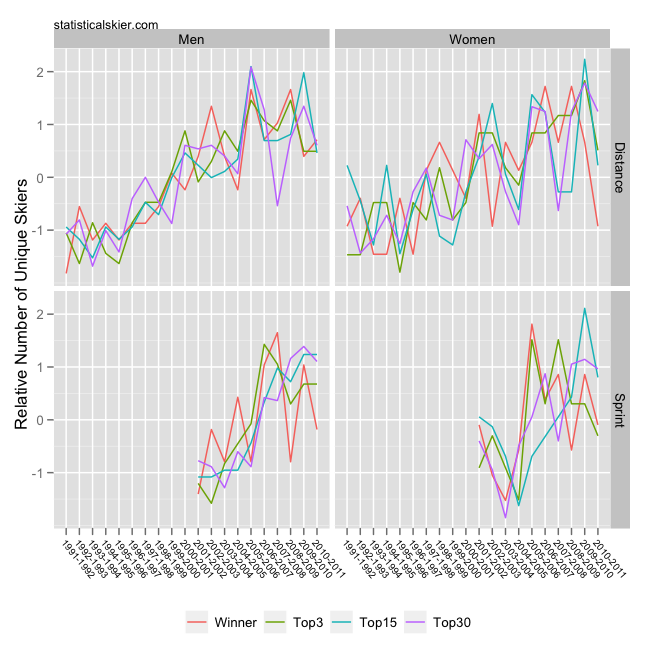
    With Marit Bjørgen (and only a handful of others) dominating the women’s WC circuit last season, I thought I’d check out how this compared to past seasons. I took all WC, OWG, WSC and TDS races for each season and counted the number of distinct skiers finishing at four different levels: 1st, top 3, top 15 and top 30. What follows is a graph of the normalized values:

    Increasing values here represent more different skiers finishing at that level. Note that the Winner and Top 3 lines have taken a major tumble for the women, particularly in distance events. That’s about what we’d expect given the seasons that Bjørgen, Kowalczyk and Johaug have had recently.

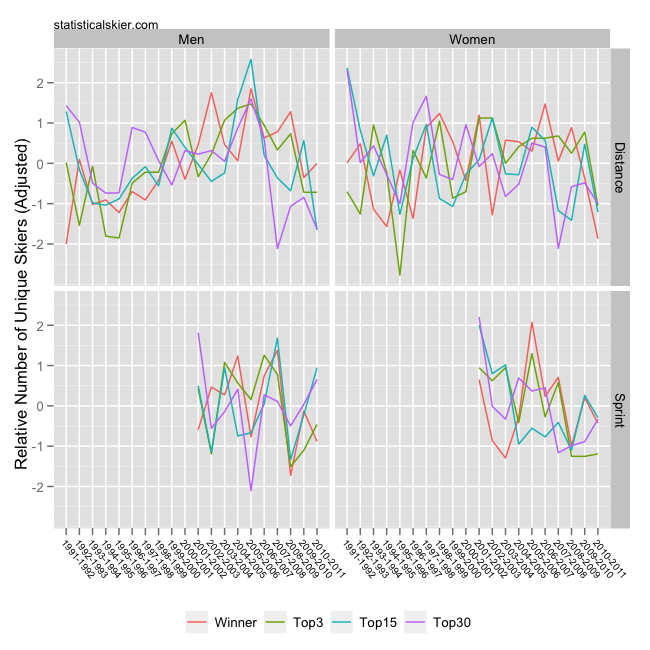
    Note that overall, the long term trend appears to be towards more skiers vying for the top spots across the board. However, I haven’t adjusted for something important, the number of races per season. Since the early 90′s there’s been a steady increase in the number of distance races per season, and a dramatice increase in the number of sprint races. More races leads to skiers attending a smaller proportion of the schedule, which in turn will lead to more different people winning, being on the podium, etc. What happend when we adjust for this?

    The upward trend for the sprints has basically entirely disappeared, and in fact things have gotten somewhat less competitive with the women it appears. Interestingly, the women’s distance panel still shows a dramatic dropoff in the last two seasons but historically has been fairly stable, while the men’s distance events appears to still show a generally upward trend until around 2007 or so. Since then we seem to have seen a rather dramatic fall in overall competitiveness. Tour de Ski is a tempting explanation, but remember I’ve already adjusted for the increased number of races, so something else is probably happening here.

    Related posts:

    1. <Trends In US Skiing Performance: Sprint
    2. <Measuring Competitiveness Using Churn
    3. <Biathlon and Cross Country Volatility Trends


  • Courchevel and Le Tour de France

        So our camp is over, We had a long trip home to park city and steamboat monday. It is easy to say we are all missing riding and jumping in France. For me I thought our camp was a very successful camp and we all had tons of fun!

        We arrived in Couchevel last Sunday and were all ready to go for a ride. The first day we were there, Our team and Swiss Nordic combined went on a very fun ride to the highest paved road in the alps “Col de Iseran” which started at legenday Val d’isere. The day total just shy of 100 miles but with about 11,000 feet of ascent. The next day weather was tricky, so a couple of us kid a sweet little climbing loop around Courchevel and the ski area, even though we got very wet, because of the rain, I certainly enjoyed the ride! The ride I was looking forward to from day one was next. Last time our team did this camp, they pushed themselves to the limit by doing the “L’alpe d’huez” time trial. I was looking forward to this as it is probably one of the most famous stages in Tour history and to be able to race up it is unique.

    L’Alpe D’huez is way harder than it appears on tv of course. But actually doing it, put it in perspective on how hard that really is. I started out with Billy and felt very good. So I started to put in the pace,  Soon after I found myself trying to keep the wheel of Billy after doing half of the 14.7 kilometer course with him! All in all, I felt like I set a decent time up this famous climb, but still have plenty time to improve.

    While we were in Courchevel, we were able to take several jumps on their k120 hill, which I feel is a very challenging hill. I was happy with the level of jumping at the time as we were with the French national team. I know I have room for improvement and I am excited to work towards a higher level.

    The most exciting part of this camp was the Tour de France. The tour is one of the biggest sporting events that takes place. Twenty-one stages of racing, that won’t show the winner until the last day of racing. Our team was lucky enough to to witness two stages of this race, Alpe d’huez and the Grenoble time trial. To witness this event was crazy. Teammate Nick Hendrickson and I, were able to watch Alpe D’Huez from famous Dutch corner. With thousands of fans in dutch corners, It was safe to say we were able to capture the moment to the highest degree.

    With all that, I would say this was a very fun and successful camp, with everyone working on what they need on the hills but having a lot of fun at the same time. I would like to thank Colesport for providing us with bikes and Honey Stinger for providing us with energy food! It wouldn’t be the same without them and they have helped us get better!

    Tune back for a recap from Large hill Nationals that happened this weekend! Ill try to post the recap in the next days!
    Taylor

  • Courchevel and Le Tour de France

        So our camp is over, We had a long trip home to park city and steamboat monday. It is easy to say we are all missing riding and jumping in France. For me I thought our camp was a very successful camp and we all had tons of fun!

        We arrived in Couchevel last Sunday and were all ready to go for a ride. The first day we were there, Our team and Swiss Nordic combined went on a very fun ride to the highest paved road in the alps “Col de Iseran” which started at legenday Val d’isere. The day total just shy of 100 miles but with about 11,000 feet of ascent. The next day weather was tricky, so a couple of us kid a sweet little climbing loop around Courchevel and the ski area, even though we got very wet, because of the rain, I certainly enjoyed the ride! The ride I was looking forward to from day one was next. Last time our team did this camp, they pushed themselves to the limit by doing the “L’alpe d’huez” time trial. I was looking forward to this as it is probably one of the most famous stages in Tour history and to be able to race up it is unique.

    L’Alpe D’huez is way harder than it appears on tv of course. But actually doing it, put it in perspective on how hard that really is. I started out with Billy and felt very good. So I started to put in the pace,  Soon after I found myself trying to keep the wheel of Billy after doing half of the 14.7 kilometer course with him! All in all, I felt like I set a decent time up this famous climb, but still have plenty time to improve.

    While we were in Courchevel, we were able to take several jumps on their k120 hill, which I feel is a very challenging hill. I was happy with the level of jumping at the time as we were with the French national team. I know I have room for improvement and I am excited to work towards a higher level.

    The most exciting part of this camp was the Tour de France. The tour is one of the biggest sporting events that takes place. Twenty-one stages of racing, that won’t show the winner until the last day of racing. Our team was lucky enough to to witness two stages of this race, Alpe d’huez and the Grenoble time trial. To witness this event was crazy. Teammate Nick Hendrickson and I, were able to watch Alpe D’Huez from famous Dutch corner. With thousands of fans in dutch corners, It was safe to say we were able to capture the moment to the highest degree.

    With all that, I would say this was a very fun and successful camp, with everyone working on what they need on the hills but having a lot of fun at the same time. I would like to thank Colesport for providing us with bikes and Honey Stinger for providing us with energy food! It wouldn’t be the same without them and they have helped us get better!

    Tune back for a recap from Large hill Nationals that happened this weekend! Ill try to post the recap in the next days!
    Taylor

  • Courchevel and Le Tour de France

        So our camp is over, We had a long trip home to park city and steamboat monday. It is easy to say we are all missing riding and jumping in France. For me I thought our camp was a very successful camp and we all had tons of fun!

        We arrived in Couchevel last Sunday and were all ready to go for a ride. The first day we were there, Our team and Swiss Nordic combined went on a very fun ride to the highest paved road in the alps “Col de Iseran” which started at legenday Val d’isere. The day total just shy of 100 miles but with about 11,000 feet of ascent. The next day weather was tricky, so a couple of us kid a sweet little climbing loop around Courchevel and the ski area, even though we got very wet, because of the rain, I certainly enjoyed the ride! The ride I was looking forward to from day one was next. Last time our team did this camp, they pushed themselves to the limit by doing the “L’alpe d’huez” time trial. I was looking forward to this as it is probably one of the most famous stages in Tour history and to be able to race up it is unique.

    L’Alpe D’huez is way harder than it appears on tv of course. But actually doing it, put it in perspective on how hard that really is. I started out with Billy and felt very good. So I started to put in the pace,  Soon after I found myself trying to keep the wheel of Billy after doing half of the 14.7 kilometer course with him! All in all, I felt like I set a decent time up this famous climb, but still have plenty time to improve.

    While we were in Courchevel, we were able to take several jumps on their k120 hill, which I feel is a very challenging hill. I was happy with the level of jumping at the time as we were with the French national team. I know I have room for improvement and I am excited to work towards a higher level.

    The most exciting part of this camp was the Tour de France. The tour is one of the biggest sporting events that takes place. Twenty-one stages of racing, that won’t show the winner until the last day of racing. Our team was lucky enough to to witness two stages of this race, Alpe d’huez and the Grenoble time trial. To witness this event was crazy. Teammate Nick Hendrickson and I, were able to watch Alpe D’Huez from famous Dutch corner. With thousands of fans in dutch corners, It was safe to say we were able to capture the moment to the highest degree.

    With all that, I would say this was a very fun and successful camp, with everyone working on what they need on the hills but having a lot of fun at the same time. I would like to thank Colesport for providing us with bikes and Honey Stinger for providing us with energy food! It wouldn’t be the same without them and they have helped us get better!

    Tune back for a recap from Large hill Nationals that happened this weekend! Ill try to post the recap in the next days!
    Taylor

  • Courchevel and Le Tour de France

        So our camp is over, We had a long trip home to park city and steamboat monday. It is easy to say we are all missing riding and jumping in France. For me I thought our camp was a very successful camp and we all had tons of fun!

        We arrived in Couchevel last Sunday and were all ready to go for a ride. The first day we were there, Our team and Swiss Nordic combined went on a very fun ride to the highest paved road in the alps “Col de Iseran” which started at legenday Val d’isere. The day total just shy of 100 miles but with about 11,000 feet of ascent. The next day weather was tricky, so a couple of us kid a sweet little climbing loop around Courchevel and the ski area, even though we got very wet, because of the rain, I certainly enjoyed the ride! The ride I was looking forward to from day one was next. Last time our team did this camp, they pushed themselves to the limit by doing the “L’alpe d’huez” time trial. I was looking forward to this as it is probably one of the most famous stages in Tour history and to be able to race up it is unique.

    L’Alpe D’huez is way harder than it appears on tv of course. But actually doing it, put it in perspective on how hard that really is. I started out with Billy and felt very good. So I started to put in the pace,  Soon after I found myself trying to keep the wheel of Billy after doing half of the 14.7 kilometer course with him! All in all, I felt like I set a decent time up this famous climb, but still have plenty time to improve.

    While we were in Courchevel, we were able to take several jumps on their k120 hill, which I feel is a very challenging hill. I was happy with the level of jumping at the time as we were with the French national team. I know I have room for improvement and I am excited to work towards a higher level.

    The most exciting part of this camp was the Tour de France. The tour is one of the biggest sporting events that takes place. Twenty-one stages of racing, that won’t show the winner until the last day of racing. Our team was lucky enough to to witness two stages of this race, Alpe d’huez and the Grenoble time trial. To witness this event was crazy. Teammate Nick Hendrickson and I, were able to watch Alpe D’Huez from famous Dutch corner. With thousands of fans in dutch corners, It was safe to say we were able to capture the moment to the highest degree.

    With all that, I would say this was a very fun and successful camp, with everyone working on what they need on the hills but having a lot of fun at the same time. I would like to thank Colesport for providing us with bikes and Honey Stinger for providing us with energy food! It wouldn’t be the same without them and they have helped us get better!

    Tune back for a recap from Large hill Nationals that happened this weekend! Ill try to post the recap in the next days!
    Taylor

  • Combiners take down Col de L’Iseran

    Here is a video of our big ride in France. Thanks to Billy Demong for putting it together and everyone else for getting the photos and video! There was some epic views and 11,000 feet of climbing up roads! Who wants to join next year?

  • Combiners take down Col de L’Iseran

    Here is a video of our big ride in France. Thanks to Billy Demong for putting it together and everyone else for getting the photos and video! There was some epic views and 11,000 feet of climbing up roads! Who wants to join next year?

  • Combiners take down Col de L’Iseran

    Here is a video of our big ride in France. Thanks to Billy Demong for putting it together and everyone else for getting the photos and video! There was some epic views and 11,000 feet of climbing up roads! Who wants to join next year?

  • Combiners take down Col de L’Iseran

    Here is a video of our big ride in France. Thanks to Billy Demong for putting it together and everyone else for getting the photos and video! There was some epic views and 11,000 feet of climbing up roads! Who wants to join next year?

  • Whittier Sightseeing!

    We had an afternoon off during the dryland portion of the camp and it was the perfect timing for a Dartmouth reunion and sightseeing trip with Anchorage native Eric Packer.  Eric took Sophie Caldwell, Rosie Brennan, and I to the port town of Whittier.  It was about a 45 minute drive to a  6 mile one lane tunnel through a mountain, finally arriving in Whittier.  Known for its poor weather, the saying goes, “It’s always shittier in Whittier” but we lucked out and it was definitely prettier on that side of the mountain.  The town is really little but we had fun taking pictures, eating ice cream, and lounging on the docks in the sun.  Especially during camps when the training load is high and intense, it’s great to get to get away and relax the mind and the body.

    IMG0808-M

    IMG0792-MThe Portage Glacier

    IMG0744-LVery green glacial water

    IMG0765-M

    IMG0785-MEric went swimming and scared some tourists

    IMG0777-M

    IMG0764-M

    IMG0745-L

    The road ends in Whittier, so any onward travel is by boat on the William Sound

    IMG0801-M

    We flew down from the glacier yesterday evening and everyone is back in Anchorage, resting some very tired muscles.  The skiing was awesome and pictures and stories are on the way.